

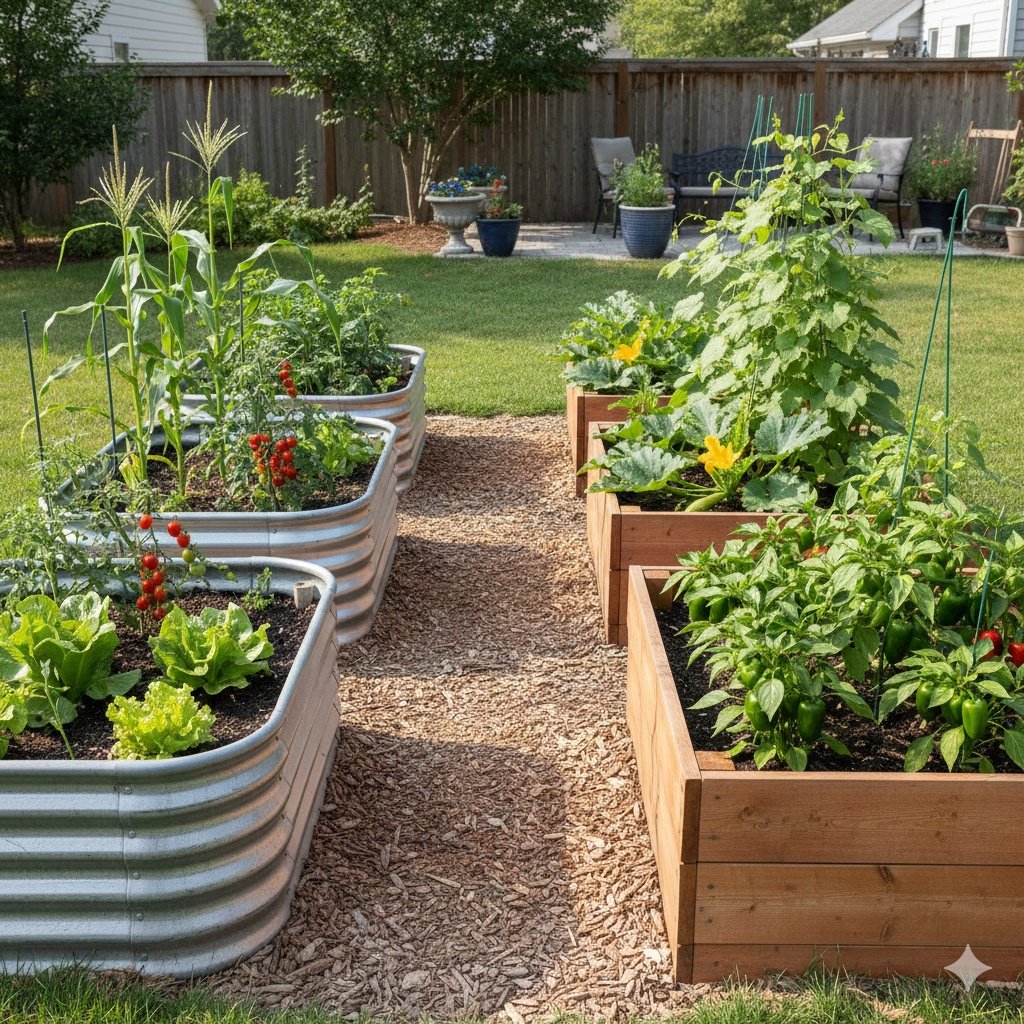
Choosing between metal vs wood raised garden beds can feel a bit confusing, especially if you’re just starting out. You look at photos online, and basically both options seem solid and reliable. One person says metal lasts forever, yet someone else swears wood is better for plant health. So what’s actually true?
This decision matters more than people think, in a way that affects soil warmth, drainage, durability, and even how often you replace the bed. If you live somewhere hot, the heat factor is very real. If you live somewhere humid or rainy, rot or rust becomes a serious topic. So this isn’t just about looks, it’s really about long-term performance.
By the end of this guide, you’ll pretty much know which material fits your budget, your climate, and your gardening style.
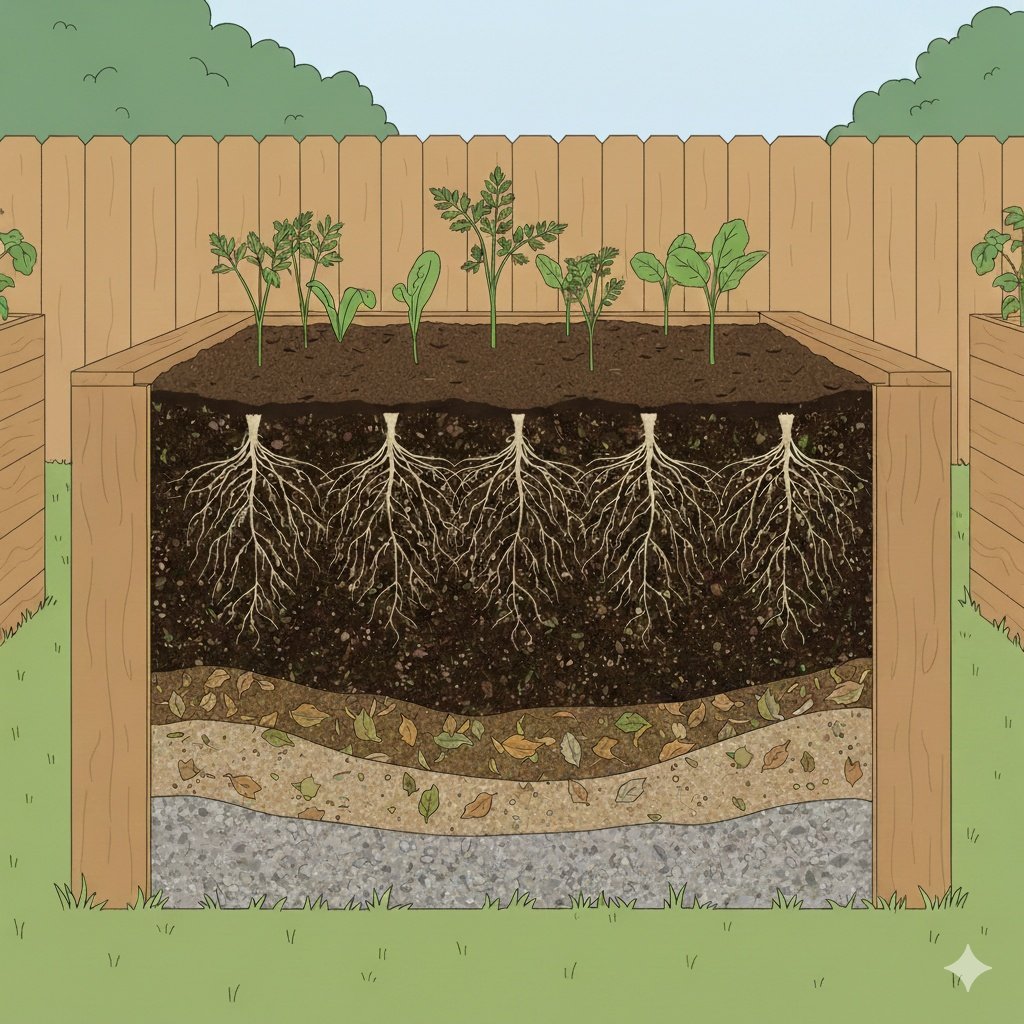
Why the Material of Your Raised Bed Matters
The material you choose basically shapes how your plants grow over time. Soil temperature, for instance, is slightly influenced by the walls of the bed, and that can affect root health. In hot regions, this becomes very noticeable. In cooler climates, it might actually help.
Drainage is another factor that often gets overlooked, yet it plays a huge role in root strength. Metal and wood both allow drainage from the bottom, so that part is similar. However, the way they react to moisture over months and years is completely different.
Longevity is where things really start to separate. A bed that lasts five years versus one that lasts twenty years changes your total cost, and that impacts your long-term plan. Many beginners just buy the cheapest option, and in some respects that works fine. Still, replacing boards every few seasons can get tiring.
So the material isn’t just about appearance, it’s pretty much about how stable your garden setup stays year after year.
I’ve just published two new articles on raised bed gardening that I think you’ll find incredibly helpful:
🌱 Raised Bed Gardening Made Easy: The Ultimate Guide to a Thriving Garden – A complete beginner-to-pro guide covering everything you need to build, plan, and grow successfully in raised beds.
🌿 15 Common Raised Bed Gardening Mistakes — And How to Fix Them Fast – Learn the most common pitfalls gardeners face and the practical, quick solutions to keep your garden healthy and productive.
If you’re planning to start a raised bed or want to improve your current setup, these guides might spark your interest and help you grow smarter this season.
I really like sharing other articles that are worth your time, and one good example is Epic Gardening’s piece titled “Wood vs. Metal Raised Beds: Which is Better?” It gives a clear side-by-side breakdown and, in a way, adds another helpful perspective before you decide. Definitely worth a quick read.
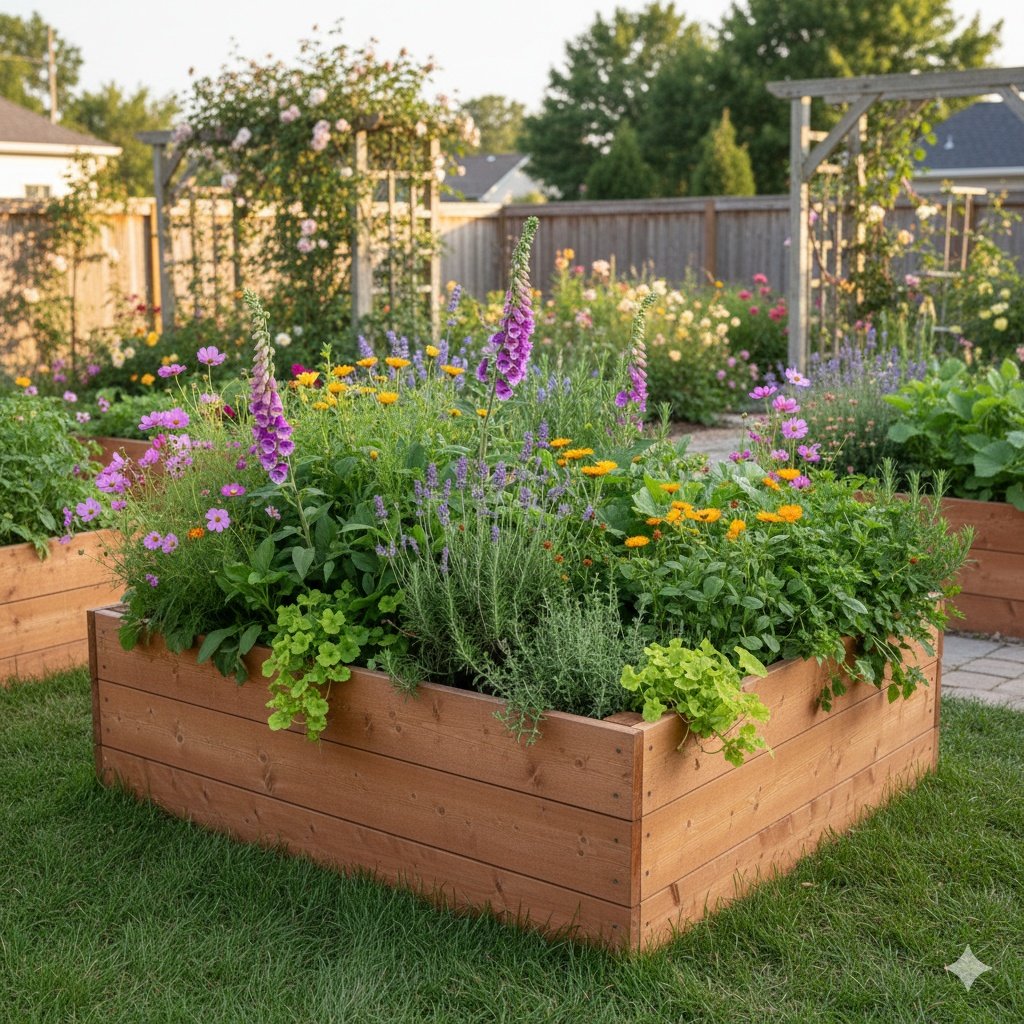
Wood Raised Garden Beds – Pros & Cons
Advantages of Wood Raised Beds
Wood beds have a natural look that, honestly, sets people’s minds back to traditional backyard gardens. They blend into cottage-style yards very easily. If you like that warm, earthy vibe, wood tends to feel more welcoming.
They’re usually easy to customize, so you can cut boards to any shape or size. If you enjoy small DIY projects, this becomes a fun weekend task. You don’t need special tools beyond basic ones, and that makes it beginner-friendly.
Wood has decent insulation properties, which in a way helps regulate soil temperature. It doesn’t heat up as fast as metal in direct sun. For hot areas, that can be helpful.
Upfront cost is typically lower, especially if you use standard lumber. Cedar and redwood cost more, yet they last longer. Pressure-treated lumber is cheaper, and modern versions are generally considered safe for garden use.
Disadvantages of Wood Raised Beds
Wood eventually rots, and that’s just reality. Moisture slowly breaks it down, especially in rainy climates. Even treated boards don’t last forever.
Termites can be a problem in some regions, and that risk depends on where you live. In tropical or humid areas, this becomes more common. Warping and splitting can happen after years in the sun. The boards may bend slightly, and corners might loosen.
Maintenance is required, so sealing or staining every few years becomes part of the routine. Lifespan usually ranges from 5 to 10 years, depending on wood type and climate.
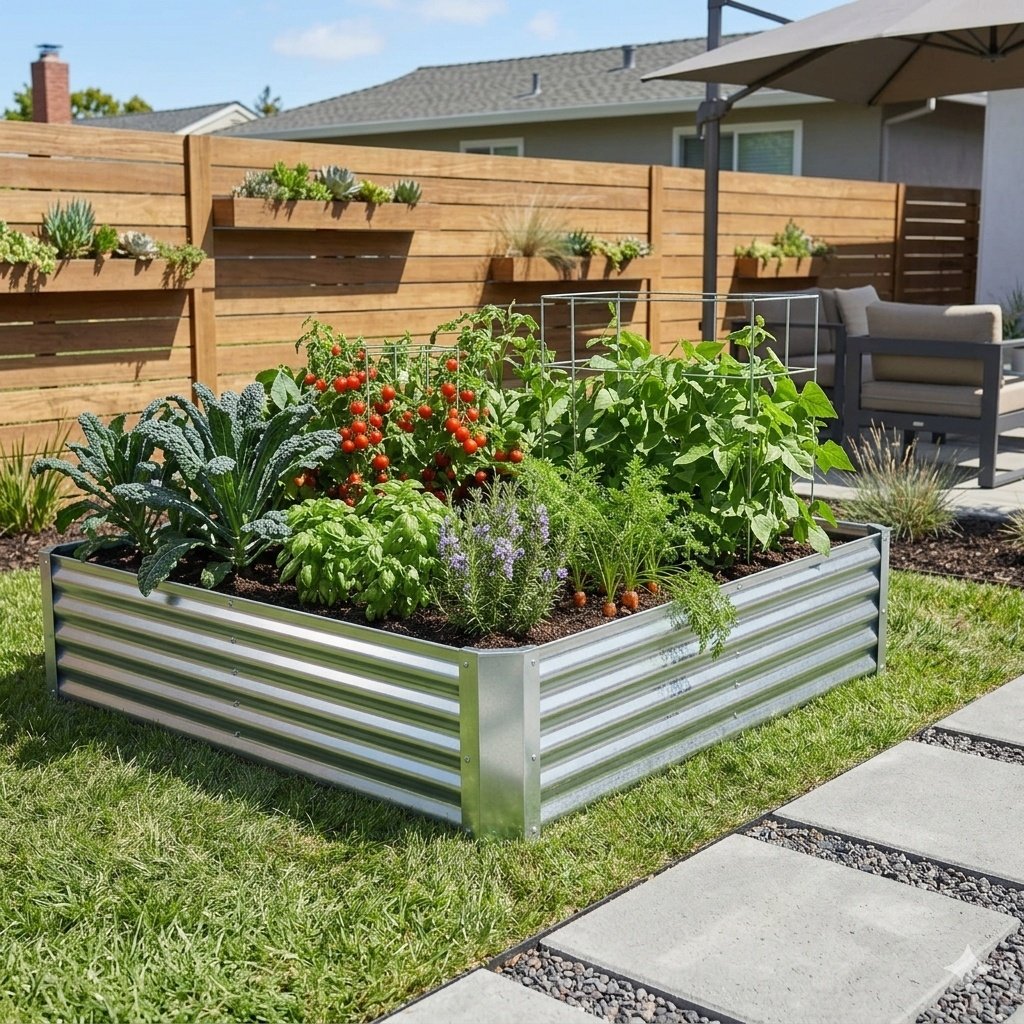
Metal Raised Garden Beds – Pros & Cons
Advantages of Metal Raised Beds
Metal raised beds, especially galvanized steel ones, are extremely durable. They resist rot completely, which already removes one big headache.
Pests don’t chew through steel, so termites and ants aren’t really a concern. That makes them attractive for humid regions. Their lifespan often stretches 15 to 25 years or more. So even though you pay more upfront, you replace them far less often.
Maintenance is low, which for many people is a huge plus. You basically check for scratches or rust spots once in a while. The look is modern and clean, which fits minimalist yards very well.
Disadvantages of Metal Raised Beds
Upfront cost is higher, and that can feel like a barrier. A quality galvanized bed usually costs more than basic lumber. Assembly is required, so you’ll bolt panels together. It’s not hard, yet it does take some time.
Some people don’t like the industrial look. If your garden style leans rustic, metal might feel slightly out of place. And yes, heat is a concern people often bring up, especially in very sunny climates.
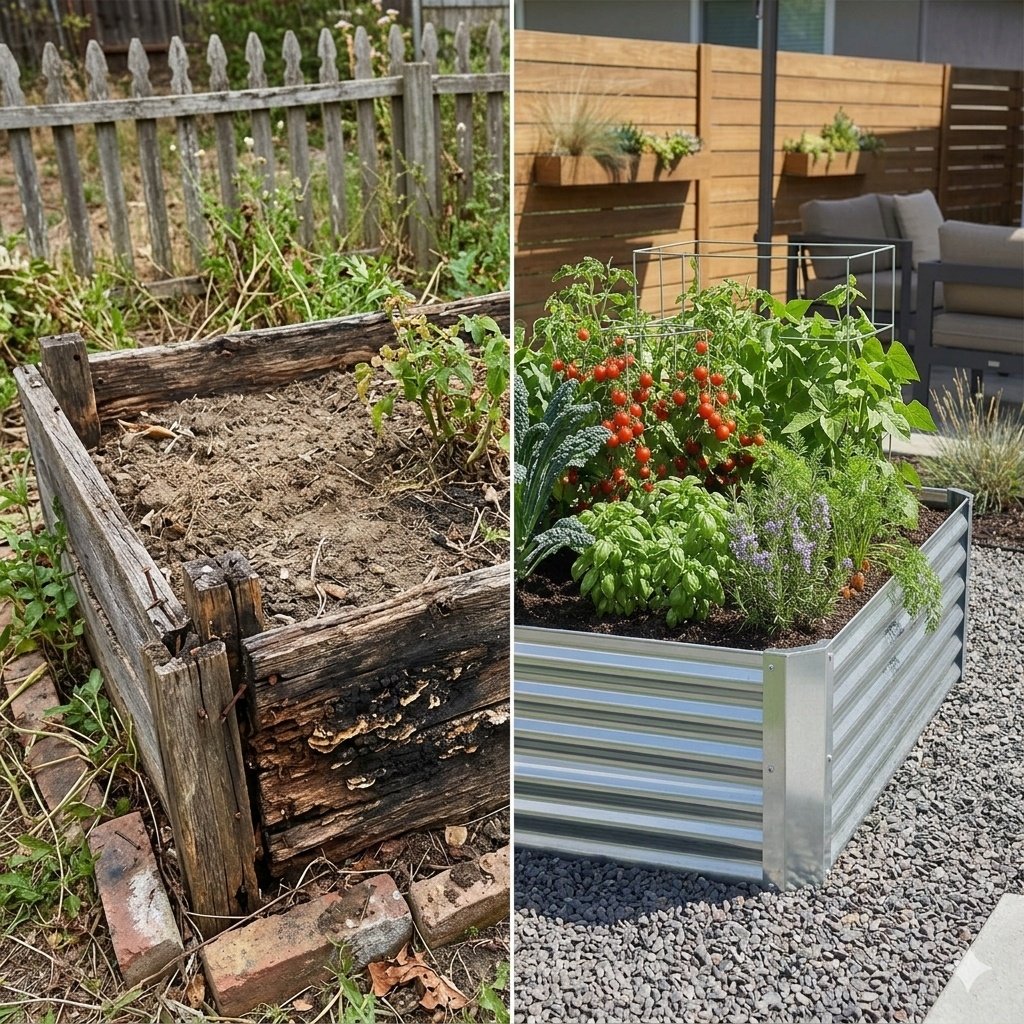
Durability Comparison – Rust vs Rot
Wood breaks down through rot, which is basically fungi feeding on moisture in the fibers. Over time, the structure weakens. Rainy climates speed this up significantly.
Metal can rust, yet galvanized steel has a protective zinc coating. That layer slows corrosion dramatically. In most normal backyard conditions, rust takes many years to become serious.
In heavy rainfall areas, wood may show decay in 4 to 6 years. Cedar stretches that timeline longer. Metal in the same environment often stays solid far beyond a decade.
Coastal regions with salty air can slightly increase corrosion risk. Still, quality galvanized beds hold up surprisingly well. So in terms of raw lifespan, metal tends to outlast wood by a wide margin.
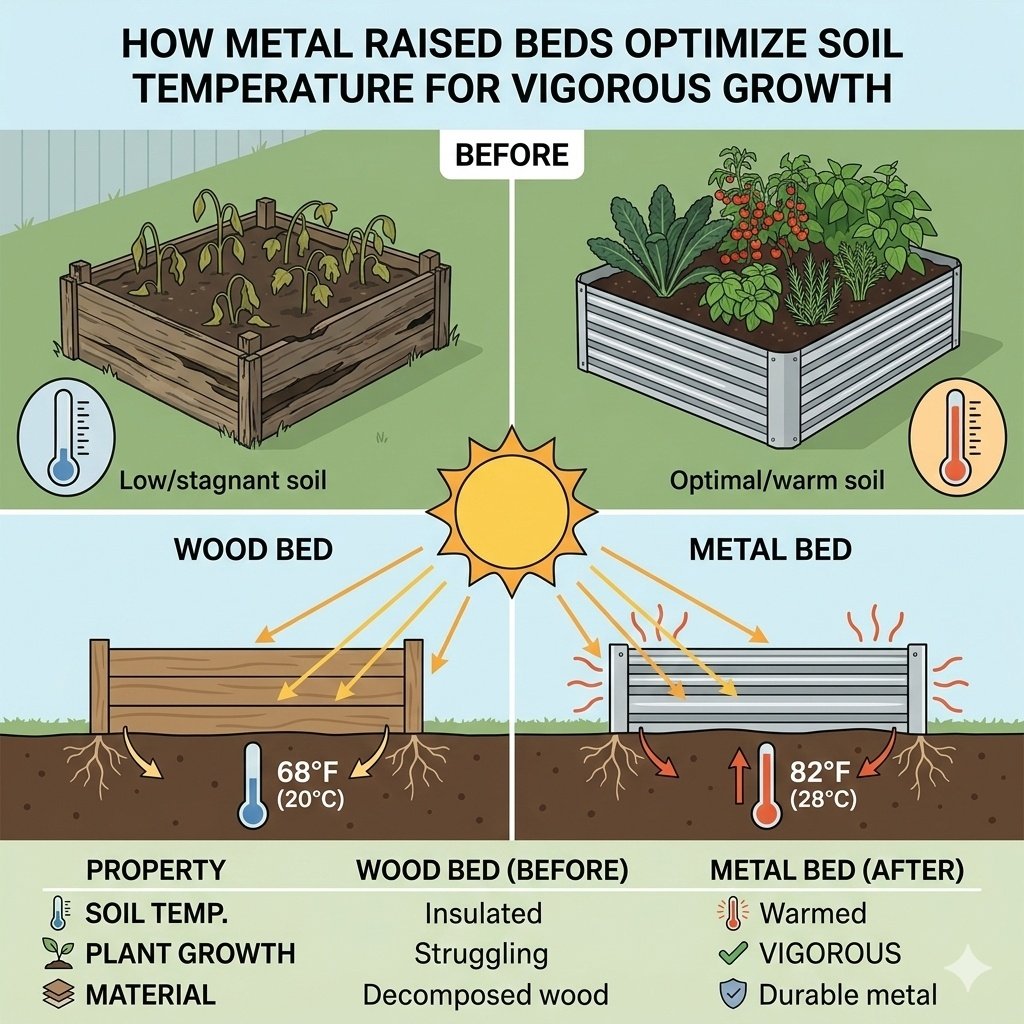
Heat Retention & Soil Temperature Impact
“Do metal raised beds get too hot?” is a question that pops up constantly. So let’s break it down in a practical way.
Yes, metal heats faster under direct sun. If you touch the side panel at noon, it can feel very warm. That part is true. However, soil doesn’t heat the same way as thin metal walls. Soil mass absorbs heat more slowly. The deeper your bed, the less that outer heat impacts root zones.
In hot climates, adding mulch helps significantly. A thick layer of straw or wood chips insulates the soil surface. Shade cloth can reduce direct exposure too. Wood naturally stays cooler on the surface. So in extremely hot regions, wood may have a slight advantage in surface temperature moderation.
Still, most gardeners find that plant roots remain safe in metal beds, especially if soil depth is 12 inches or more. So metal getting hot is real, yet it’s usually manageable with smart setup.
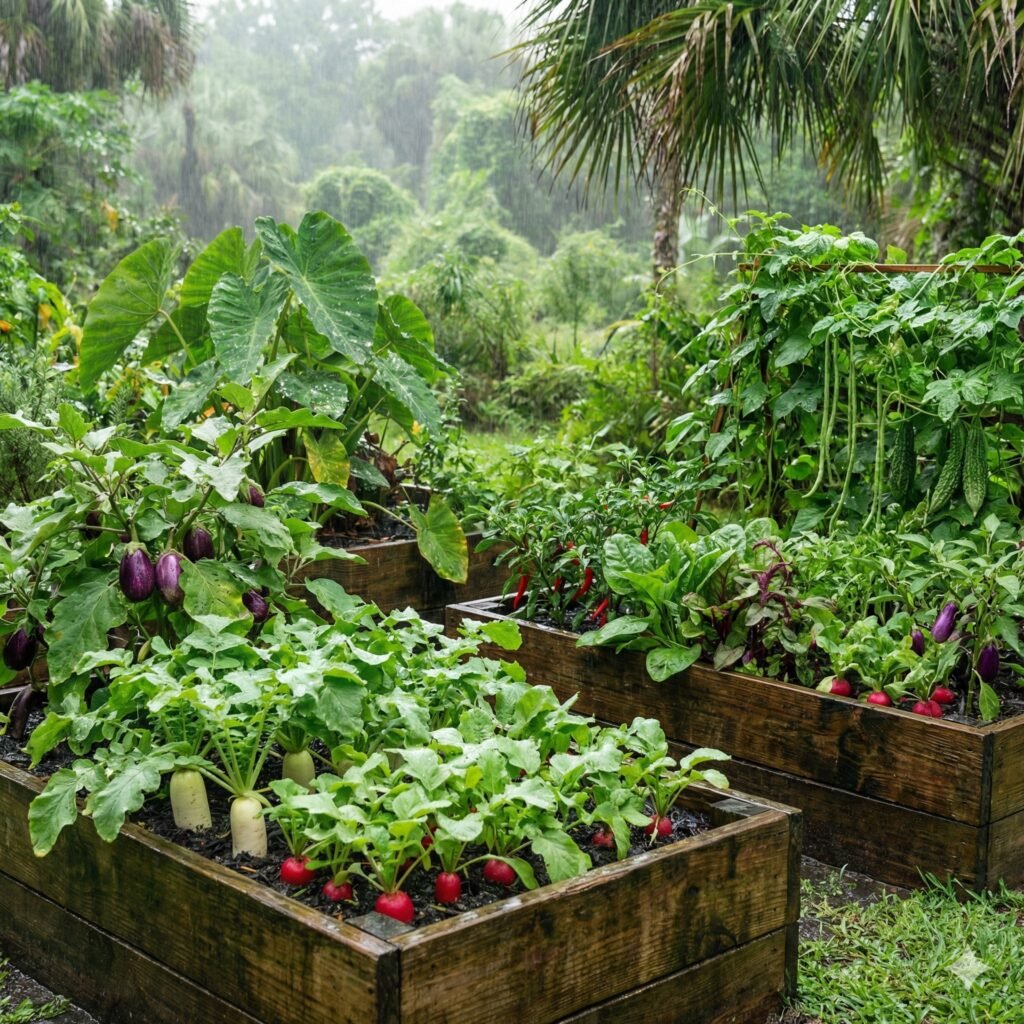
Performance in Humid & Tropical Climates
Humid climates test materials pretty hard. Wood absorbs moisture from the air and from soil contact. Over years, that increases rot risk.
Termites are more active in warm, damp regions. That makes untreated wood vulnerable. Metal doesn’t rot at all. Rust can occur, yet galvanized coating slows that down greatly. Heavy rainfall drains out the bottom of both bed types, so drainage isn’t drastically different. The main difference is structural longevity.
In tropical or very rainy areas, metal usually performs better long-term.

Cost Comparison – Short-Term vs Long-Term Investment
Upfront Cost
Wood beds are cheaper at first. Basic lumber keeps initial spending low. That appeals to beginners or large garden builds. Metal beds cost more at purchase. The price difference can feel noticeable.
Maintenance Cost Over Time
Wood may need sealing every few years. Replacing boards adds cost and effort. Metal requires very little maintenance. Occasional inspection is pretty much enough.
10-Year Cost Projection Example
If a wooden bed lasts 6 years, you may replace it once within a decade. Add sealing materials and labor time, and total cost rises. A metal bed lasting 20 years spreads its cost over a longer period. So per year, it often becomes cheaper.
So short-term wood wins on price, yet long-term metal often wins on value.
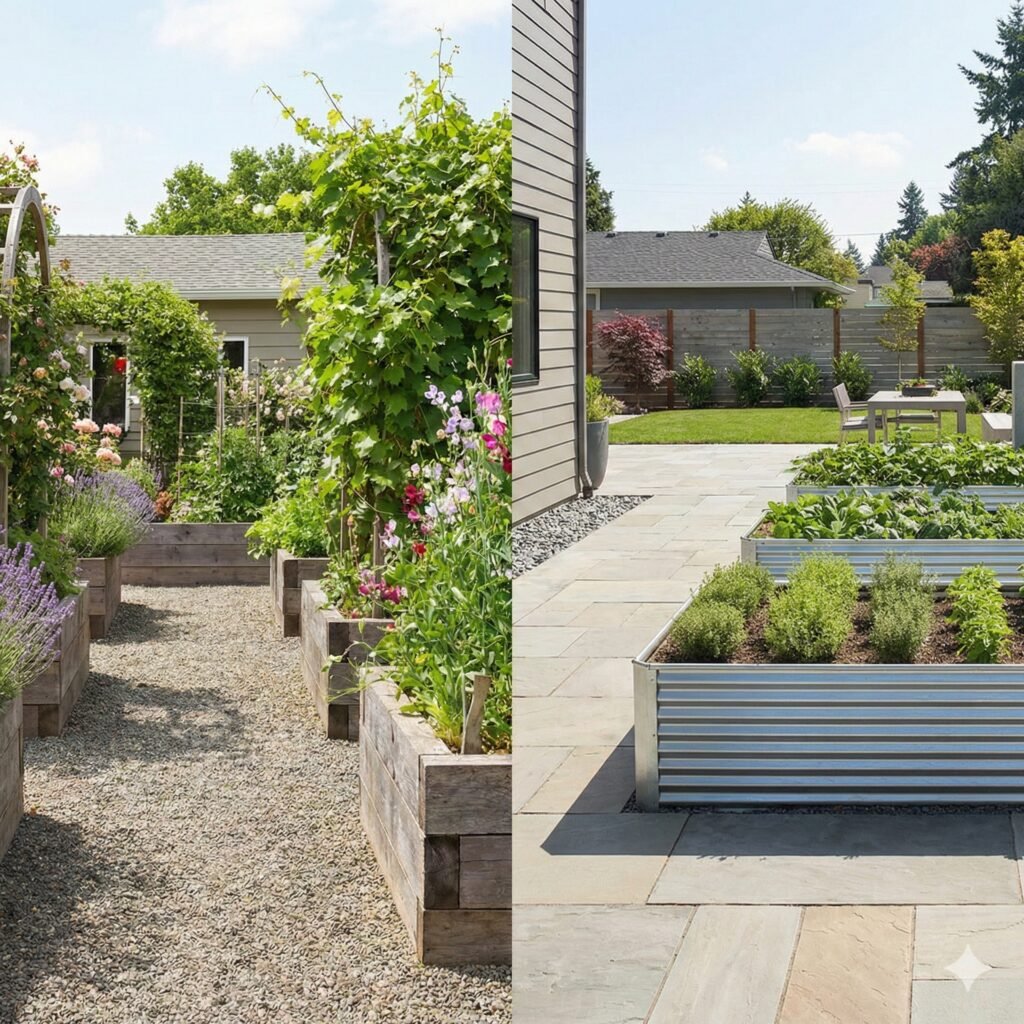
Aesthetic Appeal – Rustic vs Modern Garden Style
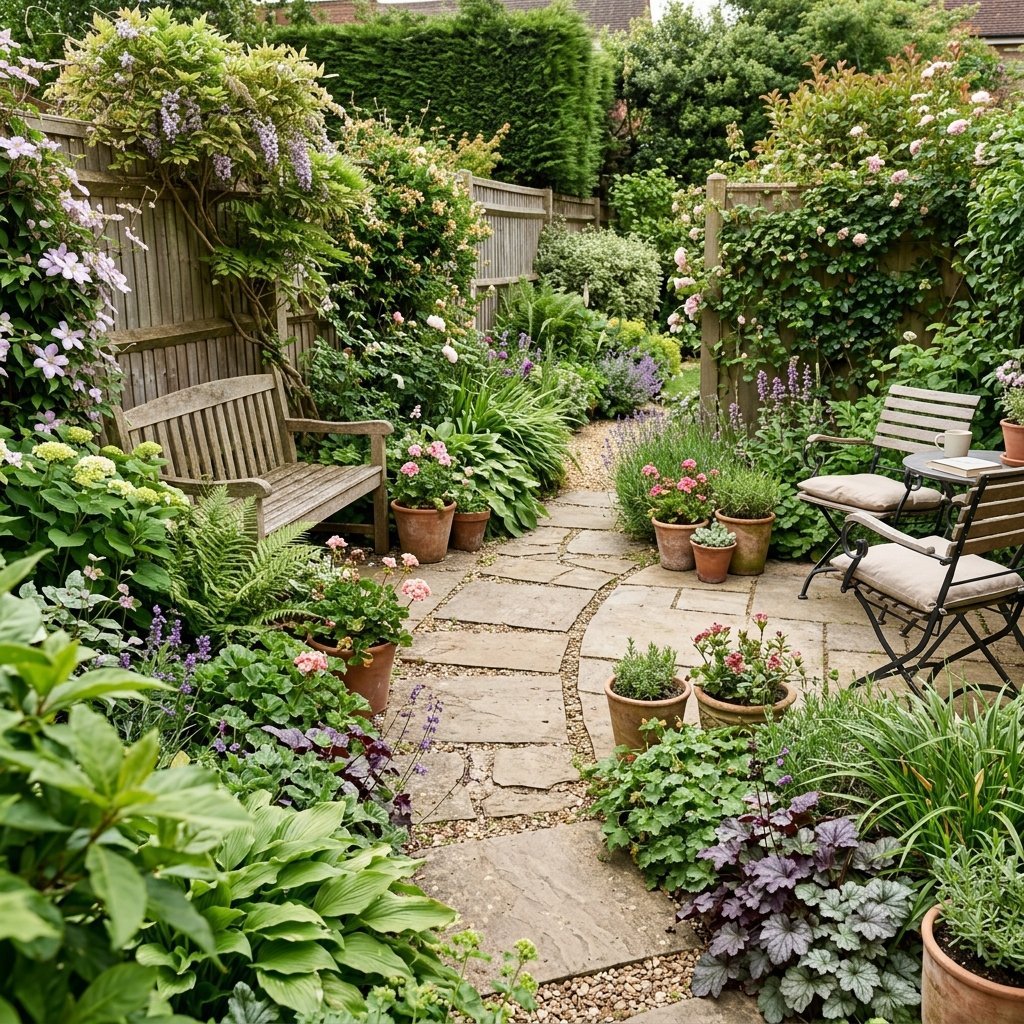
Wood fits cottage gardens naturally. It blends with flowers, climbing vines, and picket fences. Metal fits modern spaces. Clean lines and simple shapes look sharp against patios and stone paths.
You can stain wood in different tones. You can paint it too. Metal usually comes in neutral finishes, though some brands offer coated colors.
So style choice really depends on the mood you want in your yard.
Maintenance Requirements Compared
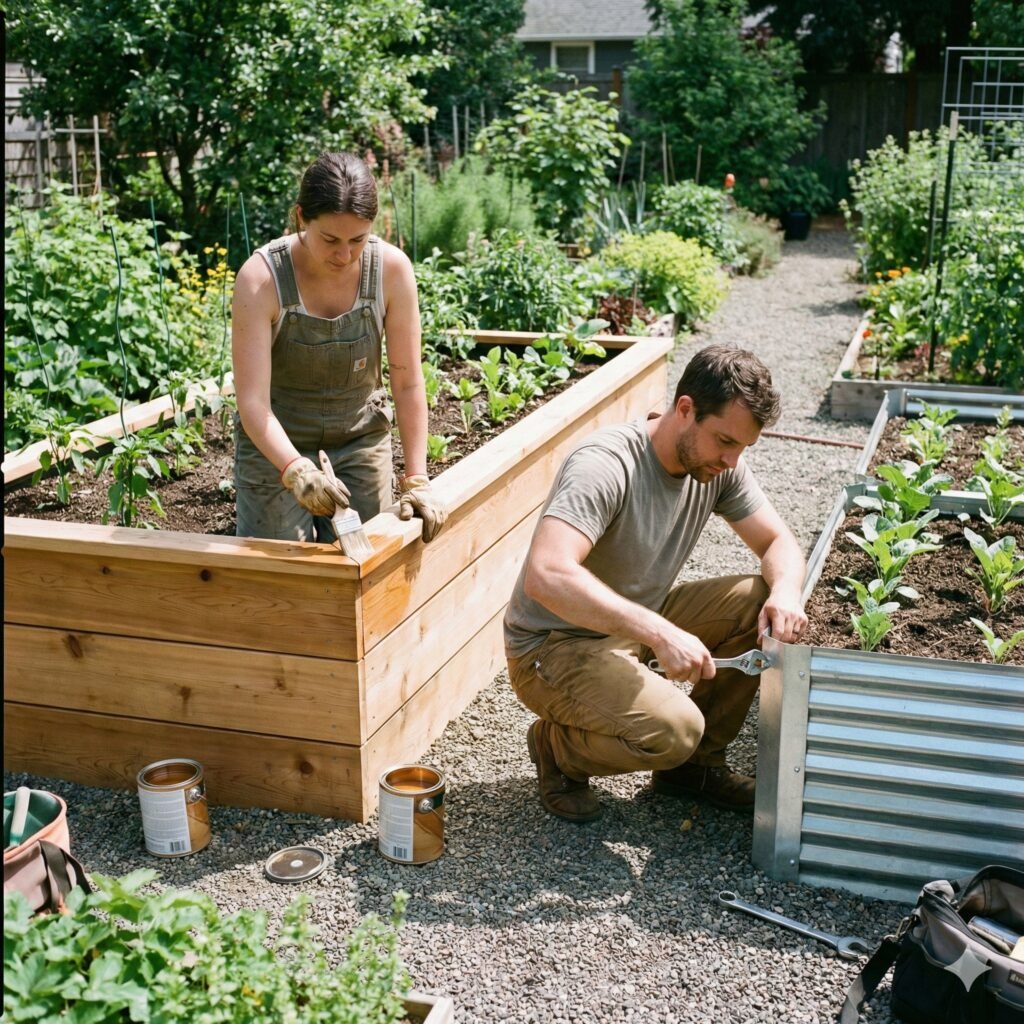
Wood needs checking for soft spots every season. Sealing helps extend life. Metal needs occasional cleaning. Checking for scratches prevents rust spread. Pest prevention matters more with wood. Metal avoids most insect issues.
So if low effort matters to you, metal tends to feel easier.
Safety Considerations – Treated Wood vs Galvanized Steel
Old pressure-treated lumber once contained chemicals that raised concern. Modern treated wood uses safer formulas. Galvanized steel has a zinc coating. Research generally shows minimal risk of soil contamination in normal garden use.
Many gardeners grow vegetables in both materials without issue. If you want peace of mind, untreated cedar or high-quality galvanized steel are common choices.
Best Raised Bed for Hot Climates
In extreme sun, soil depth matters most. Deeper beds protect roots better. Wood stays cooler at the surface. That may help slightly in desert-like areas.
Metal works fine if mulch is thick and irrigation is steady. So for very intense heat, wood has a small edge. With proper setup, metal performs well too.
Best Raised Bed for Humid or Rainy Regions
Wood faces rot and termite pressure. That shortens lifespan. Metal resists moisture damage far better. So in humid regions, metal usually becomes the safer long-term pick.
Best Option for Beginners
Wood feels easier for first-time builders. You can cut, screw, and adjust boards simply. Metal kits arrive pre-measured. Assembly is straightforward, yet it involves bolts and panels.
Budget often pushes beginners toward wood. So if cost is tight, wood makes sense for starting out.
Tips:
- If my budget were tight, I’d probably start with wood. It’s affordable and flexible.
- If I wanted low maintenance and fewer worries about rot, I’d pick metal.
- If I lived in a humid region, metal would likely win.
- If extreme heat were my main issue, I’d consider wood with deep soil and heavy mulch.
Best Long-Term Investment
If you plan to garden for many years, metal spreads cost over time. Less maintenance saves effort. Durability reduces replacement stress. So for long-term planning, metal often stands out.
Recommended Metal Raised Garden Beds (High Durability Picks)
1. Vego Garden 9-in-1 Modular Raised Bed
Material: Galvanized Steel (Aluzinc Coated)
Height: 17”
Best For: Long-term gardeners
Why It Stands Out:
This modular raised bed is built for serious gardeners who want flexibility and durability. Its thick panels and customizable design allow multiple configurations, making it ideal for long-term garden planning. With a lifespan of over 20 years, it’s a true investment piece.
👉 Perfect if you want a long-lasting, customizable garden bed.
2. Birdies Original Raised Bed
Material: Galvanized Steel
Height: 15”–29”
Best For: Deep root crops
Why It Stands Out:
Birdies beds are known for their depth options, making them ideal for crops like carrots and tomatoes. The strong rust-resistant coating ensures durability even in harsh weather conditions.
👉 Great choice for growing deep-root vegetables.
3. Olle Metal Garden Bed
Material: Coated Galvanized Steel
Height: 12”–17”
Best For: Small backyards
Why It Stands Out:
With rounded edges and a modern design, this bed is both safe and visually appealing. It’s perfect for compact spaces and adds a clean, organized look to your garden.
👉 Best for small spaces with a modern aesthetic.
Recommended Wood Raised Garden Beds (Beginner-Friendly Picks)
4. Greenes Fence Cedar Raised Bed
Wood Type: Natural Cedar
Height: 10.5”–14”
Best For: Budget beginners
Why It Stands Out:
This stackable cedar system is super easy to assemble and expand. The untreated cedar is safe for growing food and naturally resistant to rot.
👉 Perfect starter option for new gardeners.
5. Yaheetech Wooden Garden Bed
Wood Type: Fir Wood
Height: 12”
Best For: Small spaces
Why It Stands Out:
Lightweight and compact, this is a great option for patios or tight backyard areas. It’s affordable and easy to move if needed.
👉 Best for budget-friendly, small-space gardening.
6. Outdoor Living Today Cedar Bed
Wood Type: Western Red Cedar
Height: 14”
Best For: Premium wood look
Why It Stands Out:
This premium cedar bed offers thick boards and strong corner joints for extra durability. It’s ideal if you want a high-end, natural wood aesthetic in your garden.
👉 Top pick for durability + aesthetics in wood beds.
What I’d Choose If I Had a Small Backyard (Practical Issues & Real Solutions)
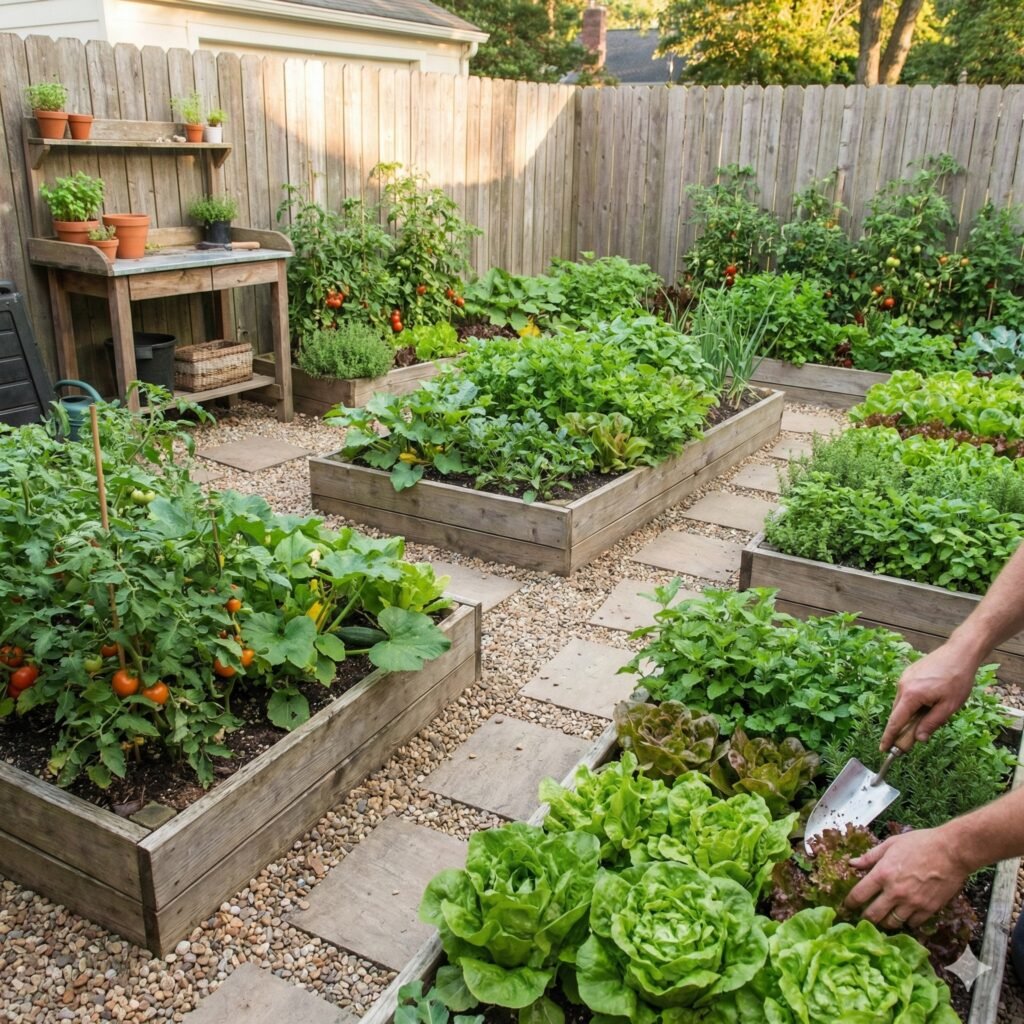
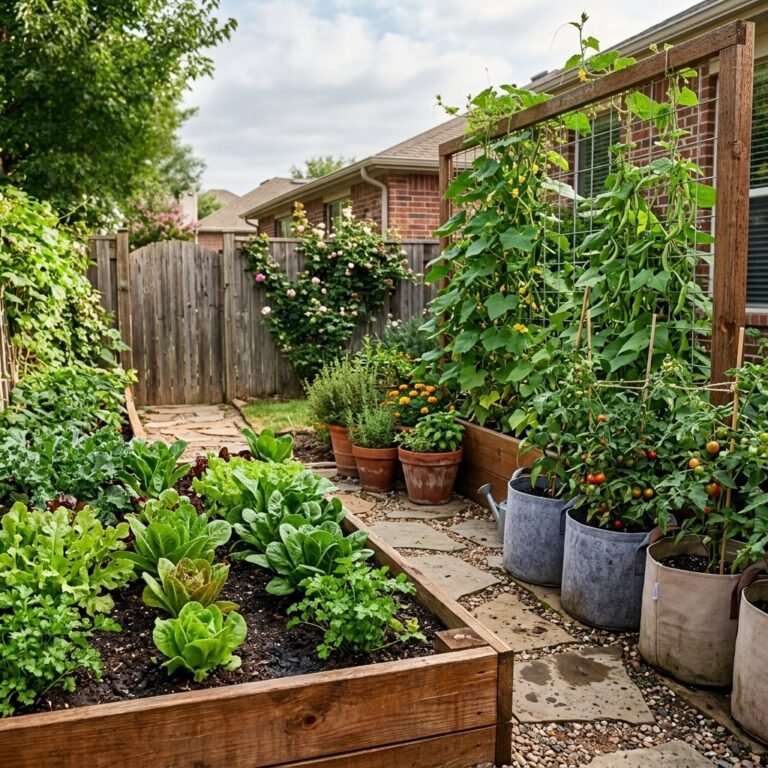
If I had a small backyard, space would be the first thing on my mind, honestly, since every square foot would need to work extra hard. In a tight area, raised beds can easily crowd walkways, so I’d focus on narrow designs, maybe 2 to 3 feet wide, so I could still reach the center without stepping into the soil.
In a small yard, weight actually matters more than people think, especially if the ground is slightly uneven or soft. Metal beds tend to be lighter before filling, which makes positioning easier at the start. Wood beds, on the other hand, can feel a bit heavier and bulkier during setup, particularly if you’re working alone.
Drainage becomes a serious issue in compact spaces, since water can collect near fences or walls. I’d place the bed at least a little away from boundaries, so airflow improves and moisture doesn’t just sit there. If I noticed puddling, I’d add a gravel base layer under the bed, which helps water move out faster.
Sunlight is usually limited in smaller backyards, especially if nearby buildings cast shade for part of the day. In that case, I’d choose the material that fits the sun exposure pattern. If the area gets intense midday sun reflecting off walls, wood might reduce surface heat slightly. If the space stays humid and shaded, metal would likely resist moisture damage better over time.
Another practical issue is visual clutter, since small spaces can feel crowded fast. Metal beds with clean lines often make a yard look more open. Wood beds give a warmer feel, yet they can sometimes make a compact yard look visually busy if not aligned neatly.
So if my small backyard were sunny, slightly humid, and I wanted low effort over time, I’d probably lean toward a compact galvanized steel bed with deep soil and thick mulch. If it were partially shaded with mild weather and I wanted a softer backyard look, I’d go with cedar, sealed properly, and designed in a slim rectangular shape to save space.
Quick Comparison Table
| Feature | Wood | Metal |
|---|---|---|
| Lifespan | 5–10 years | 15–25+ years |
| Upfront Cost | Lower | Higher |
| Heat Retention | Stays cooler | Heats faster |
| Maintenance | Moderate | Low |
| Humid Climate | Rot risk | Strong performer |
| Pest Resistance | Vulnerable | Resistant |
Final Verdict – Metal vs Wood Raised Garden Beds
So, if we strip this down to what really matters, the choice between metal vs wood raised garden beds basically comes down to time, climate, and how much effort you want to put in each year. Wood feels warm and traditional, and it’s usually cheaper at the start, which makes it attractive if you’re testing gardening for the first time. Yet it will rot eventually, especially in humid or rainy areas, and that means repairs or full replacement sooner than you might expect.
Metal, particularly galvanized steel, costs more upfront, and that can feel like a big step. Still, it lasts much longer, resists pests, and handles moisture far better. In very hot climates, metal can warm up quickly, yet deep soil and thick mulch more or less solve that issue for most gardeners.
If you live somewhere humid or tropical, metal tends to be the safer long-term option. If you’re gardening in moderate weather and want a natural backyard look on a tighter budget, wood makes sense.
At the end of the day, wood works well for short- to mid-term setups, and metal stands out for durability and low maintenance over many years. This short video helps you quickly choose the right raised bed by comparing wood and metal options at a glance.


Pingback: The Perfect Soil Mix for Raised Beds (Recipe That Works)
Pingback: Liquid vs Solid Fertilizer: Which One Works Better?
Pingback: 7 Best Fertilizers for Raised Beds (Top Picks+Feeding Guide)
Pingback: 25 Best Plants to Grow in May: The Ultimate Vegetable & Flower Planting Guide for a Thriving Garden - Edible Garden Tips
Pingback: 7 Best Gardening Audiobooks That Will Make You a Pro
Pingback: Start Your First Garden in 7 Days (Plan That Actually Works)
Pingback: 15 Must-Read Gardening Books (Free Access Kindle Unlimited)
Pingback: 7 Must-Have Gardening Tools for Beginners (Under Budget)
Pingback: 10 Best Vegetables for Kitchen Gardening (Beginner-Friendly + Easy to Grow at Home)
Pingback: 5 Easy Ways to Start a Balcony Garden (Tools, Setup & more
Pingback: 5 Beginner Mistakes That Nearly Ruined My Edible Garden
Pingback: I Tried a Hydroponic Garden on My Balcony – Here’s What Happened (Honest Beginner Guide)
Pingback: How to Keep Balcony Plants Alive in Summer (15 Proven Heat Protection Tips)
Pingback: 7 Fast-Growing Vegetables You Can Harvest in 60 Days on a Balcony
Pingback: 7 Best Self-Watering Systems for Balcony Vegetable Gardens
Pingback: 7 Secrets to Grow Huge Tomatoes in Containers Without a Backyard
Pingback: 7 Best Blueberry Varieties for Pots and Small Gardens
Pingback: 17 Cheap Garden Design Ideas That Make Your Outdoor Space Look Amazing
Pingback: 10 Easy Ways to Grow Crispy Cucumbers on a Balcony Garden - Edible Garden Tips
Pingback: Best Garden Kneelers and Seats for Seniors (2026 Guide): 5 Comfortable Options That Make Gardening Easier
Pingback: 10 Cottage Garden Ideas for Small Spaces That Look Straight Out of a Storybook