
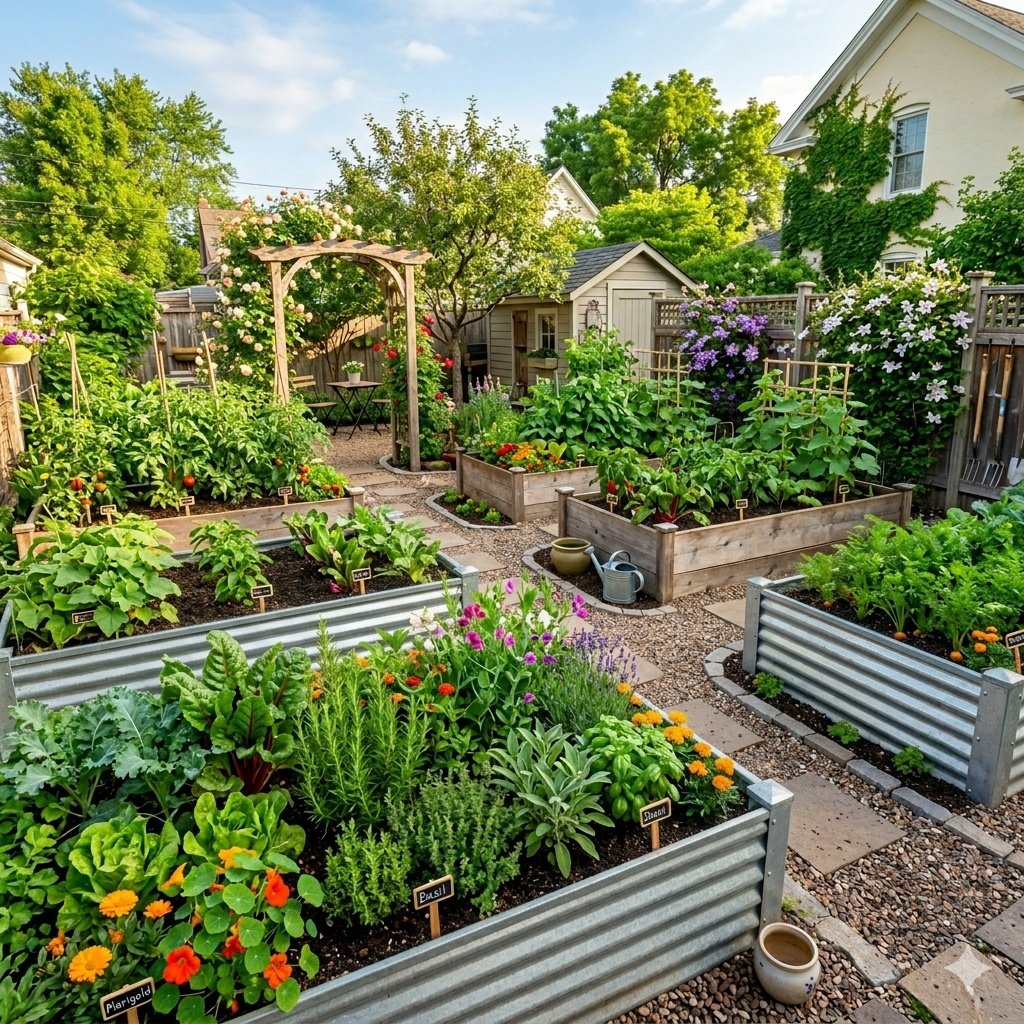
17 Raised Bed Garden Layout Ideas for Beautiful and Productive Gardens
A raised bed garden can turn an ordinary backyard into a productive growing space. The beds improve drainage, warm up faster in spring, and make gardening easier on your back and knees. But even the best-built beds won’t reach their full potential without a smart layout.
The way you arrange raised beds affects sunlight exposure, airflow, watering efficiency, and how easy it is to move through the garden. A well-planned setup can help you grow more food in less space while keeping maintenance simple.
In this guide, you’ll find 15 practical raised bed garden layout ideas for different yard sizes and gardening goals. Whether you’re growing vegetables, herbs, flowers, or a mix of everything, these layouts can help you create a garden that’s both productive and attractive.
Why Garden Layout Matters in Raised Bed Gardening
A good layout does much more than make a garden look organized.
Proper bed placement helps plants receive consistent sunlight throughout the day. It also improves airflow between crops, reducing the risk of mildew and other common garden diseases. When beds are easy to reach, harvesting, weeding, and watering become much less work.
| Good Layout Benefits | Poor Layout Problems |
|---|---|
| Better harvests | Crowded plants |
| Easier access | Difficult maintenance |
| Better airflow | More disease issues |
| Efficient watering | Water waste |
| Easier harvesting | Hard-to-reach crops |
Spending time on layout planning before building beds can save countless hours later in the season.
Planning Your Raised Bed Garden Before You Build
Before buying lumber or assembling a raised bed kit, consider these key factors:
Measure Available Space
Take accurate measurements of your yard and identify any obstacles such as fences, trees, sheds, or patios.
Track Sunlight
Most vegetables need at least six to eight hours of direct sunlight each day.
Plan Walking Paths
Leave enough room between beds for comfortable access. Paths between 18 and 36 inches work well for most gardens.
Think About Water Access
Position beds near a water source whenever possible.
Consider Plant Height
Tall plants can block sunlight from shorter crops.
Pro Tip: Place taller plants on the north side of the garden to avoid shading smaller vegetables.
Rotate Crops
If you plan to garden every year, leave room for crop rotation to help maintain soil health.
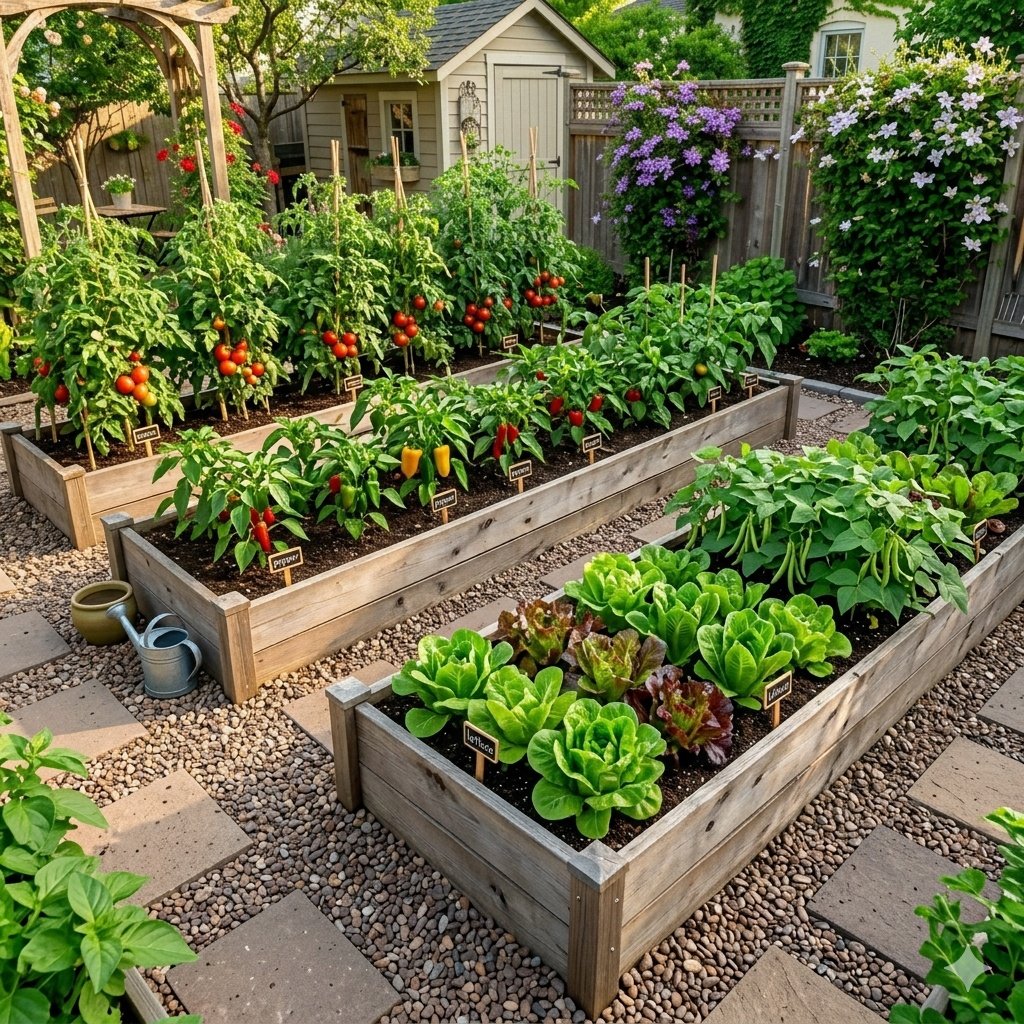
Layout Idea #1 – Classic Parallel Raised Beds
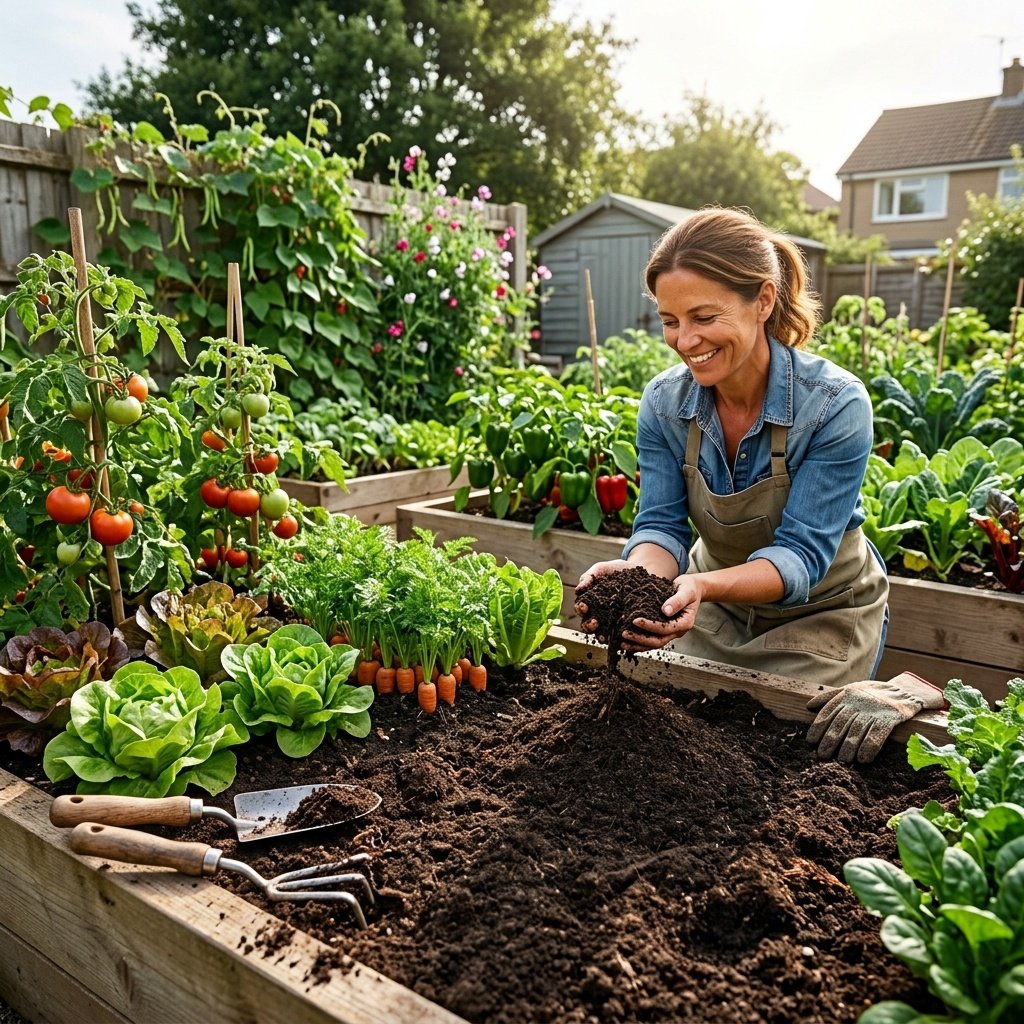
Classic parallel beds are one of the easiest layouts to build and maintain. Multiple rows create a clean, organized appearance while providing plenty of growing space. The design also works well with drip irrigation systems and future garden expansion.
Best For:
- Medium-sized backyards
- Dedicated vegetable gardens
Features:
- Long rectangular beds
- Uniform spacing
- Easy drip irrigation installation
Recommended Crops:
- Tomatoes
- Peppers
- Lettuce
- Beans
Most gardeners use beds that are 4 feet wide and 8 to 12 feet long.
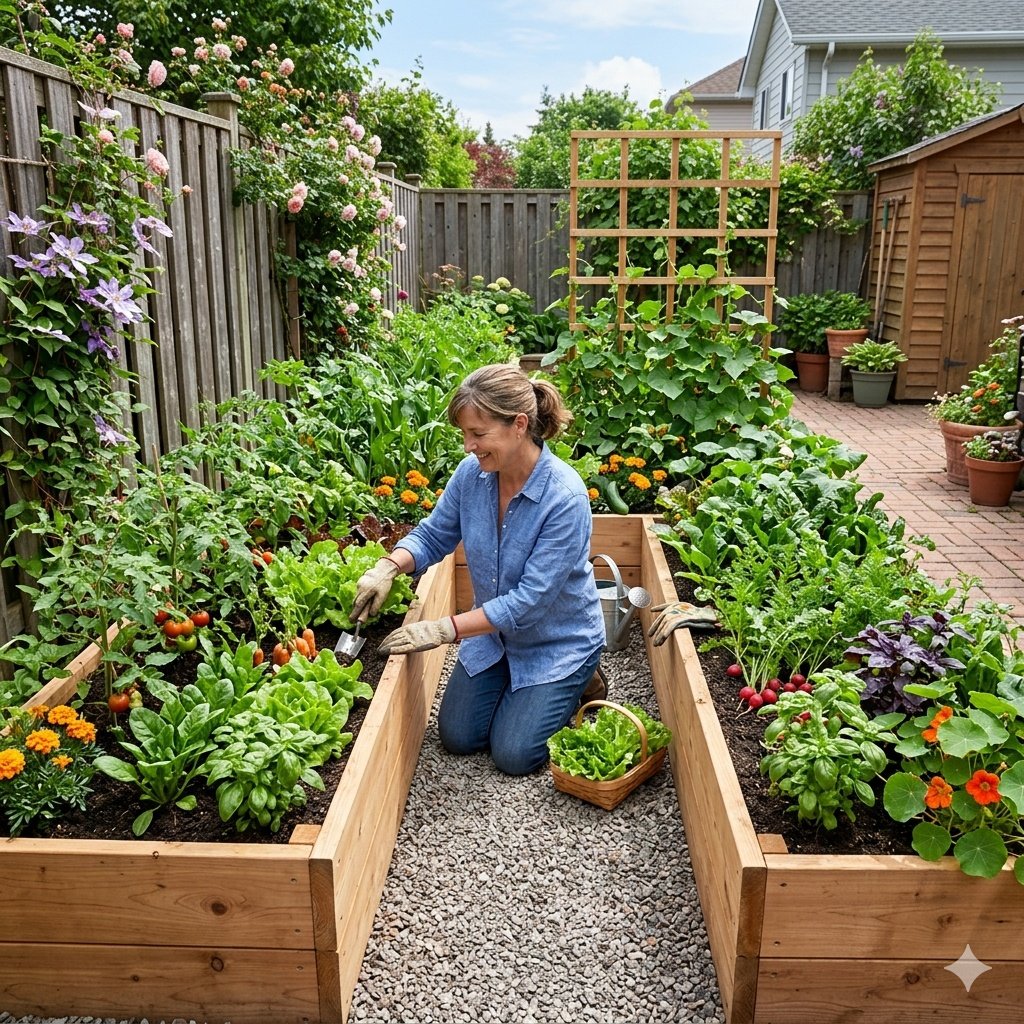
Layout Idea #2 – U-Shaped Raised Bed Garden
A U-shaped layout places plants within easy reach from multiple sides. It reduces walking distance and makes harvesting more convenient. This design is especially popular among beginners and gardeners who want better accessibility.
Benefits:
- Excellent accessibility
- Easy harvesting
- Great use of limited space
Best For:
- Seniors
- Beginner gardeners
- Small patios and yards
Everything remains within arm’s reach, making daily maintenance easier.
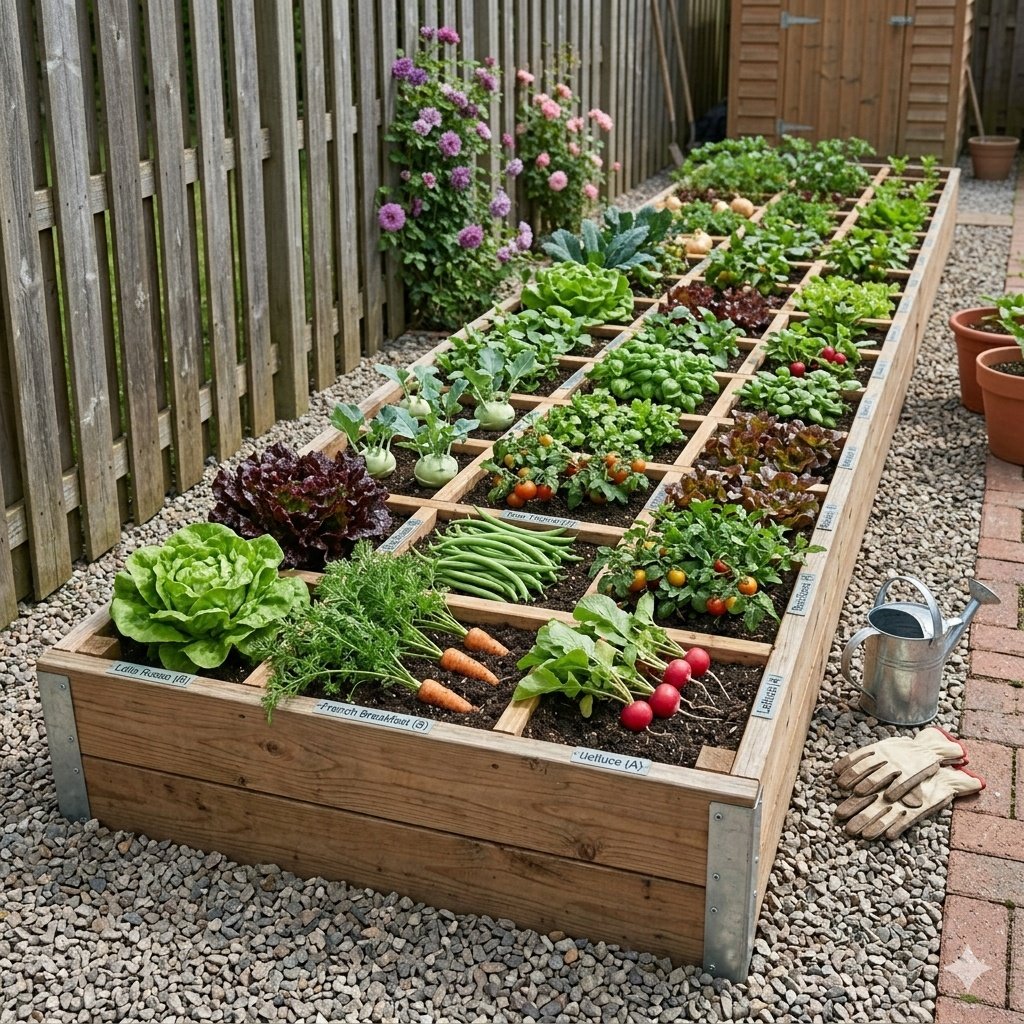
Layout Idea #3 – Square Foot Gardening Layout
Square foot gardening divides beds into small planting sections for maximum efficiency. Each square holds a specific crop based on spacing requirements. It’s a simple method that helps gardeners avoid overcrowding and make better use of limited space.
The bed is divided into one-foot squares, with each square dedicated to a specific crop.
| Crop | Plants per Square |
|---|---|
| Lettuce | 4 |
| Carrots | 16 |
| Tomatoes | 1 |
| Basil | 4 |
This method works especially well for beginners who want a clear planting plan.
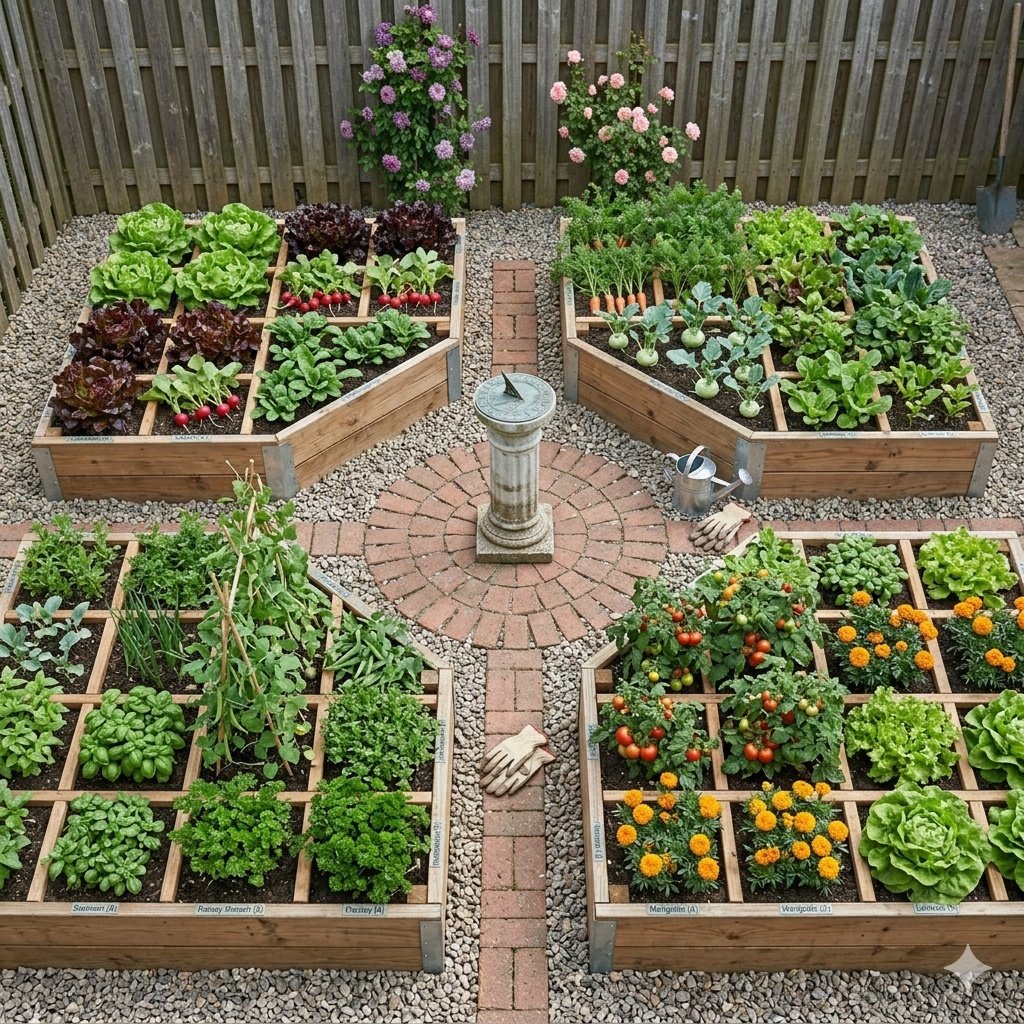
Layout Idea #4 – Four-Bed Kitchen Garden Layout
This traditional layout features four raised beds arranged around a central path or focal point. It creates a balanced, attractive garden that’s easy to organize. Many gardeners use separate beds for herbs, greens, root crops, and seasonal vegetables.
Benefits:
- Organized appearance
- Easy crop grouping
- Attractive design
Best Crops:
- Herbs
- Salad greens
- Root vegetables
A central feature such as a birdbath or planter can make this layout even more appealing.
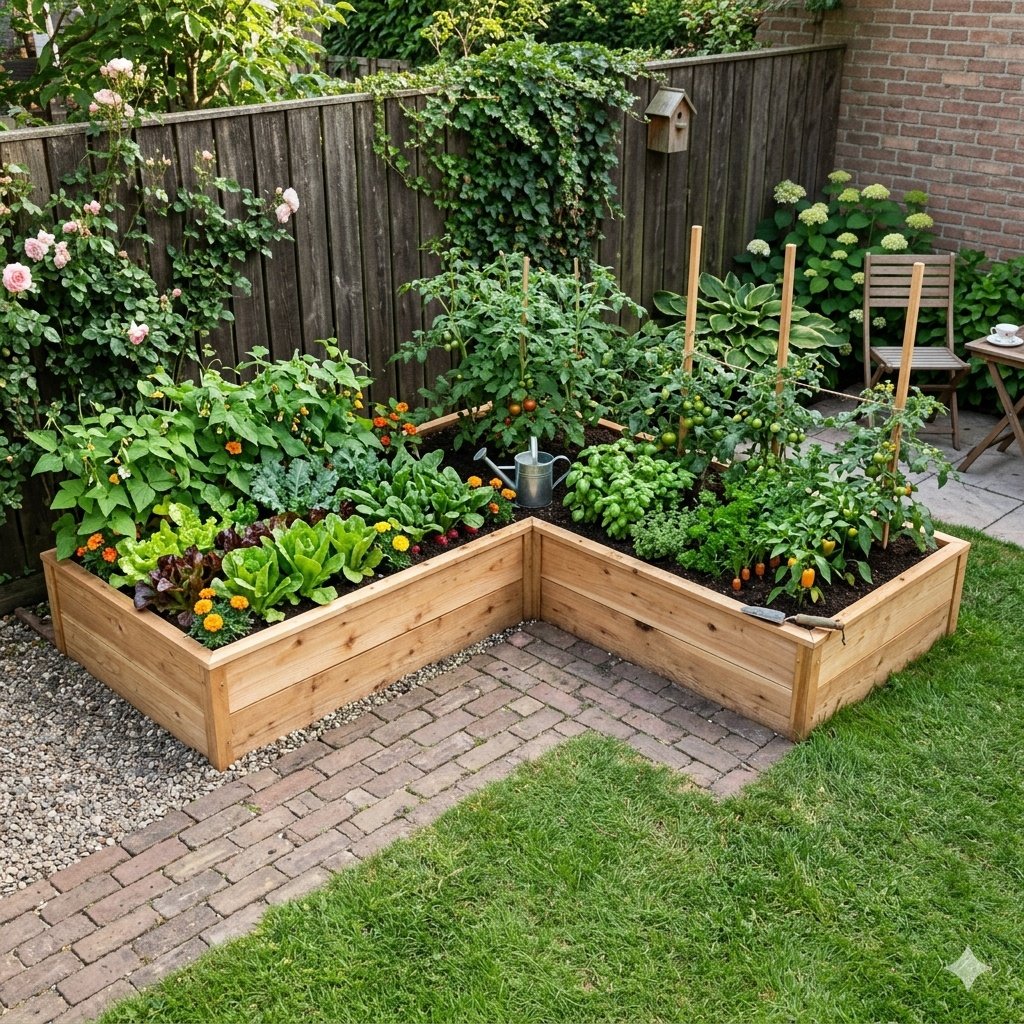
Layout Idea #5 – L-Shaped Corner Garden Layout
An L-shaped layout transforms unused corners into productive growing areas. It follows property lines naturally and works well in smaller yards. The design adds visual interest while making efficient use of available space.
Benefits:
- Makes use of neglected areas
- Creates visual interest
- Works well in small yards
The design can follow existing fences and boundaries while leaving the center of the yard open.
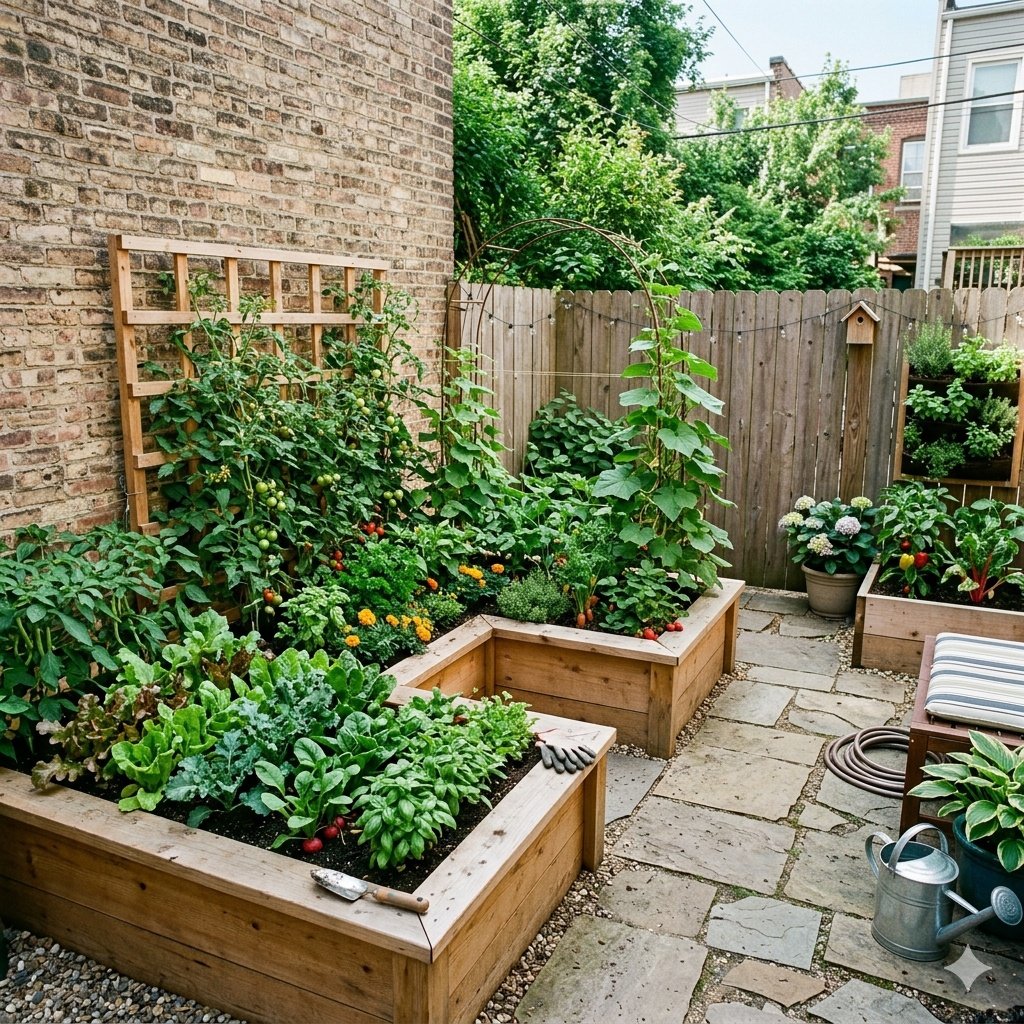
Layout Idea #6 – Raised Bed Layout for Small Backyards
Small backyards can still support productive gardens with a smart layout. Compact raised beds combined with vertical growing methods help maximize every square foot. Careful spacing keeps the area functional without feeling crowded.
Suggested Garden Sizes:
- 10 x 10 feet
- 12 x 12 feet
- 15 x 15 feet
Space-Saving Ideas:
- Narrow beds
- Vertical supports
- Compact vegetable varieties
Two or three raised beds with good spacing can produce surprising amounts of food in a small backyard.
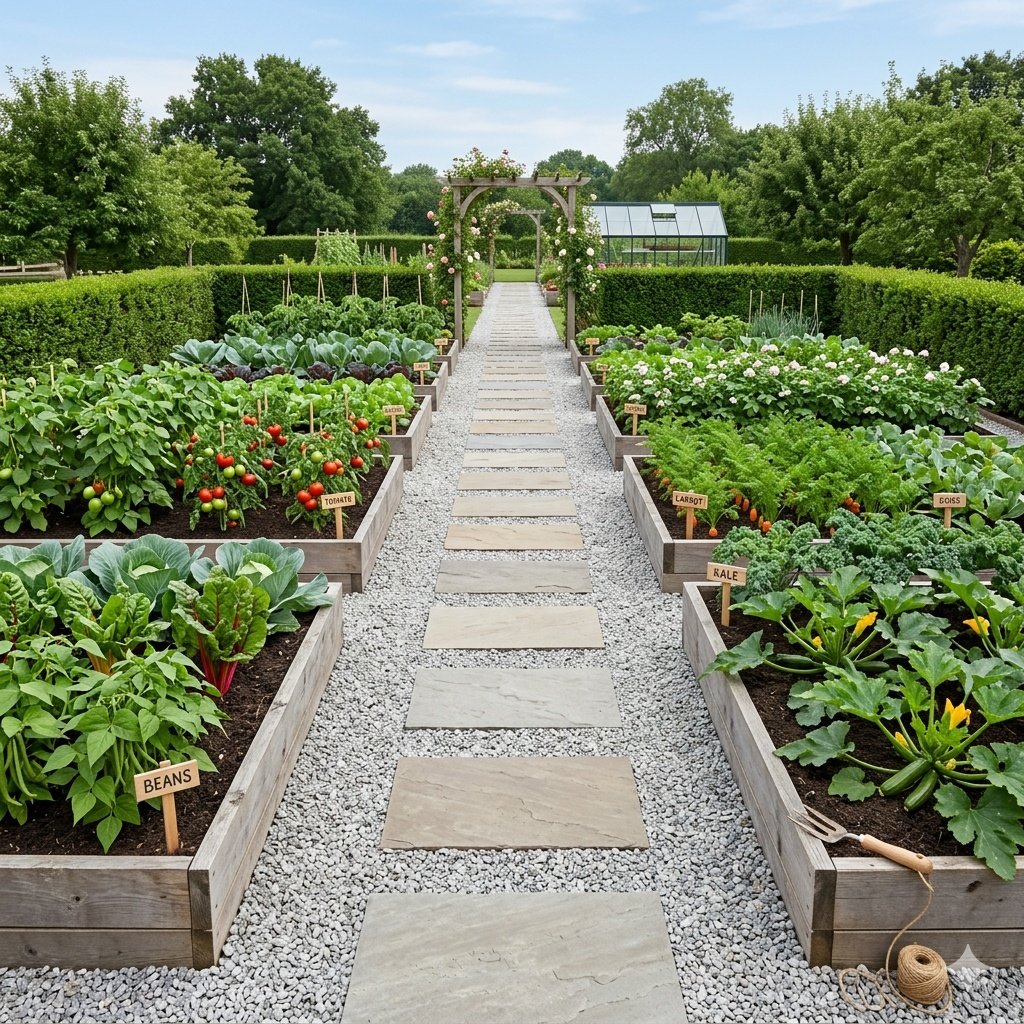
Layout Idea #7 – Central Pathway Garden Layout
This layout features a main walkway running through the center of the garden. Raised beds on both sides create a structured and professional appearance. The wide path also makes maintenance and harvesting much easier.
Benefits:
- Professional appearance
- Easy wheelbarrow access
- Convenient harvesting
Many gardeners use gravel, mulch, or pavers to create a clean central walkway.
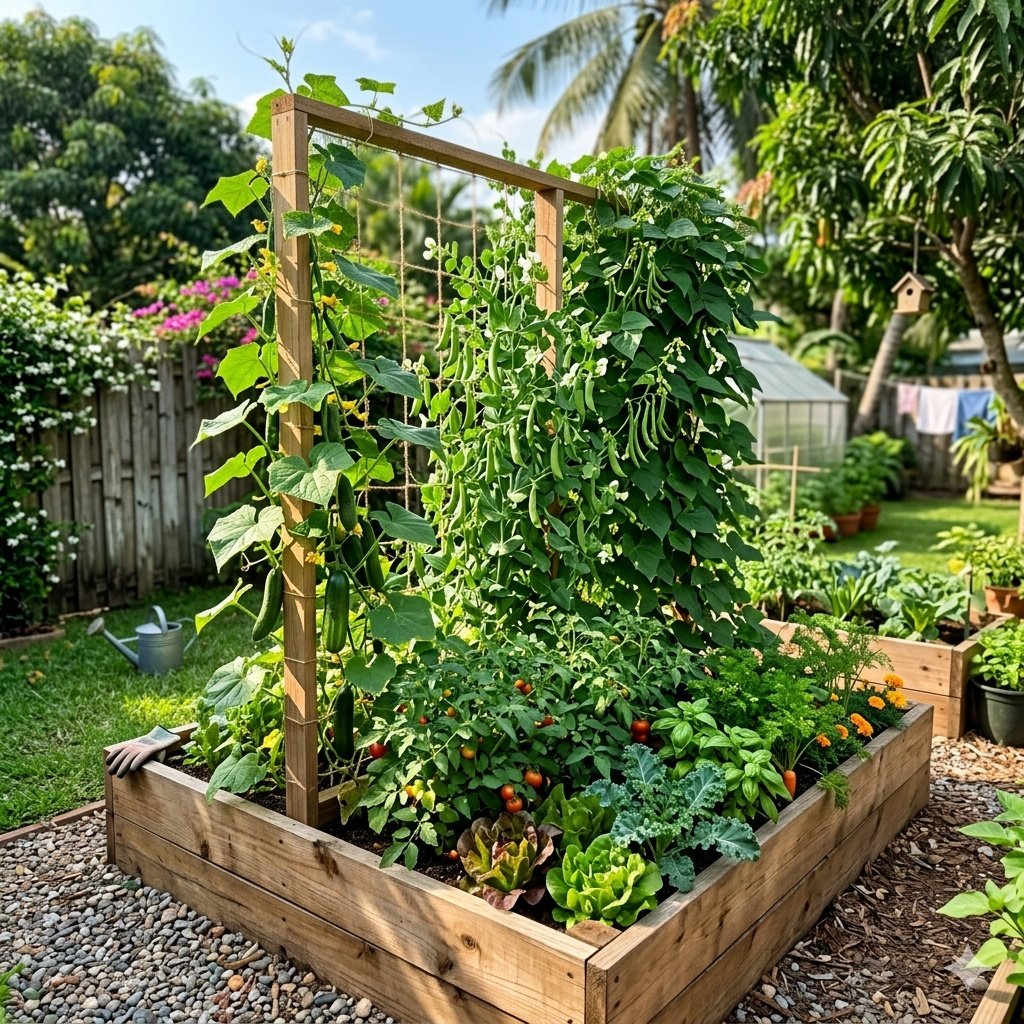
Layout Idea #8 – Raised Bed and Trellis Layout
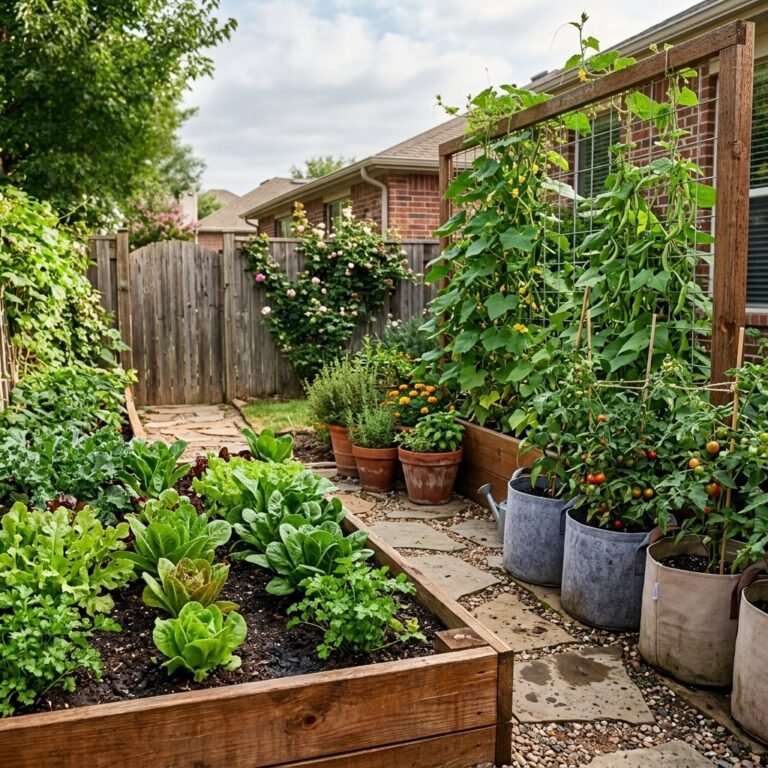
Adding trellises allows gardeners to grow upward instead of outward. Climbing crops such as cucumbers, peas, and beans can produce more while using less ground space. This layout is ideal for small gardens seeking higher yields.
Suitable Crops:
- Cucumbers
- Pole beans
- Peas
- Small melons
Installing trellises on the north side of beds prevents them from casting excessive shade.
A raised bed and trellis combination is one of the best layouts for maximizing harvests in limited space.
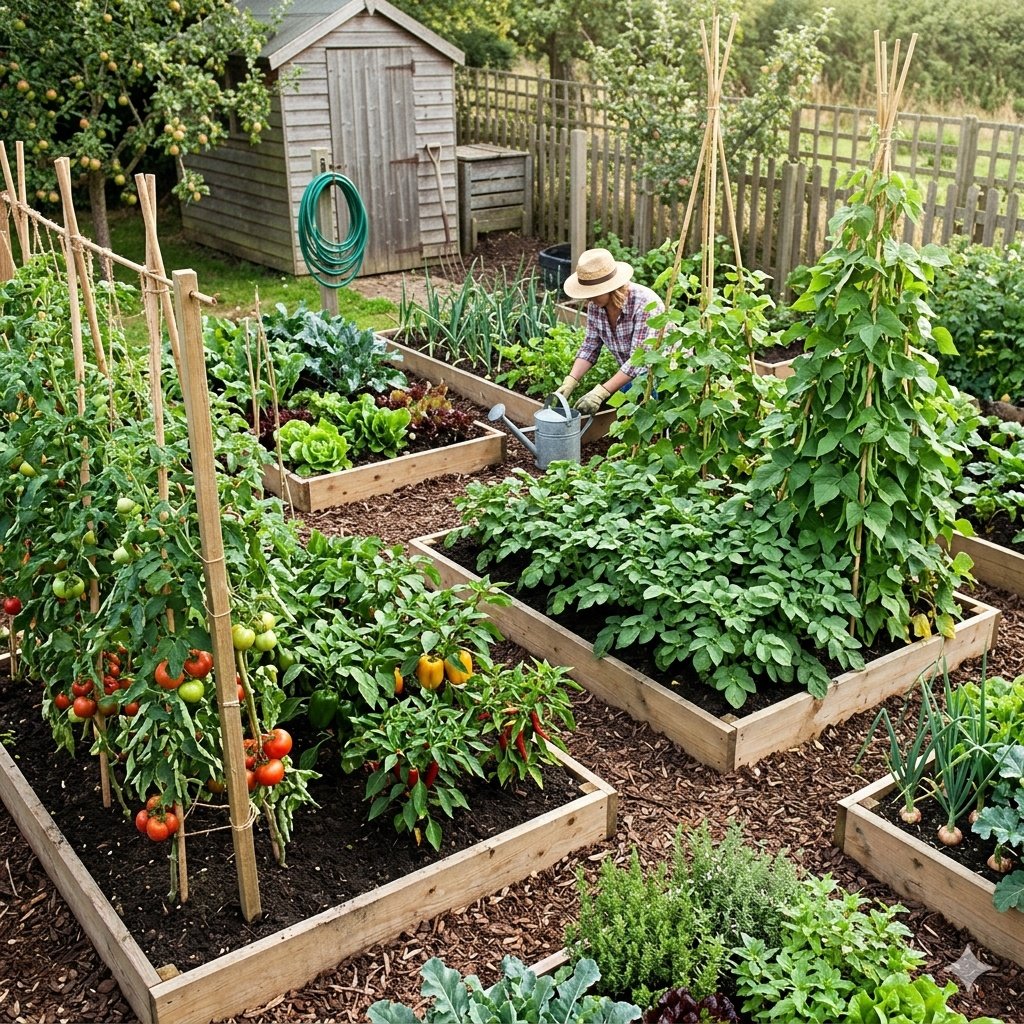
Layout Idea #9 – Family Vegetable Production Layout
Designed for larger harvests, this layout focuses on growing enough produce for regular household use. Multiple raised beds allow crops to be grouped by type and growing season. The result is a productive garden that stays organized throughout the year.
Suggested Setup:
- 4 to 6 raised beds
- Dedicated crop sections
- Irrigation system
Recommended Crops:
- Tomatoes
- Cucumbers
- Peppers
- Potatoes
- Beans
Separate beds for different crop families can also make crop rotation easier each year.
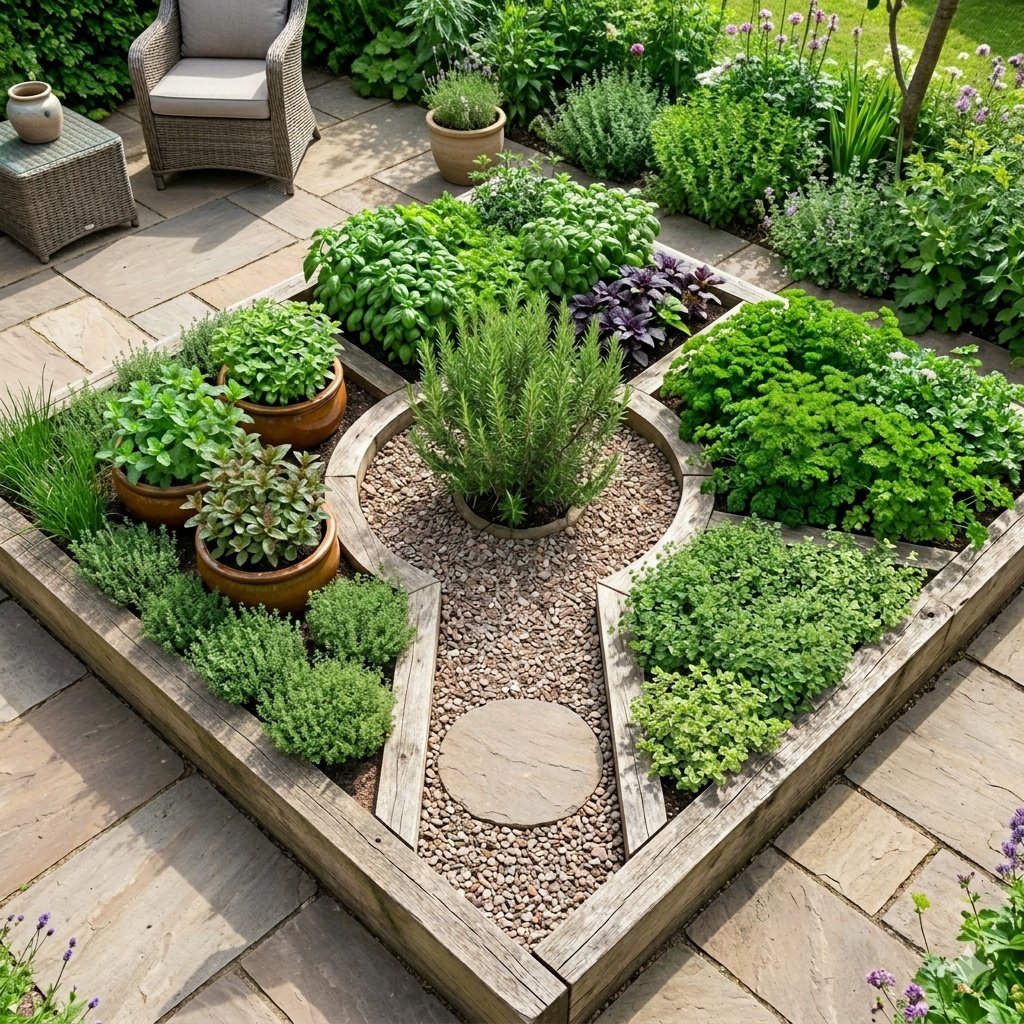
Layout Idea #10 – Raised Bed Herb Garden Layout
A dedicated herb garden keeps favorite culinary herbs within easy reach. Raised beds provide excellent drainage, which many herbs prefer. This layout works especially well near patios, decks, or kitchen entrances.
Popular Herbs:
- Basil
- Mint
- Rosemary
- Parsley
- Oregano
Arrange herbs according to watering needs. Mediterranean herbs such as rosemary prefer drier soil, while basil appreciates more moisture.
Positioning herb beds near a patio or kitchen entrance adds convenience.
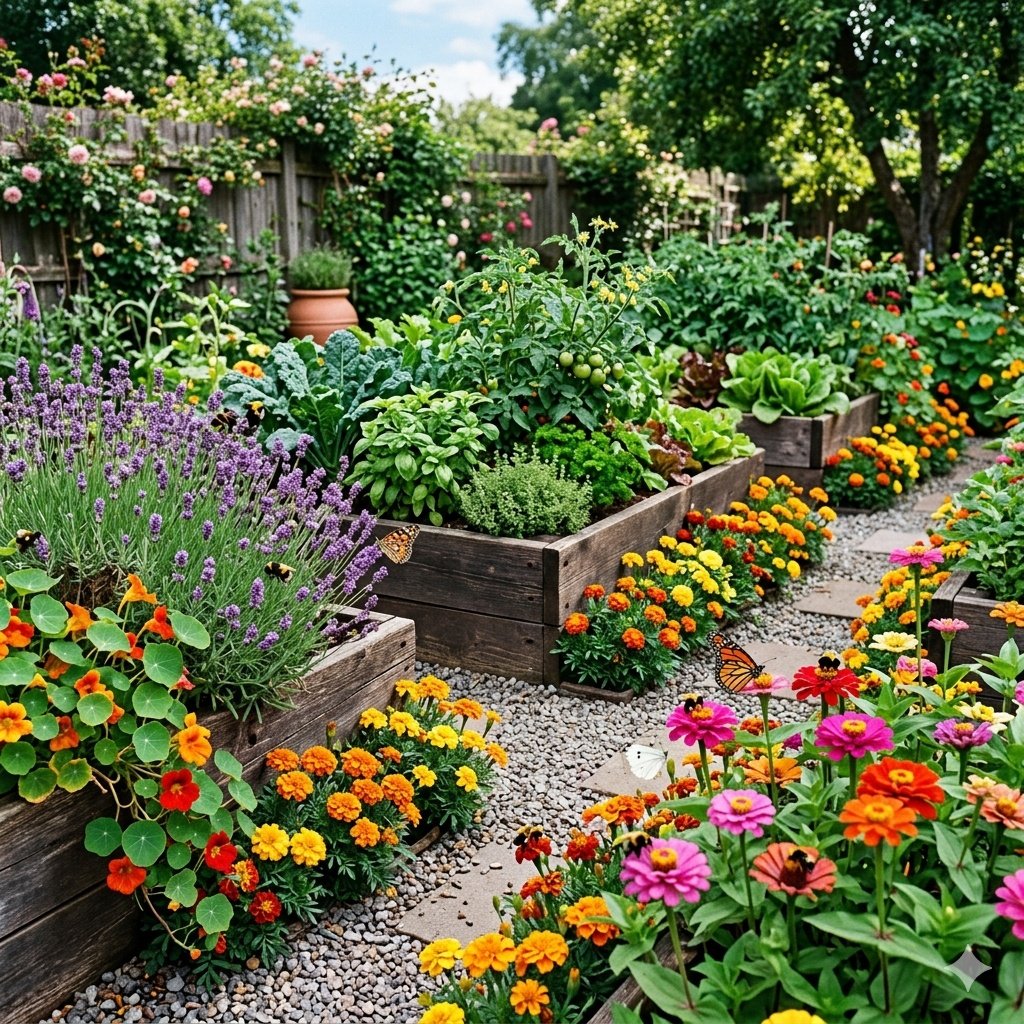
Layout Idea #11 – Pollinator-Friendly Raised Bed Layout
This design combines vegetables with flowers that attract bees, butterflies, and other pollinators. Increased pollinator activity can improve fruit and vegetable production. It also adds color and biodiversity to the garden.
This layout combines flowers and edible crops within the same garden.
Flower Choices:
- Marigolds
- Zinnias
- Lavender
- Nasturtiums
Benefits:
- Attracts bees and butterflies
- Adds color
- Supports companion planting
Alternating flower beds and vegetable beds creates a balanced, productive garden.
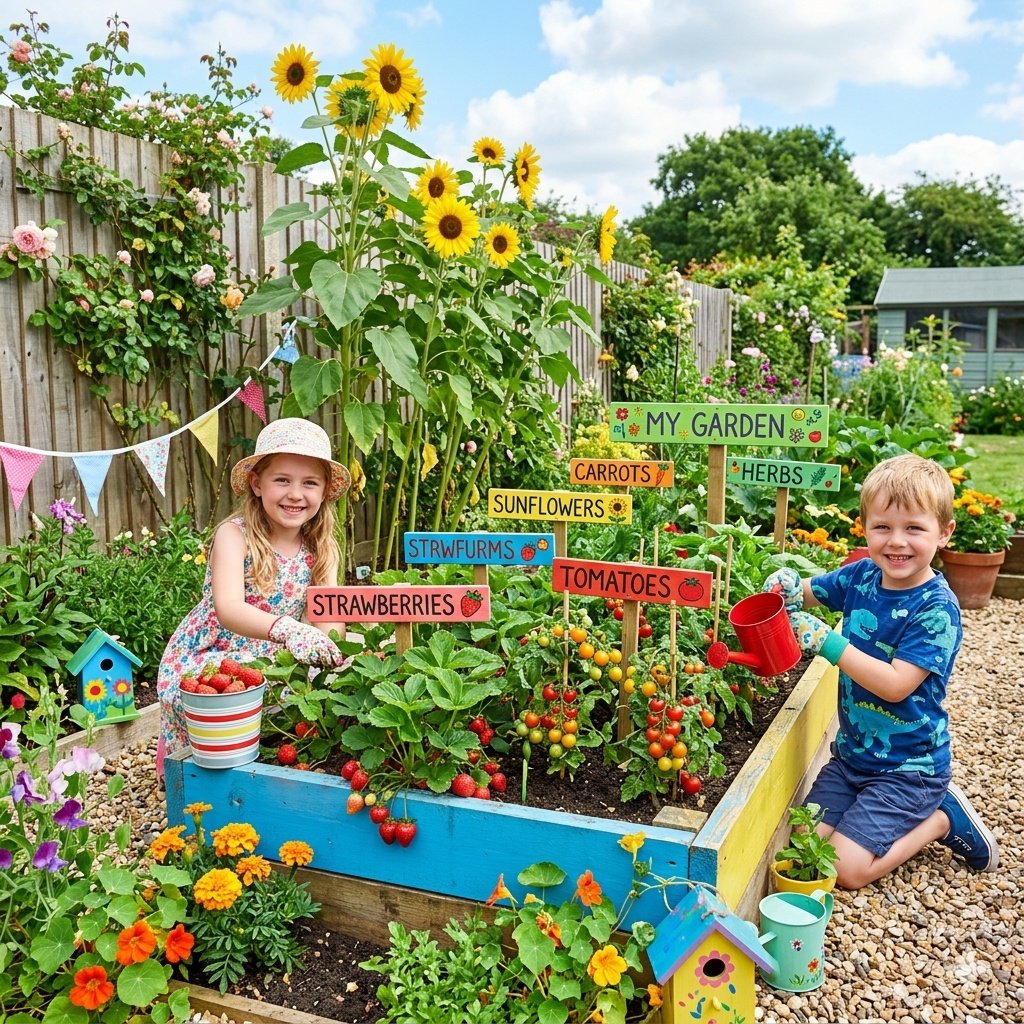
Layout Idea #12 – Children’s Raised Bed Garden
A children’s garden should be simple, engaging, and easy to maintain. Fast-growing crops help keep young gardeners interested throughout the season. Raised beds create a defined space where kids can learn and explore.
Best Crops:
- Strawberries
- Cherry tomatoes
- Sunflowers
- Lettuce
Keep beds lower and smaller so children can easily reach every section. Bright markers and simple planting plans help maintain interest throughout the season.
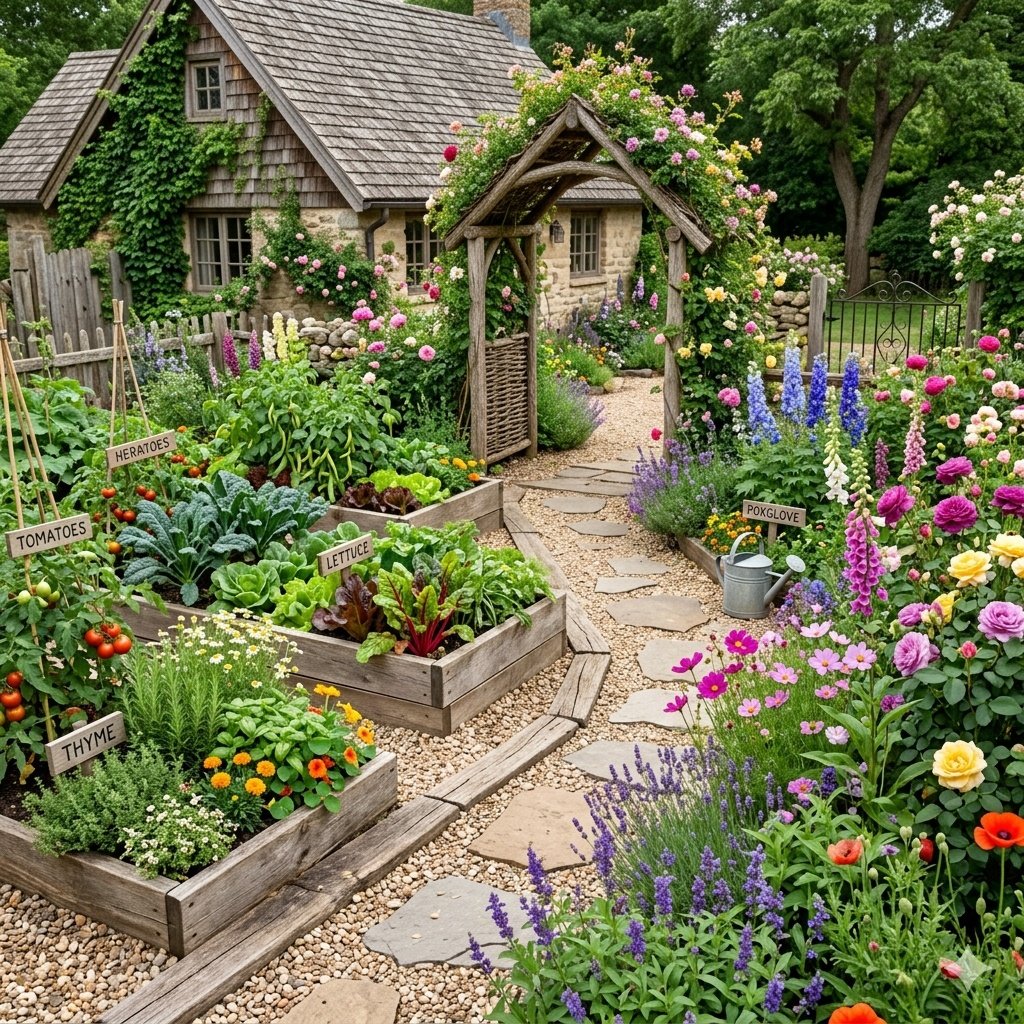
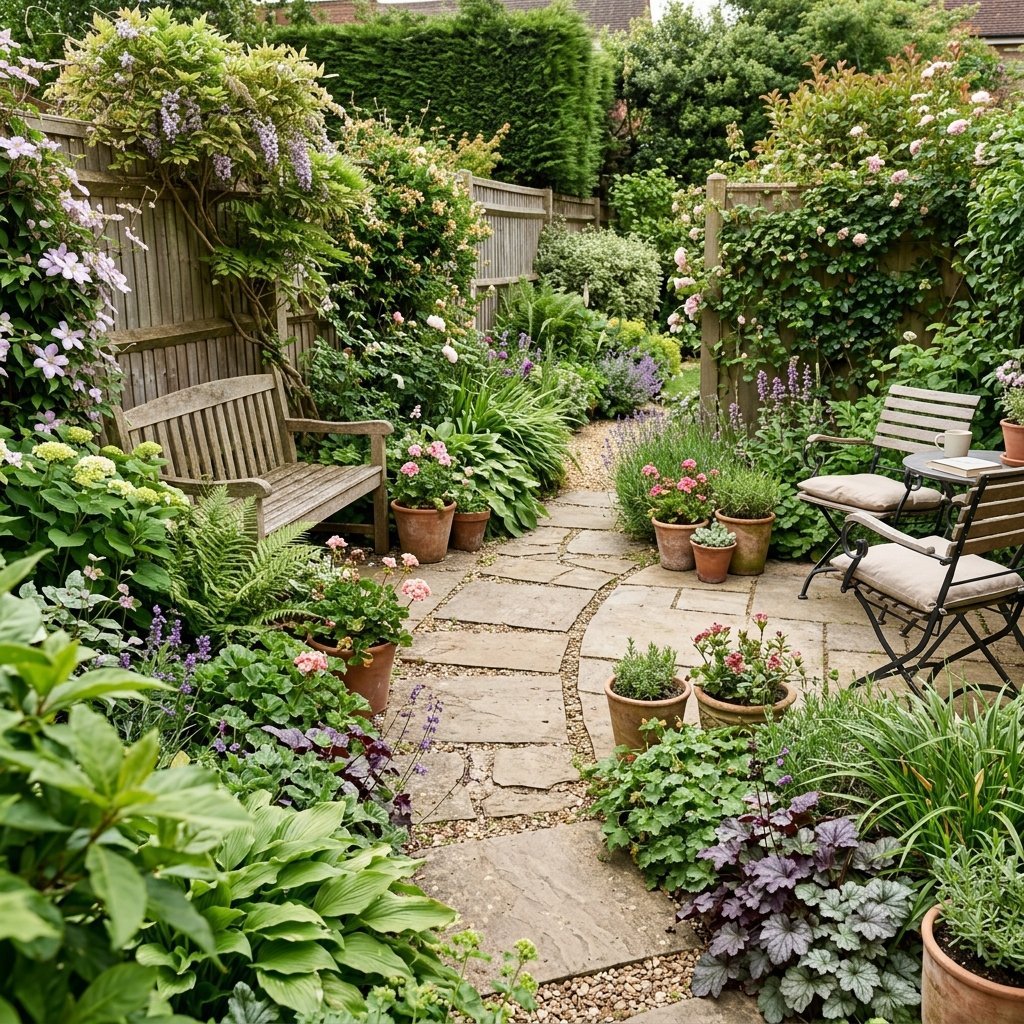
Layout Idea #13 – Decorative Cottage Garden Layout
The cottage garden layout blends beauty and productivity in one space. Flowers, herbs, and vegetables grow together in a relaxed planting style. It creates a charming garden that looks attractive from spring through fall.
Include:
- Vegetables
- Herbs
- Flowering plants
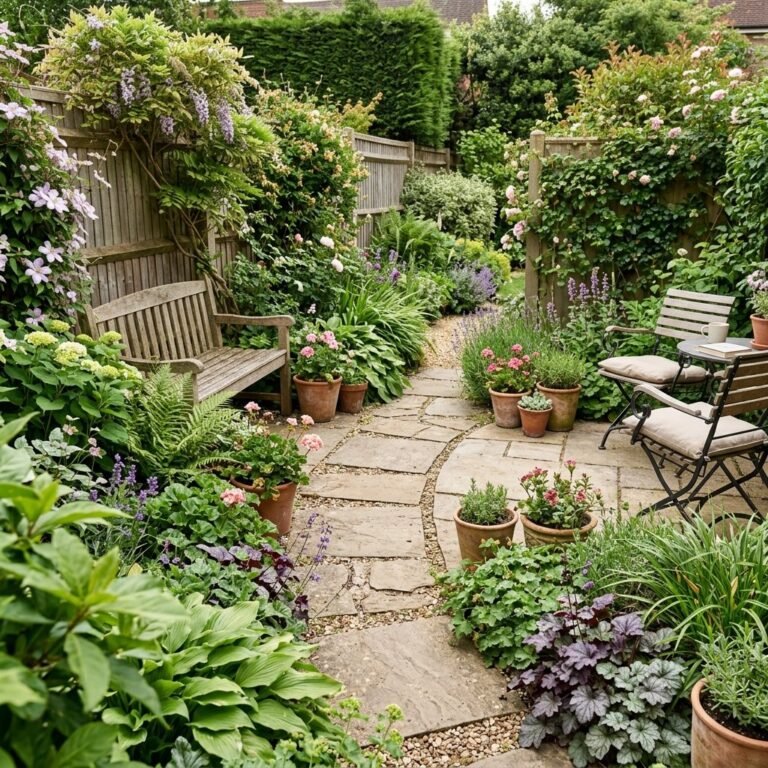
Cottage-style gardens often feature winding paths, colorful blooms, and informal planting patterns.
The result feels welcoming while still producing plenty of food.
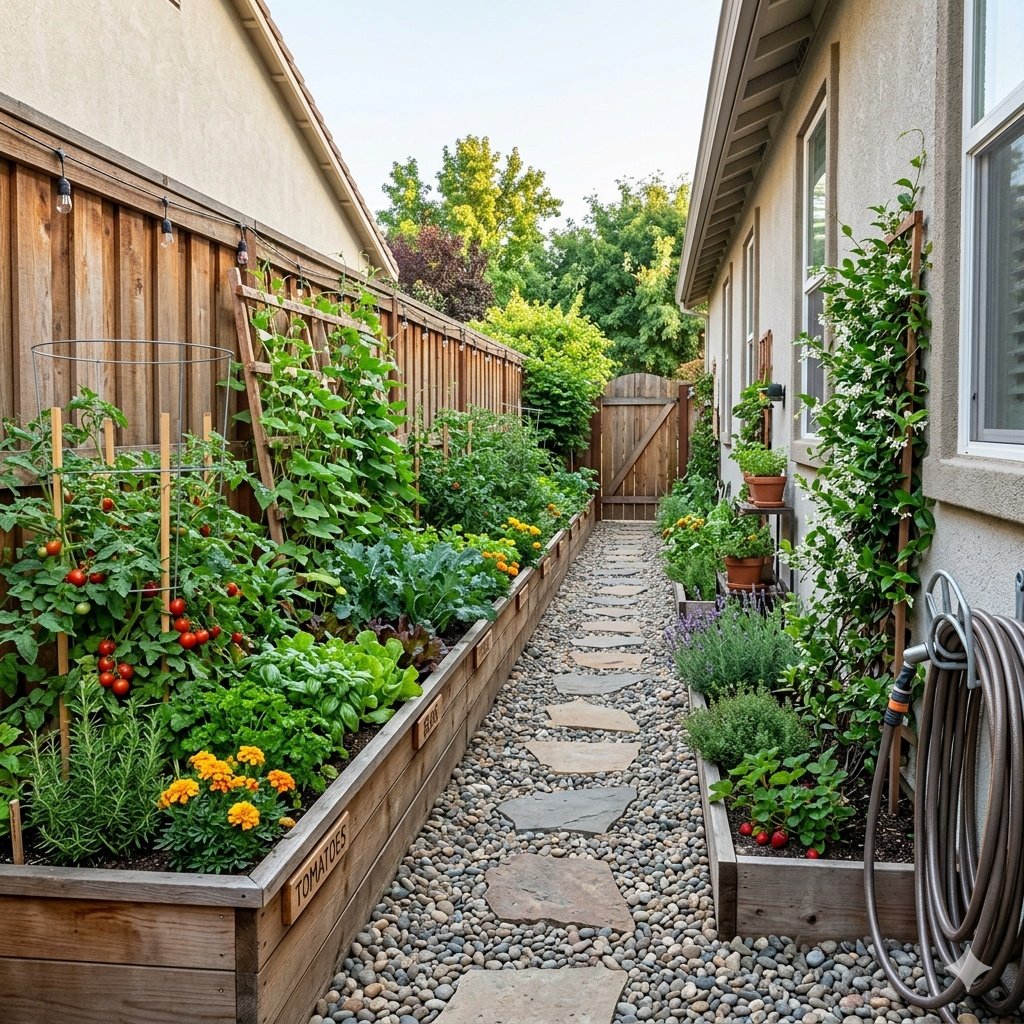
Layout Idea #14 – Raised Bed Layout for Narrow Side Yards
Narrow side yards often receive good sunlight and can become productive growing spaces. Long raised beds make the most of limited width while maintaining easy access. Vertical supports can further increase growing capacity.
Features:
- Long narrow beds
- Vertical supports
- Efficient pathways
Perfect For:
- Urban homes
- Small properties
Even a few feet of width can support a productive garden when planned carefully.
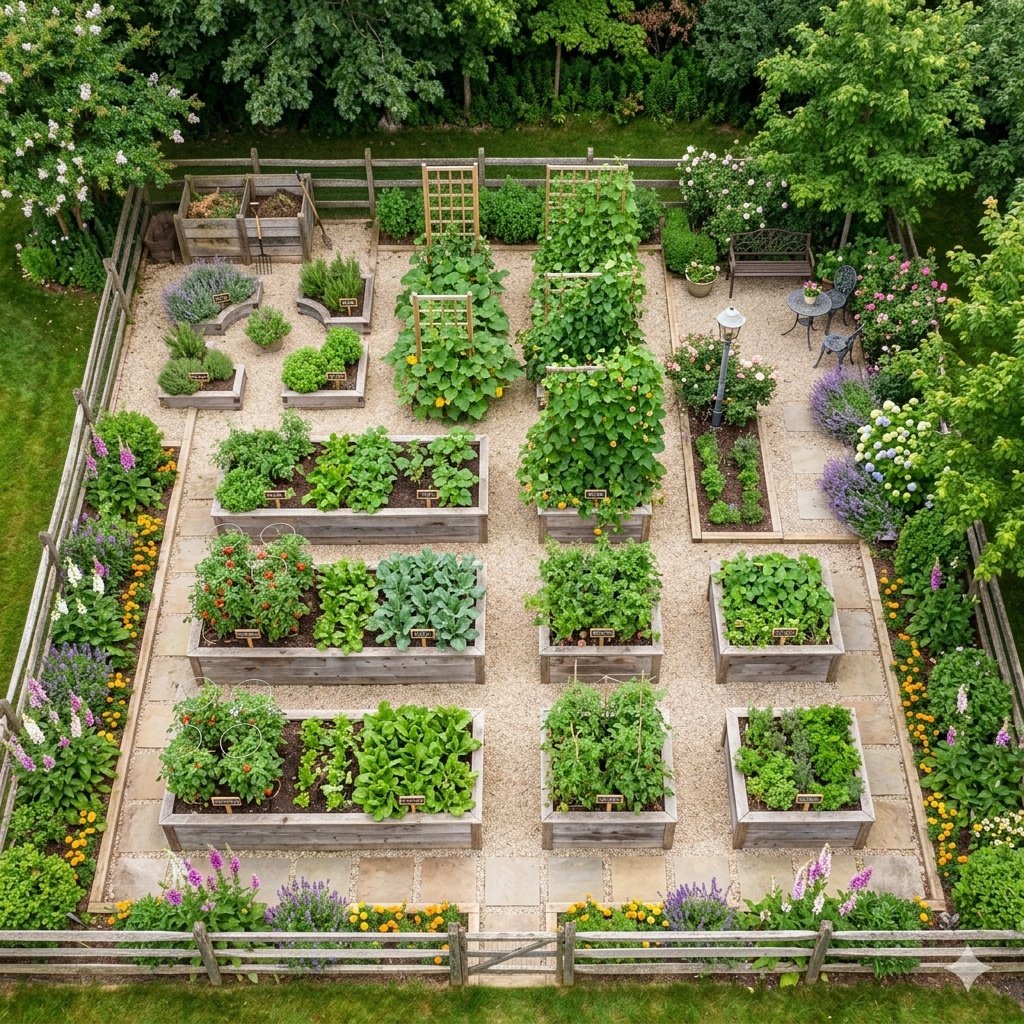
Layout Idea #15 – Ultimate Backyard Raised Bed Layout
This complete garden plan combines raised beds, pathways, composting areas, and seating spaces. It is designed for gardeners who want both productivity and visual appeal. The layout can easily expand as gardening needs grow.
Include:
- 6–8 raised beds
- Compost station
- Herb garden area
- Seating space
- Trellises
- Storage area
Example Layout Blueprint
Position the raised beds in two organized rows with a central pathway. Place compost bins toward the rear of the garden. Add trellises along the northern edge and create a small seating area where you can relax and enjoy the space.
This setup supports vegetables, herbs, flowers, and future expansion.
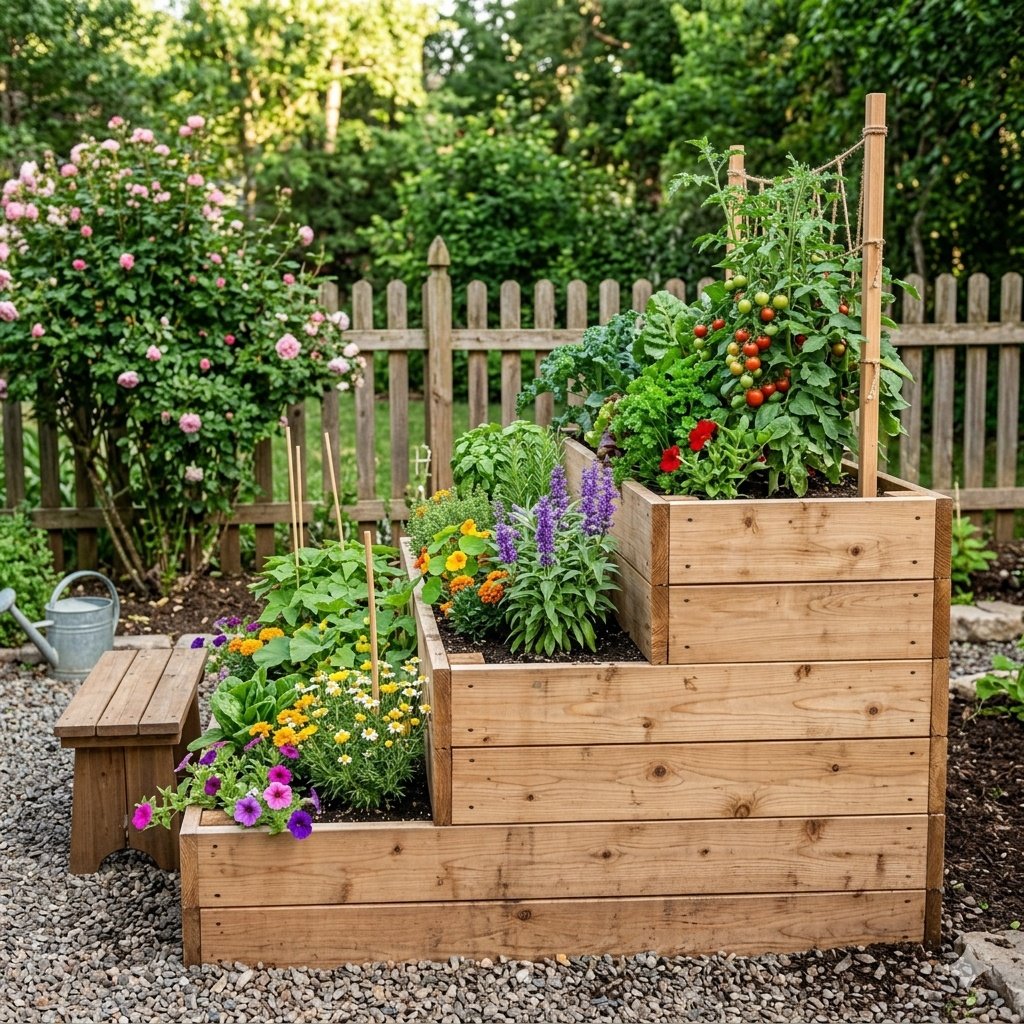
Layout Idea #16 – Tiered Raised Bed Garden Layout
Tiered raised beds use multiple planting levels to create a layered appearance. The design improves drainage and helps maximize growing space in smaller areas. It also adds a striking visual element to the landscape.
Best For
- Sloped yards
- Decorative front-yard gardens
- Small spaces
- Mixed flower and vegetable gardens
Benefits
- Maximizes vertical growing space
- Improves drainage
- Creates visual depth
- Easier harvesting from upper levels
Recommended Plants
Top Tier
- Herbs
- Lettuce
- Spinach
Middle Tier
- Peppers
- Bush beans
- Strawberries
Bottom Tier
- Flowers
- Squash
- Companion plants
Design Tip
Place cascading flowers such as nasturtiums or petunias along lower levels to soften the edges and create a layered appearance.
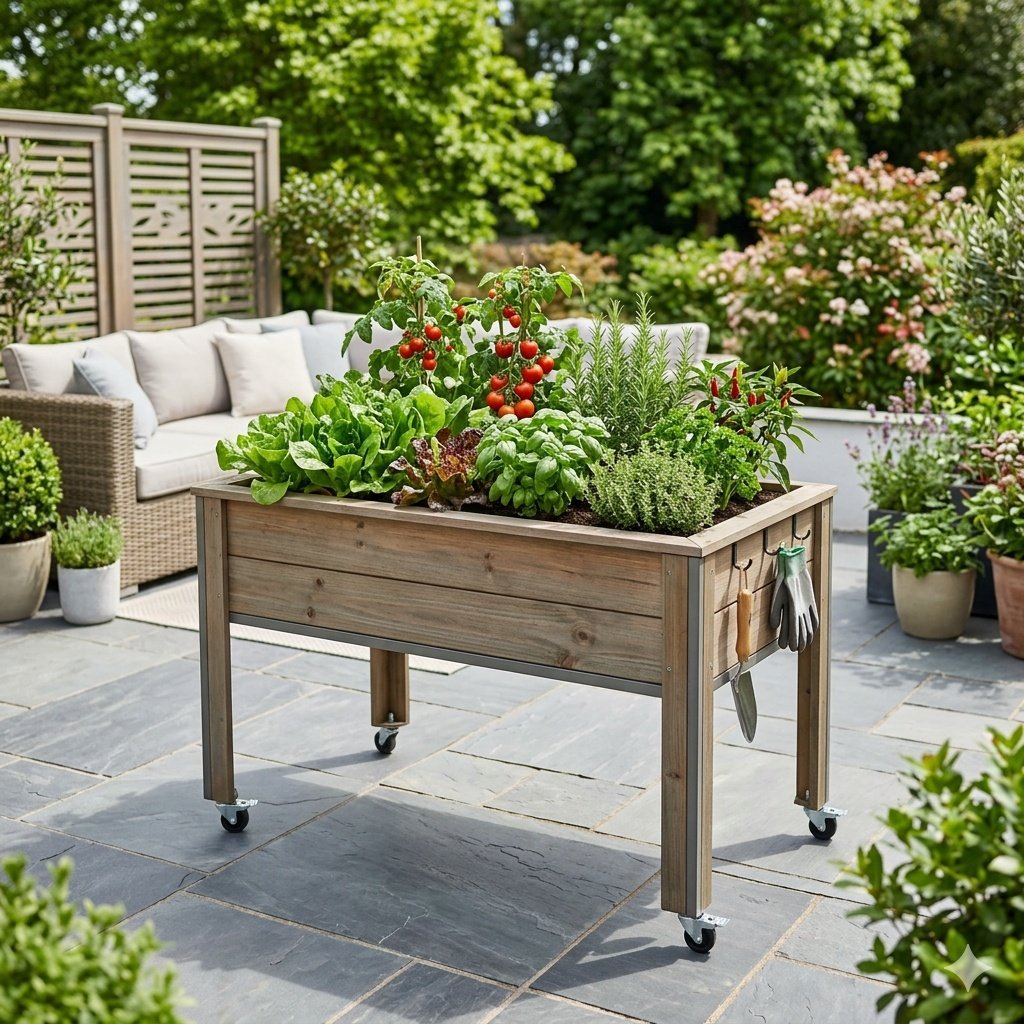
Layout Idea #17 – Elevated Raised Bed Garden Layout
Elevated raised beds bring plants to a comfortable working height. They reduce bending and kneeling, making gardening easier for many people. These beds are also a practical choice for patios, decks, and small outdoor spaces.
Best For
- Seniors
- Gardeners with mobility concerns
- Patios and decks
- Renters
- Small urban spaces
Benefits
- No bending or kneeling
- Better accessibility
- Reduced weed pressure
- Cleaner growing environment
Ideal Crops
- Lettuce
- Kale
- Spinach
- Herbs
- Radishes
- Green onions
Suggested Layout
Arrange two to four elevated beds around a central walkway, creating a compact kitchen garden that can fit on a patio or courtyard.
Design Tip
Choose elevated beds with lower shelves for storing watering cans, hand tools, and potting supplies.
Best Plants for Raised Bed Gardens
Many plants thrive in raised beds due to improved drainage and soil quality.
| Plant | Raised Bed Friendly | Difficulty |
|---|---|---|
| Tomatoes | Yes | Medium |
| Peppers | Yes | Easy |
| Cucumbers | Yes | Easy |
| Lettuce | Yes | Easy |
| Beans | Yes | Easy |
| Carrots | Yes | Easy |
| Basil | Yes | Easy |
| Parsley | Yes | Easy |
| Dill | Yes | Easy |
| Marigolds | Yes | Easy |
| Lavender | Yes | Medium |
| Nasturtiums | Yes | Easy |
Mixing vegetables, herbs, and flowers often creates a healthier and more attractive garden.
Common Raised Bed Layout Mistakes to Avoid
Even well-intentioned gardeners can make layout mistakes that limit production.
Beds That Are Too Wide
Most beds should remain around four feet wide so the center is easy to reach.
Not Enough Walking Space
Tight pathways make maintenance frustrating.
Poor Sunlight Planning
Placing tall plants in front of shorter crops can reduce yields.
Overcrowding
Trying to fit too many plants into one bed often leads to disease and weaker growth.
Ignoring Crop Rotation
Growing the same crop in the same spot year after year can create pest and soil issues.
No Trellis Support
Many climbing vegetables perform much better with vertical growing structures.
Estimated Budget for Different Raised Bed Layouts
Budget is often one of the first questions new gardeners ask.
| Layout Type | Budget Build | Mid-Range Build |
|---|---|---|
| Small Layout | $50–$150 | $200–$400 |
| Medium Layout | $150–$400 | $500–$900 |
| Large Layout | $400–$1,000+ | $1,200+ |
Costs vary depending on materials, soil volume, irrigation systems, and accessories.
Choosing modular raised bed kits can reduce construction time, while DIY lumber beds often lower costs.
Related Reads
You might find these helpful as you keep going:
- Metal vs Wood Raised Garden Beds: Which Is Better?
- 17 Full Sun Plants to Grow in May
- 7 Best Fertilizers for Raised Beds (Top Picks + Feeding Guide)
FAQ
What is the best layout for a raised bed garden?
The best layout depends on your space and goals. Parallel raised beds remain one of the most versatile options because they provide easy access, efficient watering, and room for expansion.
How many raised beds should a beginner start with?
Two to four raised beds are usually enough for beginners. This provides plenty of growing space without becoming overwhelming.
How wide should raised beds be?
Most raised beds should be about four feet wide. This allows you to reach the center from either side without stepping into the bed.
What vegetables grow best in raised beds?
Tomatoes, peppers, lettuce, carrots, beans, cucumbers, and many herbs perform exceptionally well in raised beds.
How far apart should raised beds be?
Leave at least 18 to 24 inches between beds for walking. Wider paths may be necessary if using wheelbarrows or garden carts.
Are raised beds worth the cost?
For many gardeners, yes. Raised beds improve drainage, simplify maintenance, extend the growing season, and often produce better harvests than traditional in-ground gardens.
Final Thoughts
The right raised bed garden layout can make gardening easier, more productive, and far more enjoyable. Whether you choose a simple parallel-bed arrangement, a space-saving square foot design, or a complete backyard garden plan, thoughtful organization pays off throughout the growing season.
Start with a layout that matches your available space and gardening experience. As your confidence grows, you can add more beds, experiment with trellises, introduce pollinator plants, and build a garden that fits your needs year after year.
Choose one layout, sketch it on paper, and start planning your next garden today.