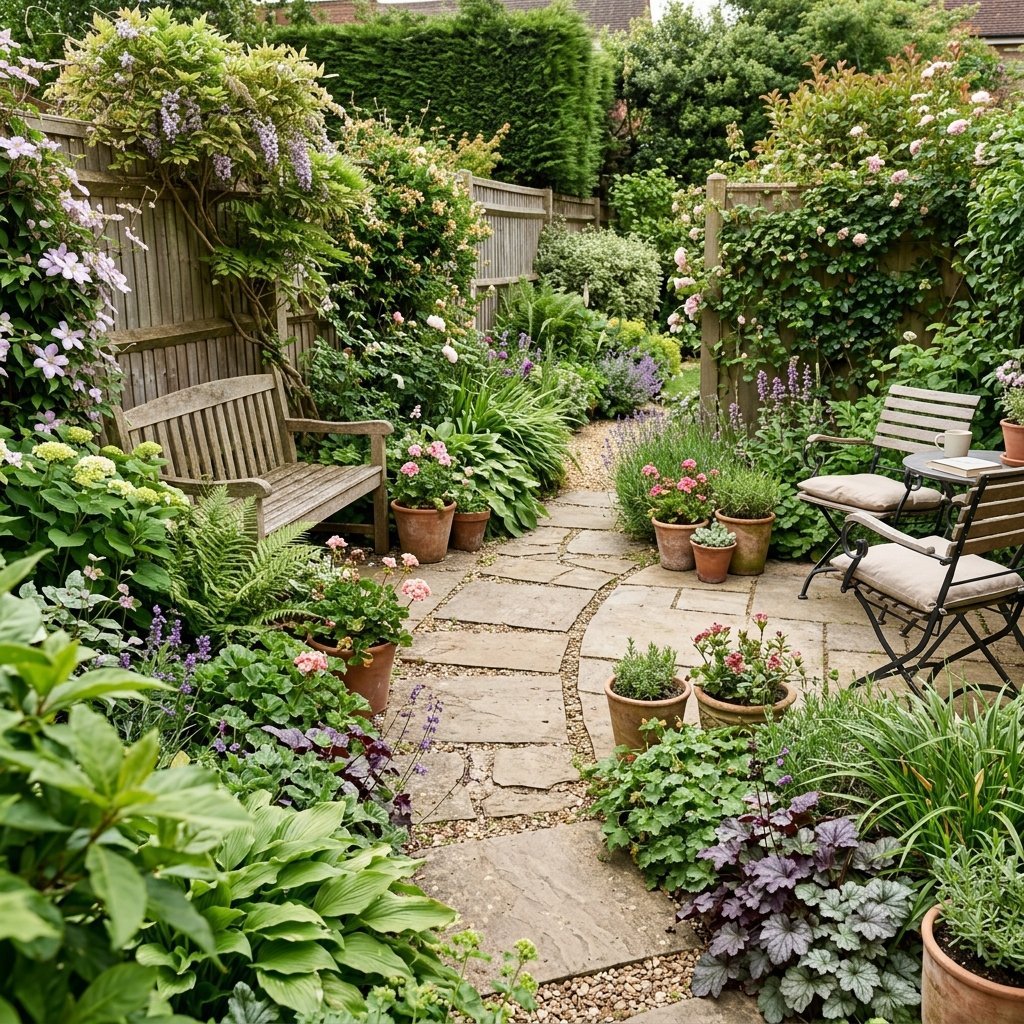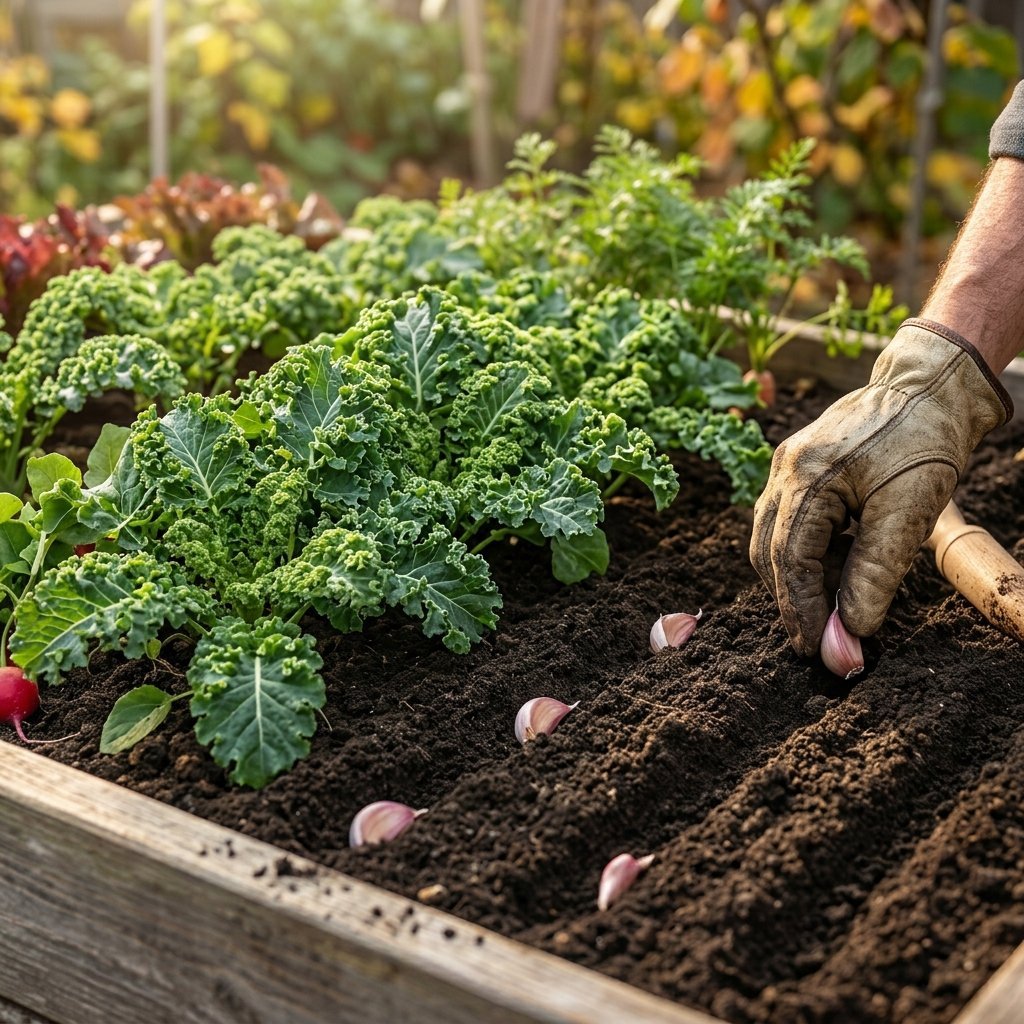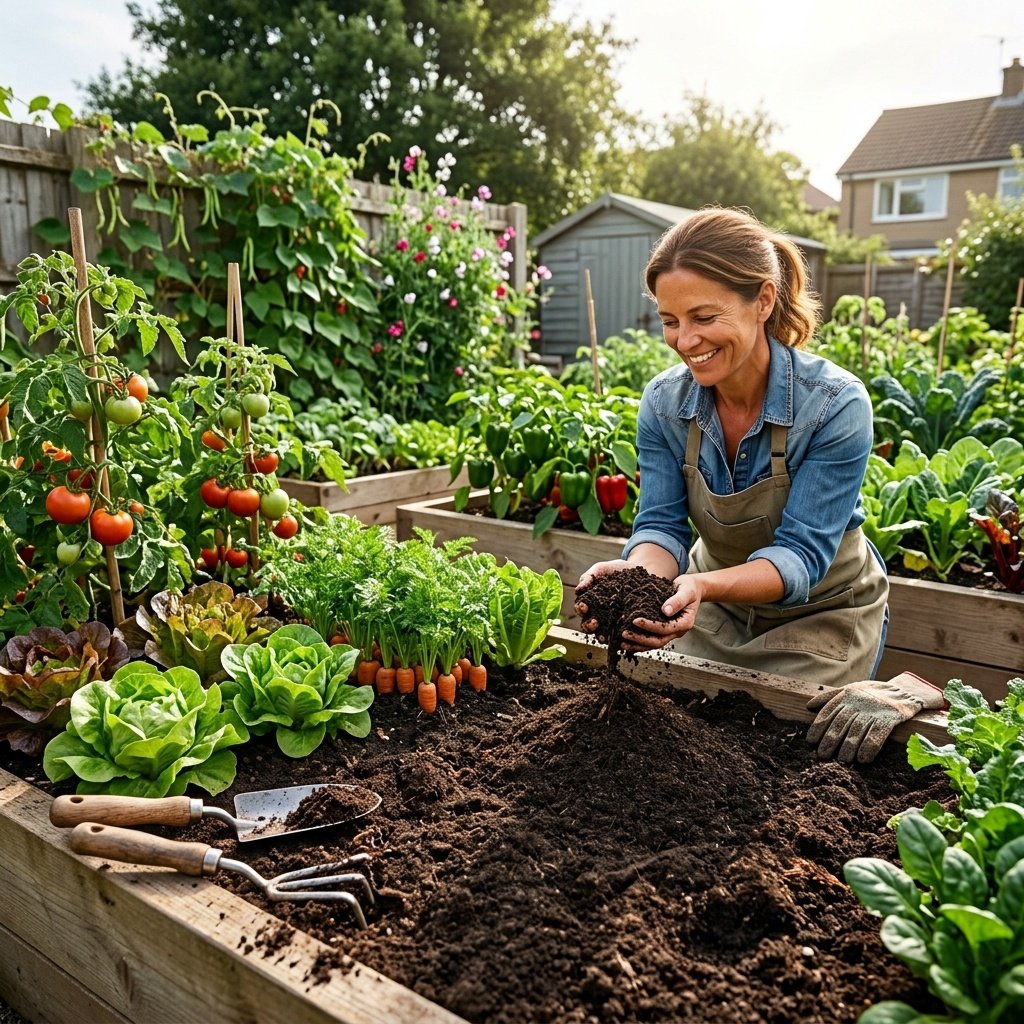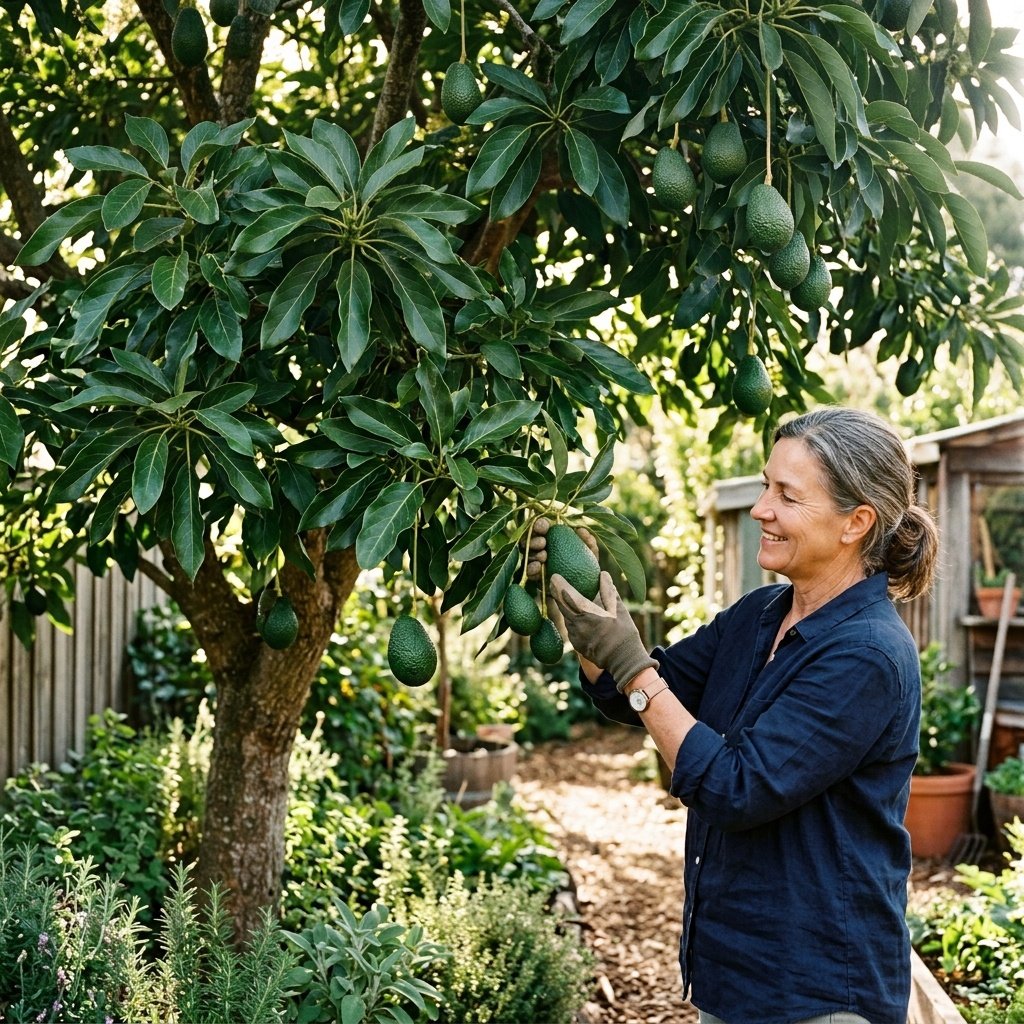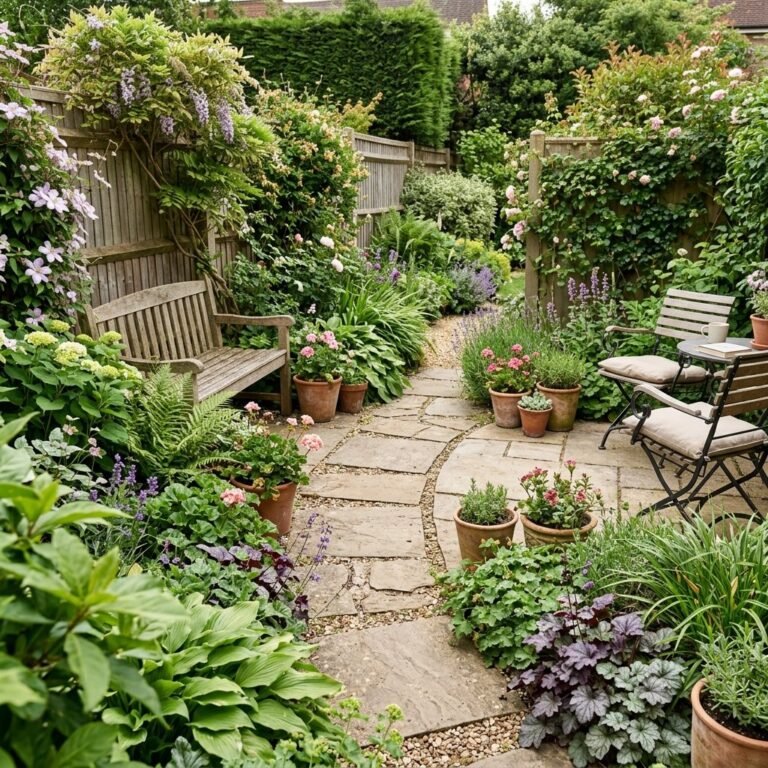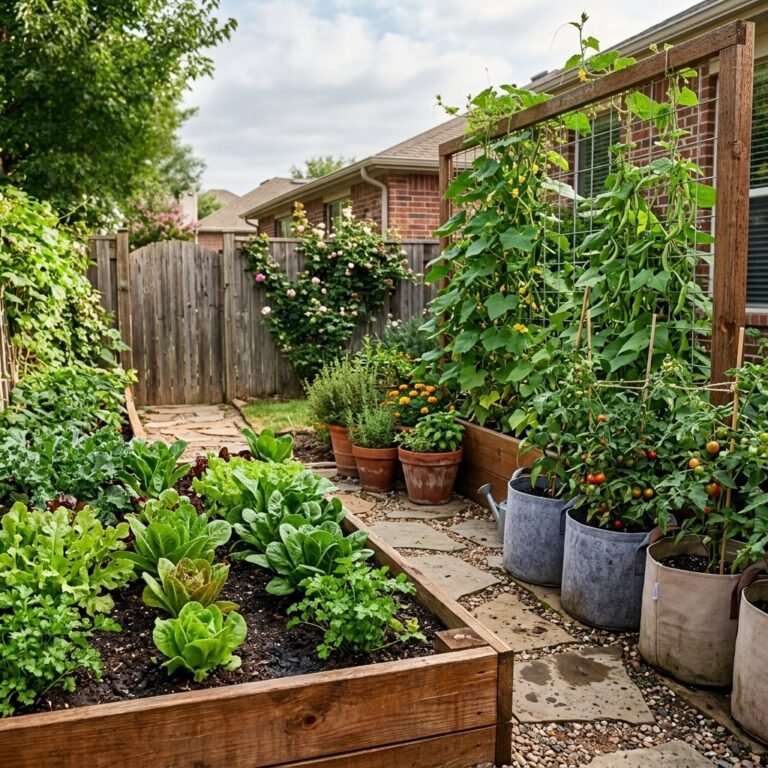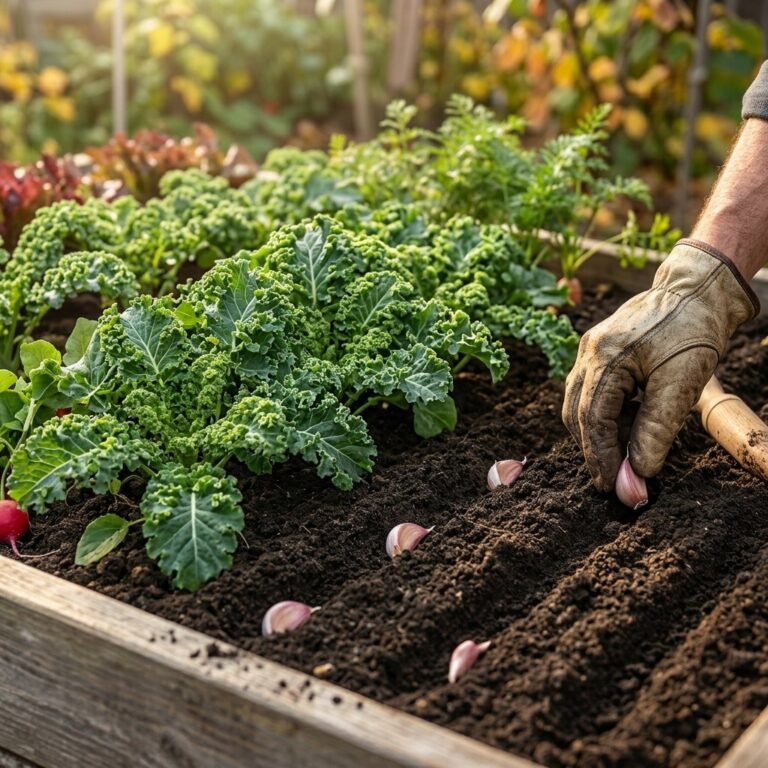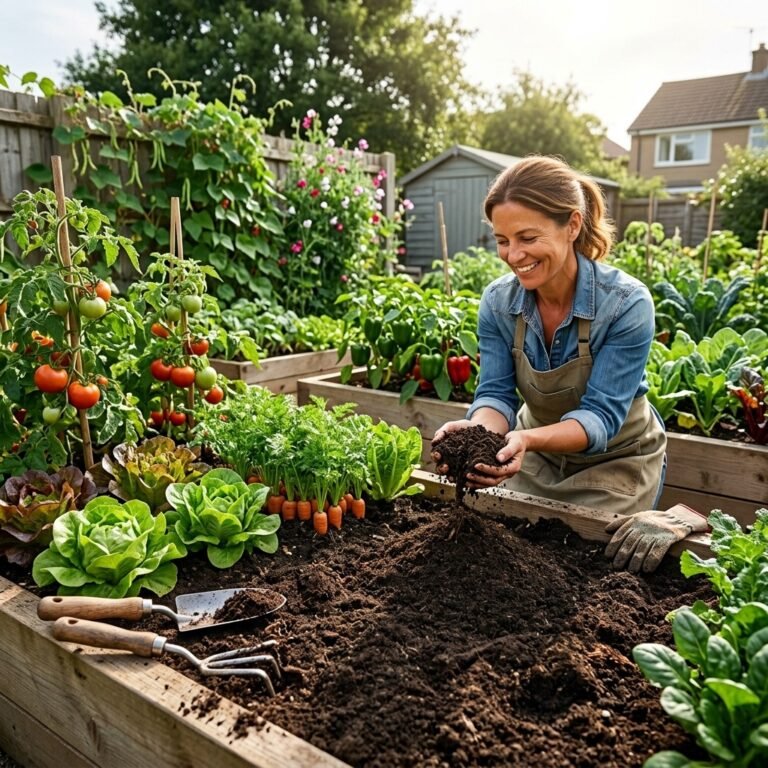

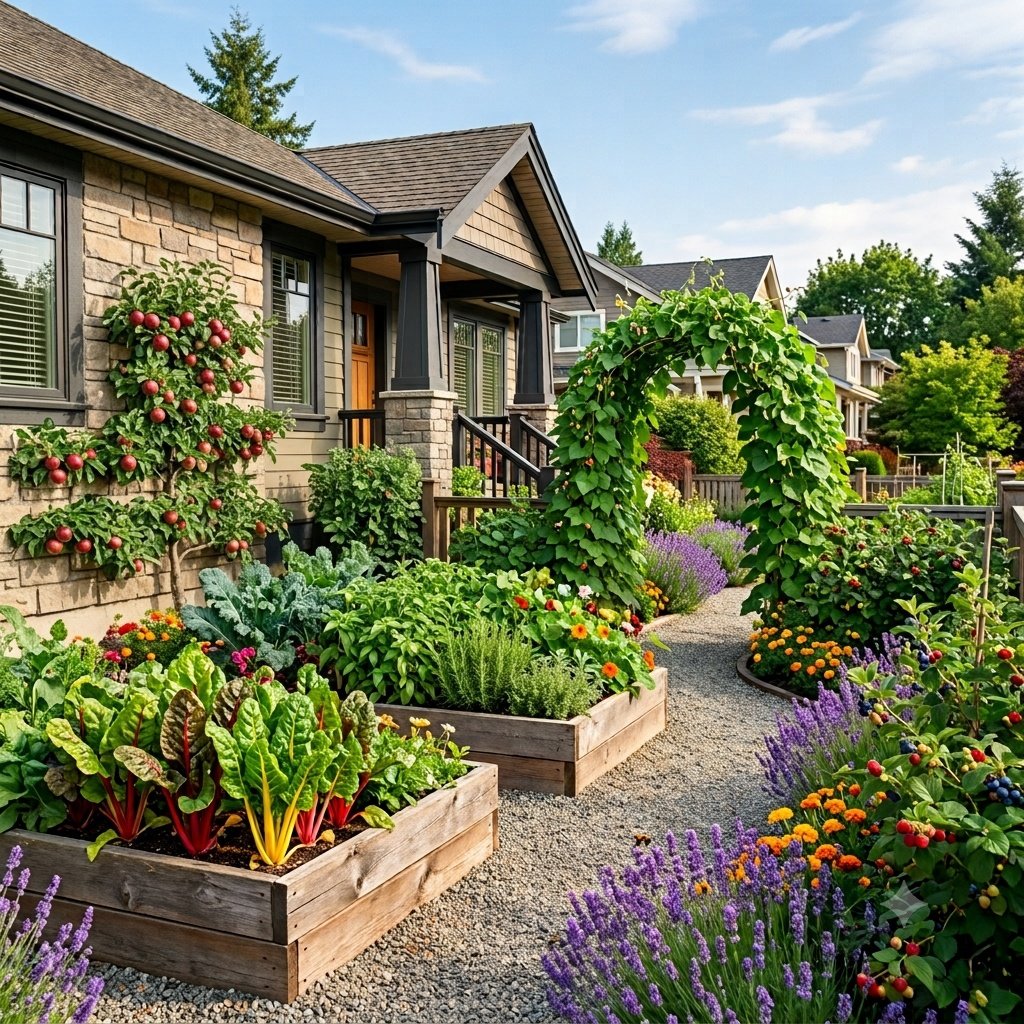
A front yard doesn’t have to be all lawn and ornamental shrubs to make a great first impression. More homeowners are swapping patches of grass for edible plants that look just as attractive while providing fresh vegetables, herbs, berries, and fruit throughout the year. That’s the heart of foodscaping—designing a landscape that’s both beautiful and productive.
The first time I visited a neighborhood with an edible front yard, I almost walked past it without realizing it was a vegetable garden. Bright Swiss chard blended with flowering perennials, dwarf apple trees framed the walkway, and rosemary bordered the front porch. It looked polished, not like a traditional backyard vegetable patch. That visit completely changed the way I viewed landscaping.
Foodscaping isn’t about filling every inch of your yard with vegetables. It’s about combining edible plants with thoughtful design so your outdoor space stays inviting in every season. Whether you have a compact suburban lot or a larger property, there are plenty of ways to grow food without sacrificing curb appeal.
In this guide, you’ll discover practical Foodscaping Ideas that combine style with harvests, along with lessons that many gardeners only learn after a few growing seasons.
What Is Foodscaping?
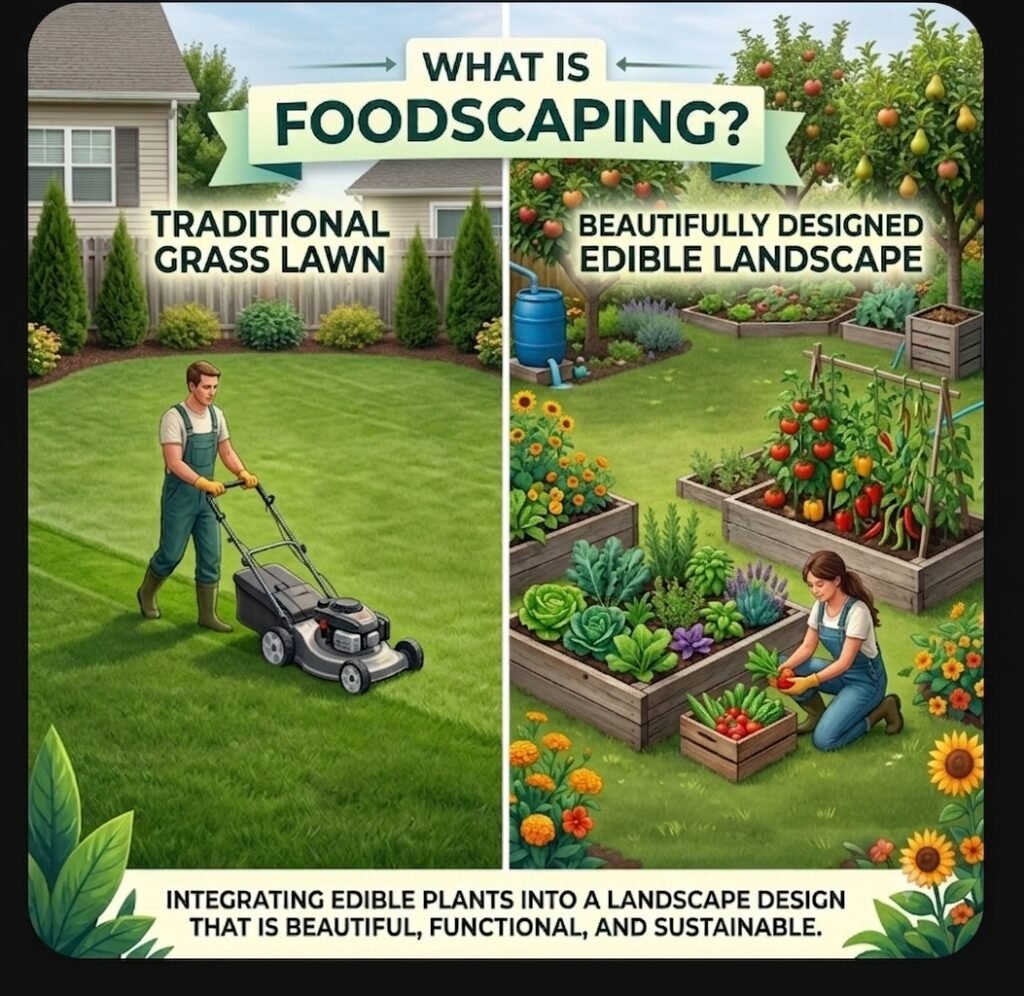
Foodscaping is the practice of combining edible plants with traditional landscaping to create an attractive outdoor space that also produces food. Instead of separating flowers from vegetables, foodscaping blends them into one cohesive design.
Unlike a conventional vegetable garden hidden in the backyard, a foodscape can include raised beds near the front walk, herbs edging pathways, berry bushes replacing ornamental shrubs, and fruit trees serving as landscape features.
One neighbor in my area replaced half of a struggling front lawn with raised cedar beds, lavender borders, and two dwarf pear trees. At first, they worried the space might look messy. By midsummer, the garden became one of the most admired yards on the street, proving that edible landscaping can be every bit as attractive as traditional designs.
Another reason foodscaping has become so popular is flexibility. It works in small city lots, suburban neighborhoods, and larger rural properties. You can grow vegetables, herbs, berries, fruit trees, and edible flowers while still maintaining a neat, welcoming appearance.
Benefits of Foodscaping Your Front Yard
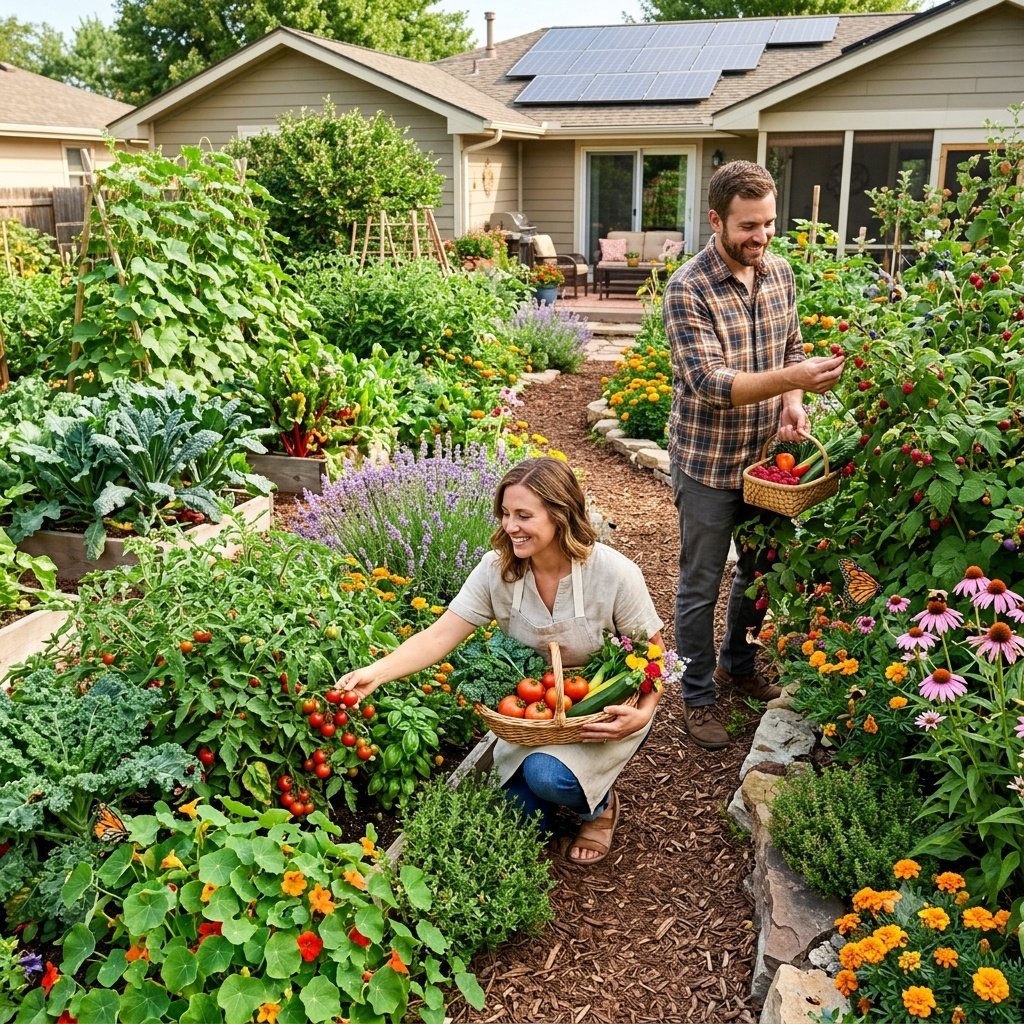
One of the biggest rewards of foodscaping is walking outside and picking fresh ingredients just minutes before dinner. Fresh herbs, tomatoes, lettuce, berries, and peppers often taste noticeably better than store-bought produce because they’re harvested at peak ripeness.
It can also reduce grocery costs over time. While there’s an initial investment in soil, plants, and materials, many gardeners find that recurring harvests help offset seasonal produce expenses.
I’ve noticed another unexpected benefit when visiting foodscaped gardens: they’re full of life. Bees move between flowering herbs, butterflies gather around zinnias, and birds stop by berry shrubs. A yard that once needed constant mowing becomes an active ecosystem.
Replacing sections of lawn also means less mowing, lower water use in many climates, and fewer empty spaces that require constant maintenance. Healthy soil enriched with compost supports stronger plants year after year.
Perhaps the greatest advantage is that your landscape changes with the seasons. Spring blossoms give way to summer vegetables, followed by colorful autumn harvests and evergreen herbs that provide structure through winter. The result is a yard that’s always evolving instead of looking the same month after month.
Now let’s look at practical ideas you can adapt to almost any home.
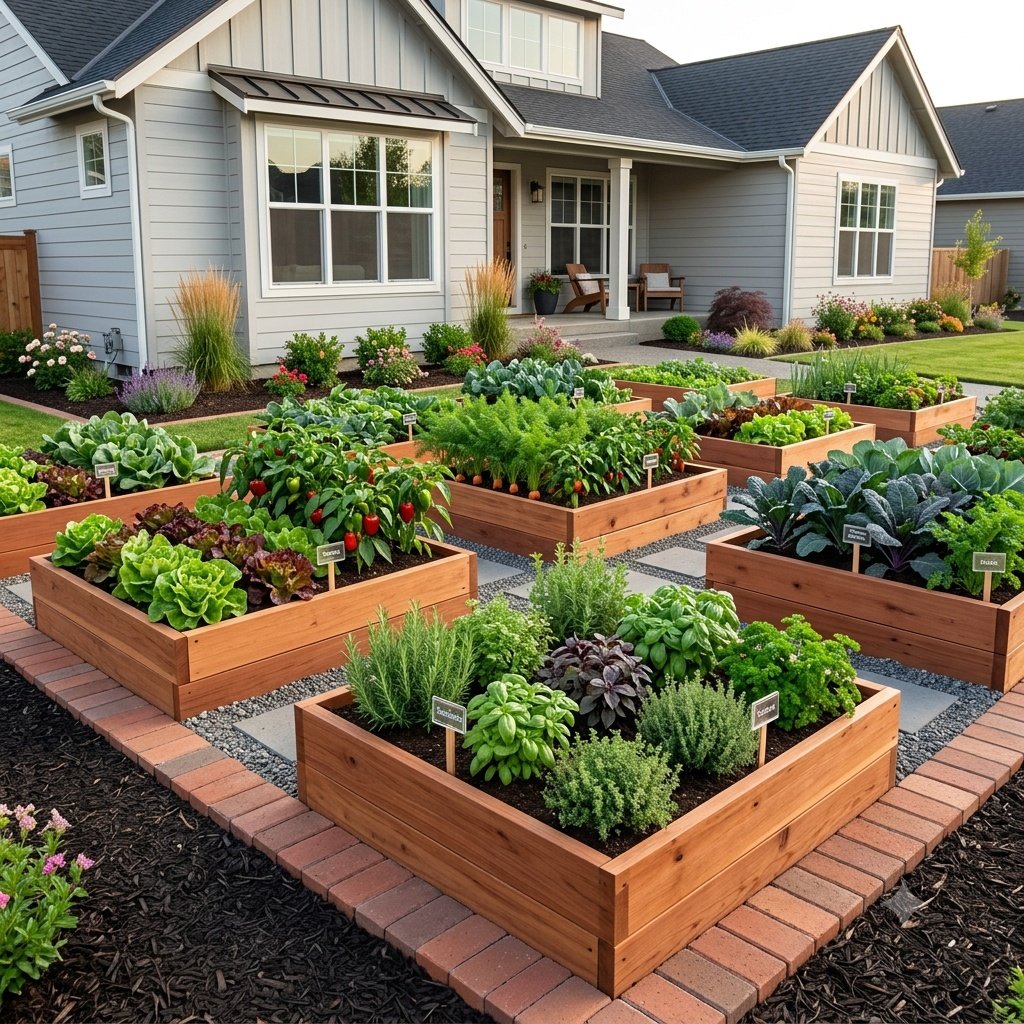
1. Replace Lawn Borders with Raised Vegetable Beds
Raised garden beds instantly give a foodscape a clean, organized appearance. Cedar beds with brick or stone edging fit naturally into most landscape designs while making vegetables easier to maintain.
I helped a family replace a narrow strip of grass beside their driveway with two raised beds. They planted lettuce, carrots, bush beans, and peppers. The difference was immediate. Instead of an awkward patch that needed weekly mowing, they had a productive space that became a conversation starter with neighbors.
Choose vegetables that stay tidy and harvest regularly to keep the beds looking fresh.
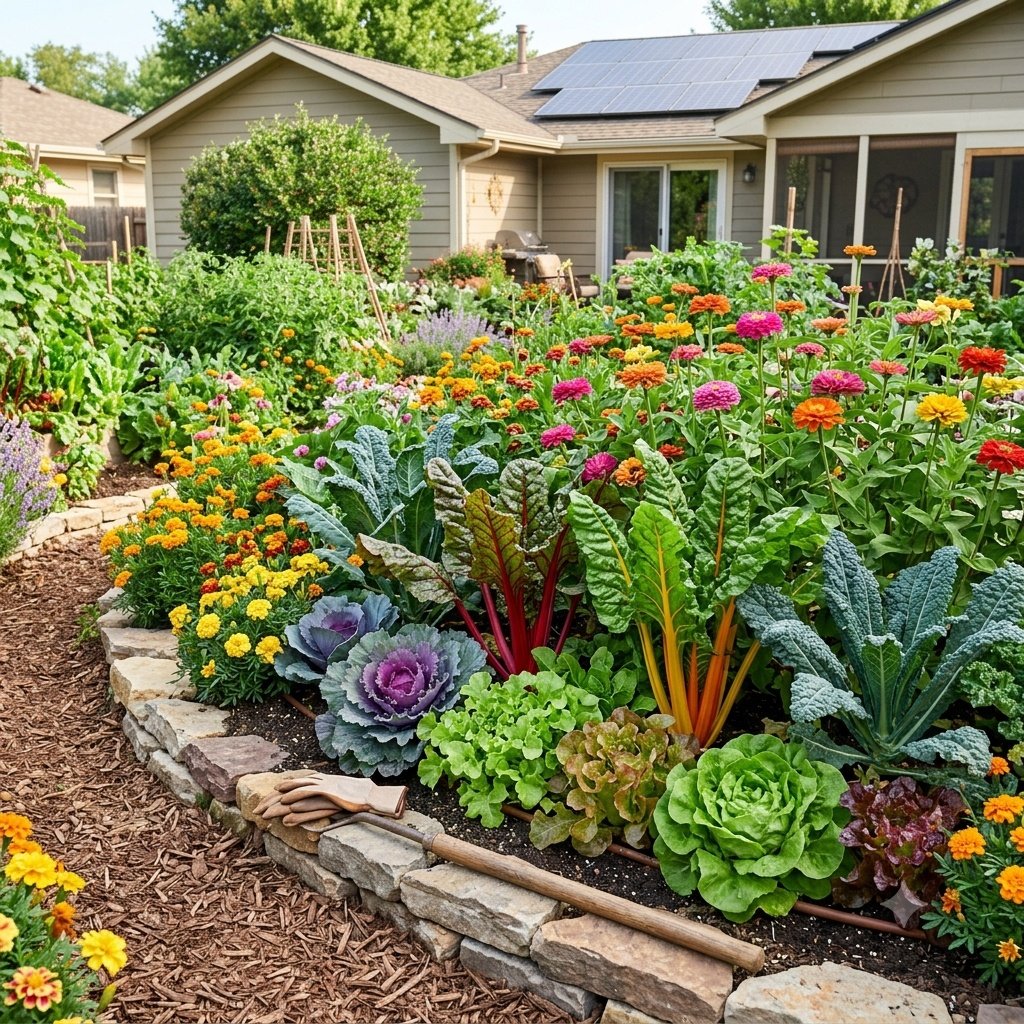
2. Mix Colorful Vegetables Into Flower Beds
Vegetables can be surprisingly ornamental. Rainbow Swiss chard, purple cabbage, red lettuce, kale, and ornamental peppers provide color and texture that blend beautifully with flowering plants.
A local community garden inspired me to stop separating vegetables from flowers. Marigolds framed tomato plants, while deep purple kale contrasted with bright yellow blooms. Most visitors admired the colors before realizing many of the plants were edible.
Repeating colors throughout the bed helps create a landscape that feels intentional rather than random.
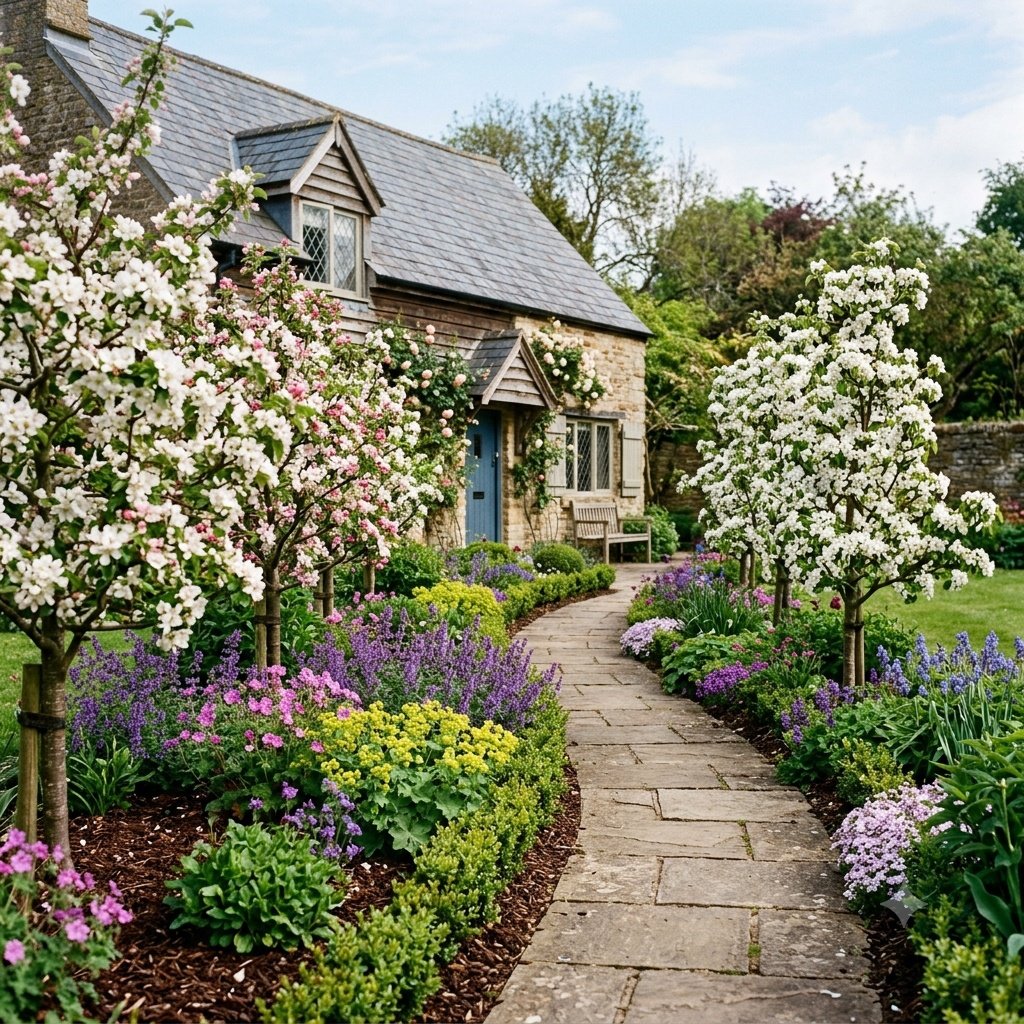
3. Plant Dwarf Fruit Trees Along Walkways
Dwarf fruit trees add height, seasonal flowers, shade, and delicious harvests without overwhelming smaller yards.
Apples, pears, peaches, and plums are popular choices, depending on your climate. Plant them with enough spacing for mature growth and allow sunlight to reach nearby plants.
One homeowner I met planted dwarf apple trees along both sides of a front walkway. In spring, the blossoms looked spectacular. By late summer, children walking home from school would stop to admire the fruit hanging from the branches.
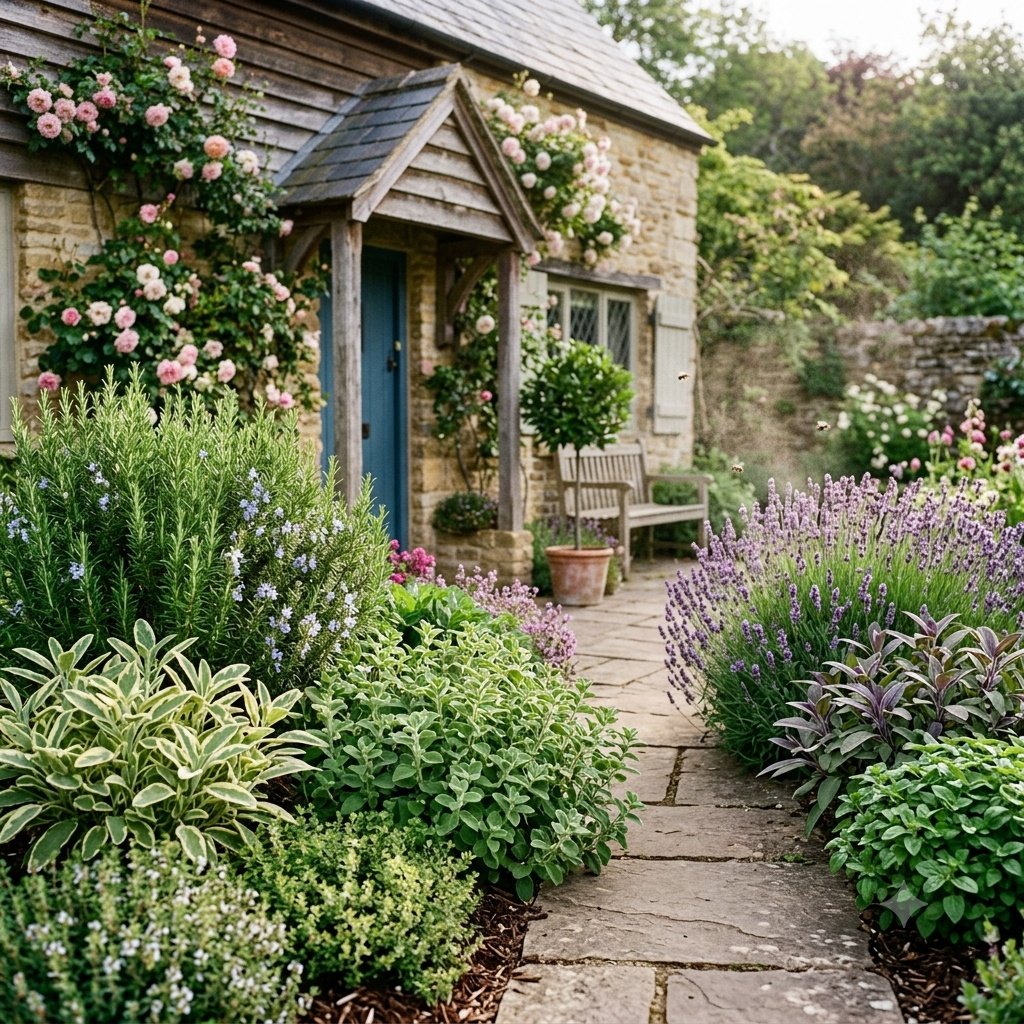
4. Create an Herb Border Around Your Home
Herbs are among the easiest edible plants to include in landscaping. Rosemary, thyme, sage, oregano, basil, and lavender all provide texture, fragrance, and regular harvests.
A herb border near the kitchen door has become one of my favorite gardening features. It’s surprisingly convenient to step outside for fresh basil or thyme while cooking instead of relying on dried herbs from the pantry.
Many herbs also attract bees and beneficial insects while naturally filling the garden with pleasant aromas.
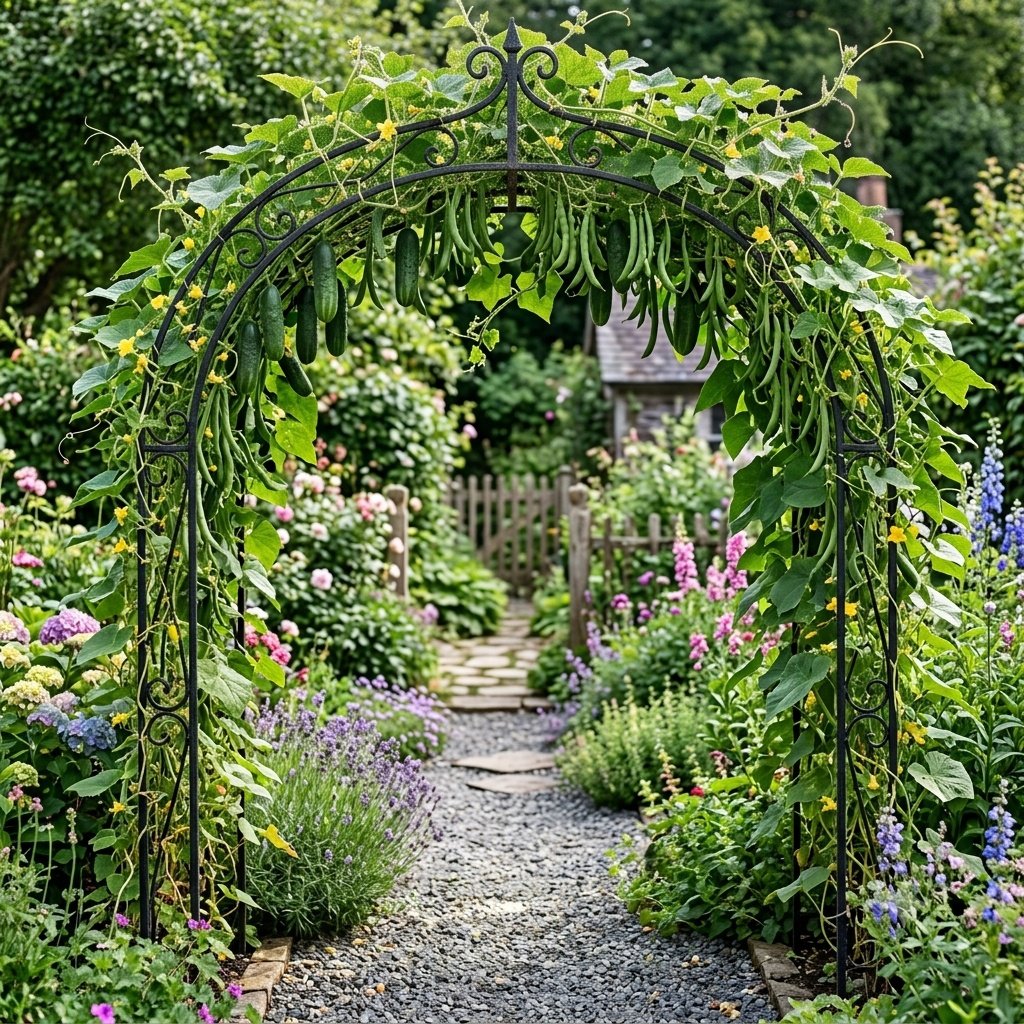
5. Install Decorative Garden Arches with Climbing Crops
Garden arches create an eye-catching focal point while making excellent use of vertical space.
Pole beans, cucumbers, Malabar spinach, grapes, and, in suitable climates, kiwi vines can climb over sturdy arches to form living tunnels.
Walking beneath a bean-covered arch during peak summer growth is a memorable experience. The hanging pods, filtered sunlight, and dense greenery transform an ordinary garden path into something that feels much larger than it actually is.
Choose strong metal or wooden arches capable of supporting mature vines.
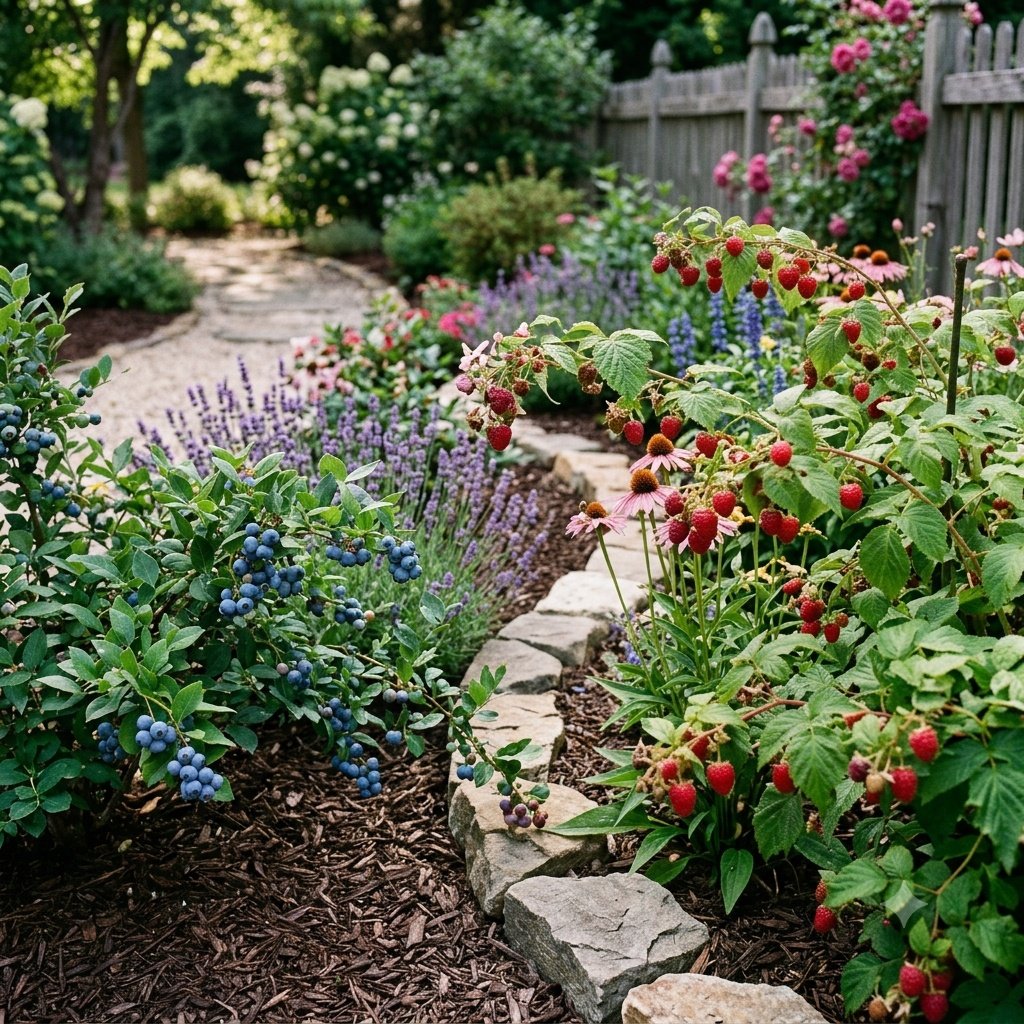
6. Add Berry Bushes as Decorative Shrubs
Many berry bushes are attractive enough to replace ornamental shrubs.
Blueberries offer spring blossoms, summer fruit, and brilliant fall foliage. Raspberries, currants, and gooseberries also blend well into edible landscapes when properly pruned.
One family I know planted blueberries where decorative shrubs once struggled in acidic soil. A few years later, those bushes had become one of the most productive and attractive features in their yard, with visitors often asking what variety they were growing.
Annual pruning helps maintain both appearance and productivity.
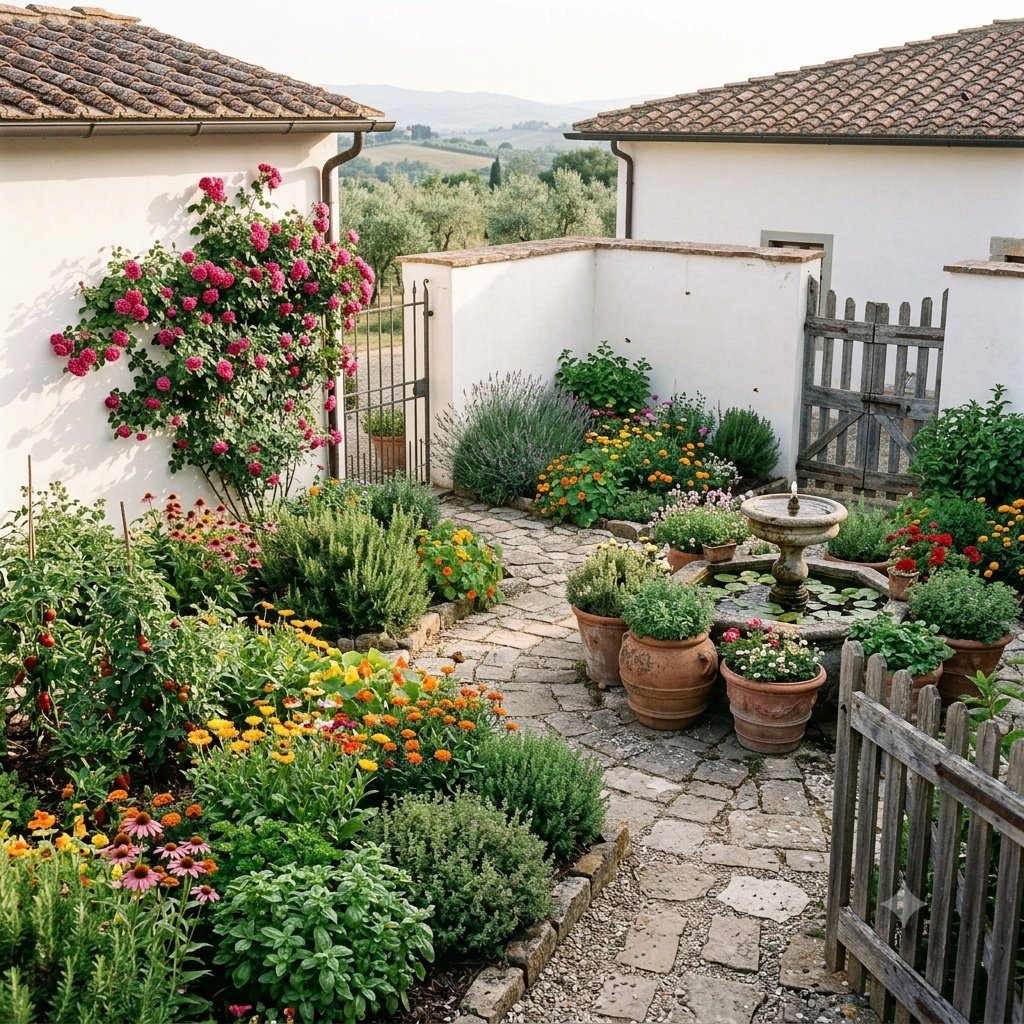
7. Combine Vegetables with Pollinator Flowers
Flowers aren’t just decorative—they help improve the health of an edible garden.
Marigolds, calendula, nasturtiums, cosmos, and zinnias attract bees, butterflies, and other beneficial insects that support pollination.
I once compared two nearby vegetable beds. One contained only vegetables, while the other mixed flowers throughout the planting. The flower-filled bed consistently attracted more pollinators and seemed noticeably more vibrant throughout the growing season.
Besides their ecological value, these flowers soften the appearance of vegetable beds and extend seasonal color.
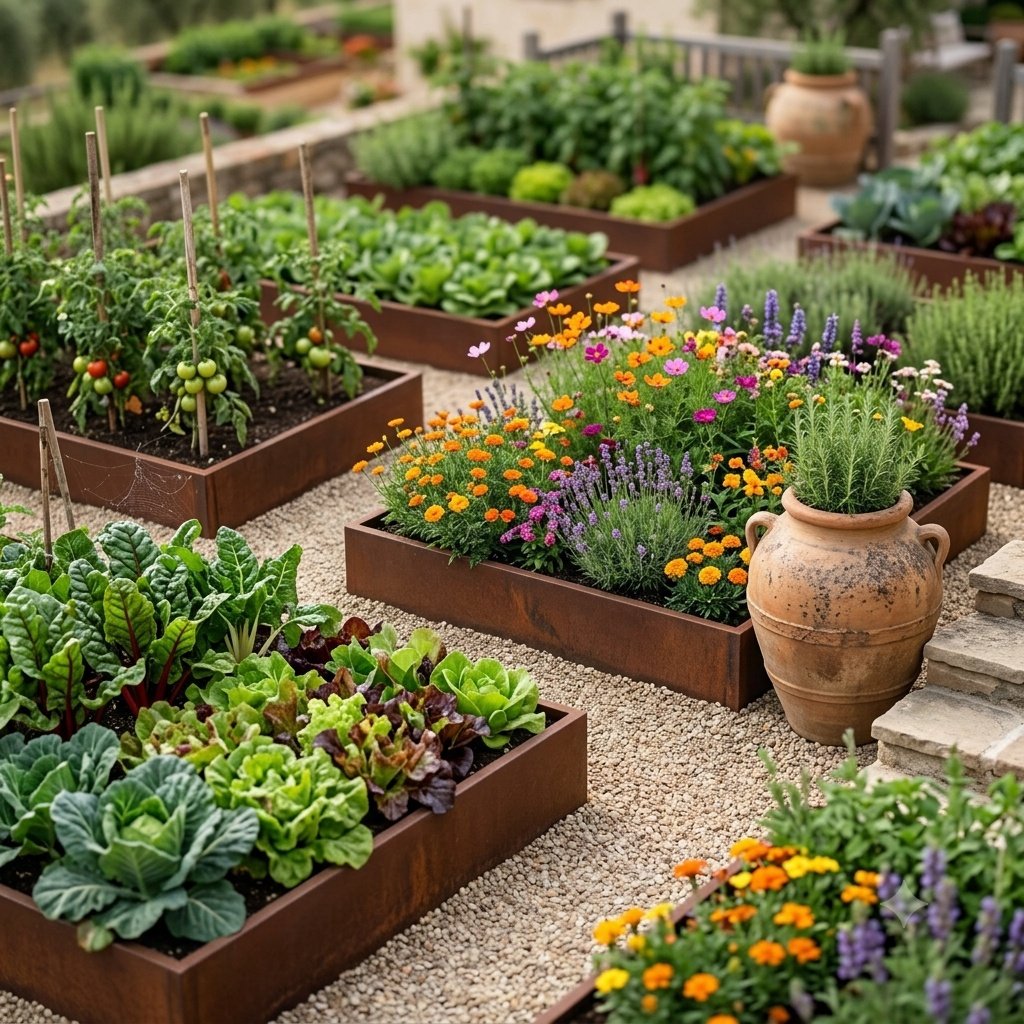
8. Create Gravel Garden Paths Between Edible Beds
Paths are often overlooked, yet they have a huge impact on how polished a foodscape feels.
Gravel pathways improve drainage, reduce muddy footprints after rain, suppress weeds, and make harvesting more comfortable. They also create visual separation between planting areas.
A garden I toured several years ago used simple pea gravel bordered with steel edging between raised beds. The vegetables looked cleaner, visitors could move easily through the space, and the entire garden had a professional, well-planned appearance despite being maintained by a single family.
If possible, make paths wide enough for a wheelbarrow or garden cart. You’ll appreciate the extra space during planting season and harvest time.
9. Grow Vegetables in Stylish Containers
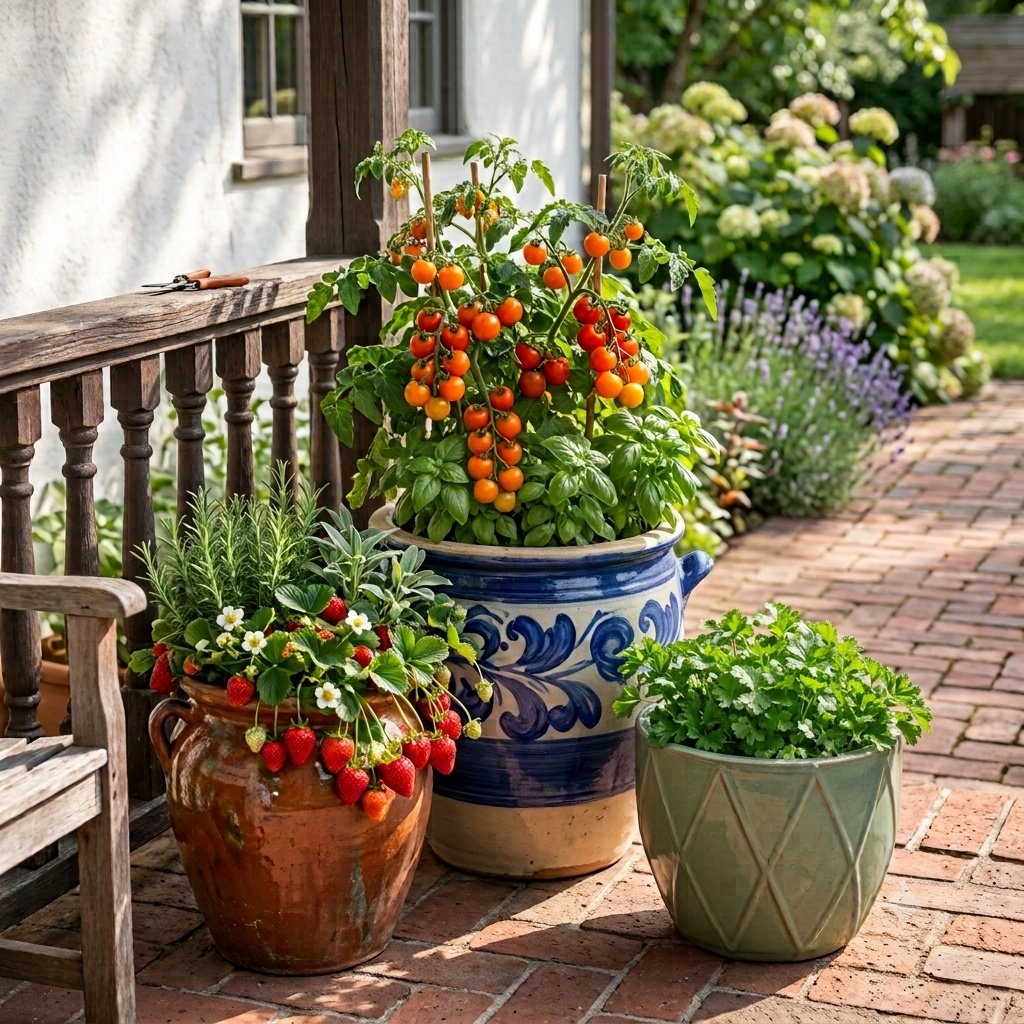
Containers make foodscaping possible even if you have limited planting space or poor soil. They also add height and visual interest to patios, entryways, and front porches.
Tomatoes, peppers, eggplants, strawberries, lettuce, and many herbs grow exceptionally well in decorative pots. Choose containers that complement your home’s style, whether that’s rustic terracotta, modern concrete, glazed ceramic, or wooden planters.
One summer, I experimented with growing cherry tomatoes in large decorative pots near the front entrance instead of the backyard. I expected them to be mostly ornamental, but they quickly became the most productive tomato plants I had. Because they were close to the house, watering and harvesting became part of my daily routine, and I rarely lost ripe fruit to being forgotten.
Use quality potting mix, ensure every container has drainage holes, and feed plants regularly since nutrients wash out faster than they do in garden beds.
10. Add Vertical Trellises for More Growing Space
If your yard is small, think upward instead of outward.
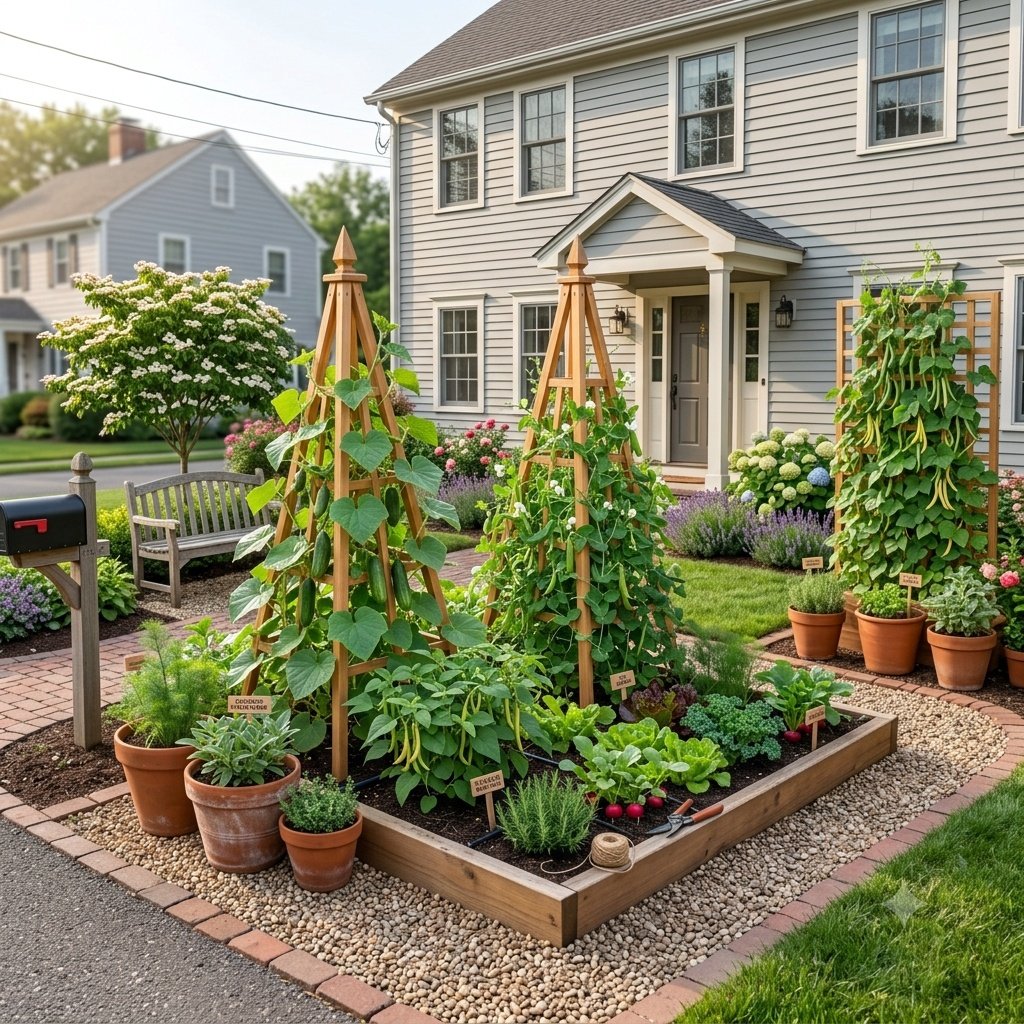
Vertical trellises allow beans, cucumbers, peas, and compact melon varieties to grow without taking over valuable ground space. They also improve airflow around plants, making harvesting easier while reducing the risk of some fungal diseases.
I visited a compact suburban garden where two wooden trellises completely transformed a narrow side yard. Cucumbers climbed neatly upward, leaving room below for lettuce and herbs. The space felt organized instead of crowded, and the harvest was surprisingly abundant for such a small area.
Wooden lattice panels, cattle panels, decorative metal trellises, and obelisks all work well, depending on your preferred garden style.
11. Incorporate Edible Ground Covers
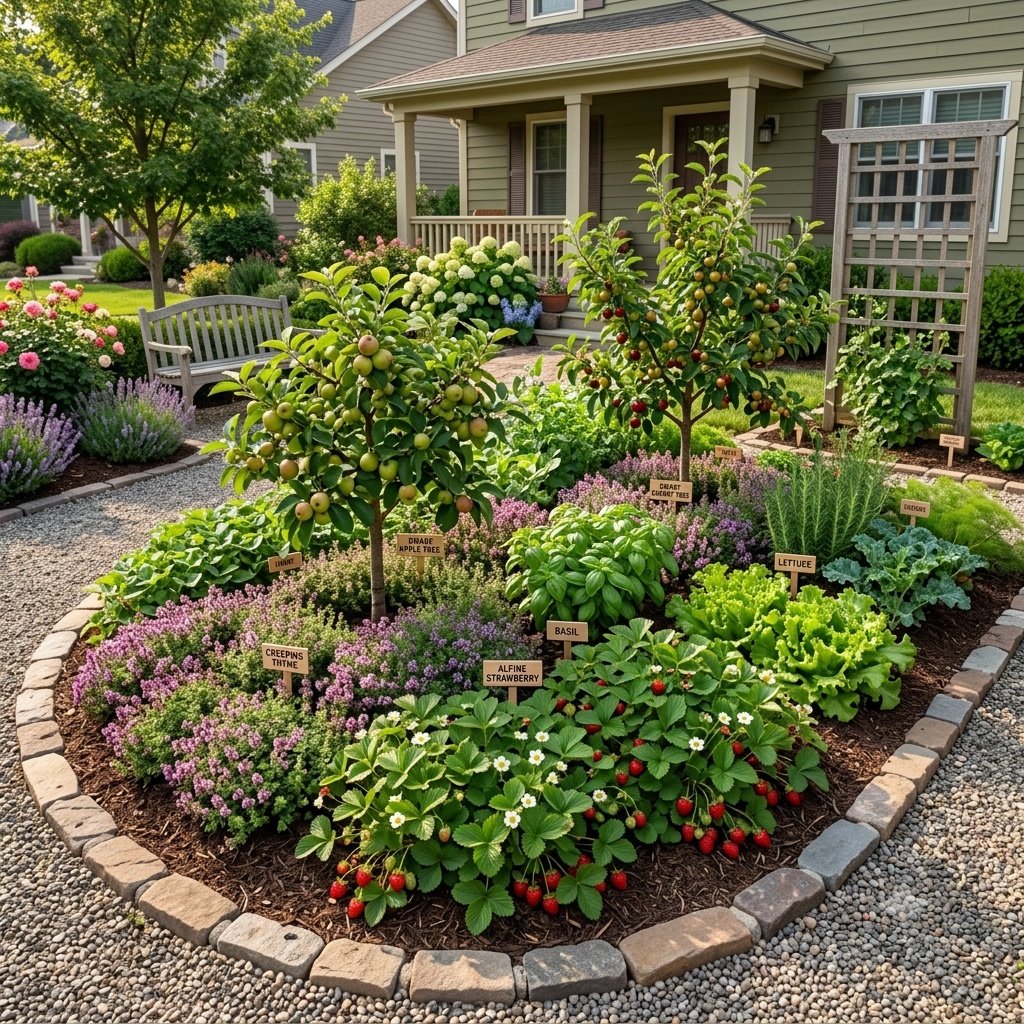
Ground covers do more than fill empty spaces—they help suppress weeds, protect the soil, and create a finished appearance.
Strawberries are one of the best edible ground covers because they spread naturally and reward you with sweet fruit each season. Creeping thyme and oregano also work well between stepping stones or along pathways while releasing a pleasant fragrance when brushed against.
A friend planted strawberries beneath dwarf fruit trees where grass refused to grow well. Within two years, the area looked lush instead of patchy, and their children loved picking berries while helping in the garden. It was a practical solution that turned an overlooked space into one of the yard’s highlights.
Remember to leave enough room for air circulation and maintenance as plants spread over time.
12. Design a Four-Season Edible Landscape
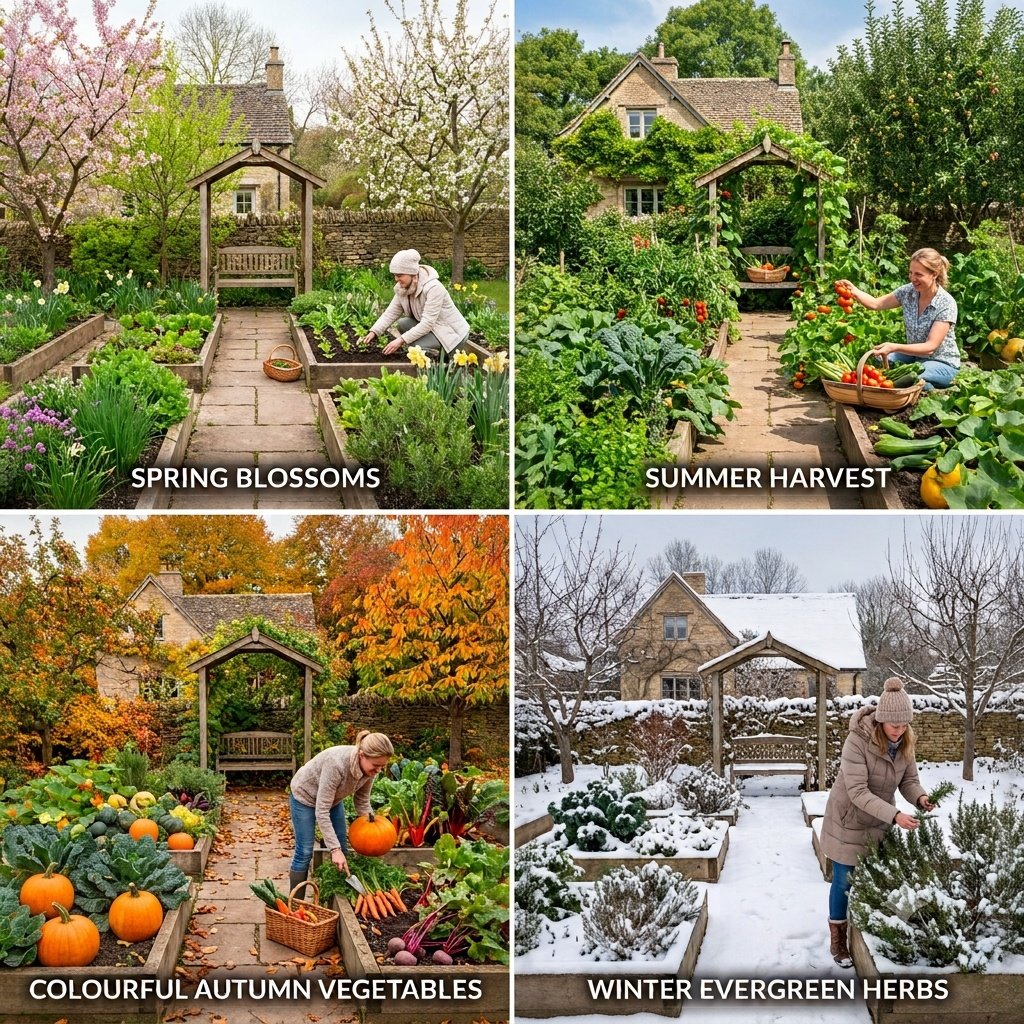
A successful foodscape should look attractive throughout the year, not only during summer.
Spring can feature flowering fruit trees, fresh herbs, and cool-season greens. Summer brings tomatoes, peppers, cucumbers, beans, and vibrant flowers. Autumn adds pumpkins, kale, cabbage, colorful chard, and ripening apples or pears. During winter, evergreen herbs like rosemary and sage continue providing structure, while decorative raised beds and pathways keep the landscape visually appealing.
One public demonstration garden I toured looked different every season, yet it never appeared empty. Careful planning ensured something was always growing, blooming, or adding texture, which made the garden enjoyable all year rather than only during harvest season.
Thinking seasonally also helps spread your harvest instead of producing everything at once.
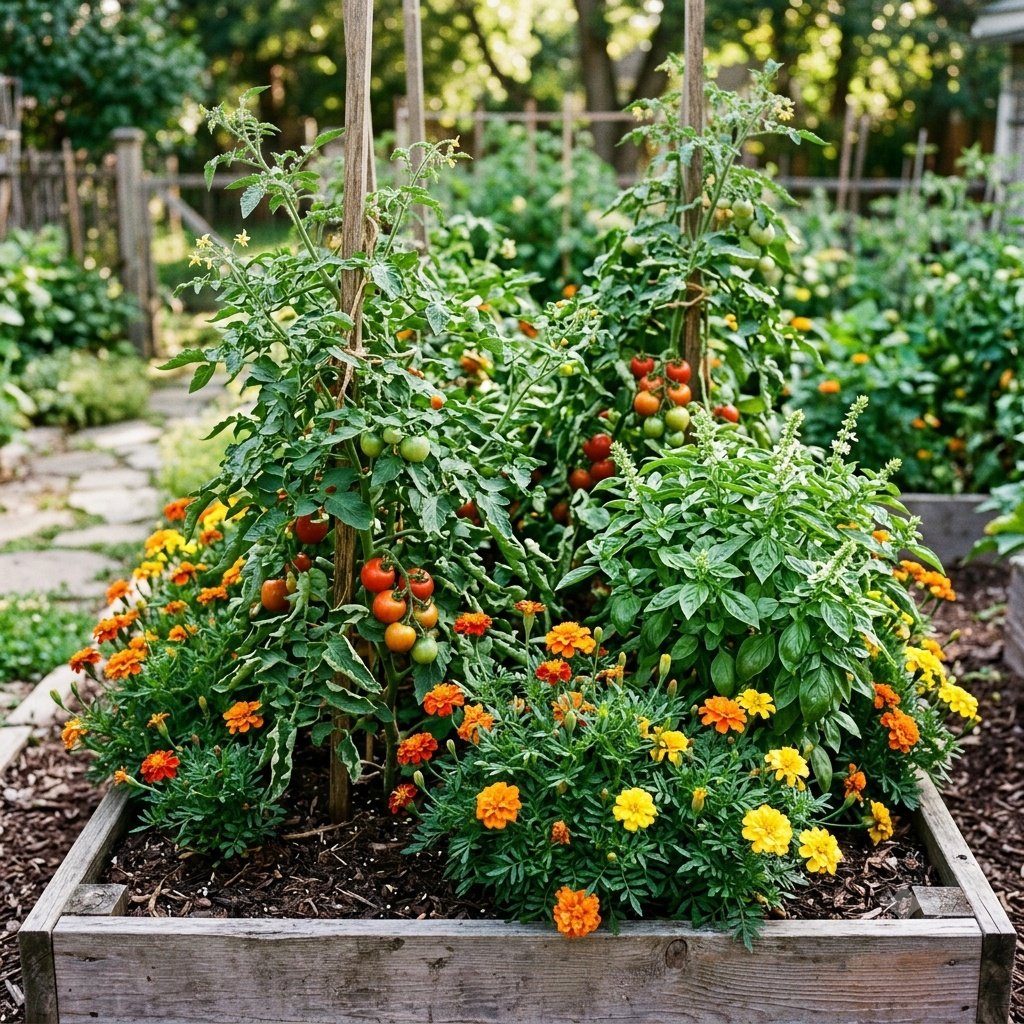
13. Use Companion Planting for Beauty and Productivity
Companion planting combines plants that benefit one another while creating visually appealing combinations.
Classic pairings include tomatoes with basil, carrots with onions, beans with corn, and marigolds with tomatoes. Besides looking attractive together, these combinations can help attract beneficial insects, maximize space, or discourage certain pests.
During one growing season, I planted basil around tomato plants simply because I liked how it looked. The arrangement made harvesting easier, filled the area with fragrance, and encouraged me to use both crops together in the kitchen. Sometimes the biggest benefit isn’t just plant health—it’s making the garden more enjoyable to spend time in.
Avoid overcrowding and research compatible plant combinations suited to your climate.
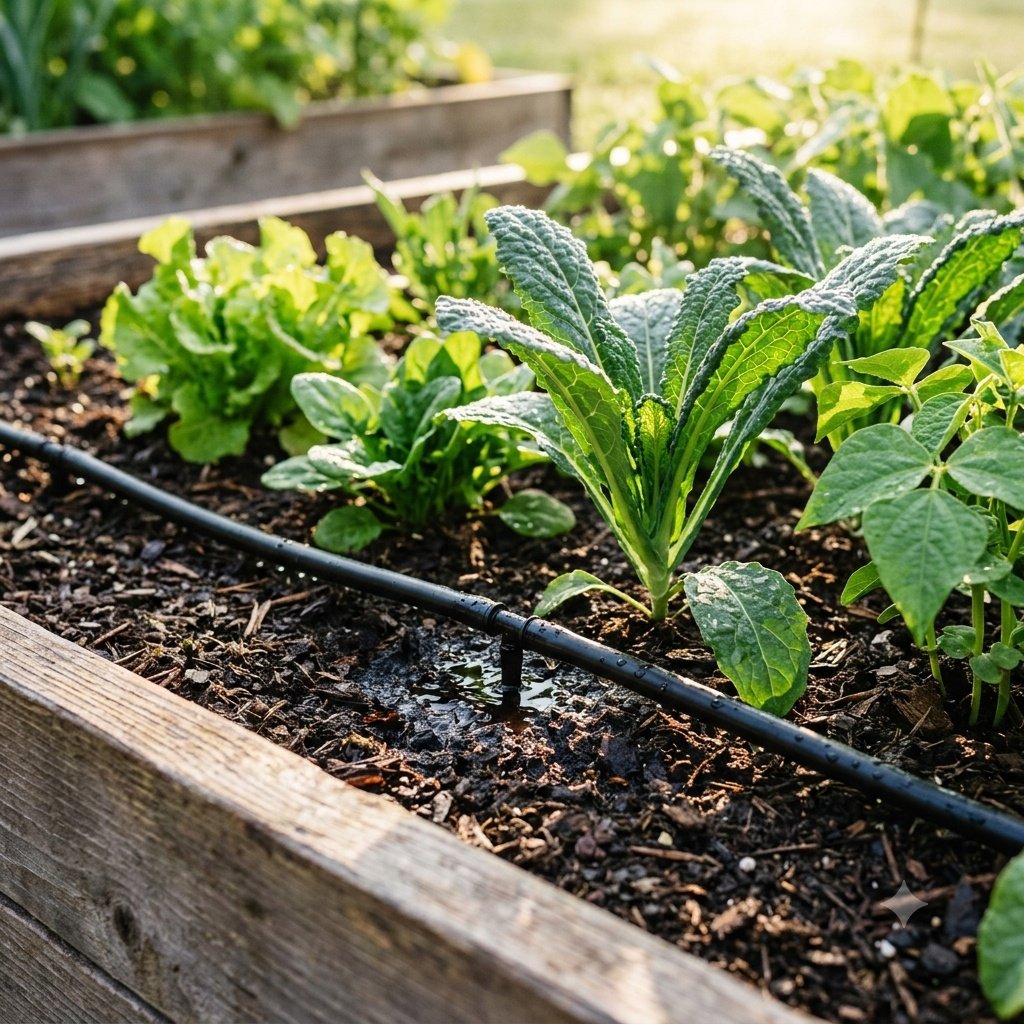
14. Install a Drip Irrigation System
Consistent watering is one of the biggest challenges in any edible landscape, especially during hot weather.
A drip irrigation system delivers water directly to plant roots, reducing waste while keeping foliage dry. That can lower the chance of certain plant diseases and save time compared to hand watering.
After helping install a simple drip system in a raised-bed garden, the owners noticed something unexpected. They spent less time dragging hoses around and more time pruning, harvesting, and enjoying the space. Watering became automatic, and the garden looked healthier because plants received moisture consistently instead of only when someone remembered.
Many modern drip irrigation kits are easy for beginners to install and can be connected to timers for even greater convenience.
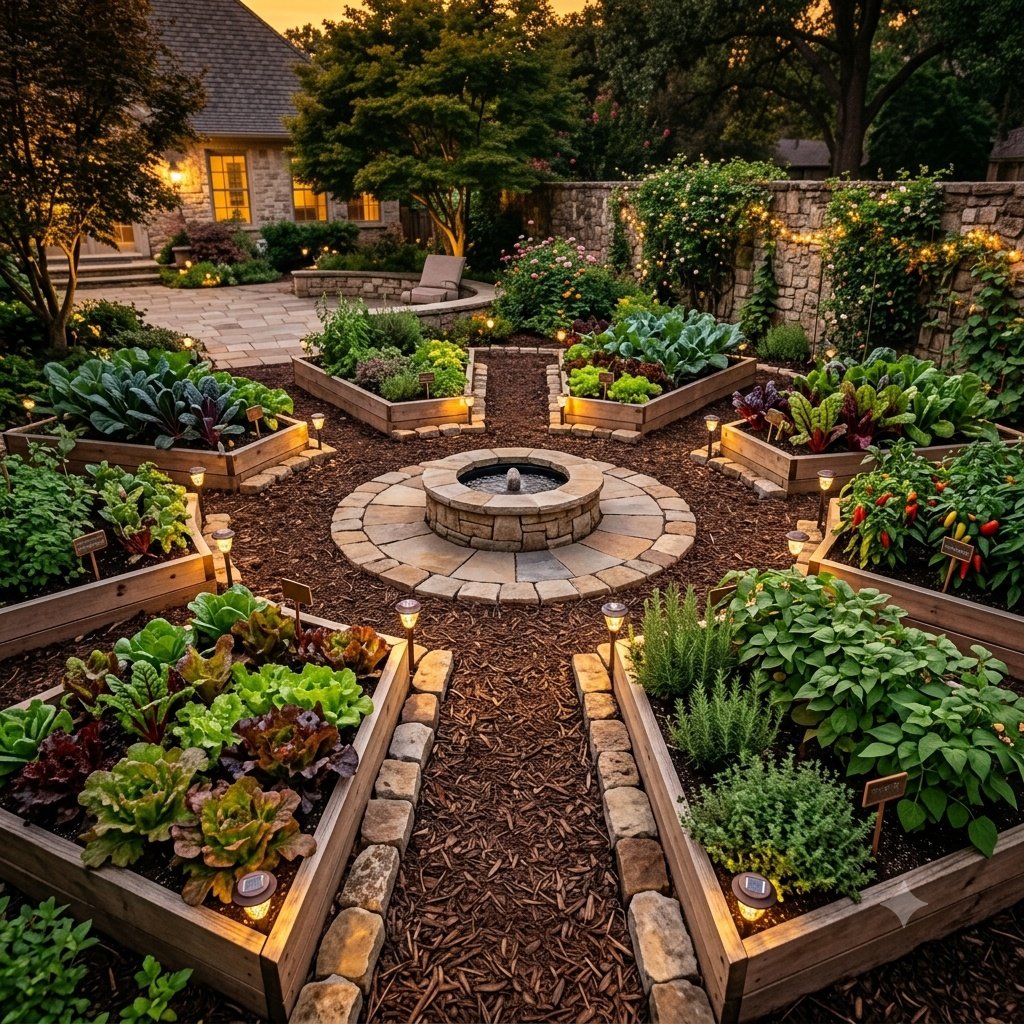
15. Finish with Decorative Edging and Garden Lighting
The finishing touches often make the biggest difference.
Stone borders, wood edging, natural mulch, decorative boulders, and solar-powered garden lights give edible landscapes a polished appearance that blends seamlessly with traditional landscaping.
One evening, I walked through a neighborhood where a foodscape was softly illuminated with solar lights along the pathways. During the day, the vegetables and flowers were impressive. At night, the lighting highlighted raised beds, fruit trees, and climbing vines, making the yard feel warm and welcoming without appearing overly designed.
Small details like these help your edible garden feel like an intentional landscape rather than simply a place to grow vegetables.
Common Foodscaping Mistakes to Avoid
Foodscaping is forgiving, but a few common mistakes can make the difference between a thriving edible landscape and one that constantly feels like hard work.
One of the most frequent problems is planting too closely together. Young seedlings may look tiny at first, but many vegetables and fruit trees need room to mature. Crowded plants compete for sunlight, nutrients, and airflow, increasing the risk of disease.
Ignoring sunlight is another mistake. Most vegetables need at least six to eight hours of direct sunlight each day. Before planting, spend a few days observing how sunlight moves across your yard.
Healthy soil is equally important. Several gardeners I’ve spoken with focused on buying attractive plants but skipped improving the soil. After adding compost and organic matter the following season, their harvests improved dramatically.
Another lesson many homeowners learn is choosing fruit trees that grow too large for the available space. Dwarf and semi-dwarf varieties are usually a better fit for front-yard landscapes.
Don’t overlook mulch, either. Organic mulch helps conserve moisture, suppress weeds, and give planting beds a finished appearance.
Finally, think ahead. A foodscape changes throughout the year, so include plants that provide beauty across multiple seasons instead of concentrating everything in summer.
Related Reads
You might find these helpful as you keep going:
7 Best Fertilizers for Raised Beds (Top Picks + Feeding Guide)
7 Best Self-Watering Systems for Balcony Vegetable Gardens (That Actually Work)
7 July Tasks for the Midsummer Garden
FAQ
Is foodscaping cheaper than traditional landscaping?
It can be over time. While the initial setup may cost more, many homeowners offset expenses through years of harvesting fresh vegetables, herbs, and fruit.
Can I foodscape a small front yard?
Absolutely. Raised beds, containers, vertical trellises, herbs, and dwarf fruit trees make excellent choices for compact spaces.
Which vegetables look the most attractive in landscaping?
Swiss chard, kale, ornamental peppers, purple cabbage, lettuce, and rainbow-colored carrots all add striking color and texture.
Does foodscaping increase home value?
A well-maintained edible landscape can improve curb appeal and attract buyers who appreciate sustainable, functional outdoor spaces, though its effect on value varies by market.
Can HOAs allow edible landscaping?
Many do, provided the landscape remains neat and complies with community guidelines. Check your HOA rules before making significant changes.
Is foodscaping beginner-friendly?
Yes. Starting with herbs, raised beds, containers, and a few easy vegetables allows beginners to build confidence before expanding.
Final Thoughts
Foodscaping shows that you don’t have to choose between a beautiful landscape and a productive garden. With thoughtful planning, your front yard can provide fresh food, attract pollinators, reduce lawn maintenance, and become one of the most inviting spaces around your home.
If you’re new to edible landscaping, don’t feel pressured to redesign your entire yard at once. Start by replacing a small flower bed with herbs, adding a decorative raised bed, or planting a single dwarf fruit tree. Each season will teach you something new, and your landscape can grow along with your experience.
The most memorable foodscapes aren’t the largest or the most expensive. They’re the ones that reflect the gardener’s personality, evolve over time, and invite people to stop, admire the view, and maybe even ask for a gardening tip. Before long, you’ll have a front yard that’s just as rewarding to harvest as it is to look at.