
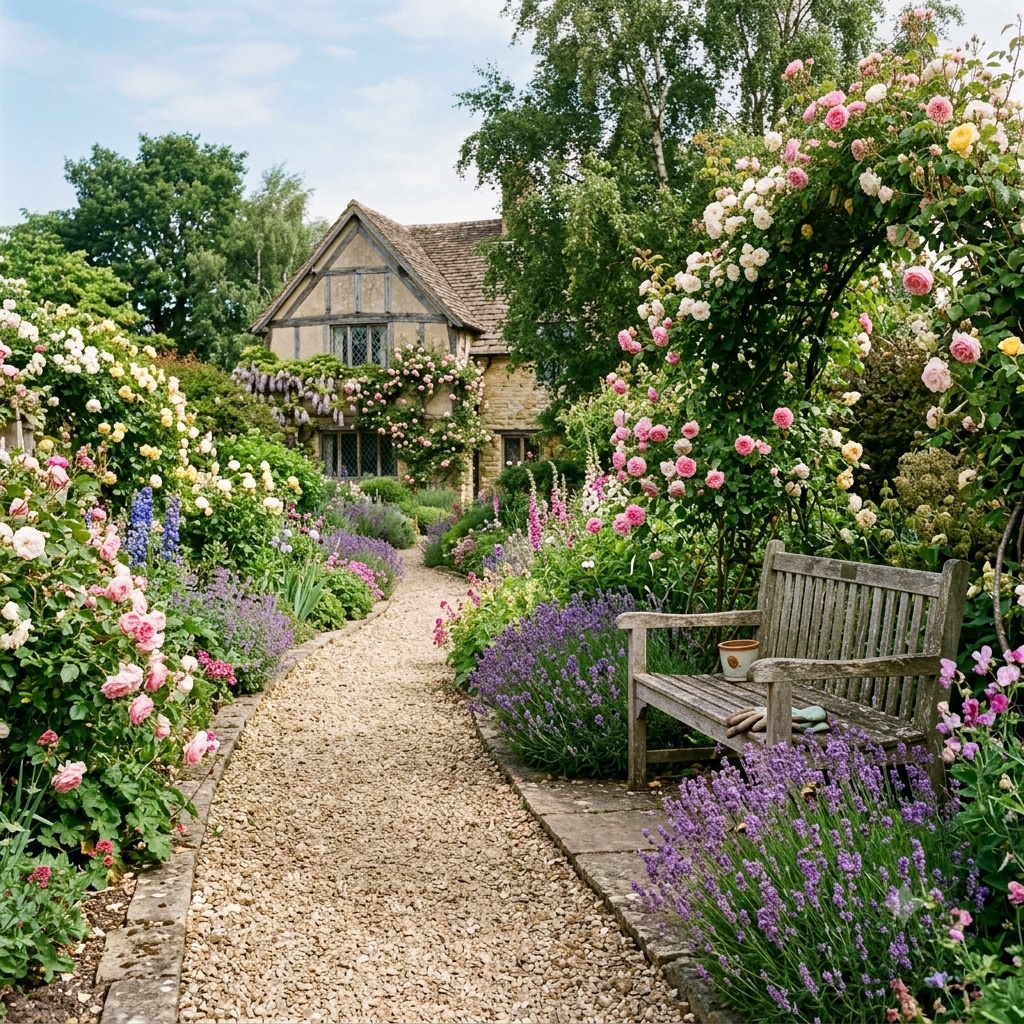
English gardens have a way of feeling both elegant and relaxed at the same time. They don’t chase trends, and they rarely look outdated. A winding path, overflowing flowers, climbing roses, and a quiet bench can make even a small yard feel like it belongs in the countryside.
These English Garden Ideas continue to inspire homeowners because they blend beauty with comfort. Some gardens lean toward formal layouts with clipped hedges and symmetry, while others embrace the softer look of cottage gardens filled with colorful blooms.
The good news is that you don’t need a large estate to create this style. Many of these ideas work just as well in small backyards, side gardens, or compact urban spaces.
Whether you love romantic flower borders, traditional stone paths, or cozy seating areas surrounded by blooms, these timeless ideas can help you build a garden that feels welcoming year after year.
What Defines an English Garden?
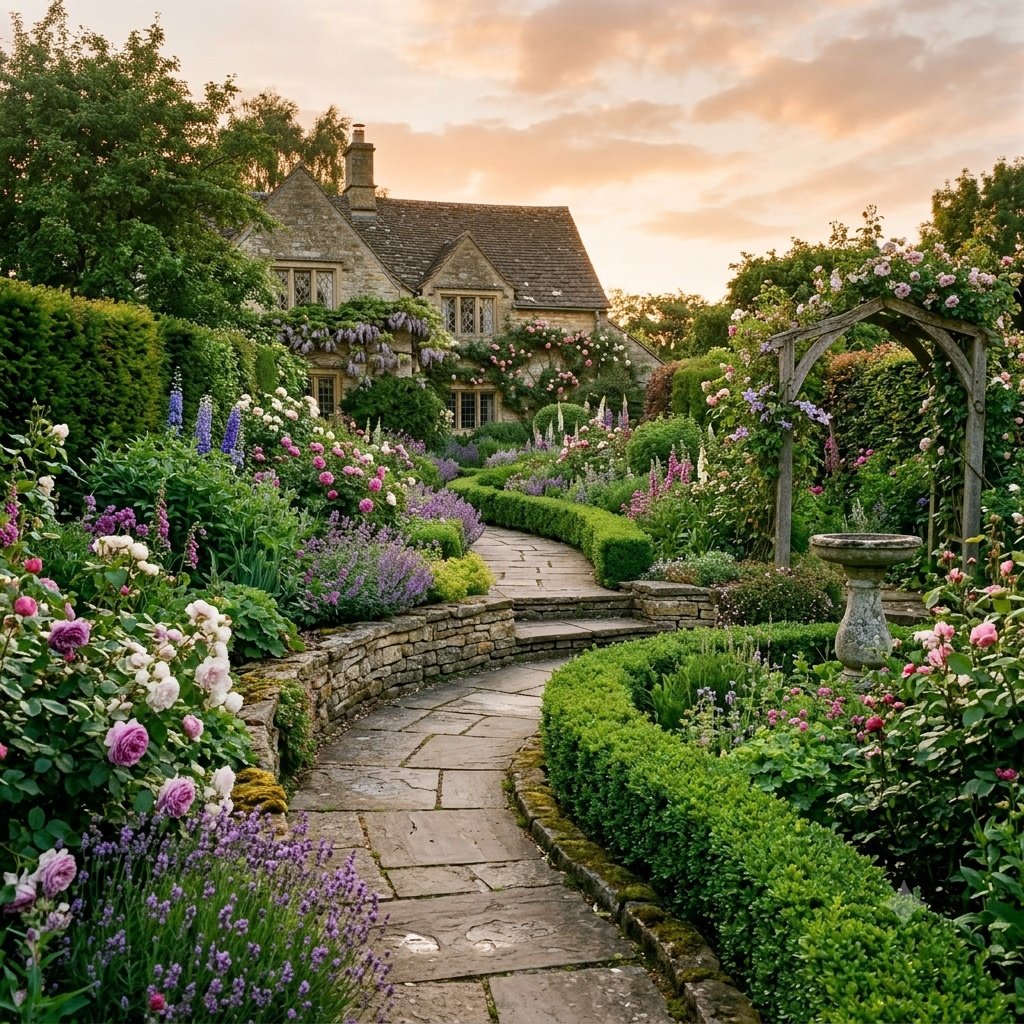
An English garden combines structure with softness. Instead of perfectly straight lines and large open lawns, these spaces often include curved paths, layered planting beds, and flowers that seem to spill naturally into one another.
Traditional materials such as brick, stone, gravel, and wood help create a sense of age and character. Hedges and borders provide order, while flowers and climbing plants soften the overall look.
Another defining feature is abundance. English gardens rarely feel empty. Plants overlap, bloom in different seasons, and create changing scenes throughout the year.
Some gardens follow a more formal style with clipped hedges and geometric layouts. Others borrow from cottage gardens, where flowers grow freely and colors mix together.
The balance between these two approaches gives English gardens their lasting appeal.
1. Plant Abundant Flower Borders
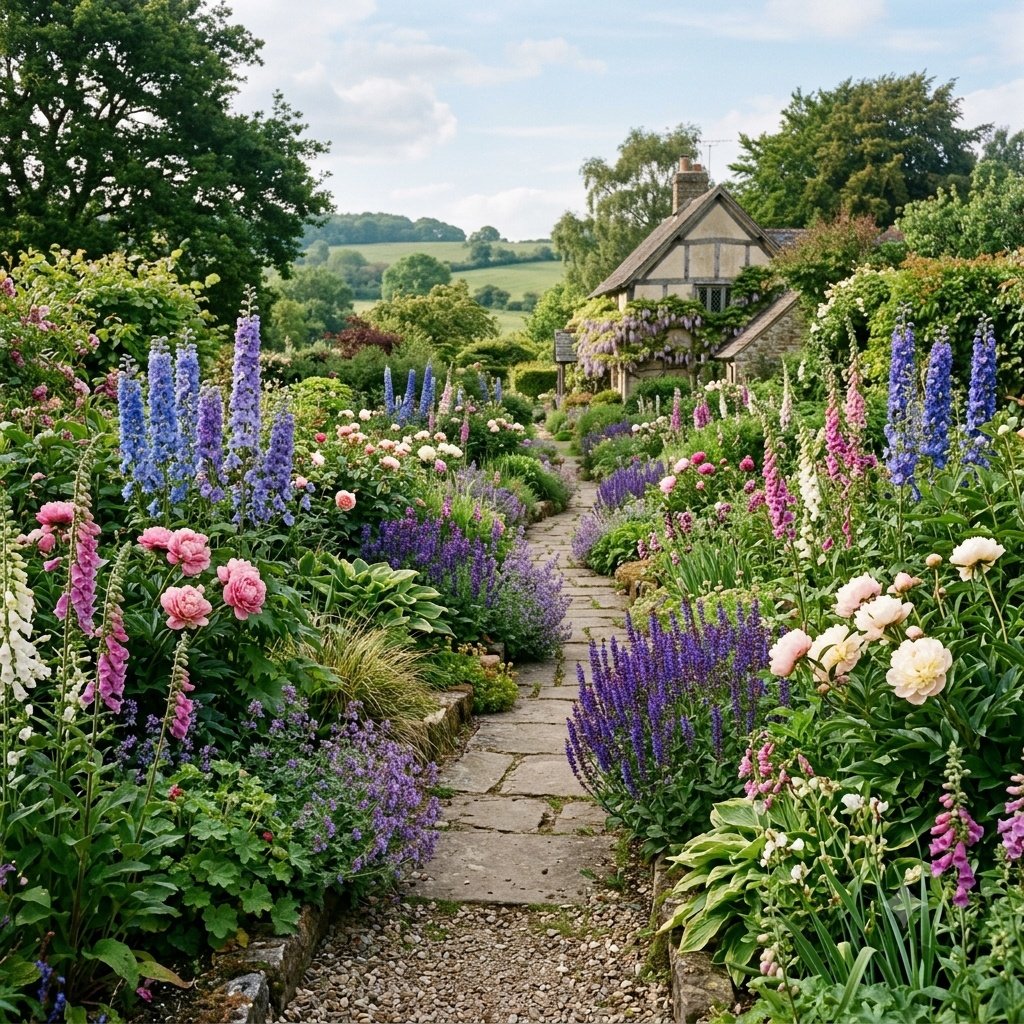
Nothing says English garden quite like deep flower borders filled with color and texture.
Layering is the key. Place taller plants such as delphiniums and foxgloves toward the back, medium-height flowers like peonies and salvias in the middle, and shorter plants along the front edge.
This arrangement creates depth and keeps the garden looking full throughout the growing season.
Popular choices include:
- Delphinium
- Foxglove
- Peony
- Salvia
- Roses
- Lavender
Mixing different bloom times also keeps borders attractive for longer periods. Spring flowers can give way to summer blooms, followed by autumn color.
The goal isn’t perfection. A slightly overflowing border often feels more authentic than a carefully spaced planting bed.
2. Add a Charming Garden Path
Garden paths invite people to slow down.
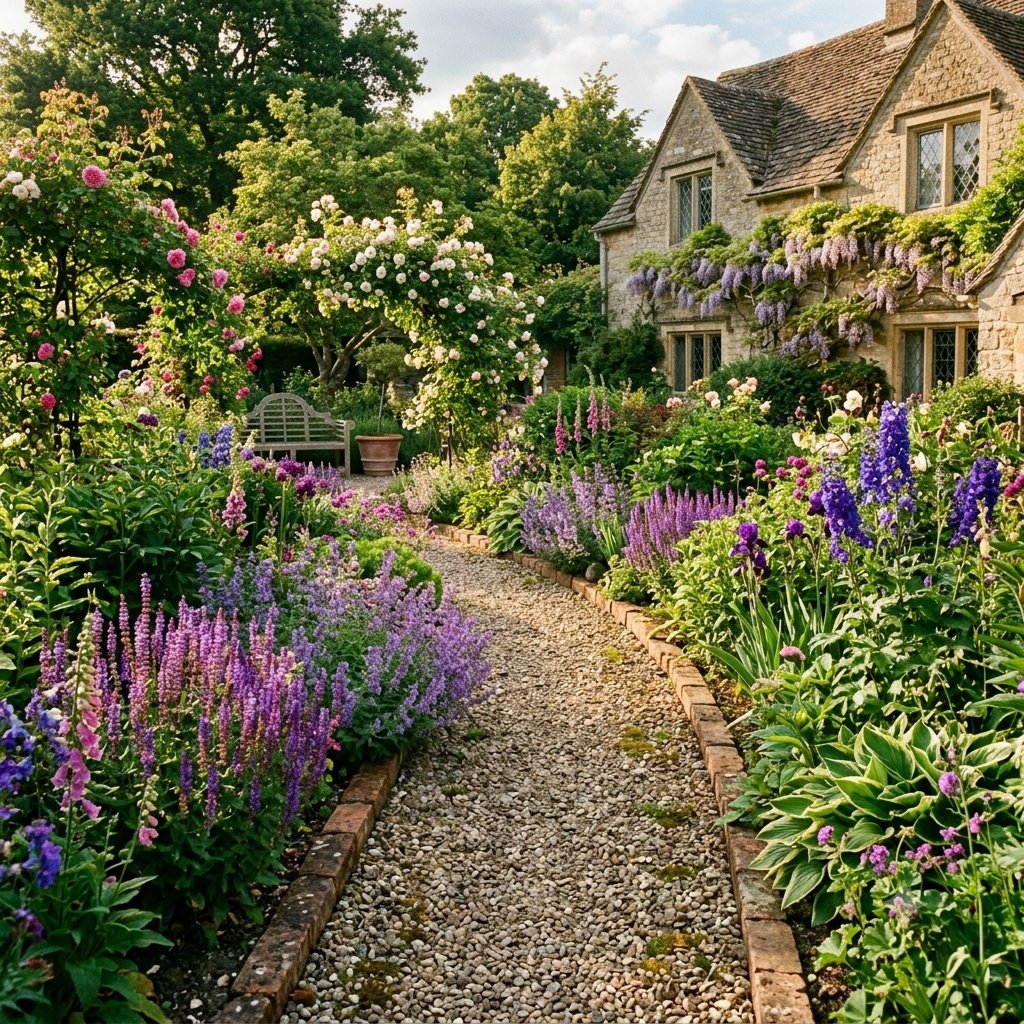
Gravel walkways remain one of the most popular choices because they look natural and suit almost any garden size. Brick paths add warmth, while stepping stones create a casual feel.
Curved paths work especially well because they encourage exploration. You never see the entire garden at once, which creates a sense of discovery.
A path can also connect different garden areas:
- Seating spaces
- Vegetable beds
- Water features
- Pergolas
- Flower borders
Even a narrow backyard can benefit from a winding walkway that breaks up the space and adds character.
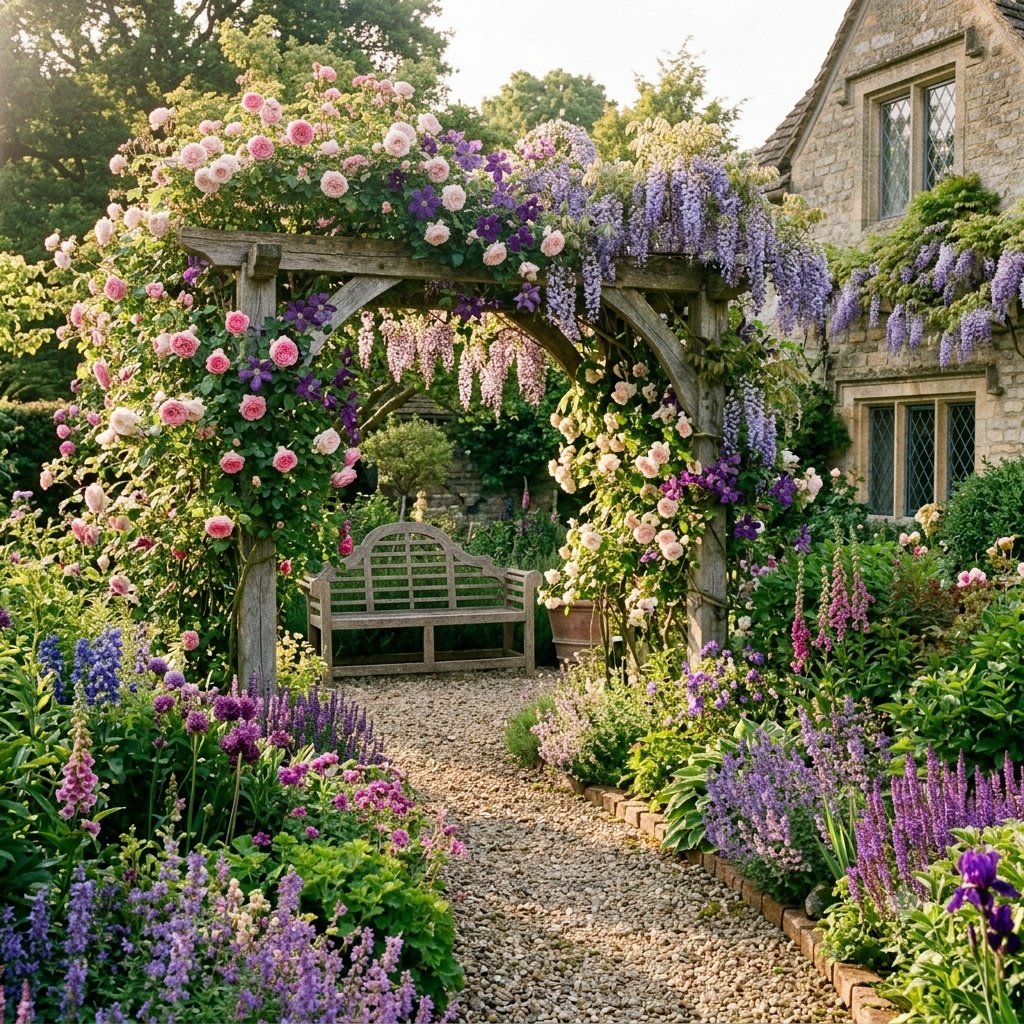
3. Grow Climbing Roses and Vines
Vertical planting adds instant charm.
Climbing roses remain one of the most recognizable features of classic English garden design. Their flowers soften walls, fences, and arches while adding fragrance to the garden.
Other excellent choices include:
- Clematis
- Wisteria
- Honeysuckle
These plants work beautifully on pergolas, arbors, and trellises.
A rose-covered arch at the entrance of a garden creates a memorable focal point. Wisteria hanging from a pergola can turn a simple seating area into an outdoor retreat.
Regular pruning helps keep climbing plants healthy, but the slightly informal appearance is part of their appeal.
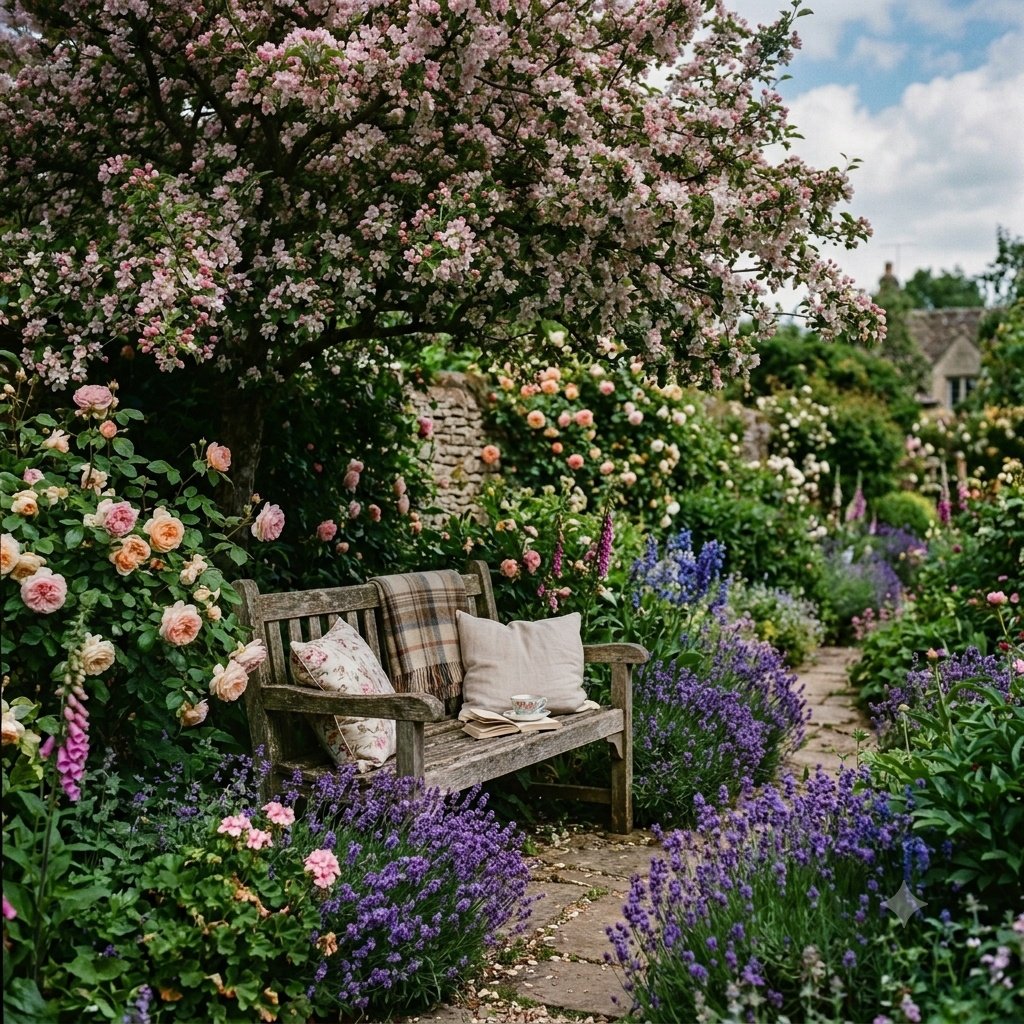
4. Create Cozy Seating Areas
English gardens are designed to be enjoyed, not simply admired.
A wooden bench beneath a tree, a small bistro table among flowers, or a hidden chair tucked behind shrubs can make the garden feel personal.
These spaces act as outdoor rooms where people can read, enjoy tea, or simply sit quietly.
Good locations include:
- Near flower borders
- Beside water features
- Under pergolas
- At the end of pathways
Simple furniture often works best. Weathered wood, wrought iron, and natural materials fit comfortably within the garden setting.
Sometimes a single bench is enough.
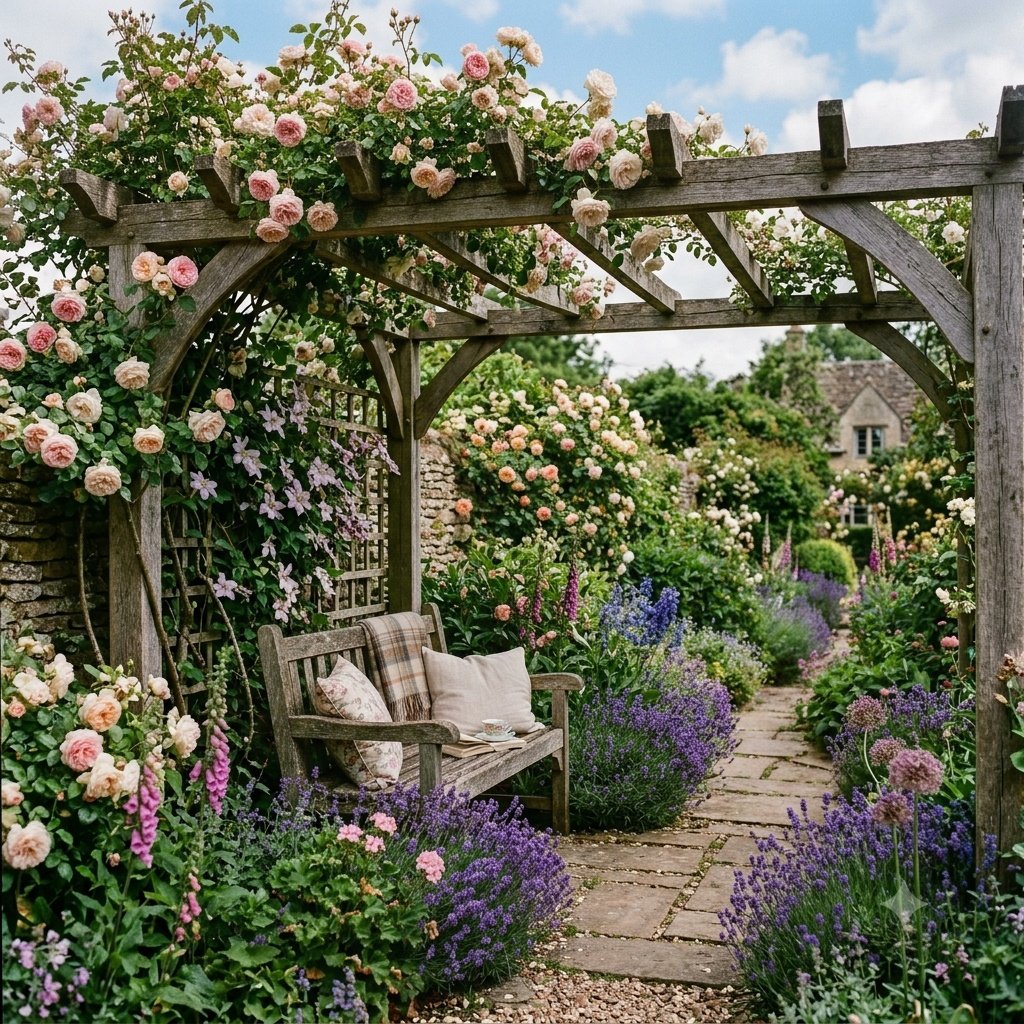
5. Include Traditional Garden Structures
Structures add height and help organize the garden.
Pergolas, arbors, gazebos, and trellises create visual interest while supporting climbing plants. They also divide larger gardens into smaller, more intimate spaces.
A pergola covered in roses can define a seating area. A simple arbor can mark the entrance to a garden path.
Wood and metal both work well, especially when they age naturally over time.
These features don’t need to be large or expensive. Even a small trellis against a fence can add another layer to the landscape.
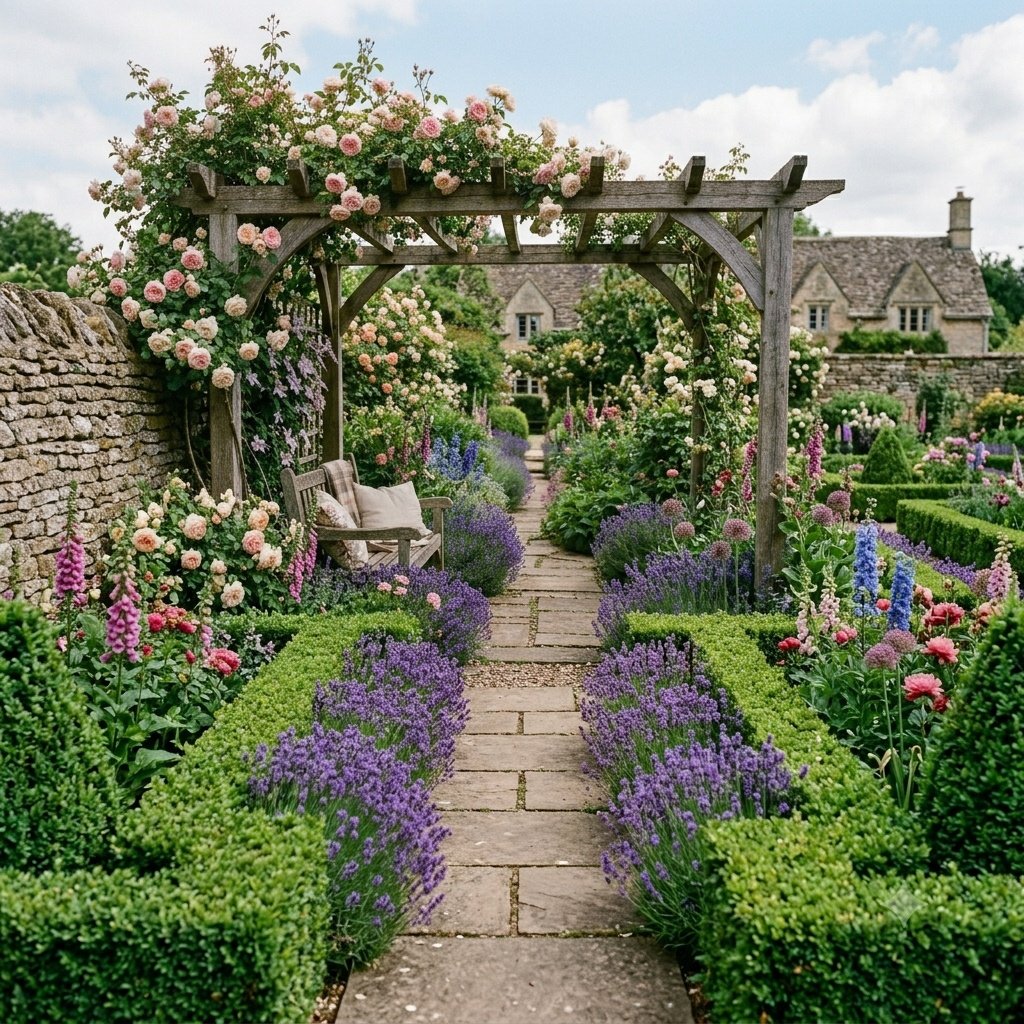
6. Add Hedges and Garden Borders
Hedges provide the structure that keeps English gardens from feeling messy.
Boxwood remains a classic option, while yew offers year-round greenery. Lavender hedges bring both fragrance and color.
Benefits of garden borders include:
- Defining spaces
- Creating order
- Adding winter interest
- Framing flower beds
Low hedges work particularly well in smaller gardens because they separate areas without blocking views.
The contrast between neatly shaped hedges and relaxed flower beds creates one of the signature looks of English garden style.
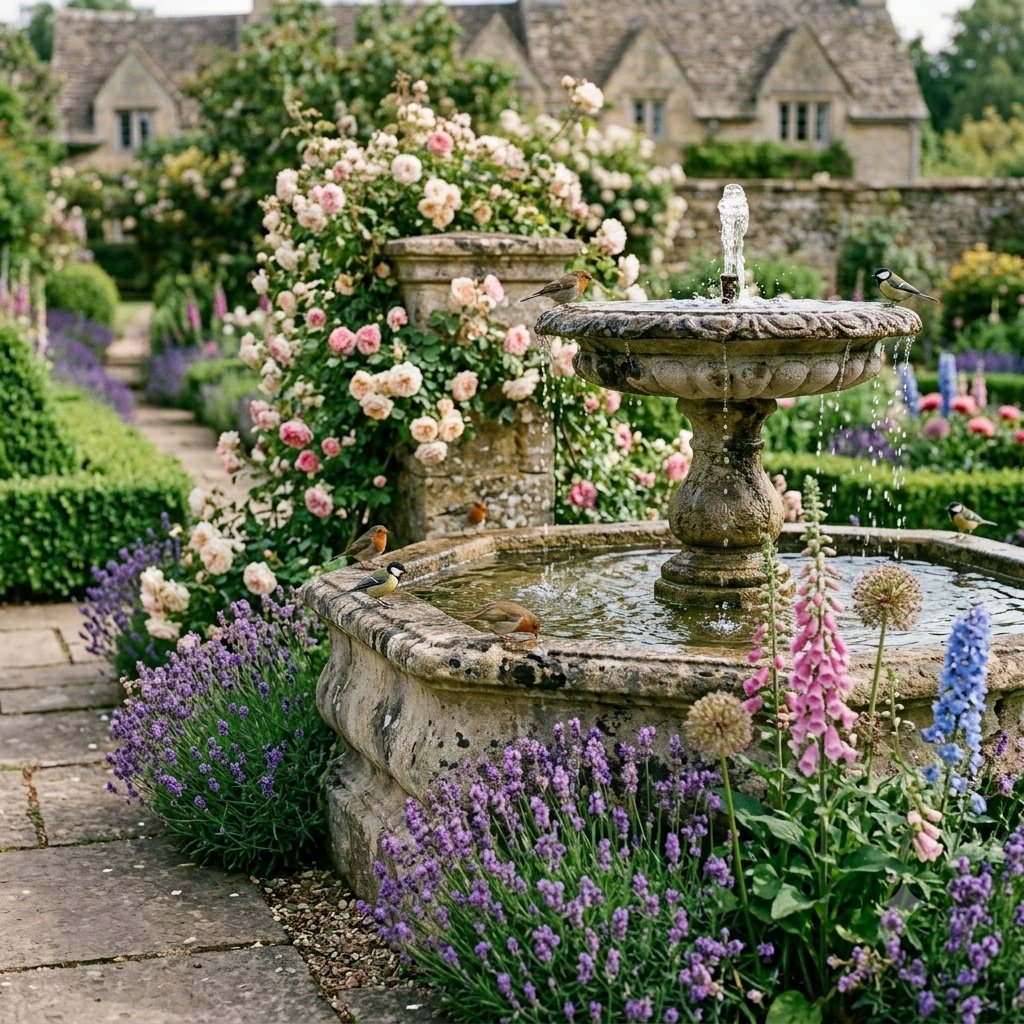
7. Use Water Features for Elegance
Water adds movement, sound, and calm.
A simple bird bath can attract wildlife, while a stone fountain creates a focal point that draws attention. Reflecting pools bring a sense of quiet and elegance.
Even small gardens can include water features.
Popular choices include:
- Bird baths
- Stone fountains
- Small ponds
- Wall fountains
The sound of moving water can soften traffic noise and make outdoor spaces feel more peaceful.
Placed near seating areas, water features become natural gathering points within the garden.
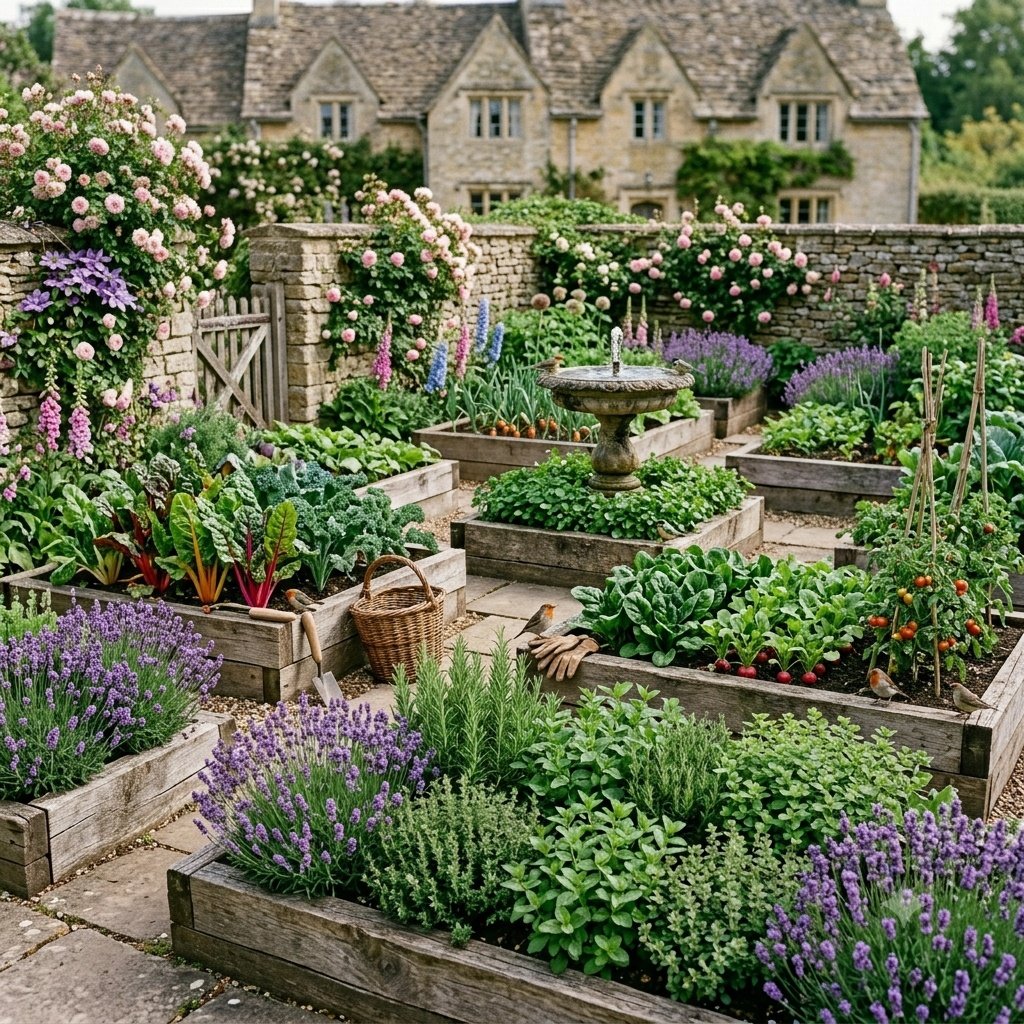
8. Design a Cottage-Style Vegetable Garden
Productive gardens fit perfectly within English landscapes.
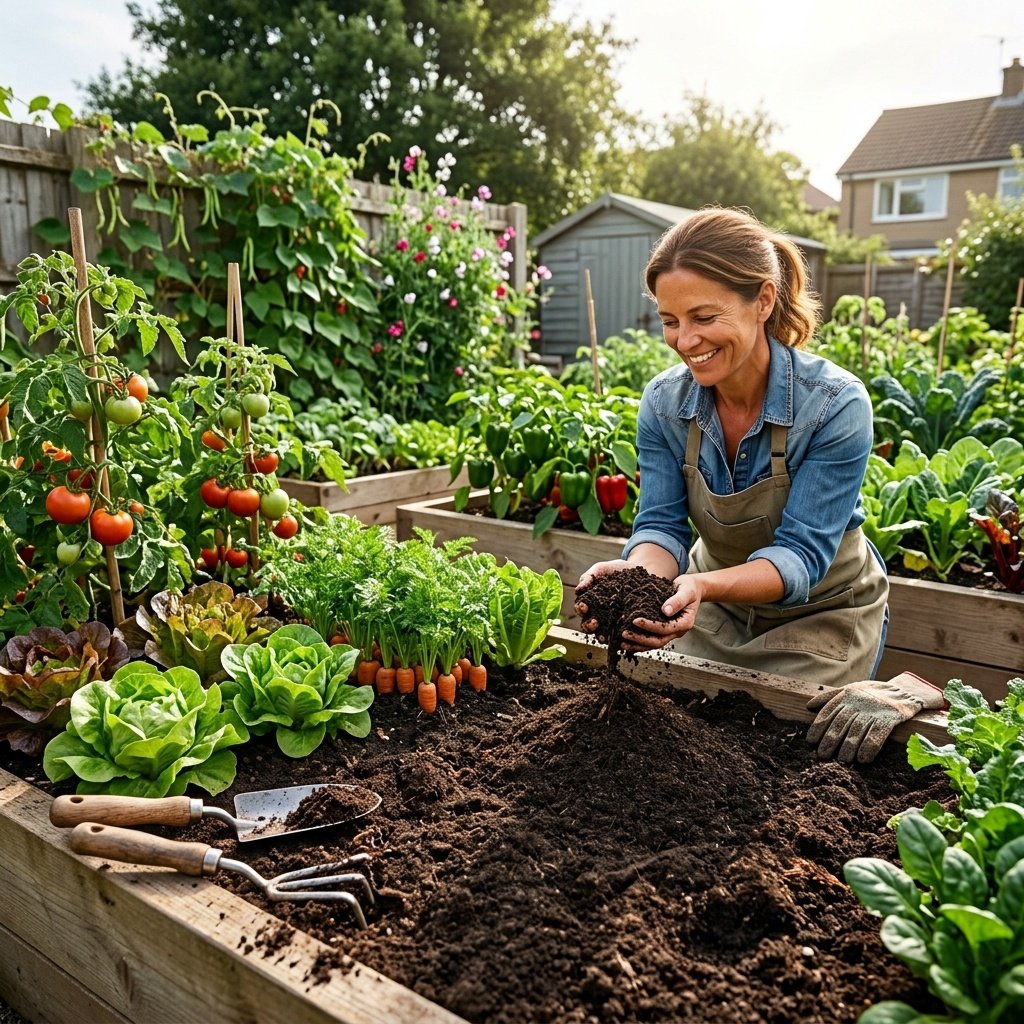
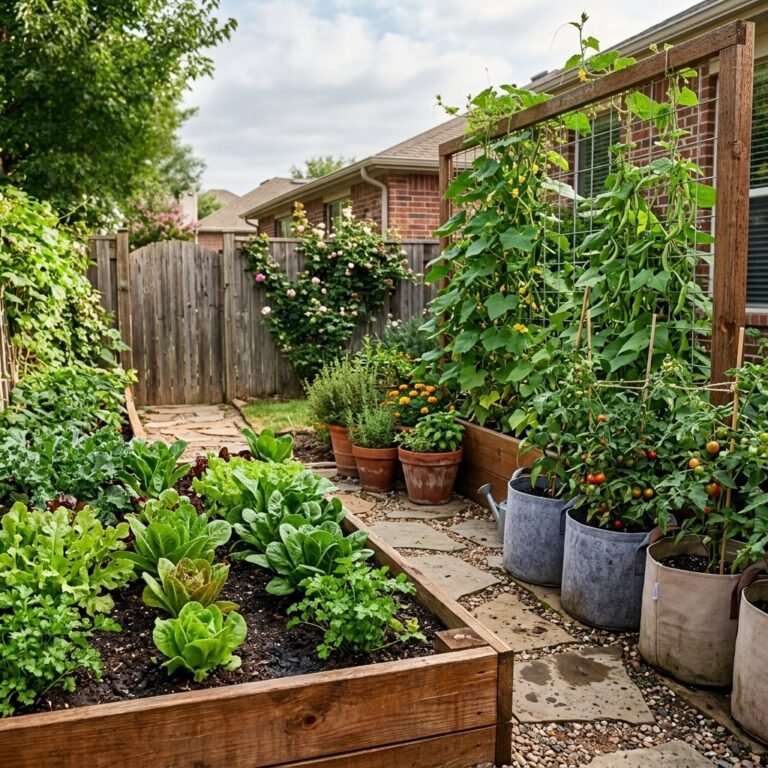
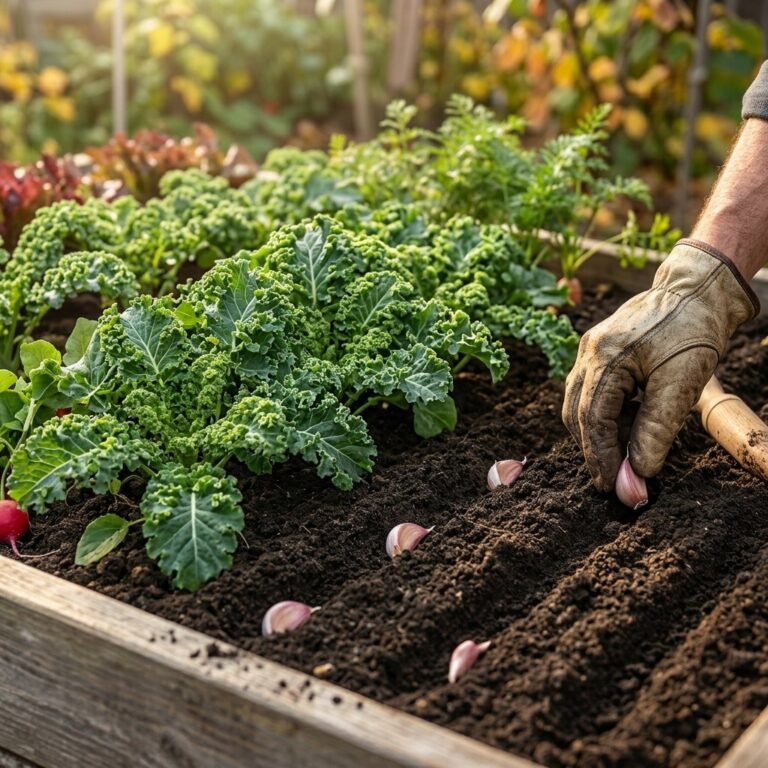
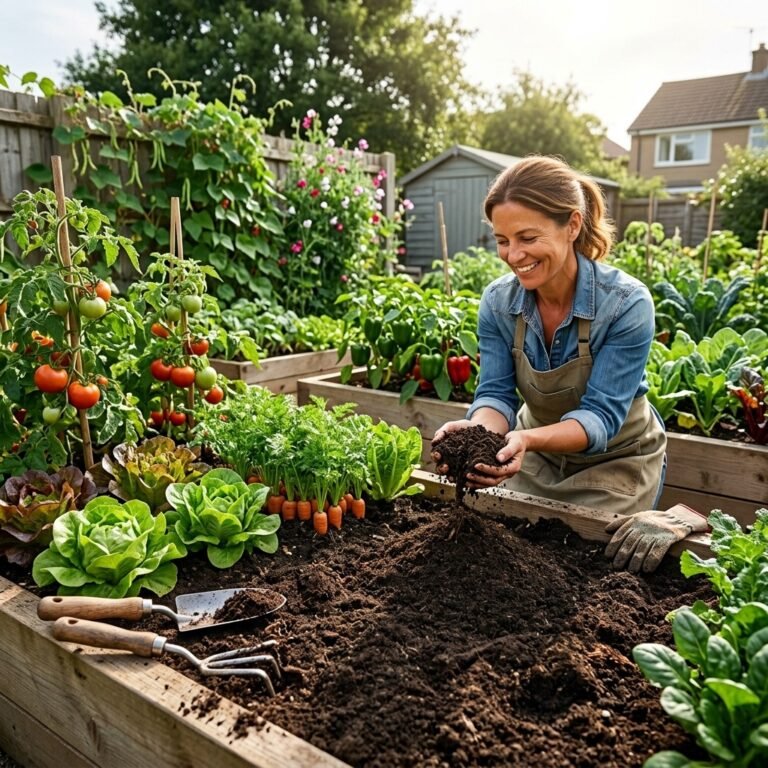
Raised beds filled with herbs, vegetables, and edible flowers create a practical space that still feels attractive.
Good plants include:
- Rosemary
- Lavender
- Chives
- Thyme
- Lettuce
- Nasturtiums
Mixing ornamental and edible plants helps the area blend naturally with surrounding flower beds.
Wooden raised beds, gravel paths, and simple fencing complete the look while keeping the space organized.
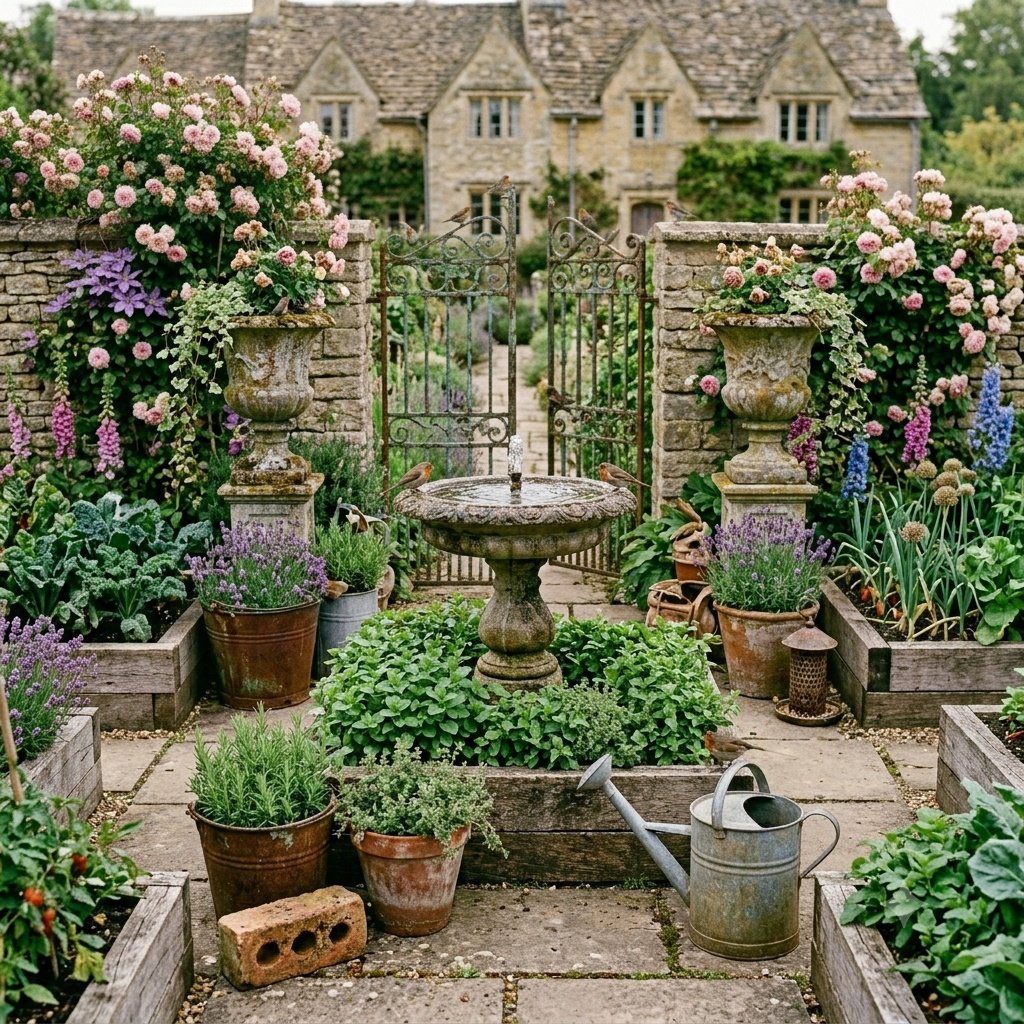
9. Add Vintage Garden Decorations
Decor should support the garden, not dominate it.
Stone urns, antique containers, old iron gates, and weathered statues can add character without making the space feel crowded.
Rustic pots filled with flowers often work better than large decorative pieces.
A few carefully chosen items create the feeling that the garden has developed slowly over time.
Less usually works best.
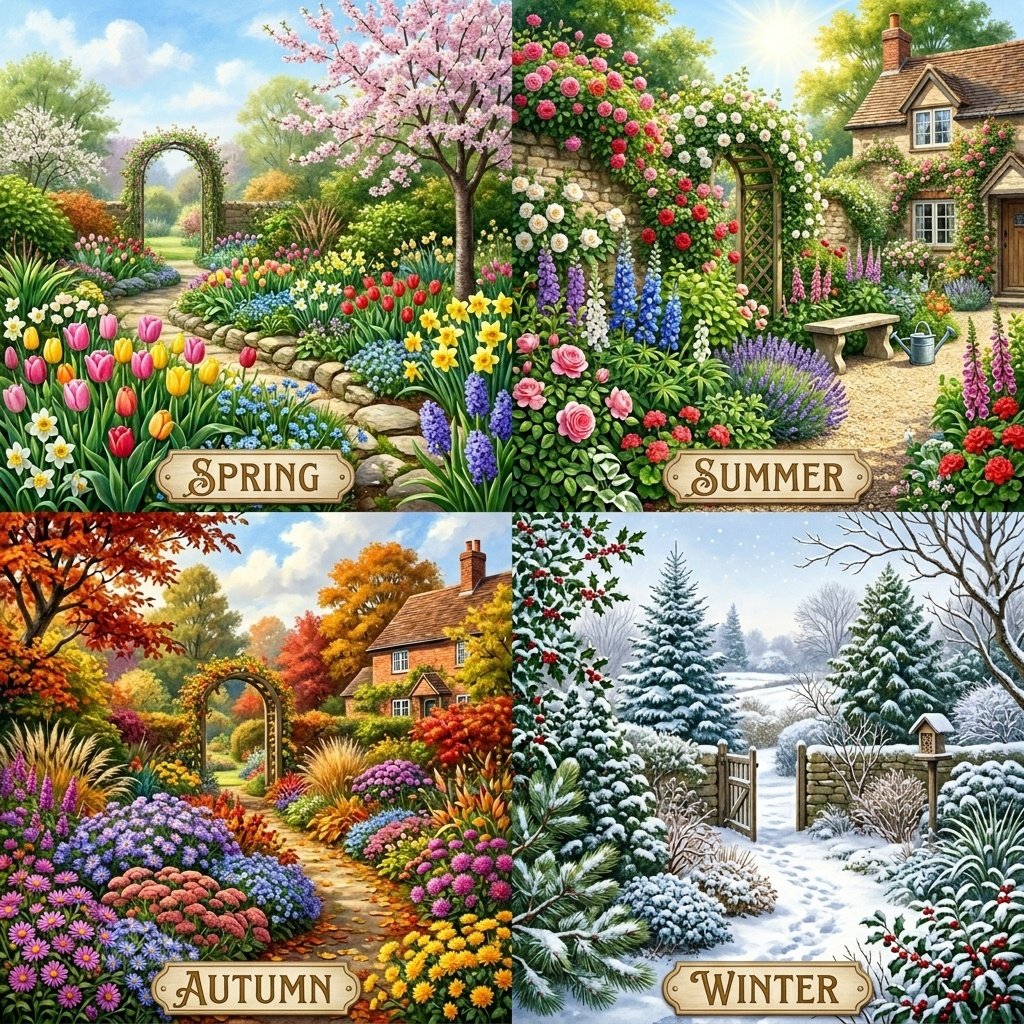
10. Embrace Seasonal Planting
English gardens remain interesting because they change with the seasons.
Spring: Tulips, daffodils, and flowering bulbs bring early color.
Summer: Roses, lavender, salvia, and foxgloves take center stage.
Autumn: Asters and sedum extend the season with warm tones.
Winter: Evergreens, holly, and structured hedges provide texture.
Planning for all four seasons keeps the garden attractive throughout the year.
Even small additions, such as winter containers or spring bulbs, can make a noticeable difference.
Best Plants for an English Garden
| Plant | Bloom Season | Sun Needs | Height |
|---|---|---|---|
| English Rose | Summer | Full Sun | Medium |
| Lavender | Summer | Full Sun | Low |
| Foxglove | Spring | Partial Sun | Tall |
| Delphinium | Summer | Full Sun | Tall |
| Peony | Spring | Full Sun | Medium |
| Clematis | Summer | Sun/Shade | Climber |
| Hydrangea | Summer | Partial Shade | Medium |
These plants appear repeatedly in traditional English gardens because they offer beauty, fragrance, and seasonal interest.
Roses provide the romantic element many homeowners want. Lavender adds texture and scent while attracting pollinators. Foxgloves and delphiniums contribute height to borders.
Hydrangeas perform well in partially shaded locations, while clematis brings color to vertical structures.
Combining plants with different bloom periods ensures the garden stays lively from spring through autumn.
How to Create an English Garden in a Small Yard
Small spaces can still capture the charm of an English garden.
Vertical gardening helps maximize limited areas. Trellises, climbing roses, and wall planters draw the eye upward and create depth.
Curved paths make small yards feel larger by slowing movement and hiding the entire space from view.
Container gardens also work well. Large pots filled with roses, lavender, or herbs can soften patios and decks.
Other ideas include:
- Compact flower borders
- Folding bistro sets
- Raised beds
- Hanging baskets
- Small water features
Avoid filling every corner with plants. Leaving some open areas creates balance and makes the garden easier to maintain.
Even a tiny backyard can feel romantic with the right combination of flowers, seating, and pathways.
Common Mistakes to Avoid
One common mistake is making the garden too formal. Perfect symmetry and rigid layouts often remove the relaxed character that makes English gardens appealing.
Another issue is using too much hard landscaping. Large patios and wide paved areas can overwhelm planting spaces.
Poor plant layering also creates flat-looking borders. Height variation is essential.
Other mistakes include:
- Ignoring seasonal interest
- Overcrowding plants
- Using too many decorative items
- Forgetting seating areas
A garden doesn’t need to look finished immediately. Many of the best English gardens evolve over time.
Patience often produces better results than rushing every decision.
Related Reads
You might find these helpful as you keep going:
7 Best Fertilizers for Raised Beds (Top Picks + Feeding Guide)
7 Best Self-Watering Systems for Balcony Vegetable Gardens (That Actually Work)
17 Full Sun Plants to Grow in May
FAQ
What plants are used in English gardens?
Roses, lavender, foxgloves, delphiniums, peonies, hydrangeas, and clematis are among the most popular English garden plants.
What is the difference between a cottage garden and an English garden?
An English garden is a broad style that can include formal and informal designs. Cottage gardens are generally looser, with dense plantings and a more relaxed appearance.
Can English gardens work in small backyards?
Yes. Vertical planting, containers, curved paths, and compact flower beds make this style suitable for smaller spaces.
Are English gardens high maintenance?
Some require regular pruning and seasonal care, but careful plant selection can create a lower-maintenance garden.
What colors are common in English gardens?
Soft pinks, purples, blues, whites, and pastel shades are common, although brighter colors can also be included.
Final Thoughts
English gardens continue to inspire gardeners because they balance beauty, comfort, and tradition. They don’t rely on perfect lines or expensive features. Instead, they combine flowers, paths, seating areas, and seasonal planting to create spaces that feel welcoming.
Whether you add a gravel path, plant climbing roses, or build a small seating corner, these ideas can help shape a garden that grows more beautiful over time.
The most memorable English gardens rarely look perfect. They simply become more charming with every season.