
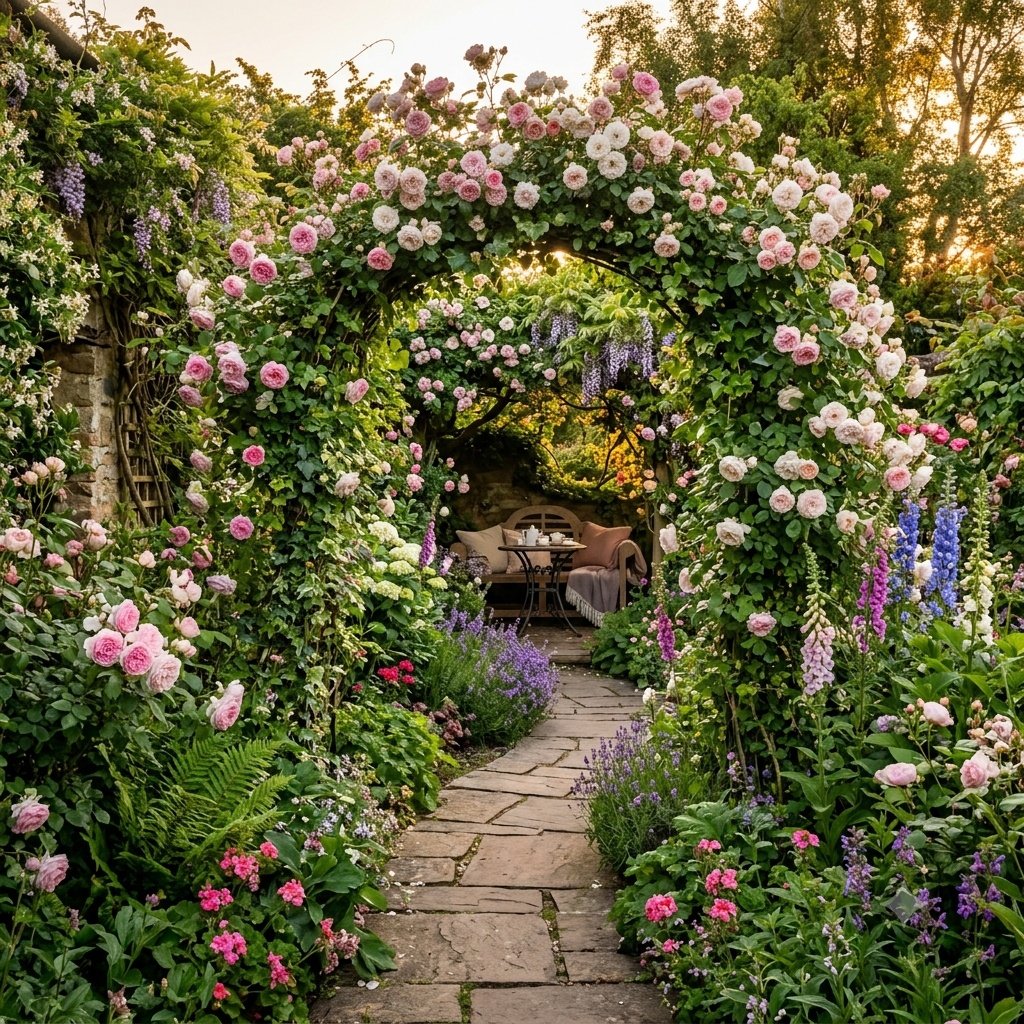
There’s something irresistible about walking through a garden that doesn’t reveal everything at once. A winding path disappears behind flowers, a gate opens into a quiet corner, or a hidden bench sits beneath climbing roses. These small moments of discovery are exactly why Secret Garden Ideas continue to inspire homeowners.
Modern life often feels busy and noisy, which explains why private outdoor spaces have become so popular. People want backyards that feel personal, calming, and separate from the world outside. Fortunately, creating a magical garden doesn’t require a large property. Even a compact yard can become a hidden retreat with thoughtful design.
Many of these ideas draw inspiration from English cottage gardens, old storybooks, and secluded garden rooms tucked behind walls or hedges. Layers of plants, soft lighting, hidden entrances, and quiet seating areas work together to create a sense of wonder.
A secret garden isn’t about expensive landscaping or perfect symmetry. It’s about creating an outdoor space that feels discovered rather than immediately seen. Whether you have a small patio, a suburban backyard, or a larger landscape, a few carefully chosen elements can completely change the atmosphere.
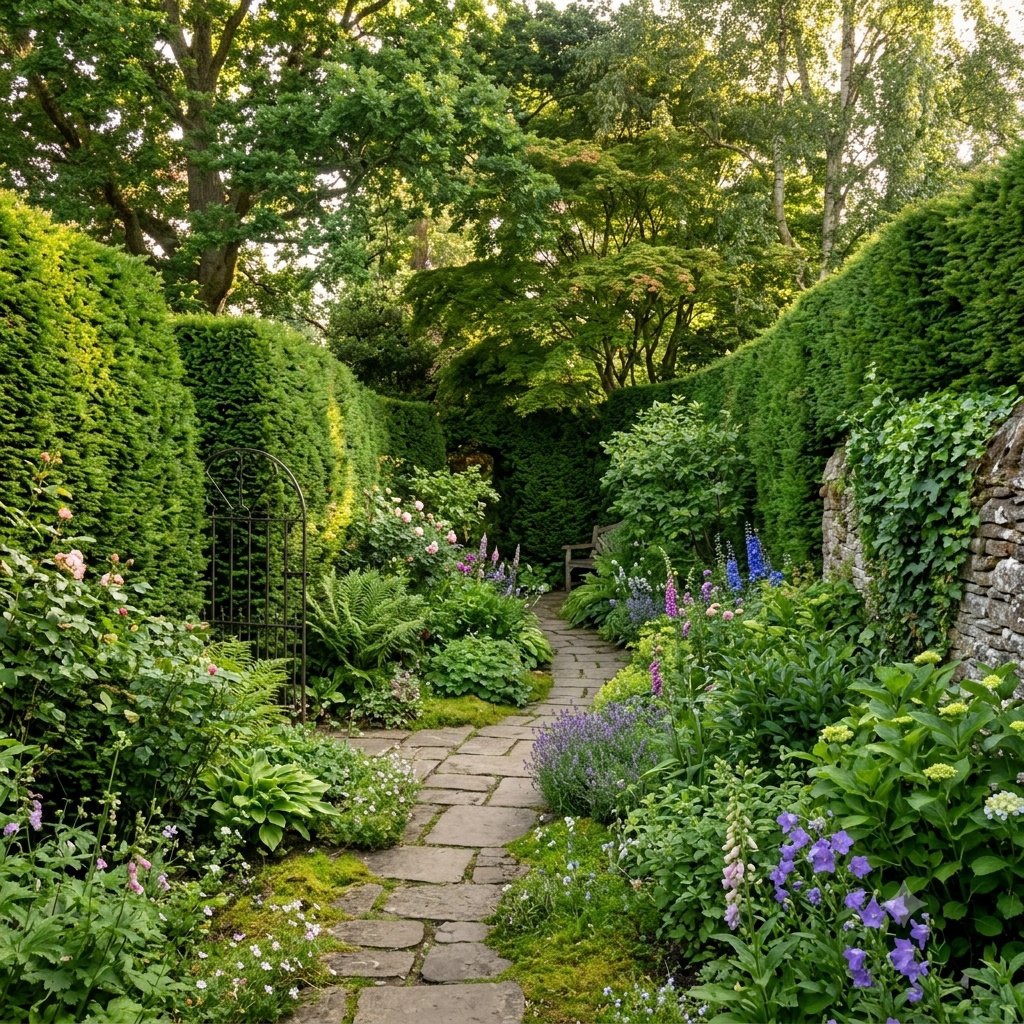
What Makes a Garden Feel “Secret”?
A secret garden creates curiosity. Instead of displaying everything at once, it encourages exploration.
Privacy is one of the biggest elements. Hedges, climbing plants, fences, and trees help create enclosed spaces that feel separated from neighboring yards. Even partial screening can make a garden feel more intimate.
Layers also play a major role. Tall plants in the background, medium-height flowers, and ground covers add depth and soften the landscape.
Hidden destinations are another key feature. A bench tucked beneath a tree, a gate leading to another area, or a small fountain can make visitors want to keep walking.
Sensory experiences matter too. Fragrant flowers, rustling grasses, water sounds, and soft lighting create an atmosphere that feels calm and inviting.
The best secret gardens reveal themselves gradually, making every corner feel like a discovery.
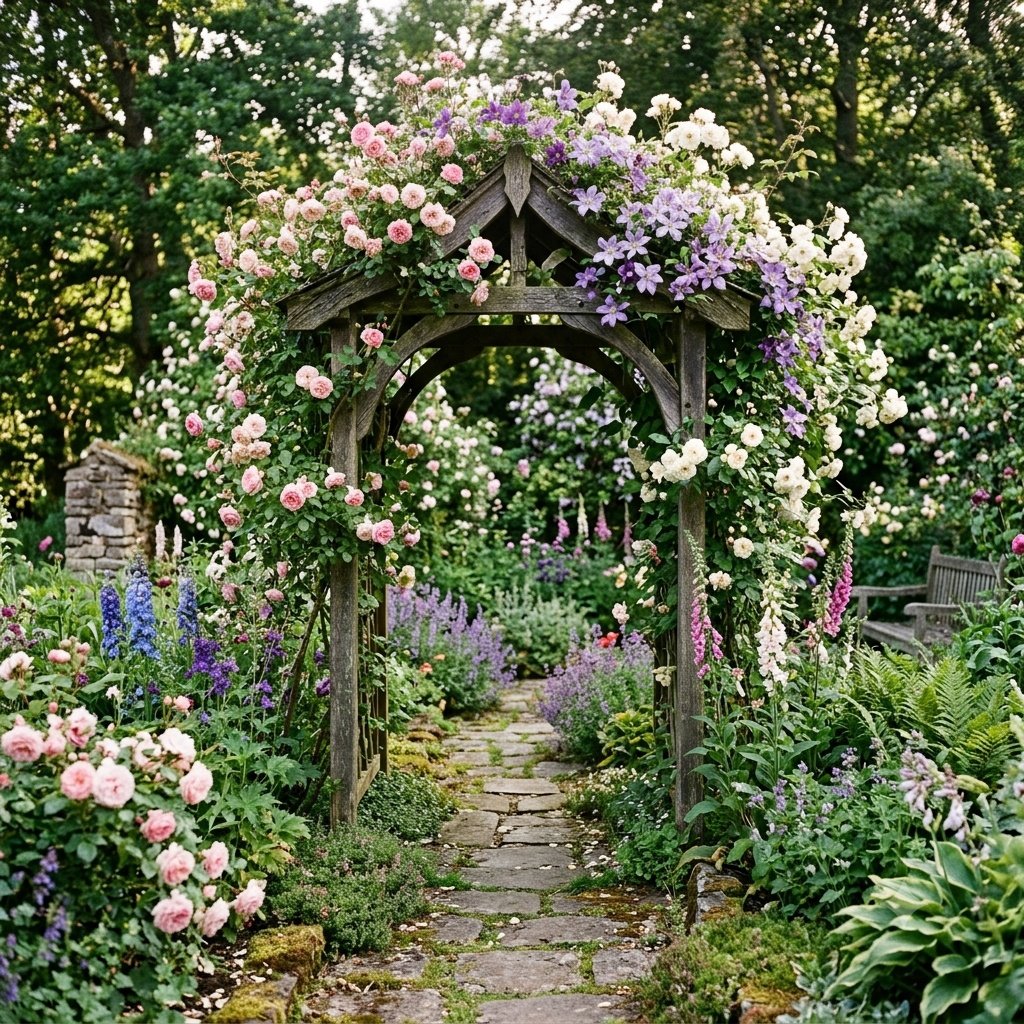
1. Create a Hidden Entrance With an Archway
A secret garden should begin with an entrance that feels special. Garden arches, arbors, and vine-covered gateways immediately create a sense of mystery.
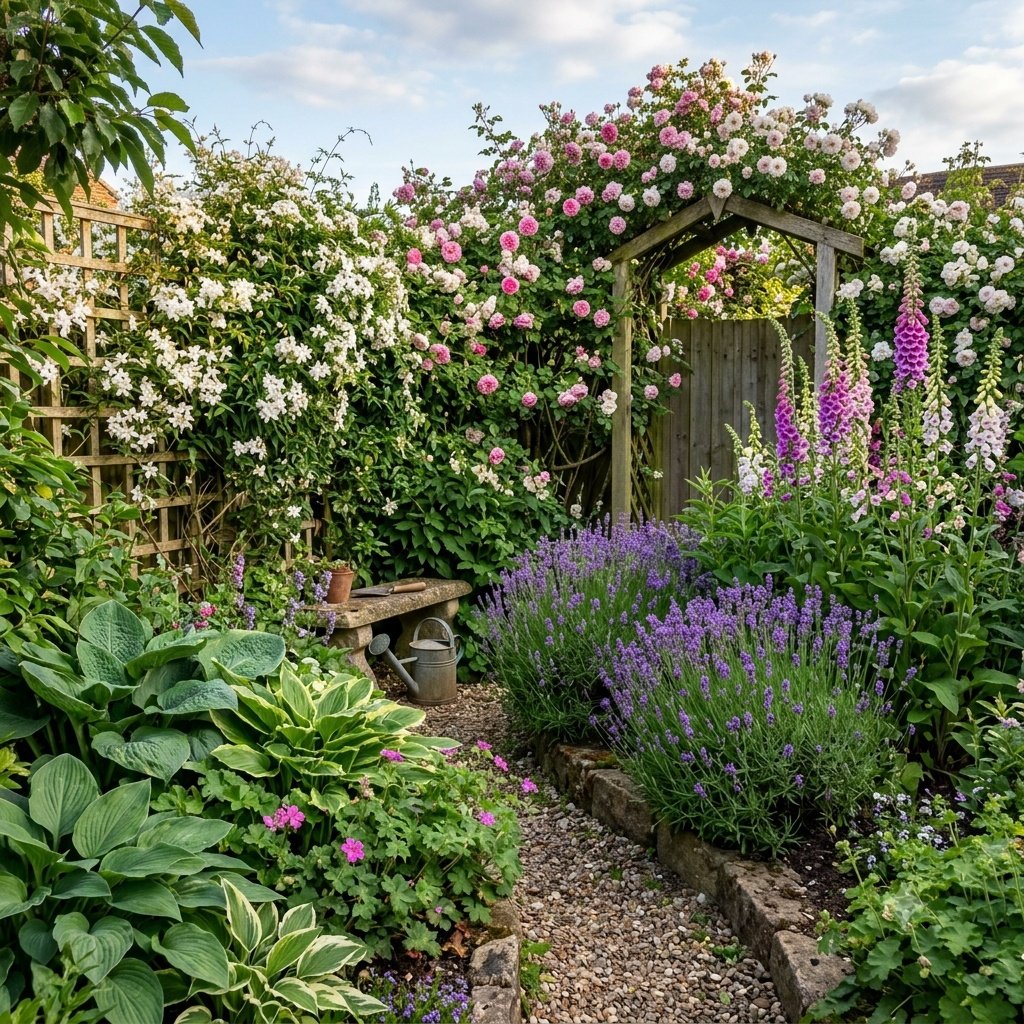
Wooden arbors covered with climbing roses or clematis soften the entrance while adding color and fragrance. Metal arches wrapped in jasmine or honeysuckle can provide year-round interest.
Positioning an arch over a pathway encourages visitors to move forward and see what lies beyond. Even a simple gate surrounded by greenery can create the feeling of entering a private retreat.
If space allows, consider building a short tunnel with multiple arches covered in vines. Walking through it becomes part of the experience.
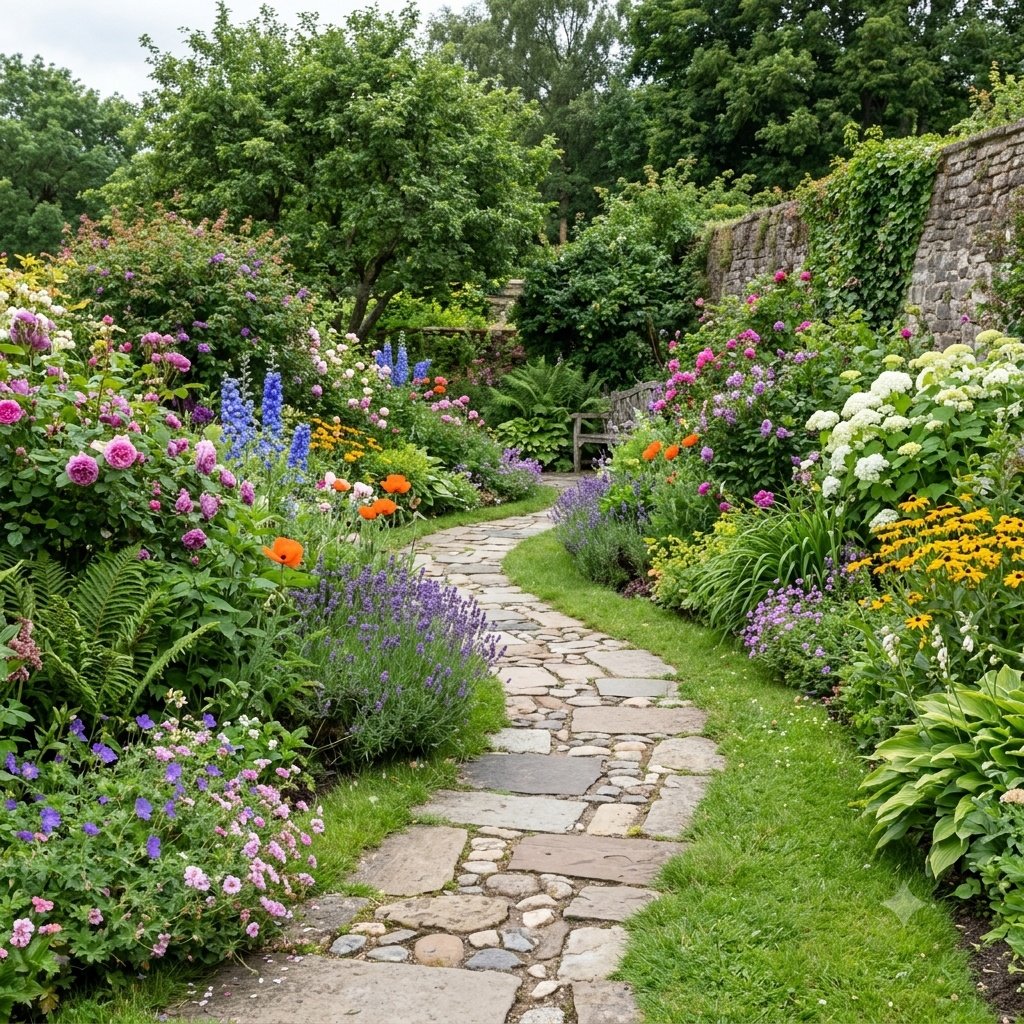
2. Add Winding Stone Pathways
Straight paths reveal everything too quickly. Curved walkways invite exploration.
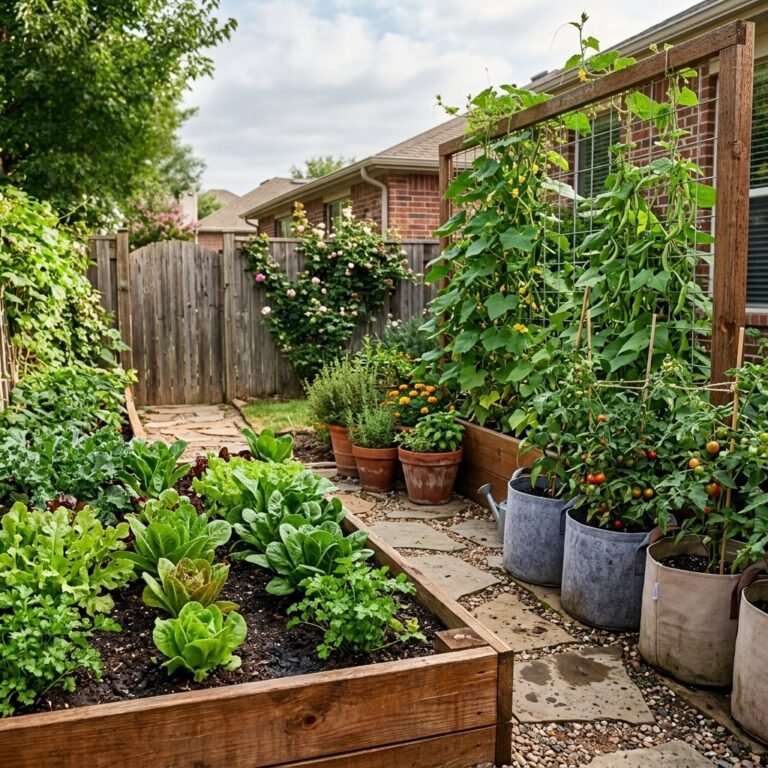
Stone pathways, gravel trails, or stepping stones can guide visitors through the garden while creating visual interest. Curves naturally slow movement and encourage people to notice plants, textures, and details along the way.
Natural stone works especially well because it blends into the landscape. Gravel paths bordered by lavender or low-growing herbs add texture and fragrance.
Allow plants to soften the edges of the path rather than keeping everything perfectly trimmed. Slightly overgrown edges often make gardens feel older and more established.
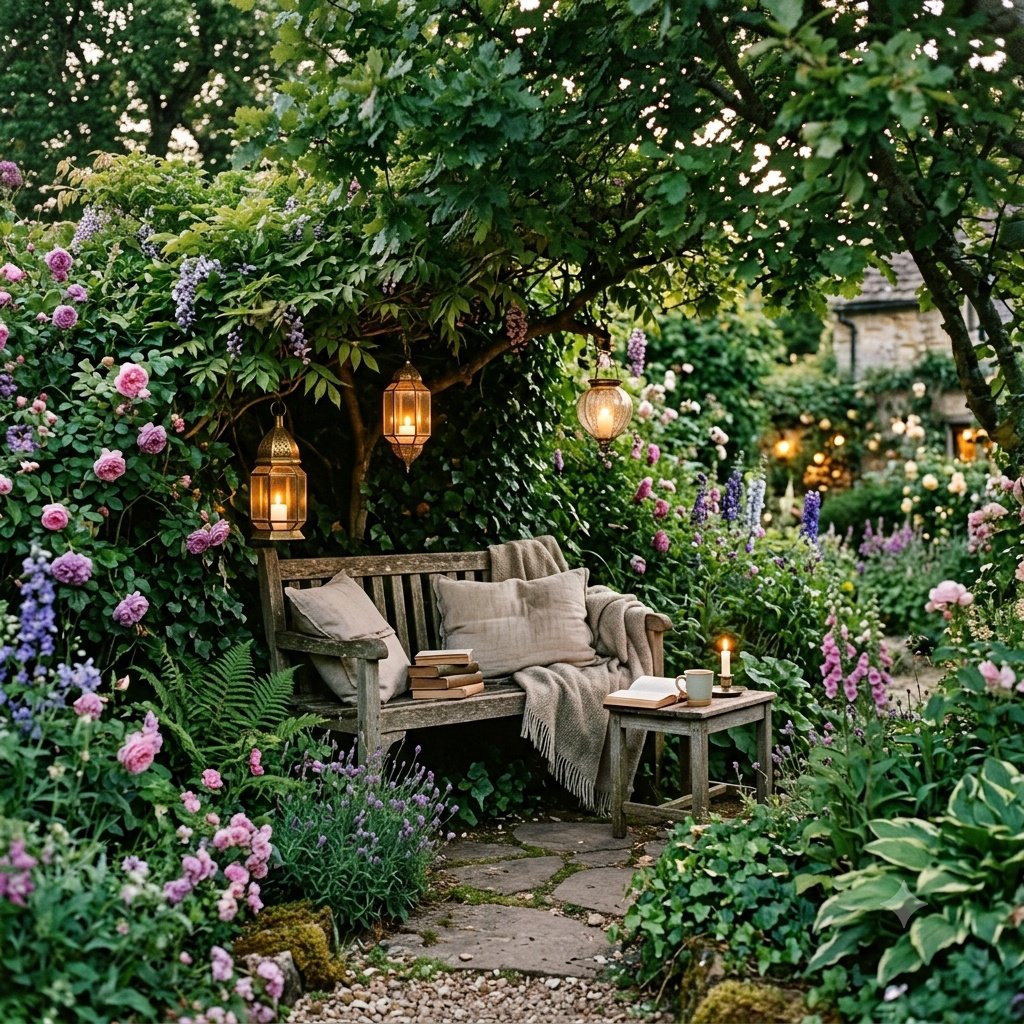
3. Build a Cozy Garden Seating Nook
Every secret garden needs a destination.
A hidden bench beneath a tree, a small bistro set surrounded by flowers, or a quiet reading corner can become the heart of the space. The seating area doesn’t need to be large. It simply needs to feel private.
Pergolas covered with climbing plants provide shade and enclosure. Cushions, outdoor rugs, and lanterns can make the area feel comfortable and inviting.
Position seating where visitors can enjoy views of flowers, water features, or evening sunsets.
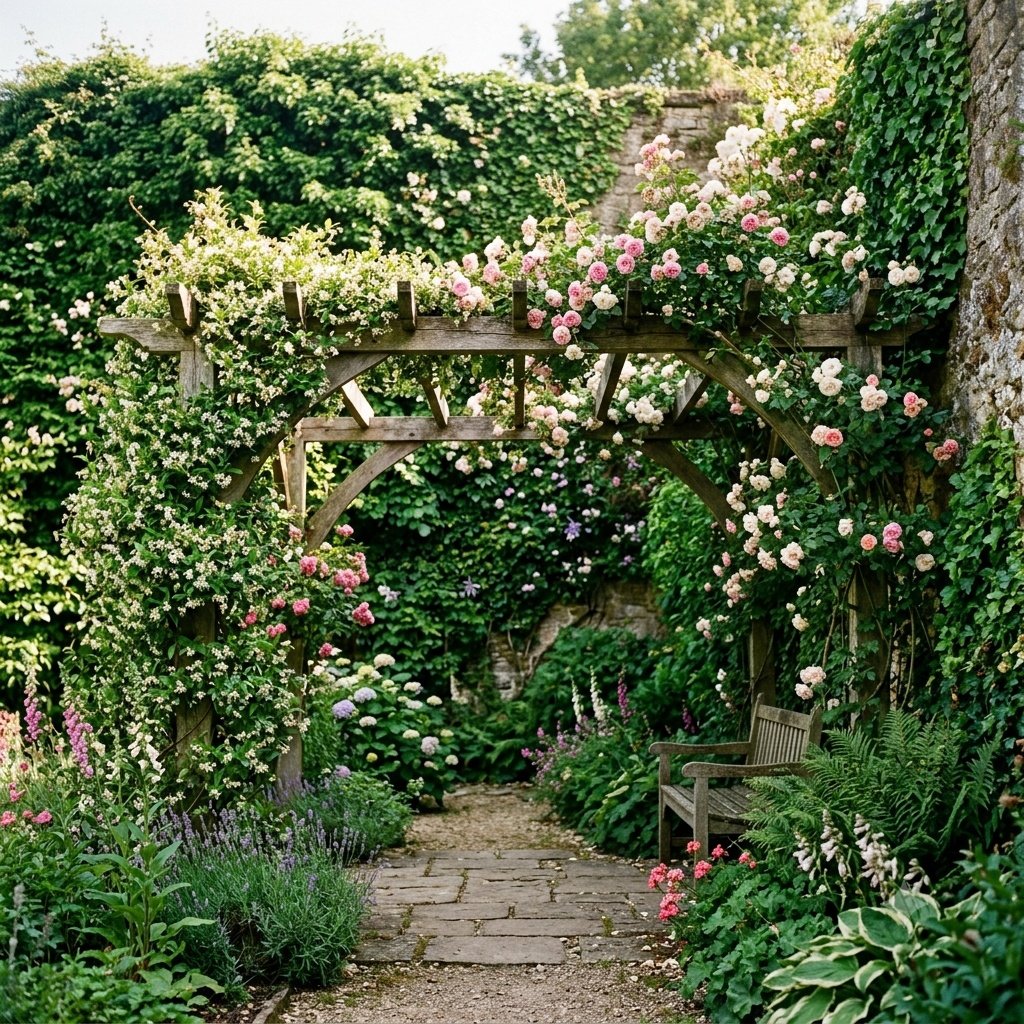
4. Use Climbing Plants for Natural Walls
Living walls often feel softer and more beautiful than fences.
Climbing roses, jasmine, clematis, and honeysuckle can cover trellises, fences, and pergolas while adding fragrance and color. These plants help create privacy without making the garden feel closed off.
Jasmine provides a wonderful evening scent, while climbing roses offer classic romantic appeal. Honeysuckle attracts pollinators and fills the air with fragrance during summer.
Natural walls also help define garden rooms, making the space feel larger and more interesting.
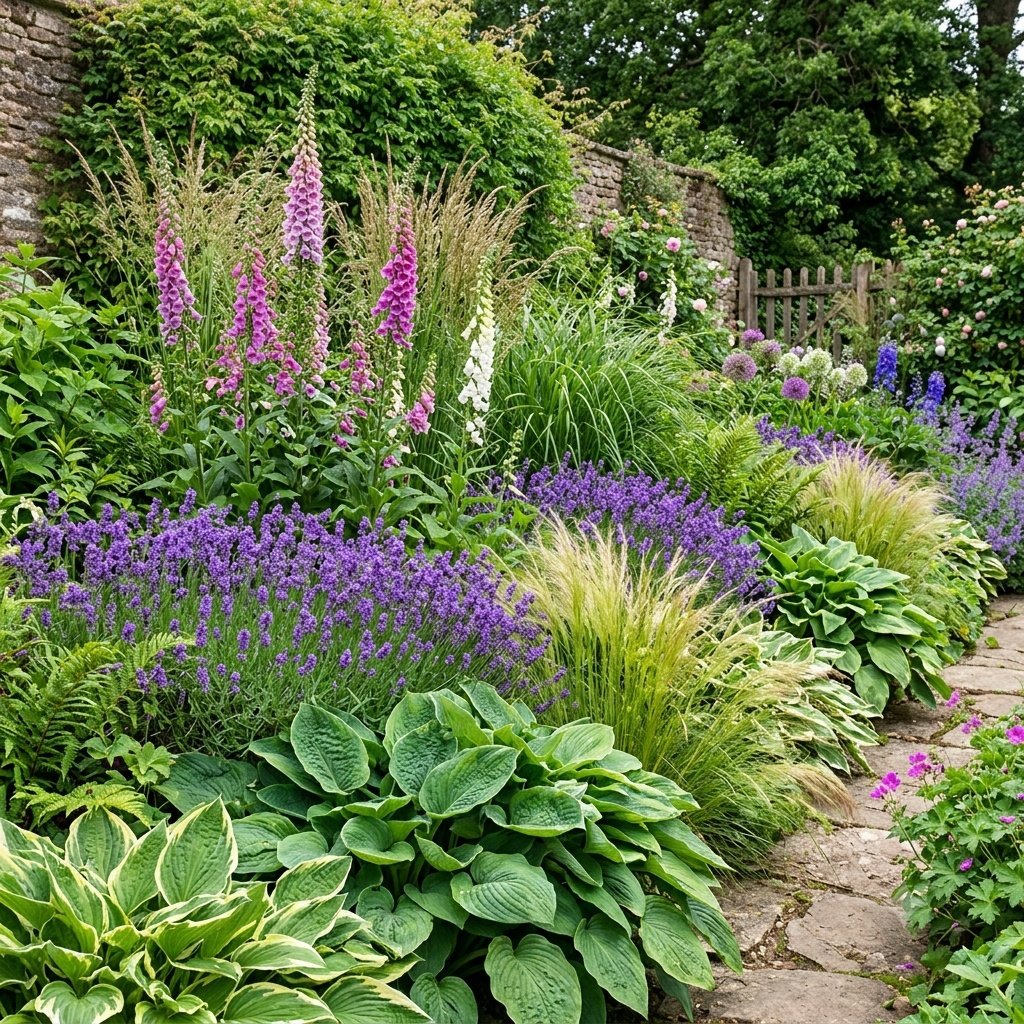
5. Plant Layers of Flowers and Foliage
Layering is one of the easiest ways to create depth.
Tall plants such as foxgloves or delphiniums belong in the back. Medium-height flowers like lavender or salvia fill the middle, while low-growing plants and ground covers soften the front.
Hostas, ferns, and ornamental grasses add texture alongside flowering plants. Combining different heights creates a garden that feels lush and established.
Avoid planting everything at the same level. Variation gives the landscape a more natural appearance.
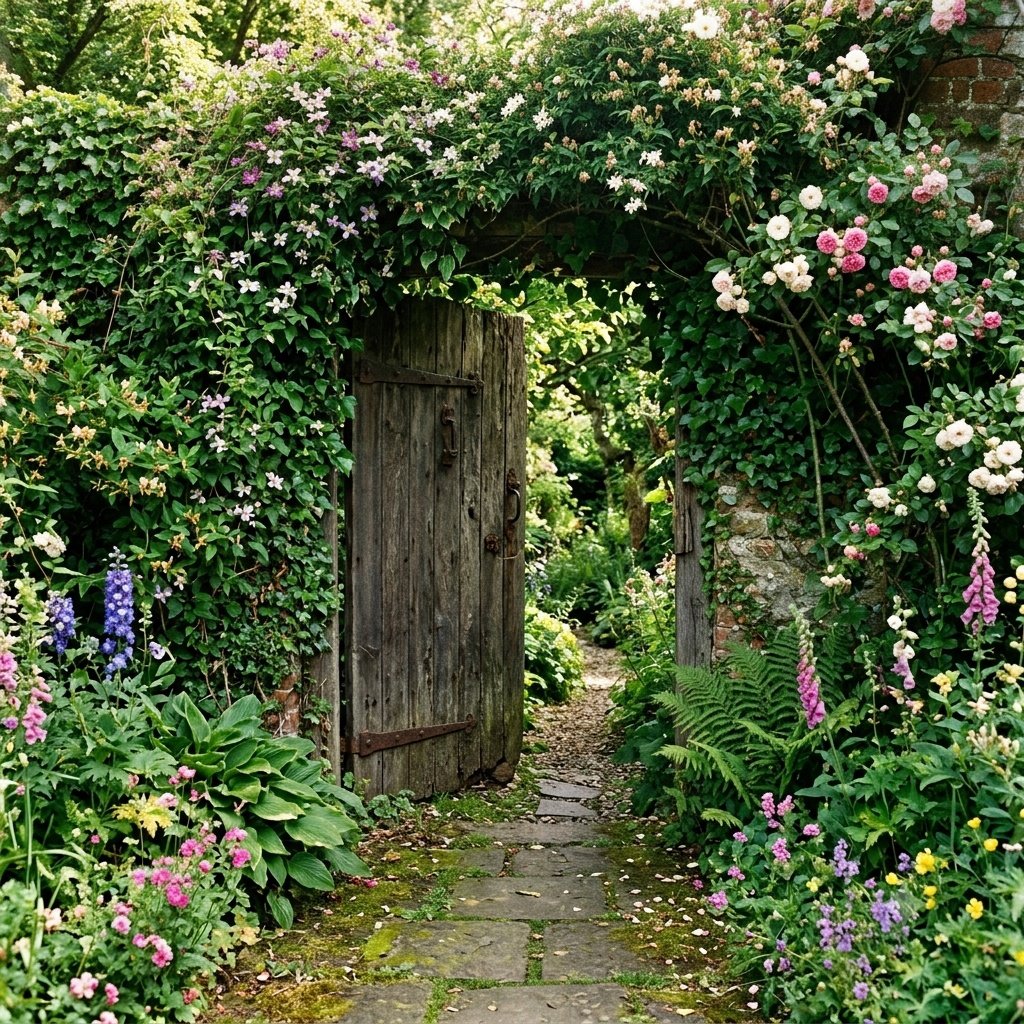
6. Add a Secret Garden Gate
Few garden features create as much curiosity as a hidden gate.
A rustic wooden gate tucked behind shrubs or a vintage iron gate surrounded by vines immediately raises a question: what’s on the other side?
The gate doesn’t even need to lead somewhere large. It might open into a seating area, vegetable garden, or quiet corner.
Weathered finishes often work best because they look as though they’ve been part of the garden for years.
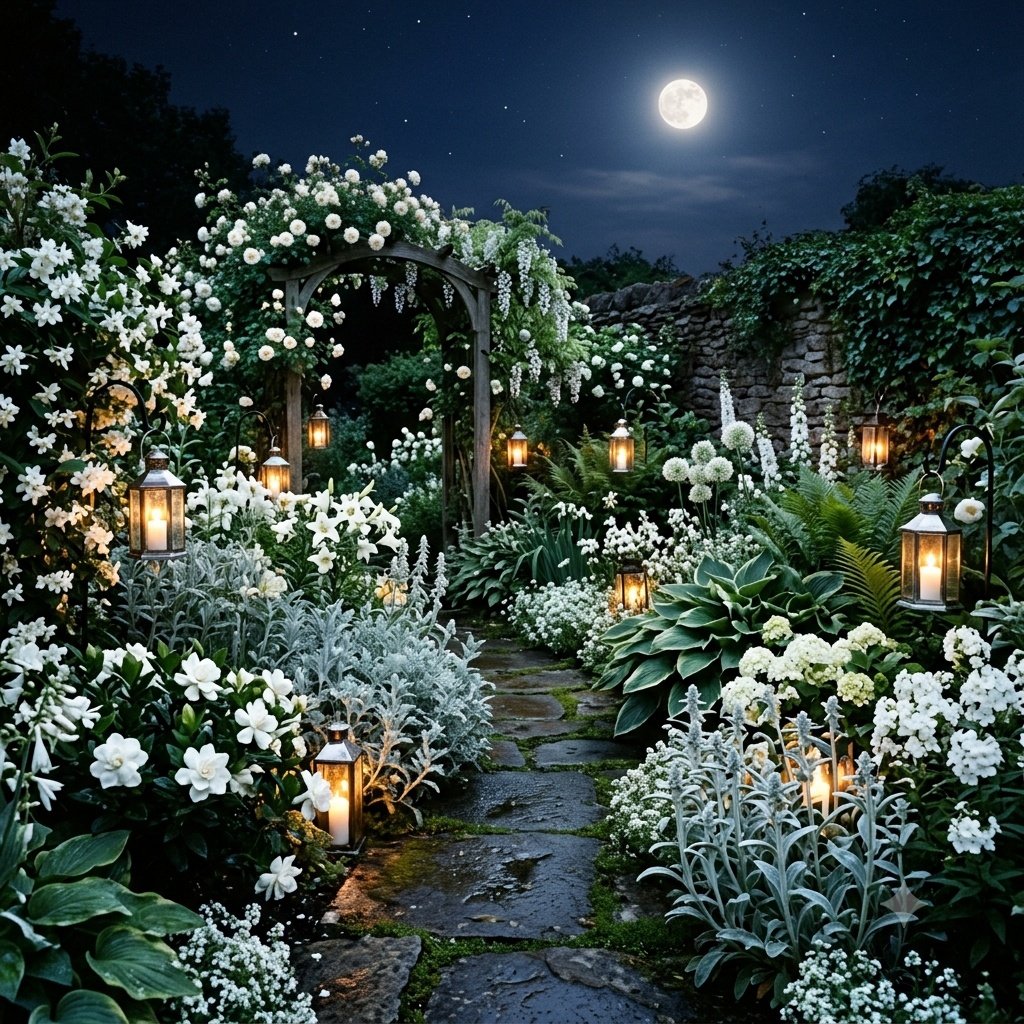
7. Create a Moon Garden
Moon gardens are designed for evening enjoyment.
White flowers and silver foliage reflect moonlight and glow after sunset. Plants such as white roses, moonflower, dusty miller, and white petunias create a peaceful atmosphere.
Adding comfortable seating allows you to enjoy cooler evenings outdoors. Soft lighting, lanterns, and candles enhance the effect.
A moon garden can occupy a small corner or an entire section of the yard. The result feels calm, romantic, and slightly magical.
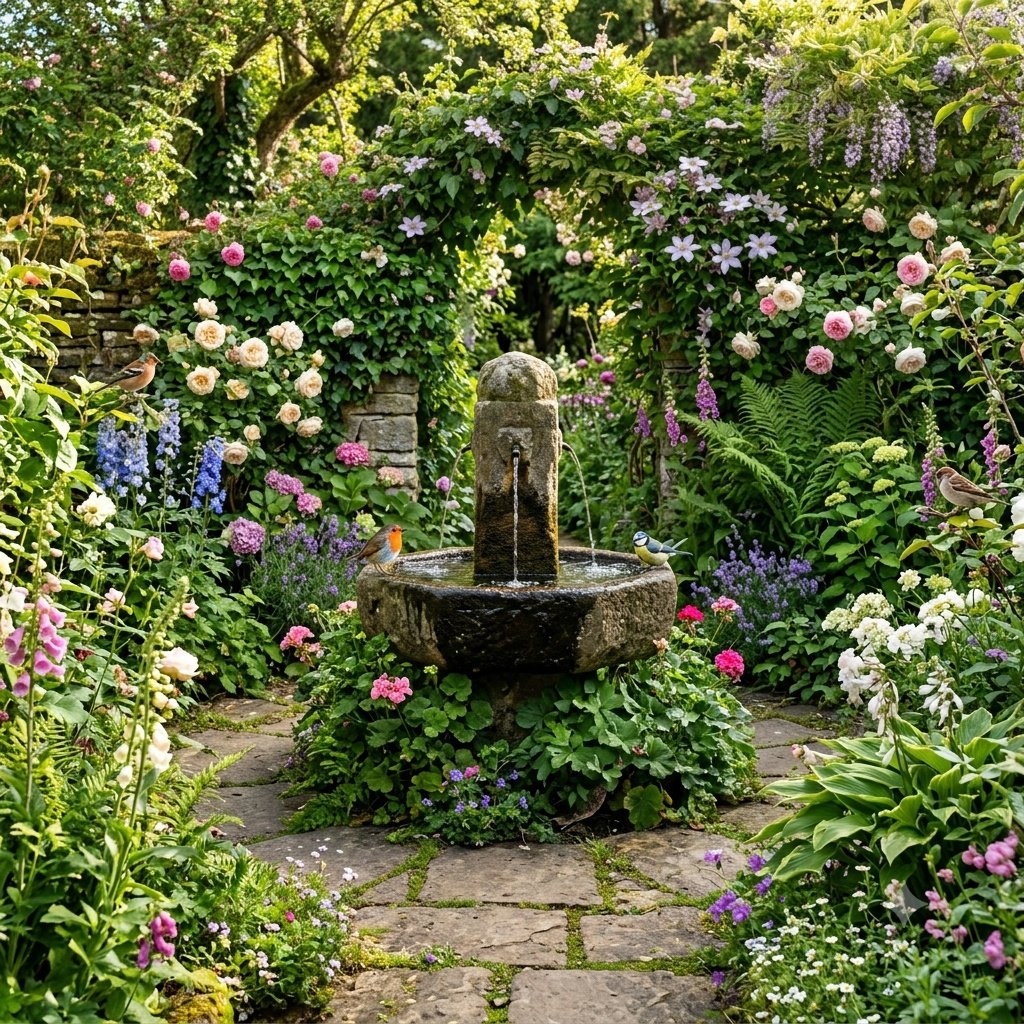
8. Install a Small Water Feature
Water introduces movement and sound.
A birdbath, small fountain, or bowl pond can attract birds while masking neighborhood noise. The gentle sound of water instantly makes a garden feel more relaxing.
Container water gardens work well in small spaces, while larger yards may accommodate ponds or cascading fountains.
Position water features near seating areas so their sounds become part of the experience.
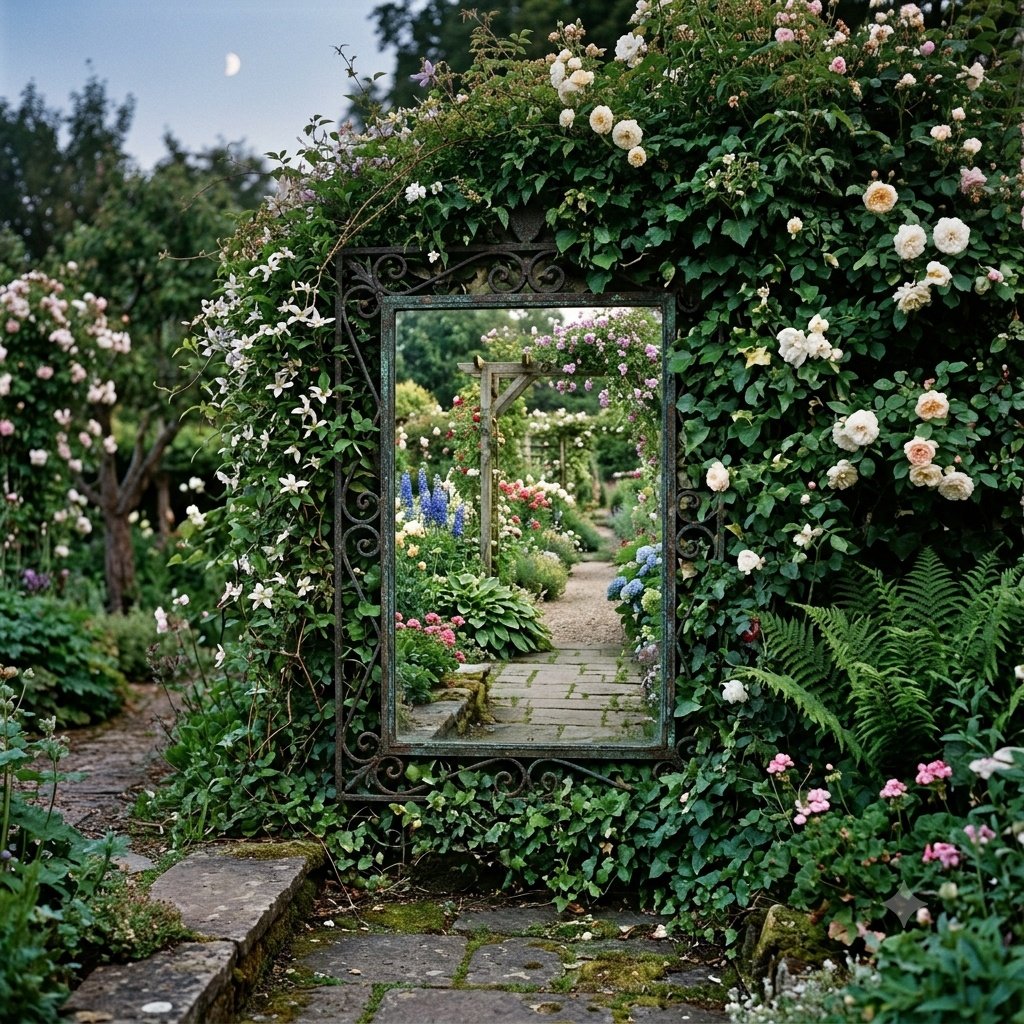
9. Use Garden Mirrors to Create Illusion
Outdoor mirrors can make small gardens feel larger.
Placed against fences or walls, mirrors create the illusion of another pathway or hidden room. Vintage frames often work especially well because they blend naturally into the landscape.
Surround mirrors with plants to soften the edges and avoid harsh reflections.
Used carefully, mirrors add mystery and visual depth.
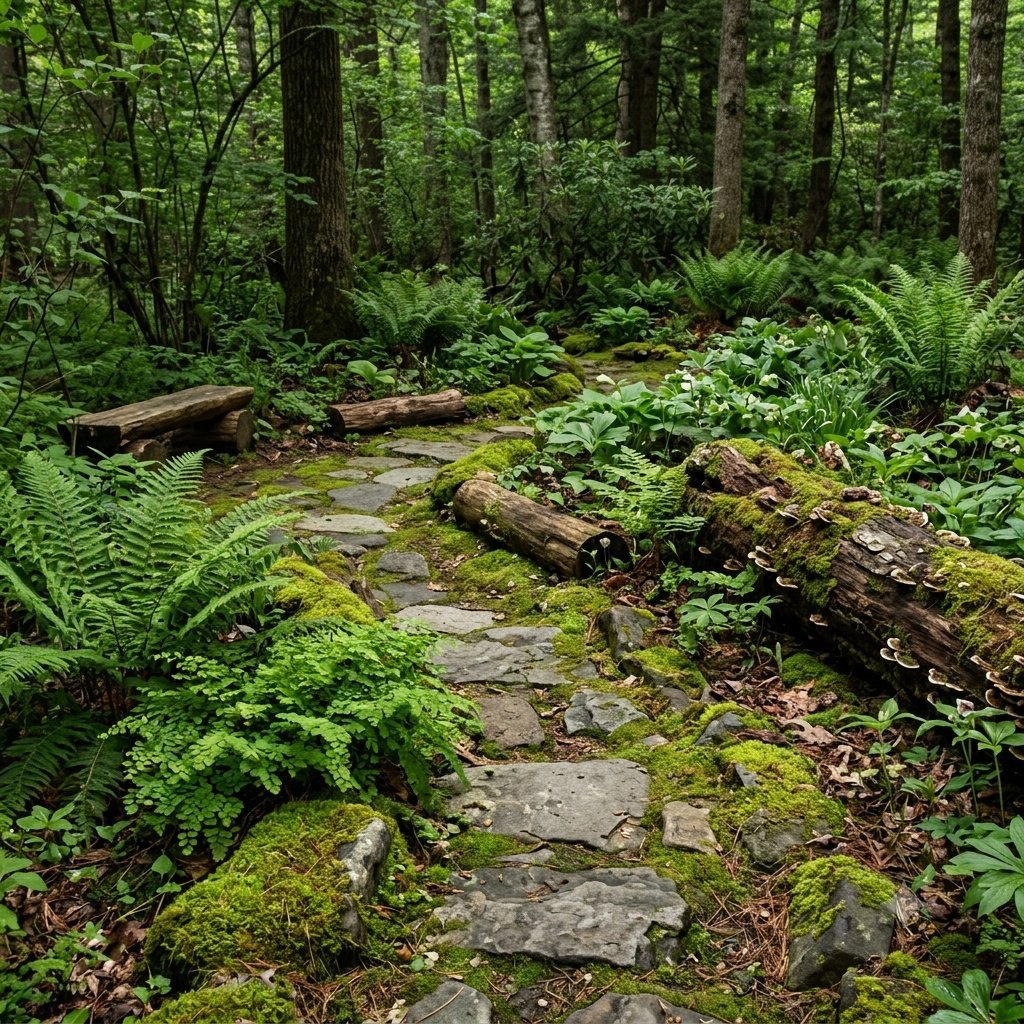
10. Design a Woodland Corner
A shaded woodland corner adds a completely different mood.
Ferns, moss, hostas, and shade-loving plants create cool, peaceful spaces beneath trees. Natural stones, logs, and leaf mulch contribute to the woodland atmosphere.
Allow the area to remain slightly untamed. Woodland gardens often feel more authentic when they aren’t overly maintained.
Even a small shaded area can become a quiet retreat.
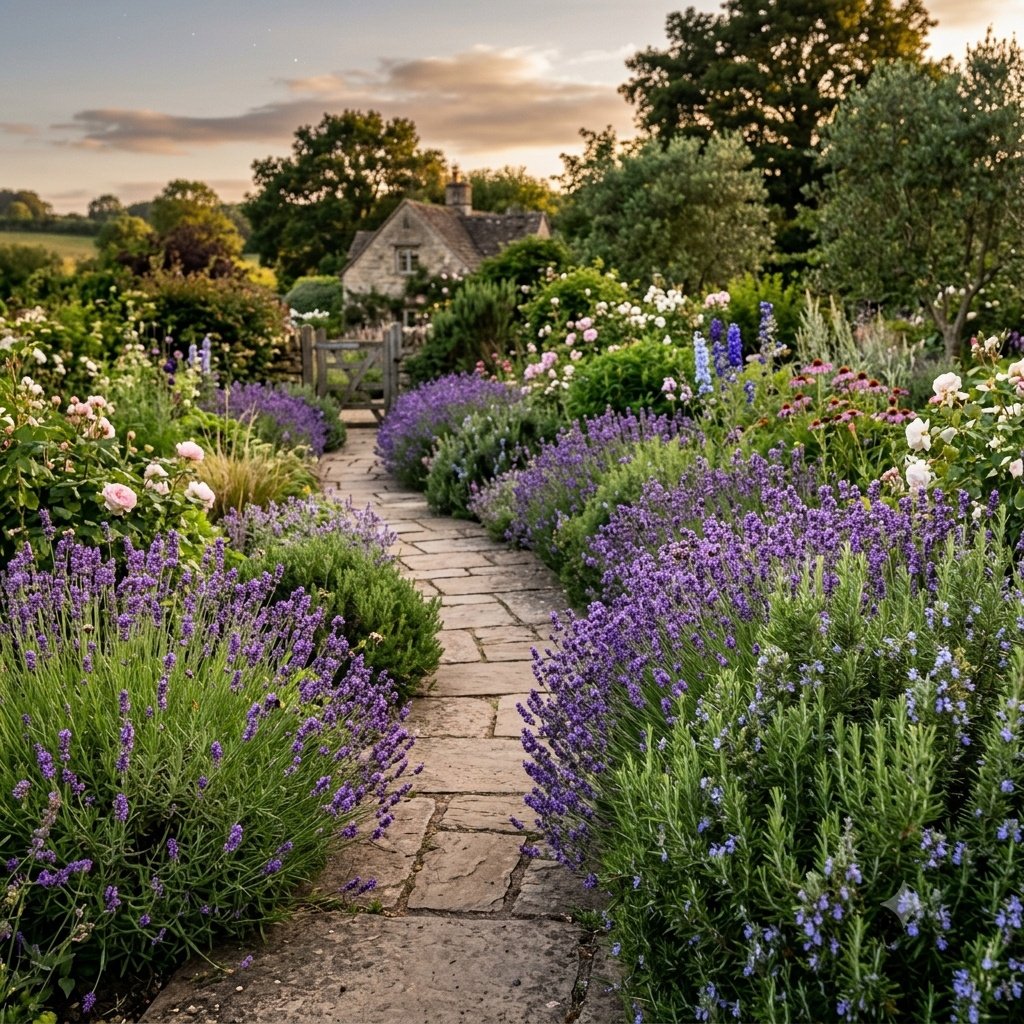
11. Add Fragrant Plants Along Pathways
Fragrance makes gardens memorable.
Lavender, rosemary, sweet alyssum, and gardenias release scent as people walk past them. Placing aromatic plants beside paths allows visitors to experience the garden with more than just their eyes.
Fragrant plants near entrances, seating areas, and gates create stronger sensory connections.
A garden that smells beautiful often feels more immersive.
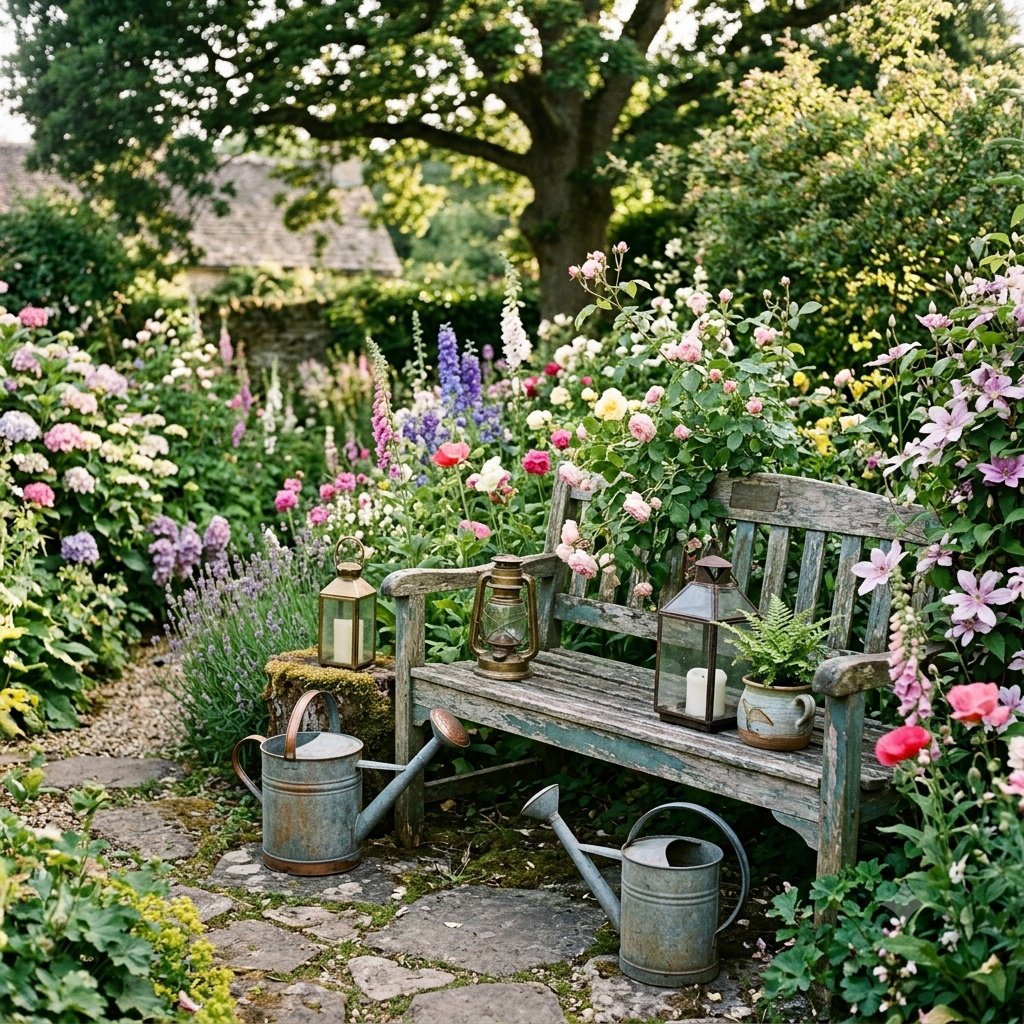
12. Introduce Vintage Garden Decor
Older decorative pieces can make a garden feel timeless.
Antique lanterns, weathered watering cans, rustic benches, and old garden signs add character without overwhelming the landscape.
Choose a few meaningful pieces rather than filling every corner. Too much decoration can make a garden feel cluttered.
Patina and age often enhance the atmosphere.
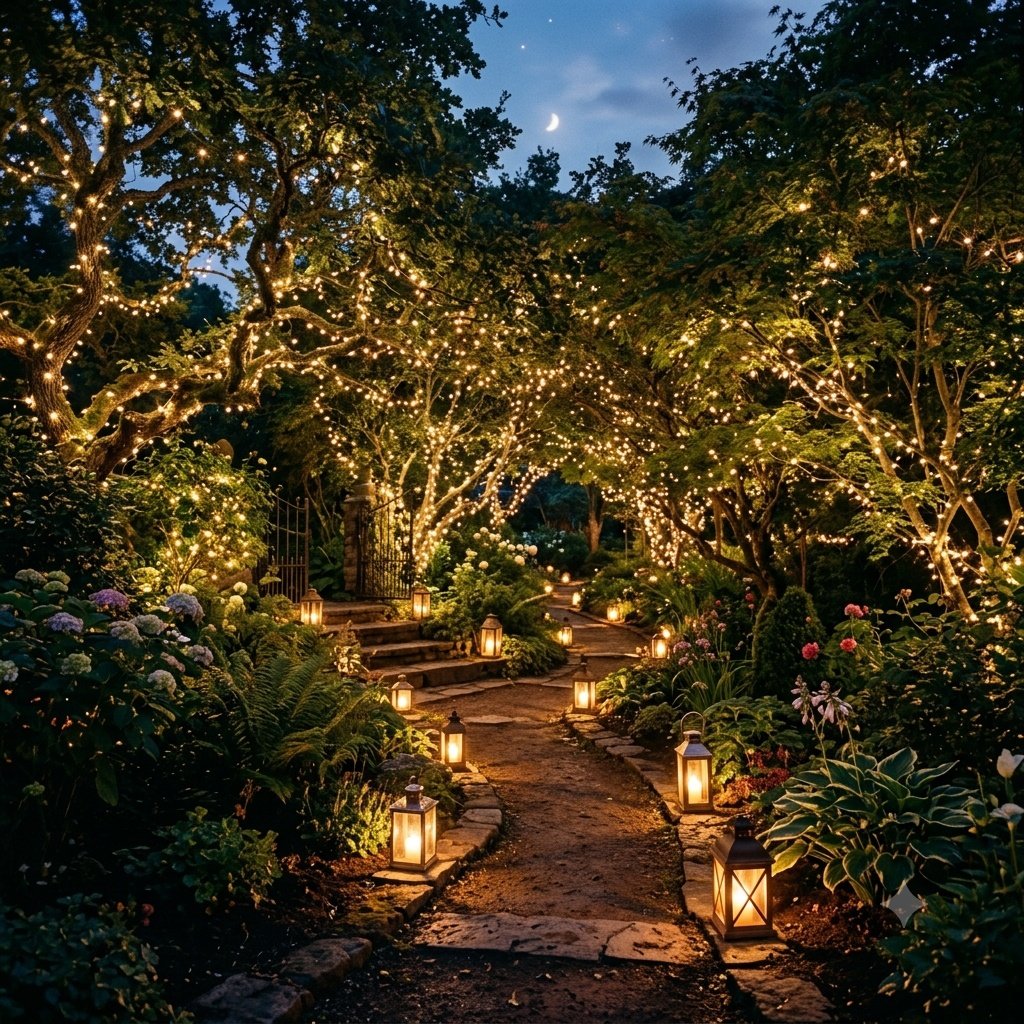
13. Create Hidden Lighting Effects
Lighting transforms gardens after dark.
Fairy lights woven through trees, solar path lights, lanterns, and subtle uplighting create soft illumination. The goal is to reveal only portions of the garden.
Avoid extremely bright lighting. Gentle illumination creates shadows and mystery.
Evening lighting extends the usefulness of the garden and makes nighttime visits feel magical.
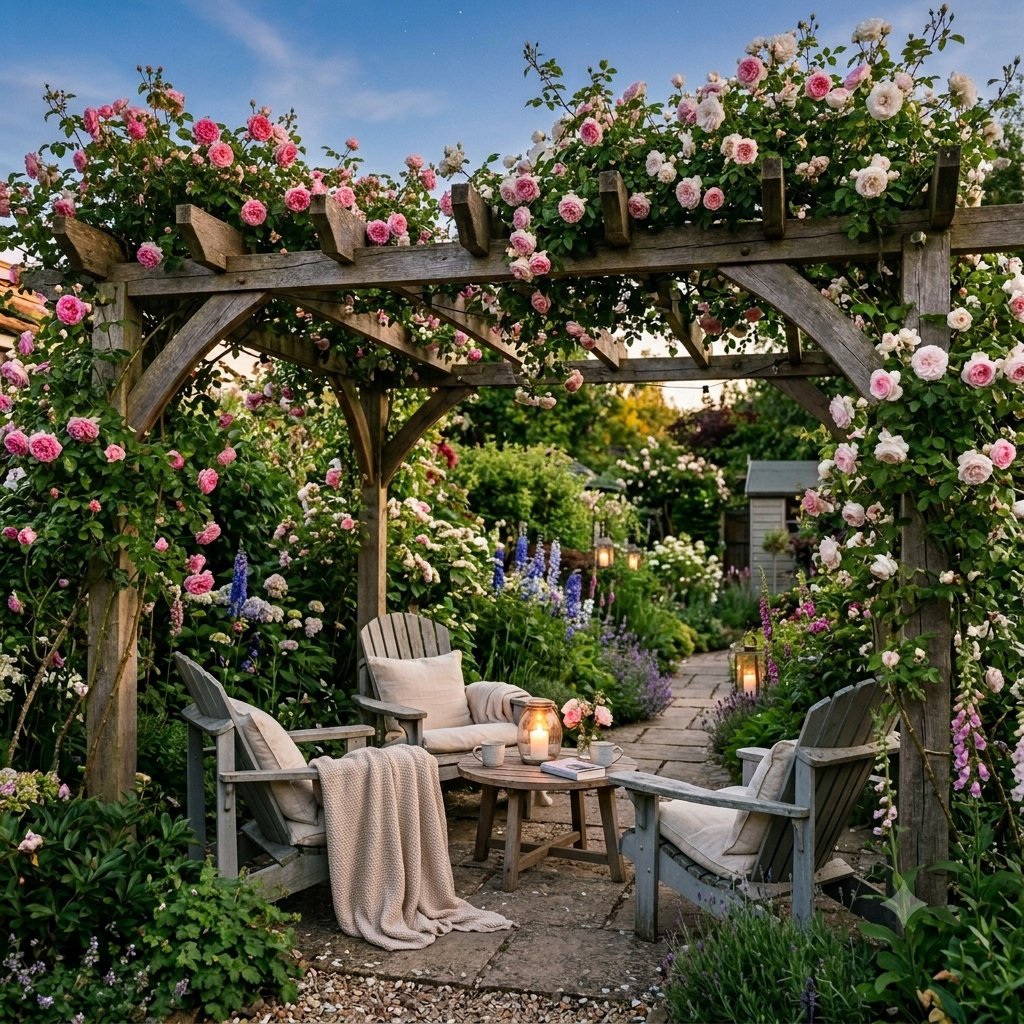
14. Add a Small Garden Structure
Structures provide focal points.
Pergolas, gazebos, trellises, and arbors add height and help define outdoor rooms. Climbing plants soften these features and integrate them into the landscape.
A pergola over a seating area can become the centerpiece of the garden. Small structures also provide shade and support for vines.
They create destinations within the landscape.
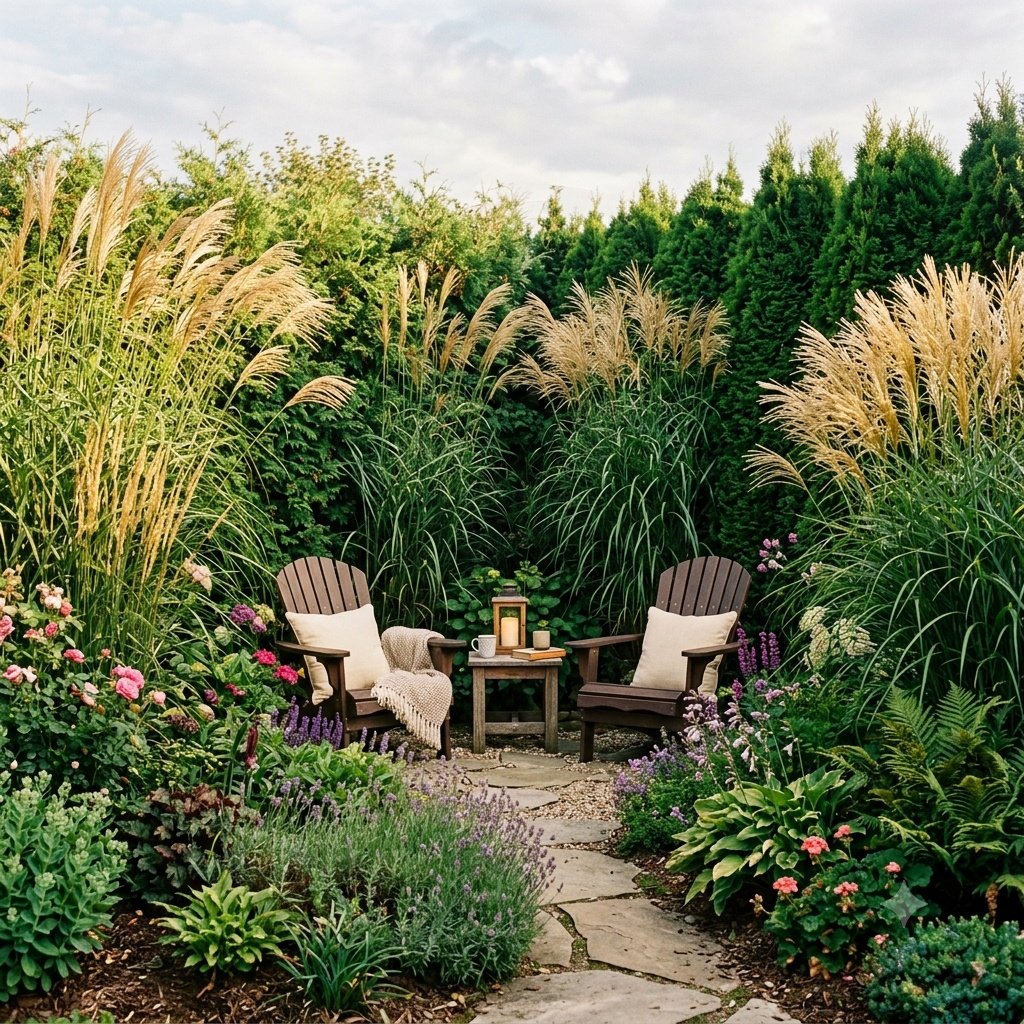
15. Plant a Living Privacy Screen
Privacy is essential for a hidden retreat.
Evergreen shrubs, bamboo, ornamental grasses, and boxwood hedges can block unwanted views while reducing noise and wind.
Living screens change with the seasons and feel more natural than solid fences. Tall grasses sway in the breeze, adding movement and texture.
A private space encourages relaxation and makes the garden feel truly secluded.
Best Plants for a Secret Garden
| Plant | Sun Requirement | Height | Fragrance |
|---|---|---|---|
| Lavender | Full Sun | Medium | Yes |
| Climbing Rose | Full Sun | Tall | Yes |
| Hosta | Shade | Medium | No |
| Jasmine | Sun/Part Shade | Climber | Yes |
| Foxglove | Partial Sun | Tall | Mild |
| Honeysuckle | Full Sun | Climber | Yes |
| Dusty Miller | Full Sun | Low | No |
| Gardenia | Partial Sun | Medium | Yes |
Lavender works well along pathways and seating areas because of its fragrance. Climbing roses create romantic entrances and soften structures.
Hostas thrive in shaded spaces and pair beautifully with woodland gardens. Jasmine and honeysuckle offer both scent and privacy when trained on fences or pergolas.
Foxgloves add vertical interest and fit naturally into cottage-style designs. Dusty miller contributes silver foliage that shines in moon gardens.
Combining fragrant plants, flowering vines, and textured foliage creates a layered garden that feels rich and inviting throughout the year.
Tips for Creating a Secret Garden on a Budget
A magical garden doesn’t require a large budget.
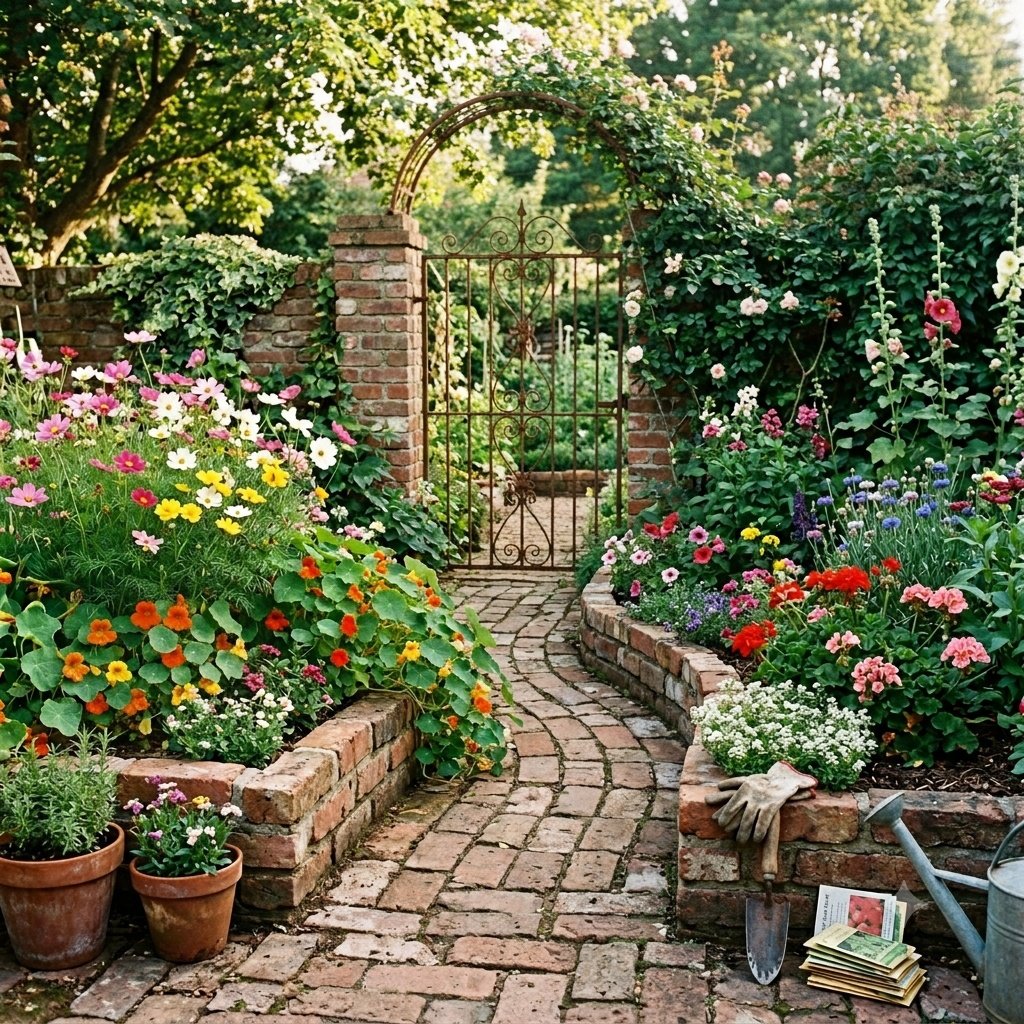
Repurpose old doors or gates as garden entrances. Thrift stores often carry lanterns, benches, and decorative items that fit naturally into outdoor spaces.
Divide existing perennials to fill empty areas rather than buying large quantities of new plants. Friends and neighbors may also share cuttings.
DIY gravel paths and stepping stones cost far less than professional hardscaping. Reclaimed bricks and stones often add character.
Use fast-growing climbing plants to cover fences and create privacy quickly. String lights provide inexpensive evening ambiance.
Focus on one section at a time. Building the garden gradually often produces better results than trying to complete everything at once.
Common Mistakes to Avoid
Too much open space can make a garden feel exposed. Use plants, screens, and structures to create enclosure.
Straight pathways often remove the sense of discovery. Curves and hidden views work better.
Overcrowding plants can lead to maintenance issues and poor airflow. Leave enough space for growth.
Ignoring maintenance may allow pathways to disappear or structures to deteriorate. Regular care keeps the garden inviting.
Finally, avoid creating a space without a focal point. Every secret garden benefits from a destination, whether it’s a bench, fountain, or flowering arbor.
Related Reads
You might find these helpful as you keep going:
7 Best Fertilizers for Raised Beds (Top Picks + Feeding Guide)
7 Best Self-Watering Systems for Balcony Vegetable Gardens (That Actually Work)
17 Full Sun Plants to Grow in May
FAQ
What is a secret garden?
A secret garden is a private outdoor space designed to create a sense of discovery, enclosure, and intimacy through plants, pathways, and hidden features.
How do I create privacy in my backyard?
Use hedges, climbing plants, trellises, ornamental grasses, fences, and pergolas to screen unwanted views and create secluded spaces.
Which plants work best for secret gardens?
Climbing roses, lavender, jasmine, foxgloves, hostas, honeysuckle, and ferns are excellent choices for creating texture, fragrance, and privacy.
Can I create a secret garden in a small yard?
Yes. Small spaces often work very well because they naturally feel enclosed. Vertical gardening, winding paths, and layered planting can make compact yards feel larger.
How much does a secret garden cost?
Costs vary widely. Small projects using existing plants and recycled materials may cost very little, while larger landscaping projects can require a bigger budget.
Final Thoughts
Creating a secret garden starts with atmosphere rather than size. A winding path, a hidden bench, fragrant flowers, or a vine-covered gate can completely change the feeling of a backyard.
Begin with one feature that inspires you. Add plants over time. Create small destinations that encourage exploration and quiet moments.
The most memorable gardens aren’t necessarily the largest or the most expensive. They feel personal. They invite people to slow down and notice details.
A secret garden isn’t about the size of your yard—it’s about creating a place that feels discovered rather than simply seen.