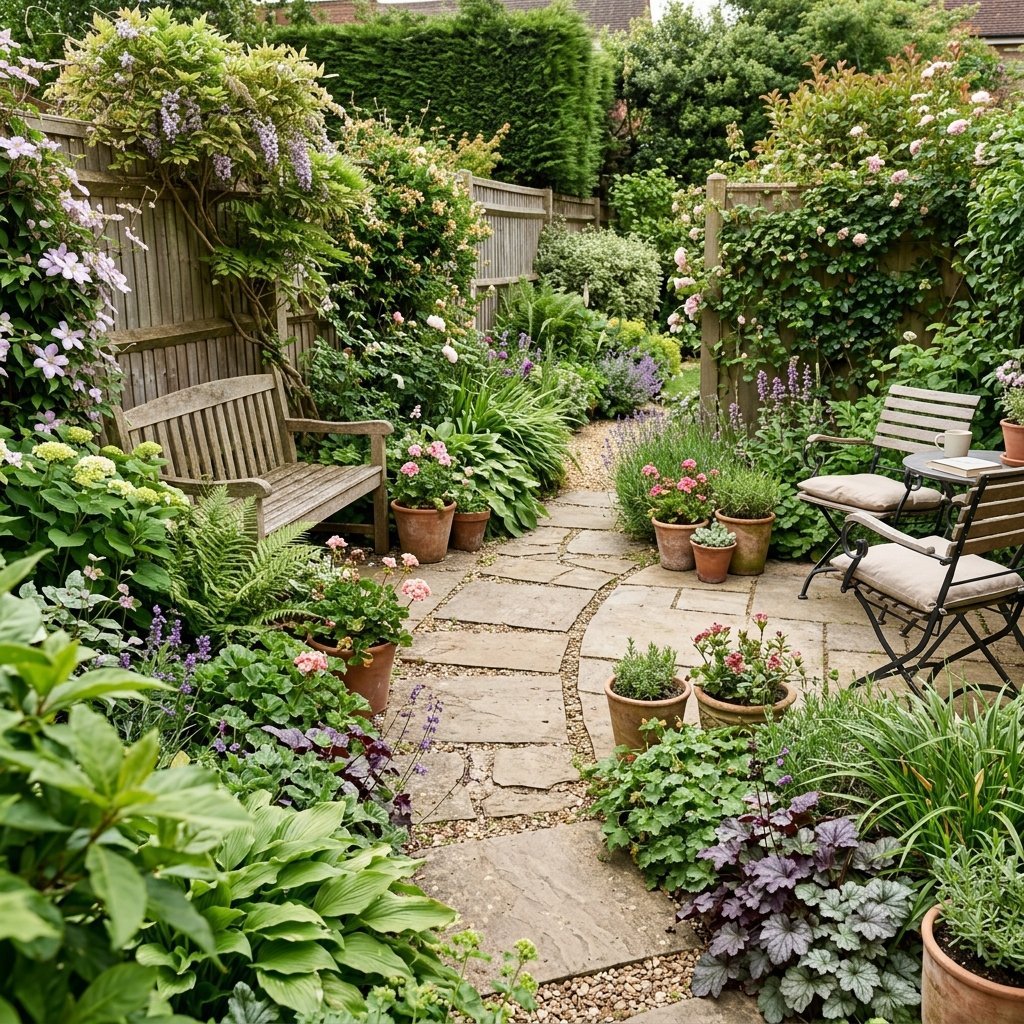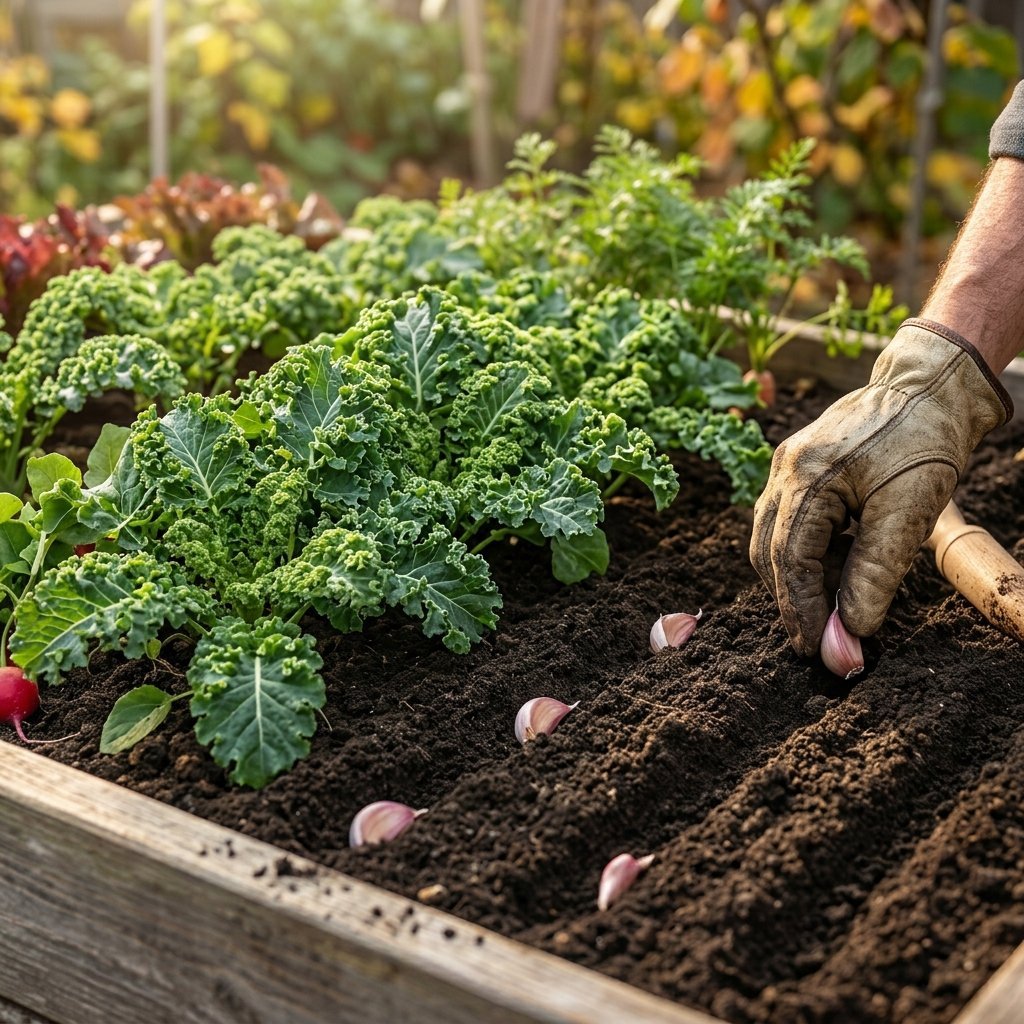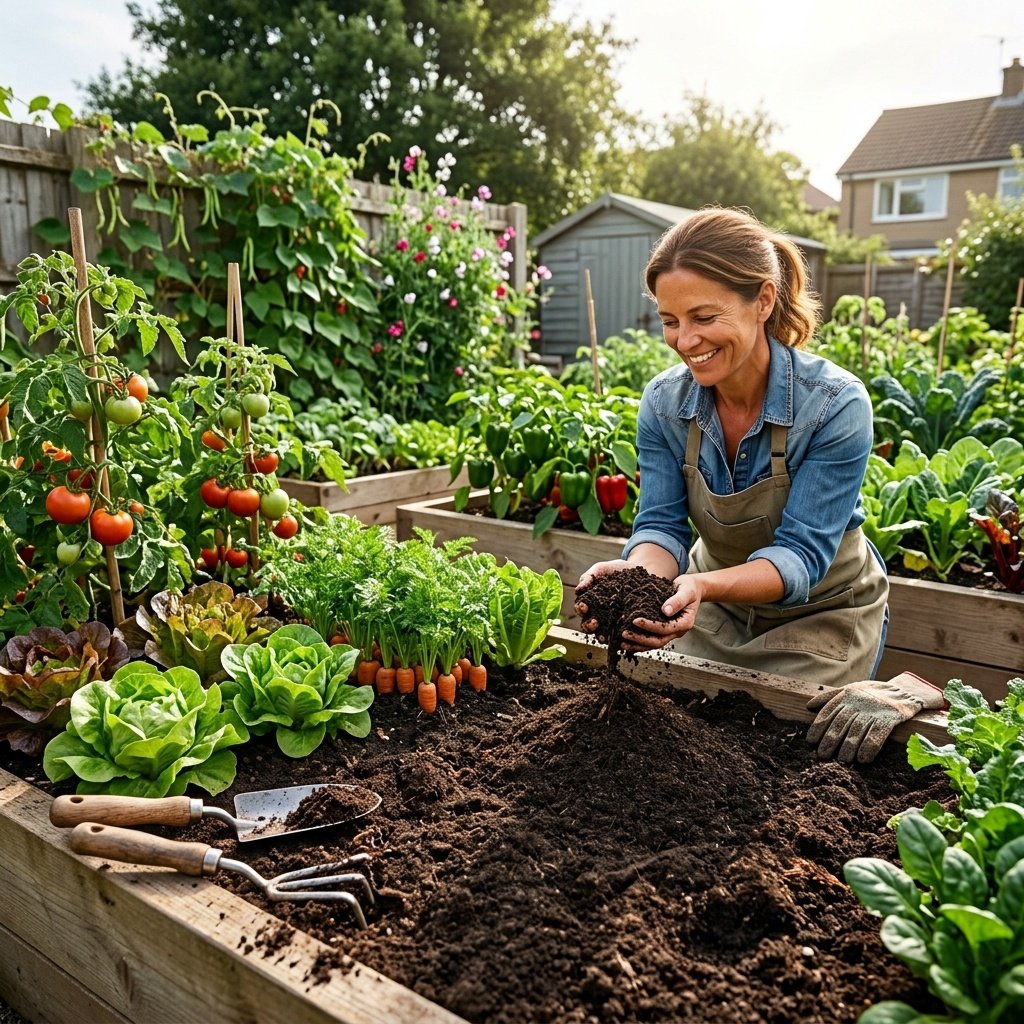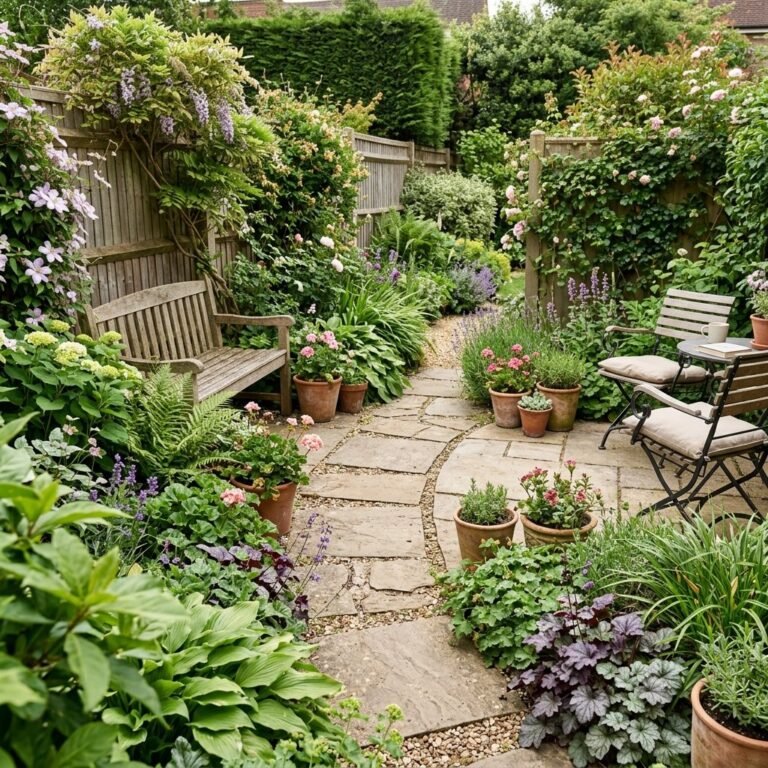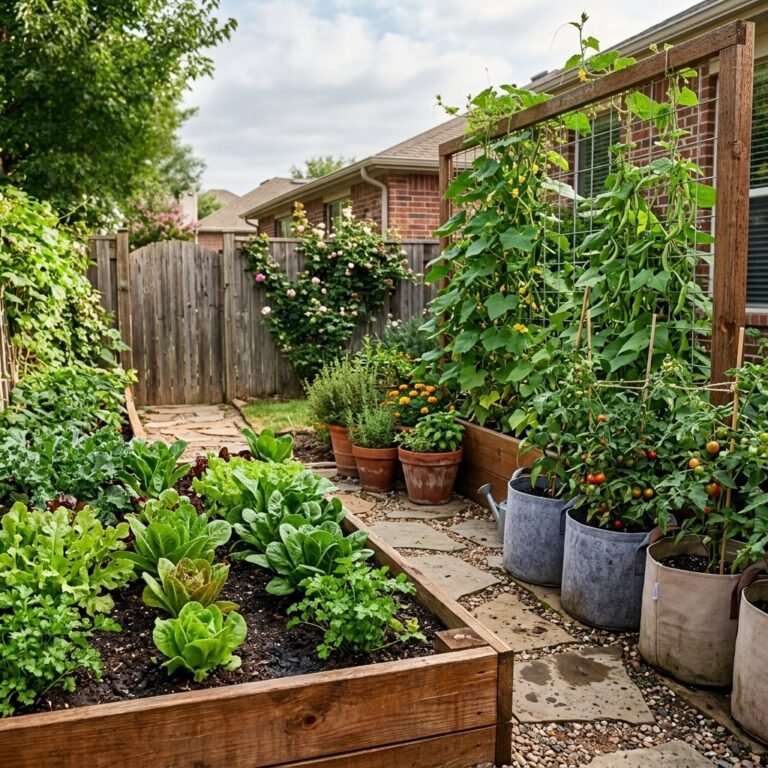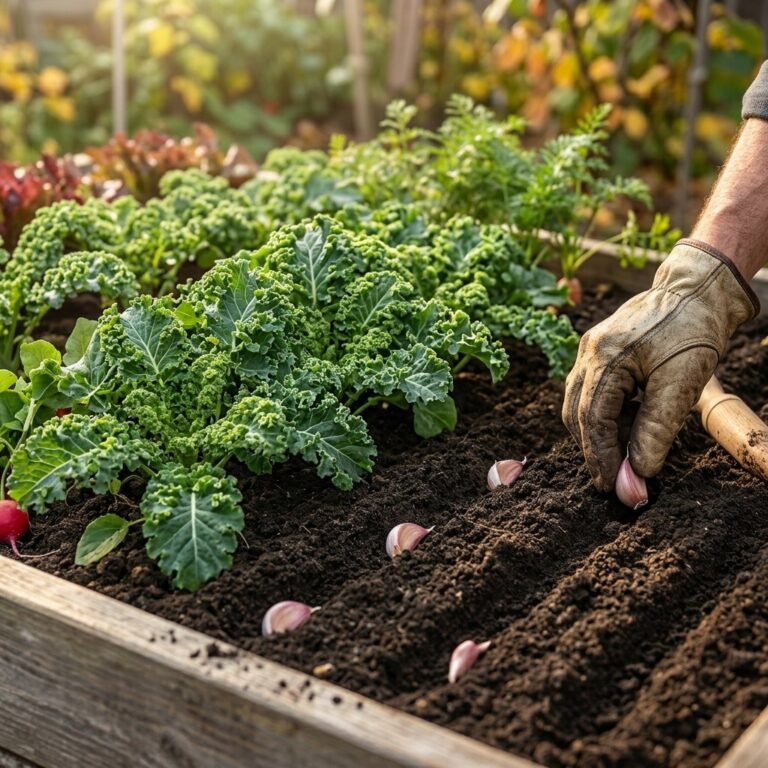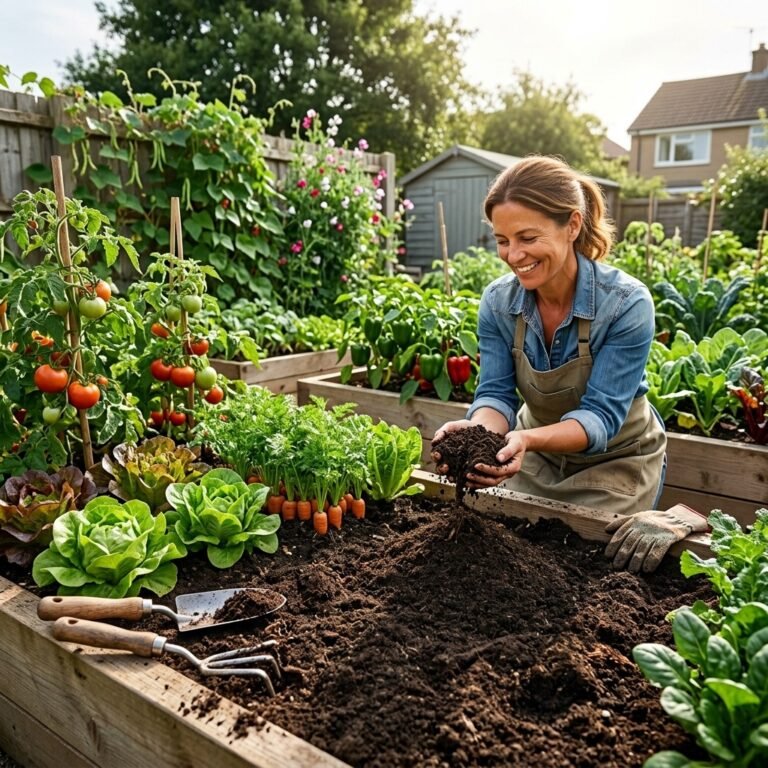

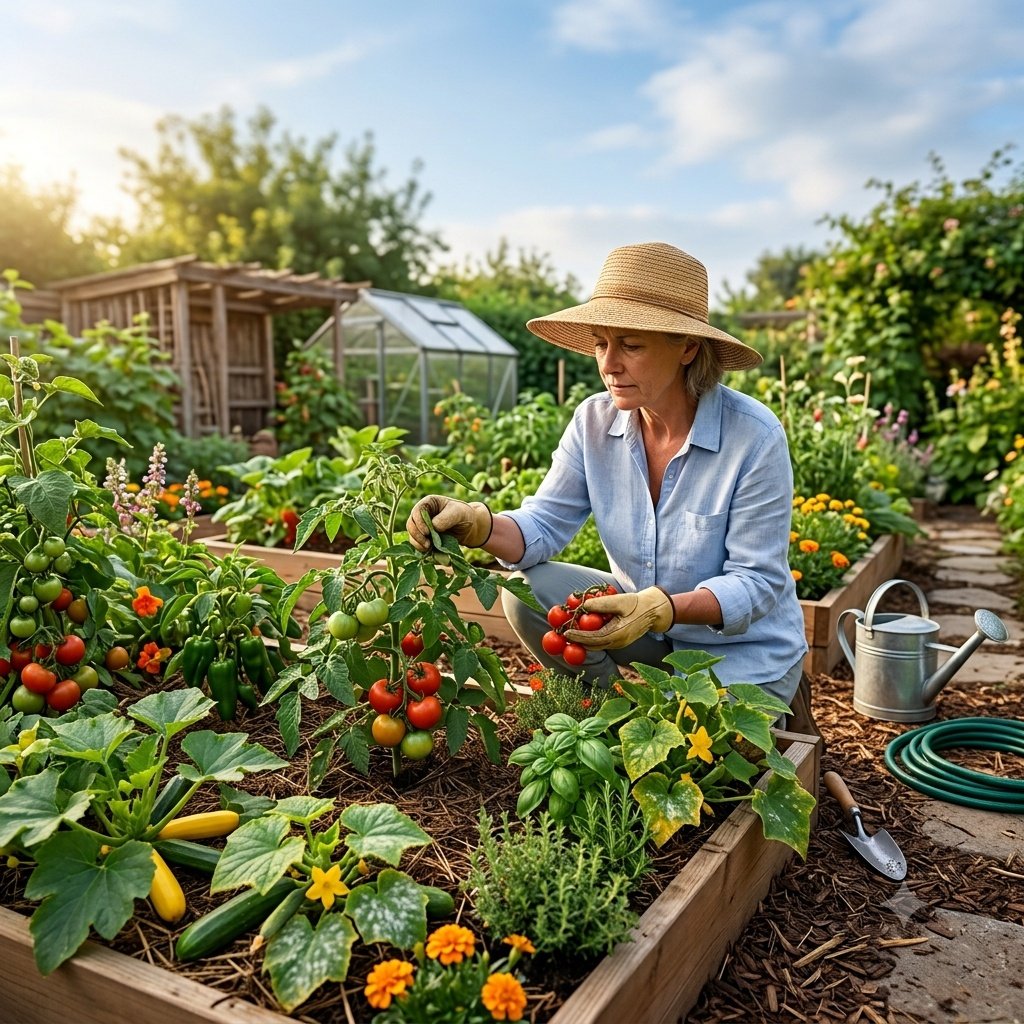
Summer is often the most rewarding season for gardeners. Tomato vines are loaded with fruit, peppers begin to mature, herbs grow rapidly, and flower beds burst with color. But as temperatures climb, gardens can also face their toughest challenges. A few days of intense heat, dry winds, or inconsistent watering can quickly turn a healthy garden into one that looks tired and stressed.
I’ve noticed that even well-established gardens can begin struggling after just a few days of extreme heat. Leaves wilt by afternoon, tomatoes stop setting fruit, and pests seem to appear overnight. The good news is that most summer garden problems have simple causes and can be corrected naturally once you know what to look for.
Understanding how plants respond to heat, moisture, and seasonal pests helps you act before small issues become major setbacks. Whether you grow vegetables, herbs, flowers, or a mix of everything, learning to recognize early warning signs will save both time and effort.
In this guide, we’ll cover the most common Summer Garden Problems, explain why they happen, and share practical, natural solutions that help your garden stay healthy throughout the hottest months.
Why Summer Is the Hardest Season for Many Gardens
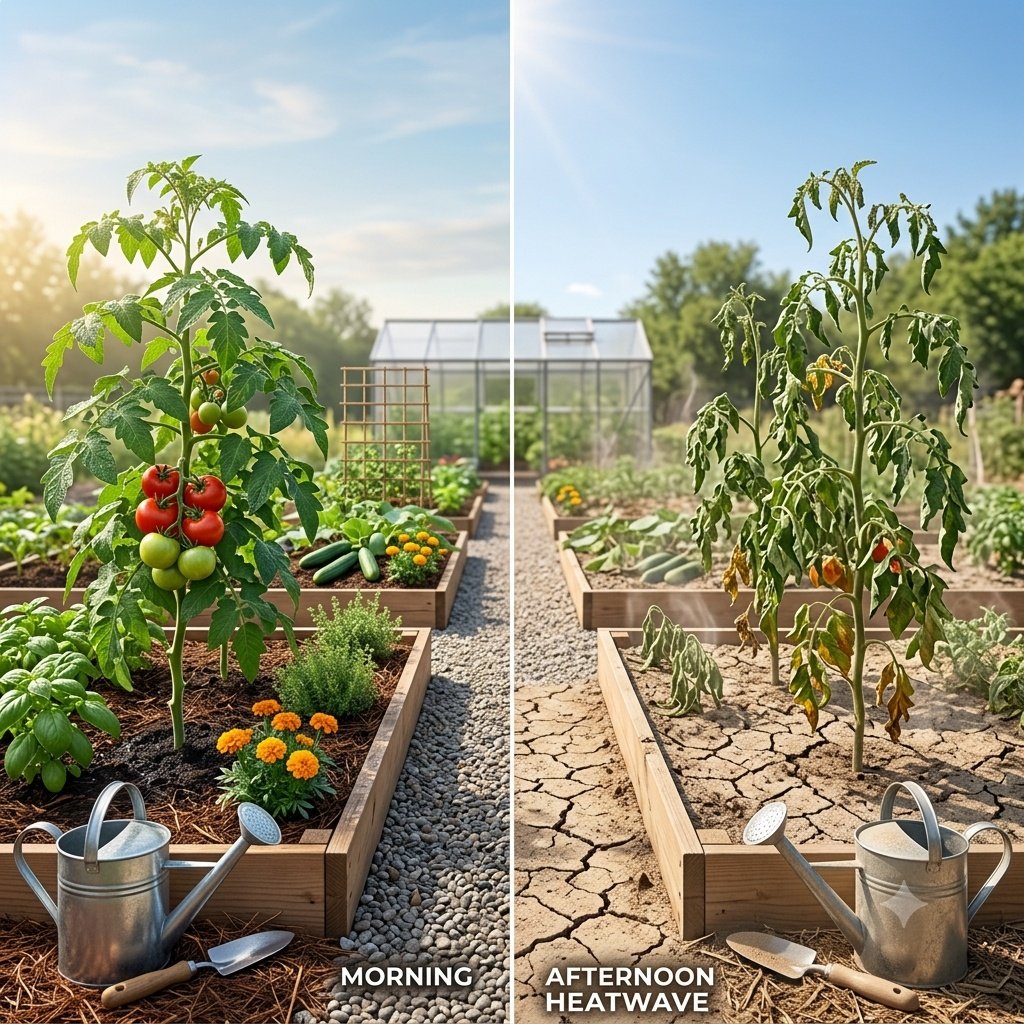
Summer places plants under constant pressure. High temperatures increase water loss through evaporation, while longer daylight hours force plants to work harder to stay hydrated. Warm soil also encourages rapid weed growth and creates ideal conditions for many insects and plant diseases.
Instead of putting energy into producing flowers and fruit, plants often shift their resources toward survival. During prolonged heat waves, even healthy gardens may slow down. Vegetables stop growing as quickly, flowers fade sooner, and fruit production can decrease.
The combination of heat, dry soil, humidity, and increased pest activity explains why so many gardeners encounter problems during midsummer. Fortunately, regular observation and timely care make it possible to prevent many of these issues before they spread.
1. Plants Wilting Even After Watering
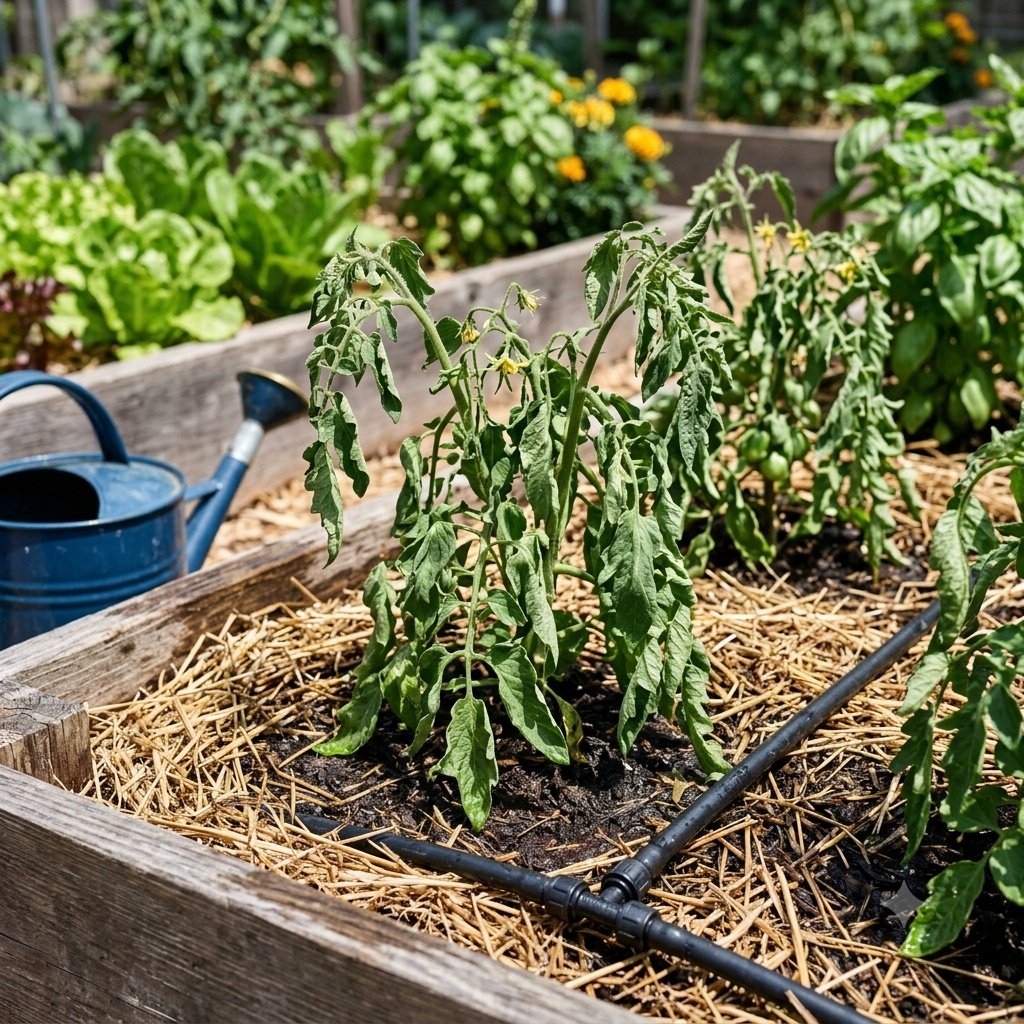
Wilting is one of the most common signs of heat stress. Many gardeners assume their plants need more water, but that’s not always the case.
During extremely hot afternoons, plants naturally lose moisture faster than roots can replace it. This temporary wilting often disappears once temperatures cool in the evening.
Persistent wilting may point to damaged roots, compacted soil, poor drainage, or diseases affecting water uptake.
Water deeply early in the morning instead of giving shallow daily watering. Add a layer of organic mulch around plants to reduce evaporation and keep the soil cooler. Avoid watering during the hottest part of the day, as much of it evaporates before reaching the roots.
Experience Tip: Check your plants again after sunset. If they recover overnight, heat—not lack of water—is usually the problem.
2. Yellow Leaves on Vegetables
Yellowing leaves can have several causes, making diagnosis important before applying any treatment.
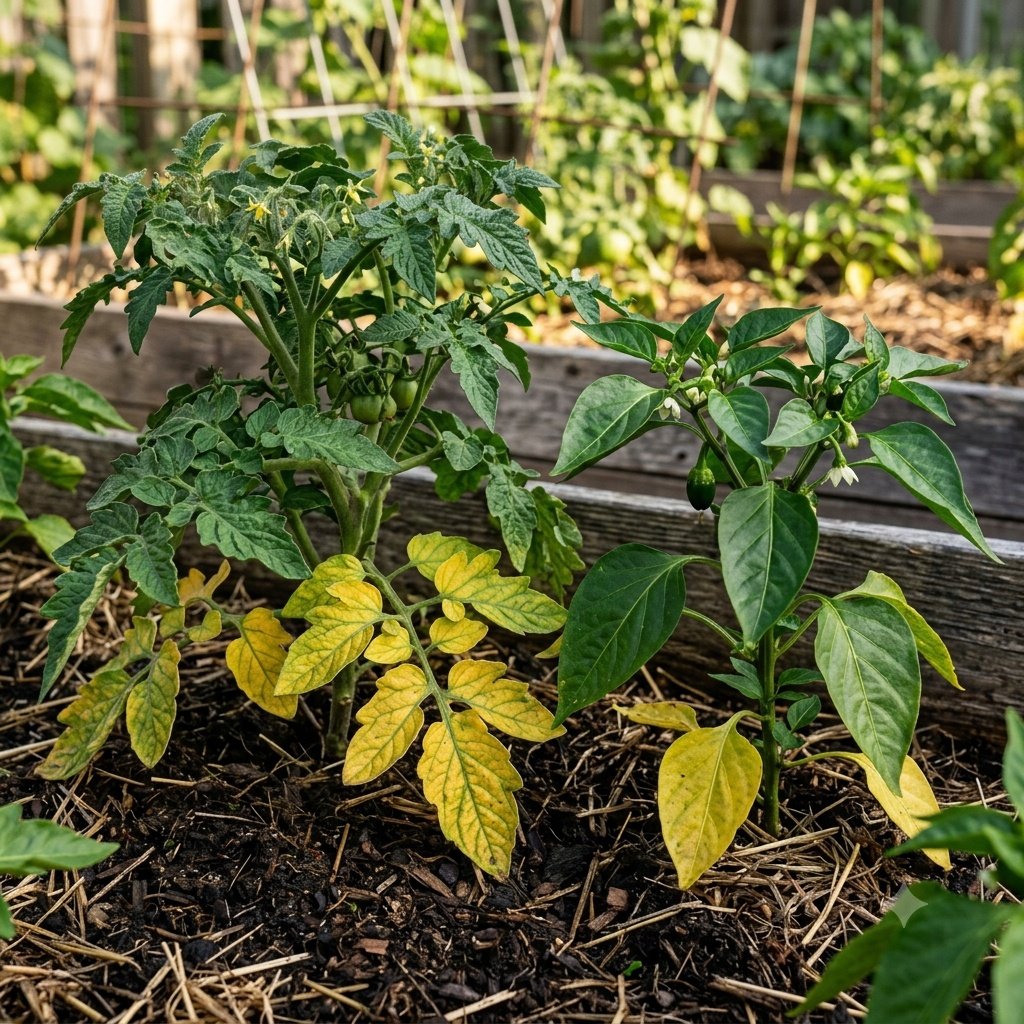
Older leaves naturally turn yellow as plants mature. However, widespread yellowing may indicate inconsistent watering, nutrient deficiencies, poor drainage, or excessive moisture around the roots.
Examine the pattern. If lower leaves are yellow while new growth remains healthy, aging or nitrogen deficiency may be responsible. If the entire plant appears pale and limp, watering problems are often the culprit.
Improve soil with compost, water consistently, and avoid over-fertilizing. Healthy soil supports stronger root systems that help plants cope with summer stress more effectively.
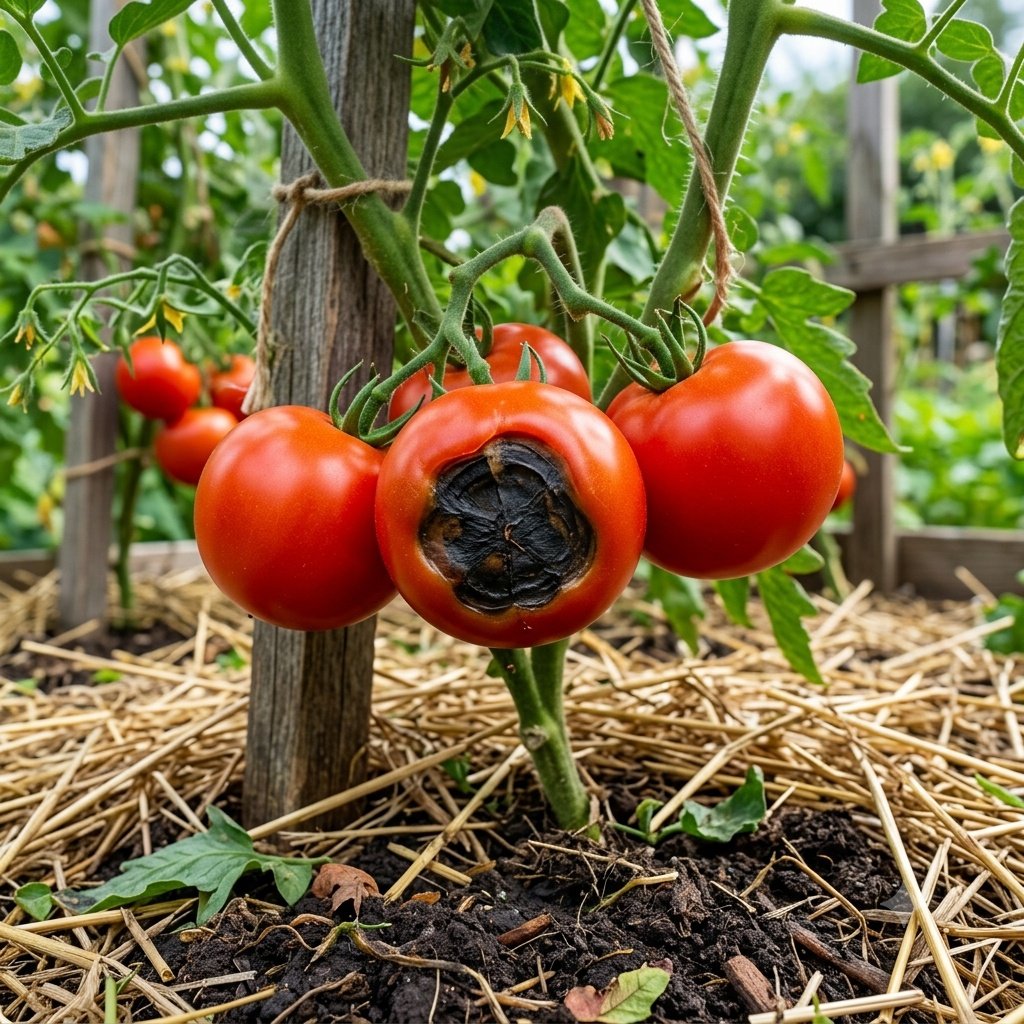
3. Tomato Blossom End Rot
Few problems disappoint gardeners more than finding black, leathery spots on the bottom of developing tomatoes.
Although many people blame a calcium deficiency, blossom end rot is usually caused by inconsistent watering. When soil repeatedly dries out and then becomes saturated, plants struggle to move calcium to developing fruit.
Maintain even soil moisture by watering deeply and applying mulch around tomato plants. Compost also improves water retention, helping roots absorb nutrients more consistently.
Remove damaged fruit so the plant can direct energy toward healthy tomatoes. New fruit often develops normally once watering becomes consistent.
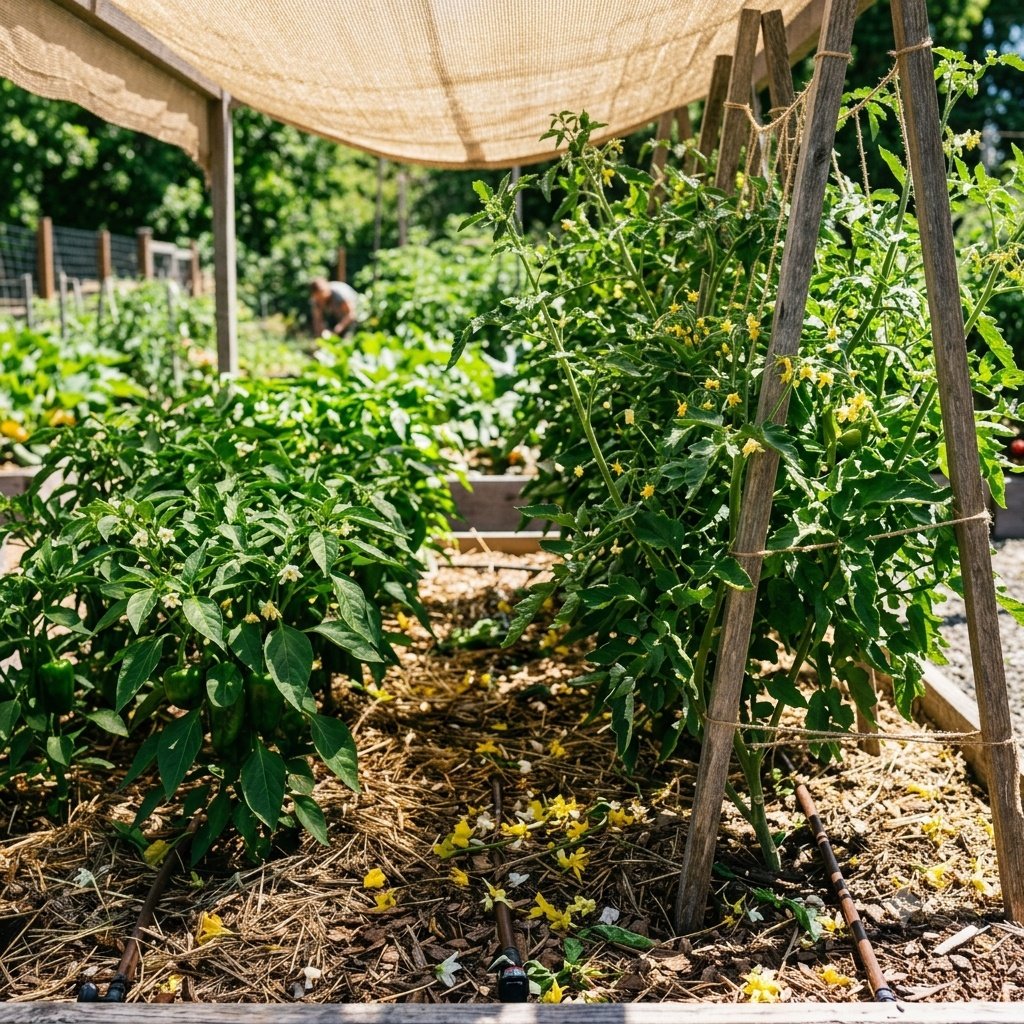
4. Blossom Drop on Tomatoes and Peppers
Tomatoes and peppers may produce plenty of flowers but fail to develop fruit during periods of extreme heat.
Temperatures above 90°F (32°C), warm nights, and high humidity reduce successful pollination. Flowers simply dry up and fall from the plant.
Provide temporary shade during afternoon heat, water regularly, and avoid applying too much nitrogen fertilizer, which encourages leafy growth instead of fruit production.
Many plants begin setting fruit again once temperatures become more moderate, so patience is often part of the solution.
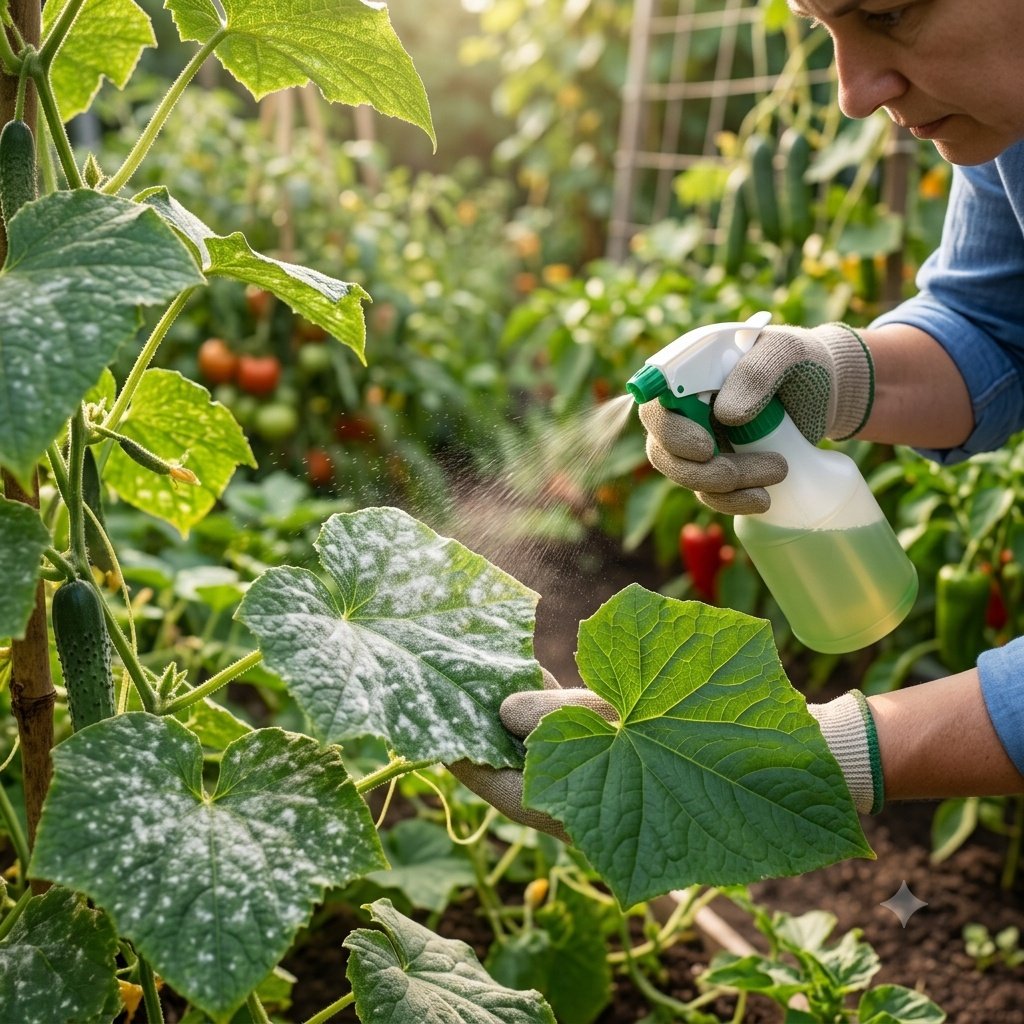
5. Powdery Mildew Taking Over Plants
Powdery mildew appears as a white, dusty coating on leaves, stems, and sometimes flowers. It spreads quickly when humidity rises and air circulation is poor.
Cucumbers, squash, pumpkins, roses, and many ornamentals are especially vulnerable during midsummer.
Remove heavily infected leaves to slow the spread. Space plants properly, prune crowded growth, and water at the base rather than soaking foliage.
Natural treatments such as neem oil or a properly mixed baking soda solution can help reduce infections when applied early. Regular monitoring is far more effective than waiting until the disease covers the entire plant.
Healthy airflow remains one of the simplest and most reliable ways to prevent powdery mildew from becoming a serious problem.
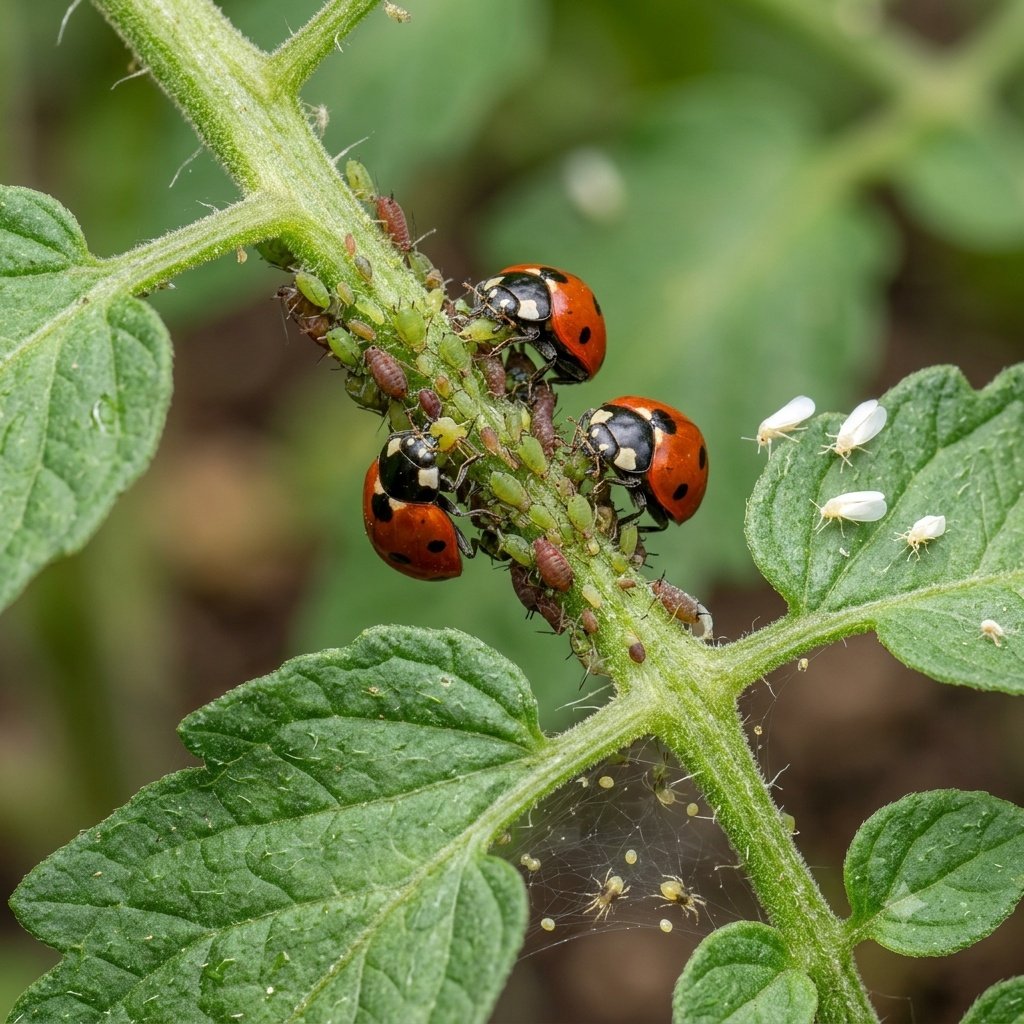
6. Aphids, Whiteflies, and Spider Mites
Hot, dry weather creates ideal conditions for several sap-sucking pests. Aphids gather on tender new growth, whiteflies scatter into the air when disturbed, and spider mites leave tiny yellow speckles on leaves along with fine webbing underneath.
These pests weaken plants by feeding on their sap, causing curled leaves, stunted growth, and reduced harvests. Left unchecked, they can multiply surprisingly fast during the peak of summer.
Start with the least aggressive solution. Spray plants with a strong stream of water to dislodge aphids and mites, especially on the undersides of leaves. Encourage beneficial insects such as ladybugs and lacewings, which naturally feed on these pests. If infestations continue, apply insecticidal soap or neem oil according to the label directions, preferably in the early morning or evening to avoid harming pollinators.
Inspect your plants once or twice a week. Catching pests early is far easier than dealing with a large infestation later.
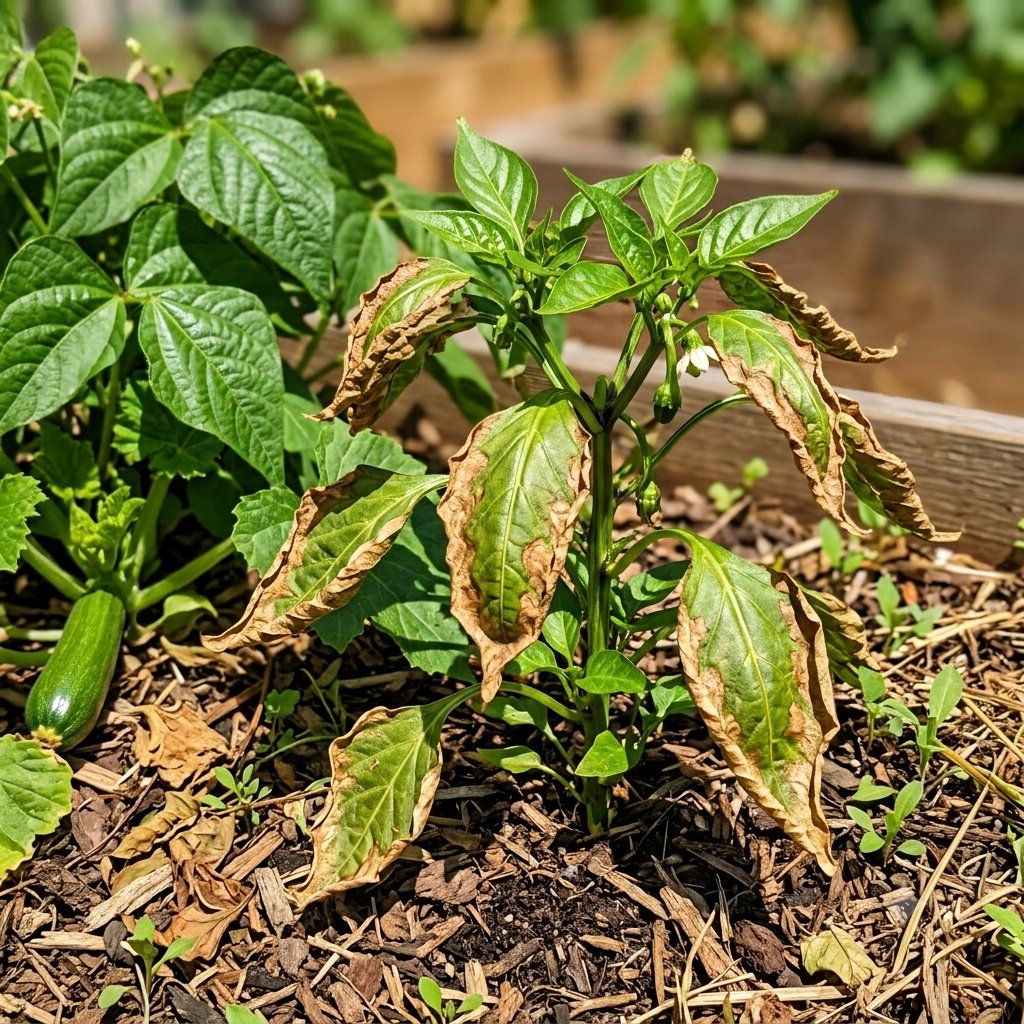
7. Leaves Turning Brown or Crispy
Brown, dry leaf edges are often a sign of leaf scorch rather than disease. When temperatures soar and sunlight becomes intense, leaves can lose moisture faster than the roots can replace it.
Other possible causes include fertilizer salt buildup, underwatering, or sudden exposure to full sun after growing in partial shade.
Trim badly damaged leaves, water deeply, and apply a generous layer of mulch to keep soil temperatures lower. If a heat wave is expected, consider using shade cloth during the hottest part of the afternoon to protect sensitive vegetables and ornamentals.
Healthy new growth usually appears once conditions improve.
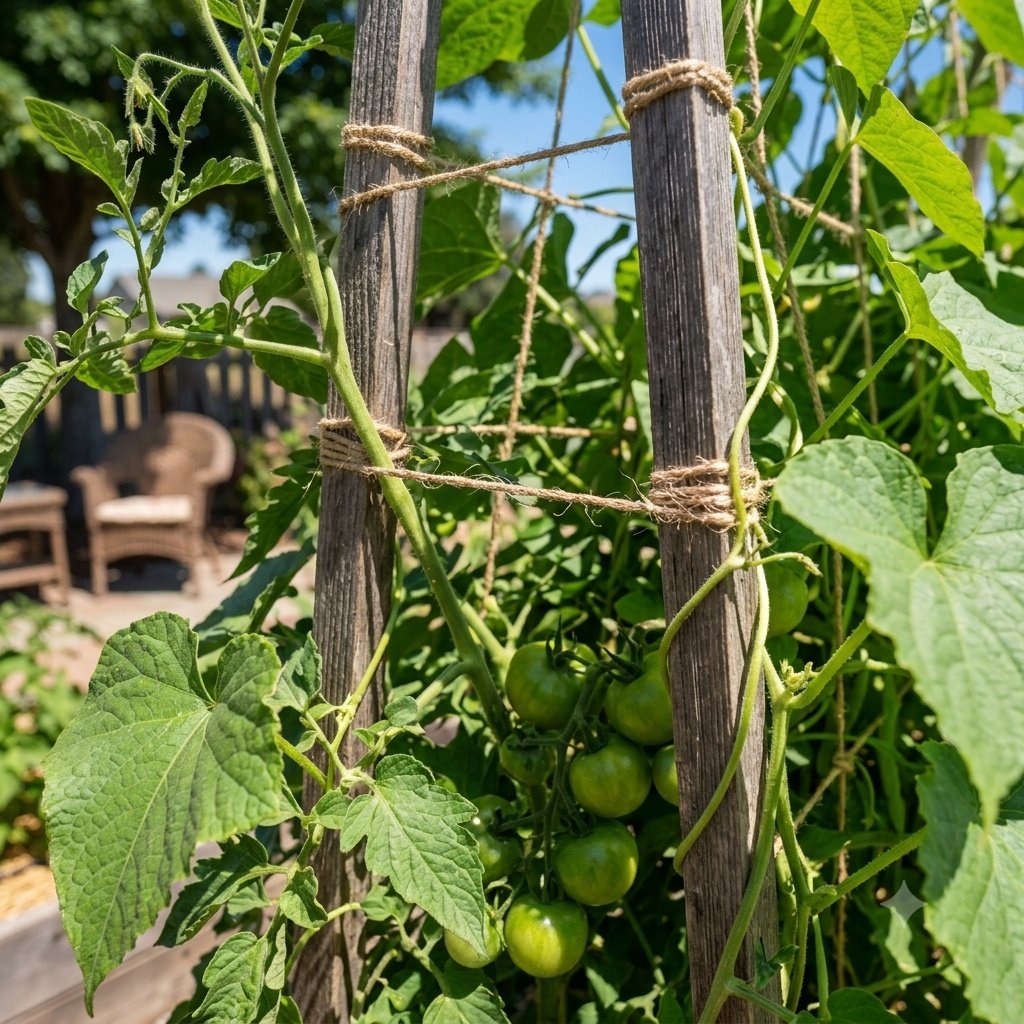
8. Vegetables Stop Growing
It’s frustrating to see healthy-looking plants suddenly stop producing. Fortunately, this doesn’t always mean something is wrong.
Many vegetables enter a temporary slowdown during prolonged heat. Tomatoes, beans, peppers, and cucumbers often pause their growth while they cope with stressful conditions.
Support recovery by maintaining even soil moisture, feeding lightly with compost, and avoiding heavy applications of fertilizer during extreme heat. Excess nutrients can place additional stress on already struggling plants.
As temperatures become more moderate, many crops resume growing and producing naturally.
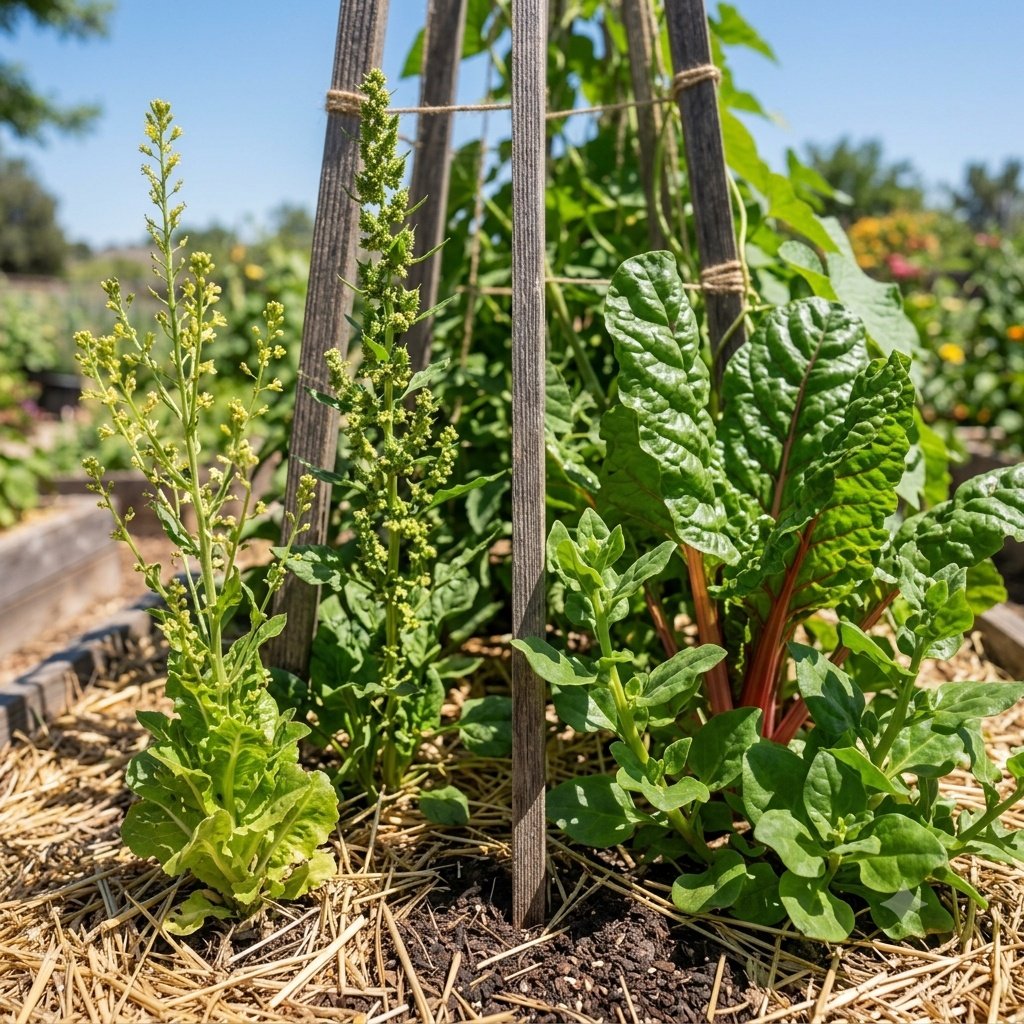
9. Bolting Lettuce, Spinach, and Herbs
Bolting occurs when cool-season crops shift from producing leaves to producing flowers and seeds. Once this happens, the leaves often become smaller, tougher, and more bitter.
Long daylight hours and rising temperatures are the main triggers.
Harvest leafy vegetables regularly before they bolt. Adding afternoon shade can slow the process, but eventually many cool-season crops will finish their life cycle.
During the hottest months, replace bolted greens with heat-tolerant alternatives such as Swiss chard, Malabar spinach, New Zealand spinach, or heat-resistant lettuce varieties. Succession planting also helps ensure a continuous harvest throughout the season.
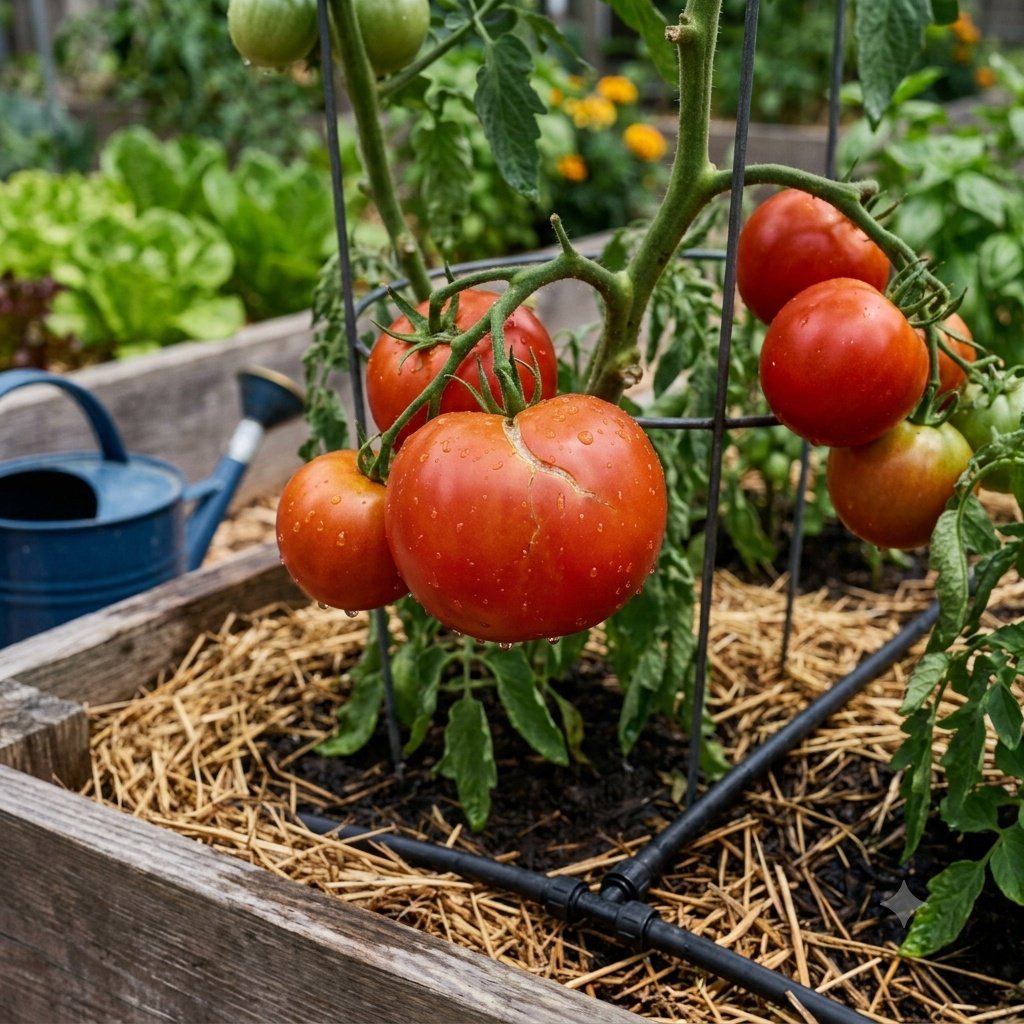
10. Cracked Tomatoes
Few things are more disappointing than picking beautiful tomatoes only to discover deep cracks across the fruit.
Cracking usually happens after a period of dry weather followed by heavy watering or rainfall. The inside of the tomato expands faster than the skin can stretch, causing it to split.
The best prevention is consistency. Water deeply whenever the top few inches of soil begin to dry, rather than allowing plants to become extremely dry between waterings. Mulch helps stabilize soil moisture and reduces sudden fluctuations.
Harvest ripe tomatoes promptly before storms whenever possible. Even slightly underripe tomatoes will continue ripening indoors, reducing the risk of cracking after heavy rain.
11. Fruit Isn’t Ripening Properly
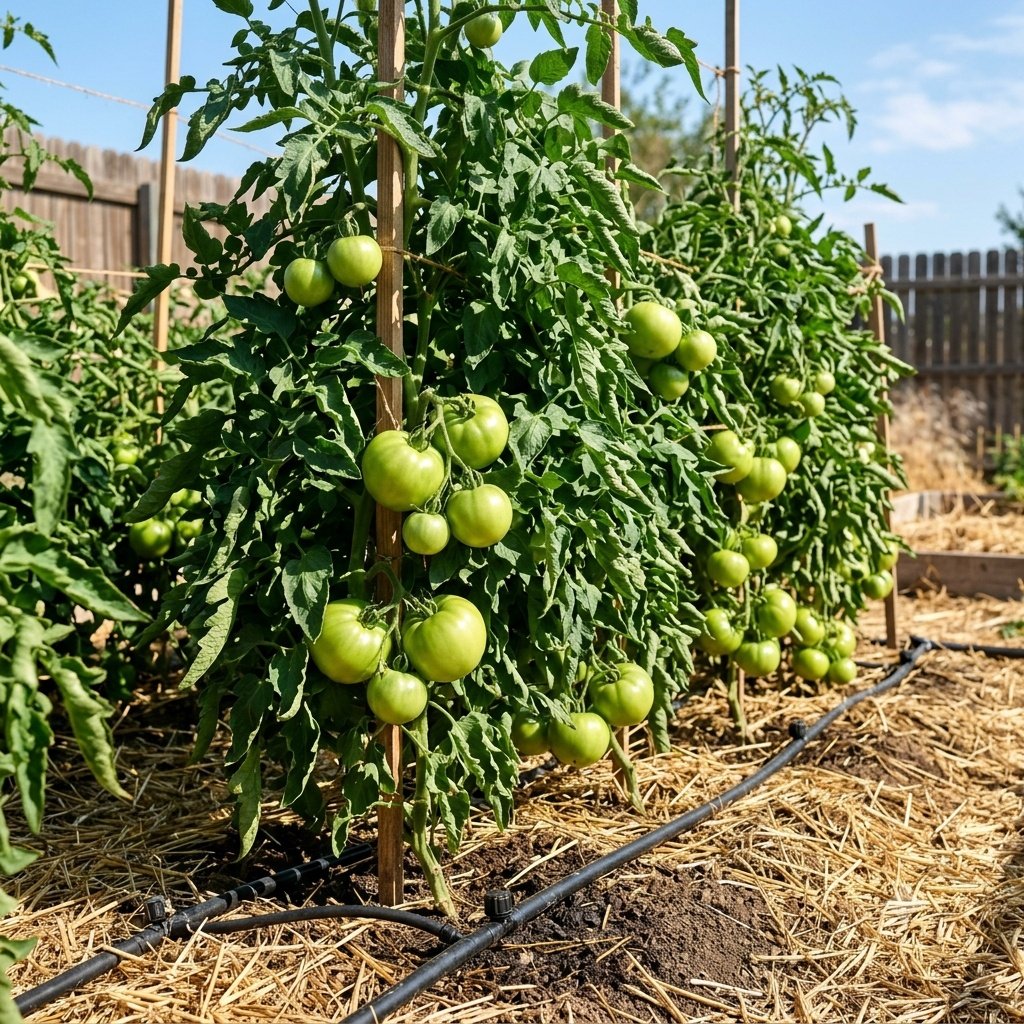
It can be frustrating to see tomatoes, peppers, or other vegetables stay green long after they reach full size. In many cases, the problem isn’t the plant—it’s the weather.
Extended periods of extreme heat can slow or even pause the ripening process. Tomatoes, for example, produce the pigments that give them their red color most efficiently within a moderate temperature range. When daytime temperatures remain above 90°F (32°C) and nights stay warm, that process slows down.
Too much nitrogen fertilizer can also encourage leafy growth instead of fruit development.
Avoid overfeeding during summer, maintain consistent watering, and be patient during heat waves. As temperatures become milder, fruit often begins ripening again. If frost isn’t a concern and fruit has reached full size, allowing it to mature naturally usually gives the best flavor.
12. Garden Soil Dries Out Too Fast
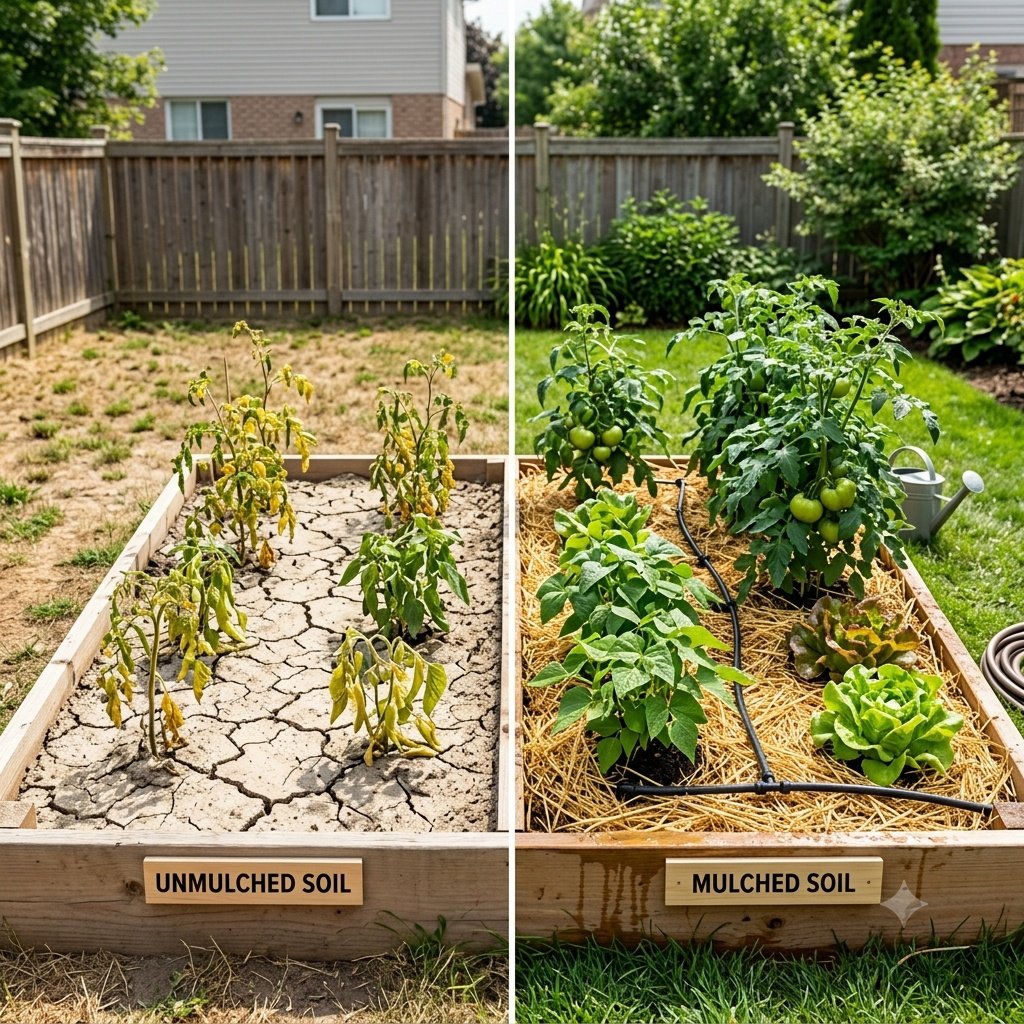
If you find yourself watering every day yet the soil still feels dry, rapid evaporation is likely the cause.
Bare soil heats up quickly under direct sunlight, losing moisture much faster than covered soil. Sandy soils drain especially fast, while raised beds may require more frequent watering during prolonged hot weather.
A 2–3 inch layer of organic mulch, such as straw, shredded leaves, or untreated wood chips, helps reduce evaporation, regulate soil temperature, and suppress weeds. Adding compost improves the soil’s ability to hold moisture while still allowing excess water to drain.
Installing a drip irrigation system or soaker hose delivers water directly to the roots with minimal waste, making it one of the most efficient ways to keep plants hydrated during summer.
13. Squash Vine Borers and Caterpillars
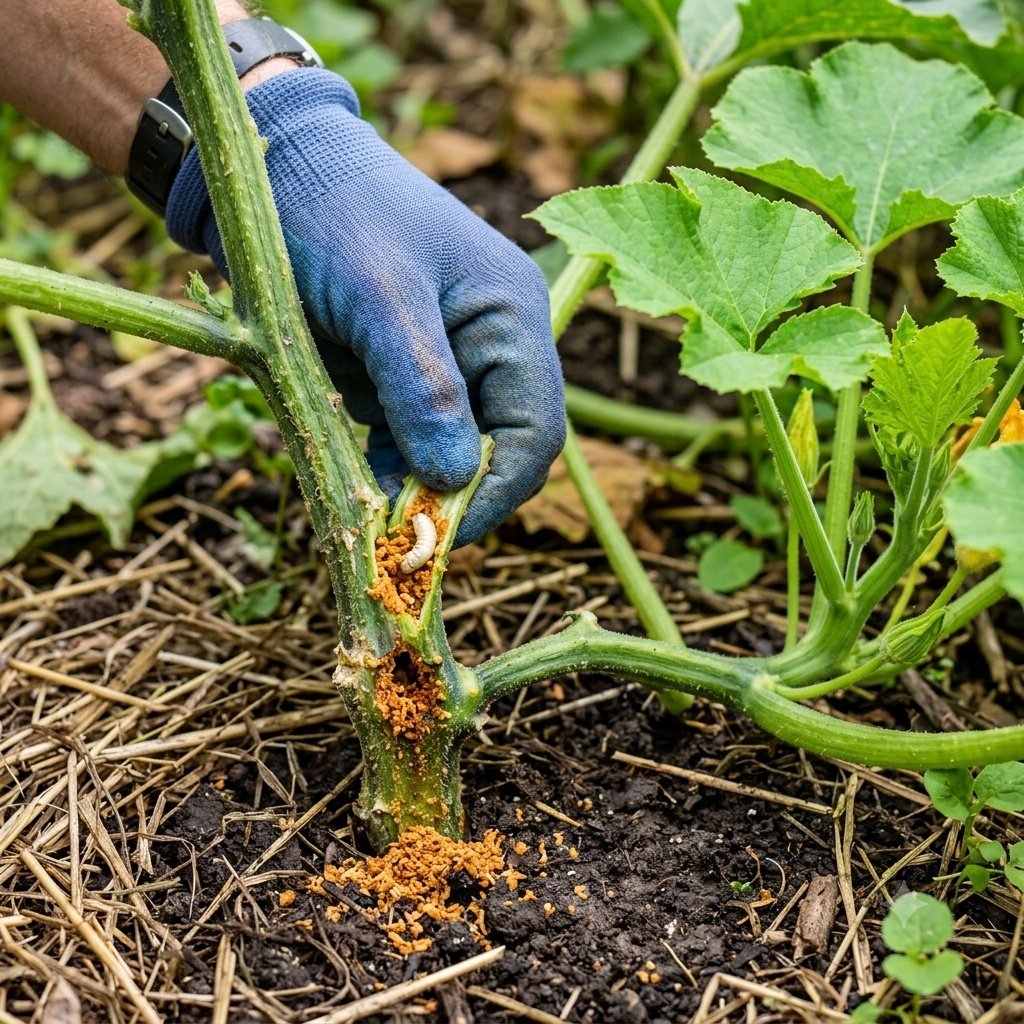
Squash vine borers can destroy healthy squash and zucchini plants almost overnight. Their larvae tunnel inside stems, blocking the movement of water and nutrients. Plants suddenly wilt even when the soil is moist.
Look for small holes near the base of stems, often surrounded by sawdust-like material called frass. That’s one of the earliest warning signs.
Floating row covers can help prevent adult moths from laying eggs early in the season. Inspect stems regularly, remove visible eggs by hand, and encourage beneficial insects that naturally reduce caterpillar populations.
For larger caterpillars feeding on leaves, hand-picking in the early morning is often the simplest and most effective solution. Consistent monitoring makes a significant difference before populations become difficult to control.
14. Weeds Suddenly Explode
Summer conditions don’t just benefit vegetables—they also create perfect growing conditions for weeds.
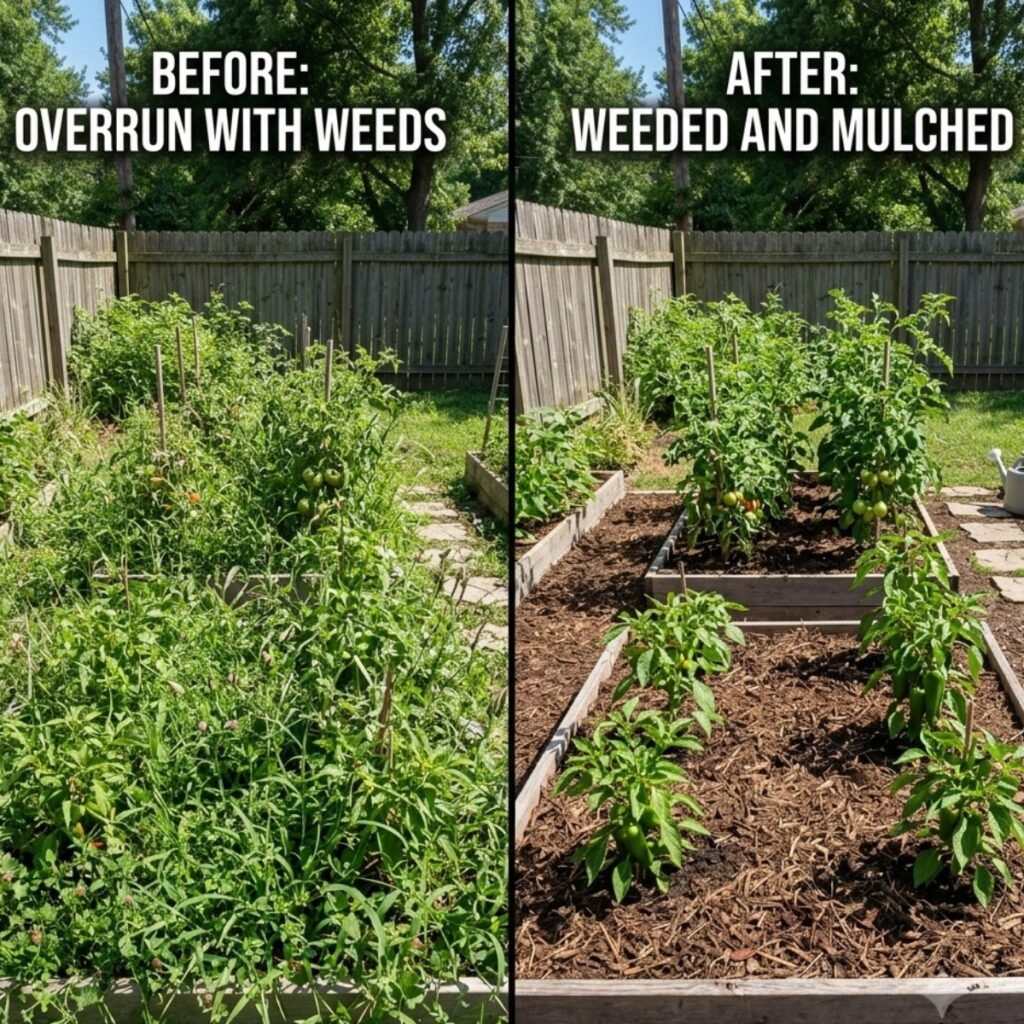
Warm soil, longer days, and regular watering allow unwanted plants to grow rapidly. Besides competing for water and nutrients, weeds can reduce airflow and provide hiding places for insects.
Pull weeds while they’re still young, especially after rainfall or watering when the soil is softer. Applying mulch not only conserves moisture but also blocks sunlight from reaching many weed seeds, reducing future growth.
Regular maintenance is far easier than dealing with heavily overgrown beds later in the season.
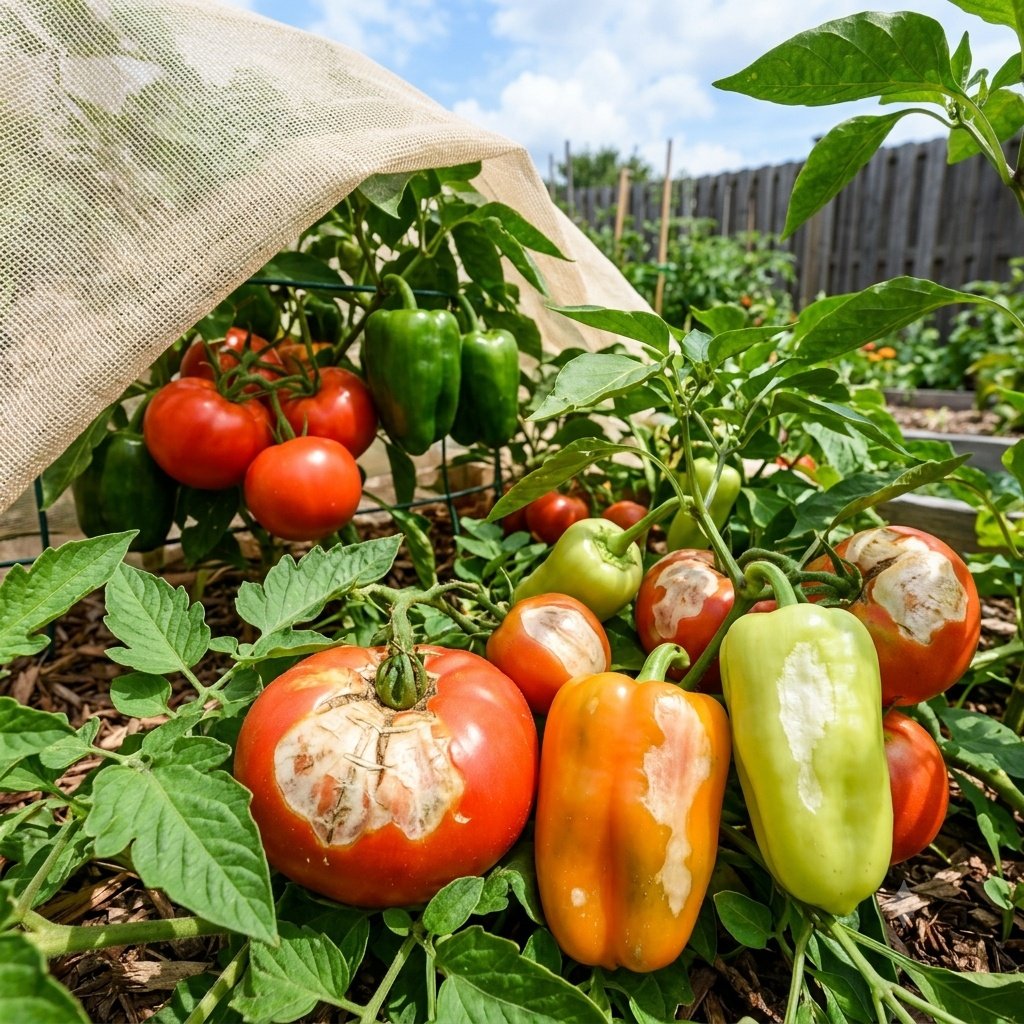
15. Sunscald on Tomatoes, Peppers, and Cucumbers
Sunscald appears as pale, white, or tan patches on fruits exposed to intense afternoon sunlight. As the damaged areas age, they may become dry, leathery, or begin to rot.
This problem often develops after heavy pruning or when disease causes leaves to fall, leaving fruit exposed to direct sun.
Avoid removing too much healthy foliage during summer. The leaves naturally shade developing fruit from intense sunlight. During extreme heat, lightweight shade cloth can provide additional protection without blocking all the light plants need.
Harvest mature vegetables promptly and handle plants carefully to preserve their natural leaf cover.
Quick Summer Garden Troubleshooting Table
| Problem | Likely Cause | Natural Fix |
|---|---|---|
| Wilting | Heat stress | Water deeply in the morning |
| Yellow leaves | Water imbalance or nutrient issues | Adjust watering and add compost |
| Blossom drop | High temperatures | Use temporary shade cloth |
| Powdery mildew | Poor airflow | Improve spacing and apply neem oil |
| Aphids | Warm weather | Introduce ladybugs or use insecticidal soap |
| Bolting | Heat and long days | Harvest early and provide afternoon shade |
| Cracked tomatoes | Uneven watering | Mulch and water consistently |
| Dry soil | High evaporation | Add compost and organic mulch |
10 Ways to Prevent Summer Garden Problems Before They Start
Prevention is almost always easier than fixing problems after they appear. A few simple habits can keep your garden healthier throughout the hottest months.
- Water early in the morning to reduce evaporation.
- Apply 2–3 inches of organic mulch around plants.
- Improve soil with compost every season.
- Install drip irrigation or soaker hoses for efficient watering.
- Rotate crops to reduce disease buildup.
- Inspect plants weekly for pests and disease.
- Encourage beneficial insects by planting pollinator-friendly flowers.
- Choose heat-tolerant vegetable varieties whenever possible.
- Avoid excessive fertilizer during periods of extreme heat.
- Remove damaged leaves and overripe fruit promptly to reduce disease pressure.
Small, consistent efforts often make a bigger difference than dramatic interventions after problems become severe.
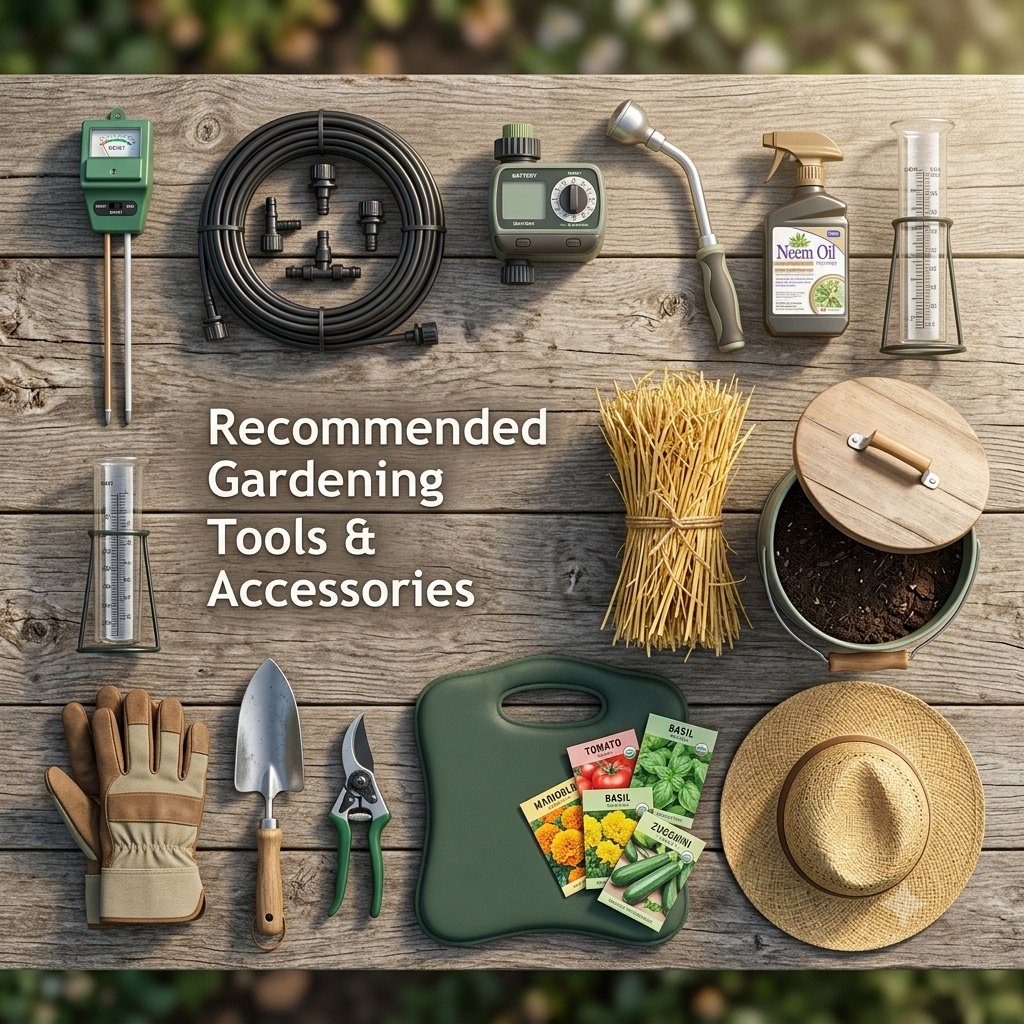
Recommended Gardening Tools That Make Summer Easier
A few reliable tools can reduce maintenance while helping your garden stay productive during hot weather.
Digital Soil Moisture Meter
Best for: Preventing overwatering and underwatering.
Key Features: Instant moisture readings without digging.
Why It Helps: Removes guesswork from watering decisions.
Ideal Gardener: Beginners and experienced gardeners alike.
Garden Hose Timer
Best for: Automated watering schedules.
Key Features: Programmable watering cycles.
Why It Helps: Ensures consistent watering even when you’re away.
Ideal Gardener: Busy homeowners.
Drip Irrigation Kit
Best for: Vegetable gardens and raised beds.
Key Features: Delivers water directly to roots.
Why It Helps: Conserves water while improving plant health.
Ideal Gardener: Gardeners in hot or dry climates.
Shade Cloth
Best for: Protecting plants during heat waves.
Key Features: Reduces intense afternoon sunlight.
Why It Helps: Helps prevent sunscald and blossom drop.
Ideal Gardener: Anyone growing tomatoes, peppers, or leafy greens.
Neem Oil Spray
Best for: Organic pest and disease control.
Key Features: Multi-purpose treatment.
Why It Helps: Controls many common insects and fungal issues.
Ideal Gardener: Organic gardeners.
Rain Gauge
Best for: Tracking natural rainfall.
Why It Helps: Prevents unnecessary watering.
Watering Wand
Best for: Gentle watering around delicate seedlings.
Garden Kneeling Pad
Best for: Comfortable weeding and planting sessions.
Compost Bin
Best for: Producing nutrient-rich organic compost that improves soil health.
Related Reads
You might find these helpful as you keep going:
7 Best Fertilizers for Raised Beds (Top Picks + Feeding Guide)
7 Best Self-Watering Systems for Balcony Vegetable Gardens (That Actually Work)
7 July Tasks for the Midsummer Garden
FAQ
Why do plants wilt during hot afternoons even when soil is moist?
Temporary wilting is a normal response to extreme heat. If plants recover by evening, they usually aren’t suffering from a lack of water.
Should I water every day during summer?
Not always. Deep, thorough watering a few times a week is generally better than shallow daily watering, though containers and raised beds may need more frequent attention.
Can plants recover from heat stress?
Yes. Many plants recover once temperatures moderate and consistent watering resumes.
Why are my tomatoes flowering but not producing fruit?
High temperatures, warm nights, and poor pollination often cause blossom drop.
What’s the best mulch for vegetable gardens?
Straw, shredded leaves, untreated wood chips, and compost are all excellent choices.
How often should I fertilize during summer?
Feed lightly as needed. Over-fertilizing during extreme heat can create additional stress.
Is afternoon watering bad?
Morning watering is preferred, but watering in the afternoon is better than allowing plants to remain severely stressed.
How can I naturally keep pests away?
Inspect plants regularly, encourage beneficial insects, use companion planting, and apply organic treatments like insecticidal soap or neem oil when necessary.
Final Thoughts
Summer gardening comes with challenges, but most problems can be managed with careful observation and consistent care. Heat, pests, diseases, and moisture fluctuations are all part of the growing season, yet they rarely spell the end of a healthy garden.
The key is to notice changes early. A few yellow leaves, slight wilting, or the first signs of pests are much easier to address than widespread damage. Simple practices like watering deeply, improving soil with compost, adding mulch, and checking plants every few days can prevent many common issues before they become serious.
Even experienced gardeners lose a few plants or deal with unexpected setbacks during long heat waves. Every season offers new lessons, and each challenge helps you become a more confident gardener. Stay observant, make small adjustments when needed, and your garden will be better prepared to thrive through the hottest days of summer.