
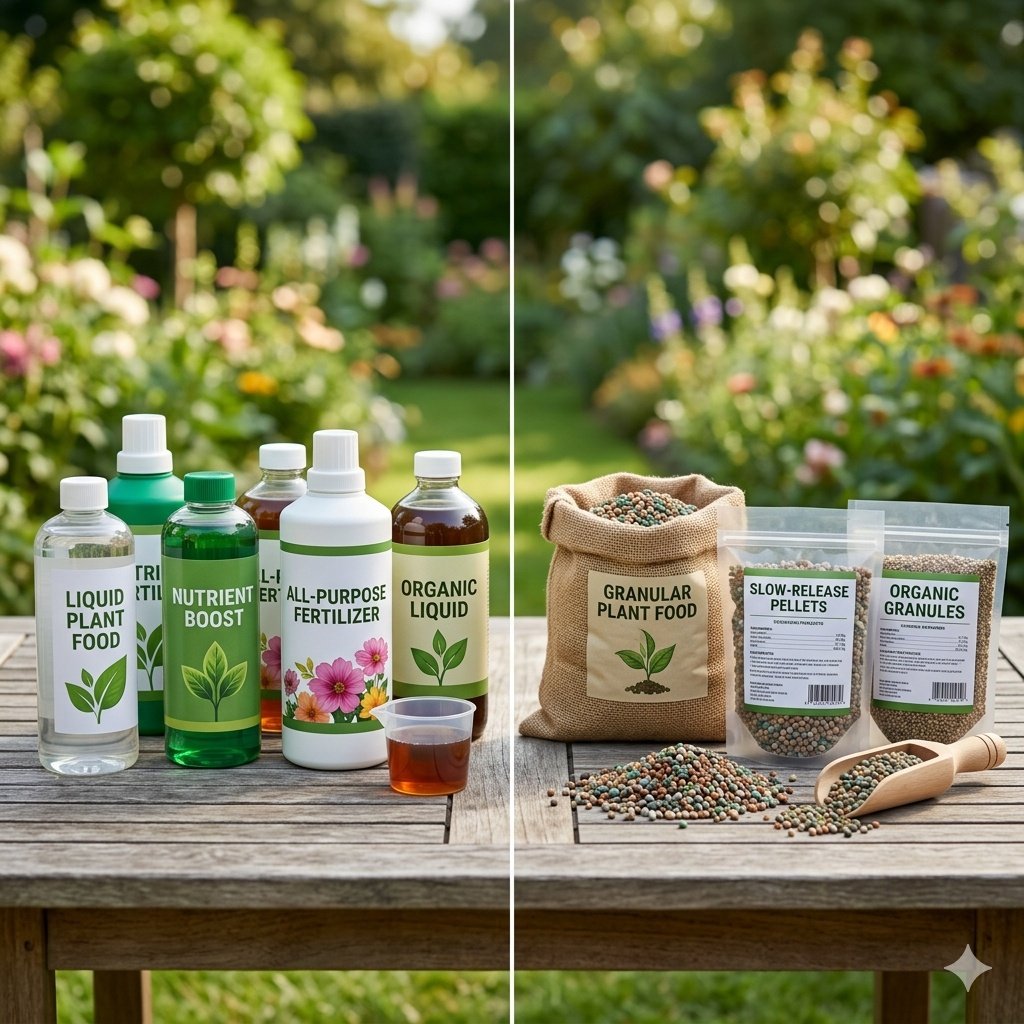
Liquid vs Solid Fertilizer: Which One Works Better?
So, if you’ve ever stood in a garden aisle staring at bottles and bags, you probably felt a bit stuck, right, and that’s actually more common than people admit.
In a way, both liquid and solid fertilizers do the same basic job, yet they go about it in totally different rhythms, and that difference tends to shape your results.
Now, most beginners think one must clearly beat the other, but in fact, it usually comes down to timing, plant type, and how hands-on you want to be.
By the end, you’ll more or less know exactly which one fits your setup, or even better, how to use both without overthinking it.
Quick Comparison Table
| Feature | Liquid Fertilizer | Solid Fertilizer |
|---|---|---|
| Absorption Speed | Fast, almost instant | Slow, steady release |
| Ease of Use | Mix with water, apply | Sprinkle and leave |
| Duration | Short-term effect | Long-lasting feeding |
| Best For | Quick fixes, fast growth | Long-term soil support |
So, at a glance, you can already see the trade-off, right, speed versus staying power.
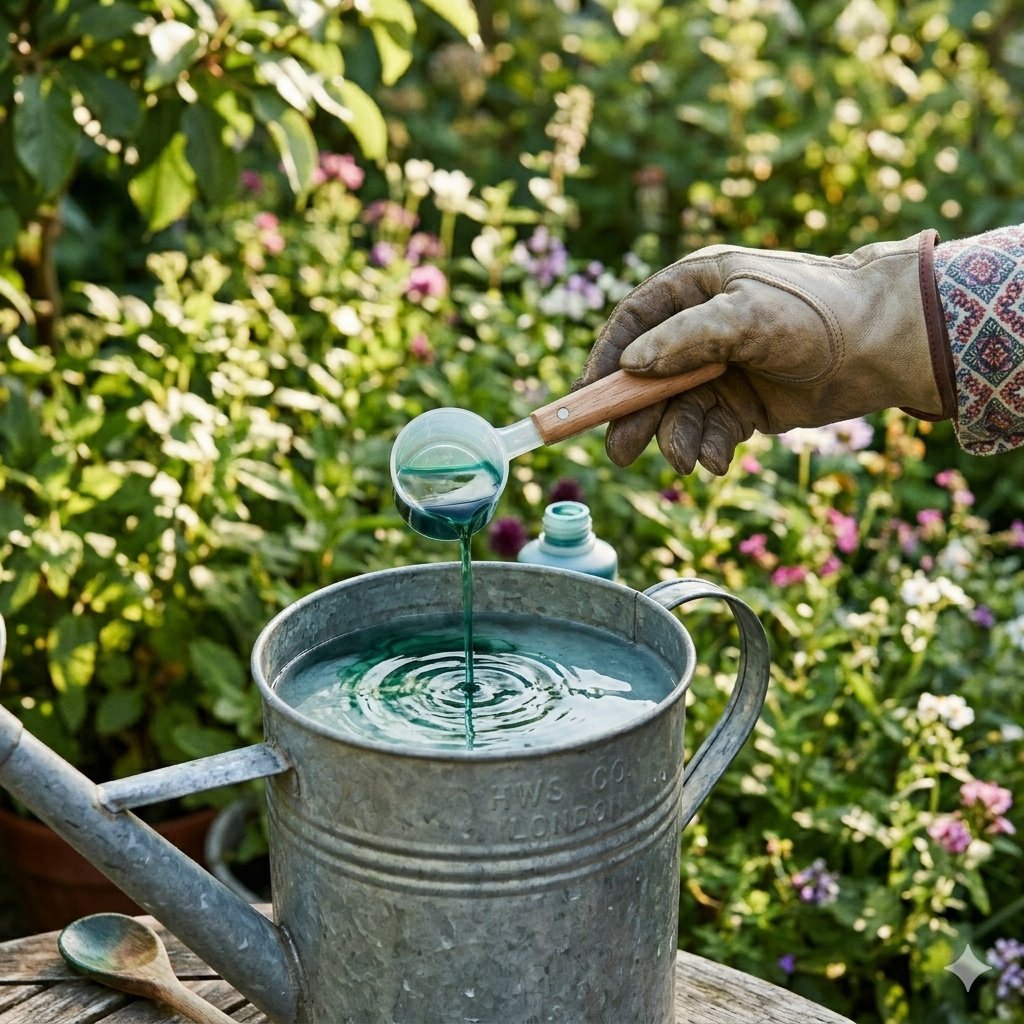
What Is Liquid Fertilizer?
Basically, liquid fertilizer is plant food that comes in a form you mix with water, and that mixture goes straight into the soil or onto leaves.
In some respects, it works almost like giving plants a quick drink packed with nutrients, which they can take in right away.
Now, common types you’ll often see include:
- Compost tea, which is kind of like steeped organic matter
- Fish emulsion, which smells strong yet works fast
- Seaweed extract, which tends to support overall plant health
What’s interesting here is that plants absorb these nutrients nearly instantly, especially through roots, and sometimes even through leaves if sprayed lightly.
That’s why, for example, yellow leaves can start looking better just days after using a liquid feed, which feels pretty satisfying.
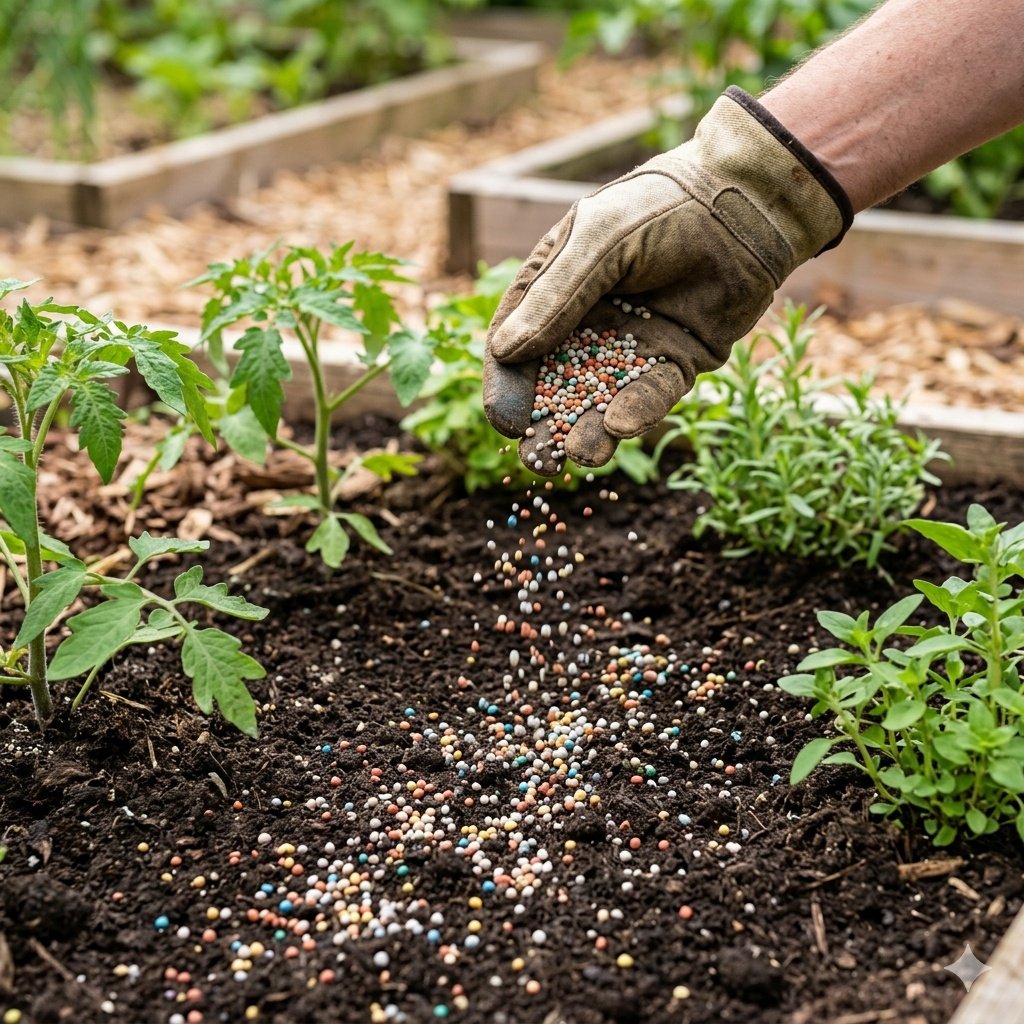
What Is Solid (Granular) Fertilizer?
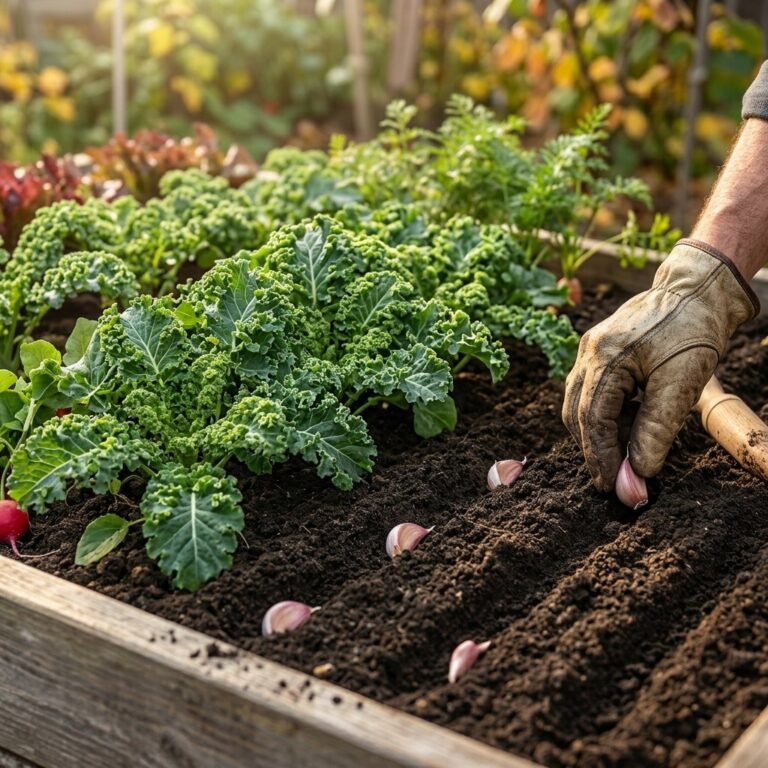
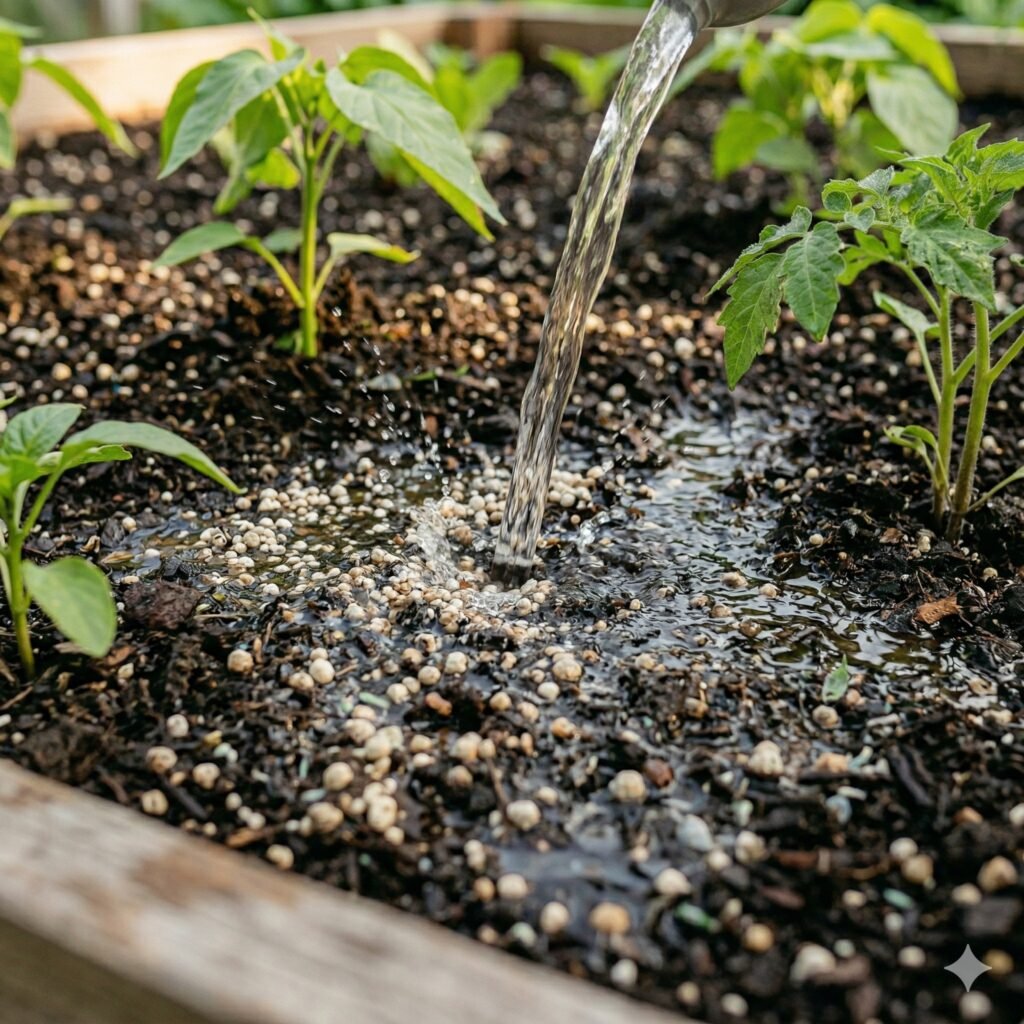
Now, solid fertilizer, which people often call granular, comes as dry pellets or small chunks you spread over soil. It might look simple, yet it slowly breaks down over time as you water your plants.
You’ll usually find two main types:
- Organic granules, made from natural stuff like composted materials
- Synthetic slow-release pellets, which release nutrients in stages
So, instead of giving plants a quick boost, this type feeds them gradually, almost like setting up a slow drip system. In that case, your plants get a steady supply without you having to reapply every few days, which is why many people lean toward it for convenience.
🔥 Quick Picks (Beginner-Friendly Product Boxes That Save Time)
So, if you’d rather skip the back-and-forth and just grab something that works, these two picks are pretty much the easiest starting point without overthinking it.
Best Budget Liquid Fertilizer (Fast Results Pick)
Alaska Fish Emulsion Fertilizer (5-1-1)
This one is kind of the “quick fix” option, especially if your plants look dull or slow, and you want to see a change fairly soon.
Why it works well:
✔ Fast nutrient uptake, so plants respond in days
✔ Organic base, which feels a bit safer for edible plants
✔ Simple mixing, nothing confusing
Best for:
Seedlings, leafy greens, yellowing plants, container gardening
Heads up:
Smell is a bit strong at first, yet it fades after watering
Best Budget Granular Fertilizer (Low-Effort Pick)
Osmocote Smart-Release Plant Food (All-Purpose)
Now, this one is more like the “set it and forget it” option, which is great if you don’t want to keep feeding plants every week.
Why it works well:
✔ Slow release, feeds for weeks without extra work
✔ Super easy, just sprinkle and water
✔ Works across flowers, veggies, and indoor plants
Best for:
Raised beds, long-term crops, busy gardeners
Heads up:
Needs watering after applying to activate properly
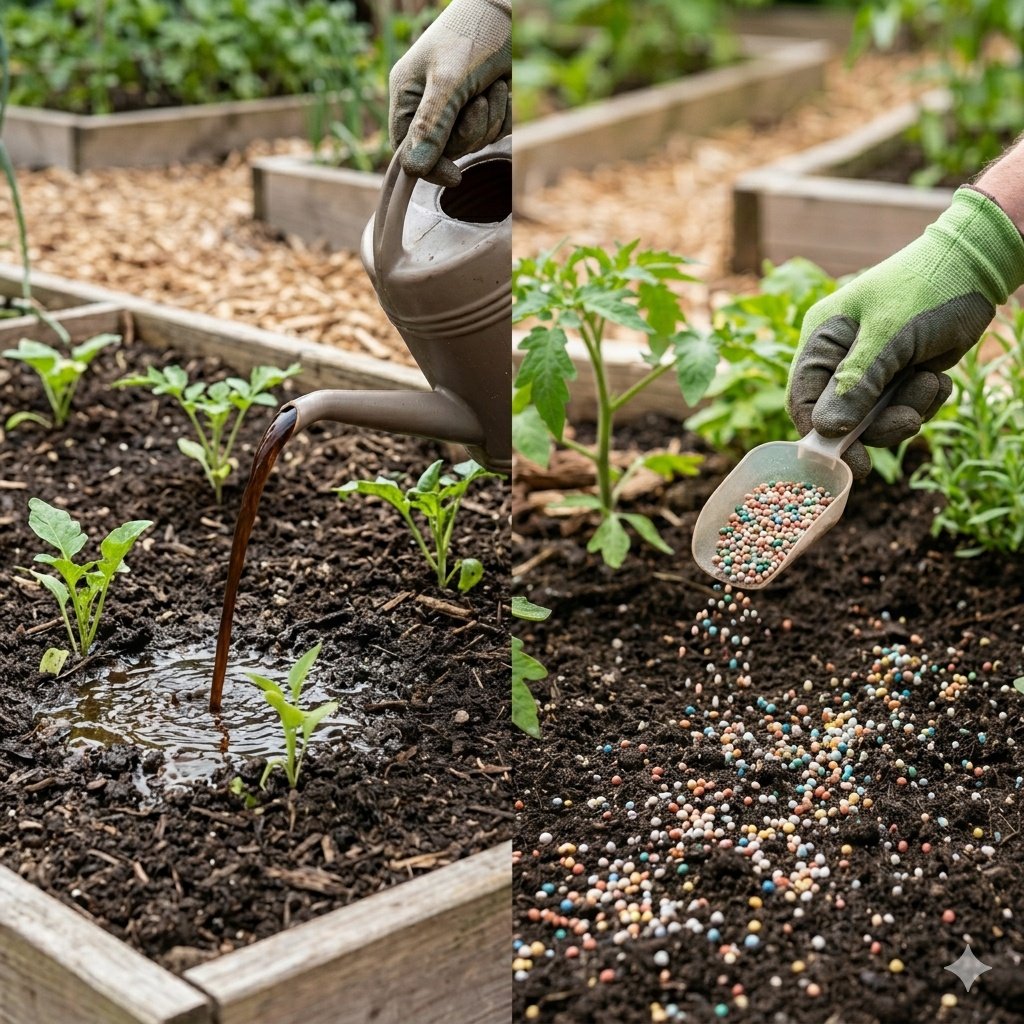
Liquid vs Solid Fertilizer: Key Differences Explained
1. Speed of Nutrient Delivery
Liquid fertilizer acts fast, like almost immediately after application, which makes it great for quick fixes. Granular fertilizer, on the other hand, takes its time, slowly releasing nutrients as water breaks it down.
2. Duration of Effect
Liquid feeding fades fairly quickly, sometimes within a week or two, depending on watering and plant type. Granular options tend to last much longer, sometimes weeks or even months, which reduces how often you need to think about it.
3. Ease of Application
Liquid fertilizer requires mixing, measuring, and applying carefully, which can feel like a bit of effort. Granular fertilizer is more like “sprinkle and walk away,” which is why it’s often preferred by people who want less fuss.
4. Cost Efficiency
Liquid fertilizers often need frequent use, so the cost adds up over time. Granular fertilizers usually stretch further, making them more budget-friendly in the long run.
So, in short, you’re really choosing between speed and convenience versus consistency and simplicity.
When to Use Liquid Fertilizer (Best Scenarios)
Now, there are certain moments where liquid fertilizer just makes more sense, and you’ll notice the difference pretty quickly.
Seedlings and Young Plants
Young plants tend to need quick access to nutrients, and liquid fertilizer delivers exactly that without delay.
Nutrient Deficiency Recovery
If leaves start turning pale or yellow, liquid feeding can act almost like a fast response tool. For instance, a tomato plant with yellowing leaves can bounce back in a matter of days with the right liquid mix.
Container Gardening
Potted plants lose nutrients faster, since water drains out quickly, so liquid fertilizer helps keep things balanced.
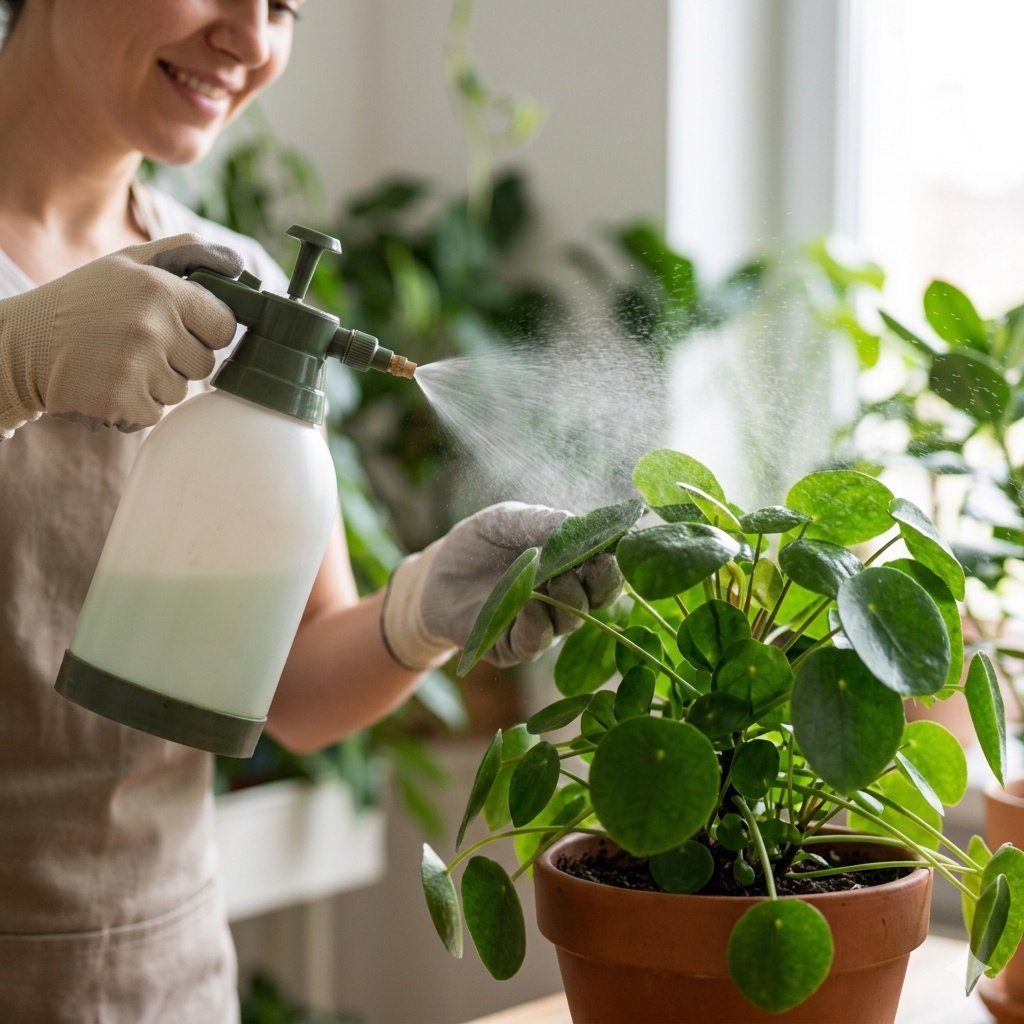
Foliar Feeding
Spraying diluted fertilizer onto leaves gives plants a direct nutrient hit, which can be surprisingly effective.
So, whenever speed matters, liquid fertilizer usually takes the lead.
When to Use Solid Fertilizer (Best Scenarios)
Now, in other cases, granular fertilizer tends to be the smarter choice, especially if you want a more relaxed routine.
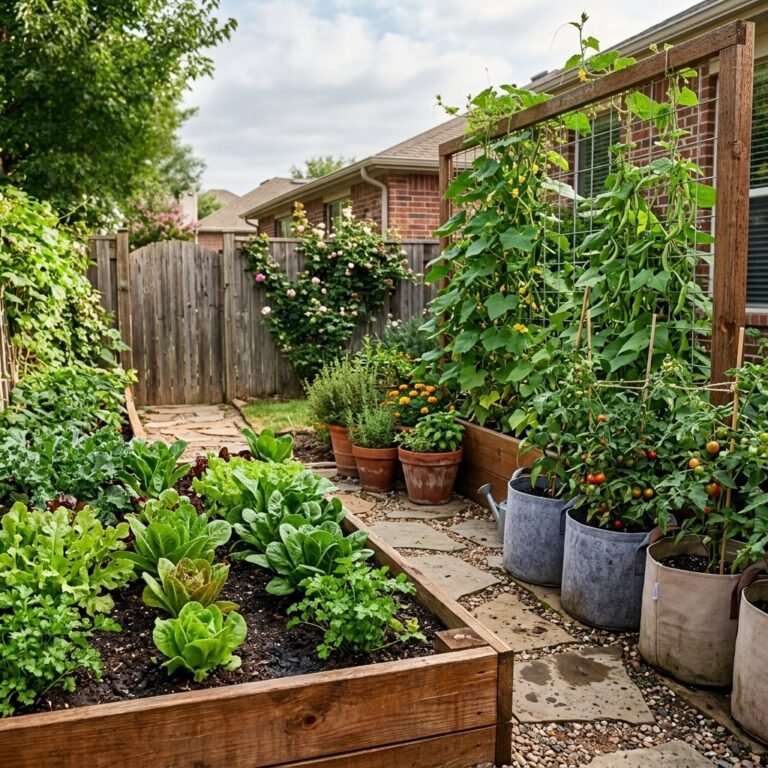
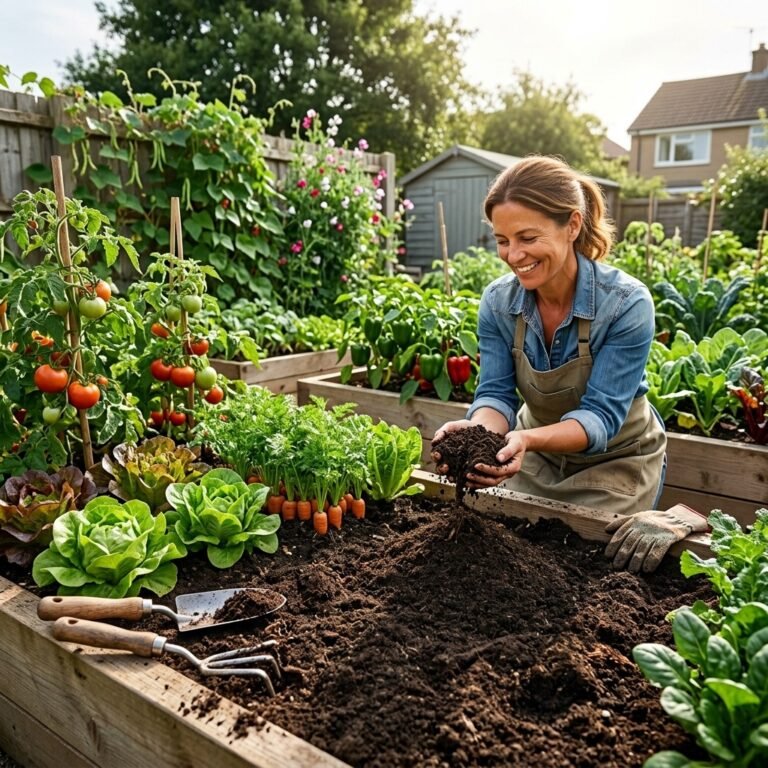
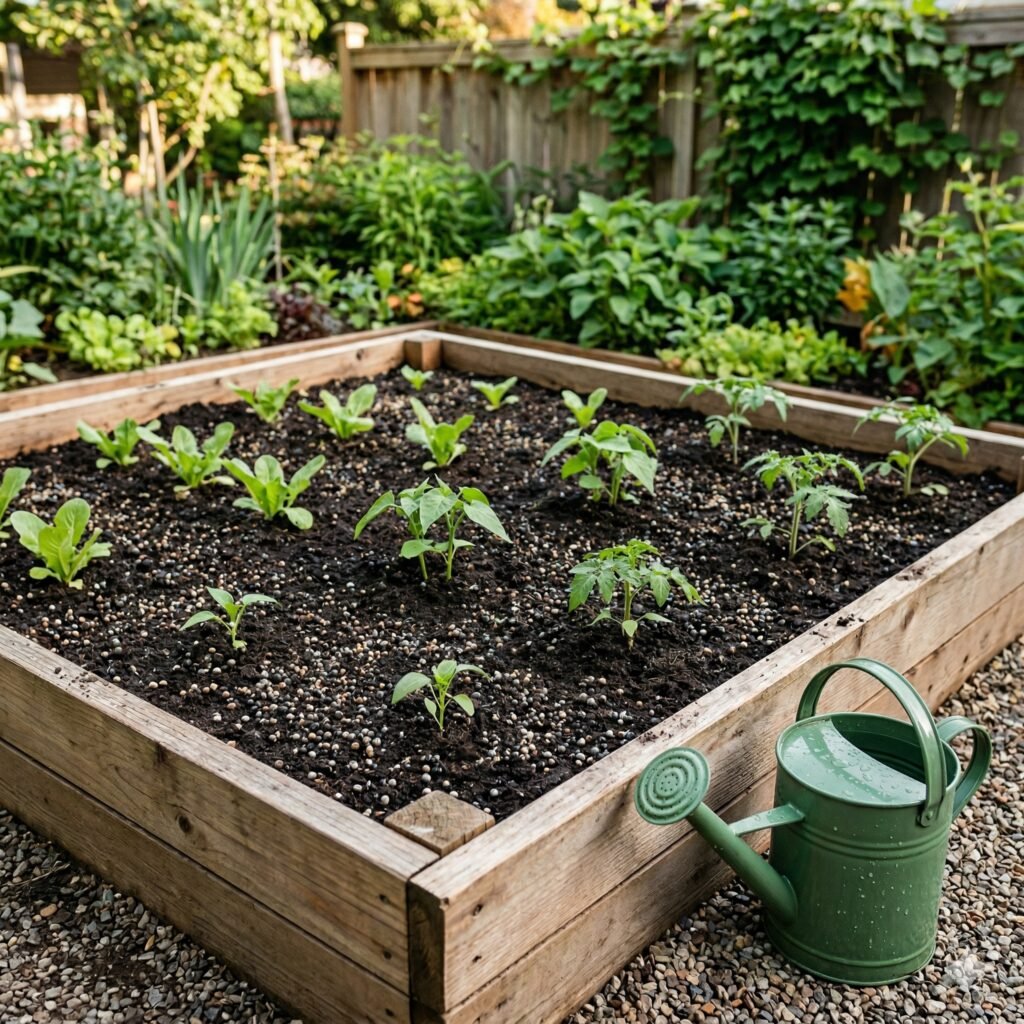
Raised Garden Beds
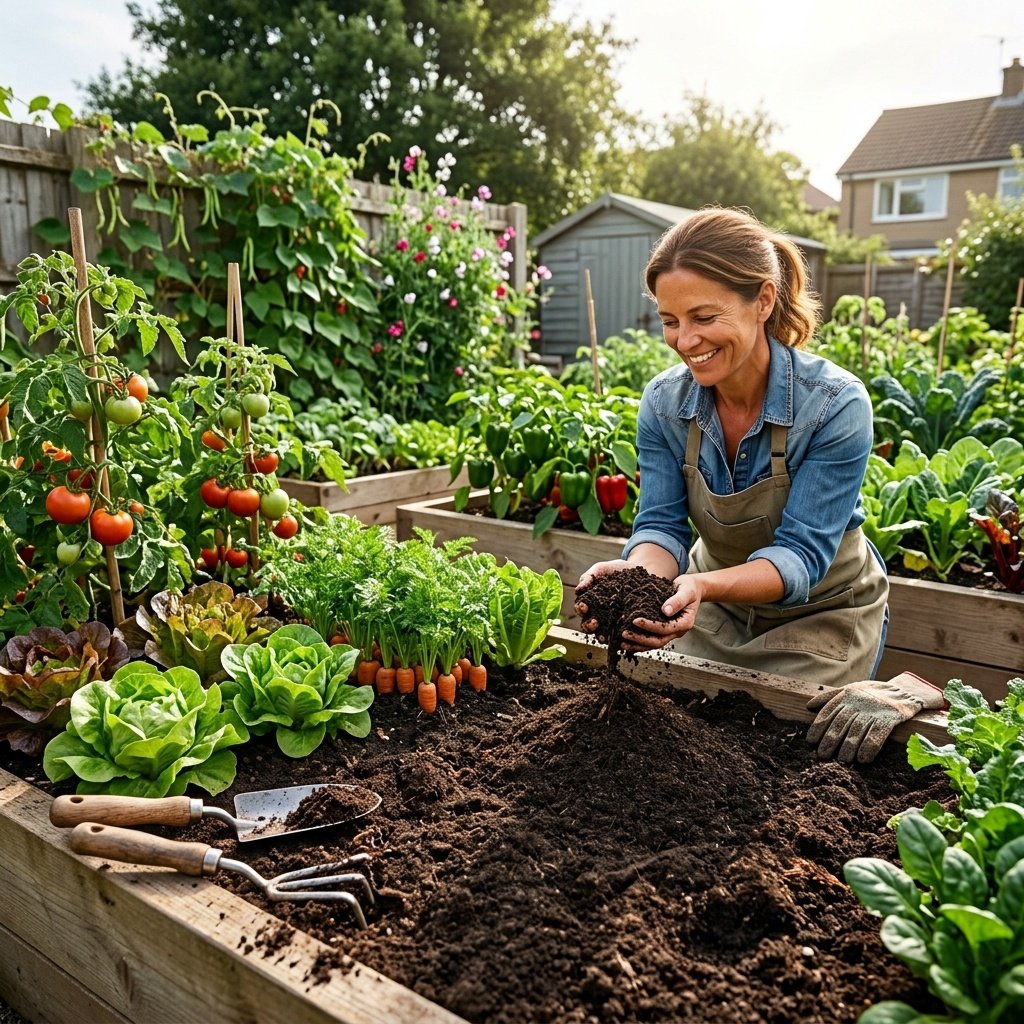
Beds with larger soil volume benefit from slow, steady feeding, which granular fertilizer handles really well.
Long-Term Crops
Plants like tomatoes, peppers, or fruit trees grow over a longer stretch, so they need consistent nutrition.
Soil Improvement
Granular organic fertilizers can slowly enrich soil structure, which helps over time rather than instantly.
Low-Maintenance Gardening
If you don’t want to keep mixing solutions every week, this option keeps things simple.
So, if your goal is stability with less effort, granular fertilizer fits better.
Common Mistakes to Avoid
Now, this is where a lot of people slip up, and these small mistakes can quietly affect plant growth.
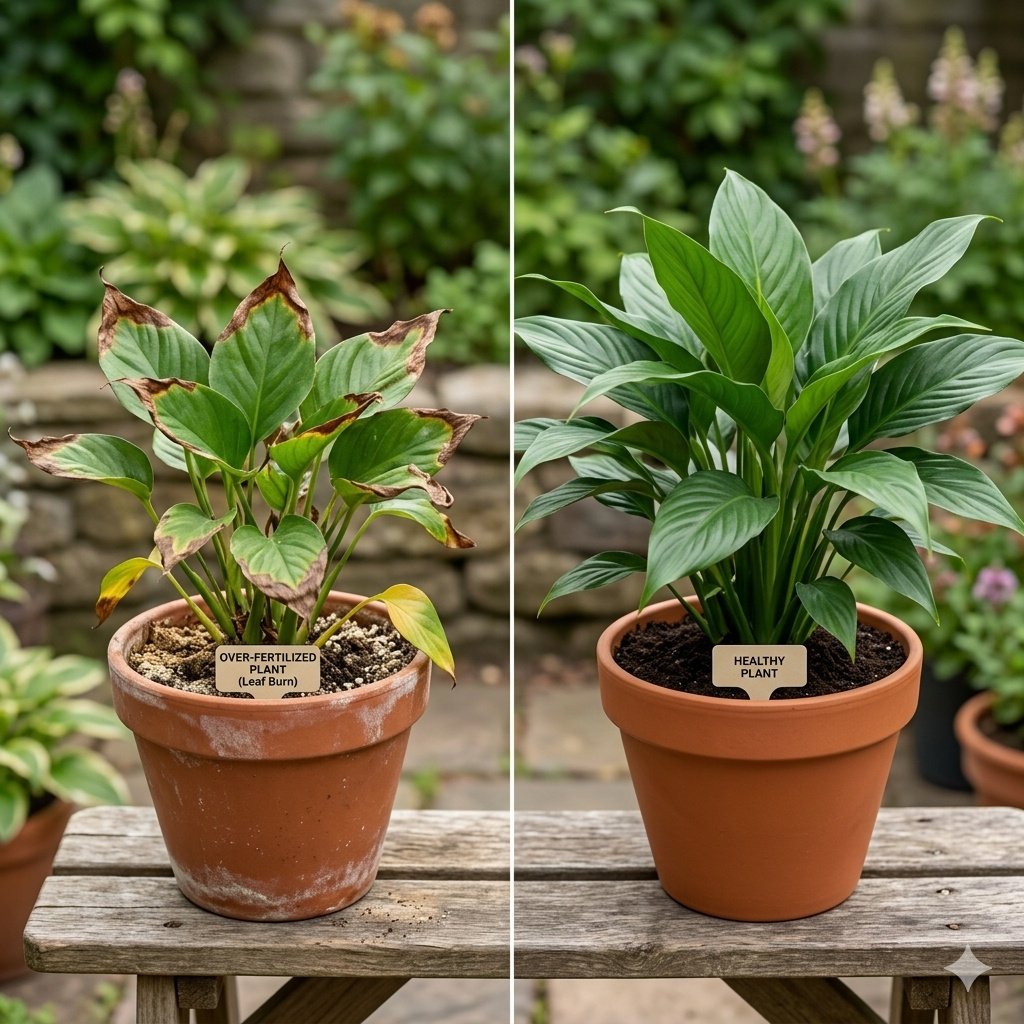
- Overfeeding with liquid fertilizer happens quite often, since it’s easy to think “more equals better,” which usually backfires.
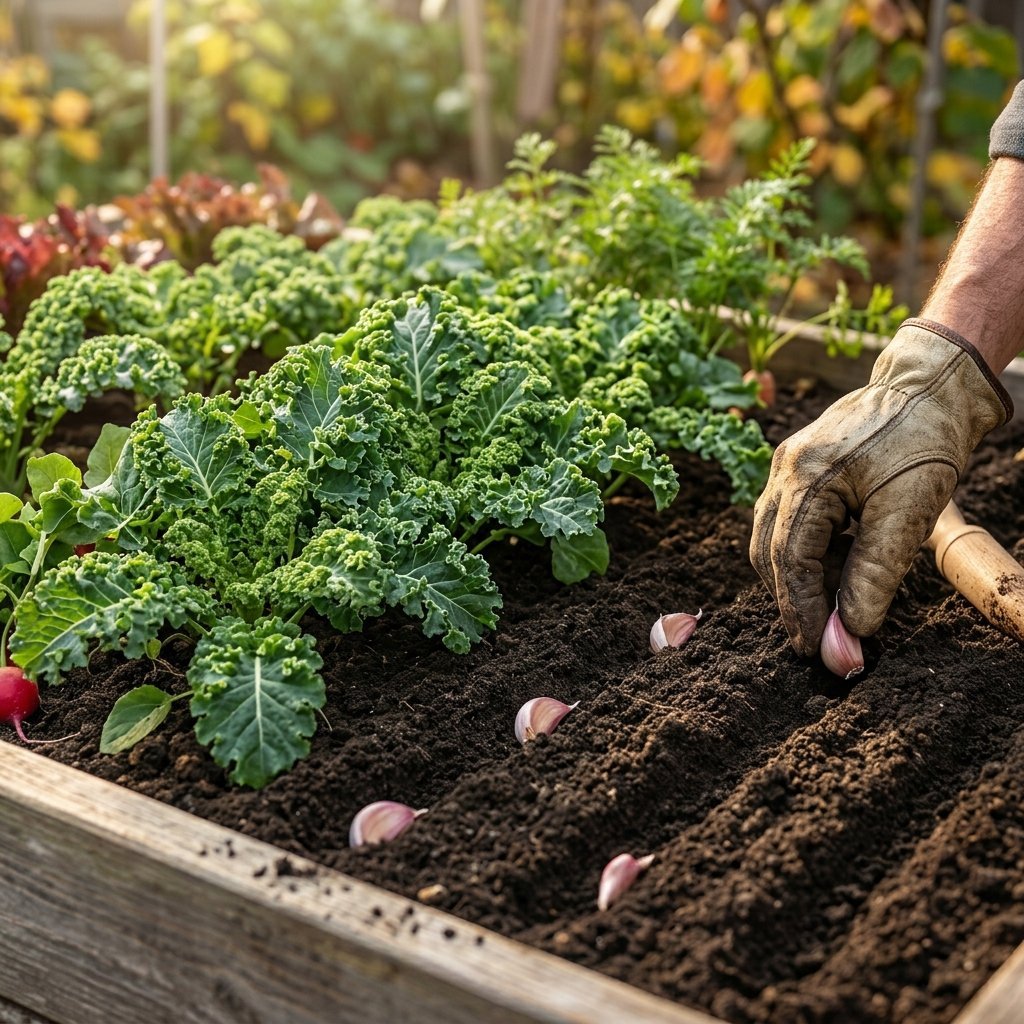
- Applying granular fertilizer without watering it in can leave nutrients sitting unused on the surface.
- Using the wrong type at the wrong growth stage can slow plants instead of helping them.
- Ignoring soil quality altogether means fertilizer won’t perform as expected, no matter which type you pick.
So, a little awareness here saves a lot of trouble later.
Which One Is Better?
Here’s the honest answer, and it’s actually simpler than most people expect.
If you want fast, visible results, liquid fertilizer tends to be the better option.
If you want steady growth with less maintenance, granular fertilizer usually works best.
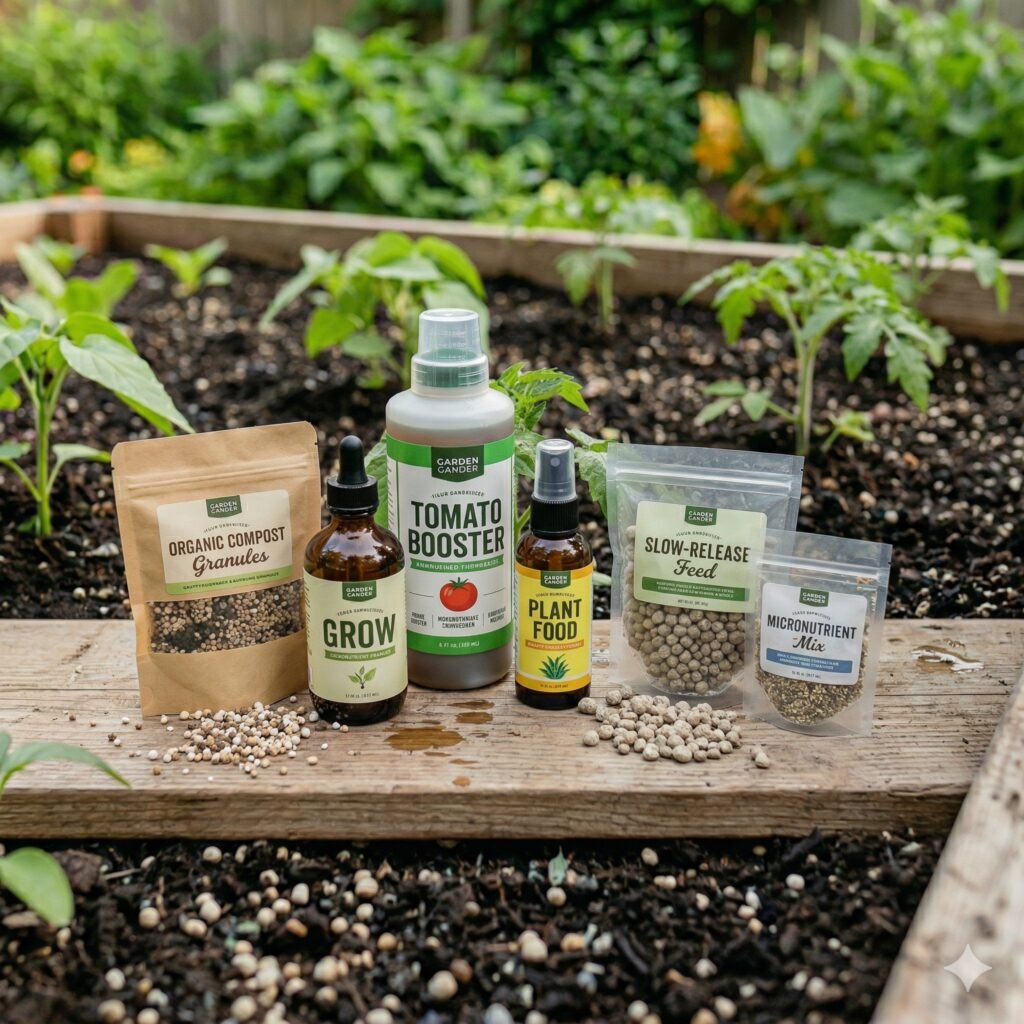
In many cases, gardeners get the strongest results by using both, just at different times. For example, you might start with granular fertilizer for long-term feeding, then use liquid fertilizer occasionally for quick boosts.
So, it’s not really about choosing one forever, it’s about using each where it fits.
Best Liquid & Solid Fertilizers (Popular Picks)
So, if you’re wondering where to start, here are a few options people often rely on.
| Product Name | Best For | Key Features |
|---|---|---|
| Fish Emulsion Liquid Fertilizer | Quick plant boost | Fast absorption, organic source |
| Seaweed Extract Liquid Feed | Overall plant health | Supports root and leaf growth |
| Osmocote Slow Release Granules | Long-term feeding | Feeds for months |
| Organic All-Purpose Granular | Soil improvement | Natural ingredients, steady release |
So, depending on your setup, you can mix and match without overcomplicating things.
Pro Tips for Best Results
Now, a few small habits can make a noticeable difference in how your plants respond.
- Try combining both fertilizer types in a simple routine, which often works better than sticking to just one.
- Water after applying granular fertilizer so nutrients actually move into the soil.
- Follow label instructions, since using extra rarely speeds things up and can stress plants.
- Test your soil if possible, since knowing what’s missing helps you choose the right fertilizer.
So, it’s really about small adjustments rather than big changes.
FAQ
1. So, is liquid fertilizer better than granular fertilizer?
So, not really better in a strict sense, it just depends on what you need at that moment. Liquid fertilizer works fast, which is great for quick fixes, yet granular fertilizer feeds plants slowly over time.
2. How often should I use liquid fertilizer?
Now, this usually depends on the product, yet most people use it every 1–2 weeks, which tends to keep plants steady. If you overdo it, though, plants can get stressed, so sticking to the label matters more than guessing.
3. Can I use both liquid and granular fertilizer together?
So, yes, and actually, this is what many gardeners end up doing without overthinking it. Granular fertilizer handles the long-term feeding, while liquid fertilizer gives quick boosts when needed.
4. Which fertilizer is best for vegetables?
For vegetables, it kind of depends on the growth stage, which people sometimes overlook. Young plants often respond better to liquid feeding, yet mature plants benefit more from steady granular nutrients.
5. Is granular fertilizer cheaper than liquid?
So, over time, granular fertilizer usually costs less, since you don’t need to apply it as often. Liquid fertilizer might seem cheaper upfront, yet it runs out faster, which adds up.
6. Do I need to water after using granular fertilizer?
Yes, you pretty much always should, since water helps break it down and move nutrients into the soil. If you skip that step, the fertilizer can just sit there without doing much.
7. Can liquid fertilizer burn plants?
So, yes, it can happen, especially if you mix it too strong or apply it too often. That’s why dilution instructions are there, even if they seem a bit strict at first.
8. What’s the easiest option for complete beginners?
If you want something simple, granular fertilizer is usually easier since you just apply it and move on.
If you want faster results and don’t mind a bit of mixing, liquid fertilizer works well too.
Related Reads
You might find these helpful as you keep going:
- Metal vs Wood Raised Garden Beds: Which Is Better?
- Pros and cons of granular and liquid fertilizers
- 7 Best Soil Mixes for Raised Beds (Perfect for Vegetables & Beginners)
Final Thoughts
So, liquid vs solid fertilizer isn’t really a battle where one wins and the other loses, it’s more like choosing the right tool at the right moment.
Some gardeners lean toward quick fixes, others prefer slow and steady, and most end up using a mix without even realizing it.
If you keep things simple, watch how your plants react, and adjust as you go, you’ll figure out what works in your space pretty naturally. I have attached an informative video below relevant to this topic. Hope you will enjoy it.