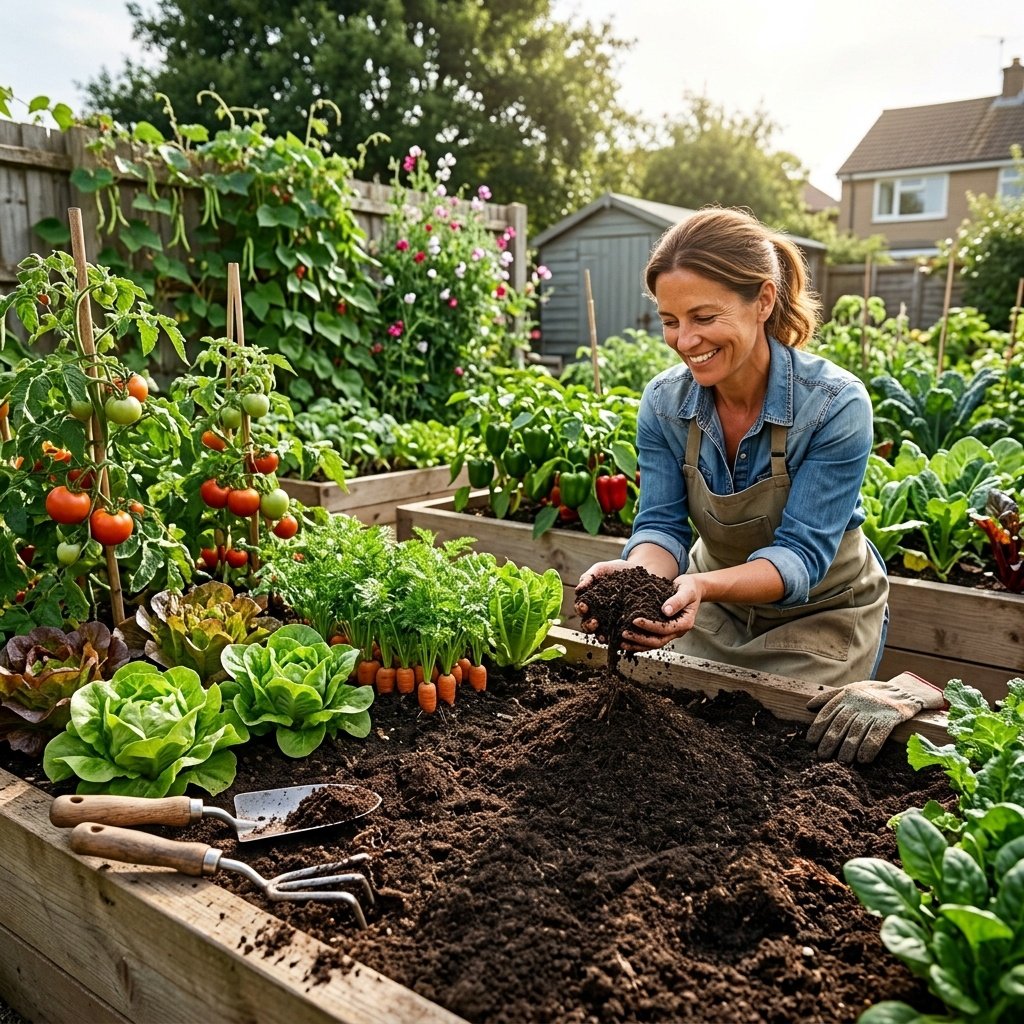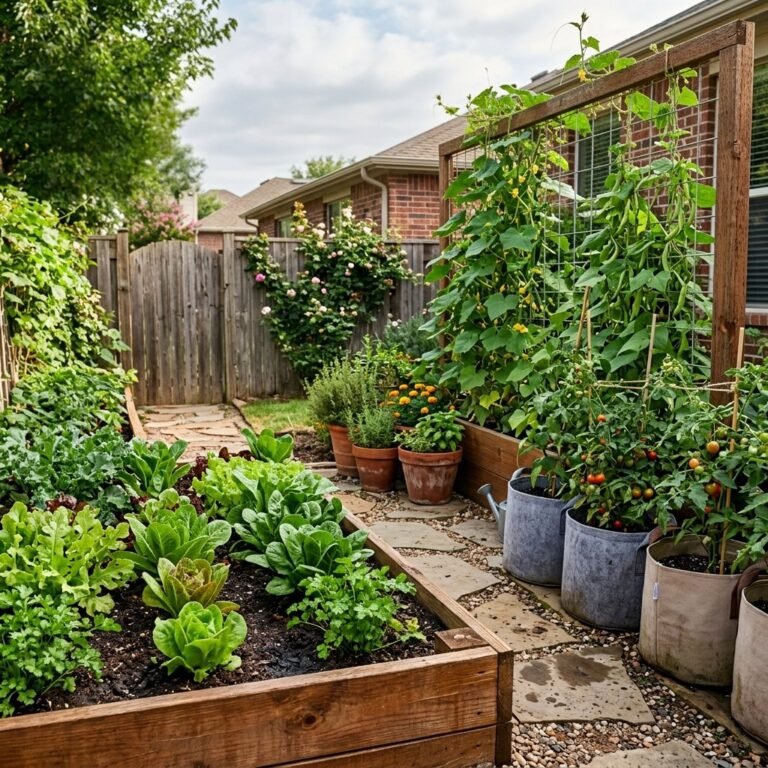

October doesn’t have to mean the end of your vegetable garden.
In many parts of the country, the cooler weather actually creates a fresh opportunity to grow leafy greens, root vegetables, radishes, peas, and other cool-season crops. Some can be harvested within a few weeks, while others can handle light frost and keep producing well into winter.
But there’s one thing to remember before putting seeds in the ground: October means something different in every garden.
Your USDA growing zone, first frost date, current soil temperature, local weather, and the crop’s days to maturity all affect what you can plant successfully. A vegetable that can be started outdoors in early October in Zone 8 may be too late for an outdoor planting in Zone 4.
So instead of asking only, “What can I plant in October?” ask a better question:
“What can I plant now that has enough time to grow before the weather turns too cold?”
With that in mind, here are 11 vegetables worth considering for your October garden.
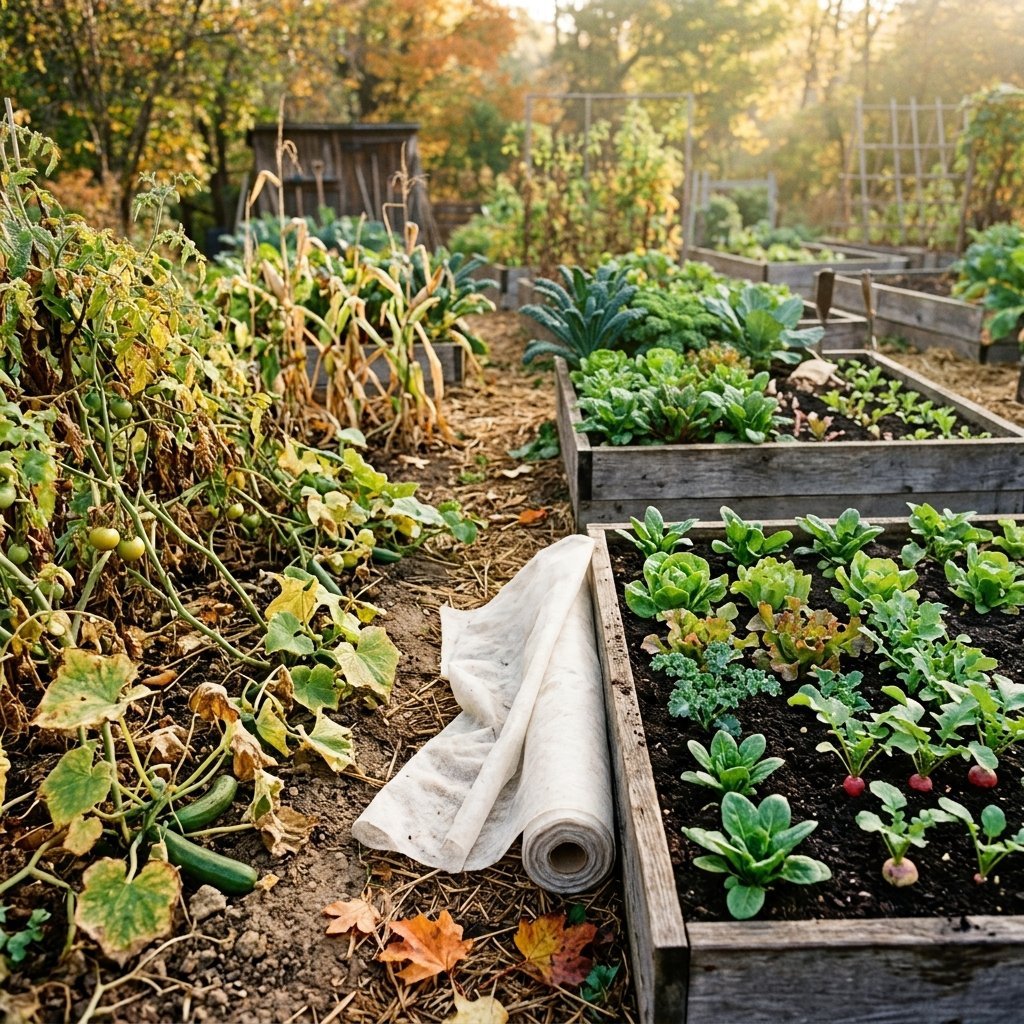
Can You Still Plant Vegetables in October?
Yes, but your choices become more limited as temperatures fall.
October is mainly a month for cool-season vegetables. Fast-growing crops are especially useful because they can give you a harvest before severe cold arrives. Hardy vegetables can go even further, continuing through frost or spending winter in the garden with some protection.
Some crops are planted for a fall harvest. Others are planted in October specifically to overwinter and produce a crop months later.
The easiest way to work out your timing is to count backward from your expected first frost:
First frost date − days to maturity − extra growing time = approximate planting date
That extra time matters because shorter days and cooler temperatures can slow growth. Seed packets usually provide days to maturity, but treat those numbers as estimates rather than promises.
If you’re already close to your first frost, transplants can be a better choice than starting seeds. An established kale, lettuce, or chard plant has already completed the most vulnerable part of its early growth.
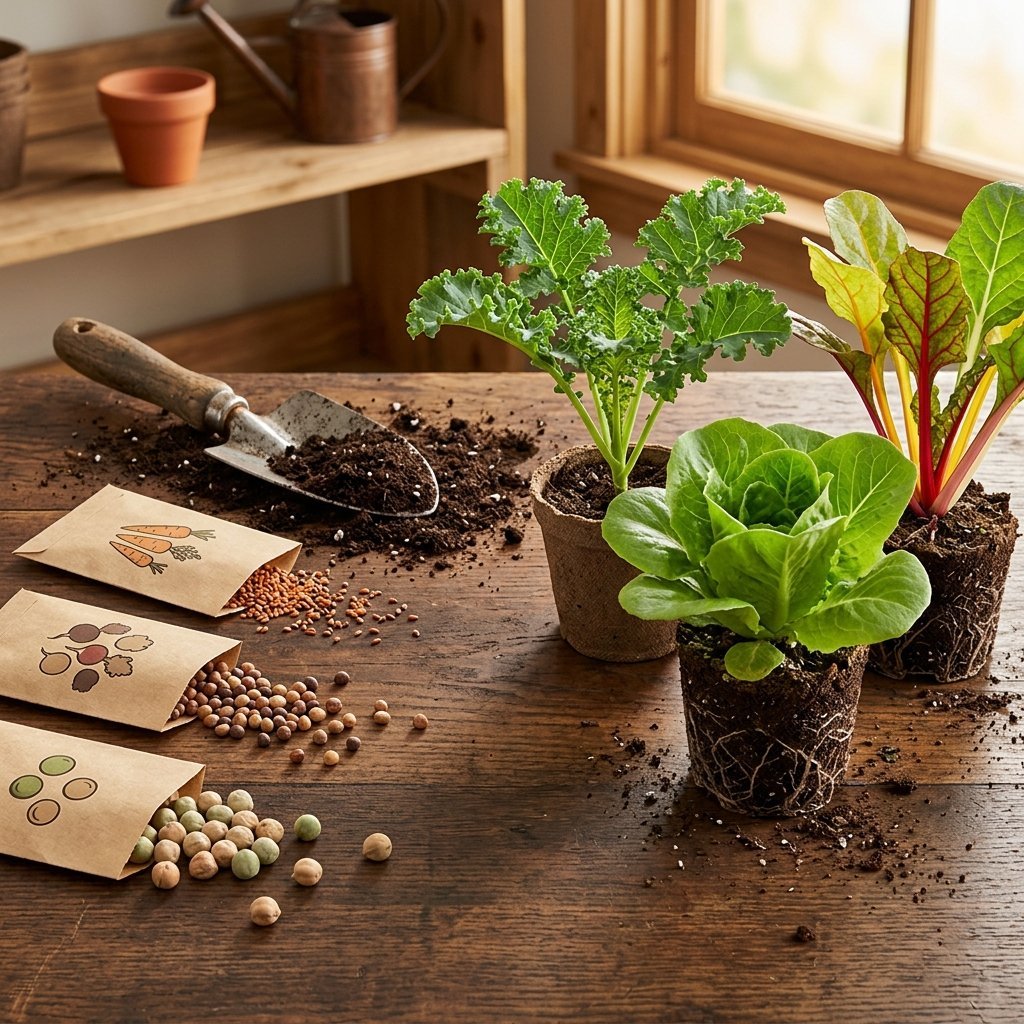
October Garden Essentials
Prepare your garden for cooler weather with a few simple tools and materials that make planting, harvesting, and protecting your crops easier.
Quick October Vegetable Planting Guide
| Vegetable | How to Plant | Approx. Days | Cold Tolerance | Main Harvest |
|---|---|---|---|---|
| Spinach | Seeds or transplants | 40–50 | Excellent | Fall/winter |
| Kale | Seeds or transplants | 50–70 | Excellent | Fall/winter |
| Radishes | Direct sow | 20–30 | Good | Fall |
| Carrots | Direct sow | 55–80+ | Good | Fall/winter |
| Lettuce | Seeds or transplants | 30–60 | Moderate | Fall |
| Turnips | Seeds or transplants | 40–60 | Good | Fall/winter |
| Arugula | Seeds or transplants | 20–40 | Moderate | Fall |
| Peas | Direct sow | 55–70 | Moderate | Fall/winter |
| Swiss chard | Seeds or transplants | 50–60 | Moderate | Fall |
| Garlic | Plant cloves | Overwintering | Excellent | Following season |
| Collards | Seeds or transplants | 55–75 | Excellent | Fall/winter |
Actual maturity varies with the variety, temperature, soil, and growing conditions.
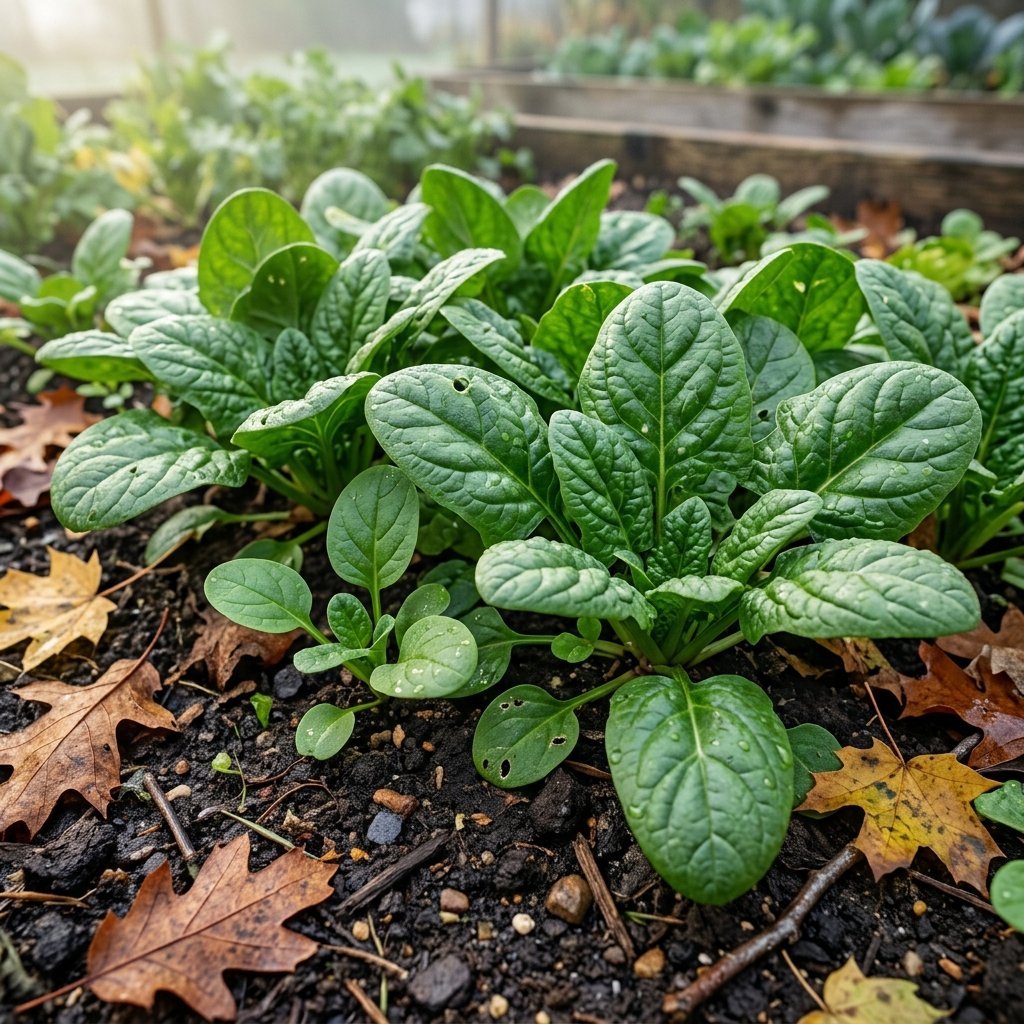
1. Spinach
Spinach is one of the easiest vegetables to consider for an October planting.
It likes cool weather and can handle conditions that would make many warm-season vegetables stop growing. You can harvest tender baby leaves relatively early, or allow plants to develop larger leaves for later harvests.
Plant spinach in full sun where possible, although some afternoon shade can help in warmer climates. Give it fertile, well-drained soil that stays evenly moist.
If you’re planting from seed, keep the soil moist during germination. Once seedlings emerge, thin them so they have enough room to develop.
One of spinach’s best qualities is its relationship with cold weather. As temperatures drop, the leaves can develop a sweeter, milder flavor. That makes a late-season spinach bed especially useful.
For very cold areas, row covers or a cold frame can extend the harvest.
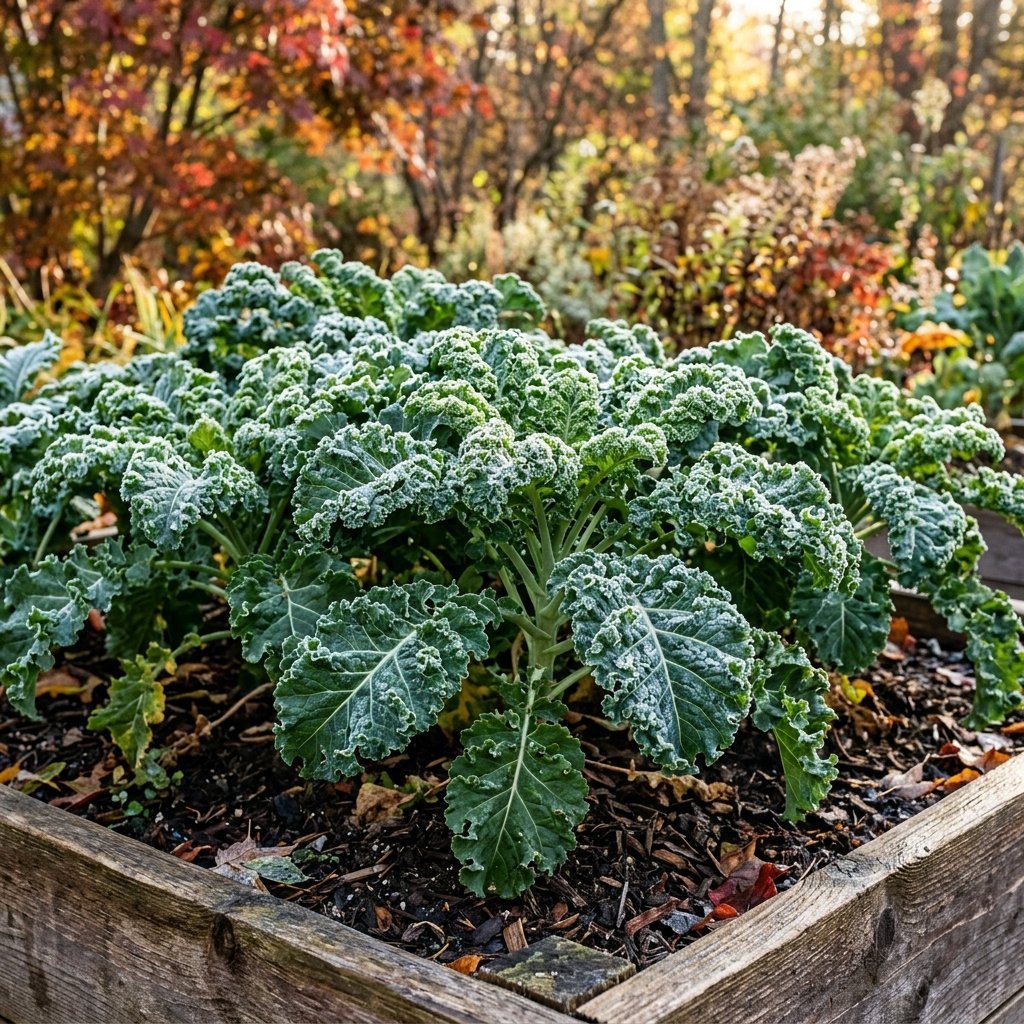
2. Kale
If you’re looking for a vegetable that can keep going after temperatures drop, put kale near the top of your list.
Kale is well suited to cool weather and many varieties tolerate frost. You can start it from seed, but transplants are useful when October arrives late in your local growing season.
Plant kale in a sunny spot with fertile soil and steady moisture. Once plants are established, harvest the larger outside leaves first rather than stripping the entire plant.
This lets the center continue producing new leaves.
Curly kale and flat-leaf types both work well, although cold tolerance varies by variety. In colder climates, mulch around the plants and use row covers when a hard freeze is expected.
Can kale survive winter? In some climates, yes. The answer depends on the variety, how cold your area gets, and how much protection the plants receive.
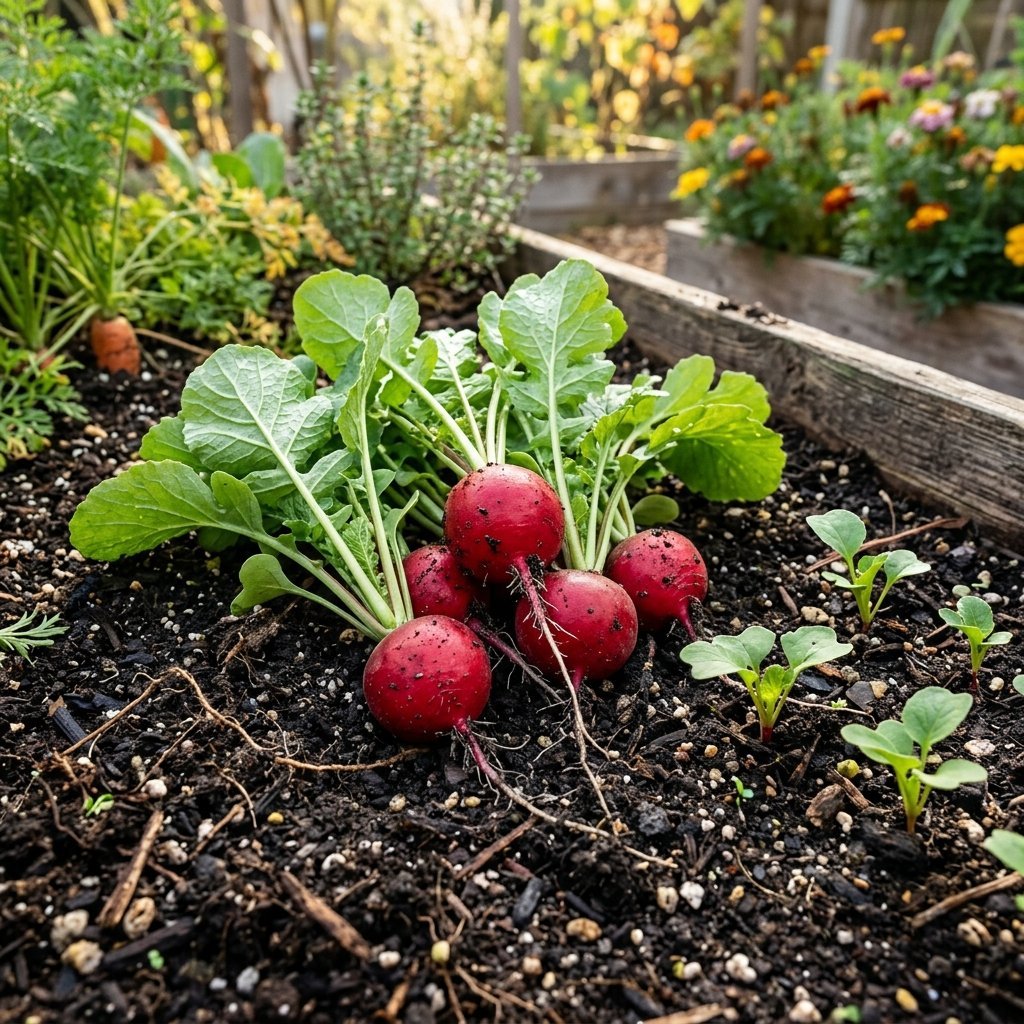
3. Radishes
Radishes are the vegetable to choose when you’re worried that October is getting late.
Many varieties mature quickly, sometimes in only three or four weeks. That gives you a realistic chance of getting a harvest even when you don’t have months left in the growing season.
Direct-sow radish seeds rather than transplanting them. Plant them in loose soil, keep the seedbed moist, and thin crowded seedlings once they emerge.
Crowding is a common problem. Radishes need room to form their roots, and plants packed too closely together often produce disappointing results.
You can also sow small batches a week or two apart instead of planting everything at once. That spreads out the harvest.
Radishes are also excellent container vegetables. A reasonably deep container, good potting mix, sunlight, and regular watering are enough to get started.
Harvest them while the roots are still young and firm. Leaving some varieties in the ground too long can result in tough or woody roots.
4. Carrots
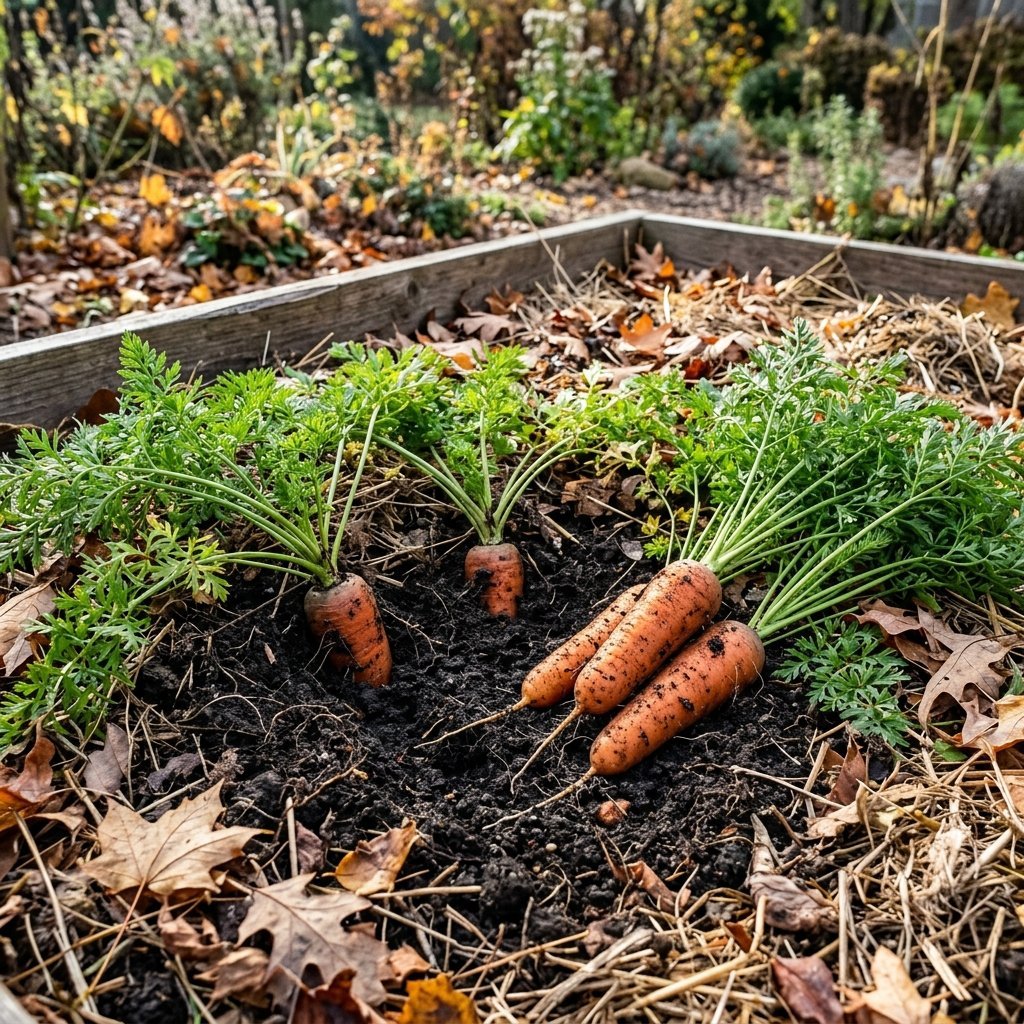
Carrots take longer than radishes, but they’re a great choice for a fall and winter garden when your local planting window allows enough time.
The biggest requirement is loose soil. Carrot roots need to grow downward without hitting compacted soil, rocks, or heavy clumps.
Sow the seeds directly where you want them to grow. Carrots don’t transplant well because disturbing the young root can lead to misshapen roots.
Keep the soil consistently moist while seeds are germinating. This is especially important because carrot seeds can take a while to emerge.
Once seedlings are established, thin them so individual carrots have enough room.
In suitable climates, carrots can remain in the ground after temperatures fall. A thick layer of straw or leaf mulch can help protect the roots from severe cold.
And yes, carrots can tolerate frost. In fact, cooler conditions can improve their sweetness. Just don’t assume every variety can survive a prolonged hard freeze without protection.
5. Lettuce
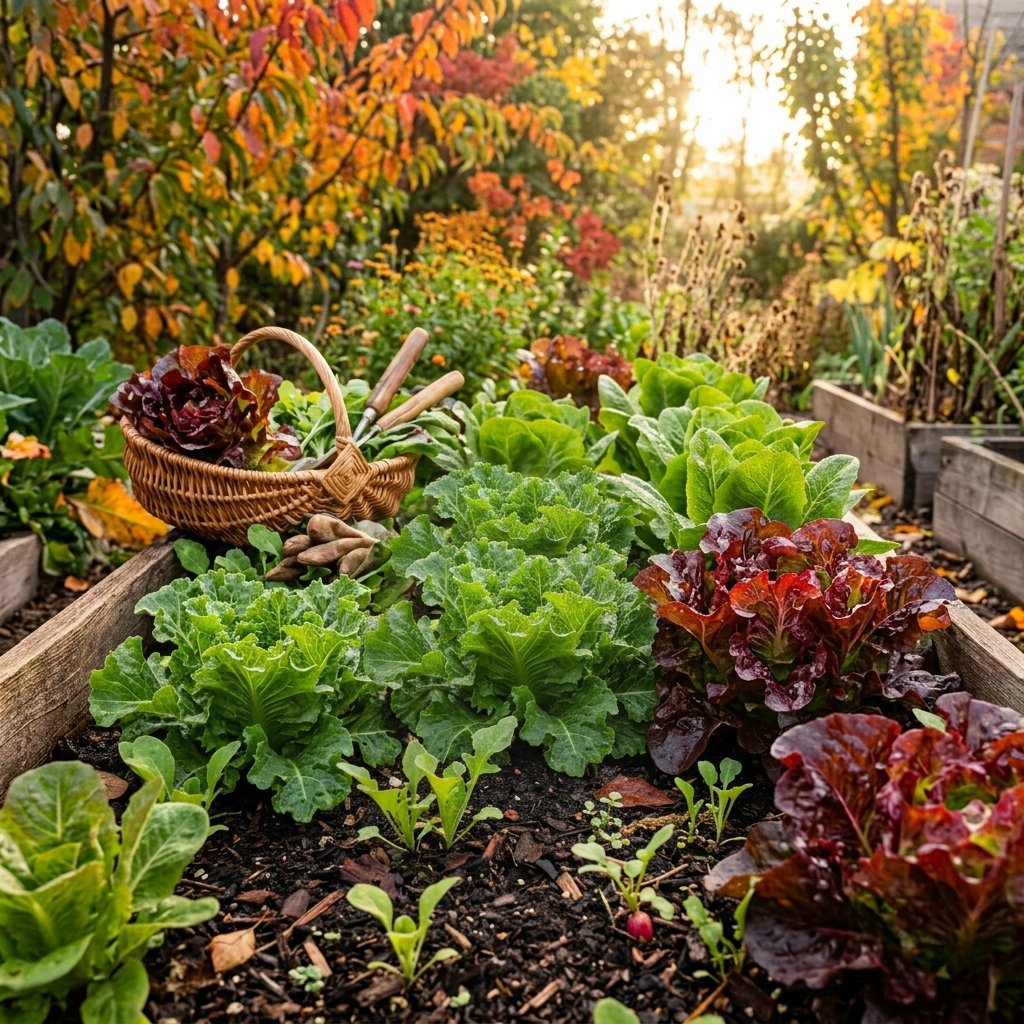
Lettuce is another useful October crop, especially when you want something you can harvest relatively soon.
Loose-leaf varieties are particularly convenient because you don’t have to wait for a full head to develop. You can pick a few outer leaves at a time and let the plant continue growing.
Sow lettuce seeds shallowly because they need light to germinate. Keep the soil moist and avoid letting the seedbed dry out.
In warmer regions, some afternoon shade can protect lettuce from excessive heat. In cooler areas, full sun is usually preferable.
If October nights are already getting chilly, transplants give you a head start.
You can also practice succession planting. Instead of sowing a large bed once, plant smaller amounts every week or two while the weather allows. That gives you a more continuous supply of fresh leaves instead of one large harvest.
6. Turnips
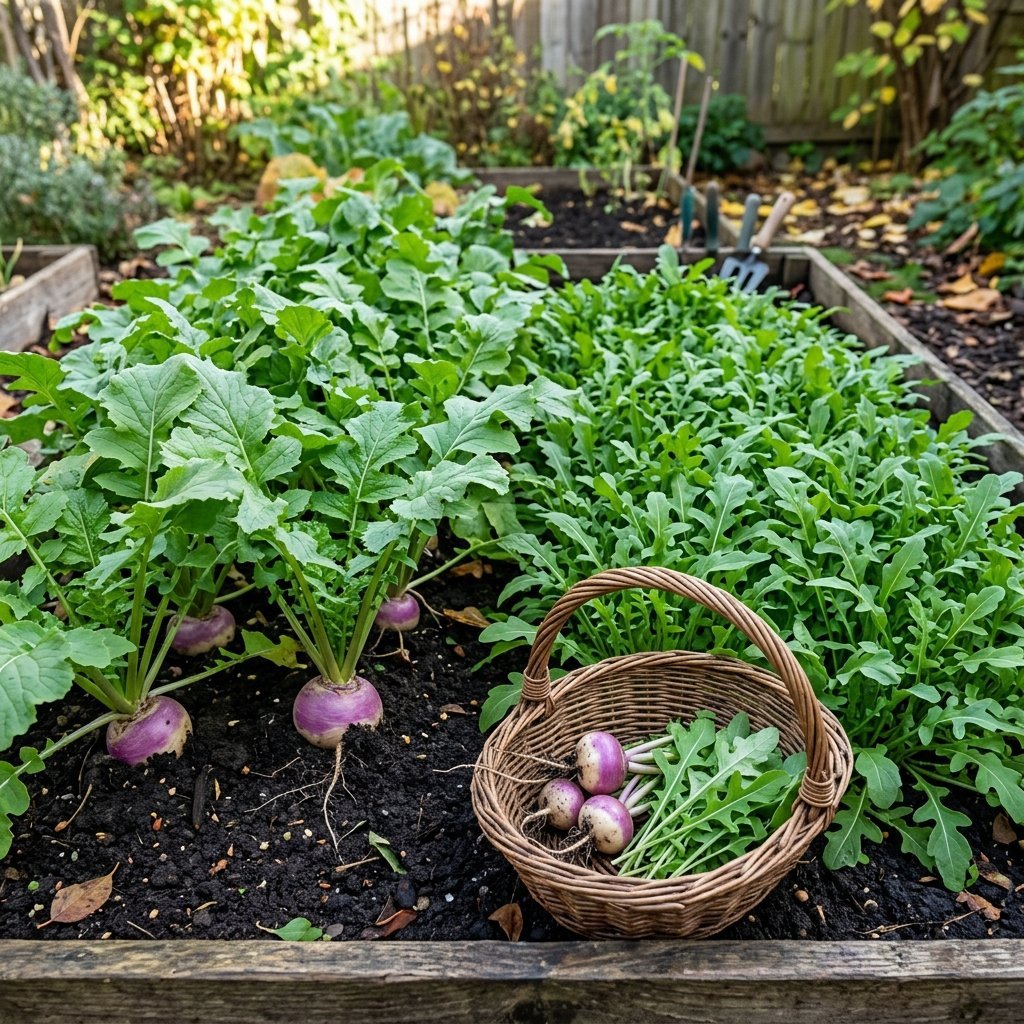
Turnips are useful because you can eat both parts of the plant.
The roots can be harvested when they’re young and tender, while the leafy tops can be picked earlier.
Direct-sow turnips into loose, well-prepared soil. Keep the bed evenly moist and thin seedlings after germination. Crowded plants won’t produce good-sized roots.
Turnips prefer cool weather, making them a natural fit for fall gardening. They can also tolerate frost better than many warm-season vegetables.
For the best texture, don’t wait forever to harvest. Young turnips are generally more tender, while oversized roots can become tougher depending on the variety and growing conditions.
If you have limited garden space, turnips are worth considering because you get two potential crops from one planting: edible greens and edible roots.
7. Arugula
Want fresh salad greens quickly? Arugula deserves a place in your October garden.
It germinates quickly and grows well in cool weather. You can sow it directly in the garden, in a raised bed, or in a container.
Full sun is ideal during cooler months, although some shade can be helpful in warmer areas.
For the mildest flavor, harvest young leaves. Older leaves tend to have a stronger peppery bite, which some gardeners love and others don’t.
Rather than planting one large patch, sow small amounts every week or two while temperatures remain suitable. This keeps new leaves coming instead of leaving you with more arugula than you can eat at once.
Because arugula matures quickly, it’s also useful when you’re trying to squeeze one final crop into a vacant garden bed.
8. Peas
Peas can be a little trickier than radishes or leafy greens because timing matters more.
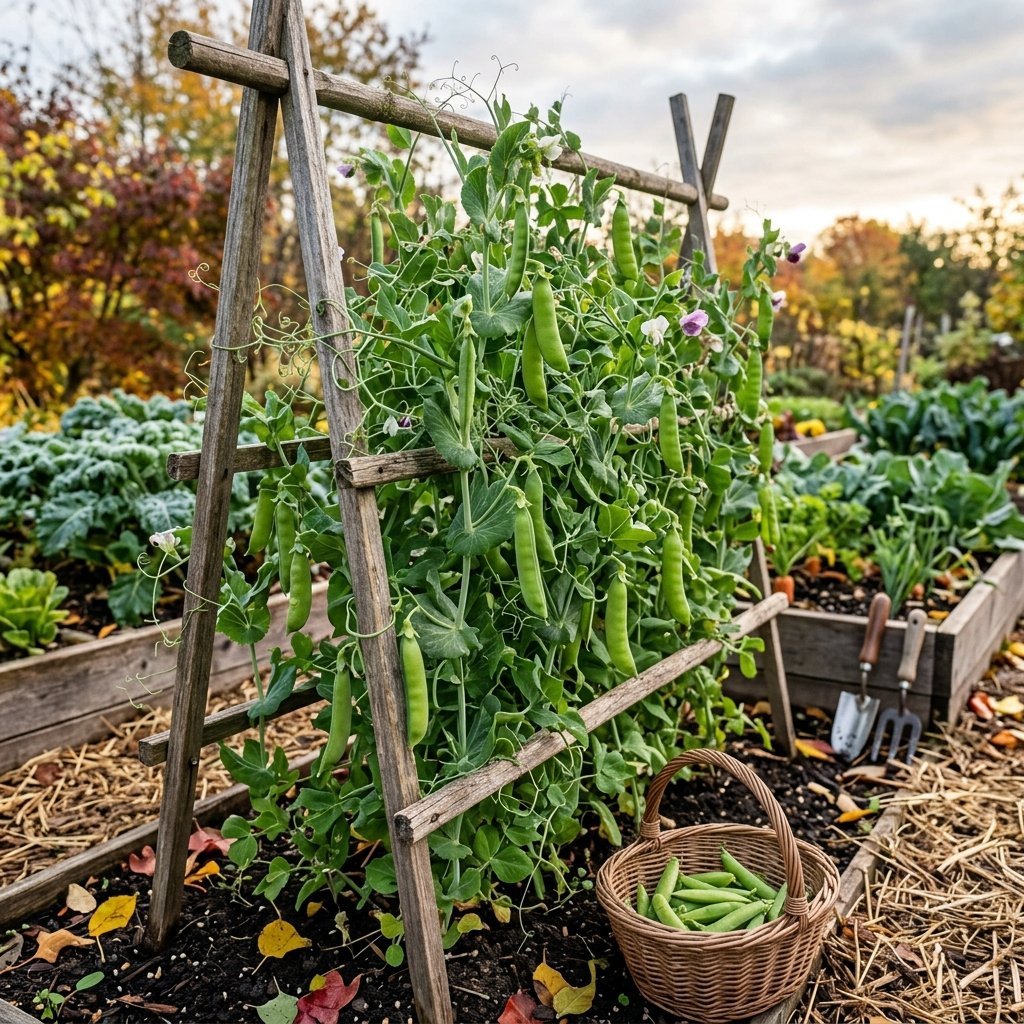
They prefer cool weather, but seeds still need suitable soil conditions to germinate and establish. If you live in a climate where October stays relatively mild, fall peas can be worth trying.
Direct-sow the seeds rather than starting them in tiny containers. Give climbing varieties a trellis or other support, while bush types need less vertical space.
Keep the soil consistently moist, particularly while the plants are becoming established.
Can you plant peas in October? In some climates, yes. Your first frost date and the maturity period of the variety are the two details to check first.
If severe cold arrives before the plants have developed, your fall crop may struggle. In milder regions, however, peas can continue producing during the cooler months.
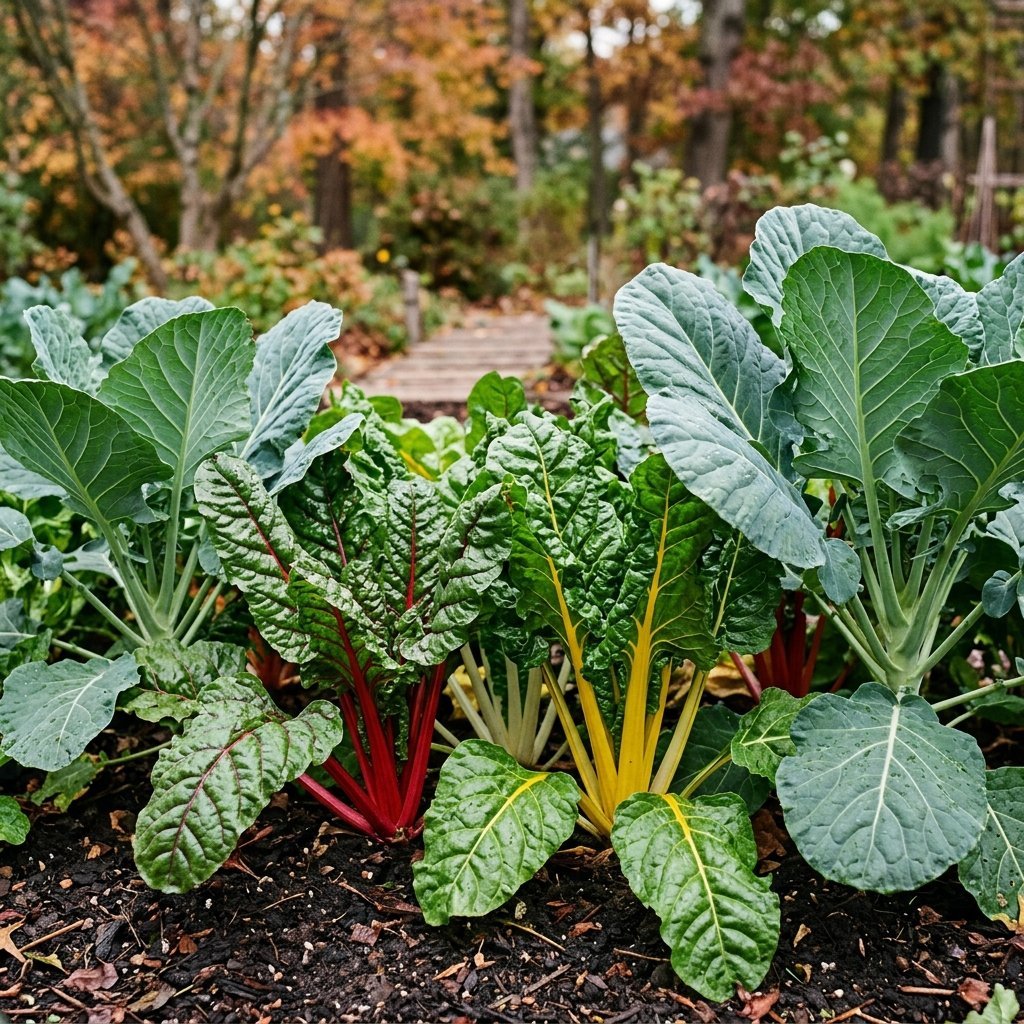
9. Swiss Chard
Swiss chard is a useful choice when you want attractive plants that also give you repeated harvests.
The leaves can be harvested from the outside, allowing the center of the plant to continue producing. You don’t have to remove the whole plant at once.
Chard prefers fertile soil, regular moisture, and good sunlight. It can be started from seed or planted as a transplant.
Although it isn’t as cold-hardy as kale or collards, it can tolerate some frost. In areas with colder winters, row covers or another form of protection can help extend the harvest.
And then there’s the appearance. Red, pink, yellow, white, and orange stems can add plenty of color to an otherwise fading October garden.
10. Collard Greens
Collards are another strong option for gardeners expecting cold weather.
They grow into large plants with substantial leaves and can continue producing well after summer vegetables have faded. Like kale, collards are suited to cool conditions and can tolerate frost.
Plant them in fertile soil with plenty of sunlight and keep the soil evenly moist.
If you’re planting late, use transplants whenever possible to give the crop a head start. Seed-grown plants need enough time to establish before severe cold arrives.
Harvest the larger outer leaves first. This lets the center keep producing new growth.
Cold weather can also improve the eating quality of collards. That makes them particularly useful as the season moves from mild fall weather toward winter.

11. Garlic
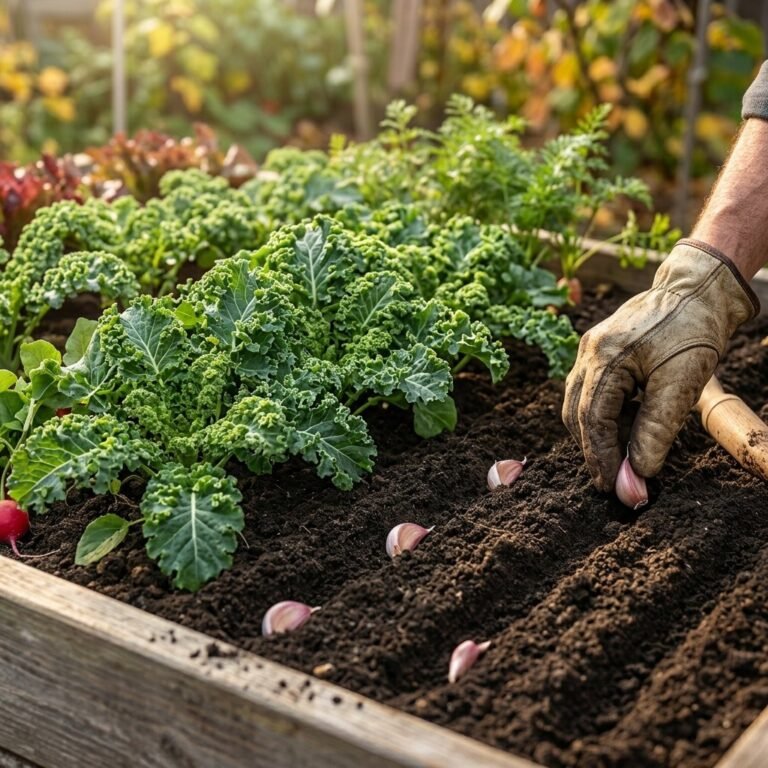
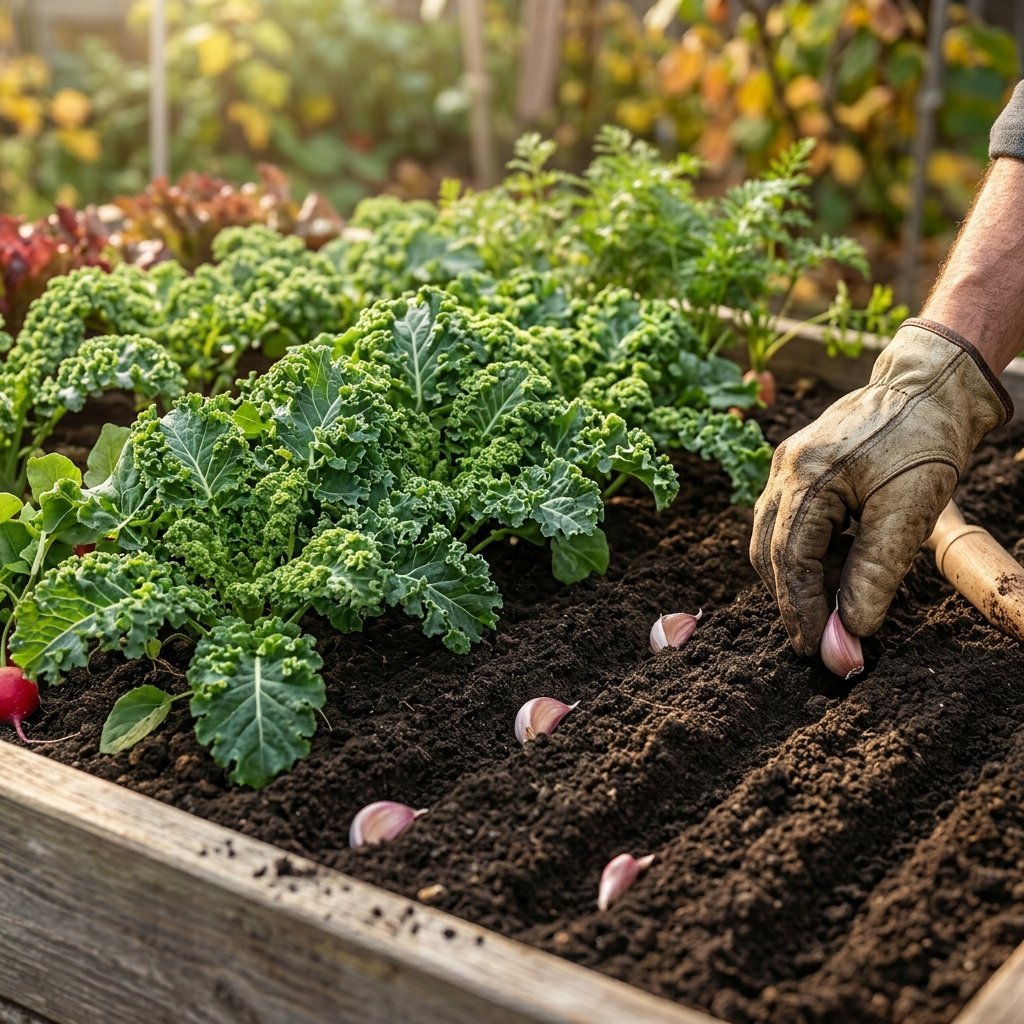
Garlic is different from the other vegetables on this list because you aren’t planting it in October for an October harvest.
You’re planting it now for later.
Break a garlic bulb into individual cloves and plant the cloves with the pointed end facing upward. Use well-drained soil because garlic does not perform well in soggy ground.
After planting, add a layer of mulch to help moderate soil temperatures and protect the cloves from extreme cold.
Garlic benefits from a period of cold weather, which helps the plant develop properly. Depending on your climate and variety, the crop is generally harvested the following spring or summer.
This is why October can be such a useful month for garlic. Even if your garden is producing very little right now, you can still make an important start on next year’s harvest.
What Should You Plant in Different USDA Zones?
Your USDA growing zone gives you a useful starting point, but don’t treat it as the whole planting calendar. First frost dates and local weather matter just as much.
Zones 3–4
October is often more about finishing the current garden and preparing for winter. Garlic may still be an option early enough in the month, while protected spinach and other hardy greens can work in suitable locations.
Cold frames, row covers, and thick mulch become especially useful.
Zones 5–6
You may still have time for spinach, kale, radishes, carrots, turnips, and other hardy greens. Garlic is also worth considering if your local planting window is still open.
Fast-growing crops should be prioritized as the first hard freeze approaches.
Zones 7–8
October can be a productive planting month rather than the end of the season. Lettuce, spinach, kale, arugula, radishes, carrots, peas, chard, collards, and garlic can all have a place depending on local conditions.
Zones 9–10 and warmer
For many gardeners in these areas, October is closer to the beginning of the cool-season garden. Lettuce, spinach, carrots, radishes, peas, leafy greens, and other cool-weather vegetables can become major fall crops.
Still, don’t plant by zone alone. Check your local temperature trend and the expected first frost date, if frost is even a regular concern in your area.
What If October Is Already Too Cold?
If October has arrived with freezing temperatures, don’t assume you’ve missed your chance to garden.
You have several options.
Use transplants. An established plant has a head start over a seed that still needs to germinate.
Use row covers. Lightweight covers can protect plants from light frost while allowing air, water, and light to reach them.
Try a cold frame. A cold frame can create a more protected growing space for hardy greens.
Move containers. Potted lettuce, spinach, and other smaller crops can sometimes be moved against a protected wall or into another sheltered location.
Plant garlic. If conditions remain suitable for your area, an overwintering crop gives you something useful to do even when a quick fall harvest is no longer realistic.
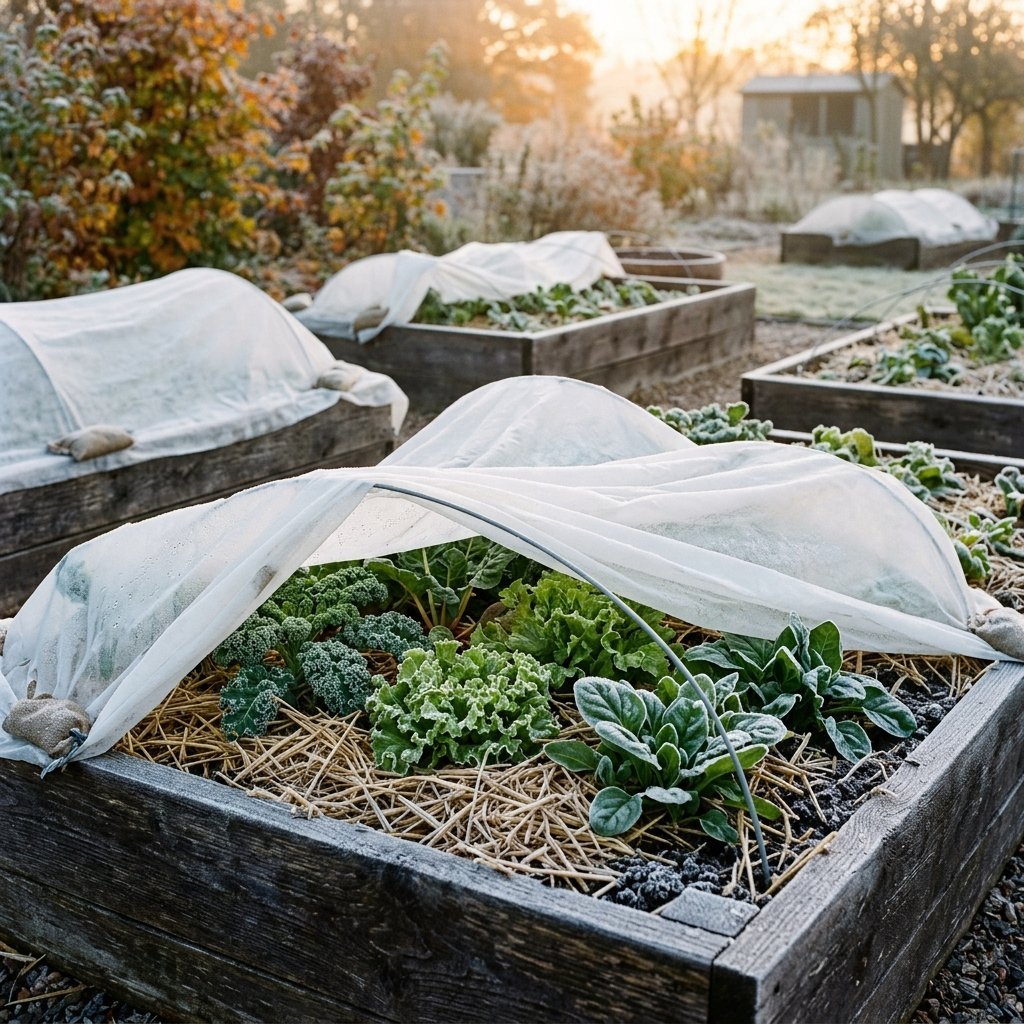
How to Protect Your October Vegetable Garden From Frost
Don’t wait for the first freeze to start thinking about protection.
Keep row covers or frost cloth ready. When a light frost is expected, cover susceptible plants before temperatures drop. Make sure the covering reaches the ground so heat from the soil isn’t lost as quickly.
Mulch is another useful tool. Straw, shredded leaves, or other suitable organic material can insulate the soil and help protect roots.
Containers are more vulnerable because their roots are surrounded by a relatively small amount of soil. Move them to a sheltered location when possible.
Also remember that a light frost and a hard freeze aren’t the same thing. A vegetable that handles a brief frost may not survive many hours below freezing.
Avoid putting ordinary plastic directly against plant leaves. It can trap moisture against the foliage and may cause damage when temperatures drop. Use proper frost cloth or support plastic above the plants.
After a cold night, remove or ventilate coverings when temperatures rise again. Plants still need light and airflow.
Seeds vs. Transplants: Which Should You Use in October?
Both can work, but they serve different purposes.
| Seeds | Transplants |
|---|---|
| Less expensive | Faster start |
| More variety | Useful for late planting |
| Excellent for carrots and radishes | Good for kale and lettuce |
| Need time to germinate | Already established |
| More exposed during early growth | Better when cold weather is approaching |
Use direct sowing for crops such as carrots, radishes, and peas that prefer not to be transplanted.
Choose transplants for crops such as kale, lettuce, collards, or chard when you’re getting close to the end of your planting window.
7 Tips for a Productive October Vegetable Garden
- Check your first frost date. This gives you a starting point for deciding what still has time to grow.
- Count backward from harvest. Look at the variety’s days to maturity rather than planting based only on the calendar.
- Choose quick varieties. When time is limited, varieties with shorter maturity periods give you more room for error.
- Give seedlings enough space. Crowded plants compete for light, water, and nutrients.
- Keep moisture consistent. Cool weather doesn’t mean newly planted seeds can be allowed to dry out.
- Add mulch as temperatures fall. Mulch helps protect soil and plant roots from rapid temperature changes.
- Prepare frost protection early. Having row covers ready is much easier than trying to find them after the forecast suddenly changes.
Common Mistakes to Avoid When Planting Vegetables in October
The biggest mistake is treating October as a universal planting date.
Your neighbor three states away may still have weeks of growing weather left while your garden is already facing frost.
Avoid planting warm-season crops simply because you still see them in garden centers. Tomatoes, peppers, cucumbers, and similar vegetables generally need warmer conditions and aren’t good choices for a late fall garden.
Another common mistake is choosing varieties that take too long to mature. A crop that needs 90 days isn’t a sensible choice when your first hard freeze is expected in three weeks.
Don’t forget about watering, either. Cooler weather can reduce evaporation, but new seeds still need consistent moisture.
And finally, don’t wait until frost arrives to think about protection. A little preparation can make the difference between losing a crop and harvesting it for several more weeks.
Related Reads
You might find these helpful as you keep going:
7 Best Fertilizers for Raised Beds (Top Picks + Feeding Guide)
7 Best Self-Watering Systems for Balcony Vegetable Gardens (That Actually Work)
How to Plant, Grow, and Care for ‘Sugar Magnolia’ Snap Peas
FAQs
What vegetables can I plant in October?
Depending on your climate, good choices include spinach, kale, radishes, carrots, lettuce, turnips, arugula, peas, Swiss chard, collards, and garlic.
Is October too late to plant vegetables?
Not necessarily. October can be an excellent planting month for cool-season vegetables, especially in areas with mild fall weather. In colder regions, focus on fast-growing crops, hardy greens, protected growing spaces, and overwintering crops.
What vegetables grow fastest in October?
Radishes and arugula are among the quicker choices. Lettuce and baby spinach can also provide relatively fast harvests when conditions are suitable.
What vegetables can survive frost?
Kale, collards, spinach, carrots, turnips, and some other cool-season crops can tolerate frost. The amount of cold they can handle depends on the variety, plant size, duration of the freeze, and protection.
Can I plant spinach in October?
Yes, in many climates. Spinach prefers cool conditions and can be especially productive during fall and early winter.
Can I plant carrots in October?
You can in areas where there is enough time for the roots to develop. Loose soil, consistent moisture, and suitable temperatures are important.
Can I plant garlic in October?
Yes. Garlic is often planted in fall so the cloves can overwinter and develop into bulbs for harvest the following season.
What vegetables can I grow through winter?
Hardy crops such as kale and collards may continue growing in suitable climates. Spinach, carrots, and other crops can also be overwintered with the right conditions and protection.
What should I plant in October in Zone 7?
Possible choices include spinach, kale, lettuce, radishes, carrots, turnips, arugula, peas, chard, collards, and garlic. Your exact planting window still depends on your local weather and first frost date.
Should I use seeds or transplants for October planting?
Use seeds for crops that establish quickly or don’t transplant well, such as radishes and carrots. Transplants are useful for giving slower-starting crops such as kale and lettuce a head start.
Final Thoughts
October isn’t necessarily the month when the vegetable garden shuts down.
For many gardeners, it’s simply a change of pace.
Radishes and arugula can provide quick harvests. Spinach, kale, collards, carrots, and turnips can carry the garden deeper into the cold season. And garlic can turn an otherwise quiet October bed into next year’s harvest.
The key is to stop thinking of planting dates as fixed calendar events.
Check your growing zone. Look up your first frost date. Read the maturity information for the specific variety you’re growing. Then count backward and decide whether seeds, transplants, or an overwintering crop make the most sense.
That small bit of planning can turn an almost-finished summer garden into a productive fall and winter growing space.