
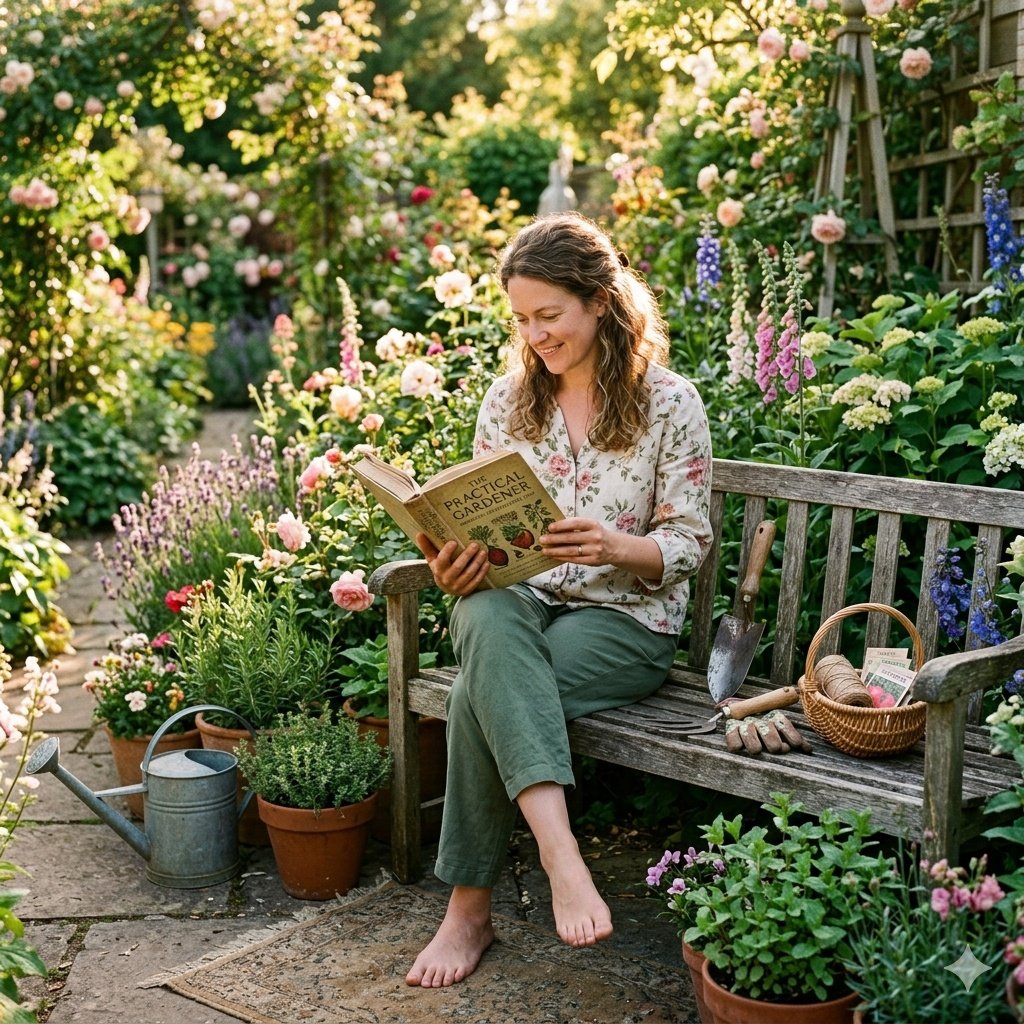
Books still have a quiet kind of power—especially when you’re trying to grow something from scratch.
And here’s the twist: what if you didn’t have to buy them one by one?
A lot of people want to get into gardening but hit the same walls. Books feel expensive. The options feel endless. You read a few blog posts, watch some videos, and somehow still don’t know when to plant tomatoes or why your soil isn’t working.
That’s where a curated list helps. Even better if you can access most of it without paying for each title.
Many of the gardening books listed here are available through Kindle Unlimited, which means you can explore them without committing to individual purchases. If you’re just starting—or even if you’ve been at it for a while—this is one of the easiest ways to learn without wasting time or money.
Why Gardening Books Are Still the Best Way to Learn
YouTube is great. Blogs are helpful. But they’re scattered.
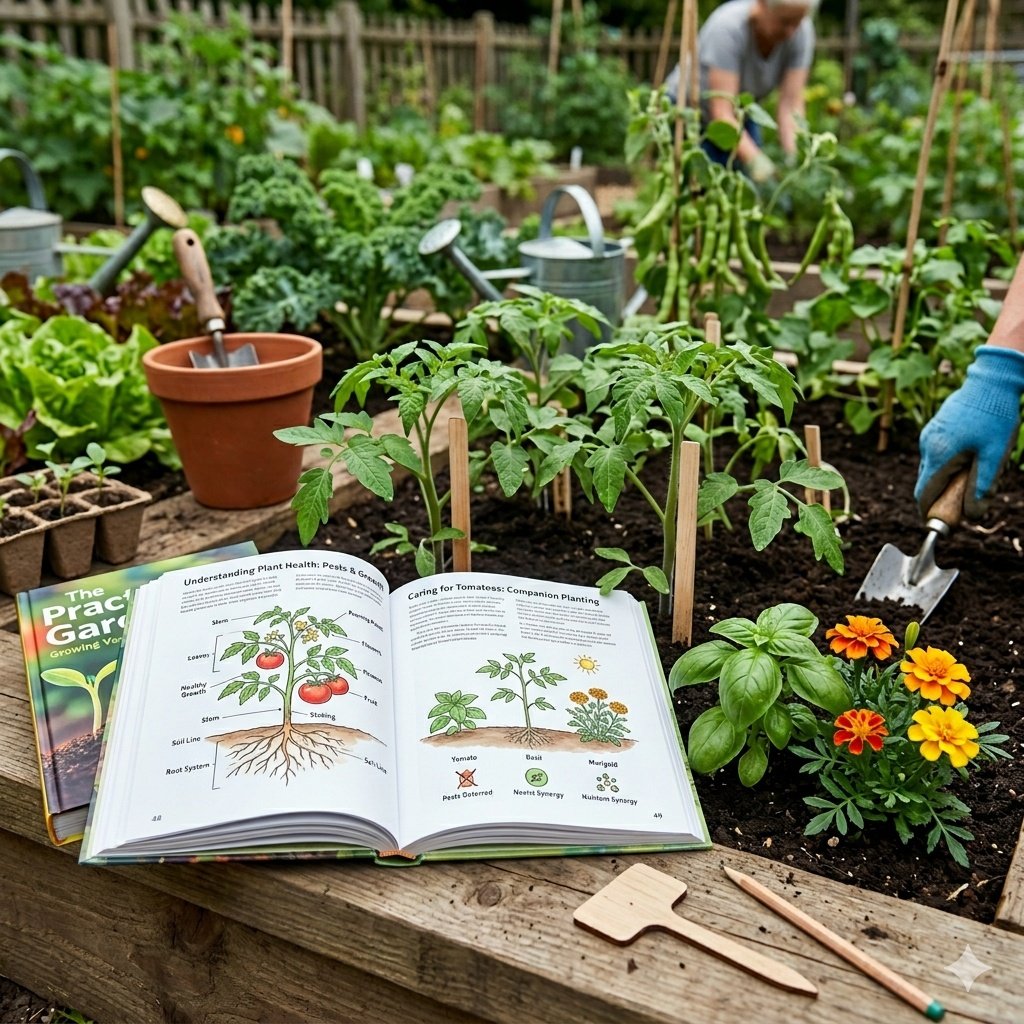
Books give you structure. One idea builds on the next. You don’t just learn what to do—you start to understand why it works.
A good gardening book walks you through the whole process. Soil prep. Planting schedules. Spacing. Harvesting. Even mistakes. It’s all in one place, instead of spread across 15 tabs and a half-watched video.
They also slow you down—in a good way. You read, you think, you try something. Then you come back and adjust.
That’s especially useful for beginners. You’re not guessing your way through seasons. You’re following a system that someone tested over years.
And for more experienced growers? Books go deeper. Organic methods. yield strategies. Climate adaptation. Stuff that rarely shows up in quick online content.
Now here’s the part that changes things…
You don’t have to buy all these books anymore.
What Is Kindle Unlimited & How It Works
Kindle Unlimited is basically a subscription for readers.
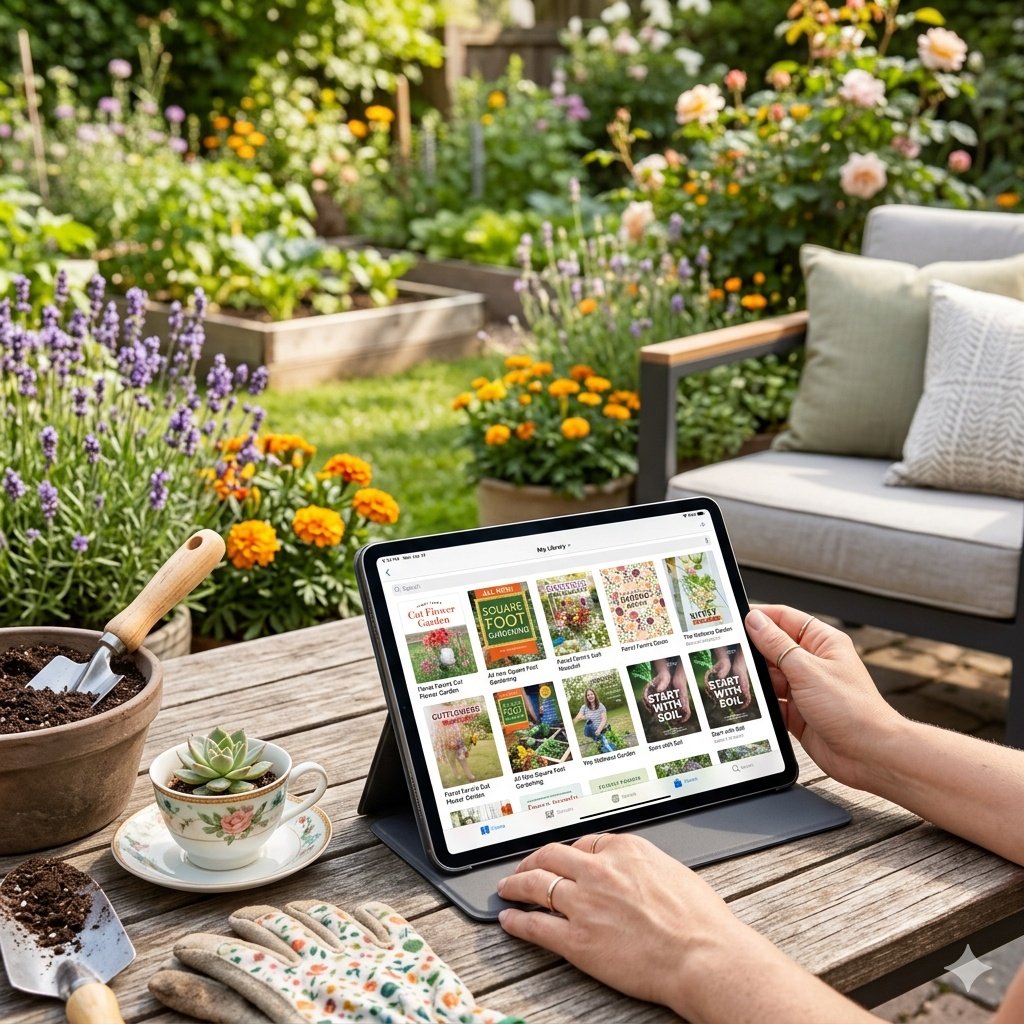
You pay a monthly fee and get access to a large library of ebooks—including a surprising number of gardening books.
Here’s how it works:
- You can borrow multiple books at once
- Read them on your phone, tablet, laptop, or Kindle
- Swap them anytime
Instead of spending $15–$30 per book, you can go through several in a single month.
If you’re exploring different gardening styles—organic, container, indoor—it makes a lot more sense than buying everything upfront.
You can test what fits your style… then go deeper where it matters.
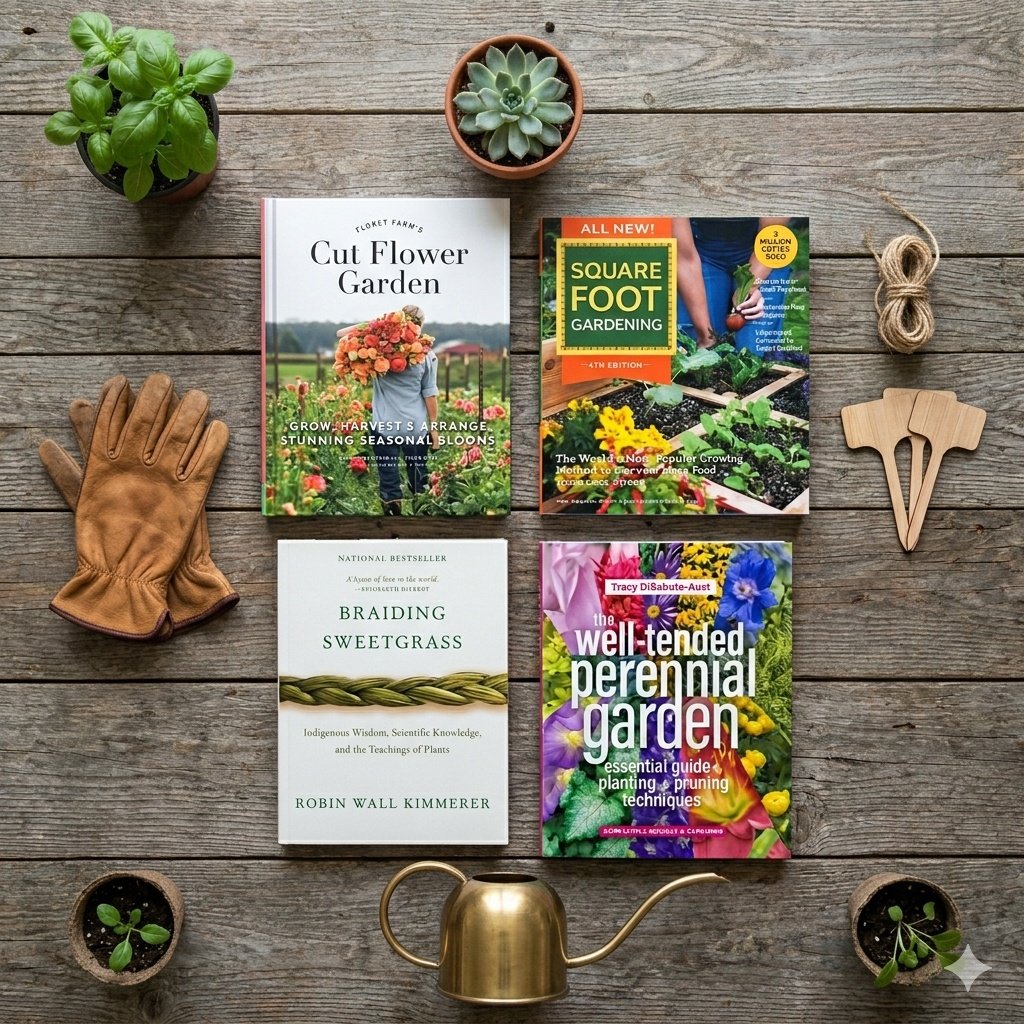
Quick Comparison Table
| Book Title | Best For | Level | Key Benefit |
|---|---|---|---|
| The Vegetable Gardener’s Bible | Beginners | Easy | Clear step-by-step system |
| Square Foot Gardening | Small spaces | Beginner | Grow more in less space |
| The New Organic Grower | Organic farming | Advanced | Professional techniques |
| Rodale’s Basic Organic Gardening | Beginners | Easy | Simple, clean guidance |
| How to Grow More Vegetables | High yield | Intermediate | Intensive growing methods |
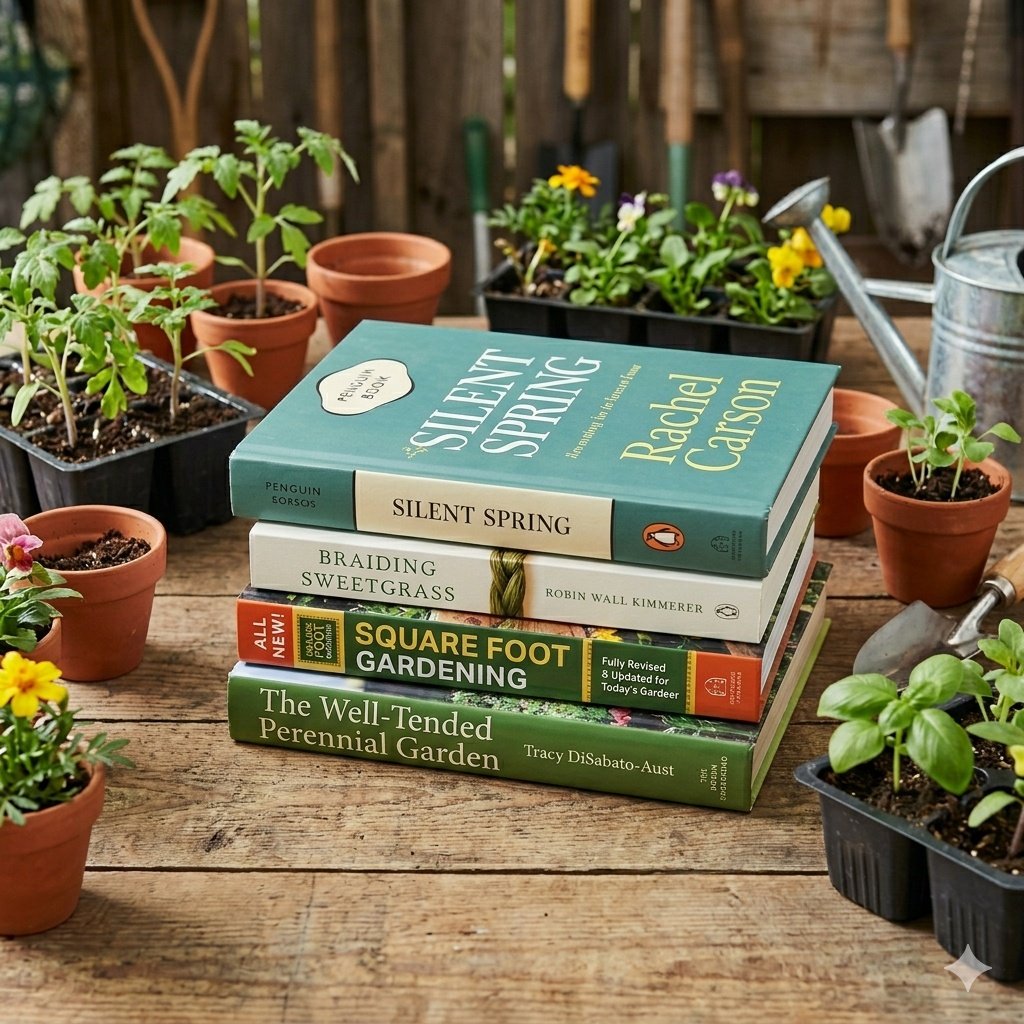
Top 15 Gardening Books
1. The Vegetable Gardener’s Bible – Edward C. Smith
Best For: Beginners
This one feels like a mentor sitting beside you.
It breaks gardening into simple steps without dumbing it down. You’ll understand spacing, soil prep, and how to actually get consistent results—not just random success.
What you’ll learn:
- Crop rotation basics
- Space-efficient planting
- How to avoid common beginner mistakes
2. Square Foot Gardening – Mel Bartholomew
Best For: Small spaces
If you’ve got limited room, this changes everything.
Instead of long rows, you grow in small grids. It’s neat, efficient, and surprisingly productive.
What you’ll learn:
- How to plan a compact garden
- Maximize yield in tight spaces
- Reduce weeds and water use
3. The New Organic Grower – Eliot Coleman
Best For: Advanced growers
This one goes deeper.
It’s less about casual gardening and more about producing food consistently using organic methods.
What you’ll learn:
- Soil health at a deeper level
- Season extension techniques
- Professional growing systems
4. Rodale’s Basic Organic Gardening
Best For: Beginners
Simple. Clear. No fluff.
It walks you through organic gardening without making it feel complicated.
What you’ll learn:
- Natural pest control
- Compost basics
- Safe growing practices
5. How to Grow More Vegetables – John Jeavons
Best For: High-yield gardening
This one is intense—but worth it.
It focuses on getting the most food out of the least space.
What you’ll learn:
- Biointensive gardening
- Soil improvement methods
- Efficient planting systems
6. The Complete Gardener – Monty Don
Best For: All levels
This feels more personal. Less technical, more reflective.
What you’ll learn:
- Seasonal gardening habits
- Garden design ideas
- Long-term planning
7. All New Square Foot Gardening
Best For: Updated small-space methods
An updated take on the classic system—with modern tweaks.
8. The Organic Gardener’s Handbook
Best For: Eco-friendly gardening
Focuses on growing without harming the environment.
9. Container Gardening Complete
Best For: Apartments and balconies
No backyard? No problem.
10. Indoor Edible Garden
Best For: Indoor growing
Perfect if you want herbs and greens year-round.
11. The Permaculture Handbook
Best For: Sustainable systems
More about designing a self-sustaining garden.
12. The Backyard Homestead
Best For: Self-sufficiency
Covers more than gardening—food production overall.
13. Raised Bed Gardening for Beginners
Best For: First-time gardeners
Straightforward and practical.
14. The Year-Round Vegetable Gardener
Best For: Continuous harvest
Helps you grow food across seasons.
15. Gardening When It Counts
Best For: Practical results
Focuses on what actually works—no theory overload.
How to Read These Books for Free
Here’s the simple path:
- Sign up for Kindle Unlimited (they often offer a free trial)
- Search for gardening books
- Borrow instantly
- Start reading on any device
No waiting. No shipping. No buying each title.
You can try multiple books, drop the ones that don’t click, and stick with the ones that do.
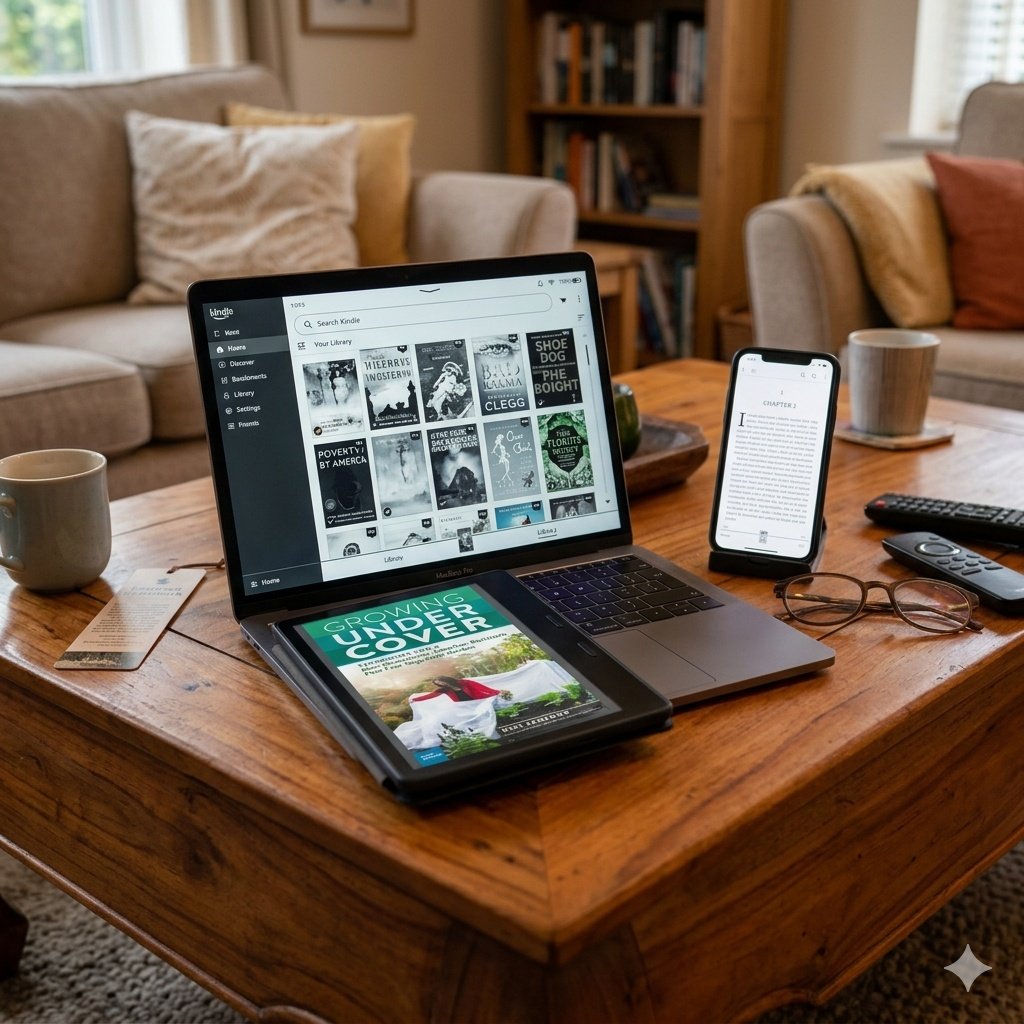
Where You Can Read Kindle Books
You don’t need a Kindle device.
You can read on:
- Your phone
- Tablet
- Laptop
- Desktop browser
There’s a free Kindle app that syncs everything automatically.
So you can read a few pages in the morning, pick up where you left off later.
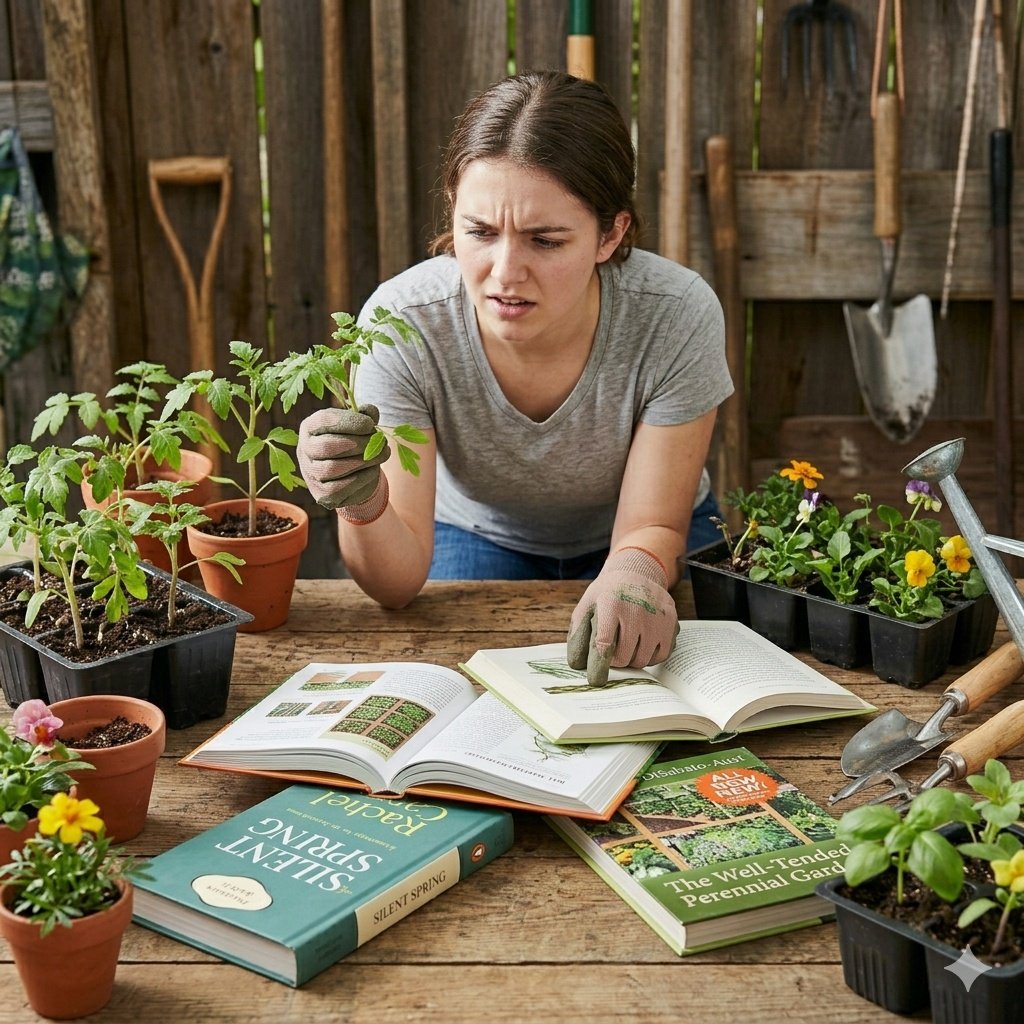
Common Mistakes When Choosing Gardening Books
A lot of people slow themselves down here.
One mistake? Starting with advanced books. They’re packed with detail, but they assume you already know the basics.
Another issue—ignoring your climate. A book written for a different region might not match your growing season.
And then there’s over-reading.
You read five books… and plant nothing.
It’s better to read one, try it, then adjust.
Also watch for outdated methods. Gardening evolves, even if slowly.
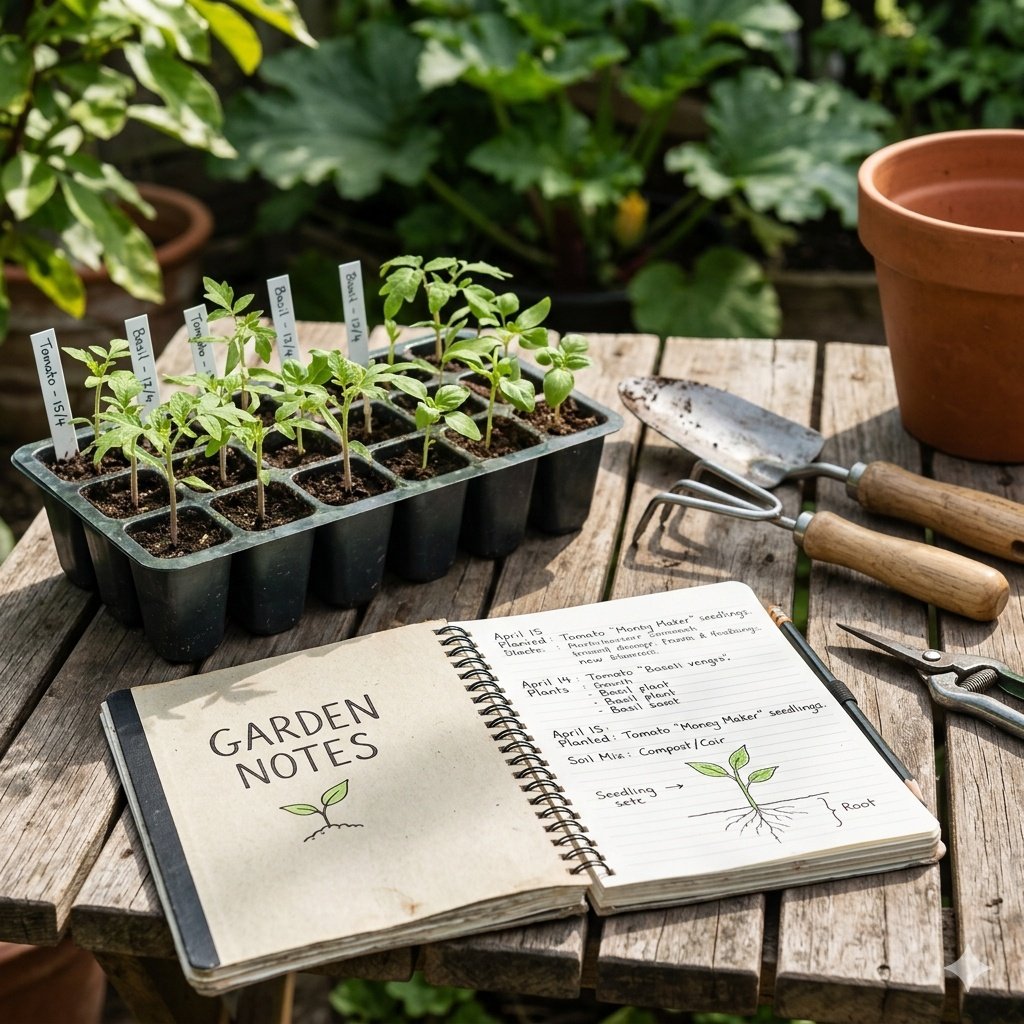
How to Learn Faster from Gardening Books
Reading alone won’t get you results.
You need to apply it—fast.
Try this:
- Read a chapter
- Pick one idea
- Use it the same week
Take notes, but keep them simple. Focus on what actually changes how you garden.
And don’t mix too many methods at once. Stick with one approach until you understand it.
That’s how things start to click.
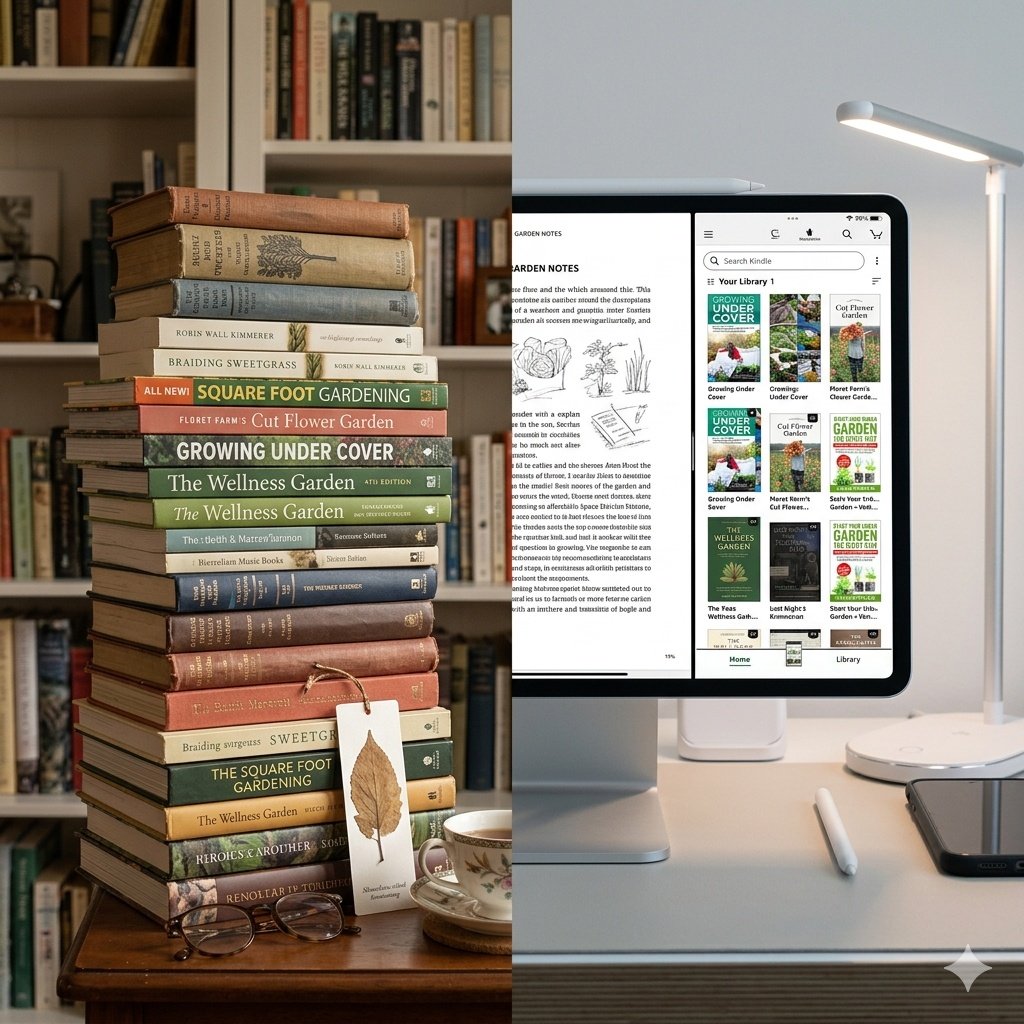
Kindle Unlimited vs Buying Books
Kindle Unlimited
- Access many books at once
- Lower monthly cost
- Easy to explore different styles
Buying Books
- Pay per title
- Adds up quickly
- You keep them permanently
If you’re still figuring out your style, Kindle Unlimited makes more sense.
You can always buy your favorites later.
Who Should Use Kindle Unlimited for Gardening?
It fits best if you’re:
- Just getting started
- Trying different gardening styles
- Working with a budget
- Learning at your own pace
It’s also useful if you create content, teach others, or just enjoy experimenting.
Related Reads
You might find these helpful as you keep going:
- Metal vs Wood Raised Garden Beds: Which Is Better?
- 17 Full Sun Plants to Grow in May
- 7 Best Soil Mixes for Raised Beds (Perfect for Vegetables & Beginners)
FAQ
Are gardening books on Kindle Unlimited free?
They’re included in the subscription. You don’t pay per book, but you do pay a monthly fee.
What are the best gardening books for beginners?
“The Vegetable Gardener’s Bible” and “Raised Bed Gardening for Beginners” are good starting points.
Can I read Kindle books without a Kindle device?
Yes. The Kindle app works on phones, tablets, and computers.
How many books can I borrow at once?
You can borrow multiple titles, though there’s a limit. You can return and swap anytime.
Is Kindle Unlimited worth it for gardening?
If you plan to read several books, it usually costs less than buying them individually.
Do I keep books after canceling?
No. Once you cancel, access ends. That’s the trade-off.
Final Thoughts
Most people don’t quit gardening because they can’t do it—they quit because it feels confusing in the beginning. Too many tips, too many opinions, not enough clarity. That’s what good gardening books fix. They give you a path. Something steady to follow when everything else feels scattered.
You don’t need to read everything at once. You don’t need the “perfect” setup either. Just pick one book, try a few ideas, and see what works in your space. Some things will fail. That’s part of it. But other things will grow—and that’s where it gets addictive.
Over time, you stop second-guessing. You start noticing patterns. Soil feels different. Timing makes more sense. You’re not just following instructions anymore—you’re understanding them.
And that’s the shift. Not from beginner to expert overnight, but from unsure to confident, one small win at a time.