
A beautiful garden used to feel like a luxury project. One trip to a landscaping store and suddenly a “simple backyard refresh” costs more than a weekend vacation. But here’s the thing — good garden design has more to do with smart choices than big spending.
You don’t need stone patios, custom furniture, or expensive raised beds to create a space that feels calm, welcoming, and alive. A few containers, recycled materials, climbing plants, and soft lighting can completely change how a backyard looks.
That’s why cheap garden design ideas are getting so popular. People want outdoor spaces that feel personal without draining their savings. And honestly, some of the best-looking gardens are the ones built slowly over time with DIY projects and secondhand finds.
In this guide, you’ll find practical ideas that work for small backyards, patios, balconies, and even awkward corners beside a driveway. Nothing here requires professional landscaping skills. Just a little planning and some creativity.
Plan Your Garden Before Spending Money
The fastest way to waste money in a garden is buying things before knowing where they’ll go.
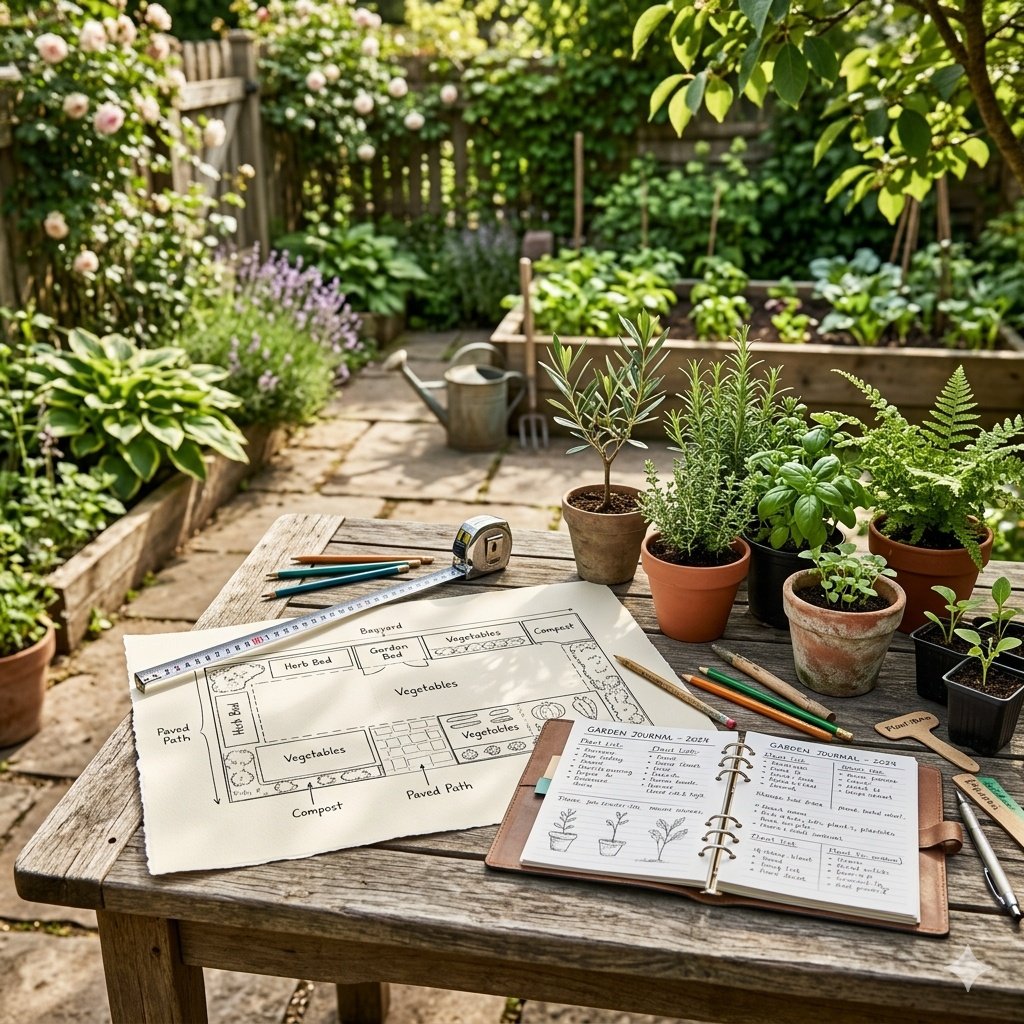
Start simple. Measure your space and sketch a rough layout on paper. It doesn’t need to look fancy. Even a pencil drawing helps you see where containers, seating, paths, and plants could fit.
Think in zones:
- Growing zone
- Sitting area
- Decorative corner
- Storage space
That one step makes a small garden feel organized instead of crowded.
Then decide what kind of garden you actually want. Some people care more about flowers. Others want herbs and vegetables. A mixed edible garden works well for beginners because it gives you beauty and something useful to harvest.
Set a small budget before shopping. Prioritize soil, containers, and plants first. Decor can come later.
A planned garden almost always looks more expensive than a random collection of pots and decorations.
Cheap Container Garden Ideas That Look Beautiful
Containers are one of the easiest ways to build a garden on a budget.
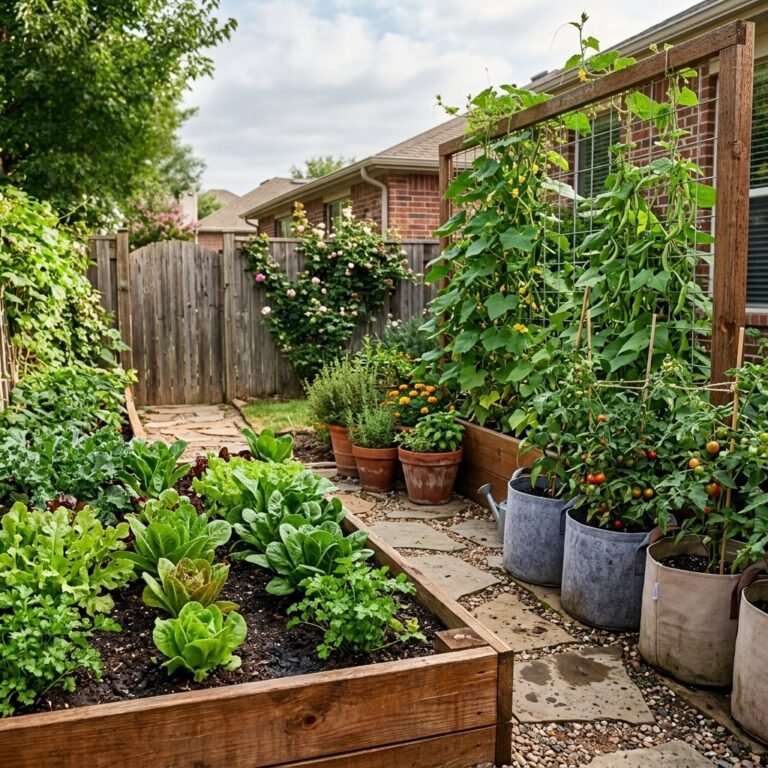
Wooden raised beds look nice, but they can get expensive fast. Containers give you flexibility without the higher cost. They also work well for renters because you can move them anytime.
You can grow vegetables and flowers in:
- Grow bags
- Buckets
- Plastic tubs
- Fabric pots
- Old storage bins
- Recycled kitchen containers
Even paint buckets can look surprisingly good after a quick coat of matte black paint.
Containers also let you control soil quality more easily. That matters if your backyard soil is rocky or poor.
Some beginner-friendly plants for containers include:
- Tomatoes
- Lettuce
- Basil
- Mint
- Cucumbers
- Peppers
Try grouping containers in odd numbers instead of lining them up perfectly. Three or five containers together usually look more natural.
Another trick? Use different heights. Put one pot on a crate or small stool so the arrangement feels layered.
Self-watering containers are worth considering if you travel often or forget to water regularly. They save time and help plants survive summer heat.
Small spaces especially benefit from container gardening because every inch stays usable.
Build Raised Garden Beds Without Spending Much
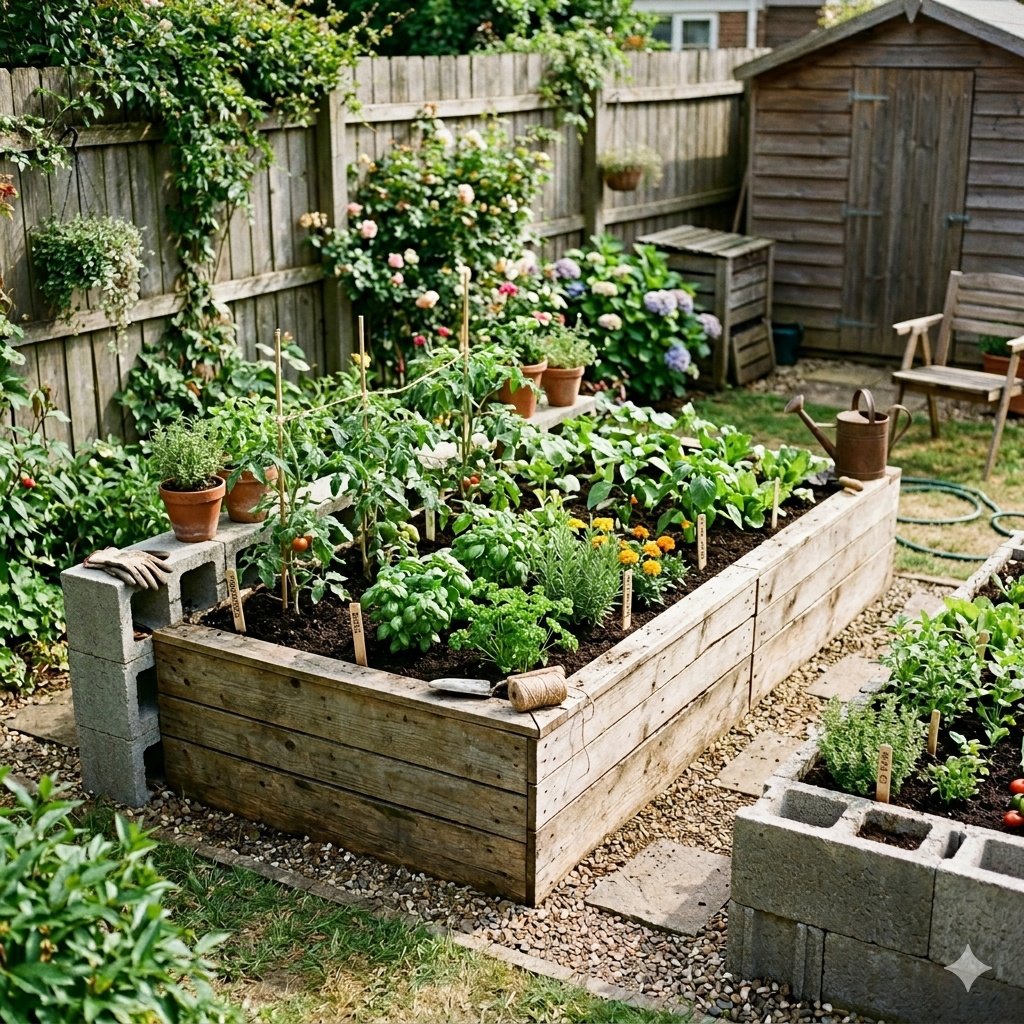
Raised beds don’t have to cost hundreds of dollars.
Some of the best DIY garden beds are made from reused materials people already have sitting in garages or sheds.
Cheap raised bed ideas include:
- Wooden pallets
- Cinder blocks
- Old fence boards
- Galvanized tubs
- Scrap wood
Pallet gardens are popular because pallets are often free from hardware stores or warehouses. Just make sure the wood is heat-treated and marked “HT.” Avoid chemically treated pallets for food gardening.
Cinder blocks are another easy option. They stack quickly, last for years, and even provide extra planting pockets in the holes.
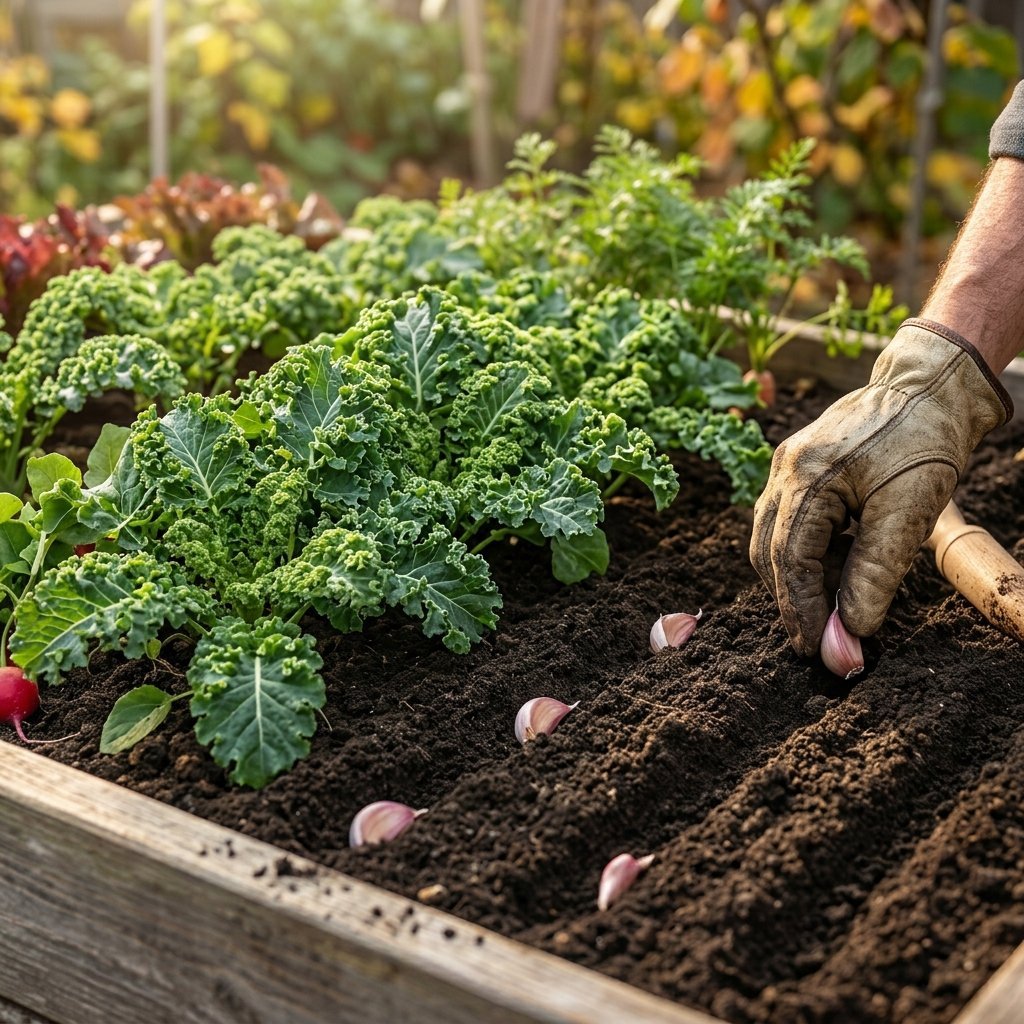
For beginners, the easiest setup is a simple rectangular bed about 4 feet wide. That size lets you reach the center without stepping on the soil.
Basic steps:
- Pick a sunny area
- Lay cardboard to block weeds
- Build the frame
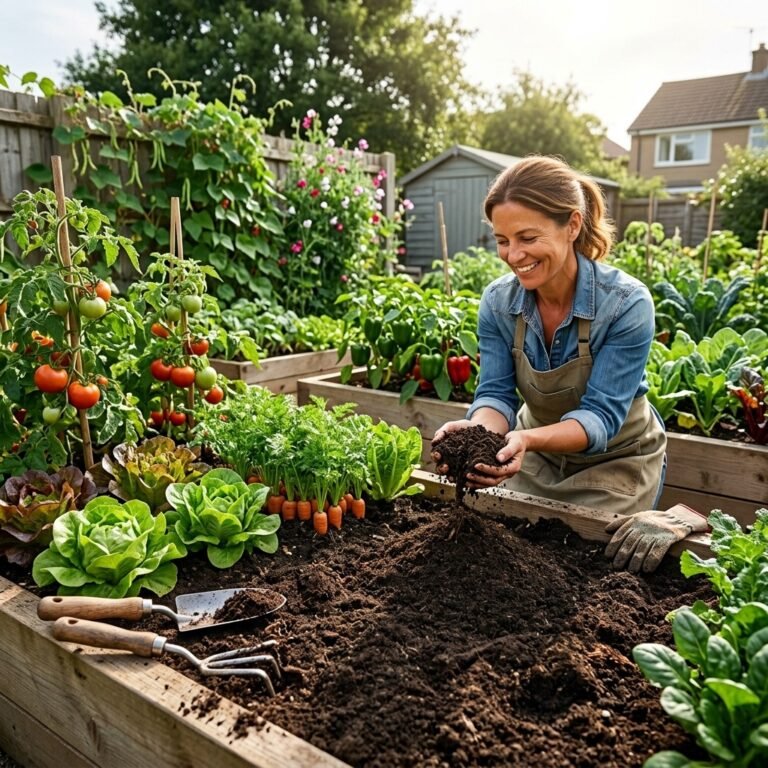
- Fill with soil and compost
- Plant immediately
Metal tubs also work surprisingly well for small raised gardens. Drill drainage holes in the bottom and they’re ready to use.
Raised beds help with drainage, reduce weeds, and make gardening easier on your back. They also give gardens a cleaner, more organized look.
Vertical Garden Ideas for Small Backyards and Balconies
When space is tight, grow upward.
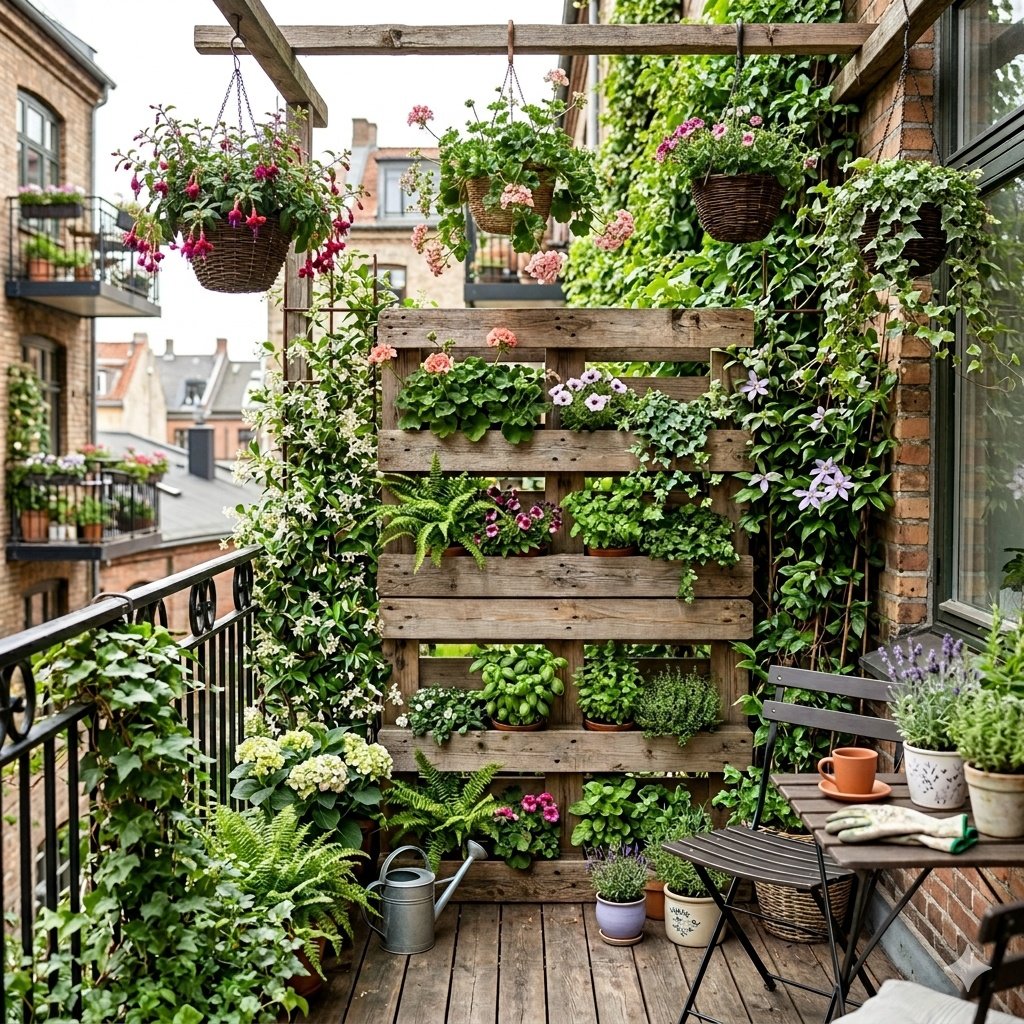
Vertical gardening makes small areas feel bigger because it uses walls, railings, and fences instead of taking up floor space.
You can build vertical gardens with:
- Hanging baskets
- Wall planters
- Trellises
- Pallets
- Reused shelves
- Bamboo supports
Climbing plants instantly add height and softness to a space. Cucumbers, beans, and even some flowers grow beautifully upward with simple support systems.
One cheap trick is attaching wire mesh or zip ties to an old pallet. Add small pots or fabric pockets and suddenly you have a living wall garden.
Vertical gardens also make harvesting easier. You don’t spend as much time bending down or searching through tangled plants.
Balcony gardeners benefit the most from this setup because it leaves room for seating while still creating greenery.
And visually? A vertical garden often becomes the focal point of the whole space.
One Cheap Trick That Makes Any Garden Look Better
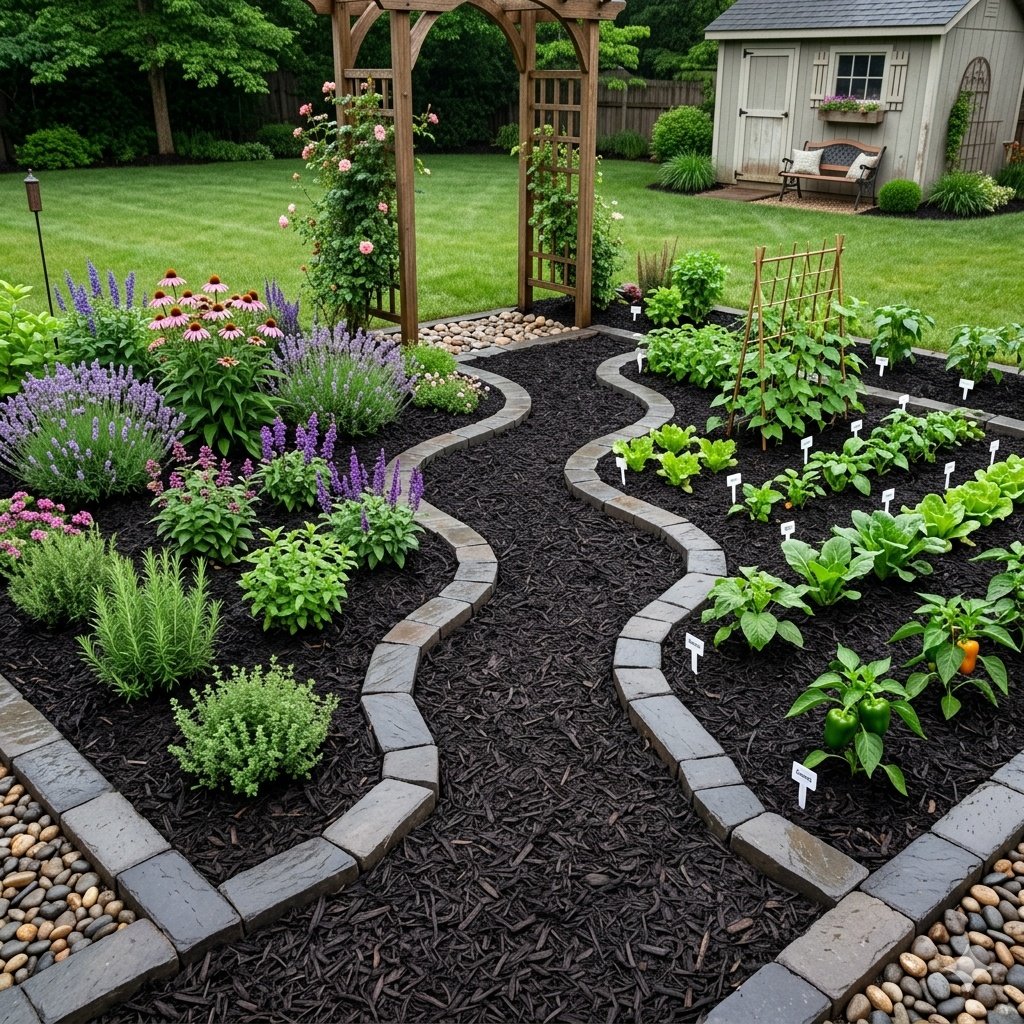
If there’s one thing that instantly improves a garden, it’s mulch.
Seriously. A layer of mulch makes even basic garden beds look finished and tidy.
Cheap mulch options include:
- Wood chips
- Straw
- Dry leaves
- Grass clippings
Besides improving appearance, mulch helps retain moisture and keeps weeds under control. That means less watering and less maintenance later.
Dark mulch especially creates contrast around green plants and colorful flowers. It gives gardens that polished look people usually associate with professionally designed yards.
You don’t need a thick layer either. Two to three inches works well for most beds.
Many tree companies even give away wood chips for free after trimming jobs. It’s worth checking local listings.
Save Hundreds by Starting Plants From Seed
Buying mature plants adds up fast.
A single tomato plant might cost $5 or more, while a packet of seeds often costs the same and grows dozens of plants.
That’s why starting from seed is one of the smartest budget gardening moves.
Easy crops for beginners include:
- Lettuce
- Radishes
- Zinnias
- Beans
- Sunflowers
- Basil
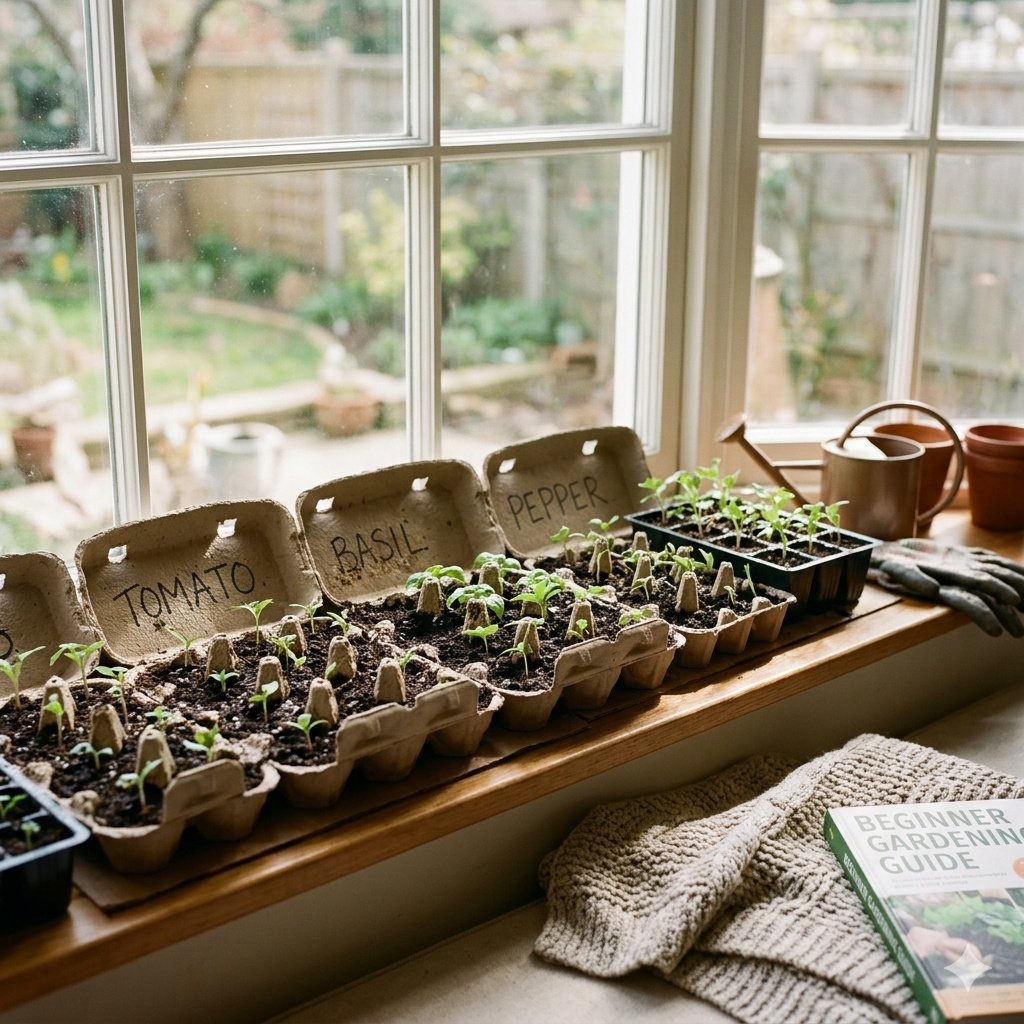
You can start seeds indoors using:
- Egg cartons
- Yogurt cups
- Paper cups
- Seed trays
Or direct sow them right into garden beds once temperatures warm up.
| Seeds vs Mature Plants | Average Cost |
|---|---|
| Seed Packet | $2–$5 |
| Single Mature Plant | $4–$10 |
Growing from seed takes more patience, but it gives you far more plants for the money.
And honestly, watching something sprout from a tiny seed feels satisfying in a way store-bought plants never quite match.
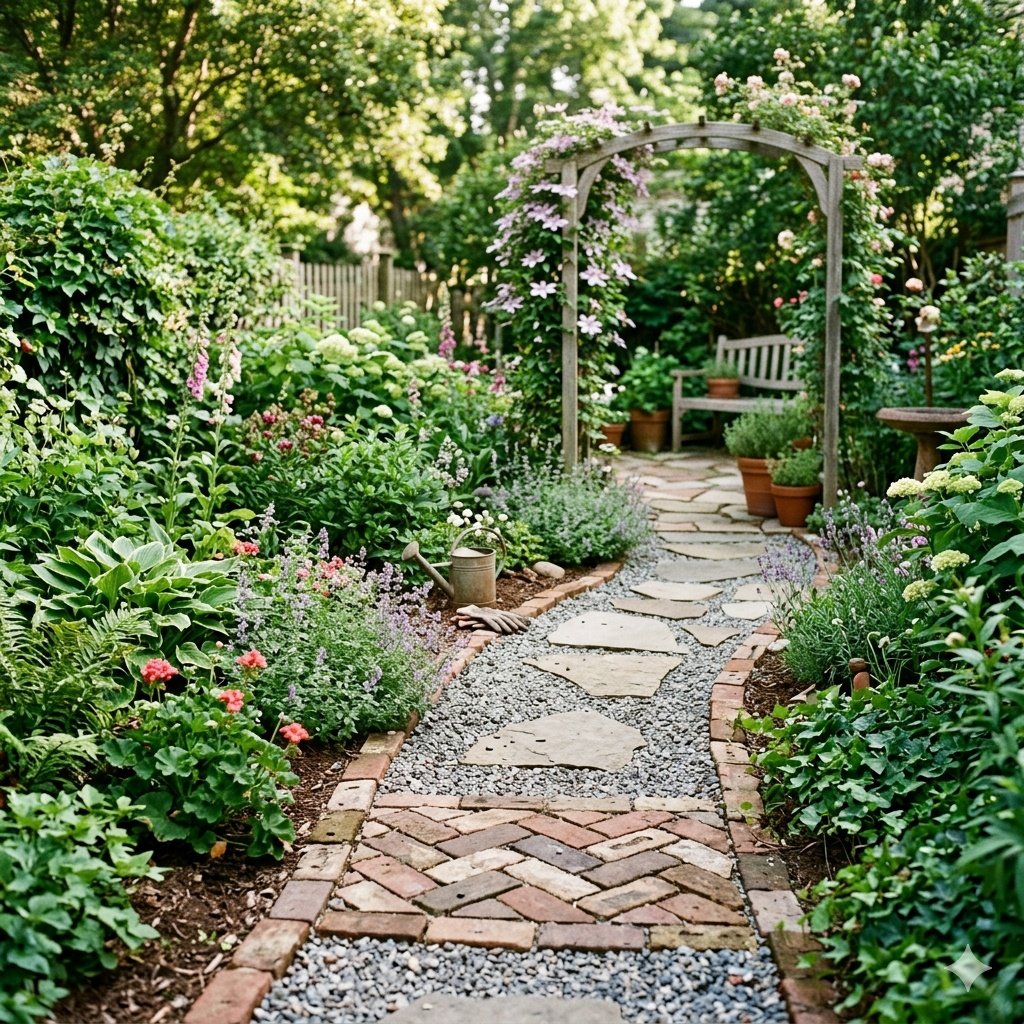
DIY Garden Paths That Cost Almost Nothing
Garden paths do more than guide foot traffic. They make outdoor spaces feel intentional.
Even a tiny path can transform a backyard from “random plants” into “designed garden.”
Cheap garden path ideas include:
- Gravel
- Mulch walkways
- Reclaimed bricks
- Stepping stones
- Wood slices
Gravel is one of the cheapest options and drains well after rain. Mulch paths work nicely in casual cottage-style gardens.
For a rustic look, use old bricks or concrete pieces in uneven patterns. Perfect symmetry can actually make budget gardens feel less natural.
Wood slices from fallen tree branches also create beautiful stepping paths. Seal them if you live in a wet climate.
Bordering pathways with solar lights or small flowers makes the whole space feel more inviting at night.
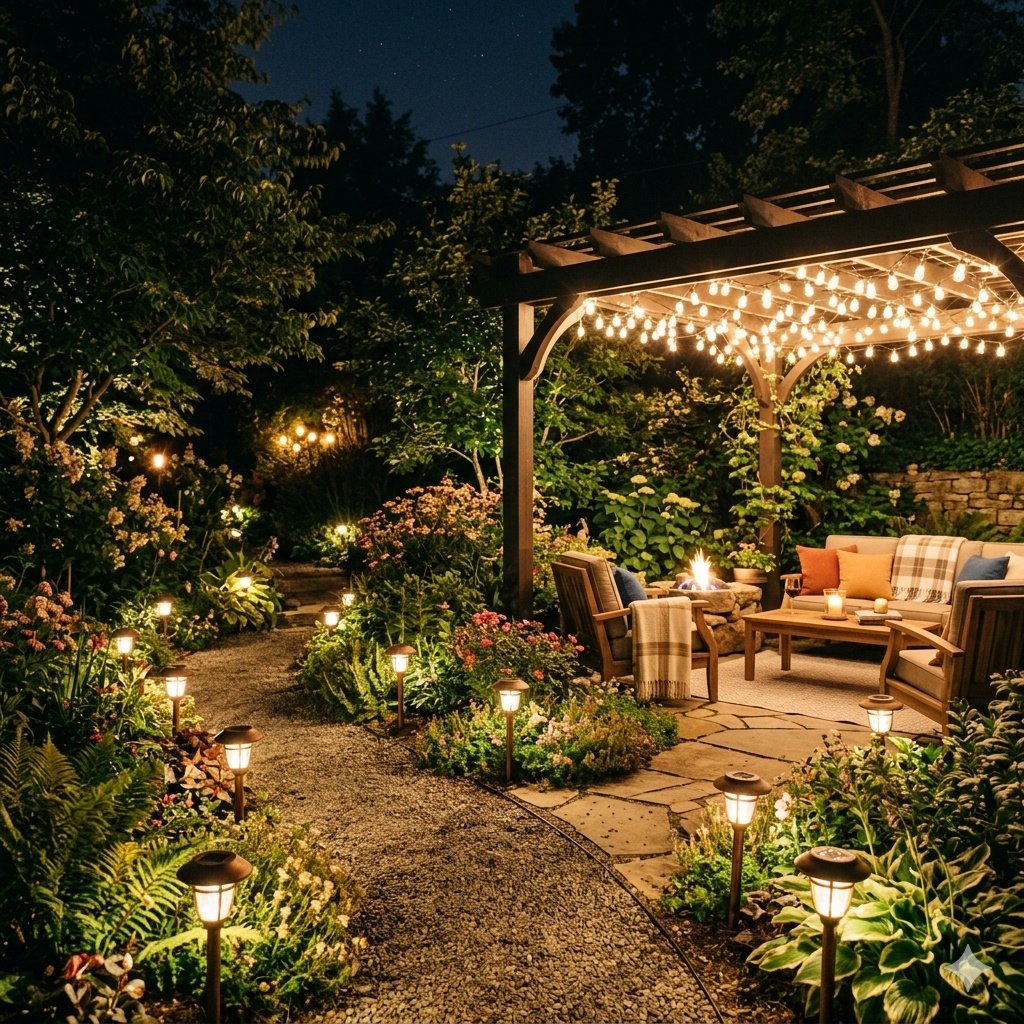
Budget Lighting Ideas That Transform Your Garden at Night
Lighting changes everything.
A garden that looks average during the day can feel warm and cozy at night with a few inexpensive lights.
Solar stake lights are one of the easiest upgrades because they don’t require wiring. Just push them into the ground and let the sun charge them.
String lights also work well for:
- Fences
- Pergolas
- Balconies
- Patio railings
Lanterns add soft lighting around seating areas and create a relaxed atmosphere without spending much.
Good lighting also improves safety around paths and steps.
Warm white lights usually look better than bright blue-toned ones. They feel softer and more natural outdoors.
A few carefully placed lights often look better than flooding the whole yard with brightness.
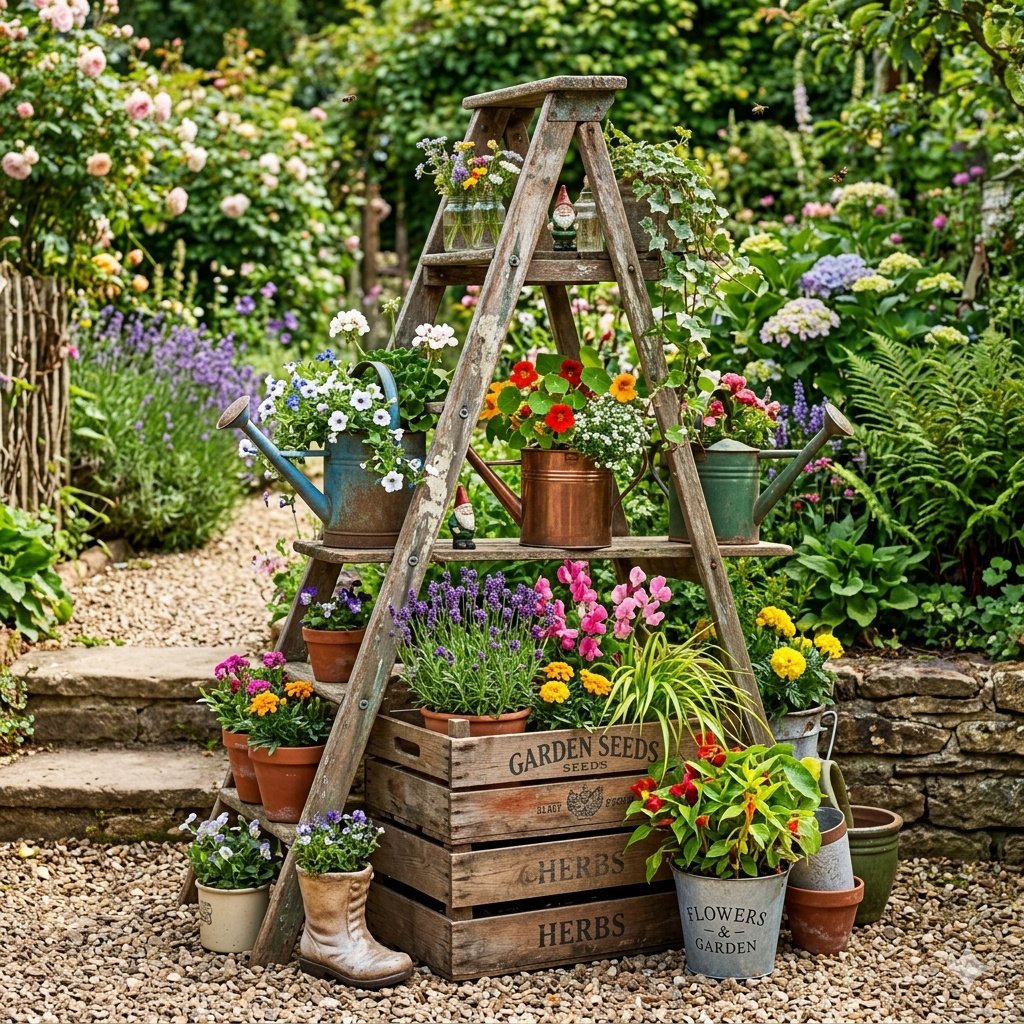
Turn Old Household Items Into Stylish Garden Features
Some of the best garden decor starts as junk.
Old household items can become planters, shelves, or decorative pieces with very little effort.
Popular repurposed garden items include:
- Wooden crates
- Ladders
- Watering cans
- Tires
- Teacups
- Metal buckets
An old ladder can become a vertical plant stand. Wooden crates stacked together make simple shelving for herbs and flowers.
Even chipped teacups look charming with tiny succulents inside.
Paint helps tie everything together. Using one color palette keeps repurposed items from looking cluttered.
Before-and-after transformations are especially satisfying because they add personality that store-bought decor often lacks.
Gardens feel more lived-in when they include personal touches.
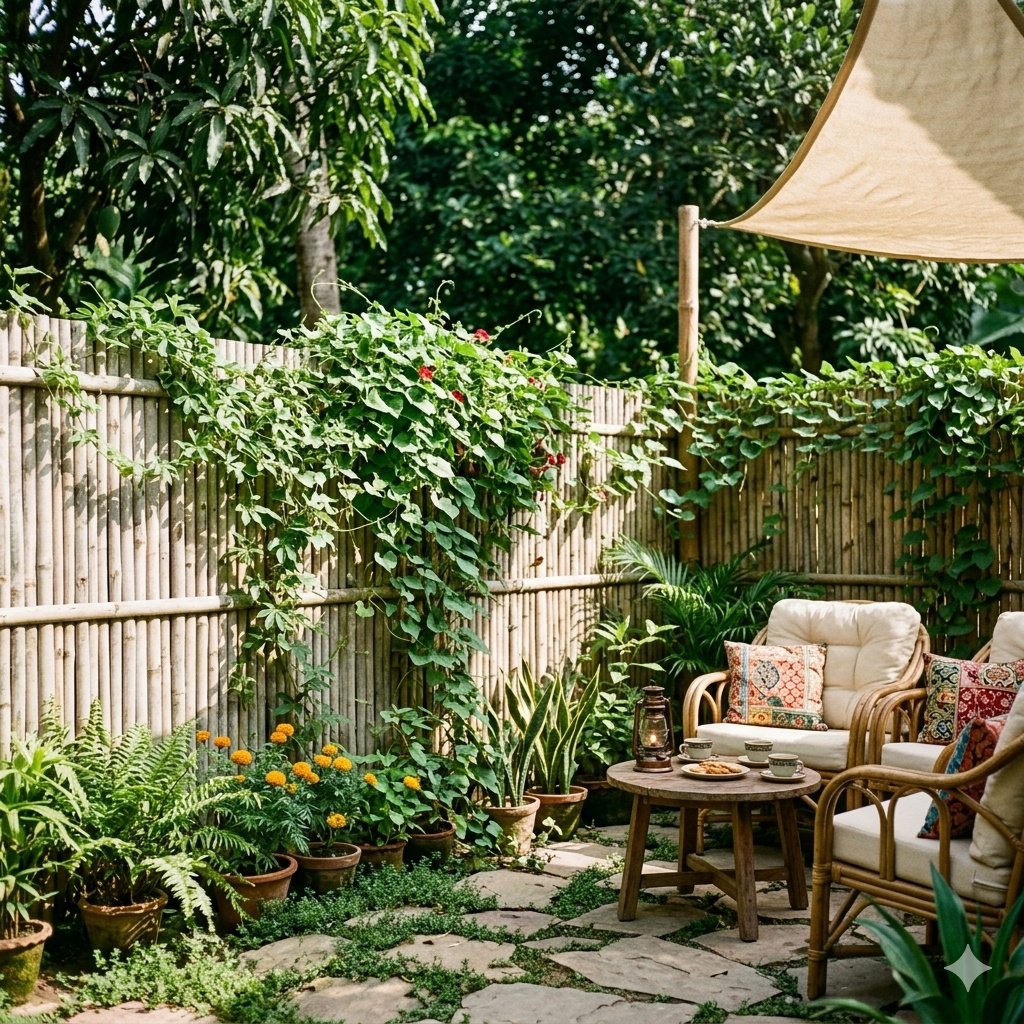
Affordable Ways to Add Privacy to Your Garden
Privacy makes outdoor spaces feel calmer and more comfortable.
Luckily, you don’t need expensive fencing to create it.
Cheap privacy ideas include:
- Bamboo screens
- Reed fencing
- Outdoor fabric panels
- Climbing plants
- Trellis walls
Fast-growing plants work especially well for budget privacy. Try:
- Morning glory
- Ivy
- Pole beans
- Cucumbers
Climbing plants soften fences and make small spaces feel greener.
Outdoor curtains are another low-cost option for patios or balconies. They add shade too.
Mixing natural materials with plants usually looks better than solid barriers alone. It feels lighter and more relaxed.
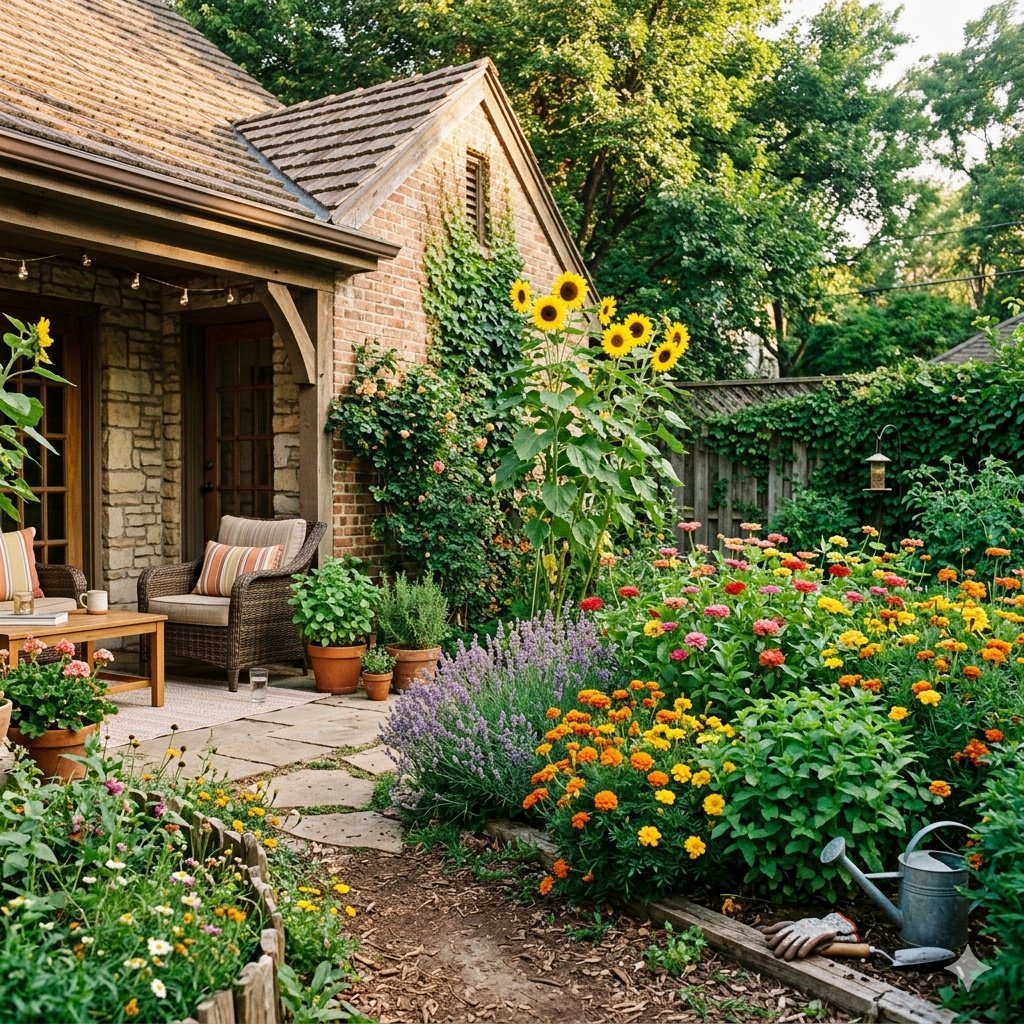
Low-Cost Plants That Make Gardens Look Expensive
Some plants give huge visual impact without costing much.
These beginner-friendly choices grow quickly, look beautiful, and don’t demand constant care.
| Plant | Cost | Sun Needs | Beginner Friendly |
|---|---|---|---|
| Marigolds | Low | Full Sun | Yes |
| Zinnias | Low | Full Sun | Yes |
| Lavender | Medium | Full Sun | Yes |
| Mint | Low | Partial Sun | Yes |
| Hostas | Medium | Shade | Yes |
| Sunflowers | Low | Full Sun | Yes |
Marigolds and zinnias add bright color for very little money. Sunflowers create height and drama almost instantly.
Mint spreads aggressively, so containers work best unless you want it taking over everything.
Lavender gives gardens a softer, upscale feel and smells great in warm weather.
Hostas are excellent for shady corners where many flowers struggle.
A mix of textures usually looks richer than using only one type of plant.
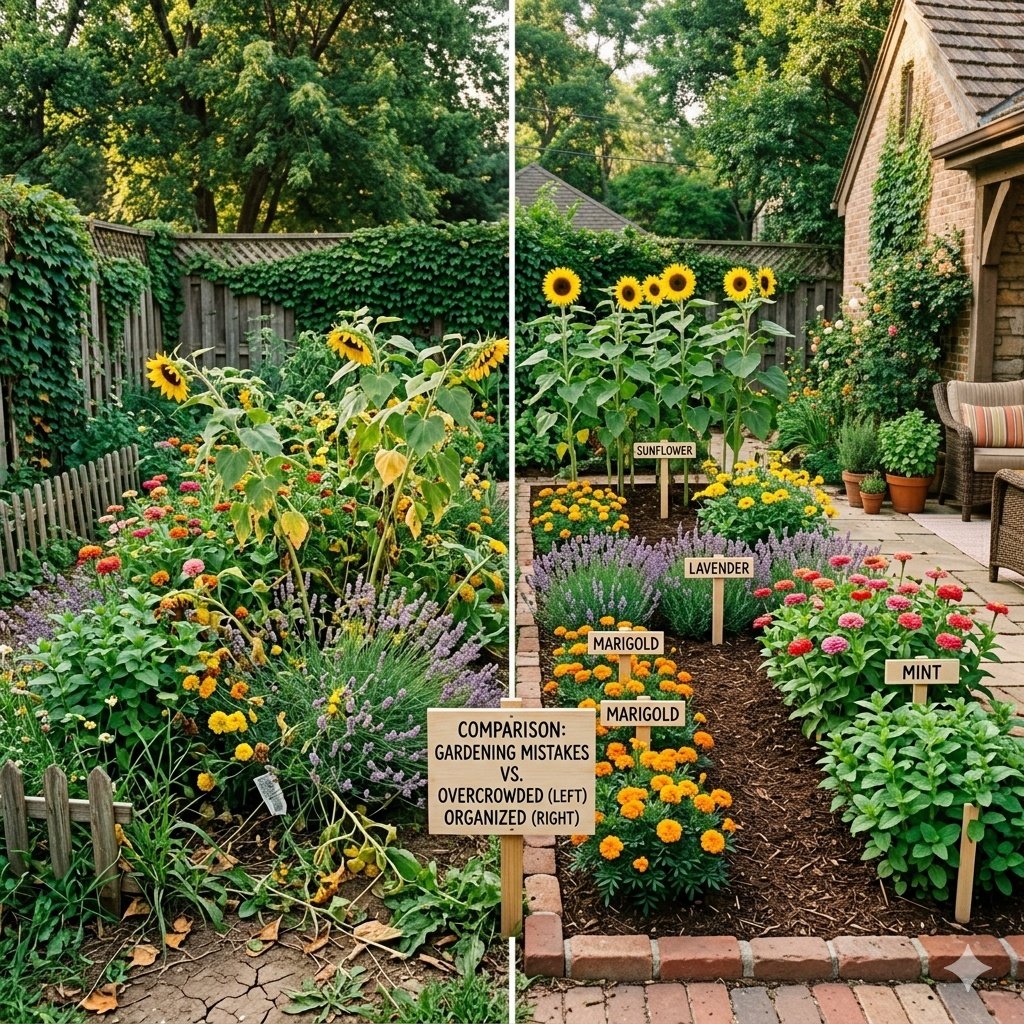
Mistakes That Waste Money in Cheap Garden Projects
Budget gardens still need smart planning.
One common mistake is overcrowding plants. Small seedlings look harmless at first, then suddenly everything competes for space and airflow.
Another issue? Buying too many decorations too early.
Plants should be the main focus. Decor works best as support, not clutter.
Poor soil preparation also creates problems later. Healthy soil matters more than fancy containers.
And don’t ignore sunlight conditions. A shade-loving plant placed in full sun usually won’t survive long.
Beginners also tend to choose high-maintenance plants because they look impressive at the store. Simpler plants often perform better and cost less overall.
Start small. Expand slowly. Gardens usually improve more when built over time instead of all at once.
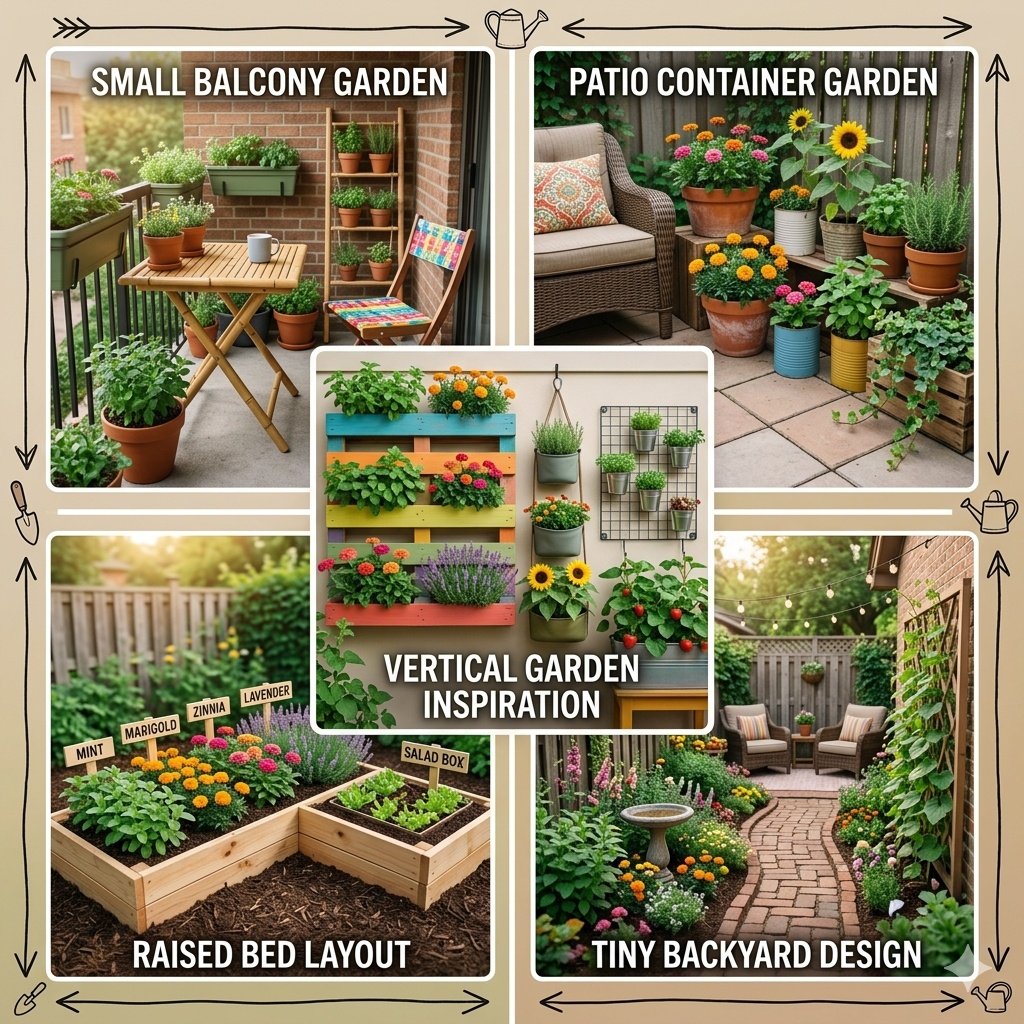
Easy Budget Garden Layout Ideas for Any Space
A good layout helps even tiny gardens feel balanced. The goal is to create flow without making the space feel crowded. Even a few containers and plants can look thoughtfully designed when everything has a clear place. Budget gardens work best when they stay simple and practical. Focus on comfort, movement, and easy maintenance instead of trying to fit too much into one area.
Small Balcony Layout
A small balcony can still feel green and relaxing with the right setup. Use vertical shelving against one wall to save floor space while adding more room for plants. Railing planters work especially well for herbs like basil, mint, and parsley because they stay within easy reach. Add one compact chair or folding seat beside warm string lights to create a cozy corner for mornings or evenings.
Stick to lightweight containers so the balcony does not feel overcrowded. A simple outdoor rug can also help define the space and make it feel more finished. Keeping the color palette neutral helps smaller balconies appear larger and calmer.
Tiny Backyard Layout
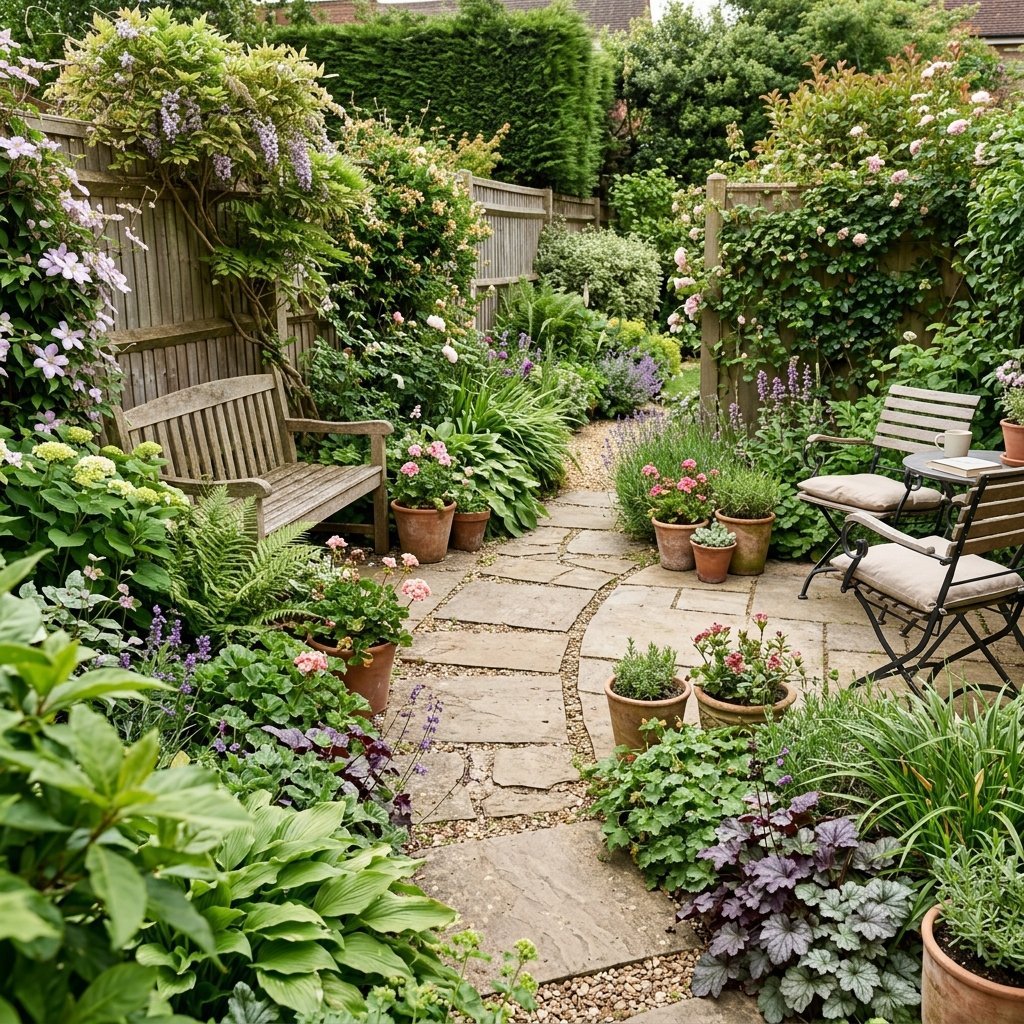
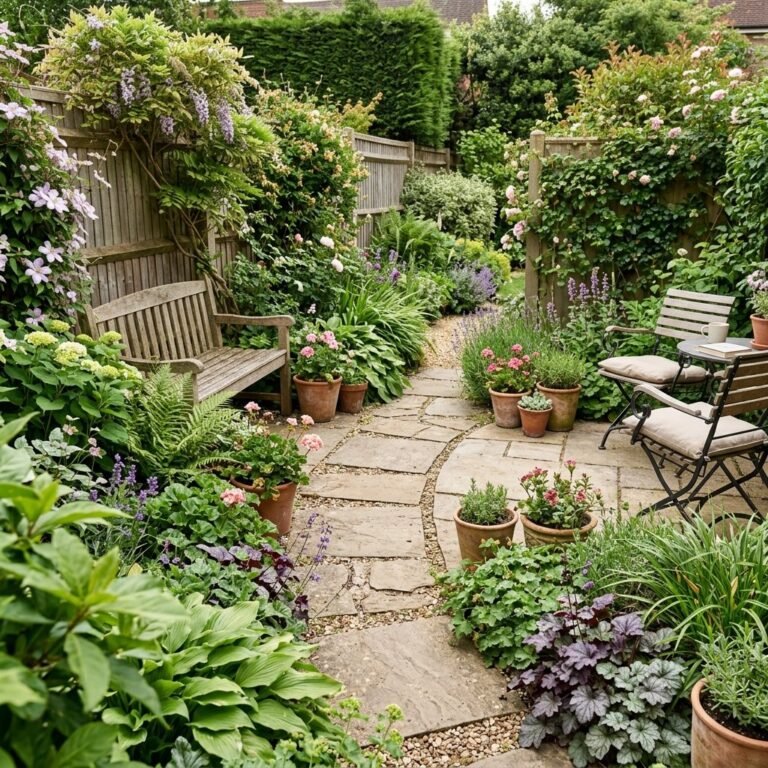
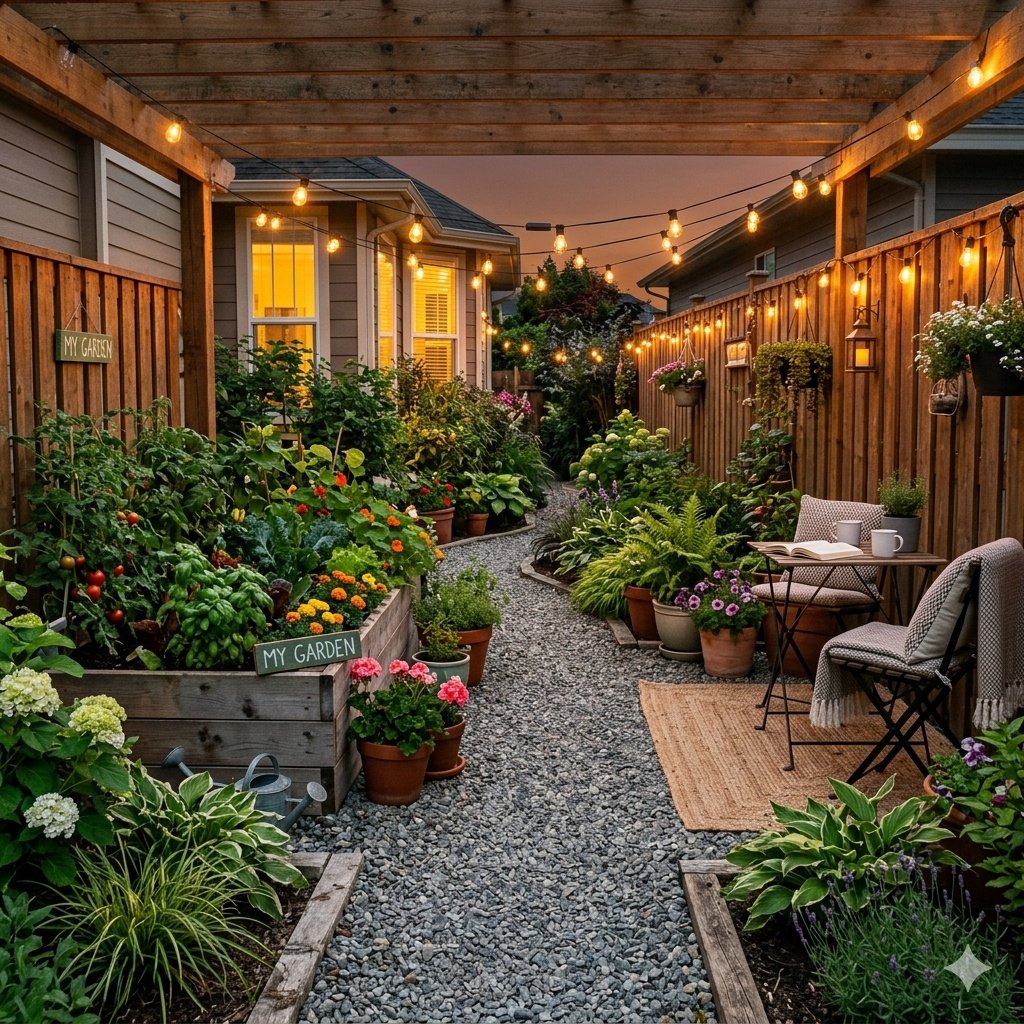
Tiny backyards benefit from structure more than large spaces do. A gravel path through the center naturally guides movement and makes the yard feel organized. Place raised beds or container groupings on both sides to create balance without overwhelming the area. One small seating corner with potted flowers nearby gives the backyard a focal point and makes it feel inviting.
Choose plants with different heights so the garden has depth and texture. Solar lights along the path can make the yard look polished at night without adding much cost. Even a narrow backyard feels bigger when there is a clear walking path and open space between features.
Patio Container Garden
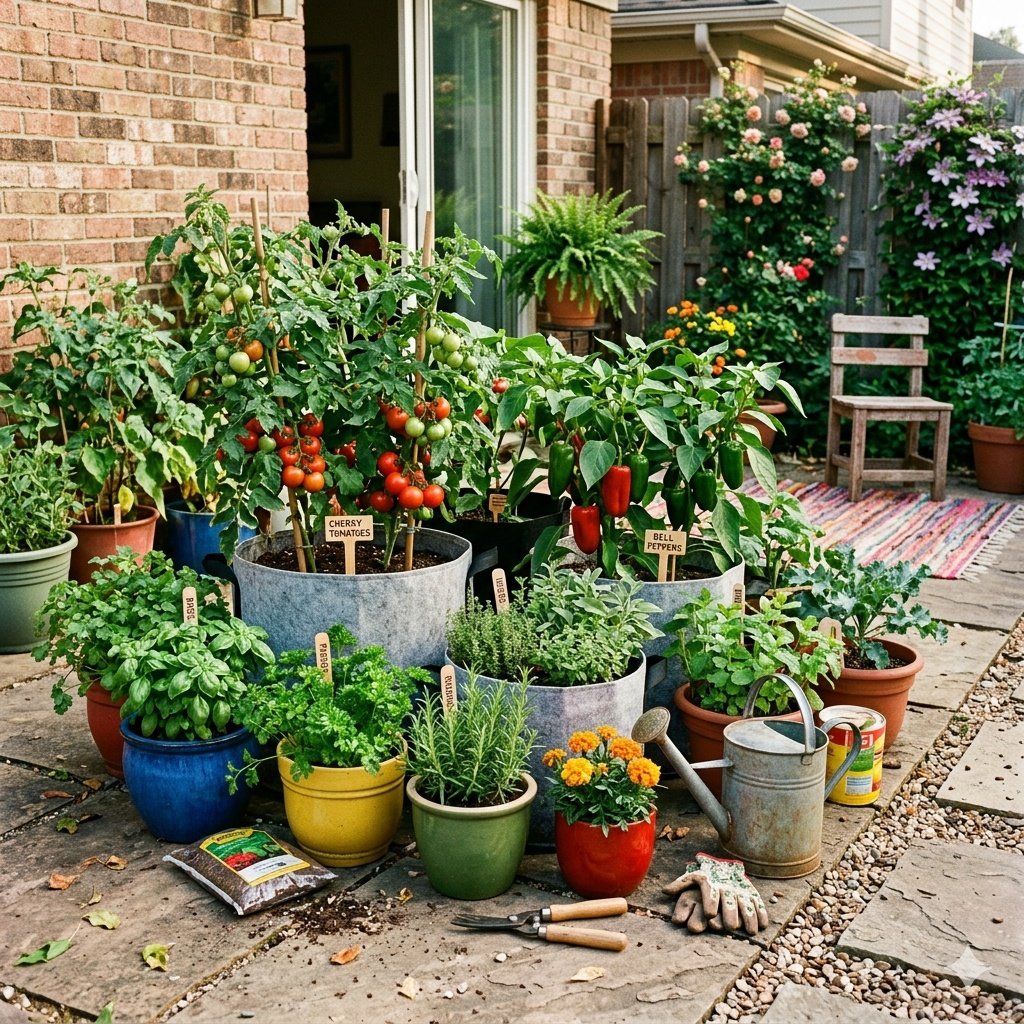
Patios are perfect for flexible container gardens because you can rearrange everything whenever needed. Group containers in layers using stools, wooden crates, or small shelves to create height variation. Mixing flowers with edible plants keeps the garden practical while still looking colorful and lively. Tomatoes, peppers, lavender, and marigolds work especially well together in patio setups.
Leave enough open space for walking so the area still feels comfortable for sitting or entertaining. Matching container colors can help the garden look more coordinated even if the pots are inexpensive. A few hanging baskets above eye level add softness without taking up valuable floor space.
Raised Bed Layout
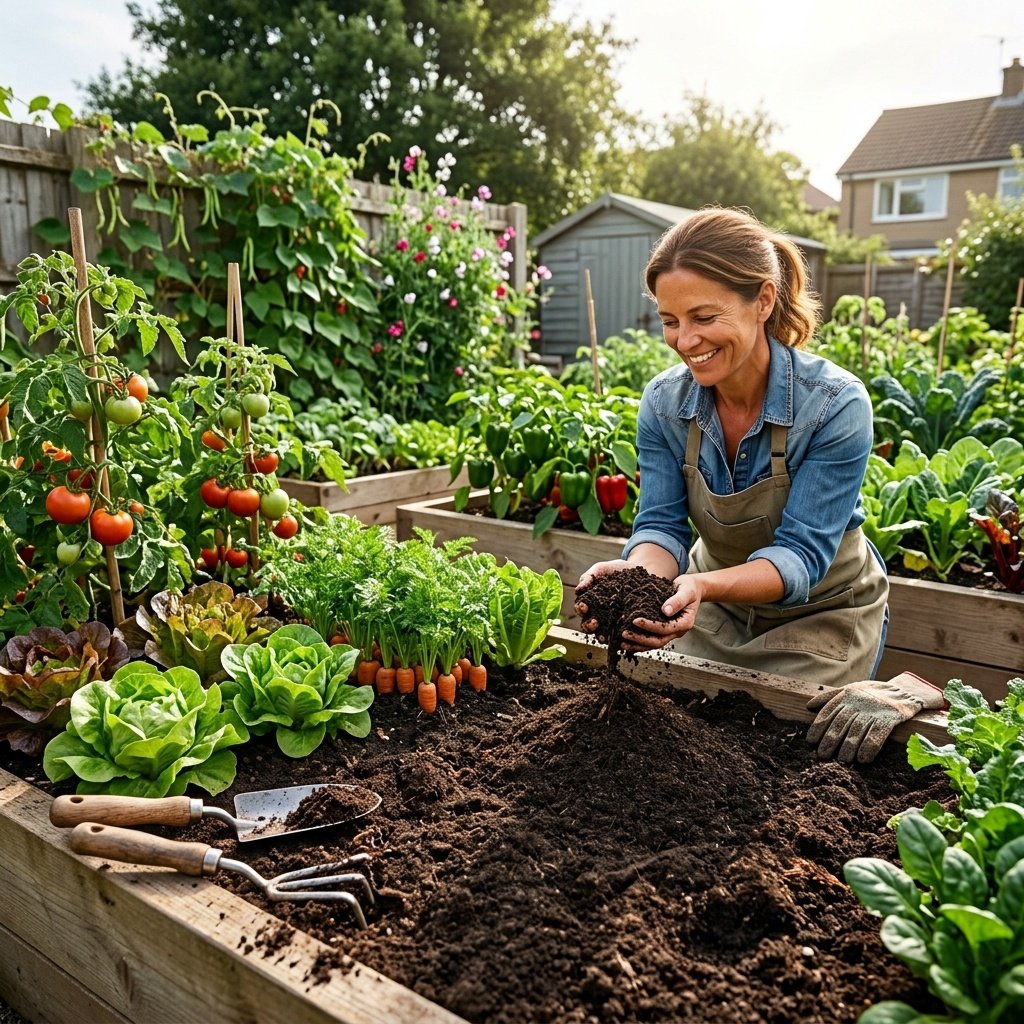
Raised bed layouts work best when they stay neat and accessible. Two narrow beds with mulch paths between them create a clean design that is easy to maintain throughout the season. Keeping beds narrow allows you to reach plants without stepping on the soil, which helps protect plant roots. Mulch paths also reduce weeds and make the entire garden look more finished.
Try placing taller plants like tomatoes toward the back while herbs and lettuce stay near the edges. Adding simple wood or stone edging around the paths gives the layout a more intentional appearance. This type of setup works especially well for beginner vegetable gardeners because it stays manageable.
Vertical Garden Layout
Vertical garden layouts are ideal for balconies, patios, and narrow side yards where ground space is limited. Use a fence, trellis, or pallet wall to support climbing plants and hanging pots. Cucumbers, beans, strawberries, and trailing flowers all grow well in vertical setups. Keeping most plants off the ground also improves airflow and makes harvesting easier.
Leave the center area open for walking or seating so the garden does not feel cramped. Bamboo poles, zip ties, and reused shelves can help build a vertical garden without spending much money. The finished space often feels greener and more modern because plants naturally draw the eye upward.
Simple layouts usually age better than overly complicated ones. Gardens tend to feel more relaxing when there is a little breathing room between plants, paths, and seating areas.
Related Reads
You might find these helpful as you keep going:
- Metal vs Wood Raised Garden Beds: Which Is Better?
- 17 Full Sun Plants to Grow in May
- 7 Best Fertilizers for Raised Beds (Top Picks + Feeding Guide)
FAQ
How can I make my garden look nice cheaply?
Use mulch, containers, solar lights, and a few well-placed plants. Organization often matters more than expensive materials.
What is the cheapest way to landscape a backyard?
DIY projects, recycled materials, gravel paths, and growing plants from seed are among the cheapest options.
Are raised beds expensive?
They can be, but DIY versions made from pallets, cinder blocks, or scrap wood cost much less.
What are the best low-maintenance garden ideas?
Container gardens, mulch-heavy beds, drought-tolerant plants, and vertical gardens are easy to maintain.
Can I build a garden with recycled materials?
Yes. Pallets, crates, buckets, ladders, and old containers work well in budget gardens.
What are the cheapest plants for beginners?
Marigolds, zinnias, lettuce, beans, mint, and sunflowers are inexpensive and easy to grow.
Final Thought
Beautiful gardens don’t come from huge budgets. They come from smart ideas repeated consistently over time.
A few containers here. A gravel path there. Some climbing plants, soft lighting, maybe a pallet project on the weekend. Little by little, the space starts feeling different.
That’s the fun part of budget gardening — you can build it gradually without pressure to finish everything at once.
Start with one idea that fits your space and budget. Then keep adding as you learn what works.
Sometimes the most memorable gardens are the ones built slowly by hand.