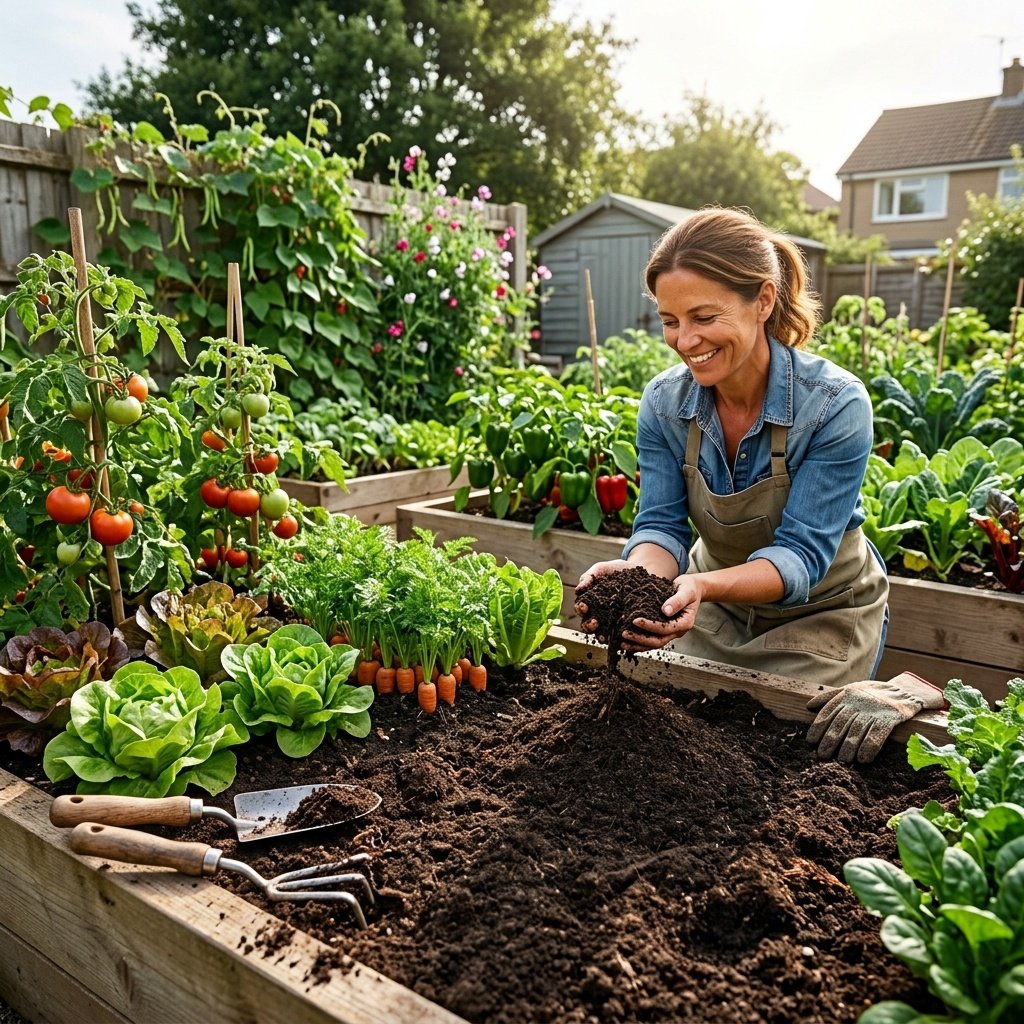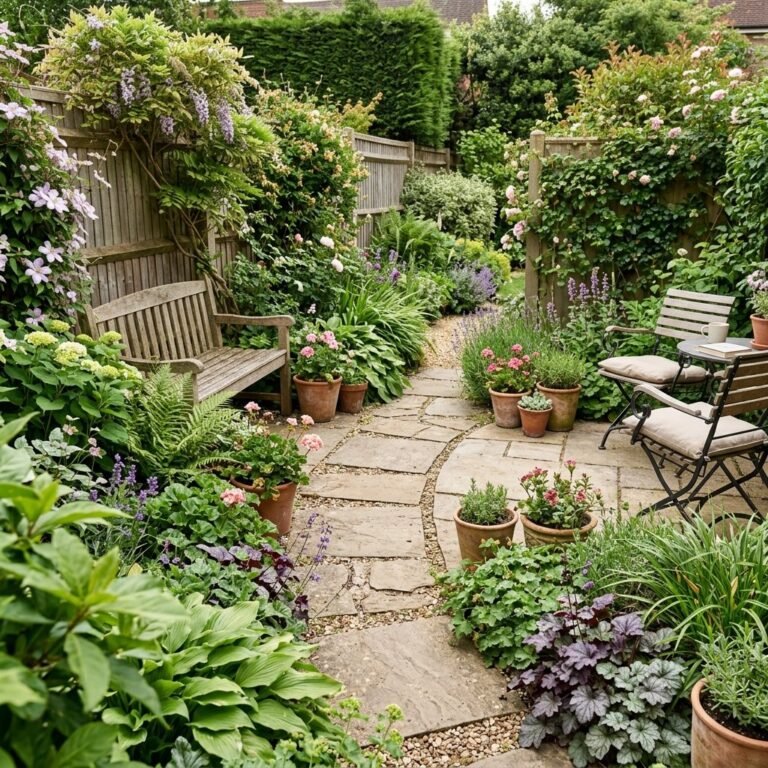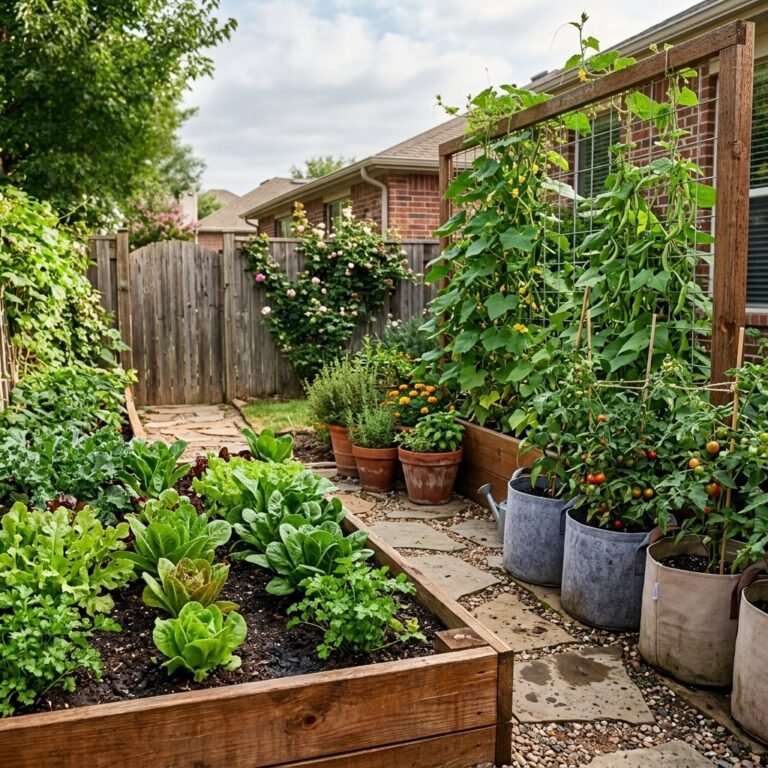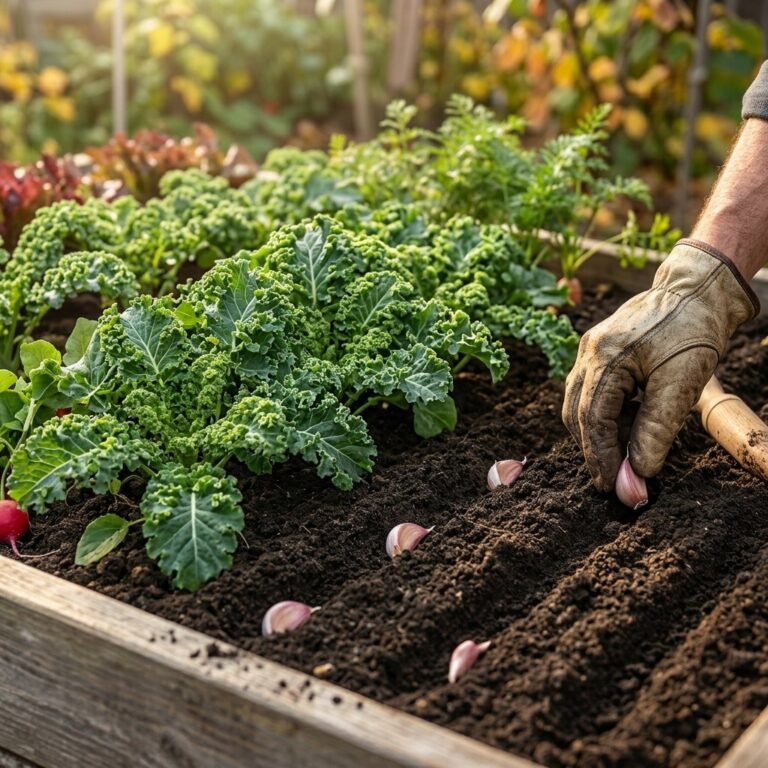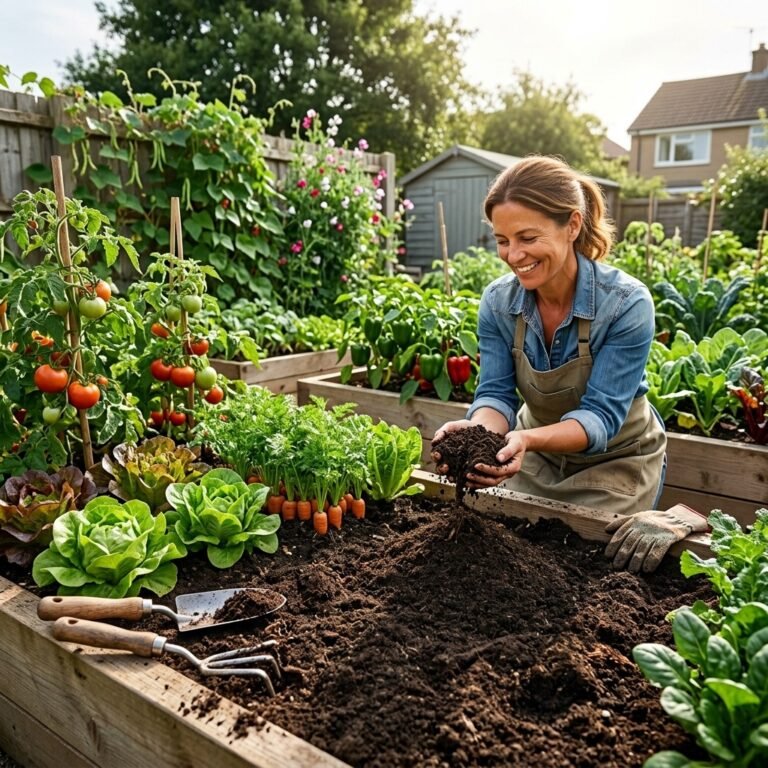

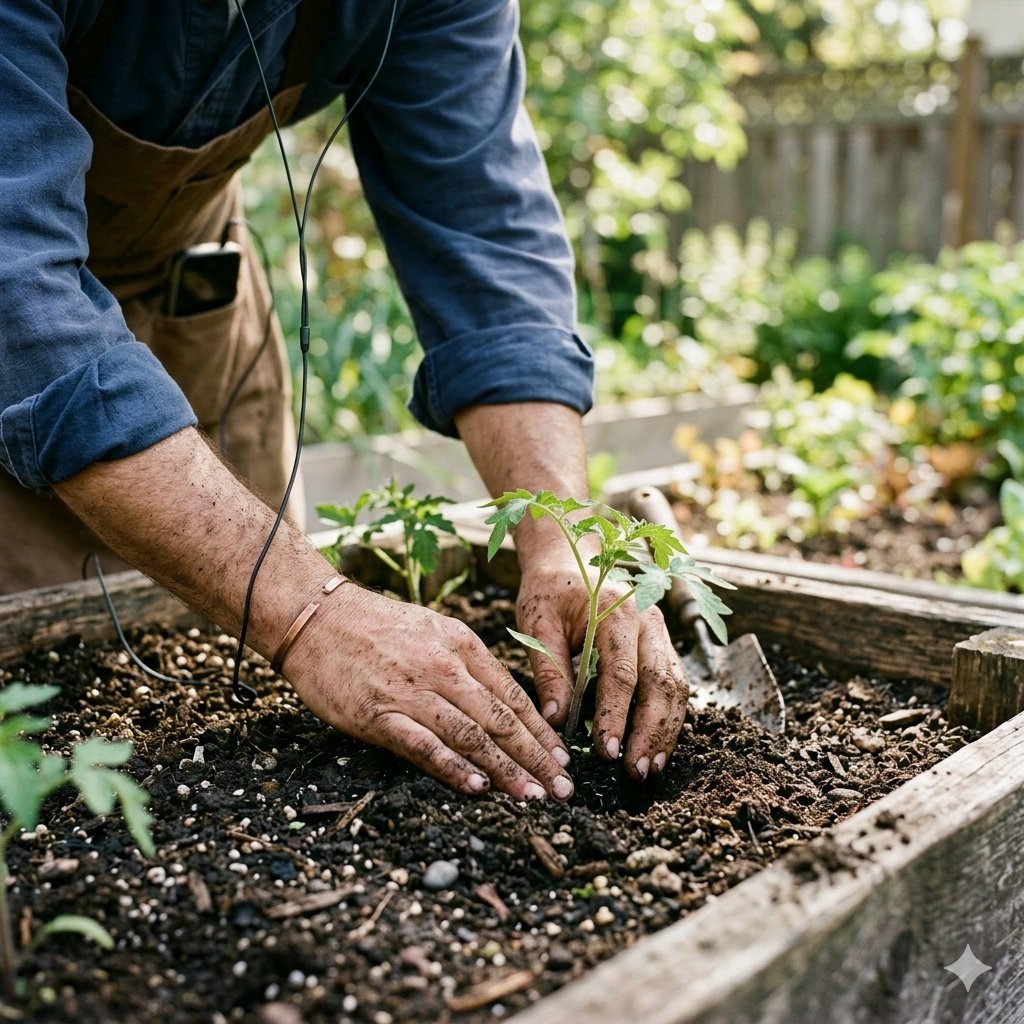
You’re out in the garden—hands in the soil, watering can in one hand, maybe a bit of dirt on your shirt—and you suddenly wonder if you’re doing it right.
Should you plant these tomatoes deeper?
Is this too much water?
Why do your herbs always die?
Now imagine learning the answers while you’re actually gardening.
That’s where gardening audiobooks come in. No flipping pages. No setting aside “reading time” you don’t have. Just press play and learn while you work.
For beginners, gardening can feel like information overload. Books, blogs, videos—everyone says something different. Audiobooks cut through that noise. You listen, absorb, and apply—all in the same afternoon.
And here’s the part most people miss: you can try many of these for free through audiobook trials. No upfront cost, no risk.
Let’s get into the best ones worth your time.
🎧 Why Audiobooks Are Perfect for Gardeners
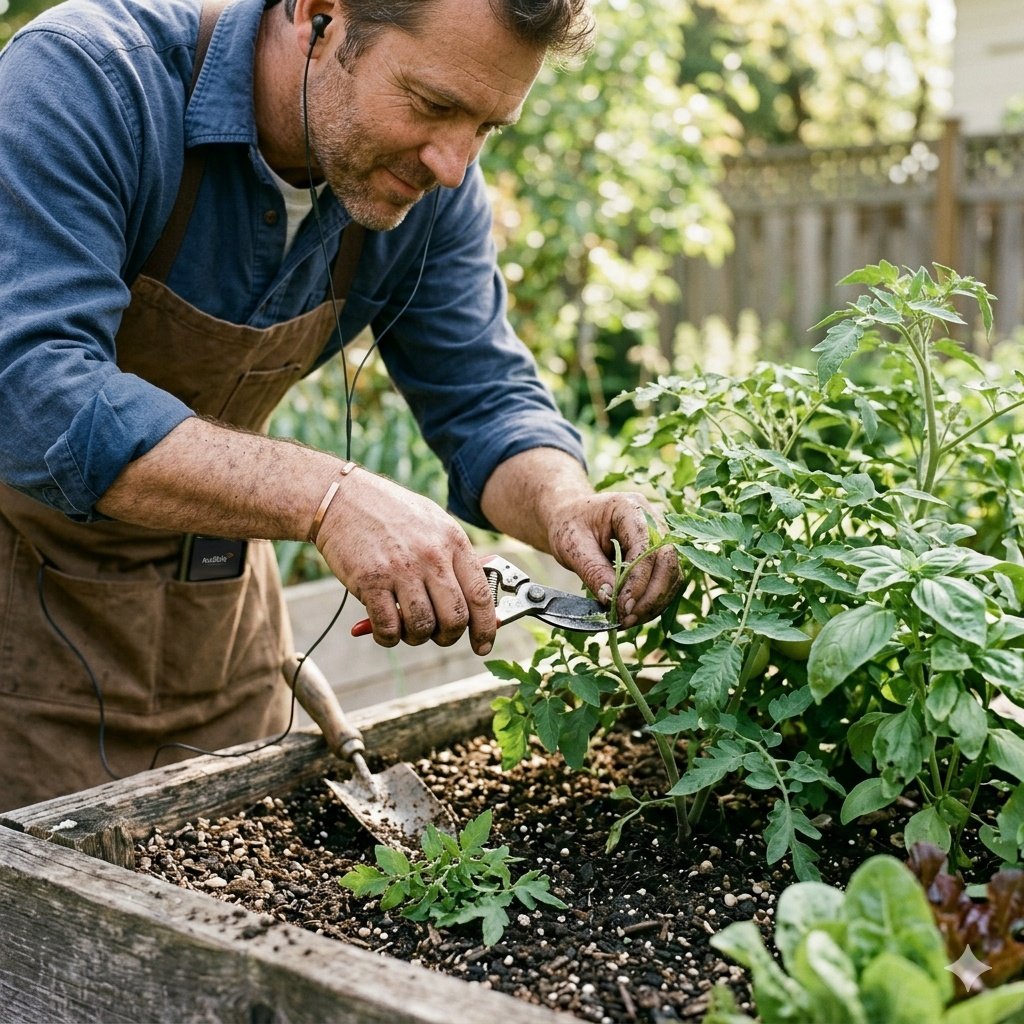
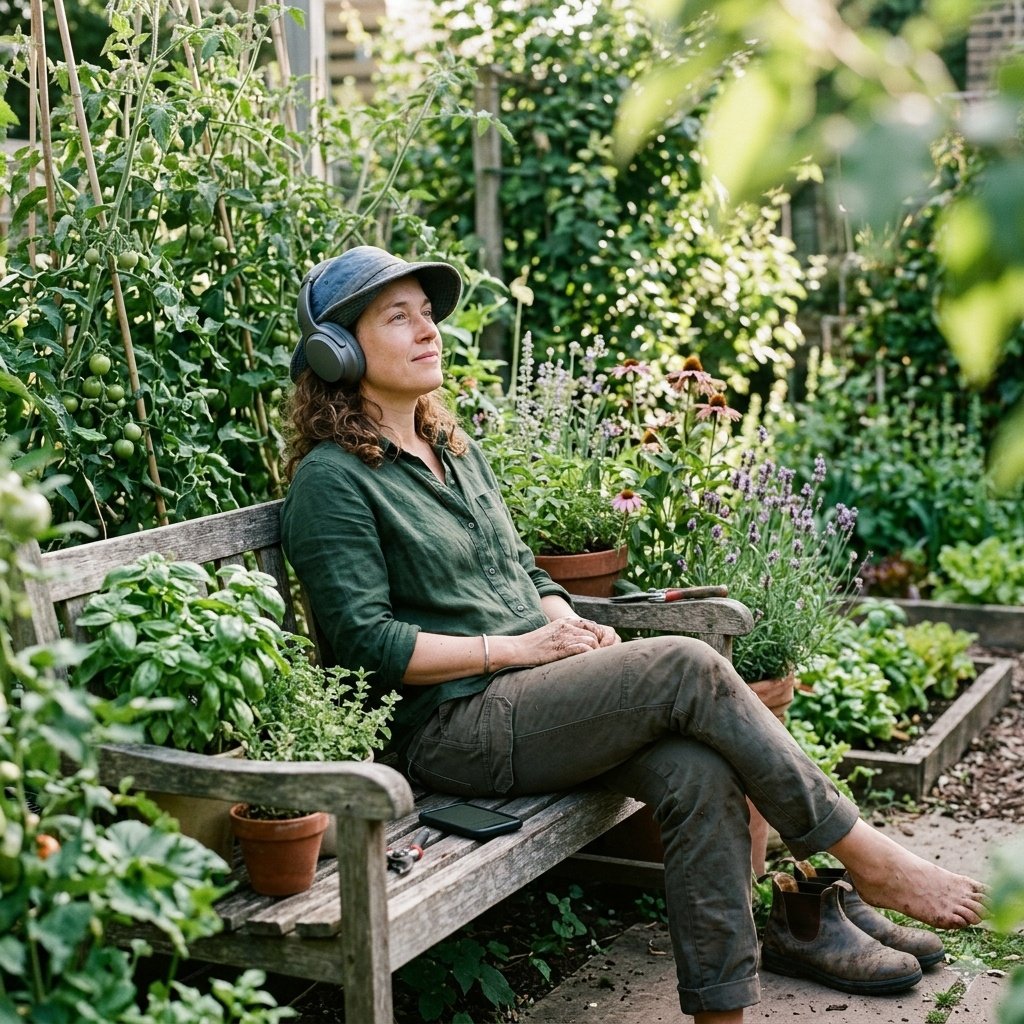
Gardening isn’t exactly a sit-down activity. You’re moving, digging, trimming, adjusting things as you go. That’s why audiobooks fit so naturally into the process.
You can listen while:
- Watering your plants
- Pruning branches
- Mixing compost
- Pulling weeds (we all do it…)
And instead of feeling like “learning” is a separate task, it becomes part of your routine.
There’s also something about listening that sticks. When someone explains soil health or spacing in a calm, steady voice, it tends to stay with you longer than skimming text.
For beginners, this is huge. You don’t need to memorize everything. You just hear it, try it, and adjust.
If you’ve ever thought, “I don’t have time to learn gardening properly,” this is the workaround.
You probably do have time—you just haven’t been using it this way.
🆓 How to Get These Audiobooks for FREE
Here’s the simple part most people overlook.
You don’t have to buy all these audiobooks upfront.
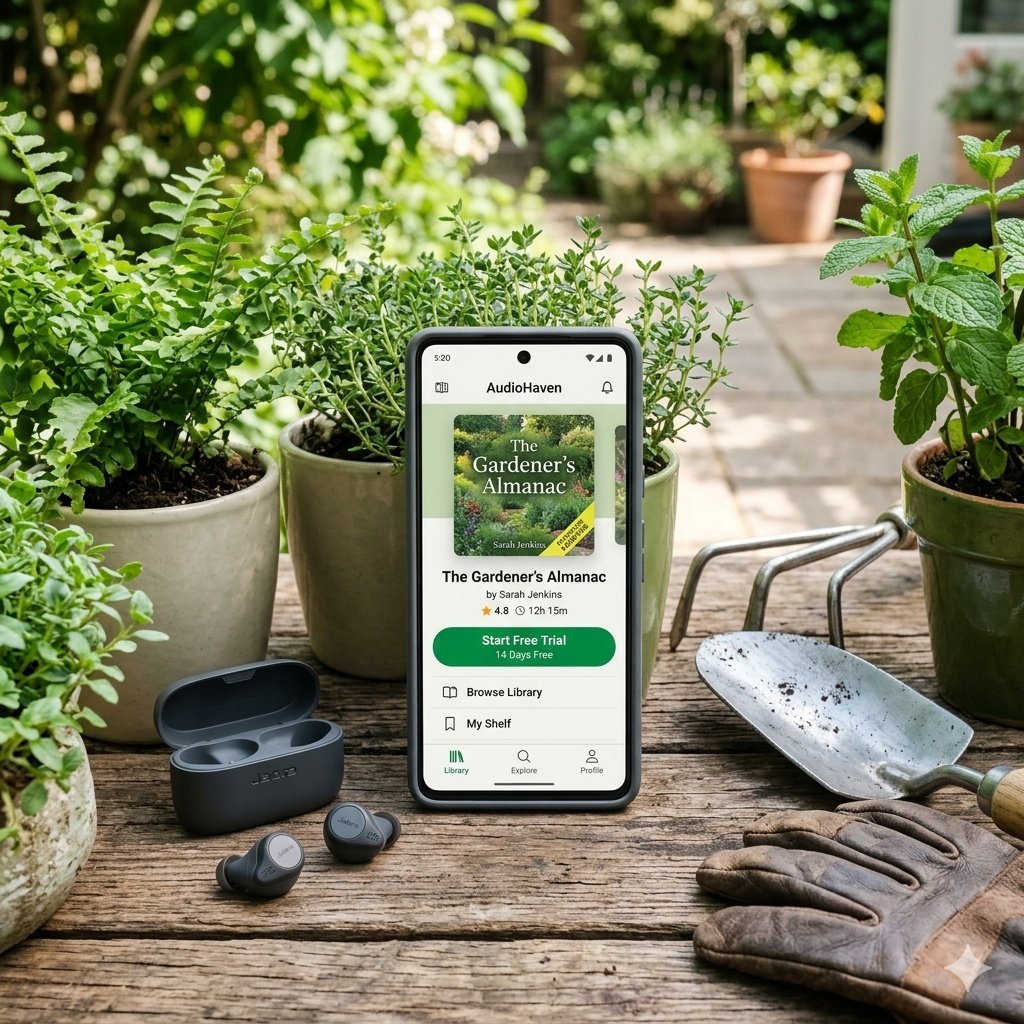
Most platforms (like Audible) offer a free trial. Typically, you get 1–2 credits to use on any audiobook.
That means:
- You pick a book
- Download it
- Keep it—even if you cancel later
Steps are straightforward:
- Sign up for a free trial
- Choose your audiobook
- Start listening instantly
If you decide it’s not for you, cancel before the trial ends. No charge.
But chances are, once you start learning this way, you’ll stick with it.
Quick Comparison Table
| Audiobook | Best For | Skill Level | Duration | Key Benefit |
|---|---|---|---|---|
| The Vegetable Gardener’s Bible | Beginners | Easy | ~10 hrs | Simple system for high yield |
| Gaia’s Garden | Organic lovers | Medium | ~12 hrs | Ecosystem-based approach |
| The Complete Gardener | Story-driven learning | All levels | ~8 hrs | Personal insights + tips |
| Rodale’s Basic Organic Gardening | Organic beginners | Easy | ~9 hrs | Step-by-step basics |
| Square Foot Gardening | Small spaces | Easy | ~7 hrs | Maximize limited space |
| The New Organic Grower | Serious growers | Advanced | ~14 hrs | Professional techniques |
| How to Grow More Vegetables | Efficiency seekers | Medium | ~11 hrs | High-output methods |
Top 7 Gardening Audiobooks
1. The Vegetable Gardener’s Bible – Edward C. Smith
Best For: Beginners
This one feels like having a patient mentor in your ear. No jargon. No confusion. Just clear guidance.
Why It Works:
It breaks gardening down into a system you can follow without second-guessing everything. Soil prep, spacing, crop rotation—it’s all covered in a way that actually makes sense.
What You’ll Learn:
- How to grow more food in less space
- Why raised beds work so well
- Simple ways to improve soil health
Who Should Listen:
If you’ve never grown anything (or failed a few times), start here.
Listening Experience:
Easygoing and steady. You won’t feel overwhelmed.
2. Gaia’s Garden – Toby Hemenway
Best For: Organic and permaculture fans
This one shifts how you think about gardening entirely.
Instead of “plant and maintain,” it’s more about building a small ecosystem that supports itself.
Why It Works:
It connects the dots—plants, soil, insects, water—all working together.
What You’ll Learn:
- How to design a self-sustaining garden
- Companion planting strategies
- Natural pest control methods
Who Should Listen:
Anyone tired of chemical-heavy gardening or constant maintenance.
Listening Experience:
Thoughtful, a bit deeper, but worth sticking with.
3. The Complete Gardener – Monty Don
Best For: People who enjoy storytelling with their learning
Monty Don doesn’t just teach—he shares experiences. Successes, failures, lessons learned over years.
Why It Works:
It feels personal. Like advice from someone who’s actually been through it all.
What You’ll Learn:
- Practical gardening techniques
- Seasonal planting habits
- How to adapt to your environment
Who Should Listen:
If you like a mix of stories and tips, this one hits the mark.
Listening Experience:
Warm, engaging, easy to keep playing.
4. Rodale’s Basic Organic Gardening
Best For: Organic beginners
This is straightforward. No fluff. Just the basics done right.
Why It Works:
It walks you through everything step by step, which is exactly what most beginners need.
What You’ll Learn:
- Soil preparation basics
- Composting methods
- Natural fertilizers
Who Should Listen:
Anyone starting from zero and wanting a clean, organic approach.
Listening Experience:
Clear and structured without feeling stiff.
5. Square Foot Gardening – Mel Bartholomew
Best For: Small spaces and urban gardening
No backyard? No problem.
This method is all about growing more in less space.
Why It Works:
It simplifies layout and planning so you don’t waste space—or effort.
What You’ll Learn:
- Grid-based planting
- Space optimization
- Easy maintenance routines
Who Should Listen:
Apartment dwellers, balcony gardeners, or anyone short on space.
Listening Experience:
Practical and straight to the point.
6. The New Organic Grower – Eliot Coleman
Best For: Serious gardeners
This one goes deeper than most.
If you’ve already got some experience and want to level up, this is where you go.
Why It Works:
It blends traditional methods with modern thinking.
What You’ll Learn:
- Year-round growing techniques
- Soil fertility management
- Crop planning at a larger scale
Who Should Listen:
Intermediate to advanced gardeners.
Listening Experience:
More detailed, but rewarding if you stick with it.
7. How to Grow More Vegetables – John Jeavons
Best For: High-efficiency gardening
This book focuses on getting the most out of your space, water, and effort.
Why It Works:
It’s built around biointensive methods that maximize output.
What You’ll Learn:
- Deep soil preparation
- Efficient planting techniques
- Sustainable food production
Who Should Listen:
Anyone serious about producing a lot of food in limited space.
Listening Experience:
Dense in parts, but packed with value.
Audiobooks vs Reading Gardening Books
Both have their place. But they serve different moments.
Audiobooks work best when you’re moving. You’re learning while doing. That alone makes them powerful.
Reading, on the other hand, is slower. More focused. Better for diagrams or detailed sections you want to revisit.
If you had to choose one? Audiobooks win for consistency.
But the best approach isn’t choosing.
It’s combining them.
Listen while gardening. Read when you want to go deeper.
Common Mistakes When Learning Gardening
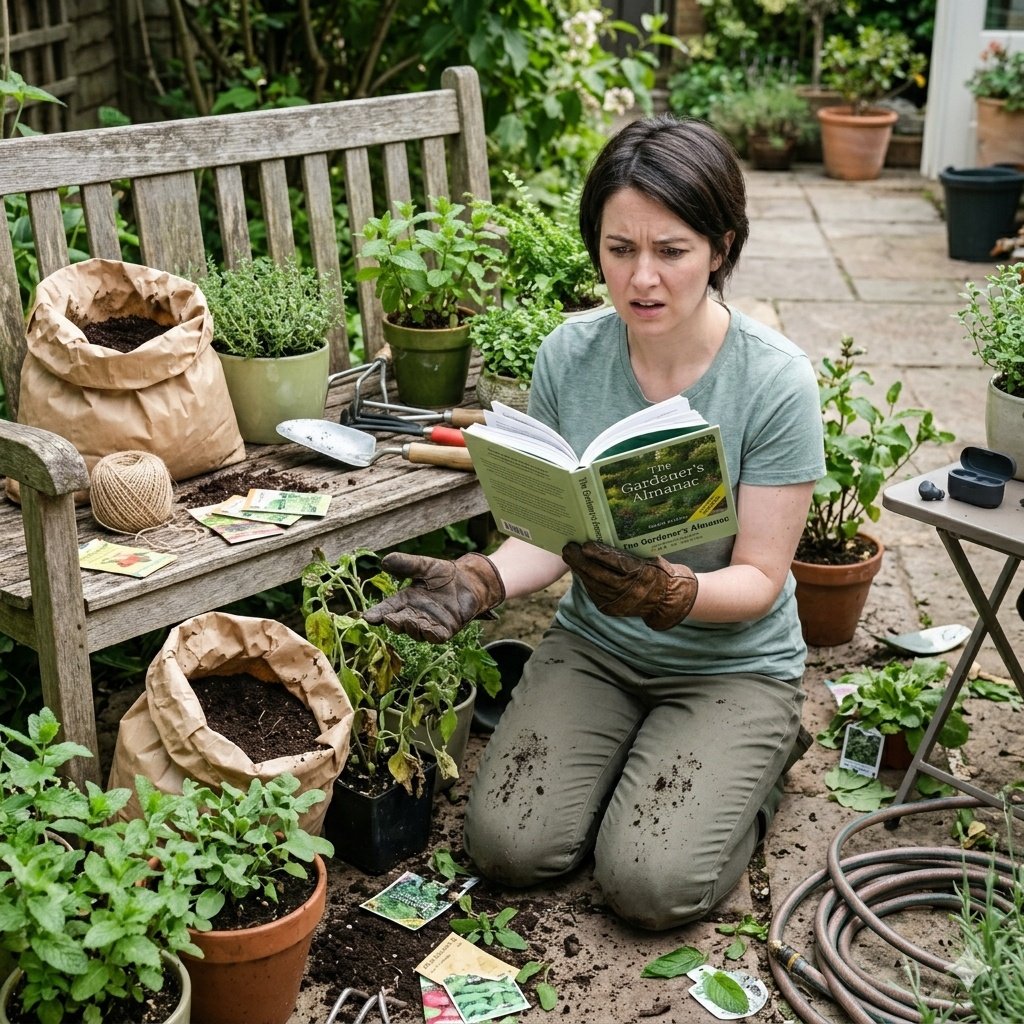
A lot of beginners fall into the same traps.
They consume too much information without doing anything. One book turns into five. Five turn into YouTube rabbit holes.
And still—nothing planted.
Another mistake is jumping into advanced material too early. It sounds impressive, but it slows you down.
Then there’s the biggest one: not applying what you learn.
Gardening isn’t theory. It’s practice.
And finally, ignoring your local climate. Advice that works somewhere else might not work for you.
Audiobooks help fix a lot of this. You learn gradually, in real time, while actually doing the work.
That consistency adds up fast.
Pro Tips to Learn Faster with Audiobooks
You don’t need to listen for hours.
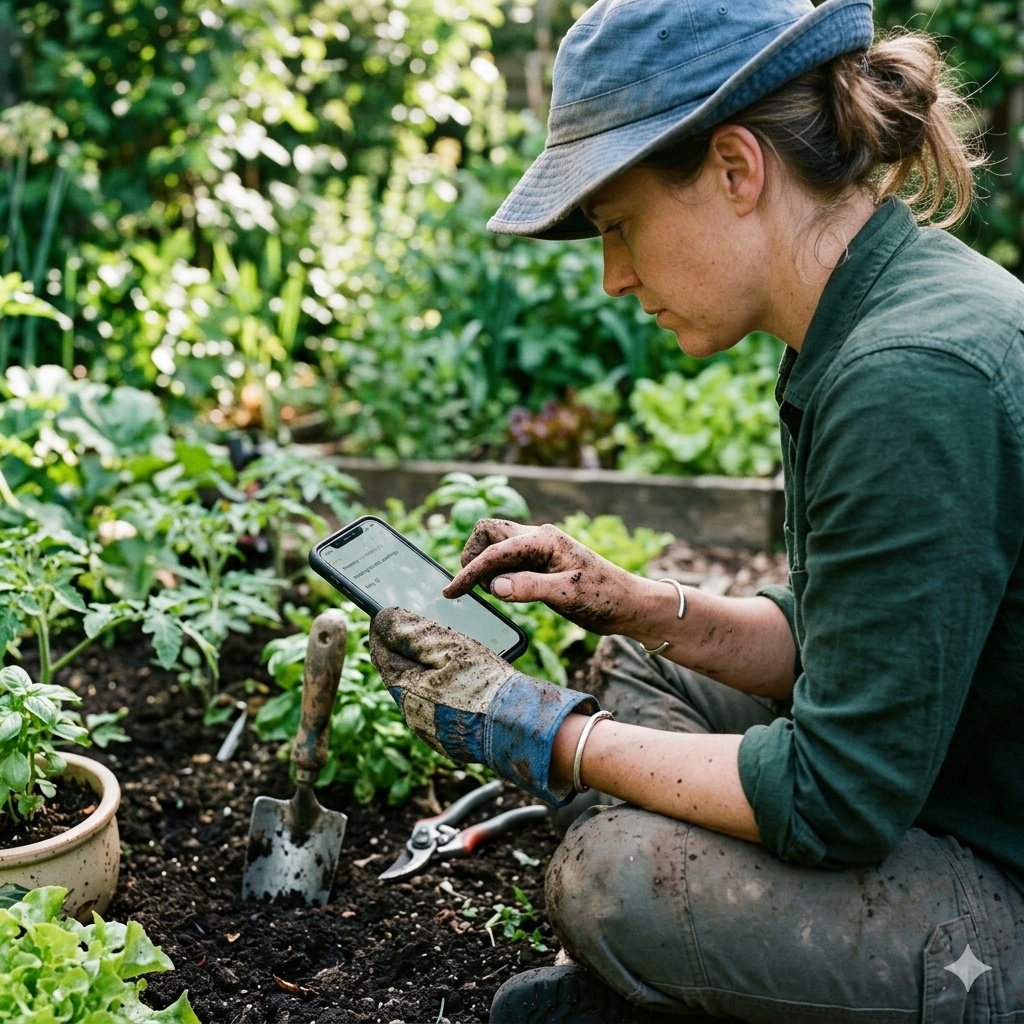
Even 20–30 minutes while gardening is enough.
A few things help:
- Replay sections that feel important
- Pause and try things immediately
- Keep quick notes (even on your phone)
- Stick to one book at a time
And most importantly—apply what you hear.
That’s where the real learning happens.
Audiobooks vs YouTube vs Blogs
Each format has its place.
Audiobooks go deep. They explain things fully.
YouTube shows you what things look like. Great for visual learners.
Blogs are quick. Good for checking something specific.
Use them together if you can.
But if you want steady progress without distractions, audiobooks are hard to beat.
Related Reads
You might find these helpful as you keep going:
- Metal vs Wood Raised Garden Beds: Which Is Better?
- 17 Full Sun Plants to Grow in May
- 7 Best Soil Mixes for Raised Beds (Perfect for Vegetables & Beginners)
FAQ
Are gardening audiobooks good for beginners?
Yes, especially if you pick the right ones. Titles like The Vegetable Gardener’s Bible or Rodale’s Basic Organic Gardening are easy to follow and don’t assume prior knowledge.
Can I learn gardening without reading books?
You can. Audiobooks cover most of what you need. That said, combining listening with some visual resources helps, especially for plant identification or layout ideas.
What is the best audiobook for vegetable gardening?
The Vegetable Gardener’s Bible is a strong starting point. It’s practical and beginner-friendly without being too basic.
Are Audible gardening books worth it?
If you actually listen and apply what you learn, yes. The value comes from using the information, not just owning the book.
Can I listen offline while gardening?
Yes. Most audiobook apps let you download titles so you can listen without internet access.
How many books do I get in a free trial?
Usually one or two credits, depending on the offer. Each credit equals one audiobook.
Do I keep the audiobook after canceling?
Yes. Once you redeem a credit, the book is yours—even if you cancel later.
Final Thoughts
You don’t need a perfect setup or hours of study to get better at gardening. Most of it comes down to small, consistent steps—planting, observing, adjusting, and trying again. That’s where audiobooks quietly make a difference. They slip into the time you already have, turning routine tasks into learning moments without adding extra effort to your day.
Instead of waiting until you “have time” to read, you’re learning while you water, prune, or even just walk through your garden. Over time, those small inputs start to stack up. You remember what worked, avoid what didn’t, and things begin to click.
If you’ve been putting off learning because it feels overwhelming, this is an easy way in. Start with one audiobook. Keep it simple. See how it fits into your routine.
You might be surprised how quickly things start to grow—both in your garden and in what you know.