
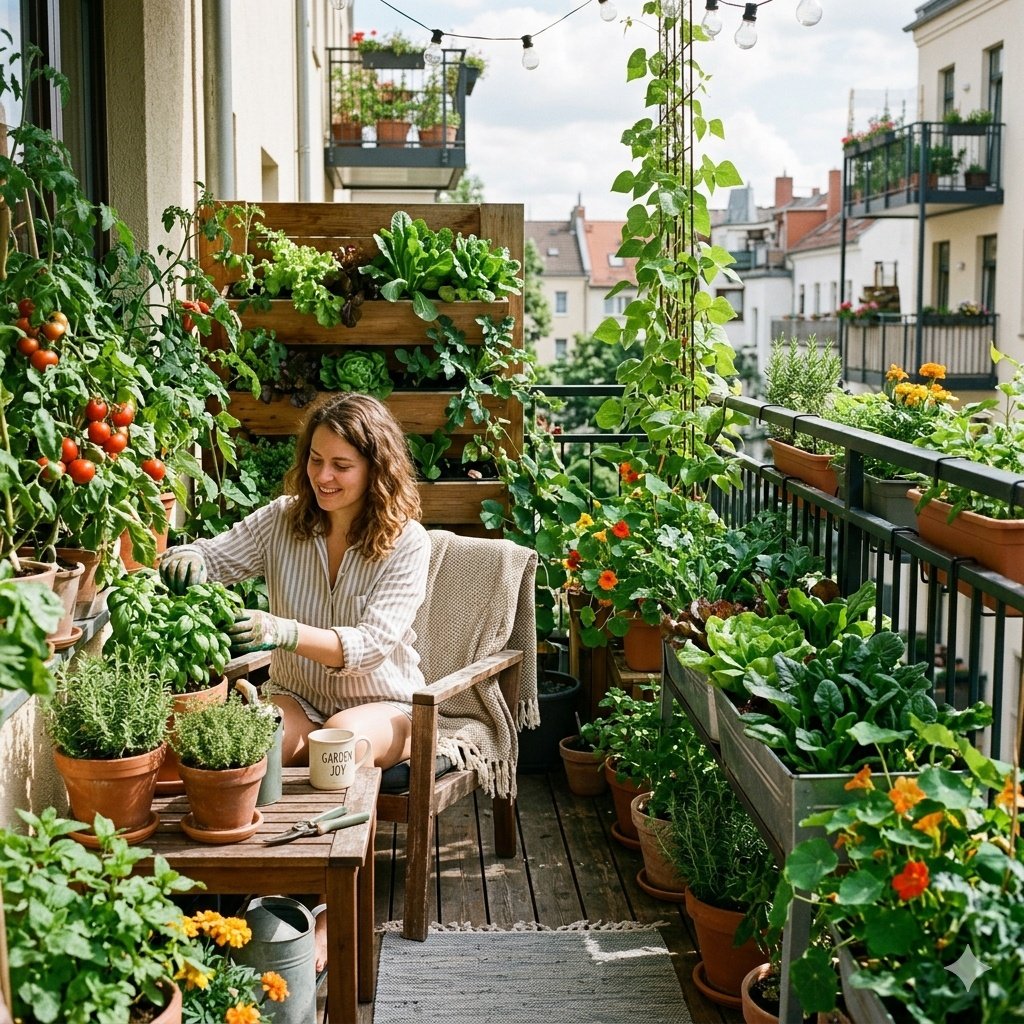
You don’t need a backyard to grow your own food. Most people assume gardening needs space, time, and a bit of luck. It doesn’t. A balcony, a few containers, and some basic know-how are enough to get something real growing.
A balcony garden is often where people start—and for good reason. It’s small, manageable, and surprisingly productive when done right. You can grow herbs you actually use, vegetables you’ll eat, and plants that make the space feel alive instead of empty.
This isn’t about building a perfect setup. It’s about starting with what you have and making it work. By the end, you’ll know how to set up your space, what to grow, what to avoid, and how to keep things going without turning it into a full-time job.
Is Your Balcony Suitable for Gardening?
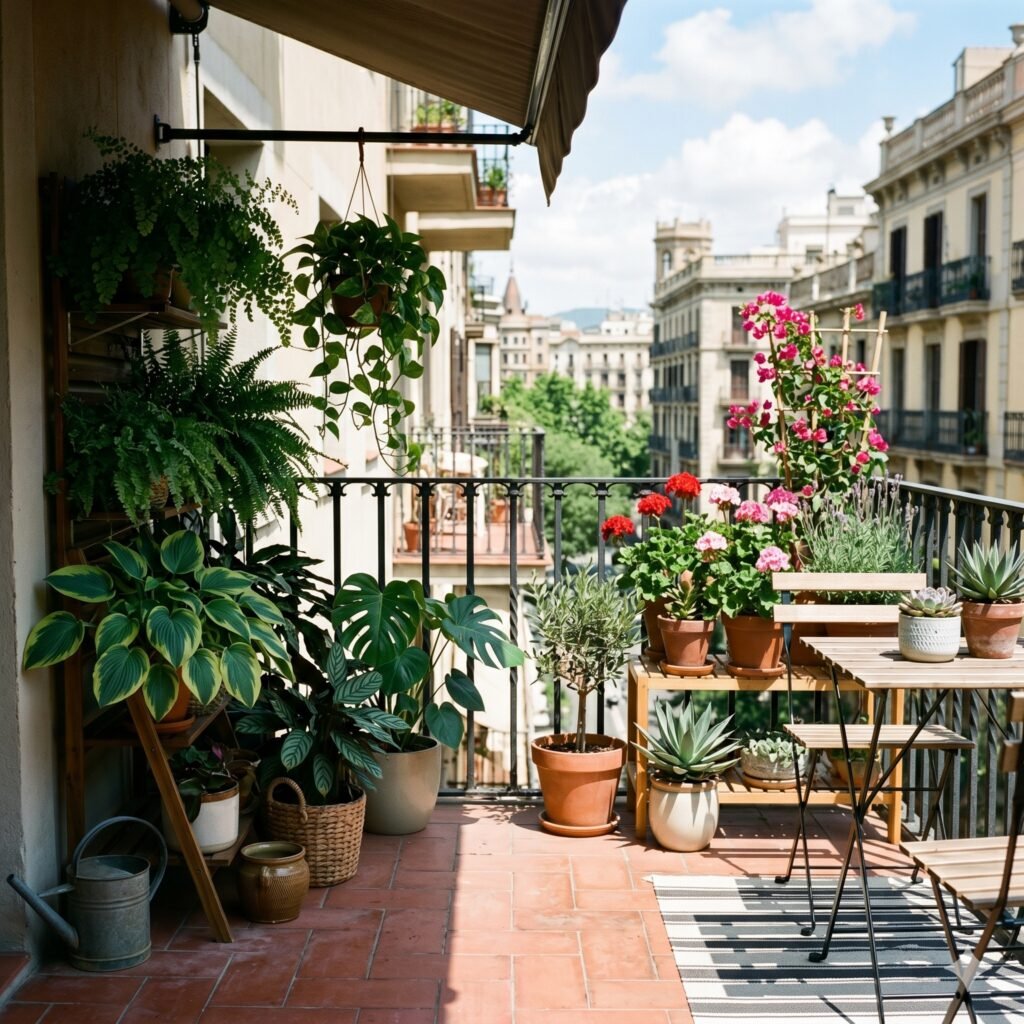
Before you buy pots or seeds, spend a day observing your balcony. It tells you more than any guide can.
Sunlight is the first thing to check. Most vegetables need between 4 and 8 hours of direct sunlight. Watch where the light falls in the morning, afternoon, and evening. A south- or west-facing balcony usually gets the most consistent light. East-facing works well for herbs and leafy greens. North-facing spaces get the least light, but you can still grow shade-tolerant plants like mint, spinach, or lettuce.
Then there’s wind. It’s easy to ignore until it becomes a problem. Strong gusts can dry out soil quickly or snap stems, especially on higher floors. If your balcony gets windy, consider placing pots closer to walls or using a simple barrier like a screen or railing planters that break airflow.
Weight matters more than most people think. Wet soil is heavy. Add multiple pots, water, and maybe a shelf, and the load increases fast. Most modern balconies can handle it, but it’s smart to avoid clustering everything in one corner. Spread things out.
Also think about access. Will you actually step out daily to water and check your plants? If your setup feels inconvenient, it’s easier to neglect. Keep things within reach and visible.
If your balcony doesn’t check every box, don’t scrap the idea. Work around it. Less sunlight? Focus on greens. Limited space? Go vertical. A good setup adapts to the space—it doesn’t fight it.
Choosing the Right Containers
Containers are your foundation. The wrong ones slow everything down. The right ones make growing feel easy.
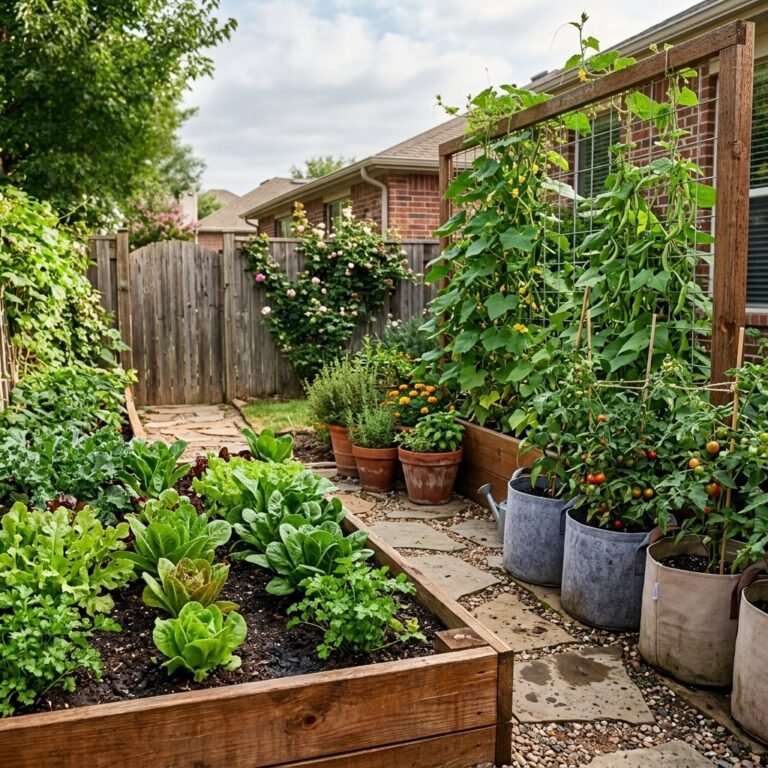
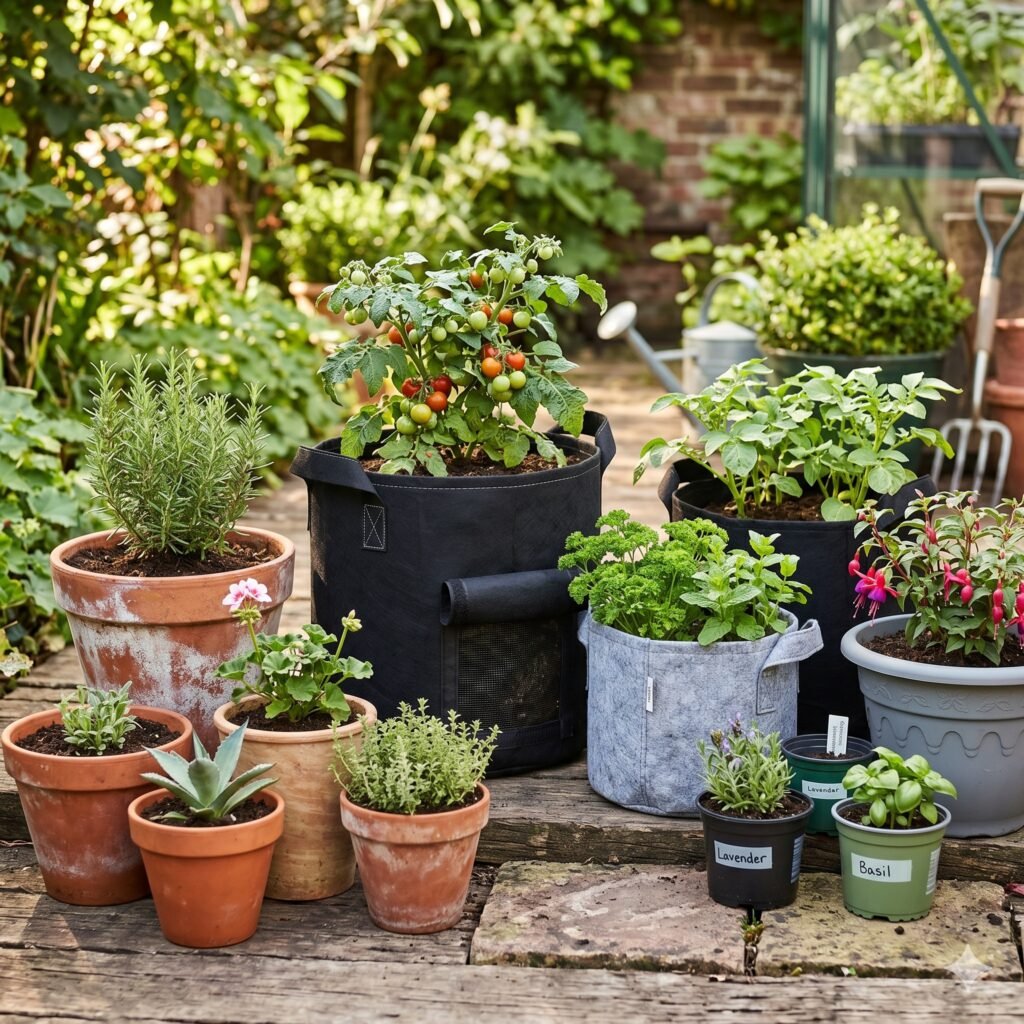
You’ll usually choose between plastic, terracotta, and fabric grow bags. Plastic pots are lightweight and hold moisture longer, which helps in warmer climates. Terracotta looks better but dries out faster, so you’ll water more often. Fabric grow bags sit somewhere in the middle—they drain well and help roots stay healthy, especially for vegetables.
Drainage is non-negotiable. No holes at the bottom means water sits in the pot, roots suffocate, and plants decline quickly. If you like decorative pots, use them as outer covers and keep your plant in a pot with proper drainage inside.
Size matters more than beginners expect. Small pots restrict root growth, and that limits how big your plant can get. Herbs like mint or coriander do fine in smaller containers. Leafy greens need a bit more room. Fruiting plants like tomatoes, peppers, and eggplants need larger pots—at least 14 inches deep.
There’s also spacing to consider. Overcrowding might look lush at first, but plants compete for nutrients, light, and airflow. That leads to weaker growth and more pests.
If space is tight, railing planters and vertical stands help you grow more without cluttering the floor. A few well-placed containers can outperform a crowded setup.
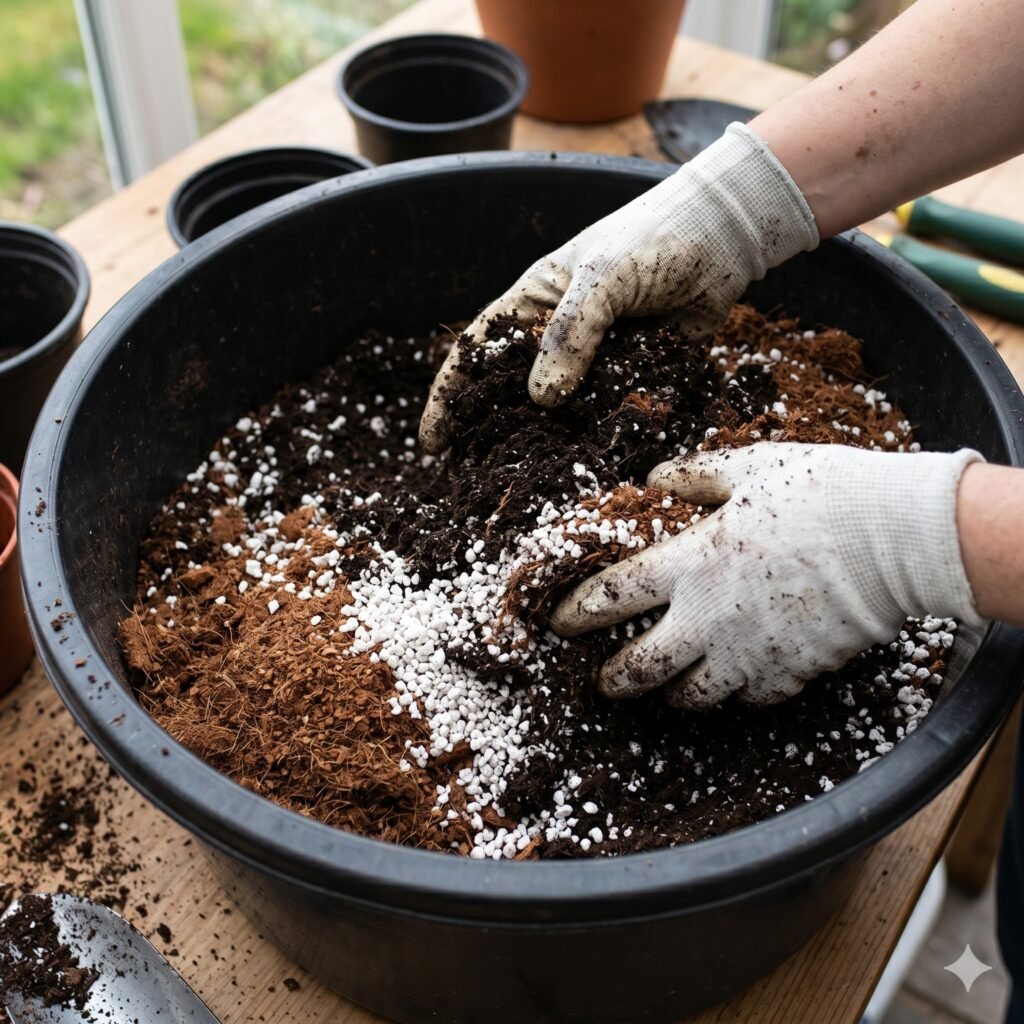
Best Soil Mix for Balcony Vegetables
Soil can make or break your balcony garden.
Regular garden soil feels like the obvious choice—but in containers, it becomes dense and compact. Water doesn’t drain well, roots don’t get enough air, and plants struggle.
What you need is a light, well-draining mix that still holds moisture.
A simple blend works well:
- 40% compost
- 30% coco peat
- 30% perlite or coarse sand
Compost feeds your plants. Coco peat holds moisture without making the soil heavy. Perlite or sand improves drainage and airflow.
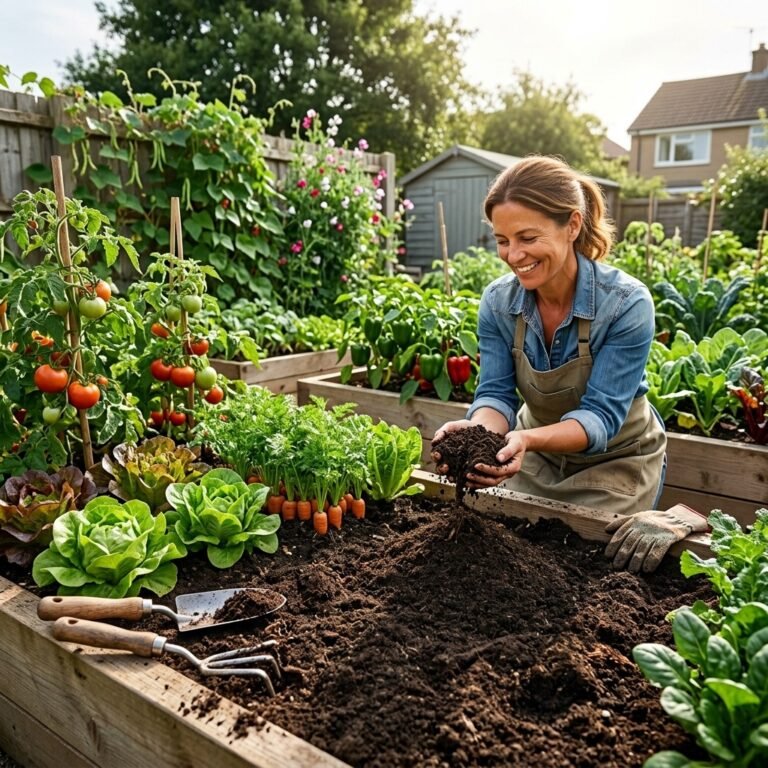
Mix it well before filling your containers. You’re aiming for a texture that feels loose, not clumpy.
Over time, nutrients in pots get used up. That’s normal. Every few weeks, adding a bit of compost or a liquid feed helps keep plants healthy.
If mixing soil feels like too much, pre-made potting mixes are fine. Just check that they’re designed for containers, not ground planting.
Good soil doesn’t just help plants grow—it makes everything easier. Watering becomes more predictable. Roots stay healthier. Problems show up less often.
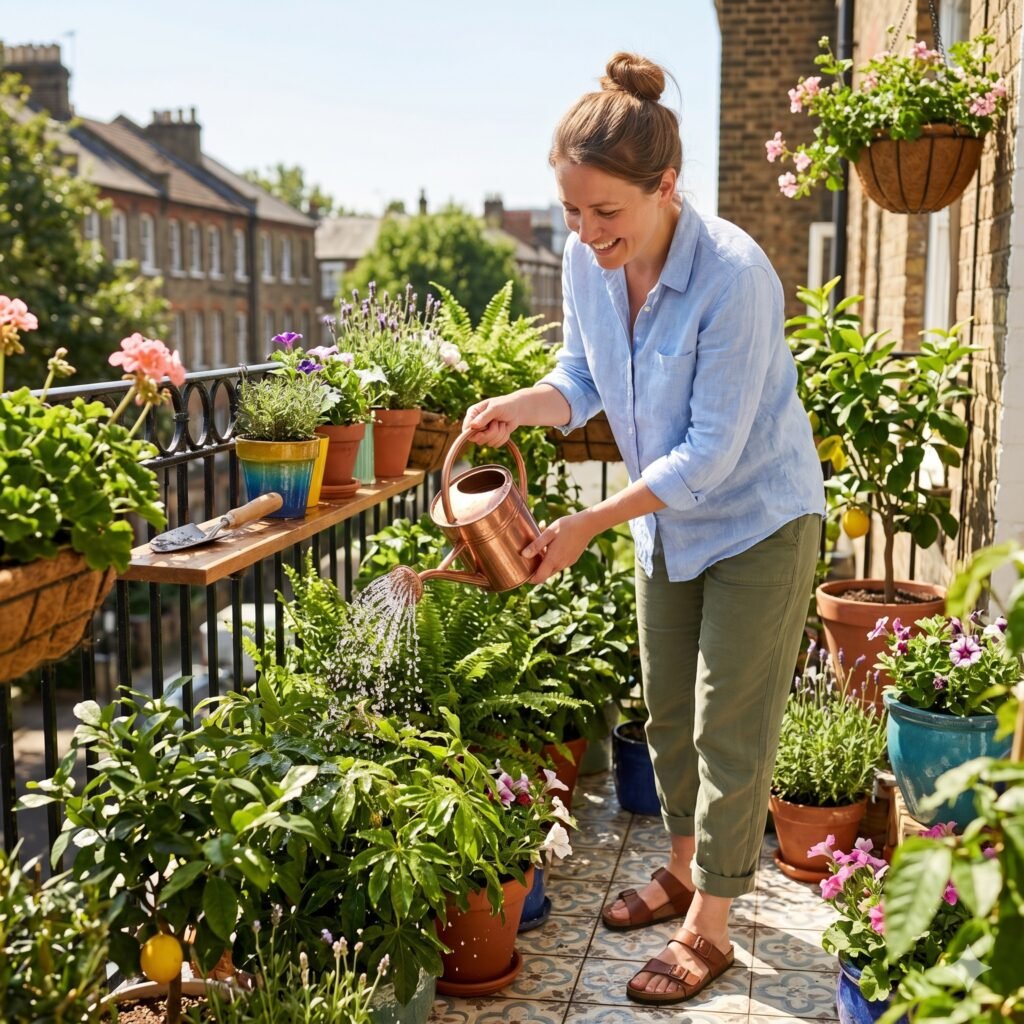
Light & Watering Basics
This is where most beginners slip—not because it’s complicated, but because it’s easy to overdo.
Watering isn’t on a fixed schedule. It changes with weather, plant type, and container size. Hot days dry out pots quickly. Cooler days don’t.
Instead of guessing, check the soil. Push your finger about an inch deep. If it feels dry, water. If it’s still moist, wait.
Too much water is a common mistake. Leaves turn yellow, growth slows, and roots can rot. Too little water shows up as dry soil and drooping leaves.
Morning is usually the best time to water. It gives plants what they need before the heat of the day and reduces evaporation.
Light works the same way—observe and adjust. If a plant looks stretched or pale, it might not be getting enough sunlight. Move it to a brighter spot if possible.
If your schedule is unpredictable, simple tools help. Self-watering pots or drip systems keep moisture levels steady without daily effort.
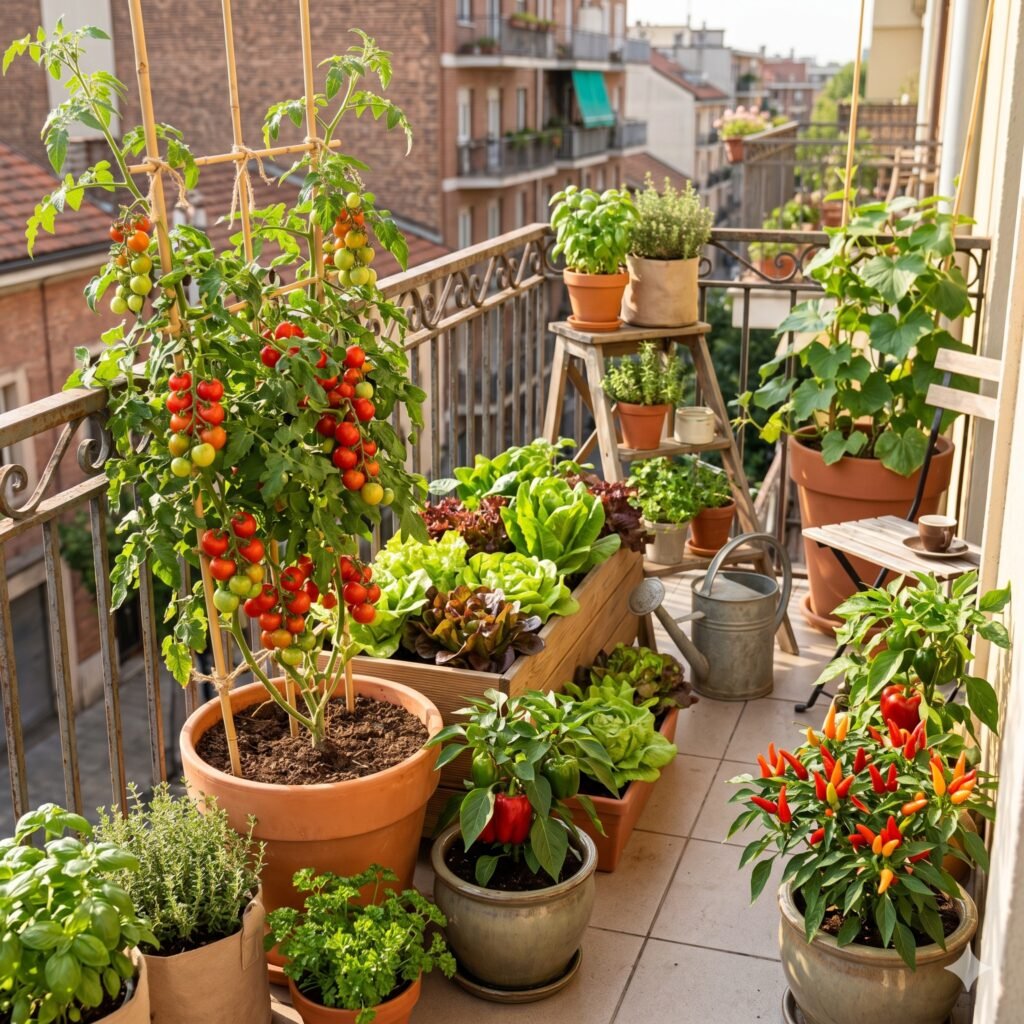
10 Best Vegetables to Grow on a Balcony
Start with plants that give quick wins. It builds confidence and keeps you going.
- Tomatoes are a favorite for a reason. They grow well in containers and produce steadily if they get enough sunlight and support.
- Spinach grows fast and doesn’t need deep pots. You can harvest leaves regularly instead of waiting for a full plant.
- Lettuce is similar—cut what you need, let it keep growing.
- Chili peppers stay compact and produce more than you’d expect from a small plant.
- Coriander grows quickly but prefers cooler weather. It’s great for short growing cycles.
- Mint almost grows on its own. Keep it in a separate pot—it spreads aggressively.
- Beans, especially climbing types, work well with vertical supports and save space.
- Radishes are one of the fastest crops. You’ll see results in a few weeks.
- Eggplants need larger containers and warm conditions but grow well on sunny balconies.
- Green onions are simple—you can even regrow them from kitchen scraps.
You don’t need all ten. Start with two or three. Learn how they behave in your space, then expand.
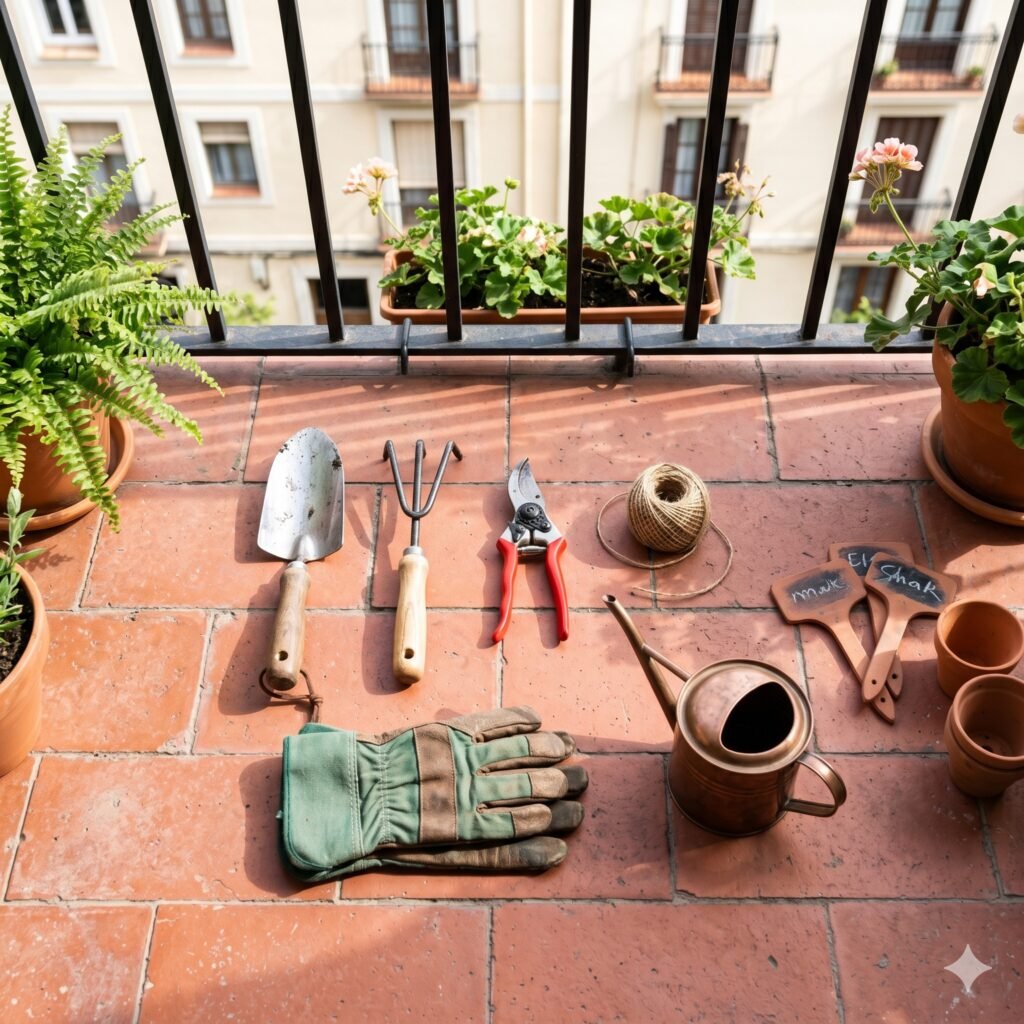
Essential Tools for Balcony Gardening
You don’t need much to get started. A few basic tools handle most tasks.
A hand trowel helps with planting and moving soil. Pruning shears keep plants tidy and encourage better growth.
A watering can or spray bottle gives you control over how much water you use.
A small bucket or tray makes mixing soil easier and keeps things less messy.
That’s enough. You can always add more tools later if needed, but most balcony gardens run fine with just these.
Common Problems & Easy Solutions
Problems show up sooner or later. The key is catching them early.
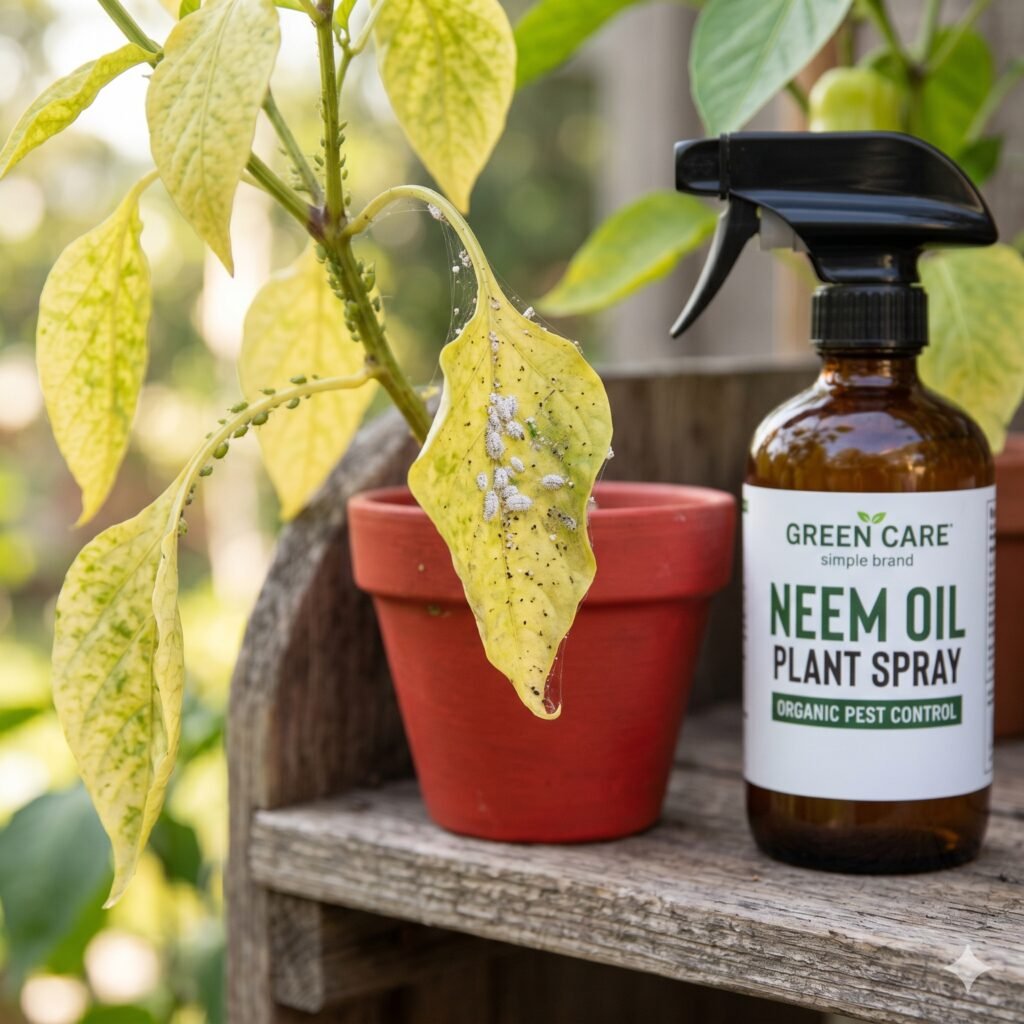
Yellow leaves often point to nutrient issues or overwatering. Check the soil first, then add compost or a mild fertilizer if needed.
Pests are common, especially in warmer weather. Small insects gather under leaves or around stems. Neem oil spray is a simple fix and works for most cases.
Slow growth usually traces back to basics—light, soil, or container size. Before trying anything new, check those three.
Plants communicate through their leaves and growth. Once you learn to read those signs, fixing issues becomes straightforward.
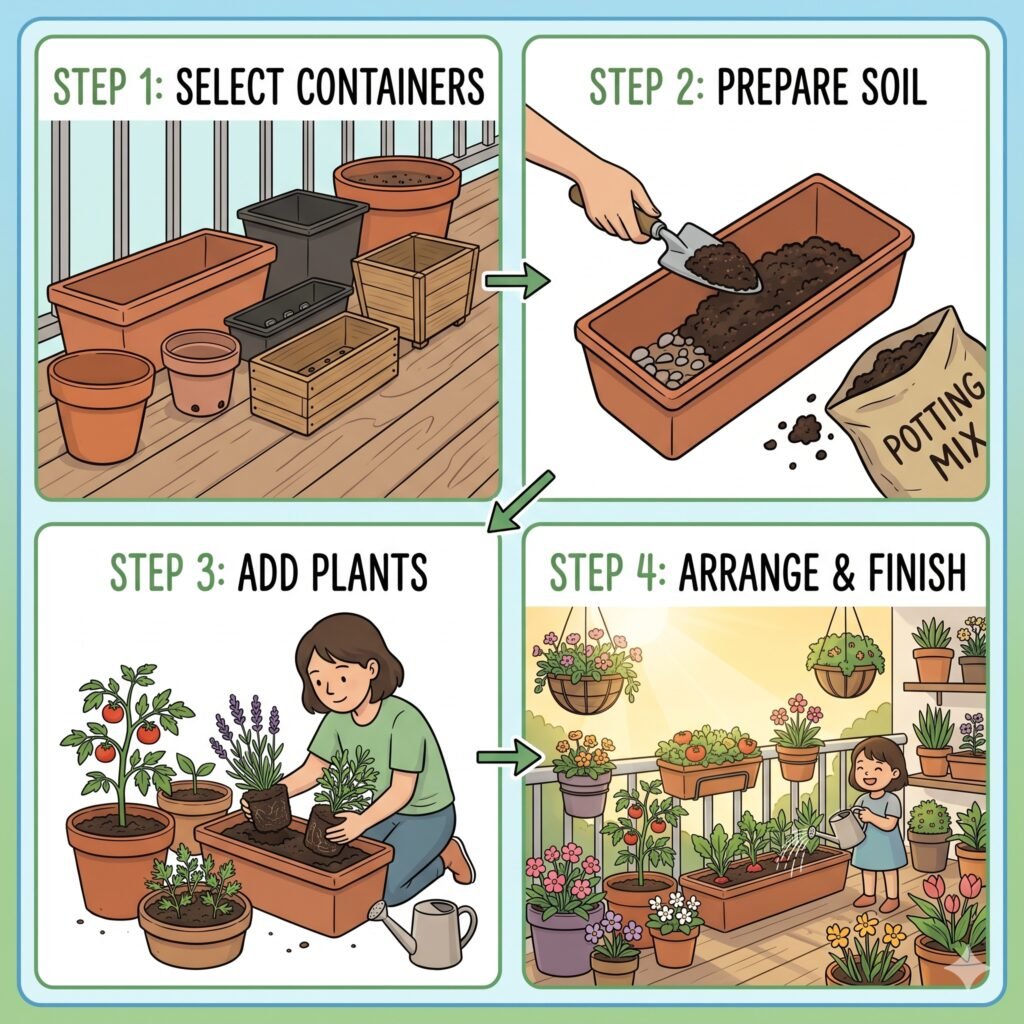
5 Easy Step-by-Step Setup
If you’re staring at an empty balcony and overthinking it, this is the part to follow. Keep it simple. You don’t need to get everything perfect—you just need to get started.
1. Check Your Sunlight (Don’t Skip This)
Spend a day noticing how light moves across your balcony. Not just “it’s sunny,” but when and where the light actually hits. Morning sun is softer and works well for herbs and greens. Afternoon sun is stronger and better for fruiting plants like tomatoes or peppers.
If your space only gets a few hours of light, don’t force sun-loving plants to survive there—they won’t. Instead, match your plants to your conditions. It saves a lot of frustration later.
And if light is uneven, use it. Put sun-hungry plants in the brightest spots and shade-tolerant ones in corners. You’re not working with a farm—you’re working with pockets of light.
2. Choose Containers That Fit the Plant (Not Just the Space)
It’s tempting to pick pots based on how they look or how neatly they fit your balcony. But plants don’t care about aesthetics—they care about root space.
Small herbs can handle compact pots, but anything that fruits—tomatoes, peppers, eggplants—needs room to grow below the surface. Cramped roots lead to stunted plants, even if everything else is right.
Also, think about practicality. Lightweight containers are easier to move when you need to adjust sunlight or clean your space. And always check for drainage holes. No drainage usually means trouble within a week or two.
If you’re tight on space, stack vertically or use railing planters—but still respect the size each plant needs.
3. Prep a Soil Mix That Actually Works in Pots
This step is where things quietly succeed or fail.
Don’t scoop soil from the ground and drop it into a pot. It compacts, holds too much water, and cuts off airflow to roots. Instead, go with a loose mix that drains well but still holds moisture.
A simple blend—compost, coco peat, and perlite or sand—does the job. When you mix it, aim for something that feels light in your hands, not dense or sticky.
Fill your containers without packing the soil down too hard. Roots need space to breathe. Press lightly, just enough to remove big air gaps.
If you’re using store-bought potting mix, loosen it up before planting. It often comes a bit compacted in bags.
4. Plant Smart: Seeds vs. Starter Plants
This is where your garden starts to feel real.
Seeds are cheaper and give you more control, but they take time and patience. You’ll need to wait for them to sprout, then thin them out as they grow.
Starter plants (small nursery-grown plants) give you a head start. You skip the fragile early stage and move straight into growth. If you want quick wins, go this route—especially for your first attempt.
When planting, don’t overcrowd. It’s easy to assume more plants = more harvest, but they end up competing for the same nutrients and light.
Water lightly right after planting to help roots settle. Not a flood—just enough to moisten the soil.
5. Water, Watch, Adjust (The Ongoing Routine)
Once everything is planted, your job shifts from setup to observation.
Watering isn’t a fixed schedule. Check the soil daily, especially in the beginning. Containers dry out faster than ground soil, and weather changes things quickly.
Pay attention to how plants respond over the next few days. Leaves tell you a lot—drooping, yellowing, or curling usually means something’s off. Most of the time, it’s either too much or too little water.
Don’t panic and change everything at once. Adjust one thing, give it a couple of days, and see how the plant reacts.
This is the part people underestimate. A good setup helps, but paying attention is what keeps your plants alive.
Beginner Mistakes to Avoid
A few mistakes come up again and again.
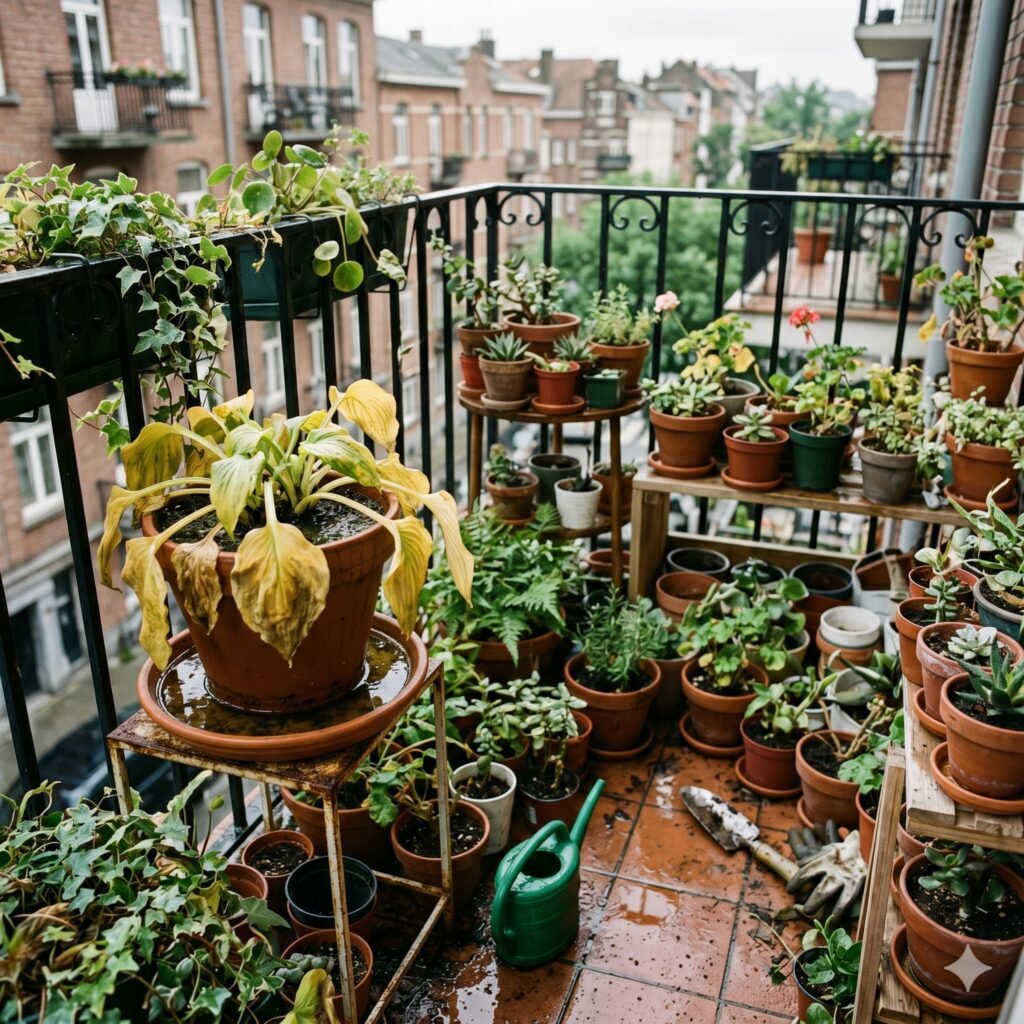
- Overwatering is at the top. It’s easy to assume more water equals better growth. It doesn’t.
- Using small containers limits root development, which limits the plant.
- Ignoring sunlight leads to weak plants that struggle to grow.
- Using garden soil in pots almost always causes drainage issues.
Avoiding these early saves time and frustration later.
Pro Tips to Boost Yield
Once your plants are stable, small changes can improve results.
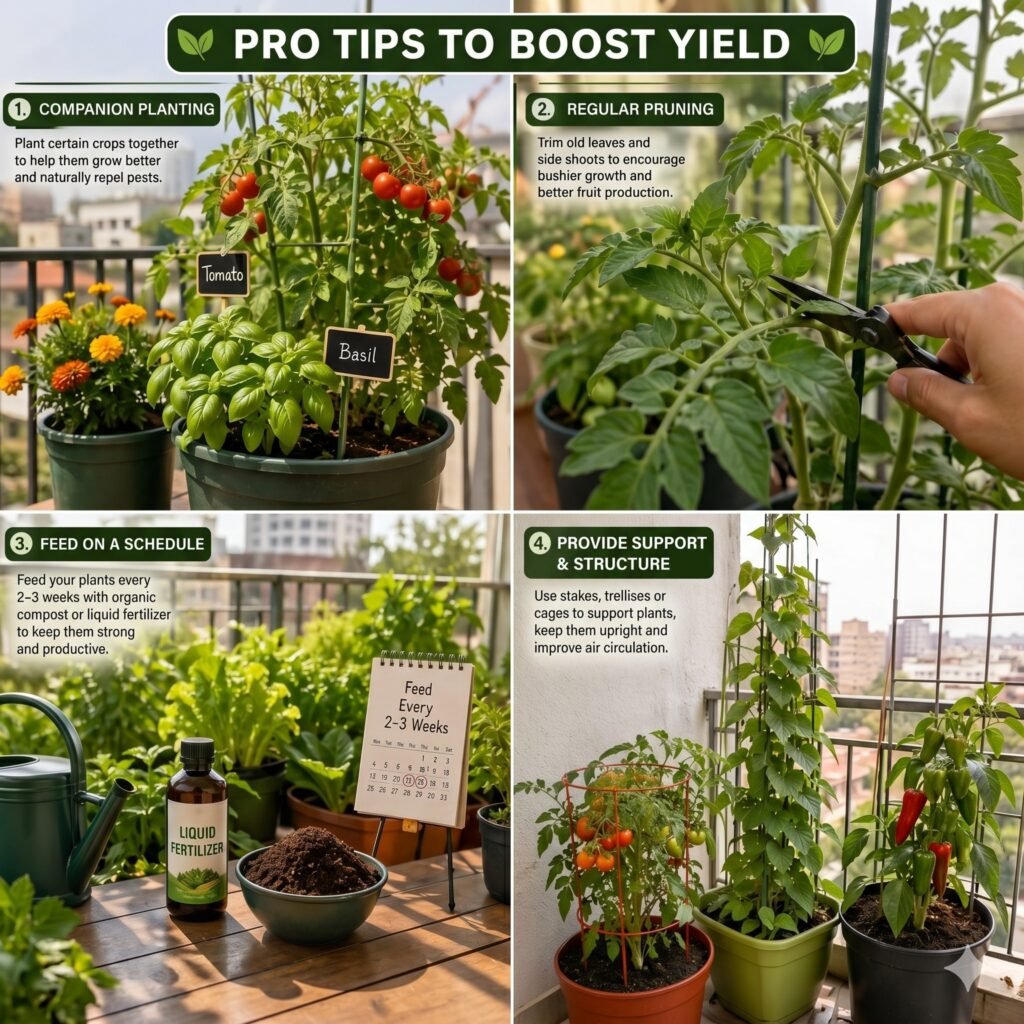
- Companion planting helps certain plants grow better together. Tomatoes and basil are a good example.
- Pruning encourages fuller growth instead of tall, weak stems.
- Feeding your plants every couple of weeks keeps nutrients steady.
- Rotating pots slightly helps all sides get equal sunlight, especially in tight spaces.
These aren’t complicated changes—but they add up.
Related Reads
You might find these helpful as you keep going:
- Metal vs Wood Raised Garden Beds: Which Is Better?
- 17 Full Sun Plants to Grow in May
- 7 Best Fertilizers for Raised Beds (Top Picks + Feeding Guide)
FAQ
Can you grow vegetables without direct sunlight?
Yes, but stick to leafy greens and herbs.
How often should you water?
Check the soil daily in warm weather. Most plants need frequent watering in small containers.
What grows fastest?
Radishes, spinach, and lettuce.
Do you need fertilizer?
Yes. Containers run out of nutrients faster than ground soil.
Can soil be reused?
Yes, but mix in fresh compost before planting again.
What’s easiest to start with?
Mint, lettuce, or green onions.
Final Thoughts
A balcony garden starts small. A couple of pots, maybe a few herbs. Then it grows—literally and habitually.
You notice what works. You adjust. You try something new the next season.
And somewhere along the way, that small setup turns into something you rely on—not just for food, but for the routine of it.
Step outside, check your plants, water them, watch them change.
That’s really where it begins.