
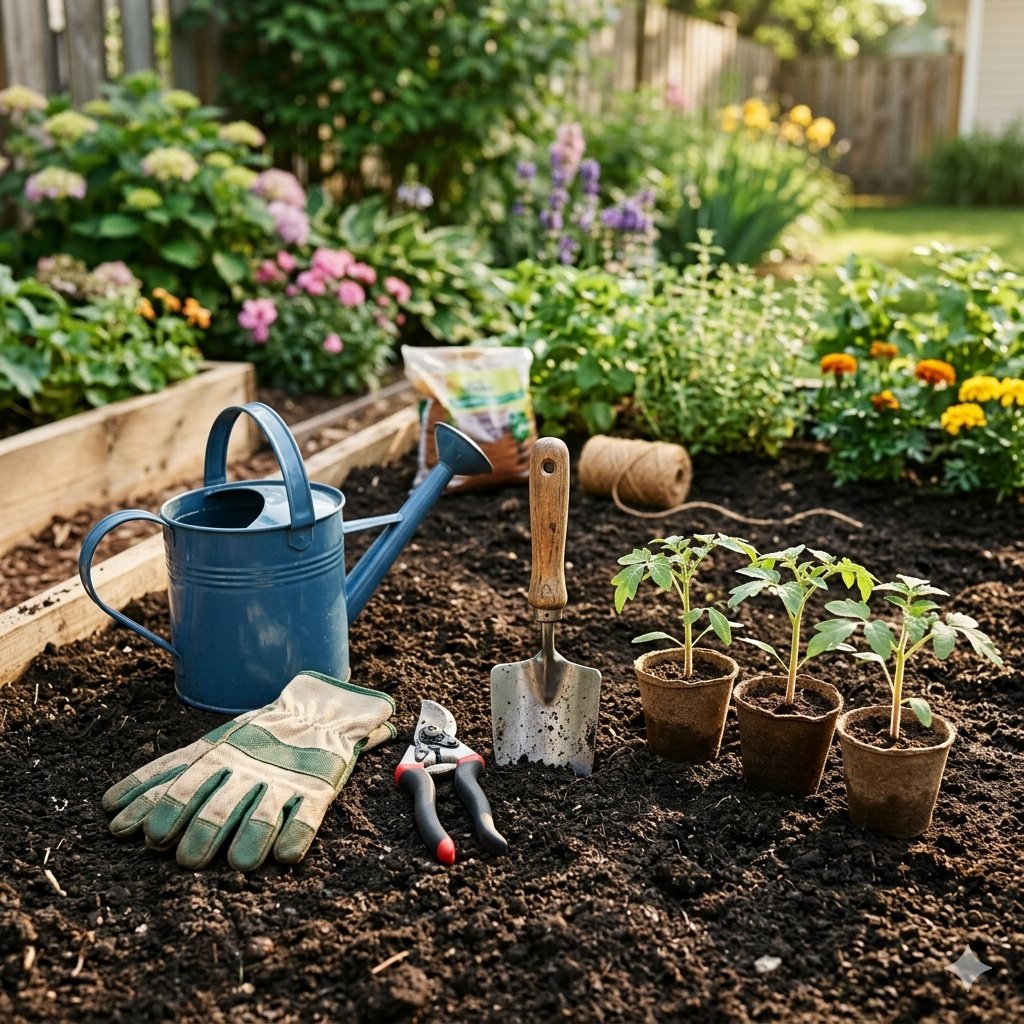
Starting a garden sounds exciting—until you’re standing in front of a wall of Gardening Tools, wondering what any of them actually do.
Most beginners make the same mistake. They either buy too much or grab the wrong things. Then the plants struggle, motivation drops, and the whole idea of gardening starts to feel harder than it should be.
It doesn’t have to go that way.
You don’t need a shed full of gear. You don’t need expensive equipment. And you definitely don’t need to know everything on day one.
What you do need is a small set of tools that actually help—tools you’ll use often, understand quickly, and won’t regret buying.
This guide keeps it simple. Just seven essentials. Nothing fancy. Nothing wasted.
Let’s get into it.
Quick Comparison Table
| Tool Name | Best For | Price Range | Beginner Friendly ⭐ | Must/Optional |
|---|---|---|---|---|
| Hand Trowel | Planting, digging small holes | $5–$15 | ⭐⭐⭐⭐⭐ | Must |
| Pruning Shears | Trimming and cutting plants | $10–$25 | ⭐⭐⭐⭐ | Must |
| Watering Can/Hose | Water control | $10–$30 | ⭐⭐⭐⭐⭐ | Must |
| Soil Moisture Meter | Checking watering needs | $8–$20 | ⭐⭐⭐⭐⭐ | Must |
| Gardening Gloves | Hand protection | $5–$15 | ⭐⭐⭐⭐⭐ | Must |
| Hand Cultivator | Loosening soil, weeding | $8–$20 | ⭐⭐⭐⭐ | Must |
| Seed Starter Kit | Growing plants from seeds | $10–$25 | ⭐⭐⭐⭐ | Optional |
1. Hand Trowel
If you only buy one tool, make it this.
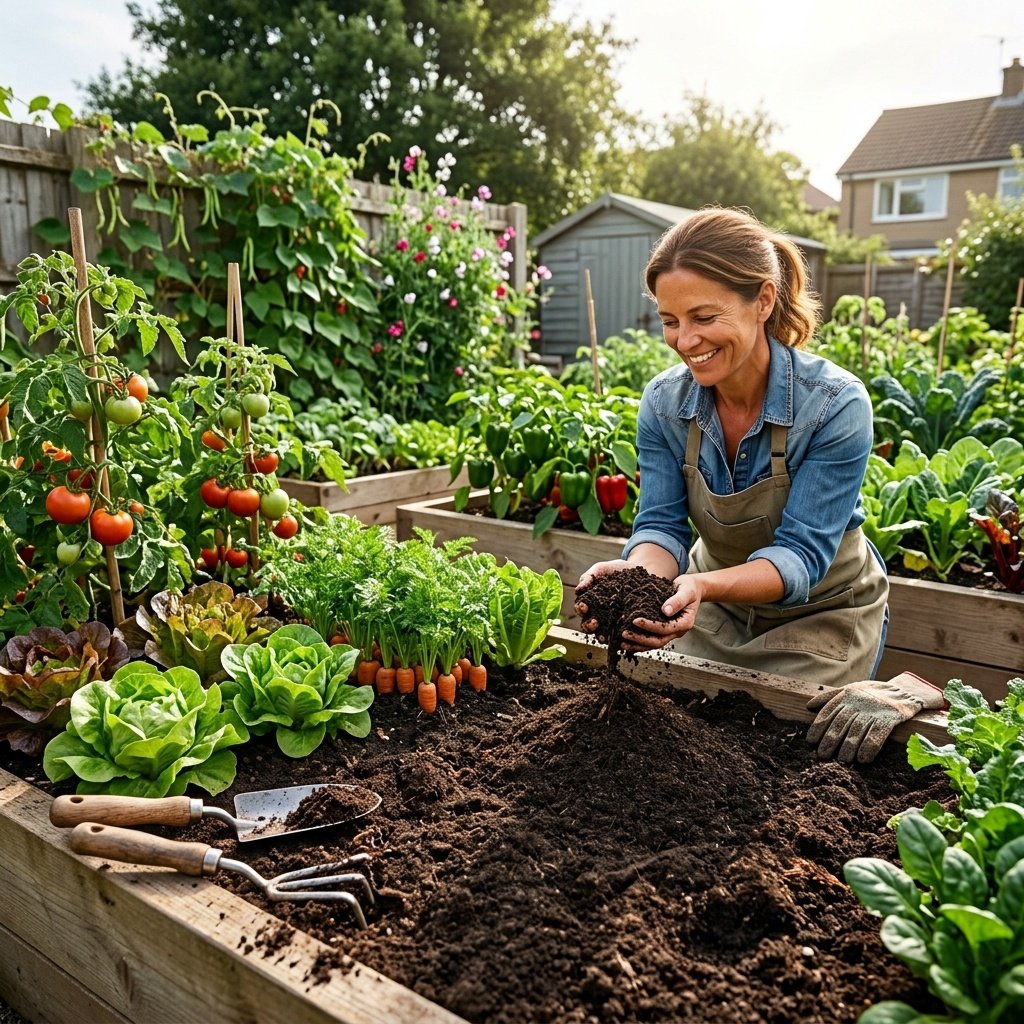
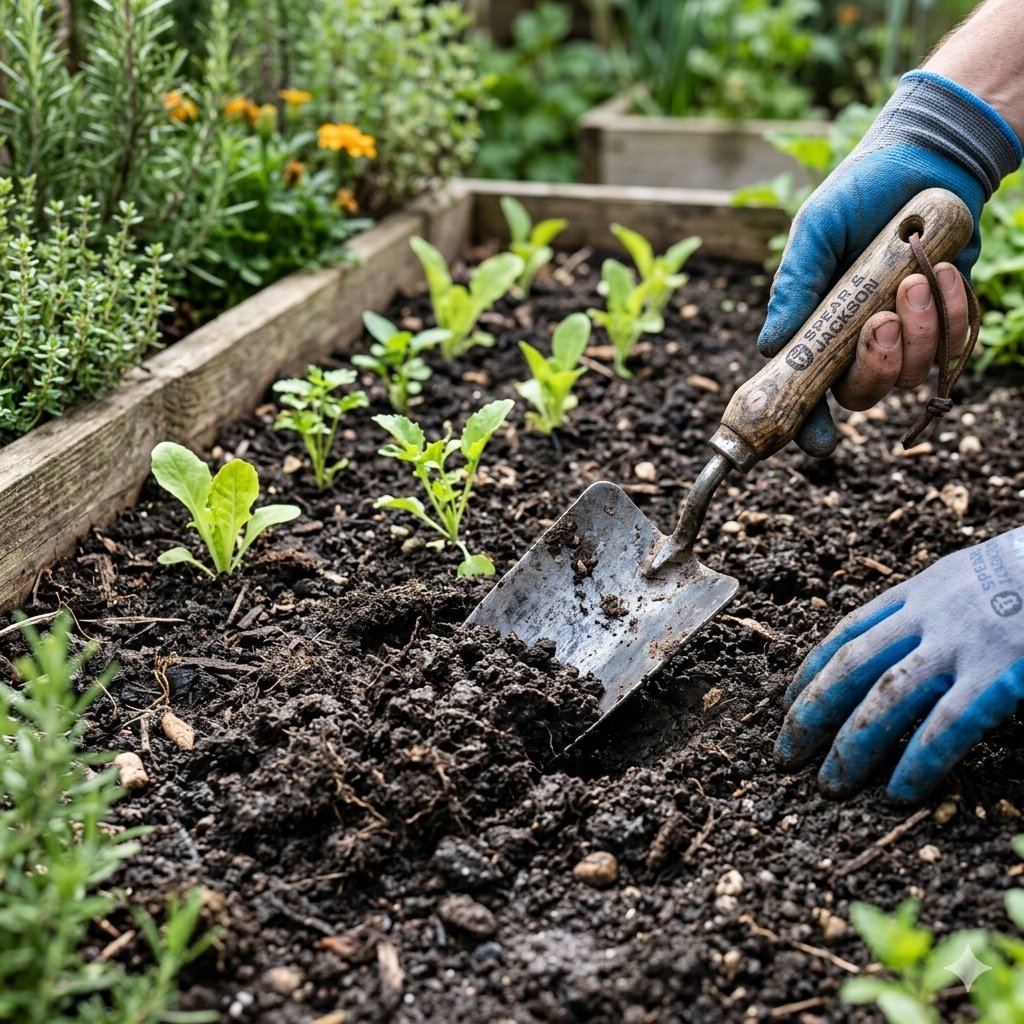
A hand trowel is what you’ll reach for almost every time you step into your garden. Digging small holes, planting herbs, moving seedlings—it handles all of it without fuss.
It’s especially useful if you’re working with pots, raised beds, or a small backyard. Big tools feel like overkill in those spaces. A trowel just fits.
The good ones feel solid in your hand. Not too heavy, not flimsy either. Cheap versions tend to bend when the soil gets tough, which gets frustrating fast.
Look for stainless steel if you can—it holds up better over time. And pay attention to the handle. If it feels awkward in the store, it won’t get better at home.
A small tip that helps: use it when transplanting herbs like basil or mint. You’ll get cleaner moves and less root damage.
Simple tool. You’ll use it constantly.
2. Pruning Shears (Secateurs)
At some point, your plants will need a haircut.
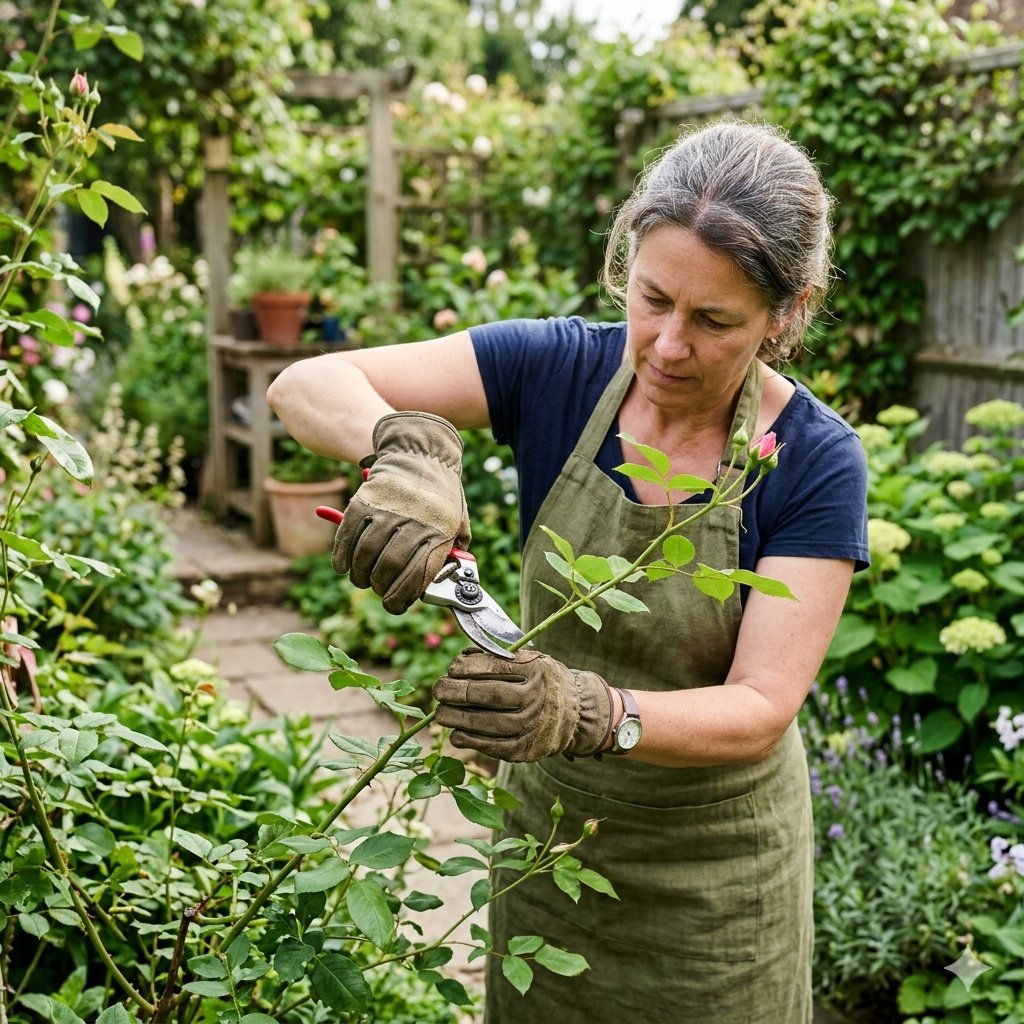
That’s where pruning shears come in. They let you cut dead leaves, trim overgrowth, and shape plants so they grow better instead of wild and uneven.
It’s not just about looks. Clean cuts help plants heal faster and stay healthier. Tear a stem by hand, and you risk damage. Cut it properly, and the plant keeps moving.
A decent pair makes a big difference. The blades should feel sharp right away. If they don’t, they won’t magically improve later.
Spring-loaded shears are easier to use, especially if you’re working for a while. Your hands won’t tire as quickly.
They do need a bit of care. Wipe them down after use. Keep them dry. Sharpen them once in a while.
And when you cut—angle matters. Aim for about 45 degrees. It helps the plant recover faster and reduces the chance of disease creeping in.
3. Watering Can or Hose
Watering seems simple. It isn’t.
Too much water is one of the fastest ways to kill a plant. Too little, and things dry out before you even notice. Getting it right comes down to control.
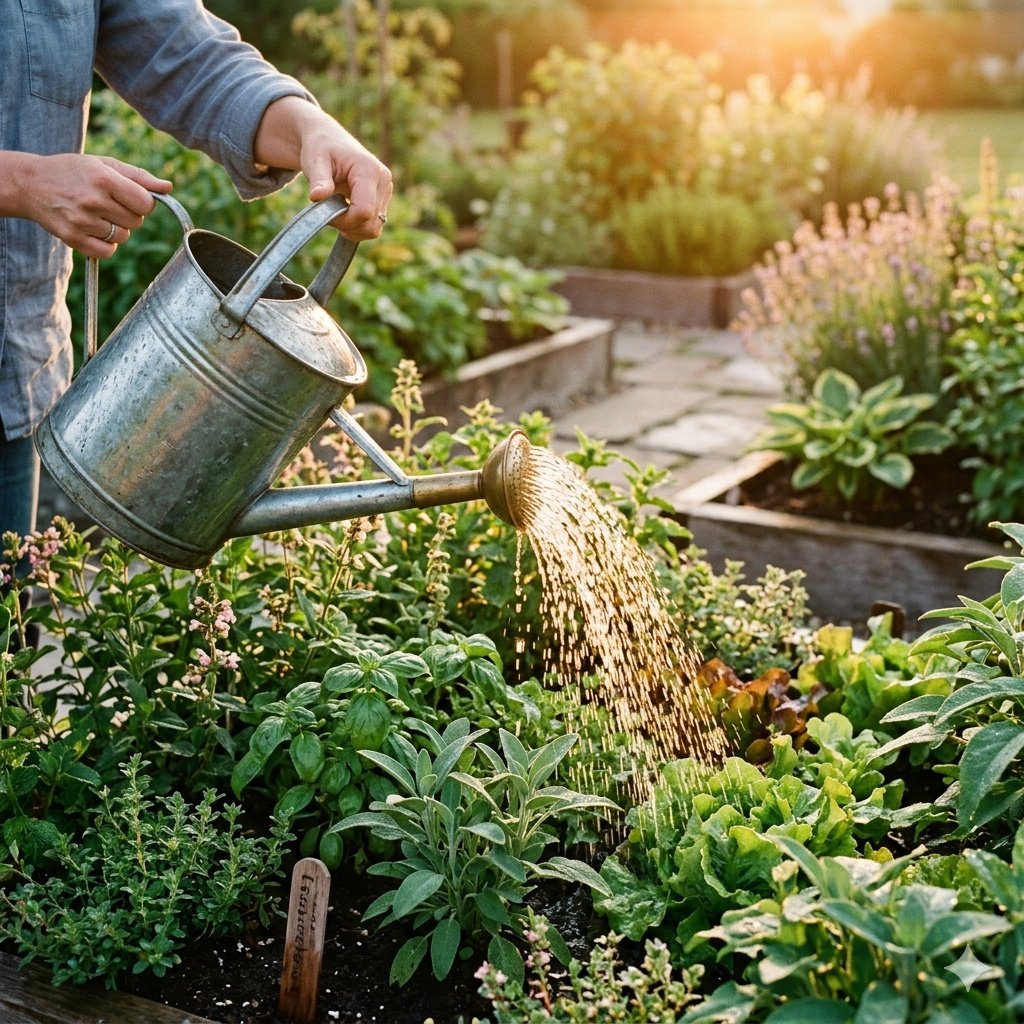
A watering can gives you that control, especially for smaller spaces or indoor plants. You can direct the flow exactly where it’s needed without flooding everything else.
Look for one with a long spout. It makes a difference when you’re trying to reach the base of a plant without soaking the leaves.
If you’ve got a bigger garden, a hose might make more sense. Just make sure it has an adjustable nozzle. A harsh stream can damage young plants.
Timing matters too. Early morning or evening works best. Midday watering tends to evaporate before the soil gets what it needs.
It’s not about how often you water—it’s about how well you do it.
4. Soil Moisture Meter
This little tool saves beginners from one of the biggest guessing games in gardening.
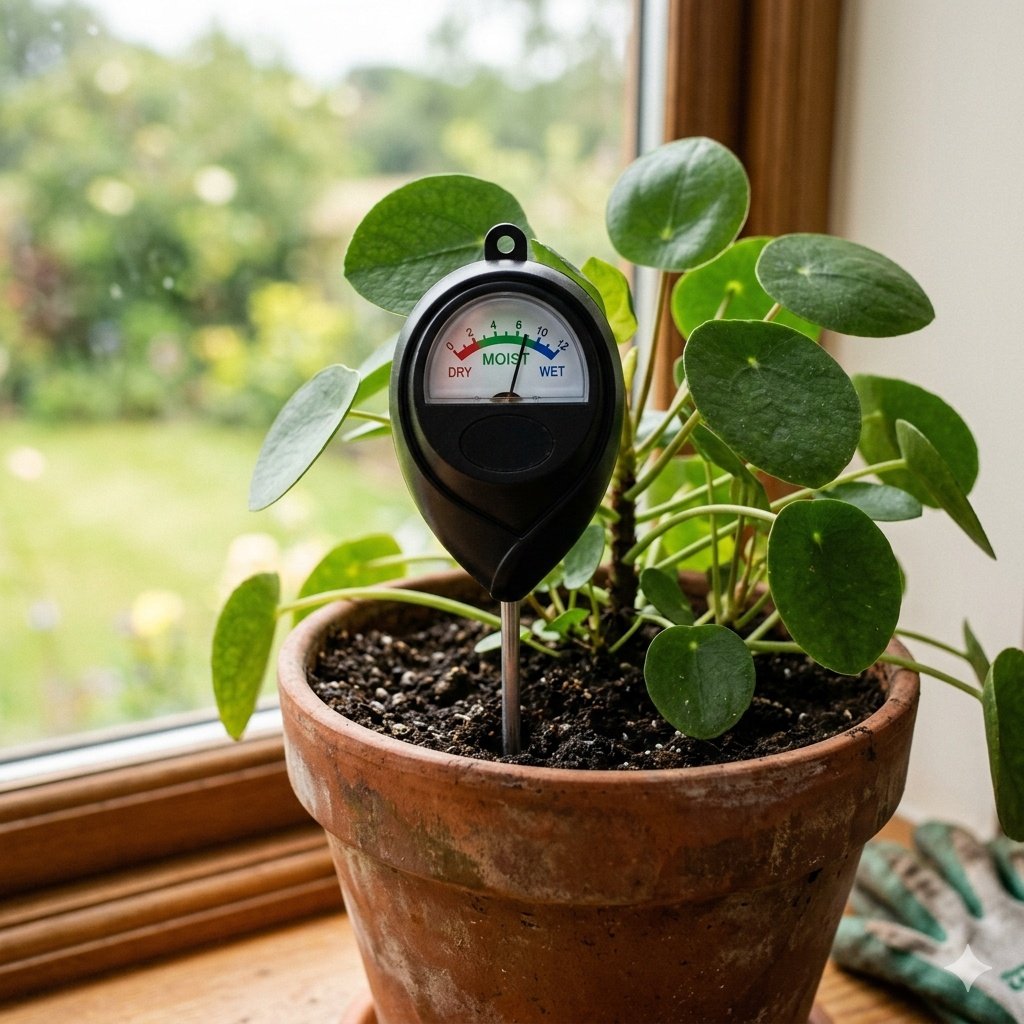
You stick it into the soil, and it tells you how wet or dry things are. That’s it. No second-guessing. No overthinking.
Most models don’t even need batteries, which makes them easy to keep around.
It’s especially useful for indoor plants, where overwatering happens all the time. People see dry soil on top and assume the whole pot is dry. It usually isn’t.
A moisture meter shows what’s really going on below the surface.
Some versions come as 3-in-1 tools—measuring moisture, light, and pH. Those can be helpful, but even a basic one does the job well.
Just don’t jam it into rock-hard soil. It works best when inserted gently and correctly.
Once you start using one, you’ll wonder how you guessed before.
5. Gardening Gloves
You might be tempted to skip gloves. Many beginners do.
Then come the scratches, the dirt under your nails, and the occasional surprise from a thorny plant.
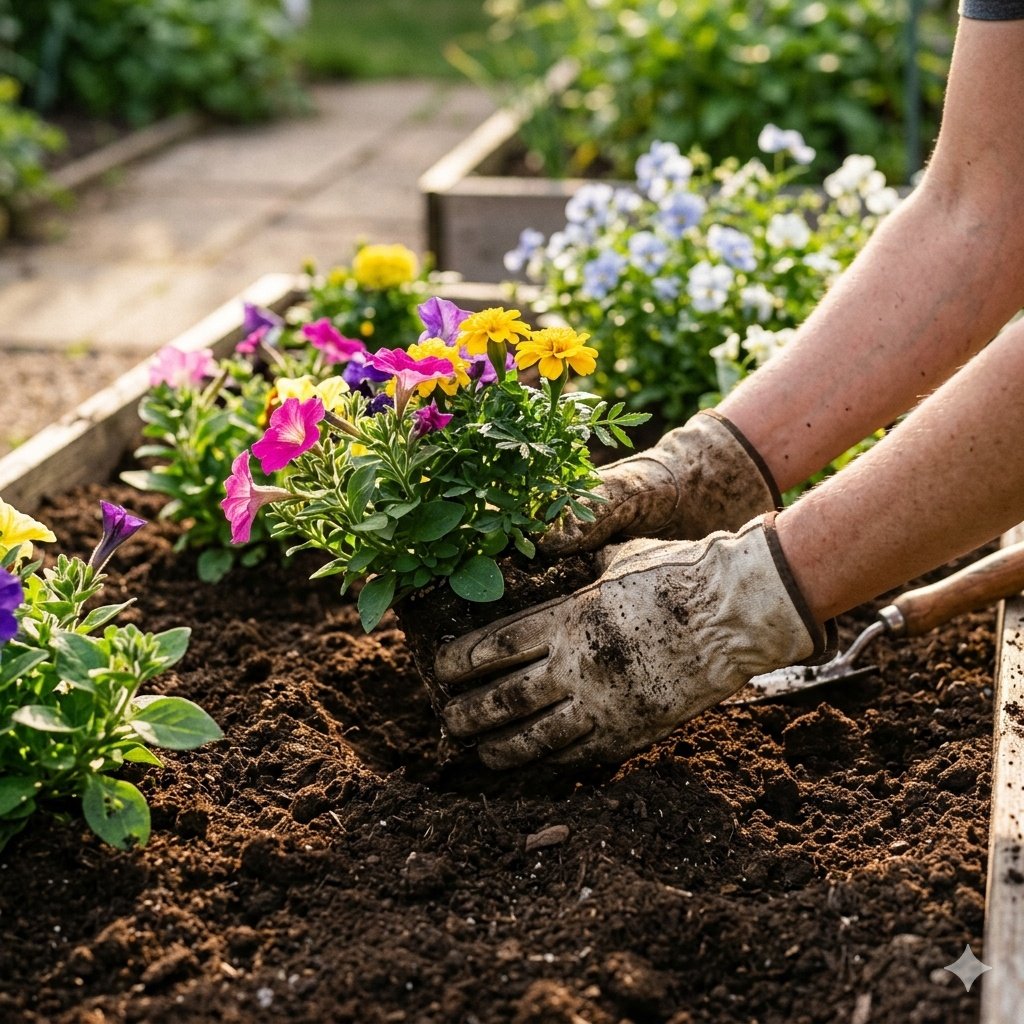
Gloves aren’t just about comfort—they’re about protection. They help you grip tools better, avoid cuts, and keep your hands in decent shape after a long session.
The cheap ones wear out fast. They tear, lose shape, and stop being useful.
Look for breathable fabric so your hands don’t overheat. And make sure the palms are strong enough to handle rough work.
You don’t need anything fancy. Just something that lasts.
6. Garden Fork or Hand Cultivator
Soil isn’t always as soft as it looks.
Over time, it gets compacted. That makes it harder for roots to grow and for water to move properly.
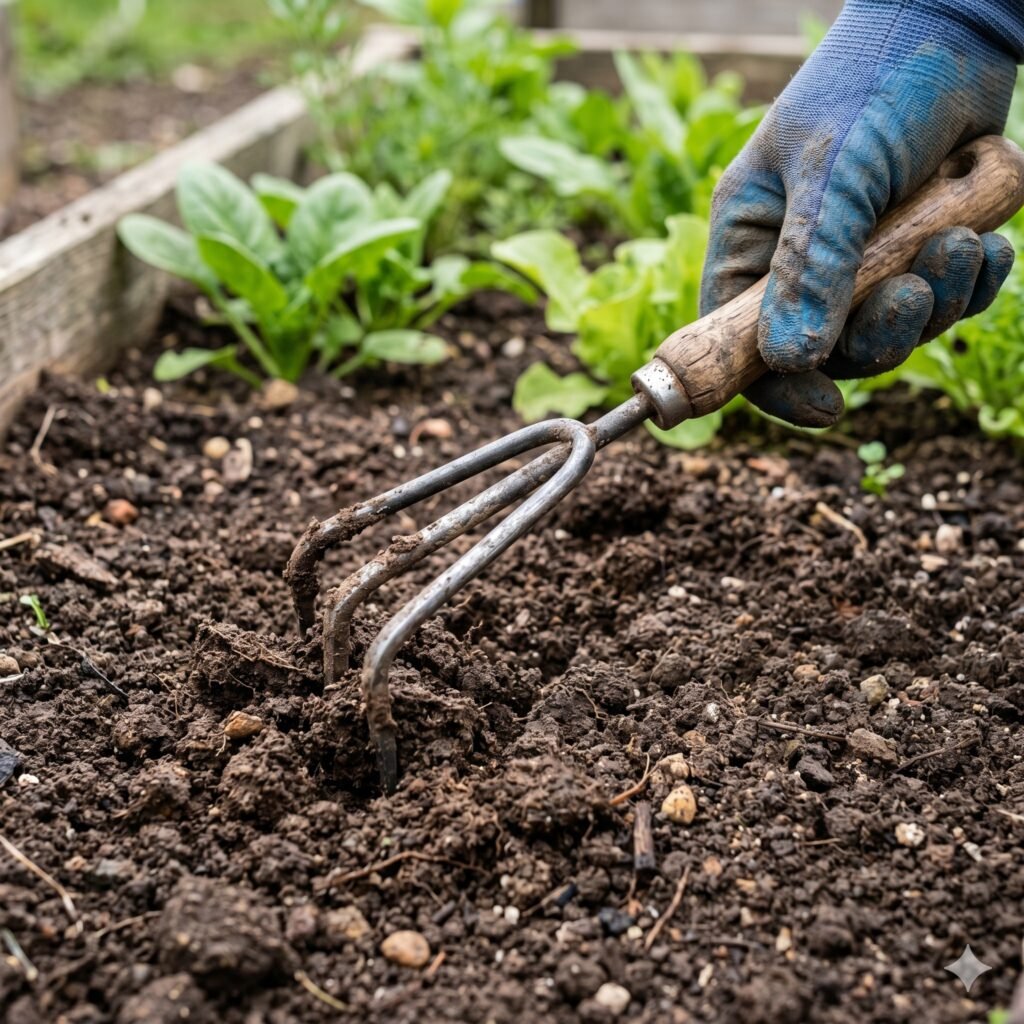
A hand cultivator—or small garden fork—helps break that up. You use it to loosen soil, remove weeds, and create space for roots to breathe.
It’s one of those tools you don’t think about until you need it. Then you realize nothing else quite does the same job.
Go for sturdy metal prongs. Weak ones bend easily and make the work harder than it should be.
It’s best for small to medium areas. If you’re dealing with a huge garden, you might need something bigger. But for most beginners, this is more than enough.
Use it before planting. Use it when the soil feels tight. It keeps things healthy below the surface, where it actually matters.
7. Seed Starter Kit
Growing from seeds feels different.
There’s something satisfying about watching a plant come up from nothing. But it can also be tricky if you don’t control the environment.
That’s where a seed starter kit helps.
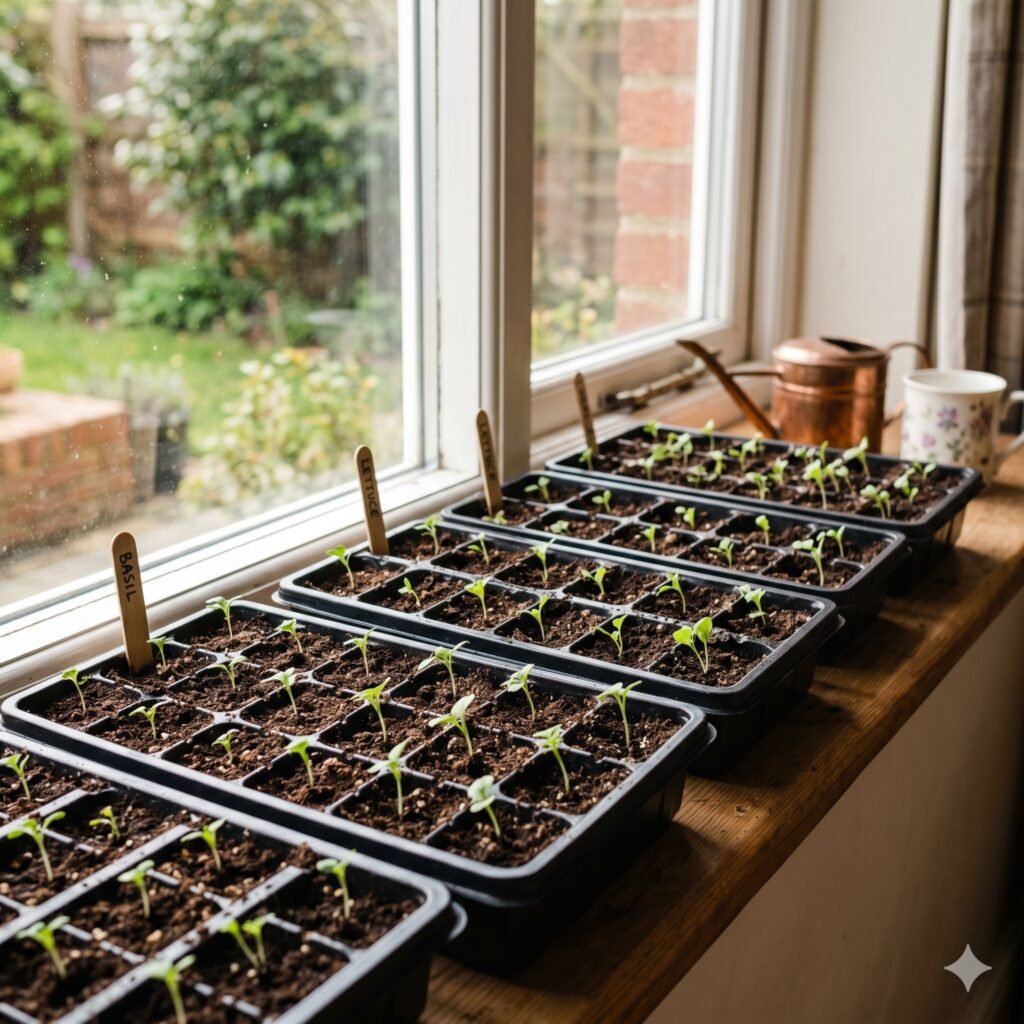
It gives you trays, compartments, and proper drainage—all set up so your seeds have a better chance from day one.
Instead of scattering seeds and hoping for the best, you get structure. Each plant has its space. Watering stays controlled. Growth becomes easier to manage.
Reusable trays are a good choice. They last longer and save money over time.
You’ll still need to pay attention—light, water, timing. But the process becomes much more predictable.
Start with simple options like lettuce, spinach, or tomatoes. They’re forgiving and grow fairly quickly.
Tools You Don’t Need (At Least Not Yet)
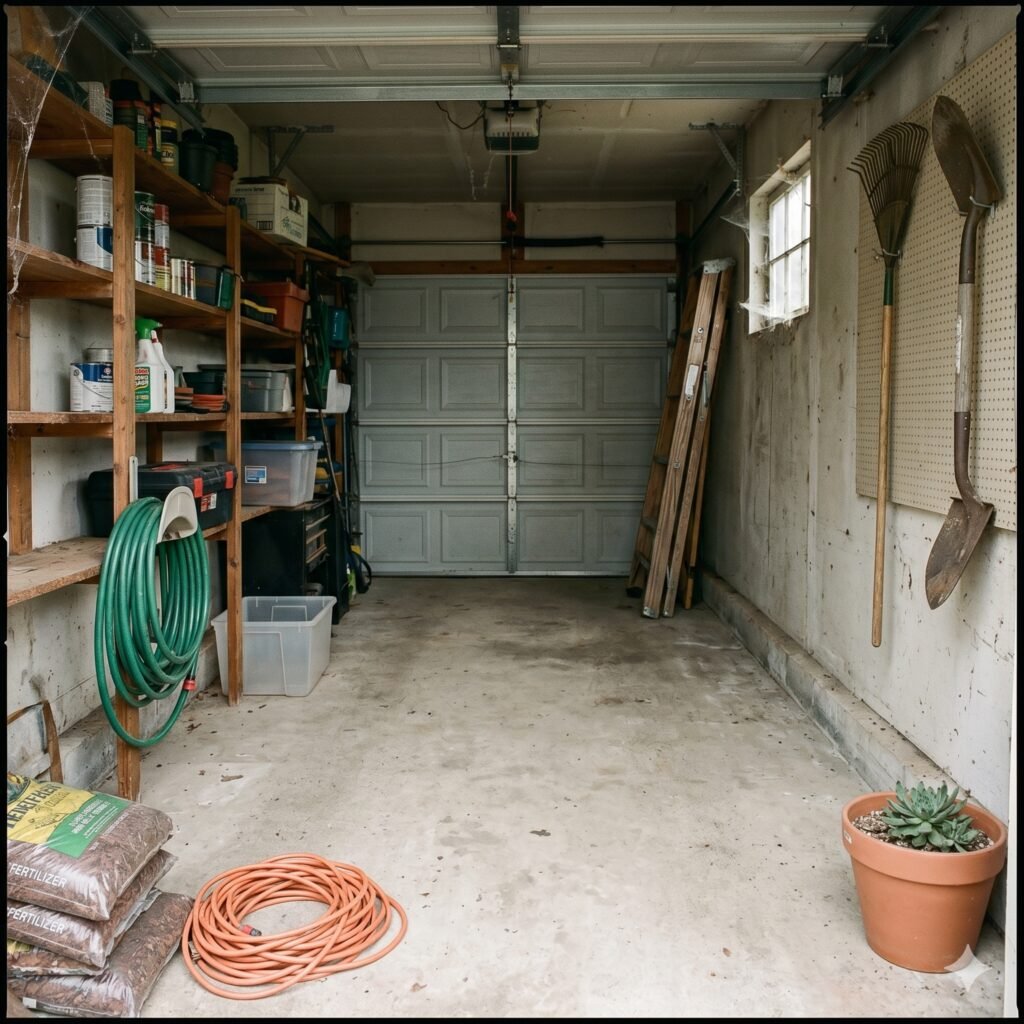
It’s easy to get pulled into buying more than you need.
Big electric tools. Complex irrigation systems. Heavy equipment that looks impressive but barely gets used.
For a beginner, these usually create more confusion than value.
Start small. Learn the basics. Understand how your plants behave and what your space actually requires.
Once you have that down, you can always add more later.
Right now, simple wins.
How to Choose the Right Gardening Tools
Don’t try to build a perfect setup on day one.
Pick a few essentials. Use them. See what feels natural and what doesn’t.
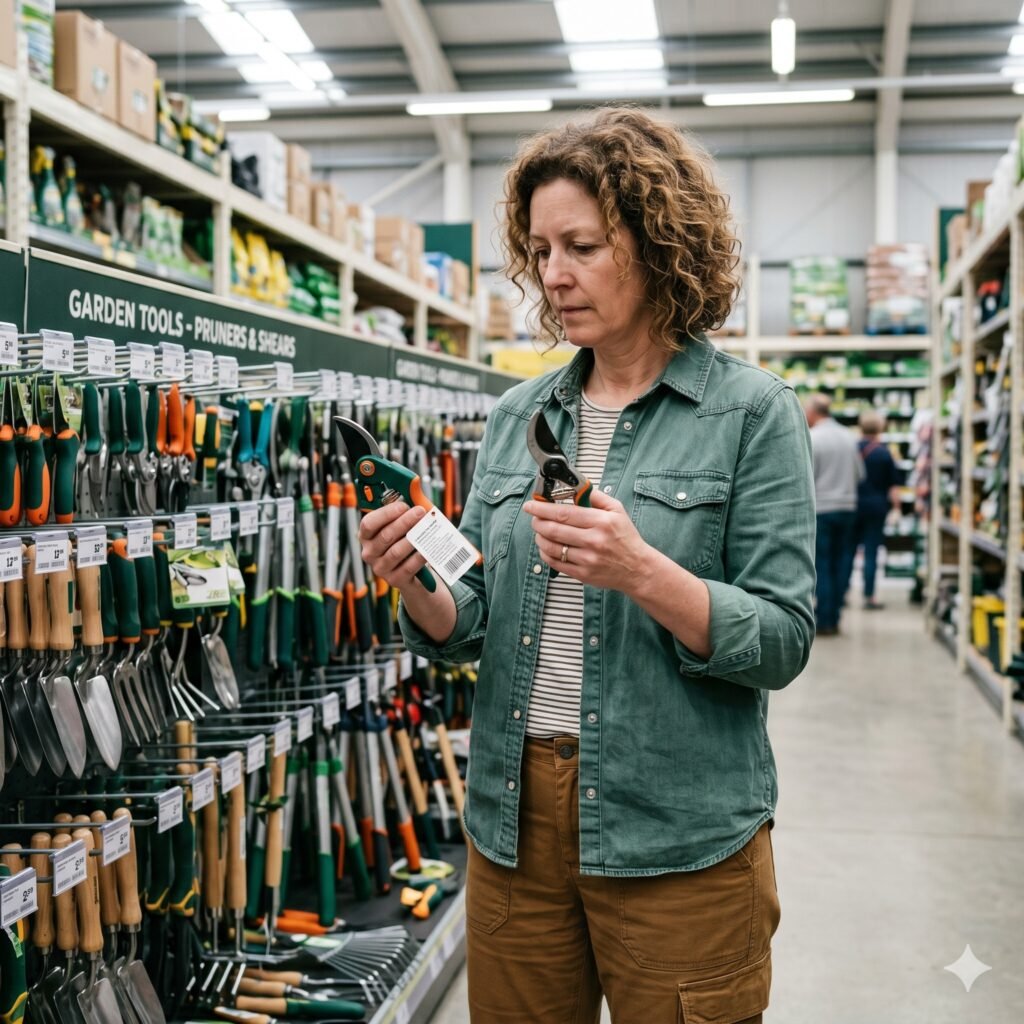
Quality matters more than quantity. A single well-made tool is better than five that break or frustrate you.
Read reviews if you’re unsure. Look for tools that people actually use regularly—not ones that just look good in pictures.
And think about your space. A balcony garden needs different tools than a full backyard.
Buy for what you have now, not what you imagine having later.
Related Reads
You might find these helpful as you keep going:
- Metal vs Wood Raised Garden Beds: Which Is Better?
- 17 Full Sun Plants to Grow in May
- 7 Best Fertilizers for Raised Beds (Top Picks + Feeding Guide)
FAQ
1. What are the absolute first gardening tools I should buy?
Start with the basics you’ll actually use every day: a hand trowel, pruning shears, a watering can, and gloves. That set alone covers planting, trimming, watering, and protection. Add a moisture meter if you’re unsure about watering—it removes a lot of early mistakes.
2. How much should I spend on beginner gardening tools?
You don’t need to spend much. Most solid beginner tools fall in the $5–$25 range. What matters more is build quality. A $12 trowel that lasts three years is better than a $5 one that bends in a week.
3. Are plastic tools good enough for beginners?
For very light tasks, maybe. But they wear out quickly, especially in tougher soil. Metal tools—especially stainless steel—hold up better and feel more stable in your hand. If you can, go for metal with a comfortable grip.
4. How do I know if I’m overwatering my plants?
Yellowing leaves, soggy soil, and a musty smell are common signs. The tricky part is that overwatering often looks like underwatering at first glance. That’s why a soil moisture meter helps—it shows what’s happening below the surface instead of relying on guesswork.
5. What’s the easiest tool to misuse as a beginner?
Pruning shears. It’s easy to over-trim or cut in the wrong place. The fix is simple: don’t rush. Make clean cuts, avoid removing too much at once, and aim for that slight angle so the plant heals properly.
6. How often should I clean my gardening tools?
Ideally, after every use—at least a quick wipe-down. Dirt and moisture lead to rust and dull blades over time. For tools like shears, occasional sharpening keeps them working like they should.
7. Can I share tools between indoor and outdoor plants?
Yes, but clean them first. Outdoor soil can carry pests or diseases you don’t want inside. A quick rinse and dry is usually enough to keep things safe.
Final Thoughts
Starting a garden isn’t about having the perfect setup—it’s about getting your hands in the soil and figuring things out as you go. The right tools won’t make you an expert overnight, but they will remove a lot of the friction that trips people up early on. You’ll make mistakes. Everyone does. A plant might not grow the way you expected, or you might water too much the first time around. That’s part of it. What matters is that you keep it simple and stay consistent. With a few reliable tools and a bit of patience, gardening shifts from feeling confusing to something that actually clicks—and once it does, it’s hard to stop.