
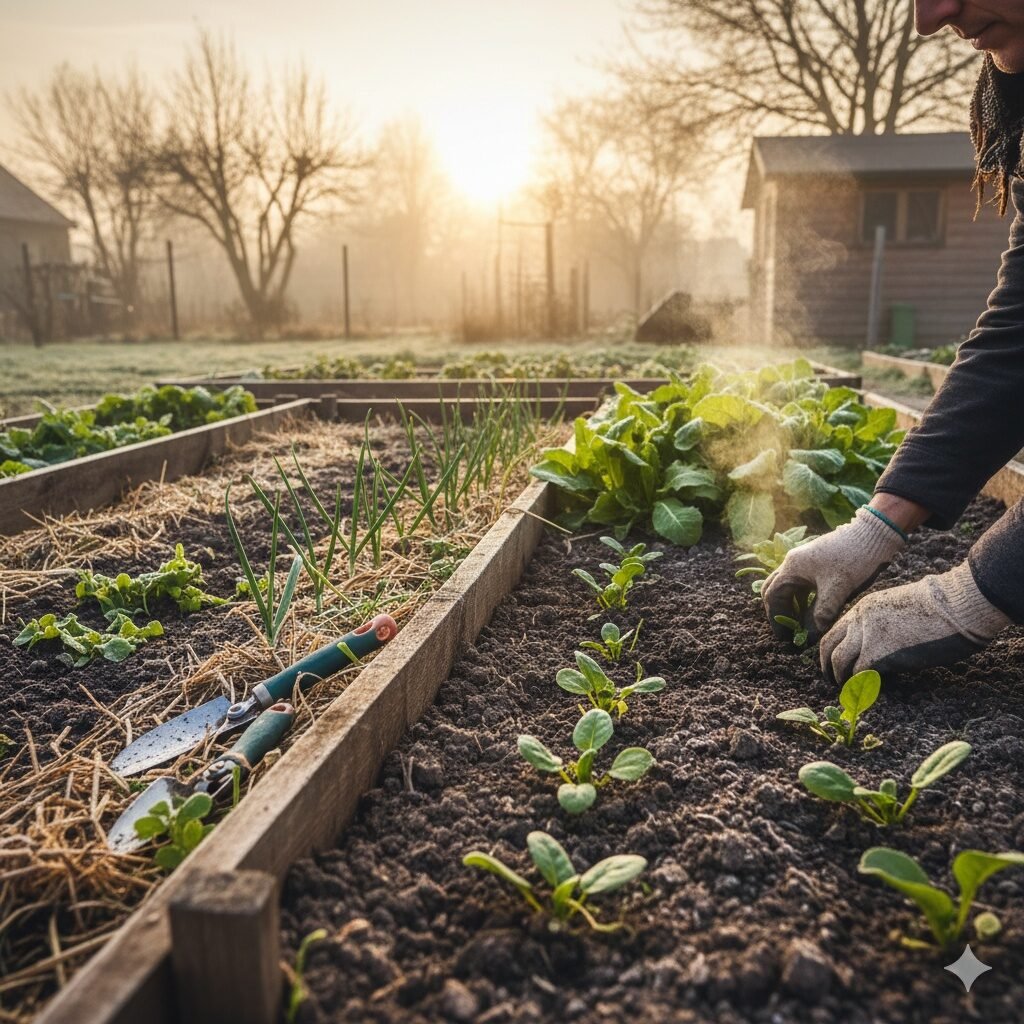
Late-Season Edible Crops You Can Still Plant in November: ok, so the colder months often seem like the moment everything in the garden shuts down, but that’s not really the case at all. the air’s crisp, the soil’s cooling, and yet this is, in a way, a kind of hidden window for anyone who still wants fresh flavors right from their own beds. plenty of late-season edible crops actually enjoy the chill — they grow slow, sweet, and sturdy. think garlic, spicy mustards, and all those tender winter salad greens that, frankly, keep the garden breathing when most plants are calling it a year.
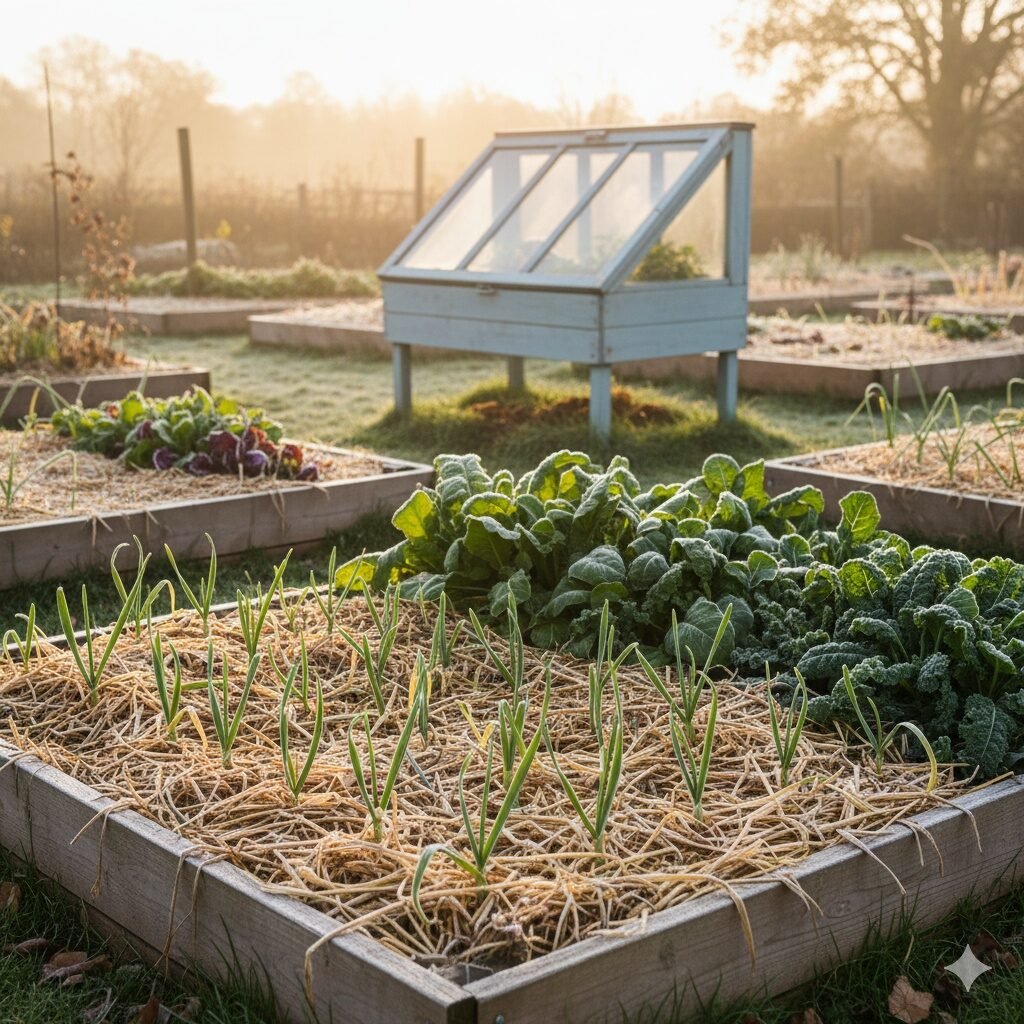
Growing Edibles When the Cold Sets In
So, the first thing to remember is that November doesn’t mean your garden has to rest. It’s really just a shift — from heat-loving crops like tomatoes and peppers to cold-tolerant vegetables that grow slow and steady. When you pick the right varieties and handle the soil right, you’ll get more than just greenery. You’ll get fresh winter harvests, better soil health, and, by spring, beds that are already buzzing with new shoots.
These late-season edible crops tend to settle in before the ground freezes, holding strong through winter and jumping into fast growth once the days get longer again. That means garlic bulbs ready to sprout early, mustard greens popping up for quick harvests, and salad mixes that, honestly, taste crisper and sweeter in the cold. So, yeah, what to plant in November doesn’t have to be a question with a short answer — it’s a pretty exciting list.
Garlic — The Cold-Resistant Root Crop
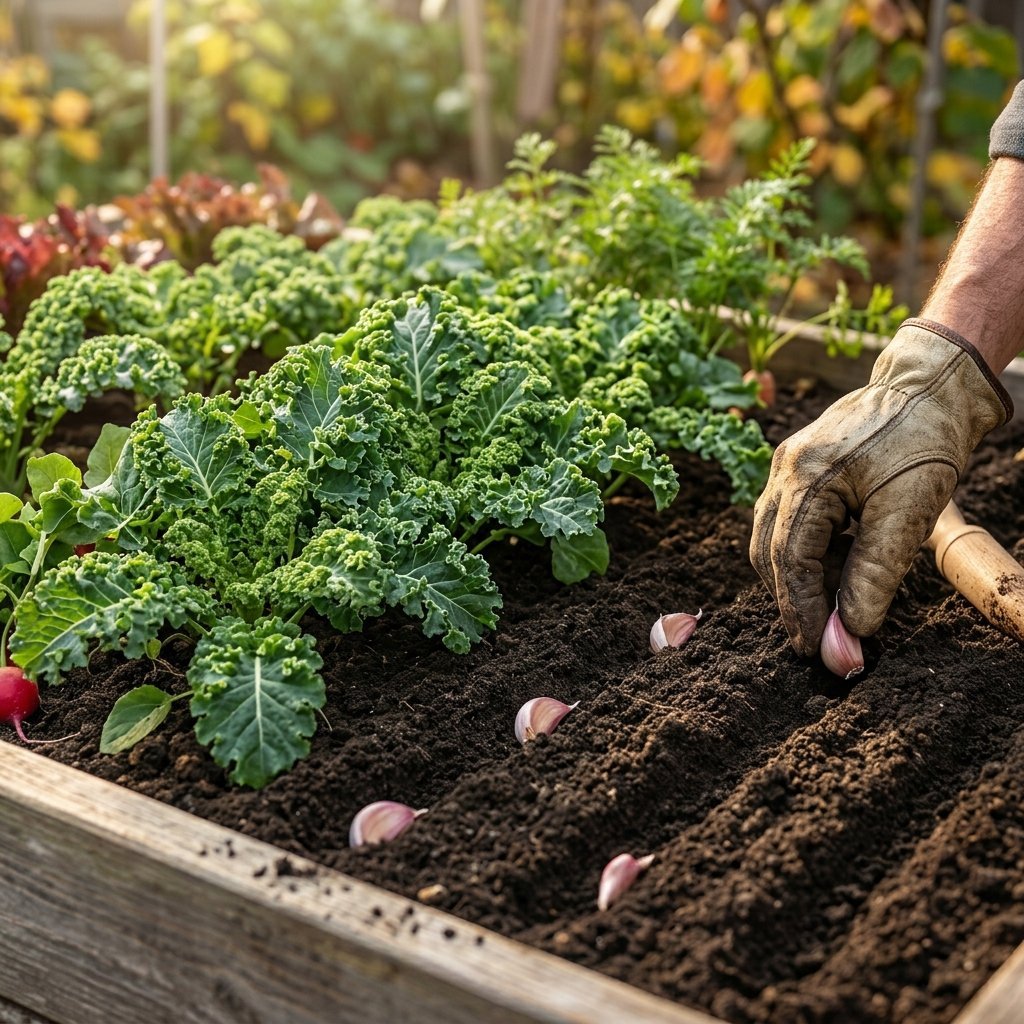
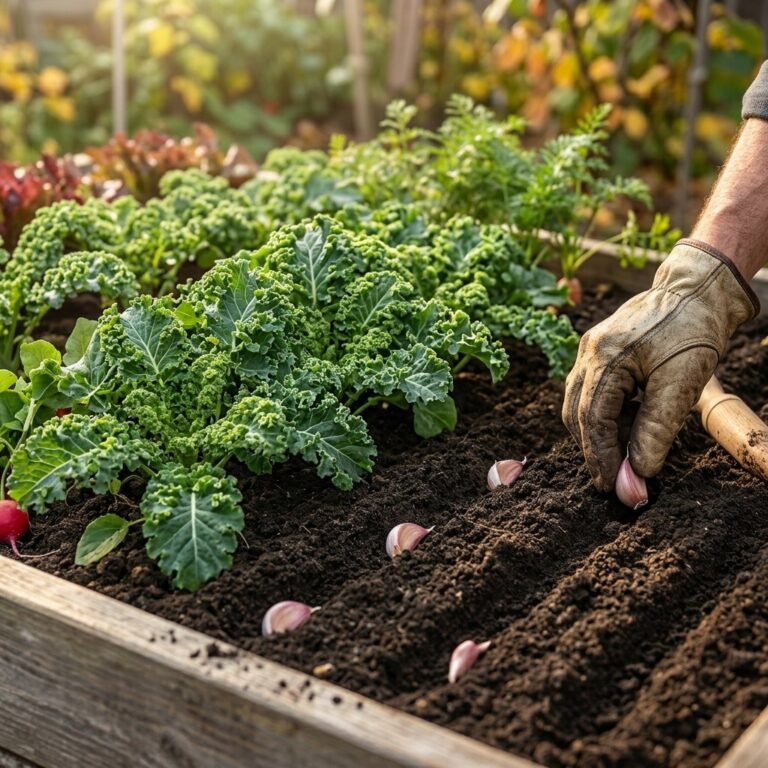
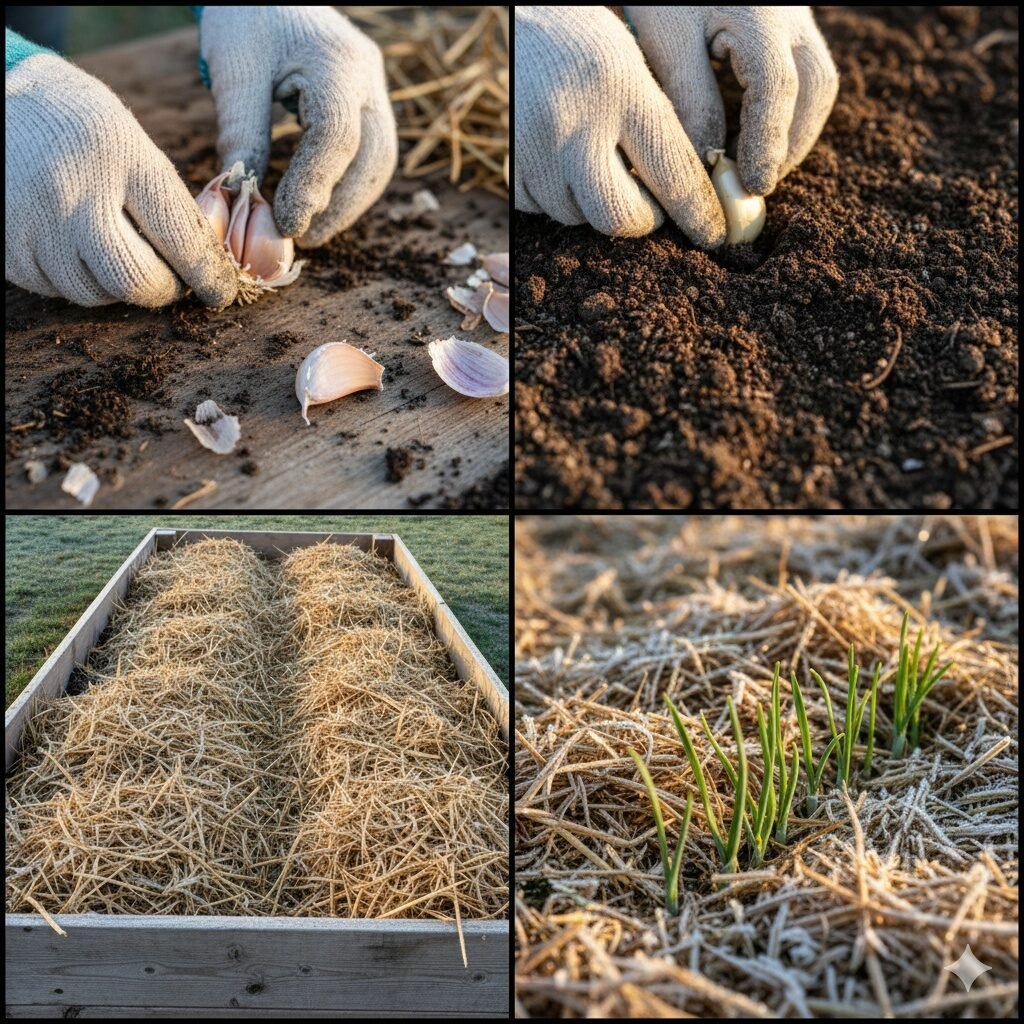
Alright, so garlic is kind of the classic example of a cold weather crop that thrives under pressure. Most folks plant it in late fall, and it sits quietly all winter, roots pushing deeper as the ground cools. Then, when spring rolls around, those first green shoots come out looking tough and determined.
Now, the main decision is about varieties. Hardneck garlic types like Rocambole and Porcelain tend to handle freezing temperatures better, giving strong flavor and those pretty scapes in spring. Softneck garlic, on the other hand, works fine if your winter’s mild and you want long-storing bulbs later.
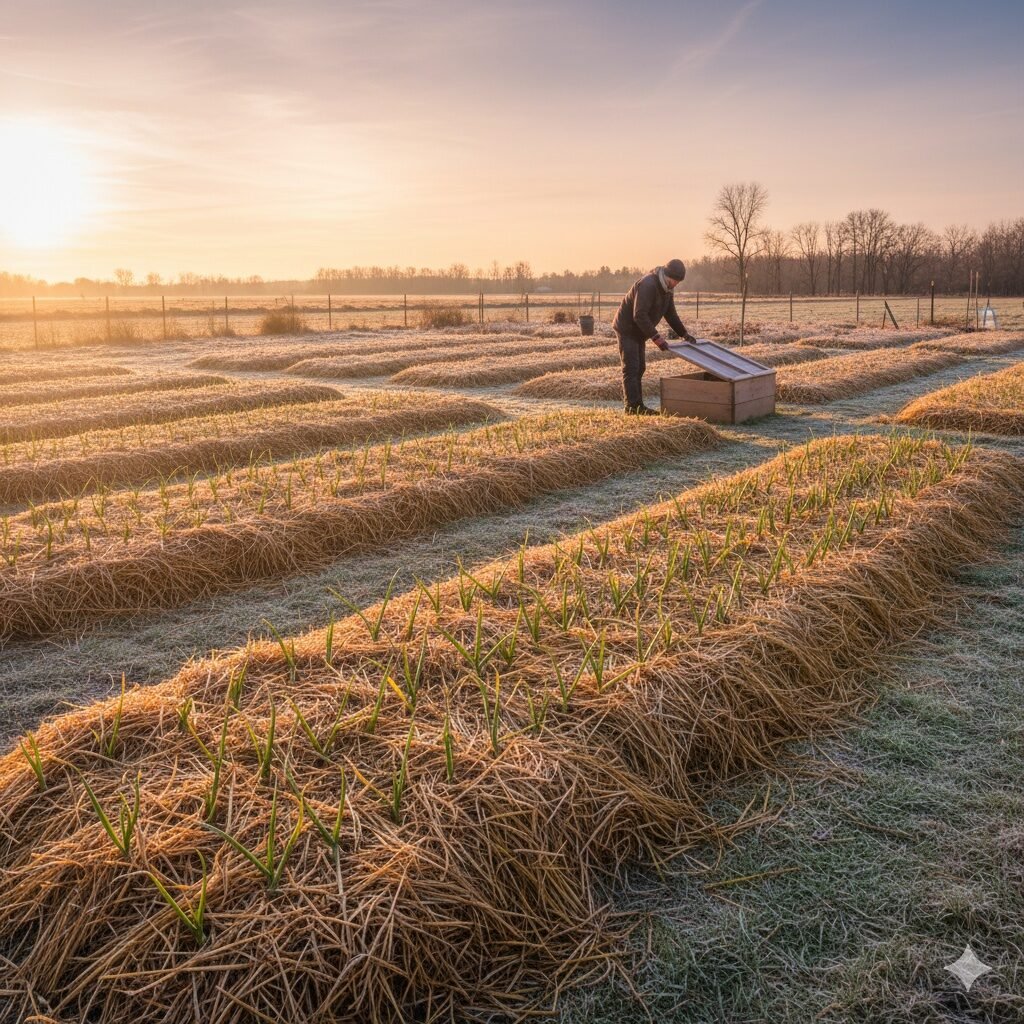
For the soil, make it loose, well-drained, and compost-rich. Garlic hates soggy spots — the bulbs can rot if they sit in cold wet soil for too long. Plant each clove about two inches deep, pointy end up, and give them around six inches of breathing room. Cover the bed with straw or shredded leaves to hold warmth and moisture. That’s your basic overwintering trick.
By late winter or early spring, you’ll notice the first signs of life — tiny green spears breaking through the mulch. From there, it’s just patience. Most winter garlic will be ready by midsummer, and those early scapes can go straight into soups, pastas, or stir-fries for a garlicky bite that feels way fresher than dried cloves.
Know more about growing Garlic in Raised Beds through the following article.
Mustards — Fast-Growing and Flavor-Packed Greens
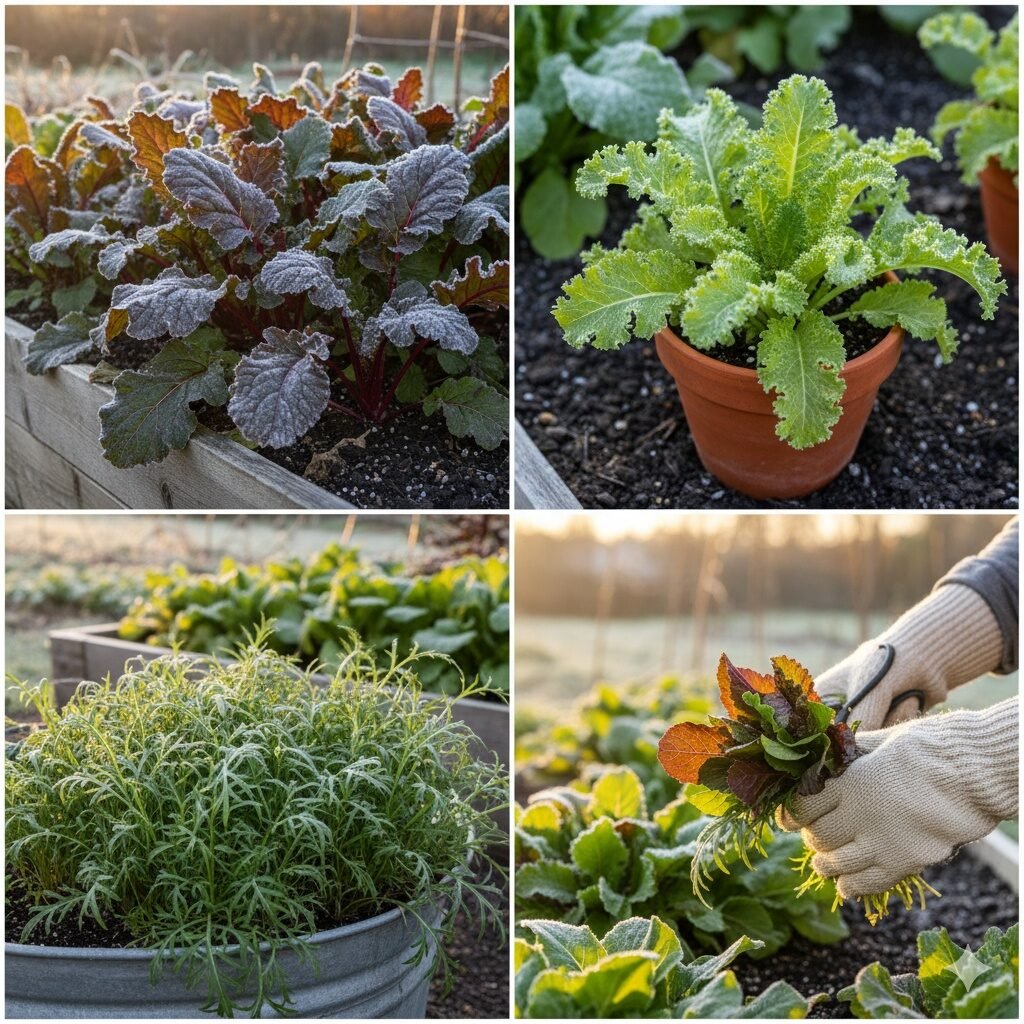
Mustard greens are, in some respects, the rebels of the late garden. They’re quick to grow, bold in taste, and they actually get milder in the chill. Planting them in November might seem late, but they love cooler temperatures, and if you pick the right types, you’ll have leaves to harvest before frost gets serious.
Varieties like Red Giant, Green Wave, or the slightly nutty Mizuna are perfect for mustard greens winter planting. You can scatter seeds directly into the soil or start them in trays and transplant into raised beds. They do well in containers too, which makes them great for smaller garden spaces or balcony growers.
Give them moist soil and decent sunlight — at least four hours a day, though filtered winter light works fine. For cold hardy greens, it’s more about keeping the soil from freezing than about full sun exposure.
When it comes to harvesting, you can cut baby leaves for salads in a few weeks or let the plants mature for bigger, bolder greens. Cutting leaves individually keeps the plant producing, which gives you that fast-growing vegetables in winter vibe — constant, small harvests that stretch through the season.
Plus, mustard’s natural aphid resistance makes it a smart choice for companion planting. Grow it near spinach or lettuce to keep pests distracted, or mix it with herbs to build a natural mini eco-system in your cold beds.
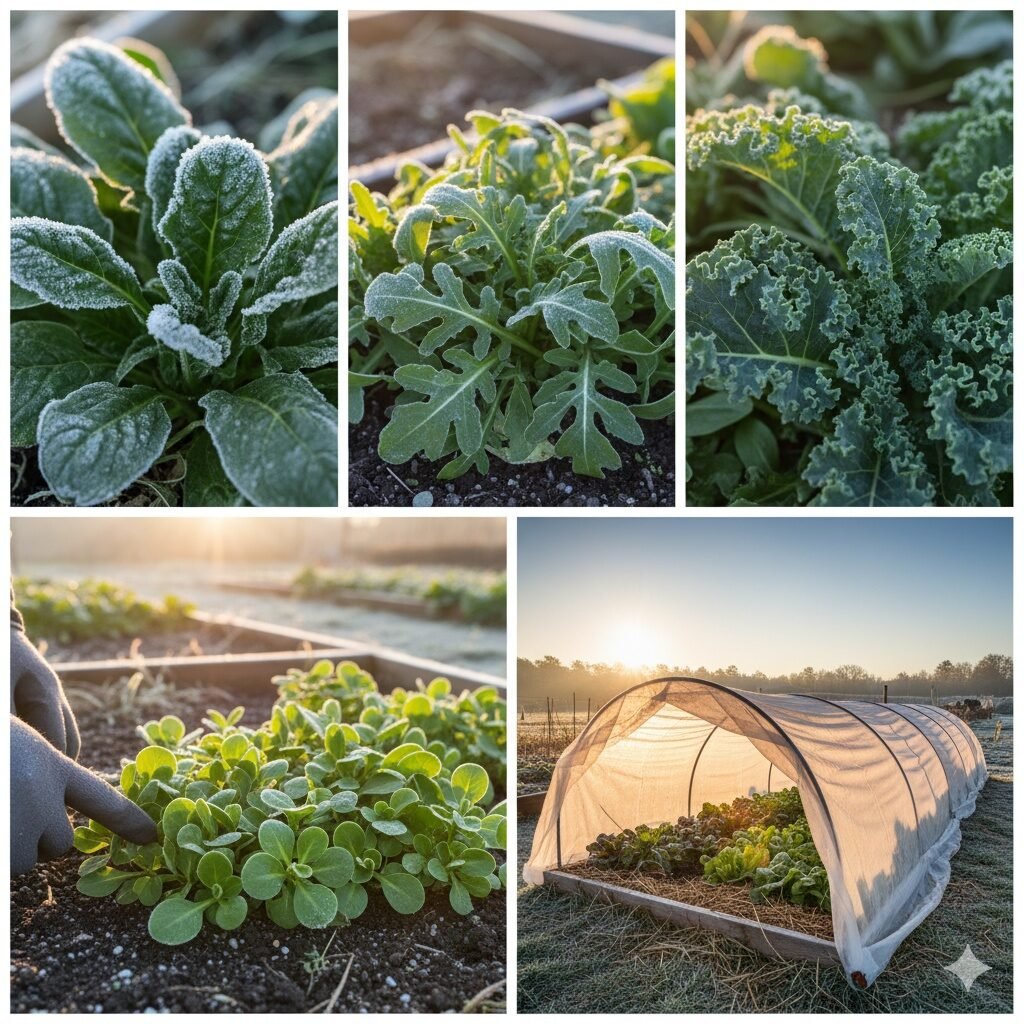
Winter Salad Greens — Fresh Leaves All Season Long
Now, if you want greens that don’t quit, this part’s your goldmine. Winter salad greens are the secret behind that steady harvest through December, January, and beyond. They’re the kind of crops that, once you start growing, you never want to skip again.
For a mixed and colorful salad patch, go for spinach, arugula, mâche (corn salad), kale, and lamb’s lettuce. These are all tried-and-true cold-tolerant vegetables, which means they actually taste better after a frost. The cold triggers sugars in the leaves, making them crisp and sweet instead of bitter.
Plant them in soil that’s moist but not waterlogged, and give them partial sun if possible — a bit of morning light is usually enough. Use mini tunnels or cold frames if frost is heavy in your area. A simple hoop tunnel made with PVC pipe and clear plastic can stretch your growing season by weeks.
If you keep sowing small batches every couple of weeks — what gardeners call successive sowing — you’ll always have something to pick. And that’s kind of the dream: a patchwork of greens, some ready now, some growing for later, all thriving in the crisp air of your winter vegetable garden.
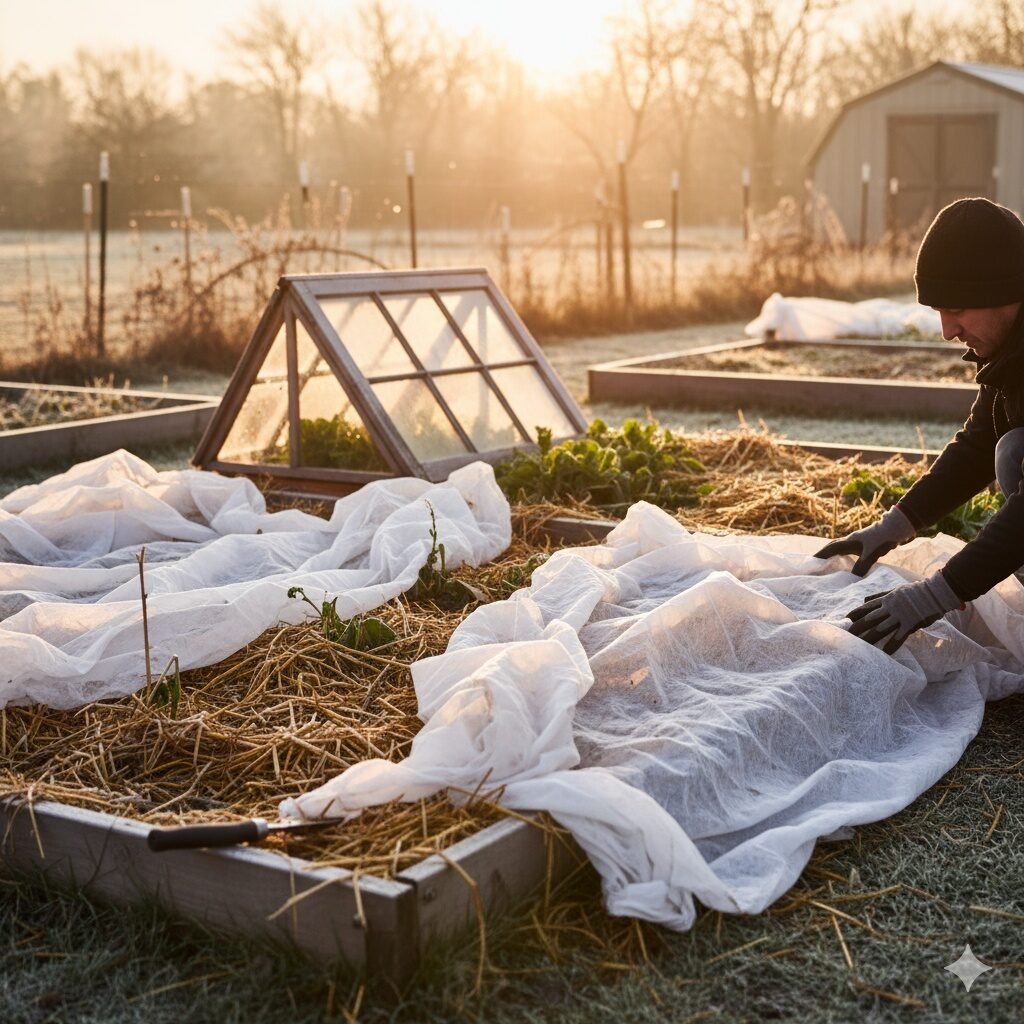
Simple Protection Tips for Cold-Weather Crops
So, the trick to keeping your overwintering garden alive and thriving is protection — not fancy gadgets, just smart covering. Even the hardiest greens need a little barrier between them and freezing wind.
Mulching is your first move. Use straw, shredded leaves, or composted bark to cover the soil around plants. It keeps the warmth in and stops soil from drying out or cracking.
Then there’s frost cloth — lightweight fabric that traps a layer of heat from the soil. You can drape it right over your beds or over simple hoops. Some gardeners even use old bedsheets or row covers to do the same job.
Cold frame ideas can be as simple as an old window hinge attached to a wooden box. The sunlight comes in, and the box traps the warmth. On warmer days, crack it open for air.
Watering matters too — cold soil doesn’t need much moisture, but it shouldn’t dry out completely. Water early in the day so any splashed leaves dry before nightfall. That helps stop frost damage.
And here’s a small but big tip: pick a spot that gets morning sun. The early rays help melt frost faster and keep plants healthier. It’s a simple detail that makes a huge difference through long winters.
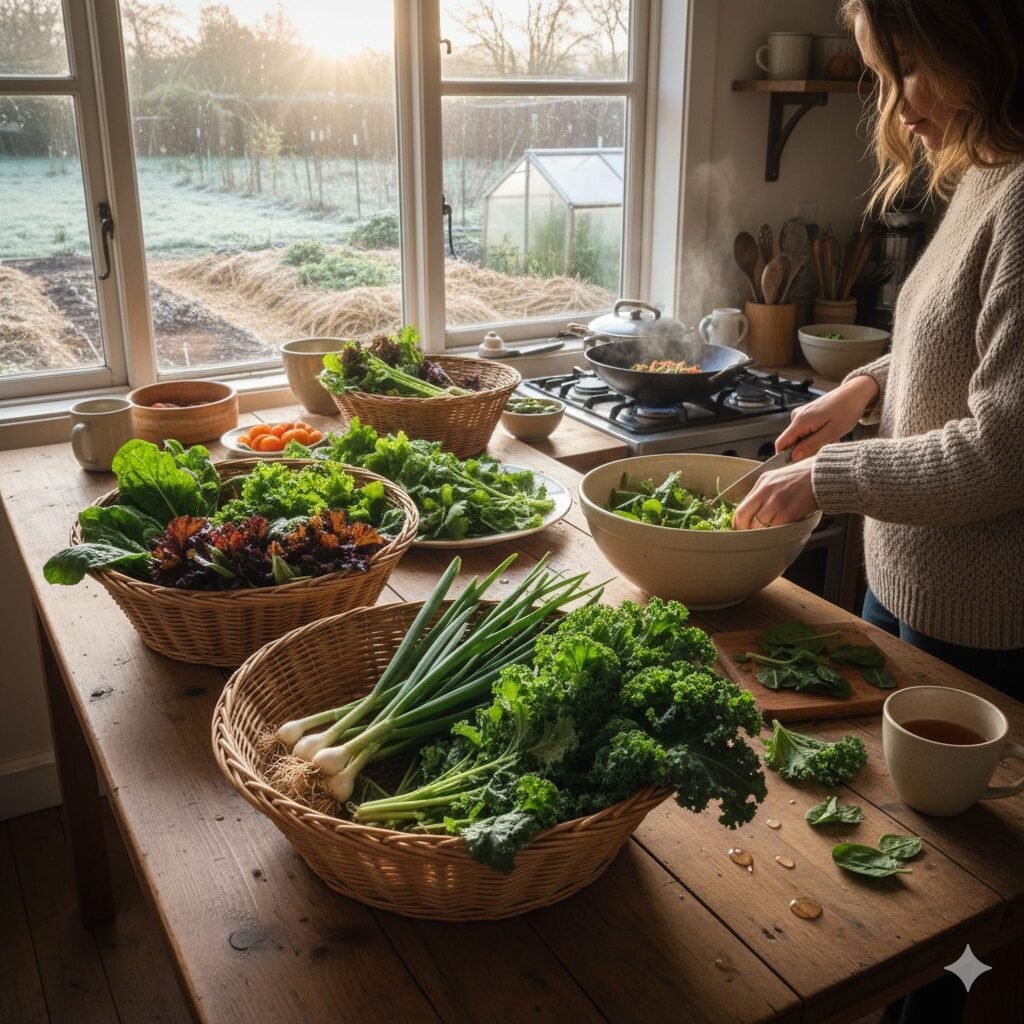
Harvest & Use — Bringing Winter Freshness to Your Kitchen
Now for the fun part — eating what you grow. The first harvests might be small, but they bring such a real sense of life into winter cooking.
Garlic shoots are often the first surprise. They pop up bright green and taste like mild garlic — perfect in eggs, soups, or as garnish for roasted vegetables. Mustard leaves give a peppery bite that wakes up salads or stir-fries, while your winter salad greens bring that crisp, garden-fresh texture that store-bought greens just don’t have.
If you’re harvesting often, always pick from the outer leaves first. That keeps the plant growing and producing new centers. For bulk harvests, cut the whole bunch an inch above the soil — new growth often comes right back if temperatures stay mild.
In the kitchen, you can toss these greens in warm grains, soups, or light sautés. Spinach and kale mix beautifully with garlic and olive oil; mustard greens give soups a little spark. And if you grow more than you can eat, storing or preserving them is easy — a quick blanch and freeze keeps most of their nutrients and flavor intact.
Final Thoughts
By the time most people hang up their garden gloves for the season, your year-round edible garden could still be producing. The trick, as I was saying, is to treat winter not as an ending but as another phase of growth — slower, yes, but deeply rewarding.
Winter gardening tips often sound more complicated than they are. You just need hardy crops, good mulch, and the willingness to experiment. Over time, your soil improves, your spring comes earlier, and your table stays green when everything else looks grey outside.
So, if you’ve been wondering what to plant in November, this trio — garlic, mustards, and winter salad greens — gives you a complete setup: roots for later, leaves for now, and life in the garden all through the cold.
If you’ve been curious about how to grow garlic when the weather turns cold, this quick video breaks it down in the simplest way possible. It shows how to prep your soil, separate and plant cloves, and keep them protected through winter for a strong spring start.