
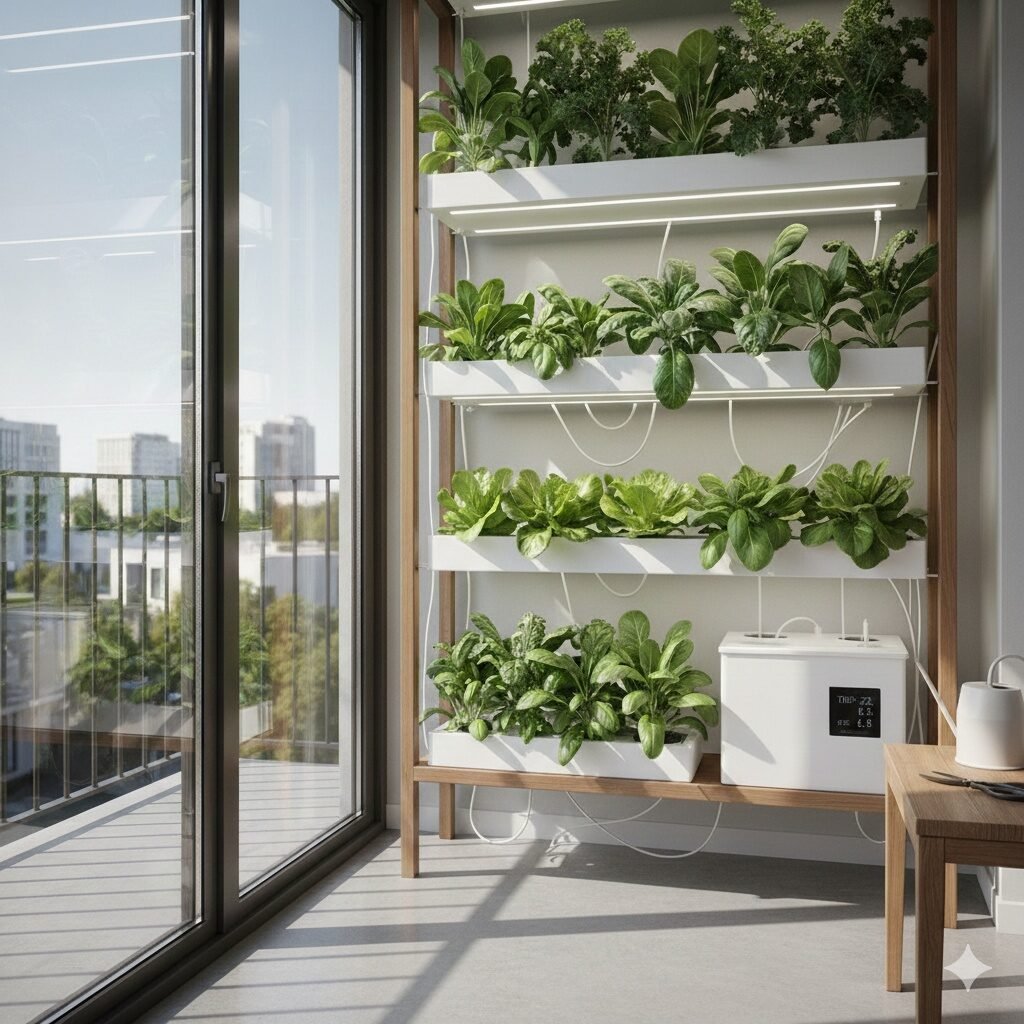
Ok, so the idea of growing food without soil sounds strange at first, yet hydroponics for beginners is actually one of the cleanest and most controlled ways to grow plants at home. In a way, this method lets you raise fresh greens in small spaces like apartments or balconies, so you don’t need a yard or heavy garden tools. Basically, plants grow faster in water-based systems, so you get food sooner with less mess and fewer pests. By the end of this guide, you’ll know how to start your first setup, that is that, even if you’ve never grown anything before.
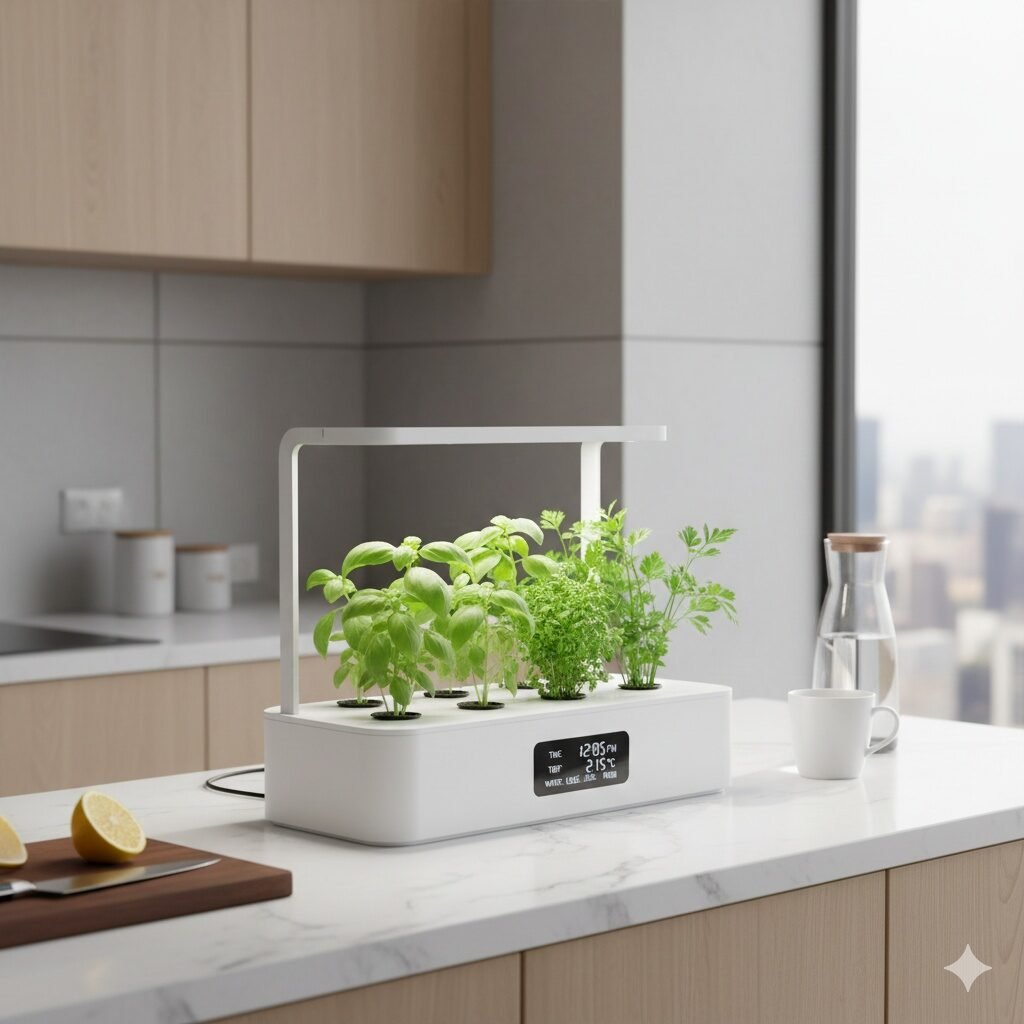
Grow Food Without Soil? Yes, Really.
So, the thought of skipping soil can feel odd, yet plants really only need water, nutrients, light, and support to grow. In fact, hydroponics gives roots direct access to nutrients, so plants don’t work as hard searching for food. Pretty much anyone can try this method, so beginners, busy people, and apartment dwellers all fit right in. As a matter of fact, this style of growing keeps things cleaner, which is nice if you grow indoors near your living space.
My Recommendation of Smart Hydroponic Tools & Beginner Supplies
So, beginners usually do better when they pair simple hydroponic tools with easy-to-manage systems, and that combo prevents early frustration.
In some respects, this list helps avoid issues like weak growth, nutrient imbalance, poor lighting, or unstable roots, while keeping things affordable.
Basically, every item here is beginner-tested, easy to find online, and friendly for small indoor setups.
| ITEM NAME + BUYING TIPS | WHY IT MATTERS | MY RECOMMENDATION (LINKS) |
|---|---|---|
| Beginner Hydroponic Starter Kit – Countertop or bucket-style, simple setup | Reduces guesswork, keeps everything balanced from day one | [Buy Hydroponic Starter Kit] |
| LED Grow Light (Full Spectrum) – Adjustable height, low heat | Supports steady growth indoors, especially with limited sunlight | [Buy Grow Light] |
| Liquid Hydroponic Nutrients – Made for leafy greens, beginner formula | Feeds plants directly, avoids common under- or over-feeding mistakes | [Buy Hydroponic Nutrients] |
| Net Pots (2–3 inch) – Durable, reusable plastic | Holds plants securely while roots access water | [Buy Net Pots] |
| Growing Medium (Clay Pebbles or Coco Mix) – Lightweight, fast draining | Supports roots without suffocating them | [Buy Growing Medium] |
| pH Meter (Digital) – Simple one-button reading | Helps nutrients absorb properly, useful as you gain experience | [Buy pH Meter] |
| Seed Starter Plugs – Pre-formed, moisture-retaining | Improves germination and early root development | [Buy Seed Starter Plugs] |
| Beginner-Friendly Seeds (Lettuce, Basil, Spinach) – Fast-growing varieties | Quick wins build confidence and motivation | [Buy Beginner Seeds] |
If you enjoyed this indoor growing article, I believe you’ll also love my outdoor growing guide titled “10 Stunning Edible Garden Designs Beginners Can Easily Try at Home.” Take a look!
What Is Hydroponics?
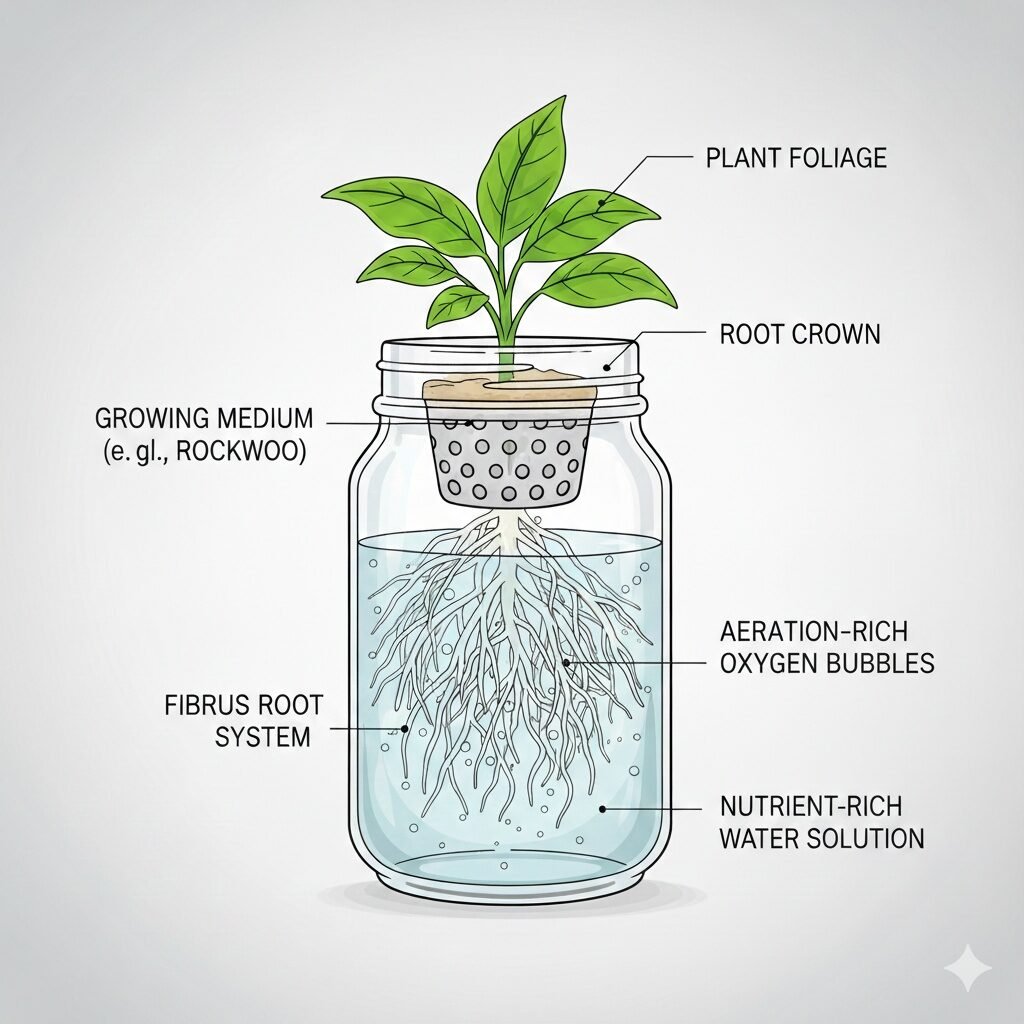
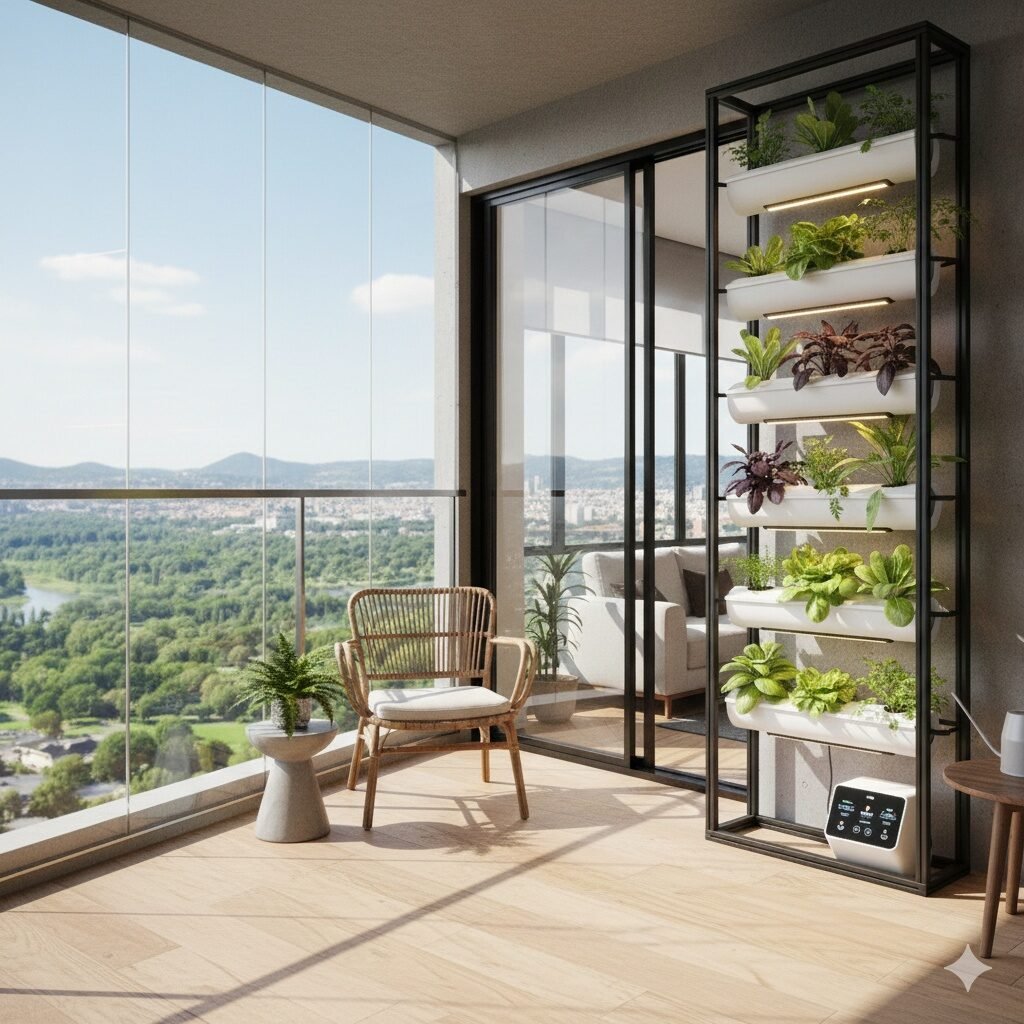
Ok, so hydroponics is a way of growing plants in water mixed with nutrients, instead of soil, and that is that. In a way, the roots sit in water or a moist medium, so they soak up exactly what they need. Compared to soil gardening, plants often grow faster here, so results show up sooner. Basically, myths float around saying it costs a lot or needs expert skills, yet it usually starts simple and stays friendly for beginners.
Why Hydroponics Is Perfect for Beginners!
So, beginners often quit gardening after dealing with dirt, bugs, and slow growth, yet hydroponics removes many of those headaches. In some respects, there’s no soil mess, so indoor growing feels cleaner and calmer. Plants often grow quicker, so motivation stays high, which is nice when learning something new. Pretty much these systems work indoors or outdoors, so balconies, windows, and rooftops all count.
Beginner perks at a glance:
- No soil mess, so cleanup stays easy
- Faster growth, so patience gets rewarded
- Fewer pests, so plants stay calmer
- Small-space friendly, so apartments work fine
Types of Hydroponic Systems
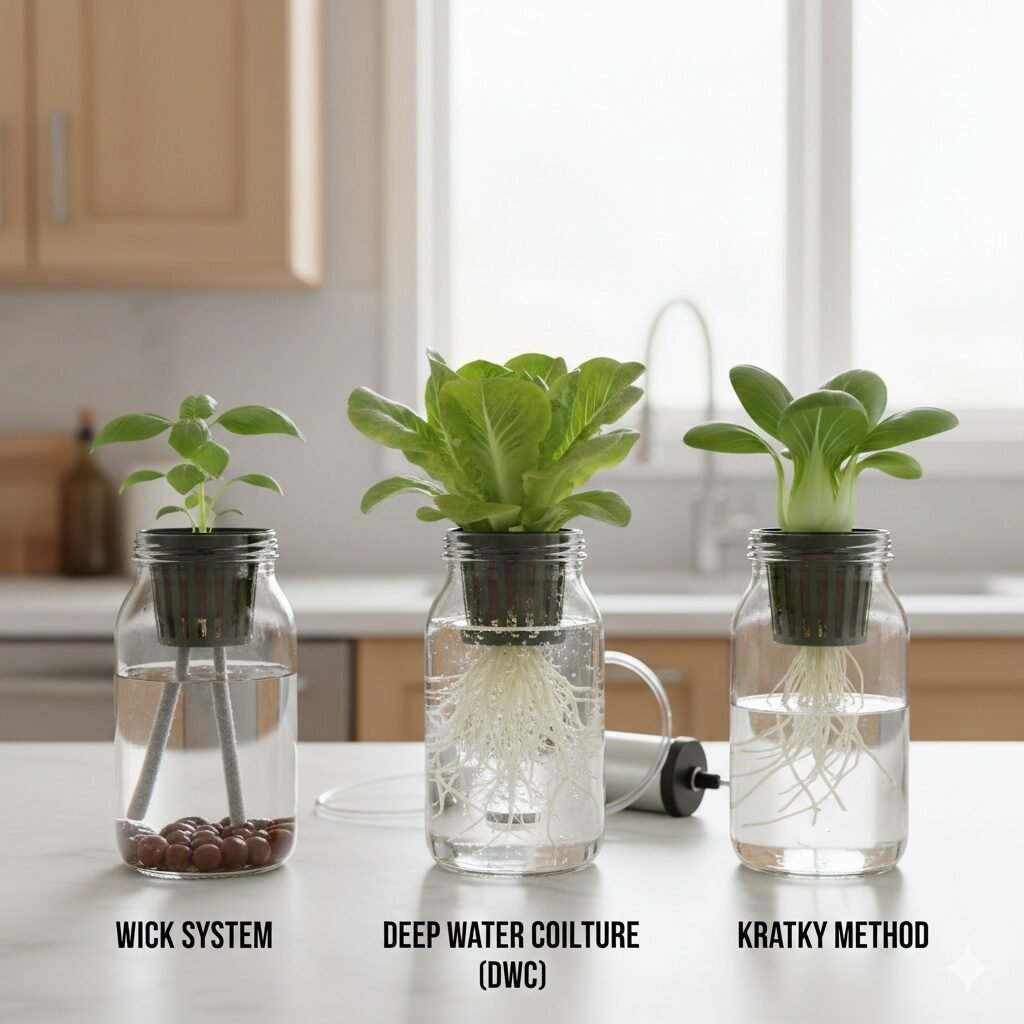
Ok, so not all systems suit beginners, yet a few stand out as friendly starters. In a way, simpler systems teach the basics without too many moving parts. Basically, starting small helps you learn faster, so mistakes feel less stressful.
Wick System (Easiest Start)
So, the wick system uses a container, water, and a wick that pulls nutrients to the plant roots. In fact, it needs no electricity, so it stays quiet and low effort. Pretty much this setup works well for herbs and leafy greens, so beginners often start here.
Deep Water Culture (Most Popular)
Ok, so deep water culture places roots directly in nutrient water, with an air pump for oxygen. In a way, plants grow fast here, so you see progress quickly. This system tends to be popular, so supplies and guides stay easy to find.
Kratky Method (No Electricity)
So, the Kratky method lets plants sit above water that slowly drops as roots grow. Basically, no pumps or power are needed, so it feels simple and calm. This one is often marked as best for absolute beginners, so first-timers feel confident.
What You Need to Build Your First Hydroponic Garden
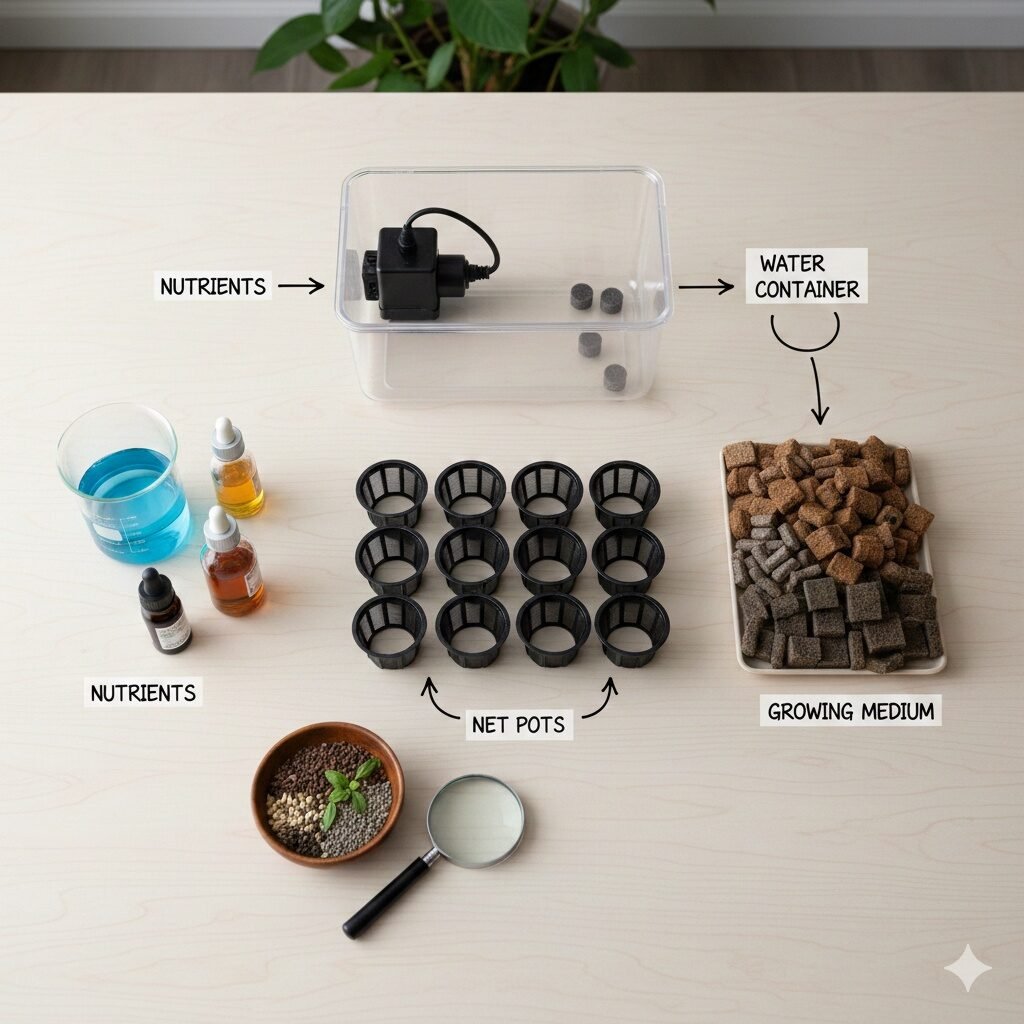
Ok, so this section matters for cost planning, yet the list stays shorter than most expect. In a way, these items form the base of almost every beginner system. Pretty much this is where affiliate products fit naturally, so recommendations feel helpful, not pushy.
Basic supplies:
- Container or bucket, so water stays contained
- Net pots, so plants sit in place
- Growing medium, so roots get support
- Nutrient solution, so plants get food
- Seeds, so growth begins
- Light source, so plants can photosynthesize
Optional tools like pH meters help later, yet beginners can start without them.
Step-by-Step: Build Your First Hydroponic Setup
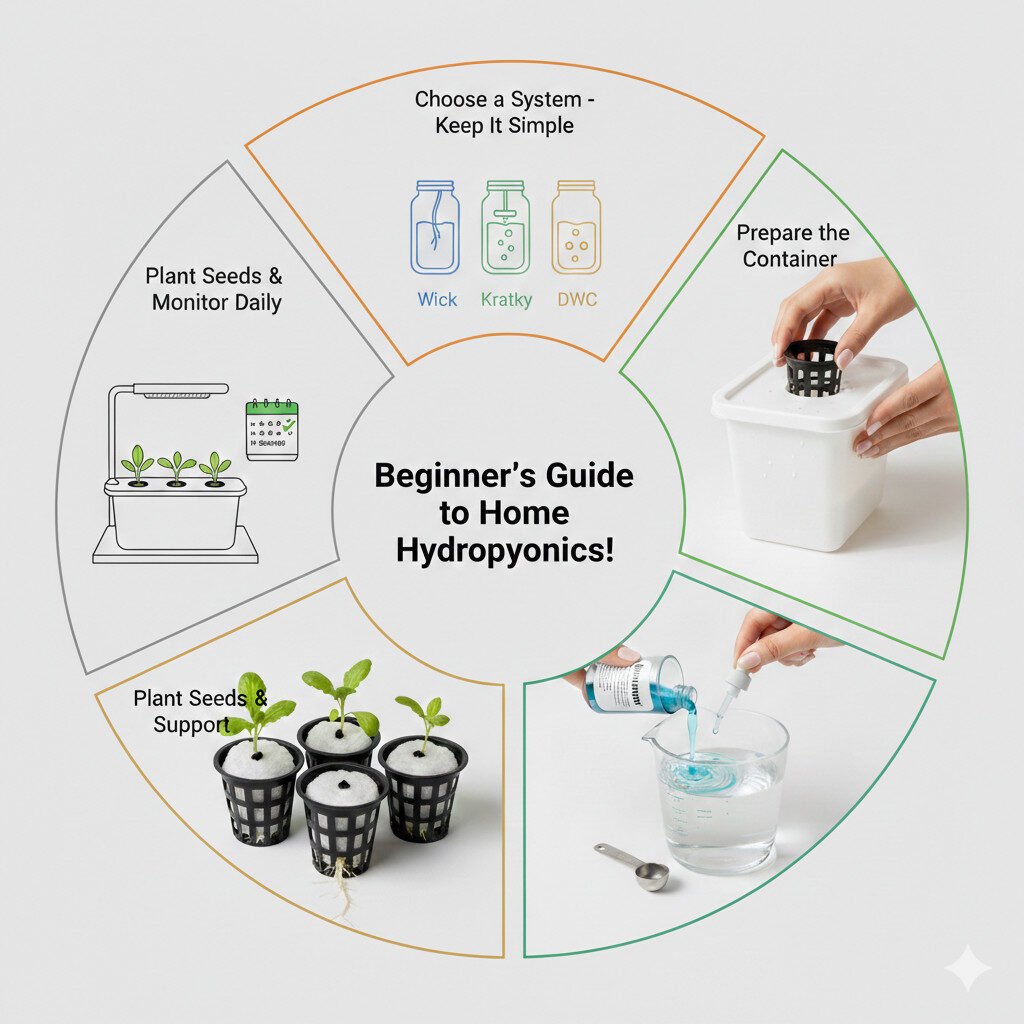
So, building your first setup sounds complex, yet breaking it into steps keeps things clear. In a way, following each step slowly builds confidence.
Basically, there’s no rush, so learning stays enjoyable.
Step 1: Choose a System (Keep It Simple at First)
Ok, so before buying anything, think about where your setup will live and how much effort you want to put in. In fact, beginners usually do best with systems that have fewer parts and fewer things to adjust. Pretty much the goal here is learning the basics, not building a perfect setup.
- Wick system works well if you want something quiet and hands-off, so no pumps or power cords.
- Kratky method fits people who want zero electricity and very low maintenance.
- Deep Water Culture (DWC) suits beginners who don’t mind a small air pump and want faster growth.
So, pick the system that matches your space and comfort level, not what looks impressive online.
Step 2: Prepare the Container (Clean and Stable Matters)
So, once you choose a system, your container becomes the plant’s entire environment. In a way, starting clean prevents problems before they even show up. Basically, wash the container with mild soap and rinse well, so no residue stays behind.
Next, add holes in the lid or top for net pots, making sure they sit snug and don’t wobble. Too loose and plants lean, too tight and roots struggle, so balance helps here. If light reaches the water, cover clear containers, since algae grows fast in bright water.
Step 3: Mix Nutrients the Right Way (Less Is Better Early On)
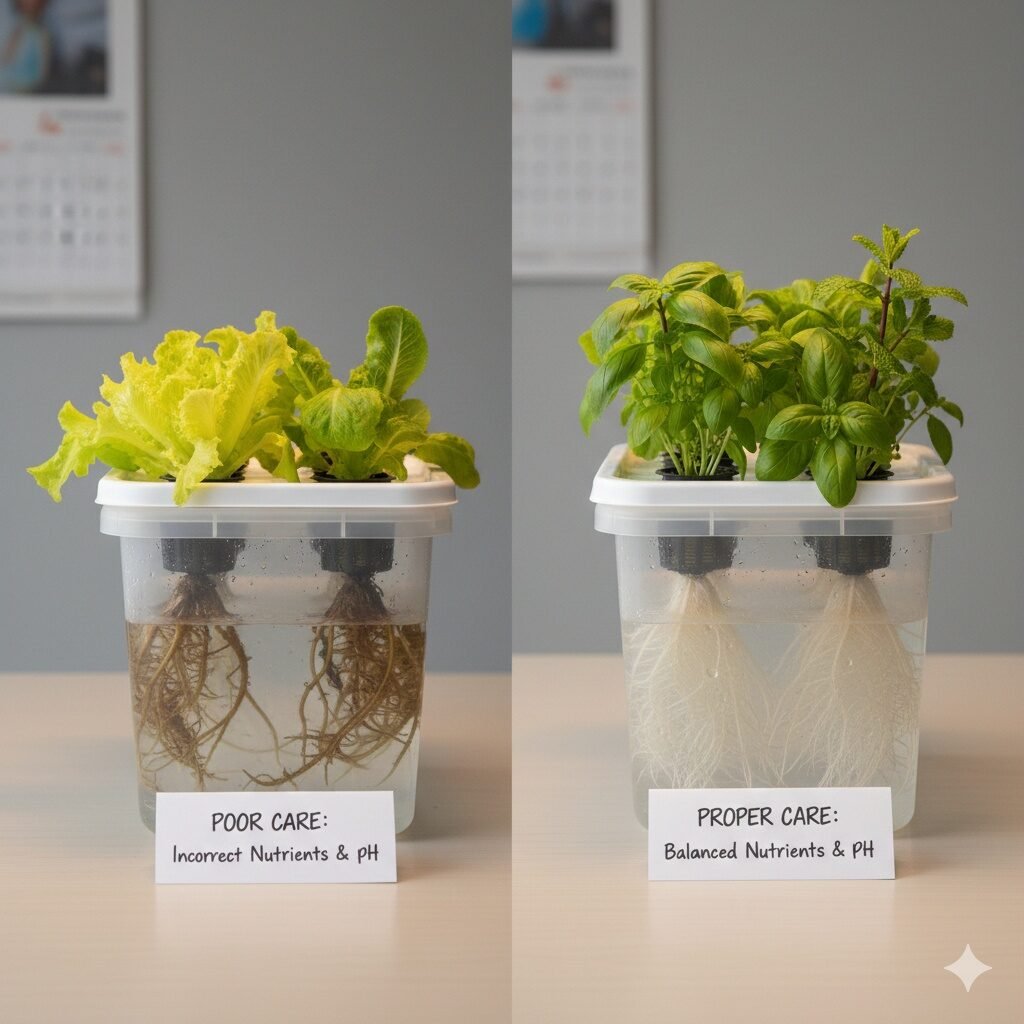
Ok, so nutrients are plant food, and in hydroponics they matter a lot. In fact, beginners often add too much, thinking more equals faster growth, yet that causes stress. Pretty much always follow the label instructions and start at the lower recommended strength.
Mix nutrients into water first, then stir gently until fully dissolved. Room-temperature water works best, so avoid very cold or hot water. At this stage, accuracy matters more than speed, so take a moment here.
Step 4: Plant Seeds and Support Early Growth
So, planting seeds in hydroponics feels different than soil, yet it’s simpler than it looks. In a way, seed starter plugs or soft growing mediums help keep moisture steady. Place one or two seeds per plug, not more, so roots don’t compete later.
Keep the medium moist, not soaked, especially during the first few days. Seeds need warmth and moisture to sprout, so patience helps here. Once roots peek out, the plant starts feeding from the nutrient water naturally.
Step 5: Add Light and Monitor Daily (Short Checks Go a Long Way)
Ok, so light drives growth, whether it’s sunlight or a grow light. In fact, plants usually need 12–16 hours of light each day, so consistency matters more than intensity. If using a grow light, keep it a little above the plants and raise it as they grow.
Check water levels every day or two, since roots drink more as plants get bigger. Make sure roots stay in contact with water, yet leaves stay dry.
A quick look each day helps catch issues early, so nothing gets out of hand.
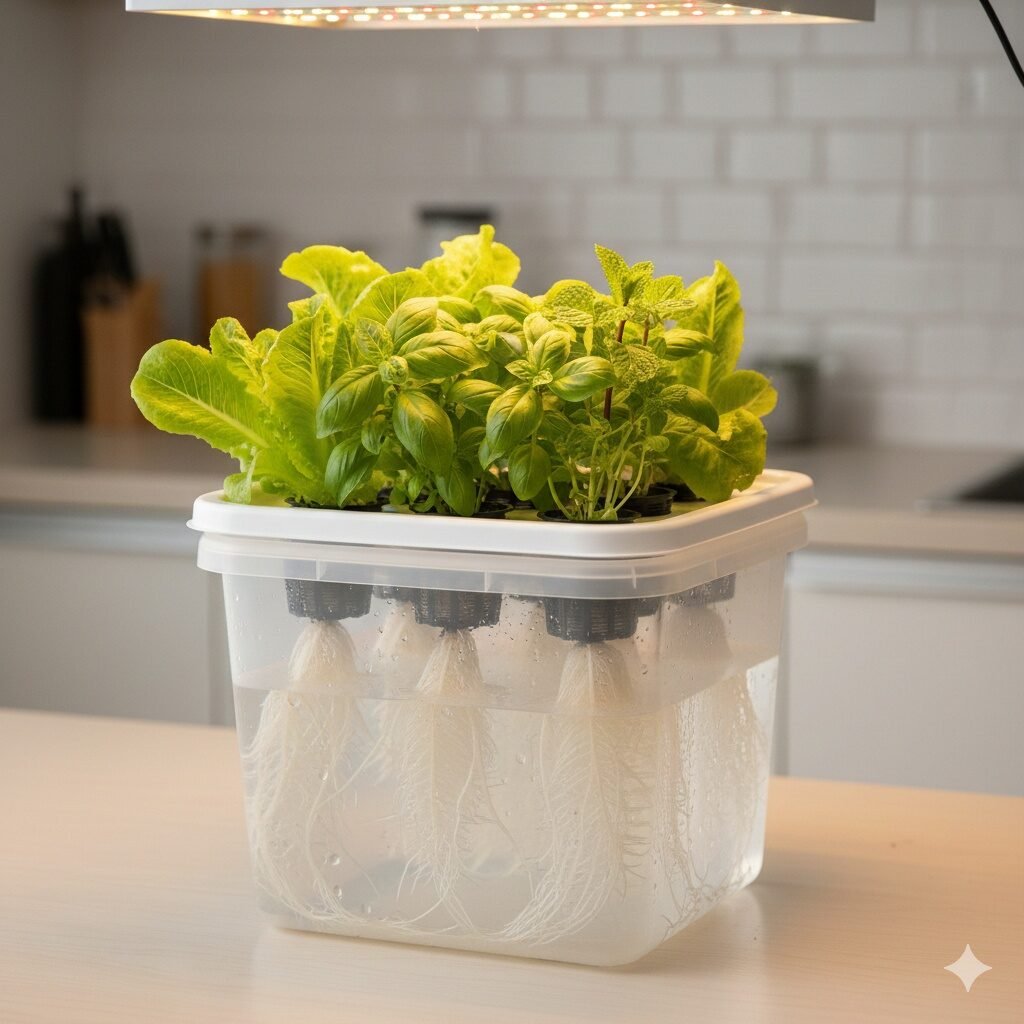
Best Plants to Grow First (Beginner Wins)
Ok, so starting with easy plants builds confidence fast. In a way, leafy greens grow quickly and forgive small mistakes. Pretty much these choices show results without stress.
Top beginner plants:
- Lettuce, so harvest comes fast
- Spinach, so growth stays steady
- Basil, so flavor feels rewarding
- Mint, so plants stay hardy
- Green onions, so regrowth feels fun
Common Beginner Mistakes (And How to Avoid Them)
So, mistakes happen, yet knowing them early saves time and stress. In fact, too much nutrient is common, so more isn’t always better. Light placed too close can stress plants, so small adjustments help. Poor airflow slows growth, so a simple fan can help. Impatience shows up often, yet plants grow on their own schedule.
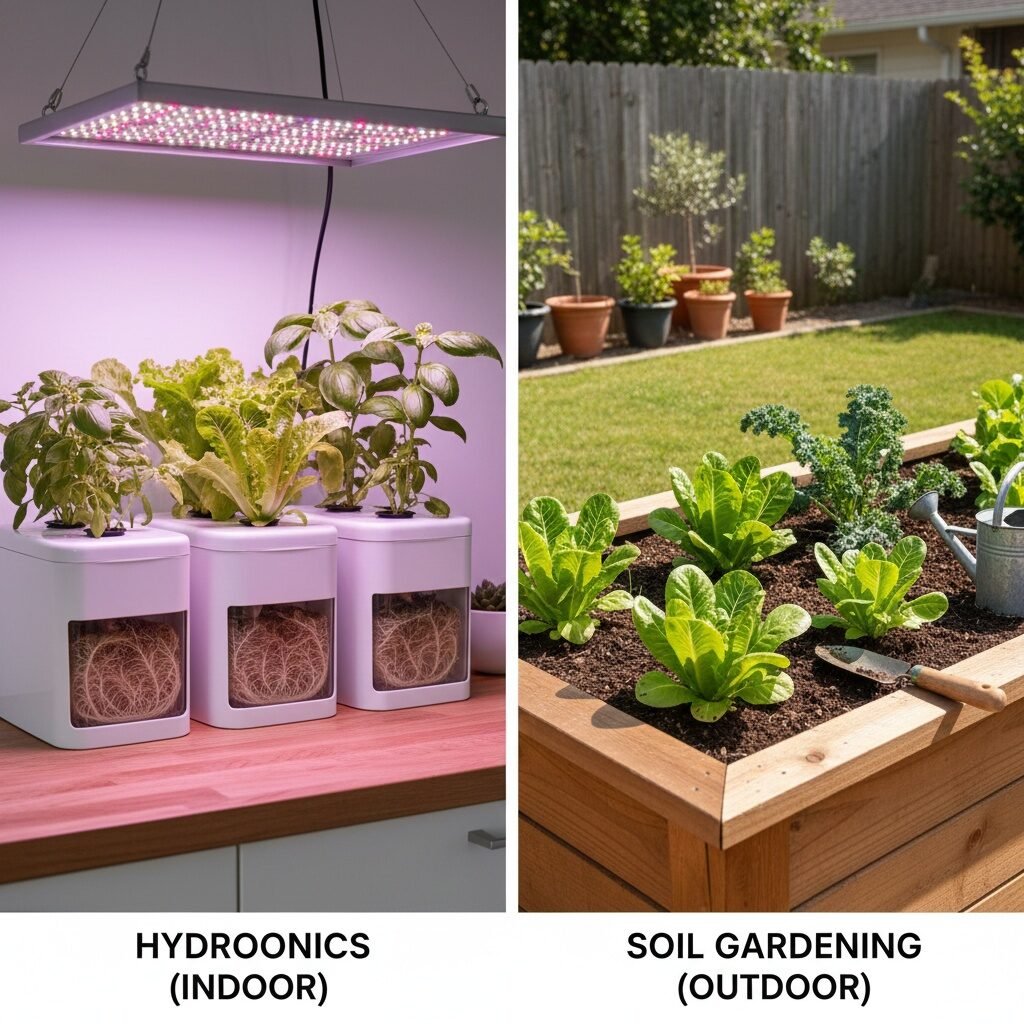
Hydroponics vs Soil Gardening: Quick Comparison
Ok, so comparing methods helps new growers decide what fits best. In a way, each style has strengths, yet hydroponics shines in small spaces. Pretty much this table keeps things clear and simple.
| Factor | Hydroponics | Soil Gardening |
|---|---|---|
| Space | Small areas work | Needs more room |
| Growth speed | Faster growth | Slower pace |
| Maintenance | Cleaner setup | Messier |
| Cost | Medium start | Low start |
| Cleanliness | Very clean | Dirt involved |
FAQ: Quick Answers Beginners Ask
What is hydroponics, in simple terms?
Ok, so hydroponics is a way to grow plants using water mixed with nutrients instead of soil. In fact, the roots sit in or above the water, so plants get food directly.
Is hydroponics safe for growing food at home?
So, yes, hydroponics is safe when you use clean water and proper nutrients. In a way, many people like it because there’s no soil contamination or hidden pests. Basically, you control what goes into the water, so food quality stays consistent.
Is hydroponics expensive for beginners?
Ok, so it doesn’t have to be expensive at all. In fact, many beginners start with a single container and a simple system. Pretty much costs stay lower when you avoid large setups and focus on learning first.
Do hydroponic plants taste different than soil-grown plants?
So, most people say hydroponic greens taste just as good, if not better. In a way, steady nutrients and water help plants grow evenly. Basically, flavor depends more on plant type and care than on soil itself.
What is the Kratky method in hydroponics?
Ok, so the Kratky method is a passive hydroponic system that doesn’t use pumps or electricity. In fact, plants sit in net pots above a container filled with nutrient water. As the plant grows, the water level slowly drops, and roots stretch downward to reach it. Pretty much this creates a natural air gap, so roots get oxygen without air stones.
This method works well for leafy greens and herbs, so beginners often use it to learn without stress.
Is the Kratky method good for beginners?
So, yes, it’s one of the easiest ways to start. In a way, fewer parts mean fewer things to break or adjust. Basically, it’s ideal if you want low effort and no electricity.
Can hydroponics work without sunlight?
Ok, so yes, plants can grow fully under grow lights. In fact, full-spectrum LED lights mimic sunlight well. Pretty much many indoor growers rely only on lights, especially in apartments.
How often do I need to check my hydroponic system?
So, quick checks every day or two work well. In a way, you’re mostly watching water levels and plant health. Basically, small checks prevent big problems later.
What plants should beginners avoid at first?
Ok, so plants with deep roots or long growing cycles can feel harder early on. In fact, fruiting plants like peppers or large tomatoes need more light and care. Pretty much leafy greens and herbs make learning easier at the start.
Can I grow hydroponically all year round?
So, yes, indoor hydroponics works year-round. In a way, grow lights and controlled water remove seasonal limits. Basically, this makes hydroponics appealing for steady home food growing.
Is Hydroponics Worth It for Home Gardeners?
So, hydroponics makes sense for people short on space or time. In some respects, it suits curious beginners who like learning by doing. Pretty much starting small keeps costs down and learning smooth. A single container can teach a lot, so big systems can wait.
Final Thought
Ok finally, hydroponics for beginners is a simple way to grow food without soil, so small steps matter more than perfect setups. In a way, starting with one container builds skills naturally. Pretty much learning as you grow keeps the process fun and relaxed. At the end of the day, fresh greens at home feel rewarding, so curiosity is enough to begin. I hope the video I’ve shared below helps you understand the basic fundamentals of hydroponics.