


What Is “Dopamine Digging”?
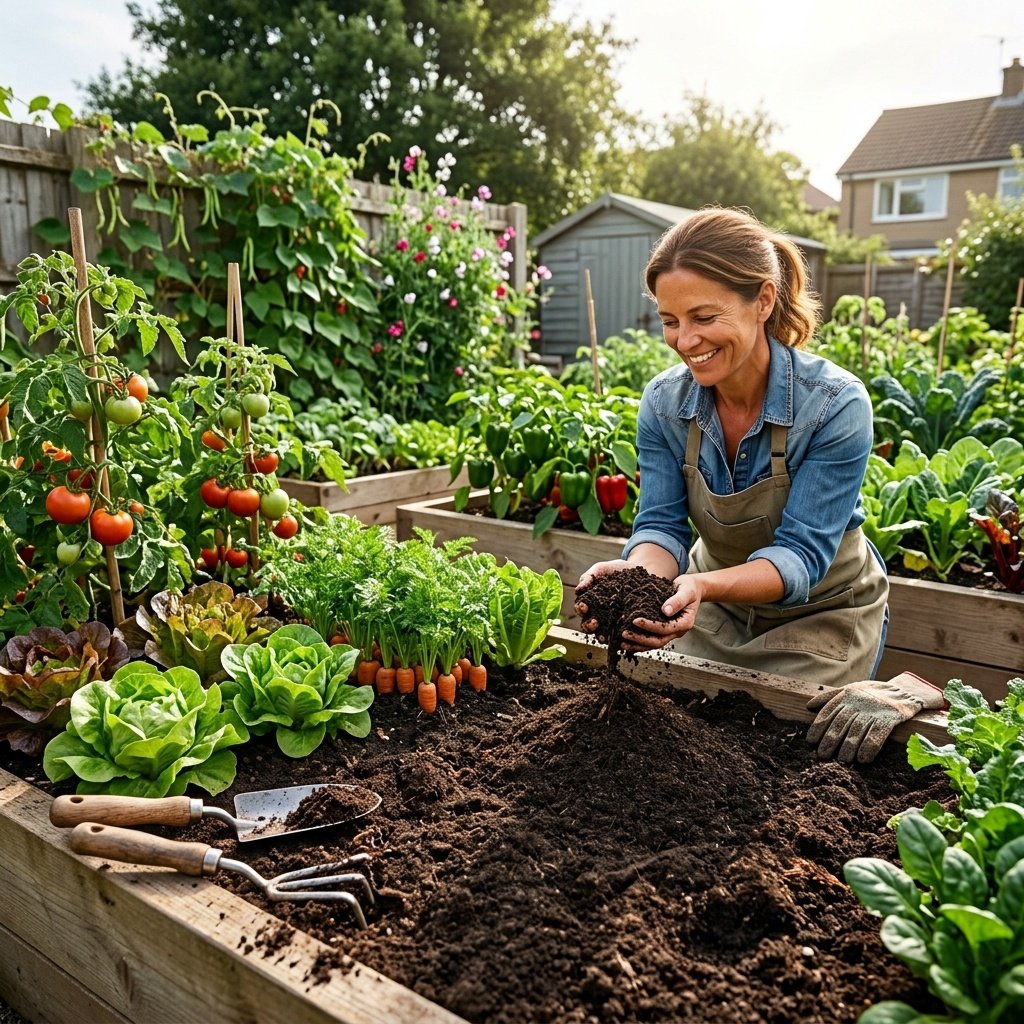
So, there’s something almost magical about pushing your hands into soil, and in a way it sets people’s minds back to a calmer place. Basically, that steady act of digging, planting, and watering tends to be more than yard work, it feels like a reset button for your mood. In some respects, people call this feeling “Dopamine Digging,” and it’s really about how garden tasks spark those feel-good brain chemicals. As a matter of fact, dopamine and serotonin, which are often linked with pleasure and balance, can rise when you move your body and spend time outside.
So, gardening for mental well-being is not just a sweet hobby, it might be a simple tool for steadier emotions. You know, in times when stress levels are pretty high, small daily rituals like tending a plant can feel almost grounding. Basically, this guide walks through the science, the real mental health benefits of gardening, and easy ways you can try it yourself. At the end of the day, the goal is simple, help you see how gardening and mental health benefits connect in everyday life.

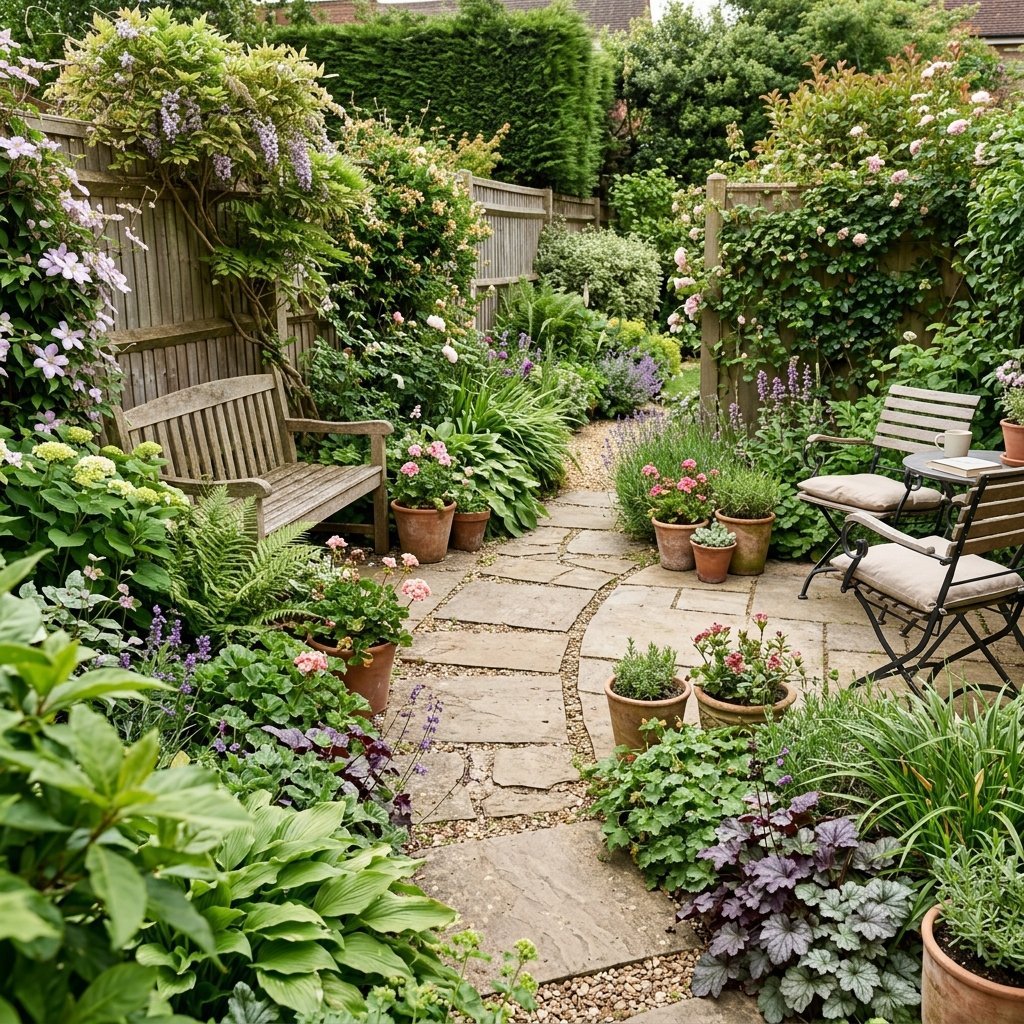
As we’re exploring gardening today, I’d love to share one of my favorite pieces: 25 Easy Backyard Garden Ideas That Instantly Upgrade Your Outdoor Space. Inside, you’ll find practical, easy-to-implement ideas that can quickly elevate your outdoor area — no major renovation required.
For further reading on this topic, I recommend an article by Epic Gardening titled “Mental Health Benefits of Gardening: Nature’s Healing Touch.” It explores the science-backed mental health benefits of gardening and explains how nurturing plants can help improve focus, lower anxiety, and enhance overall well-being.
The Science Behind Gardening & Mental Well-Being
What Happens in Your Brain When You Garden?
So, when you bend, lift, dig, and stretch, your body actually treats it like light exercise. In fact, movement like this can trigger dopamine release, which is that chemical tied to motivation and reward. Basically, when you finish planting a row of seeds, your brain tends to give you a small internal “good job” signal. In the same way, serotonin levels can shift when you’re exposed to sunlight, and that can steady your mood. You know, sunlight helps your body produce vitamin D, and that vitamin plays a role in emotional balance. So, gardening stress relief is partly about movement, partly about light, and partly about quiet focus.
Soil Microbes and Mood
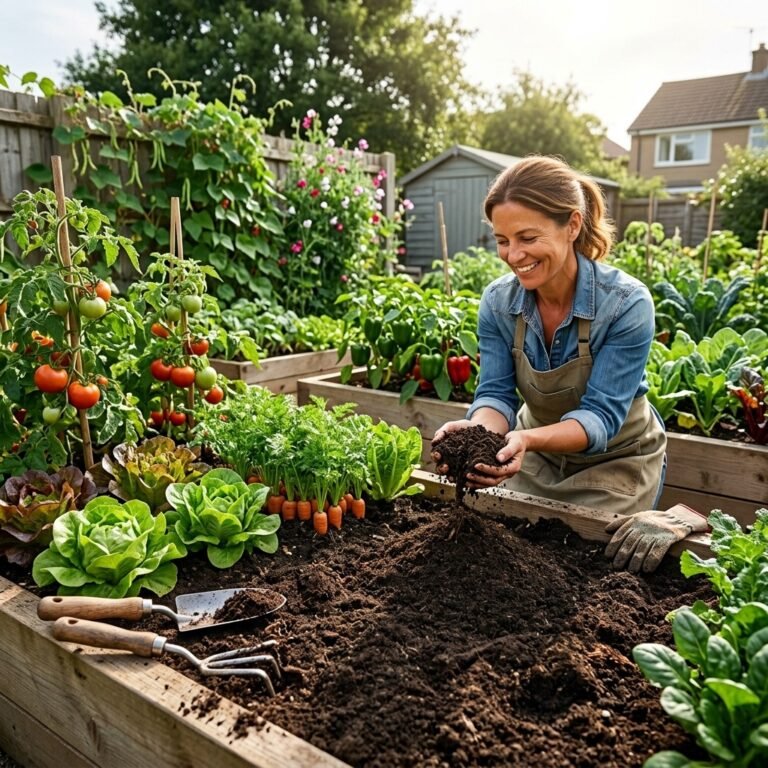
Now, here’s the part that sounds almost surprising, soil itself might support your mood. Apparently, certain soil microbes, like Mycobacterium vaccae, have been linked in studies to serotonin activity in the brain. In other words, when you handle soil, you could be breathing in or touching microbes that gently interact with your immune system. So, this interaction may signal your brain in ways that support calm and clarity. Basically, soil microbes and mood research is still growing, yet early findings look promising. In some respects, it’s kind of wild to think that dirt under your nails might lift your spirits.
Research Evidence on Gardening and Mental Health Benefits
As a matter of fact, several large reviews have found that gardening for mental well-being is linked with lower anxiety and depression scores.
So, people who garden regularly often report better life satisfaction and a stronger sense of purpose. In fact, therapeutic gardening benefits have been observed in hospital programs and community settings. Basically, horticultural therapy mental health programs are used with older adults, trauma survivors, and people dealing with burnout. You know, even short sessions in a green space can lower cortisol, which is the body’s main stress hormone. So, how gardening reduces stress is not just a feeling, it shows up in lab results and surveys too.

Top Mental Health Benefits of Gardening
1. Stress and Anxiety Reduction
So, one of the clearest gardening and mental health benefits is stress relief. In fact, slow tasks like weeding or watering tend to calm the nervous system. Basically, repetitive hand movements can feel almost like a steady rhythm that settles racing thoughts. You know, cortisol levels often drop after time spent in green spaces. In some respects, gardening stress relief works like a quiet break from screens and noise. So, even fifteen minutes in your yard might be enough to take the edge off a tense day.
2. Improved Mood and Happiness
As a matter of fact, dopamine gardening benefits show up quickly for many people. So, planting something new and watching it grow gives your brain small wins. In other words, each sprout is a tiny reward that keeps you coming back. Basically, physical effort mixed with fresh air tends to lift mood in a steady way. You know, gardening mood booster effects can feel almost immediate after a tough morning. So, over time, these small boosts can add up to a more stable emotional baseline.
3. Better Focus and Cognitive Function
Now, planning a garden layout is actually a mental workout. So, you measure space, think about sunlight, and decide what grows where. In fact, this kind of light problem-solving keeps your brain engaged without overwhelming it. Basically, gardening mindfulness practices train you to pay attention to small details. You know, noticing leaf color or soil moisture pulls your mind into the present moment. In some respects, that present focus can sharpen attention in other parts of life too.
4. Sense of Purpose and Achievement
So, tending a plant from seed to bloom creates a visible sign of effort. In fact, when you see growth, your brain links that progress to your actions.
Basically, that connection builds self-trust and confidence. You know, for someone feeling low, even a small pot of herbs can feel like proof that effort matters. In other words, gardening for mental well-being supports a sense of meaning. So, this steady cycle of care and reward can anchor your day.
5. Community and Social Well-Being
Now, community gardens tend to bring people together in a relaxed way. So, you share tips, swap seeds, and talk about what’s growing. In fact, these small chats can reduce feelings of isolation. Basically, horticultural therapy mental health programs often include group work for this reason. You know, shared tasks create bonds without heavy conversation. In some respects, gardening and mental health benefits stretch beyond the individual into the whole neighborhood.
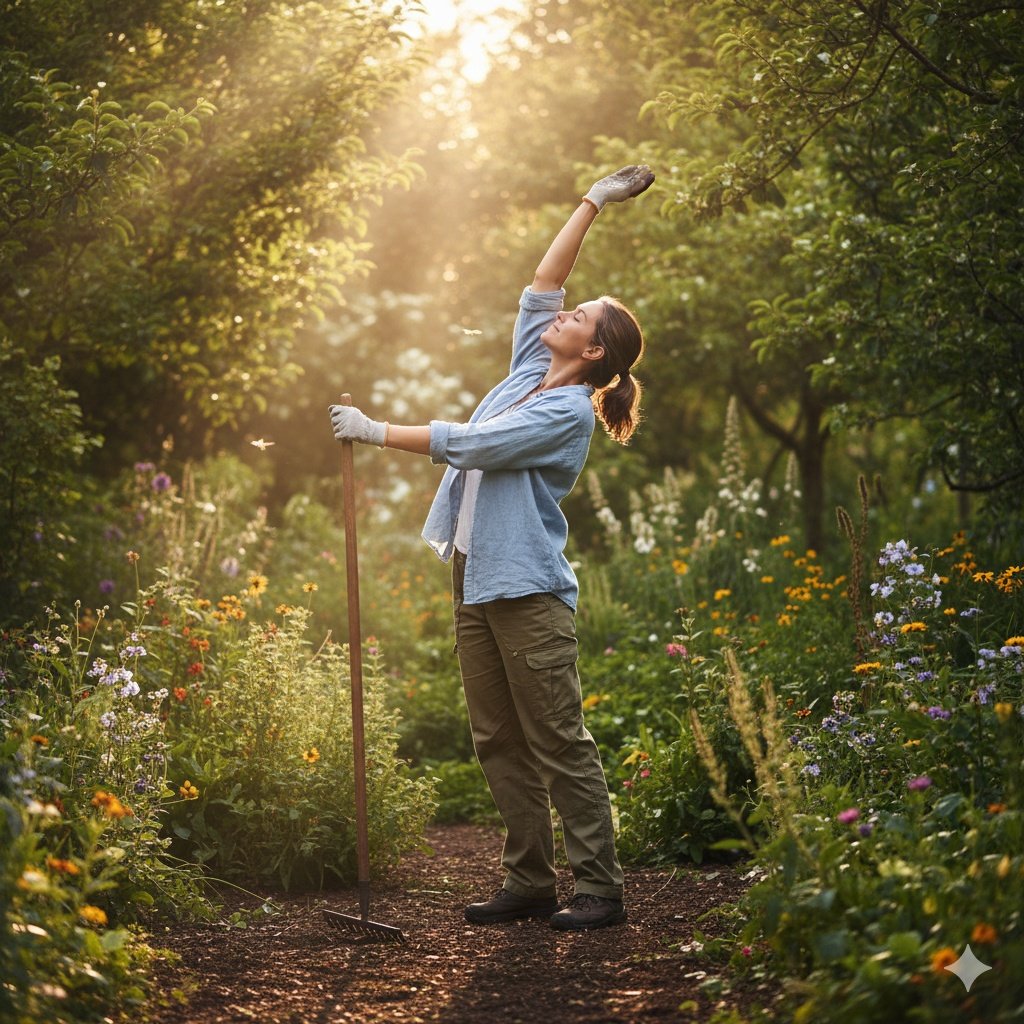
Why ‘Digging’ Matters: The Mind-Body Link
Movement as Medicine
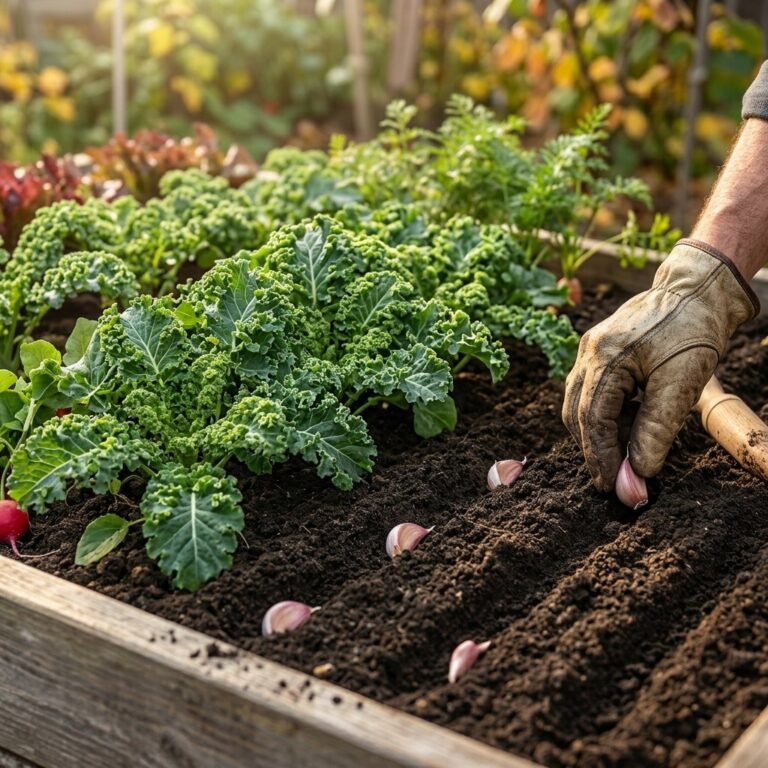
So, digging, raking, and planting count as moderate physical activity. In fact, this kind of green exercise supports heart health and mood at the same time. Basically, your muscles work, your breath deepens, and your mind settles. You know, movement outdoors tends to feel less forced than a gym session. In some respects, it’s exercise that doesn’t feel like exercise.
Mindfulness Through the Senses
Now, gardening pulls in all five senses. So, you feel soil texture, smell leaves, and hear birds nearby. In fact, this sensory mix grounds you in the present moment. Basically, gardening mindfulness happens when you focus on what’s in front of you. You know, that focus can quiet looping thoughts. In a way, the garden becomes a live meditation space without special rules.
Rhythm and Routine
So, watering every morning or pruning each week builds routine. In fact, routine can steady your internal clock and mood patterns. Basically, predictable tasks create a safe structure in your day. You know, that steady rhythm can be calming during chaotic times. In some respects, the garden teaches patience through its slow cycles.
Nature’s Quiet Support
Now, being outdoors exposes you to sunlight and fresh air. So, natural light helps regulate sleep cycles. In fact, better sleep often links with improved mental balance. Basically, nature therapy benefits show up in lower stress markers and better mood reports. You know, time outside tends to clear mental fog. In a way, the garden works as a quiet partner in your well-being plan.

How to Practice “Dopamine Digging” for Mental Well-Being
Start with a Simple Daily Routine
So, begin with fifteen to thirty minutes a day in your garden or balcony space. In fact, consistency matters more than long sessions. Basically, pick a set time, like early morning or late afternoon. You know, routine helps your brain expect and enjoy the activity. In some respects, this small commitment builds momentum.
Match Tasks to Your Mood Goals
So, if stress feels high, try slow tasks like weeding or watering. In fact, repetitive motions can calm your breath and heart rate. Basically, if you need a mood lift, plant bright flowers or harvest ripe vegetables. You know, color and visible progress can spark quick satisfaction. In other words, for focus, sketch your garden plan or track plant growth in a journal. So, matching task to need makes dopamine digging more intentional.
Beginner Tips for Any Space
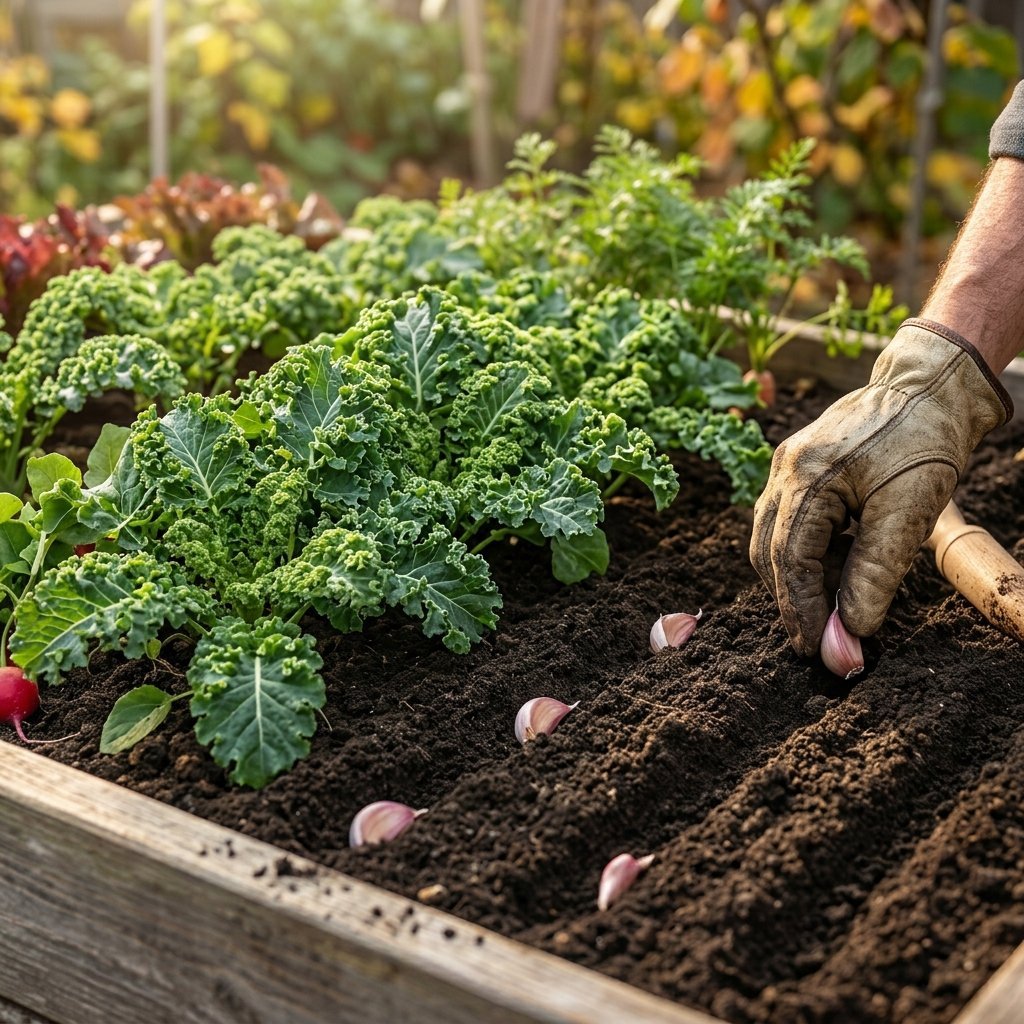
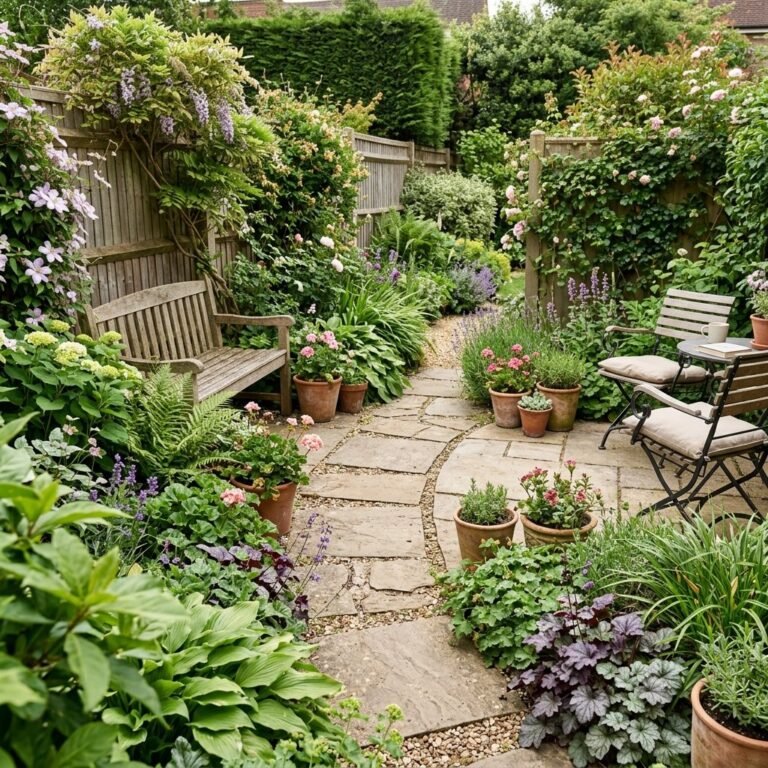
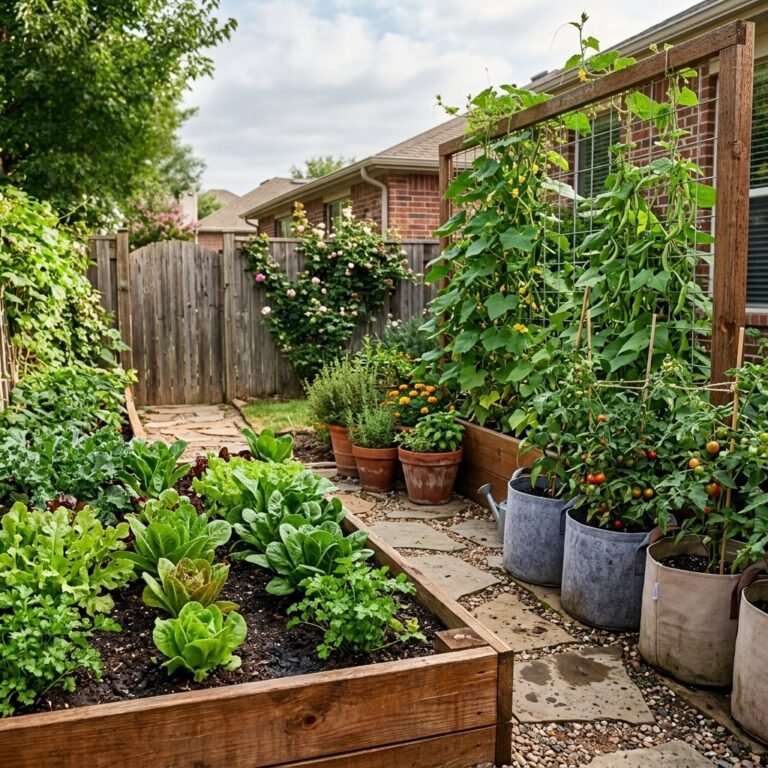
Now, you don’t need a big yard to start. So, a few pots on a balcony or windowsill can work just fine. In fact, herbs like basil or mint are easy for beginners. Basically, start small to avoid feeling overwhelmed. You know, success with one plant builds confidence for the next. In some respects, gardening for mental well-being is more about care than scale.
Comfort and Safety Basics
So, wear gloves to protect your hands. In fact, drink water and take breaks when needed. Basically, use tools that feel comfortable in your grip.
You know, sunscreen and a hat protect your skin during longer sessions. In a way, caring for yourself is part of caring for the garden.

Real Stories and Shared Experiences
As a matter of fact, many gardeners share similar stories about emotional shifts. So, one community gardener mentioned that tending tomatoes helped her through a rough patch. In fact, she said watching them ripen gave her something steady to look forward to each day.
Basically, another person in an online forum described weeding as his “thinking time.” You know, he felt that pulling weeds helped him sort through worries in his head.
In some respects, these stories echo research on gardening stress relief. So, real voices often match what studies report about therapeutic gardening benefits. In fact, people often say the garden feels like a quiet friend that listens without judgment.
Frequently Asked Questions
How long do I need to garden to feel benefits?
So, some people notice a mood shift after one short session. In fact, studies suggest even twenty minutes in green space can lower stress markers.
Basically, regular weekly gardening tends to show stronger long-term effects. You know, consistency builds the habit and the brain response over time.
Can indoor gardening help mental health?
Now, indoor plants can still support calm and focus. So, touching soil and caring for leaves indoors brings similar mindfulness effects. In fact, sunlight through a window still plays a role in mood balance. Basically, gardening mood booster effects are not limited to large outdoor spaces.
Is gardening a replacement for therapy?
So, gardening is a support tool, not a full substitute for professional care. In fact, people dealing with severe depression or anxiety may need trained guidance. Basically, gardening and mental health benefits work best as part of a wider self-care plan. You know, combining movement, sunlight, and connection can strengthen other treatments.
So, if you feel curious, you might try stepping outside this week and pressing your hands into soil, just to see how your body and mind respond.
Final Thought
So, at the end of the day, Dopamine Digging is basically about returning to something simple that still feels deeply human. In fact, when you place your hands in soil and focus on one small task, your mind tends to slow down in a way that feels steady and real. You know, gardening for mental well-being does not ask for big changes, it just invites you to show up for a few quiet minutes. In some respects, those minutes can turn into a habit that supports calmer thoughts and a lighter mood.
Basically, the mental health benefits of gardening grow the same way plants do, slowly, quietly, and with daily care. So, whether you grow herbs on a windowsill or tend rows in a backyard, the act itself might be enough to shift your day just a little. In a way, Dopamine Digging reminds us that small actions, repeated often, can shape how we feel more than we expect. You will get practical knowledge from below video.


The idea of ‘dopamine digging’ is so intriguing. I’ve noticed how spending just a few minutes in my garden instantly lifts my mood. It’s almost like a reset, exactly as you described!