
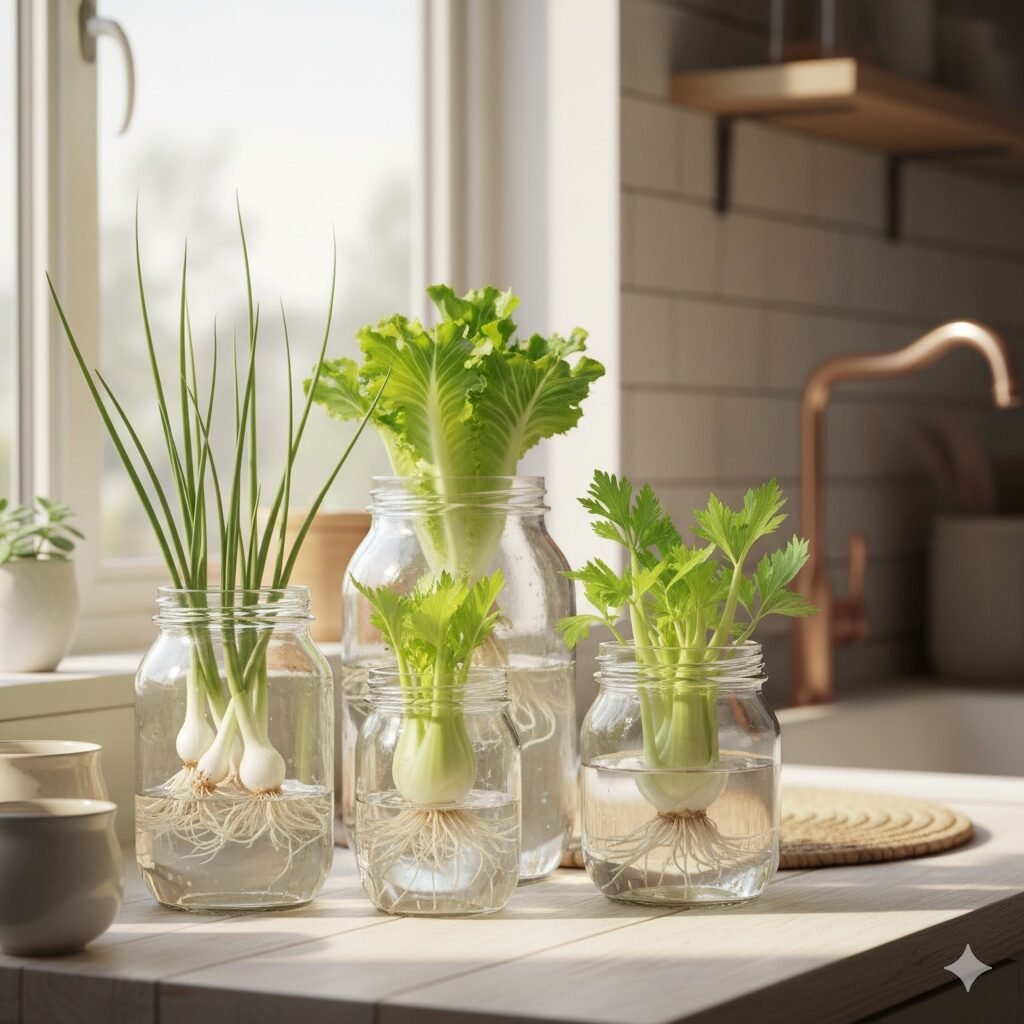
Zero-Waste Edible Gardening: Ok, so this idea of zero waste gardening kind of hits people in a way that, you know, feels both thrifty and a little playful. In fact, the whole thing usually starts with someone staring at a lonely lettuce base or a bunch of scallion roots sitting on the counter and thinking, “Hey, could be something here.” And yeah, that tiny moment tends to be the first spark that gets folks into regrow kitchen scraps at home. It’s almost funny how a little leftover bit turns into a mini windowsill setup that more or less feeds you back.
Now, as I was saying, the nice part is that this whole zero waste gardening idea isn’t only about trimming trash. It’s a bit about reshaping your kitchen rhythm so scraps that usually slide into the bin turn into fresh greens that, honestly, grow faster than people expect. And in some respects, it feels good knowing you’re cutting waste, trimming grocery bills, and adding a small dose of “look what I grew” joy into your week.
Why this stuff matters (and why beginners usually stick with it)
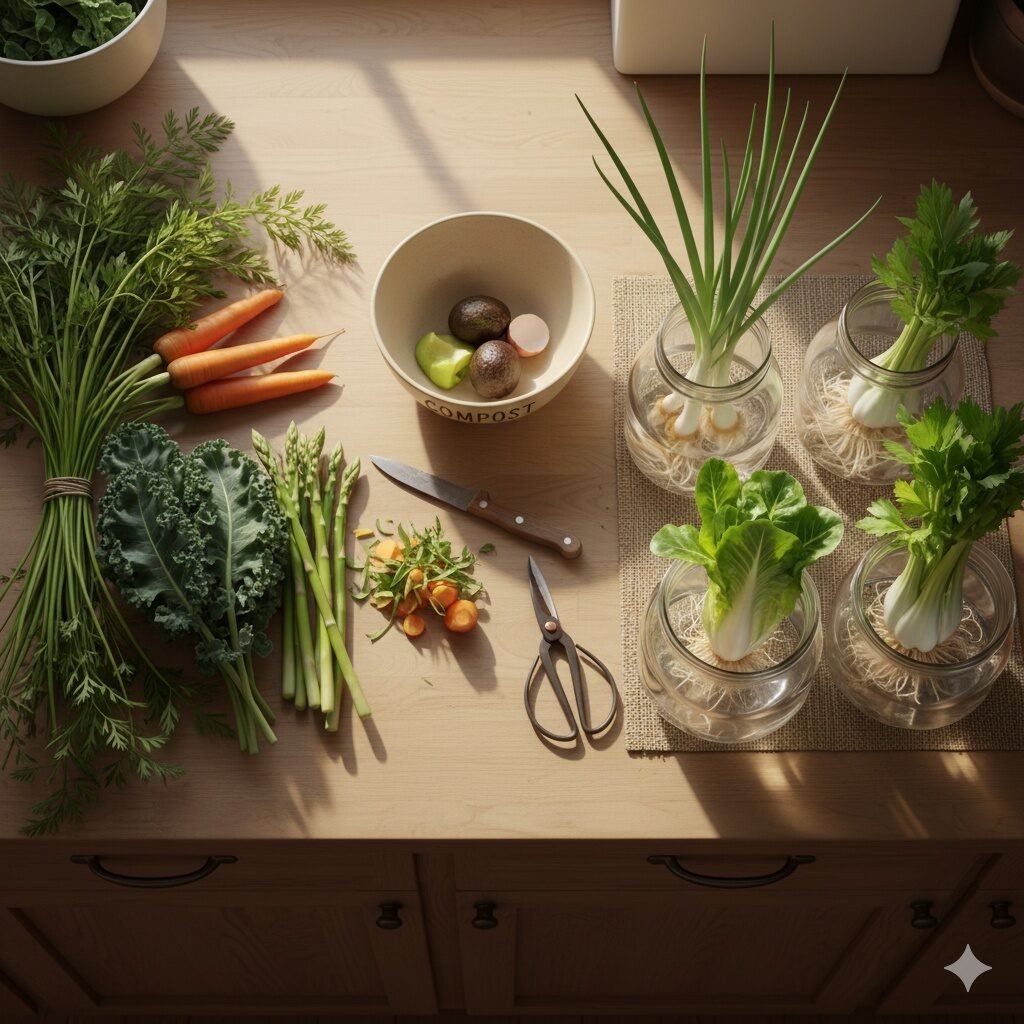
So, in a way, it’s surprisingly easy to forget how much food gets tossed daily — ends of onions, wilted leaves, herb stems that feel too floppy to keep. And yet, a lot of that stuff has a little life left in it. It tends to be just enough life to give you fresh shoots, new roots, or at least a handful of leaves that taste bright and clean. That small payoff usually keeps people hooked more than any eco lecture.
Now, you might be thinking this is all some big gardening trick, but it’s really not. It’s more like using what you already have to grow something that’s pretty much free. And, as a matter of fact, you don’t need special tools or fancy soil mixes or any of that. A jar, a sunny ledge, some water, and a bit of patience — that’s normally the whole starter kit for kitchen scrap gardening.
What actually works (and what tends to flop)
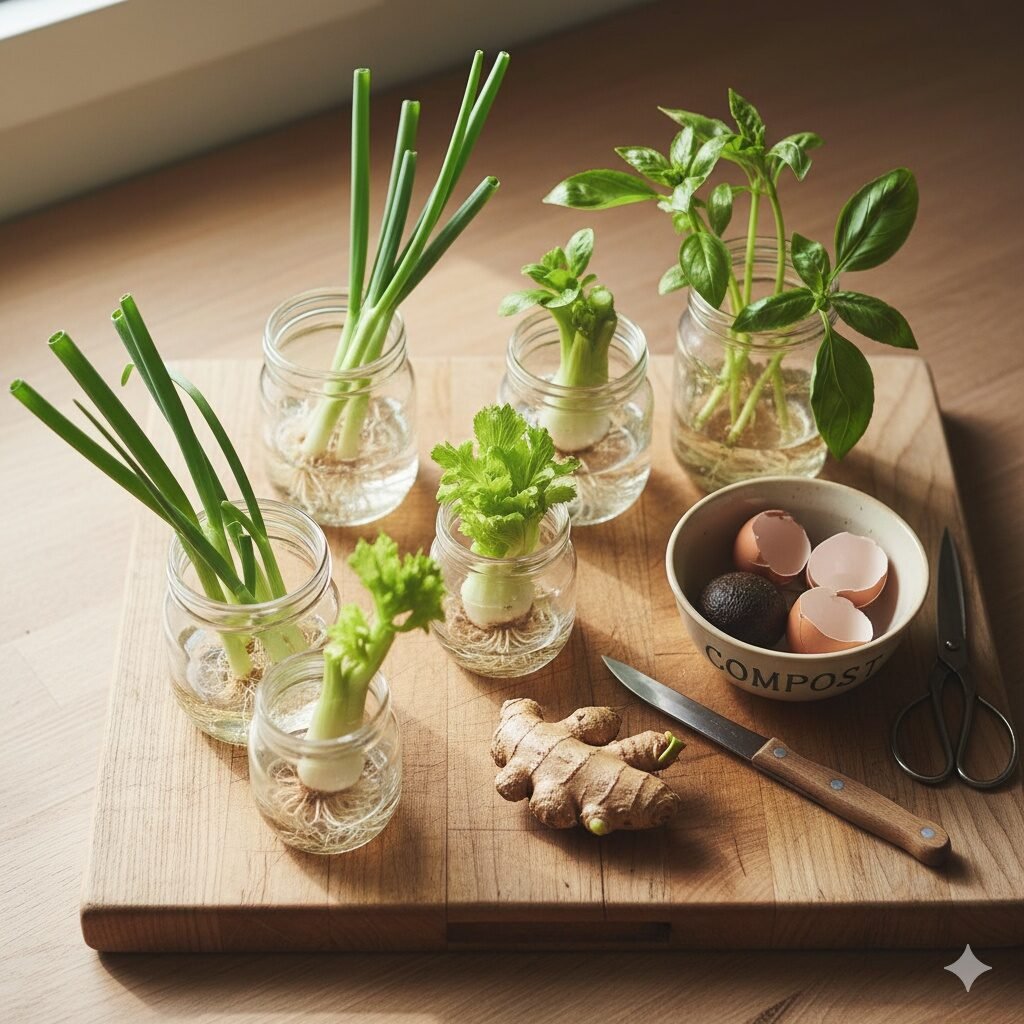
Ok finally, let’s get into the edible bits that actually grow well, because there’s a lot online that, you know, sounds promising but ends up doing pretty much nothing. So here’s the stuff that tends to be reliable:
Green onions / scallions
So these little guys are basically the kings of regrow green onions, since even a tiny root nub usually pushes new shoots in a week. It’s almost automatic. Stick the white ends upright in a jar with a bit of water, let the sun do its thing, and you’ll see bright green tubes climbing up again.
Lettuce bases (romaine, butter, bok choy)
These are a bit slower, and in a way, they don’t turn back into a whole head. Still, you get a handful of crisp leaves if you keep the base sitting in shallow water. People usually expect huge regrowth, but the tiny harvest is more or less the normal outcome for regrow lettuce from scraps.
Celery bottoms
A celery stump tends to surprise people — it sprouts a tight little cluster of leaves from the center, sometimes big enough to chop into soups or salads. It won’t rebuild the full stalks, but the flavor is fresh and sharp.
Herbs like basil, mint, cilantro
These ones root in water with almost no effort. It’s just a little funny how a floppy stem perks up once the roots start forming. This part is solid for anyone trying regrowing herbs from kitchen scraps for the first time.
Ginger knobs
This is slow, yet pretty dependable. You let a chunk with an “eye” sit in moist soil and wait. Weeks later, new shoots pop through. It’s a longer game, but the payoff is fragrant and tasty.
Now, as I was saying, there are still a bunch of scraps people try that sit somewhere between “pretty solid” and “kind of experimental,” and in a way, these are the ones that make the whole regrowing vegetables from scraps thing feel like a little science corner on your counter.
Garlic cloves
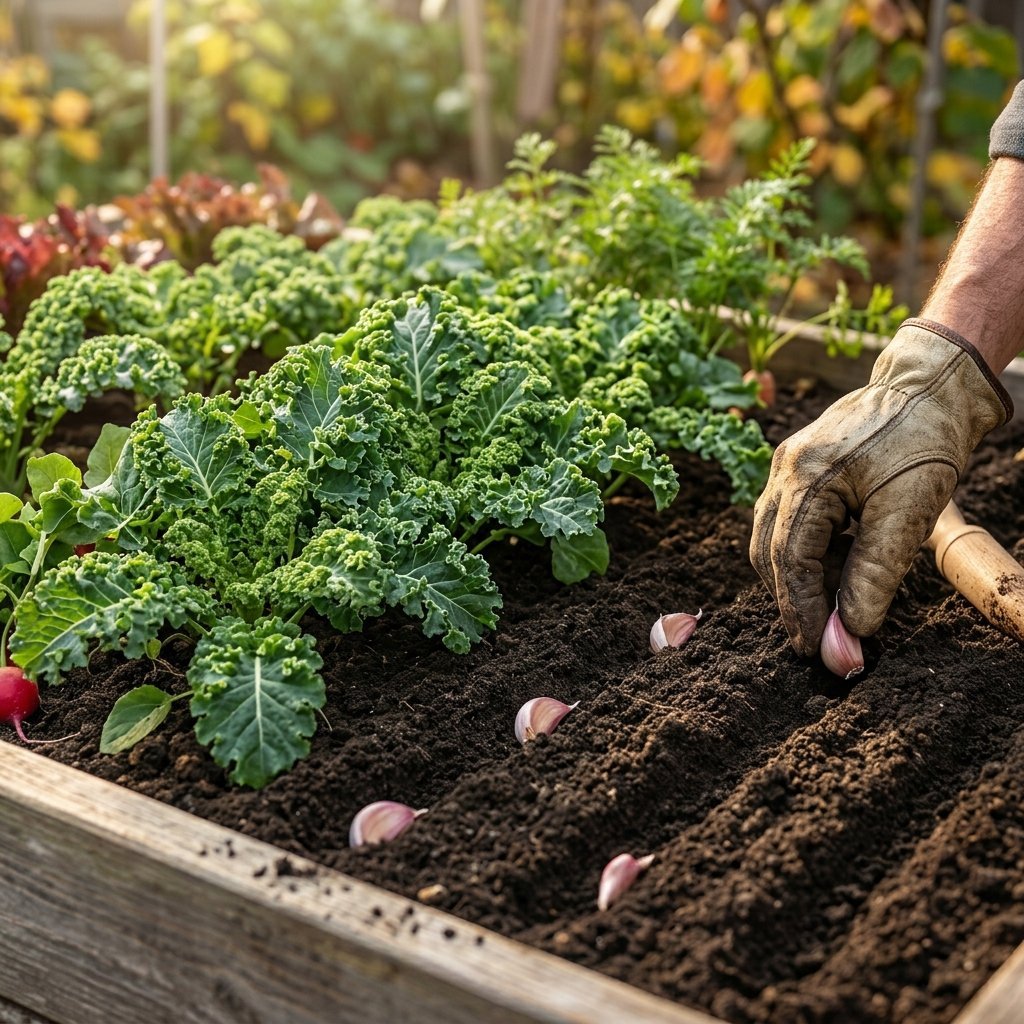
So this one is usually simple, since a leftover clove tends to be eager to sprout. Stick it in soil with the tip up, and you typically get tall green shoots that taste a bit like chives. And yeah, if you keep it growing through warm months, you could eventually get a whole new bulb.
Sweet potato slips
This is that fun moment where a cut sweet potato half starts giving you long vines. People usually twist off the slips and plant them, and, frankly, it’s a cheap way to grow a whole bunch of new plants without buying starts.
Regular potatoes with eyes
These sprouted pieces can grow well, yet they sometimes carry disease if they came from bags sprayed or stored weirdly. In a way, they’re better in garden beds than inside containers.
Leek or onion bottoms
These act a lot like scallions, though they’re slightly slower. Still, the regrowth tends to be helpful for soups and stir-fries.
Herb stems like rosemary or sage
These are, honestly, a bit stubborn. They might root, sometimes they don’t. But, you know, for folks who enjoy low-stakes tests, they’re worth a try.
Seeds from tomatoes or peppers
These usually sprout if you dry them and plant them, though the results might be unlike the parent fruit since supermarket produce is often hybrid. It’s still a cheap, easy entry for beginners trying how to regrow vegetables from kitchen scraps at home.
Mushroom stems
So this one sounds exciting, yet store-bought mushrooms rarely grow well from scraps. They need a special substrate, and a grow kit is, in a way, the easier road.

Step-by-step methods that keep things growing instead of rotting
Now, ok, let me lay out the three simple techniques that beginners usually rely on, since these tend to give you the highest chance of something green popping up.
A. Water propagation
This one is the fast-win method. You grab a jar, fill it with a bit of water, and stand your scraps upright so the bottom stays wet but the top breathes. Things like scallions, lettuce bases, celery stumps, and basil stems usually perk up quickly. You, like your plants, benefit from fresh water every day or two. If roots show up but leaves stay tiny, put the jar where the light is stronger.
B. Planting scraps in soil
In some respects, this is better for stuff that grows long-term — ginger, potatoes, garlic, sweet potato slips. You want soil that feels light and loose, so the new roots can stretch out. And, honestly, warmth tends to be the secret boost for ginger. A sunny windowsill normally works, though people who set a warm mat under their container often see faster growth.
C. Growing from seeds pulled from scraps
This is basically the “dry, plant, and wait” method. Tomato goo needs rinsing, pepper seeds need drying, and soil should stay a little damp. As a matter of fact, seedlings get leggy fast on a dim sill, so even a small desk lamp pointed nearby helps a lot.
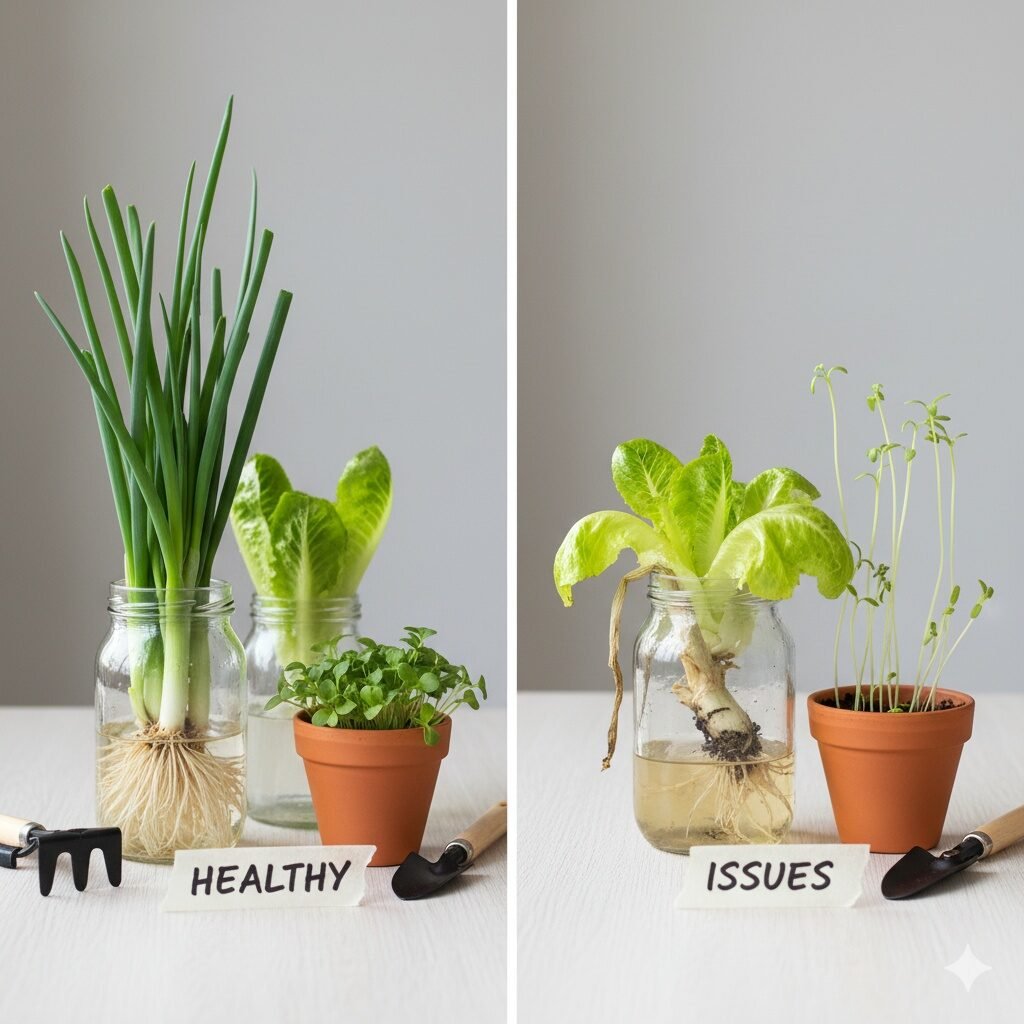
Troubleshooting that saves you from frustration
Ok, so here’s the deal — scraps look lively at first, then suddenly turn weird. And that’s usually normal.
Rot?
More or less always caused by water that sits too long. Change it, trim soft parts, and restart.
Leaf flop?
Move the scrap to more light, since plants stretch if they’re hungry for brightness.
Bugs in soil?
That tends to happen if your mix stays soggy. Let it dry a bit.
Scraps not growing at all?
Sometimes the grocery store item was treated or just too old. It’s fine — compost it and start fresh.
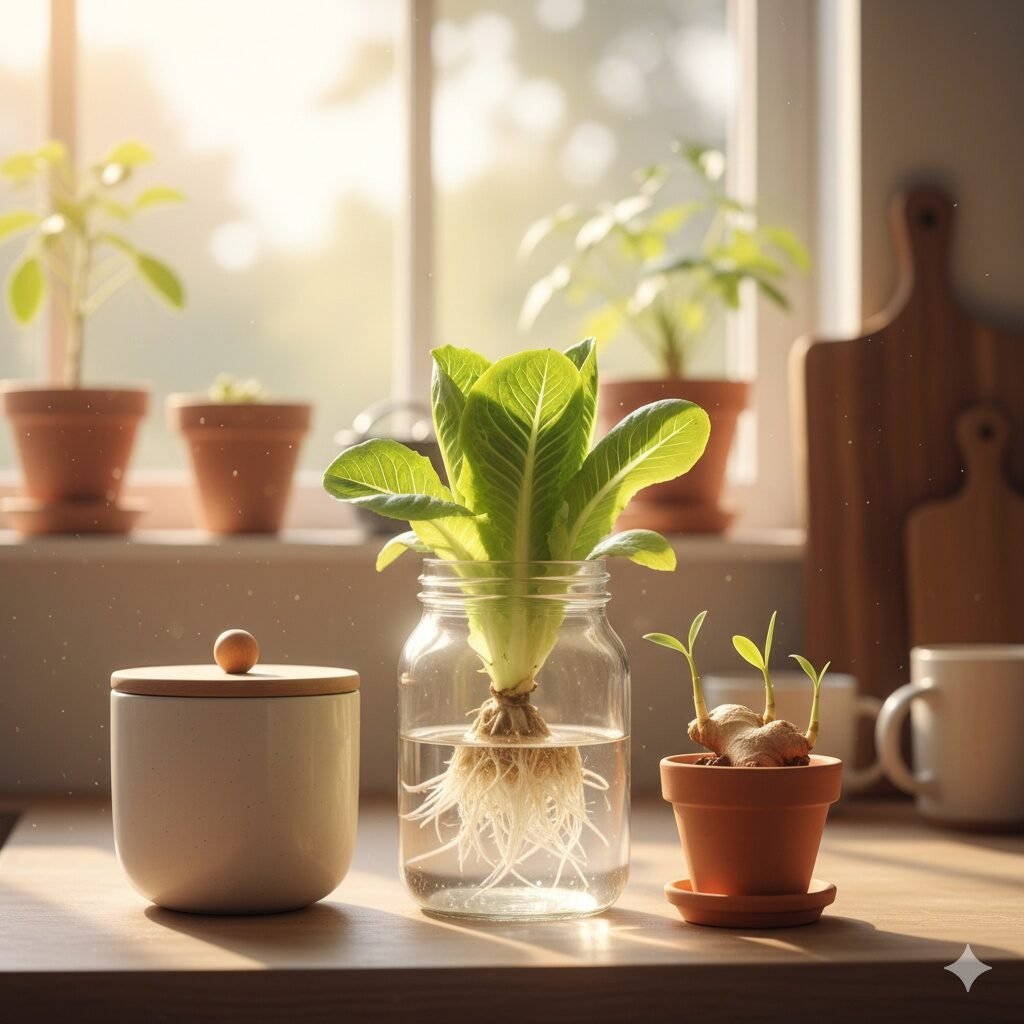
Building your own zero-waste loop
Now, ok finally, this is the part that ties everything together. It could be as simple as a jar on your sill for regrows, a tiny pot for the ones that make it longer, and a bowl or bin where the rest becomes compost. This tiny cycle keeps your kitchen scraps moving through a gentle loop — grow, trim, eat, compost, repeat. And in the meantime, winter windowsills usually slow things down, while summer light speeds everything up.
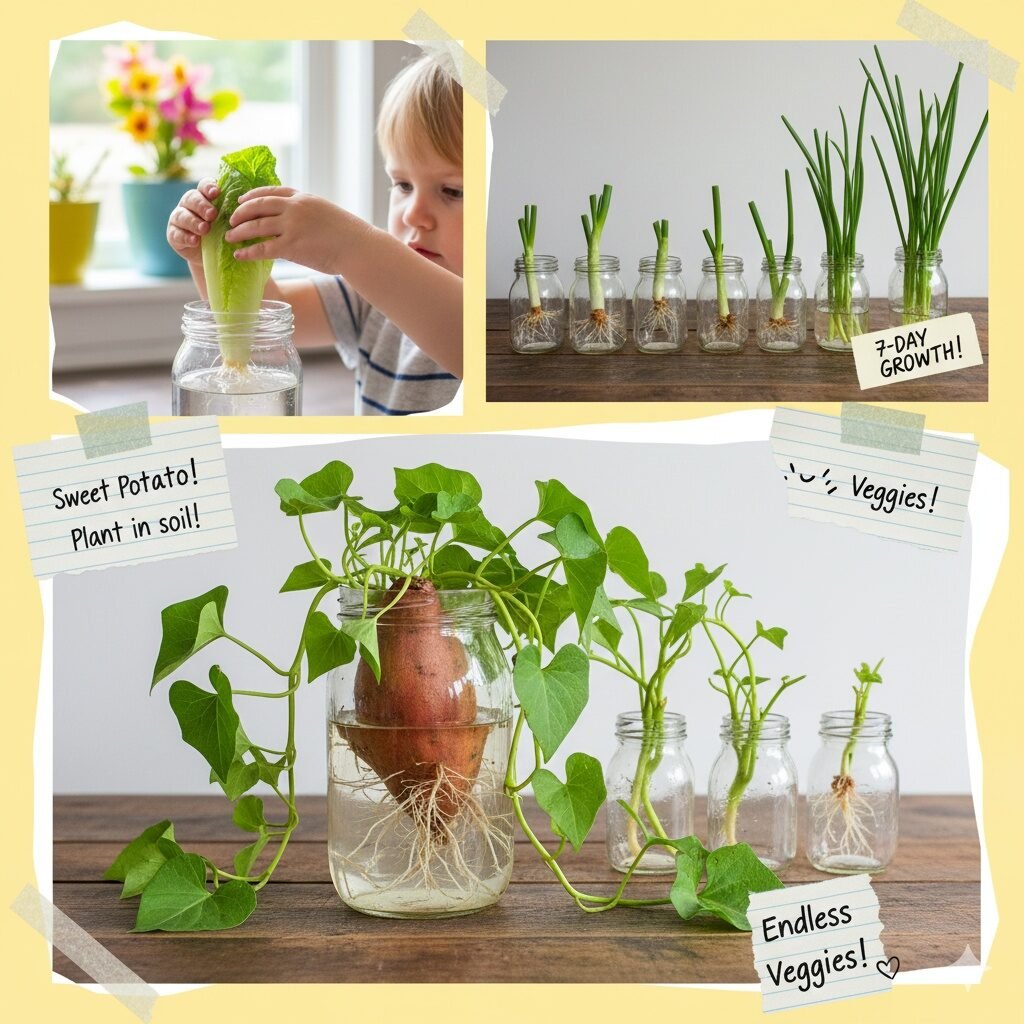
Quick project ideas
A bit of fun:
– A 7-day regrow from scraps challenge with daily photos
– A jar of herb cuttings for gifting
– A kids’ lettuce regrow experiment
– A windowsill ginger-watching diary
– A pepper-seed sprouting test

Tools & quick resources
You, like your plants, don’t need much — a jar, a spoon, a bit of soil, maybe a cheap grow light. Extension sites in your area offer simple advice for disease and pest questions, which is pretty handy for anyone slowly getting deeper into kitchen scrap gardening.
I hope you enjoyed this article! I also think you’ll find these two articles helpful: How to Grow Microgreens & Sprouts at Home (Beginner’s Guide) and Gardening in Small Spaces: 20 Tips for Beginners. They’re packed with more ideas and inspiration to take your gardening skills to the next level.
I always like to share informative articles related to my own content that may benefit my readers. With that in mind, I’d like to share another article from Epic Gardening that I think will spark your interest.
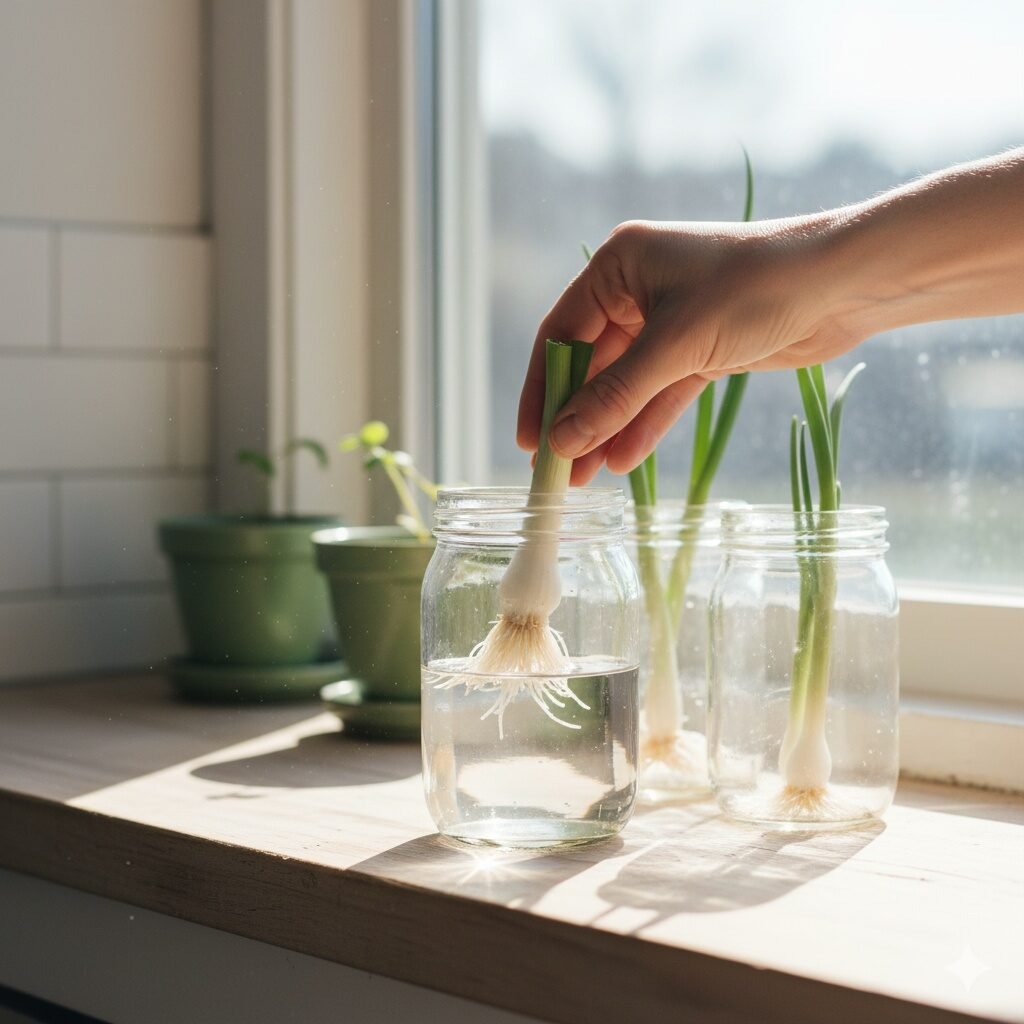
Call to action
So, in short, you might want to pick one scrap today — scallions are the easiest — and stick it in a jar. Snap a pic, share it, and if you enjoy tracking growth, grab the regrow chart in the newsletter.
Ever wondered if you can really regrow vegetables from your kitchen scraps? 🌱 This video from Epic Gardening uncovers the truth behind regrowing veggies at home. From practical tips to common mistakes to avoid, it’s a must-watch for anyone looking to reduce waste and grow fresh produce right from their kitchen!