

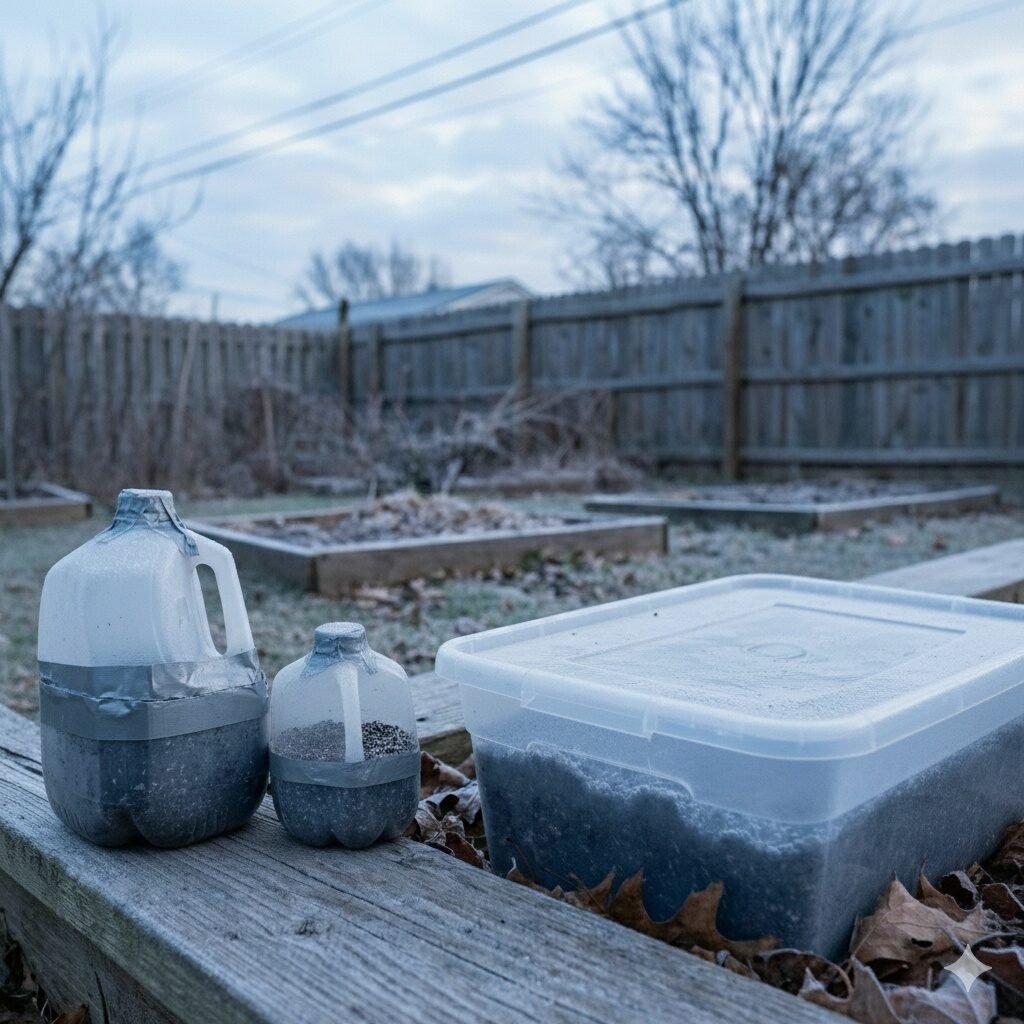
Milk Jugs vs Plastic Totes: Ok, so winter sowing tends to be, you know, one of those gardening tricks that feels a little strange at first, yet it really pulls people in once they see seedlings popping up through frost. And now, in a way, the big question folks keep circling back to is whether those cut-up milk jugs or those chunky plastic totes actually make the better little mini-greenhouse. So this whole piece digs into that idea, with a bit of a slower, more hands-in-the-garage kind of tone, because that’s usually how people think about this stuff anyway.
Now, as I was saying, winter sowing basically leans on the idea that seeds can sit outside all season, riding the freeze-thaw rhythm until they wake up on their own. And the container you pick ends up shaping everything — the moisture, the heat swings, the light, the airflow, and even how much fussing you end up doing.
Why People Keep Grabbing Milk Jugs
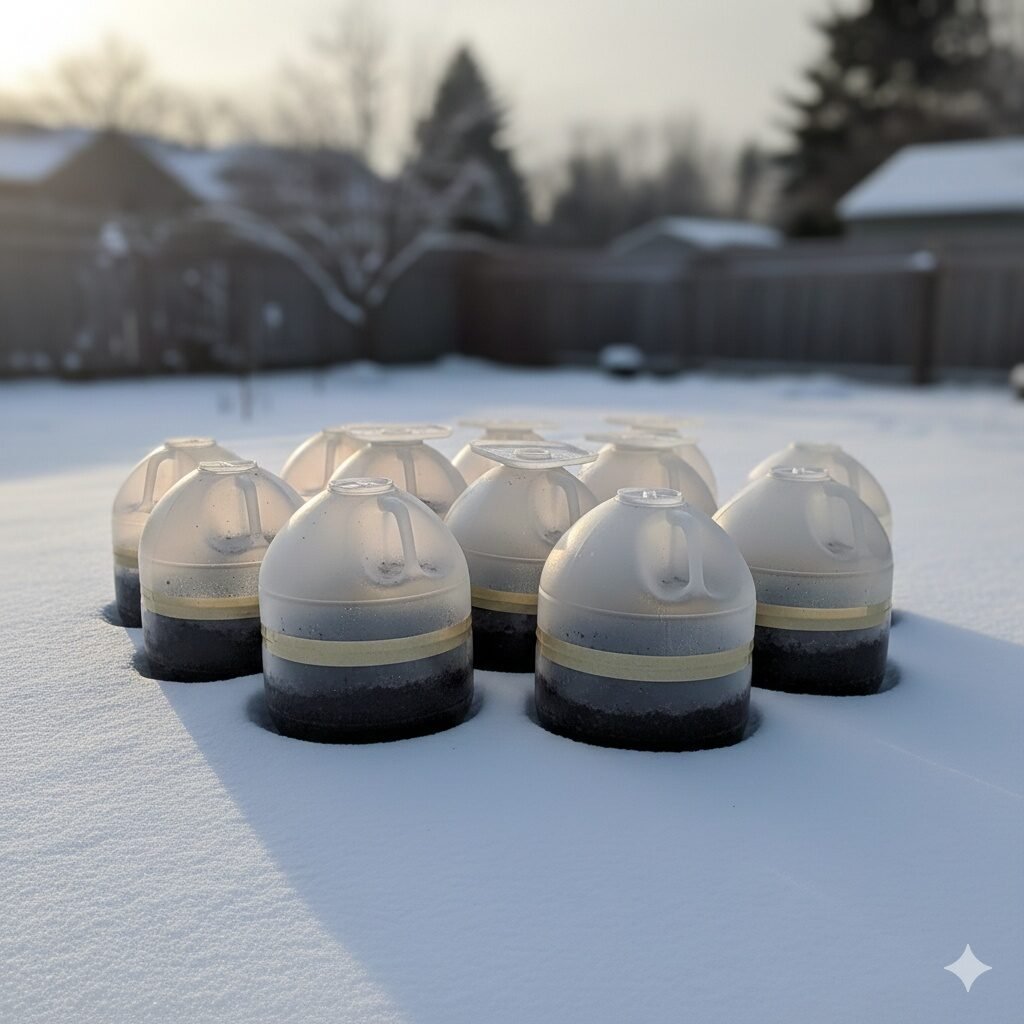
Ok, so milk jugs tend to be, like, the unofficial mascot of winter sowing. They’re nearly always around, they cost nothing, and they have that slightly cloudy plastic that, in a way, filters light just enough for seedlings that don’t want harsh sun. People usually slice them open, tape them up, and stick them in the snow, looking a bit like tiny plastic igloos on the lawn.
Now, in some respects, milk jugs actually warm up pretty fast during those early-season sunbursts. And this quick warm-cool rhythm sometimes sets peoples’ minds back to how seeds naturally deal with spring — chilly nights and short warm spells. Yet the lightness of the plastic sometimes lets heat escape a little too fast during deep cold nights, which could be a bit stressful for tender seeds.
Why Some Folks Swear by Plastic Totes
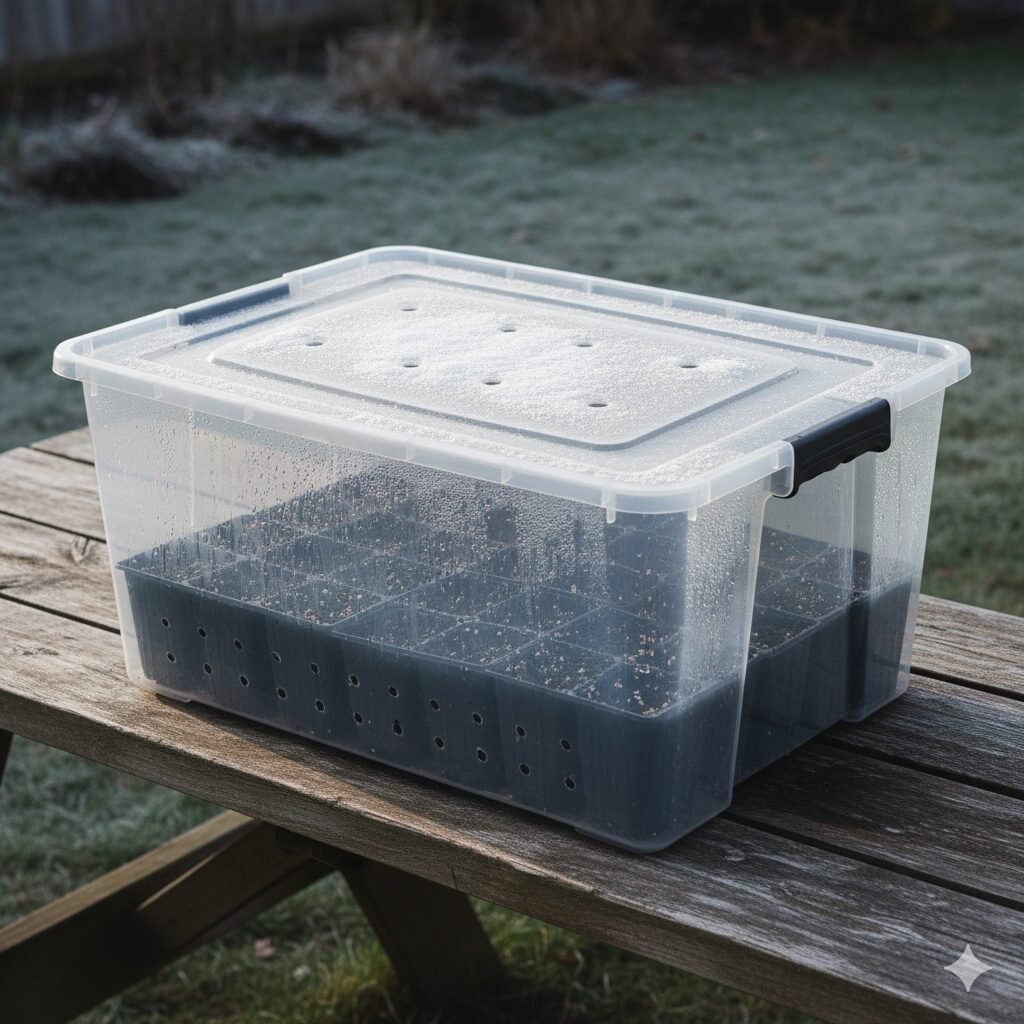
Plastic totes, meanwhile, usually feel sturdier and a little more predictable. They’re big enough to sow trays instead of single jugs, and that gives gardeners more space to work with, especially if they’re starting loads of perennials or native plants. The plastic tends to be thicker, too, and that thickness often holds moisture and warmth more evenly.
In fact, totes can act like a slightly bigger micro-climate box, which might be why people who live in colder zones — Zone 3, Zone 4 — often lean that way. Yet totes sometimes struggle with airflow unless holes are drilled just right, and poor airflow, you know, can leave things a bit soggy.
Where Both Methods Overlap
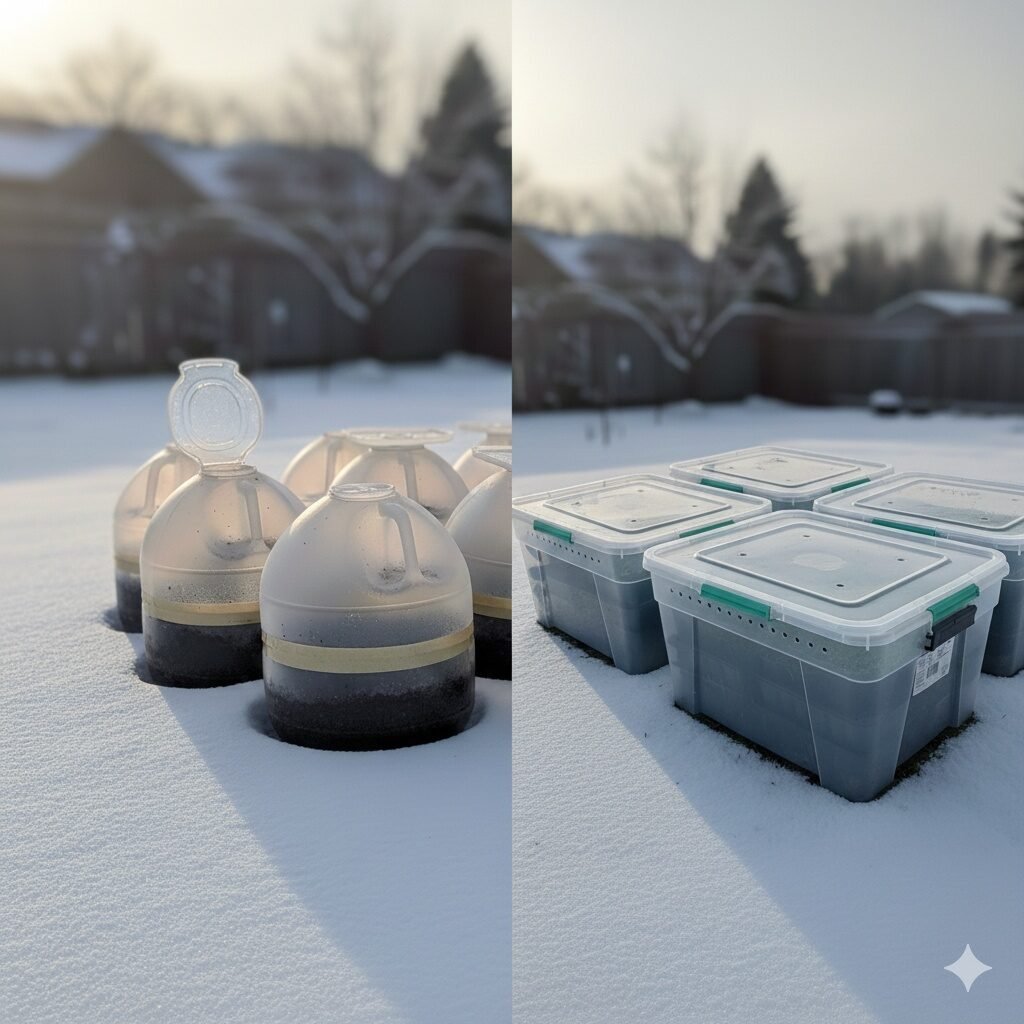
Both options usually do the same basic thing: trap light, trap moisture, and soften the wind so seeds wake up slowly and naturally. And in other words, whichever one you pick, you’re still getting that slow-motion spring that winter sowers rely on.
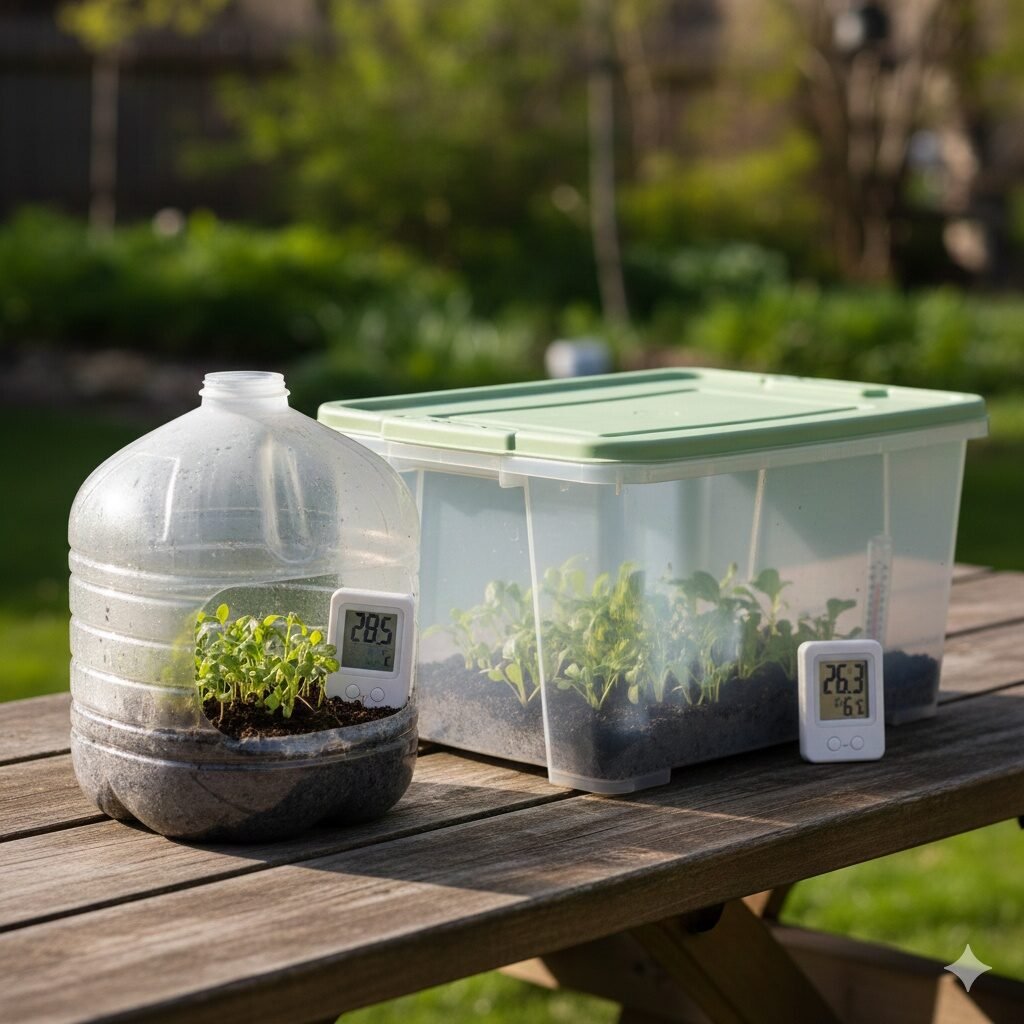
Temperature Swings: How Each Container Handles the Freeze–Thaw Dance
Now, in a way, winter sowing lives or dies on how well your little container deals with cold snaps and those random warm days that tend to show up in late winter. Milk jugs, for instance, often heat up very quickly during bright sun, which might be good for seeds that need that extra nudge. Yet they cool down just as fast once the light fades, so the internal temperature usually jumps around more than what you get with totes.
Plastic totes, on the other hand, typically hold warmth longer because the walls are thicker and the space inside is bigger. And in some respects, that steadiness feels a bit kinder to seeds that want a slower wake-up, like many perennials. But, by the way, the bigger space inside a tote sometimes means the warmth spreads out thinner, so the heat boost isn’t quite as sharp as what a milk jug delivers on a sunny afternoon.
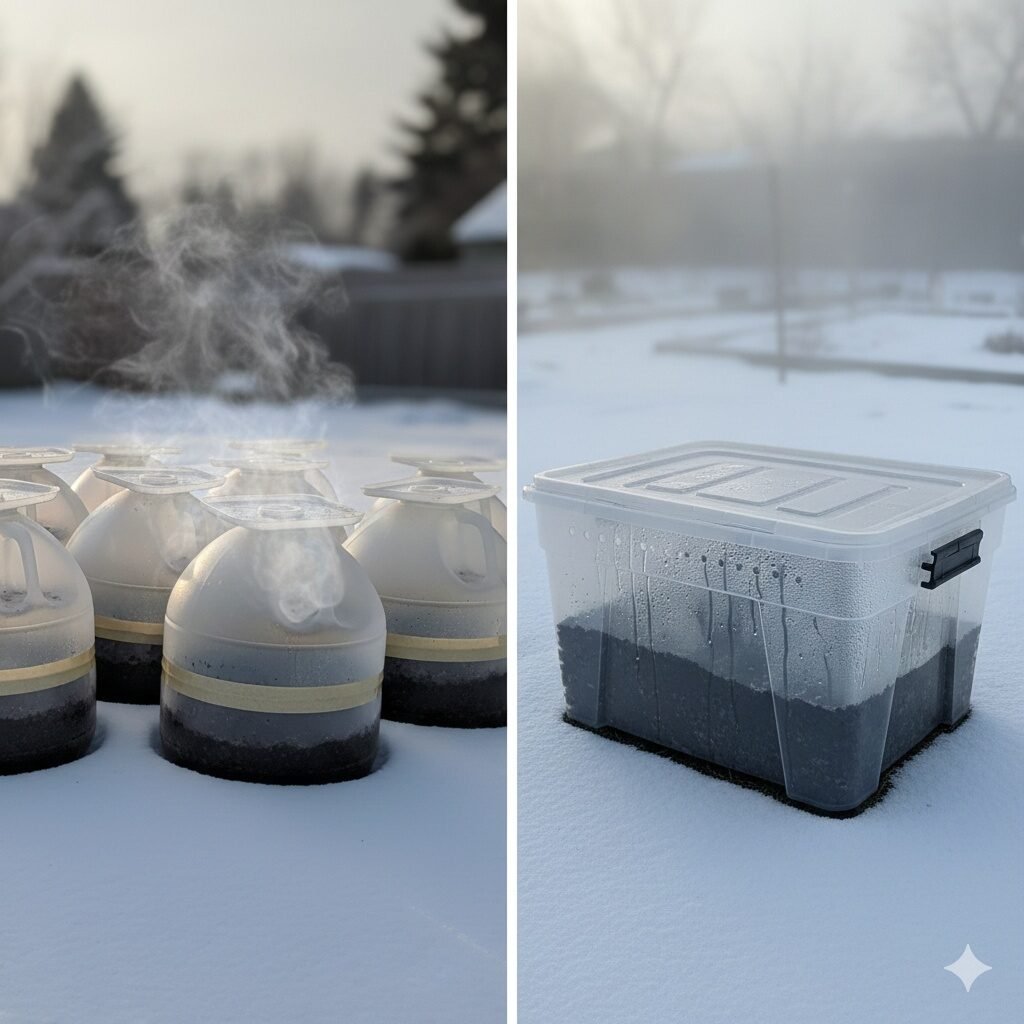
Moisture Retention: Keeping Things Damp Without Going Swampy
Ok, so moisture is one of those things people worry about a little too much with winter sowing, yet it’s still something worth talking through. Milk jugs tend to let moisture escape more easily since the vents are small and the plastic is thin. This makes them, in a way, a bit forgiving if you overwater during setup.
Totes, for instance, trap moisture extremely well, sometimes a little too well. And because the lid usually covers a wider area, it keeps most of the humidity locked inside. You know, this can be great for seeds that want consistent dampness, but seedlings might be more prone to damping-off unless the holes are spaced in a way that allows air to move through steadily.
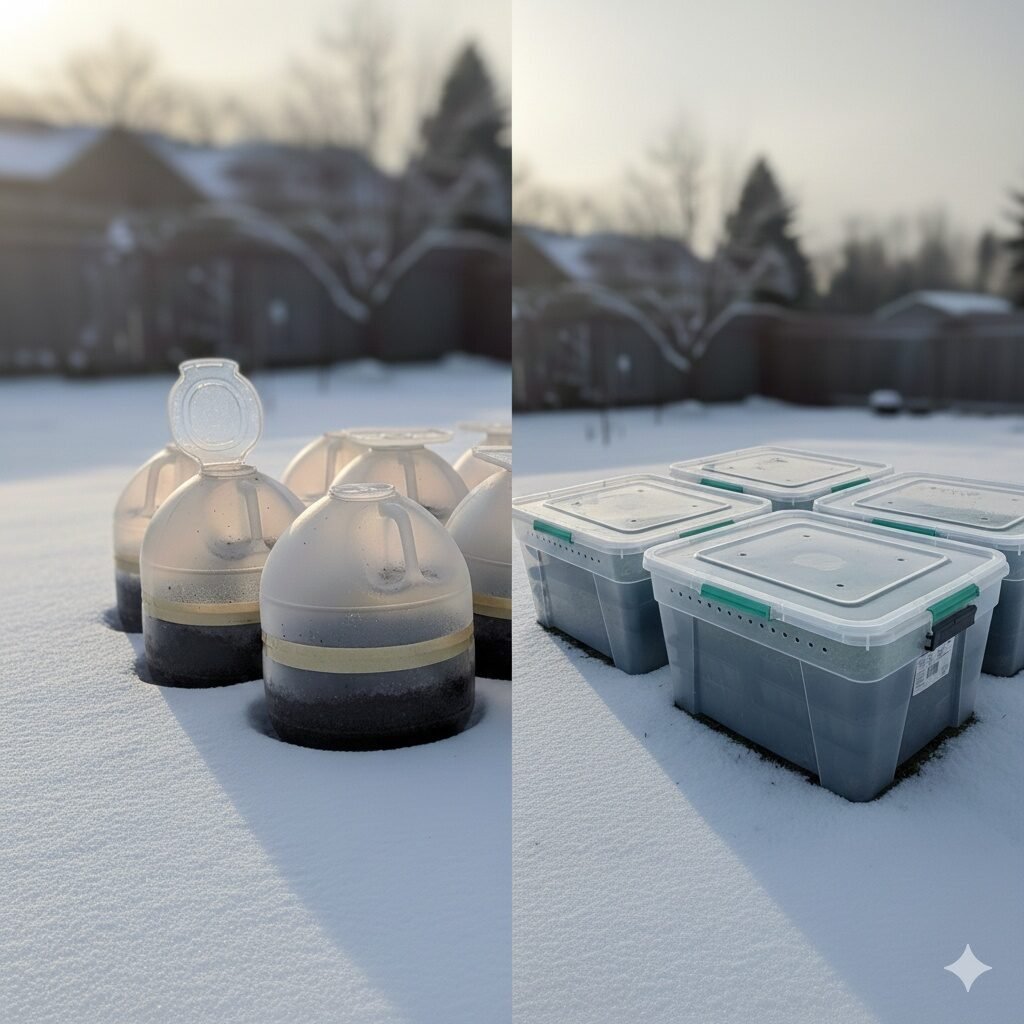
Light Levels: How Cloudy Plastic Changes the Seedling Vibe
Milk jugs almost always have that hazy, cloudy finish, and that surface more or less softens sunlight. First-time winter sowers usually like this because it blocks those harsh rays young seedlings sometimes can’t handle. In fact, that slight dimming tends to mimic early spring days.
Plastic totes vary a lot. Some are crystal clear, others slightly tinted, and some are nearly as cloudy as milk jugs. Clear totes, frankly, give seedlings more direct sun, which might be good for plants that naturally love bright light. Yet, too much brightness early on could be a little intense unless snow or cloud cover softens it.
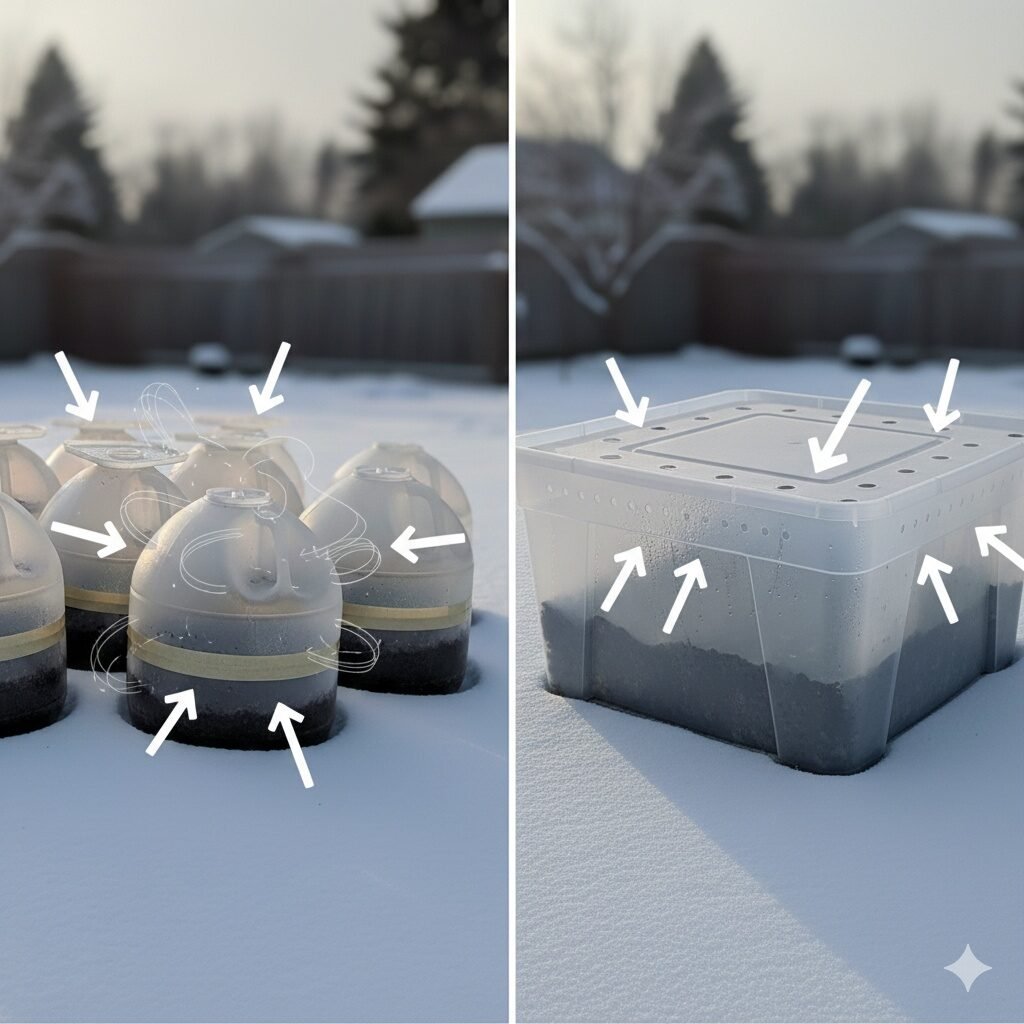
Airflow: The Quiet Detail That Matters More Than People Think
As I was saying earlier, airflow tends to be one of the underrated things that actually decides whether your seedlings thrive. Milk jugs have a built-in vent at the top once the cap is removed, and people usually cut a few slits on the sides to let extra air slip in. This setup is simple, though it sometimes lets in more wind than expected during strong storms.
Totes rely on drilled holes, and the number, spacing, and size of those holes change things significantly. For instance, too few holes might keep everything too damp, while too many might dry things out faster than intended. The nice part is you can customize it a bit, giving you control milk jugs don’t always offer.
Ease of Setup
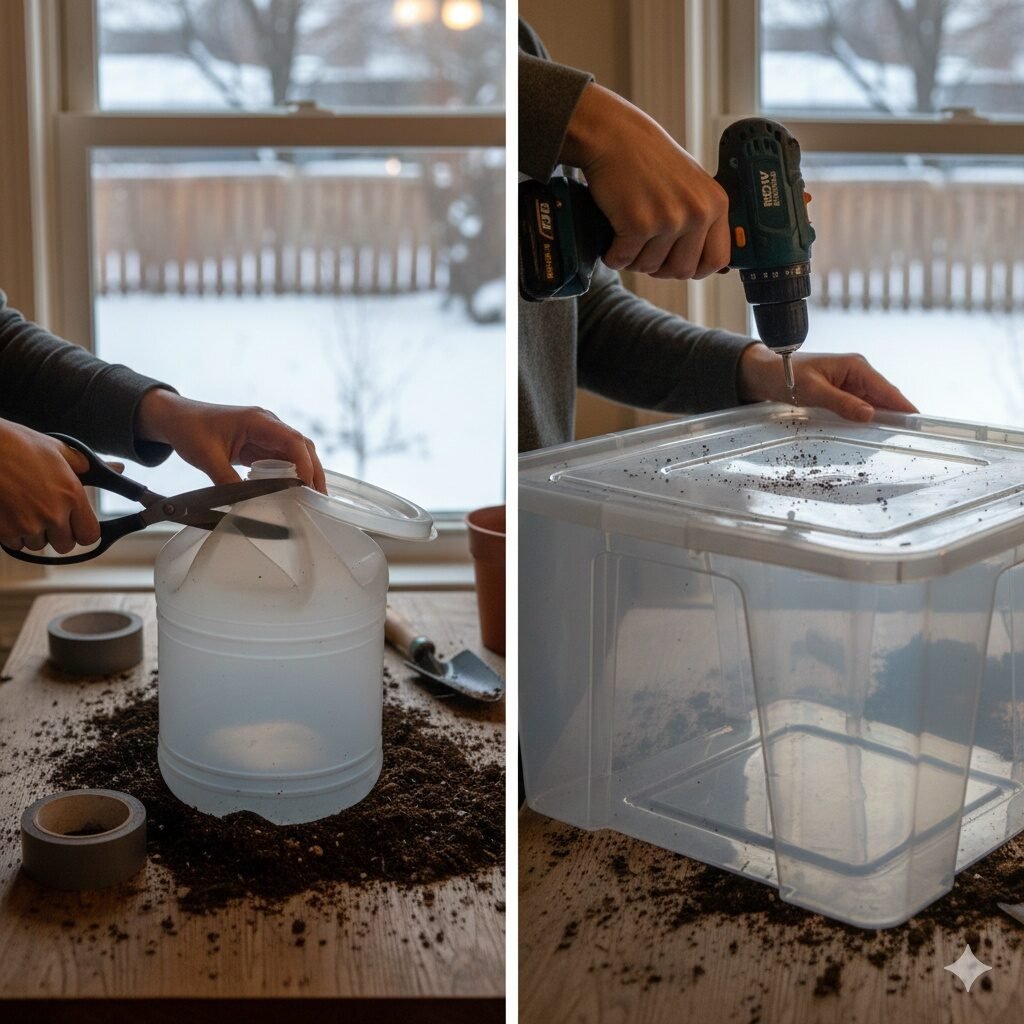
Ok, so milk jugs are typically quicker to get going. You just cut the jug almost in half, add soil, add seeds, tape it shut, and call it a day. It’s one of those jobs you can do with dull scissors and a roll of cheap tape.
Totes, meanwhile, might need a drill, a sturdier pair of hands, and a little patience. Yet once a tote is prepped, you can sow dozens of varieties inside, which saves time for anyone growing a lot.
Durability and Reuse
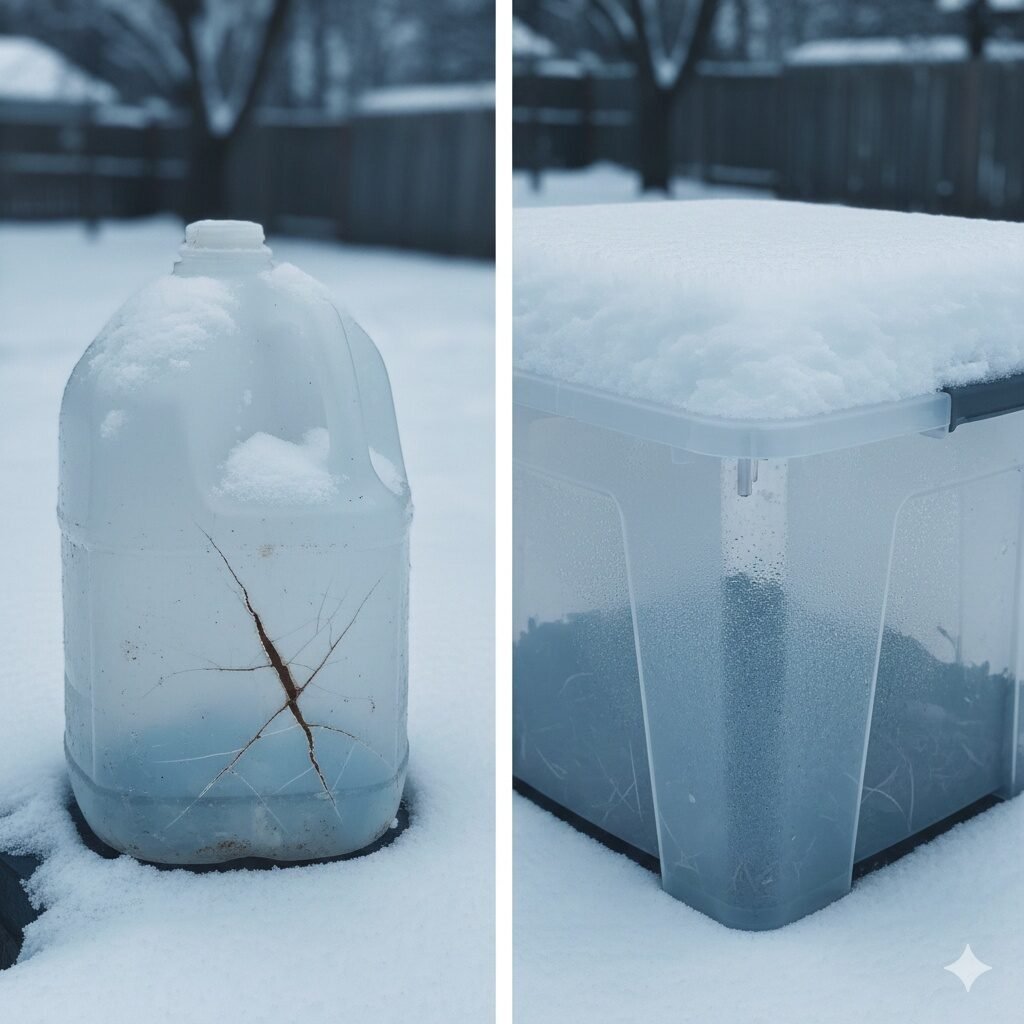
Now, in a way, this is where the two container types separate pretty strongly. Milk jugs, for example, are usually a bit flimsy right from the start. The plastic tends to get brittle by late spring, and it often cracks where you cut it. So, you know, most folks end up tossing them after a single season, which is fine if you always have more coming in from weekly grocery runs.
Plastic totes, on the other hand, usually last for years. The walls are thick, the lids clip on in a way that feels steadier, and the whole setup survives being out in snow, sleet, and that wet early spring slush. In some respects, a tote might be a better fit for gardeners who want something that stays part of their yearly rhythm without having to rebuild it each winter.
Best Use-Cases by Zone
As I was saying earlier, the climate you’re in tends to push you naturally toward one option or the other.
Colder Zones (Zones 3–5)
Ok, so folks in colder zones might find totes a bit more helpful. The thicker walls give seeds a slightly steadier environment, and that extra insulation could be, you know, the small thing that stops seeds from getting stressed by repeated deep freezes. They also hold snow weight better, which sometimes matters in those areas where storms drop heavy, wet snow overnight.
Milder Zones (Zones 6–8)
Milk jugs tend to work perfectly fine in these areas because the warm spells aren’t as extreme. And in a way, the quick warm-up inside a jug on a bright February day might help seeds pop a little sooner without overheating.
Very Warm Zones (Zone 9 and up)
People in warmer places sometimes use milk jugs simply because they don’t need the heavy insulation of totes. Yet they often add more vents to prevent things from getting too steamy once spring hits.
Cost Comparison
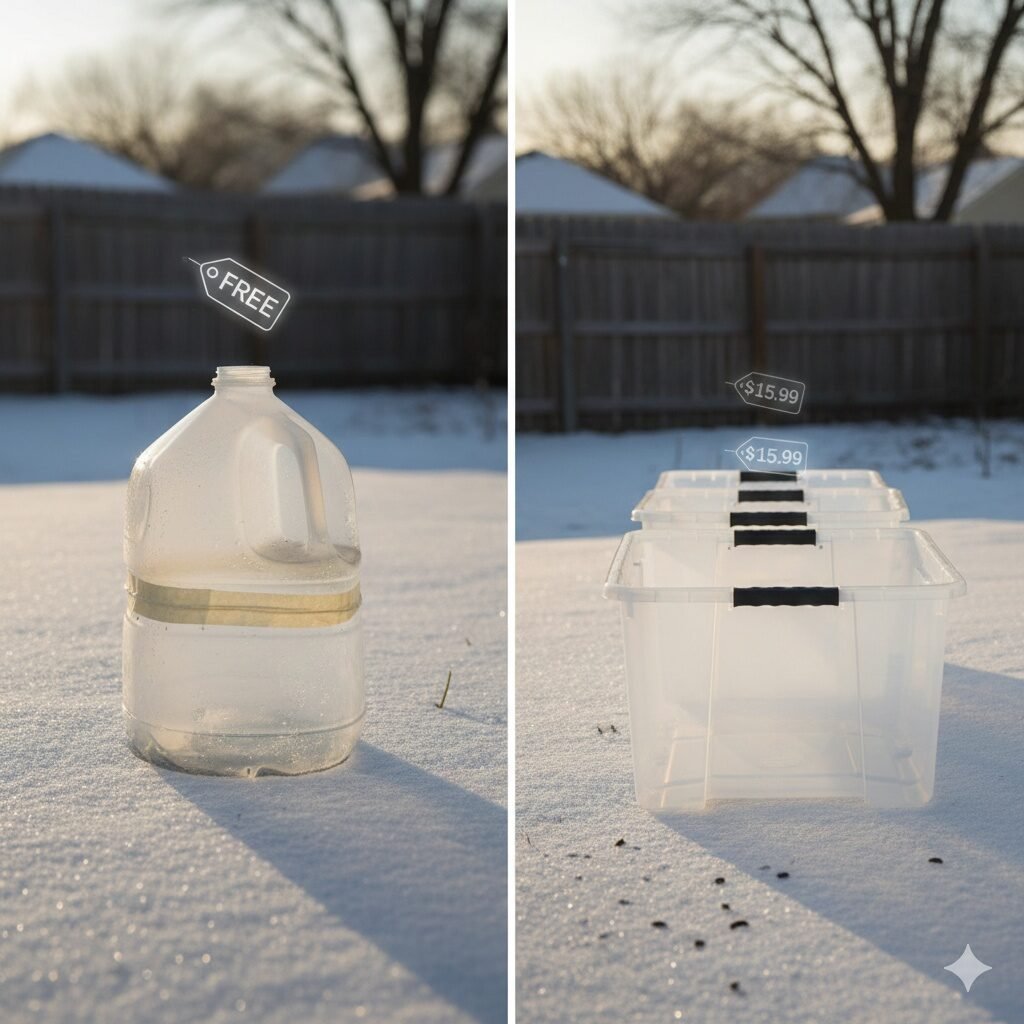
Milk jugs, of course, are nearly free. You just grab them from the recycling bin and get to work. Totes cost more upfront, but they last many years, so the long-term cost is often lower for people who start a lot of plants.
Pros & Cons: Milk Jugs
Ok, so here’s a quick breakdown that people usually find helpful, with things phrased in a way that feels a bit more down-to-earth:
| Pros | Cons |
|---|---|
| Ok, so they’re more or less free, which feels nice on the wallet. | The plastic tends to get brittle pretty quickly once the weather shifts. |
| They warm up fast on sunny days, which might be a little helpful for seeds wanting an early push. | They sometimes blow over during windy spells unless you weigh them down a bit. |
| They’re really light, so they’re easy to move around if you need to shift them. | They heat up almost too fast in late winter, which could be rough for cool-loving seeds. |
| They soften sunlight in a way that keeps seedlings from getting blasted too early. | You can’t fit too many seedlings inside one jug. |
| They drain easily, reducing soggy soil issues in a very simple way. | — |
Pros & Cons: Plastic Totes
Now, in a way, totes feel like the grown-up version of winter sowing containers, but they come with their own little quirks.
| Pros | Cons |
|---|---|
| They hold warmth longer since the walls are thicker and slightly steadier. | They cost more at the start, which might be a bit annoying. |
| They store a lot of seedlings in one space, which is pretty handy. | Poor vent placement tends to keep things overly damp. |
| They’re tough and usually last for years. | They’re heavier and kind of clunky to move once filled. |
| They handle snow load without collapsing. | Some totes block light if the plastic is too tinted. |
| They keep wind from shaking seedlings around. | — |
Troubleshooting: Milk Jugs
| Issue | Fix |
|---|---|
| Ok, so seedlings getting leggy because the light feels slightly weak. | Move the jug to a brighter spot or cut a wider window near the top so more sun slips in. |
| Mold on the soil because airflow might be too low. | Poke a couple extra vent holes around the upper edge to let the air cycle through. |
| Jug collapsing under snow weight. | Add a few small sticks inside so it stays propped up. |
Troubleshooting: Plastic Totes
| Issue | Fix |
|---|---|
| Too much moisture building up. | Drill a few more holes in the lid so the dampness can ease out slowly. |
| Seedlings overheating in a clear tote. | Toss a light towel over part of the lid or move the tote where it gets gentle morning sun. |
| Uneven germination because corners stay cooler. | Shift the tote a little now and then so warmth spreads more evenly. |
What to Choose by Plant Type
| Plant Type | Better Container | Why |
|---|---|---|
| Perennials | Plastic totes | They enjoy the steadier chill totes usually give, especially ones waking up slowly. |
| Cool-season veggies | Milk jugs | The quick warm-cool rhythm in jugs matches how these crops typically act outside. |
| Herbs | Both | Herbs are pretty flexible, though jugs give them brighter early light. |
| Native seeds needing long cold time | Plastic totes | The temperature tends to stay a little steadier inside totes, which these seeds often like. |
You may also be interested in my another article “The Best Vegetables for Winter Sowing (Beginner-Friendly List for Zones 3–10),” where you’ll find detailed guidance on the best vegetables to winter-sow along with additional helpful tips.
I’ve also found another helpful article—“Which Is Better: Winter Sowing or Starting Seeds Indoors?”—that provides a clear comparison of both methods. You may find it worth a read.
Final Thoughts
Now, in a way, this whole comparison between milk jugs and plastic totes tends to circle back to how you garden, how many seeds you’re trying to start, and what kind of weather usually rolls through your area. And as I was saying, both container types create that gentle outdoor cradle seeds seem to understand, yet each one shapes the season a little differently.
Milk jugs, for example, usually fit gardeners who want something quick, cheap, and light enough to scatter across the yard without much planning. They warm fast, cool fast, and let the seeds ride those small temperature flickers that, you know, mimic early spring in a surprisingly natural way. But they crack, they topple, and they hold only a little soil.
Totes, meanwhile, lean into a sturdier, calmer feel. The bigger space inside tends to keep things steady, and the thick plastic shields seedlings from those sharp winds and snow dumps that sometimes show up without warning. They’re heavier, sure, and drilling holes can feel a bit fussy, yet they give gardeners a wide, organized space to grow dozens of varieties at once.
So, in some respects, the best container ends up being the one that lets you sow the most with the least stress. People with small lawns might love the simplicity of milk jugs, while folks with big seed lists or colder climates might reach for totes because they like knowing everything sits under one lid. And, frankly, both options grow strong seedlings once you tweak airflow, moisture, and placement in a way that matches your local winter rhythm.



Pingback: 10 Must-Have Tools for Winter Sowing- Beginner-Friendly List