
Best Vegetables for Winter Sowing (Why Winter Sowing Works for Veggie Growers):
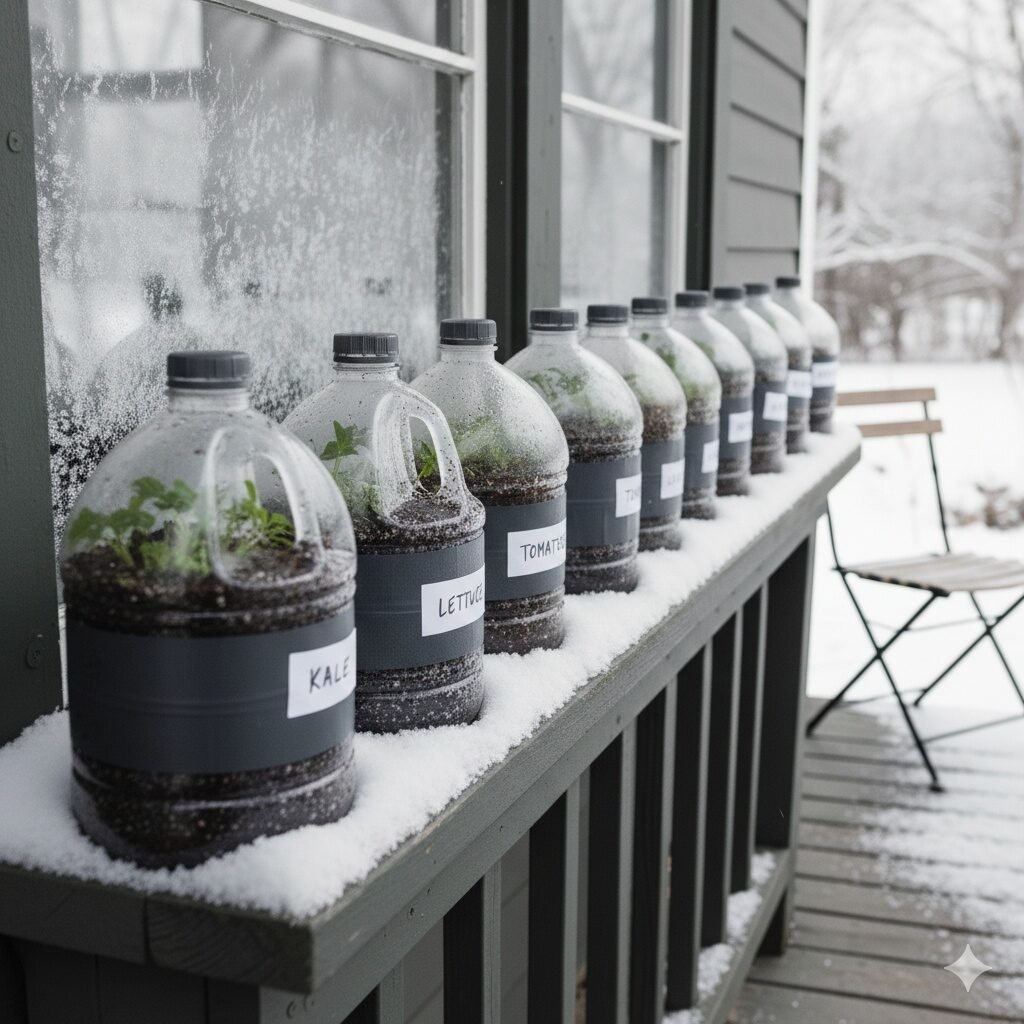
Ok, so winter sowing seems a little wild the first time you hear about it, right? You stick seeds in old milk jugs, drop them outside in the cold, and then you basically forget about them while the weather does all the heavy lifting. As a matter of fact, this whole setup tends to be more or less perfect for anybody who feels a bit overwhelmed by grow lights, indoor seed trays, and stuff that usually eats up space in a small home.
And if you’re wondering what to plant first, especially the best vegetables for winter sowing, the whole concept makes even more sense when you look at how nature works. Seeds rest in cool soil, the snow melts, the ground shifts a little, and eventually everything wakes up at the exact right moment. So in a way, winter sowing is that same idea—just tucked inside a cut-open jug on your porch or balcony.
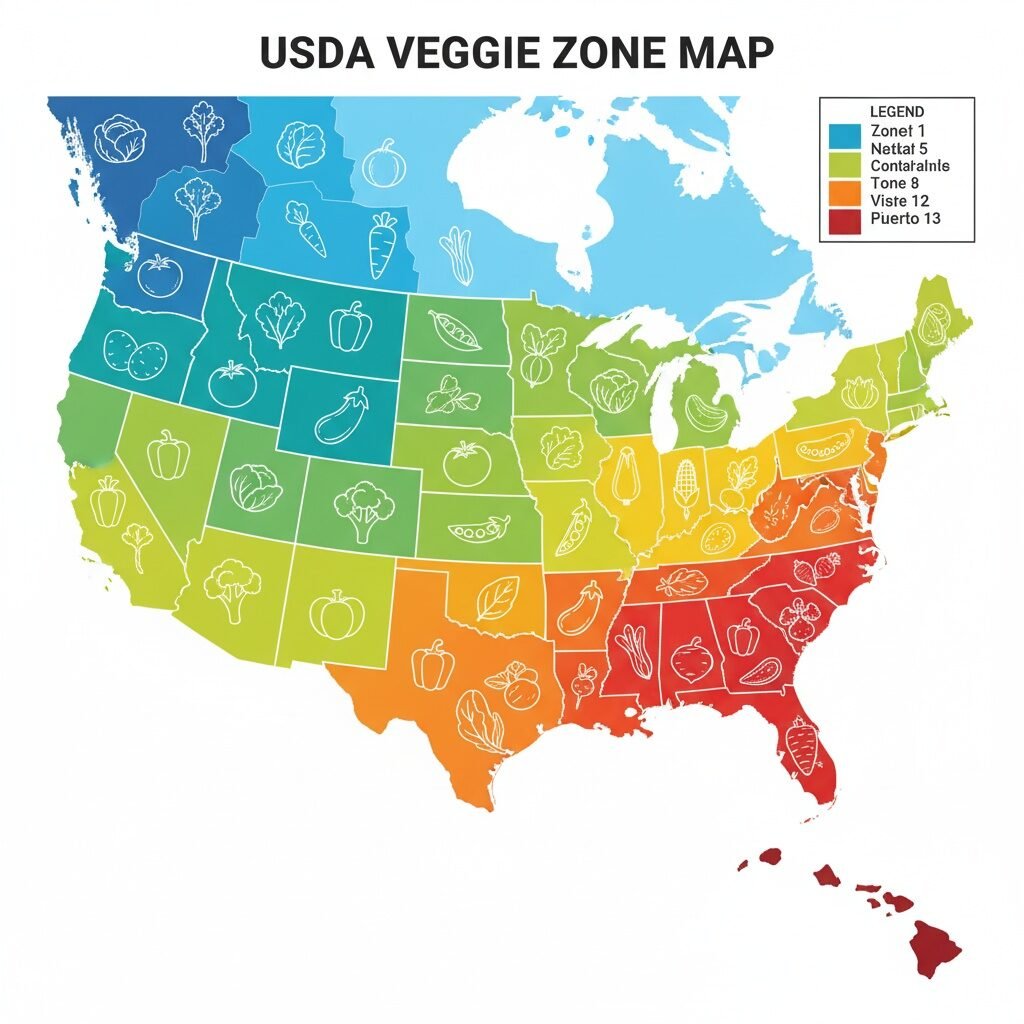
Another thing that often surprises beginners is that your USDA planting zone actually decides how well your seeds behave through winter. That means a person in Zone 3 deals with a very different stretch of cold compared with someone in Zone 9. So, yeah, timing your winter sowing by zone gives you a significantly better shot at strong seedlings in spring.
How Winter Sowing Interacts With Climate Zones (3–10)
Ok finally, before we dig into the veggies themselves, it helps to understand why winter sowing acts the way it does in different zones. Seeds, in some respects, wake up after something called cold stratification. That’s just a little period of chilly weather that kind of tricks them into thinking winter passed. This is why so many folks type things like “how long do seeds need cold stratification?” or “best winter sowing timing by zone” online.
Now, people in colder zones—like Zones 3 or 4—usually get a slightly longer freeze, which sort of makes the whole winter sowing routine even smoother. But folks in warmer zones can winter sow too; they just tend to start a bit later, since the cold snaps aren’t quite as long or as strong. Basically, winter sowing works for almost every zone from 3 through 10, as long as you place your containers out at the right moment.
Best Vegetables for Winter Sowing (Beginner-Friendly List)
A. Brassicas (Cold-Loving and Very Reliable)
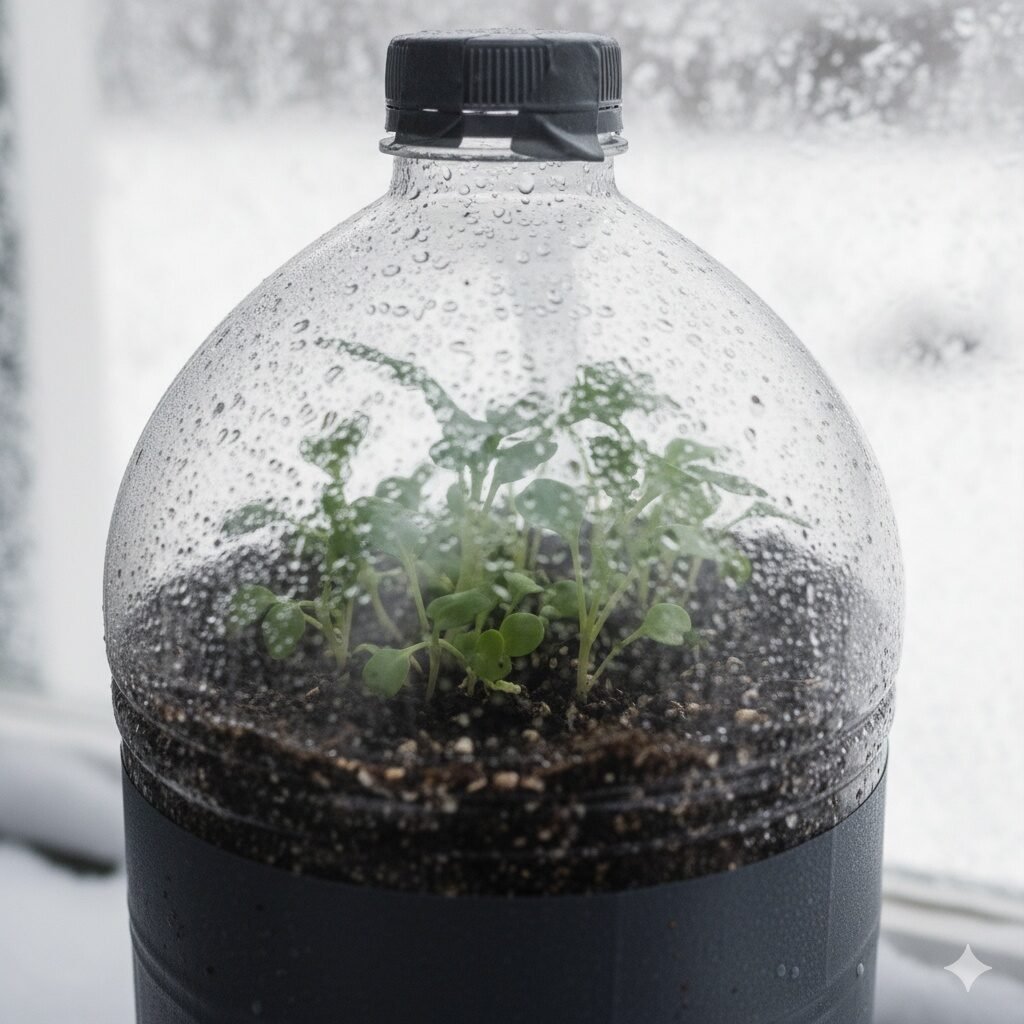
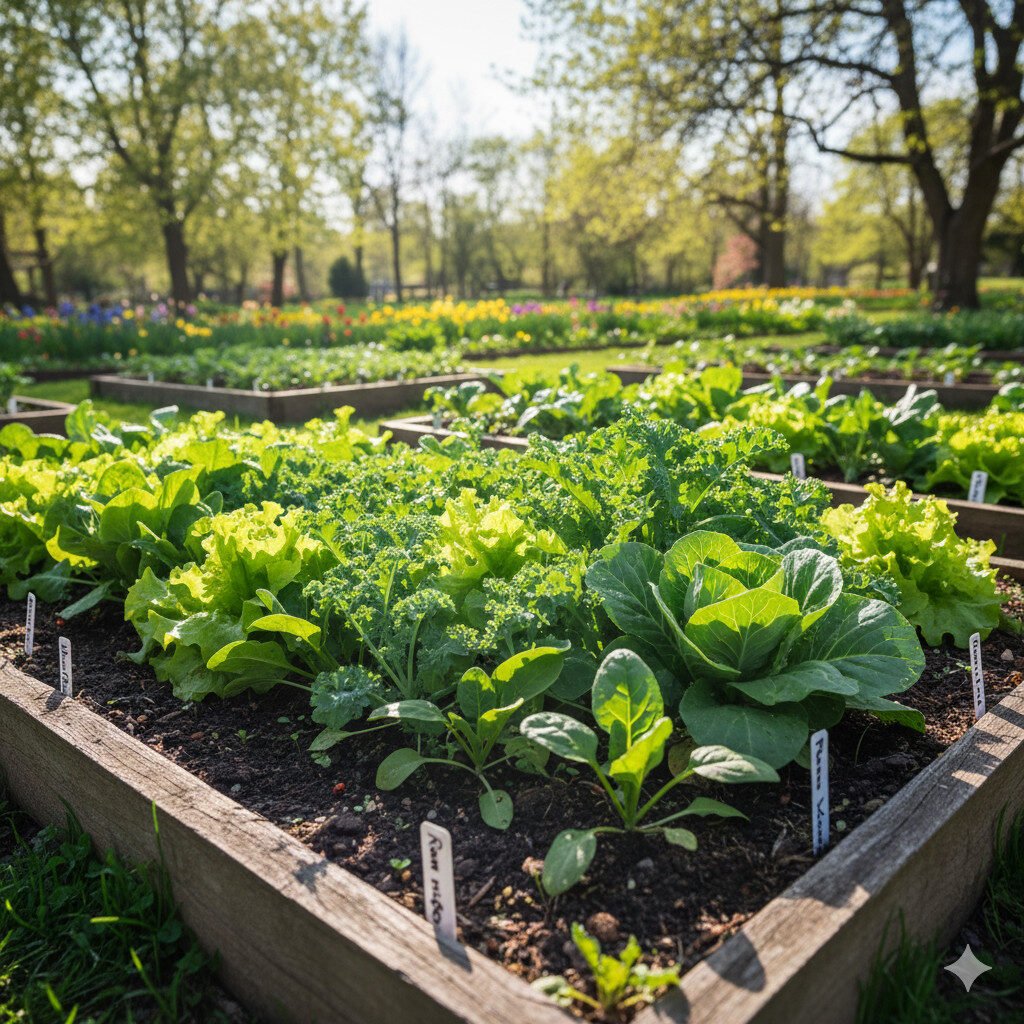
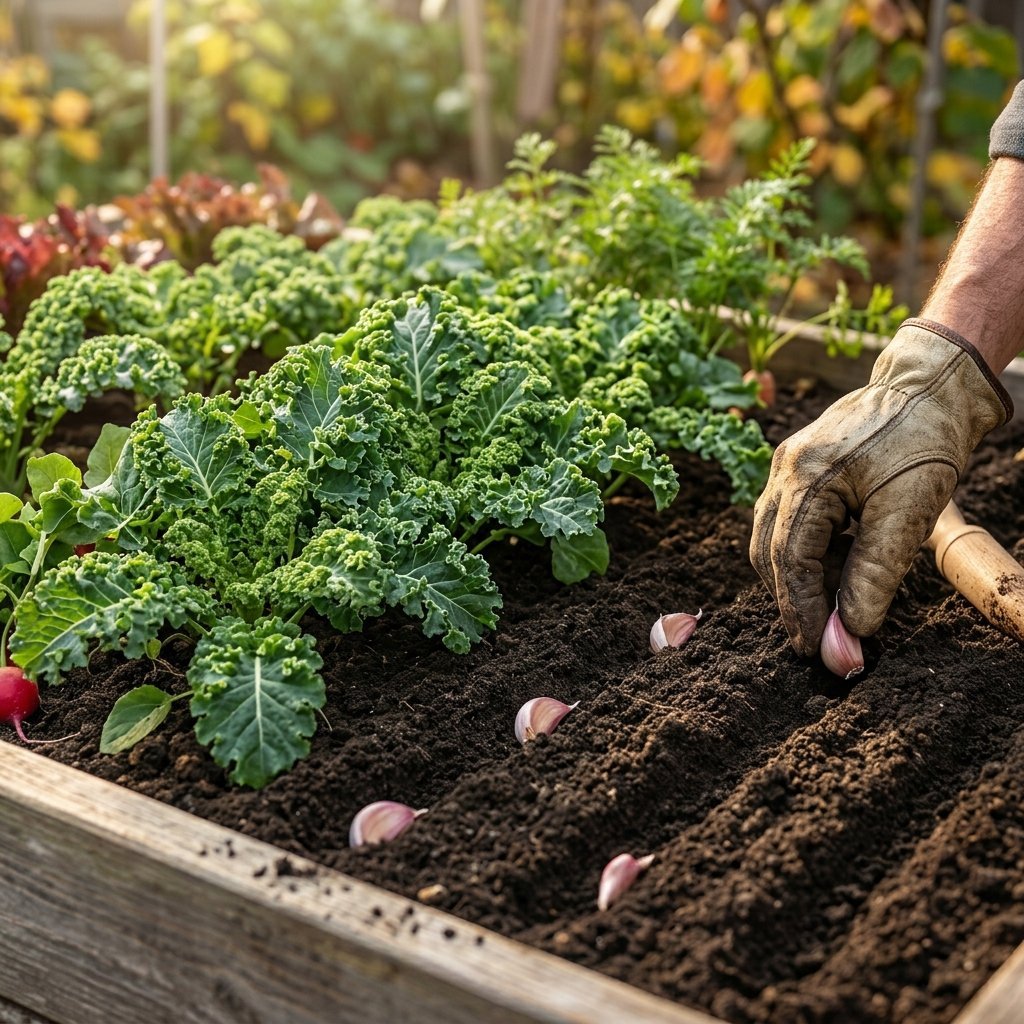
So, brassicas tend to be the vegetables people winter sow first because they usually sprout in cooler air and don’t fuss much about weather swings. Stuff like cabbage, kale, broccoli, cauliflower, and Brussels sprouts sits comfortably in winter containers, even when nights dip really low. These veggies usually germinate early, which means you get stronger plants once spring rolls around.
People often search for things like “do brassicas winter sow well?” or “best broccoli varieties for winter sowing,” and, honestly, this whole family is basically foolproof in Zones 3–10.
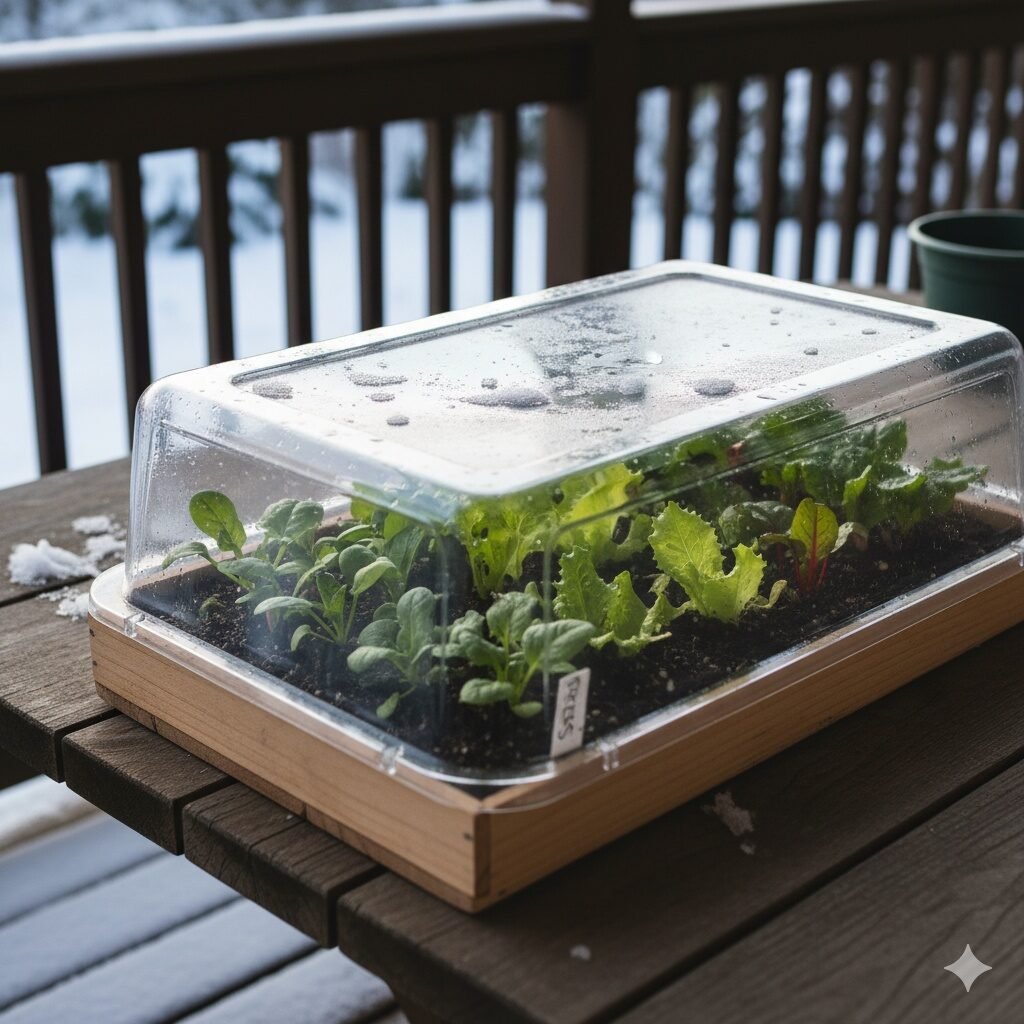
B. Leafy Greens (Fast-Growing and Great for Beginners)
Now, leafy greens—like spinach, lettuce, Swiss chard, arugula, and mustard greens—tend to be extremely friendly to new gardeners. They sprout fast, handle frost without drama, and give you early salads that taste like spring came a little sooner than usual.
A lot of folks type “best greens for winter sowing” or “winter sowing spinach timing” because these plants respond so well to cool soil. They usually pop up the moment the sun hangs a little higher in the sky.
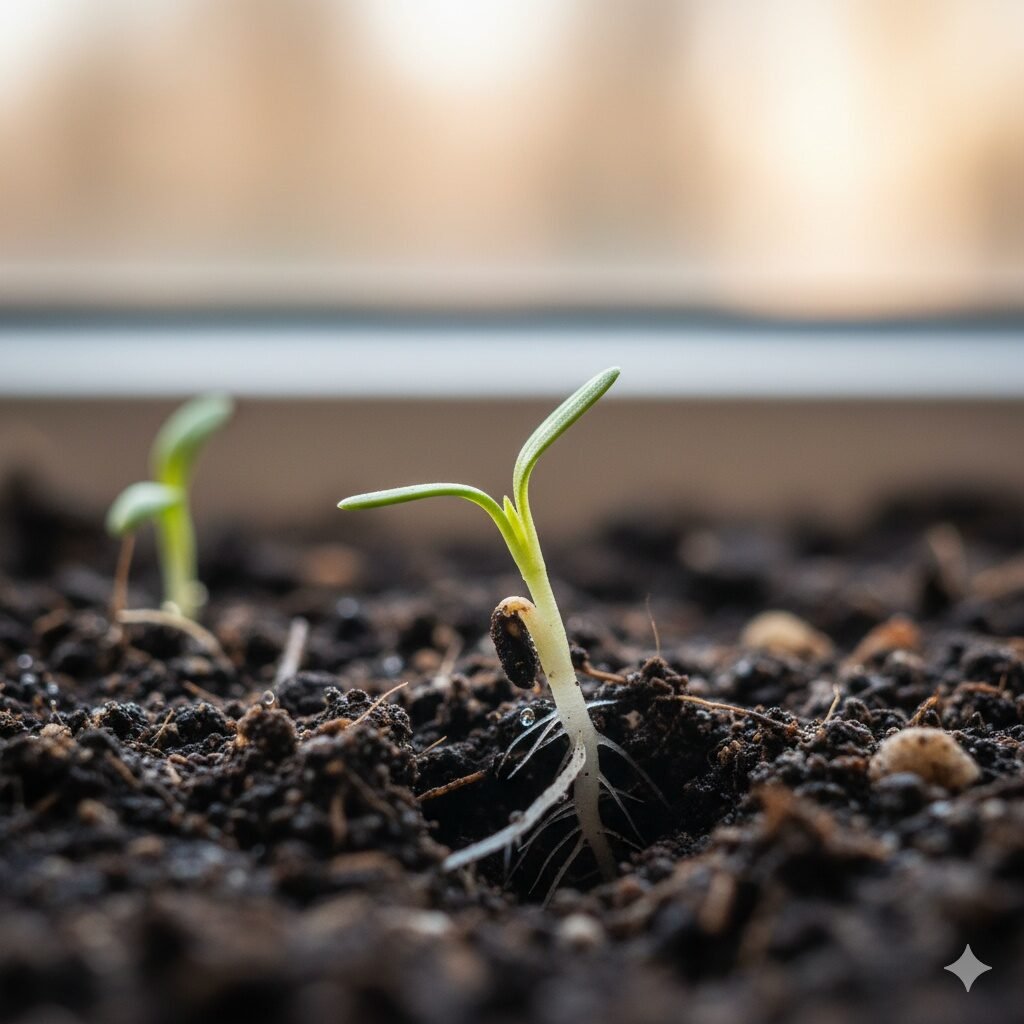
C. Root Vegetables (Easy Starts With Steady Germination)
Ok, so root vegetables like to be left alone. Things like beets, carrots, parsnips, radishes, and turnips usually sprout best in cooler dirt, and winter sowing sort of gives them that gentle, slow awakening they need. Some folks worry about transplanting root crops, but if you move them when they’re still tiny, they typically shift just fine.
Search terms like “can I winter sow carrots?” or “best root vegetables for winter sowing” are super common—and, yeah, these roots really do thrive in this method.
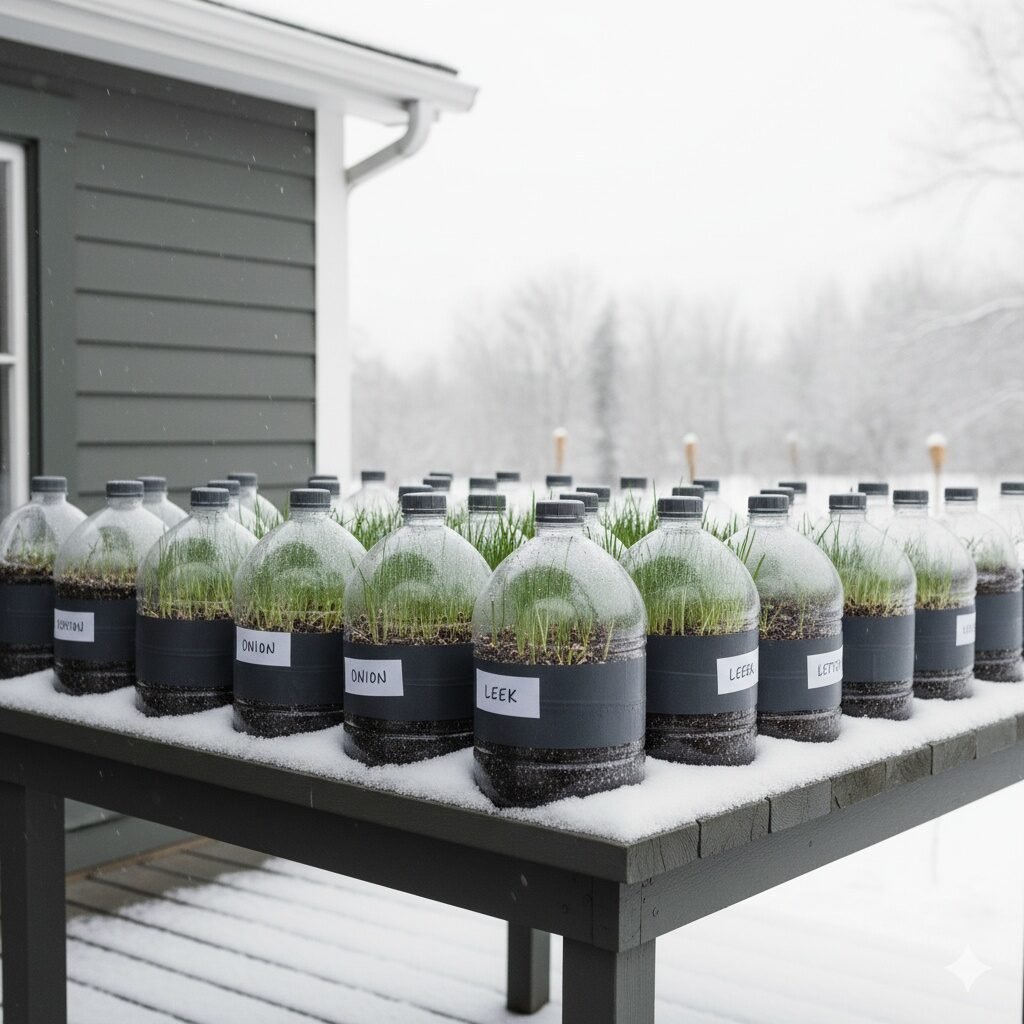
D. Alliums (Slow Growers That Appreciate the Cold)
In some respects, alliums—onions, leeks, and shallots—act like they’re on their own little schedule. They grow slowly, and they need a long stretch of time to bulk up. Winter sowing gives them that early start without extra equipment. People who type “starting onions from seed outdoors” often end up discovering winter sowing by accident, and, honestly, it works extremely well.
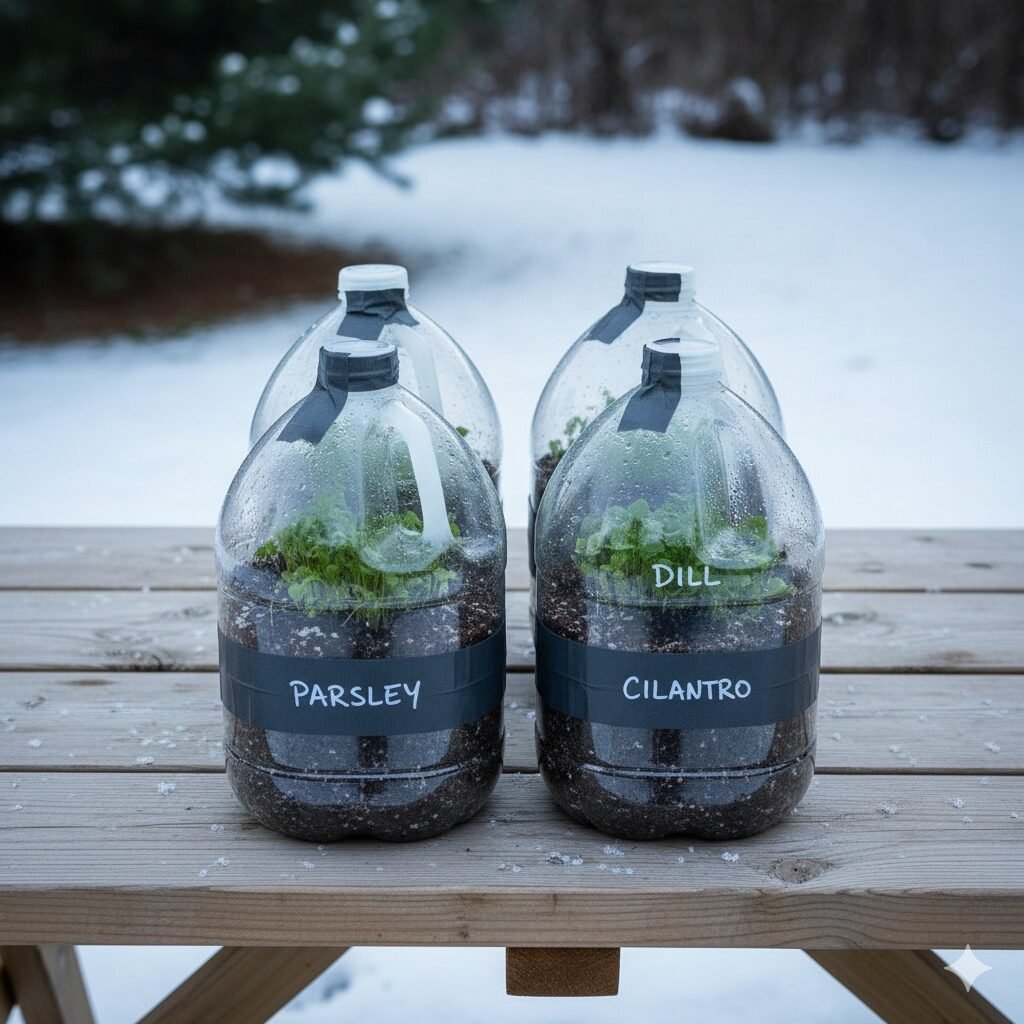
E. Herbs That Love Winter Sowing
Some herbs actually prefer a cold, sleepy beginning. Stuff like parsley, cilantro, dill, and chives tends to sprout steadily outdoors and rarely causes trouble. Parsley, especially, needs that cold touch to wake up. That’s why tons of beginners search “does parsley need stratification?” and land on winter sowing guides.
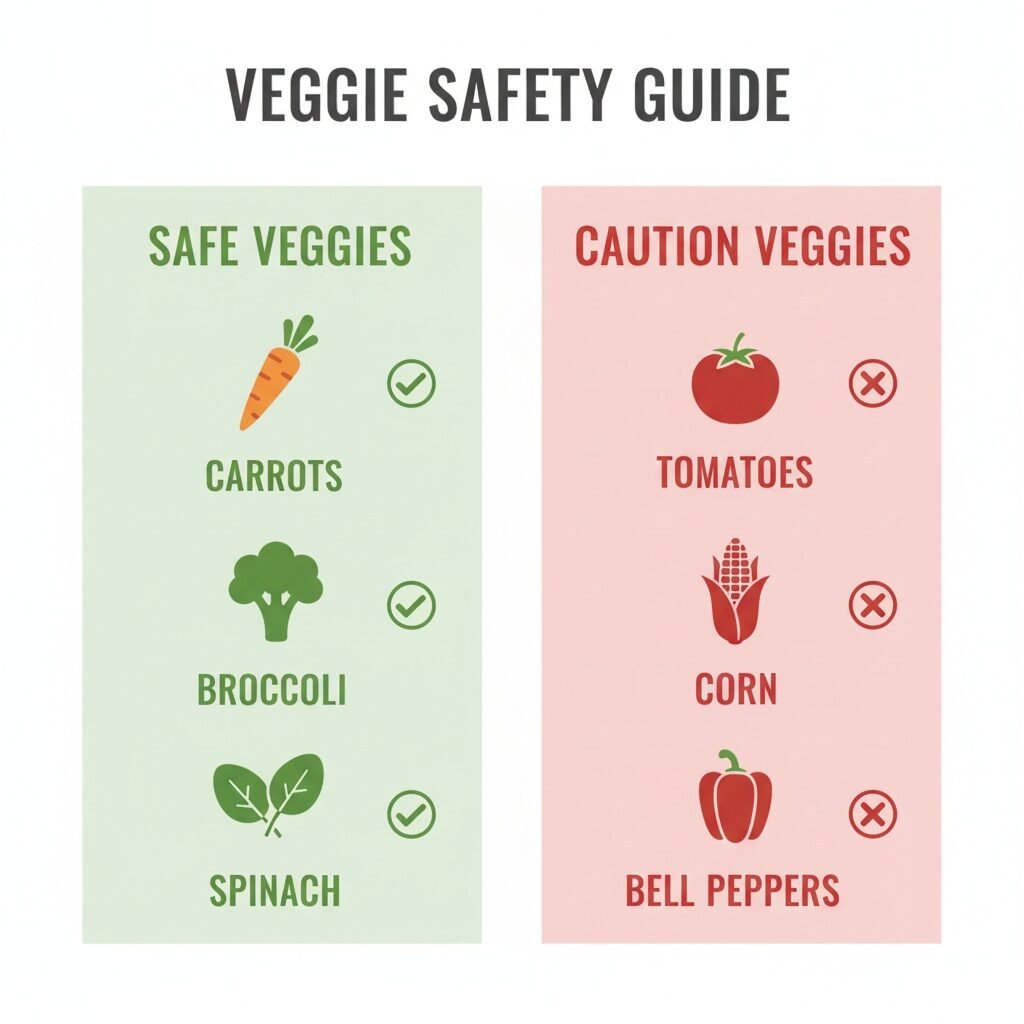
F. Vegetables You Can Winter Sow, but With a Bit of Caution
Now, some warm-season plants need slightly different timing. For example:
- Tomatoes (best in Zones 7–10)
- Peppers (prefer warmer zones)
- Eggplant
- Cucumbers and squash (late winter only)
These plants usually dislike frost, so you’d winter sow them a little later—sometimes in late January or February—depending on your zone. People search “winter sowing tomatoes safe?” and “can you winter sow peppers?” all the time, and the answer is yes, but with timing awareness.
Recommended Winter-Sowing Vegetables by Zone (Quick Chart)
Ok, next, here’s a simple, beginner-friendly zone layout that a lot of folks look up using phrases like “winter sowing chart by zone” and “best seeds for winter sowing in Zone 5.”
- Zone 3–4: Hardiest brassicas, sturdy root vegetables, cold-friendly herbs
- Zone 5–6: Leafy greens, brassicas, root vegetables, common herbs
- Zone 7–8: Add warm-season starts like tomatoes and cucumbers later
- Zone 9–10: Sow in late winter (January–February) because cold snaps are short
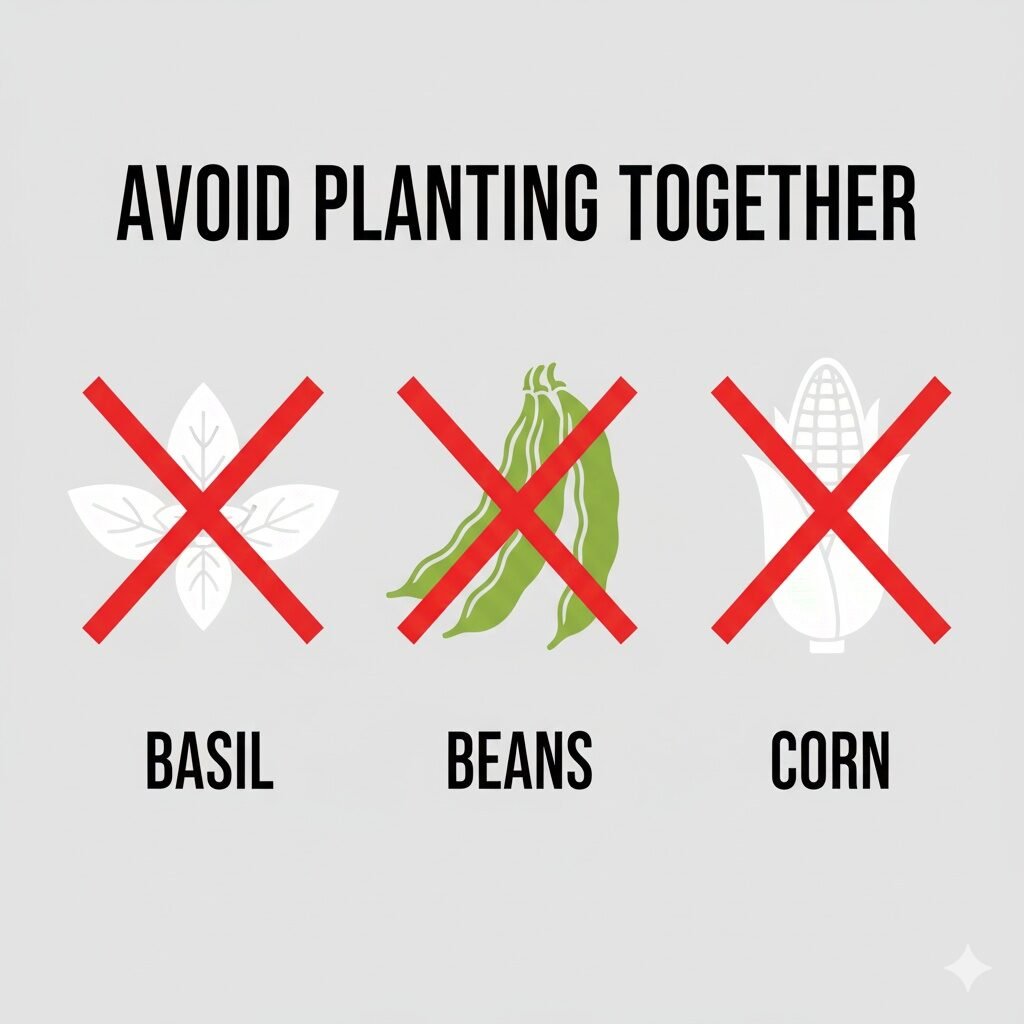
Seeds You Should Not Winter Sow
People often search “what seeds should NOT be winter sown,” so here’s the quick list:
- Tender tropicals
- Heat-loving herbs like basil
- Sweet potatoes
- Beans
- Corn
These usually sprout best in warm soil and tend to rot or stall in cold containers.
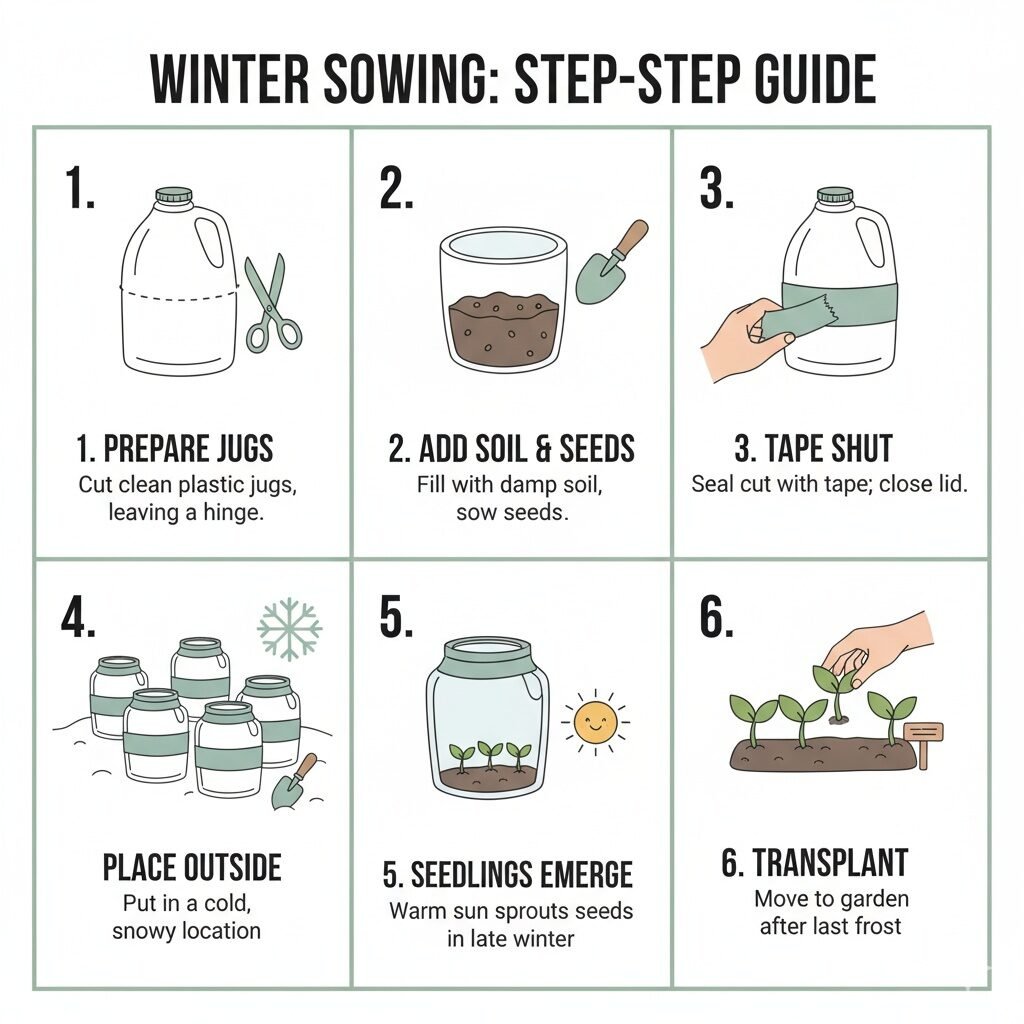
Quick Guide: How to Winter Sow These Vegetables Successfully
Now, as I was saying, winter sowing looks a bit strange at first glance, yet the whole routine is pretty much simple enough for anybody who has an old jug and a bag of soil. In a way, this is why so many beginners search “how to winter sow milk jugs” every January.
Here’s the basic flow, written in the same everyday tone folks usually pass around in gardening groups:
- Grab a jug or clear container
Ok, so this could be a milk jug, juice container, or anything with a see-through top. This stuff usually works since light slips in easily. - Cut it open around the middle
You kind of slice around the jug, but leave a little flap so the top stays attached. This often keeps it from blowing away during a windy night. - Add drainage holes
A few holes in the bottom let extra water drip out. People often search “do winter sowing jugs need drainage” because the answer is always yes. - Fill with soil
A little moist potting mix usually does the job. Not soggy—just a little soft and ready to hold seeds. - Sow the seeds
Sprinkle the seeds lightly, since winter sowing tends to be more forgiving than indoor setups. - Tape the jug shut and place outdoors
Now the weather takes over. Snow falls, rain collects, sunlight warms it a bit—pretty much nature doing nature things. - Open and transplant in spring
Once the container warms up and seedlings grow strong, you just move them to the garden.
People love this method because, honestly, it’s extremely cheap, it typically can’t get much easier, and—for beginners especially—it almost feels like cheating in a good way. I have another article of this same topic where you will get more insights about winter showing! Have a look here.
I always keep my readers in mind, which is why I love sharing valuable, well-written articles from trusted sources. Here’s one worth reading: “When to Start Winter Sowing: The Right Time for Your Zone
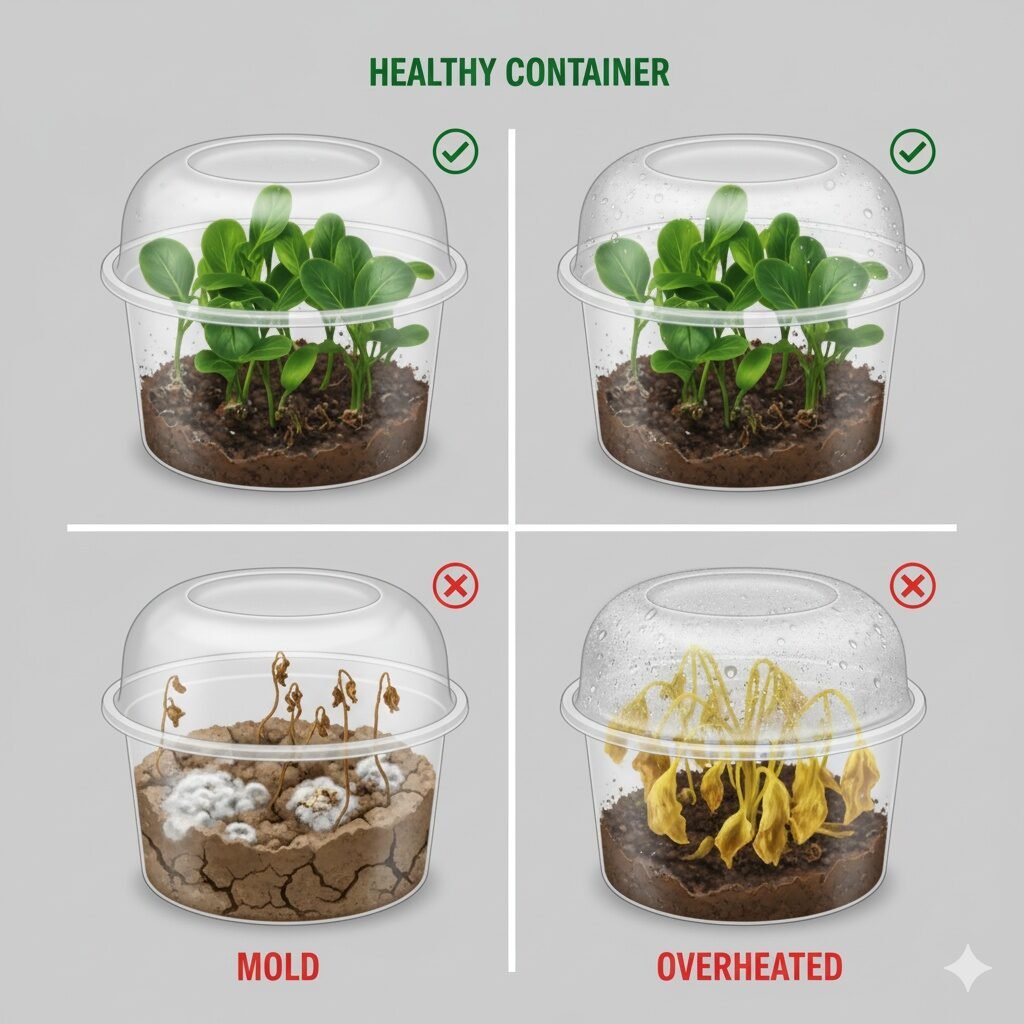
Troubleshooting (Beginner Problems + Fixes)
Now, by the way, even though winter sowing tends to be simple, beginners sometimes bump into a few little hiccups. Here are the ones that pop up the most in searches like “mold in winter sowing container,” “overheating milk jug greenhouse,” and “why no germination winter sowing.”
1. Mold growing on the soil
This might be slightly alarming when you first see it. Mold usually pops up when the soil stays a bit too wet. Typically, you can just crack the container open for a day and let it breathe a little. The sun usually fixes it.
2. Too much moisture inside the jug
If the jug looks like a steamy bathroom mirror, that typically means the drainage isn’t keeping up. Adding more holes at the bottom or sides—just a little—usually balances it out.
3. No germination at all
Ok, so this one often tricks beginners. Seeds sometimes don’t sprout until the weather shifts, and that might be later than you expect. Winter sowing tends to be a waiting game. As long as your zone eventually warms up, the seeds usually wake up on cue.
4. Seedlings overheating on warm afternoons
This is very common in zones with early warm spells. When the day is sunny and the jug traps too much heat, seedlings sometimes slump. Just flip the lid open for the afternoon and close it again at night.
5. Seedlings drying out
Sometimes a big gusty week dries out the soil. Checking containers every so often—more or less once a week—is enough. A quick sprinkle of water brings things back.
Final Thoughts + Encouraging Beginners
Now, as I was saying earlier, winter sowing tends to feel a little magical the first time you try it because you kind of get to watch the seasons do the tough work for you. Beginners often feel a little nervous about seed starting, yet this whole setup usually takes that worry down a bit. It’s cheap, it’s low-maintenance, it fits small spaces, and it typically fits cold and warm zones in slightly different but equally workable ways.
People all across Zones 3–10 keep finding that winter sowing gives them stronger seedlings, earlier harvests, and, honestly, a little emotional lift when they see the first sprouts pushing through cool soil. It’s almost like the garden tells you, “hey, spring’s on the way,” even when everything still looks frozen.
Before we go deeper into all the veggies that usually sprout well in winter, here’s a short video that, in a way, clears up how plant hardiness zones shifted and why that stuff matters for anyone trying to winter sow. The person in the clip stands out there in a sunny street-side garden, talking through how colder nights, warmer afternoons, and shifting zone lines can totally change what survives outside. This video tends to give beginners a bit more confidence, since it breaks things down in a simple, everyday way that actually makes sense if you’ve ever planted something and wondered whether it will live or die once the temperature drops.



Pingback: Milk Jugs vs Plastic Totes: Which Container Works Best?
Pingback: 10 Must-Have Tools for Winter Sowing- Beginner-Friendly List