

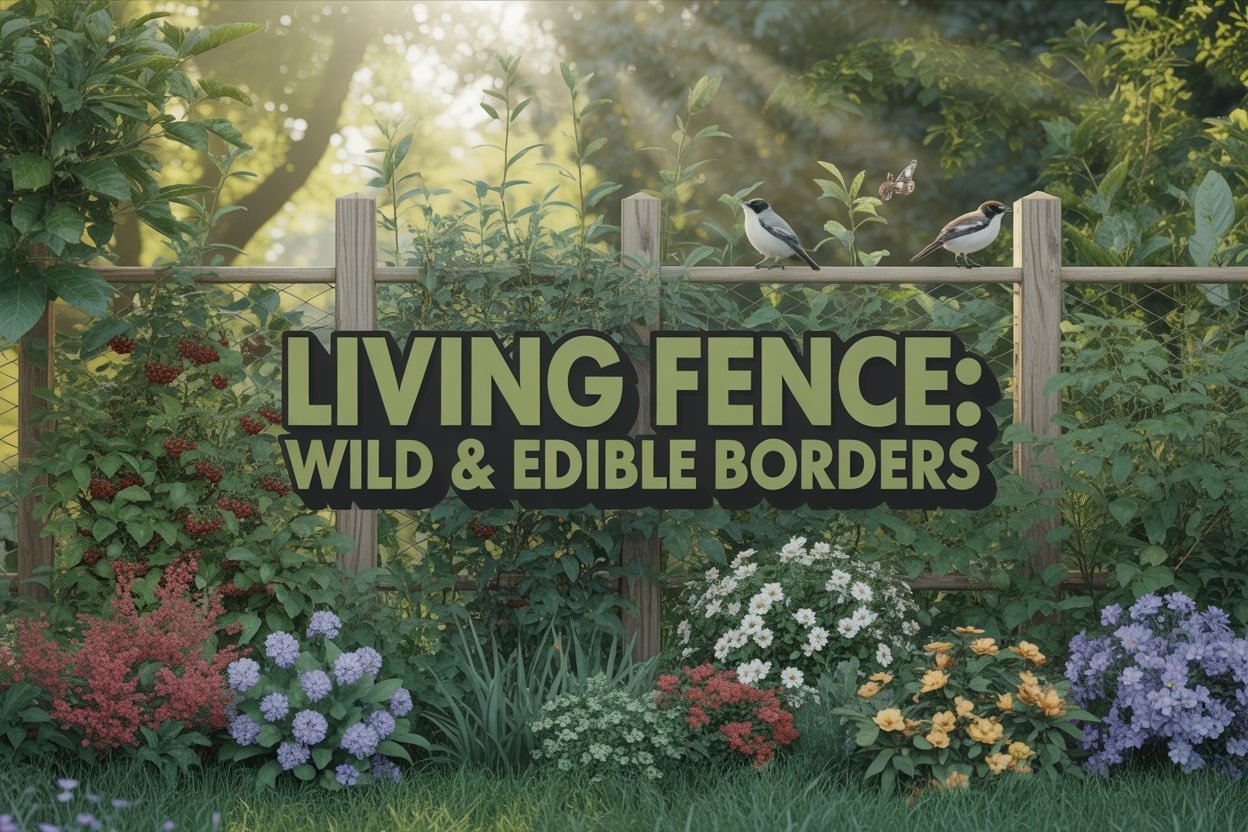
A living fence transforms ordinary property lines into productive, beautiful barriers that feed both your family and local wildlife. This sustainable approach to garden fencing replaces sterile wooden panels or chain link with thriving rows of edible plants that provide year-round privacy, seasonal harvests, and essential habitat for birds, bees, and beneficial insects.
This guide is perfect for homeowners, gardeners, and anyone wanting to create natural boundaries that work harder than traditional fencing. You’ll discover how to select the right edible privacy screen plants for your climate and space, then learn proven techniques for designing wildlife-friendly fencing that maximizes both harvest potential and ecological benefits. We’ll also walk you through the complete planting process and share maintenance strategies that keep your edible garden borders healthy and productive for decades to come.
Read more about Edible Living Fence from gardenary.com.
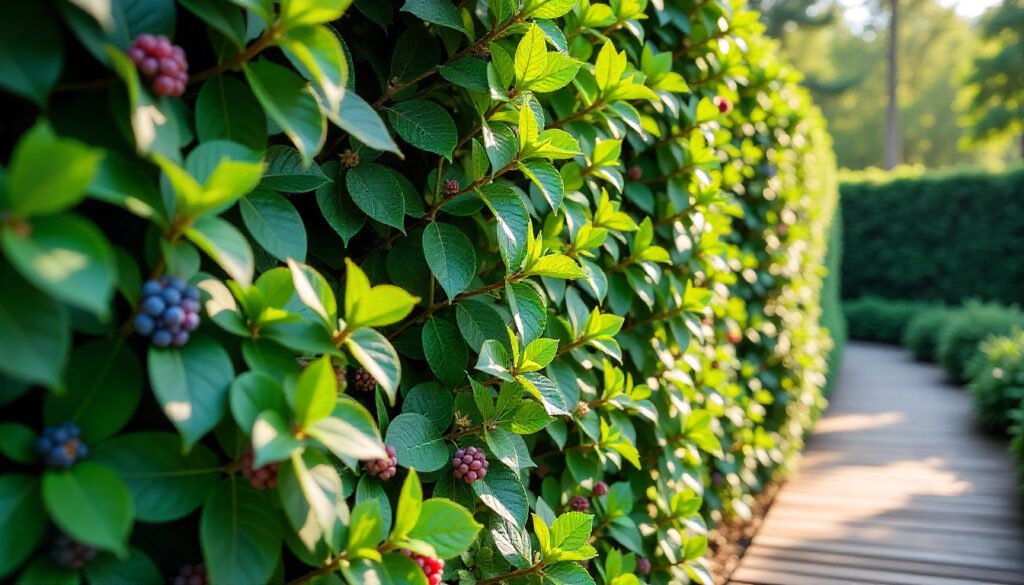
Transform Your Property Boundaries into Thriving Ecosystems
Replace Traditional Fencing with Multi-Functional Plant Barriers
Traditional fences serve one purpose—marking boundaries. An edible living fence transforms this single function into a powerhouse of benefits. These plant barriers provide privacy while producing fresh fruits, nuts, and herbs for your table. They also create wildlife habitat, reduce maintenance costs, and eliminate the need for painting or replacing damaged materials.
Create Year-Round Visual Interest with Diverse Species
Smart plant selection ensures your living fence for privacy remains attractive through all seasons. Combine evergreen conifers with flowering shrubs, berry bushes, and ornamental grasses for continuous visual appeal. Spring blossoms give way to summer foliage, autumn harvests, and winter structure, creating a dynamic landscape that changes with each season.
Maximize Space Efficiency Through Vertical Growing
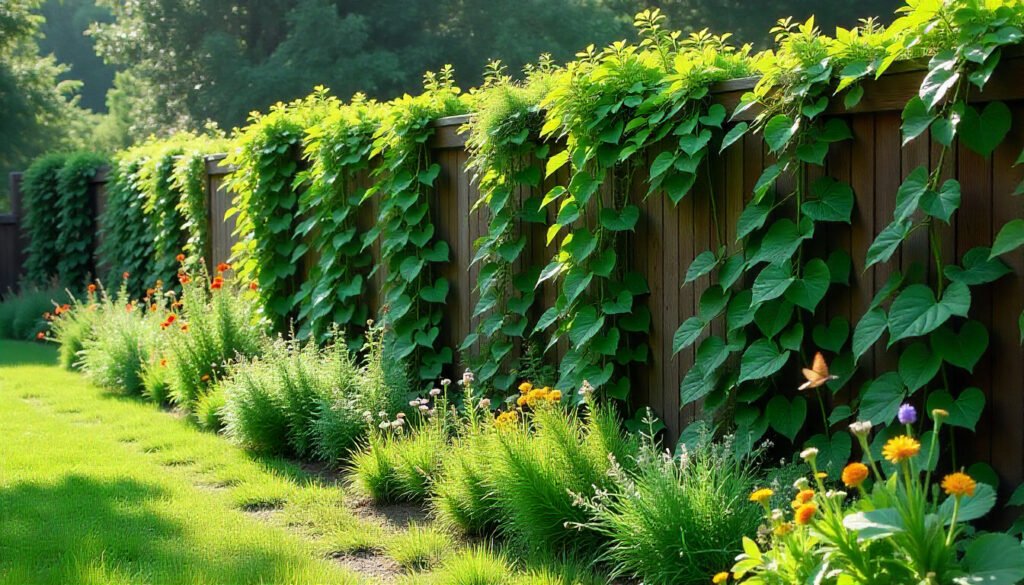
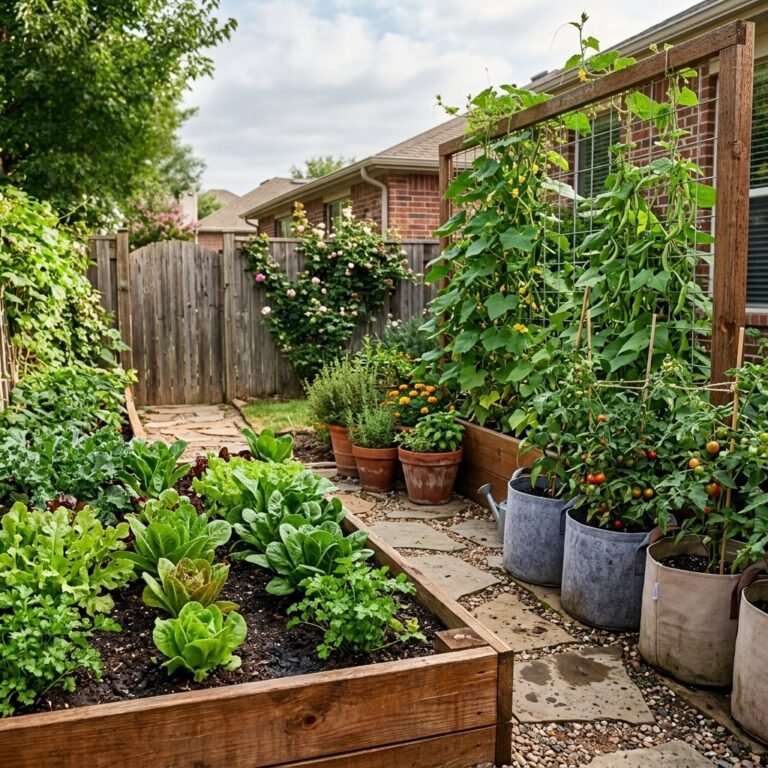
Vertical growing techniques multiply your harvest potential within limited space. Train climbing vines on trellises, espalier fruit trees against existing structures, and layer plants by height to create productive tiers. This approach allows you to grow more food per square foot while maintaining the fence’s screening function. Read more Here.
Select the Perfect Plants for Your Edible Living Fence
Choose Fast-Growing Native Species for Quick Establishment
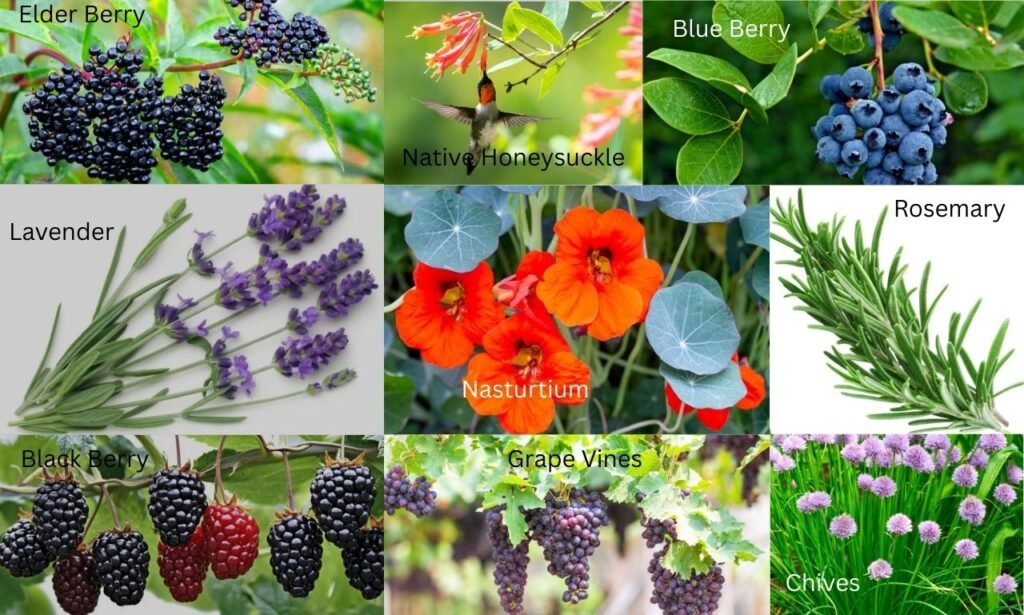
Native plants adapted to your local climate will establish roots quickly and require minimal maintenance once settled. Consider fast-growing options like elderberry, serviceberry, or native honeysuckle varieties that can reach impressive heights within two growing seasons. These hardy species naturally resist local pests and diseases while providing immediate wildlife habitat.
Research your region’s indigenous plants through local extension offices or native plant societies to identify the best edible living fence options for your specific growing zone.
Incorporate Fruit-Bearing Shrubs and Vines
Blueberry bushes create excellent edible privacy screen plants while producing delicious berries for both humans and birds. Grapevines trained along fence lines offer dual benefits – creating natural barriers while yielding fresh fruit. Raspberry and blackberry canes form dense, thorny barriers that deter unwanted visitors while providing sweet rewards throughout summer months.
Mix early, mid, and late-season varieties to extend your harvest window and ensure continuous food sources for wildlife visitors.
Add Nut Trees for Long-Term Food Production
Hazelnut bushes and dwarf fruit trees establish strong foundations for sustainable garden fencing that feeds families for generations. These living fence plants for wildlife create sturdy boundaries while producing protein-rich nuts that store well through winter months. American chestnuts, where blight-resistant varieties are available, offer excellent windbreaks and abundant harvests.
Plant nut-producing trees at wider spacing intervals, filling gaps with smaller shrubs to create layered, productive barriers that mature into impressive edible hedge design features.
Include Herb Plants for Culinary and Medicinal Benefits
Perennial herbs like rosemary, lavender, and thyme create fragrant, low-maintenance borders that complement taller fence plants. These aromatic additions serve multiple purposes – seasoning your meals, attracting beneficial pollinators, and naturally repelling certain garden pests through their strong scents.
Mediterranean herbs thrive in well-draining conditions and often prefer the drier soil found along fence lines, making them perfect companions for your organic garden fencing project.
Design Your Living Fence for Maximum Wildlife Support
Layer Plants at Different Heights to Create Habitat Zones
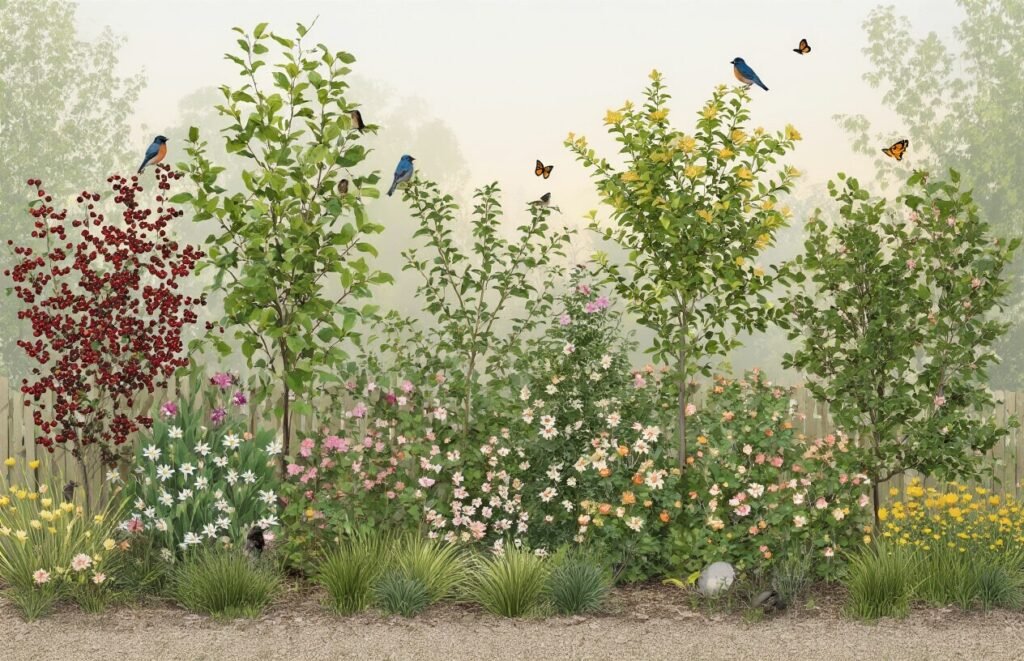
Strategic vertical layering transforms your edible living fence into a multi-story wildlife apartment complex. Plant tall berry trees like elderberry or serviceberry as your canopy layer, medium-height shrubs such as currants and gooseberries in the middle, and low-growing herbs like thyme along the ground. This creates distinct microhabitats where different species can nest, feed, and shelter.
Each layer serves specific wildlife needs while maximizing your edible harvest. Birds prefer nesting sites at varying heights, while small mammals utilize ground-level cover for protection. Your living fence plants for wildlife become a diverse ecosystem that supports everything from beneficial insects to songbirds.
Include Berry-Producing Plants for Bird Food Sources
Berry-laden branches provide year-round sustenance for local bird populations while offering you fresh fruit. Blueberries, raspberries, and blackberries create an irresistible buffet that attracts cardinals, robins, and waxwings to your property. Native elderberries and serviceberries extend the feeding season well into winter.
Position these fruiting plants strategically throughout your edible privacy screen plants to ensure consistent food sources. Mix early, mid, and late-season varieties to provide sustained nutrition from spring through fall, creating a reliable habitat that encourages birds to establish permanent residence.
Plant Pollinator-Friendly Species to Support Beneficial Insects
Your edible garden borders become pollinator magnets when you include flowering herbs and fruit trees. Lavender, rosemary, and sage offer nectar sources while providing culinary ingredients for your kitchen. Apple, pear, and cherry trees contribute spring blossoms that bees and butterflies crave.
Native flowering plants integrated within your sustainable garden fencing create pollinator corridors that support local ecosystems. Choose species that bloom in succession to maintain continuous nectar flow throughout growing seasons, ensuring your living fence ideas support both wildlife and productive harvests.
Create Water Access Points Within the Fence Line
Small water features strategically placed along your edible hedge design provide essential hydration for visiting wildlife. Shallow dishes, dripping fountains, or rain catchment systems integrated into your fence line create drinking and bathing opportunities for birds and beneficial insects.
Position water sources near berry bushes and flowering plants to create complete habitat zones within your organic garden fencing. Moving water attracts more species than stagnant pools, while multiple access points ensure wildlife can find refreshment throughout your living barrier.
Master the Planting and Establishment Process
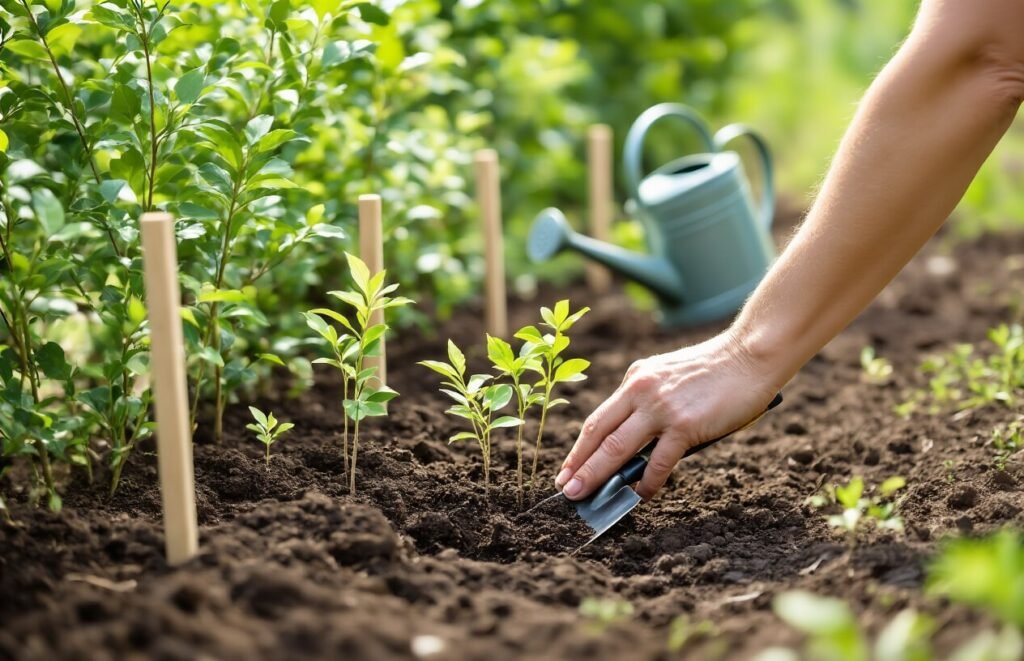
Prepare Soil for Optimal Plant Health and Growth
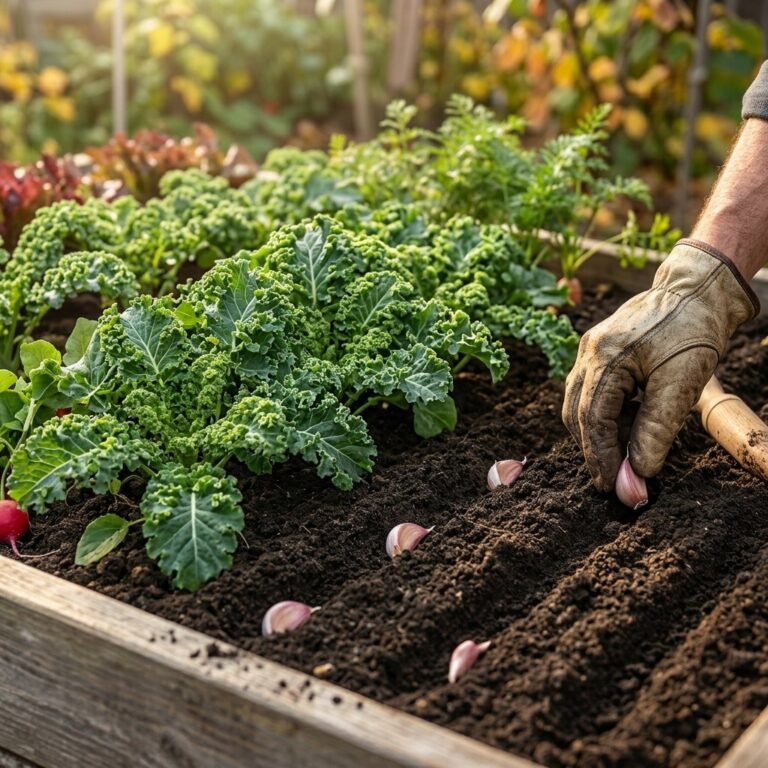
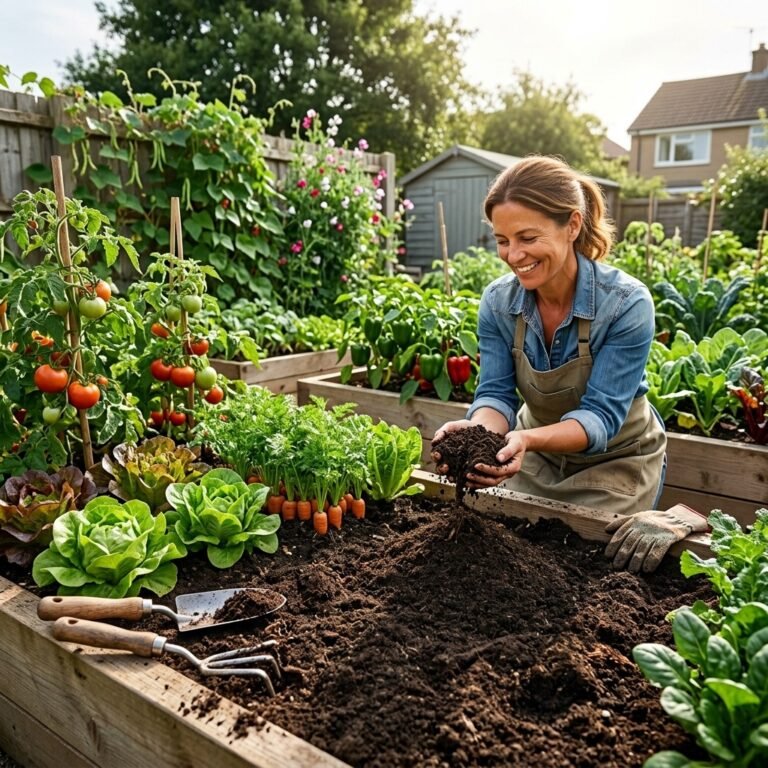
Rich, well-draining soil forms the foundation of your edible living fence success. Test your soil pH and amend with compost, aged manure, or organic matter to create the ideal growing environment. Most edible hedge plants thrive in slightly acidic to neutral soil (6.0-7.0 pH). Break up compacted earth to encourage deep root development and improve water infiltration.
Plan Proper Spacing for Mature Plant Sizes
Research each plant’s mature size before establishing your living fence for privacy. Berry bushes like elderberry need 4-6 feet between plants, while dwarf fruit trees require 8-10 feet. Account for both height and width when planning your edible privacy screen plants. Proper spacing prevents overcrowding, reduces disease pressure, and ensures each plant receives adequate sunlight and nutrients for optimal fruit production.
Install Support Systems for Climbing Species
Climbing edible plants like hardy kiwi and grapes need sturdy support structures from day one. Install posts every 8-10 feet with horizontal wires or trellises rated for mature plant weight. Choose galvanized or cedar materials that withstand weather and plant growth pressure. Set posts 2-3 feet deep in concrete for stability, creating a framework that supports your living fence ideas for decades.
Maintain Your Living Fence for Long-Term Success
Implement Seasonal Pruning Techniques for Health and Productivity
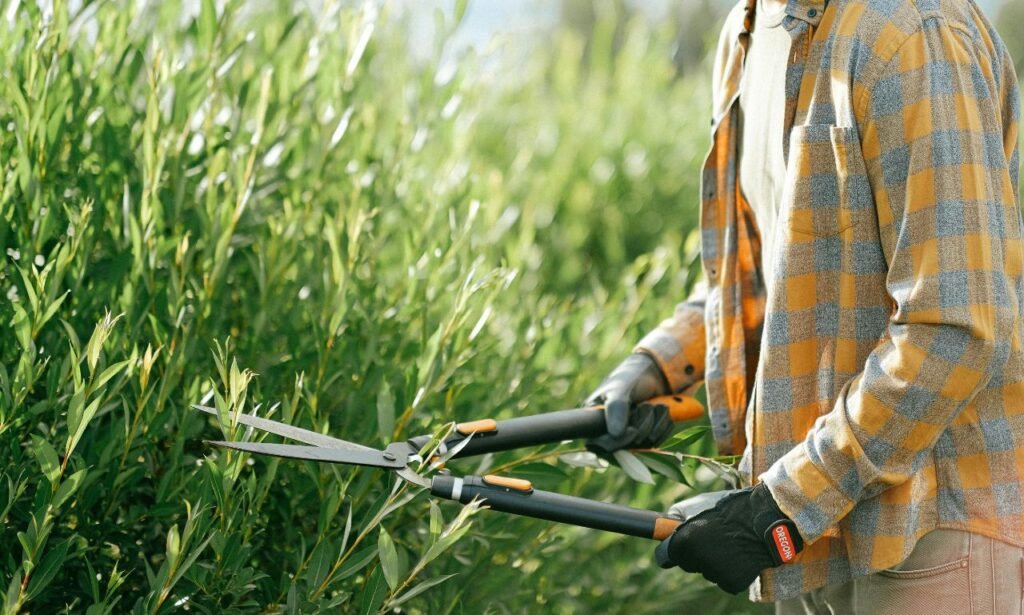
Pruning your edible living fence requires different approaches throughout the year to maintain both privacy screening and fruit production. During dormant winter months, focus on structural pruning to remove dead wood and shape your hedge plants. Spring pruning should target new growth to encourage bushier development, while summer pruning helps control size and promotes flowering. Berry-producing plants like elderberry and hazelnut benefit from selective thinning to improve air circulation and light penetration.
Manage Pest and Disease Issues Naturally
Monitor your living fence regularly for signs of pest damage or disease symptoms, catching problems early before they spread. Encourage beneficial insects by planting companion flowers nearby and avoiding chemical pesticides that harm wildlife. Natural solutions like neem oil, beneficial nematodes, and companion planting with aromatic herbs create a balanced ecosystem that manages pests organically while supporting the wildlife your fence attracts.
Harvest Your Edible Bounty at Peak Ripeness
Timing your harvest correctly ensures maximum flavor and nutritional value from your edible garden borders. Different plants reach peak ripeness at various times – elderberries darken to deep purple, hazelnuts drop naturally when ready, and rosehips develop their characteristic color after the first frost. Regular harvesting encourages continued production throughout the growing season while leaving some fruit for wildlife to maintain the ecological balance your living fence provides.
Conclusion
Living fences offer an incredible opportunity to transform boring property lines into vibrant ecosystems that feed both your family and local wildlife. By choosing the right mix of fruiting shrubs, nut trees, and flowering plants, you create natural barriers that provide food, shelter, and nesting sites for birds, bees, and beneficial insects. The planning and establishment process takes some patience, but the rewards multiply year after year as your edible border matures into a self-sustaining habitat.
Ready to ditch those expensive wooden fences and sterile hedgerows? Start small with a section of your property boundary and experiment with native berry bushes or fast-growing fruit trees that thrive in your climate. Your living fence will become a favorite gathering spot for wildlife and a source of fresh, homegrown food that connects you more deeply to the natural rhythms of your landscape. The best time to plant is now – your future self and the local ecosystem will thank you.
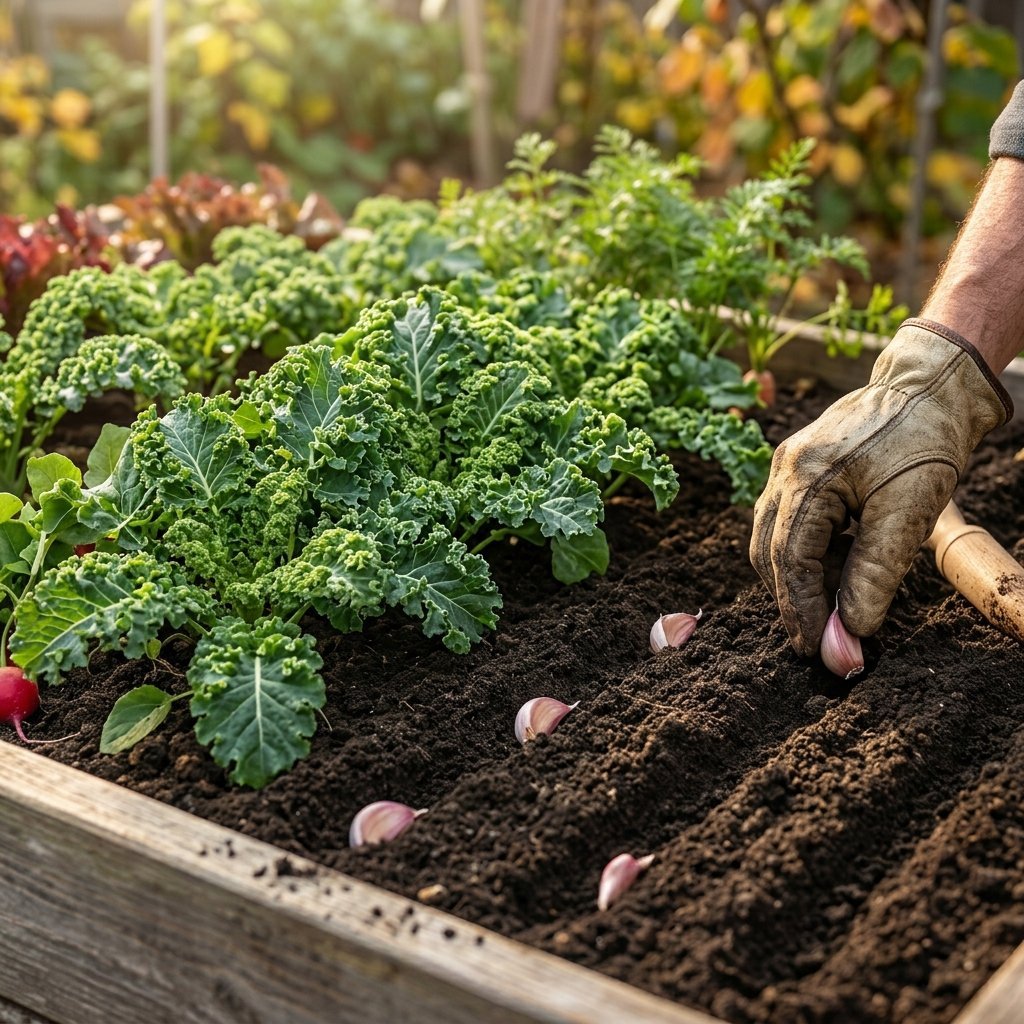
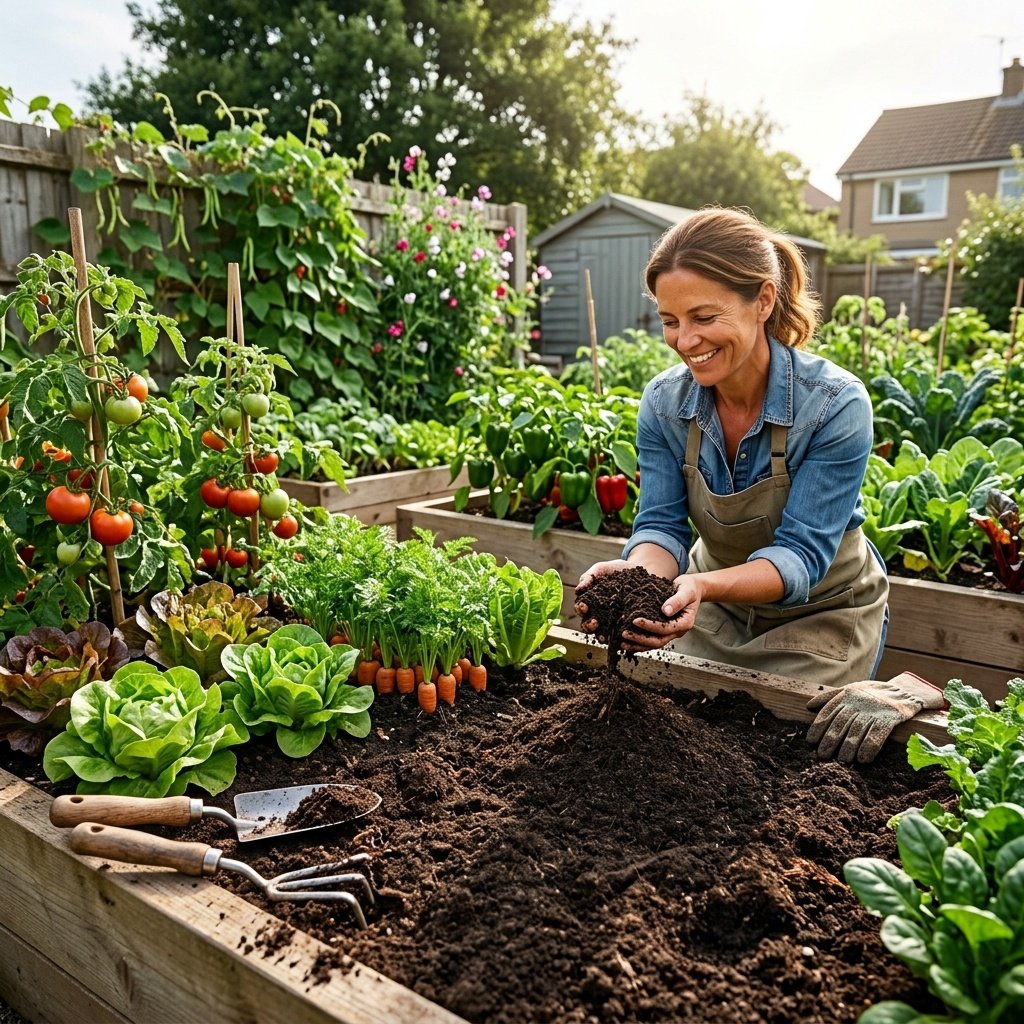
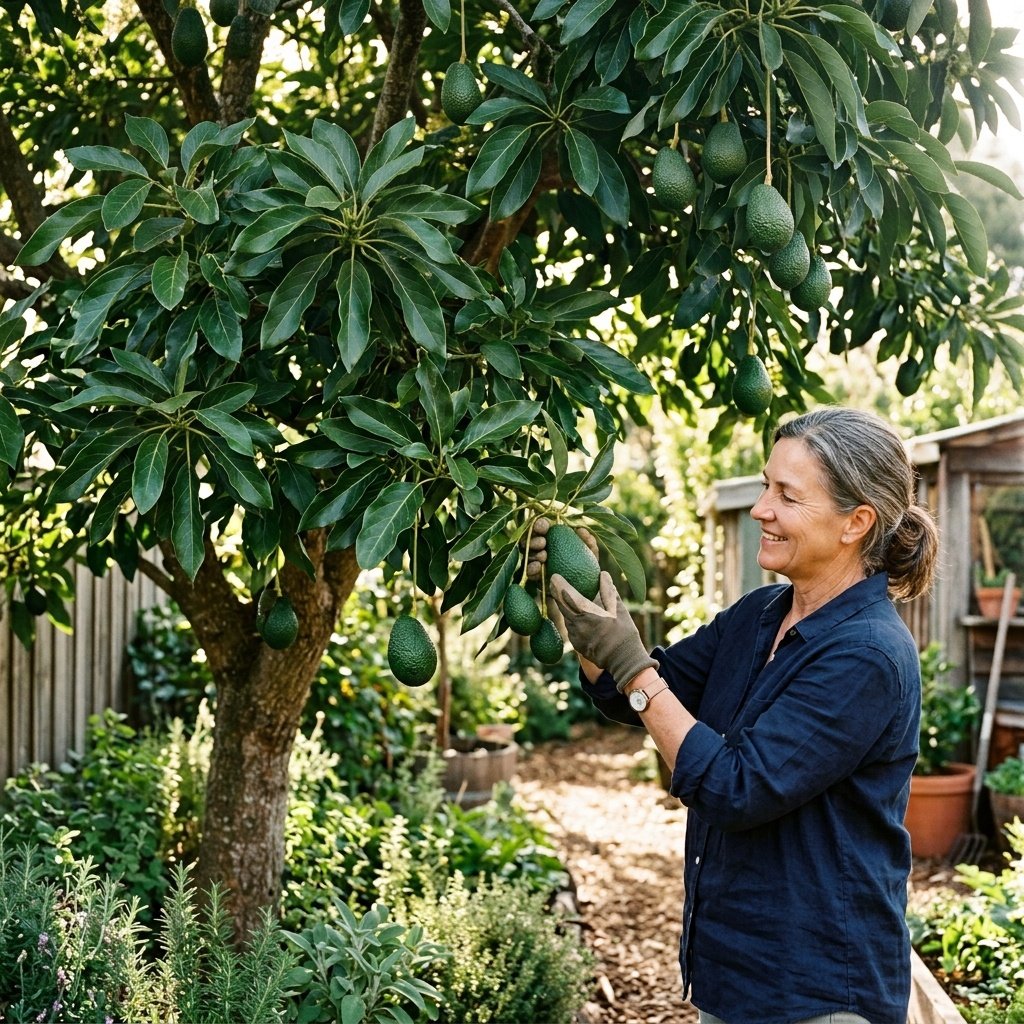
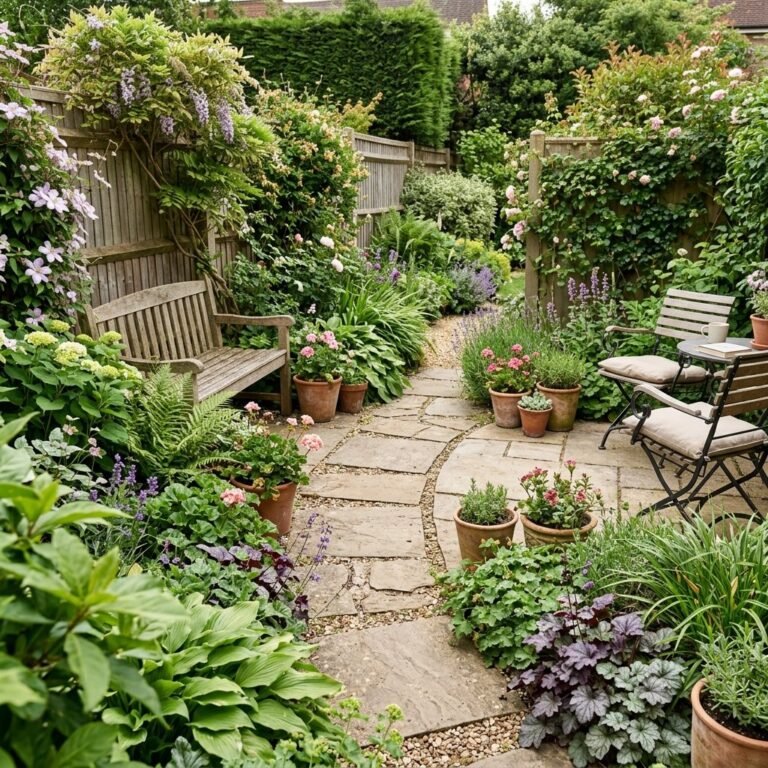
Here’s a quick & interesting representation about Edible Living Fence. Have a look….

Pingback: Small Space Gardening Tips for Vertical Gardens
Pingback: How to Design a Pollinator-Friendly Garden: Native Plants That Thrive in USA & Europe