

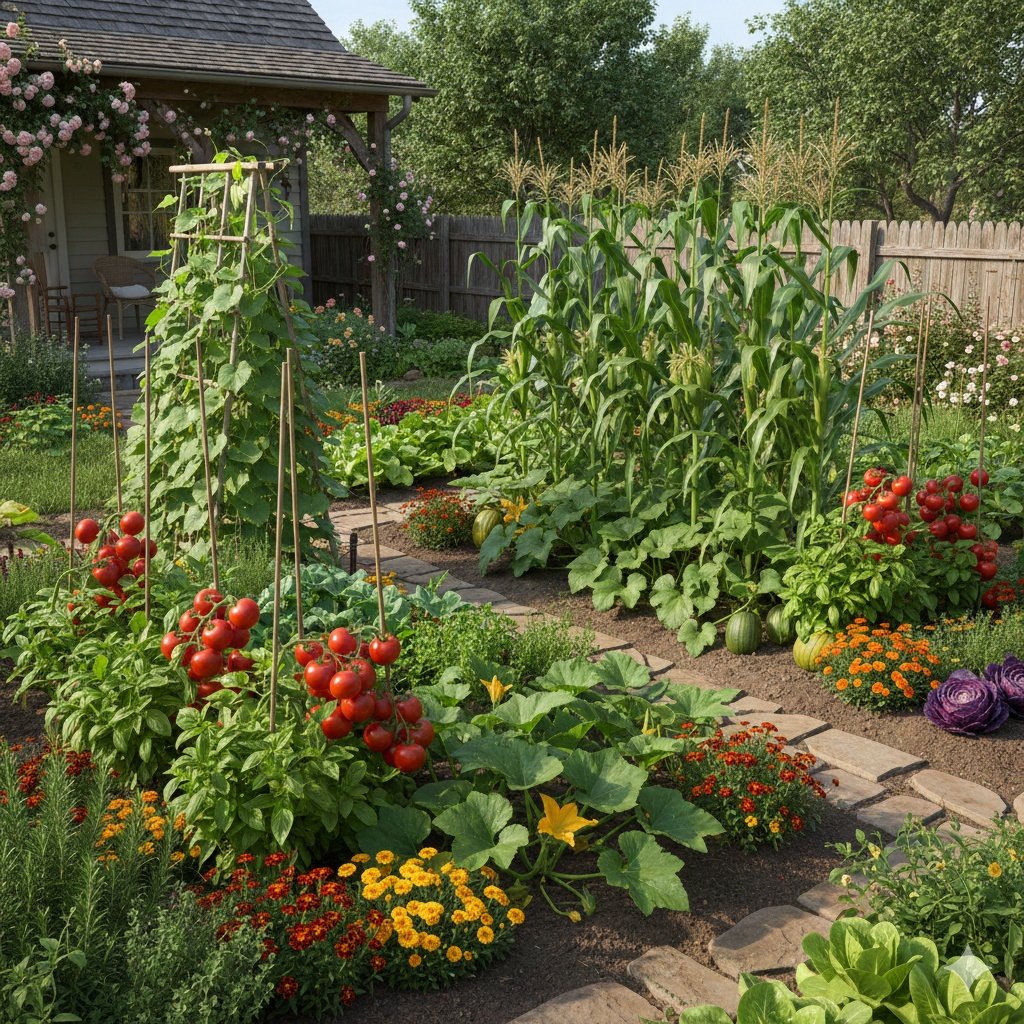
Ok, so people often think a garden has to be either beautiful or useful — but an edible garden can be both. It’s that sweet middle ground where you get fresh food and a space that looks like something straight out of a lifestyle magazine. The trick, though, is to plan your edible landscaping layout just right, so it feels lush, organized, and still easy to care for.
In this guide, you’ll discover how to blend ornamental and edible plants seamlessly. We’ll explore stunning edible plants that add visual impact while providing fresh harvests, and share practical design strategies to create a landscape that impresses neighbors while supplying your kitchen.
Ready to grow a garden that’s as beautiful as it is delicious? Let’s dig in!
Edible Garden Design Ideas: What Makes an Edible Garden So Different?
An edible garden, as a matter of fact, is like your regular garden but with a purpose. Instead of just decorative plants, you add edible ones — herbs, vegetables, fruits, and even flowers you can toss in a salad. It’s an idea that’s gaining ground fast because people want spaces that do more than just sit there and look nice.
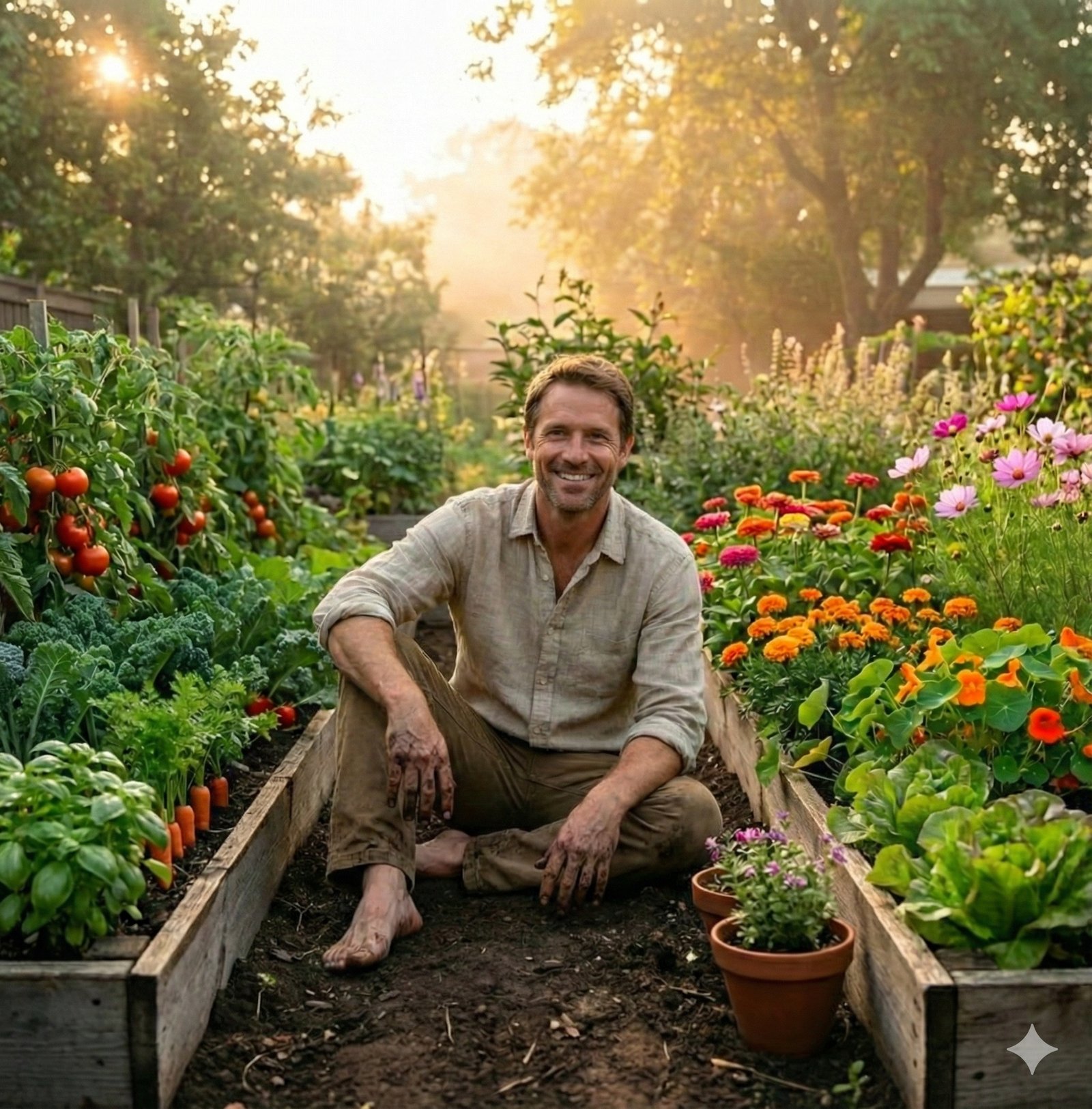
You know, it’s not only about food; it’s about lifestyle. Growing your own herbs, berries, or greens cuts grocery trips short and gives that unbeatable farm-to-table feeling right from your backyard.
Environmental and Economic Benefits
Edible landscaping isn’t just beautiful—it’s smart:
- Save money: Ingredients from your backyard can trim hundreds off your annual grocery bill.
- Reduce your carbon footprint: Less food shipping means fewer emissions.
- Support pollinators: Bees, butterflies, and other beneficial insects find food and shelter.
- Conserve water and chemicals: Less lawn space means lower maintenance and environmental impact.
- Improve soil health: Rich, living soil captures carbon and strengthens your garden ecosystem.
There’s also something deeply satisfying about stepping outside with a basket in hand instead of a shopping list at the store.
Essential Tools & Supplies for a Beginner Edible Garden
These are the exact tools and supplies that make edible gardening easier, cleaner, and far more productive for beginners.
| ITEM (Buying Tips) | WHY IT MATTERS | MY RECOMMENDATION (LINKS) |
|---|---|---|
| Garden Mulch (Bags or Bulk) Buying tip: Dark mulch hides dirt better, keeps beds looking tidy, and helps plants visually stand out. | Mulch is one of the cheapest ways to instantly improve an edible garden. It locks in moisture, suppresses weeds, protects soil structure, and keeps roots cool during hot weather. | Check price on Amazon |
| Raised Garden Beds (Wood or Metal) Buying tip: Galvanized metal lasts longer; cedar wood looks more natural and stays cool in summer. | Raised beds improve drainage, reduce weeds, warm soil faster in spring, and make gardening easier on your back and knees—perfect for beginners. | Check price on Amazon |
| Organic Compost / Worm Castings Buying tip: Look for odor-free, organic-certified compost for edible gardens. | Compost feeds soil microbes, improves plant growth, and boosts yields naturally. Think of it as a long-term investment in soil health. | Check price on Amazon |
| Neem Oil (Organic Pest Control) Buying tip: Concentrated neem oil offers better value than ready-to-spray bottles. | Neem oil controls aphids, mites, whiteflies, and fungal issues without harming beneficial insects when used correctly. Safe for edible plants. | Check price on Amazon |
| Fabric Grow Bags / Containers Buying tip: Choose breathable fabric pots with handles for easy moving. | Containers are ideal for balconies, patios, and small spaces. They provide excellent drainage and prevent root rot—great for herbs and veggies. | Check price on Amazon |
| Quality Potting Mix (Not Garden Soil) Buying tip: Look for mixes labeled “vegetable & herb” with added compost. | Good potting mix ensures proper drainage, aeration, and nutrient availability—especially critical for container gardening. | Check price on Amazon |
| Companion Planting Chart / Guide Buying tip: Laminated or waterproof charts last longer outdoors. | Companion planting helps deter pests, improves growth, and maximizes space naturally—reducing the need for chemicals. | Check price on Amazon |
| Garden Hand Tool Set (Beginner-Friendly) Buying tip: Ergonomic handles reduce hand fatigue during long sessions. | A basic tool set makes planting, pruning, and maintenance easier while preventing plant damage caused by poor tools. | Check price on Amazon |
| Soaker Hose or Drip Irrigation Kit Buying tip: Choose adjustable kits for raised beds and containers. | Consistent watering is key to healthy harvests. Drip systems save water, reduce disease, and simplify daily garden care. | Check price on Amazon |
| Solar Garden Lights (Optional but Impactful) Buying tip: Warm white lights create a cozy, natural look. | Solar lights improve safety, highlight edible landscaping, and let you enjoy your garden after sunset—pure bonus value. | Check price on Amazon |
1. Planning Your Edible Garden Layout
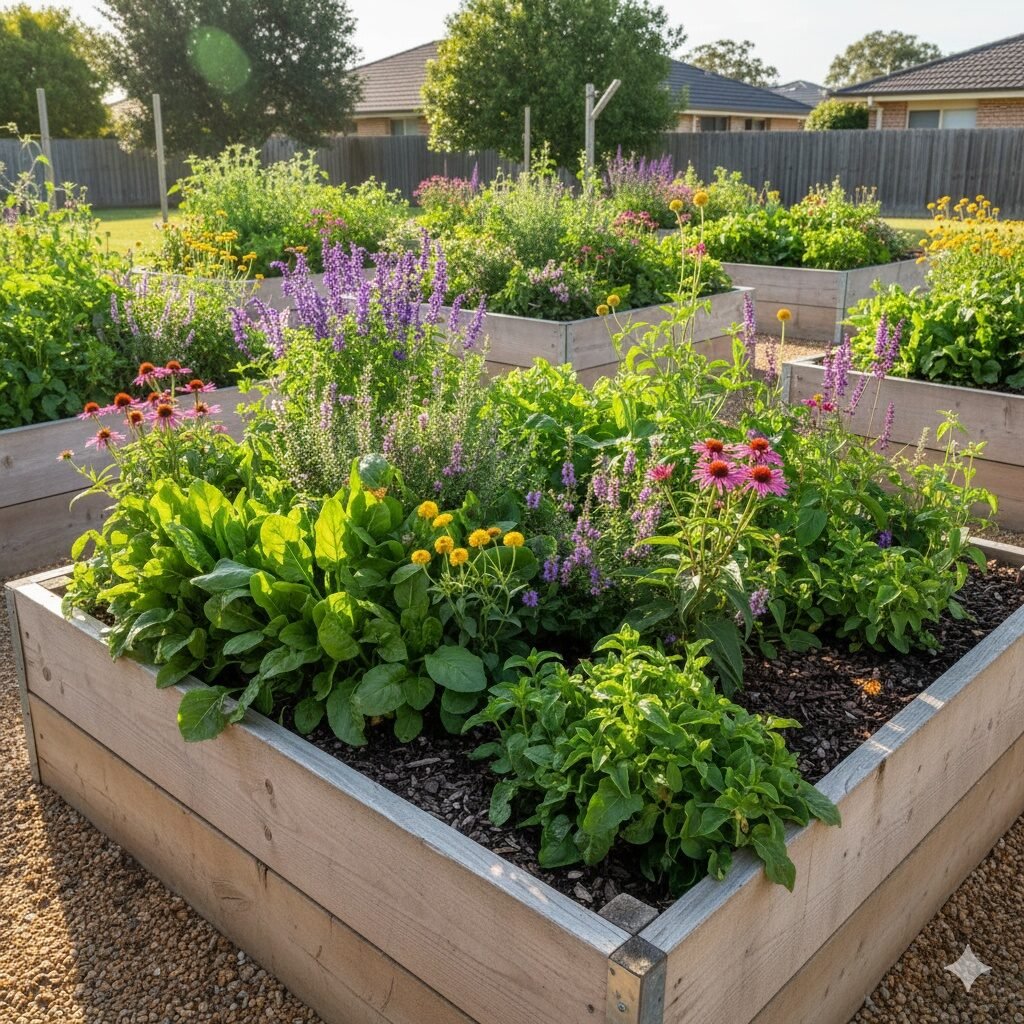
So, before you start digging, sketch your layout — it’s kind of like deciding the flow of your kitchen. You wouldn’t want your sink miles away from the stove, right? Similarly, you’ll want easy access to your herbs near the house, while fruit trees can take up more distant corners.
Backyard vs. Front Yard Edible Landscaping
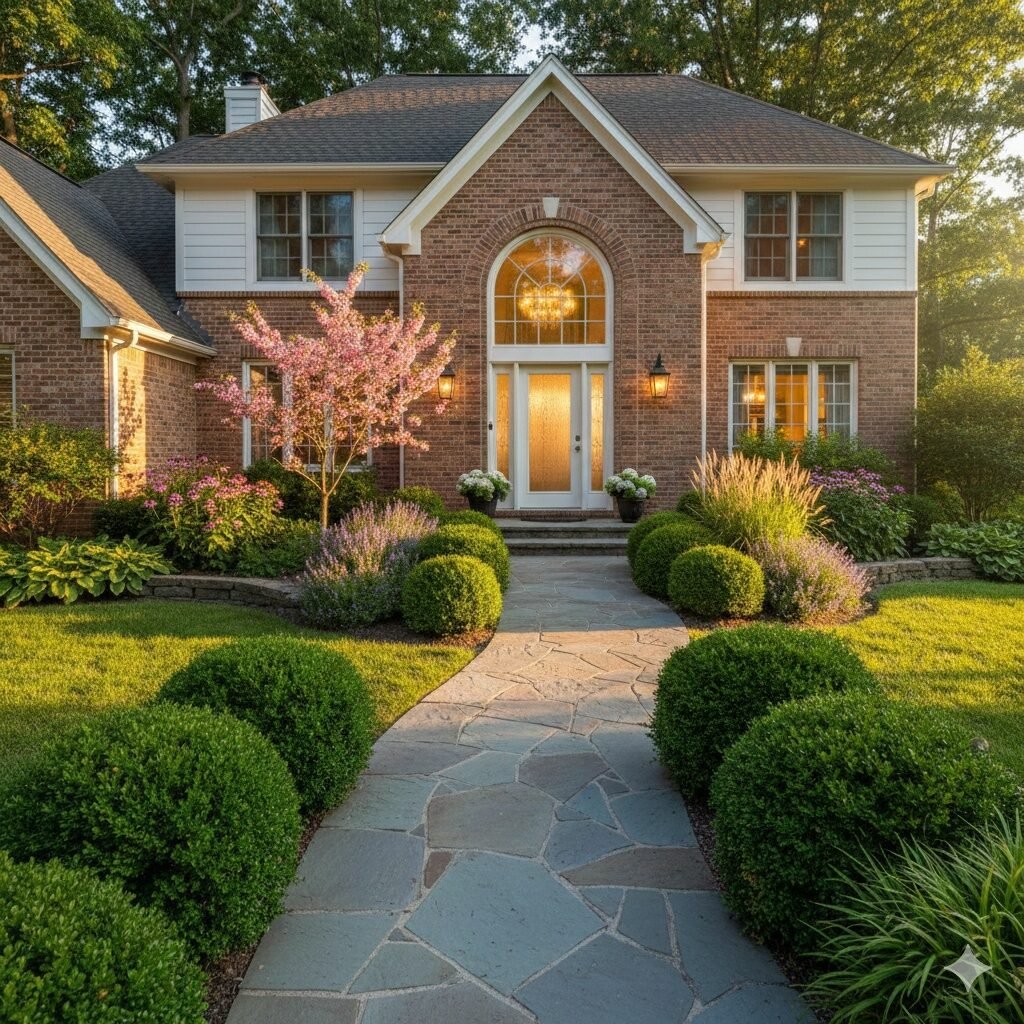
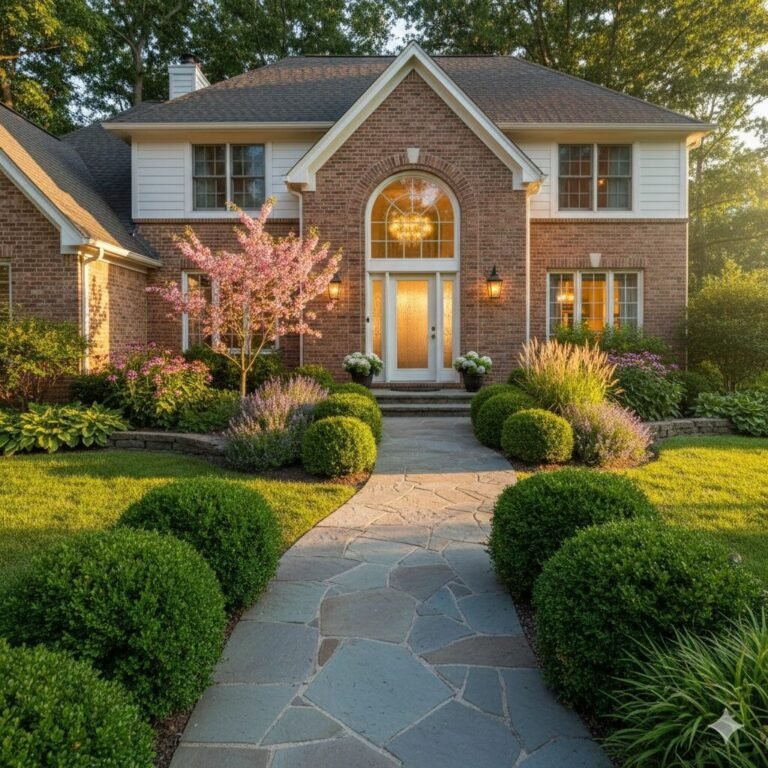
If you’ve got some space out front, a front yard edible landscape can look like a stylish ornamental garden. Instead of plain shrubs, you could mix things like kale, lavender, and rosemary — they all have that sculptural look but are still practical.
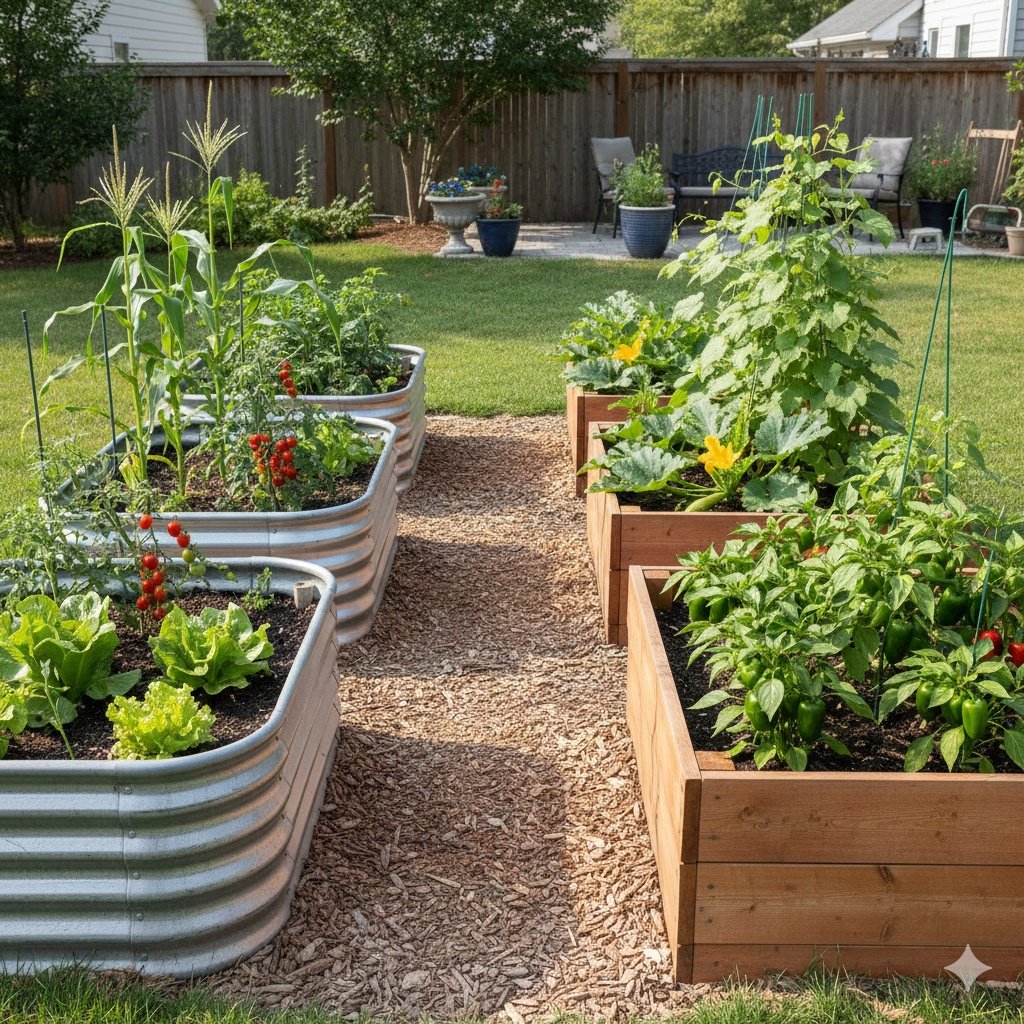
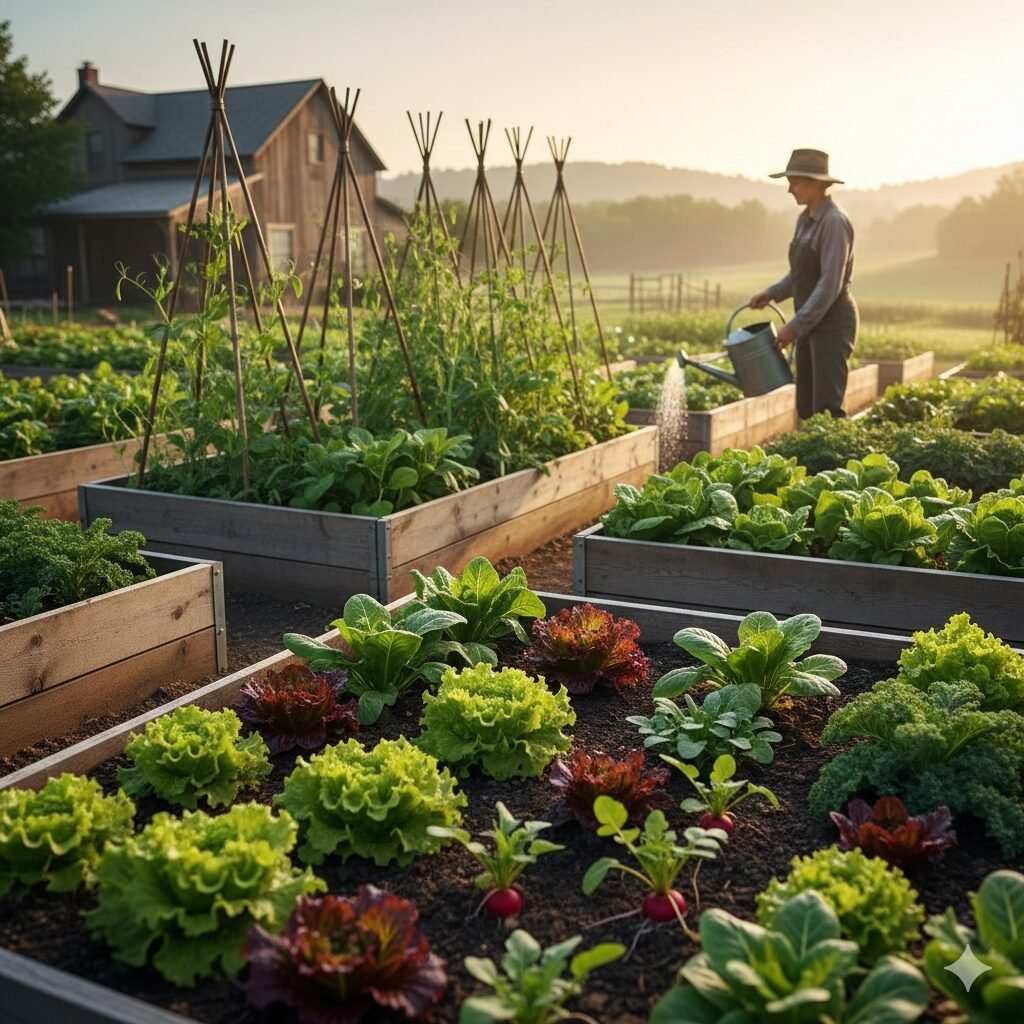
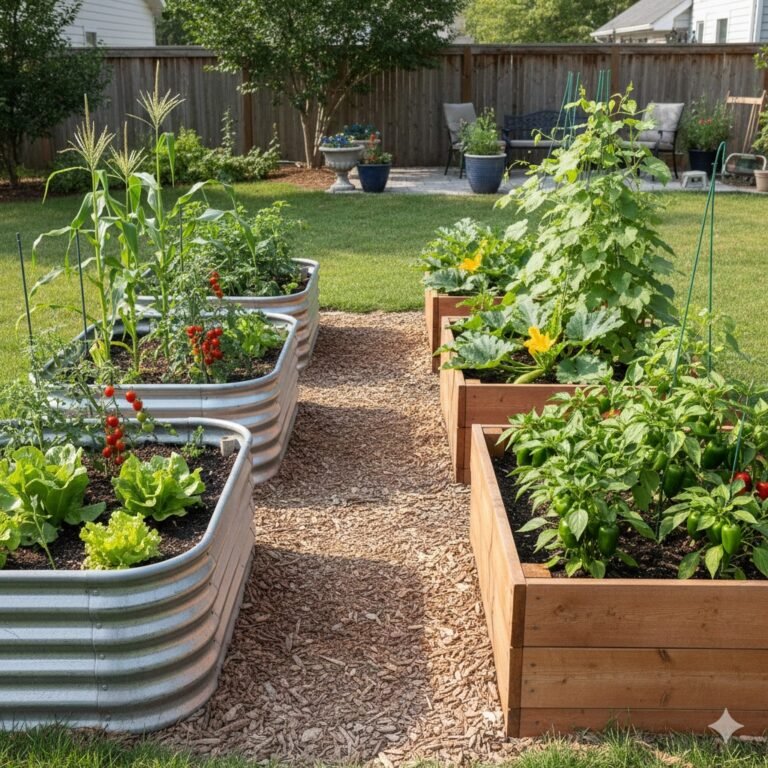
Backyard edible gardens, on the other hand, are usually more relaxed. This is where raised beds shine — they keep your vegetables neat, soil healthy, and maintenance low. Plus, raised bed vegetable gardens make weeding and watering less of a back-breaking job.

2. Choosing the Best Edible Plants for Your Garden
Picking plants might be the most exciting part. It’s almost like stocking up your favorite pantry, only greener.
Best Edible Plants for Sunny Yards
If your yard gets a lot of sunlight, you’re lucky. Tomatoes, peppers, basil, and eggplants thrive under bright skies. Strawberries, too, love that kind of warmth.
Shade-Friendly Edible Plants
Now, if you’ve got more of a shady setup, no worries. Leafy greens like lettuce, spinach, and arugula tend to grow just fine with limited light. Herbs such as parsley and mint don’t mind cooler corners either.
Low-Maintenance Edible Plants
For folks who don’t want to be out there every single day, low-maintenance plants like chives, oregano, and thyme can be your best friends. They pretty much handle themselves once established.
3. Designing Raised Bed Gardens for Edibles
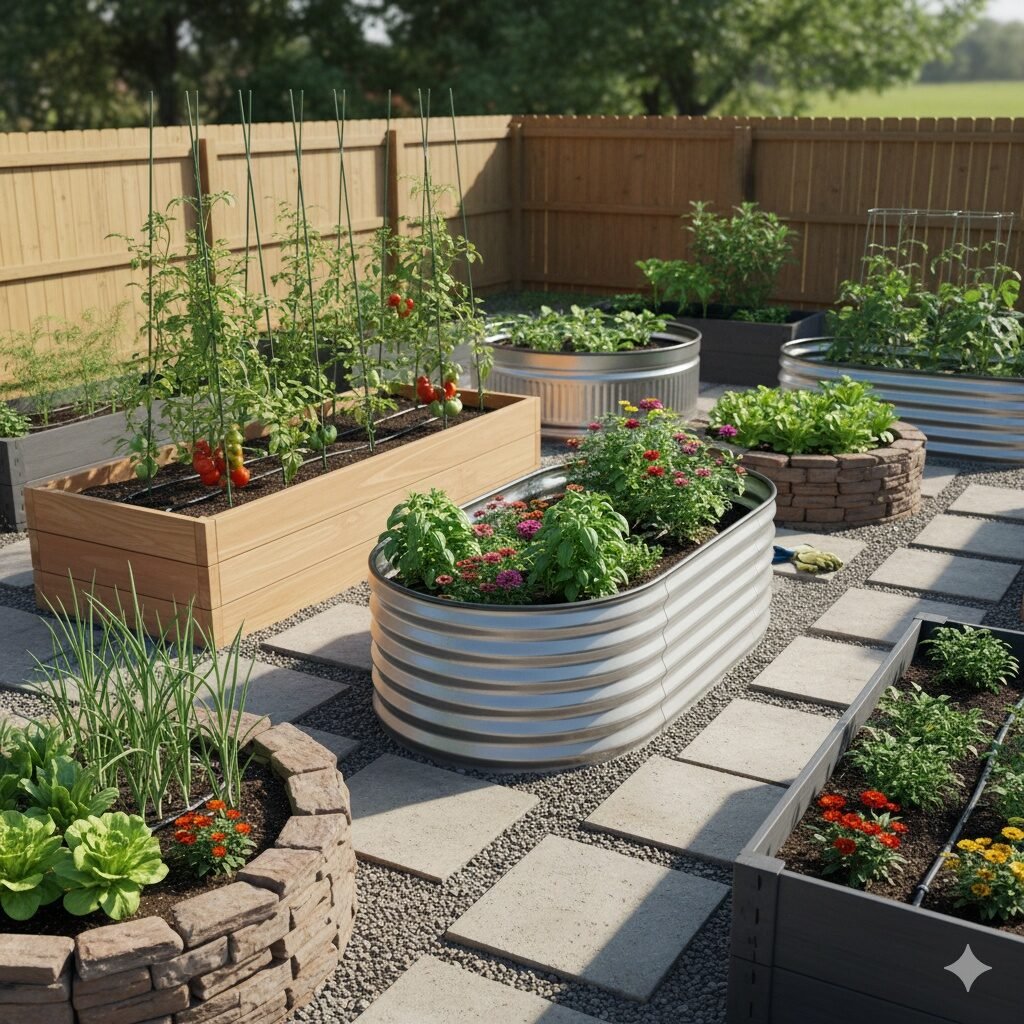
Raised beds might be the heart of a great edible garden layout. They make the garden look tidy and improve drainage, which your plants love. You can even arrange them in geometric patterns or curved shapes for that extra bit of visual appeal.
By the way, composting plays a big role here too. Mixing organic compost keeps your soil rich and helps plants grow healthier. It’s like giving your garden a multivitamin every few months.
Soil and Compost Tips
Keep your soil light and crumbly — clay-heavy soil tends to choke roots. Add compost regularly, and don’t forget mulching. A layer of mulch not only saves water but also keeps pesky weeds from crashing your plant party.
4. Edible Borders: Beauty You Can Bite
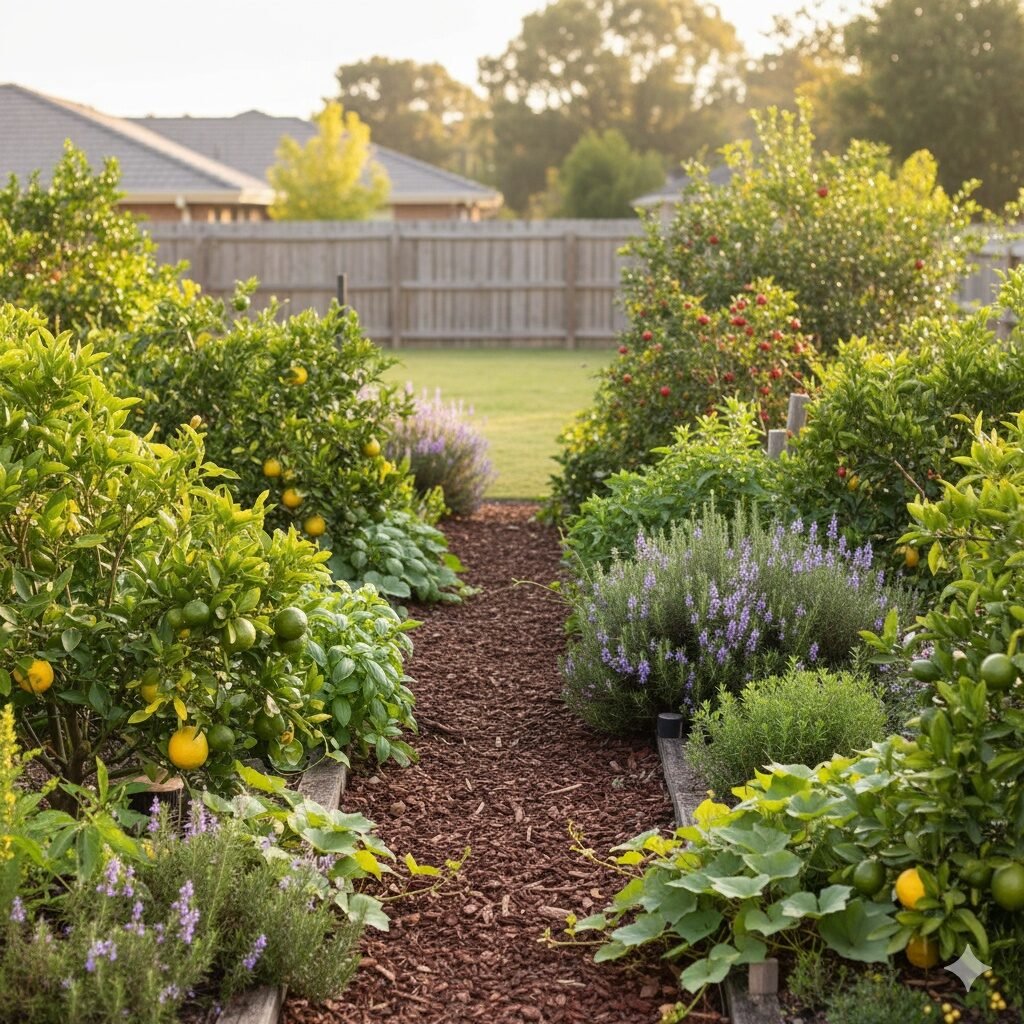
Ever walked through a garden path and secretly wanted to munch on what you see? That’s the magic of edible borders.
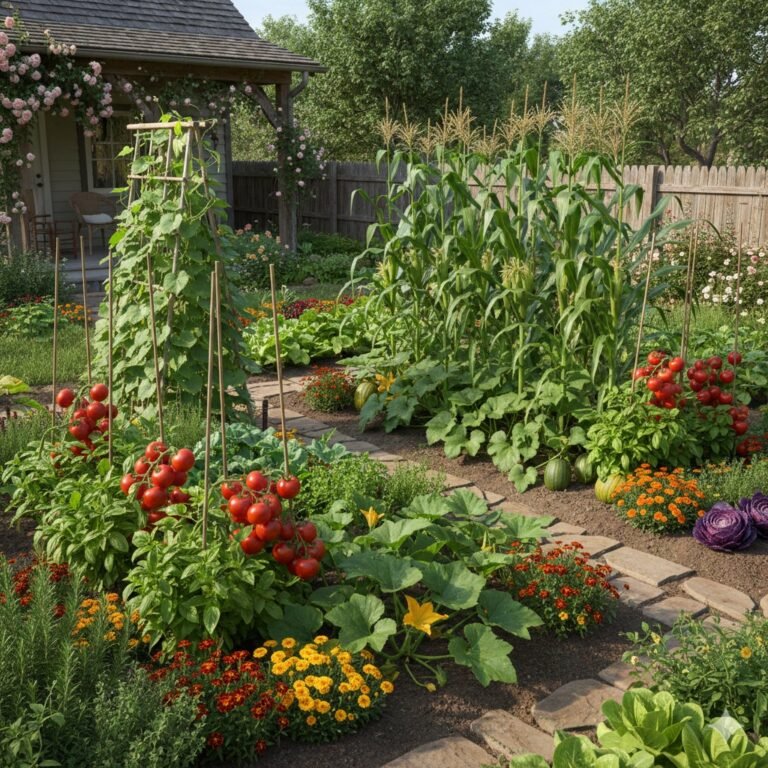
Instead of typical landscape edging, try planting strawberries or thyme spilling over your walkways. They’re not just visually stunning—they’re snackable too!
I planted chamomile along my garden path last year, and now every step releases a delicate apple-like scent. Guests always ask what that wonderful aroma is before they even reach my door.
Delicious and decorative border combinations:
- Chives + violas: A purple-blue boundary that’s entirely edible
- Creeping rosemary: Perfect for cascading over stone edges
- Alpine strawberries: Sweet surprises nestled between stepping stones
These edible borders turn ordinary paths into interactive, fragrant, and flavorful experiences—a garden you can walk, see, smell, and taste.
To know about various Herbs, explore Here.
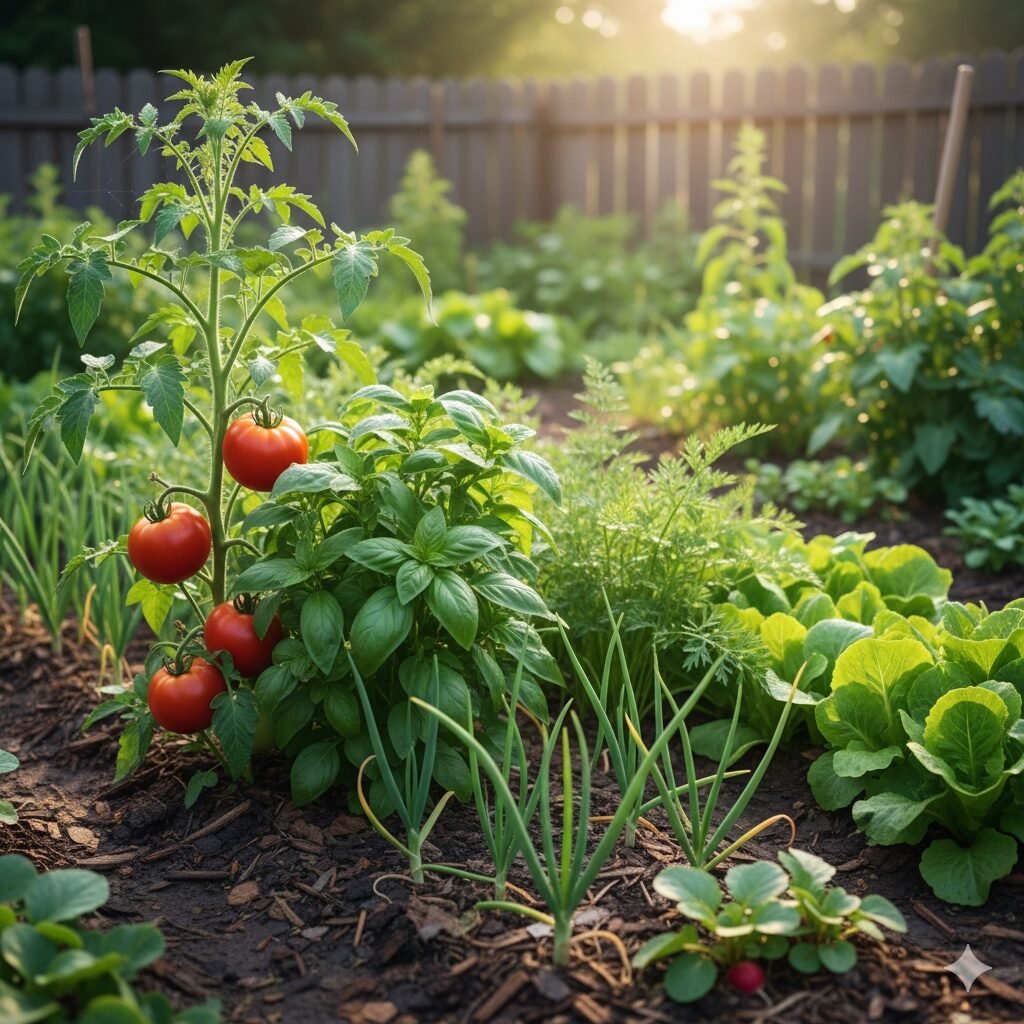
5. Companion Planting: Growing Smarter
Now, companion planting is a pretty clever trick. It’s basically about grouping plants that help each other out. For instance, tomatoes grow better with basil, carrots with onions, and lettuce with radishes.
Some plants repel pests naturally — like garlic scaring off aphids — so you’re cutting down on the need for sprays or chemicals. That’s organic gardening at its best, really.
6. Seasonal Planting and Rotation
In the meantime, try thinking in terms of seasons. For example, you could have cool-weather crops like spinach and broccoli in early spring, then switch to warm-weather edibles like tomatoes and peppers once it heats up.
Crop rotation is another small but mighty trick — don’t plant the same crop in the same spot every year. It keeps the soil from running out of nutrients and helps prevent pests.
No one wants a bare garden half the year. Plan by season:
- Early Spring: Peas, spinach, radishes
- Late Spring: Tomatoes, peppers, eggplants
- Summer: Beans, cucumbers
- Fall: Squash, Brussels sprouts, kale
- Winter: Cold-hardy crops or structural elements (berry canes, fruit trees)
Tips: Use succession planting — sow crops like lettuce every 2 weeks for a steady harvest.
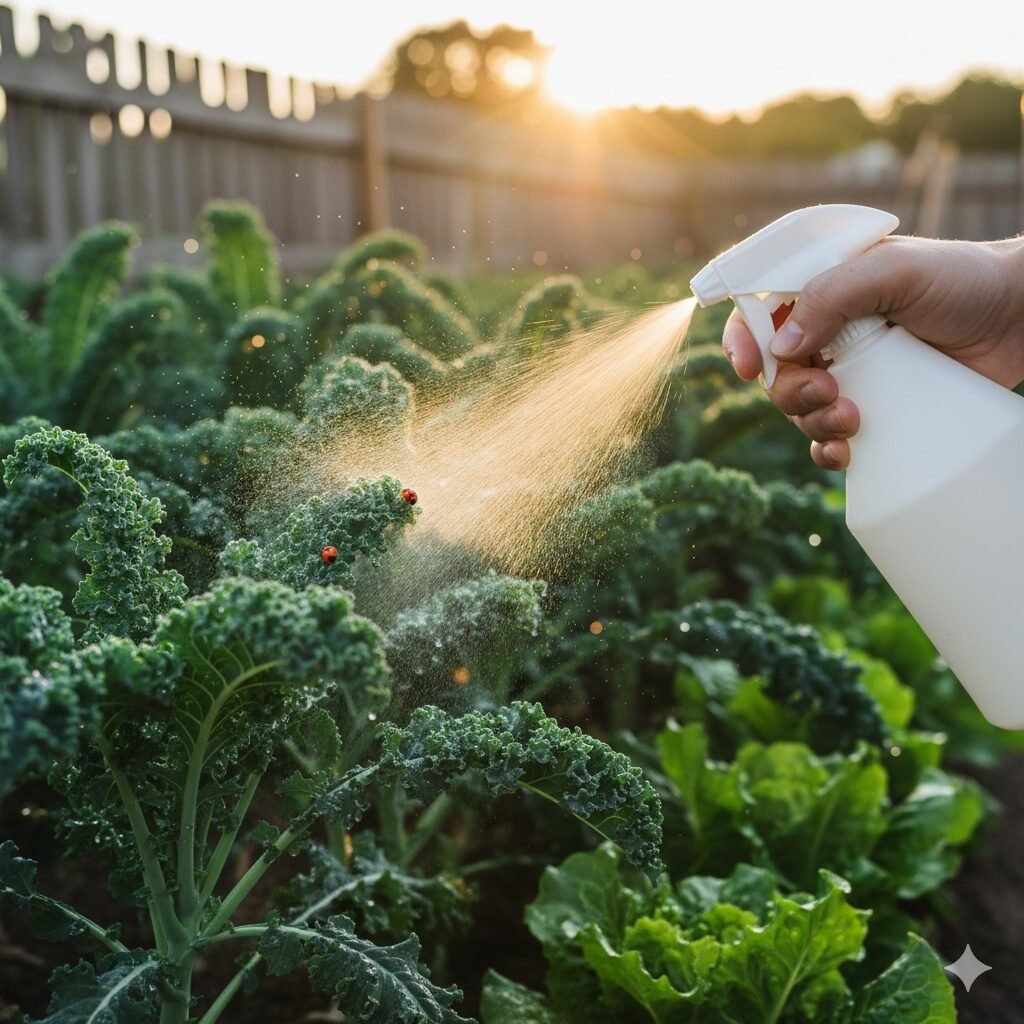
7. Organic Pest Control Tips
No one likes seeing their greens chewed up, right? Organic pest control might sound complicated, but it’s actually simple. Use natural sprays like neem oil, or introduce helpful insects like ladybugs that eat aphids.
If you want to go fully natural, mix garlic and chili water as a spray. It’s strong enough to keep most bugs away, and it won’t hurt your plants or the soil.
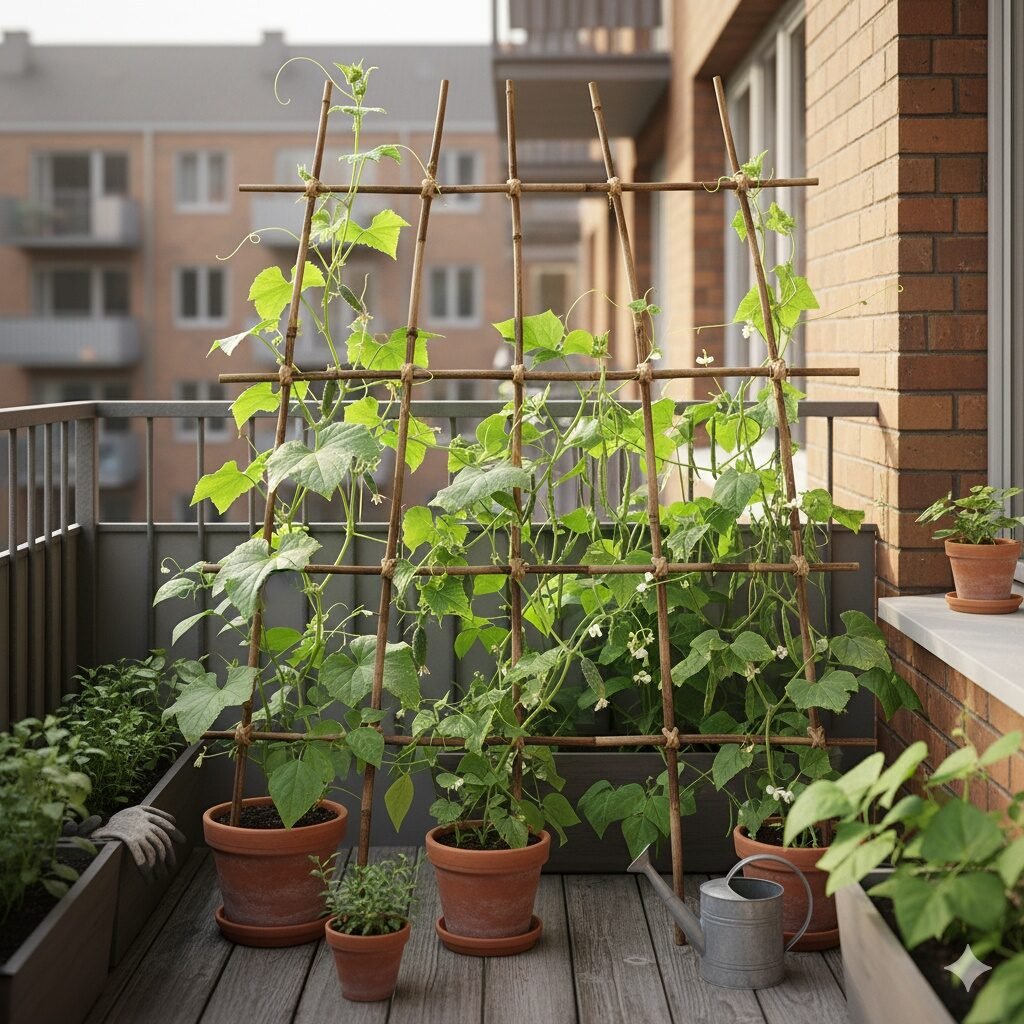
8. Container and Small-Space Edible Gardens
No yard? No problem. Containers are your secret weapon.
Almost any edible can thrive in a pot if it’s the right size. Herbs are container superstars—basil, thyme, rosemary, and mint flourish on a sunny windowsill or balcony.
Container-friendly veggies:
- Cherry tomatoes: Perfect for hanging baskets.
- Lettuce and salad greens: Shallow containers work great.
- Peppers: They love pot life.
- Strawberries: Use strawberry pots or hanging planters.
Container care tips:
- Ensure good drainage—every container needs holes.
- Use high-quality potting mix (not garden soil).
- Water consistently; potted plants dry out faster.
Start with 3–5 containers your first season, and you’ll be amazed at what you can harvest from that small space.

9. Adding Personality to Your Edible Garden
You might, for instance, add a little garden path using stone or gravel. It keeps your garden walkable and organized. Maybe toss in a few garden markers with painted names — makes it feel more personal and lively.
Lighting matters too — some soft solar lights can make your garden glow in the evening, so you can enjoy that post-dinner stroll surrounded by the scent of mint and basil.
Pro Tip: Nothing impresses dinner guests like plucking fresh ingredients for their cocktails or meals right in front of them. Position your dining area so you can easily grab herbs for pasta or berries for dessert.
One friend created what she calls a “pizza garden” around her patio—basil, oregano, tomatoes, and peppers all within arm’s reach of her outdoor wood-fired oven. Pure genius.
10. Year-Round Garden Care: Keeping Your Edible Paradise Thriving
Maintaining an edible garden isn’t just a spring and summer affair—your garden needs love all year round!
Spring: Focus on soil preparation and early plantings. Add compost to beds and start seeds indoors for summer crops.
Summer: Water consistently (morning is best), mulch to retain moisture, and feed heavy feeders like tomatoes weekly.
Fall: Harvest summer crops and plant cool-season veggies like kale and carrots. It’s also the perfect time for garlic and spring bulbs.
Winter: Not downtime—planning season! Order seeds, clean tools, and dream up next year’s layout. In milder climates, grow cold-hardy greens under protection.
Pro tip: Keep a garden journal tracking what thrived and what struggled—future you will thank you!

Final Thoughts:
Finally, sustainability ties it all together. Collect rainwater in barrels, compost kitchen waste, and choose native plants whenever you can. It’s not just good for the earth — it saves you time and money, too.
At the end of the day, your edible garden should feel like a place that gives back — food for you, shade for the soil, and a bit of calm for your mind.
Here’s a helpful video on Edible Gardening that may give you some useful insights…
Pingback: How to Extend Edible Garden Through Winter
Pingback: 25 Easy Backyard Garden Ideas to Upgrade Your Outdoor Space
Pingback: Natural & Organic Pest Control for Edible Gardens
Pingback: Hydroponics for Beginners: 5 Easy Steps to Growing Food