

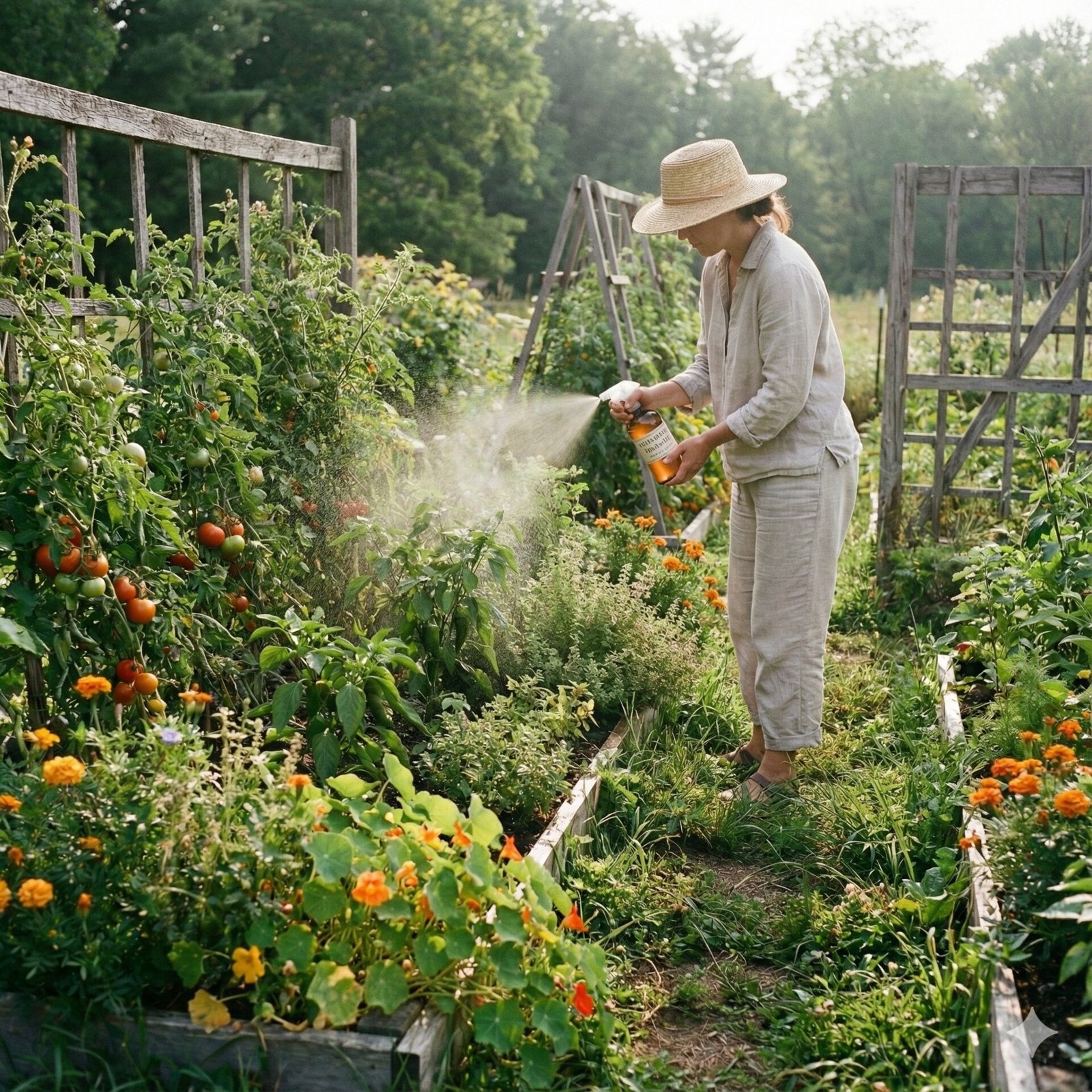
Organic Pest Control: Ok, so growing food at home tends to be one of those things that feels really peaceful, yet it suddenly becomes a bit stressful the moment you see little chew marks on your peppers or tiny bugs camping out on your tomatoes. And, like, you might be tempted to grab some big store-bought spray, but many folks want organic pest control or natural pest control that keeps the whole place safe enough to eat from without thinking twice. So this whole guide is basically a kind of long, friendly walk-through on chemical-free pest control, homemade mixes, plant tricks, and stuff that, in a way, keeps your crops healthy without harsh ingredients.
Now, as I was saying, edible gardens tend to attract a mix of critters—aphids, leaf miners, hornworms, soil-dwelling bugs, and even sneaky beetles that show up like uninvited dinner guests. And so this piece tries to give you, like, a bunch of ways to handle all that using homemade insecticide, homemade organic pesticide, and other DIY garden insecticide without chemicals. It’s basically meant to keep your vegetables, herbs, and fruit beds more or less protected while still being friendly to bees, birds, and that whole outdoor vibe.
Why Natural Pest Control Matters for Edible Gardens
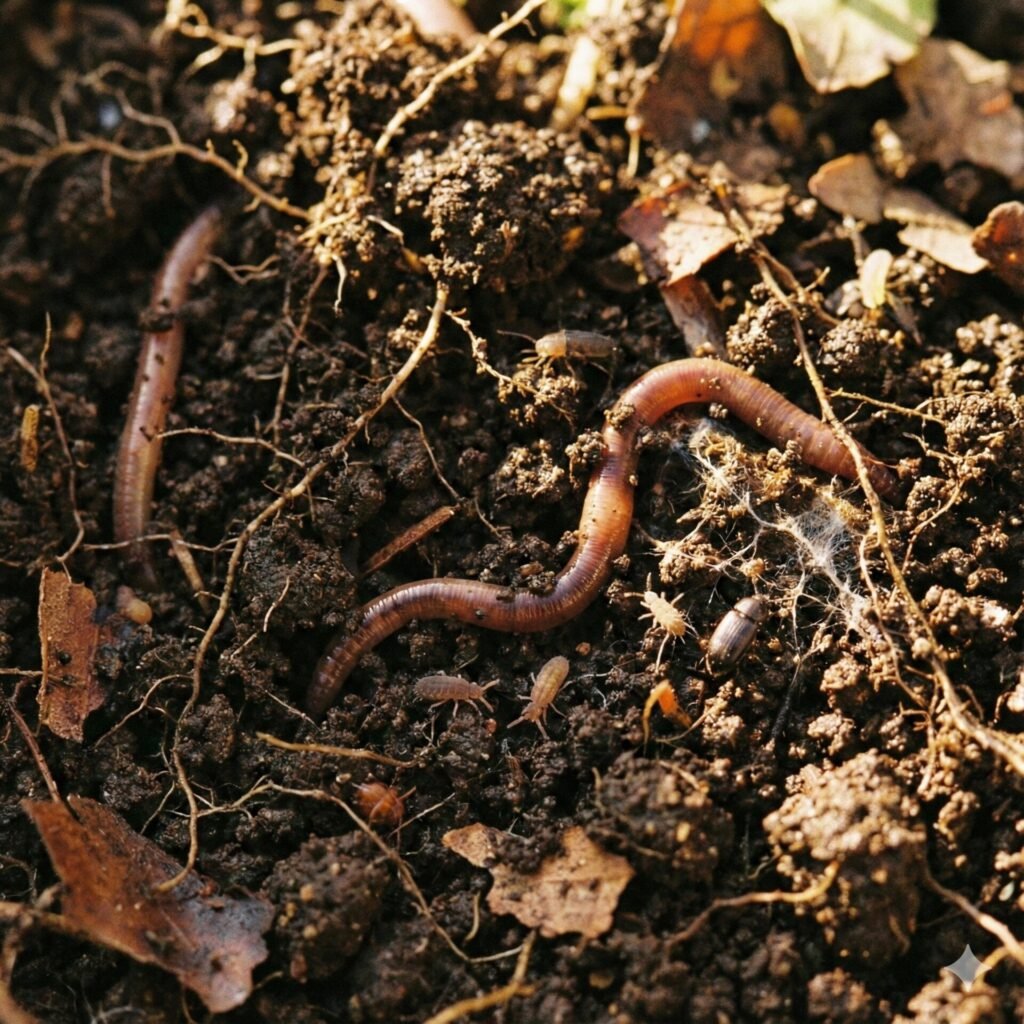
The big thing about using organic gardening pest control is that you keep your soil alive. Healthy soil tends to be full of microbes, worms, and other tiny helpers, and chemical sprays can mess with that balance pretty badly. And, frankly, your garden ecosystem sort of works like a loose team—ladybugs, lacewings, spiders, and birds all pitch in to keep the troublemakers from taking over.
Now, many store products often coat your leaves with stuff that sticks around. And that, in some respects, creates a chain reaction where the good bugs leave, the bad bugs multiply, and your plants get stress marks. By using natural insecticide spray for plants, you keep those good bugs around while still discouraging the ones that chew too much.
And, as a matter of fact, a lot of natural methods actually support long-term health. They might be slower than chemical sprays, but they tend to be way safer when you’re picking food off those vines later.
I also have another article titled 10 Stunning Edible Garden Designs You Can Try at Home (Beginner Friendly). It may be of interest to you, and reading it will provide a comprehensive understanding of edible garden design.
I also enjoy sharing valuable, topic-related resources from other reputable websites. For example, Epic Gardening has an excellent article titled 6 DIY Natural Pest Control Recipes for Your Garden, which you may find worth exploring.
My Top Picks for Natural Pest-Control Tools
Ok, so these are a few things that, in a way, make organic pest control a lot easier for home growers. Each item keeps the whole process simple, safe, and chemical-free, and they pretty much work with the same natural methods already covered in the article. If you’re trying to keep your veggie beds calm without harsh stuff, these picks might be the ones that help the most.
| ITEM | WHY IT MATTERS | MY RECOMMENDATION (LINKS) |
|---|---|---|
| Cold-Pressed Neem Oil (Garden Grade) | This tends to be one of the simplest natural ways to calm down pests like aphids, mites, and whiteflies, and it works well with a light, steady routine. | Check Price on Amazon |
| Organic Insecticidal Soap Concentrate | Good for anyone who wants a mild spray that helps with soft-bodied bugs but still feels safe for veggie beds. | Check Price on Amazon |
| Garden Spray Bottles (Fine Mist Type) | They help you get a smooth, even mist on leaves so your natural mixes don’t hit too heavy in one spot. | Check Price on Amazon |
| Food-Grade Diatomaceous Earth | Useful for slowing down crawling pests without chemicals, and you only need a light dusting to make a difference. | Check Price on Amazon |
| Yellow Sticky Traps (Non-Toxic) | They catch tiny flying insects like fungus gnats or whiteflies, making things a bit easier for beginners. | Check Price on Amazon |
| Reusable Row Covers / Insect Barriers | They block pests before they get near young plants, giving seedlings a calmer, safer start. | Check Price on Amazon |
| Organic Compost & Soil Booster | Healthy soil usually means fewer pests, and this adds a little life back into tired beds each season. | Check Price on Amazon |
Top Natural Pest-Control Techniques (Chemical-Free and Easy)
Now, let’s get into the stuff you can actually do. These are all common tricks for home garden pest control, and, by the way, you can mix a few of them together for better results.
1. Homemade Organic Pesticide Sprays
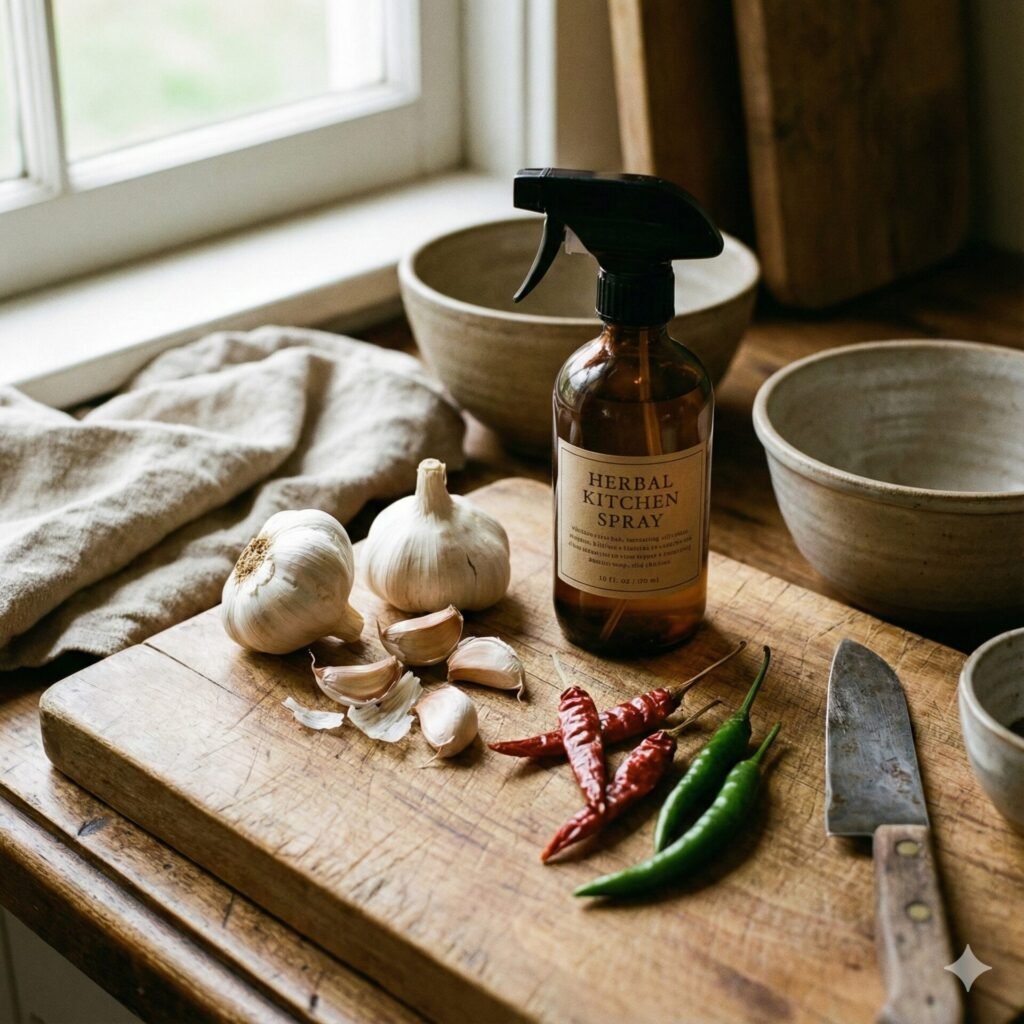
So, homemade sprays usually give you a gentle but steady way to soften pest pressure. And, honestly, you can whip most of these mixes together from things already sitting in your kitchen.
• Garlic Spray for Pests
Ok, so garlic tends to be one of those ingredients that bugs really dislike. A simple spray might look a bit like this (in casual terms):
- a handful of garlic cloves
- blended with a bit of water
- left to sit overnight
- strained and mixed with another cup or two of water
Spray this on leaf surfaces in a light mist. It’s usually helpful for aphids, leaf miners, and whiteflies.
• Neem Oil Spray
So neem oil is nearly always part of conversations about natural pest control for vegetable garden beds. Mix a teaspoon of neem oil with warm water and a drop of mild soap. It tends to coat harmful bugs and slow down egg cycles. Use it lightly on tomatoes, cucumbers, squash, peppers, and herbs.
• Natural Soap Spray
For a very simple natural insecticide spray for plants, just combine:
- water
- a tiny squeeze of unscented liquid soap
- maybe a little oil for sticking
This is more or less effective on soft-bodied insects like aphids and mites.
2. Diatomaceous Earth for Garden Beds
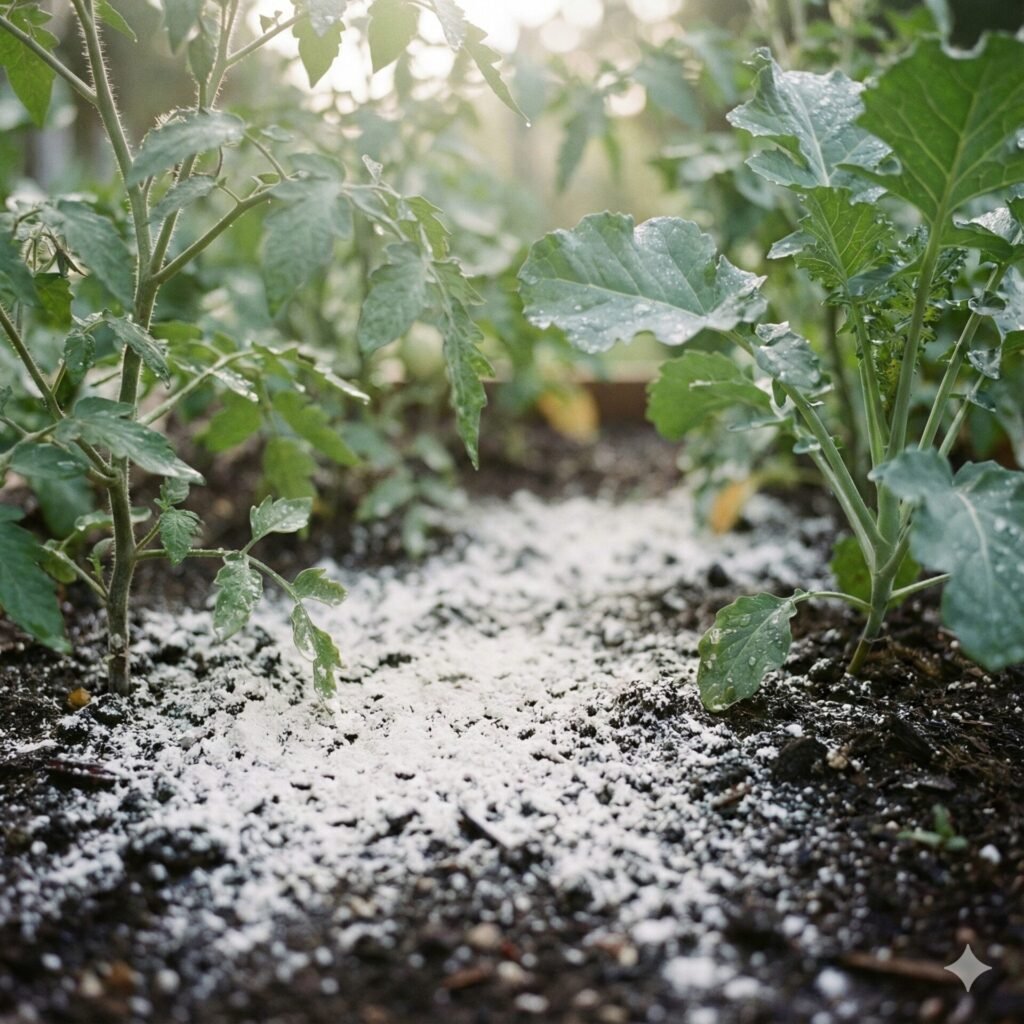
So, in other words, diatomaceous earth for garden beds works kind of like a scratchy barrier. It’s a soft powder to us, but to crawling insects, it’s rough and breaks down their outer layer. You sprinkle it around plant bases, yet you should avoid using it on flowers where bees land. It tends to be great for slugs, ants, and earwigs.
3. Companion Planting for Pest Control
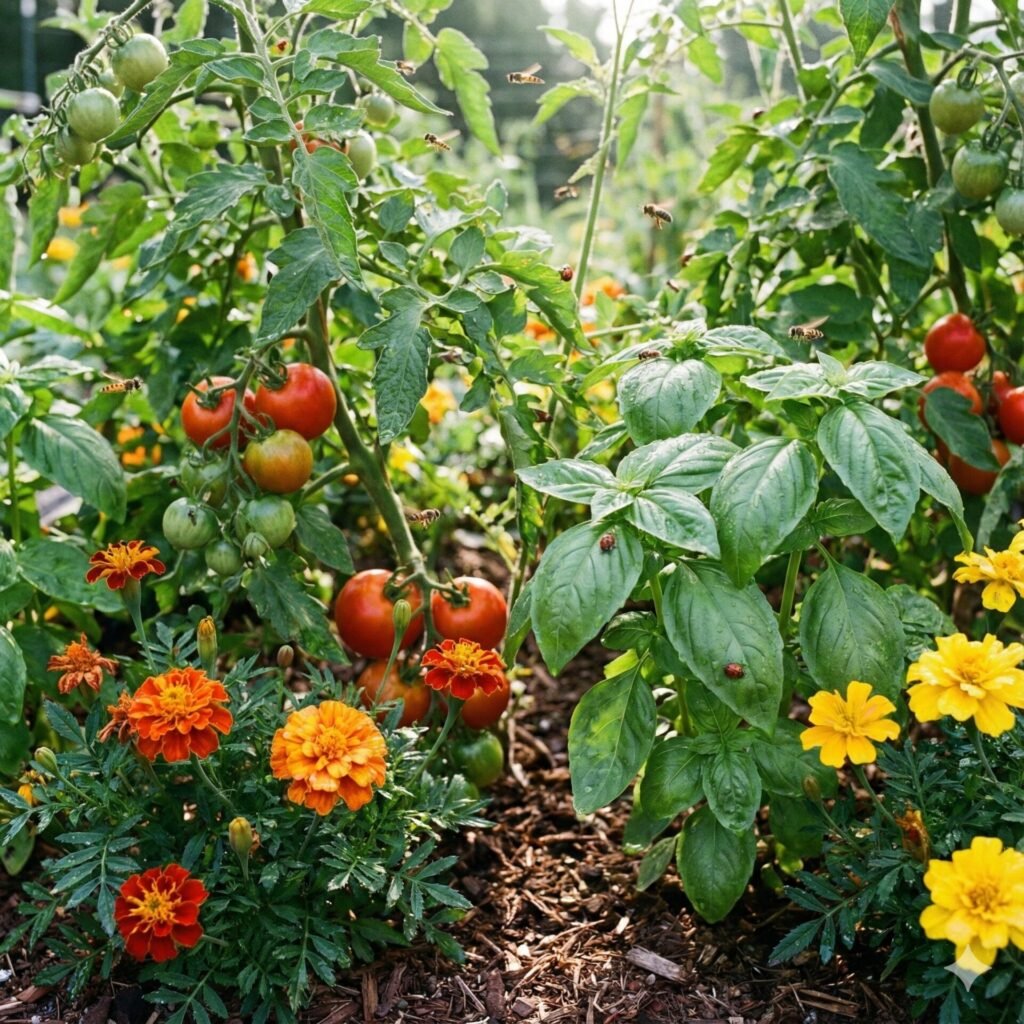
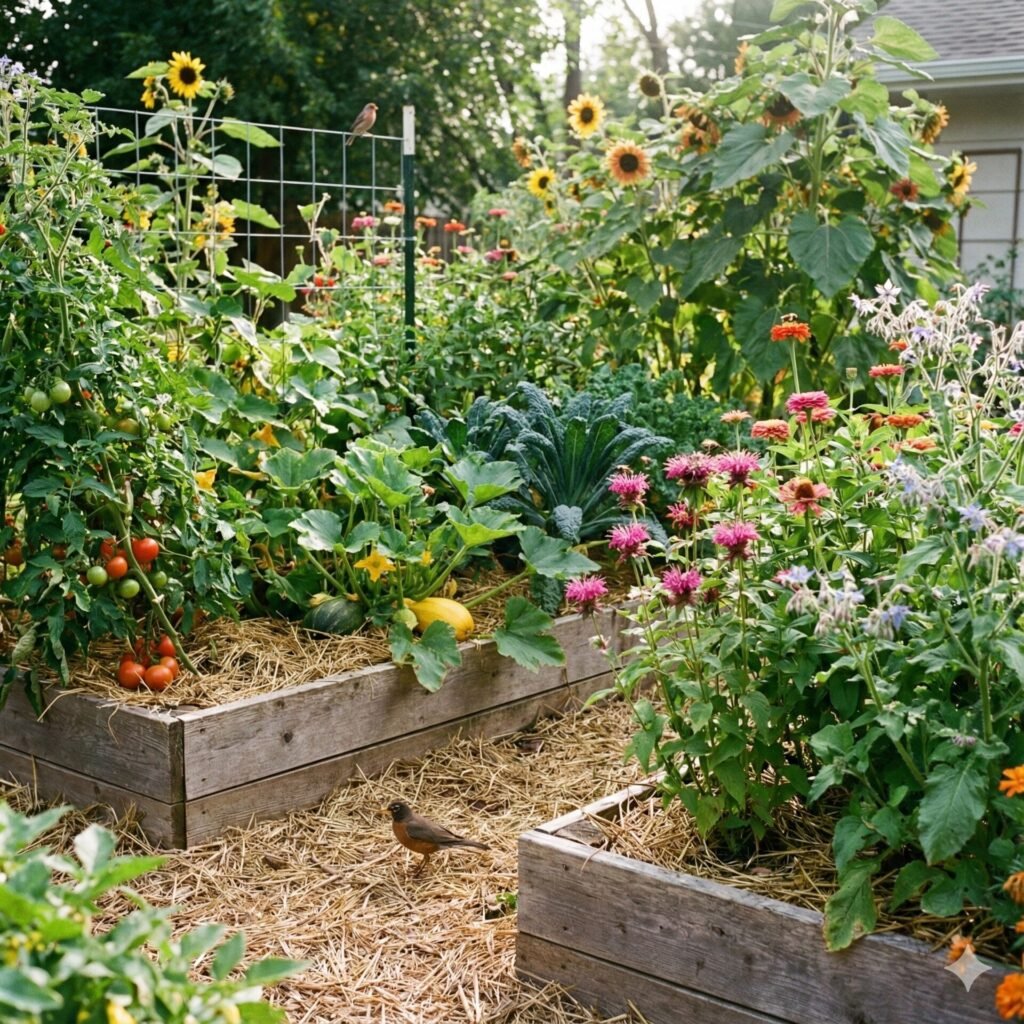
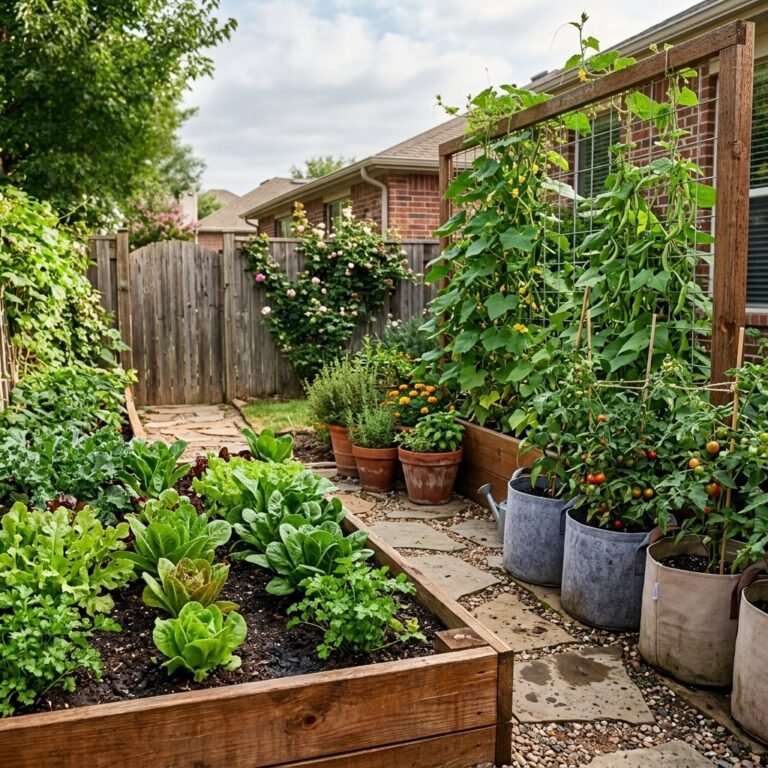
Now, companion planting for pest control is a bit like arranging friends in the garden so they help each other out. Some plants give off scents that confuse pests or keep them from landing on your crops.
Here are some combos people often try:
- Basil near tomatoes – helps with flies and hornworms.
- Marigolds near lettuce and beans – gives off a scent pests dislike.
- Chives near carrots – helps reduce carrot flies.
This method is usually subtle, yet over time the garden sort of balances out.
4. Physical Barriers and Simple Protection Tools
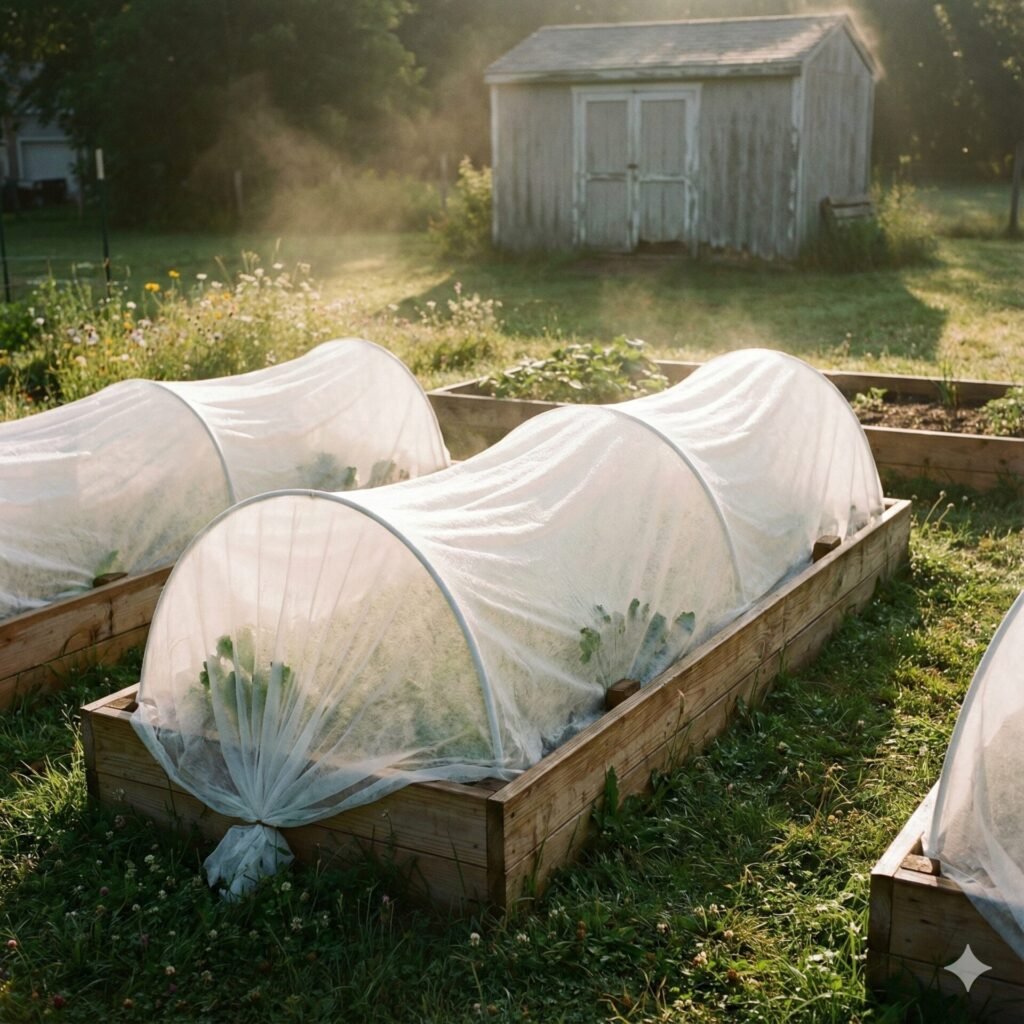
Sometimes the easiest, low-stress method is simply blocking bugs.
- Row covers — Keep flying insects away from young crops.
- Copper tape — Useful against slugs and snails.
- Sticky traps — Good for whiteflies or fungus gnats.
These options typically reduce pest pressure without touching the plants at all.
5. Natural Ways to Keep Bugs Off Plants (Daily Habits)
Now, as I was saying, many gardeners forget that simple habits tend to be some of the best natural ways to keep bugs off plants.
A few that help:
- Check leaves a bit each morning for eggs or chew marks.
- Water the soil, not the leaves, to avoid moisture-loving pests.
- Prune tightly packed stems so air can move through.
- Switch plant positions each season to interrupt pest cycles.
These small things usually add up fast, and, really, they help more than people expect.
Specific Tips for Popular Edible Crops
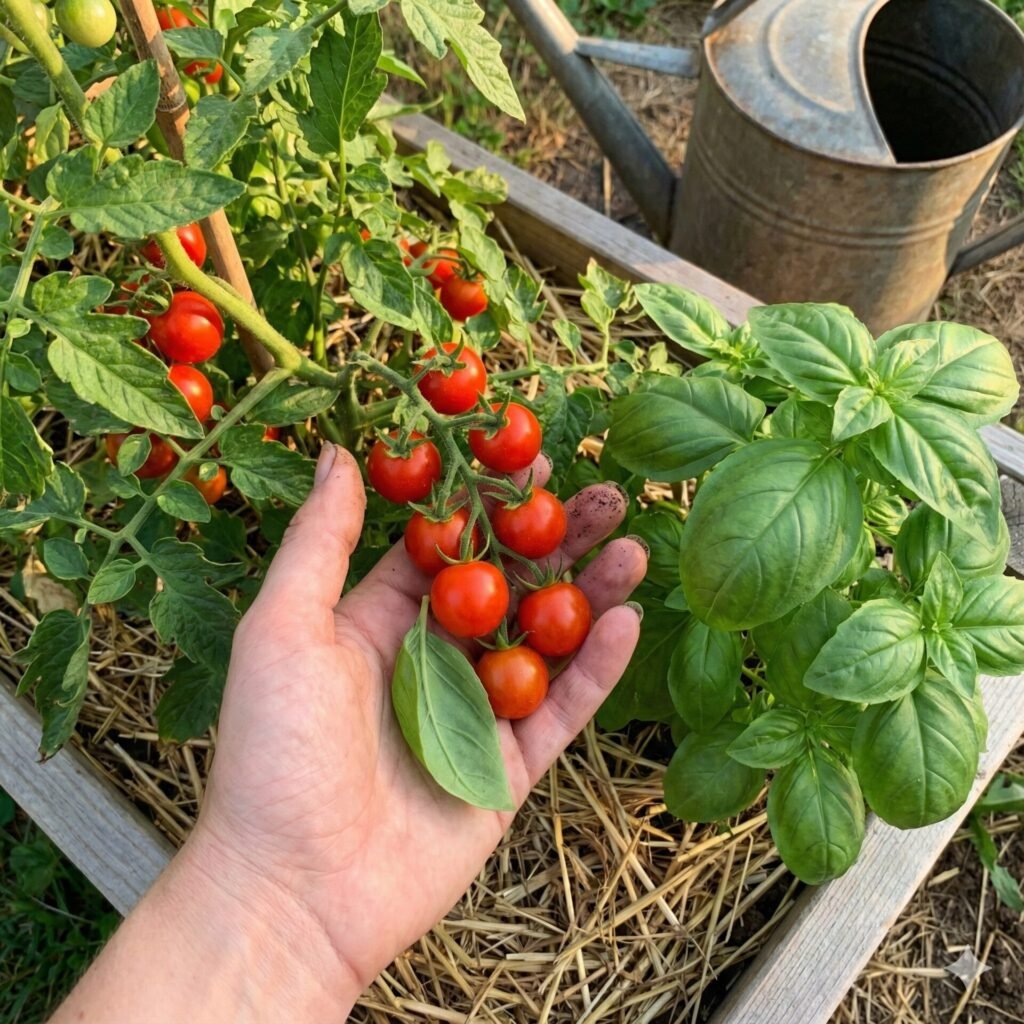
Organic Pest Control for Tomatoes
So tomatoes attract all sorts of trouble—hornworms, aphids, whiteflies, and fungal issues. You can use a mix of garlic spray, neem oil, and good airflow to stop most problems before they blow up.
Good habits for tomatoes:
- Keep the lower leaves trimmed a little so air moves under.
- Plant basil, borage, or marigolds nearby.
- Spray neem lightly every week or two if pests appear.
- Hand-pick hornworms early in the morning.
Tomatoes respond well to natural care, yet they show stress fast if bugs get ahead of you.
Natural Pest Control for Vegetable Garden Mixes
If you grow mixed beds with greens, herbs, squash, and stuff like that, then you’ll want a flexible plan.
Try mixing:
- Garlic spray every 5–7 days early in the season
- Diatomaceous earth around the base of leafy greens
- Companion plants like marigolds, nasturtium, basil, dill, and thyme
- Occasional homemade insecticide soap spray
In the meantime, every crop will have its own quirks. Cucumbers love airflow. Lettuce needs slug protection. Squash benefits from hand-checking under the leaves for eggs. And, frankly, regular observation tends to do more than any one product.
Safe DIY Recipes for Chemical-Free Pest Control
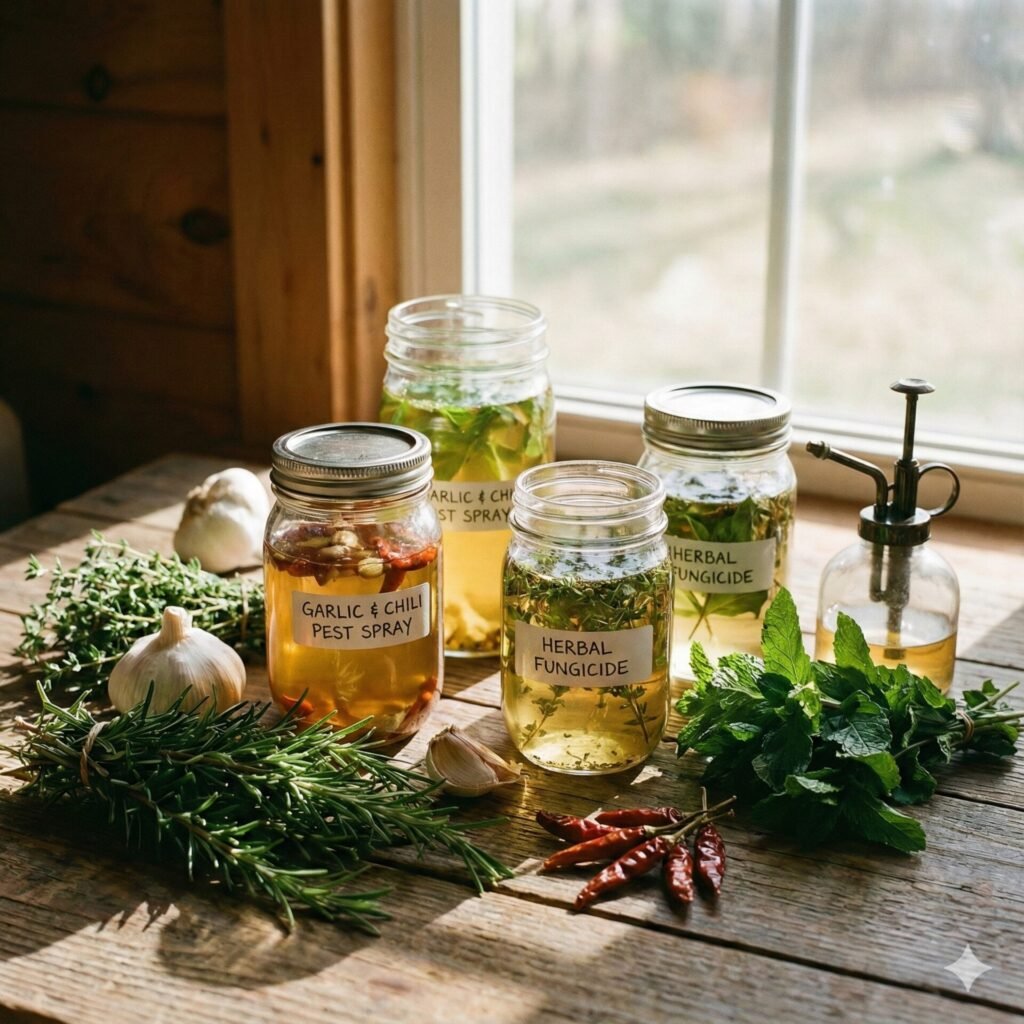
Here are a few deeper recipes for homemade organic pesticide and DIY garden insecticide without chemicals.
1. Garlic-Chili Spray (Strong but Natural)
This mix works well on aphids and beetles.
- 1 bulb of garlic
- 1 hot chili
- 1 quart water
- Little squirt of mild soap
Blend, strain, dilute more or less with extra water, and spray lightly. This could be strong, so test it a bit on one leaf before going heavy.
2. Mint and Basil Spray
Mint tends to push away flies and beetles. Basil does the same.
- Handful of mint leaves
- Handful of basil leaves
- Warm water
- Strain and spray
The scent usually fades after a day but works nicely for soft pests.
3. Neem + Soap Mix (Gentle All-Purpose Spray)
- 1 teaspoon neem oil
- 1 quart water
- 1 drop natural soap
Shake and spray once a week. Good for long-term prevention.
4. Oil + Soap Spray for Leaf Pests
Oil clogs the breathing holes of soft insects.
- 1 cup vegetable oil
- 1 tablespoon mild soap
- Mix 1 tablespoon of this into a quart of water when spraying
This is slightly heavier, so use it only at sunset.
Maintaining a Balanced, Low-Chemical Garden Ecosystem
Now, a big part of natural pest control is just encouraging life in your garden. Ladybugs, frogs, small birds, lacewings, hoverflies, and even harmless spiders all help more or less with balancing things out.
You might try:
- A little bird bath
- Shallow dishes of water for pollinators
- Leaving a corner with wild native plants
- Planting things like dill, fennel, yarrow, and cosmos to draw helpful insects
Nature usually fixes itself if you give it places to breathe.
Troubleshooting Common Pest Issues
Aphids
Use garlic spray or soap spray. Ladybugs love eating them.
Whiteflies
Yellow sticky traps usually help. Neem is typically effective too.
Caterpillars & Hornworms
Hand-pick, or spray with garlic-chili mixture. At the end of the day, a few minutes of checking leaves saves entire plants.
Slugs & Snails
Use diatomaceous earth or copper tape. Keep the soil surface a bit cleaner.
Spider Mites
Mist leaves lightly, increase humidity, and use neem spray.
These tiny pests spread fast, so daily glances make a big difference.
Building Long-Term Resilience Without Chemicals
Ok finally, if you want a garden that basically handles pests on its own, you might do things like:
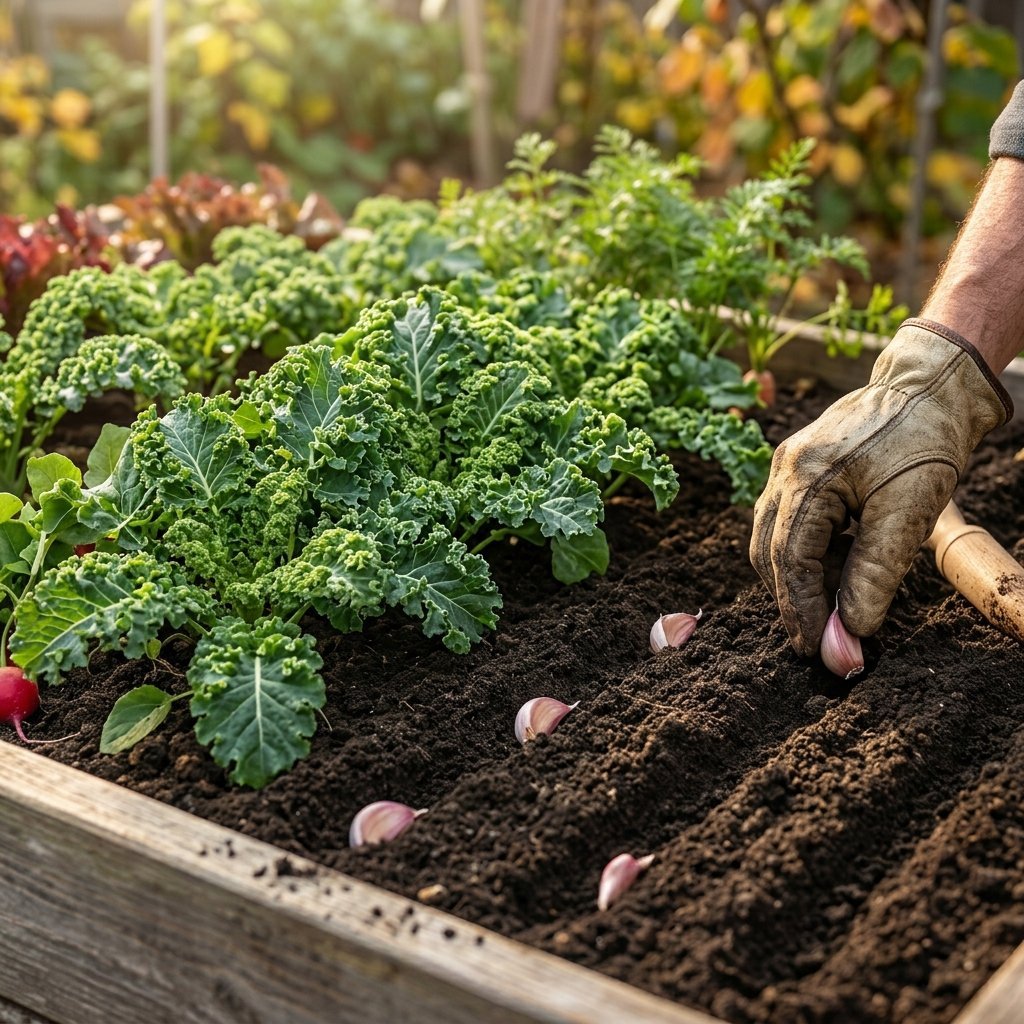
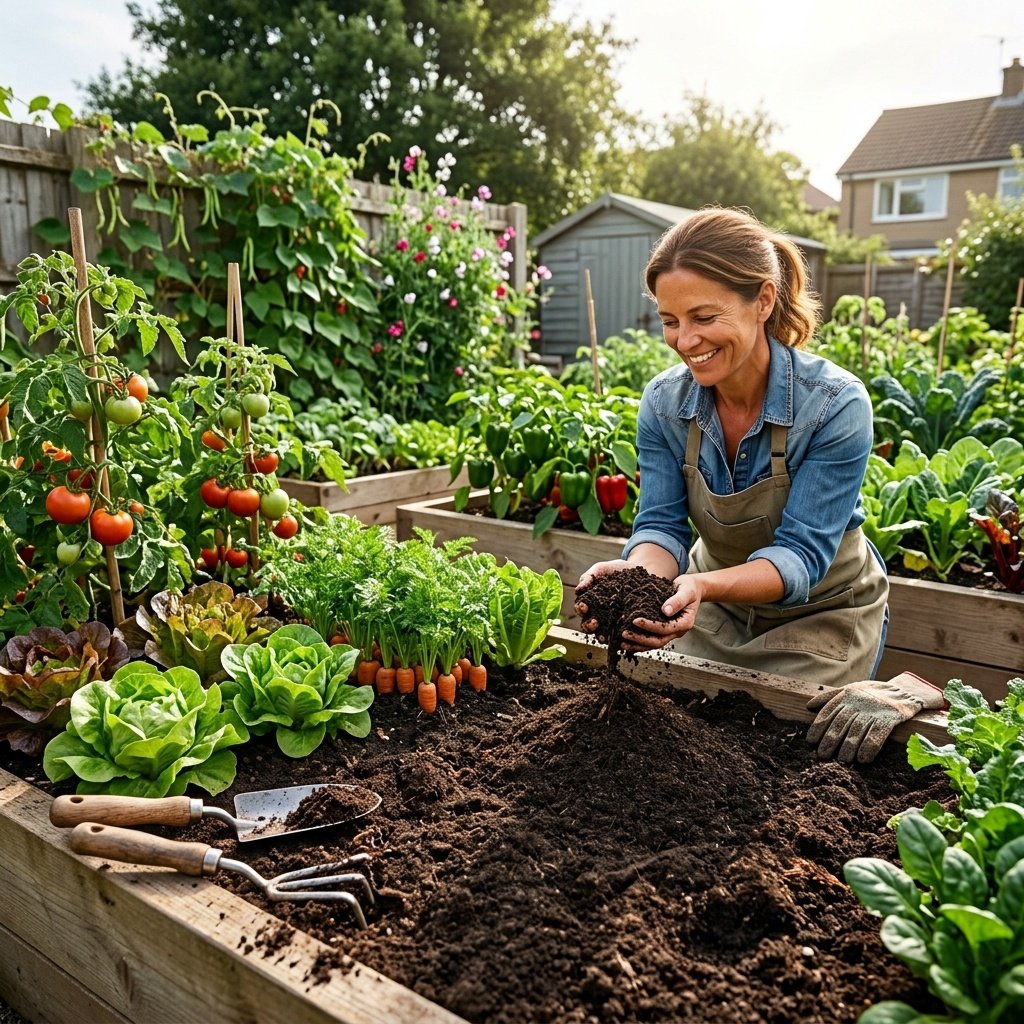
- Add compost a bit each season
- Keep soil mulched to protect moisture and microbes
- Rotate crops
- Avoid overcrowding
- Keep companion plants thriving
The calmer and healthier the garden feels, the fewer pests usually show up. And, by the way, healthy plants recover from damage much more easily than stressed ones.
FAQ: Natural & Organic Pest-Control for Edible Gardens
1. Is natural pest control strong enough for serious garden bugs?
So this might be something folks wonder a lot, and, in a way, yes—organic pest control tends to work pretty well if you stay consistent. Natural sprays, companion plants, and soil care usually keep things balanced, but heavy infestations sometimes need repeated treatments.
2. How often should I use homemade insecticide?
Ok, so most homemade insecticide mixes are mild, so people usually spray every few days at first, then slow down once pests calm down. Testing a tiny patch first is always, like, a safe move.
3. Is neem oil safe for edible plants?
Neem oil is usually safe as long as you dilute it and spray at sunset. It tends to break down fast and is used on vegetables more or less everywhere.
4. Can I use garlic spray on all vegetables?
Garlic spray is typically fine for leafy greens, herbs, tomatoes, squash, and peppers. Some plants with very soft leaves might react, so testing a leaf is a bit of a smart habit.
5. Will diatomaceous earth hurt bees?
Ok so diatomaceous earth for garden beds can bother bees if it gets on flowers. Sprinkle it at soil level and keep it away from blooms.
6. Do companion plants really keep pests away?
Companion plants don’t act like a wall or anything, but they tend to confuse pests or distract them. Basil, marigolds, dill, chives, and nasturtiums are usually the most helpful.
7. How long do organic sprays stay on leaves?
Most natural mixes fade in sunlight within a day or two, which is why re-spraying is sometimes needed.
8. Can I mix different natural sprays together?
Mixing isn’t always needed, yet rotating sprays—like garlic one week and neem the next—might be more gentle on plants and still helpful for bugs.
9. Is chemical-free pest control slower than store-bought sprays?
It tends to be a little slower, yes, but it usually keeps the good insects around and keeps your garden soil healthy in the long run.
10. Does natural pest control work for tomatoes specifically?
Tomatoes respond pretty well to organic pest control for tomatoes, especially garlic spray, basil as a companion plant, and neem oil for soft-bodied insects.
This video more or less shows how neem oil can be a really handy, plant-safe way to calm down pests without chemicals. You’ll get a quick look at how to mix it, when to spray it, and why it tends to keep tiny leaf-chewing bugs from spreading too fast.

Pingback: Companion Planting Explained: Best Plant Pairings