
Water used to be something gardeners didn’t think twice about. Turn on the hose, soak the soil, move on. But things have changed. Water costs more, summers feel longer, and people want better results without wasting resources.
That’s where drip irrigation quietly stepped in—and stayed.
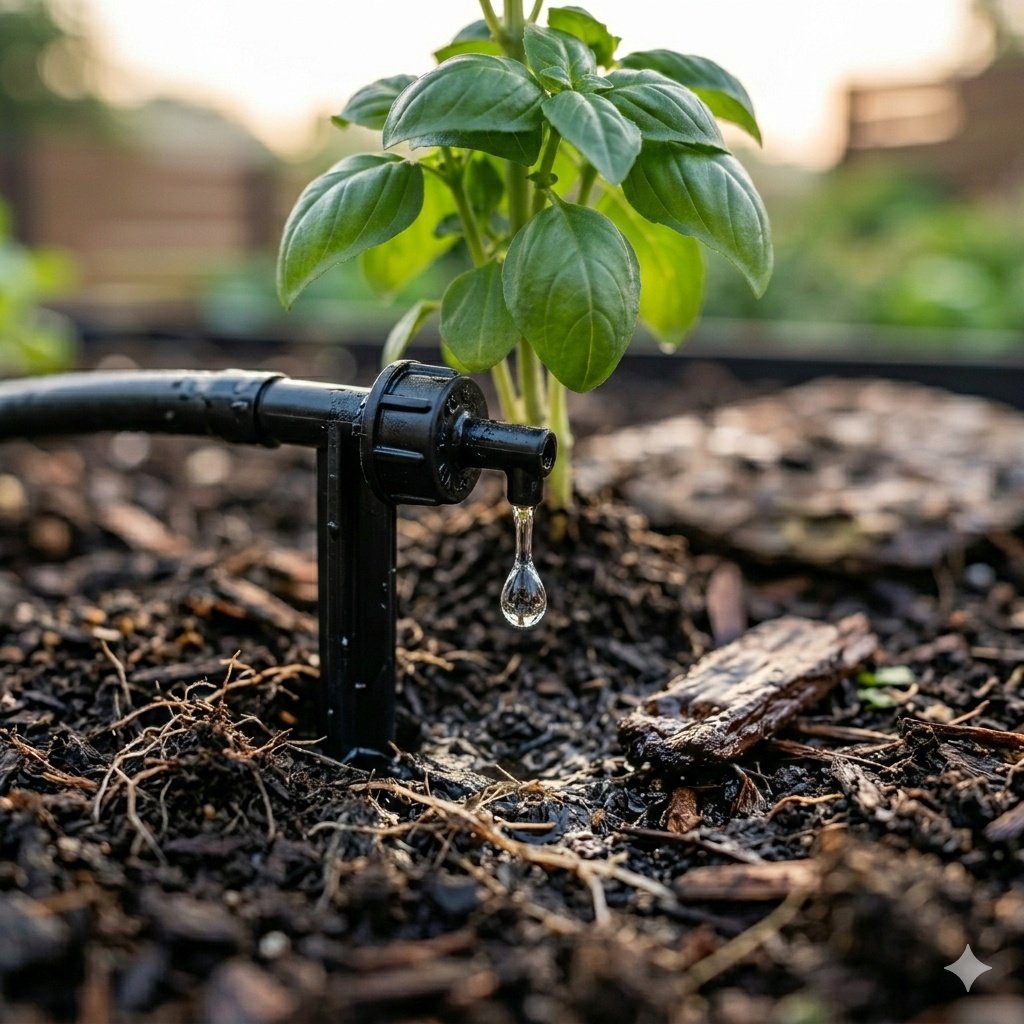
At its core, drip irrigation is simple: instead of flooding your plants, it delivers water slowly, right where it’s needed. No runoff. No guesswork. Just steady, controlled watering that can cut water use by up to 70% in many cases.
And once you understand how it works, it’s hard to go back.
A Short History: From Ancient Methods to Modern Innovation
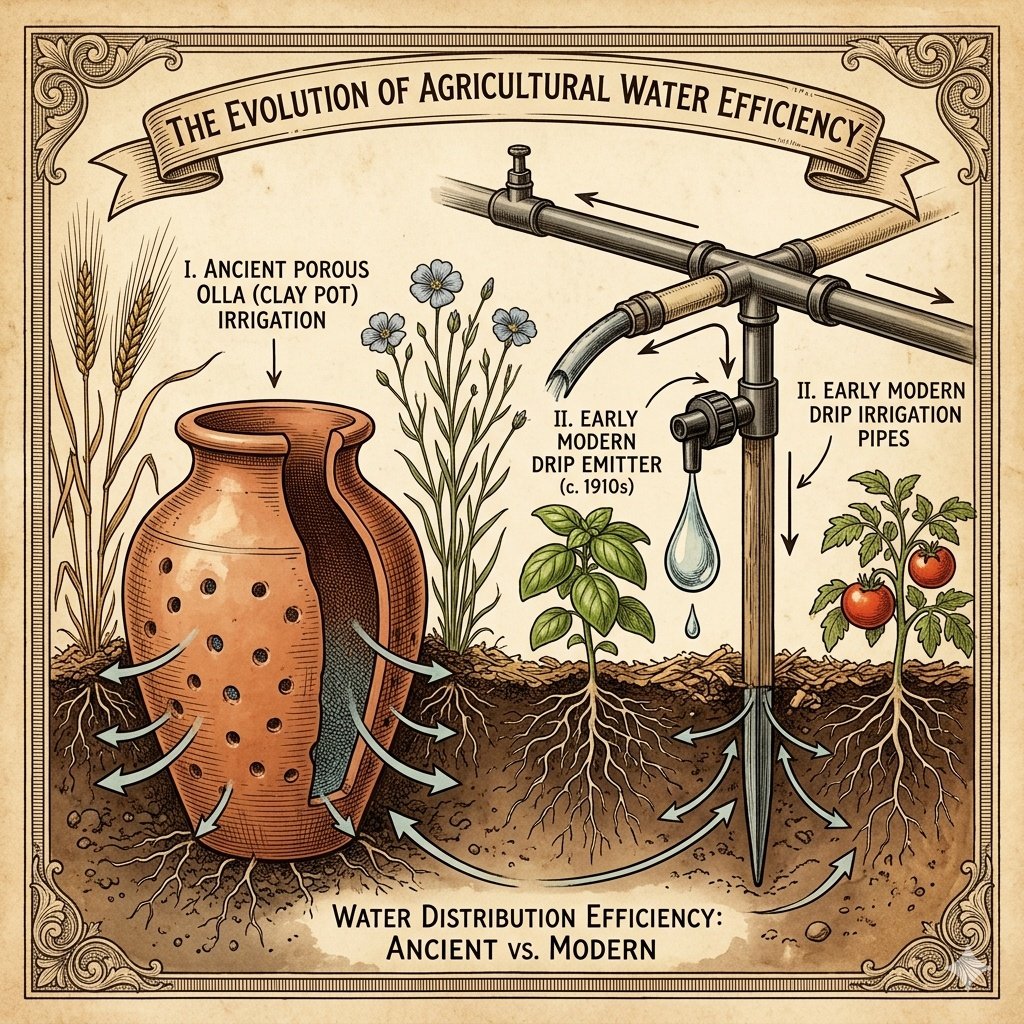
The idea behind drip irrigation isn’t new. Farmers have always tried to guide water directly to plant roots. Ancient systems used clay pots buried in the soil that slowly released water—a surprisingly similar concept.
But the modern version took shape in the mid-20th century.
An Israeli engineer named Simcha Blass noticed something odd: a tree growing faster than others near a leaking pipe. Instead of seeing waste, he saw potential. That slow leak allowed water to reach the roots steadily, without flooding the soil.
That observation turned into one of the most efficient irrigation systems we use today.
Israel, dealing with water scarcity, adopted drip irrigation on a large scale. Over time, the technology spread globally—from dry farmlands to backyard gardens.
I wrote another piece you might like—How to Build a DIY Clay Pot Irrigation System for Under $10. It’s a simple way to try olla irrigation without spending much.
How Drip Irrigation Actually Works
It looks more complicated than it is.
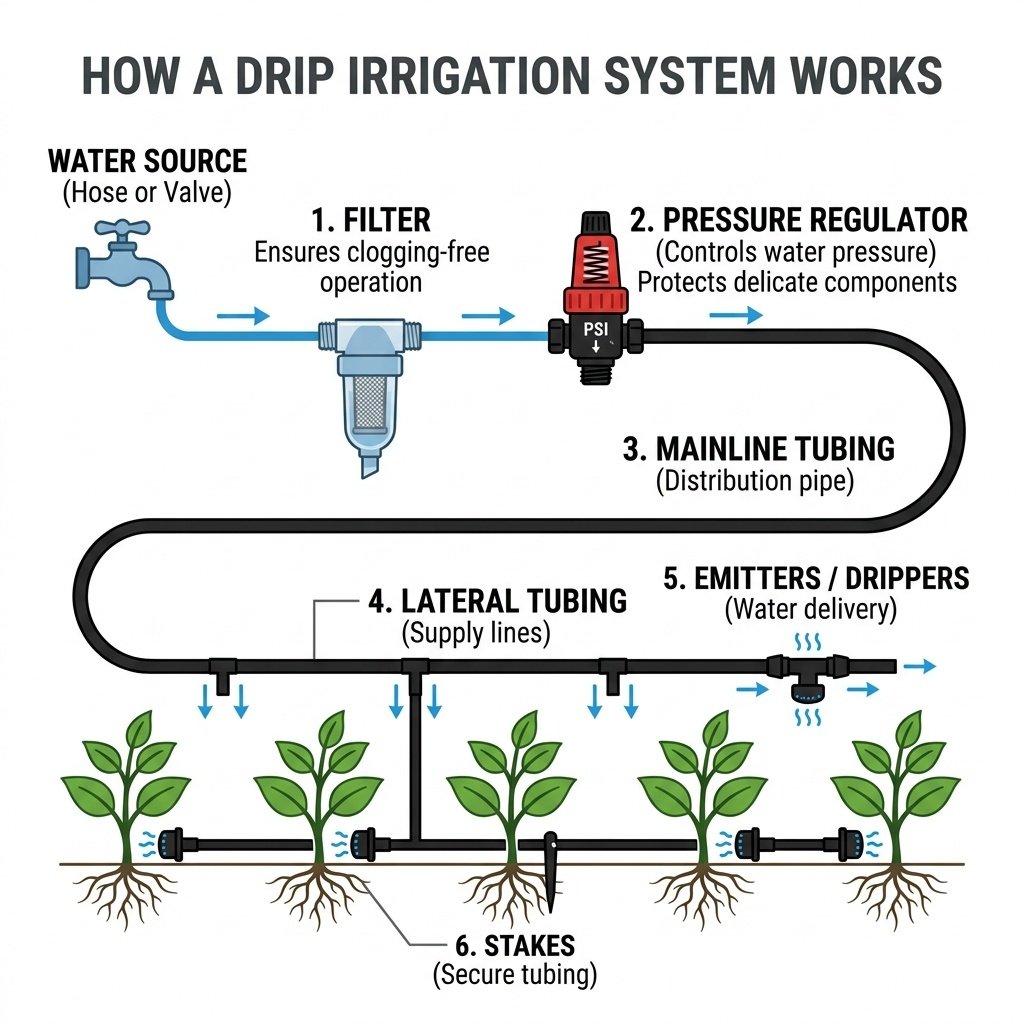
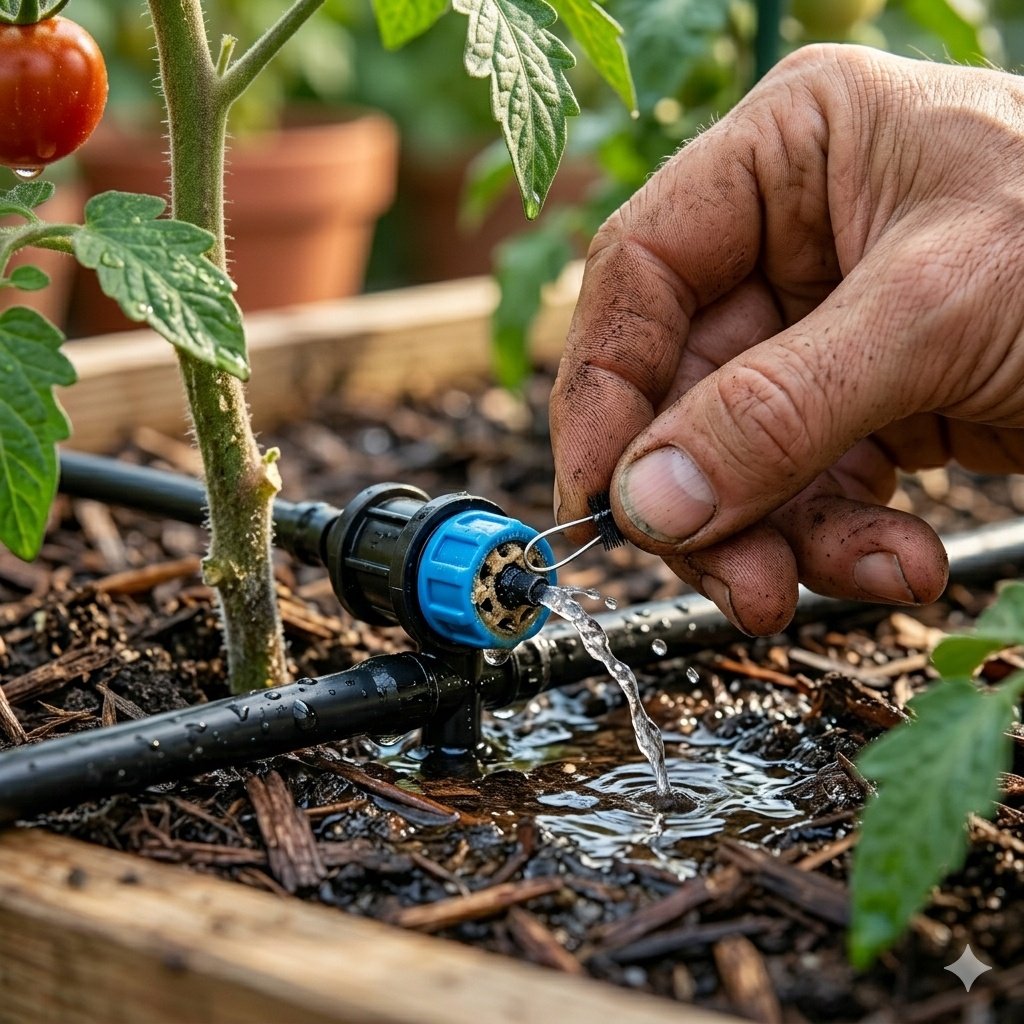
A typical drip irrigation system runs on a network of tubes and small outlets that release water slowly. That’s the entire trick—slow and steady.
Here’s what’s usually involved:
- Main tubing: Carries water from your source
- Emitters (drippers): Release water in drops or slow streams
- Filter: Keeps dirt and debris from clogging the system
- Pressure regulator: Ensures water flows at the right speed
- Connectors and valves: Help shape the system around your garden
Water travels through the tubing and exits through emitters placed near each plant. Instead of soaking everything, it targets specific areas.
No splashing. No evaporation loss from leaves. Just direct hydration where it matters.
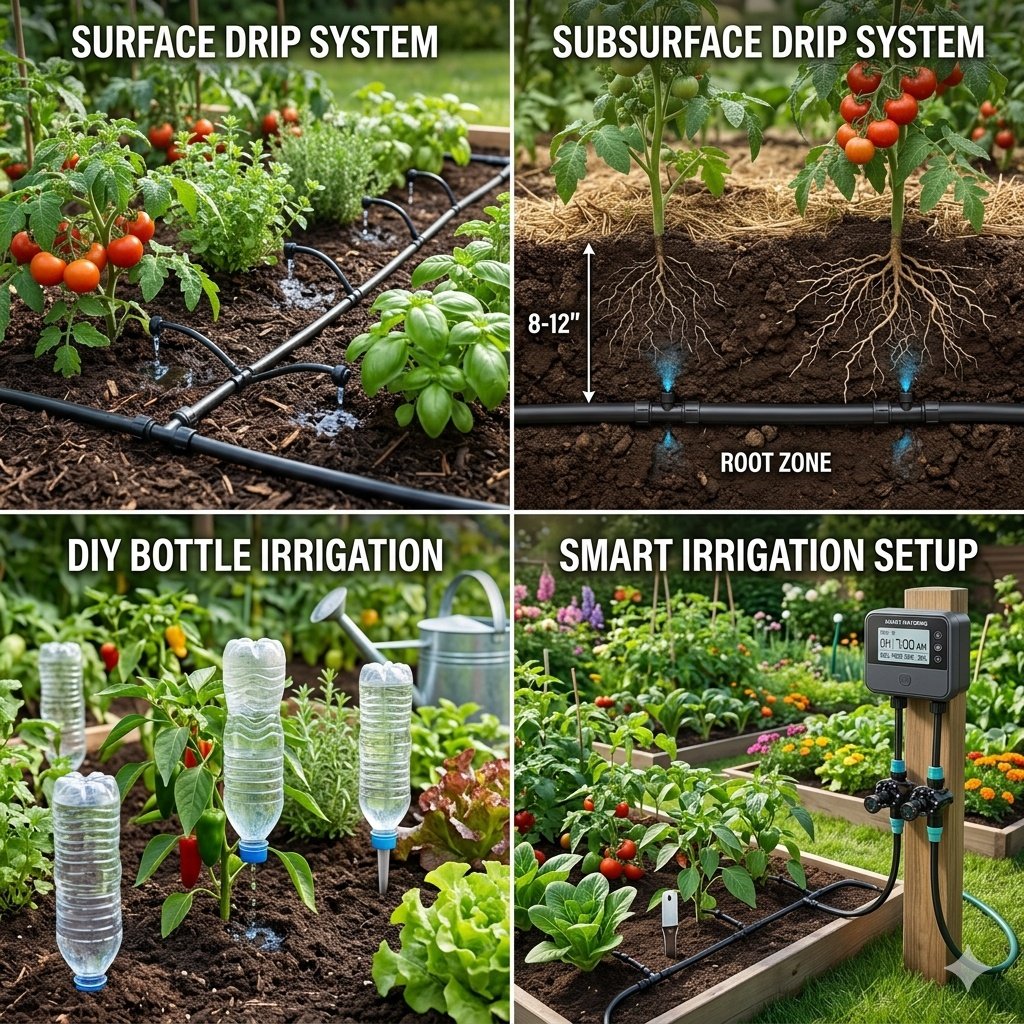
Types of Drip Irrigation Systems
Not all drip systems are built the same. The right one depends on your space, budget, and how hands-on you want to be.
Surface Drip Systems
This is the most common type. Tubing runs along the soil surface, with emitters placed next to plants. It’s easy to install and adjust, making it ideal for home gardens.
Subsurface Drip Systems
These systems are buried underground. Water goes straight to the root zone without touching the surface. It reduces evaporation even further but takes more planning and setup.
DIY Bottle Drip Systems
A simple method for beginners. You poke small holes in a plastic bottle and place it upside down near the plant. It’s not perfect, but it works for small setups or temporary solutions.
Smart Drip Systems
These connect to timers, sensors, or even apps. They can adjust watering based on weather or soil moisture. Set it once, and it largely runs itself.
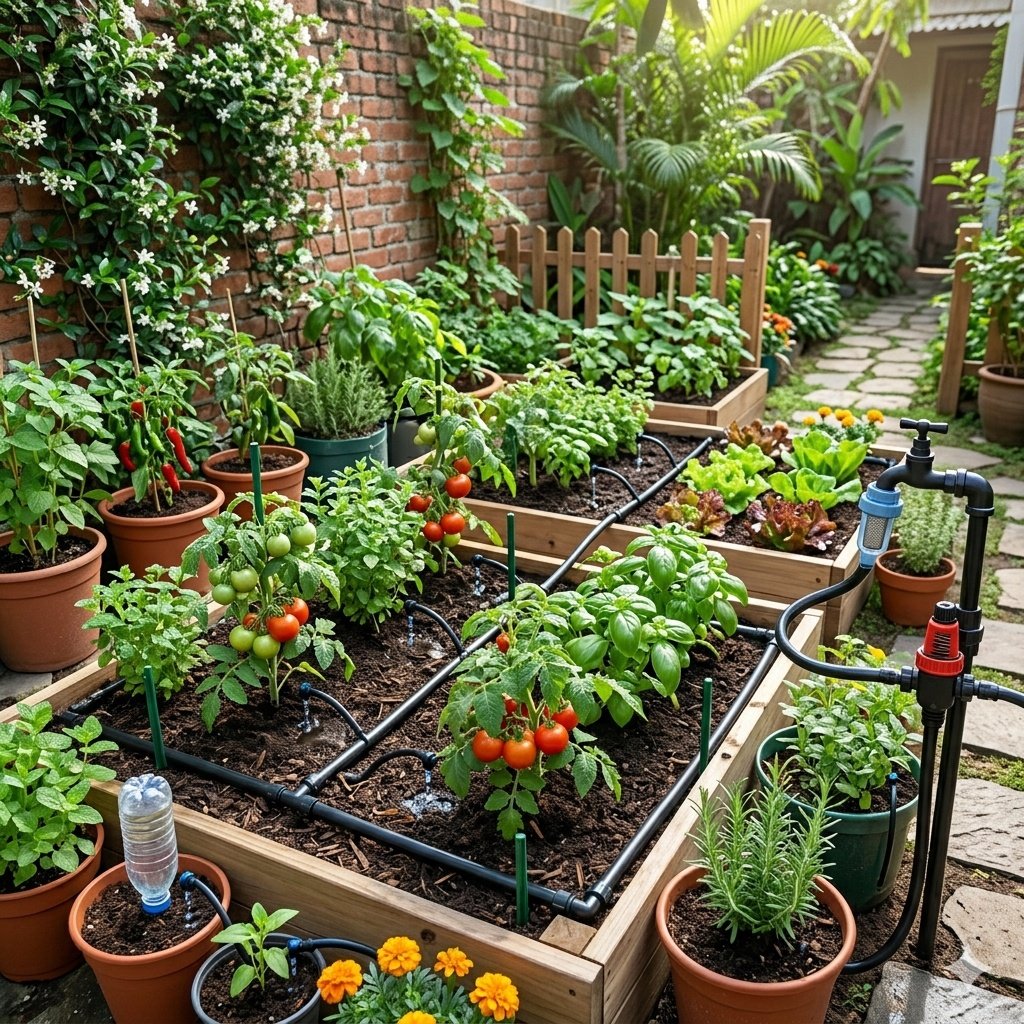
Using Drip Irrigation in a Home Garden
If you’ve ever struggled with inconsistent watering, this is where drip irrigation really shines.
You don’t need a large yard. Even a small balcony can benefit.
Start simple:
- A basic kit
- A water source (tap or tank)
- A layout that follows your plant arrangement
Installation usually looks like this:
- Connect tubing to your water source
- Lay it across your garden or containers
- Attach emitters near each plant
- Test the flow and adjust placement
That’s it.
The biggest difference you’ll notice? Plants look more consistent. Leaves stay dry, soil stays balanced, and you’re not constantly second-guessing your watering routine.
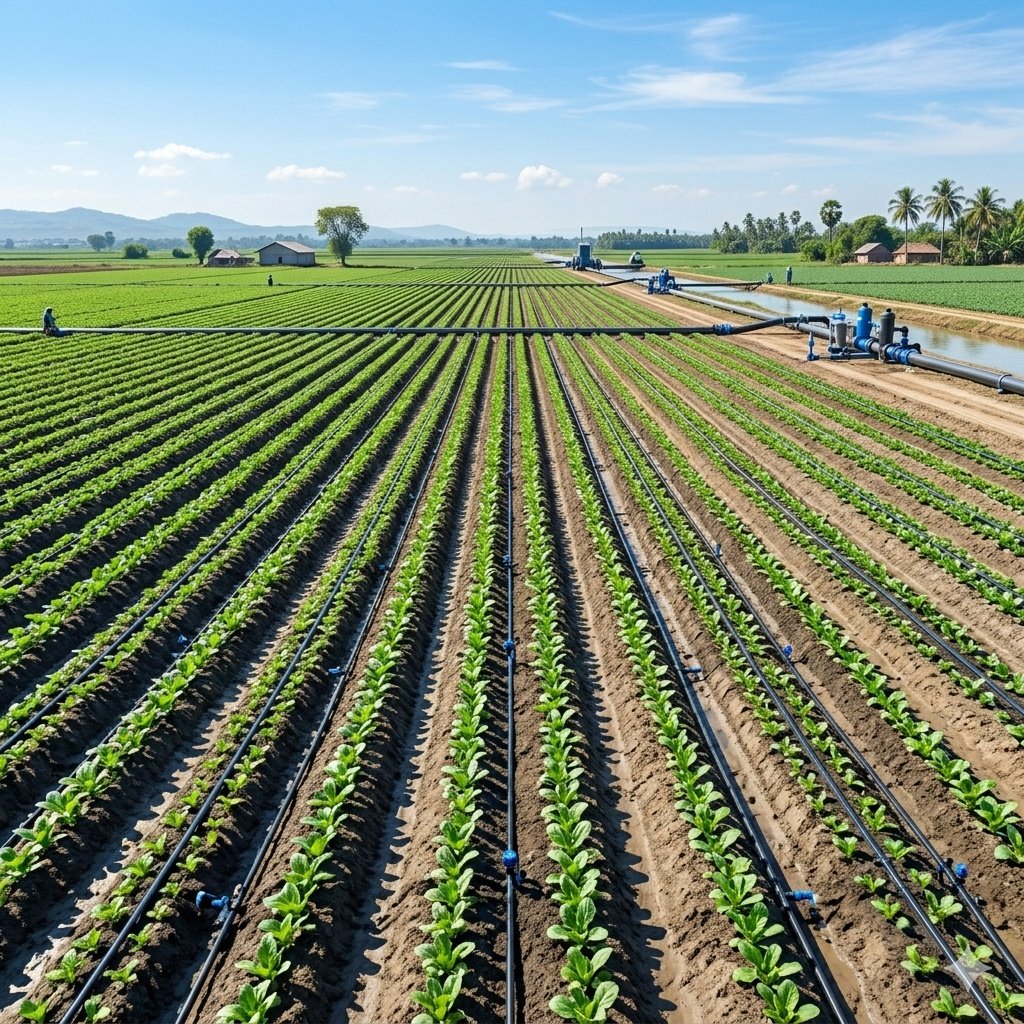
Drip Irrigation in Farms and Commercial Use
Scale it up, and the same principles apply.
Farmers use drip irrigation for row crops, orchards, vineyards, and greenhouses. The goal is the same—maximize output while minimizing waste.
In agriculture, efficiency isn’t optional. It’s survival.
Drip systems allow farmers to:
- Control exactly how much water each plant gets
- Deliver nutrients directly through the system (fertigation)
- Reduce weed growth since only targeted areas are watered
In greenhouses, the control becomes even more precise. Conditions are managed down to the smallest detail.
That’s why many commercial growers won’t go back once they switch.
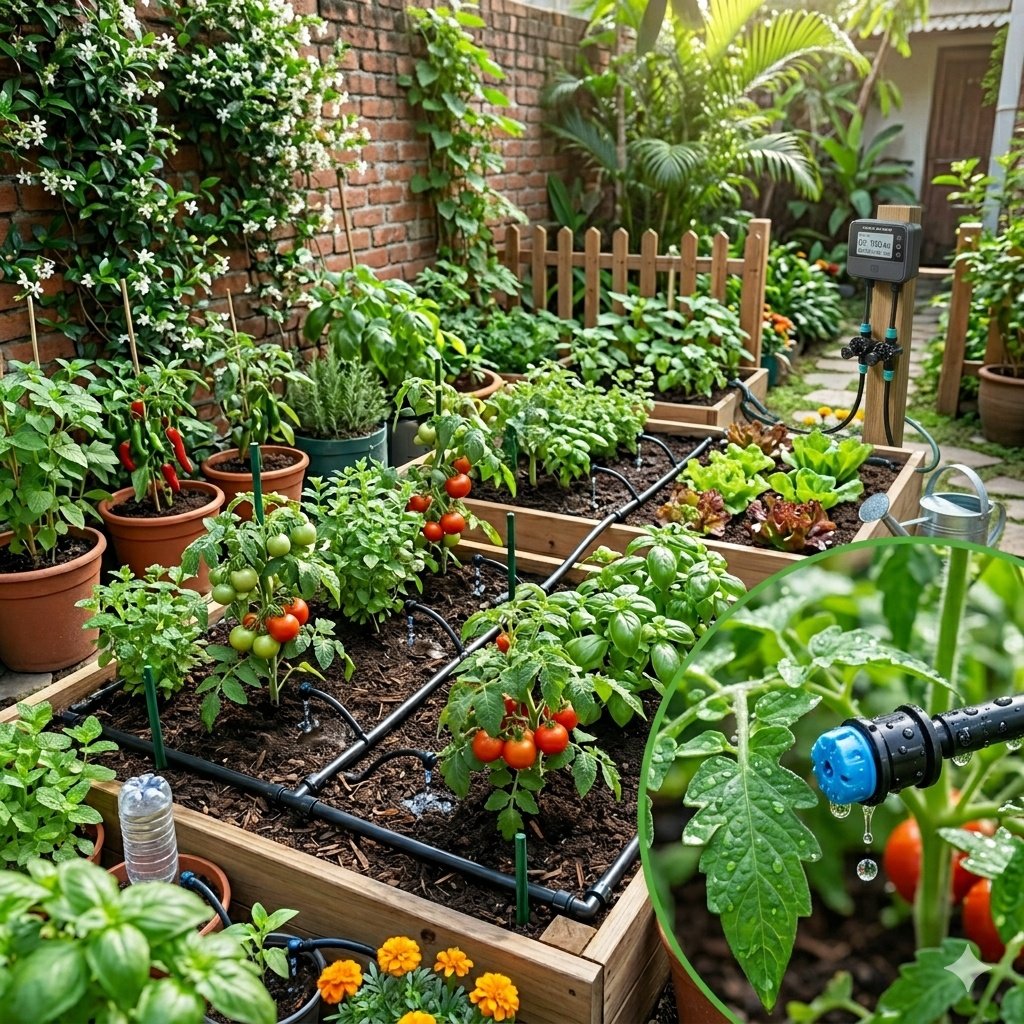
Advantages of Drip Irrigation
This is where drip irrigation earns its reputation.
Water Efficiency
It uses far less water than traditional methods. Since water goes straight to the roots, there’s minimal waste.
Healthier Plants
Leaves stay dry, which reduces the risk of diseases. Roots get steady moisture instead of cycles of drought and flooding.
Fewer Weeds
Only the plants you want get watered. That means fewer unwanted plants competing for nutrients.
Time Savings
Once set up, the system handles most of the work. Add a timer, and it becomes nearly automatic.
Fertigation Compatibility
You can mix nutrients into the water supply, feeding plants as you water them. It’s efficient and controlled.
Disadvantages You Should Know
It’s not perfect.
Initial Setup Cost
Getting started can cost more than a hose or sprinkler, especially for larger systems.
Clogging Issues
Emitters can clog if water isn’t filtered properly. Regular checks help avoid this.
Maintenance Required
It’s not “set and forget” forever. You’ll need occasional cleaning and adjustments.
Setup Learning Curve
The first installation might feel confusing. But once you’ve done it, it becomes second nature.
7 Best Drip Irrigation Systems for Home Gardeners (Top Picks)
Picking a system can feel weirdly overwhelming at first. Everything looks similar until you actually start comparing what’s inside the box—and what’s missing.
Here are seven solid options that people keep coming back to. Each one fits a slightly different kind of setup.
1. Rain Bird Drip Irrigation Kit (Best Overall)
This one shows up everywhere for a reason. It’s simple, reliable, and doesn’t feel like a puzzle when you open the box.
You get decent-quality tubing, a range of emitters, and enough connectors to cover a small to medium garden. The instructions are clear, which matters more than most people expect.
Best for: Beginners who want something that just works
Pros: Easy setup, durable parts, widely available
Cons: Not ideal for large gardens without expansion
Price range: Mid
2. Orbit Micro Drip System Kit (Best for Small Spaces)
If you’re working with a balcony or a tight backyard, this one fits nicely.
The components are compact, and the system is designed for container plants, raised beds, or patio setups. It doesn’t try to do too much—which is actually a good thing here.
Best for: Container gardening and patios
Pros: Compact, affordable, easy to customize
Cons: Limited coverage
Price range: Low to mid
3. Raindrip Automatic Watering Kit (Best with Timer)
This is where things start getting convenient.
It comes with a timer, which means you can set your watering schedule and forget about it for days at a time. If you travel or just don’t want to think about watering every day, this helps.
Best for: Busy gardeners
Pros: Built-in automation, consistent watering
Cons: Timer setup takes a bit of patience
Price range: Mid
4. CARPATHEN Drip Irrigation System (Best for Expandability)
This kit gives you more room to grow—literally.
It includes a large number of connectors and tubing, so you can expand the system as your garden changes. It’s flexible enough for mixed layouts.
Best for: Medium to large gardens
Pros: Expandable, good value for the amount included
Cons: Instructions could be clearer
Price range: Mid
5. MIXC Greenhouse Drip Kit (Best for Dense Planting)
If your plants are packed close together, this system handles it well.
It comes with different emitter styles, including misting options. That makes it useful for greenhouses or areas where plants need more controlled moisture.
Best for: Greenhouses and dense beds
Pros: Versatile emitters, wide coverage
Cons: Slight learning curve
Price range: Mid
6. Flantor Garden Irrigation System (Best Budget Option)
This is one of those “get started without overthinking it” kits.
It’s not the most durable option long-term, but it does the job if you’re testing drip irrigation for the first time.
Best for: Beginners on a budget
Pros: Affordable, simple setup
Cons: Parts may wear out faster
Price range: Low
7. Netafim Techline Drip System (Best Professional-Grade Option)
This one’s a bit different—and it helps to know that upfront.
Netafim doesn’t sell a typical “open the box and install everything” kit. What you’re getting instead is the same kind of system used on farms and by serious growers, just scaled down if you want it for home use.
The core product is the Techline drip tubing, which already has emitters built into it at fixed intervals. Water flows through the tubing and comes out evenly along the line, which gives you very consistent coverage—especially for rows, hedges, or larger planting areas.
But here’s the key part: you’ll need to add a few components separately to make it work properly. That usually includes a filter, a pressure regulator, and the right connectors for your layout.
So it’s less of a kit… and more of a custom setup.
Best for: Experienced gardeners, large gardens, or semi-commercial use
Pros: Extremely durable, precise water distribution, used by professionals
Cons: Not beginner-friendly, requires separate parts, higher upfront cost
Price range: High
How to Buy (Simple Tip):
Search for “Netafim Techline drip tubing” on Amazon, then pair it with a filter, pressure regulator, and basic connectors to complete your system.
If you’re willing to spend a bit more time setting it up, this is one of those systems you install once—and rely on for years.
Drip Irrigation vs Other Watering Methods
Choosing the right method often comes down to how much control you want.
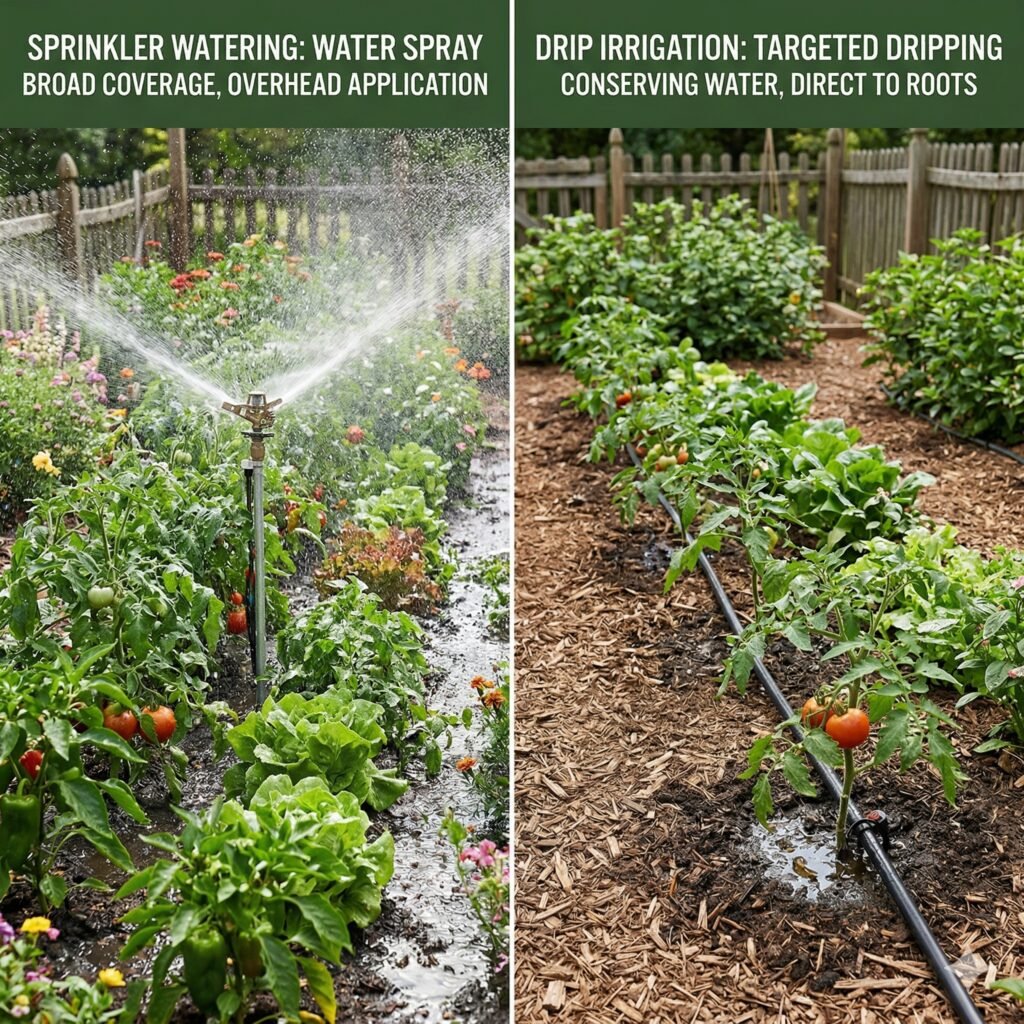
Drip vs Sprinkler
Sprinklers cover a large area quickly but waste water through evaporation and wind drift. Drip systems are slower but far more precise.
Drip vs Manual Watering
Hand watering gives you control, but it’s time-consuming and inconsistent. Drip irrigation automates that process while improving accuracy.
If efficiency matters, drip irrigation usually wins.
Best Drip Irrigation Systems to Consider
If you’re thinking about buying one, it helps to know what fits your situation.
Beginner Kits
Perfect for small gardens or balconies. These usually include tubing, emitters, and connectors. Easy to install and affordable.
Mid-Range Systems with Timers
Great for people who want automation. Timers let you set watering schedules, so you don’t have to think about it daily.
Advanced Smart Systems
These connect to sensors or apps. They adjust watering based on weather conditions or soil moisture levels.
Commercial-Grade Systems
Built for farms or large properties. Durable, scalable, and designed for long-term use.
Each type serves a different purpose. The best choice depends on how much space you have—and how involved you want to be.
Maintenance Tips That Actually Matter
A little upkeep goes a long way.
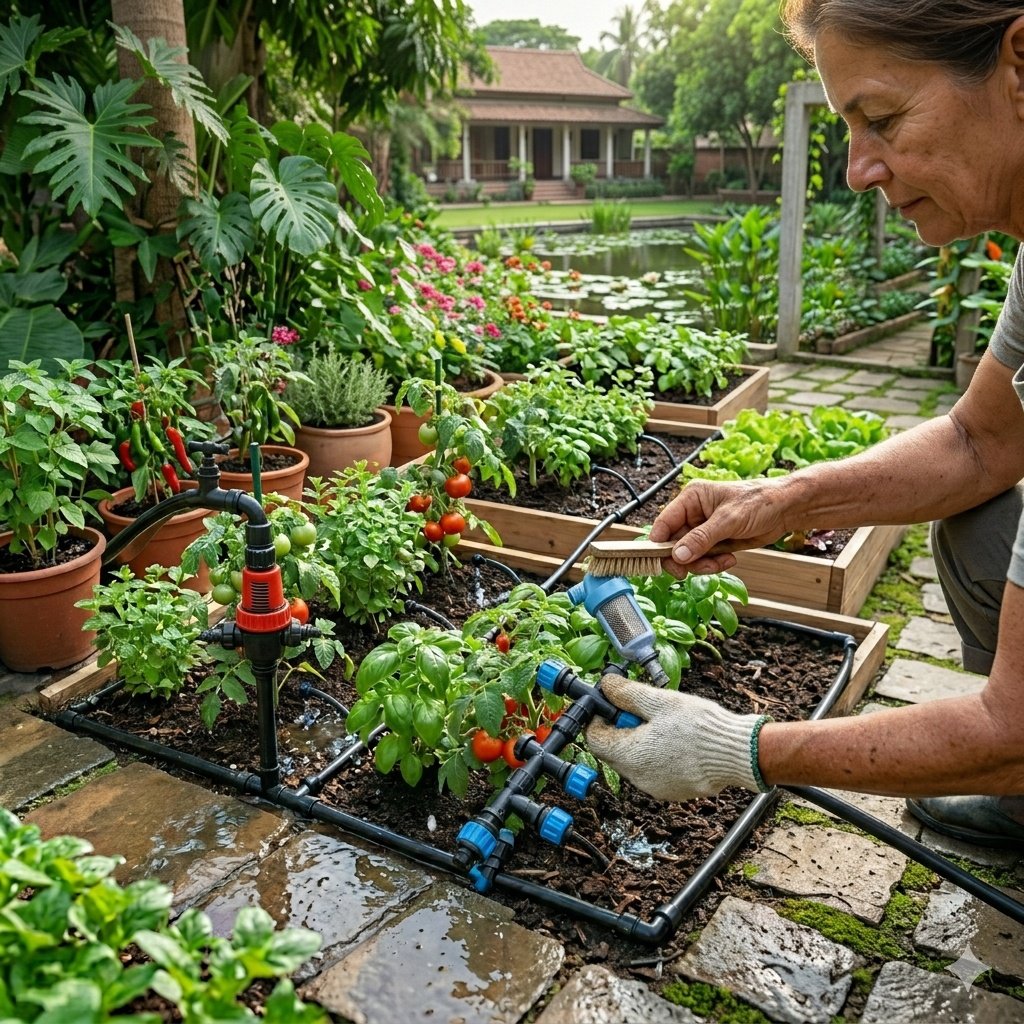
- Clean filters regularly to prevent debris buildup
- Check emitters for blockages or uneven flow
- Flush the system every so often
- Inspect tubing for leaks or damage
- Adjust layouts as plants grow
Seasonal care matters too. In colder climates, draining the system before winter helps prevent damage.
It’s not a lot of work. But skipping it can shorten the system’s life.
The Future of Drip Irrigation
This is where things get interesting.
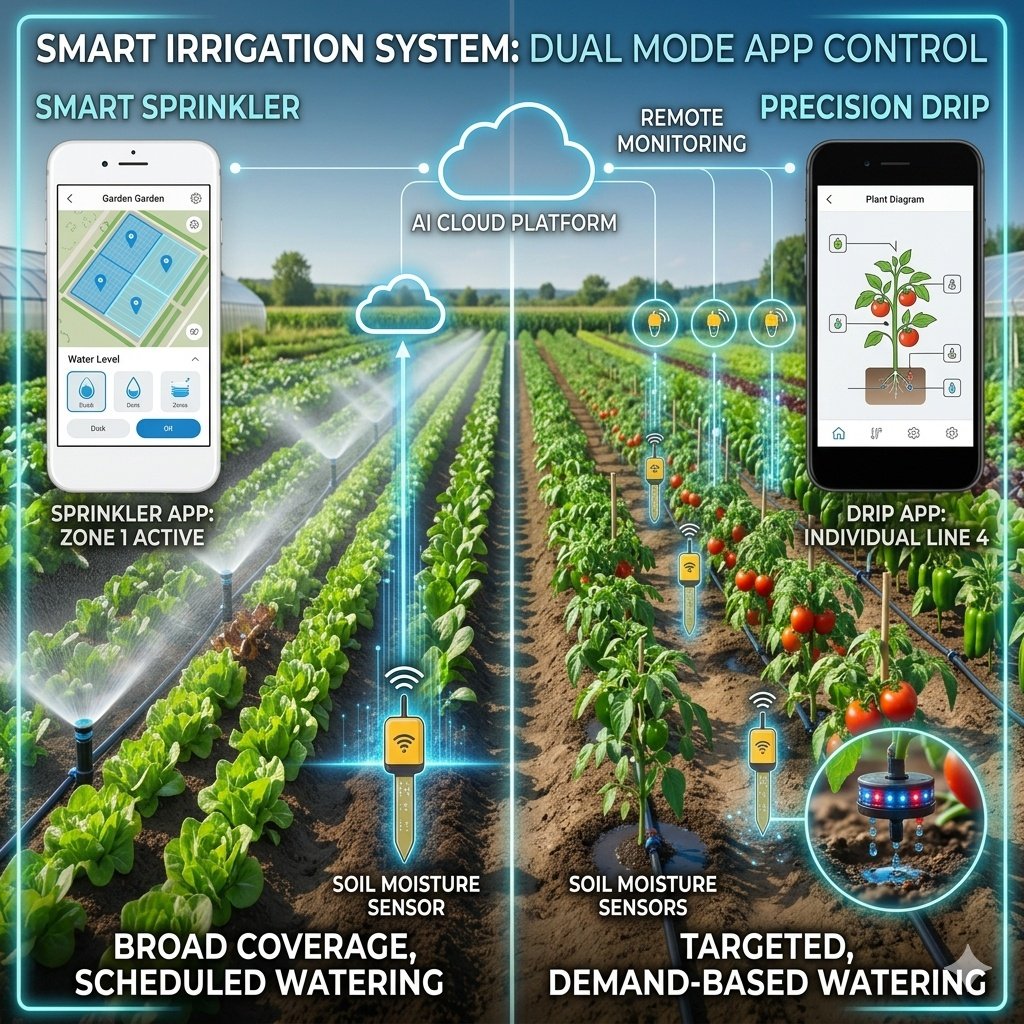
Drip irrigation is slowly merging with smart technology. Systems now use:
- Soil moisture sensors
- Weather data
- Automated timers
- App-based controls
Some setups even adjust watering in real time based on conditions.
The goal is simple: give plants exactly what they need, no more, no less.
As water becomes more valuable, systems like this won’t just be helpful—they’ll be necessary.
Frequently Asked Questions (FAQ)
1. How often should I run a drip irrigation system?
It depends on your plants and climate, but most gardens do well with 20–60 minutes of watering, 2–4 times a week. Hot weather may require more frequent cycles.
2. Can I install drip irrigation without professional help?
Yes. Most home kits are designed for DIY installation. If you can connect a hose and follow a basic layout, you’ll be fine.
3. Does drip irrigation work for all plants?
Almost all. Vegetables, flowers, shrubs, and even trees benefit from it. You just need to adjust emitter placement and flow rate.
4. Will drip irrigation save a noticeable amount of water?
In many cases, yes—up to 50–70% compared to traditional watering. The difference becomes obvious over time, especially in larger gardens.
5. Do I need a pressure regulator?
If your water pressure is high, then yes. Without it, emitters can pop off or deliver uneven water.
6. How do I prevent clogging?
Use a filter, flush the system occasionally, and check emitters now and then. Clean water makes a big difference.
7. Can I use drip irrigation with a rainwater tank?
You can. Just make sure there’s enough pressure, or use a pump if needed.
Final Thought
Drip irrigation isn’t one of those flashy upgrades that changes everything overnight. It’s quieter than that.
You install it, adjust it a bit, and then—over time—you notice things. Plants look more even. Soil stays consistent. You’re not dragging a hose around every other day.
It’s less about doing more, and more about doing things better with less effort.
And once it’s in place, it tends to stick. Below video will help you learn more, happy watching….

Pingback: Top 15 Plants to Create a Living Edible Fence (Beautiful + Productive) - Edible Garden Tips