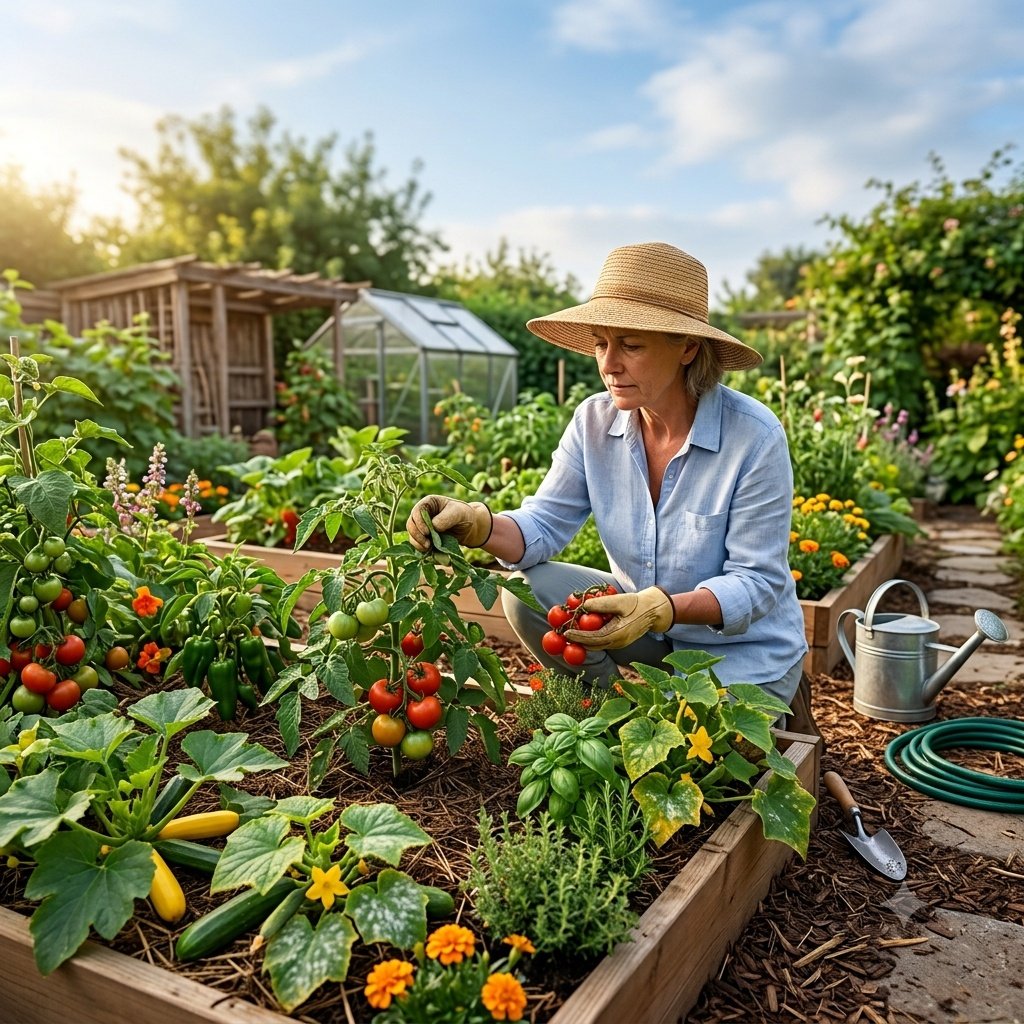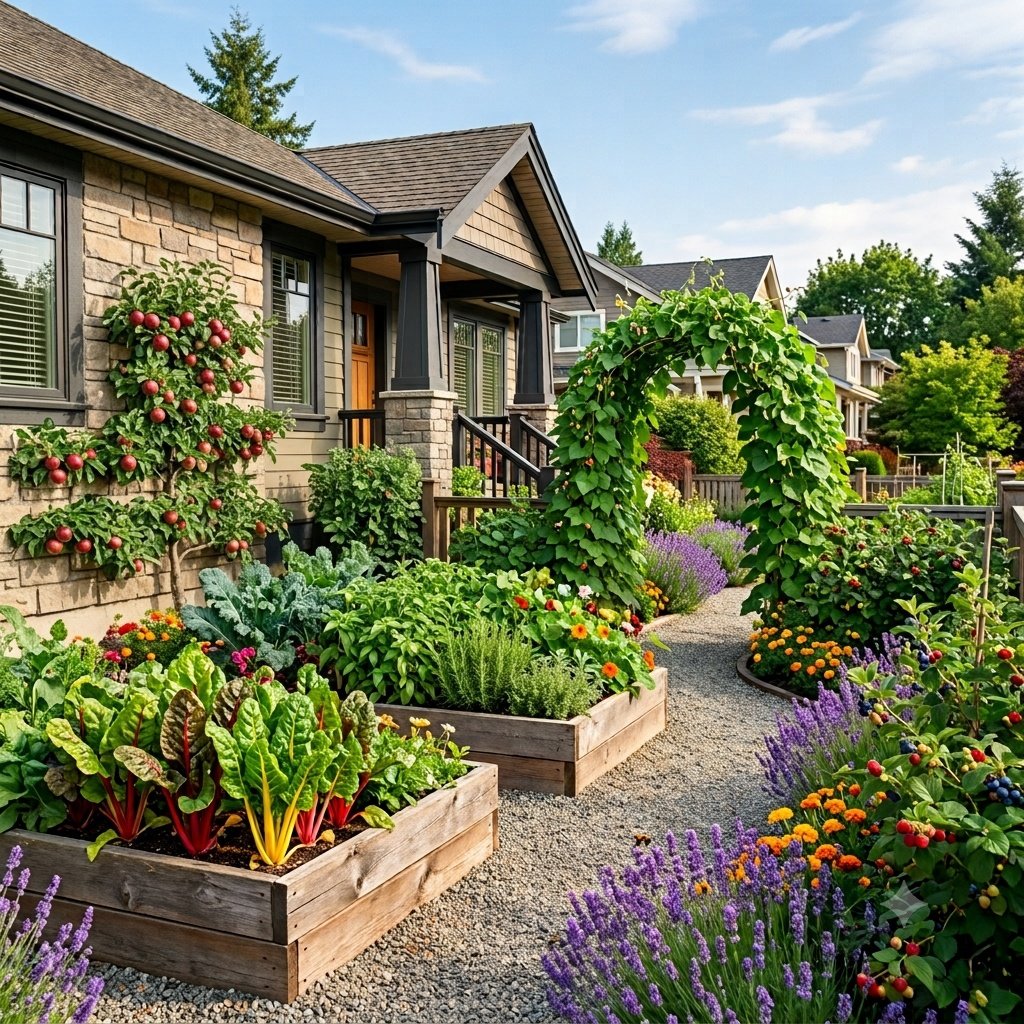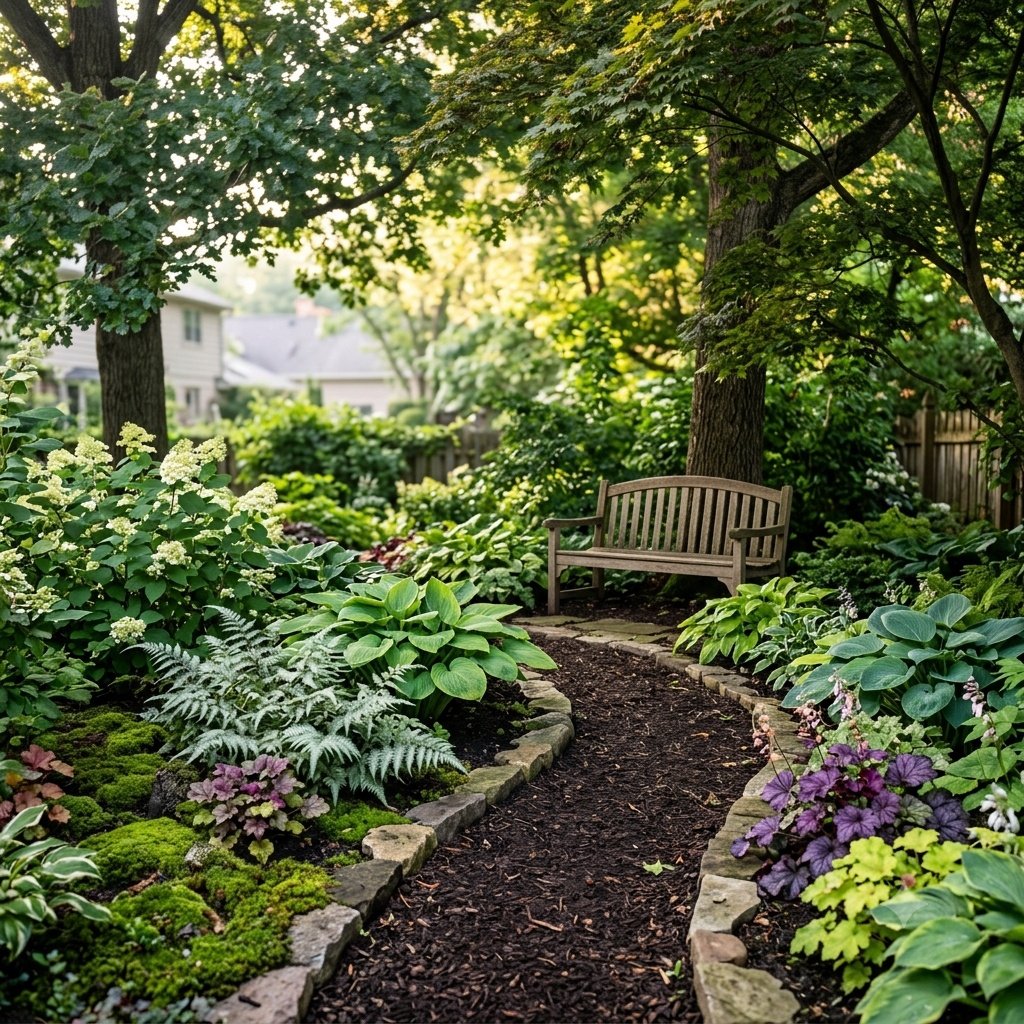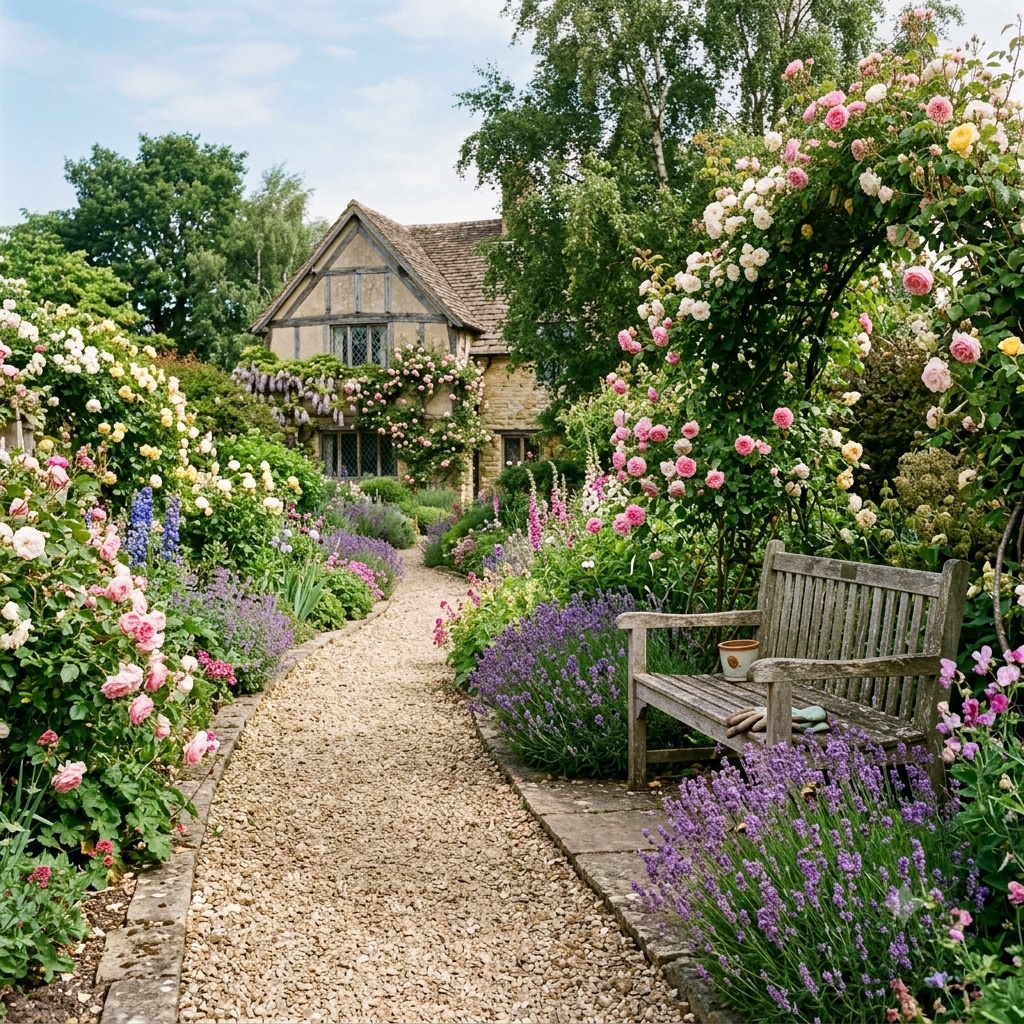

Why settle for a plain fence when it could be feeding you?
A row of plants can do more than mark your boundary. It can give you fresh fruit, herbs, and even a bit of shade—all while looking better than wood or metal ever could. That’s the idea behind edible fence plants. You plant once, tend a little, and over time, your fence starts pulling double duty.
This guide is for anyone working with a backyard, a small urban plot, or even a narrow side yard. You’ll get a clear list of the best plants to use, how to choose what fits your space, and how to actually build something that lasts.
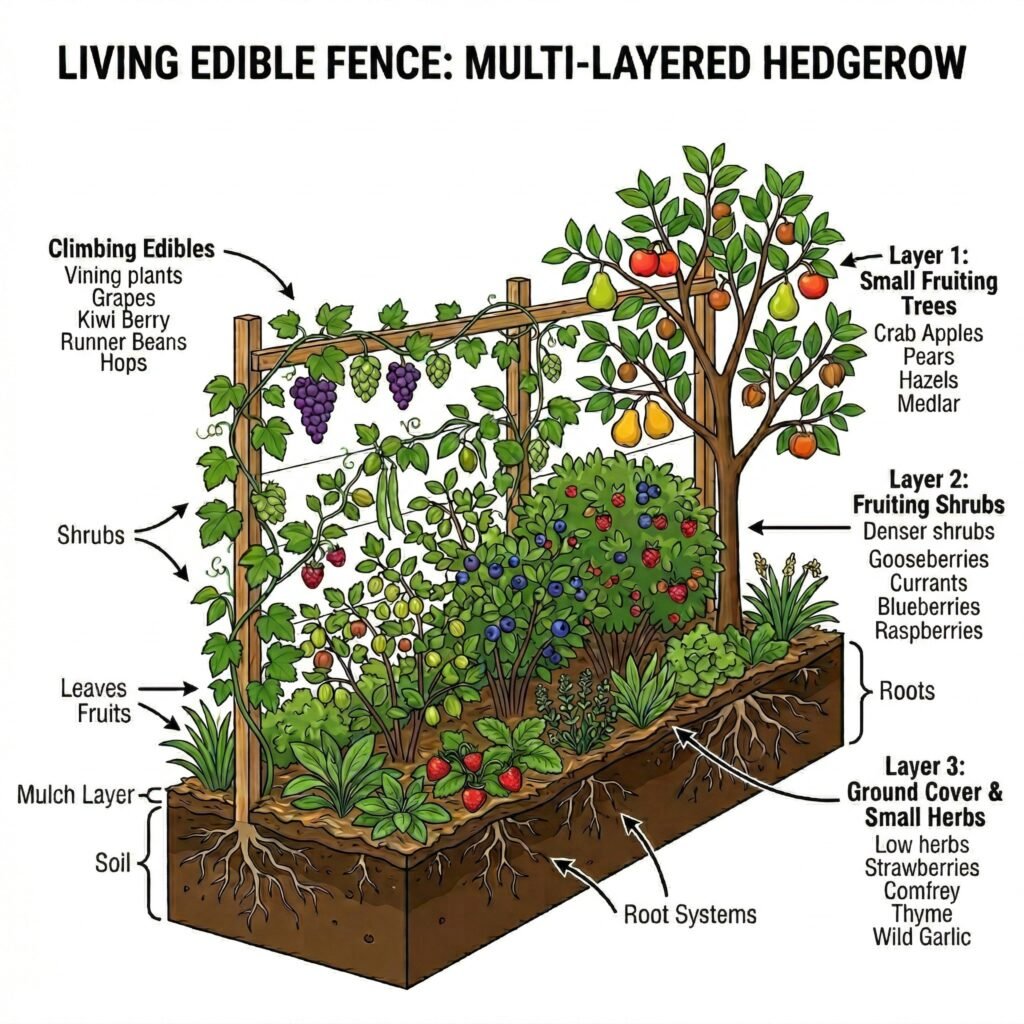
What Is a Living Edible Fence?
A living edible fence is exactly what it sounds like—a boundary made from plants you can eat.
Instead of installing panels or wire, you grow a mix of climbers, shrubs, or small trees that form a natural barrier. Some climb up trellises. Others grow thick and dense on their own. The result? Privacy, food, and something that changes with the seasons.
It also fits neatly into permaculture thinking—use what you grow, reduce waste, and let your garden serve more than one purpose.
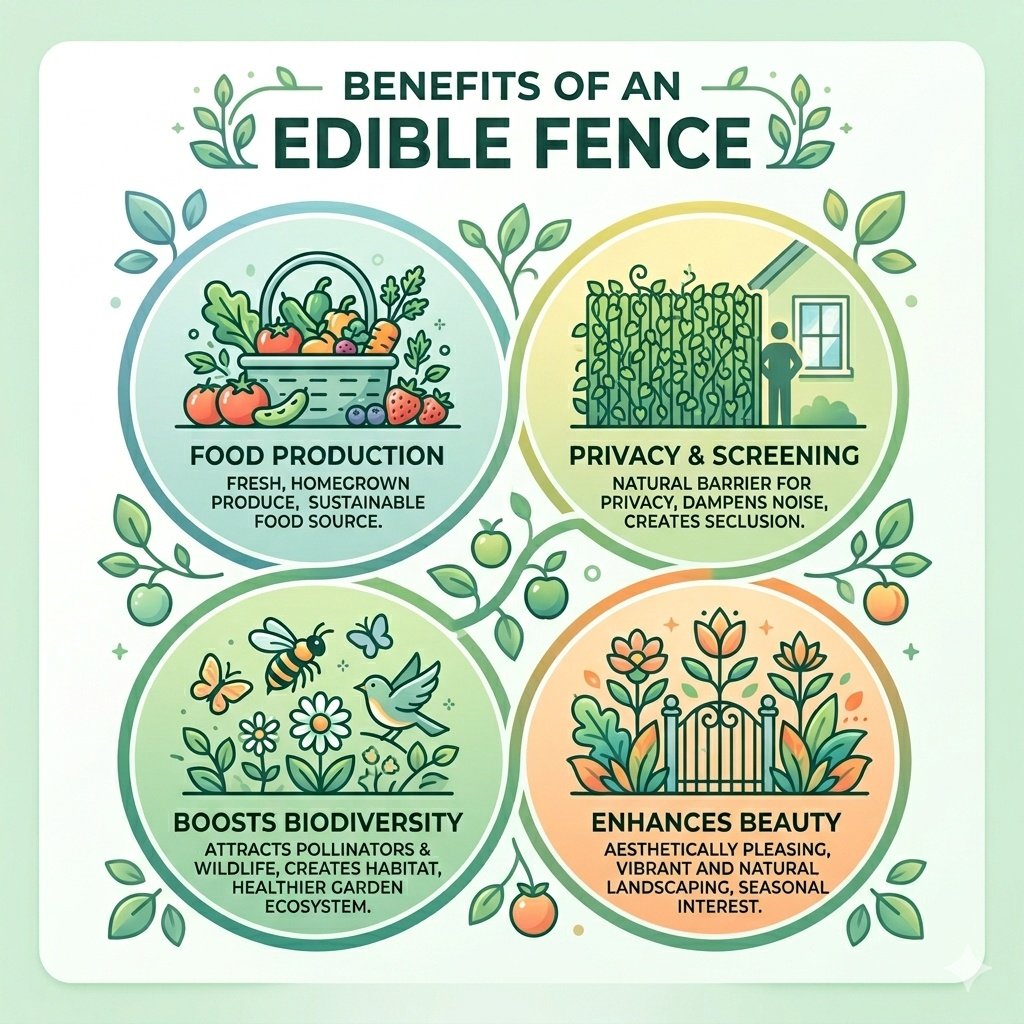
Benefits of an Edible Fence
There’s a reason more people are replacing traditional fencing with plants.
First, it produces food. That’s the obvious win. Beans, berries, herbs—it adds up fast.
It also gives you privacy without making your yard feel boxed in. Plants soften edges. They move. They breathe.
Space matters too. If you’re short on room, growing vertically or along a boundary makes a big difference.
Then there’s biodiversity. Flowers attract pollinators. Dense growth gives shelter to helpful insects and birds.
And finally, it just looks better. A wall of green (with fruit tucked in) beats a blank fence every time.
How to Choose the Right Plants
This is where most people get it wrong. They pick what looks good, not what works.
Start with climate. Tropical plants like guava or lemongrass won’t thrive in cold regions. Likewise, blueberries prefer cooler conditions.
Sunlight matters more than you think. Some plants need full sun all day. Others can handle partial shade. Match them to your space, not the other way around.
Growth speed is another factor. If you want quick coverage, go for climbers like beans or passion fruit. If you’re thinking long-term, trees and shrubs make more sense.
Maintenance level is worth considering. Mint grows like crazy but needs control. Blueberries need acidic soil. Some plants demand more attention than others.
And then there’s height and density. If privacy is your goal, you’ll want thicker, taller plants. If it’s more decorative, herbs and low growers work fine.
Quick Comparison Table
| Plant Type | Growth Speed | Height | Maintenance | Best For |
|---|---|---|---|---|
| Climbing Plants | Fast | Medium | Medium | Small spaces |
| Shrubs | Medium | High | Low | Privacy |
| Trees | Slow | Very High | Medium | Long-term fences |
| Herbs | Fast | Low | Low | Decorative borders |
Top 15 Plants for an Edible Fence
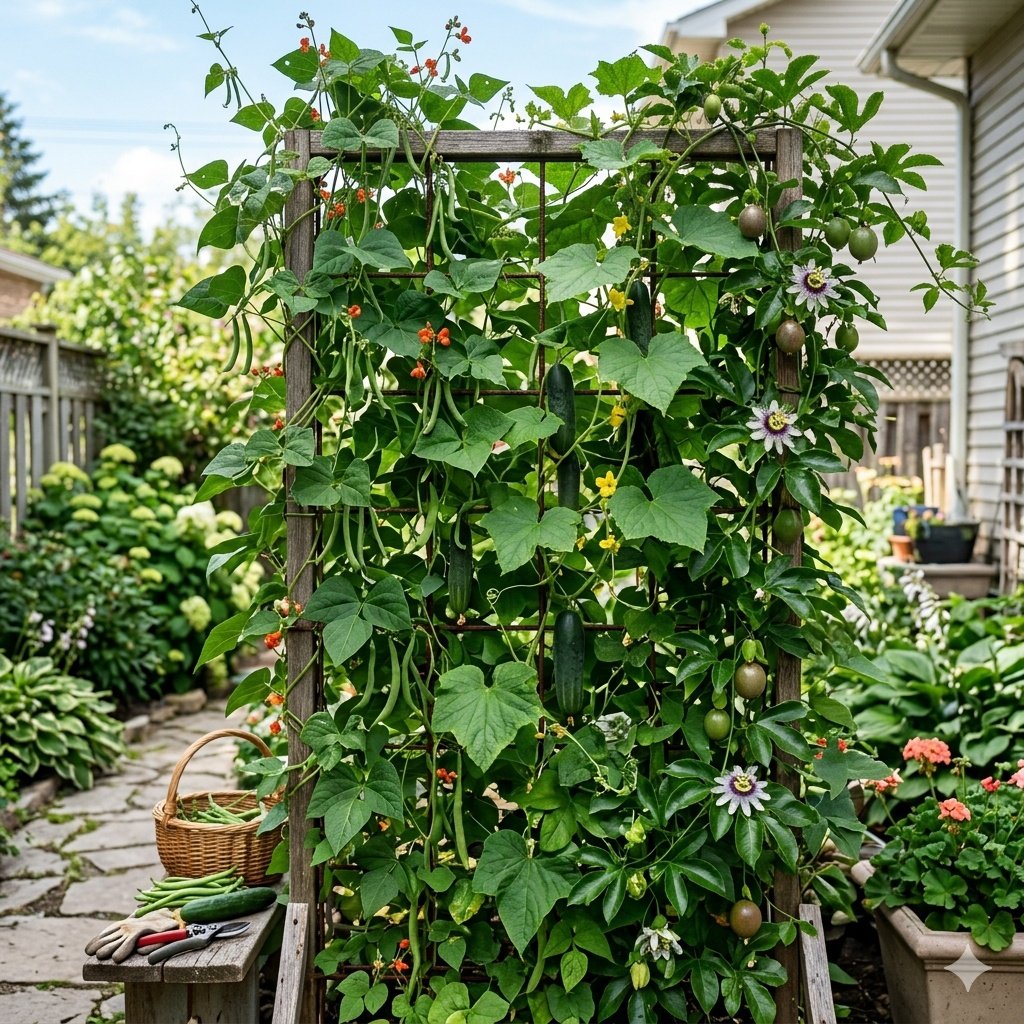
A. Fast-Growing Climbers (Quick Results)
1. Pole Beans
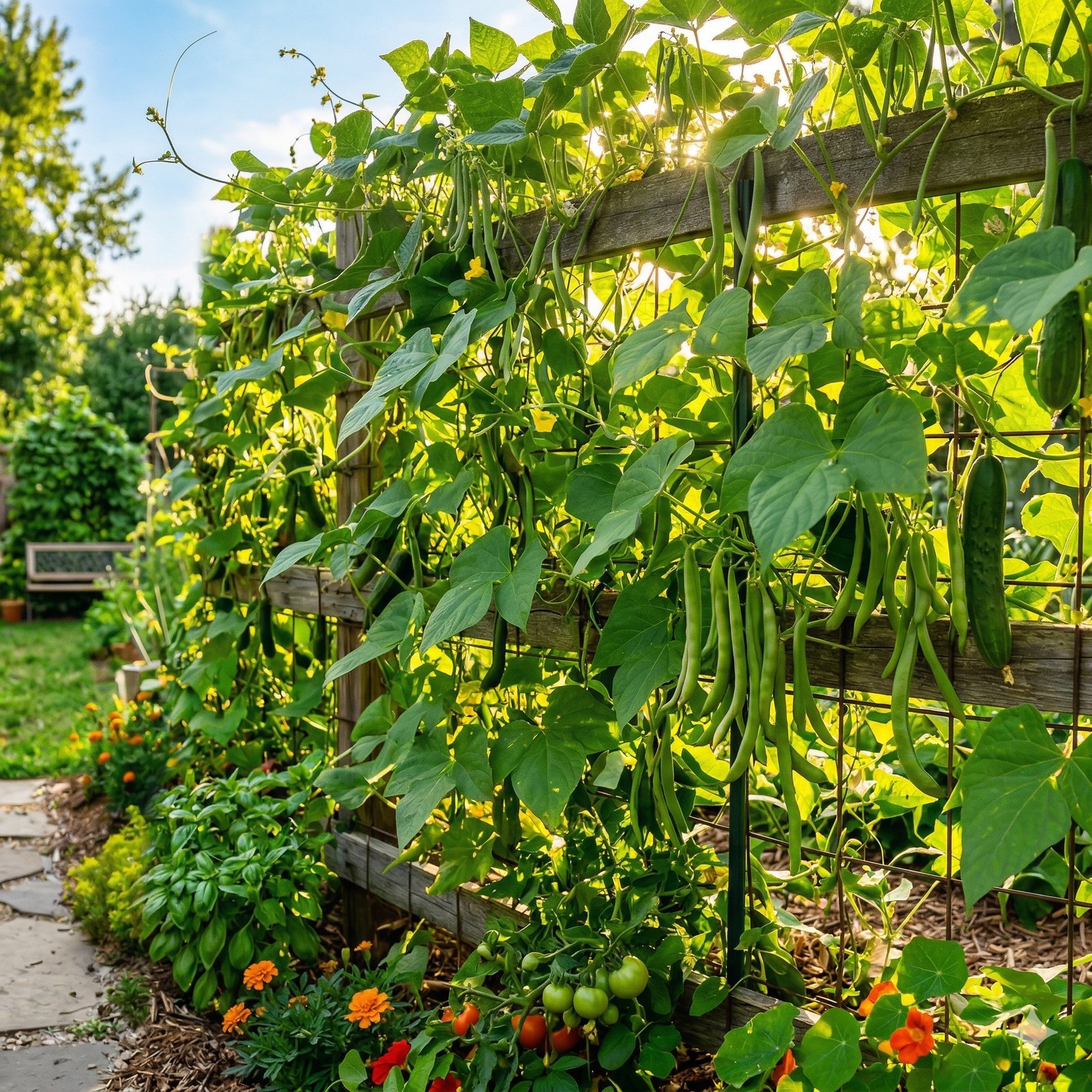
Pole beans are one of the easiest ways to turn an empty fence into something productive fast. They shoot up quickly, wrapping themselves around trellises or wires without much effort from you, and within weeks you’ll have a green wall dotted with hanging pods. They thrive in full sun and well-drained soil, and the more you harvest, the more they produce—it’s a simple loop that keeps going all season. If your goal is quick coverage with a steady food supply, this is usually the first plant worth trying.
2. Cucumbers
Cucumbers are natural climbers that don’t just grow—they sprawl unless you guide them. Give them a vertical structure, though, and they’ll happily climb, saving space and producing cleaner, straighter fruit. They love warm weather and plenty of sunlight, and they grow fast enough to fill gaps in a fence within a single season. Training the vines early makes a big difference; once they latch on, they’ll keep going upward instead of taking over your ground space.
3. Passion Fruit
If you want something that feels lush and almost tropical, passion fruit delivers. The vines grow thick and fast, creating dense coverage that works well for privacy while also producing sweet, aromatic fruit. It does best in tropical or subtropical climates, where warmth and sunlight are consistent. One thing to plan for early is support—these vines get heavy, and a weak trellis won’t hold up for long. Build strong from the start, and it pays off.
4. Malabar Spinach
Malabar spinach is a great option if you live somewhere hot where traditional leafy greens struggle. It climbs easily, grows fast, and gives you a steady supply of thick, slightly glossy leaves that hold up well in cooking. It handles heat without bolting, which makes it reliable through the warmer months. A light trellis or even simple netting is enough to guide it upward, and regular harvesting keeps the plant tender and productive.
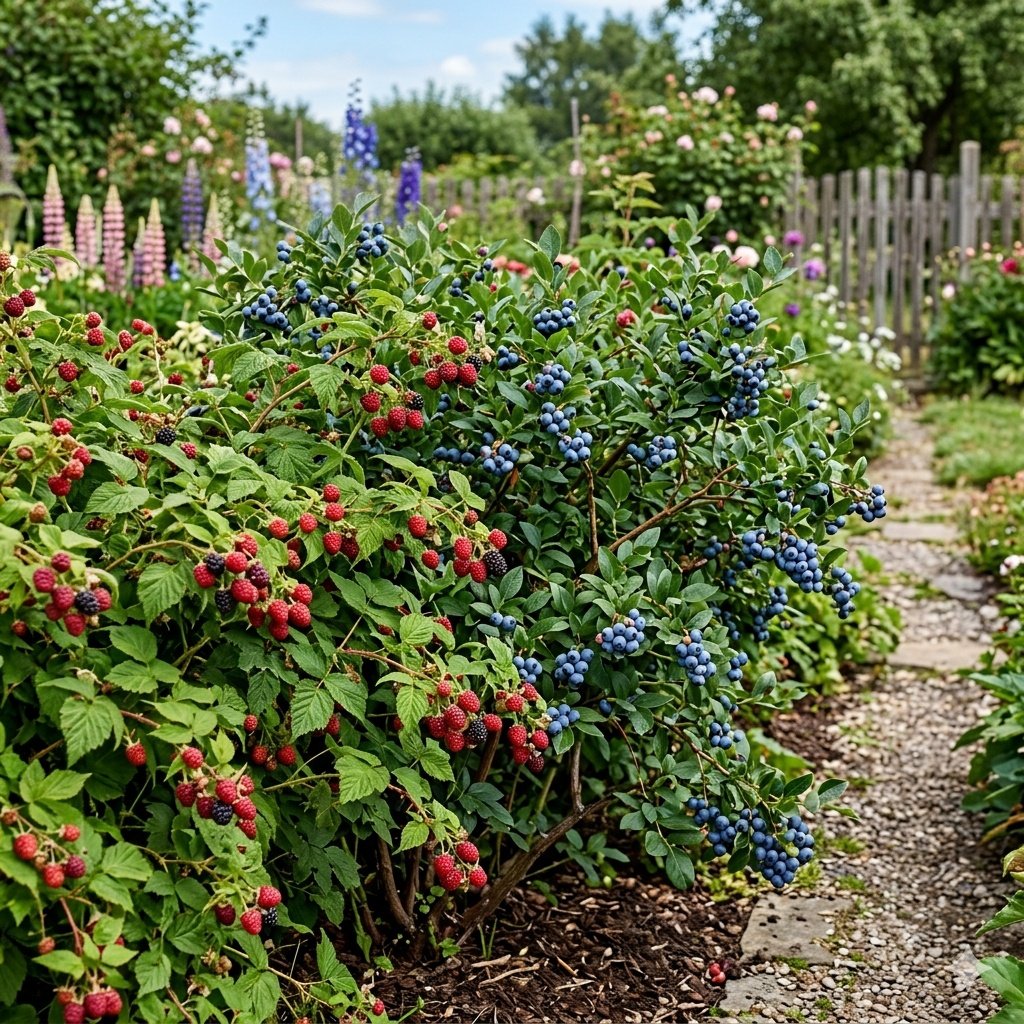
B. Fruiting Shrubs (Privacy + Yield)
5. Blueberries
Blueberries bring a neat, tidy look to an edible fence while still producing a solid harvest. They grow into compact shrubs that can be shaped into a clean hedge, especially in cooler climates where they perform best. The key detail here is soil—blueberries need it acidic, or they’ll struggle. Once that’s sorted, they’re fairly low maintenance. Planting more than one variety helps with pollination and leads to better fruit, which is worth the extra planning.
6. Raspberries
Raspberries are the kind of plant that quietly takes over—in a good way, if you manage them right. They spread through canes, gradually forming a dense barrier that works well for both privacy and production. They prefer full sun and well-drained soil, and once established, they can produce heavily year after year. Pruning is the one task you can’t skip. Cut back old canes, and you’ll keep the patch healthy and under control.
7. Gooseberries
Gooseberries don’t get as much attention, but they’re a smart choice for a functional fence. They’re hardy, tolerate cooler climates, and their thorny branches add a layer of natural security. The fruit is tart and useful in a range of recipes, which makes them more versatile than they first appear. They can handle partial sun, though airflow matters—humid conditions can lead to mildew, so spacing and pruning help keep things in check.
8. Roselle (Hibiscus)
Roselle stands out immediately with its bold red stems and calyxes, which are used in teas, jams, and drinks. It grows well in warm climates and forms a medium-height hedge that’s both decorative and useful. The plant fills out nicely over time, giving you a soft but noticeable boundary. Harvesting at the right moment—before the pods dry—makes all the difference in flavor and texture.
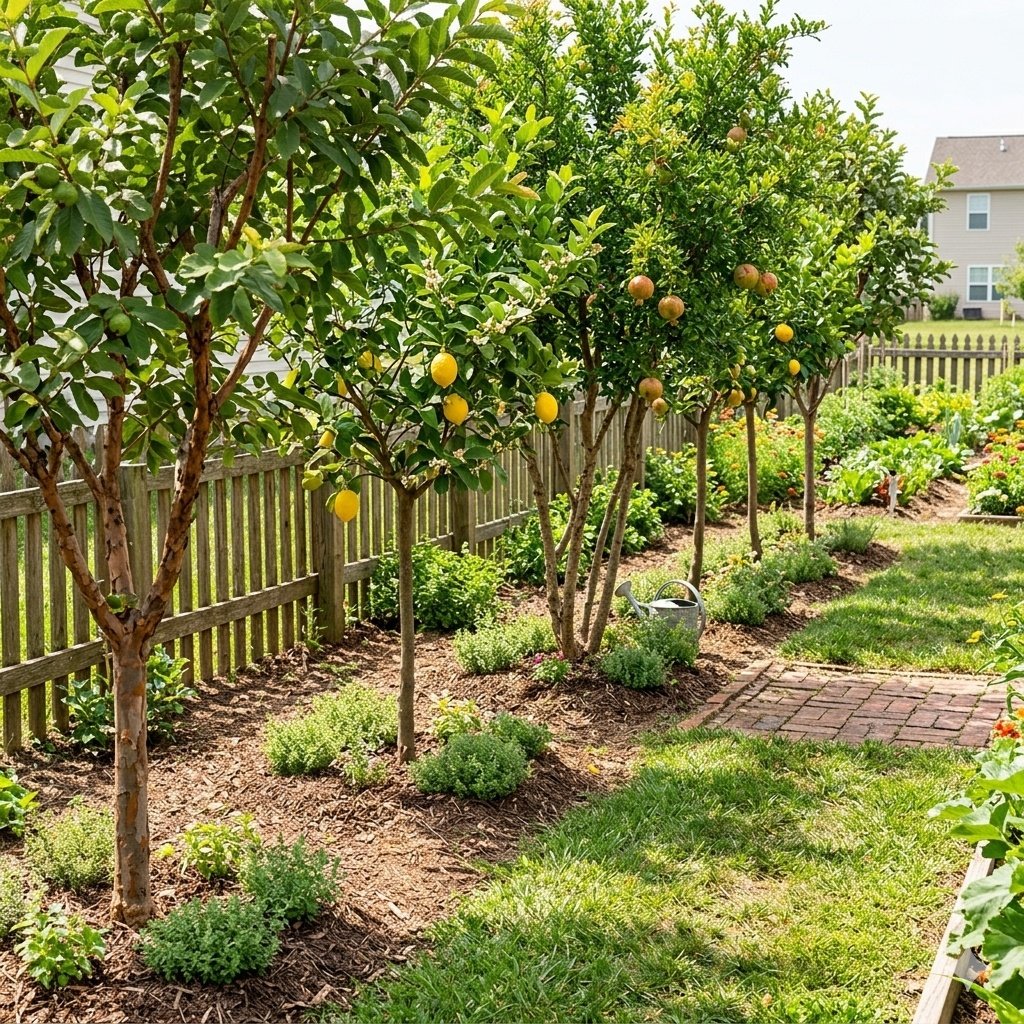
C. Small Fruit Trees (Long-Term Payoff)
9. Lemon Tree
A row of lemon trees brings structure to an edible fence while staying productive year-round in the right climate. They keep their leaves, which means your fence doesn’t disappear in certain seasons, and they offer a steady supply of fruit once mature. They need full sun and protection from cold snaps, especially when young. With light pruning, you can shape them to fit neatly along a boundary without letting them get out of hand.
10. Guava
Guava trees are dense growers, which makes them ideal if privacy is high on your list. Their thick foliage forms a natural screen, and the fruit adds another layer of value. They do best in tropical and subtropical areas, where warmth helps them grow steadily. Regular pruning keeps the shape compact and encourages more branching, which in turn improves both coverage and yield.
11. Fig Tree
Fig trees bring a different texture to a fence line, with their broad leaves and spreading form. They don’t grow as tightly as shrubs, but when spaced well, they create a soft, layered boundary that still feels defined. They prefer warm conditions and moderate watering, and once established, they’re fairly resilient. One thing to keep in mind is root space—figs like room to grow, so give them enough distance from structures.
12. Pomegranate
Pomegranate trees are tough, adaptable, and surprisingly low maintenance once they settle in. They handle dry conditions well and can form a dense, slightly thorny barrier that adds both privacy and a bit of security. The bright fruit stands out against the foliage, making the fence feel more alive. Minimal watering is needed after establishment, which makes them a good fit for low-effort setups.
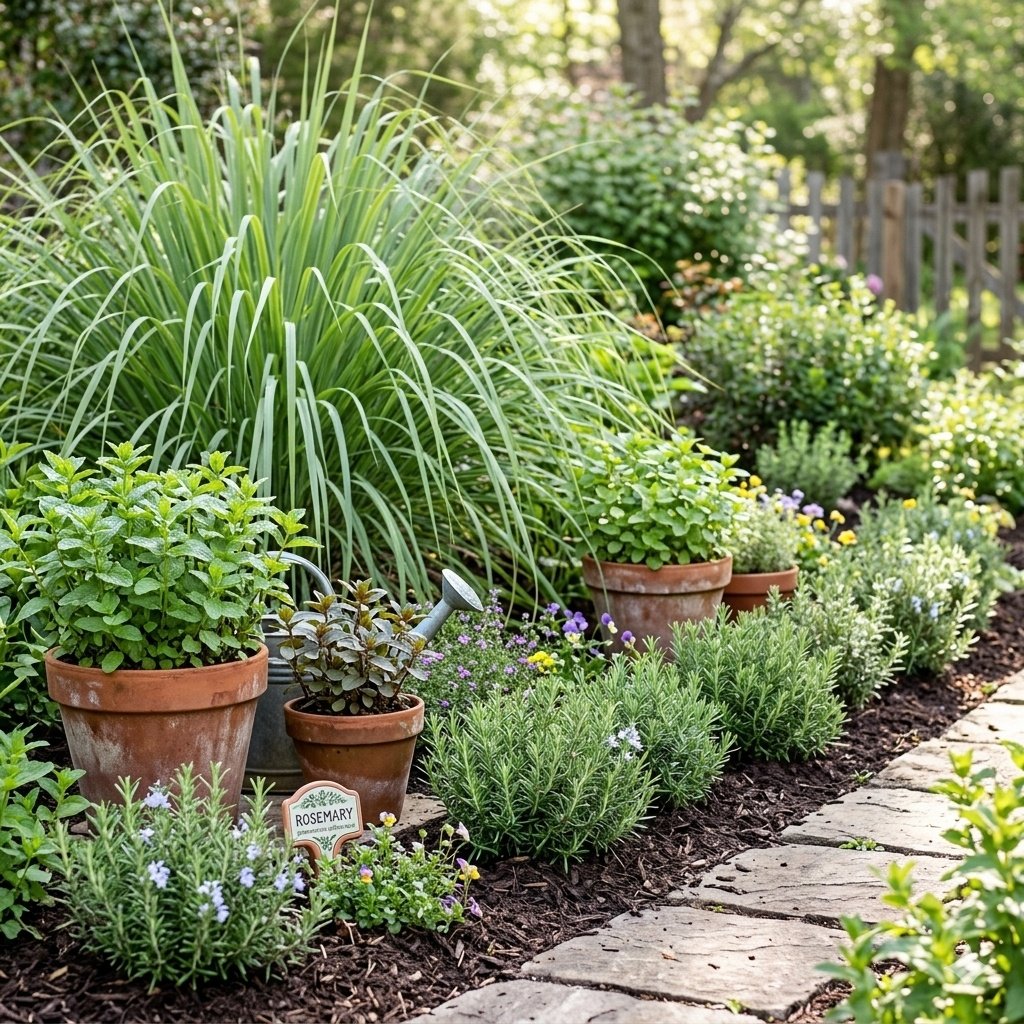
D. Herbs & Compact Borders (Decorative Edges)
13. Rosemary
Rosemary works best as a low, structured border that defines the edge of a space without blocking it off completely. It has a clean, woody form and a strong scent that adds another layer to the garden. It prefers full sun and drier soil, and once established, it doesn’t ask for much. Overwatering is the main mistake here—keep it simple, and it thrives.
14. Mint
Mint is one of the easiest plants you’ll ever grow—and one of the easiest to lose control of. It spreads fast, filling in gaps quickly and creating a dense, low barrier. That makes it useful, but only if you contain it. Growing mint in pots or defined beds along a fence line keeps it from taking over everything else. With regular trimming, it stays fresh and productive.
15. Lemongrass
Lemongrass adds height and movement to a border, with tall, arching blades that sway in the wind. It’s a strong choice for warm climates, where it grows in thick clumps that can define a boundary without feeling heavy. It’s also low maintenance—just sun, water, and occasional division to keep it from overcrowding itself. As a bonus, it’s as useful in the kitchen as it is in the garden.
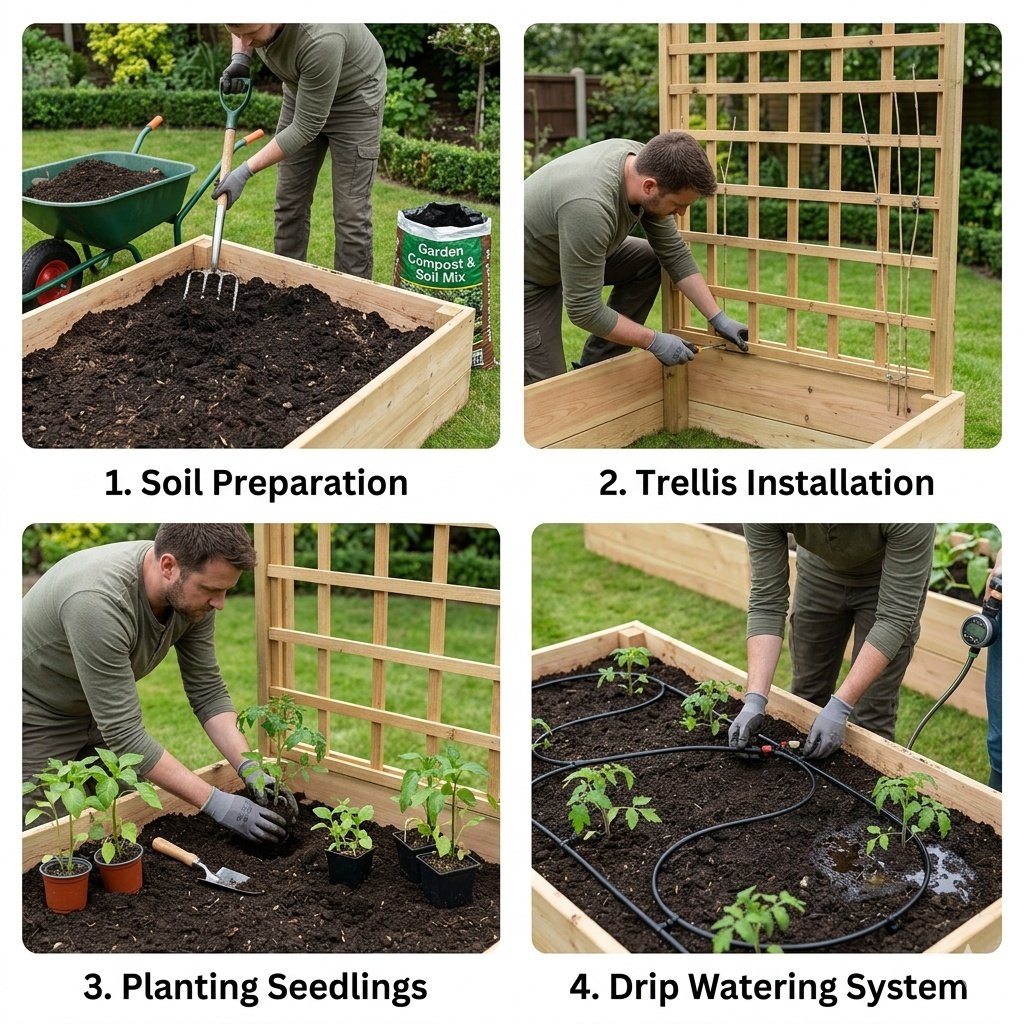
How to Build Your Edible Fence
Building an edible fence starts with picking the right spot—and that decision carries more weight than most people expect. Look at how sunlight moves across your space during the day. Most edible fence plants need at least six hours of direct sun, and placing them in a shaded corner will slow growth before it even begins. Once the location feels right, shift your focus to the soil. Clear out weeds, loosen the ground so roots can move easily, and mix in compost to give your plants a strong start. It’s one of those steps that feels basic but saves you a lot of trouble later.
If your design includes climbers, you’ll need to think about support early. These plants don’t climb unless you give them something to grab onto, so setting up trellises, wires, or even a simple wooden frame makes all the difference. At the same time, pay attention to spacing. It’s tempting to plant everything close together for that instant “full” look, but overcrowding leads to weak growth and poor airflow. On the flip side, spacing things too far apart leaves gaps that defeat the purpose of a fence. There’s a balance, and getting it right helps your plants grow into each other naturally.
Watering is the last piece to lock in before things take off. Setting up a drip irrigation system early keeps moisture consistent without extra daily effort. It also helps avoid overwatering or underwatering, which can happen easily when you’re relying on guesswork. Once everything is in place, your fence doesn’t just grow—it settles into a rhythm that’s easier to manage.
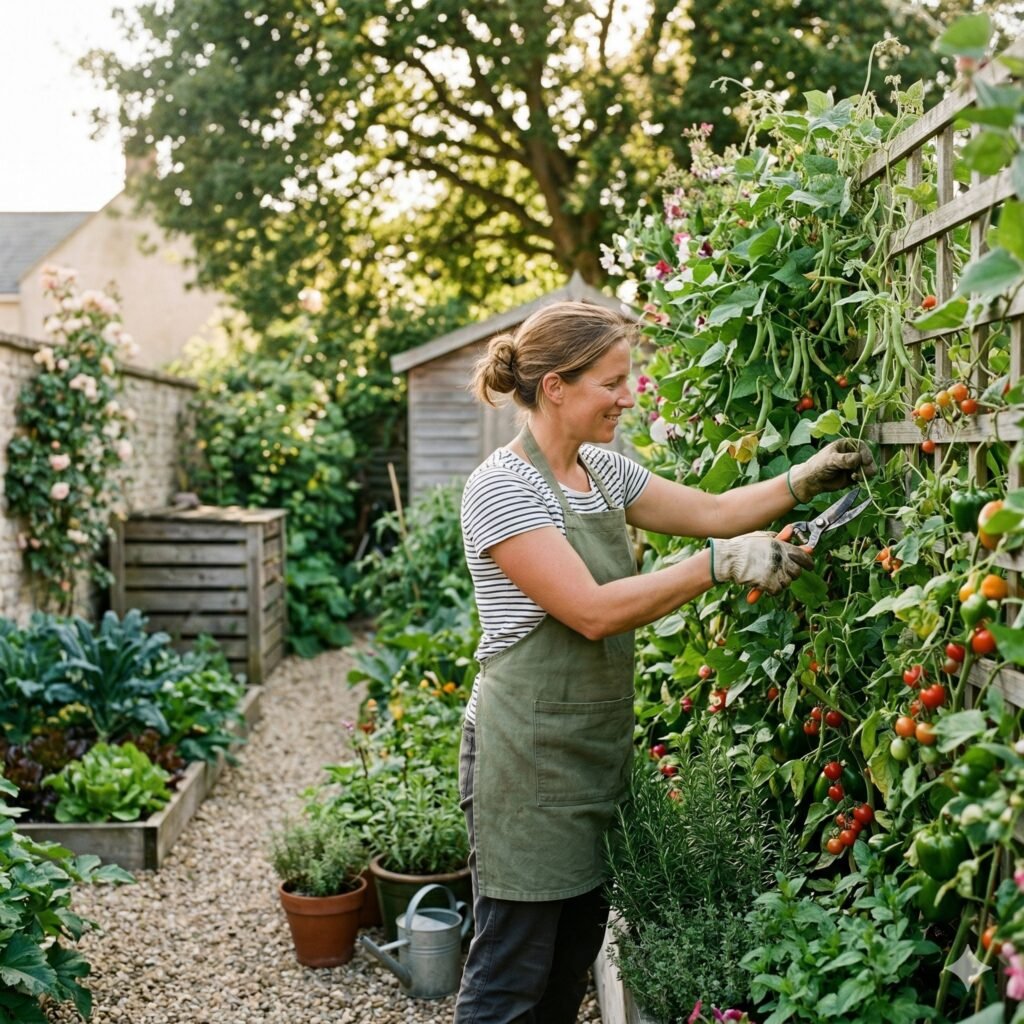
Maintenance Tips
An edible fence doesn’t need constant attention, but it does need consistency. Pruning is one of those quiet tasks that keeps everything in shape. Trim back overgrowth, remove dead or weak branches, and guide the plants so they stay within your intended boundary. It’s less about perfection and more about keeping things healthy and manageable.
Feeding your plants during the growing season keeps them productive. A layer of compost or a simple organic fertilizer every few weeks is usually enough to maintain steady growth. You don’t need anything complicated—just something that keeps the soil alive and active. Keep an eye out for pests while you’re at it, but don’t overreact. A mixed planting tends to balance itself out, and not every insect is a problem.
As seasons shift, your approach should shift too. Some plants will slow down or go dormant, while others might need a bit of protection from cold or wind. Paying attention to these changes helps your fence stay productive year after year without needing a full reset.
Common Mistakes to Avoid
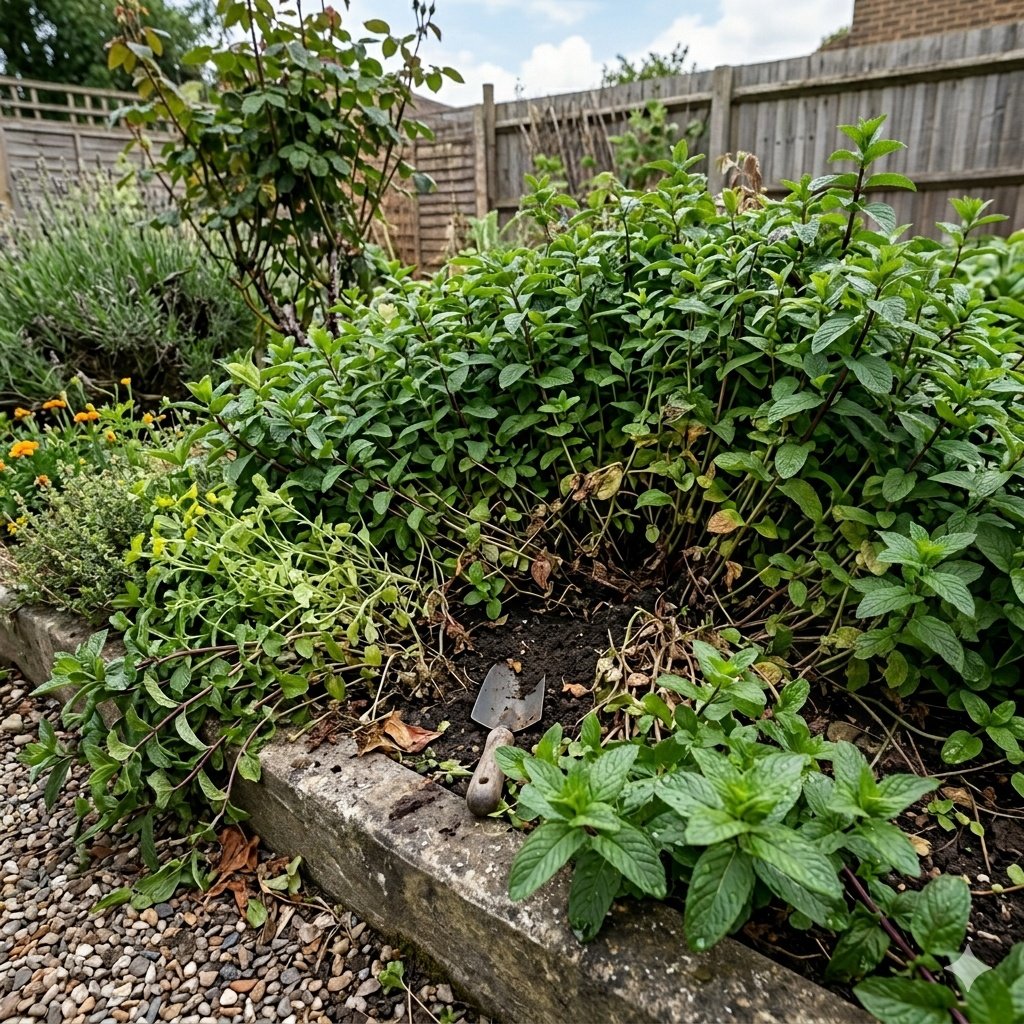
A lot of edible fences fail before they really get going, and it usually comes down to a few avoidable mistakes. One of the biggest is planting something invasive without a plan to control it. Mint is the classic example—it grows fast and spreads even faster, and without boundaries, it can take over the entire space.
Overcrowding is another issue that sneaks in early. It might look efficient at first, but plants competing for light, water, and nutrients never perform at their best. Then there’s sunlight, which people tend to underestimate. A setup that looks fine in partial shade often struggles to produce anything meaningful.
And finally, weak support structures. This one shows up later, usually when everything is growing well—until the trellis gives out. When that happens, the whole system can collapse. Building strong from the start avoids that headache completely.
Recommended Tools & Products
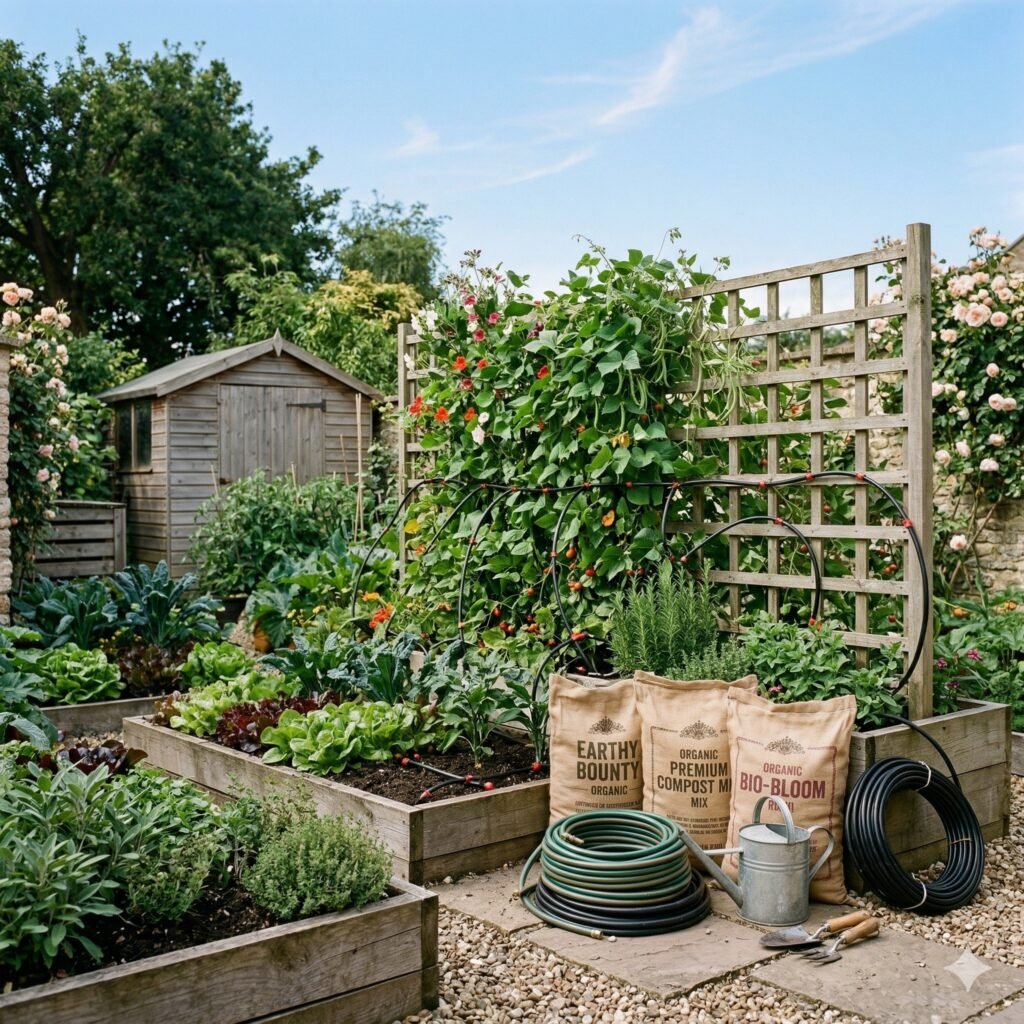
The right tools don’t just make things easier—they make the whole setup more reliable. A solid garden trellis, for example, becomes the backbone of any edible fence built with climbers. It holds the structure together and gives plants a clear direction to grow.
Watering is another area where the right setup helps. Drip irrigation kits take the guesswork out of keeping plants hydrated, delivering water exactly where it’s needed without waste. For feeding your plants, organic fertilizers or compost keep the soil in good shape without adding anything harsh.
If you want to go deeper into watering systems, I’ve also put together a detailed guide: “Drip Irrigation System: Complete Guide from Invention to Modern Smart Gardening (7 Top Picks).” It’s a helpful read if you’re looking for practical ideas and a clearer understanding of how drip irrigation can support your setup.
If your soil isn’t ideal—or if you’re working with a limited space—raised beds or planters give you more control. They let you build the environment your plants need instead of trying to fix what’s already there.
I also like pointing readers to related pieces that are genuinely worth their time. One that fits well here is Epic Gardening’s article, “Edible Hedge Plants That Serve as Both Privacy and Food.” It’s a solid read and might give you a few extra ideas to play with.
Edible Fence Ideas by Space Type
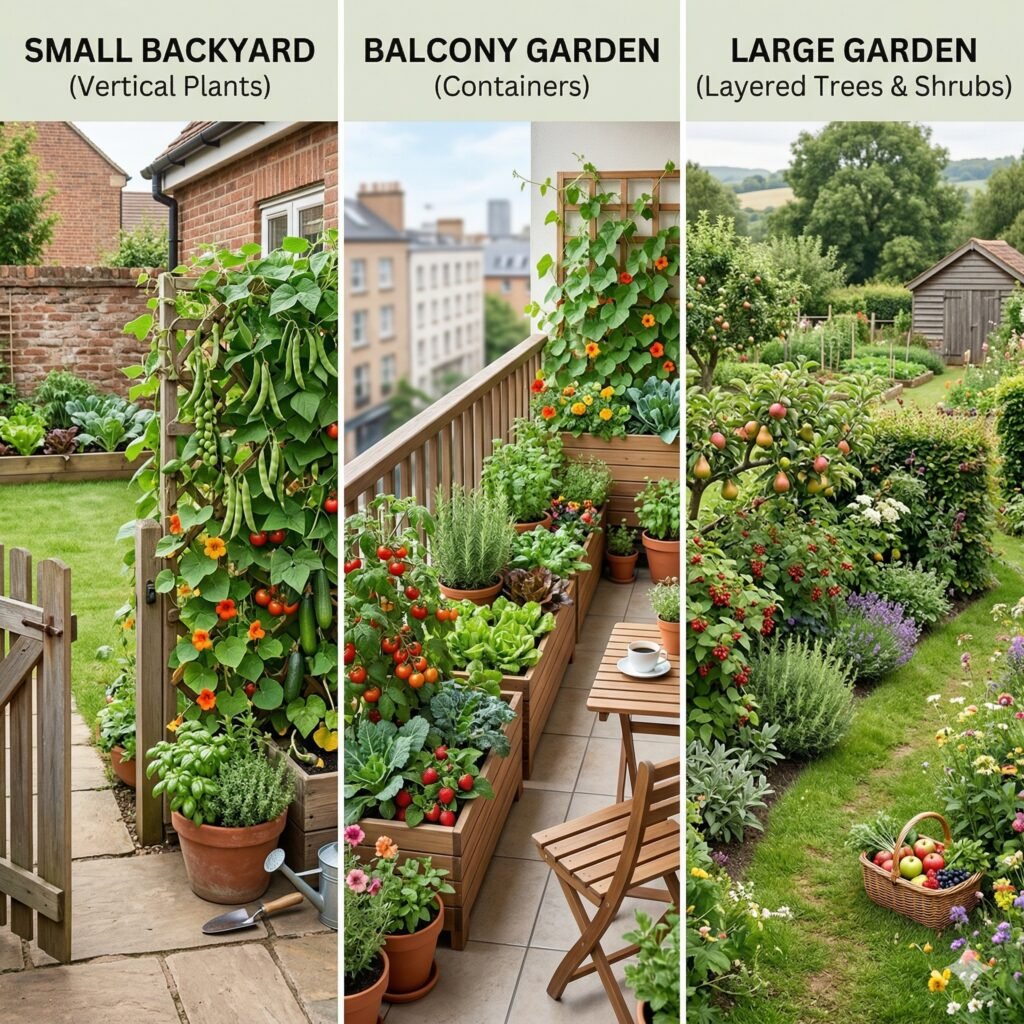
The way you build an edible fence depends a lot on the space you’re working with. In a small backyard, vertical growth is your best friend. Climbers like beans or cucumbers can turn a simple support into a productive wall without taking up much ground space.
For balconies or terraces, containers open up more options than people expect. Herbs like mint and rosemary do well in pots, and even dwarf fruit trees can fit into tighter setups if they’re managed properly. It’s less about size and more about how you use the space.
Larger gardens give you room to layer different types of plants—trees in the back, shrubs in the middle, and smaller plants along the edge. It creates a fuller, more natural barrier that works better visually and practically. Climate also plays a role. Warmer regions tend to support plants like guava, passion fruit, and lemongrass, while cooler areas lean toward berries and hardy herbs.
FAQ
What is the fastest growing plant for an edible fence?
If speed is what you’re after, pole beans and cucumbers are hard to beat. They grow quickly, climb easily, and can cover a structure within a single growing season when conditions are right.
Can I grow an edible fence in a small backyard?
Yes, and in many cases, small spaces benefit the most from this approach. Using vertical growers and compact herbs lets you create a productive boundary without sacrificing usable space.
Which plants provide the best privacy?
Plants that grow dense and full tend to work best here. Guava trees, raspberry canes, and even pomegranate shrubs can form a thick barrier that blocks both views and wind.
How long does it take to establish an edible fence?
It depends on what you plant. Fast-growing climbers can fill in within a few months, while shrubs and trees take longer—sometimes a couple of years—to reach their full potential.
Are edible fences high maintenance?
Not necessarily. Once established, many edible fence plants are fairly easy to manage. The key is setting them up properly in the beginning so they don’t need constant correction later.
What are the best edible fence plants for tropical climates?
Warmer climates support a wider range of options, but guava, passion fruit, roselle, and lemongrass tend to perform especially well and grow with less effort.
Can I mix different plants in one fence?
Mixing plants often works better than sticking to just one type. It creates a more resilient system and gives you a mix of harvests instead of everything ripening at once.
Do edible fences attract pests?
They can, but it’s rarely a major issue if you have variety. A mix of plants tends to balance things out, attracting beneficial insects that help keep pests under control.
Final Thoughts
An edible fence changes the role your garden plays. It’s no longer just a boundary—it becomes something that feeds you, shelters your space, and shifts with the seasons in a way a standard fence never could.
You don’t have to build the whole thing in one go. Start small. A short stretch of climbers or a couple of well-placed shrubs is enough to get a feel for how it works. From there, it grows with you—literally.
And if you want to build on it, adding things like drip irrigation, composting, or raised beds fits right in. It all connects.