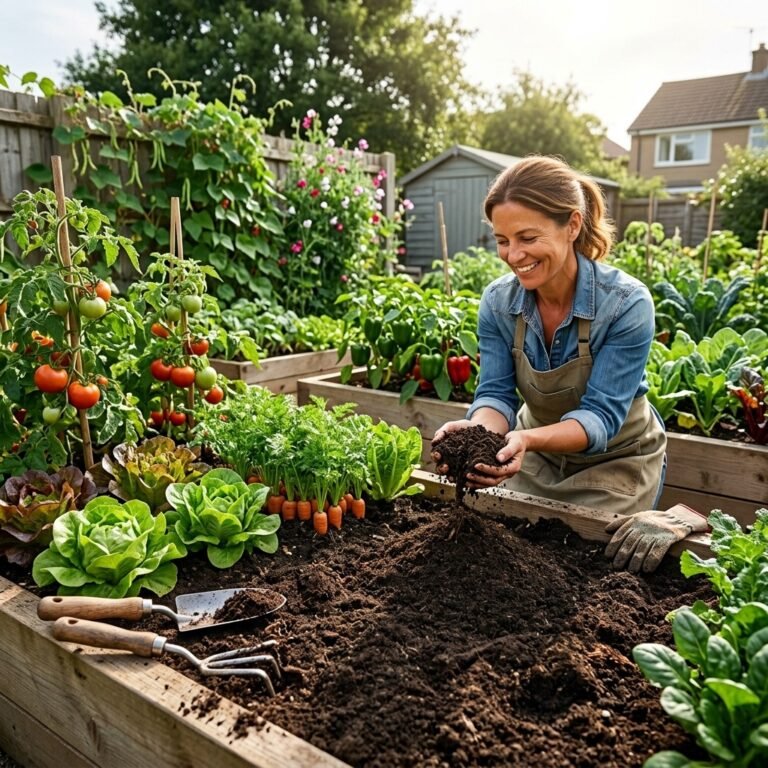

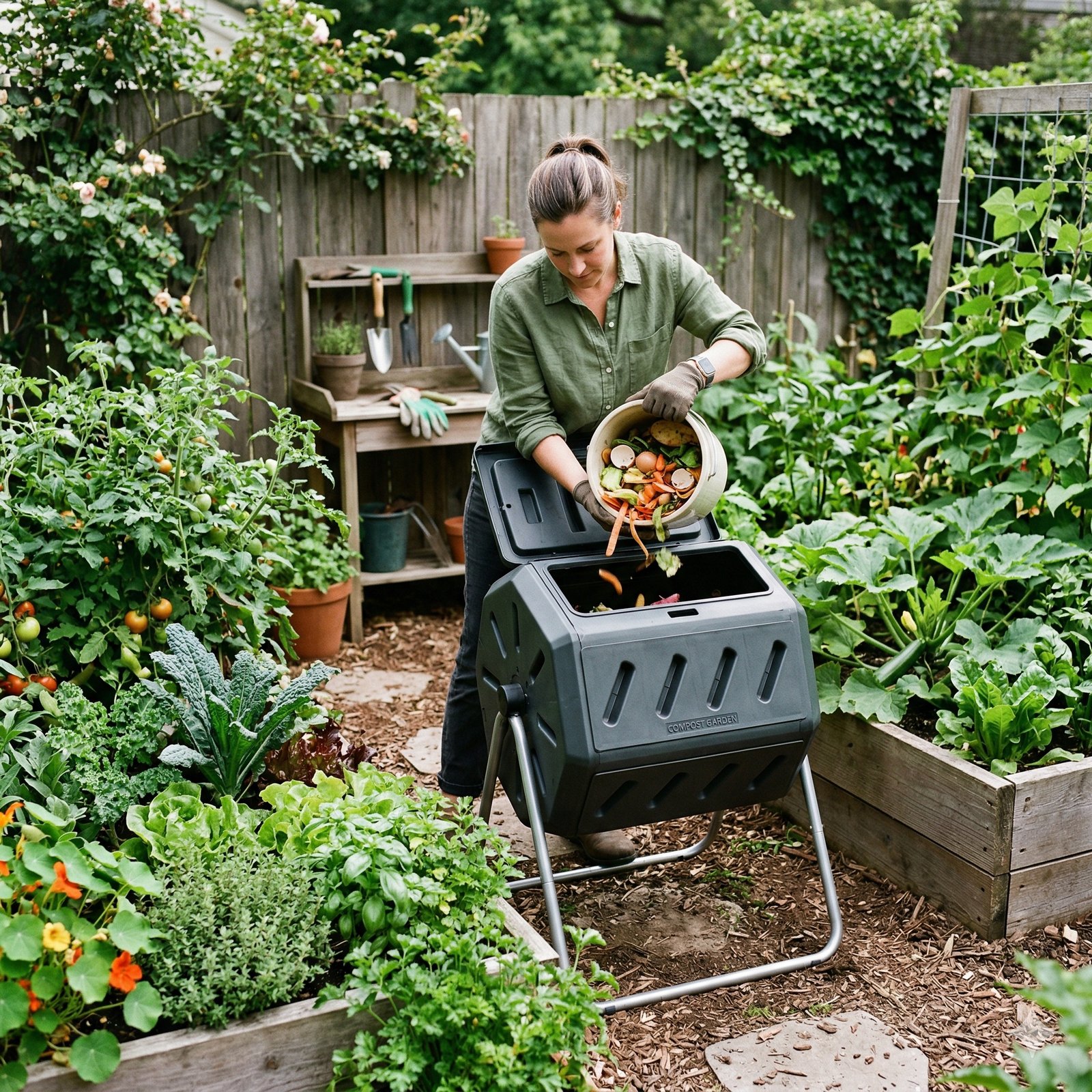
So, kitchen scraps pile up fast, right, and that mix of peels and leftovers can start to smell a bit off if it just sits there. In a way, a good compost bin kind of flips that whole mess into something useful, turning waste into soil that your plants actually love.
Now, you might be thinking it’s messy or tricky, yet actually it’s often much simpler than it looks, especially if the bin does most of the work for you. I mean, some bins keep odors low, others speed things up, and a few just make the whole thing feel clean and easy.
As I was saying, I’ve gone through the popular picks and sorted out what really works, so you don’t end up guessing or wasting money. By the way, if you’ve already read about building a solid soil mix, this kind of connects directly, since compost is what feeds that mix over time.
Let’s figure out which compost bin fits your space and how you garden.
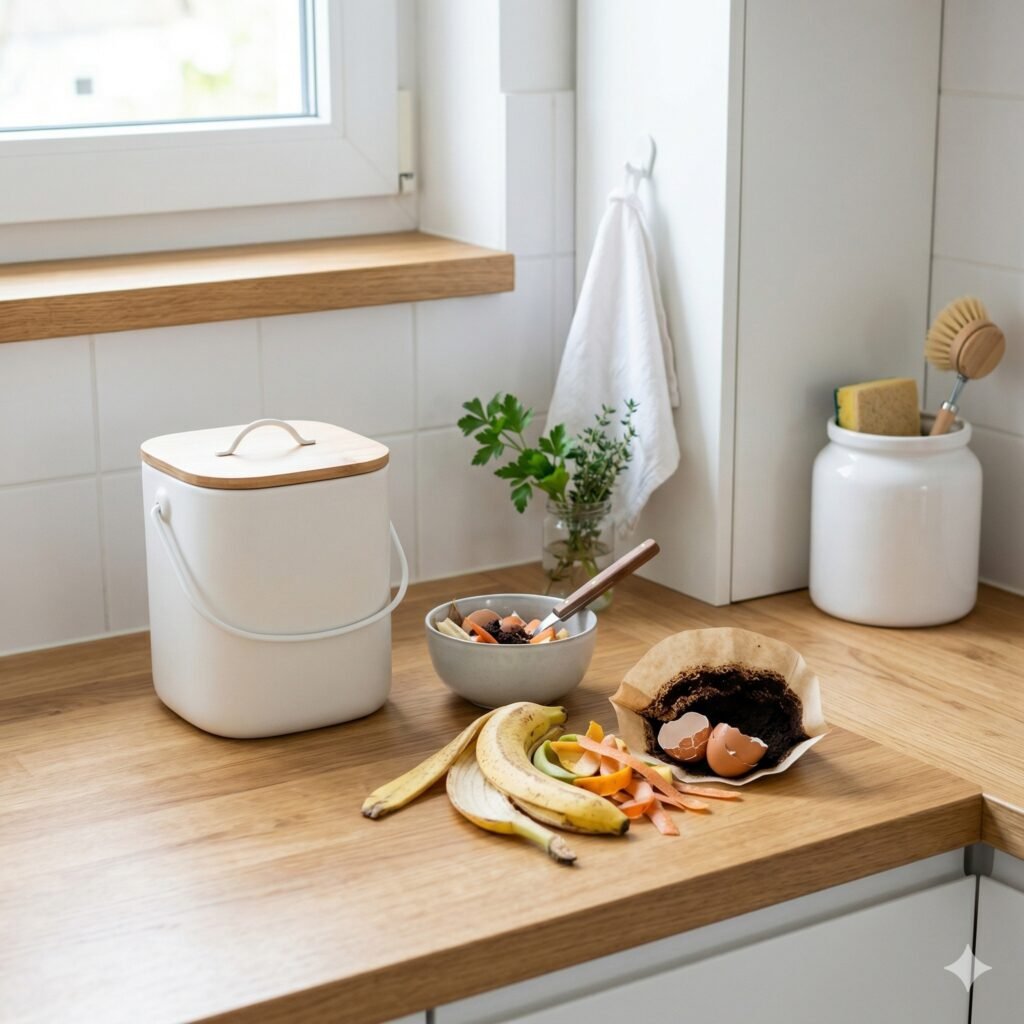
Quick Answer: Which Compost Bin Is Best?
Ok, so the short version kind of depends on your setup:
- Small kitchen or apartment → countertop bin
- Faster composting → tumbler style
- Lower cost → plastic stationary bin
- Bigger garden → dual chamber tumbler
In other words, there isn’t one perfect pick for everyone, yet there is usually one that fits your routine almost perfectly.
So, if you’re kind of getting into composting more deeply, you might be interested in another piece I put together titled “Composting and Soil Care Over the Winter Months: Feeding Your Garden for Spring Success,” which, in a way, connects nicely with what we’ve talked about here.
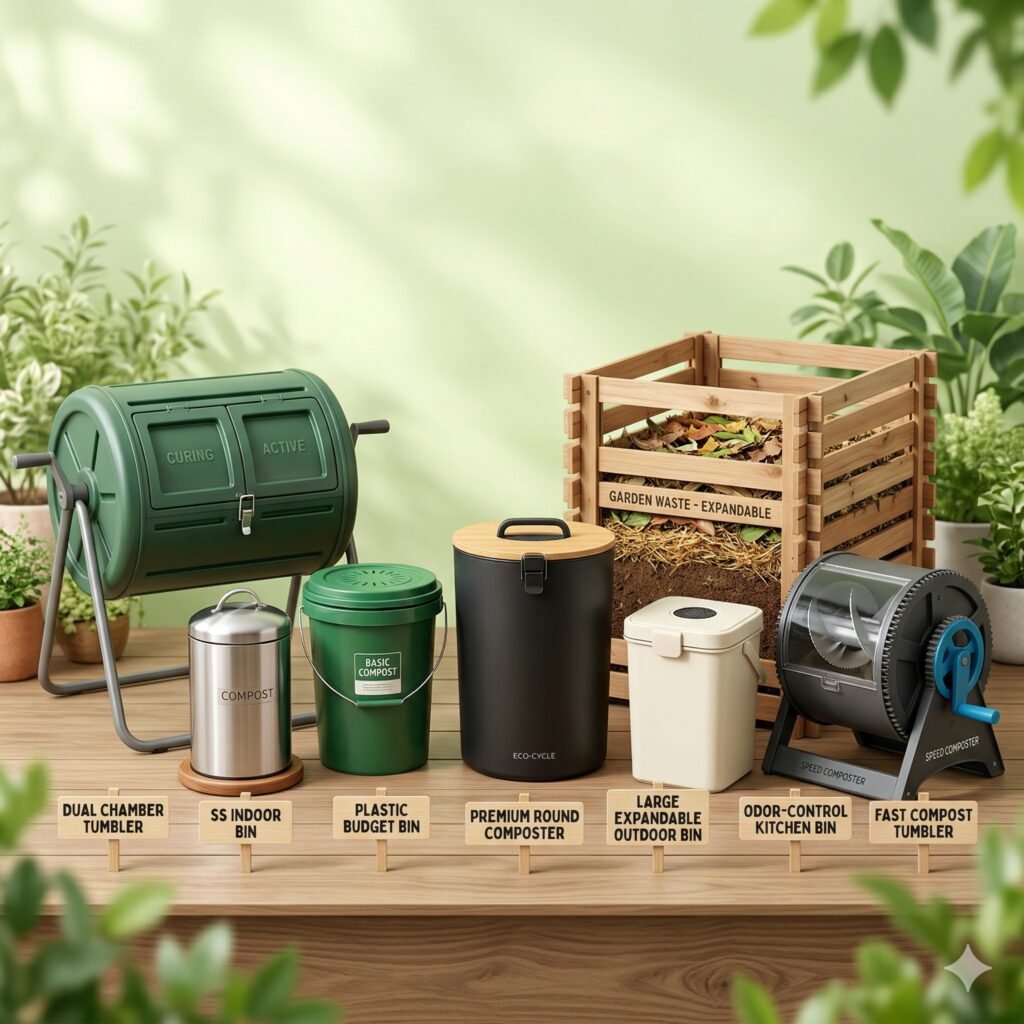
7 Best Compost Bins for Home Gardeners
1. FCMP Outdoor IM4000 Tumbling Composter (Best Overall)
So, this one tends to be the go-to for many gardeners who want something steady and not too complicated. It comes with two chambers, which means you can add fresh scraps on one side while the other side breaks down.
Who it’s for:
People who want a simple setup that keeps things moving without much guesswork.
Key features:
- Dual chamber design
- Rotating drum for easy mixing
- Vent holes for airflow
Pros:
- Easy to turn, no digging
- Keeps compost going continuously
- Good airflow
Cons:
- Takes some space
- Assembly might feel a bit slow
Why it stands out:
Basically, it balances ease and speed, so you don’t have to keep stopping and starting your compost process.
2. Epica Stainless Steel Compost Bin (Best Kitchen Countertop Bin)
Now, if your main issue is indoor waste, this small bin sits right on your counter and looks clean, almost like a regular container.
Who it’s for:
Apartment dwellers or anyone with limited outdoor space.
Key features:
- Stainless steel body
- Charcoal filter for odor control
- Compact size
Pros:
- Keeps smells low
- Easy to clean
- Doesn’t look out of place
Cons:
- Needs frequent emptying
- Not for large waste amounts
Why it stands out:
It keeps things neat indoors, which is often the hardest part for beginners.
3. Miracle-Gro Dual Chamber Tumbler (Best for Fast Composting)
So, speed matters for some people, and this bin is built to move things along quicker than basic setups.
Who it’s for:
Gardeners who want compost ready sooner rather than later.
Key features:
- Dual chambers
- Strong frame
- Easy spin handle
Pros:
- Faster breakdown
- Sturdy build
- Good airflow
Cons:
- Slightly higher cost
- Needs regular turning
Why it stands out:
It speeds things up without making the process feel complicated.
4. Utopia Kitchen Compost Bin (Best Budget Indoor Option)
Ok, so if you’re trying not to spend much, this one covers the basics without feeling cheap.
Who it’s for:
Beginners testing composting for the first time.
Key features:
- Lightweight design
- Charcoal filter
- Simple lid
Pros:
- Affordable
- Easy to carry
- Good starter option
Cons:
- Smaller size
- Not long-term heavy use
Why it stands out:
It lets you try composting without a big commitment.
5. Envirocycle Compost Bin (Premium Pick)
This one, in a way, mixes looks with function, so it doesn’t feel like an eyesore in your yard.
Who it’s for:
People who want something that looks good and works well.
Key features:
- Rolling drum
- No assembly needed
- Built-in base for compost tea
Pros:
- Very easy to use
- Clean design
- Multi-use
Cons:
- Higher price
- Smaller capacity than some
Why it stands out:
It feels polished and simple at the same time.
6. GEOBIN Composting System (Best for Large Gardens)
Now, this is more or less for people dealing with a lot of yard waste, like leaves and clippings.
Who it’s for:
Large garden owners or backyard composters.
Key features:
- Expandable design
- High capacity
- Open airflow system
Pros:
- Holds a lot
- Low cost for size
- Flexible shape
Cons:
- Not sealed
- Can look messy
Why it stands out:
It handles volume better than most bins without costing much.
7. OXO Easy-Clean Compost Bin (Best for Odor Control)
So, smell is often the biggest worry, and this one tackles that pretty well.
Who it’s for:
Anyone sensitive to odors indoors.
Key features:
- Smooth inner surface
- Tight lid
- Filter system
Pros:
- Easy to clean
- Keeps smells low
- Compact
Cons:
- Smaller capacity
- Needs regular emptying
Why it stands out:
It focuses on cleanliness, which makes daily use easier.
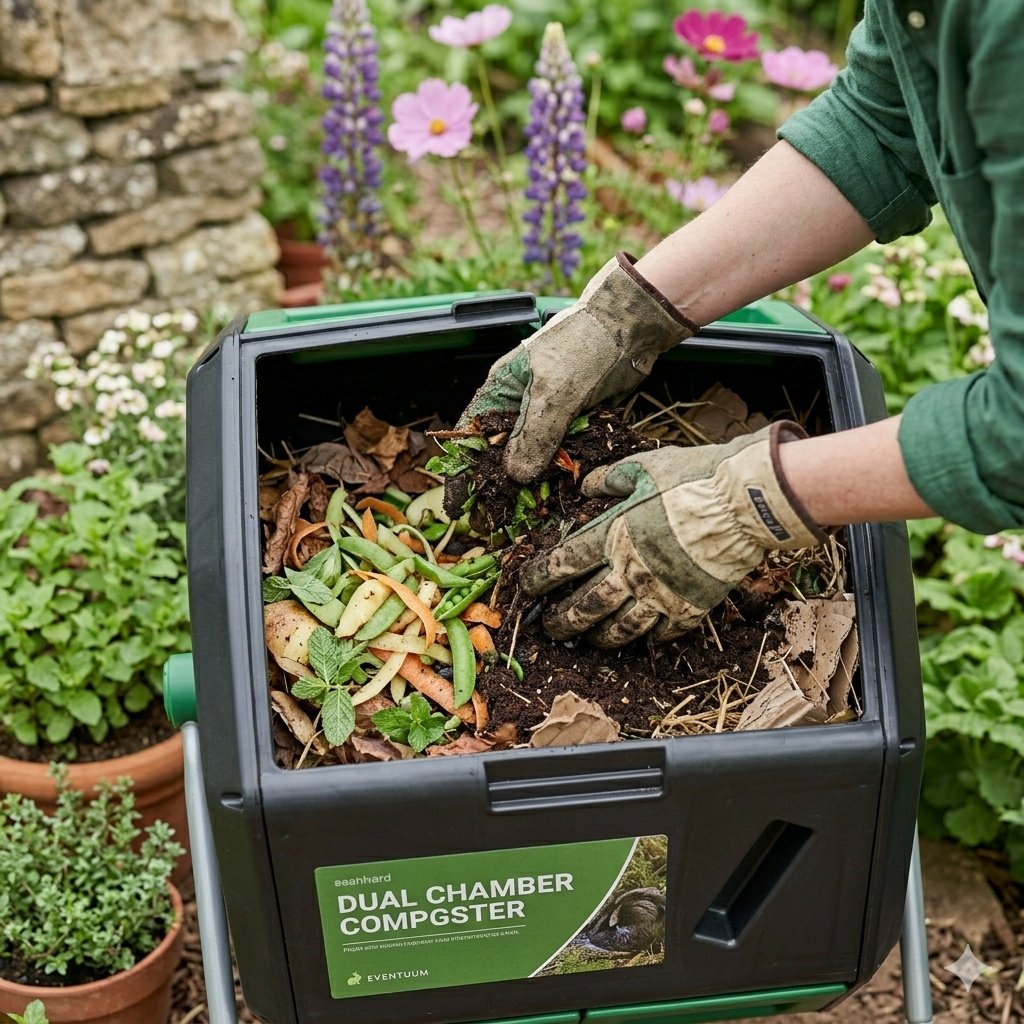
Types of Compost Bins
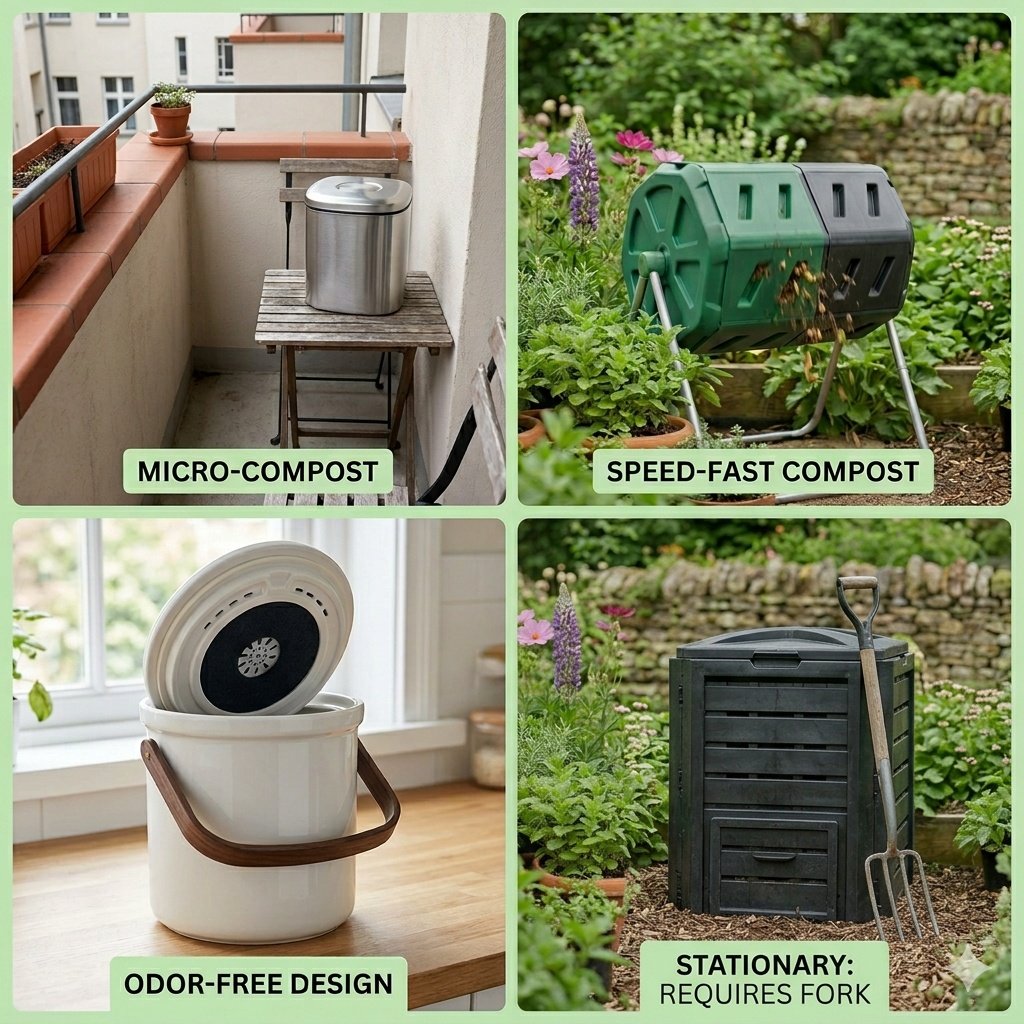
Before picking one, it helps to know the main styles, since each one kind of works in a different way.
Tumbler Bins
These rotate, which means you just spin them instead of turning compost by hand. They tend to be quicker and less messy.
Stationary Bins
These sit in one place, and you add waste over time. They’re simple but need manual turning.
Indoor Bins
Small containers for kitchen scraps, usually with filters to keep smells down.
Worm Composters
These use worms to break down waste, and yes, it sounds odd at first, yet it works surprisingly well.
How to Choose the Right Compost Bin
So, picking the right bin comes down to a few simple things.
Space available
If you’ve got a balcony, go small, yet if you’ve got a yard, you can go bigger.
Composting speed
Tumblers tend to work faster, whereas stationary bins move slower.
Odor control
Indoor setups need filters, or things can get unpleasant pretty quickly.
Ease of use
Some bins need turning, others just sit there, so it depends on how hands-on you want to be.
Composting Tips for Beginners
Ok, so getting started isn’t hard, yet a few small habits, in a way, tend to make a really big difference once you stick with them.
Balance green and brown waste
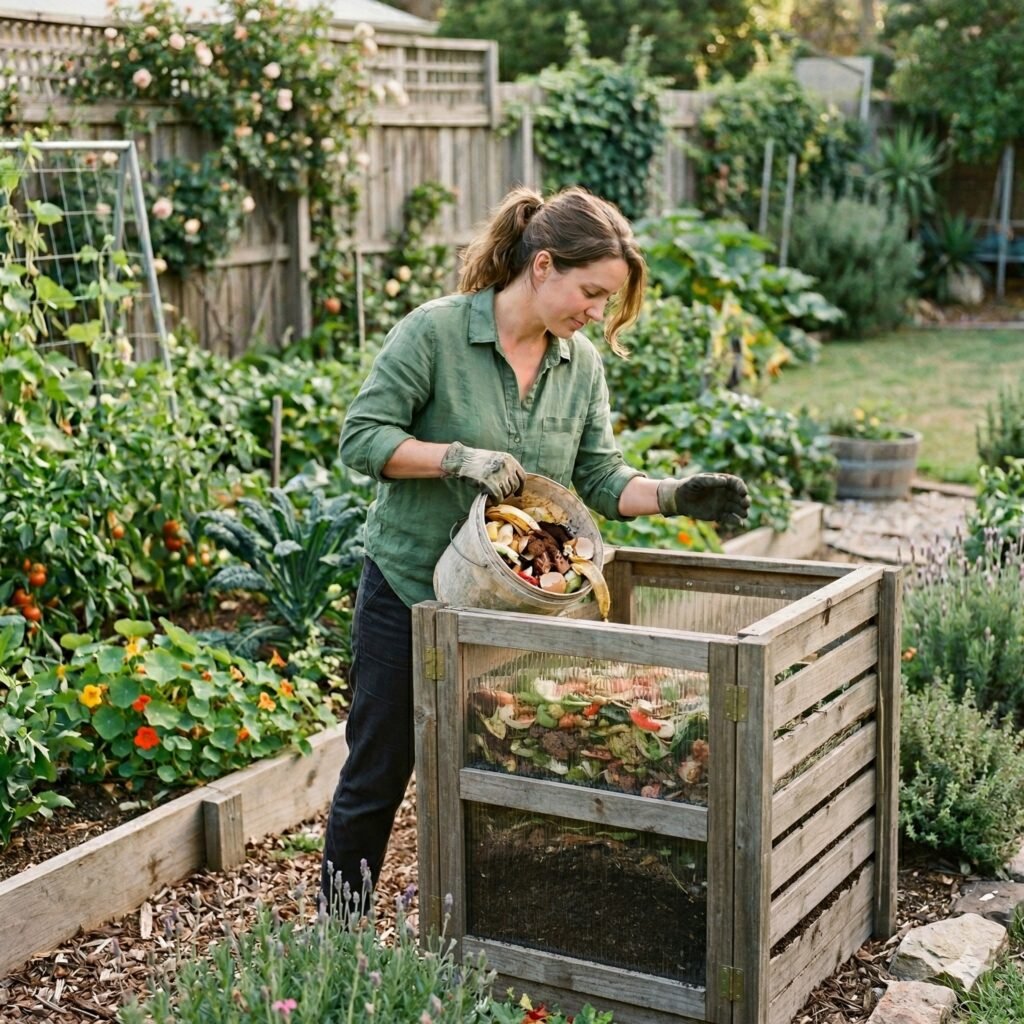
So, food scraps like fruit peels and veggie bits are “green,” and dry stuff like leaves, cardboard, or paper is “brown,” and you kind of need both working together. In other words, greens bring moisture and nitrogen, and browns keep things from getting too soggy and messy. A simple way to think about it is, try to add a bit of dry material every time you toss in kitchen scraps.
Turn regularly
Now, mixing your compost might feel like extra work, yet it actually keeps everything moving. When you turn it, air flows through the pile, and that helps the breakdown happen faster. If you’re using a tumbler, you just spin it a few times, which is pretty easy, and if it’s a pile or bin, a quick mix every few days usually does the job.
Skip meat and dairy
So, this one matters more than people expect, since meat, cheese, or oily food tends to smell pretty quickly and can bring in pests. It’s not that they never break down, yet they make things harder to manage, especially for beginners. Sticking with plant scraps keeps things simple and clean.
Keep moisture right
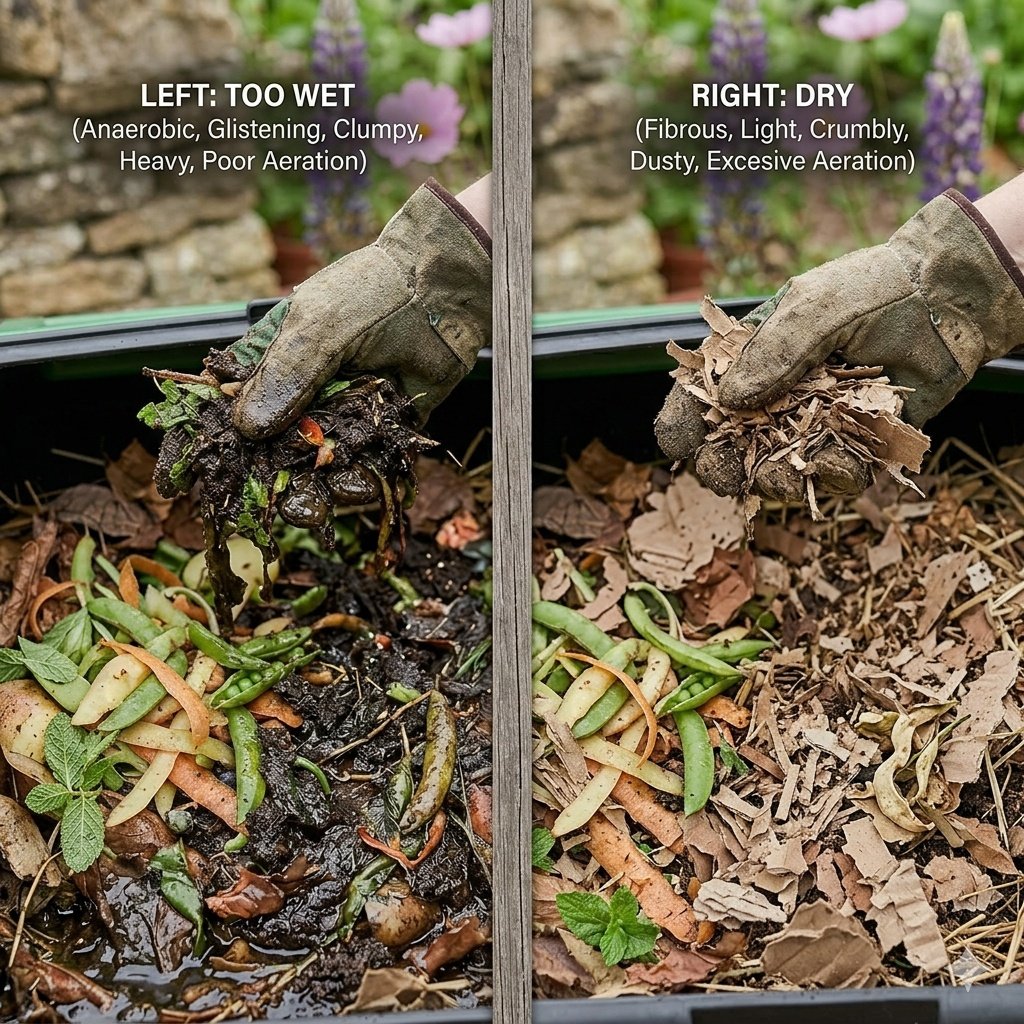
In a way, compost should feel like a wrung-out sponge, meaning slightly damp but not dripping. If it’s too wet, it starts to smell, and if it’s too dry, everything slows down. A quick fix is adding dry leaves if it’s soggy, or a splash of water if it feels dusty.
Chop scraps into smaller pieces
So, this step is often skipped, yet it actually speeds things up a lot. Smaller pieces break down faster, so even a rough chop before tossing scraps in can make a noticeable difference.
Add compost in layers
Instead of dumping everything in one spot, try layering greens and browns. This keeps the pile more balanced and helps air move through it. It doesn’t have to be perfect, just a bit more spread out.
Be a little patient
Composting works over time, and sometimes it might seem slow at first. Still, once the balance is right, things usually pick up without needing much effort.
Common Composting Mistakes
A few issues tend to show up again and again, and honestly, most of them are pretty easy to fix once you spot what’s going wrong.
❌ Too wet → smells bad
When compost gets overly wet, it kind of turns into a soggy mess, and that’s when the bad smell kicks in. This usually happens when there’s too much food waste and not enough dry material. The fix is simple—just add more browns like dry leaves, paper, or cardboard and give it a mix.
❌ Too dry → slows everything down
If your compost looks dusty or just sits there without changing much, it might be too dry. In that case, things break down very slowly. Adding a bit of water and mixing it helps bring it back to life.
❌ No airflow → compost stops breaking down
So, air is a big part of the process, and without it, everything kind of stalls. A compact pile with no turning can cause this. Mixing it up or loosening the material usually fixes the issue pretty quickly.
❌ Adding the wrong materials
Sometimes people toss in things like plastic-coated paper, glossy cardboard, or treated wood scraps, and that can mess things up. Keeping it to natural, compostable items makes the process smoother.
❌ Ignoring the compost for too long
It’s easy to forget about it, yet compost does better with a bit of attention. Even a quick check once or twice a week helps you catch small issues before they grow.
❌ Overloading one type of waste
If you keep adding only food scraps or only dry leaves, the balance gets off. Compost works best when there’s a mix, not just one kind of material piling up.
Fixing these, as a matter of fact, usually gets everything back on track pretty quickly, and once you’ve adjusted things a couple of times, you kind of get a feel for what your compost needs.
FAQs
A lot of small questions tend to pop up once you actually start composting, and honestly, these are the ones people usually wonder about after day one.
Can I compost citrus peels?
Well, you can, yet in a way, you don’t want to dump too many at once since they break down a bit slower and can shift the balance slightly.
Is it okay to compost cooked food?
Sometimes, yes, but it tends to be a little risky since cooked scraps can smell and attract pests, especially in open bins.
How often should I empty my indoor compost bin?
Typically, every couple of days works fine, or sooner if it starts to feel a bit full or slightly smelly.
Do I need worms for composting?
Not really, unless you’re using a worm bin, since regular compost bins break things down just fine on their own.
Why is my compost not breaking down?
Usually, it’s either too dry, too wet, or missing that balance between green and brown materials.
Can I compost paper towels and napkins?
Yes, most of the time, especially if they’re not soaked with chemicals or heavy grease.
What temperature should compost be?
Ideally, it should feel warm inside, which means things are working, yet if it’s cold, it might need mixing or better balance.
Can compost bins attract bugs?
They can, sometimes, yet keeping a lid on and avoiding certain foods helps a lot.
Is composting worth it for small gardens?
Actually, yes, since even a little compost improves soil more than you’d expect.
How do I know compost is ready?
It usually looks dark, crumbly, and smells earthy, kind of like forest soil after rain.
Can I compost in winter?
Yes, although things slow down a bit, the process still continues in a slower way.
Should I add water to my compost?
Only if it feels dry, since it should stay slightly damp, not soaked.
What should I never compost?
Things like meat, dairy, oily food, and pet waste tend to cause problems more often than not.
Final Thoughts (What Actually Matters Most)
At the end of the day, picking a compost bin isn’t really about getting the most expensive or the most advanced option, it’s more about choosing something you’ll actually use regularly.
In a way, a simple bin that fits your routine often works better than a bigger setup that just sits there unused. If your space is small, a countertop bin keeps things easy. If you’ve got a yard, a tumbler speeds things up and keeps it tidy. And if you’re dealing with a lot of garden waste, something like the GEOBIN handles that load without much stress.
As a matter of fact, composting itself tends to become a habit pretty quickly, and once you see how scraps turn into soil, it just makes sense to keep going. It’s one of those small changes that quietly improves your garden over time, without needing much effort once you get the hang of it.
And yeah, you don’t need to get everything perfect right away, since composting is a bit forgiving, and small adjustments usually fix most issues as you go.