

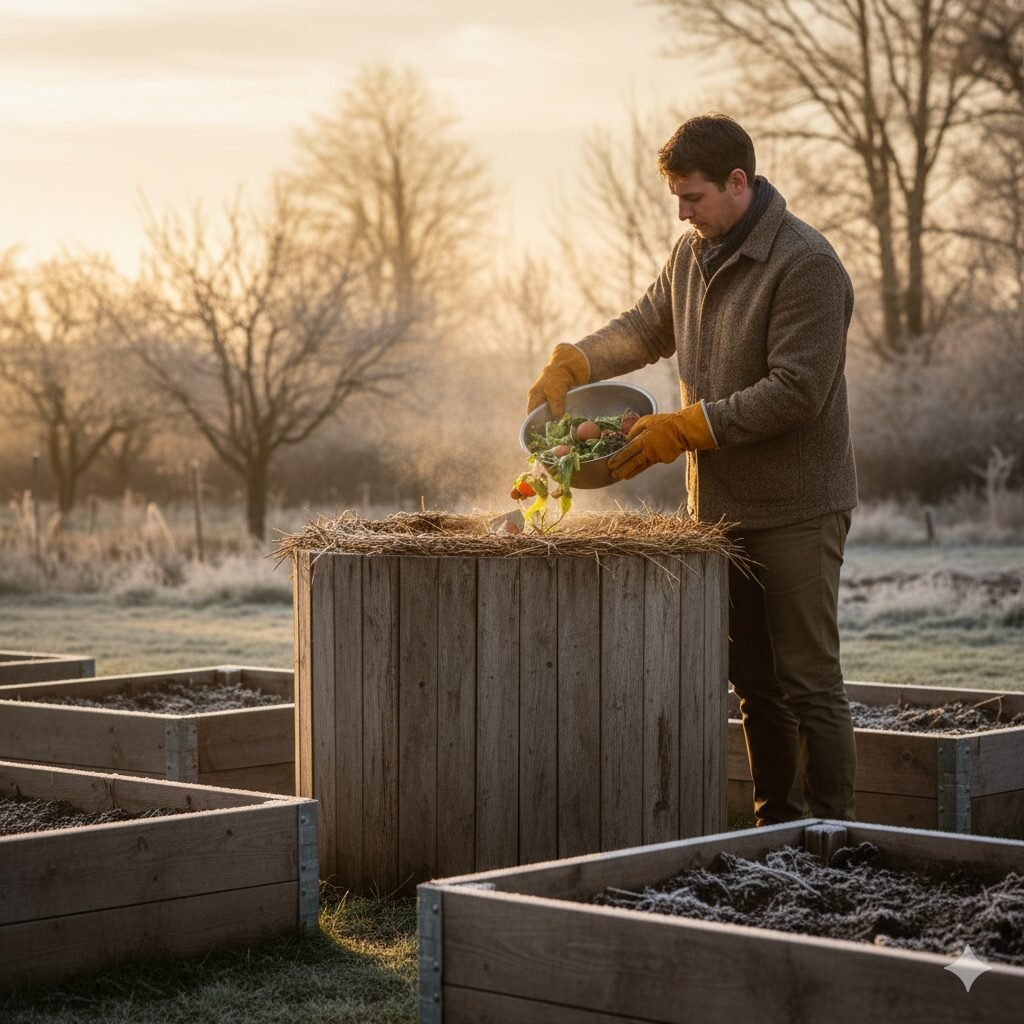
Most people think winter means the garden goes quiet — a kind of frozen pause until spring arrives. But, actually, winter is one of the best times to build healthier soil. Beneath the frost, life in your garden is still working slowly, setting the stage for spring success. Winter composting and soil care might not sound glamorous, yet they can make the biggest difference when those first shoots emerge.
In this guide, you’ll learn how to compost through the colder months, how to keep your soil alive and active, and how this quiet work feeds your garden for stronger spring growth. By combining composting with winter soil maintenance, you’re essentially giving your garden a head start — turning downtime into preparation time.

Why Winter Soil Care and Composting Matter
Even though your garden might look asleep, the soil underneath is far from lifeless. According to experts like Gardening Know How and RHS, soil microbes slow down in winter, but they never fully stop. This means it’s the perfect season to give them something to work with — like compost, mulch, or cover crops.
Adding organic matter during winter improves soil structure and fertility, and it creates a welcoming environment for earthworms and microorganisms that prepare your beds for spring. Memorial University of Newfoundland points out that microbial activity, even at low levels, continues to break down materials into nutrients that will be available once temperatures rise.
This is what “feeding your garden for spring” truly means. While the plants rest, the soil is quietly transforming compost into a nutrient-rich foundation. Yet, many gardeners make the mistake of leaving their beds bare or forgetting to mix in compost before the frost sets in. Neglecting this step can lead to compacted, nutrient-poor soil that’s harder to revive later.
By working on your soil now, you’re not just maintaining it — you’re investing in your garden’s future.

Preparing for Winter Composting
Winter composting is about creating the right conditions for decomposition, even in chilly weather.
Choosing the Right Location and Bin
Pick a spot that’s sheltered from strong wind but still gets a bit of winter sun. A protected corner against a fence or wall usually works well. Your compost bin should ideally be covered to prevent excess rain from soaking it. Enclosed or tumbler-style bins help retain heat, which keeps microbes active longer (RHS).
Materials and Ratios
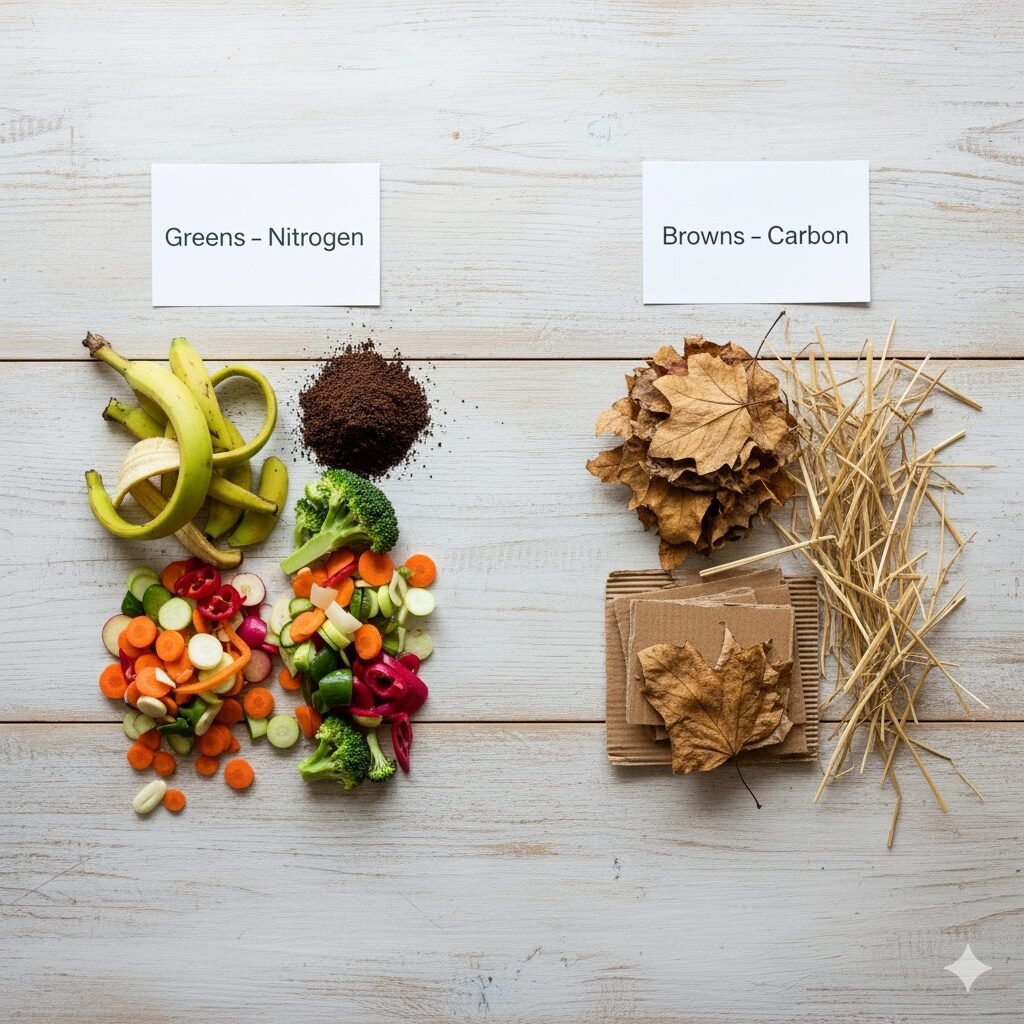
In cold months, balancing your compost mix becomes more important than ever. You still need the right mix of greens (fresh materials like kitchen scraps or grass clippings) and browns (dry materials like straw, leaves, or cardboard).
Table: Common Winter Compost Materials and Ideal Ratios
| Type | Example Materials | Function | Ideal Ratio in Winter |
|---|---|---|---|
| Greens | Kitchen scraps, coffee grounds, fresh garden waste | Add nitrogen for microbial growth | 40% |
| Browns | Dry leaves, shredded cardboard, straw, sawdust | Add carbon, absorb moisture | 60% |
| Insulation layer | Straw bales, wood chips, old compost | Keep pile warm and aerated | Optional top/bottom layer |
Keeping this balance prevents your pile from turning soggy or smelly, which can slow down composting even more.
Insulation and Protection
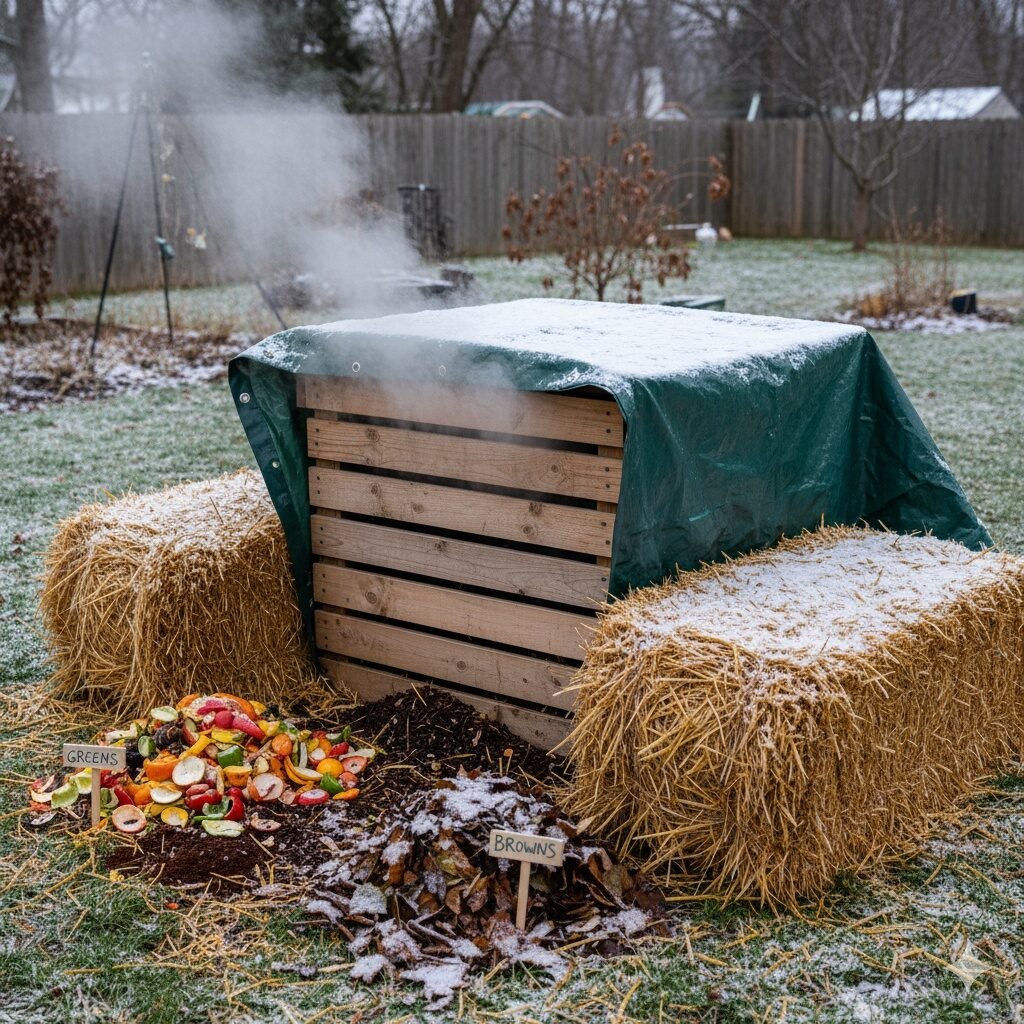
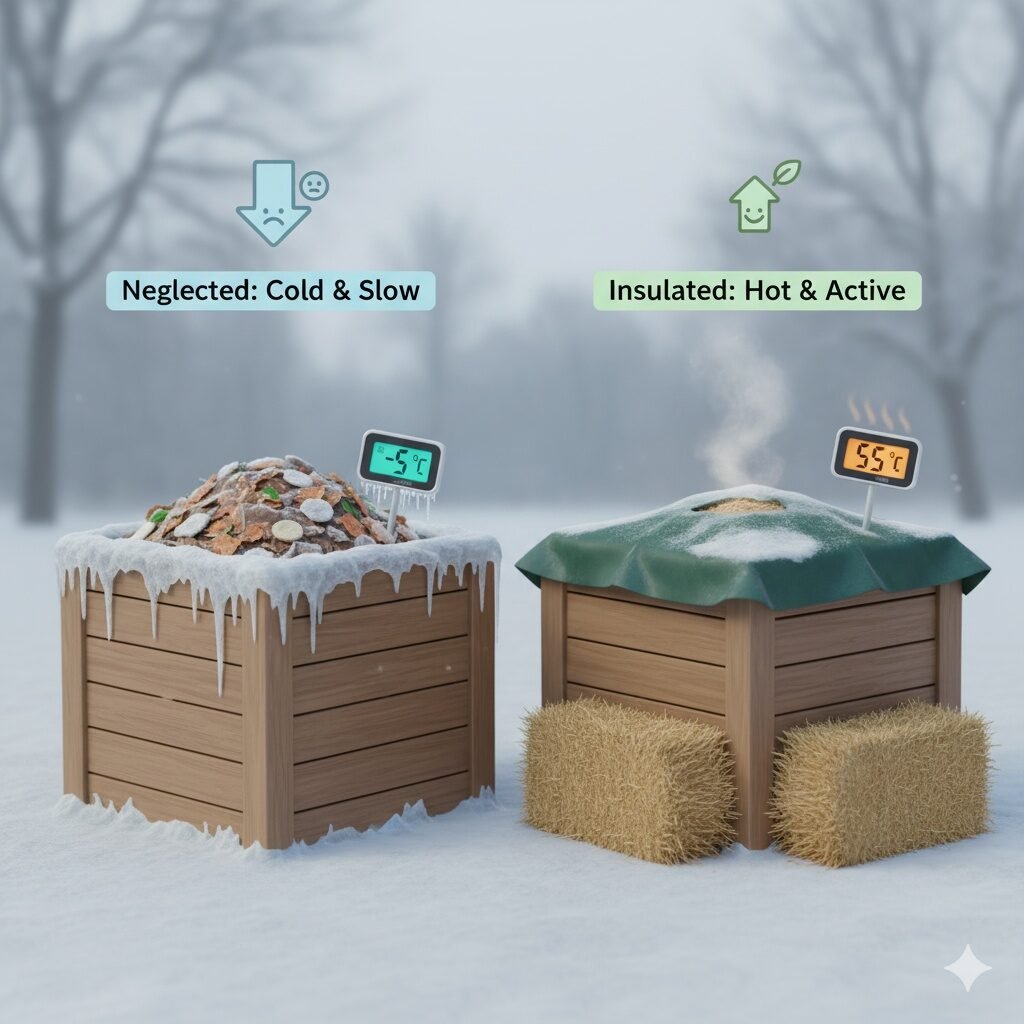
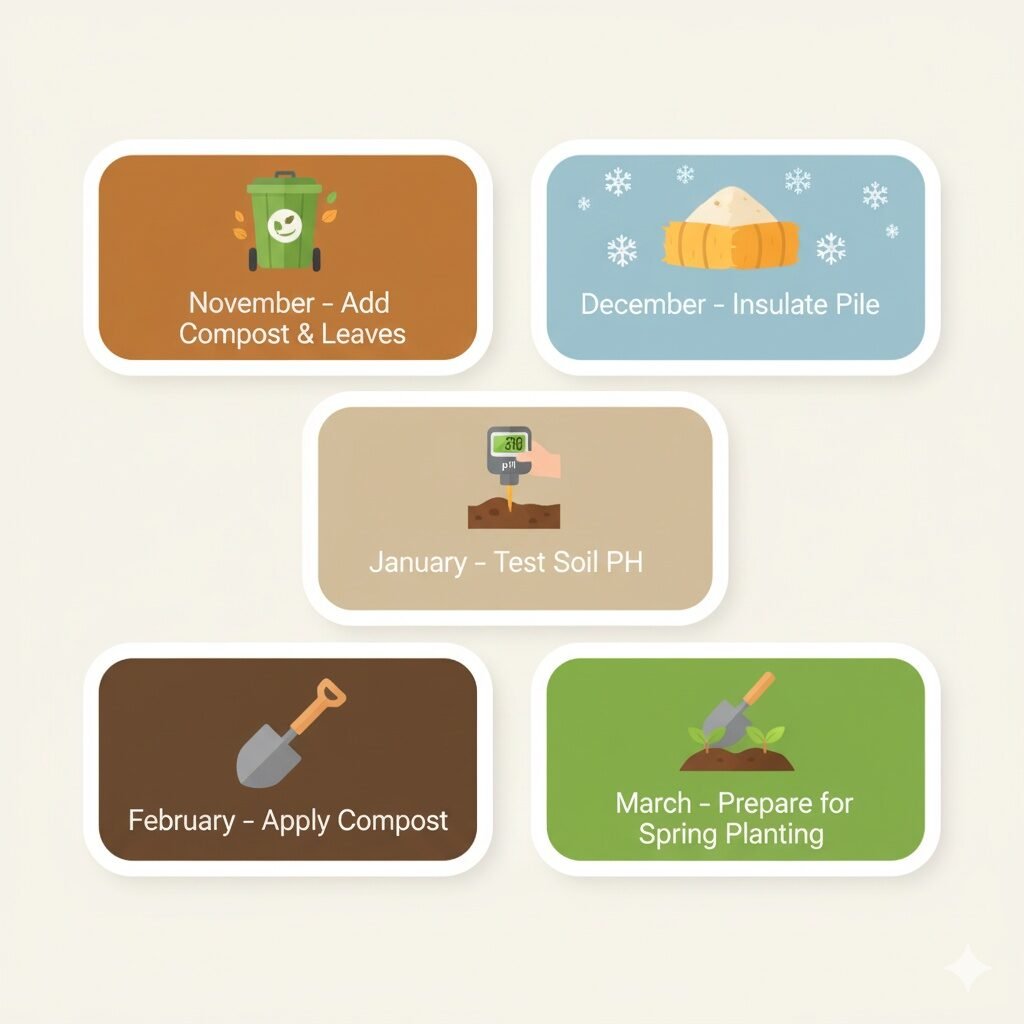
Cold can halt decomposition if your pile freezes. You can insulate the compost with straw bales around it, cover it with a tarp, or even wrap the sides with old blankets or cardboard. These simple steps trap warmth and moisture inside while keeping excess rain out (RHS).
Winter-Specific Tweaks
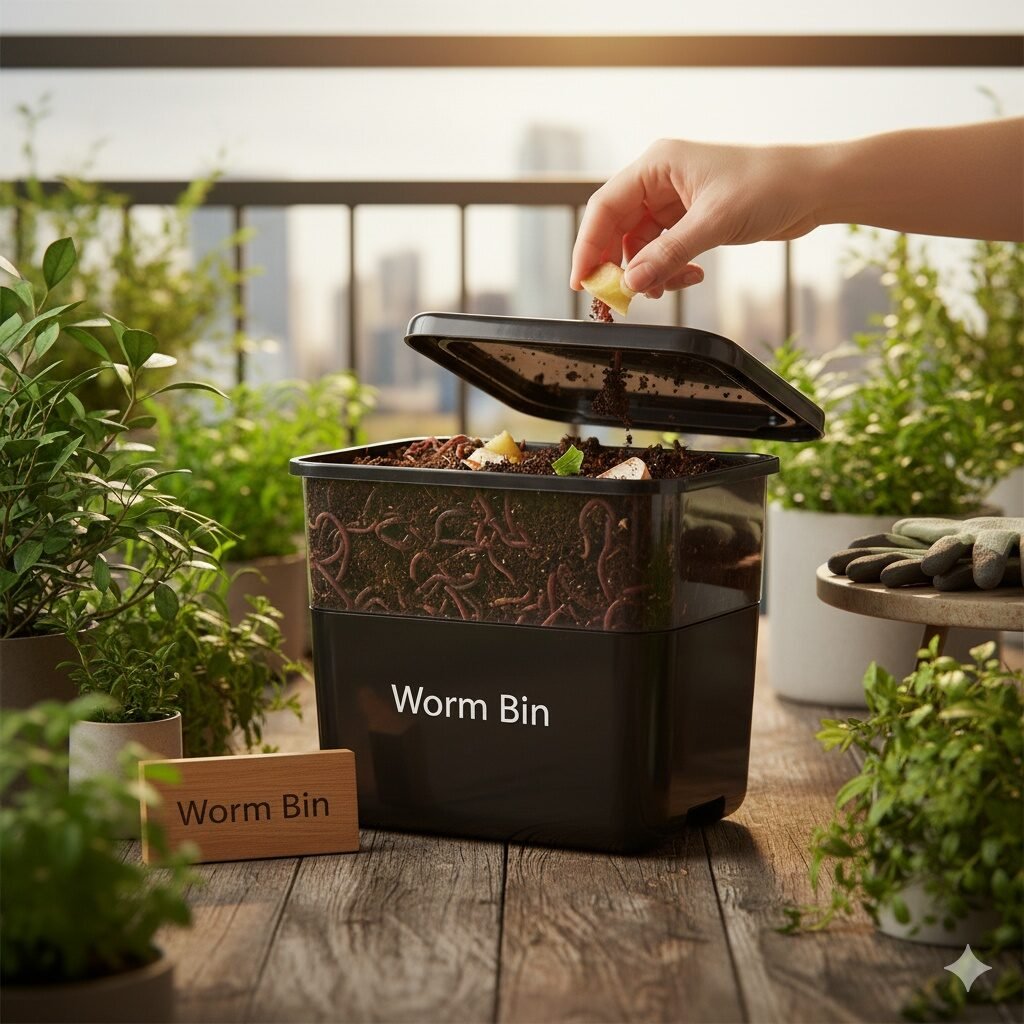
When it’s cold, decomposition slows, so smaller pieces break down faster. Chop kitchen scraps and dry materials before adding them. Avoid dumping too much water or fresh waste at once. If outdoor composting isn’t practical for you, a worm bin (vermicompost) or closed tumbler inside a shed or balcony is a great alternative (Gardening Know How).
Expect slower progress — that’s completely normal. The goal isn’t fast decomposition but steady building. When spring comes, you’ll already have a head start with semi-finished compost ready to mix into your garden soil.
Soil Care Over Winter — Key Steps
Caring for your garden soil during winter means protecting it from erosion, nutrient loss, and compaction. These steps help preserve the soil’s structure and biological life.
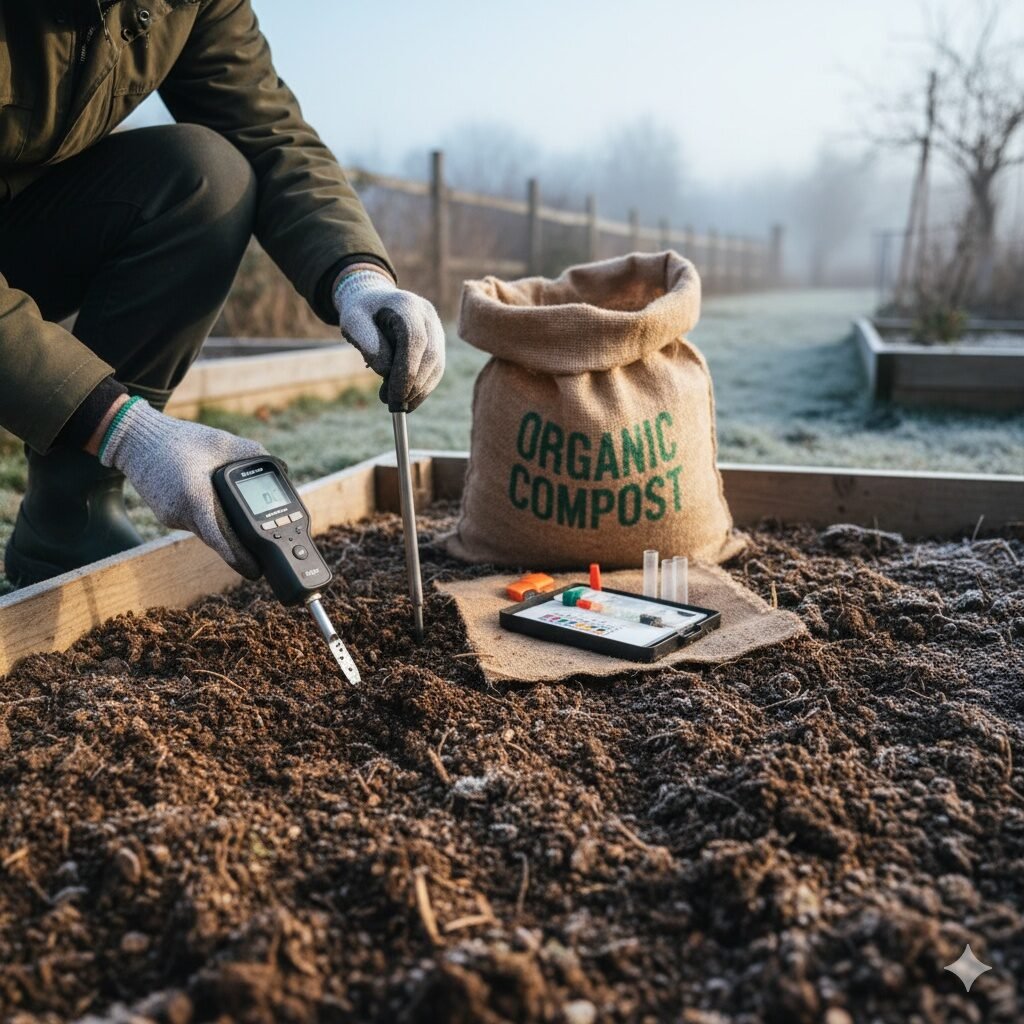
1. Assess Your Soil Before Winter
Before temperatures drop, test your soil’s pH and nutrients if you can. Seattle Urban Farm Co. recommends checking for drainage problems, compaction, and leftover plant debris from the previous growing season. This helps you plan amendments for spring.
2. Incorporate Compost and Organic Matter
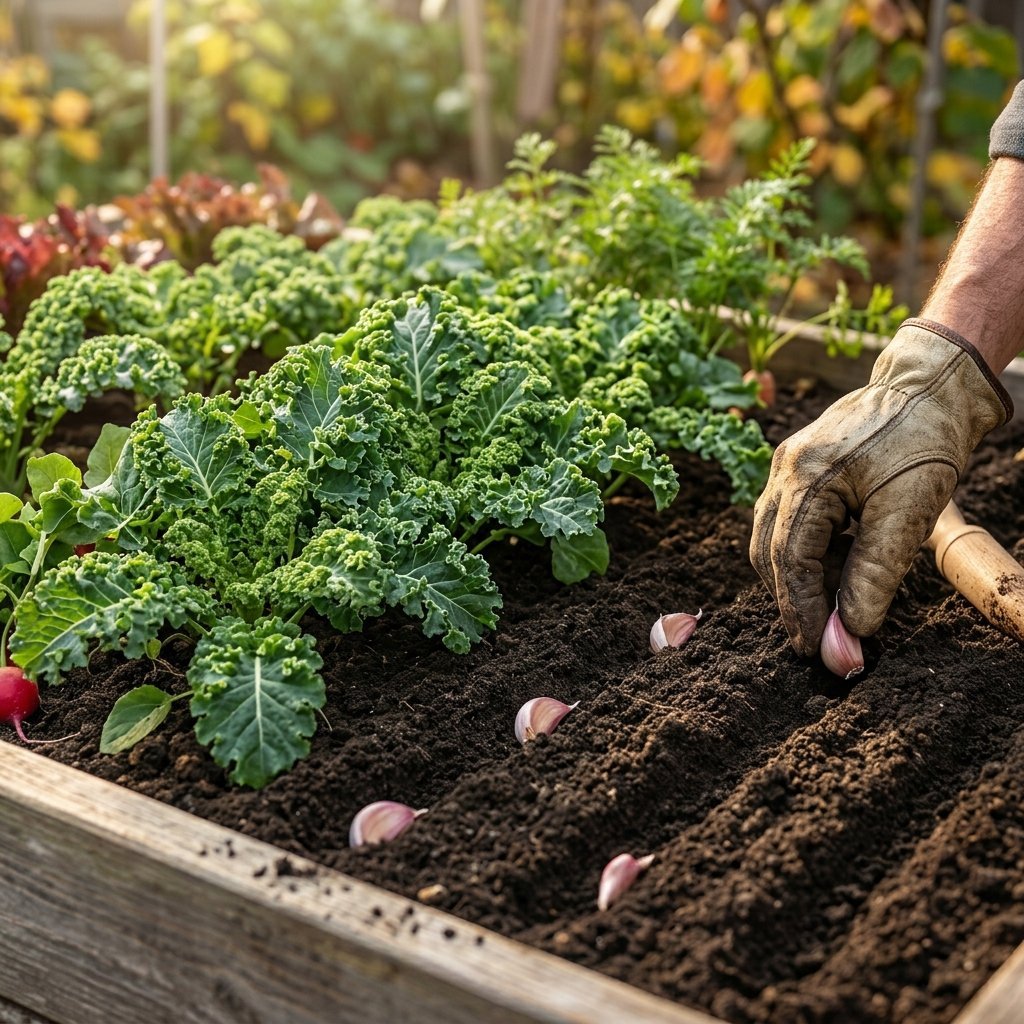
Spread a 2–3 cm layer of finished compost over your garden beds. Lightly work it into the top few inches of soil or let winter rains help it settle naturally. This layer will slowly release nutrients, feed microbes, and improve the texture of your garden soil.
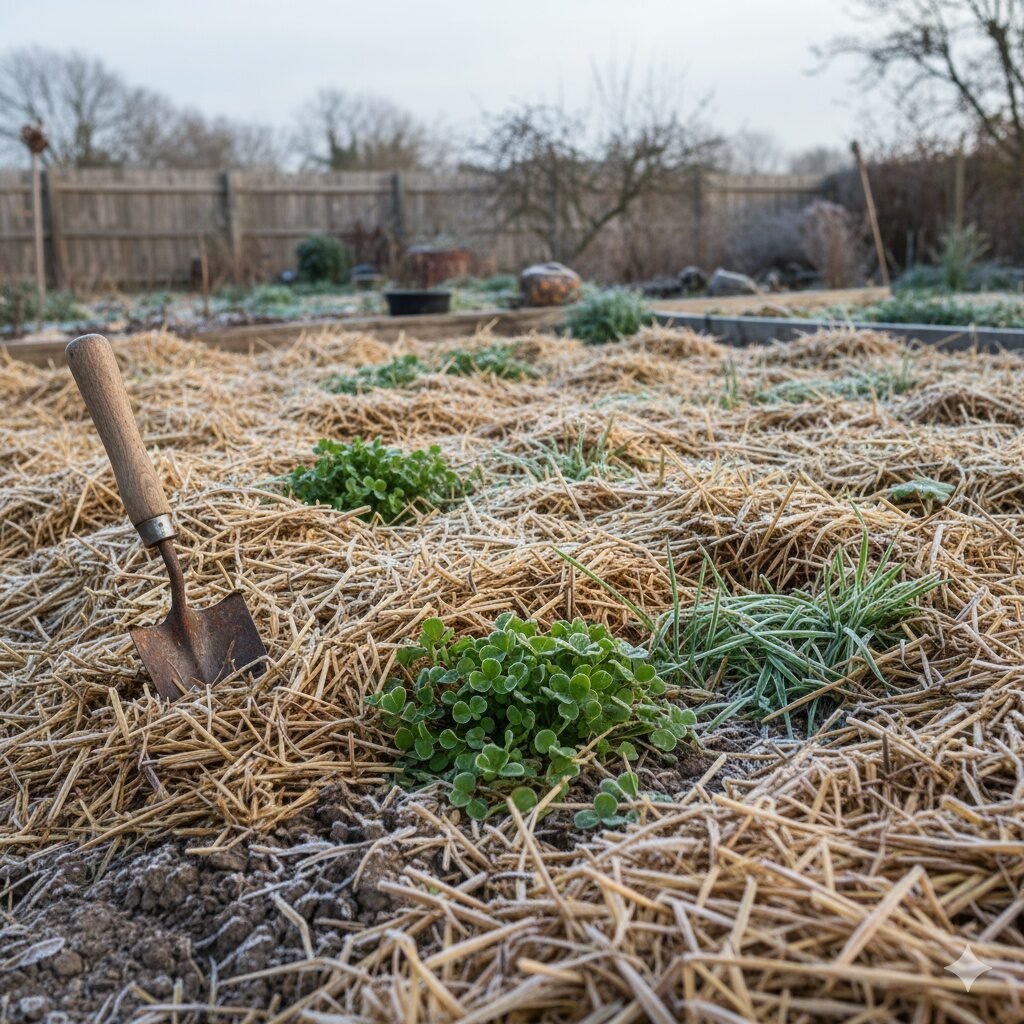
3. Mulching and Cover Crops
Bare soil is vulnerable during winter. Cover it with mulch — such as straw, shredded leaves, or composted bark — to protect it from temperature swings and heavy rainfall. Another option is planting cover crops like clover or winter rye. These green covers prevent erosion, lock in nutrients, and even add organic matter when turned into the soil in spring.
4. Managing Moisture and Microbes
Soil life continues even in cold months if the soil doesn’t get waterlogged. Make sure beds drain well but retain enough moisture for microbes and earthworms. If your area experiences dry winters, a light watering every couple of weeks keeps soil activity ticking along.
5. Avoid Soil Depletion and Plan for Spring
Leaving beds bare can cause nutrient leaching and weed growth. Use the winter break to plan crop rotations, gather compost, and prepare amendments for spring planting. Winter soil care isn’t just about protection — it’s about preparation.
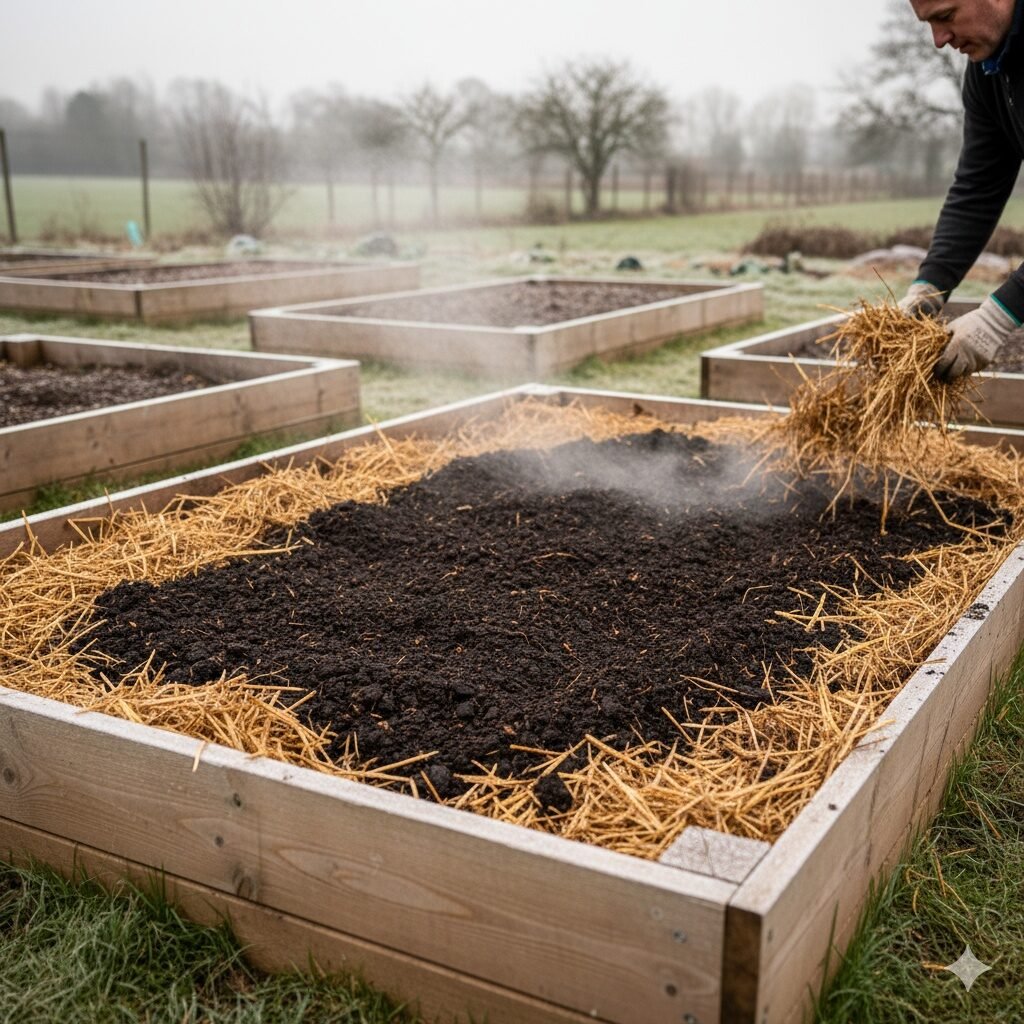
Linking Composting and Soil Care for Maximum Effect
Your winter composting efforts directly feed your soil amendments plan. Compost made or maintained through winter turns into humus — a dark, crumbly material rich in nutrients and beneficial organisms. When added to your garden beds, it binds soil particles, improves drainage, and enhances nutrient retention.
Timing Is Everything
Late winter or early spring is the perfect time to apply compost. This allows the soil to rest and integrate the nutrients before planting season begins. If you’re adding compost in mid-winter, top it with mulch to protect it from heavy rain.
A Winter Garden Example
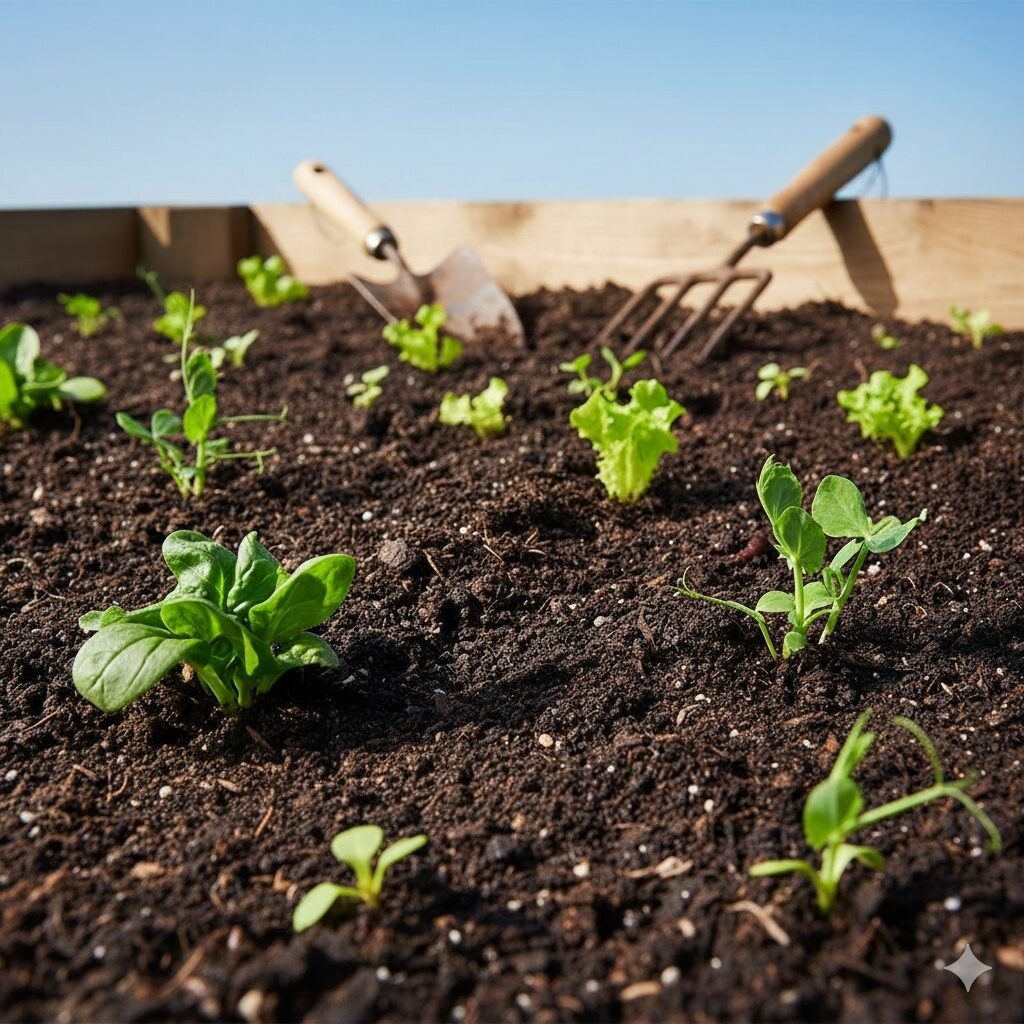
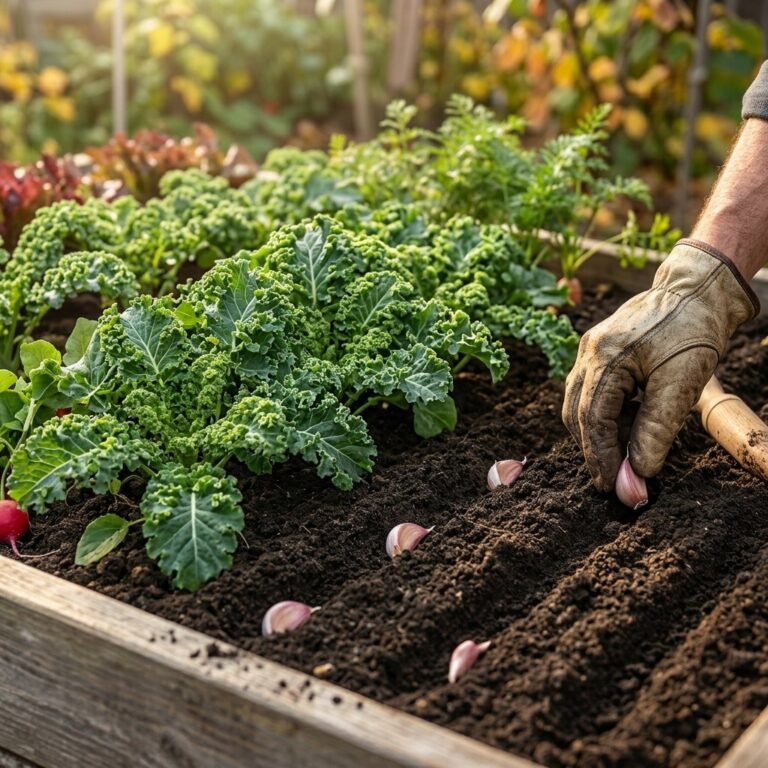
Picture this: it’s January, your raised bed is covered with a layer of half-finished compost and mulch. Underneath, microbes are slowly breaking down the material despite the chill. By March, that same bed is rich, dark, and full of worms — ready for your first seeds.
Common Pitfalls to Avoid
- Applying raw or unfinished compost right before planting — it may “burn” seedlings.
- Forgetting to turn or aerate your compost pile.
- Ignoring weeds or disease-carrying debris before covering beds.
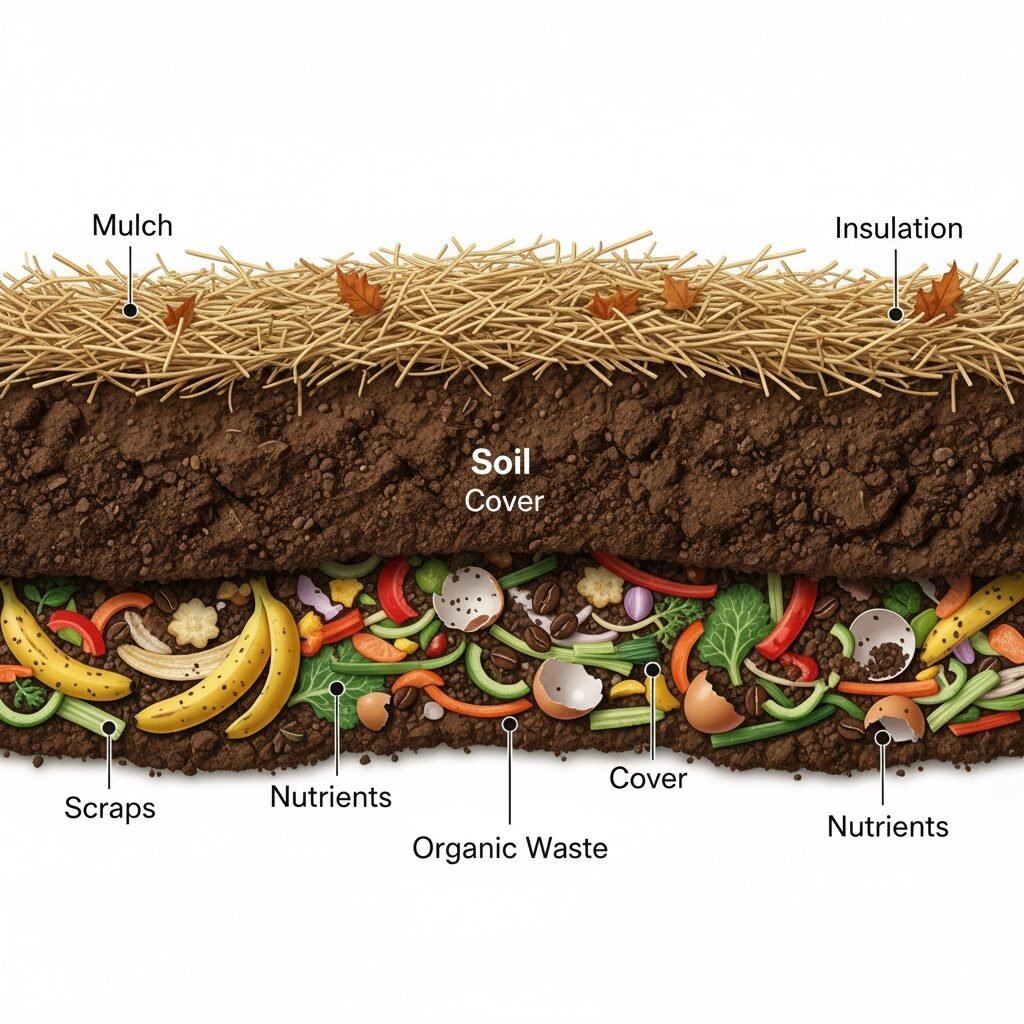
Useful Tools and Techniques
Techniques like trench composting (burying scraps directly into the soil) work beautifully in winter. You can also layer leaves and kitchen waste in a bin for slow composting, or run an indoor worm bin for continuous organic matter (Gardening Know How).
Troubleshooting and Special Considerations
Even the best compost setups need adjustments during winter. Here’s how to handle common issues.
If Your Compost Pile Freezes
Don’t panic — it’s temporary. Add a layer of fresh “greens” like kitchen waste once the temperature rises and cover again. For extra warmth, surround the bin with straw or move it into a sunnier spot (MYECOWORLD®).
If Your Garden Soil Gets Waterlogged
Standing water suffocates roots and beneficial organisms. Improve drainage by raising beds or adding coarse compost material to loosen compacted soil. Avoid walking on soggy beds — it increases compaction.
Pest and Weed Management
Cold doesn’t stop pests entirely. Rodents or stray animals might seek warmth in your compost pile. Keep bins covered and avoid adding cooked food. Remove visible weeds before covering your garden beds to prevent seed spread.
Budget-Friendly and Small-Space Tips
If you’re short on space or tools, you can still compost effectively. Use a simple leaf pile mixed with kitchen scraps, turn it by hand every few weeks, and cover it with a tarp. Even small efforts protect your soil and build fertility over time.
Spring Transition and Follow-Through
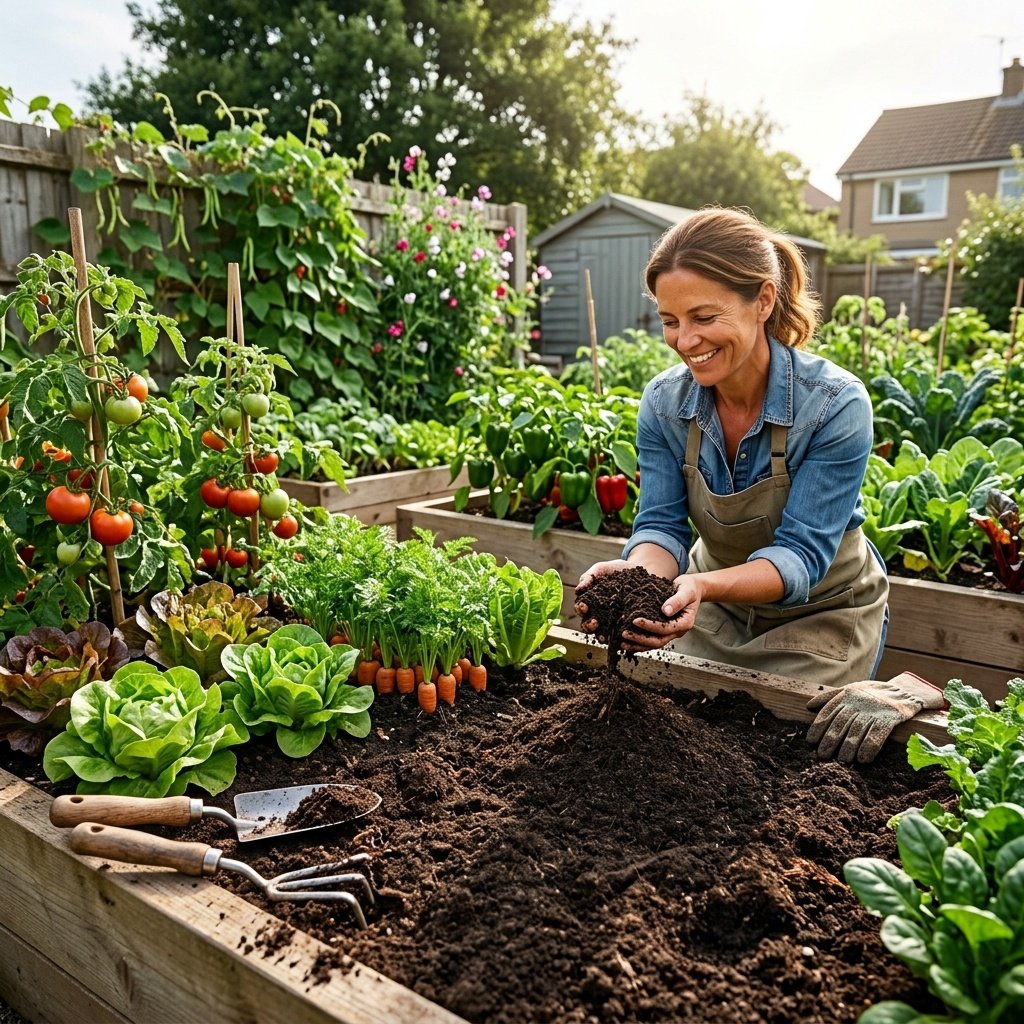
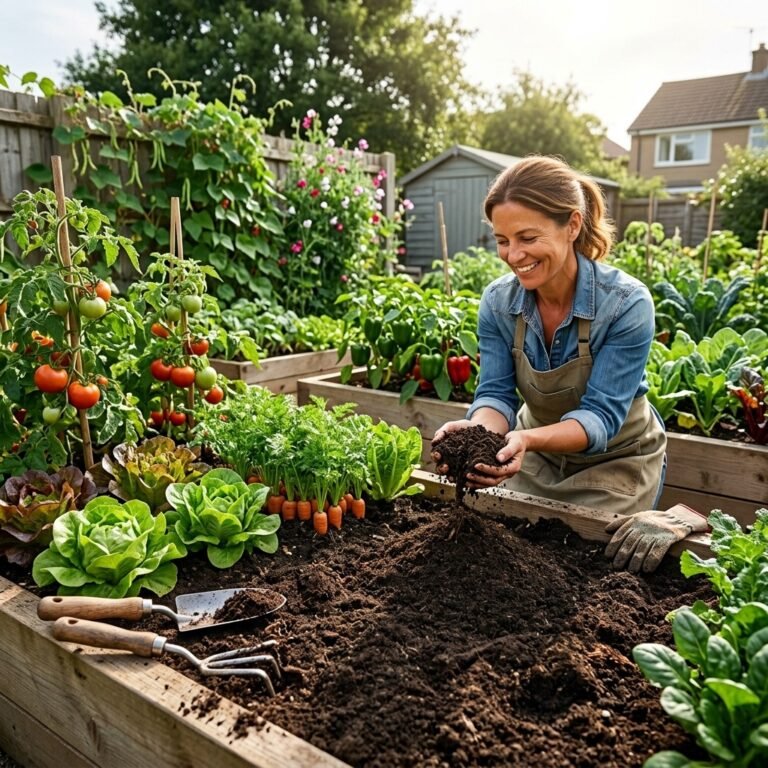
By early spring, your compost will be partially or fully ready. Scoop it out and spread it across your garden beds before planting. This is the reward for your winter work — a soft, rich soil that’s easier to dig and full of life.
You’ll notice clear improvements: the soil holds moisture better, drains more evenly, and teems with worms. That’s the sign your winter soil care paid off.
Now’s also the time to make this a yearly habit. Schedule a “winter soil and compost checklist” — add reminders to test, mulch, and turn compost piles each season.
Feeding your garden in winter sets the tone for a more resilient, productive spring.
Winter Composting Quick Checklist
- Add kitchen scraps weekly (avoid meat and dairy).
- Layer with dry leaves or straw after each addition.
- Turn pile once per month.
- Cover with a tarp or lid.
- Apply compost to garden beds by March.
Winter Composting At-a-Glance
| Task | Purpose | Best Timing | Tools / Tips |
|---|---|---|---|
| Build or insulate compost bin | Maintain warmth, protect microbes | Late fall | Straw bales, tarp, closed bin |
| Balance greens & browns | Prevent odor, encourage breakdown | All winter | 40% greens, 60% browns |
| Add compost to soil | Improve fertility, structure | Late winter | Rake or light tilling |
| Mulch beds | Protect from erosion & cold | Early winter | Straw, leaves, wood chips |
| Monitor moisture | Keep pile active | Every 2–3 weeks | Hand squeeze test – damp, not wet |
Final Thoughts
Winter might seem like an off-season for gardeners, but it’s actually the best season to prepare for success. By composting through the cold months and caring for your soil, you give your garden the nutrients and structure it needs to thrive once temperatures rise.
Healthy soil leads to stronger plants, fewer problems, and earlier growth — all because you kept working while the garden slept. Start today, even if it’s just a small compost bin or a light mulch layer. Your spring garden will thank you.
To know more about Composting in winter, following article from Epic Gardening may help you.
Before you wrap up, here’s a short and very eye-opening video that clears up some of the most common composting myths gardeners often believe. It digs into what really happens inside a compost pile, what materials actually break down well, and which “rules” you can safely ignore. Perfect if you’ve ever wondered whether things like citrus peels, cooked food, or weeds belong in your compost.
👉 Watch now:


Pingback: December Garden Jobs: Soil Care & Cover Crop Prep
Pingback: 7 Best Compost Bins for Home Gardeners (Top Picks)