


15 Best Plants to Grow in November: November might seem like a sleepy time in the garden, but it’s actually a quiet moment full of potential. The soil still holds a little warmth, the air feels fresh, and the light has that low, honeyed glow that makes everything look peaceful. Gardeners across the USA and Europe often treat this month as the true start of next year’s growing season — a time to sow what will wake up early in spring.
So, let’s talk through 15 of the best plants to sow or plant in November — five vegetables, five flowers, and five fruits that love this cool, restful window of the year.
5 Best Vegetables to Plant in November
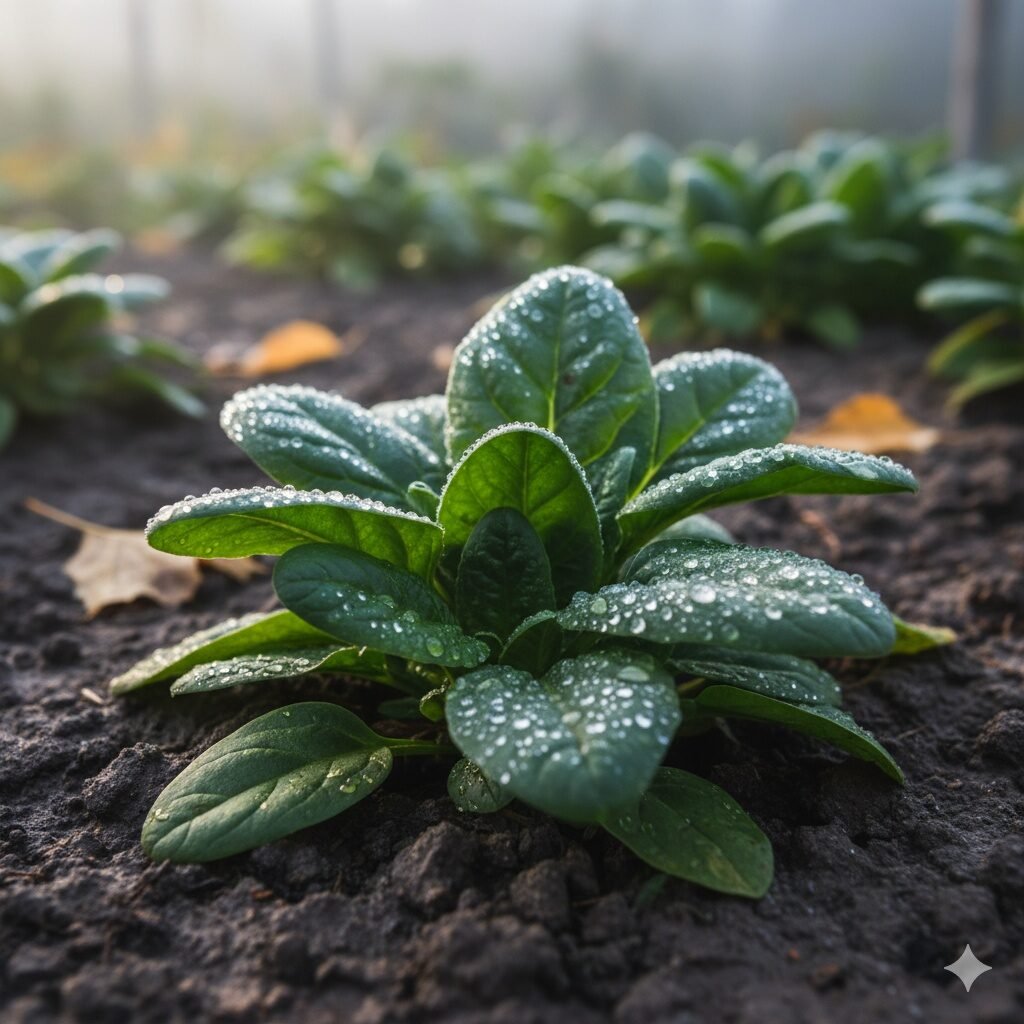
1. Spinach
Spinach thrives in cool air — it actually grows sweeter when the nights turn cold. Gardeners usually sow it directly in the soil or in pots that get at least a half-day of sun.
Planting & Care:
Scatter seeds about half an inch deep in loose, compost-rich soil. Spinach appreciates consistent moisture but not sogginess. A layer of mulch helps keep the soil damp and the roots insulated from frost. In the USA’s southern states and most of Europe, spinach continues to grow through mild winters when protected with fleece or a small cloche tunnel.
Harvest:
You can start picking baby leaves within 4–5 weeks, cutting from the outer edges to let the center regrow. Mature plants can be harvested whole, or you can keep cutting for continuous yields through winter.
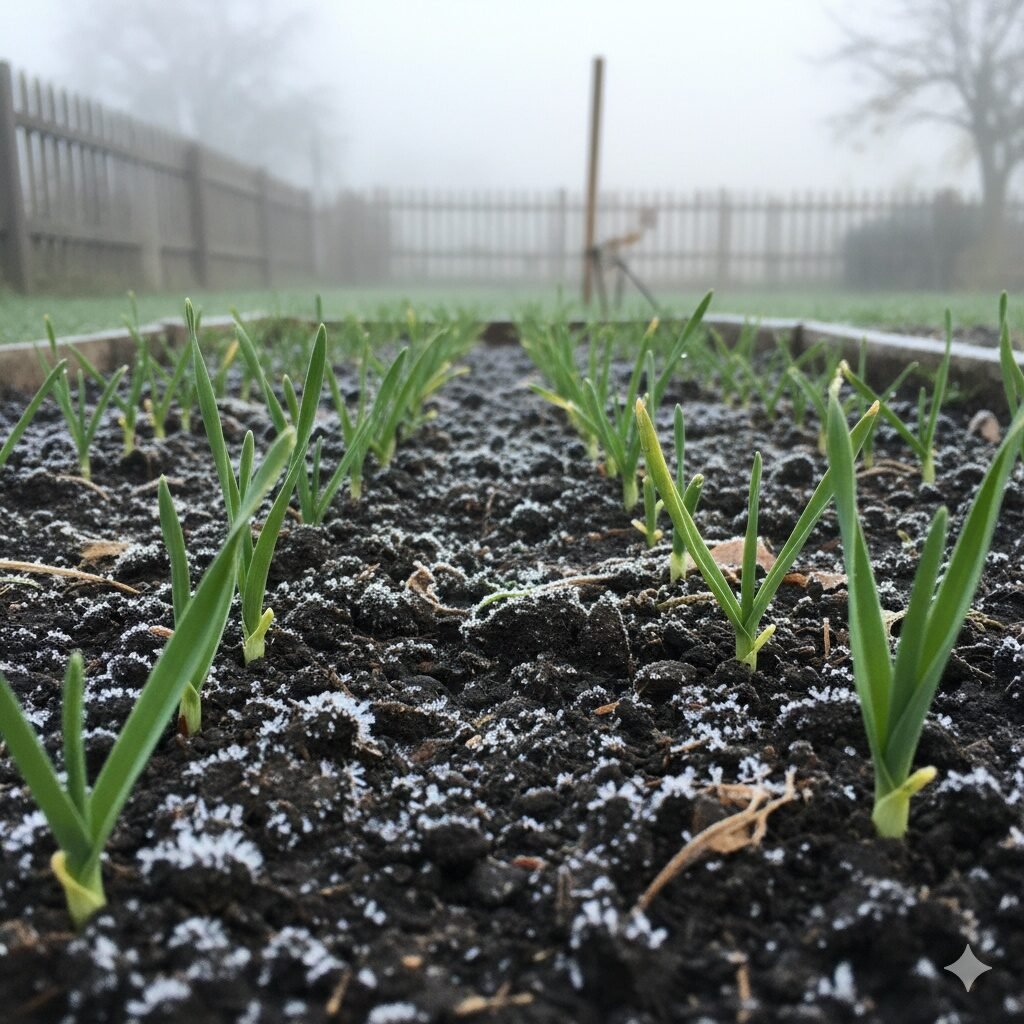
2. Garlic
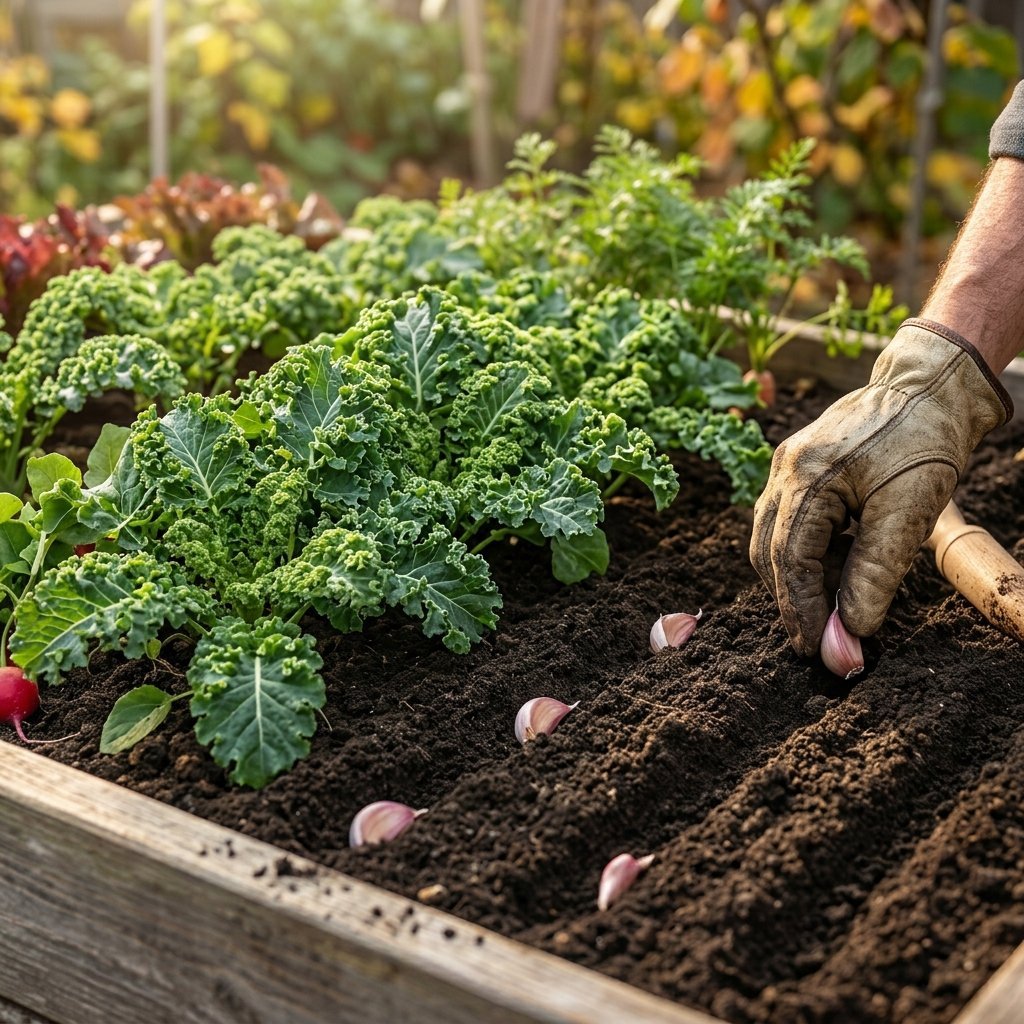
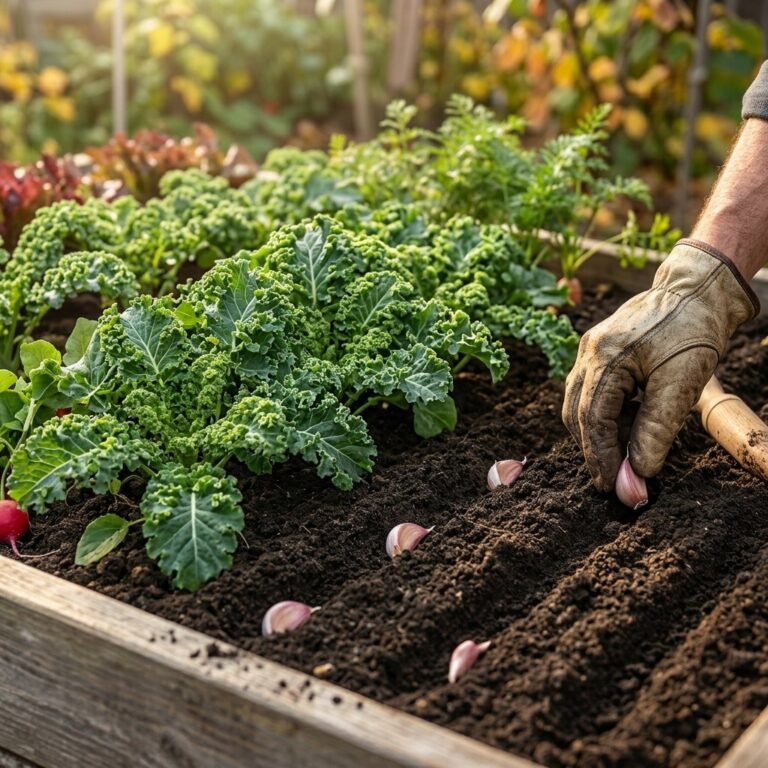
Garlic is a patient crop. You plant the cloves in November and let them rest under frost and rain while their roots grow strong. By early summer, you’ll have fat, flavorful bulbs ready to lift.
Planting & Care:
Break bulbs into individual cloves and plant each one two inches deep, pointed end up, about six inches apart. Garlic loves full sunlight and well-drained soil; soggy conditions cause rot. In very cold regions, a blanket of mulch or straw keeps the ground workable.
Harvest:
By late June or early July, when the lower leaves start yellowing, gently pull up the bulbs and dry them in a shaded, airy space for several weeks. Proper curing helps the skins tighten, allowing you to store them for months.
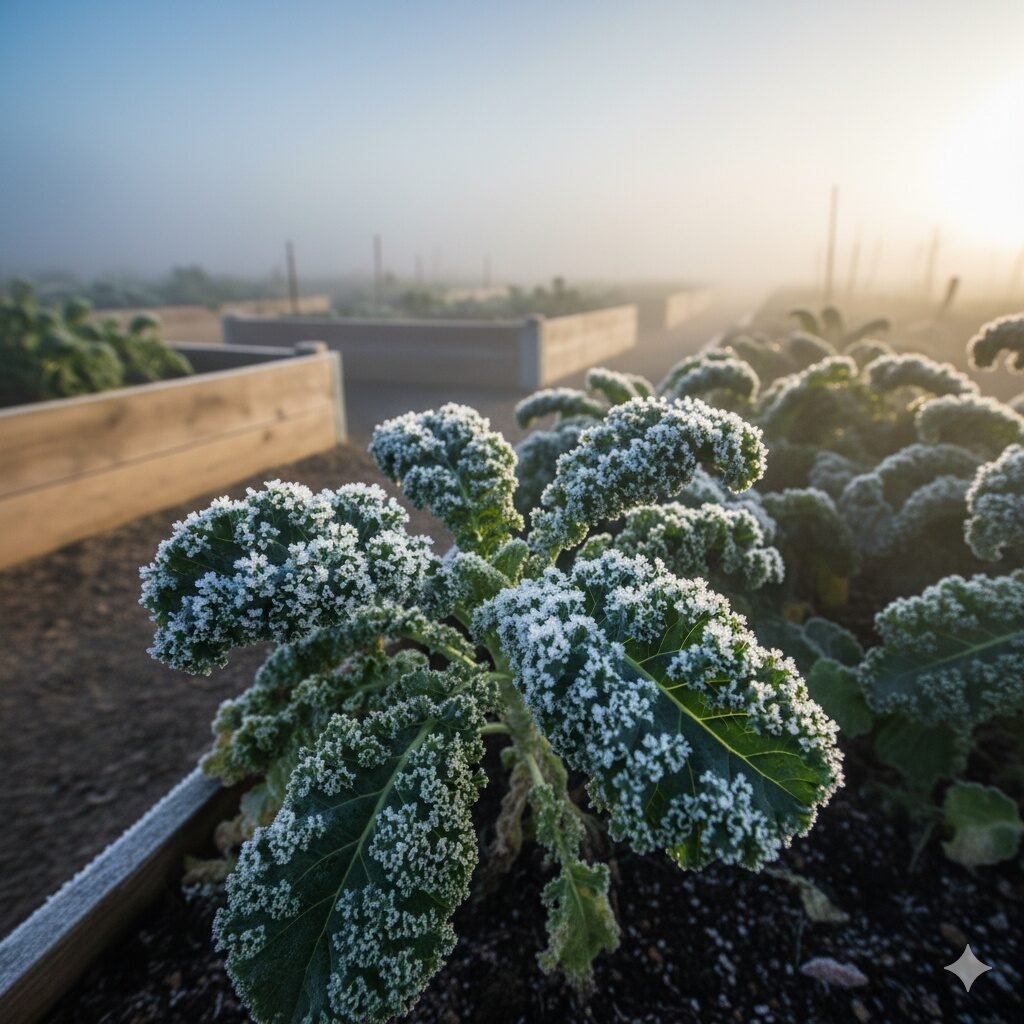
3. Kale
Kale is tough — almost heroic — when it comes to cold. It keeps growing when most greens give up, and frost even enhances its sweetness.
Planting & Care:
Start seeds indoors or in a sheltered bed, then transplant once seedlings reach about 4 inches tall. Space plants 12–18 inches apart to allow room for their wide leaves. Keep the soil fertile with compost and water when the top layer dries. Remove any yellowing leaves to maintain vigor and prevent pests.
Harvest:
Begin cutting the lower leaves once they’re palm-sized, leaving the crown to grow new ones. With regular picking, kale will produce for months, often surviving well into spring.
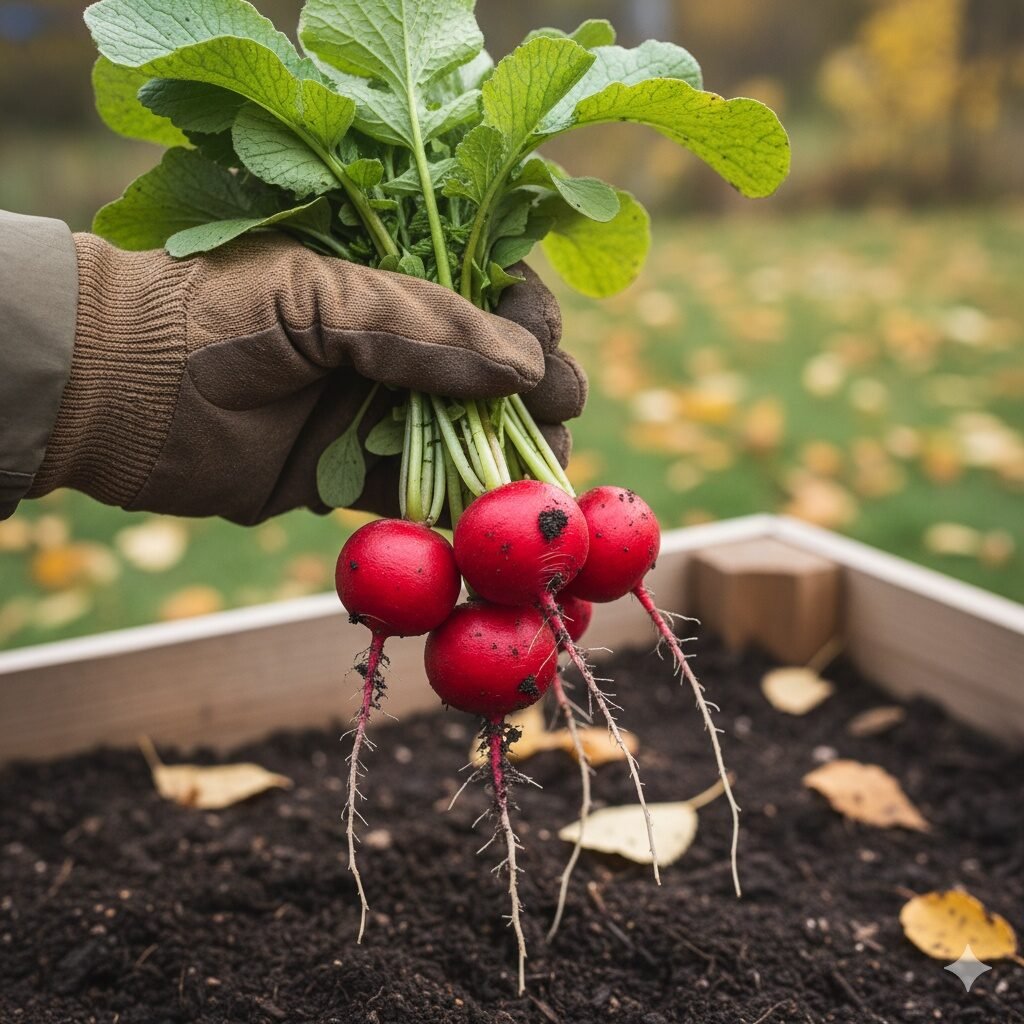
4. Radishes
Quick-growing and cheerful, radishes are a gardener’s small joy during the cold months — crisp, colorful, and ready before you know it.
Planting & Care:
Sow seeds directly into the soil about an inch apart, in rows spaced six inches apart. Radishes need little maintenance — just consistent watering and good drainage. You can sow a small batch every two weeks for a steady supply.
Harvest:
In just three to four weeks, you’ll have plump, crunchy roots ready to enjoy. Pull them early for a milder taste, or let them grow a little longer for sharper flavor.
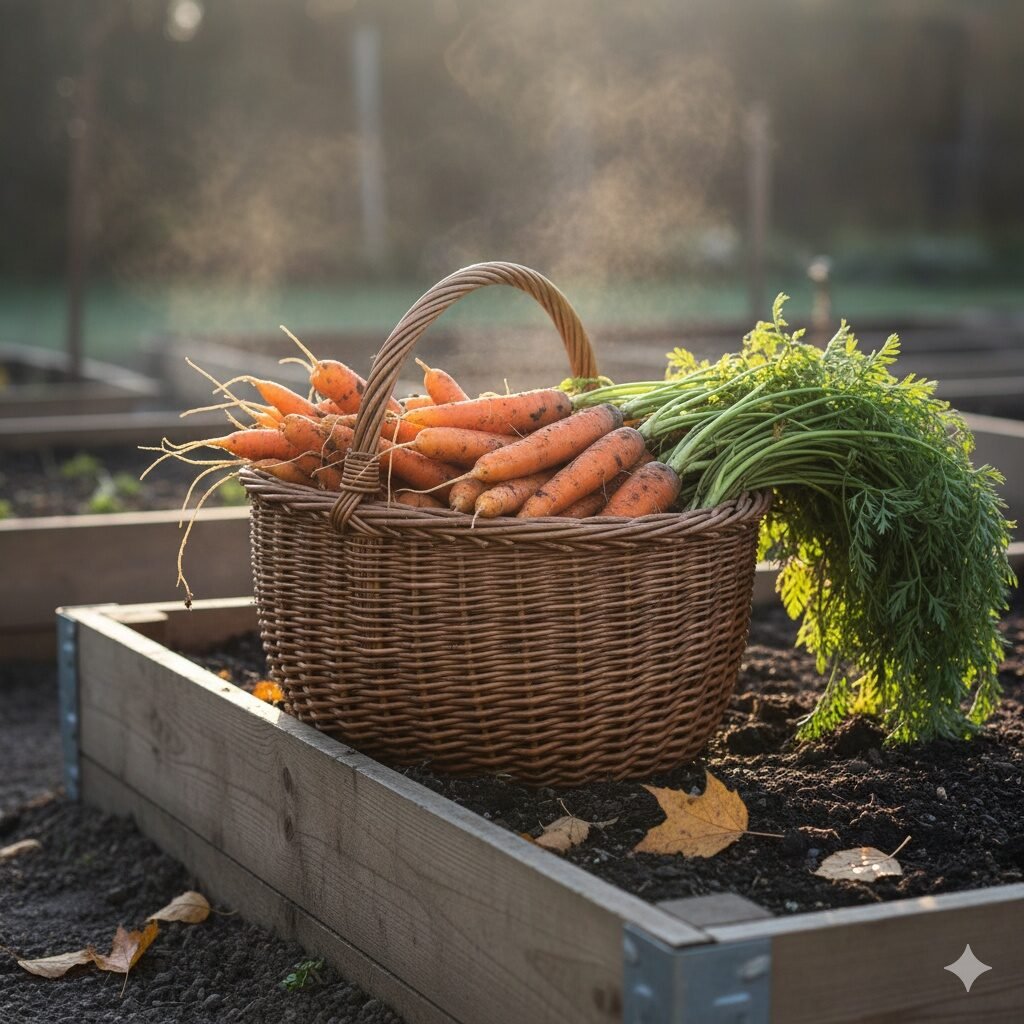
5. Carrots
Carrots adore cool weather and loose, well-aerated soil. In mild regions, sowing in November ensures a late-winter or early-spring harvest.
Planting & Care:
Sow seeds thinly and cover lightly with soil — carrot seeds need light contact to germinate. Keep the top layer evenly moist and weed regularly so seedlings don’t face competition. In very cold areas, cover the bed with fleece or straw mulch for insulation.
Harvest:
Expect small, tender carrots in about 10–12 weeks. The chill of late winter naturally sweetens them, making them perfect for roasting or fresh salads.
5 Best Flowers to Plant in November
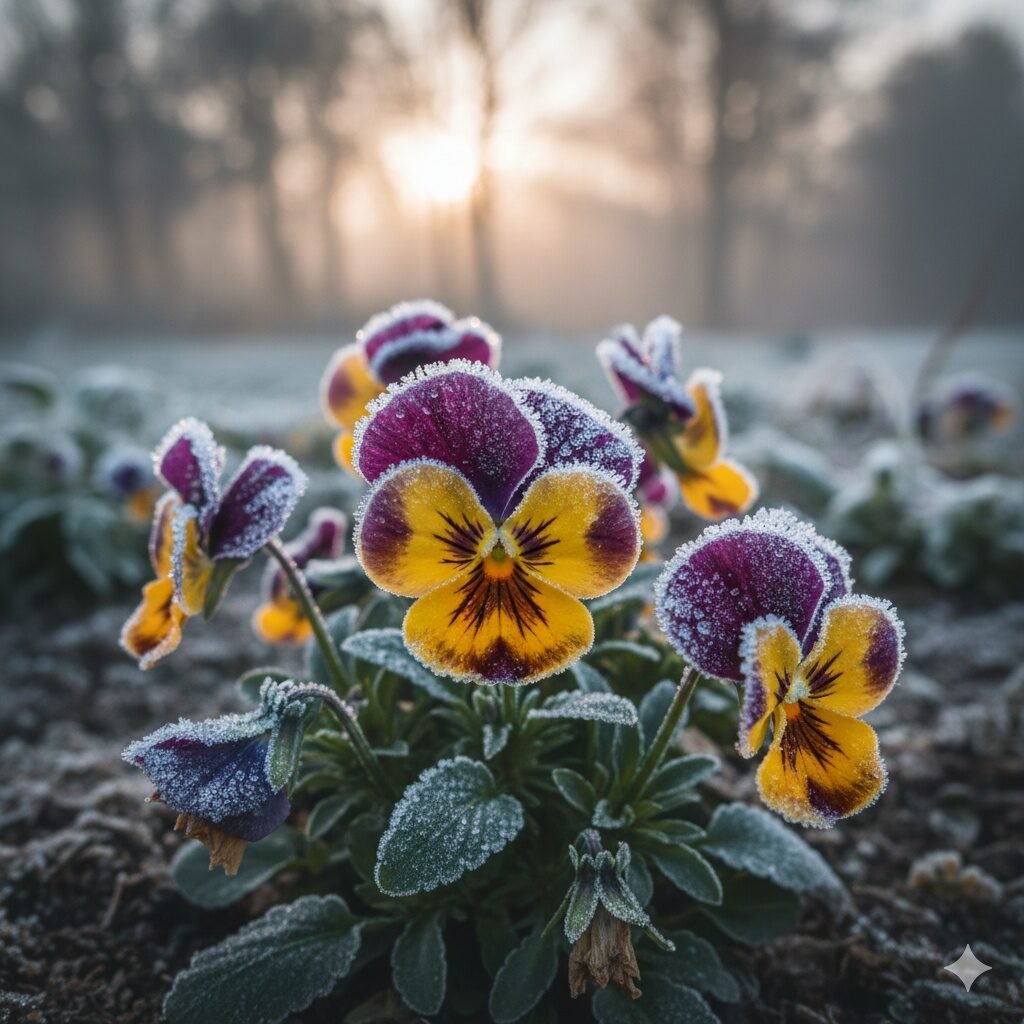
6. Pansies
Pansies are the garden’s little winter warriors — cheerful, cold-hardy, and full of color when everything else turns grey.
Planting & Care:
Transplant young pansy seedlings into well-drained soil in pots or borders. They like partial sun and benefit from deadheading spent blooms to encourage continuous flowering. During cold snaps, a light mulch keeps roots protected.
Bloom Time:
They flower from late winter through spring, filling gardens and window boxes with bright, velvety hues that seem to smile through the frost.
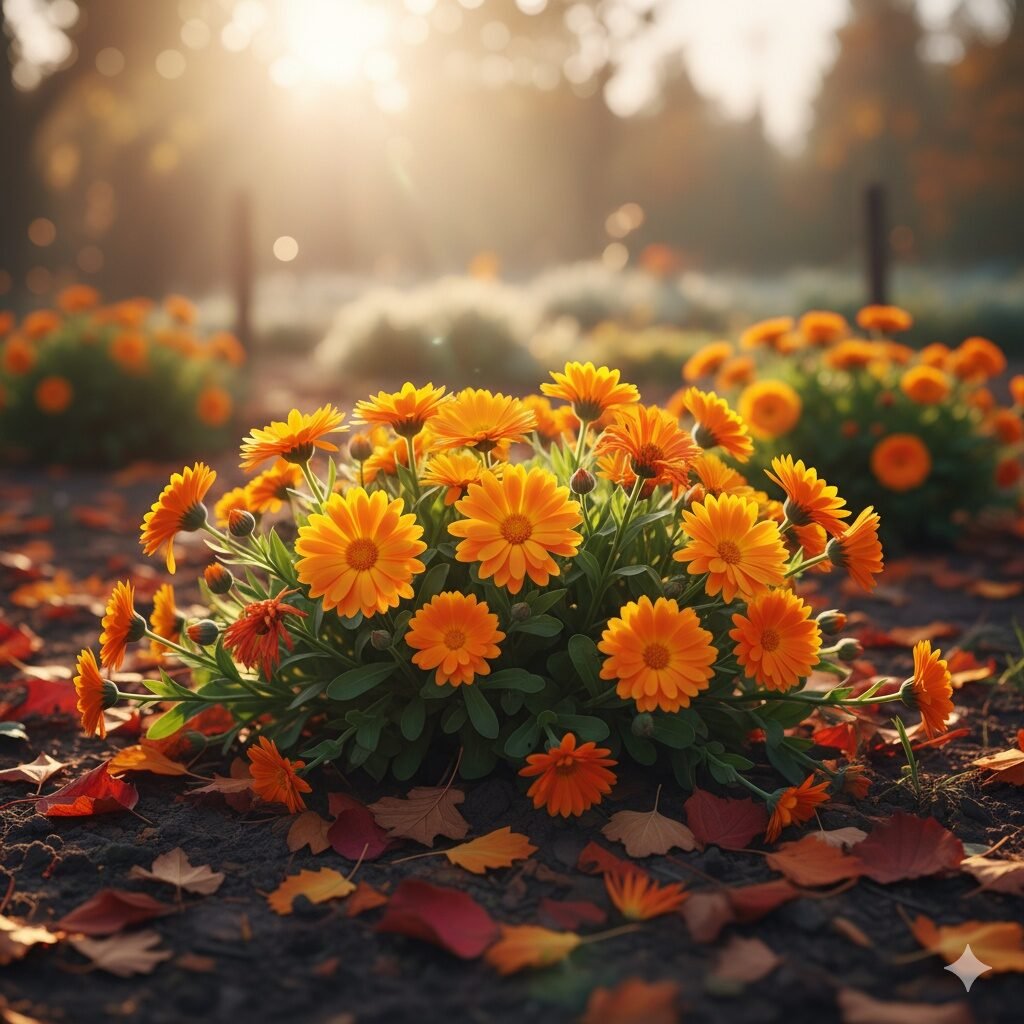
7. Calendula (Pot Marigold)
Calendula is a hardy annual that brightens cool months with its golden-orange blooms. It’s also known for its soothing properties in skin care and teas.
Planting & Care:
Sow seeds directly outdoors where you want them to bloom. Calendula thrives in cool air and tolerates light frost. Keep the soil moist but not soggy and add mulch to prevent weeds. Once established, they often self-seed, returning year after year with little effort.
Bloom Time:
Expect blooms from early spring through summer, glowing like drops of sunlight on chilly mornings.
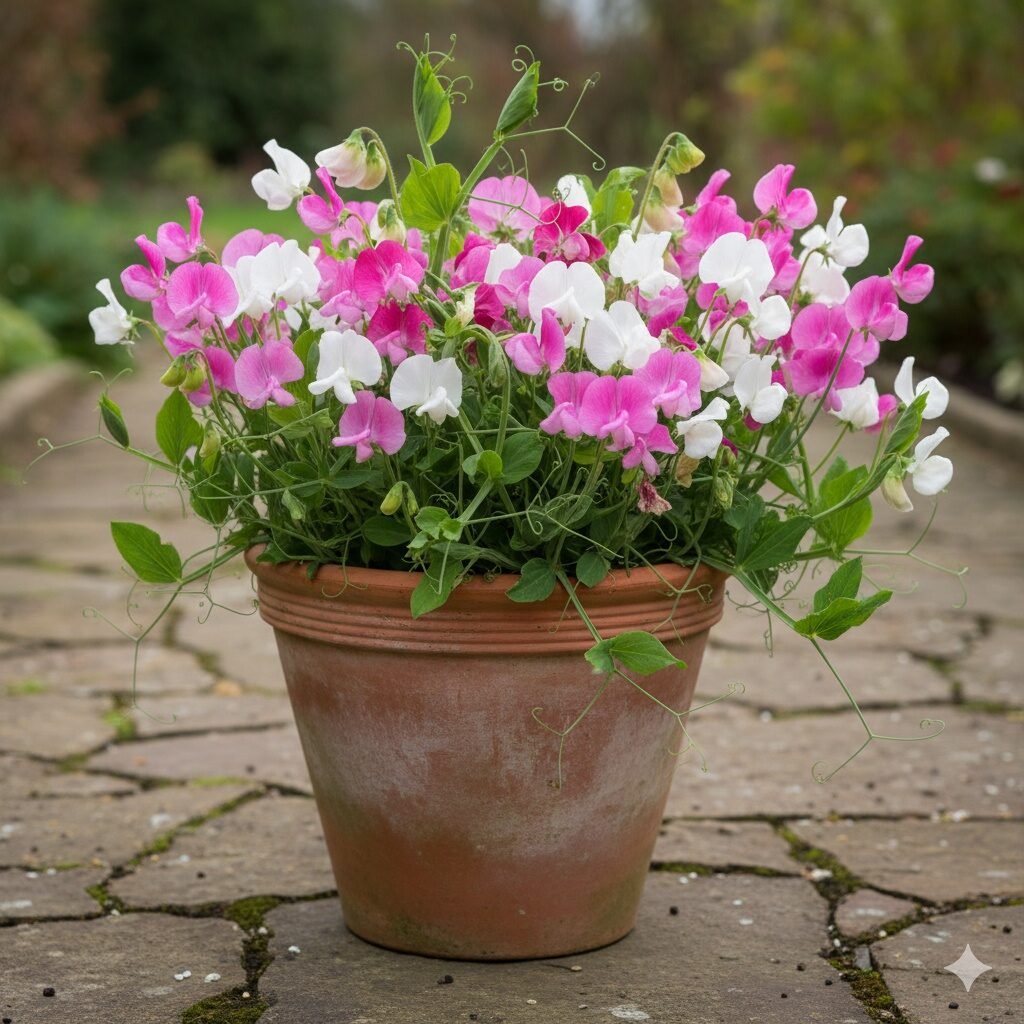
8. Sweet Peas
Sweet peas are beloved for their fragrance and delicate, fluttering blooms. Sowing in November allows them to establish strong roots and deliver early, abundant flowers next year.
Planting & Care:
Sow seeds into deep pots or root trainers, as their roots grow long. Keep them in a cold frame or unheated greenhouse over winter. When seedlings reach 4–6 inches, pinch out the tips to encourage bushy growth. Support them with netting or canes once transplanted outdoors.
Bloom Time:
They burst into bloom in late spring, filling the garden with perfume and pastel color. The more you pick, the more they’ll flower.
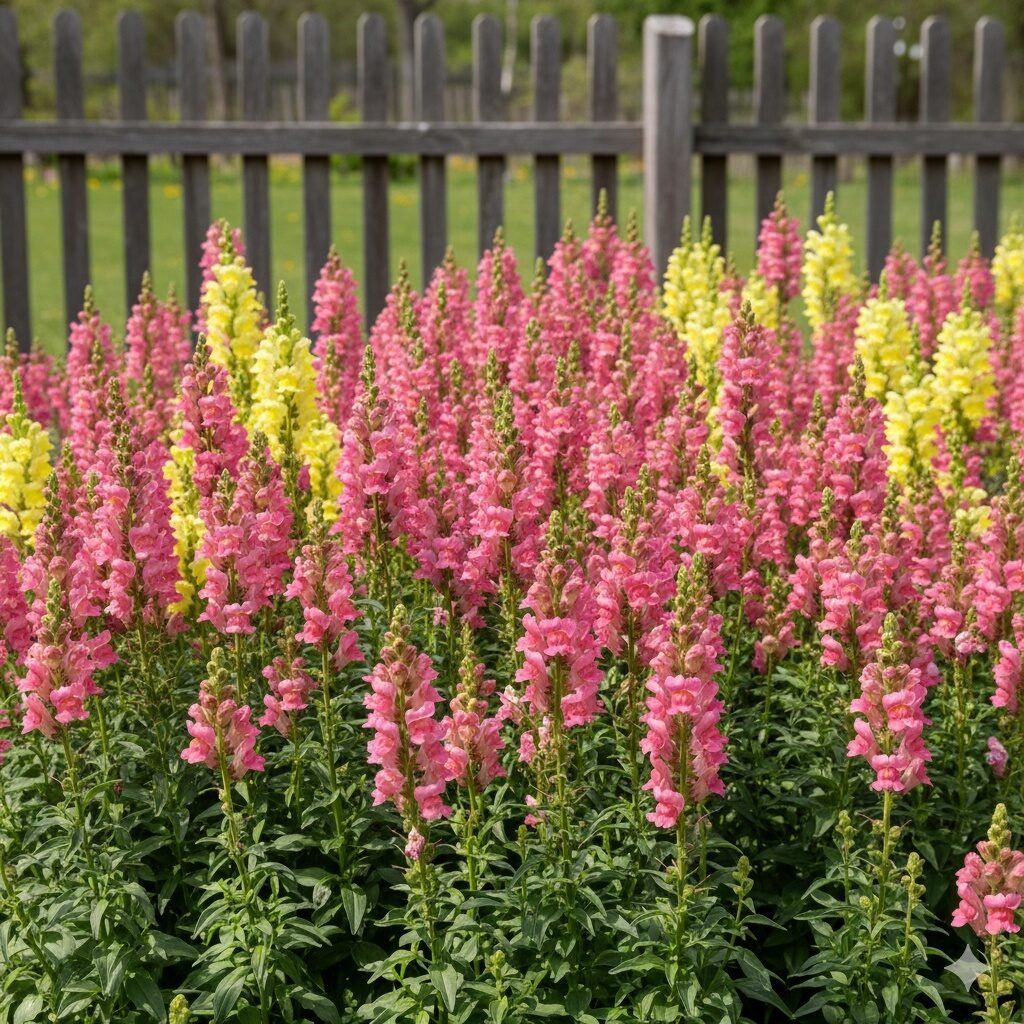
9. Snapdragons
Snapdragons (Antirrhinum) add a touch of nostalgia to any garden with their tall, colorful spires. Despite their delicate looks, they’re surprisingly frost-tolerant.
Planting & Care:
Plant seedlings in sunny spots with well-drained soil. Water regularly, but avoid overwatering, as dampness can cause root issues. Feed lightly with a balanced fertilizer every few weeks for lush blooms. Deadhead often to extend the flowering season.
Bloom Time:
They bloom from early spring well into summer, creating vertical splashes of color perfect for borders or cutting gardens.
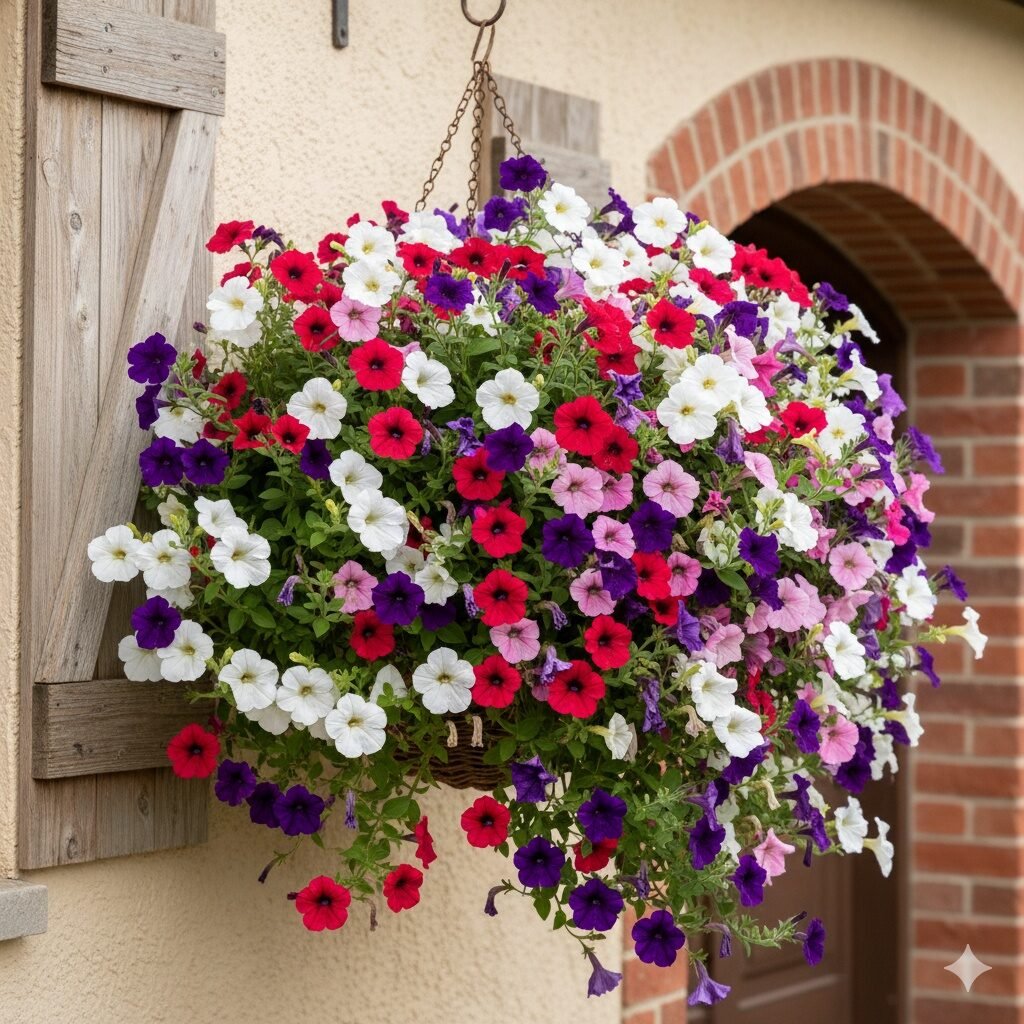
10. Petunias
Petunias are a gardener’s summer showpiece, and November is the ideal time to start them indoors for a strong spring start.
Planting & Care:
Sow fine seeds over moist compost and gently press them in without covering. Keep trays warm and brightly lit, around 65–70°F (18–21°C). Once seedlings develop true leaves, transplant them into small pots and keep them under light until spring.
Bloom Time:
By late spring, they’ll be ready to move outdoors, bursting into long-lasting, vibrant flowers that bloom nonstop until frost.
5 Best Fruits to Plant in November
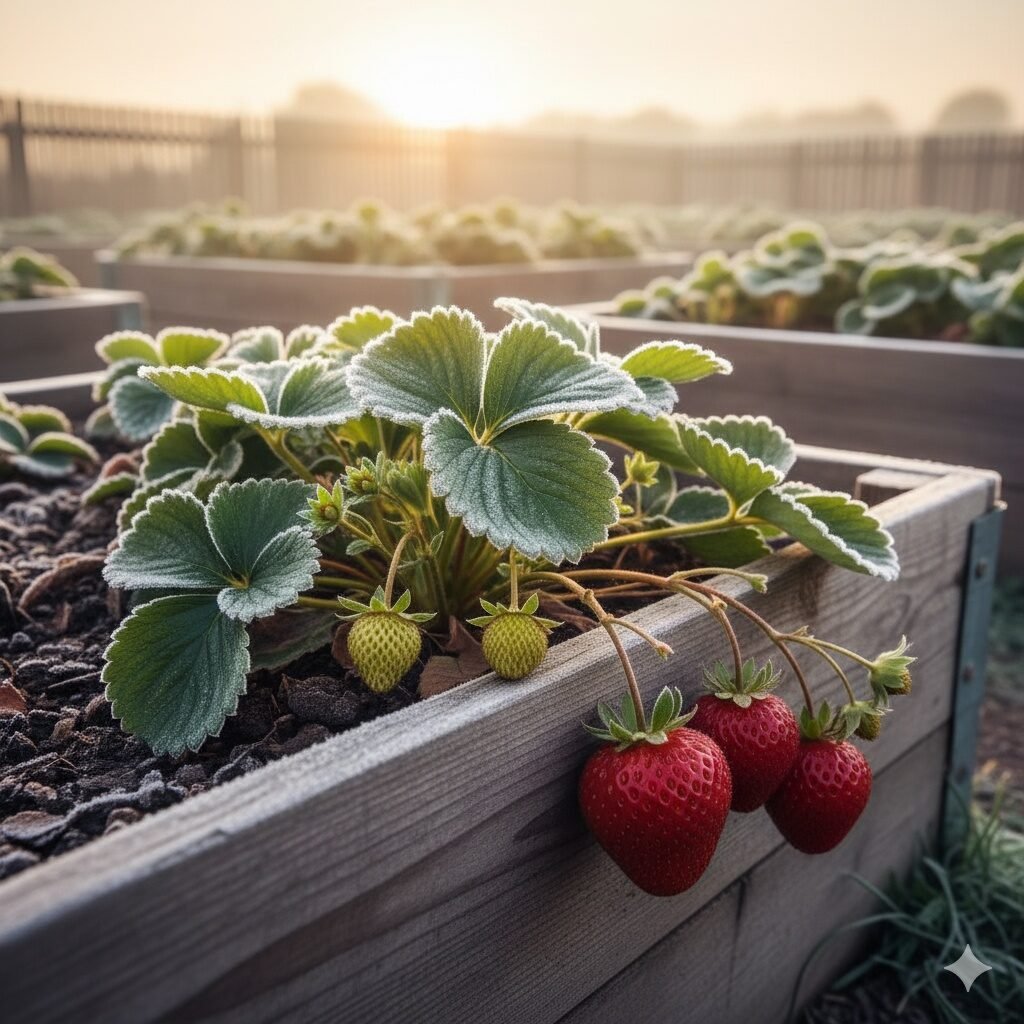
11. Strawberries
Planting strawberries in autumn gives them time to root deeply before winter’s rest, setting the stage for a heavy crop in spring.
Planting & Care:
Choose healthy runners or young plants and set them into sunny beds or large containers filled with compost-rich soil. Keep the crown (where leaves meet roots) just above the surface. Water well but don’t overdo it, as strawberries dislike soggy soil. Mulch with straw to protect roots and keep fruit clean next season.
Harvest:
From late spring to early summer, you’ll be rewarded with clusters of sweet, red berries that announce the true arrival of warm weather.
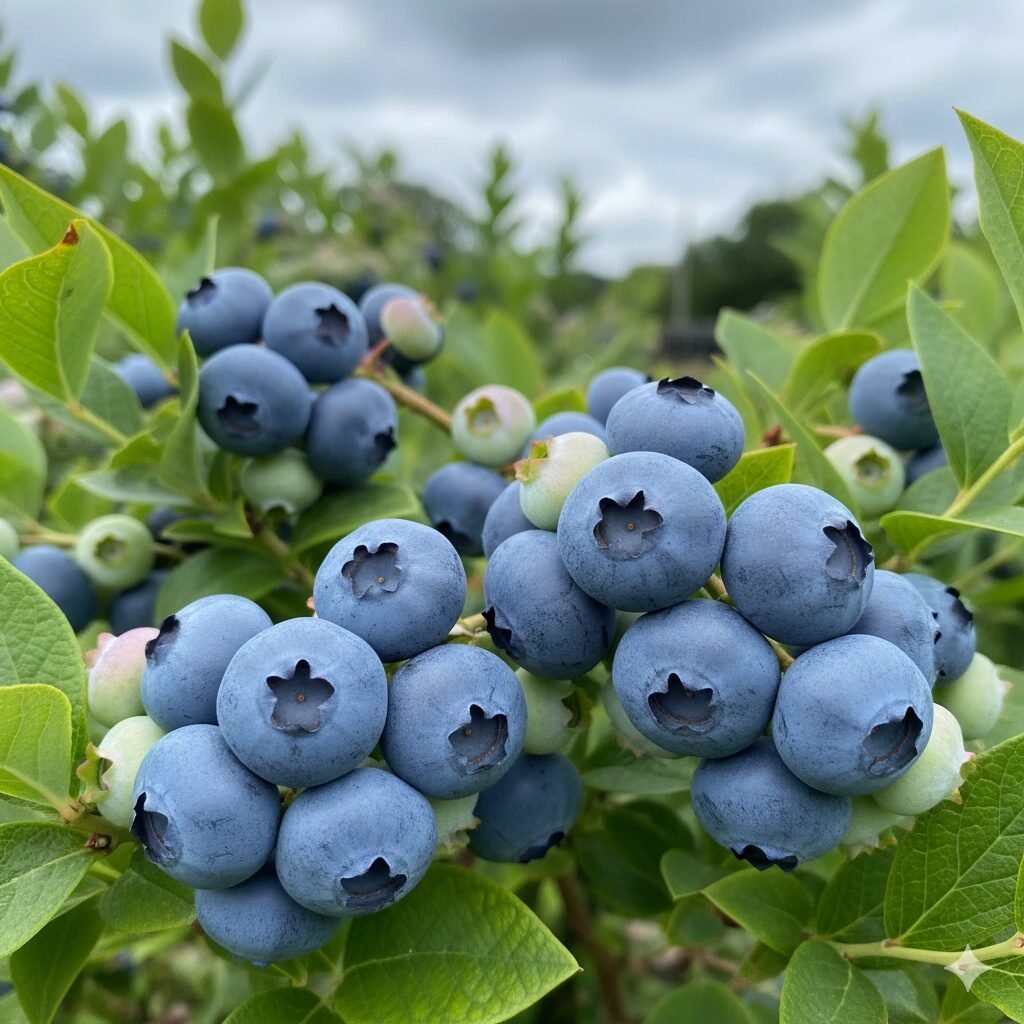
12. Blueberries
Blueberries are low-maintenance, beautiful shrubs that love acidic soil and cool climates — ideal for November planting.
Planting & Care:
Plant bare-root or potted bushes in ericaceous compost, either in beds or large containers. Water with rainwater whenever possible (tap water can raise pH). Add pine needles or leaf mold as mulch to maintain soil acidity.
Harvest:
By midsummer, clusters of blue, waxy fruits appear. They’re delicious fresh or frozen — and the shrubs turn fiery red in autumn, adding ornamental value too.
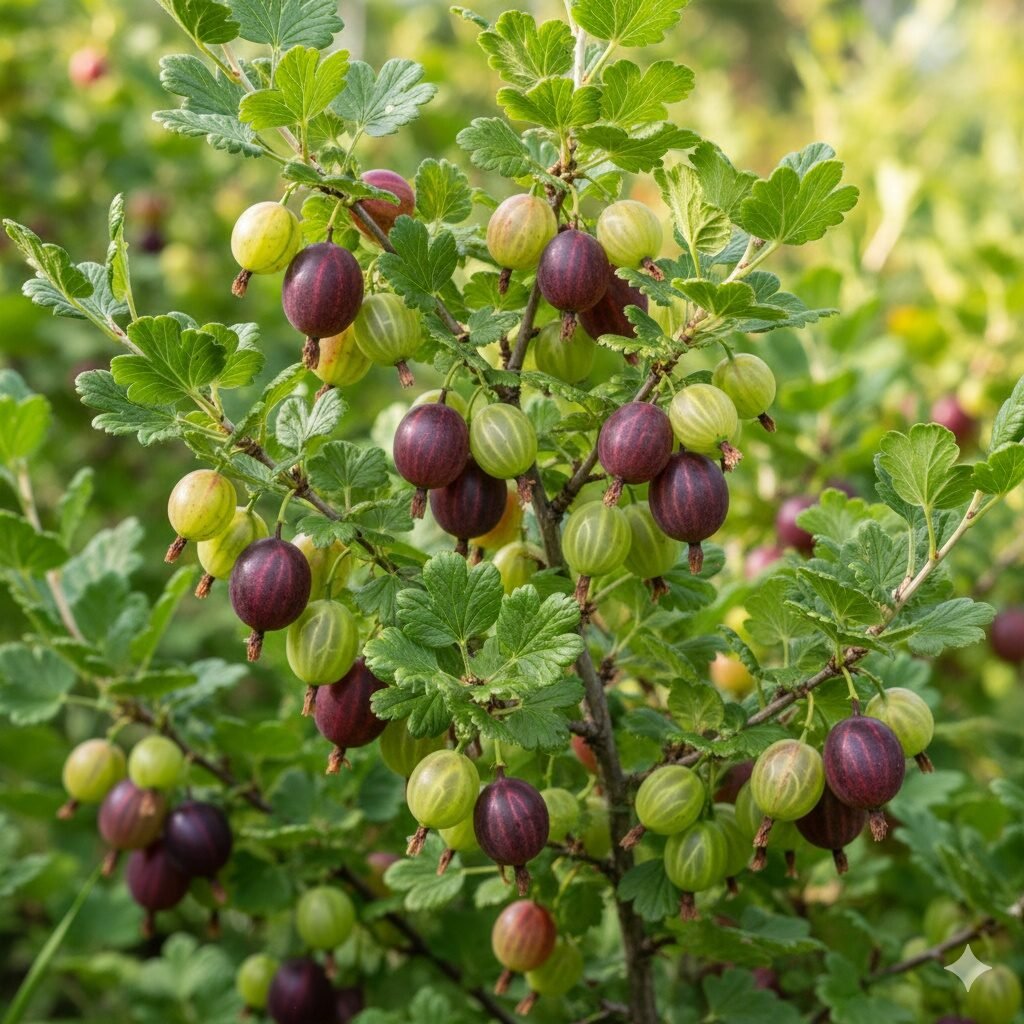
13. Gooseberries
Gooseberries are a classic fruit for cool gardens — hardy, productive, and beautifully self-sufficient.
Planting & Care:
Plant bare-root bushes in a sunny spot with well-drained soil. Space them around 3–4 feet apart to ensure good air circulation. In winter, prune to remove crossing branches and shape the bush, which helps prevent mildew.
Harvest:
Fruits ripen by early summer. Harvest early for tart cooking gooseberries or later for sweeter, dessert-ready berries. The bushes often produce for decades with little attention.
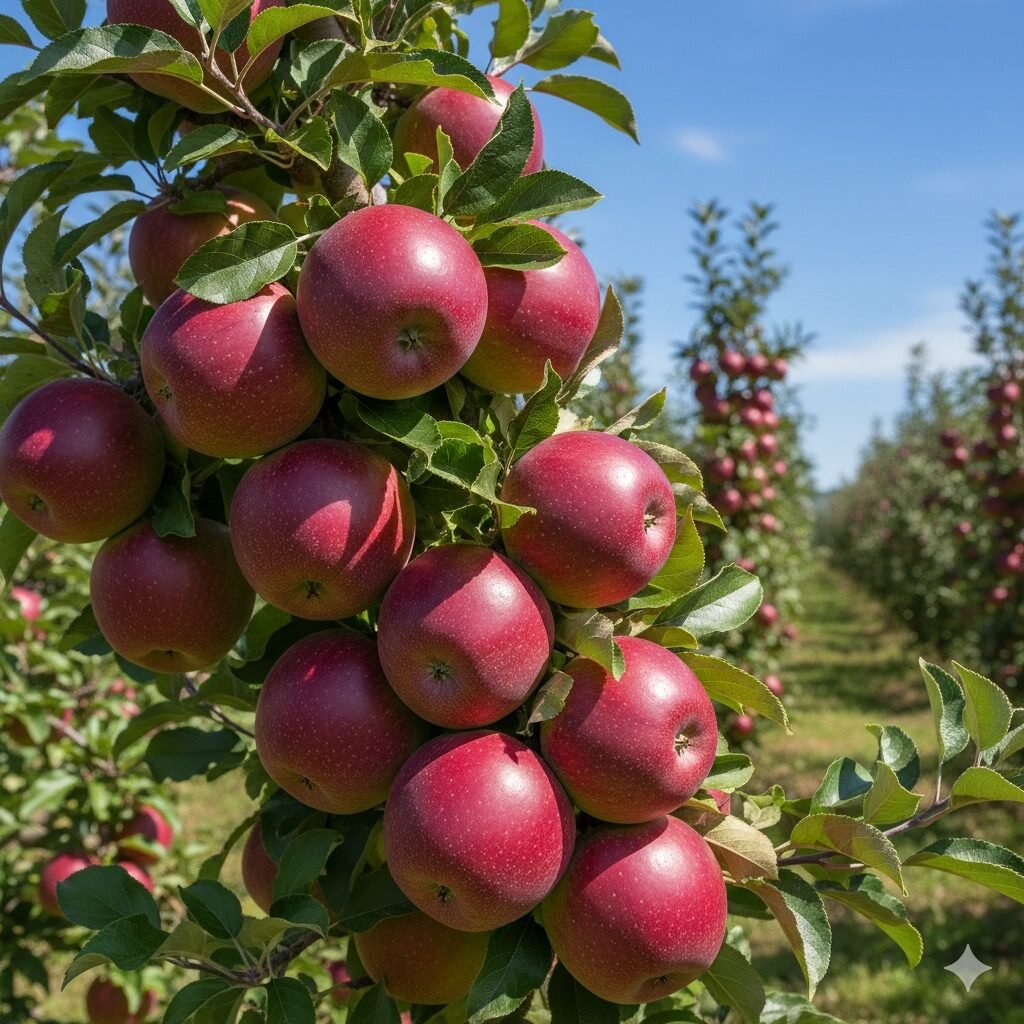
14. Apple Saplings
Apple trees are a cornerstone of the traditional garden, and November is the best time to plant bare-root varieties.
Planting & Care:
Dig a wide, deep hole and mix compost with loosened soil at the bottom. Place the tree so the graft union sits just above ground level. Firm the soil, stake securely, and water deeply. Through winter, roots will quietly settle in, preparing for vigorous spring growth.
Harvest:
Depending on the variety, you can expect your first apples in 2–3 years. With patience, you’ll have fragrant blossom in spring and baskets of fruit for years to come.
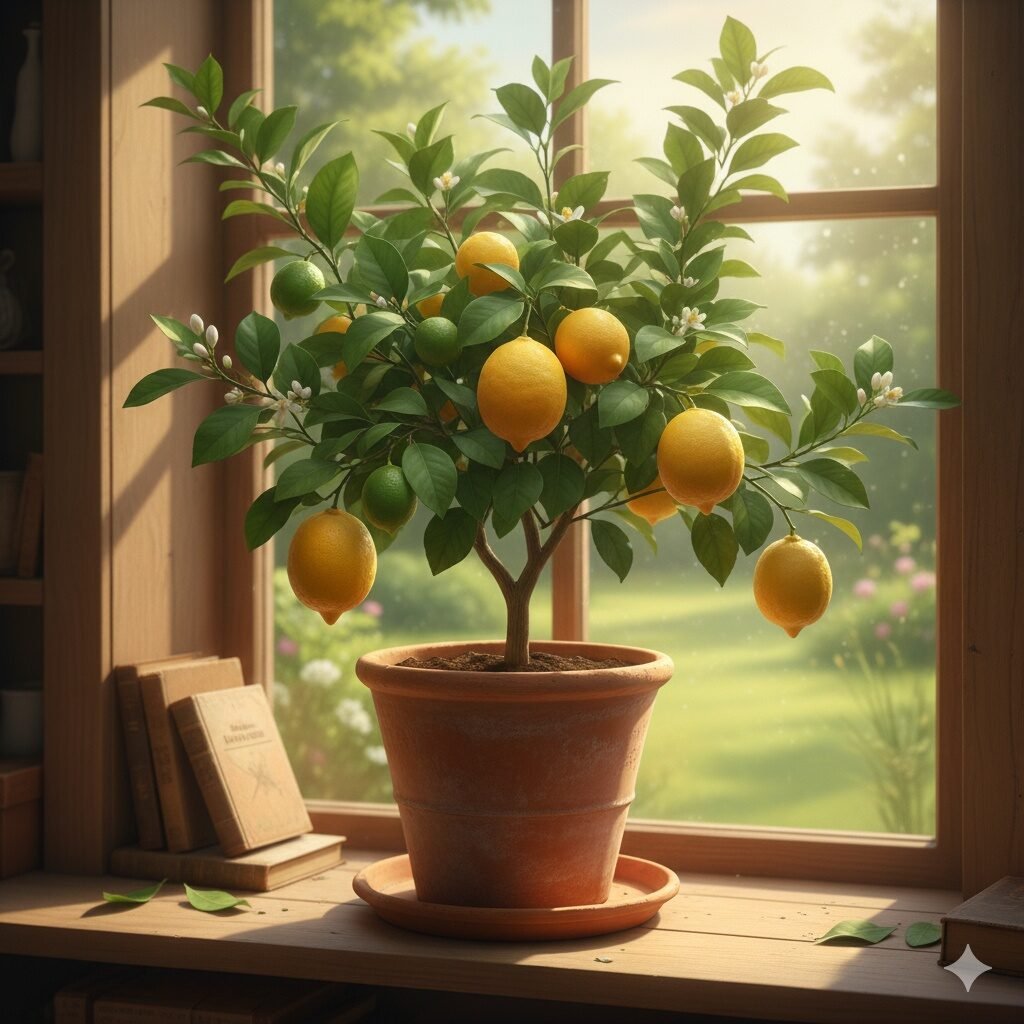
15. Citrus in Pots
For those in cooler climates, citrus trees bring the essence of sunshine indoors. Lemons, limes, and mandarins all grow happily in pots when given light and care.
Planting & Care:
Use loamy, free-draining soil in a container with good drainage holes. Keep trees in a sunny conservatory or by a bright window through winter. Water sparingly — the roots prefer to dry slightly between waterings — and feed with citrus fertilizer from early spring onward.
Harvest:
Small fruits begin forming within a year or two. With their glossy leaves and fresh scent, even a young tree adds life to a winter room.
Quick Planting Calendar
| Plant Type | Germination | Harvest/Flower | Notes |
|---|---|---|---|
| Spinach | 1–2 weeks | 4–6 weeks | Keep soil moist |
| Garlic | 2–4 weeks | 7–8 months | Mulch in cold weather |
| Kale | 2–3 weeks | Ongoing leaves | Frost improves flavor |
| Radish | 1 week | 3–4 weeks | Sow small batches |
| Carrot | 2–3 weeks | 10–12 weeks | Protect with fleece |
| Pansy | Seedling | Winter–Spring | Deadhead often |
| Calendula | 1–2 weeks | Early Spring | Self-seeds easily |
| Sweet Pea | 2 weeks | Late Spring | Pinch tops |
| Snapdragon | Seedling | Spring–Summer | Likes sun |
| Petunia | 1–2 weeks | Spring–Summer | Start indoors |
| Strawberry | Established plant | Late Spring | Mulch and protect crown |
| Blueberry | Shrub | Midsummer | Needs acidic soil |
| Gooseberry | Shrub | Early Summer | Prune yearly |
| Apple | Sapling | 2–3 years | Stake and water well |
| Citrus | Pot | 1–2 years | Indoor winter care |
Winter Care Tips
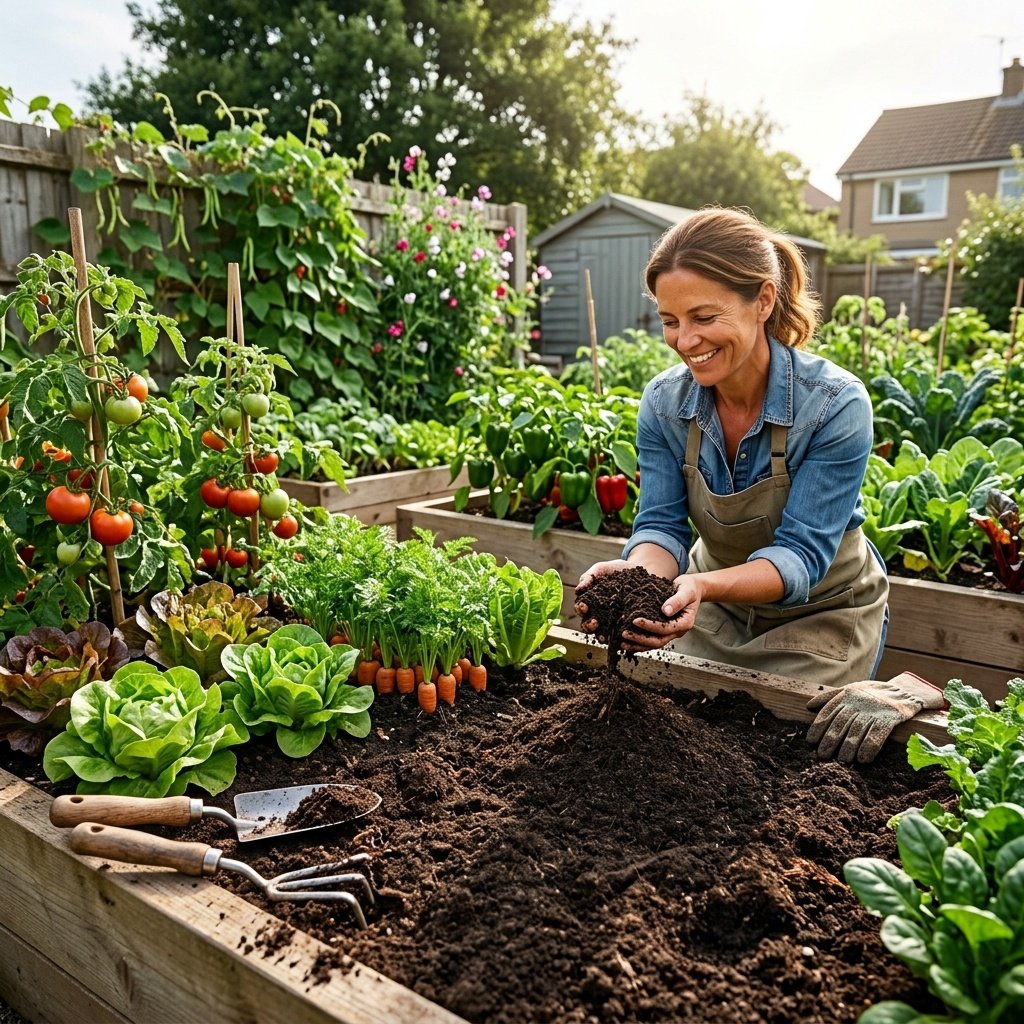
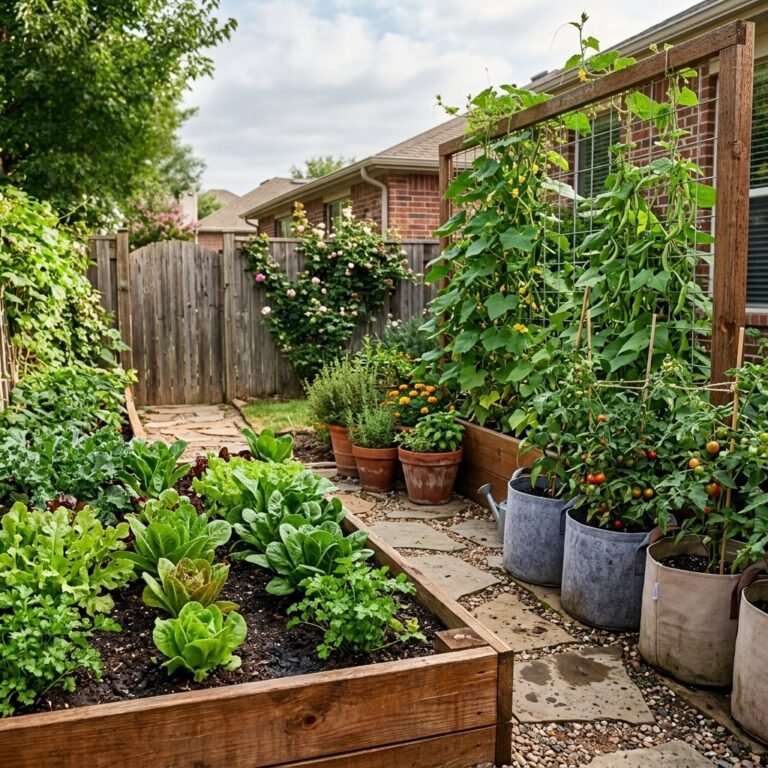
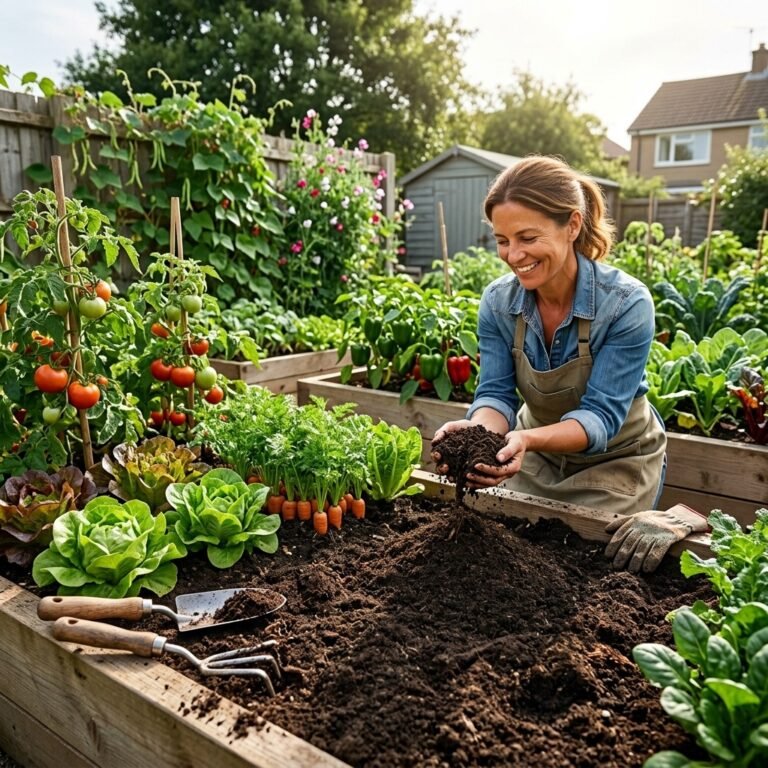
Mulch garden beds generously to trap warmth and protect roots from frost. Raised beds drain better during wet weather, reducing rot risk. Water only when soil feels dry, as cool air slows evaporation. In frost-prone regions, use cloches or garden fleece at night for delicate seedlings.
And perhaps most importantly — take a moment to walk through your garden. November carries a quiet beauty: the calm before the rush of spring. Beneath the stillness, seeds are settling, roots are reaching deeper, and next season’s life is already beginning its slow, silent work.
If you’re eager to learn more about winter gardening, the following article- 10 Frost-Resistant Plants to Keep Your Garden Colourful All Winter is a great place to start.
Also enhance your understanding of 9 Perennial Crops You Can Plant in November with insights from Here.
Final Thoughts
November may look quiet on the surface, but in truth, it’s one of the most hopeful months in a gardener’s year. Beneath the cool air and bare branches, life is stirring — tiny seeds pushing roots, bulbs finding their place, and soil quietly healing from summer’s rush.
Planting now isn’t just about getting ahead for spring — it’s about embracing the rhythm of nature. The shorter days give you time to plan, the slower pace lets you work with intention, and every bulb or seed sown now feels like a small promise to your future garden.
So pull on your gloves, breathe in that crisp air, and enjoy this peaceful window between seasons. A few hours of planting in November will reward you with color, flavor, and growth when the world starts to warm again — proof that even in stillness, the garden is never truly asleep.

Pingback: Composting and Soil Care Over the Winter for Spring Success