

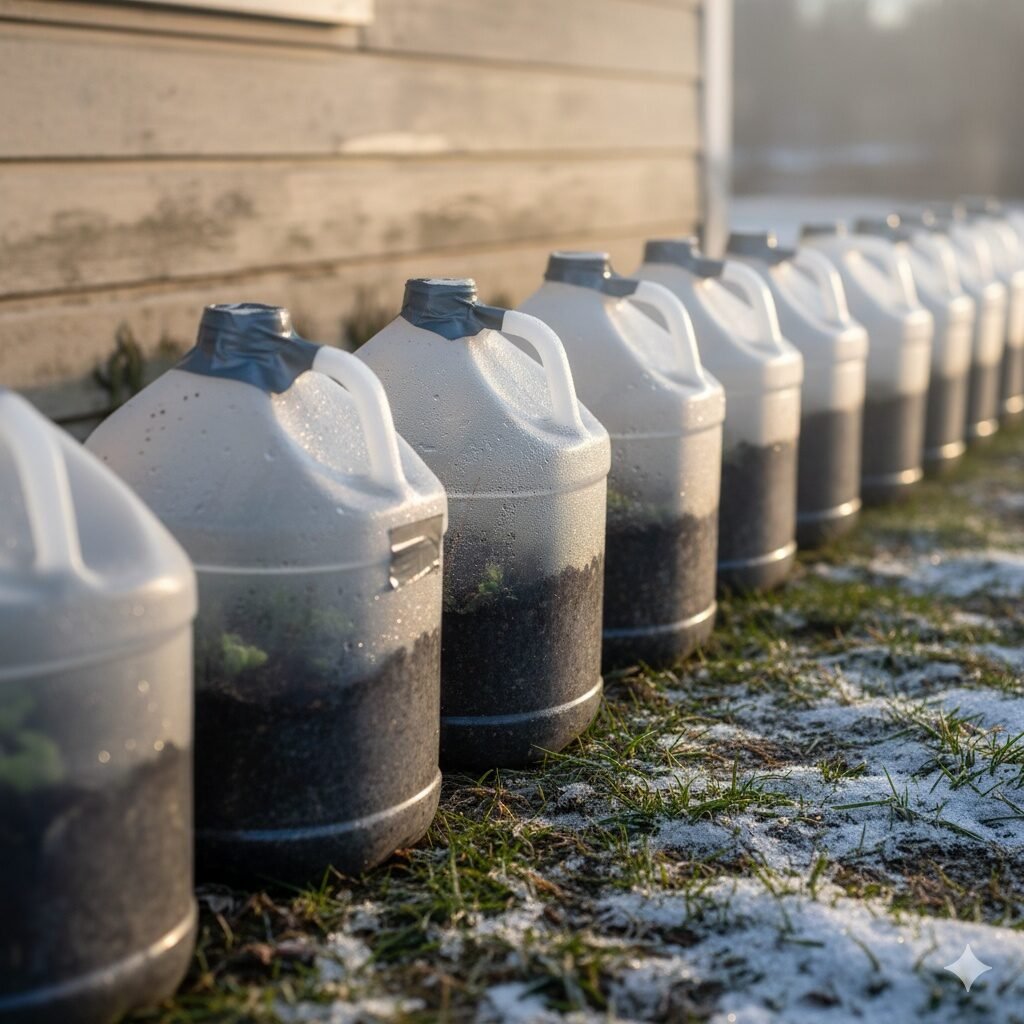
Winter-Sowing: Winter sowing tends to be one of those gardening tricks that, in a way, feels almost too simple, yet it absolutely sets people’s minds back to a time when folks just scattered seeds outside and let nature sort stuff out. It’s basically a method where you, like, plant seeds outside in the dead of winter using old milk jugs or other recycled containers, and the whole thing acts like a kind of homemade greenhouse without you needing grow lights or fancy setups. It’s pretty much “zero-equipment seed sowing” with a twist that makes people go, wait, that actually works?
As I was saying, winter sowing is just a little something where seeds chill outside through snow, rain, freeze-thaw cycles, and all that, and they handle it really well because many veggie seeds are built to deal with this rhythm. You get this super cheap, super relaxed system that does the “cold stratification” seeds tend to need anyway, and you barely have to fuss with anything. It’s more or less low-cost, low-effort, and very hands-off.
What Is Winter Sowing?
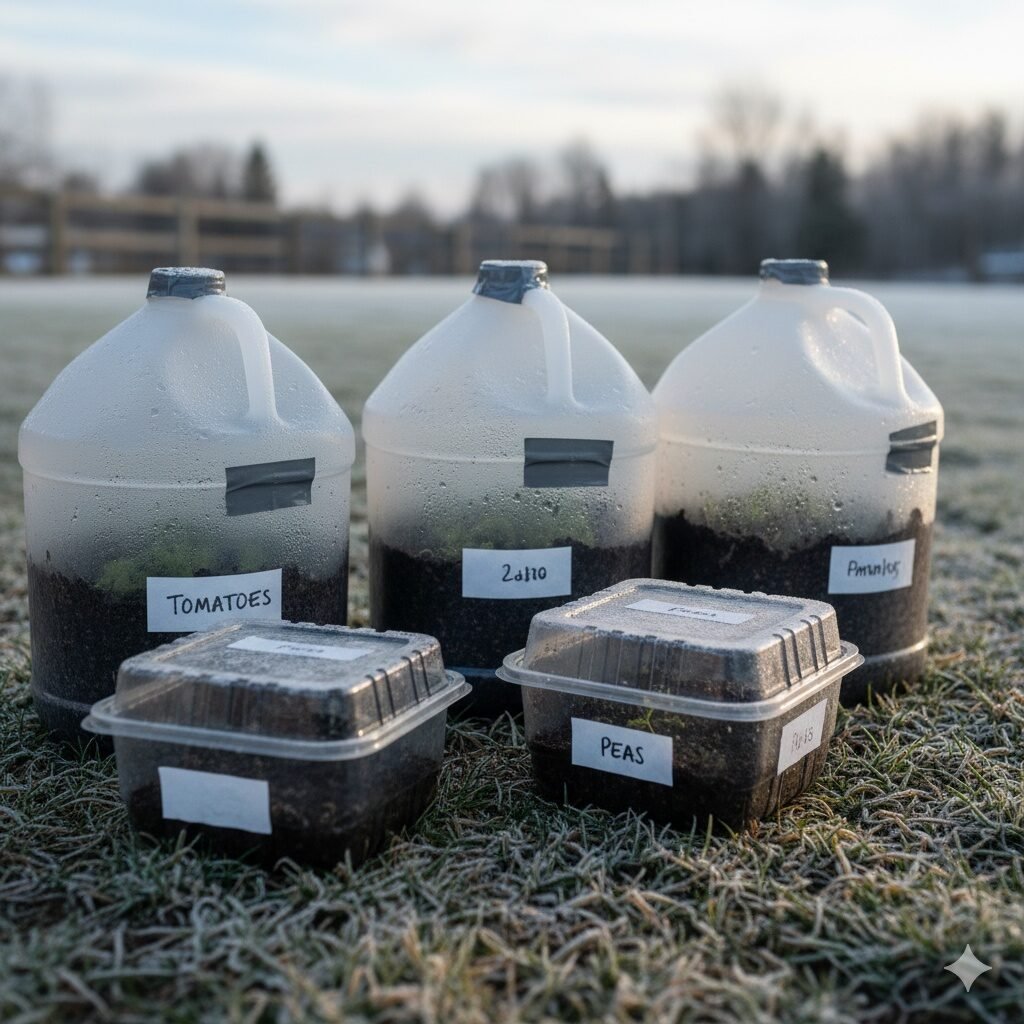
Now, winter sowing is, like, this simple technique where you pop seeds into upcycled containers—milk jugs being the classic pick—and leave them outside all winter long. It might be slightly surprising, but the jugs act like little “milk jug greenhouse” setups. They take in sunlight, get watered by snow or rain, and hold warmth just a little on sunny days so seeds can wake up in spring.
In other words, the system copies what seeds usually get in the wild. Freeze-thaw, moisture, shade, light—it’s all there. People often grab milk jugs because they’re sturdy, clear enough to let in light, and they’d otherwise hit the trash. Places like Sourland Conservancy and Celtic Roots Farm often show gardeners how effective these recycled container seed starting tricks can be.
The Science Behind It: Cold Stratification & Seed Dormancy
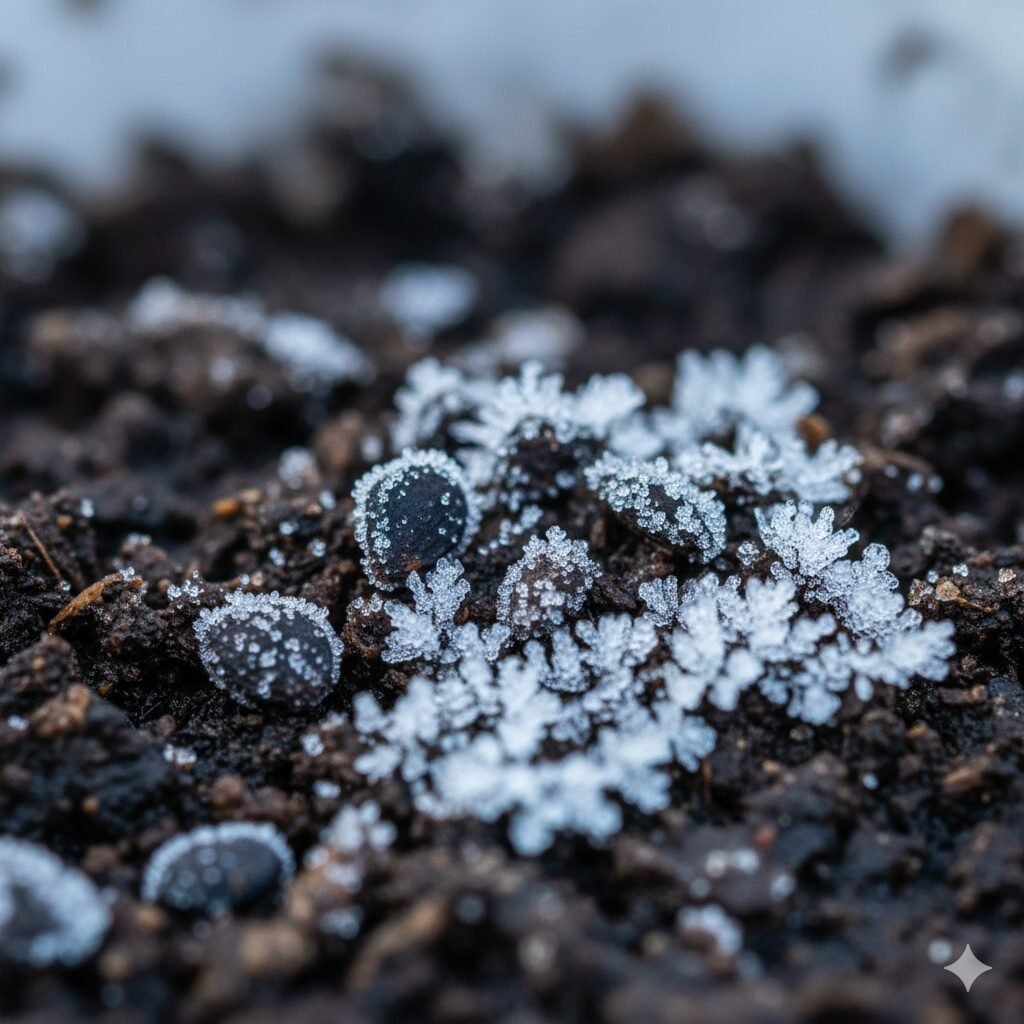
So, cold stratification tends to be this period many seeds need where they sit through chilly, damp conditions before they’re willing to sprout. As a matter of fact, Farmhouse & Blooms mentions that this signals to the seed that winter has passed. Without that chill, the seed kinda refuses to get going.
Winter sowing, in that case, gives seeds this cold period naturally—no fridge baggies, no damp paper towels, none of that fiddly stuff. Seeds sit in soil, outside, and go through winter like they normally would. They almost “know” when spring arrives because the warmth and brighter sunlight hit them from every side. The whole thing is extremely self-timed, and seeds usually sprout right when they’re supposed to.
Benefits of Winter Sowing
Cost savings: Winter sowing milk jugs means you skip grow lights, electric bills, and fancy trays. Celtic Roots Farm and The Outdoor Apothecary often point out you can start a big batch of hardy vegetable seeds winter sowing without spending anything beyond soil.
Space efficiency: It’s pretty nice that your windowsills stay open and tidy. Farmhouse & Blooms notes that outdoor jugs keep indoor clutter low.
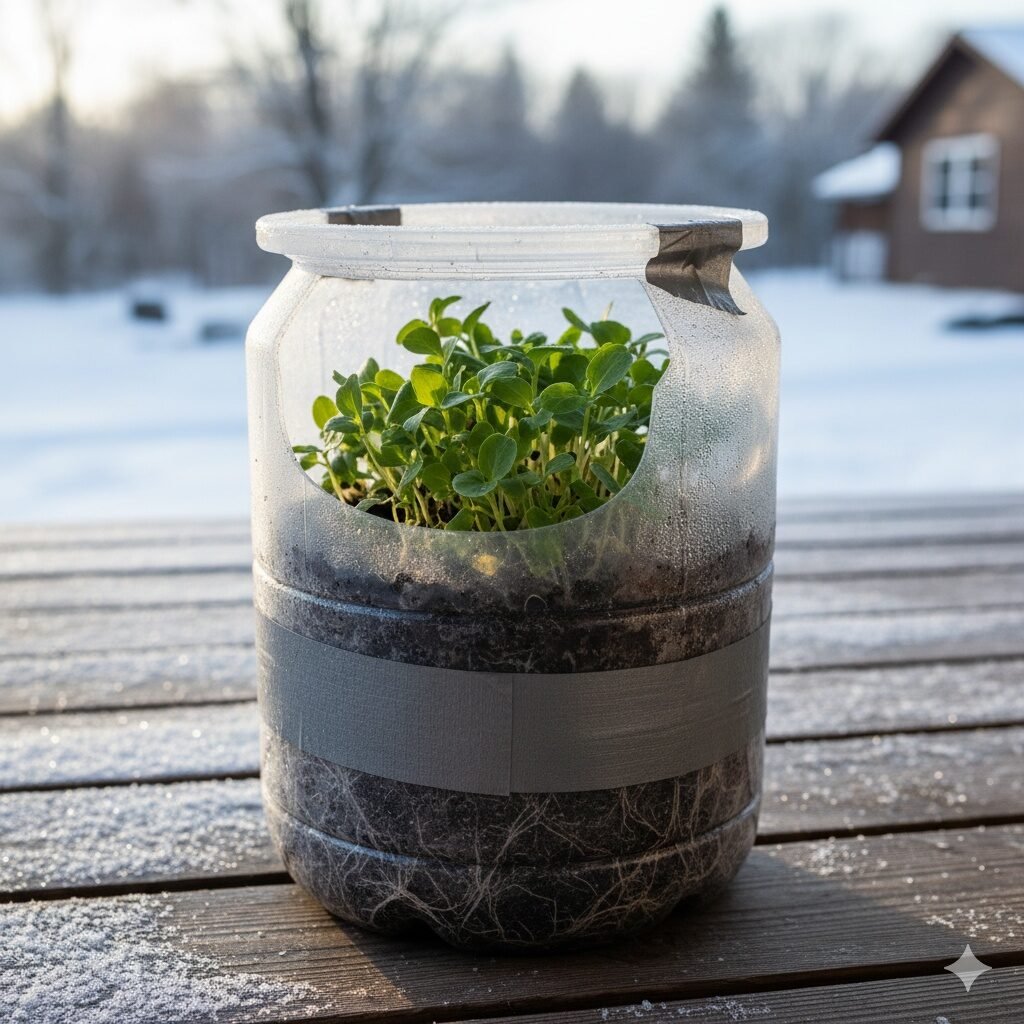
Hardier seedlings: Because seedlings grow in outside temps, they’re more or less tougher than indoor ones. They’re kinda naturally hardened off by breezes and cold spells.
Sustainability: Reusing milk jugs—or any upcycled container gardening trick—reduces waste. Celtic Roots Farm often highlights how accessible this is for beginners.
Extended growing window: You, like, start super early without worrying that frost will wreck anything. The jug protects the seeds until conditions are good.
What Materials You Need
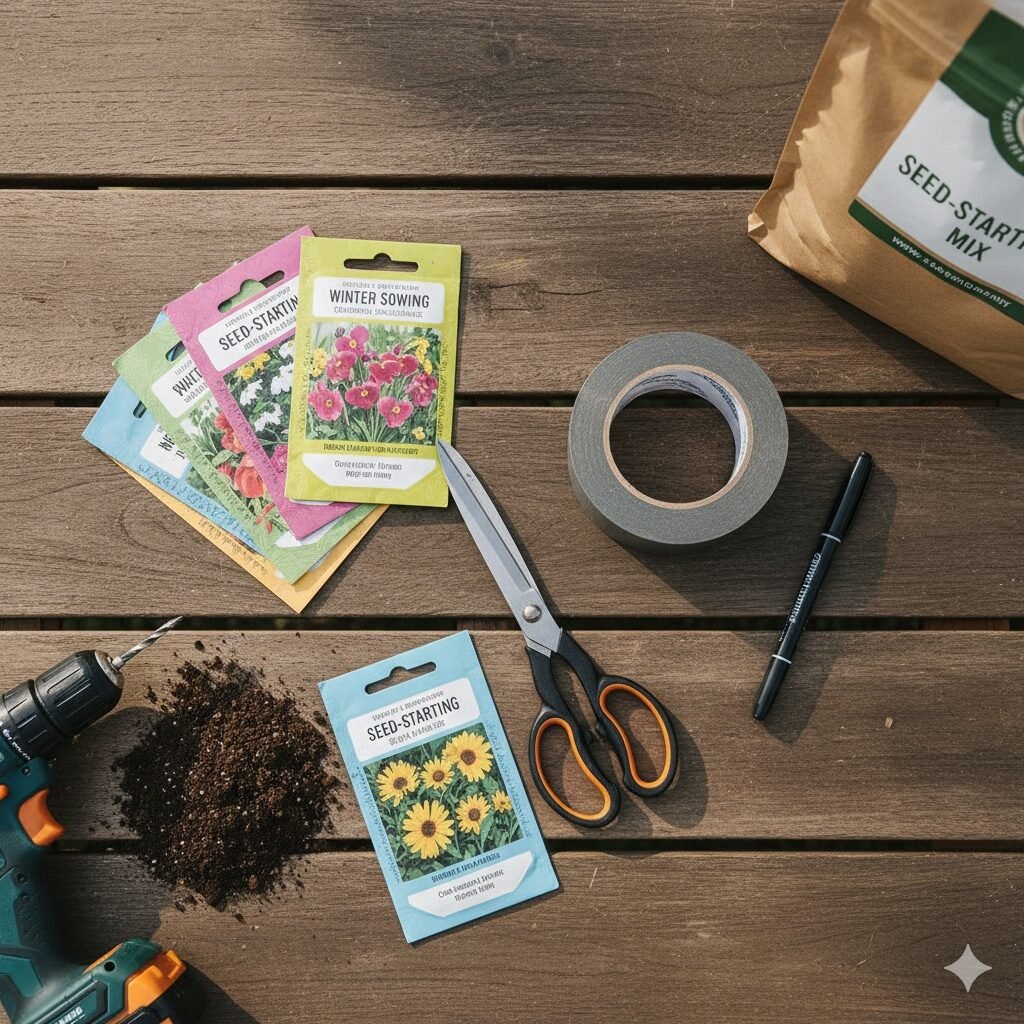
You don’t need much:
Containers: Milk jugs or other food-safe plastic containers work great, according to Sourland Conservancy.
Soil mix: A well-draining but moisture-holding seed-starting mix, slightly moistened first. Almanac usually recommends lighter mixes.
Tape: Duct tape or something similar from Wolf Creek Heritage Farm to close the jugs.
Labels: Permanent markers or tape labels so you don’t forget what’s inside.
Tools: Scissors or a knife to cut the jugs, plus something like a drill or soldering iron for drainage holes, as Sourland Conservancy notes.
Step-by-Step Guide to Winter Sowing
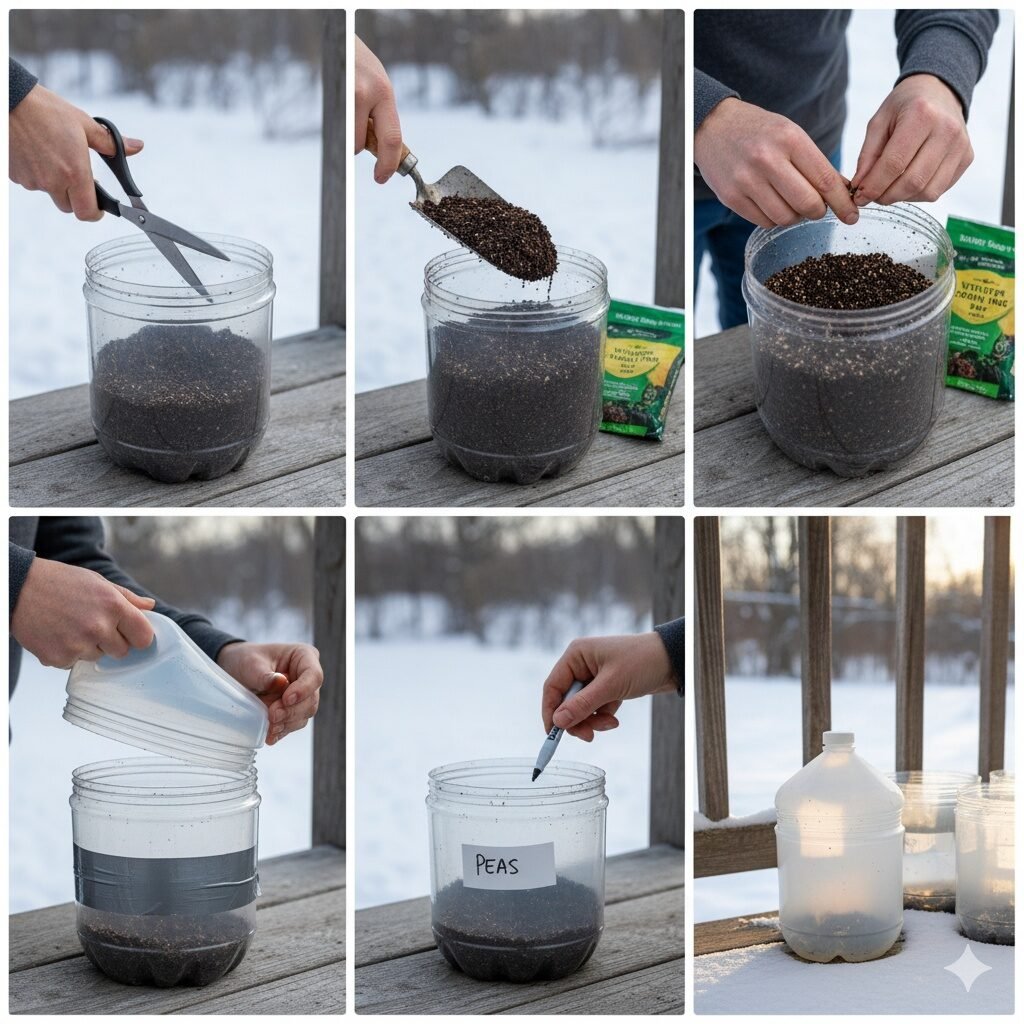
1. Prepare containers
First, clean your jugs so there’s no leftover residue.
Drill or melt drainage holes in the bottom so water can escape; Deep Roots Project usually stresses this part.
Cut the milk jug around the middle, leaving a hinge near the handle.
2. Add soil
Put in some lightly moistened seed-starting mix, as Almanac suggests. It should feel a bit like crumbly chocolate cake, not soggy.
3. Sow the seeds
Sprinkle seeds at the depth shown on the packet. Deep Roots Project notes the depth is important.
Cover with a little soil or vermiculite if the seed type wants that.
4. Seal & label
Tape the jug shut using duct tape.
Label everything with seed type and date so you remember what’s growing.
5. Position outside
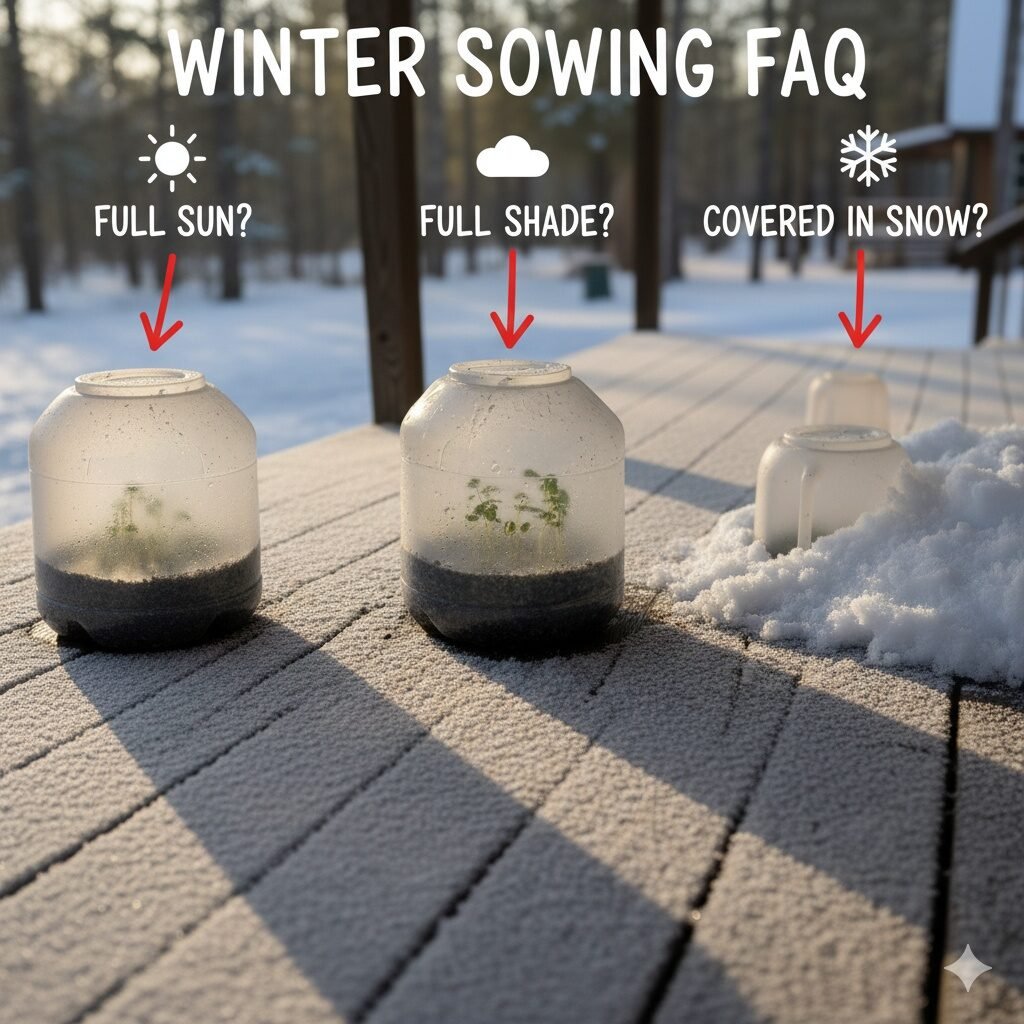
Now, place the jugs where they’ll get winter sun, rain, and freeze-thaw cycles. Empress of Dirt and Bob Vila say open yards or patios work great.
You might, in a way, need to secure the jugs in a crate so they don’t blow away.
6. Monitor & manage
Sometimes check moisture—soil shouldn’t totally dry out but shouldn’t sit soaked either.
Vent the jugs on warm days because seedlings sometimes overheat.
Once spring settles in and nights stay above freezing, open the lids permanently.
7. Transplant
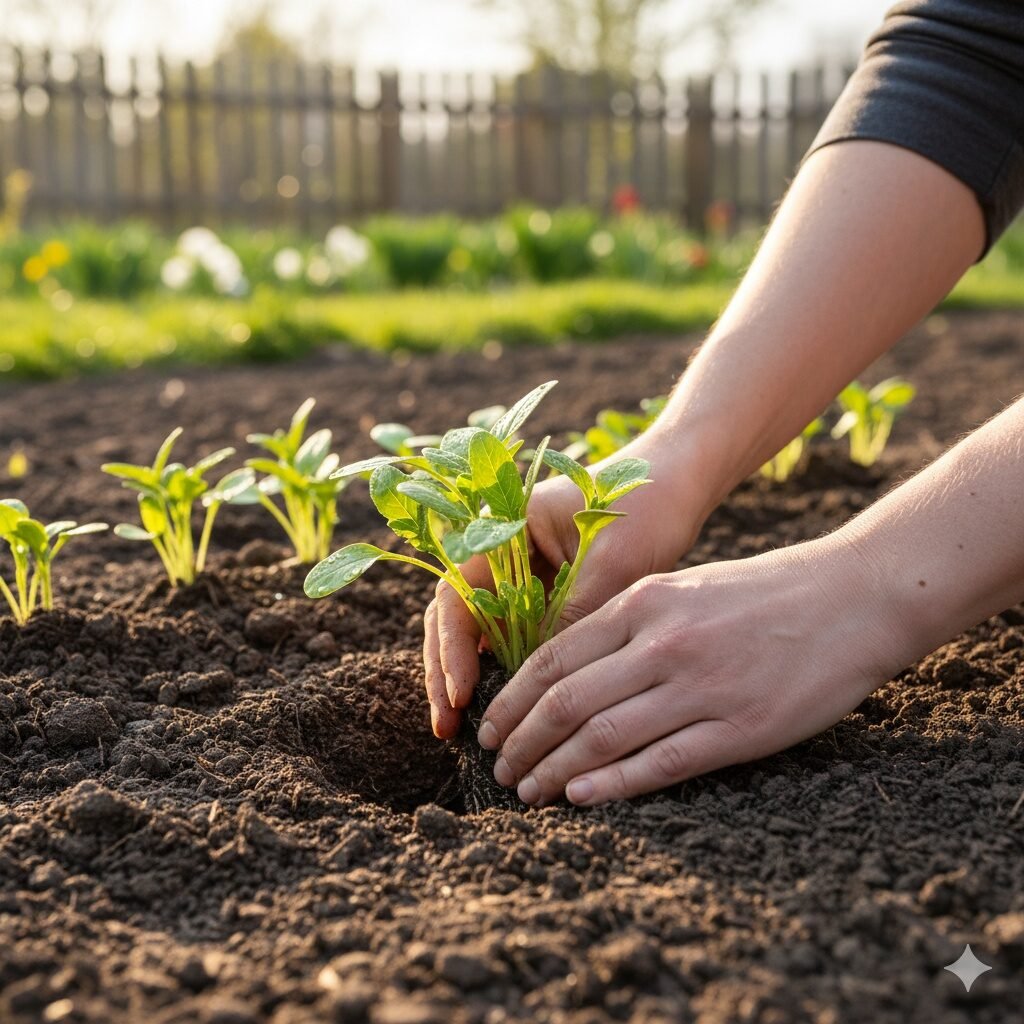
When seedlings have 2–3 true leaves and the soil outside is workable, transplant them, just like extension.missouri.edu recommends.
Best Seeds for Winter Sowing
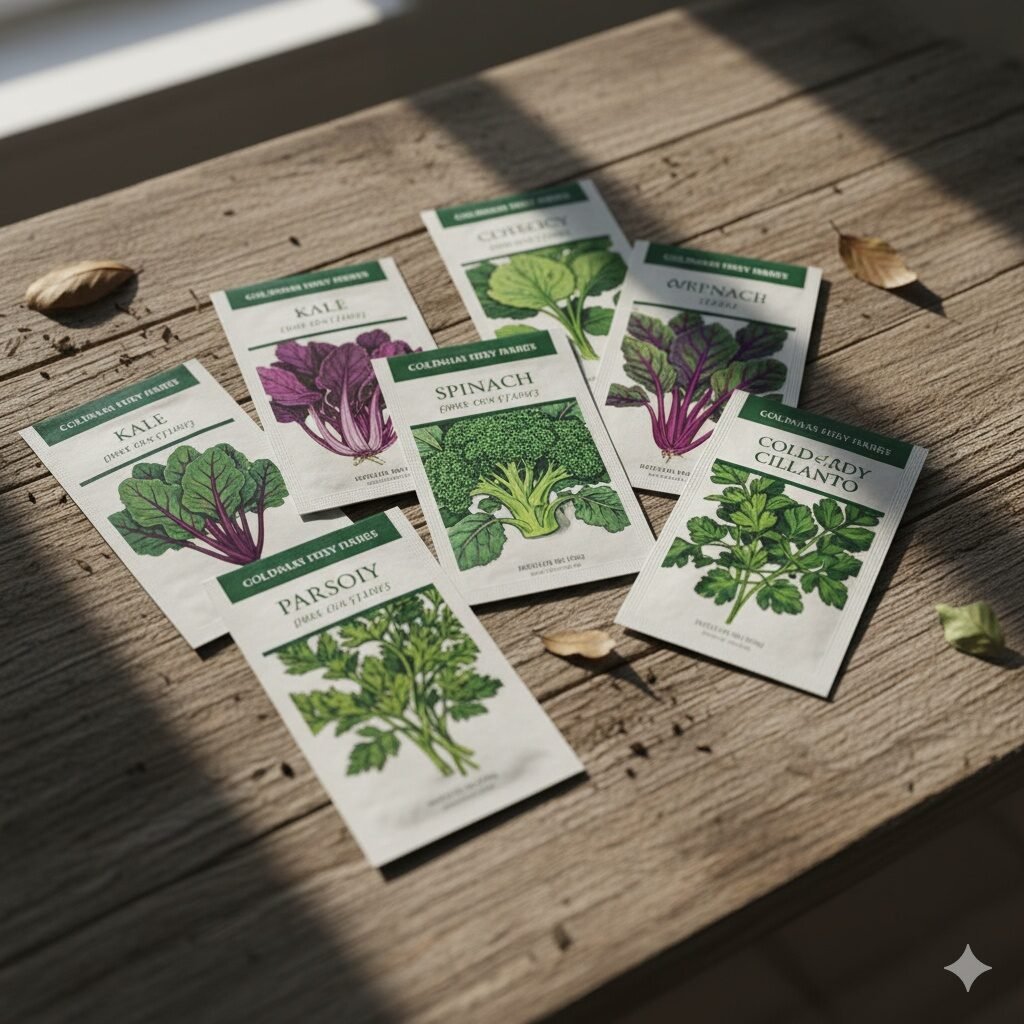
Winter sowing is, like, especially good for cold-hardy vegetables: kale, spinach, lettuce, broccoli, cabbage—Deep Roots Project and Celtic Roots Farm often mention these.
Herbs like parsley, chives, thyme, and oregano handle cold well too.
Flowers such as coneflower, milkweed, larkspur, and foxglove love cold stratification.
But heat-loving veggies like tomatoes and peppers usually don’t do great unless you sow them later.
Timing & When to Start
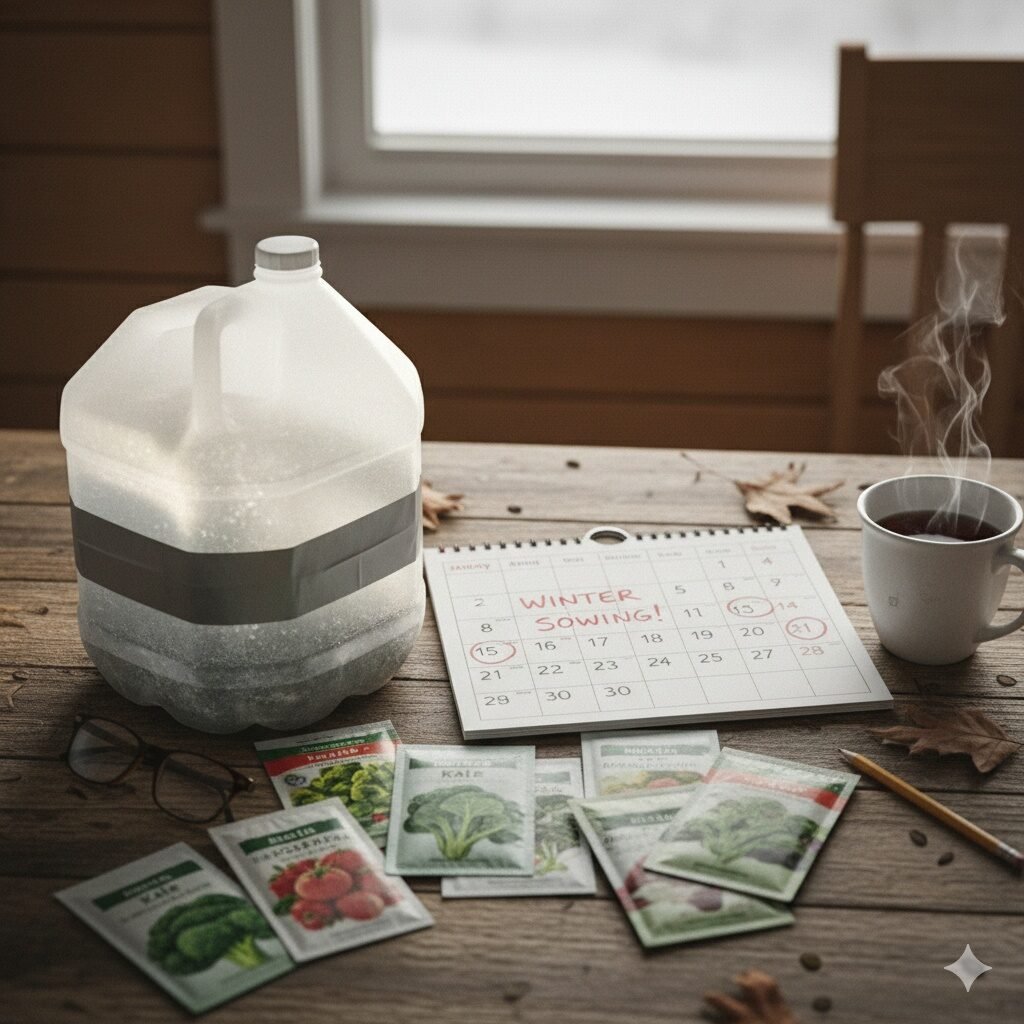
Farmhouse & Blooms typically suggests sowing after the winter solstice or deeper into winter. The exact month depends on your zone.
Too early means seeds might not get enough chill. Too late means sudden warm spells might trick them into sprouting early.
Some folks sow in batches every week or two to spread out risk.
Troubleshooting & Common Issues
You might hit a few snags:
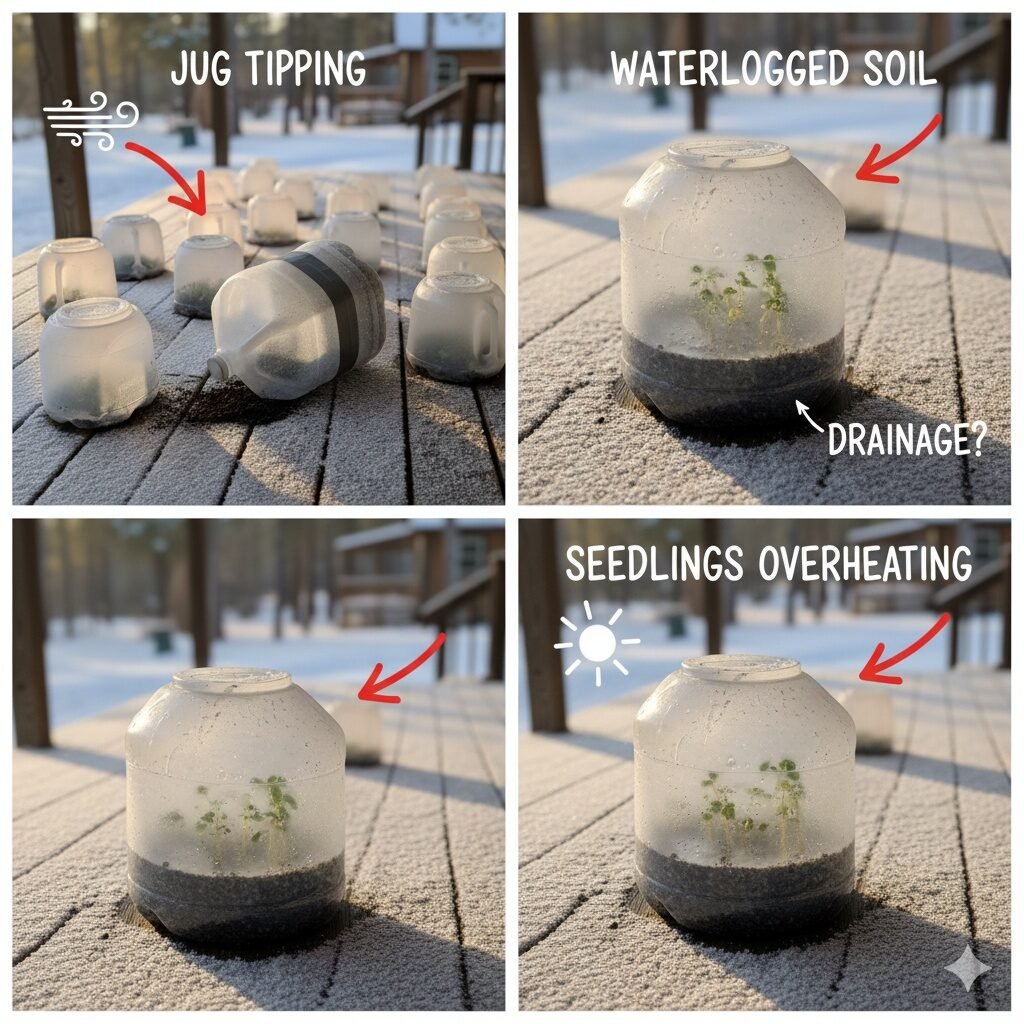
- Poor drainage → waterlogged soil
- Overheating → vent on sunny days
- Warm spells → early germination
- Too wet or too dry soil → occasional checks help
- Tipping jugs → Bob Vila suggests crates
- Slow germination → stay patient; cold-stratified seeds take time
FAQs
Will this work in mild winters?
It could be trickier because seeds might sprout too early. Some people in mild climates move jugs to shadier spots.
Can I use other containers?
Yes—any food-safe plastic with a lid, light entry, and drainage works.
Do all seeds benefit?
Seeds that need cold stratification or tolerate chill do best.
How do I label jugs?
Use tape, markers, or inside labels.
When do I transplant?
When seedlings have true leaves and nights stay above freezing.
Environmental & Sustainability Angle
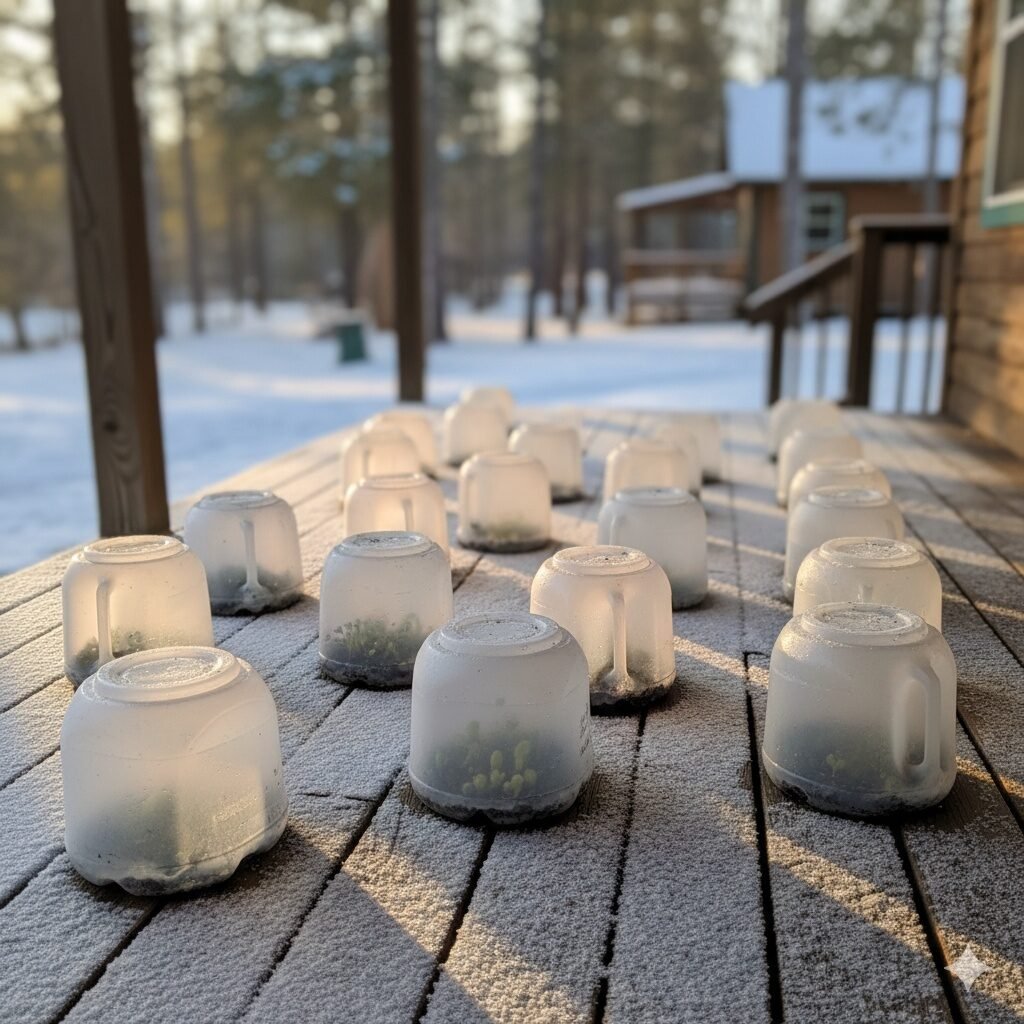
Winter sowing, in a way, gives people this simple method to grow food while cutting trash because you reuse containers. You skip electricity, skip lights, skip extra gear. It lets total beginners jump in using whatever they already have.
Final Thoughts & Encouragement
Now, winter sowing tends to be one of those things that feels almost magically easy once you try it. It’s cheap, simple, forgiving, and very friendly for anyone who wants to grow spring veggies outdoors with zero equipment. So you might as well experiment with different containers, sowing times, and seed types—and you, like, could even share your results with others who haven’t tried this mini-greenhouse trick yet.
This video fits more or less perfectly with the whole winter-sowing vibe, because it, like, shows how everyday milk jugs can turn into these simple little outdoor seed starters without you needing extra gear. In a way, it walks you through the method with that calm, practical pace that gardeners usually enjoy, and it really helps you see how easy the setup can be. As I was saying, if you’ve ever wondered whether those empty jugs piling up in your recycling bin could actually do something useful, this clip explains it in a pretty clear and slightly fun way. You might, in fact, pick up a couple of small tricks that make the whole process feel a bit more doable.
If you enjoyed this article, I believe you’ll also appreciate my guide on December Garden Jobs: Soil Care, Cover Crops & Next Year Planning (Spring) — it will help you prepare your garden more effectively for the season ahead.
Get to know the 5 essential winter sowing supplies and equipment you’ll need — this quick guide will help you get started with confidence.




Pingback: Best Vegetables for Winter Sowing by Zones 3–10
Pingback: Top Seeds for Beginners: Easy-to-Grow Vegetables, Herbs & Fruits