
Top Seeds for Beginners: So, starting an edible garden, that is, often feels exciting at first, yet many beginners quietly quit after their first few seed trays fail to sprout.
This happens, actually, not because gardening is hard, but because beginners usually buy seeds that expect experience, perfect timing, and steady care.
This guide, in a way, exists to remove that early confusion and help new gardeners choose seeds that tend to grow even when small mistakes happen.
The seeds listed here are, more or less, chosen based on ease, reliability, buyer interest, and real-world beginner success, not just pretty photos on packets.
If someone wants quick wins, steady harvests, and plants that forgive learning curves, this roadmap helps point them in the right direction.
My Recommendation of Smart Gardening Tools & Beginner Seeds
So, beginners often succeed when they pair easy seeds with the right tools.
This list, in a way, helps prevent common mistakes like overwatering, poor soil, weak seedlings, or planting too deep, while making gardening smoother and more rewarding.
Everything here is beginner-tested, affordable, and easy to source online.
| Item Name + Buying Tips | Why It Matters | My Recommendation (Links) |
|---|---|---|
| Lettuce Seeds (Loose-Leaf) – High germination, easy harvest | Quick growth, repeated leaves, builds confidence | [Buy Lettuce Seeds] |
| Spinach Seeds – Cold-tolerant, forgiving | Fast-growing, ideal for small spaces | [Buy Spinach Seeds] |
| Radish Seeds – Fastest edible harvest | Quick results teach planting and spacing | [Buy Radish Seeds] |
| Cherry Tomato Seeds – Choose dwarf or patio varieties | Reliable fruiting, tolerates beginner mistakes | [Buy Cherry Tomato Seeds] |
| Basil Seeds – Quick sprouting, grows in pots | Kitchen-friendly herb, repeated harvest | [Buy Basil Seeds] |
| Mint Seeds – Vigorous, container-friendly | Easy care, grows fast even with small errors | [Buy Mint Seeds] |
| Coriander (Cilantro) Seeds – Cool season preferred | Herbs for everyday cooking, quick results | [Buy Coriander Seeds] |
| Green Onion Seeds – Continuous regrowth | Fast, minimal space, grows indoors | [Buy Green Onion Seeds] |
| Strawberry Seeds / Plants – Container or hanging basket ready | Beginner-friendly fruit, visual appeal | [Buy Strawberry Seeds] |
| Papaya Seeds – Warm climates, fast tropical growth | Long-term reward, educational for beginners | [Buy Papaya Seeds] |
| Chili Pepper Seeds – Indoor or outdoor adaptable | Continuous harvest, easy to grow in pots | [Buy Chili Pepper Seeds] |
| Seedling Spray Bottle – Adjustable mist, lightweight | Prevents overwatering, protects fragile seedlings | [Buy Spray Bottle] |
| Seed Starting Tray with Drainage – Bottom holes recommended | Avoids soggy roots, ensures good air circulation | [Buy Seed Tray] |
| Seed Starting Soil Mix – Light texture, peat or coco-based | Supports root breathing and strong seedlings | [Buy Seed Soil Mix] |
| Hand Trowel with Depth Markings – Inch/cm guides | Helps prevent planting seeds too deep | [Buy Garden Trowel] |
| Full-Spectrum Grow Light – Adjustable height | Promotes strong indoor growth for herbs and veggies | [Buy Grow Light] |
| Small Watering Can with Narrow Spout – Controlled flow | Reduces flooding and soil displacement | [Buy Watering Can] |
| Plant Labels & Marker Pens – Waterproof and durable | Tracks seed type, germination dates, and care | [Buy Plant Labels] |
| Small Fertilizer Pack for Seedlings – Gentle, balanced nutrients | Boosts early growth without burning young roots | [Buy Seedling Fertilizer] |
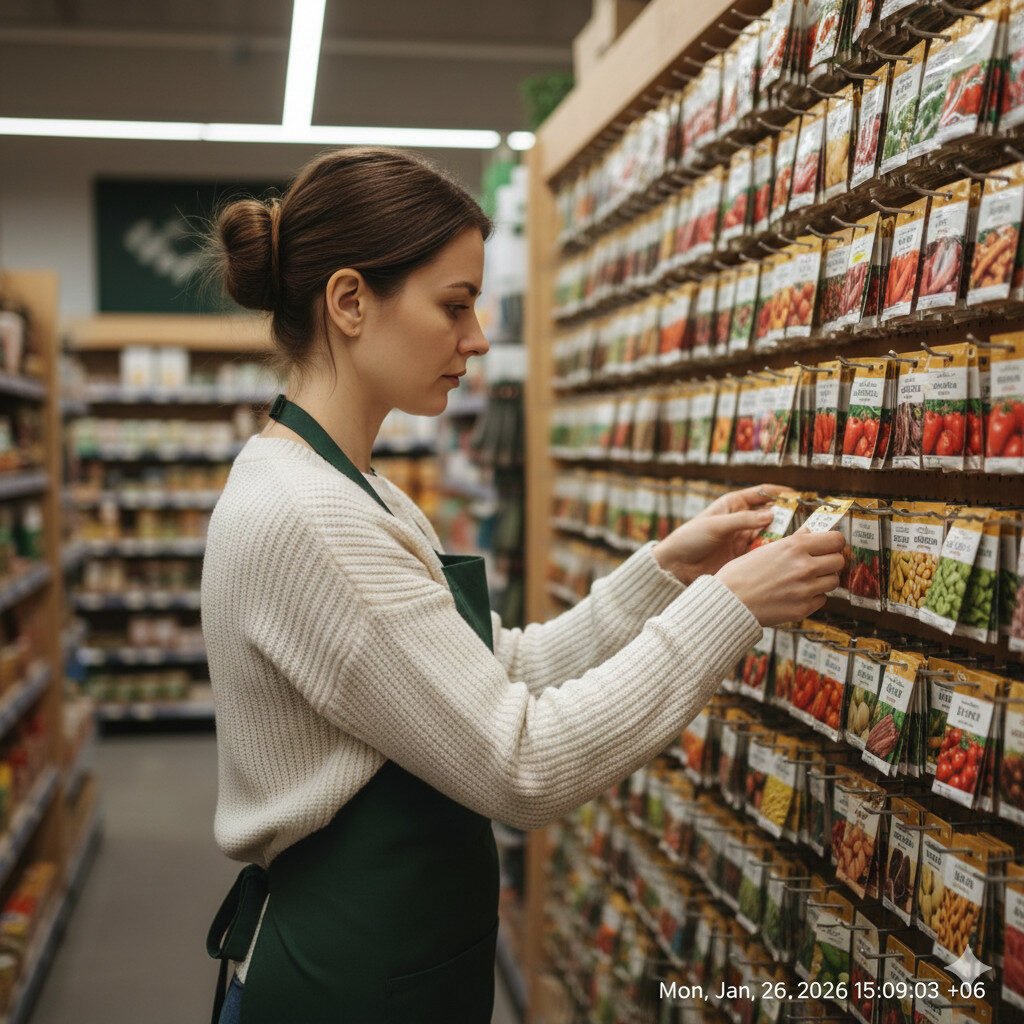
How to Choose Seeds as a Beginner (This Step Saves Money)
Ok, so many first-time gardeners assume all seeds grow the same, yet seed choice, actually, decides most of the outcome. Some plants ask for exact temperatures, daily attention, and perfect spacing, and those usually frustrate beginners fast.
Beginner-friendly seeds, in fact, share a few predictable traits that reduce stress and increase success.
1. Germination Reliability
Seeds that sprout easily, that is, help beginners feel progress early. High germination seeds forgive uneven watering and still push through soil without drama.
2. Climate Adaptability
Seeds that grow across different climates, in a way, save beginners from timing mistakes. These seeds tolerate warm days, cooler nights, and short weather swings.
3. Low Maintenance Needs
Plants that grow without constant feeding, pruning, or pest control tend to be better for beginners. Low-maintenance seeds, honestly, allow learning at a comfortable pace.
4. Container Compatibility
Many beginners grow in pots, balconies, or rooftops. Seeds that thrive in containers, actually, open gardening to people without yards.
This short checklist, in fact, helps buyers skip seeds that look exciting yet fail quietly.
Since winter is underway, I’d like to share another article of mine: “Winter-Sowing Magic: 7 Easy Steps to Grow Spring Veggie Seedlings Outdoors With Minimal Equipment.” This guide might spark your curiosity and give you some practical ideas to get a head start on your spring garden.
I always enjoy sharing insightful, topic-related articles from reputable websites that are truly worth reading—such as the Epic Gardening article titled “Seed-Starting for Beginners: Our Best Tips for Easy Growing.” This resource offers practical guidance to help you get started successfully.
Top Seeds for Beginners
So, this section, that is, drives most purchase decisions and should feel like a helpful shopping guide rather than a plain list.

Easy Vegetables for First-Time Gardeners
Lettuce
Lettuce, actually, remains one of the most forgiving vegetables for beginners. It sprouts fast, grows shallow roots, and tolerates partial shade, which helps new growers working with limited sunlight.
Beginners like lettuce, in a way, because they can harvest leaves without killing the plant. This cut-and-come-again style gives steady rewards.
- Growing time: 30–45 days
- Difficulty: Very low
- Container-friendly: Yes
- Why beginners love it: Quick results and repeated harvests
Loose-leaf lettuce seed packs, honestly, convert well because they promise fast greens.
Spinach
Spinach, in fact, prefers cooler temperatures and grows well in early spring or fall. It handles uneven watering better than many leafy greens.
Spinach leaves grow dense and upright, which makes harvesting easy. For beginners, that is, spinach builds confidence with visible progress.
- Growing time: 35–50 days
- Difficulty: Low
- Container-friendly: Yes
- Why beginners love it: Nutritious harvests with little effort
Radish
Radish, frankly, is almost unbeatable for beginner speed. It germinates within days and matures before patience runs out.
This seed, in a way, teaches beginners about spacing and soil depth quickly. Fast harvests reduce the fear of failure.
- Growing time: 25–30 days
- Difficulty: Extremely low
- Container-friendly: Yes
- Why beginners love it: Fastest edible reward
Cherry Tomatoes
Cherry tomatoes, actually, outperform larger tomato types for new gardeners. They resist cracking, grow vigorously, and still fruit generously.
These plants, in fact, tolerate small mistakes in feeding and watering. For beginners, that forgiveness matters.
- Growing time: 60–75 days
- Difficulty: Moderate
- Container-friendly: Yes, with support
- Why beginners love it: High yields and daily harvesting
Starter cages and tomato fertilizer kits, honestly, upsell naturally here.
Okra
Okra, that is, thrives in warm climates and sunny locations. Once established, it needs very little care.
This plant, in a way, resists pests and grows tall, which feels rewarding. Beginners in warm regions often succeed with okra early.
- Growing time: 50–65 days
- Difficulty: Low
- Container-friendly: Yes, deep pots
- Why beginners love it: Heat tolerance and steady pods
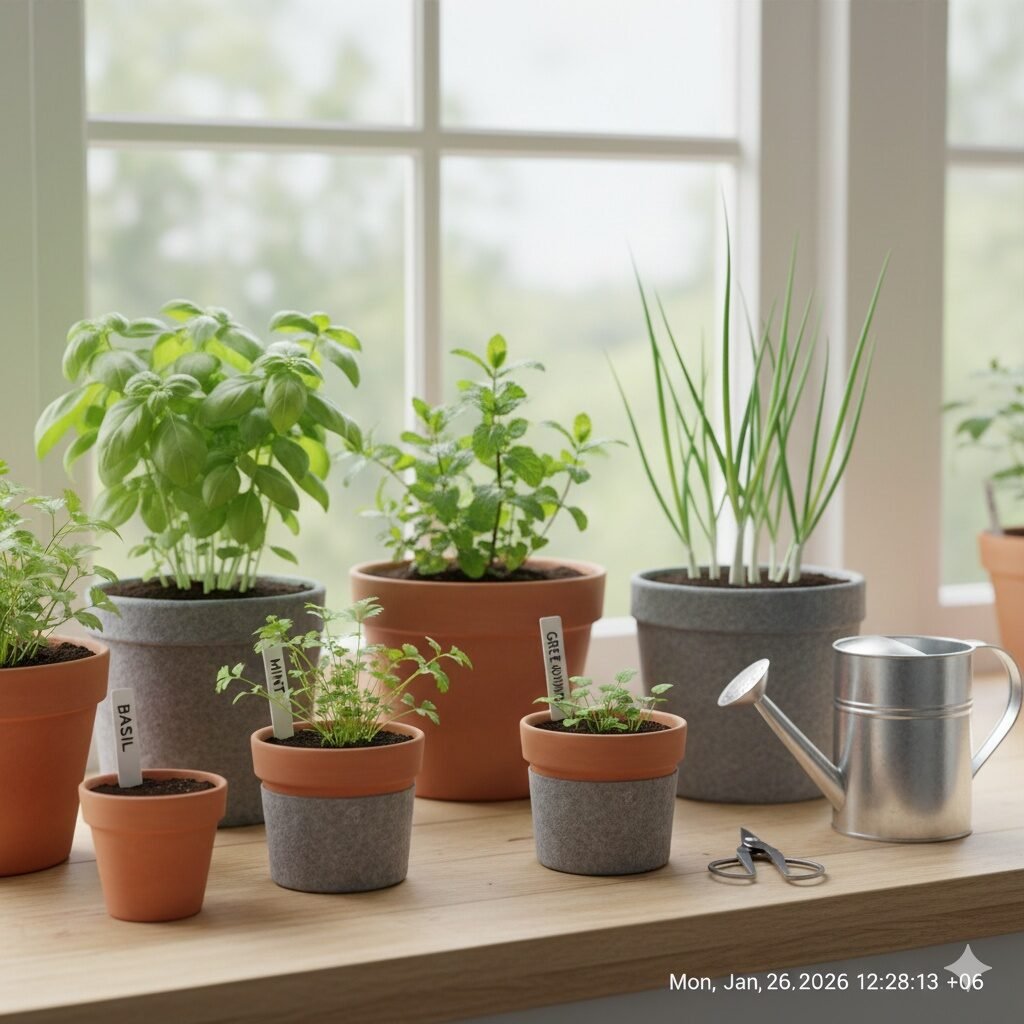
Beginner-Friendly Herbs
Herbs, actually, attract beginners because they grow fast and cost little. They also fit small spaces easily.
Basil
Basil, in fact, responds well to trimming. The more leaves harvested, the more branches it grows.
Beginners enjoy basil, in a way, because growth is visible within weeks. It thrives in pots near windows or outdoors.
- Growing time: 25–40 days
- Difficulty: Very low
- Container-friendly: Yes
- Why beginners love it: Quick kitchen use
Coriander (Cilantro)
Coriander, honestly, grows best in cooler weather. It sprouts quickly and fits shallow containers.
For beginners, that is, coriander teaches timing and spacing gently. It also works well for repeat sowing.
- Growing time: 30–45 days
- Difficulty: Low
- Container-friendly: Yes
- Why beginners love it: Everyday cooking herb
Mint
Mint, frankly, grows aggressively and forgives neglect. This makes it ideal for beginners who forget watering schedules.
Mint, in a way, should stay in containers to control spread. It provides constant harvests.
- Growing time: 20–30 days
- Difficulty: Very low
- Container-friendly: Yes
- Why beginners love it: Strong flavor and easy care
Green Onion
Green onions, actually, grow fast and need little space. They regrow after cutting, which feels satisfying.
Beginners appreciate green onions, in fact, for daily kitchen use. They also grow indoors easily.
- Growing time: 30–40 days
- Difficulty: Very low
- Container-friendly: Yes
- Why beginners love it: Continuous harvest
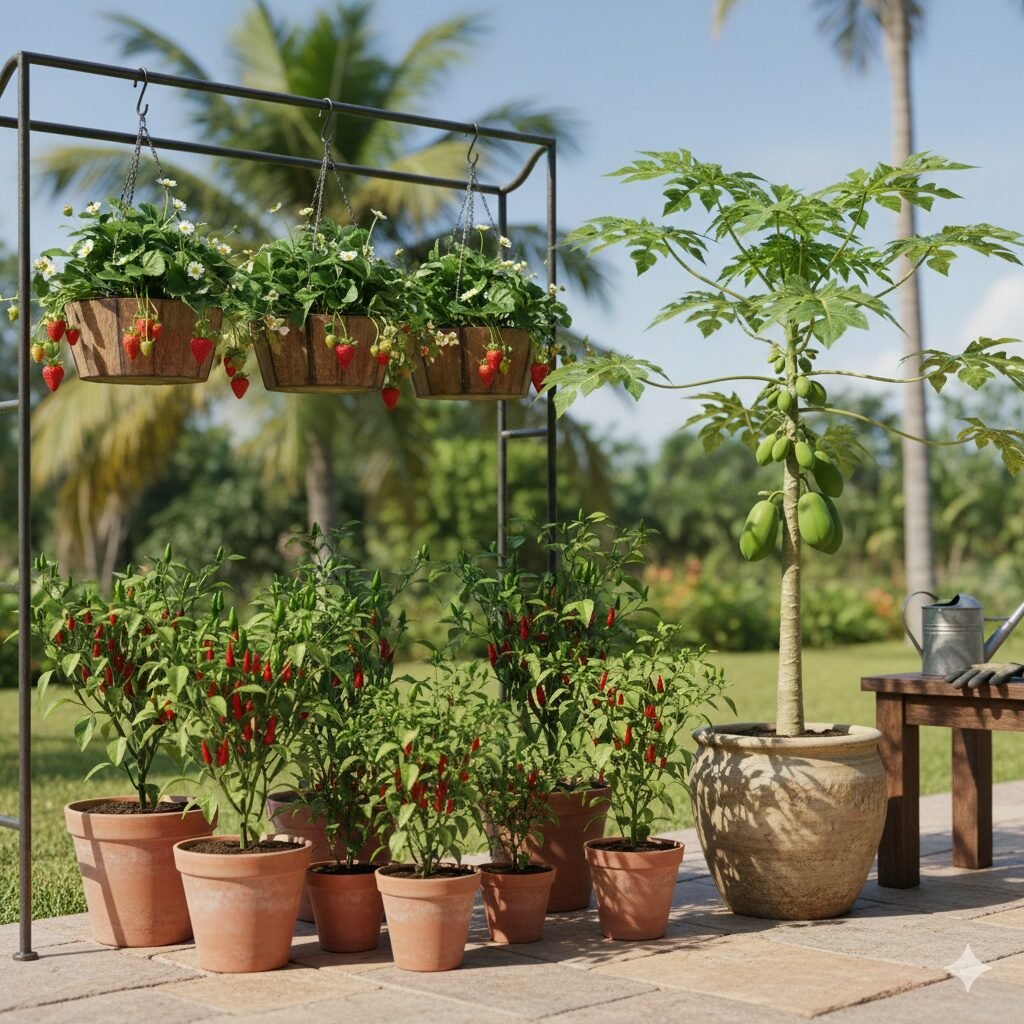
Easy Fruits for Beginners
Strawberries
Strawberries, that is, attract beginners due to visual appeal. They grow well in hanging baskets and containers.
These plants need sunlight, yet reward patience with sweet fruit. Beginners enjoy watching flowers turn into berries.
- Growing time: 90–120 days
- Difficulty: Moderate
- Container-friendly: Yes
- Why beginners love it: Visual progress and taste
Papaya
Papaya, in fact, grows quickly in warm climates. Seeds sprout easily and develop into tall plants.
Beginners with space, that is, enjoy papaya for long-term reward. It teaches patience and seasonal care.
- Growing time: 6–9 months
- Difficulty: Moderate
- Container-friendly: No
- Why beginners love it: Large harvest potential
Chili Peppers
Chili peppers, actually, adapt well to pots and indoor light. They produce fruit over long periods.
Beginners like chili plants, in a way, because harvests continue for months. They also tolerate small care mistakes.
- Growing time: 70–90 days
- Difficulty: Low
- Container-friendly: Yes
- Why beginners love it: Continuous picking
Best Seed Brands for Beginners
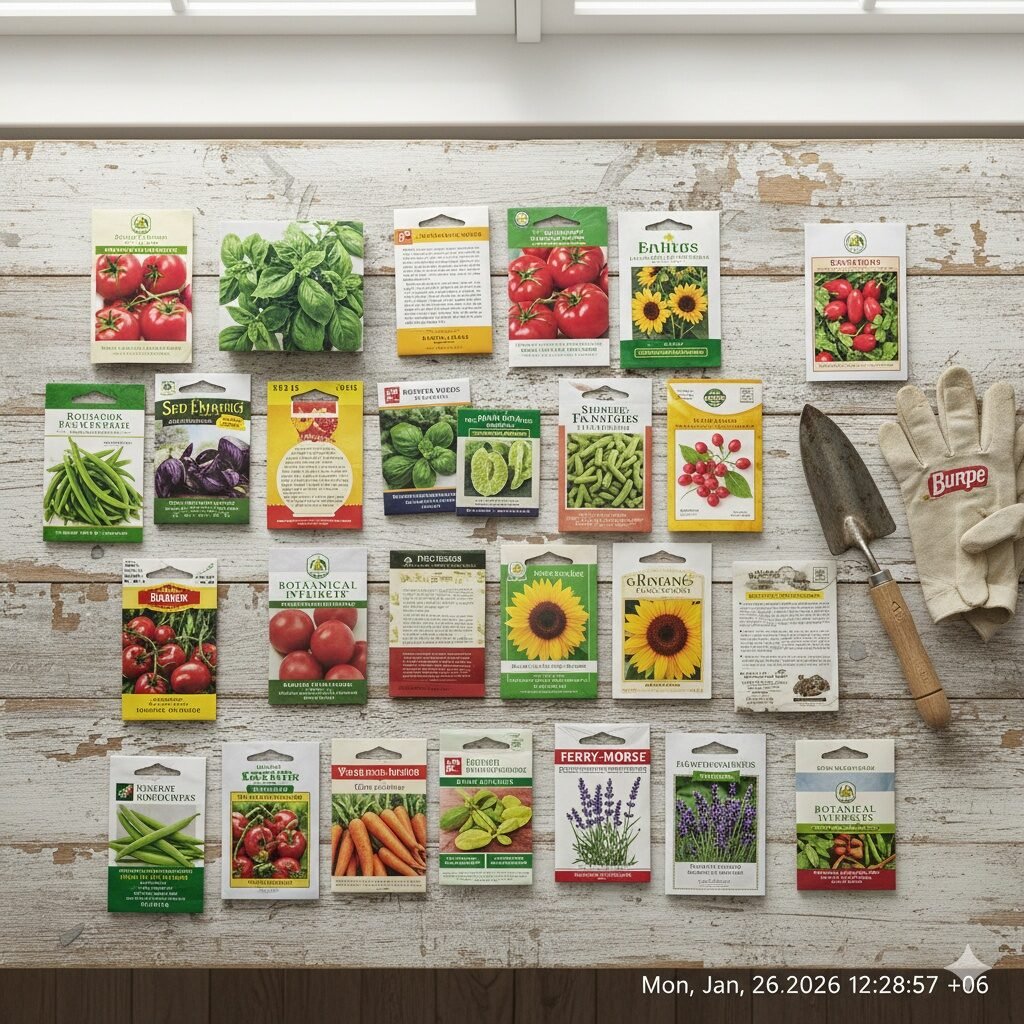
So, brand reputation, actually, influences beginner confidence strongly.
Burpee
Burpee seeds, in fact, show high sprouting success. Clear instructions help beginners plant correctly.
Ferry-Morse
Ferry-Morse offers affordable options for testing gardening interest. Beginners often start here due to availability.
Botanical Interests
Botanical Interests packets, that is, include educational visuals. This helps beginners understand spacing and depth.
Local Organic Seed Brands
Local brands, in some respects, suit regional climates better. Beginners trust seeds grown near their location.
Common Beginner Mistakes (Learning Boost)
Mistakes, actually, happen early and often. Knowing them reduces frustration.
Overwatering, Which Suffocates Roots
So, overwatering, that is, tends to be the most common mistake beginners make, and it happens mostly from good intentions rather than neglect.
Many new gardeners think seeds need constant moisture, yet roots, in fact, need air pockets in the soil to breathe and grow.
When soil stays wet for too long, oxygen levels drop, and roots begin to weaken, rot, or stop expanding, which is why seedlings often collapse suddenly.
Overwatering, in a way, creates soil that looks healthy on the surface yet damages growth underneath. Beginners usually notice yellow leaves, slow growth, or mold on soil, and they often add more water, which quietly makes things worse. Seeds and young plants typically prefer moist soil, not soaked soil, and learning that balance saves many early gardens.
Planting Too Deep, Which Blocks Sprouting
So, planting seeds too deep, that is, stops many seeds before they ever see sunlight. Every seed carries limited energy, and if buried too far down, it runs out of strength before reaching the surface. This mistake, in fact, happens when beginners assume deeper planting protects seeds, yet shallow placement often works better.
Small seeds like lettuce, basil, or spinach, in a way, only need light soil coverage or gentle pressing into the surface. When planted too deep, these seeds germinate underground and then fail silently. Reading seed packet depth instructions, honestly, prevents wasted trays and confusion.
Poor Soil Choice, Which Weakens Seedlings
So, soil choice, that is, quietly controls early success more than seed type. Many beginners use garden soil or leftover dirt, which compacts easily and drains poorly. This soil often lacks nutrients and structure, which leaves seedlings thin, weak, or stunted.
Good seed-starting soil, in fact, stays light, drains excess water, and allows roots to spread easily. Poor soil creates resistance underground, and seedlings spend energy fighting soil rather than growing leaves. Using proper soil, in a way, increases success even with average seeds.
Not Enough Sunlight, Which Slows Growth
So, sunlight, that is, fuels plant growth just like food fuels people. When seedlings receive weak or short sunlight, they stretch upward, grow pale, and fall over easily. This stretching, in fact, signals stress rather than healthy development.
Beginners often place trays near windows that look bright yet deliver limited direct light. Most edible plants need several hours of strong light daily, whether from sun or grow lights. Adequate light, honestly, keeps stems strong and leaf color rich.
This section, frankly, helps beginners feel supported rather than judged.
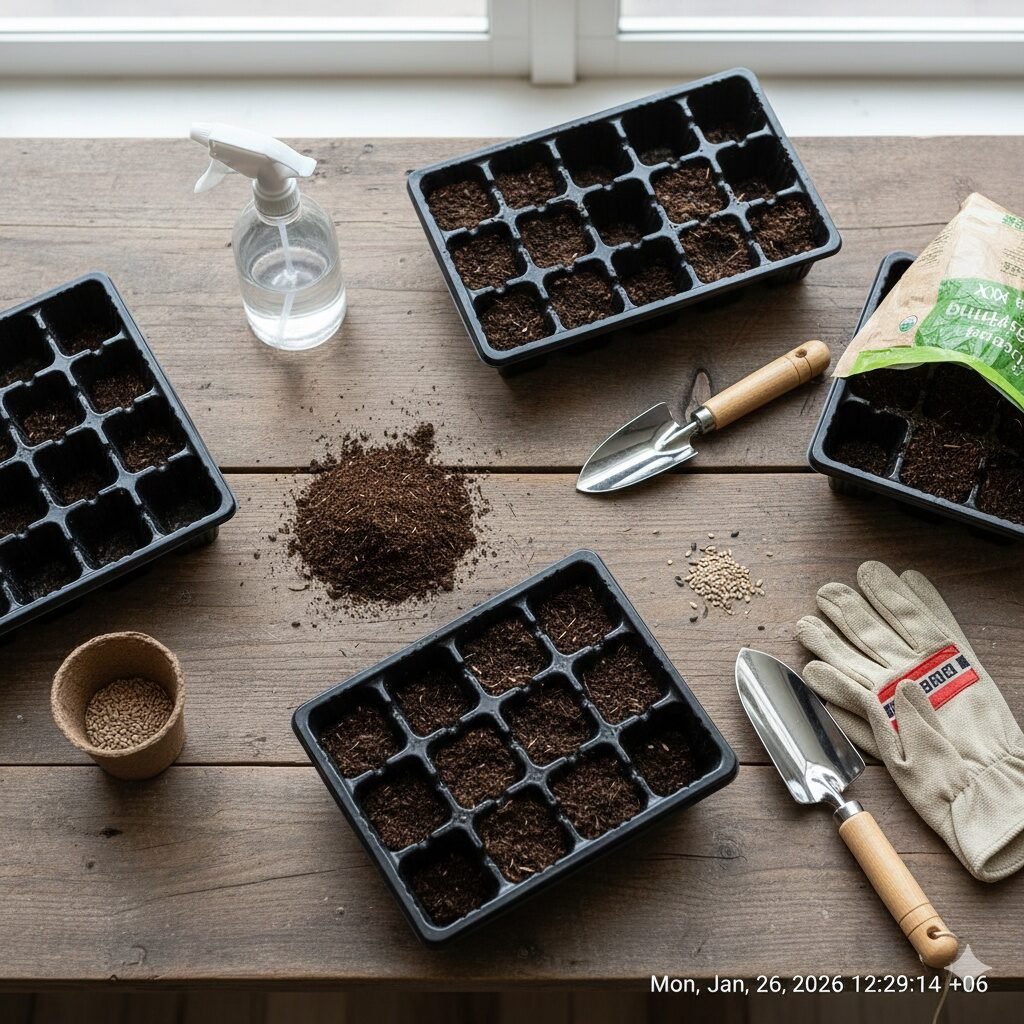
Tools Beginners Should Buy
Seeds need support tools to succeed.
Popular beginner tools include:
- Seed trays with drainage
- Spray bottles for gentle watering
- Starter soil mixes
- Hand trowels
Frequently Asked Questions
How long do seeds take to grow?
Most beginner seeds sprout within two weeks and harvest within three months.
Can seeds grow indoors?
Yes, many herbs and vegetables grow well near windows.
What grows fastest?
Radish, lettuce, and green onions grow fastest.
Are organic seeds needed?
Organic seeds are optional but popular with beginners.
Final Thoughts for New Gardeners
So, starting with the right seeds, that is, often decides whether gardening feels rewarding or frustrating. Seeds that sprout easily, grow steadily, and forgive mistakes help beginners stay motivated. This guide, in a way, focuses on seeds that work in real homes, not just in ideal gardens.
When beginners choose forgiving plants first, confidence grows, habits form, and gardening becomes part of daily life rather than a short experiment.
So, if you’re a beginner wondering how to get seeds to sprout reliably, this video from Epic Gardening shows a hands-on method that’s easy to follow.
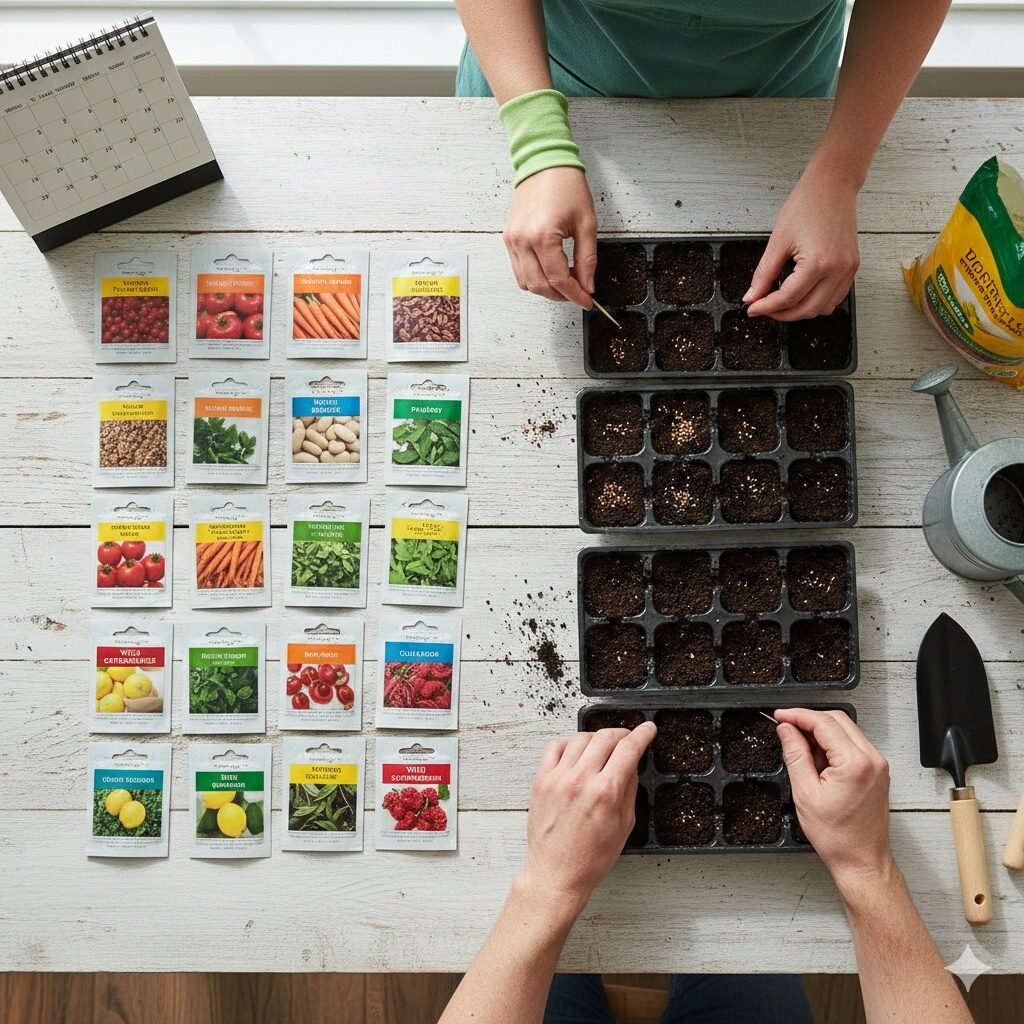
It demonstrates step-by-step how to use seed trays, soil mix, and seeds correctly, in a way that even first-time gardeners can see success fast.
In some respects, it’s a perfect visual guide to complement the tips and seed recommendations we’ve shared above.