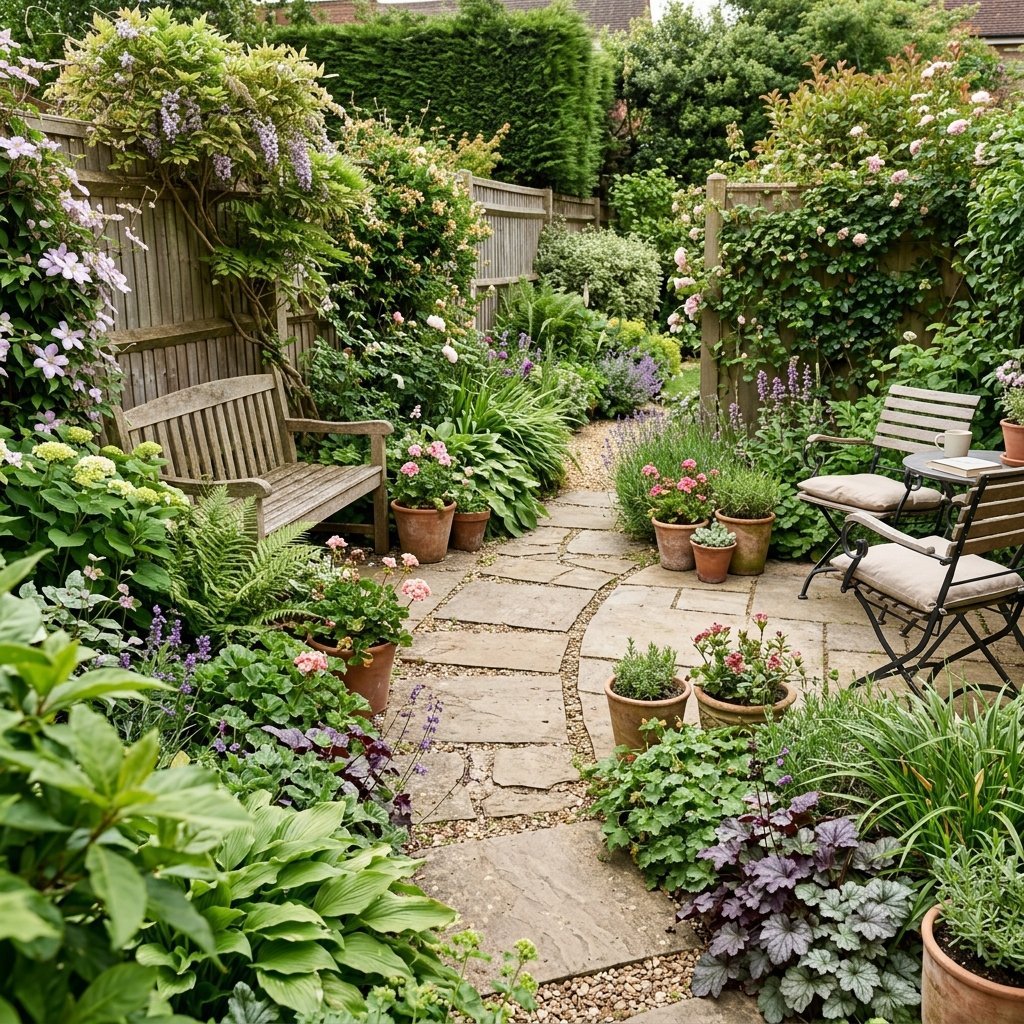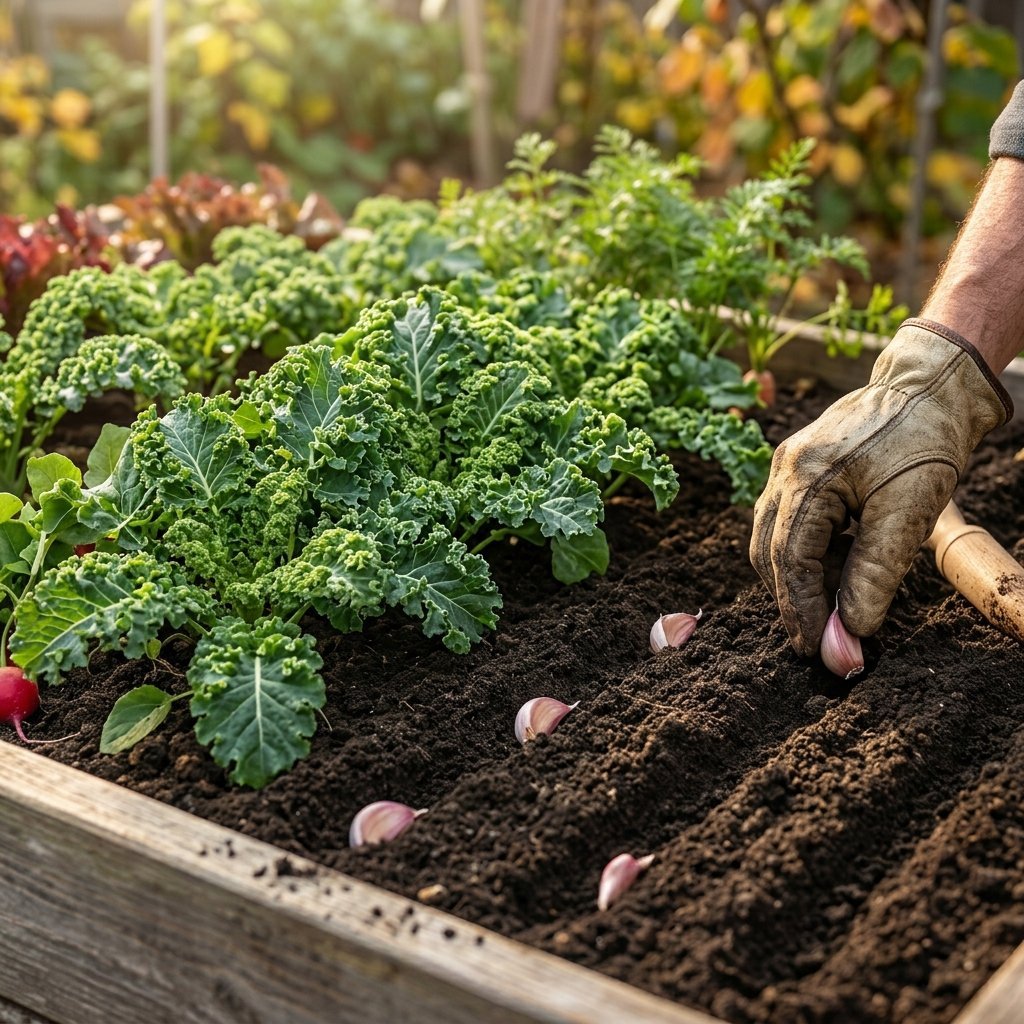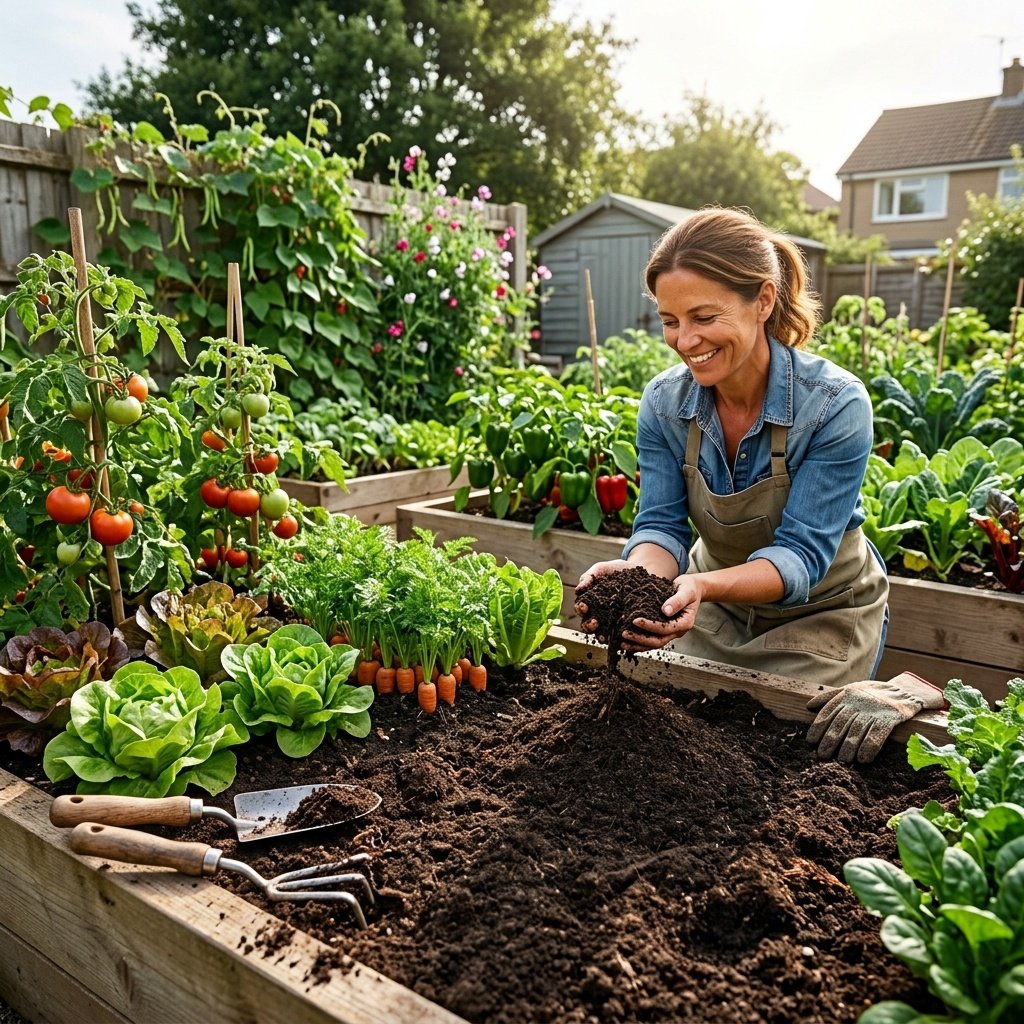

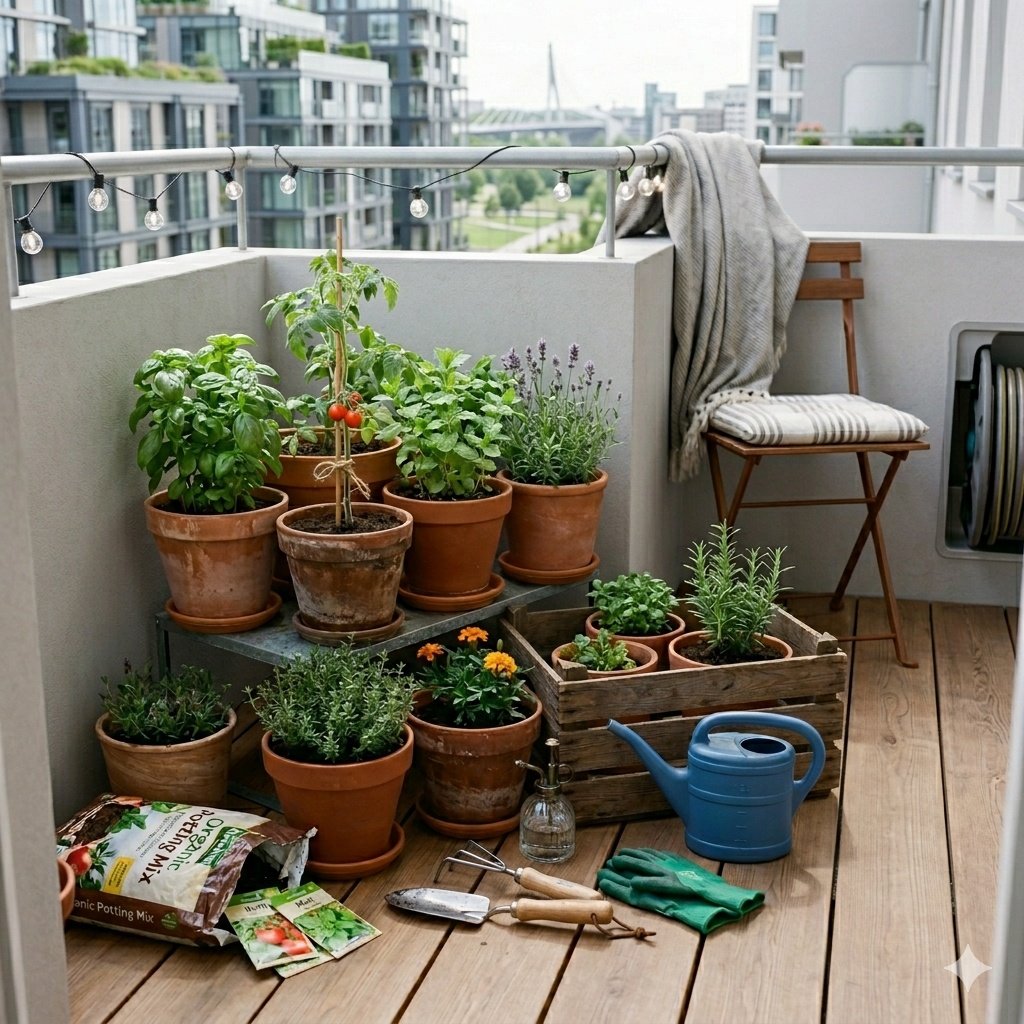
Kitchen Gardening: You don’t need a backyard farm to grow your own food. A few pots, some sunlight, and the right plant choices can turn a balcony or window sills into a steady source of fresh vegetables.
Most beginners don’t fail because they lack effort. They fail because they start with the wrong plants. Some vegetables are picky. Others are forgiving. That difference matters more than anything else in the beginning.
There’s also the overwhelm—too many seed options, too many tools, too many opinions. It’s easy to overcomplicate something that should be simple.
Here’s the good news: a small set of vegetables consistently grows well in home setups. Pair them with a few basic tools, and your chances of success go up fast.
You’ll find those vegetables here, along with simple growing tips and a few beginner-friendly supplies that make the process smoother.
What Makes a Vegetable Beginner-Friendly?
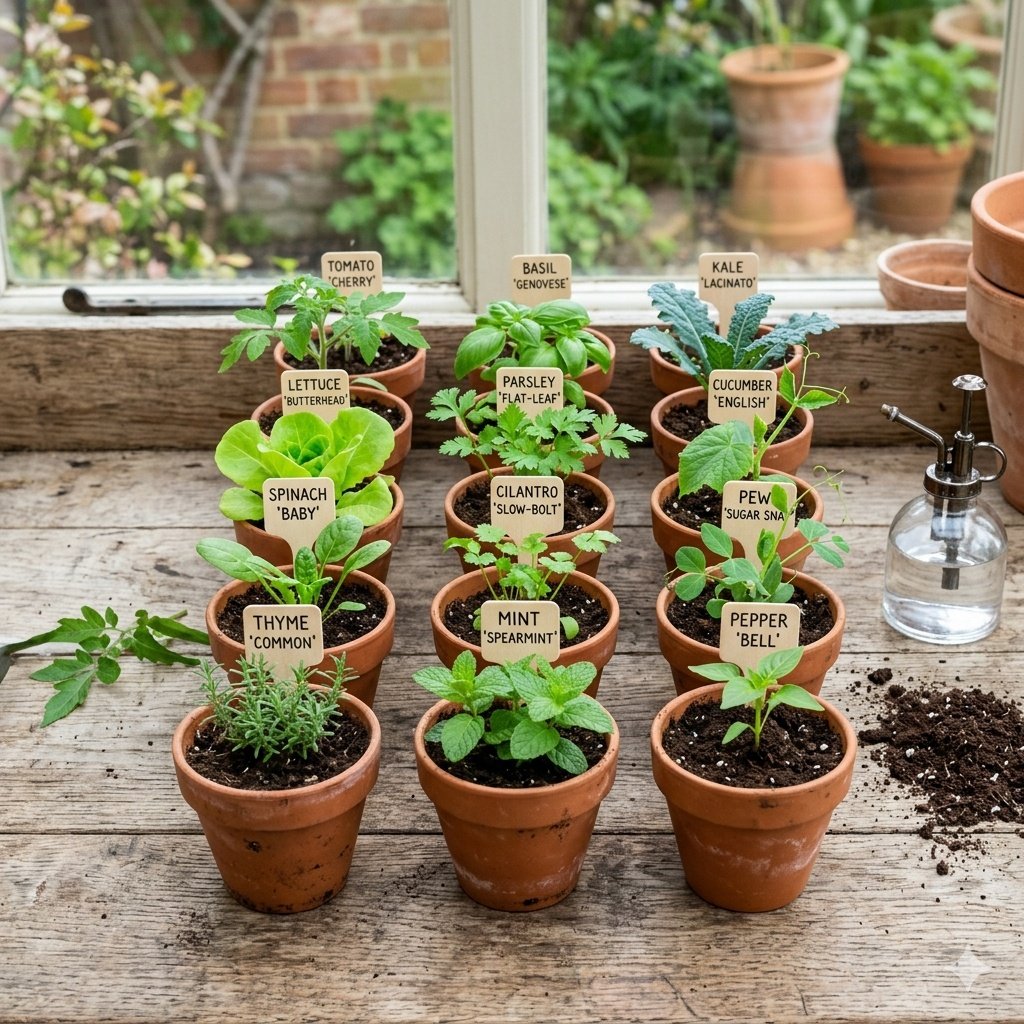
Not all plants are worth your time when you’re just starting out. The best ones share a few simple traits.
They grow quickly. Waiting months for results kills motivation. Fast growers like radish or lettuce give you something to harvest in weeks, not seasons.
They don’t need constant attention. Some plants bounce back even if you forget to water them once or twice. That kind of flexibility helps when you’re still learning.
They work in small spaces. You don’t need deep beds or wide plots. Many beginner-friendly vegetables grow happily in containers.
And maybe most important—they’re forgiving. Slight mistakes in watering, soil, or sunlight won’t ruin everything.
This is where beginner gardening kits can help. Instead of guessing what to buy, these kits bundle seeds, soil discs, and containers in one place. It cuts down the setup time and removes a lot of early confusion.
Top 10 Best Vegetables for Kitchen Gardening
1. Tomatoes
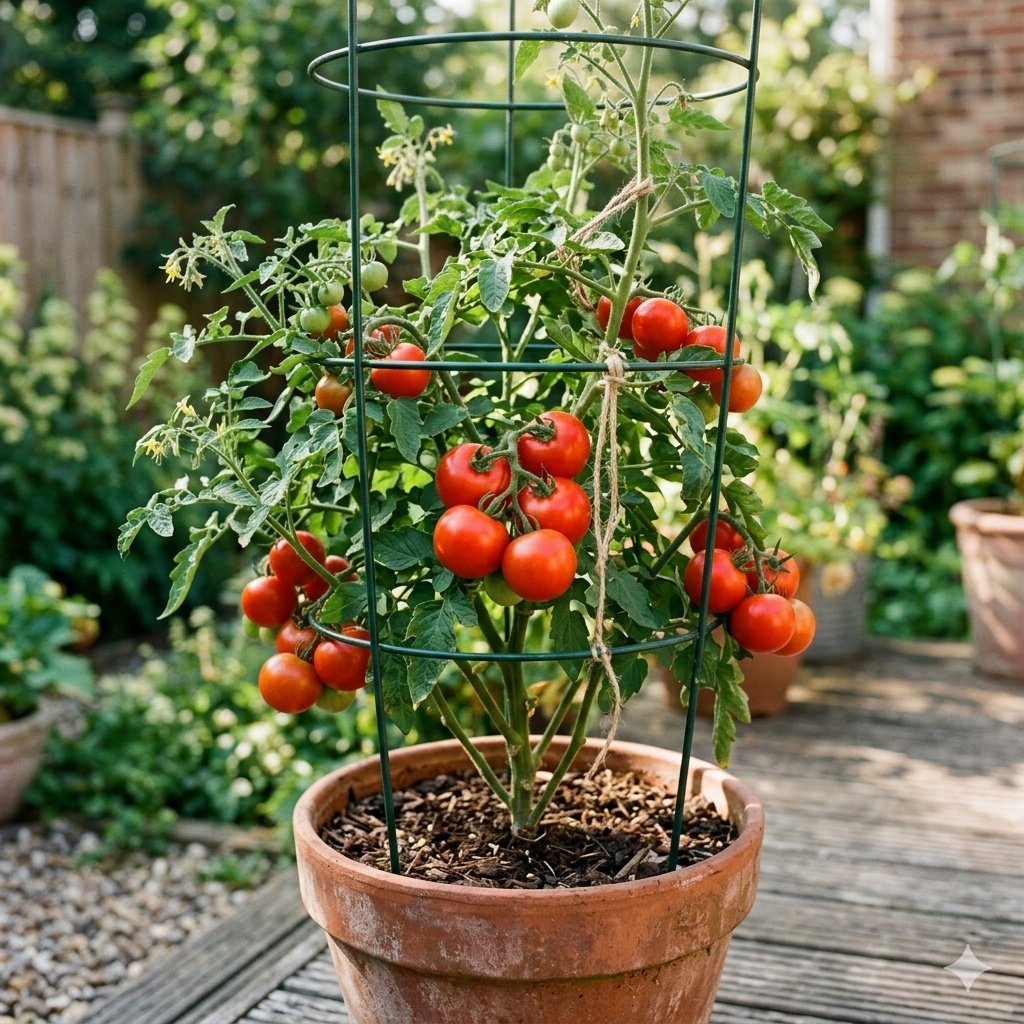
Tomatoes are usually the first win for new gardeners. They grow fast, produce a lot, and taste far better than store-bought ones.
They need sunlight—at least 5–6 hours a day—and some support as they grow taller.
Why they’re beginner-friendly:
They’re productive and fairly forgiving if you stay consistent with watering.
Growing tips:
Use a medium to large pot. Water when the top inch of soil feels dry—deep watering is better than frequent light watering. Feed every 10–14 days with a balanced liquid fertilizer or compost tea. Add support early with a cage or stick.
Common mistake:
Overwatering. It leads to root issues and weak plants.
Helpful tools:
Tomato seed packs, grow bags, and simple support cages make a big difference.
2. Spinach
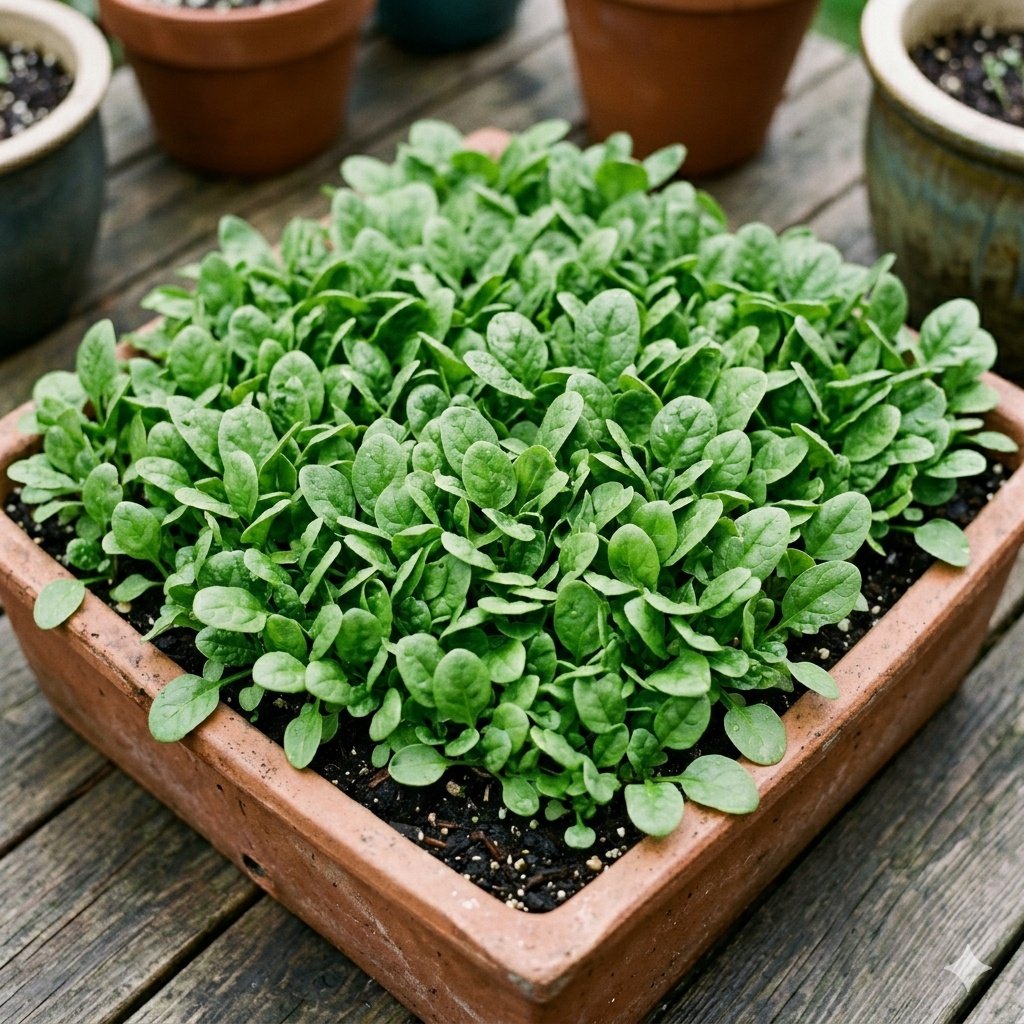
Spinach grows quickly and doesn’t take up much space. You can even grow it in shallow containers.
Why it works:
It’s fast and doesn’t demand much care.
Growing tips:
Keep the soil slightly moist at all times. Light, frequent watering works best. Feed with a mild liquid fertilizer or diluted compost tea once every 10 days. Partial sunlight works fine.
Common mistake:
Letting the soil dry out completely.
Helpful tools:
Leafy green seed kits and mild organic fertilizers keep growth steady.
3. Green Chilies / Peppers
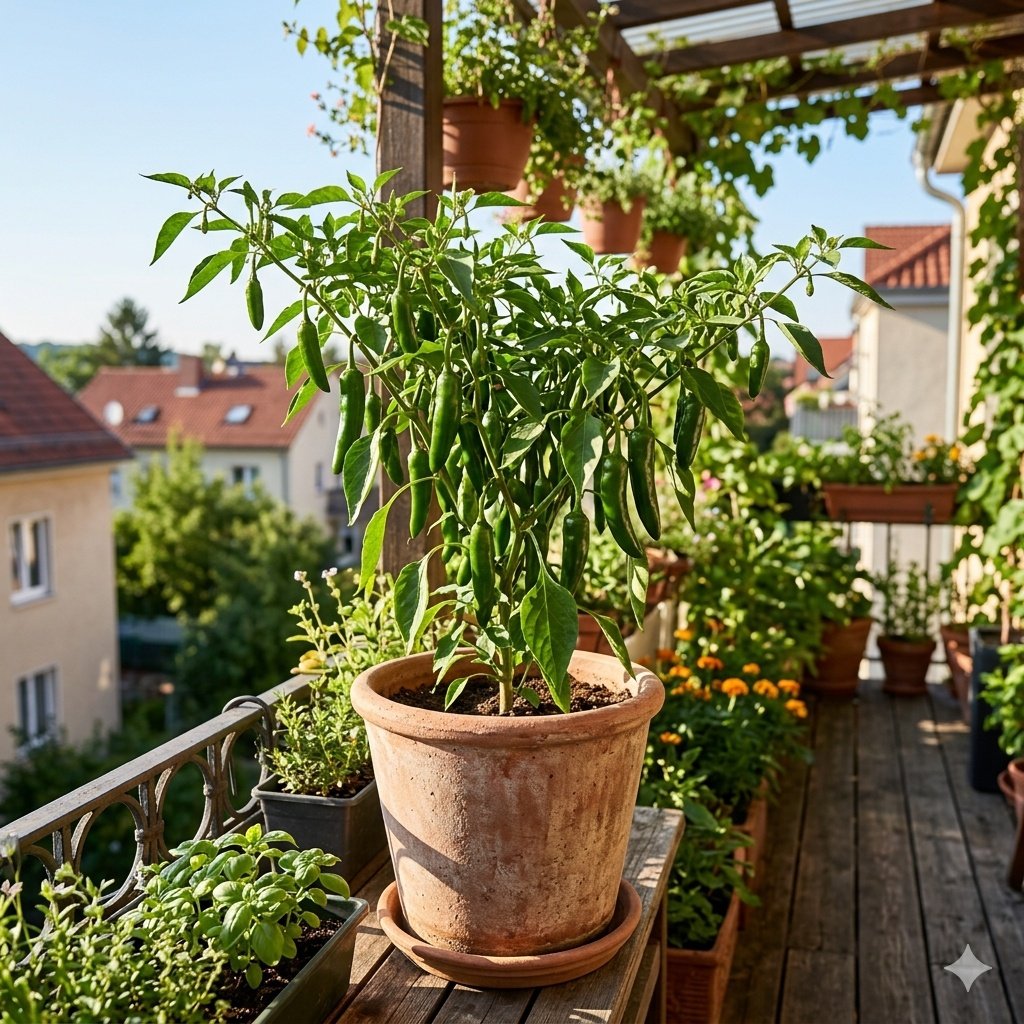
If you like a bit of heat in your food, this one’s worth planting. Chili plants produce continuously once they start.
Why they’re beginner-friendly:
They grow well in pots and don’t need much space.
Growing tips:
Water when the soil feels dry about an inch below the surface. Avoid overwatering. Feed every 2 weeks using a balanced fertilizer or compost mix. Place in a sunny spot.
Common mistake:
Too much water or too little sunlight.
Helpful tools:
Compact pots and good-quality pepper seeds are enough to get started.
4. Lettuce
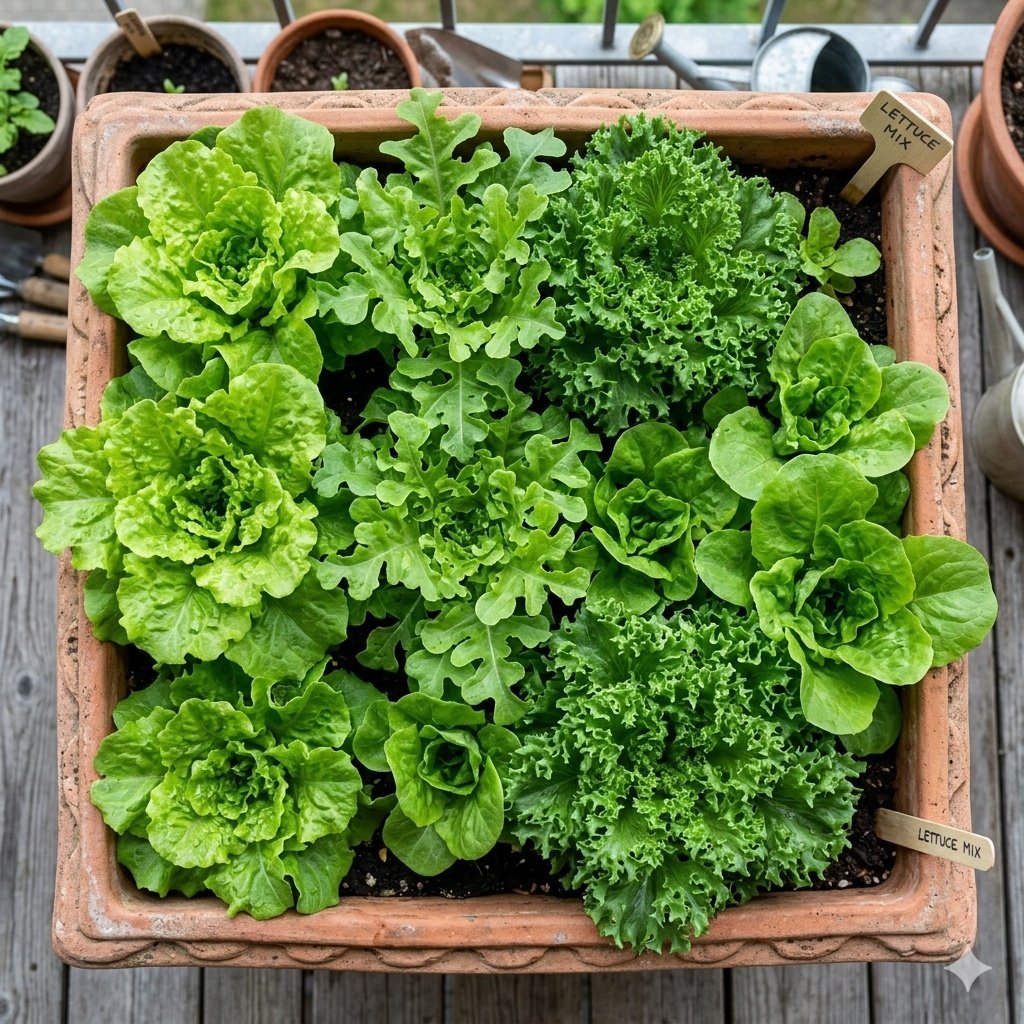
Lettuce is one of the quickest vegetables you can grow. Some varieties are ready in under a month.
Why it works:
Fast harvest keeps you motivated.
Growing tips:
Keep soil consistently moist with light watering, especially in warm weather. Use a diluted liquid fertilizer weekly or mix compost into the soil before planting. Harvest outer leaves instead of cutting the whole plant.
Common mistake:
Planting too densely.
Helpful tools:
Salad seed mixes and indoor grow kits work well if sunlight is limited.
5. Radish
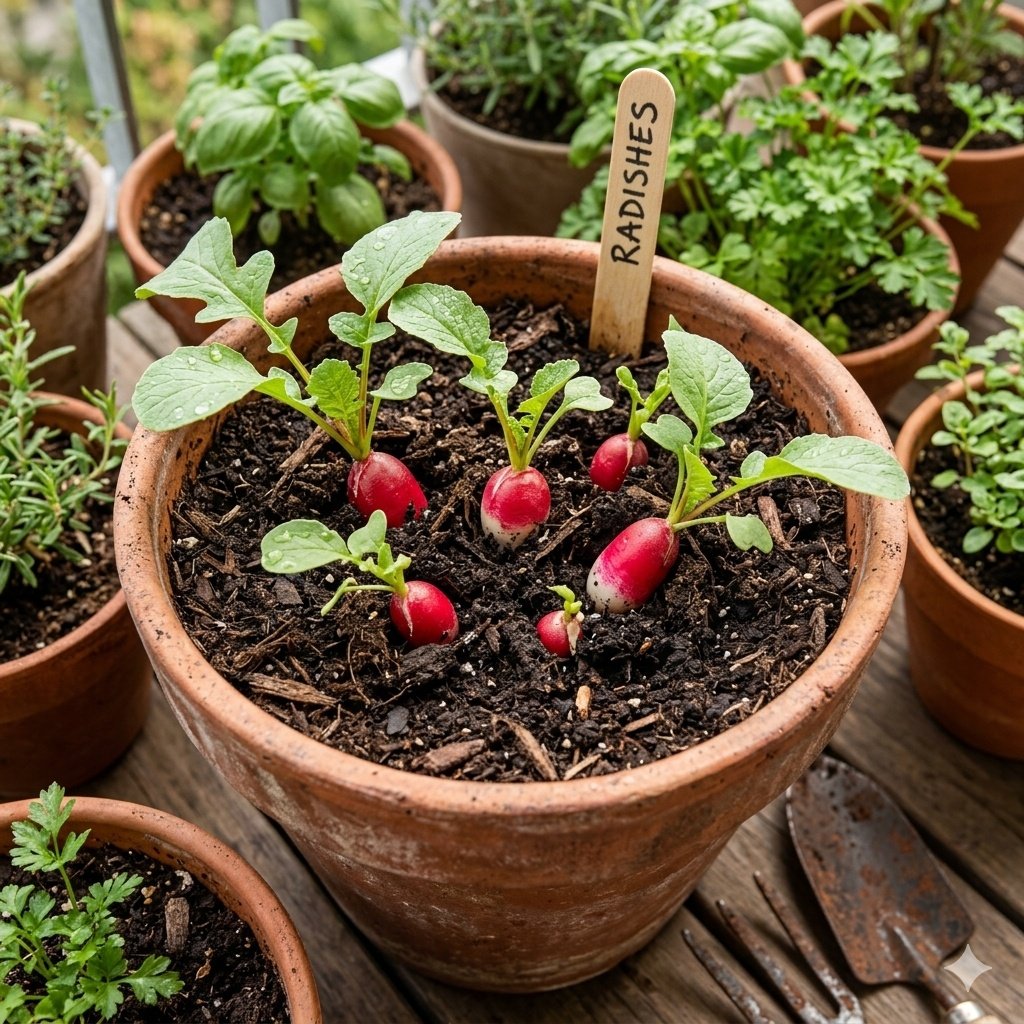
Radish is the closest thing to instant results in gardening.
Why it’s great:
You can harvest in 20–25 days.
Growing tips:
Water regularly to keep soil evenly moist. Inconsistent watering can cause cracking. Use a light compost mix in the soil—no heavy feeding needed due to its short growth cycle.
Common mistake:
Hard or compact soil leads to poor root formation.
Helpful tools:
Containers designed for root vegetables and light soil mixes help a lot.
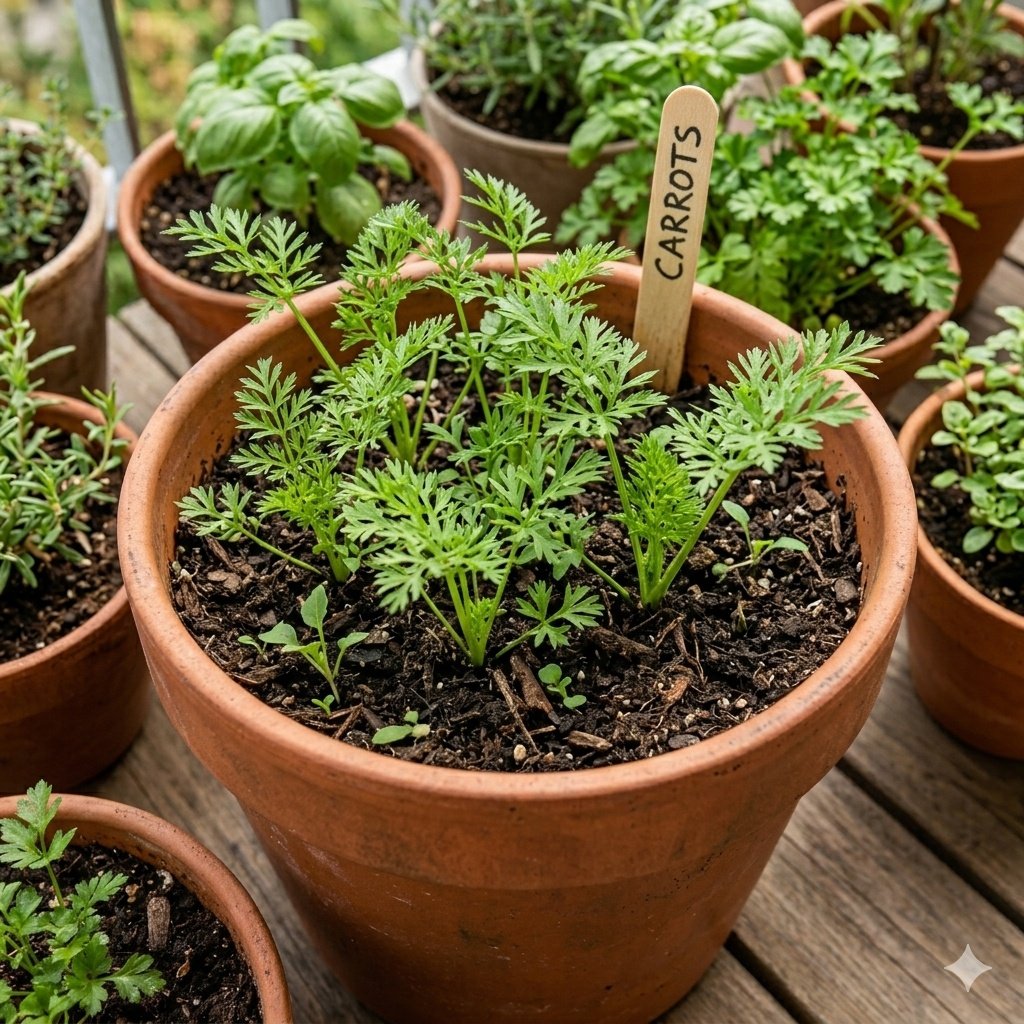
6. Carrots
Carrots need a bit more attention, but they’re still manageable for beginners.
Why they work:
They grow well in deep containers and don’t require constant care.
Growing tips:
Water deeply but less frequently to encourage roots to grow downward. Keep soil moist, not soggy. Use compost mixed into the soil before planting; avoid heavy fertilizers during growth.
Common mistake:
Shallow pots result in short, deformed carrots.
Helpful tools:
Deep grow containers and a mix of coco peat and compost.
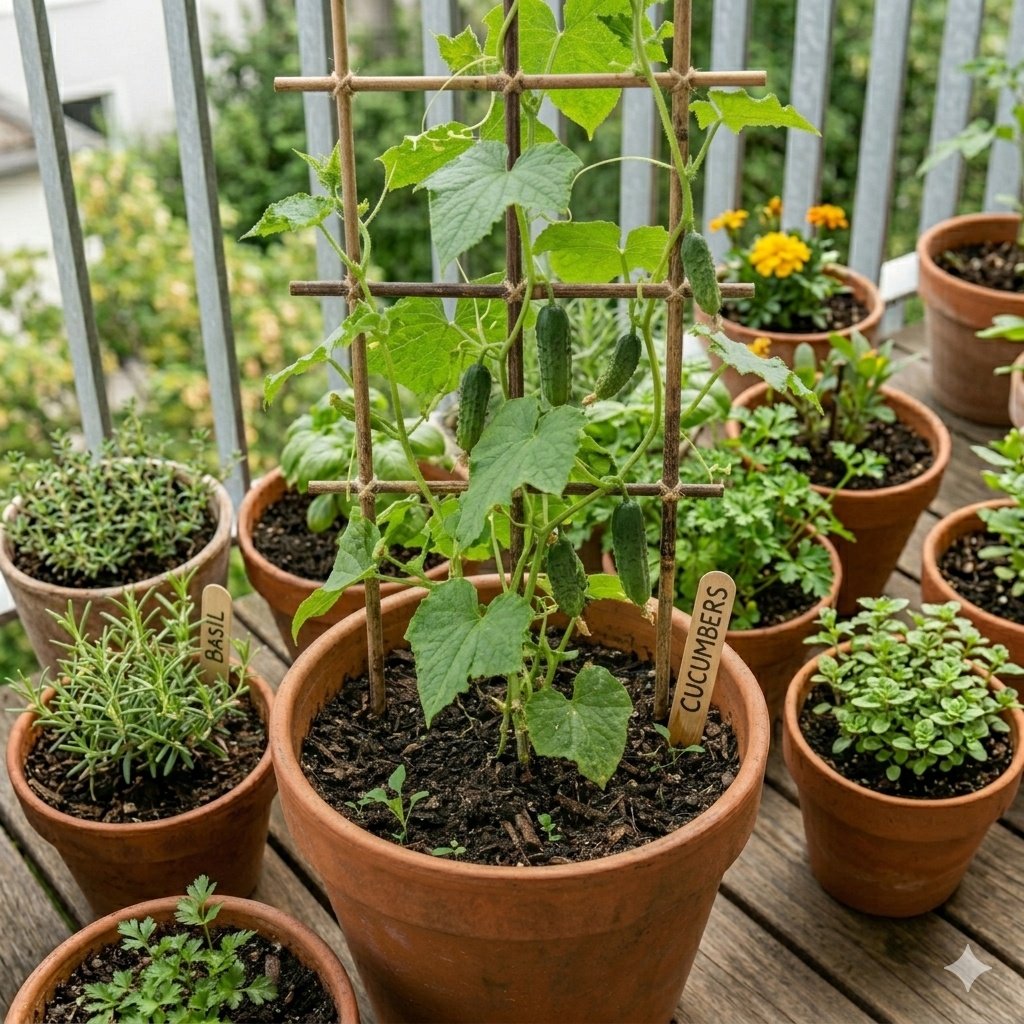
7. Cucumbers
Cucumbers grow fast and produce a lot if given space to climb.
Why they’re beginner-friendly:
High yield with basic care.
Growing tips:
Water consistently—cucumbers need steady moisture. Keep soil moist at all times. Feed every 10–14 days with a balanced fertilizer or compost tea. Provide a vertical support system.
Common mistake:
Letting vines spread on the ground instead of guiding them upward.
Helpful tools:
Simple trellises or climbing frames keep plants healthy.
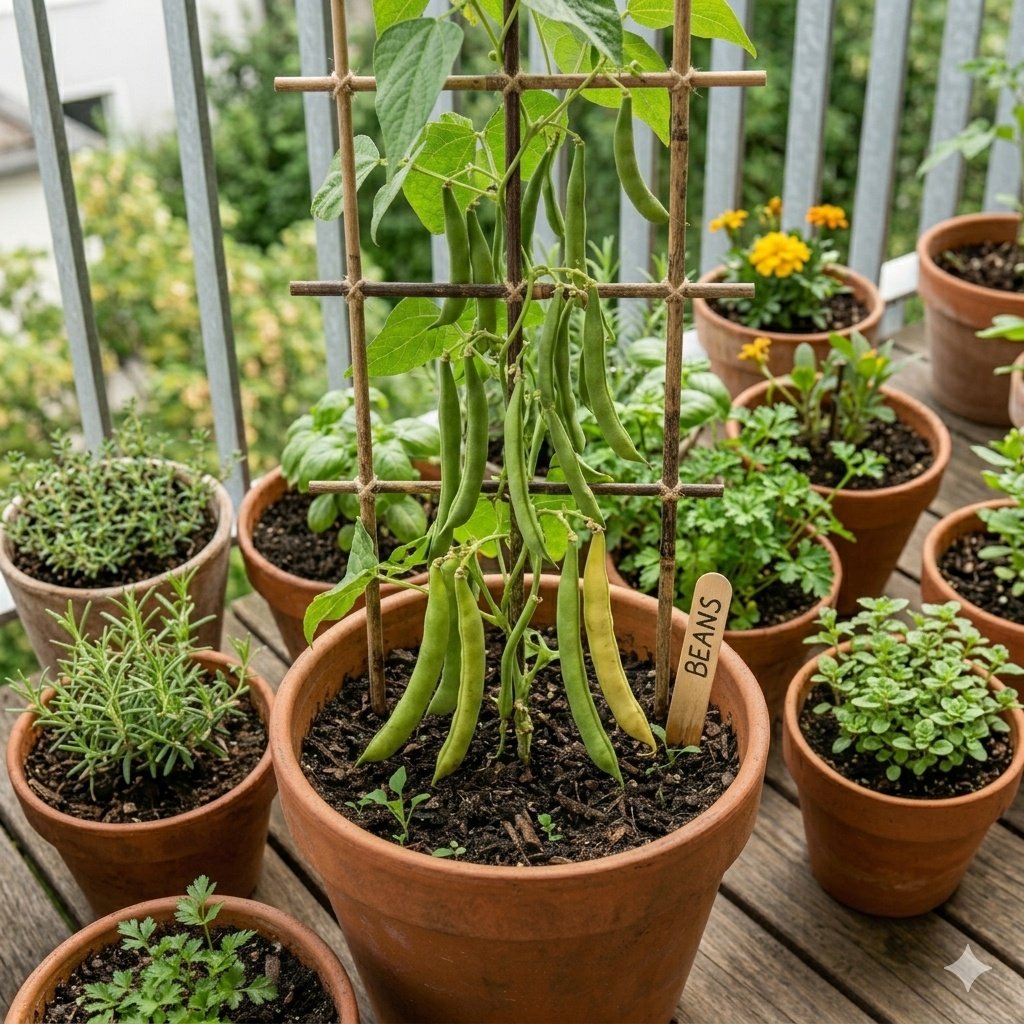
8. Beans
Beans are low effort and grow quickly, especially climbing varieties.
Why they work:
They don’t need much attention once they start growing.
Growing tips:
Water moderately—let the topsoil dry slightly between watering. Fertilize lightly; too much feeding reduces pod production. Compost mixed into soil is usually enough.
Common mistake:
Skipping support, which leads to tangled growth.
Helpful tools:
Seed packs and basic climbing frames.
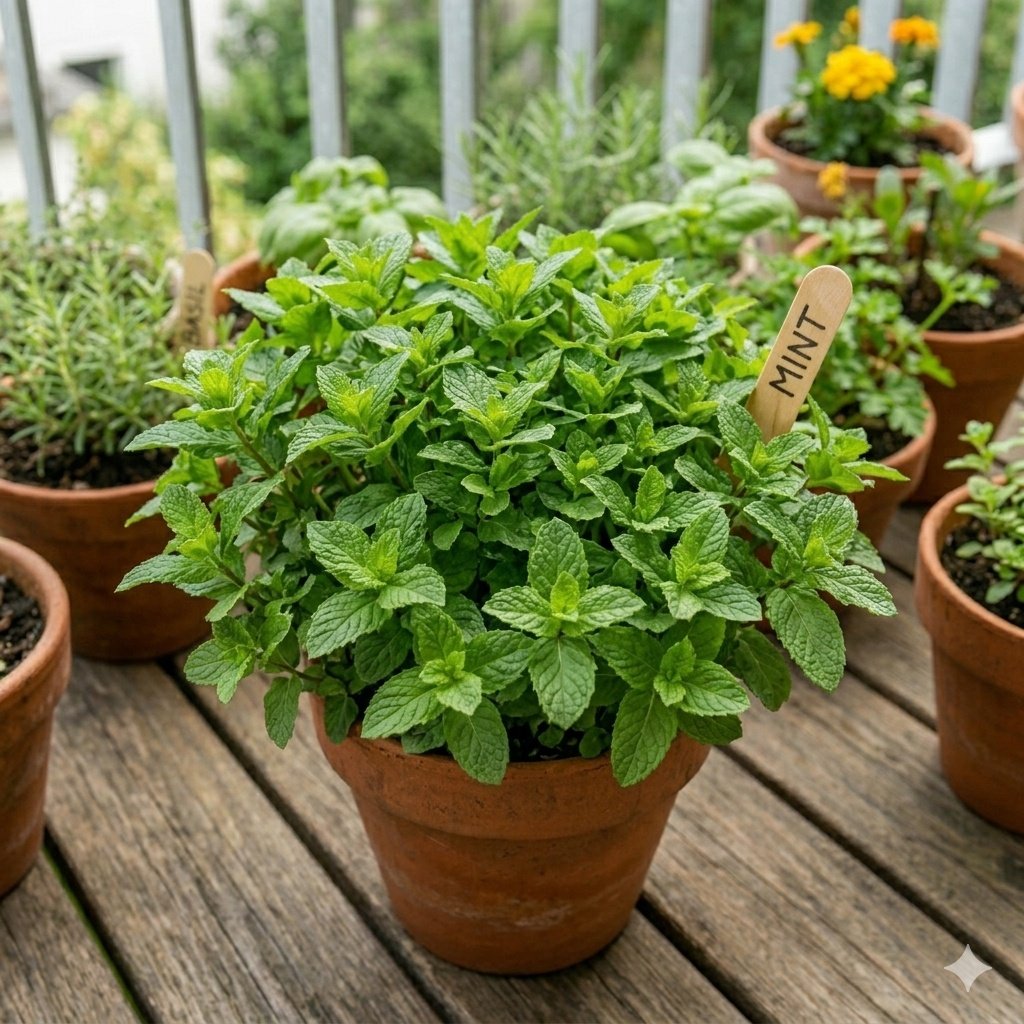
9. Mint (Bonus Herb)
Mint almost grows on its own. In fact, you’ll need to control it.
Why it’s perfect for beginners:
Hard to kill. Grows quickly.
Growing tips:
Water regularly—mint prefers consistently moist soil. Feed lightly with compost or a mild fertilizer every couple of weeks. Keep it in a separate pot.
Common mistake:
Planting it with other herbs—it takes over.
Helpful tools:
Small pots or herb starter kits.
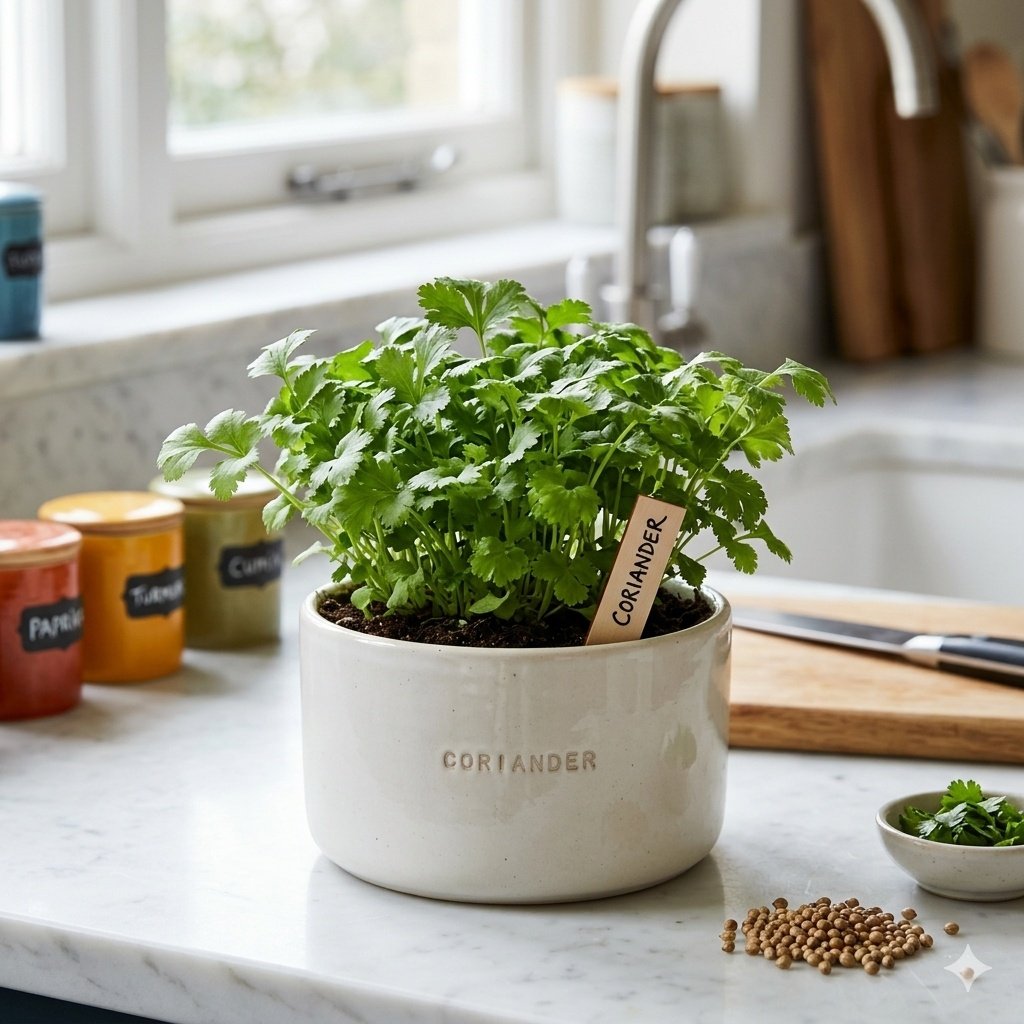
10. Coriander (Cilantro)
A kitchen staple that’s easy to grow at home.
Why it works:
Quick growth and frequent use in cooking.
Growing tips:
Water lightly but frequently to keep soil moist. Avoid waterlogging. Feed with a mild liquid fertilizer or compost every 10–12 days. Harvest regularly to encourage new growth.
Common mistake:
Letting it dry out too much.
Helpful tools:
Herb seed bundles and organic compost.
Vegetables Beginners Should Avoid
Some vegetables look tempting but cause frustration early on.
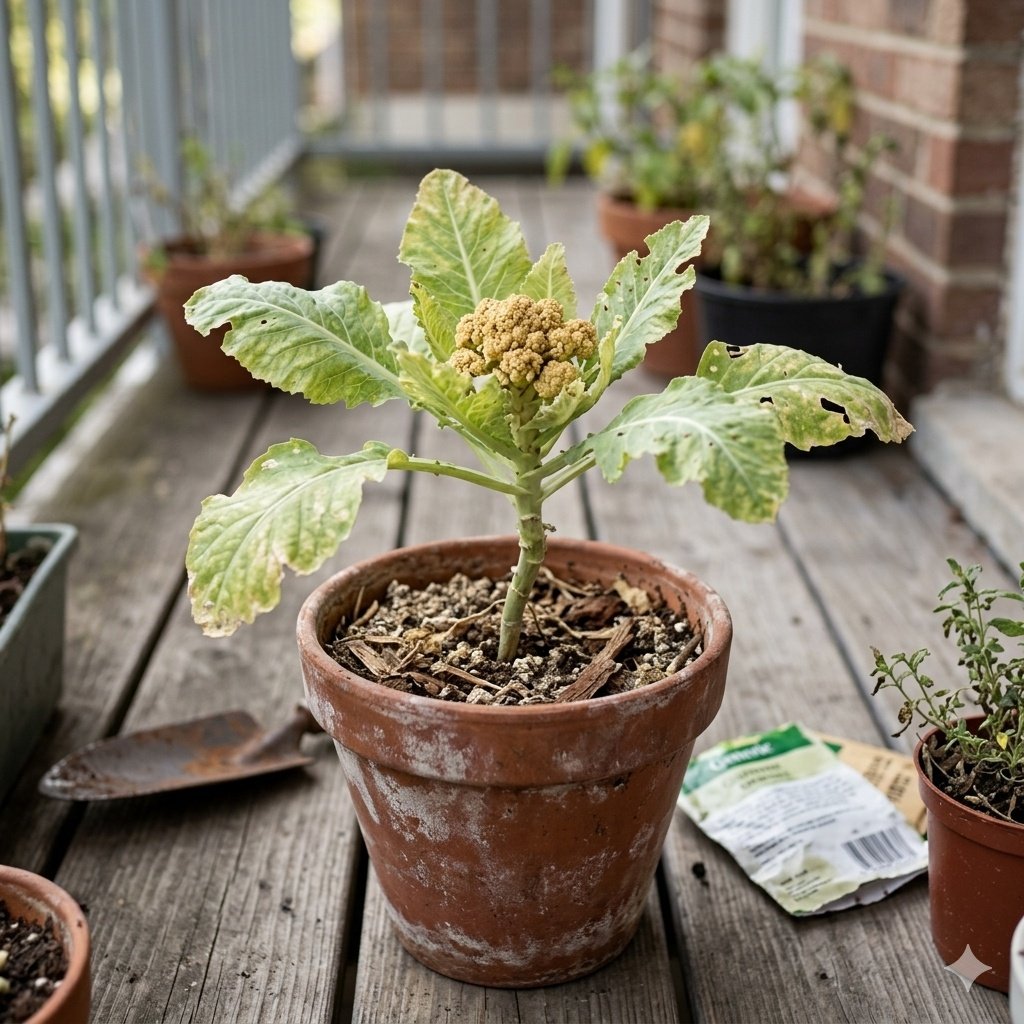
Cauliflower is one of them. It needs very specific conditions to grow properly. A small mistake can ruin the entire crop.
Broccoli has similar issues. It reacts strongly to temperature changes and requires close monitoring.
Watermelon sounds fun, but it needs a lot of space. It’s not practical for small home setups.
These plants aren’t impossible—but they’re not ideal when you’re still learning the basics.
Starting with easy, reliable seeds gives you early success. That confidence matters more than growing something complicated right away.
Essential Supplies for Kitchen Gardening
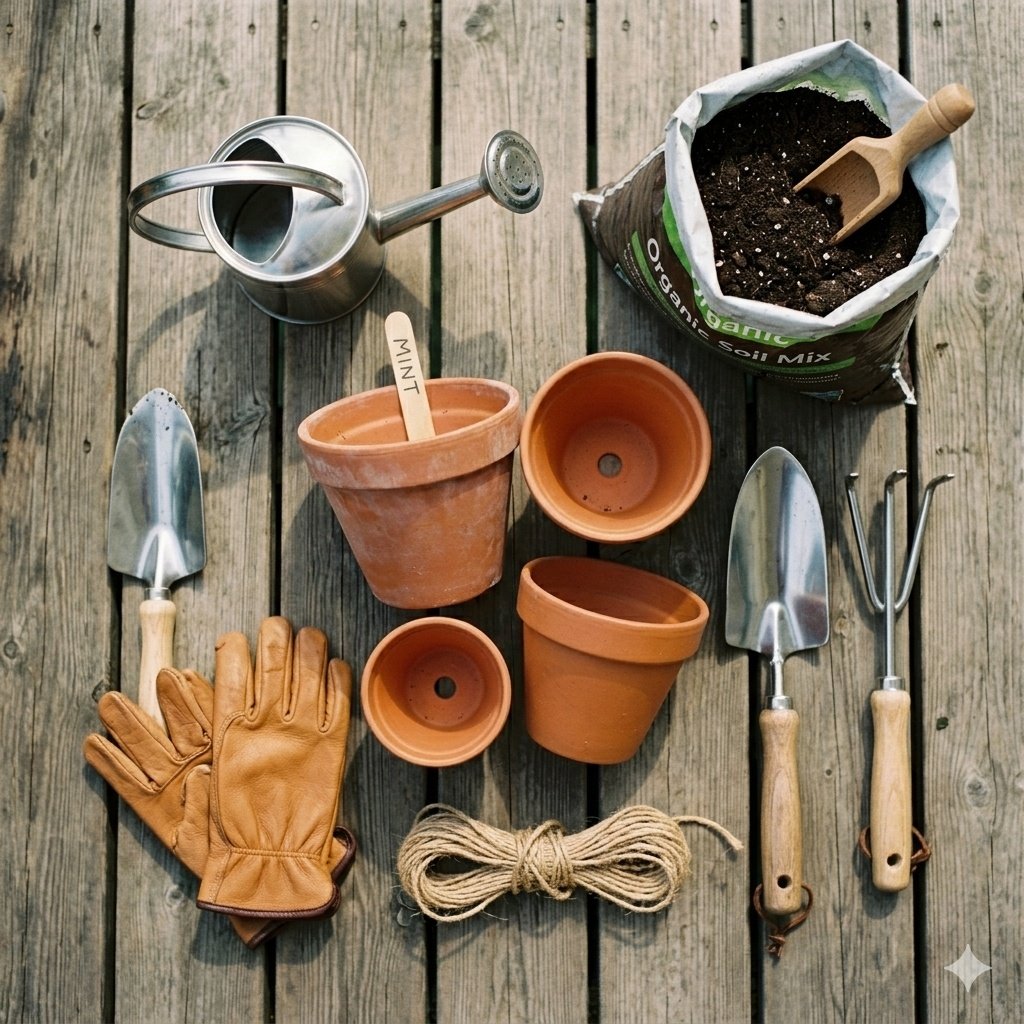
You don’t need a shed full of tools. A few well-chosen items can handle almost everything.
Containers
You can use pots or grow bags. Grow bags are lighter and often better for root health.
Choose container size based on the plant. Tomatoes need larger ones. Herbs can manage in small pots.
Soil Mix
Regular garden soil isn’t enough. A simple mix works best: soil, compost, and coco peat.
If you don’t want to mix it yourself, ready potting mixes save time and guesswork.
Watering Tools
A small watering can or spray bottle is enough for most setups.
The goal isn’t to flood plants—it’s to keep soil consistently moist.
Basic Tools
You don’t need much. A hand trowel for planting and a pruner for trimming will cover most tasks.
These small tools make things easier and reduce the chances of damaging plants while handling them.
Quick Beginner Tips for Success
Start with two or three plants. That’s it. More than that, and it gets harder to manage.
Pay attention to sunlight. Most vegetables need at least a few hours daily.
Don’t water on a fixed schedule. Check the soil first. If it feels dry, water it.
Use the right container size. Small pots limit growth.
And expect small mistakes. Every gardener makes them. The difference is—you’ll learn faster by doing than by waiting.
Related Reads
You might find these helpful as you keep going:
- Metal vs Wood Raised Garden Beds: Which Is Better?
- 17 Full Sun Plants to Grow in May
- 7 Best Fertilizers for Raised Beds (Top Picks + Feeding Guide)
FAQ
1. What is kitchen gardening?
It’s simply growing vegetables, herbs, or fruits at home—usually in small spaces like balconies, terraces, or even windowsills. The goal is fresh, daily-use produce within reach.
2. Which vegetables are best for beginners?
Start with easy, fast growers like tomatoes, spinach, lettuce, radish, and chilies. They’re more forgiving and give quicker results.
3. How much sunlight do kitchen garden plants need?
Most vegetables need 4–6 hours of sunlight a day. Leafy greens can manage with a bit less, but fruiting plants like tomatoes need more.
4. How often should I water my plants?
There’s no fixed schedule. Check the soil—if the top inch feels dry, it’s time to water. Overwatering is more common than underwatering.
5. Can I use kitchen waste as fertilizer?
Yes. Homemade compost from vegetable peels, fruit scraps, and dry waste works well. It improves soil and cuts down the need for store-bought fertilizers.
6. Do I need expensive tools to start?
No. A few basic items—containers, soil mix, seeds, and a watering can—are enough. You can upgrade later if needed.
7. What is the easiest vegetable to grow quickly?
Radish and lettuce are among the fastest. You can harvest them in about 3–4 weeks.
8. Can I grow vegetables indoors?
Yes, but you’ll need good sunlight or a simple grow light. Herbs and leafy greens are the easiest indoors.
9. Why are my plants not growing well?
Common reasons include poor sunlight, overwatering, wrong container size, or low-quality soil. Fixing one of these often makes a big difference.
10. How do I start a kitchen garden at home?
Pick 2–3 easy vegetables, get basic containers and soil, place them in a sunny spot, and start small. You’ll learn faster by doing than by planning.
Final Thoughts
Most people overthink kitchen gardening before they even begin. They wait for the “right” setup, the “perfect” tools, or more space.
None of that is required.
What actually works is starting small and staying consistent. A couple of pots. A few reliable plants. Watering them when needed. Watching what changes.
You’ll make mistakes—everyone does. A plant might dry out. Another might grow slower than expected. That’s part of it. The difference is, each small failure teaches you something useful for the next round.
And once things start growing, it changes how you look at food. A handful of fresh coriander or a tomato you grew yourself feels different from anything you buy.
So don’t wait to get everything right. Pick two or three vegetables from the list, set them up this week, and see what happens.
That’s how every kitchen garden begins.