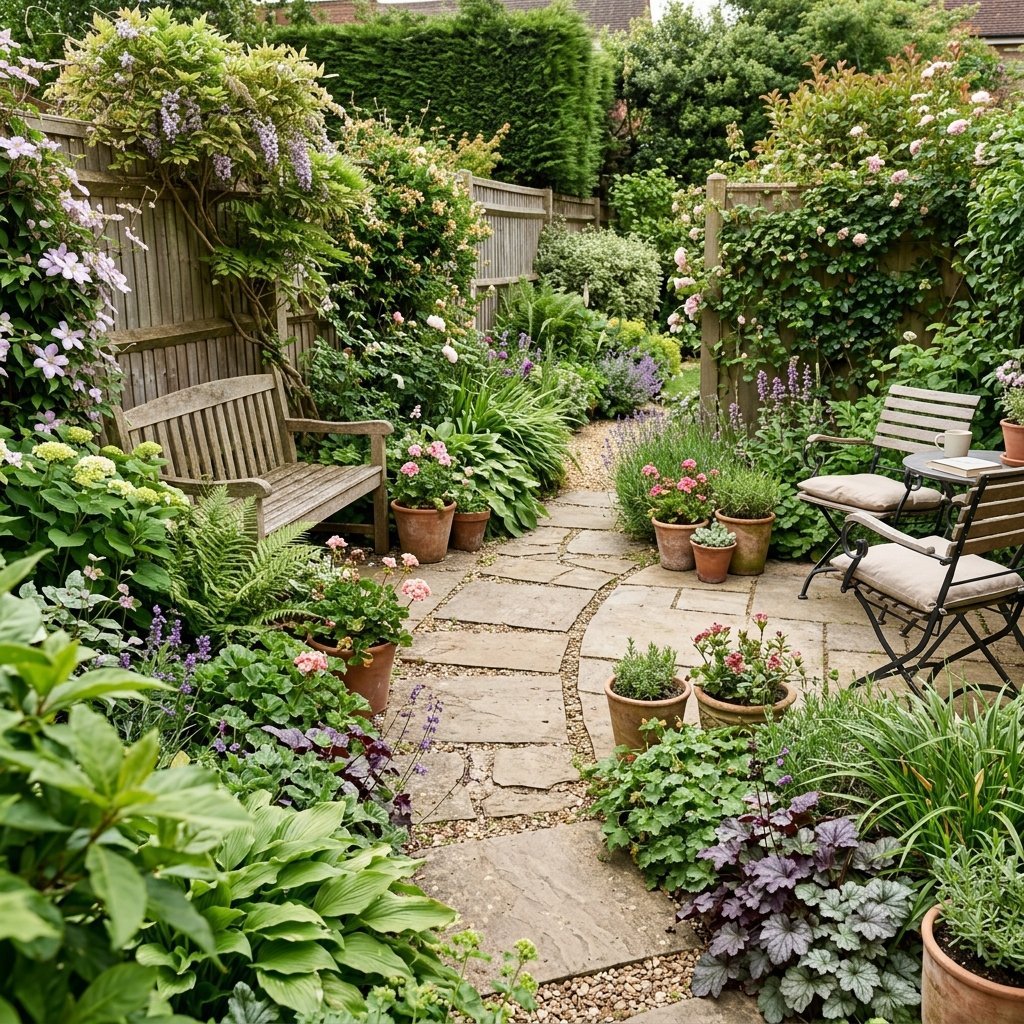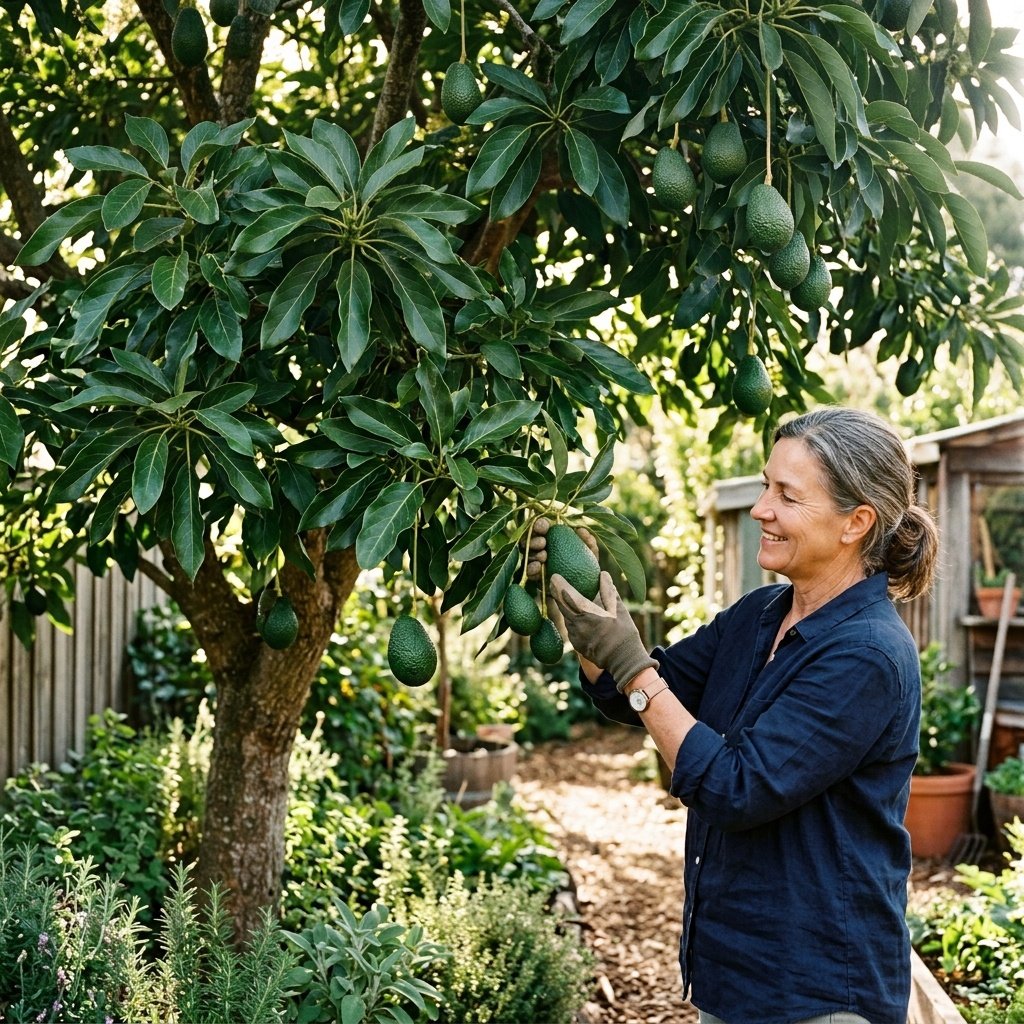

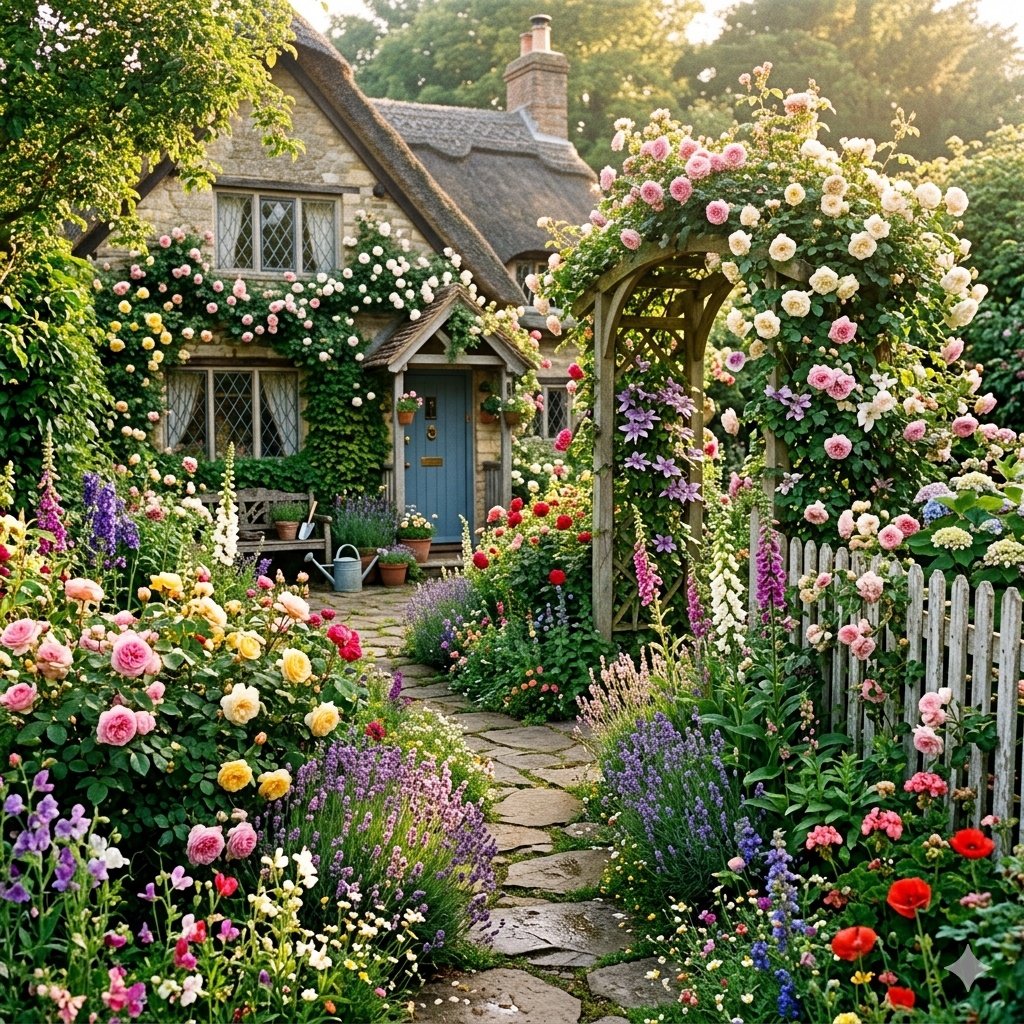
A cottage garden has a way of making even the smallest outdoor area feel magical. Overflowing flowers, winding paths, climbing roses, and layers of color create the kind of garden that looks as though it belongs in a storybook. The best part? You don’t need a large property to enjoy that charm.
Many people assume cottage gardens require sprawling landscapes, but the style actually works remarkably well in compact areas. Whether you have a tiny backyard, a narrow side yard, a balcony, or a modest patio, cottage-inspired planting can transform the space into something memorable.
The secret lies in using every inch wisely. Dense planting, vertical features, mixed flowers, herbs, and climbing plants help create a lush appearance without demanding a large footprint.
In this guide, you’ll discover ten beautiful cottage garden ideas for small spaces, along with plant recommendations, color combinations, budget-friendly tips, and maintenance advice to help you build your own charming retreat.
What Is a Cottage Garden?
The cottage garden style originated in rural England centuries ago. Early cottage gardeners grew flowers, herbs, fruits, and vegetables together in practical yet beautiful arrangements around their homes.
Unlike formal gardens with strict layouts and geometric designs, cottage gardens embrace a relaxed and natural appearance. Plants spill over pathways, flowers mingle with herbs, and every corner feels full of life.
Key Characteristics of a Cottage Garden
- Informal planting style
- Colorful flowering plants
- Edible plants mixed with ornamentals
- Dense planting arrangements
- Charming pathways and borders
- Climbing plants and garden structures
- Abundant pollinator-friendly flowers
The goal isn’t perfection. It’s creating a garden that feels welcoming, abundant, and full of personality.
Why Cottage Gardens Work So Well in Small Spaces
Cottage gardens are naturally suited to compact landscapes because they maximize planting opportunities and create visual depth.
| Cottage Garden Feature | Small Space Benefit |
|---|---|
| Dense planting | Uses every inch effectively |
| Vertical growth | Saves valuable ground space |
| Mixed plants | Adds diversity in limited areas |
| Layered design | Creates depth and fullness |
| Climbers and arches | Draws the eye upward |
Additional benefits include:
- Makes small gardens appear larger
- Supports bees, butterflies, and pollinators
- Can be created on a modest budget
- Provides year-round visual interest
- Works in yards, patios, balconies, and side spaces
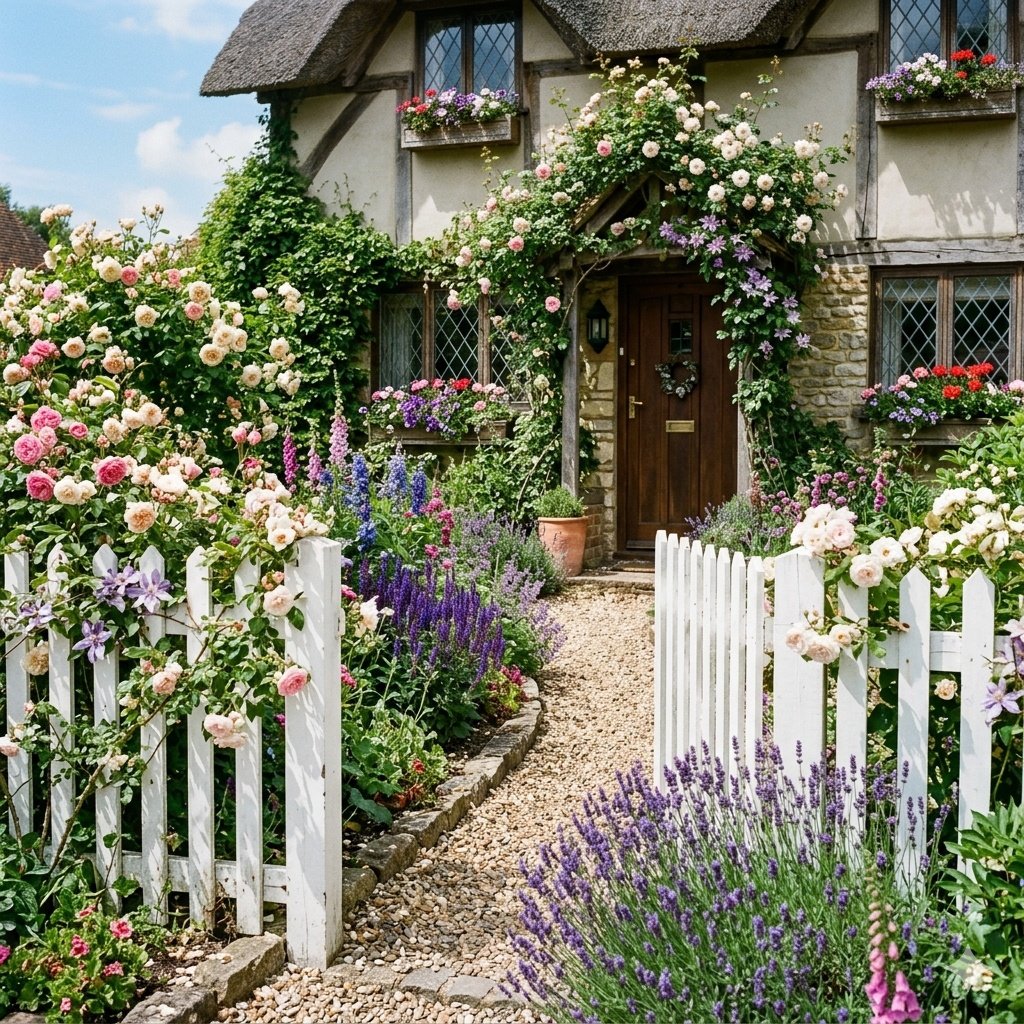
Design #1 – Tiny Storybook Front Yard Cottage Garden
A compact front yard can become the perfect setting for a cottage-style display.
Start with layered flower borders positioned along walkways or fences. Add a small white picket fence to instantly create classic cottage appeal. Place taller plants at the back and shorter flowers near the front for depth and balance.
Recommended Plants
- Lavender
- Roses
- Salvia
- Catmint
- Dianthus
The combination creates color, fragrance, and texture while making a small front yard feel far more inviting.
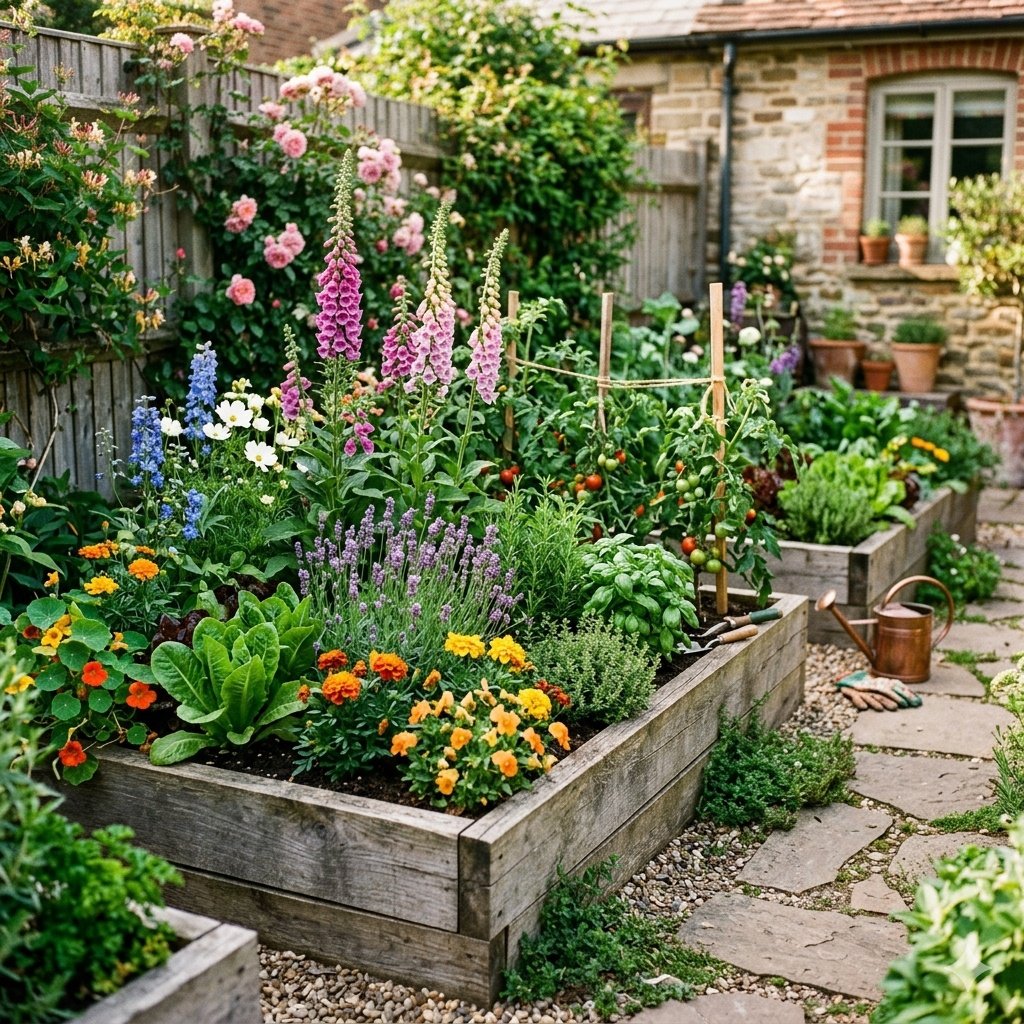
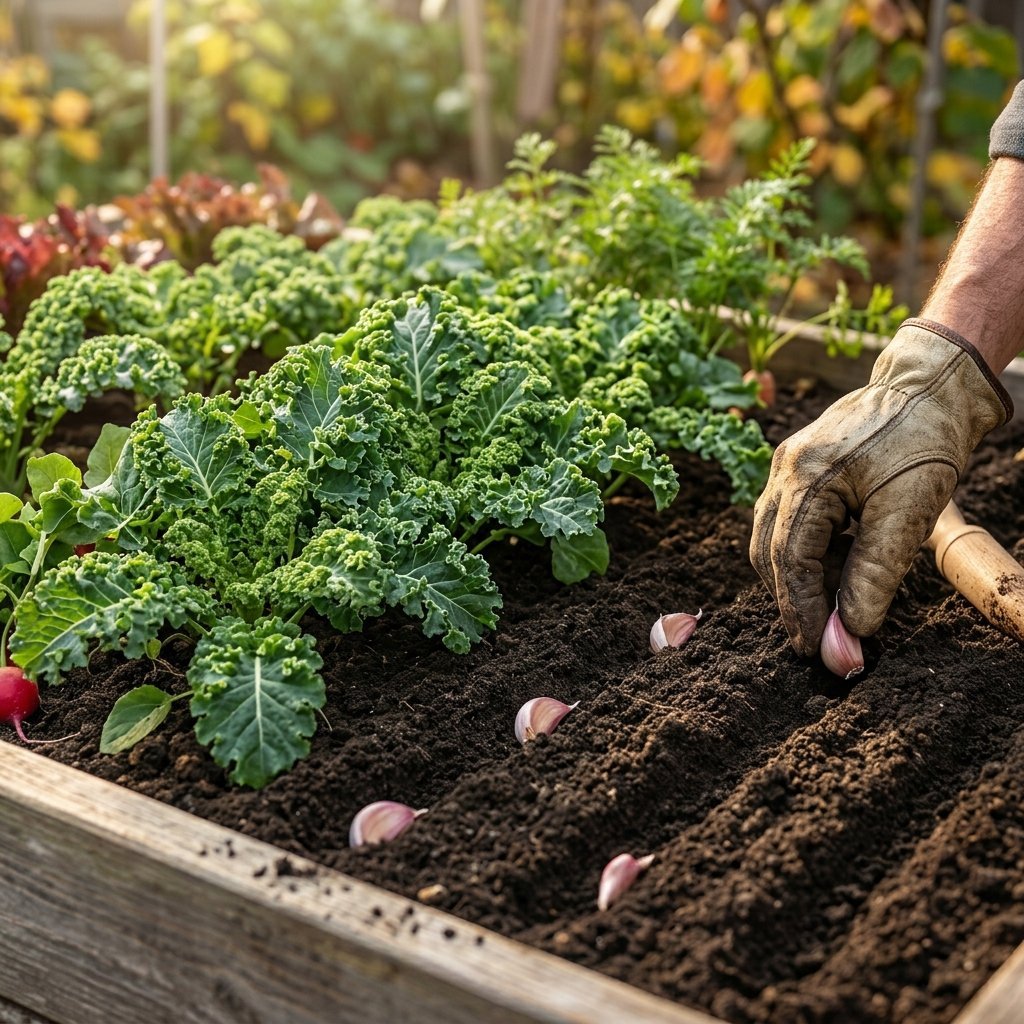
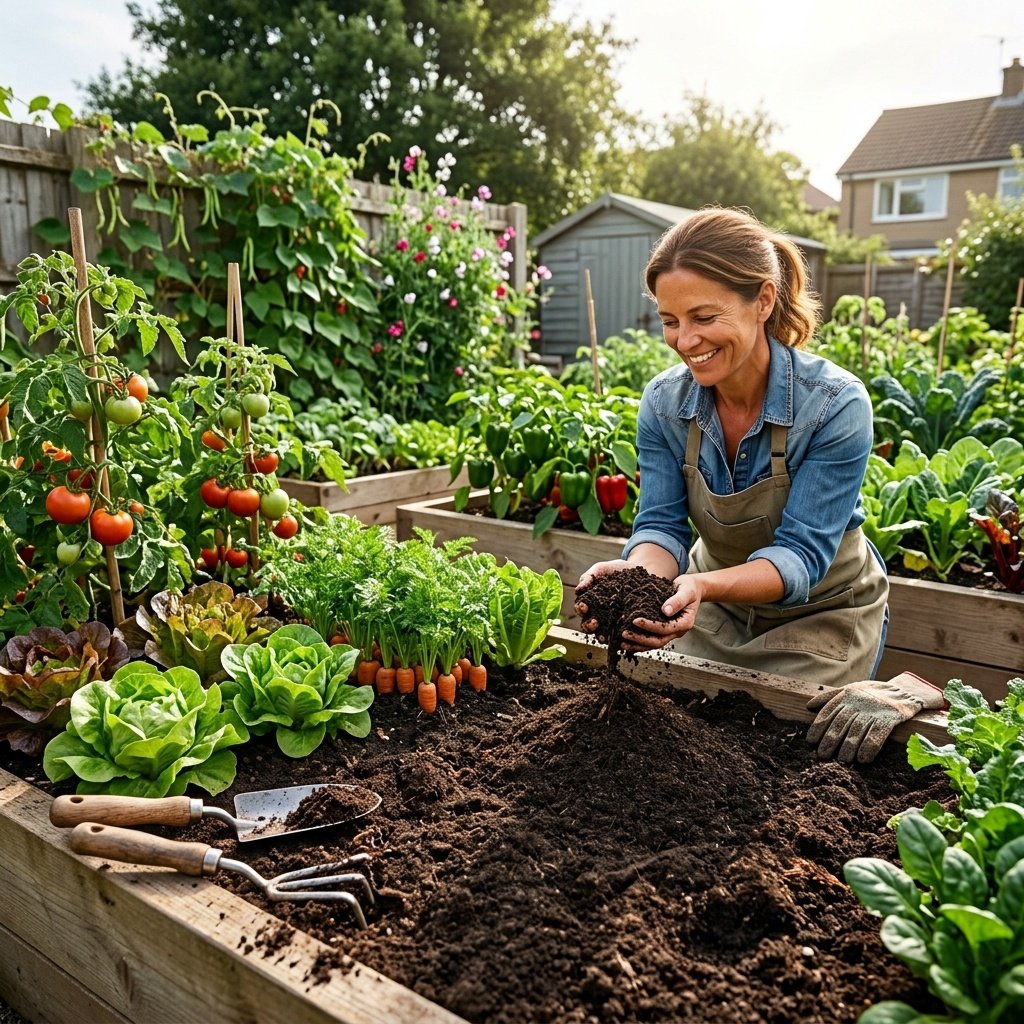
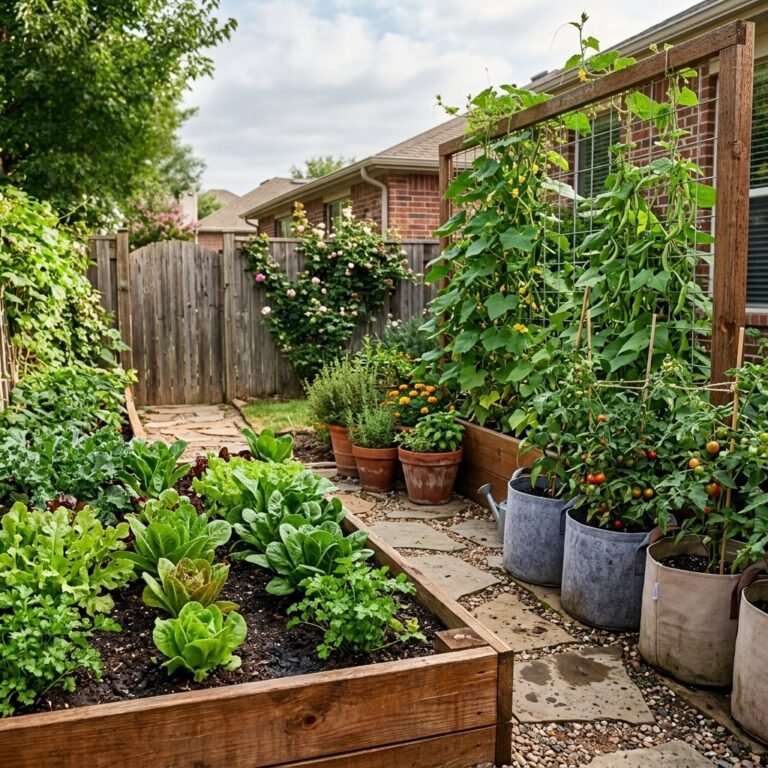
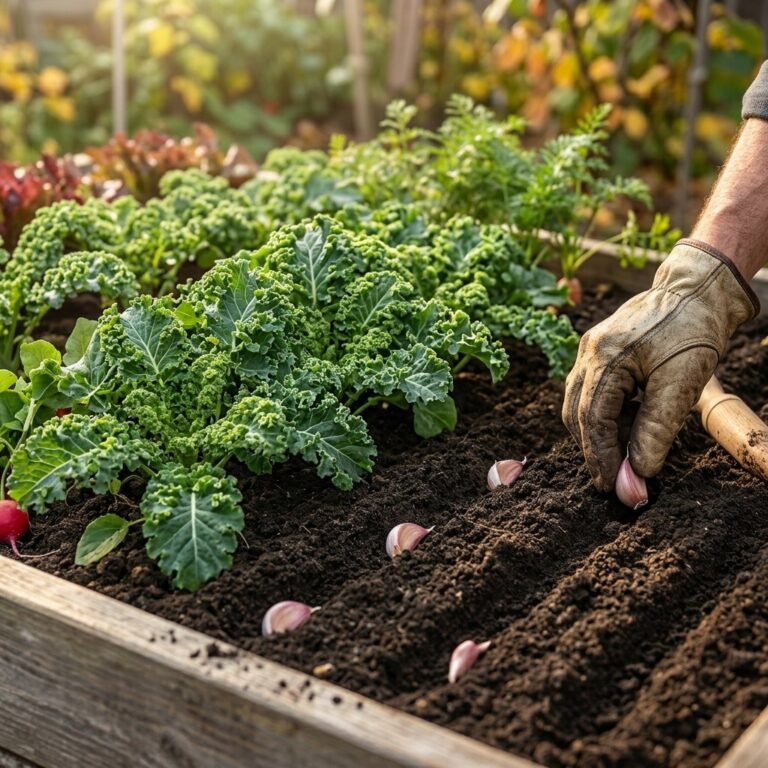
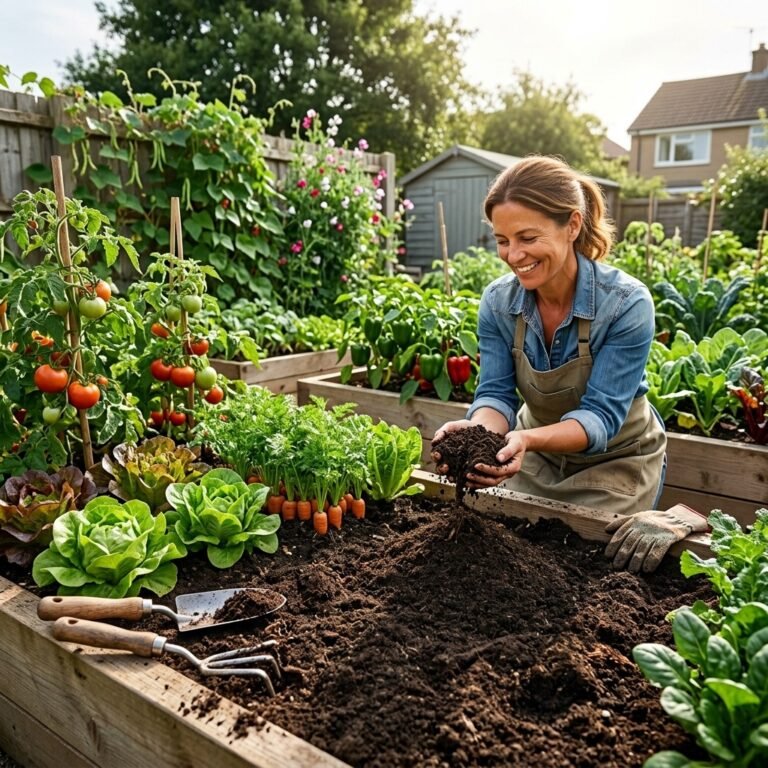
Design #2 – Raised Bed Cottage Garden
Raised beds bring structure to the naturally relaxed cottage aesthetic.
In a small backyard, raised beds allow you to mix vegetables, herbs, and flowers in one compact area. The result is both practical and beautiful.
Try combining:
- Tomatoes with marigolds
- Basil with zinnias
- Lettuce with calendula
- Rosemary with lavender
Wooden raised beds also improve drainage and make maintenance easier.
This design is especially useful for homeowners who want productivity and visual appeal in the same space.
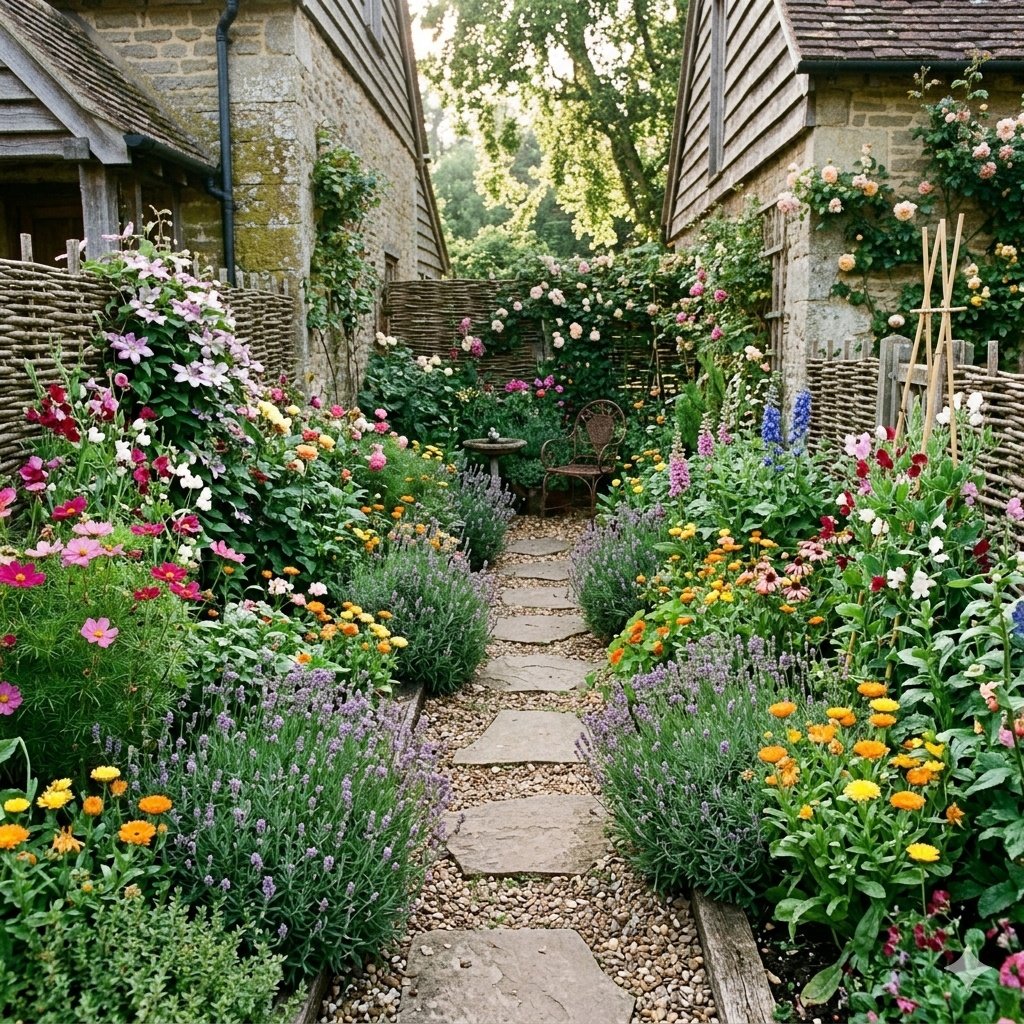
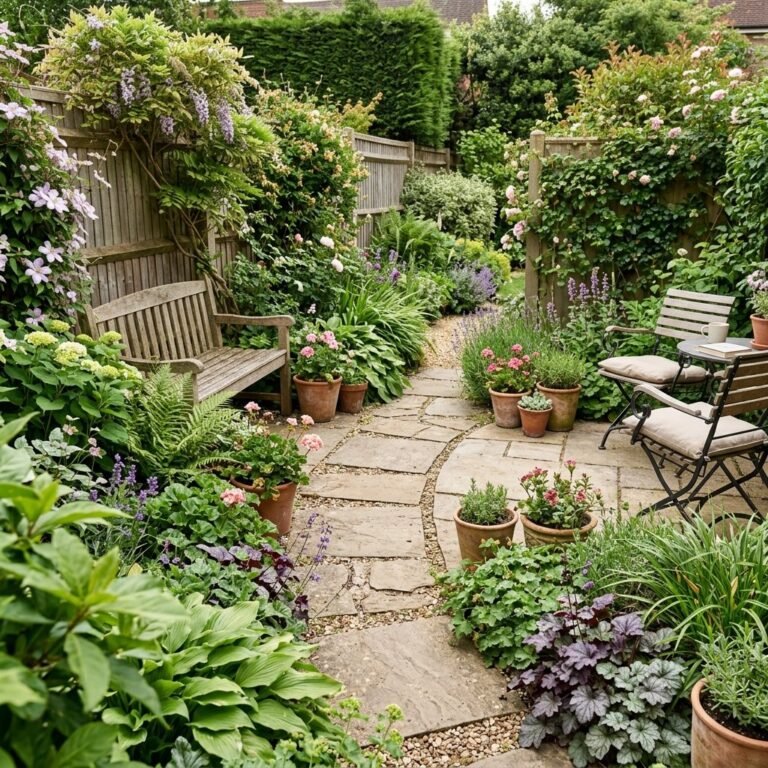
Design #3 – Cottage Garden Around a Narrow Pathway
Few garden features feel more romantic than a narrow path surrounded by flowers.
A simple gravel walkway can become the centerpiece of a small cottage garden when bordered by densely planted blooms. Flowers gently spilling onto the path create the impression of abundance.
Consider adding:
- Lavender borders
- Cosmos
- Foxgloves
- Delphiniums
- Sweet peas
An archway placed at the end of the path creates a focal point and encourages exploration.
It’s one of the most photographed and shared cottage garden designs for good reason.
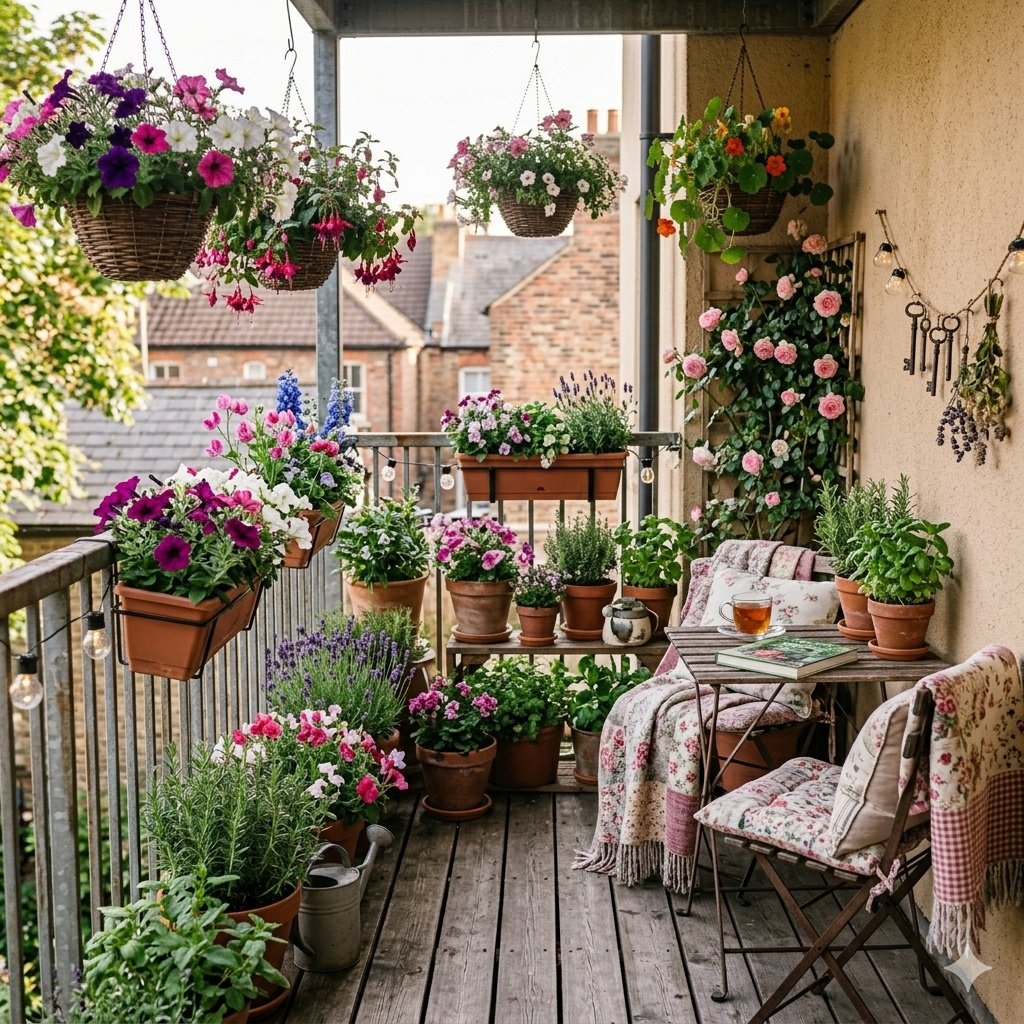
Design #4 – Balcony Cottage Garden
Even apartment dwellers can enjoy cottage garden charm.
Balconies provide excellent opportunities for container gardening, hanging baskets, and window boxes. The goal is to create layers of greenery and flowers at multiple heights.
Ideal Balcony Plants
- Petunias
- Nasturtiums
- Lavender
- Basil
- Thyme
- Trailing lobelia
Mix terracotta pots, wooden planters, and vintage-style containers to reinforce the cottage aesthetic.
A small bistro chair and table can turn the balcony into a cozy outdoor retreat.
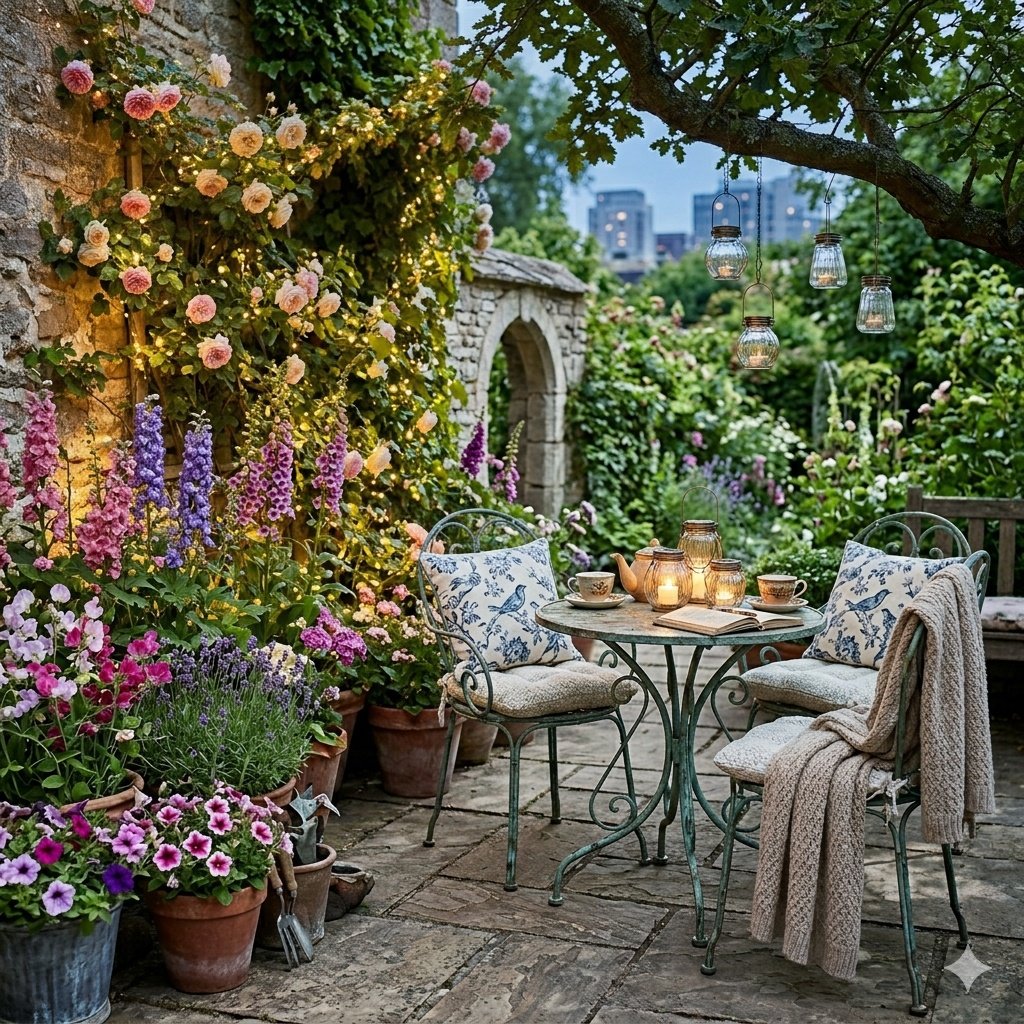
Design #5 – Patio Cottage Garden Retreat
A patio surrounded by flowers becomes an outdoor room full of character.
Instead of planting directly into the ground, use clusters of containers in varying sizes. Position larger pots at the corners and smaller flowering containers near seating areas.
Include:
- Decorative metal or wooden furniture
- Solar lanterns
- Climbing plants on trellises
- Fragrant flowers near seating
The combination of flowers and comfortable seating creates a peaceful escape, even in a small urban setting.
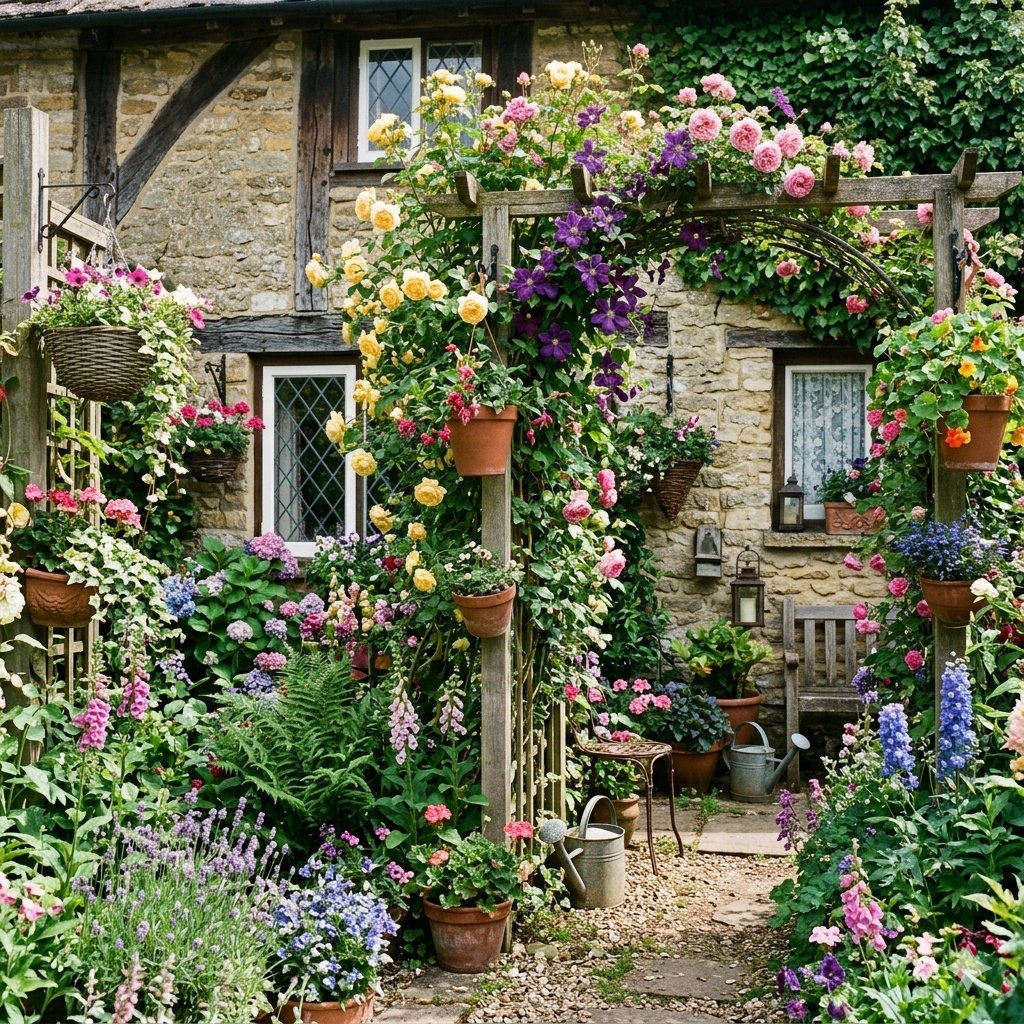
Design #6 – Vertical Cottage Garden
When floor space is limited, think upward.
Vertical gardening is one of the smartest ways to create a lush cottage look without sacrificing valuable square footage.
Vertical Elements to Include
- Trellises
- Obelisks
- Wall planters
- Hanging baskets
- Garden arches
Great Climbing Plants
- Climbing roses
- Clematis
- Sweet peas
- Honeysuckle
These plants add softness, color, and height while making small gardens feel larger and more layered.
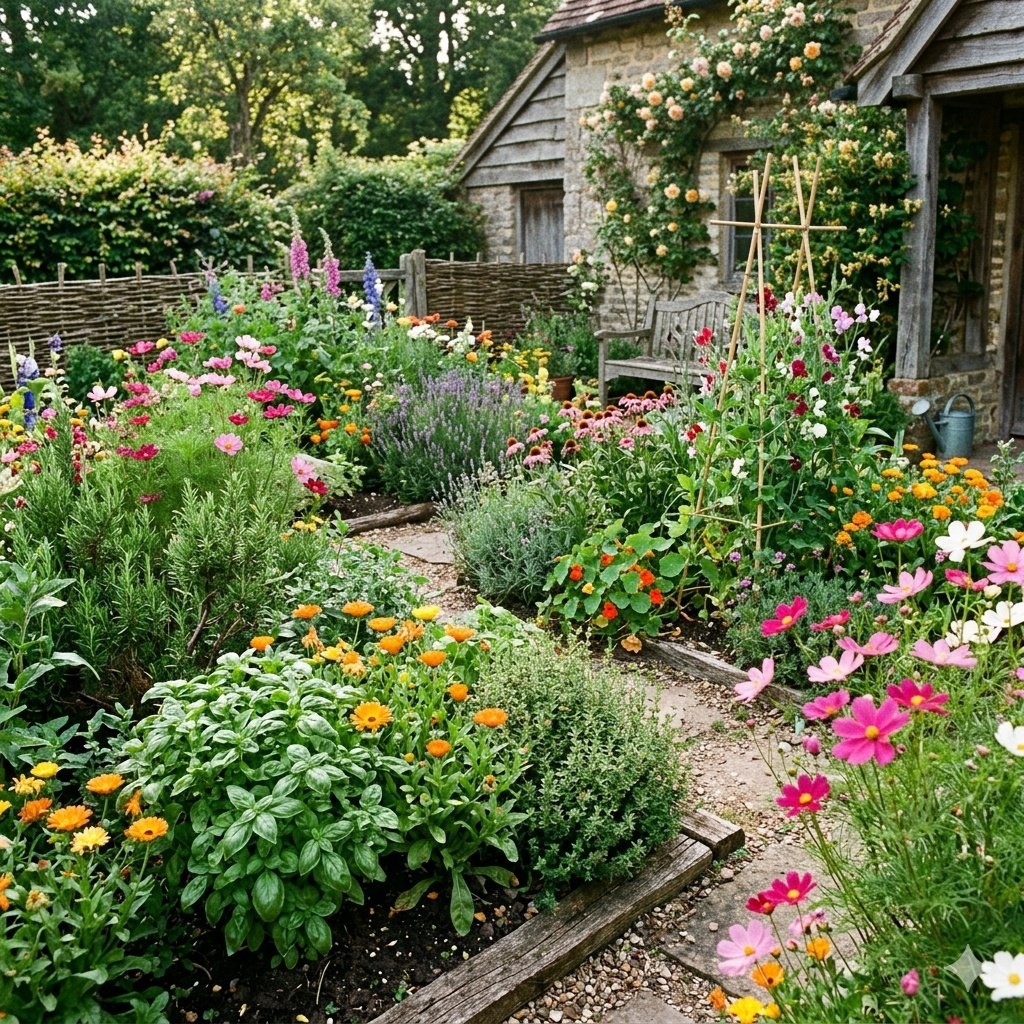
Design #7 – Cottage Herb and Flower Garden
One of the traditional features of a cottage garden is mixing beauty with usefulness.
A herb and flower garden offers fragrance, pollinator support, and fresh ingredients for the kitchen.
Flowers
- Calendula
- Cosmos
- Zinnias
- Coneflowers
Herbs
- Basil
- Thyme
- Mint
- Rosemary
- Sage
The contrast between colorful flowers and textured herbs creates a relaxed, natural appearance that’s easy to maintain.
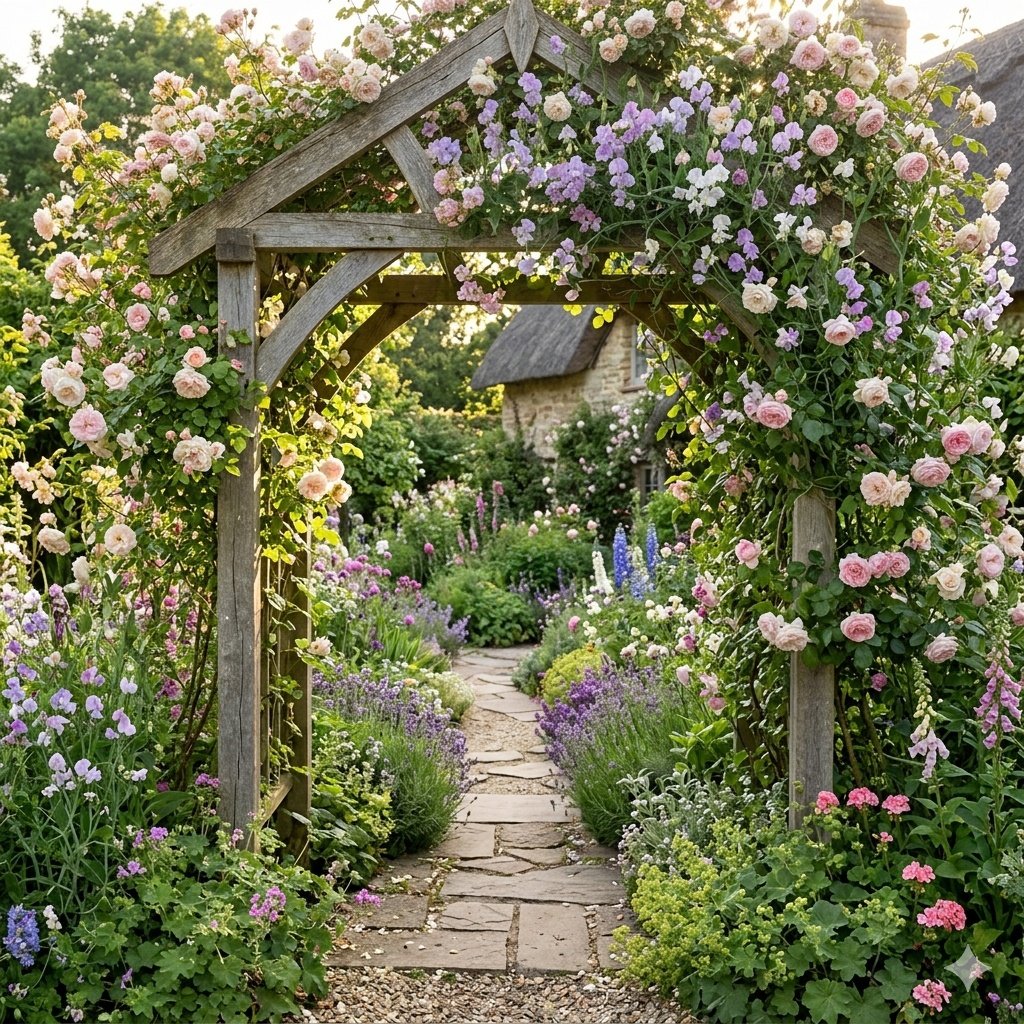
Design #8 – Cottage Garden With an Arbor
Adding an arbor instantly creates a focal point in a small garden.
Even a modest arch covered with flowers can transform the entire space. Position the arbor at an entrance, pathway, or transition point within the garden.
Best Plants for Arbors
- Climbing roses
- Sweet peas
- Clematis
- Jasmine
As the plants mature, the structure becomes a living feature that draws attention and adds vertical interest.
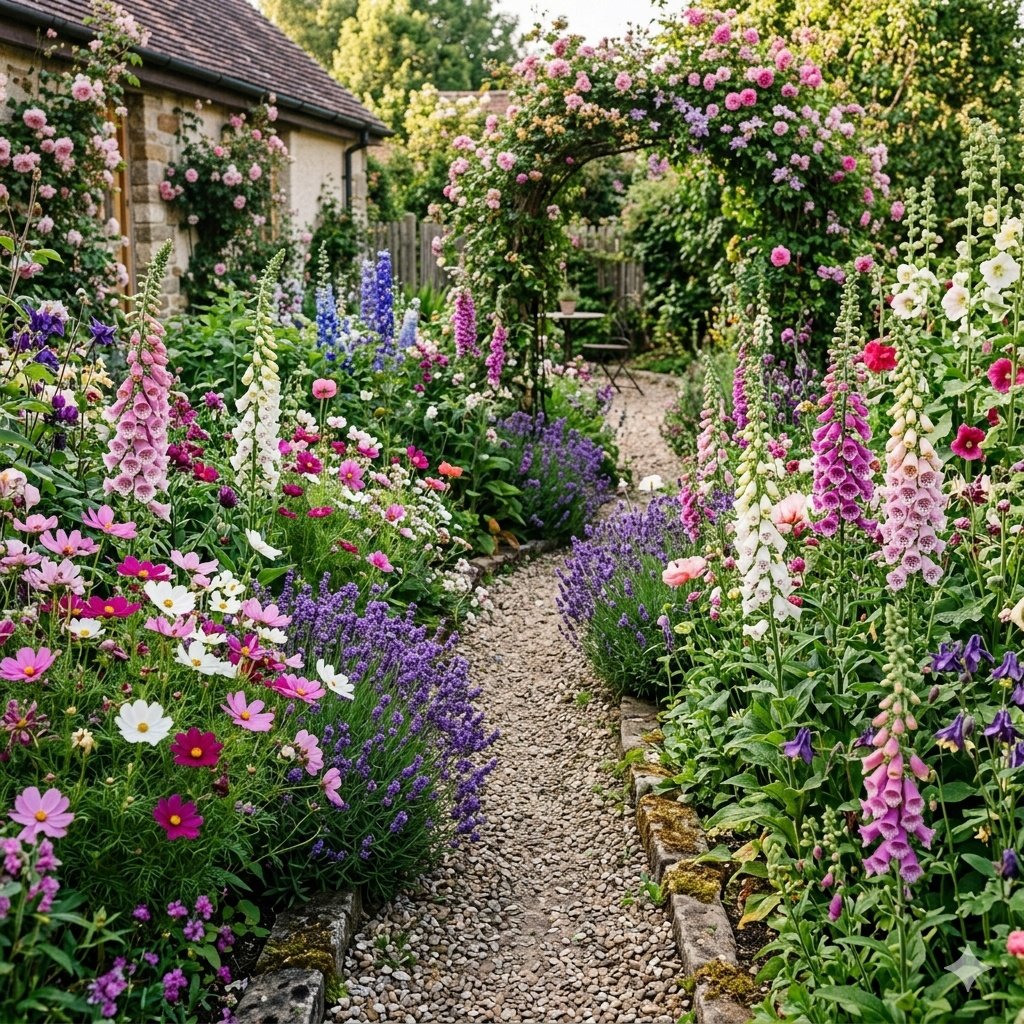
Design #9 – Cottage Garden for Side Yards
Side yards are often overlooked, yet they offer valuable gardening space.
Narrow planting beds along fences can support a surprising number of cottage-style plants. By incorporating stepping stones and climbers, even a slim side yard can feel lush and inviting.
Consider:
- Lavender borders
- Climbing roses
- Hydrangeas
- Foxgloves
- Decorative grasses
A simple stepping-stone path helps guide visitors through the space while making it appear larger.
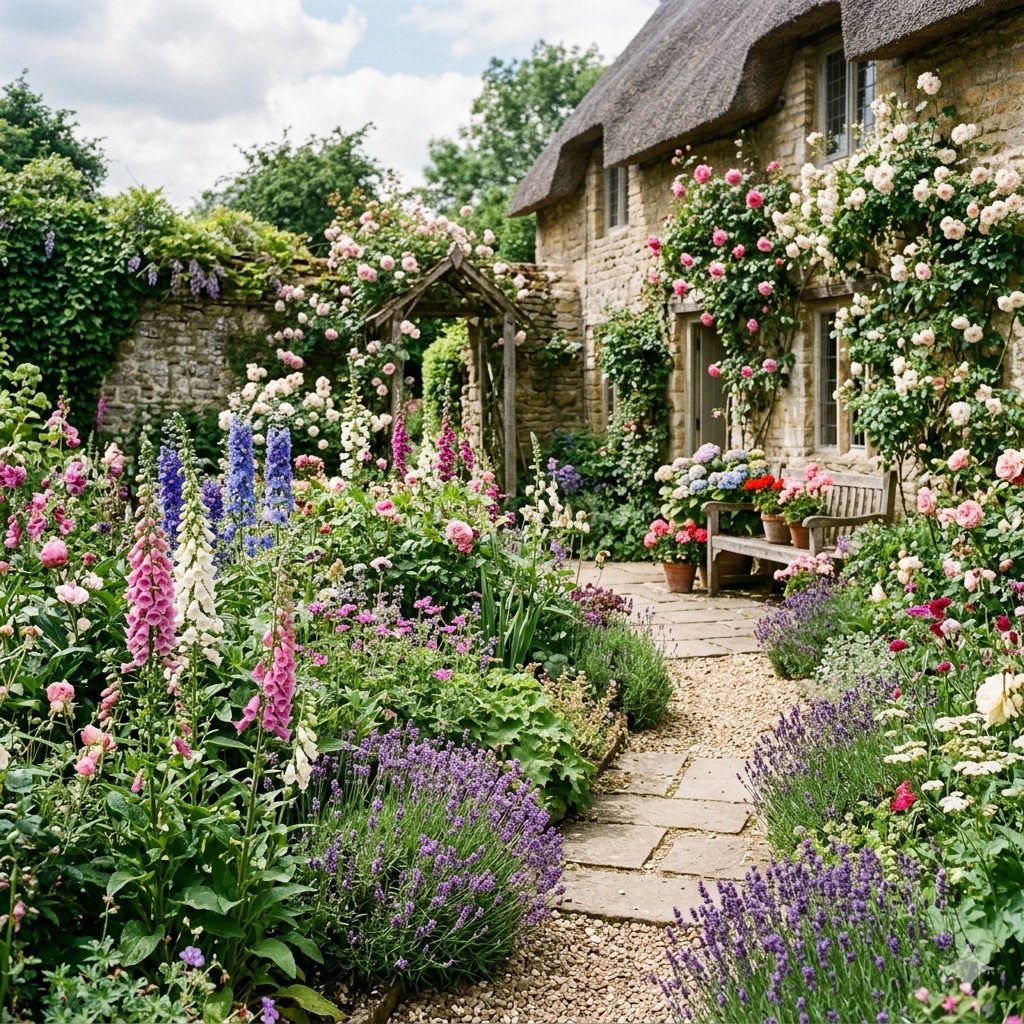
Design #10 – Mini English Cottage Garden
For those who love traditional English garden charm, a miniature version can work beautifully in a small yard.
Focus on classic cottage plants arranged in dense layers.
Essential Plants
- Roses
- Foxgloves
- Lavender
- Delphiniums
- Hollyhocks
- Sweet peas
Use curved planting beds rather than straight lines to create a softer, more natural appearance.
The result captures the timeless beauty of an English cottage garden without requiring extensive space.
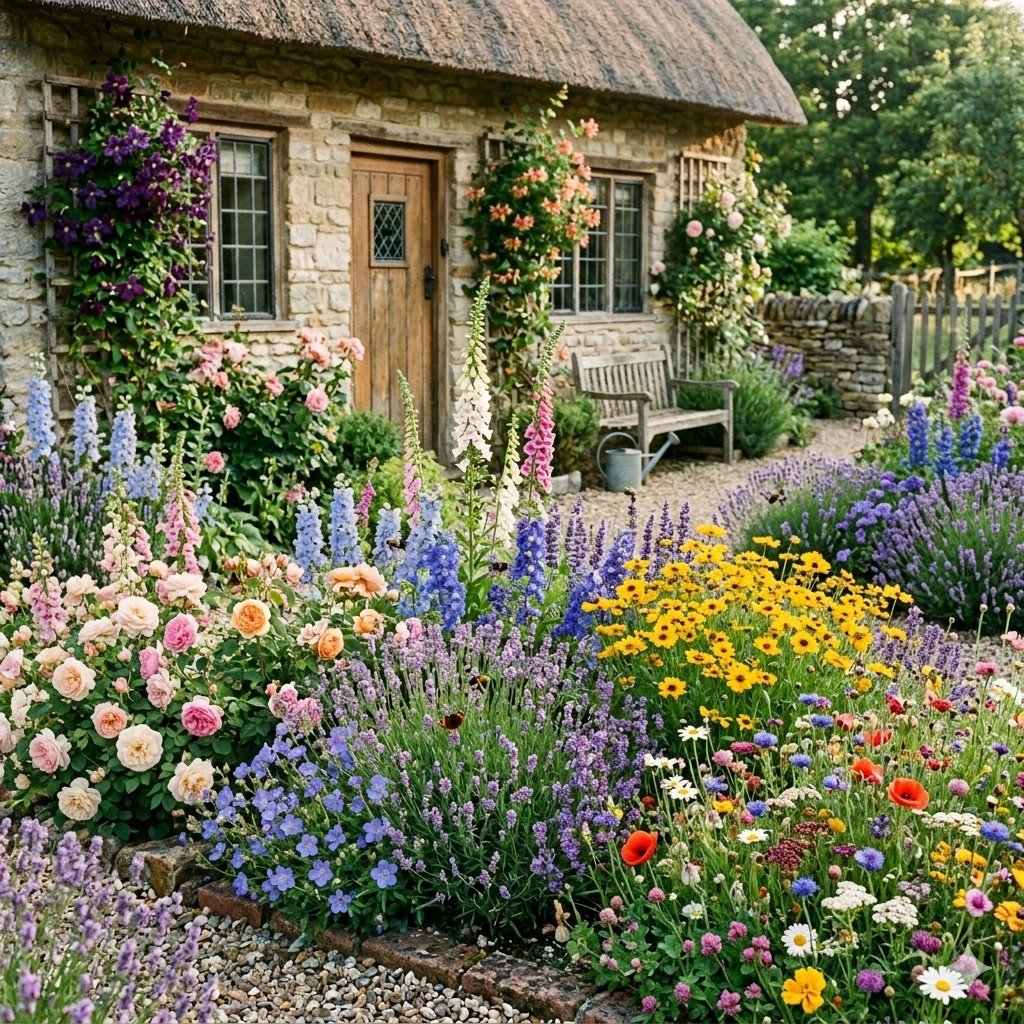
Best Plants for Small Cottage Gardens
Choosing the right plants is key to creating a garden that feels full without becoming overcrowded.
Flowers
- Roses
- Lavender
- Coneflowers
- Cosmos
- Zinnias
- Foxgloves
Herbs
- Rosemary
- Thyme
- Mint
- Sage
- Basil
Climbers
- Clematis
- Sweet Pea
- Climbing Rose
- Honeysuckle
| Plant | Sun Requirement | Height | Pollinator Friendly |
|---|---|---|---|
| Lavender | Full Sun | 2-3 ft | Yes |
| Cosmos | Full Sun | 3-5 ft | Yes |
| Rose | Full Sun | Varies | Yes |
| Foxglove | Partial Sun | 3-6 ft | Yes |
| Thyme | Full Sun | 6-12 in | Yes |
| Clematis | Full Sun/Partial Shade | 6-12 ft | Yes |
Cottage Garden Color Combinations That Always Work
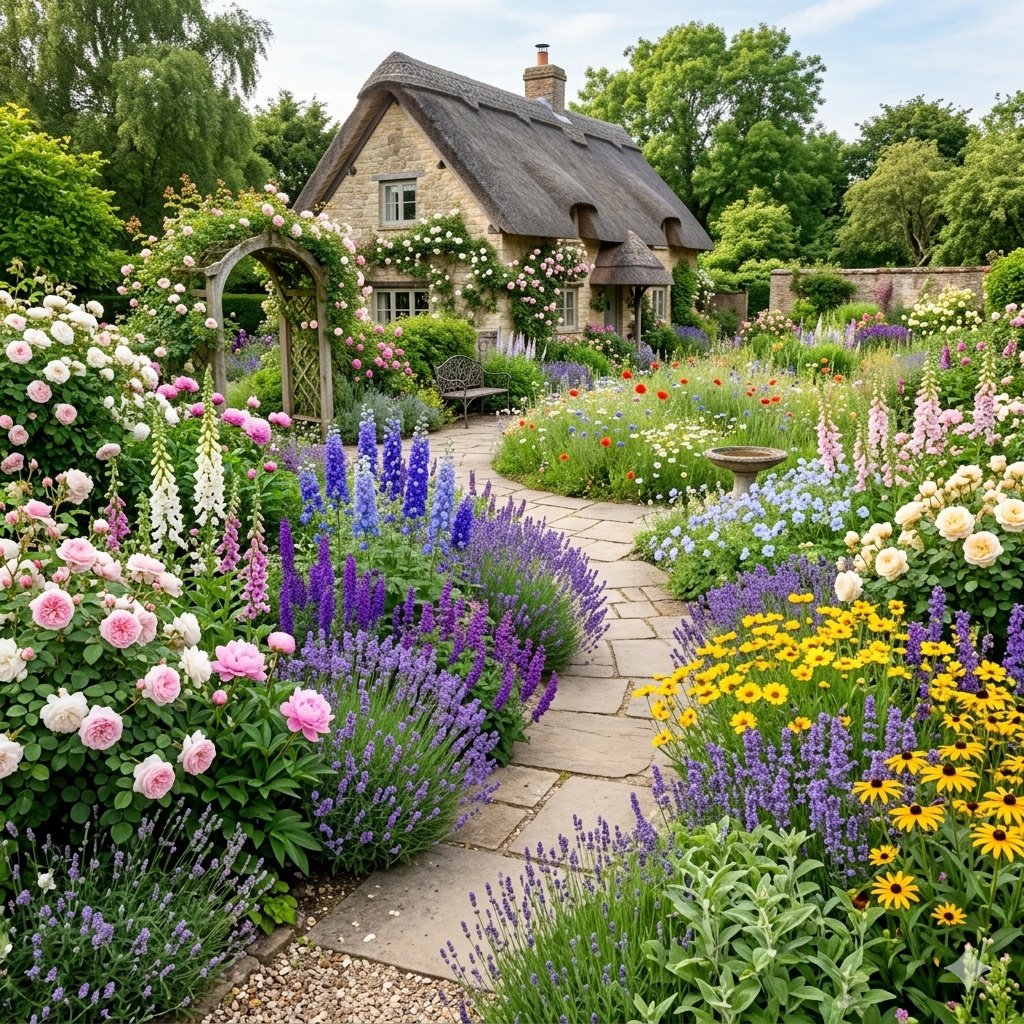
Color plays a major role in cottage garden design. The right combination can make a small garden feel larger, more cohesive, and visually appealing throughout the growing season. While cottage gardens are known for their relaxed appearance, choosing a consistent color palette helps prevent the space from looking chaotic.
Pink and White
Pink and white is one of the most beloved cottage garden color schemes. Soft pink roses, white foxgloves, cosmos, and sweet peas create a romantic look that never goes out of style. This combination works particularly well in small spaces because the lighter shades reflect light and make the garden feel more open. It’s an excellent choice for anyone hoping to create a peaceful, storybook-inspired setting.
Purple and Blue
Purple and blue flowers bring a sense of calm and elegance to a cottage garden. Lavender, salvia, delphiniums, and catmint blend beautifully while attracting bees and butterflies. The cool tones create visual depth, making compact gardens appear larger than they actually are. This palette is especially effective in sunny gardens where the colors remain vibrant throughout the season.
Yellow and Lavender
The combination of cheerful yellow blooms and soft lavender flowers creates a striking contrast without feeling overpowering. Plants like coreopsis, black-eyed Susans, and yarrow pair wonderfully with lavender and purple salvia. Yellow adds warmth and energy, while lavender tones help balance the overall look. Together, they create a bright and welcoming garden that’s full of character.
Pastel Mix
A pastel color palette captures the classic charm associated with traditional English cottage gardens. Soft pinks, pale blues, creamy whites, and gentle lavender shades blend together effortlessly. These colors create a layered, dreamy appearance that feels relaxed and inviting. Pastel gardens also photograph beautifully, making them a favorite among gardeners who enjoy sharing their outdoor spaces online.
Wildflower Blend
For a more natural and carefree appearance, a wildflower-inspired color mix is hard to beat. Bright reds, oranges, purples, yellows, and blues combine to create a lively display that changes throughout the season. This approach attracts a wide range of pollinators and gives the garden a spontaneous, meadow-like feel. Even in a small space, a wildflower palette can create the impression of abundance and movement.
Choose one dominant palette and repeat key colors throughout the garden. This simple strategy helps tie different planting areas together and creates a more polished overall design.
How to Create a Cottage Garden on a Budget
Creating a beautiful cottage garden doesn’t have to be expensive. In fact, many traditional cottage gardens were built gradually over time using shared plants, homegrown flowers, and repurposed materials. With a little patience and creativity, you can achieve a lush cottage look without spending a fortune.
Grow From Seed
Growing flowers from seed is one of the most affordable ways to fill a garden with color. Popular cottage garden favorites like cosmos, zinnias, sweet peas, calendula, and foxgloves germinate easily and produce dozens of plants for the cost of a single packet. Starting seeds indoors or sowing them directly into the garden can save a substantial amount of money compared to purchasing mature plants. It’s also incredibly rewarding to watch your garden develop from the ground up.
Build DIY Raised Beds
Raised beds don’t need to be expensive custom installations. Simple wooden boards, reclaimed lumber, or even concrete blocks can be used to create attractive planting areas. Raised beds improve drainage, help organize the garden, and make maintenance easier throughout the growing season. They also add structure to the naturally relaxed cottage garden style.
Divide Existing Plants
Many cottage garden perennials grow larger every year and can be divided to create additional plants at no cost. Lavender, coneflowers, black-eyed Susans, hostas, and daylilies are all good candidates for division. By separating mature plants every few years, you can expand your garden while keeping existing plants healthy and vigorous.
Use Recycled Containers
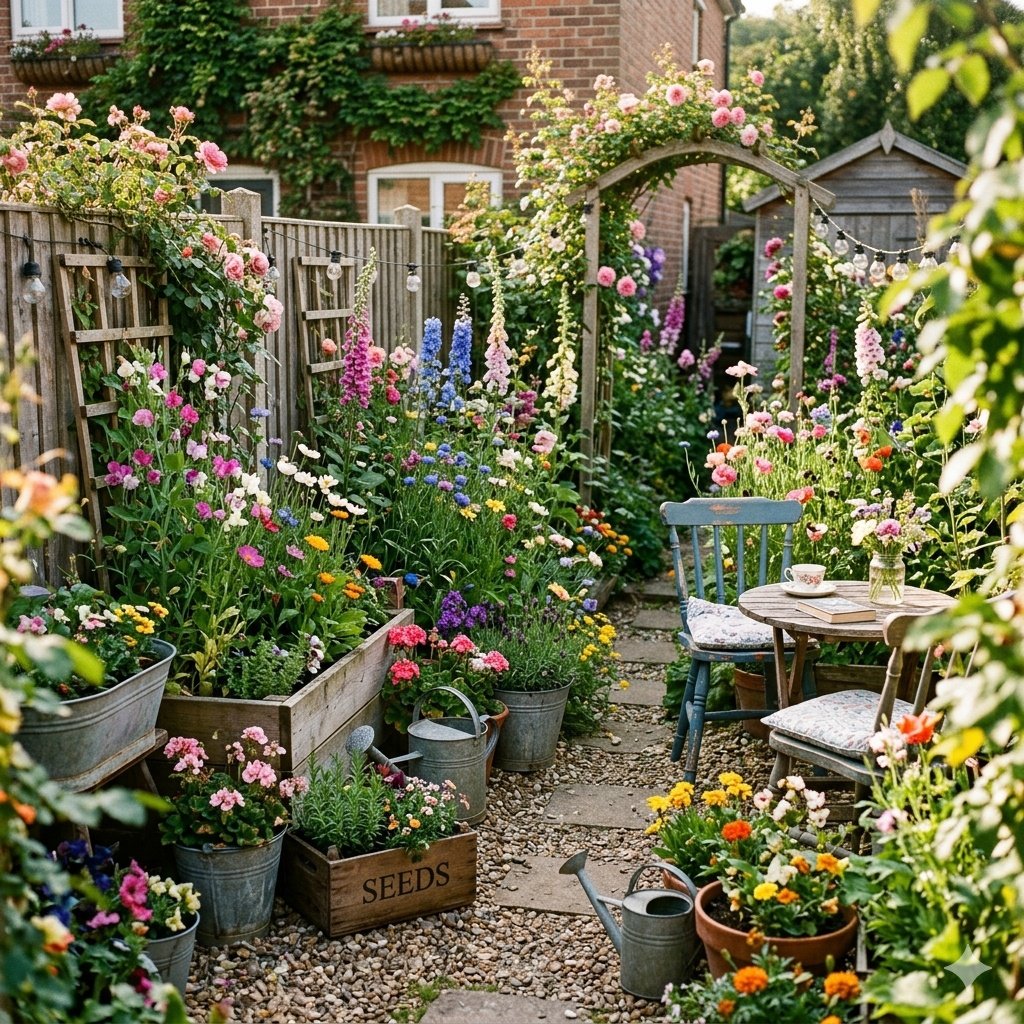
One of the charms of cottage gardening is its ability to embrace imperfections. Old watering cans, galvanized tubs, wooden crates, baskets, and vintage buckets can all be transformed into unique planters. These recycled containers add personality to the garden while reducing costs. A collection of mismatched containers often looks more authentic than perfectly coordinated pots.
Shop Secondhand
Thrift stores, flea markets, yard sales, and online marketplaces are excellent sources for affordable garden décor. You can often find benches, trellises, planters, lanterns, and decorative accents for a fraction of their retail price. A fresh coat of paint or minor repair can give secondhand items new life and help create the cozy, collected feel that cottage gardens are known for.
Helpful Garden Items
If you’re gradually building your cottage garden, focus on purchasing a few versatile items each season:
- Flower seeds
- Trellises
- Garden edging
- Solar lights
- Raised bed kits
By spreading purchases over time, you can create a rich and layered garden without placing a strain on your budget. Many of the most beautiful cottage gardens are built little by little rather than all at once.
Common Cottage Garden Mistakes to Avoid
Although cottage gardens are intentionally relaxed and informal, they still benefit from careful planning. Avoiding a few common mistakes can help your garden remain attractive, healthy, and manageable throughout the year.
Overcrowding Plants
A full and abundant look is part of the cottage garden aesthetic, but planting too closely together can create problems. Overcrowded plants compete for water, nutrients, and sunlight, often leading to weaker growth. Poor air circulation can also increase the risk of fungal diseases and pest issues. Leave enough room for plants to reach their mature size while still achieving that layered cottage garden appearance.
Ignoring Mature Sizes
It’s easy to underestimate how large young plants will become after a season or two. A small lavender plant or climbing rose may seem manageable at first, but mature specimens can quickly dominate a small space. Before planting, check the expected height and spread of each variety. Proper spacing prevents future overcrowding and reduces the need for frequent transplanting.
Forgetting Pathways
Many gardeners focus entirely on flowers and forget to include practical access points. Without pathways, routine tasks like watering, pruning, and weeding become much more difficult. Simple gravel paths, stepping stones, or narrow mulch walkways provide easy access while adding charm and structure to the garden. They also help define planting areas and create visual interest.
Using Too Many Colors
Because cottage gardens celebrate variety, it’s tempting to plant every flower color available. However, too many competing colors can make a small garden feel busy and disorganized. Selecting a primary color palette and repeating it throughout the garden creates a more cohesive and intentional design. A balanced color scheme allows individual plants to stand out without overwhelming the space.
Neglecting Maintenance
Even the most natural-looking cottage gardens require regular care. Deadheading spent blooms encourages more flowers, while pruning helps maintain shape and airflow. Routine weeding prevents unwanted plants from competing with your chosen flowers, and seasonal cleanup keeps the garden looking fresh. Consistent maintenance doesn’t need to take much time, but it plays a major role in preserving the beauty and health of a cottage garden throughout the year.
Seasonal Cottage Garden Care Guide
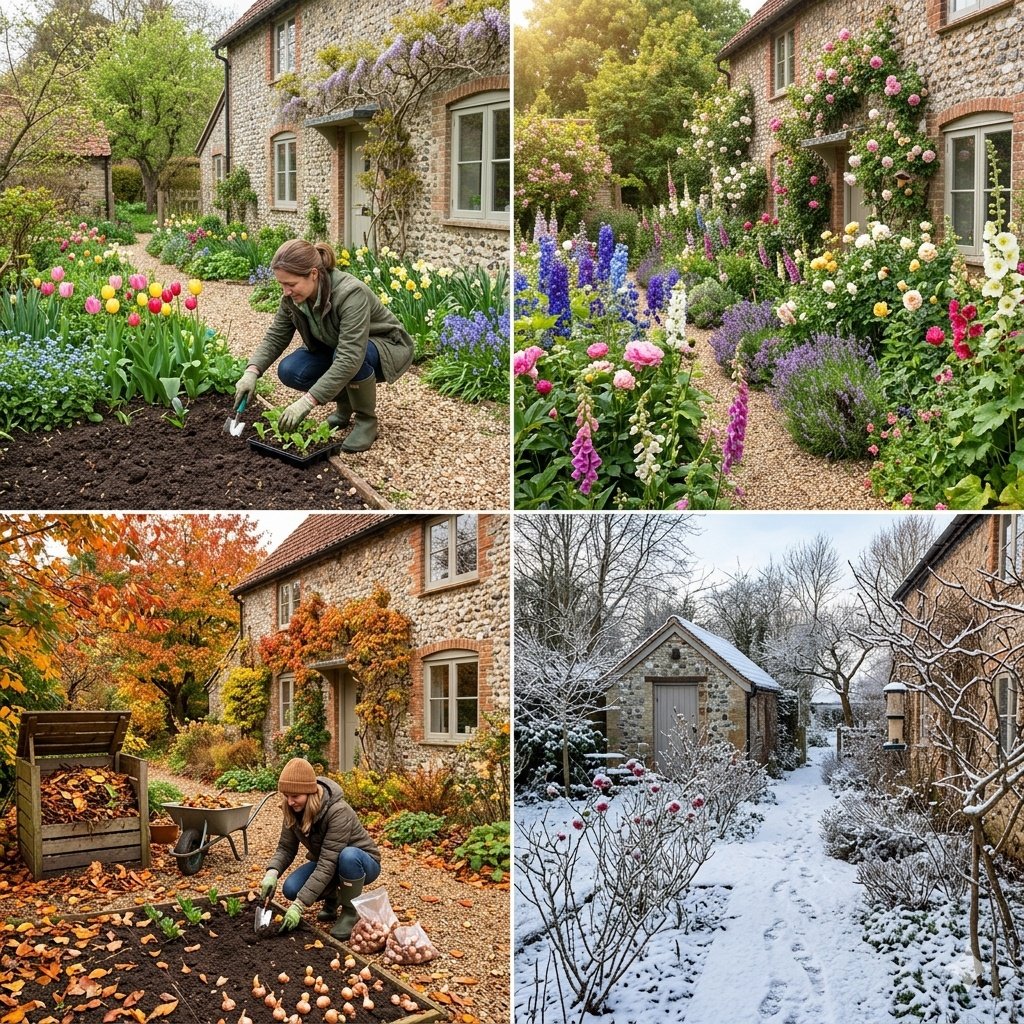
Spring
- Plant new flowers
- Divide perennials
- Apply compost
- Prepare containers
Summer
- Water consistently
- Deadhead spent blooms
- Monitor pests
- Harvest herbs regularly
Fall
- Remove damaged plants
- Plant spring-flowering bulbs
- Add mulch
- Save seeds for next season
Winter
- Prune dormant plants
- Review garden layouts
- Plan future additions
- Maintain garden structures
A little seasonal care goes a long way toward keeping a cottage garden healthy and productive.
Related Reads
You might find these helpful as you keep going:
- Metal vs Wood Raised Garden Beds: Which Is Better?
- 17 Full Sun Plants to Grow in May
- 7 Best Fertilizers for Raised Beds (Top Picks + Feeding Guide)
FAQ
What is the best flower for a cottage garden?
Roses are often considered the signature cottage garden flower because they provide fragrance, color, and classic charm.
Can you create a cottage garden in a small backyard?
Absolutely. Dense planting, vertical elements, and layered flower beds make cottage gardens ideal for compact spaces.
Are cottage gardens low maintenance?
They require regular care, but thoughtful plant selection can reduce maintenance significantly.
What colors work best in cottage gardens?
Pink, white, lavender, blue, yellow, and pastel blends are among the most popular choices.
Can vegetables be included in a cottage garden?
Yes. Traditional cottage gardens often combine vegetables, herbs, fruits, and flowers in the same planting areas.
How do I make a cottage garden look full?
Use layered planting, repeat favorite plants throughout the garden, and include vertical features such as arches and trellises.
Final Thoughts
Small outdoor spaces have far more potential than many gardeners realize. With thoughtful plant choices, layered designs, climbing flowers, and a touch of creativity, even a tiny backyard or balcony can capture the charm of a traditional cottage garden.
Start with one idea that suits your space—perhaps a raised bed, a flower-filled pathway, or a simple vertical garden. As plants mature and layers develop, your garden will gradually take on the relaxed beauty that makes cottage gardens so beloved.
The most memorable cottage gardens aren’t the biggest. They’re the ones that feel welcoming, personal, and full of life.