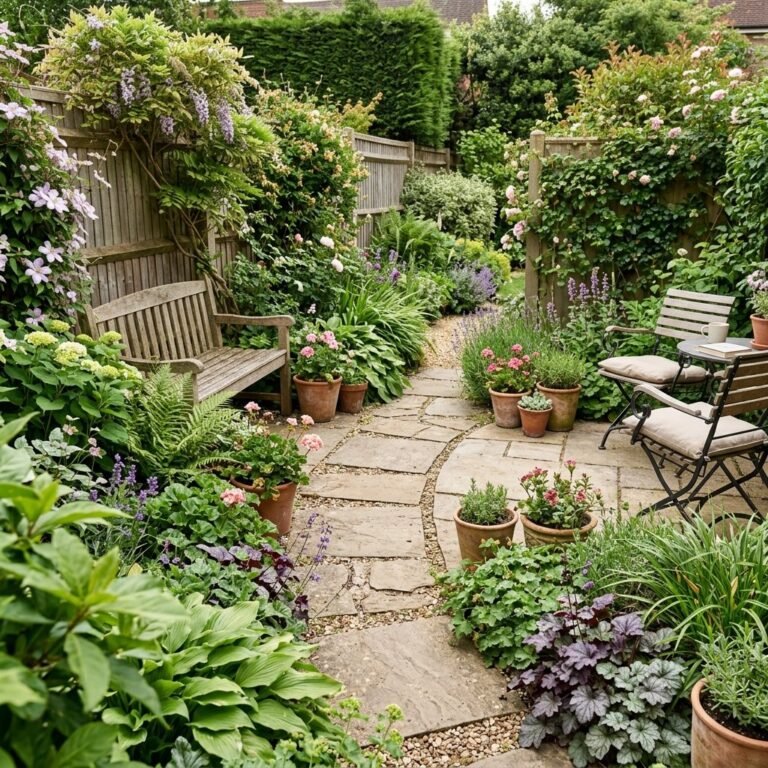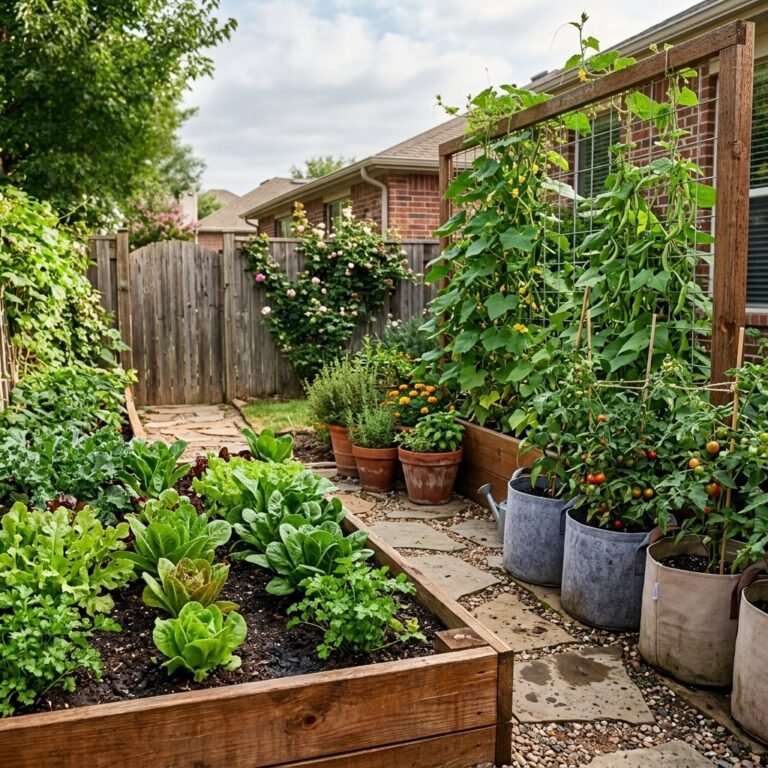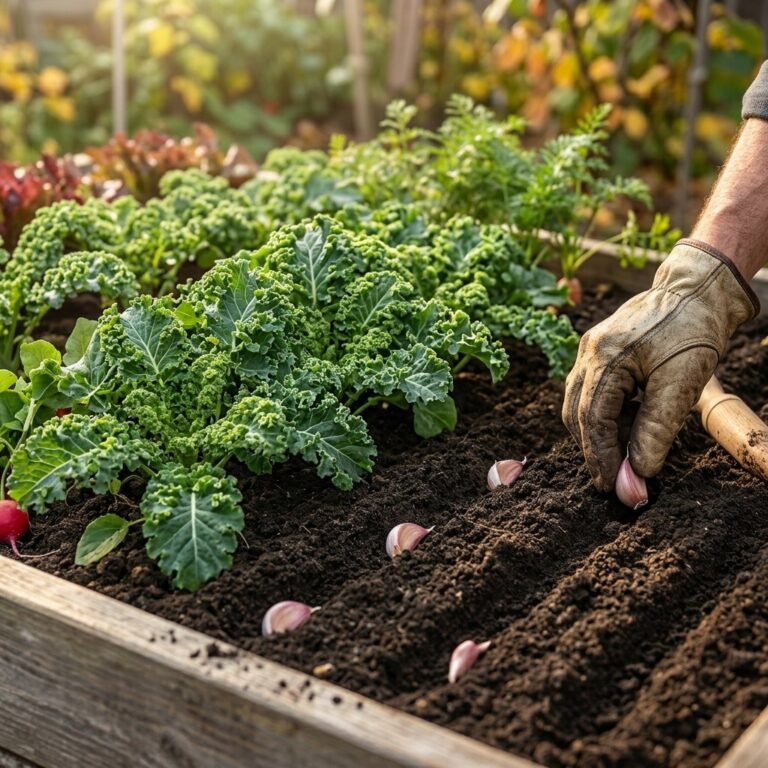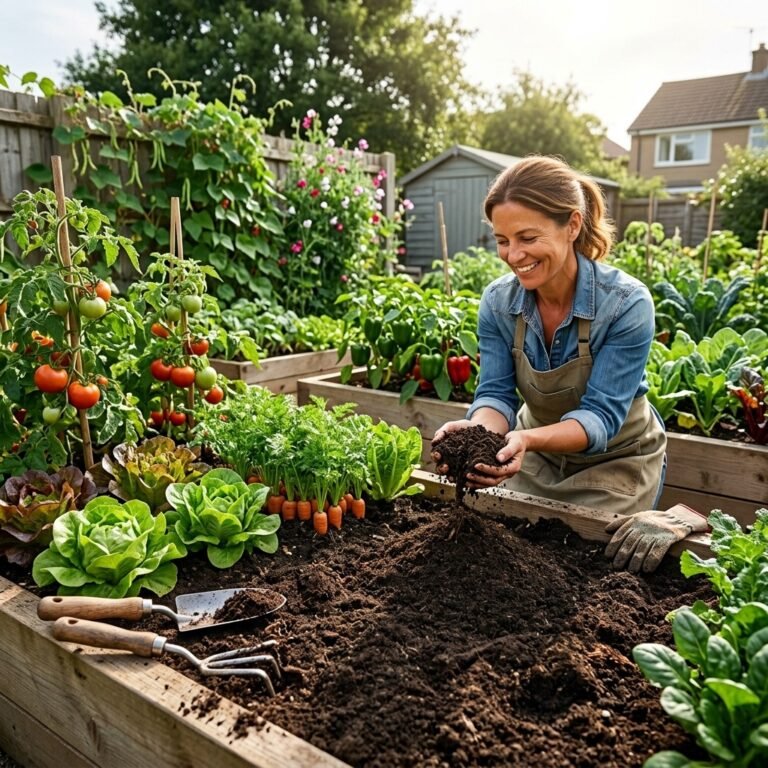

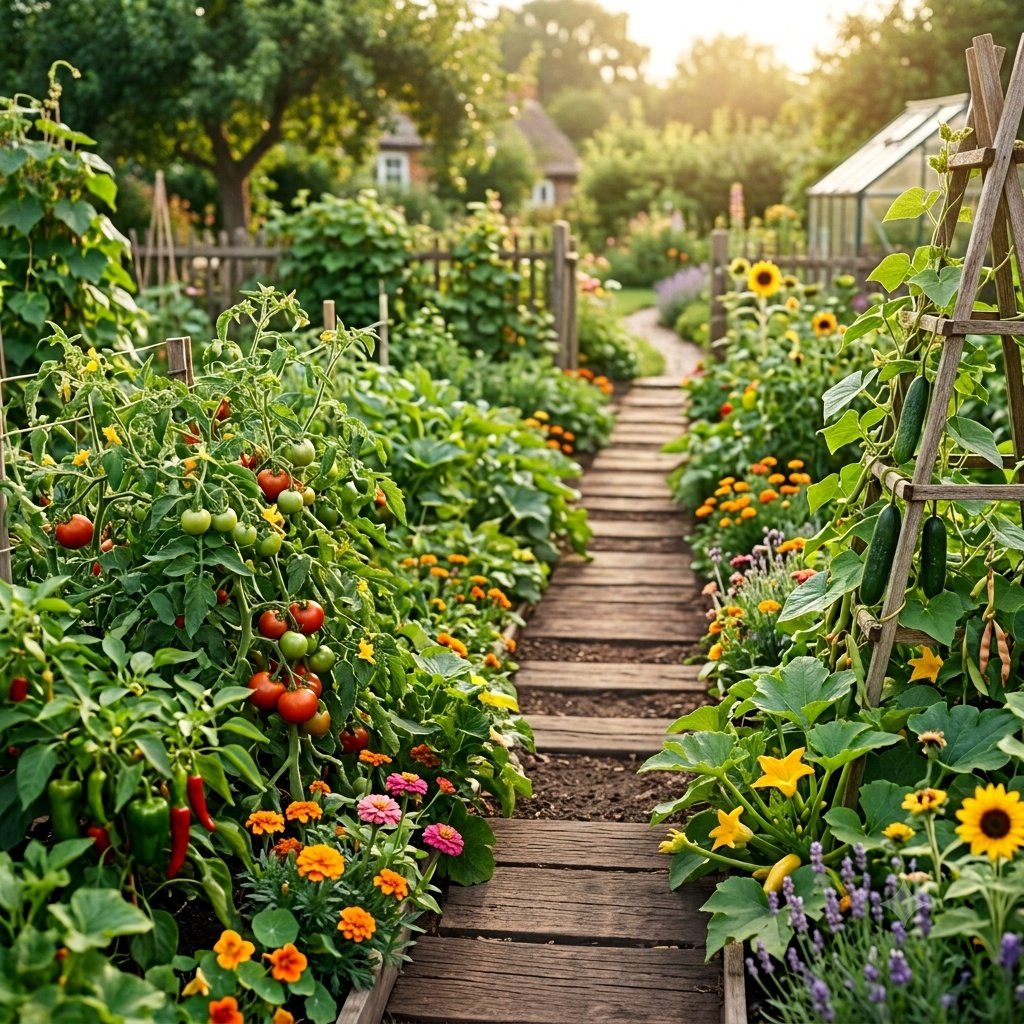
By the time mid-summer arrives, it’s easy to think the hardest part of gardening is behind you. Tomato vines are climbing, cucumbers are producing, peppers are setting fruit, and squash plants seem to grow overnight. Many gardeners relax at this stage, assuming the garden will take care of itself until harvest.
From my own experience, that’s usually when gardens begin to lose momentum.
I’ve had seasons where healthy tomato plants suddenly slowed after a week of scorching heat. Cucumber vines that looked perfect in June became covered with mildew by late July because I ignored a few yellow leaves. I’ve also learned that spending just 15 to 20 minutes every few days during mid-summer often makes the difference between an average harvest and baskets overflowing with vegetables well into early fall.
The good news is that you don’t need to work harder—you simply need to focus on the right jobs at the right time. A few small adjustments can reduce plant stress, improve airflow, prevent diseases, and encourage vegetables to keep producing instead of slowing down.
In this guide, I’ll walk you through the 15 most important Mid-Summer Garden Tasks I never skip. These practical jobs are based on years of trial and error and can help you keep your vegetable garden healthy, productive, and ready for another wave of harvests before cooler weather arrives.
Quick Mid-Summer Garden Checklist
Use this checklist as a quick reminder:
- Water deeply instead of lightly every day.
- Refresh mulch around vegetables.
- Feed heavy-feeding crops.
- Harvest vegetables regularly.
- Remove yellow or diseased leaves.
- Prune tomatoes correctly.
- Support tall or fruit-heavy plants.
- Inspect for pests every few days.
- Watch for fungal diseases.
- Succession plant fast-growing vegetables.
- Encourage pollinators.
- Remove weeds before they spread.
- Improve airflow around plants.
- Keep a simple garden journal.
- Start preparing for your fall garden.
Why Mid-Summer Is the Most Important Time for Vegetable Gardens
Mid-summer is when vegetable gardens face their biggest test. Plants have already spent weeks growing, flowering, and producing fruit. By this stage, the soil has lost nutrients, temperatures often climb above ideal growing conditions, and insects seem to appear overnight. Fungal diseases also spread much faster when warm days combine with humid evenings.
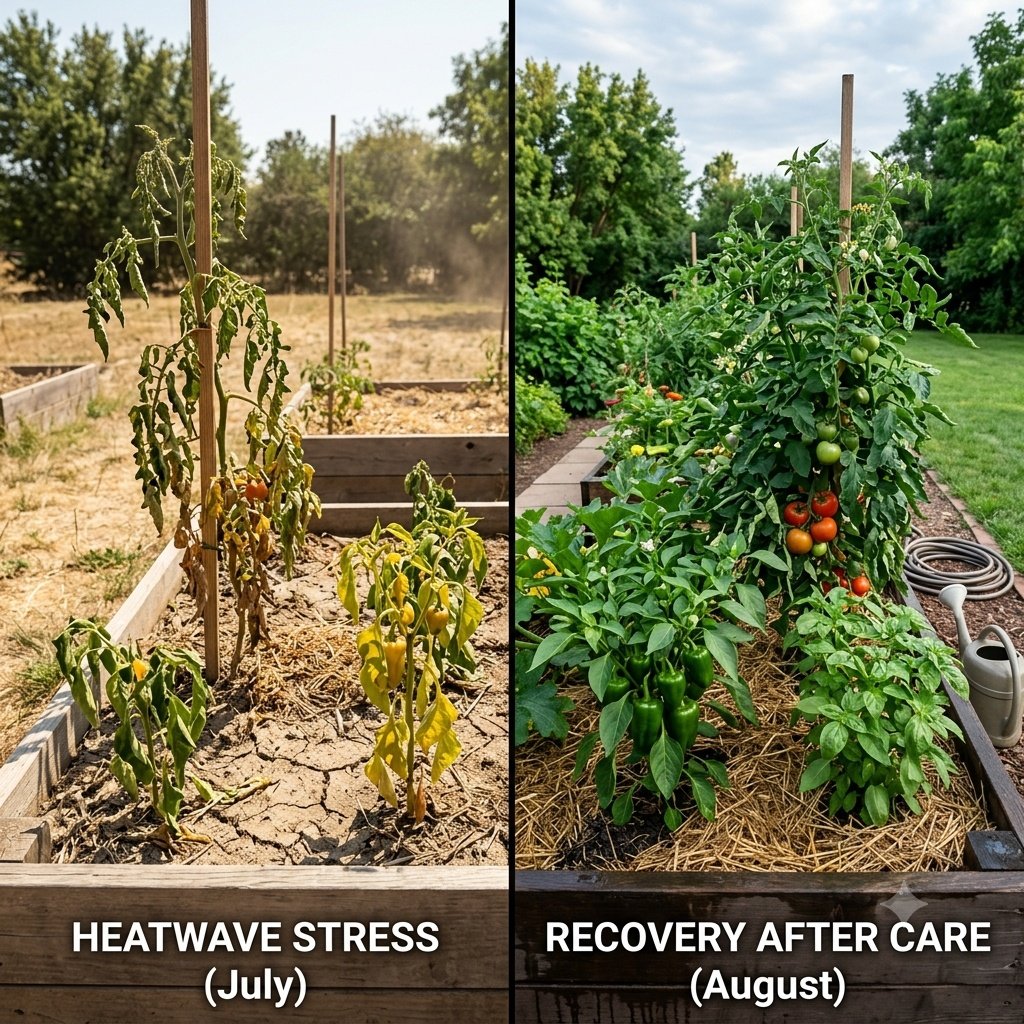
One summer, I noticed my tomato plants stopped setting new fruit after nearly a week of temperatures above 95°F. Instead of assuming the season was ending, I switched to deeper morning watering, refreshed the mulch, and removed the crowded lower leaves. Within two weeks, the plants recovered and started producing again as temperatures became more manageable.
That experience taught me that many mid-season slowdowns aren’t permanent. Plants simply need a little extra care to recover from heat stress.
Think of this period as maintenance rather than repair. A few consistent tasks can keep vegetables growing steadily while reducing the risk of problems that become much harder to fix later in the season.
Tips
- Check your garden every two or three days instead of waiting for problems to become obvious.
- Water early in the morning to reduce evaporation and disease risk.
- Focus on prevention rather than treating severe pest or disease outbreaks.
10 Recommended Products for a Mid-Summer Garden Tasks
Task #1 – Water Deeply Instead of Every Day
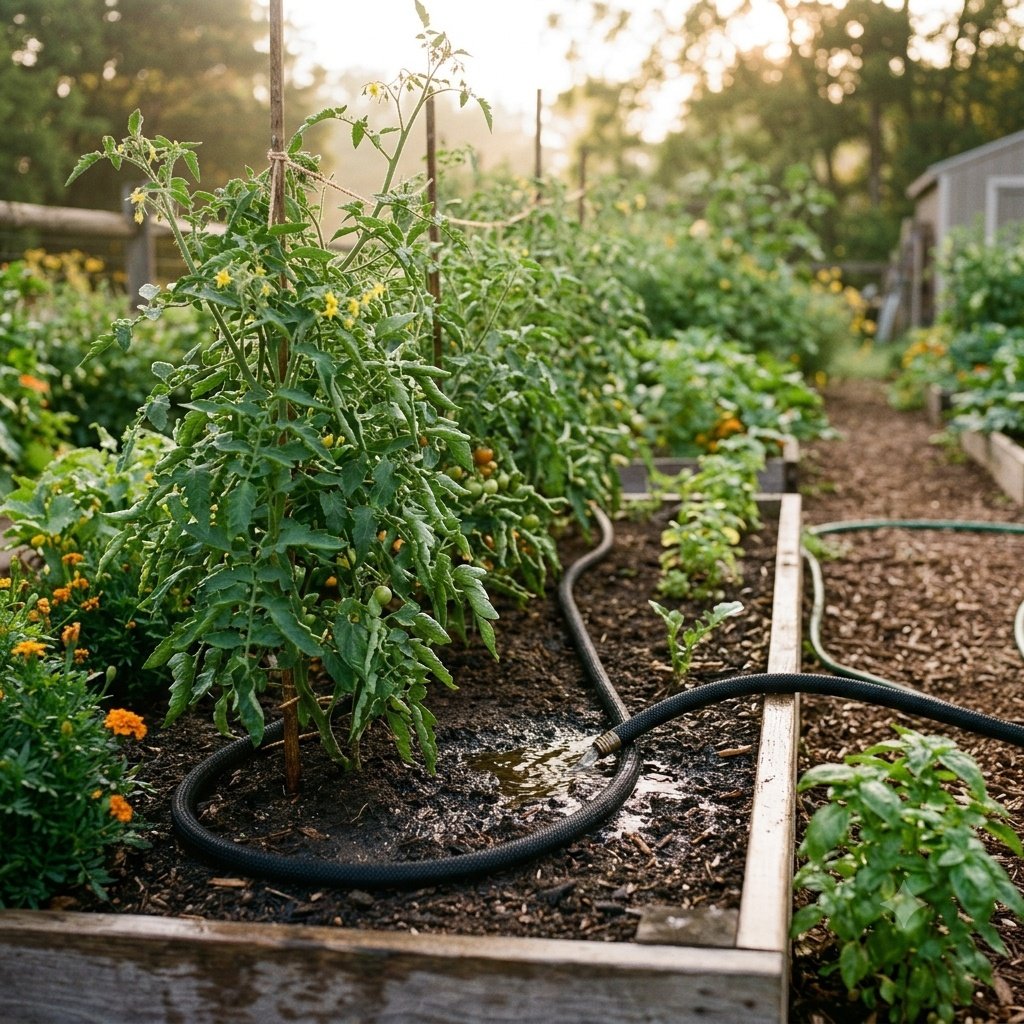
One of the biggest mistakes I made as a beginner was giving my vegetables a light sprinkle every evening. The soil surface looked wet, but the roots never received enough moisture. Plants wilted quickly whenever temperatures climbed.
Deep watering changed everything.
Watering thoroughly encourages roots to grow deeper into the soil where moisture lasts longer. Those stronger roots help vegetables handle hot weather far better than shallow-rooted plants.
Aim to water early in the morning so foliage dries quickly after sunrise. Most vegetable gardens benefit from one or two deep waterings each week, although sandy soils may require slightly more frequent watering during extended heat.
Always check the soil before watering. If it’s still moist two inches below the surface, wait another day.
Tips
- Use a soaker hose or drip irrigation system for slow, consistent watering.
- Avoid wetting leaves whenever possible.
- Water at the base of each plant rather than spraying the entire bed.
Recommended Tools: Soaker hose, drip irrigation kit, watering wand.
Task #2 – Refresh Mulch to Keep Soil Cool
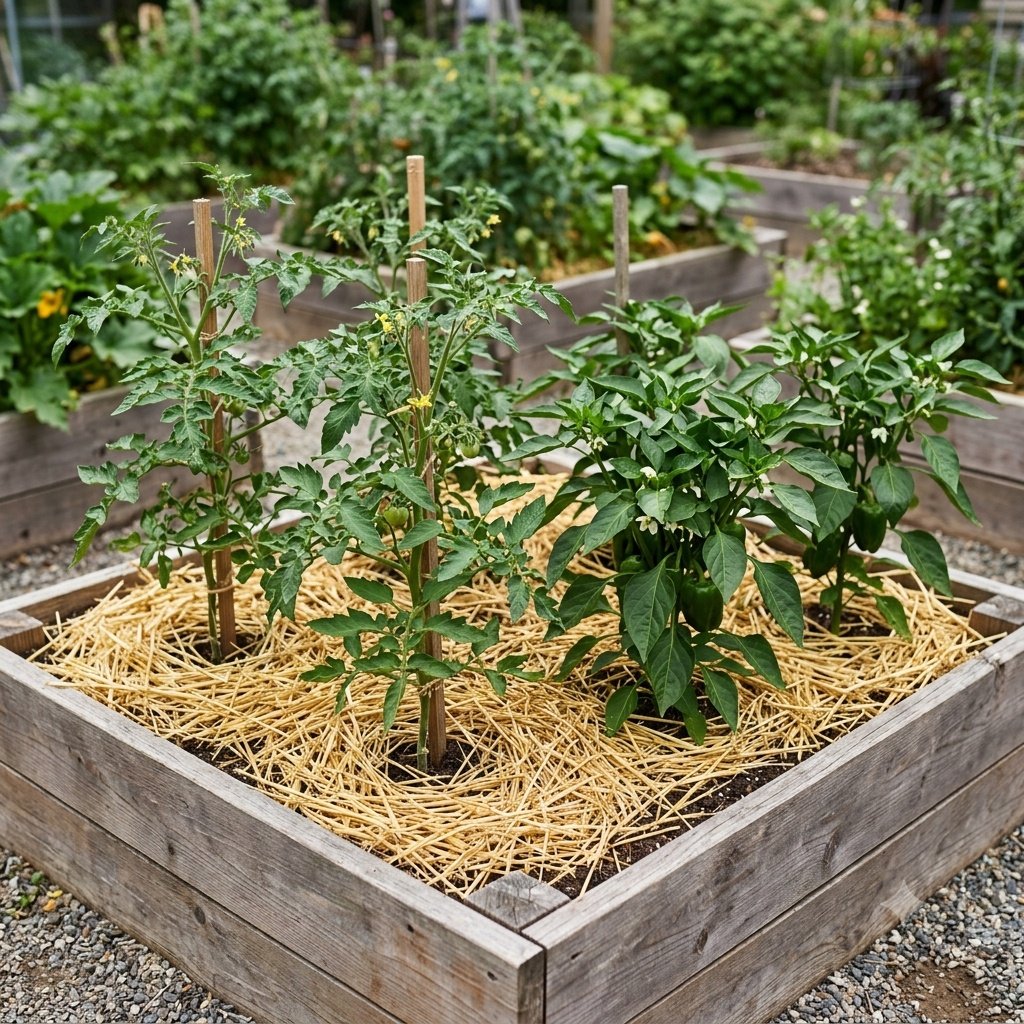
Mulch gradually breaks down during the growing season, especially after heavy rain and frequent watering. By mid-summer, bare soil often begins drying out much faster than it did earlier in the season.
Adding another layer of mulch helps lock in moisture, keeps soil temperatures more stable, and suppresses weeds before they become difficult to manage.
I’ve had excellent results using clean straw around tomatoes and peppers, while shredded leaves work well in raised beds. Untreated wood chips are another good option for paths and larger garden spaces, though I avoid piling them directly against vegetable stems.
A fresh two- to three-inch layer of mulch often means watering less frequently while keeping plants noticeably healthier during long stretches of hot weather.
Tips
- Keep mulch a few inches away from plant stems.
- Replace compacted mulch that no longer allows water to soak through.
- Pull weeds before adding fresh mulch.
Recommended Tools: Garden rake, mulch fork.
Task #3 – Feed Hungry Crops Again
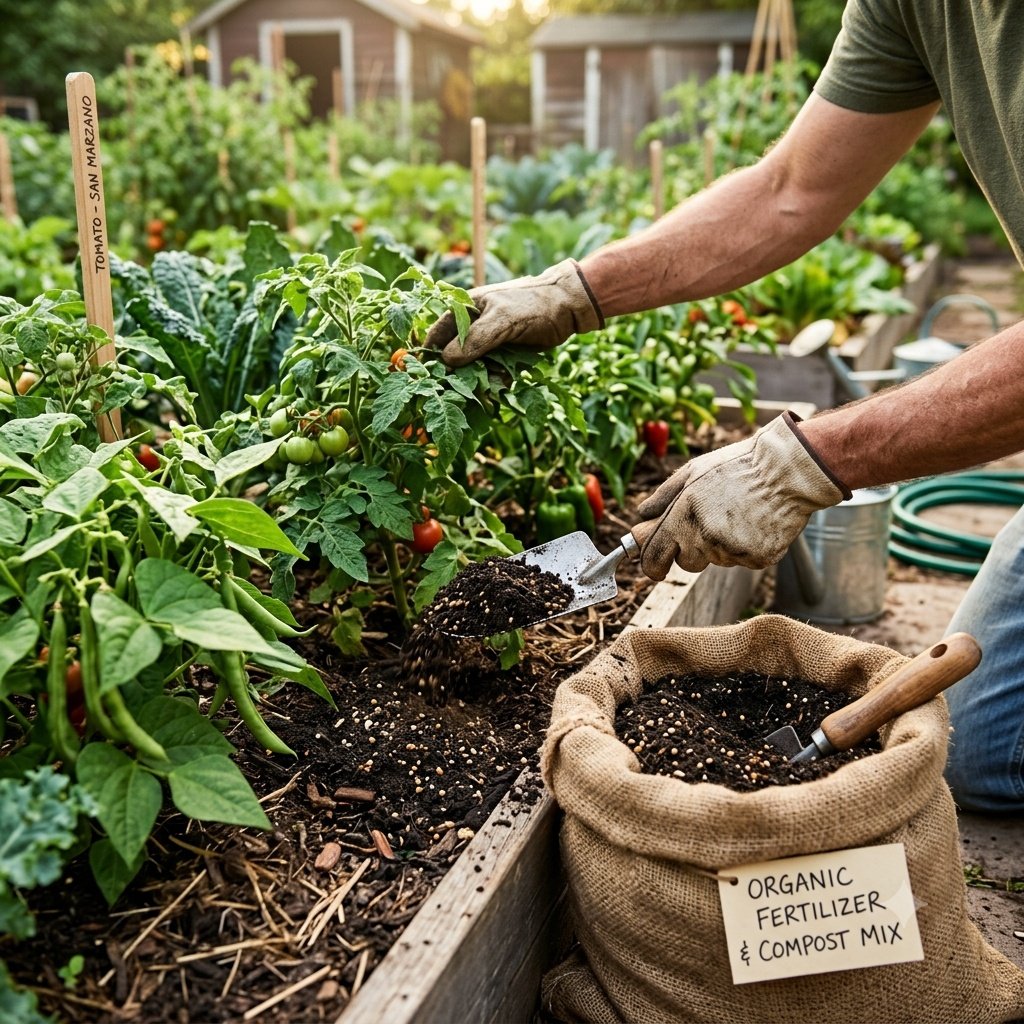
Tomatoes, cucumbers, squash, and peppers are heavy feeders. By mid-summer, they’ve already used much of the available nutrition in the soil, especially if they’re producing heavily.
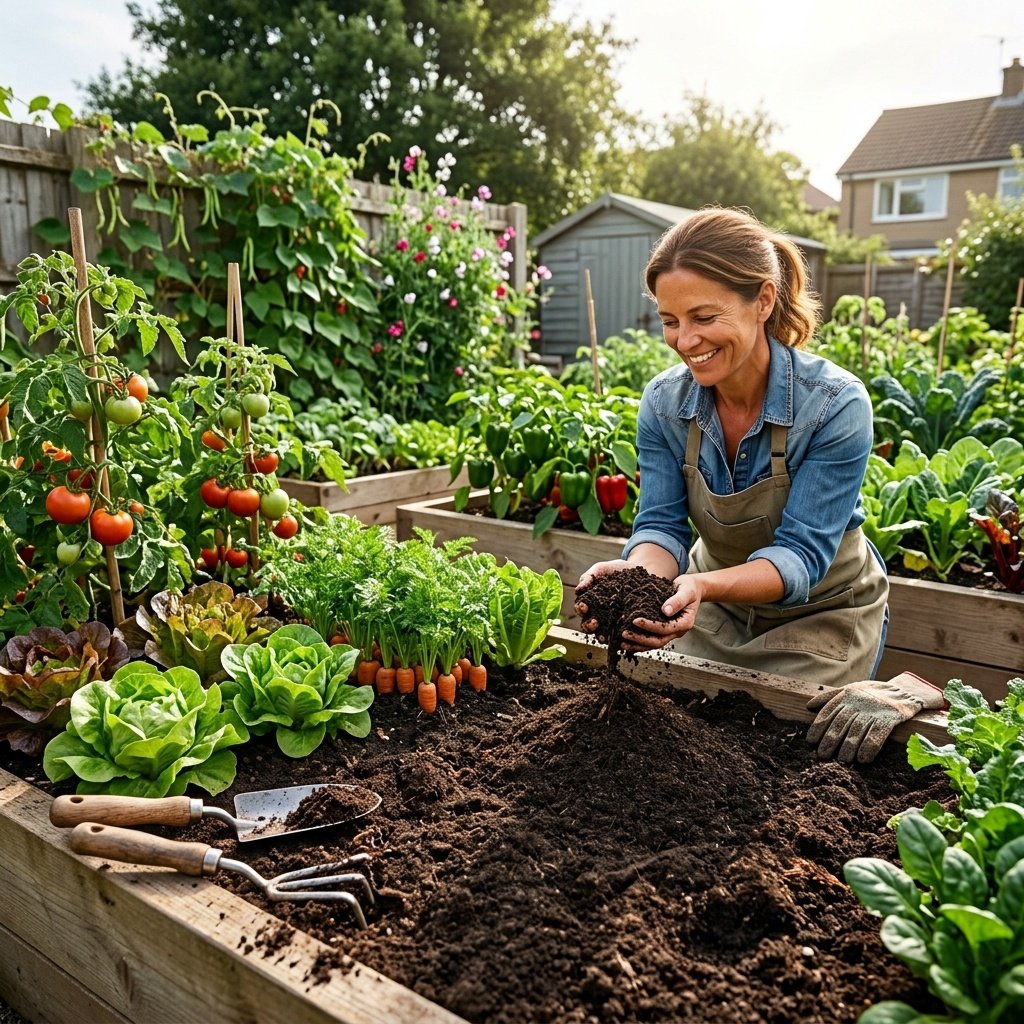
Rather than giving large amounts of fertilizer all at once, I prefer smaller, consistent feedings. Compost worked into the soil surface, diluted fish emulsion, or a balanced organic vegetable fertilizer usually provides enough nutrients without encouraging excessive leafy growth.
One lesson I learned the hard way was avoiding fertilizers that are too high in nitrogen late in the season. My tomato plants produced beautiful green leaves—but far fewer tomatoes.
Balanced feeding supports flowering and fruit production instead of encouraging unnecessary foliage.
Tips
- Water plants before applying fertilizer.
- Follow product instructions carefully.
- Compost can improve soil while feeding plants gradually.
Recommended Products: Organic vegetable fertilizer, compost, liquid plant food.
Task #4 – Harvest Vegetables More Often
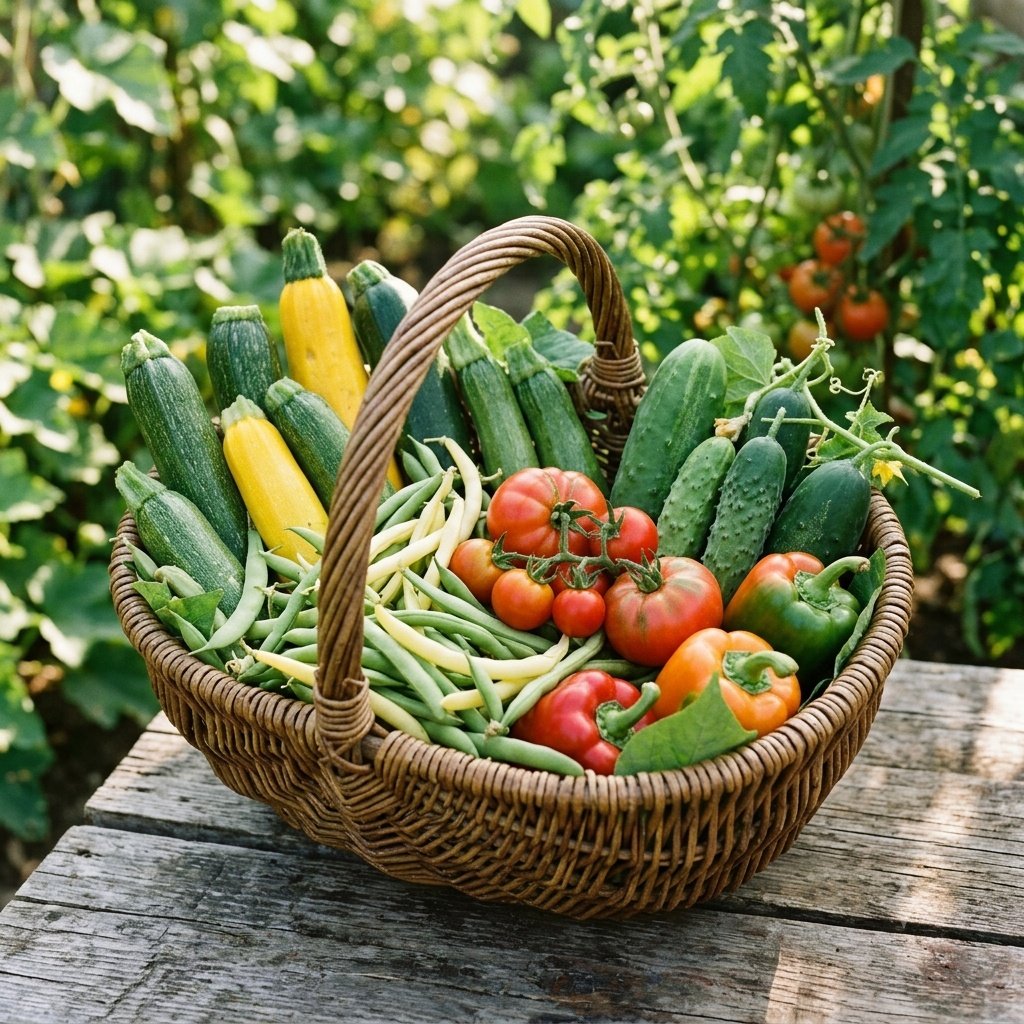
Many vegetables produce more when they’re harvested regularly. Leaving mature vegetables on the plant tells it that its job is finished, which slows new production.
Zucchini is a perfect example. Picking fruits while they’re still young encourages the plant to keep flowering. The same applies to cucumbers, beans, okra, and many peppers.
During peak season, I usually walk through the garden every morning with a small harvest basket. Even if I only pick a handful of vegetables, that simple habit keeps production surprisingly steady.
Regular harvesting also improves flavor. Oversized cucumbers and zucchini often become tough, watery, or full of seeds.
Tips
- Harvest during the cooler morning hours.
- Use clean garden scissors for delicate stems.
- Check fast-growing crops every day during peak production.
Recommended Products: Harvest basket, garden scissors.
Task #5 – Remove Yellow, Damaged, or Diseased Leaves
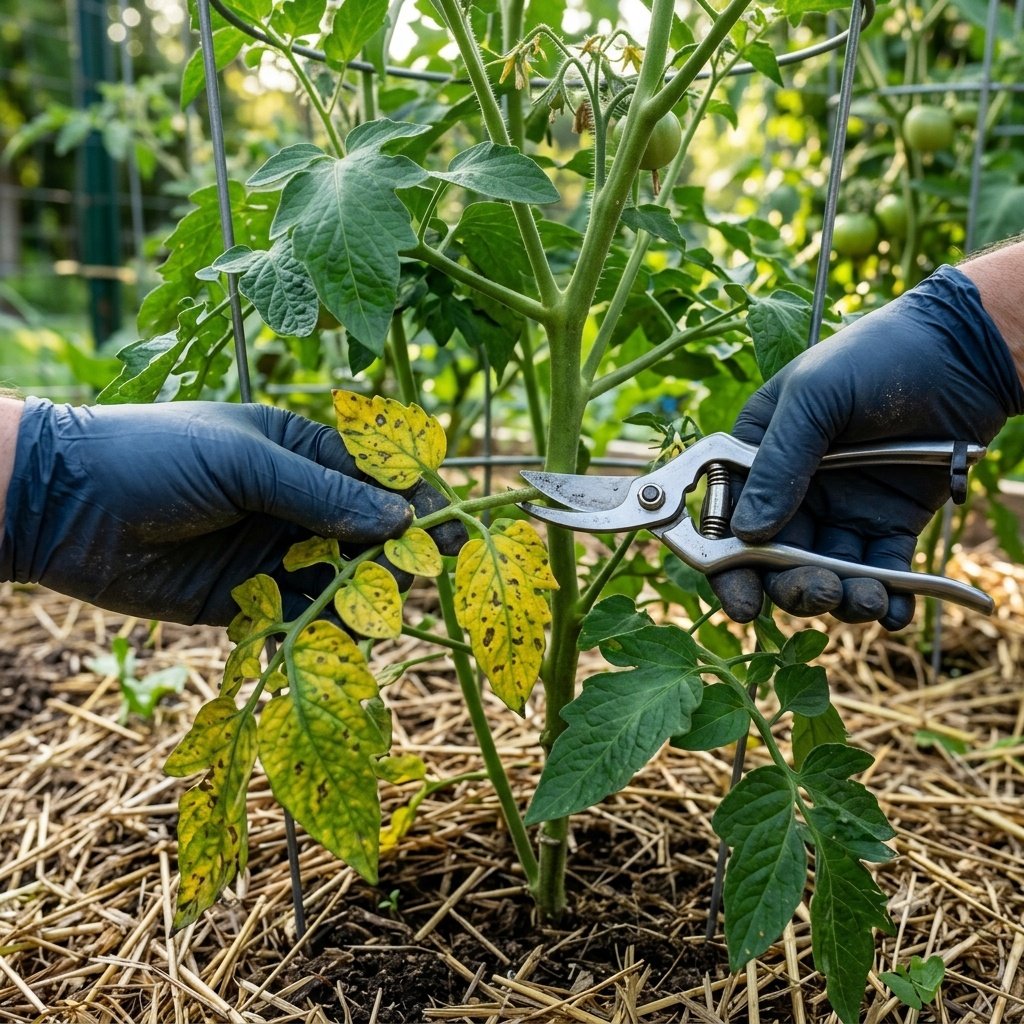
By mid-summer, every garden has a few leaves that have yellowed or become damaged. Leaving them in place creates extra humidity around plants and gives diseases an opportunity to spread.
I make it a habit to remove lower tomato leaves that touch the soil and any foliage showing signs of powdery mildew or early blight. This simple task noticeably improves airflow and keeps the plants looking healthier.
Always disinfect pruning tools after removing diseased material to avoid spreading problems throughout the garden.
Dispose of infected leaves instead of adding them to compost if disease is severe.
Tips
- Remove only damaged foliage, not healthy leaves.
- Prune on dry days whenever possible.
- Clean pruning tools between plants.
Recommended Products: Bypass pruning shears, disinfectant spray.
Task #6 – Prune Tomatoes the Right Way
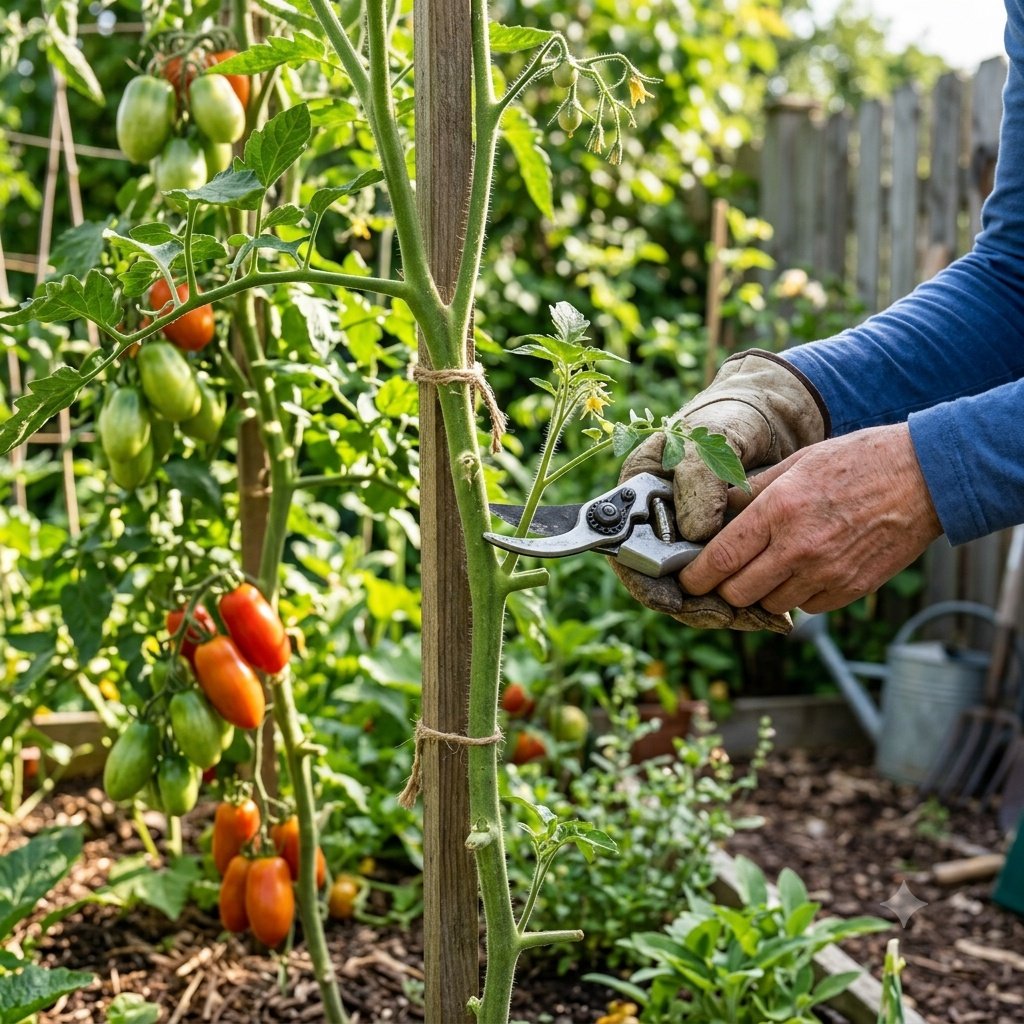
Tomatoes benefit from selective pruning, but not every variety should be treated the same. Indeterminate tomatoes continue growing and producing throughout the season, so removing suckers and lower leaves helps direct energy toward fruit while improving airflow. Determinate varieties, on the other hand, should be pruned lightly since they produce most of their crop over a shorter period.
I usually remove the lower leaves first, especially those touching the soil. Then I thin a few crowded suckers without stripping the plant bare. Early on, I made the mistake of over-pruning and exposed fruit to sunscald. Since then, I’ve learned that moderation is key.
Tips
- Identify whether your tomato is determinate or indeterminate before pruning.
- Remove only a few suckers at a time.
- Always use clean, sharp pruning shears.
Recommended Products: Bypass pruning shears, disinfectant spray.
Task #7 – Tie Up Tall Plants Before Storms Arrive
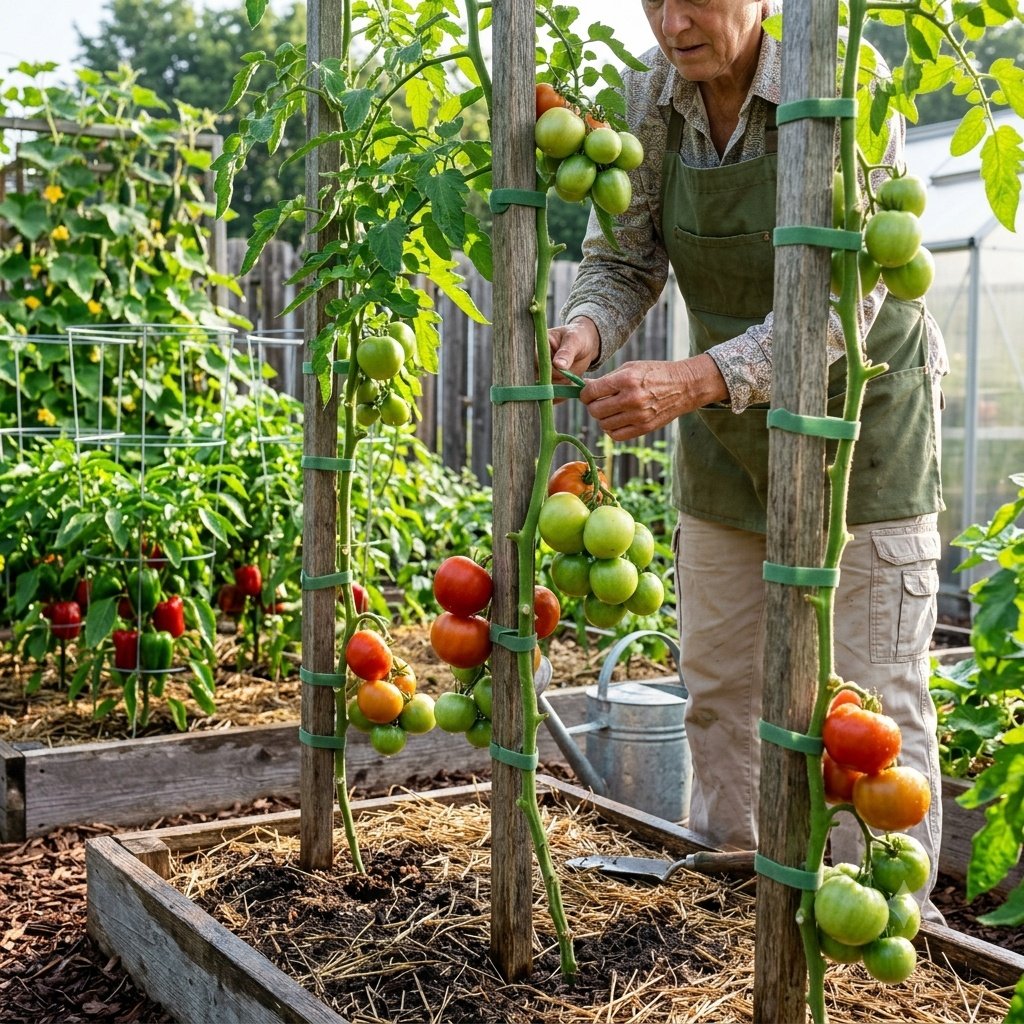
Heavy fruit and summer storms can quickly flatten unsupported plants. Tomatoes, peppers, cucumbers, and pole beans all benefit from regular checks to ensure ties haven’t become too tight or supports haven’t shifted.
I like to inspect cages and stakes every week. It’s much easier to secure a leaning plant than to rescue one that’s already snapped under the weight of ripening fruit.
Tips
- Use soft garden ties that won’t cut into stems.
- Add support before plants begin leaning.
- Replace weak stakes before stormy weather.
Recommended Products: Tomato cages, plant clips, garden twine.
Task #8 – Inspect for Pests Every Few Days
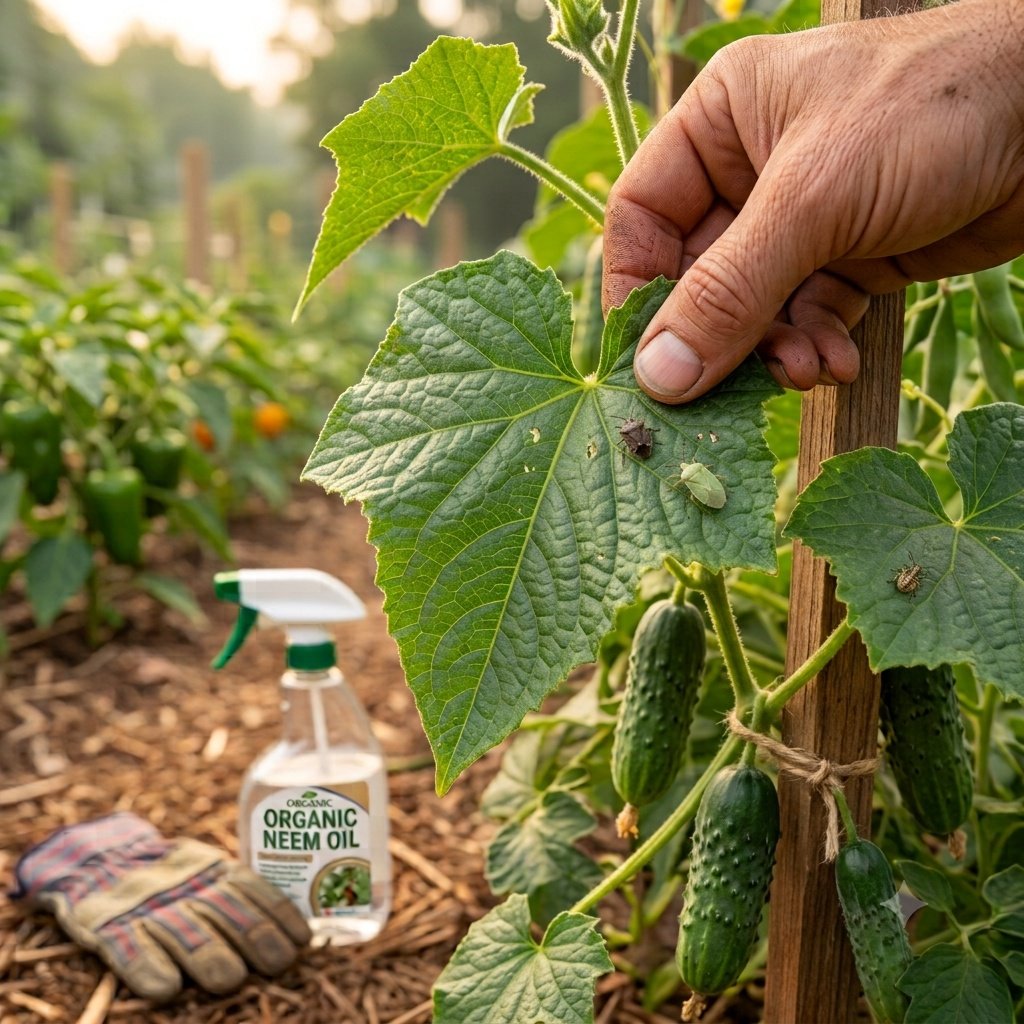
Summer is peak season for aphids, tomato hornworms, cabbage worms, squash bugs, and spider mites. Catching them early often means you can solve the problem without harsh chemicals.
I usually inspect the undersides of leaves while harvesting. More than once, I’ve spotted a single hornworm before it stripped an entire tomato branch overnight. Hand-picking pests, encouraging beneficial insects, and using neem oil or insecticidal soap when needed has kept most outbreaks under control.
Tips
- Check plants every two or three days.
- Inspect leaf undersides as well as stems.
- Act early before pest populations multiply.
Recommended Products: Neem oil, insecticidal soap, sticky traps.
Task #9 – Stop Diseases Before They Spread
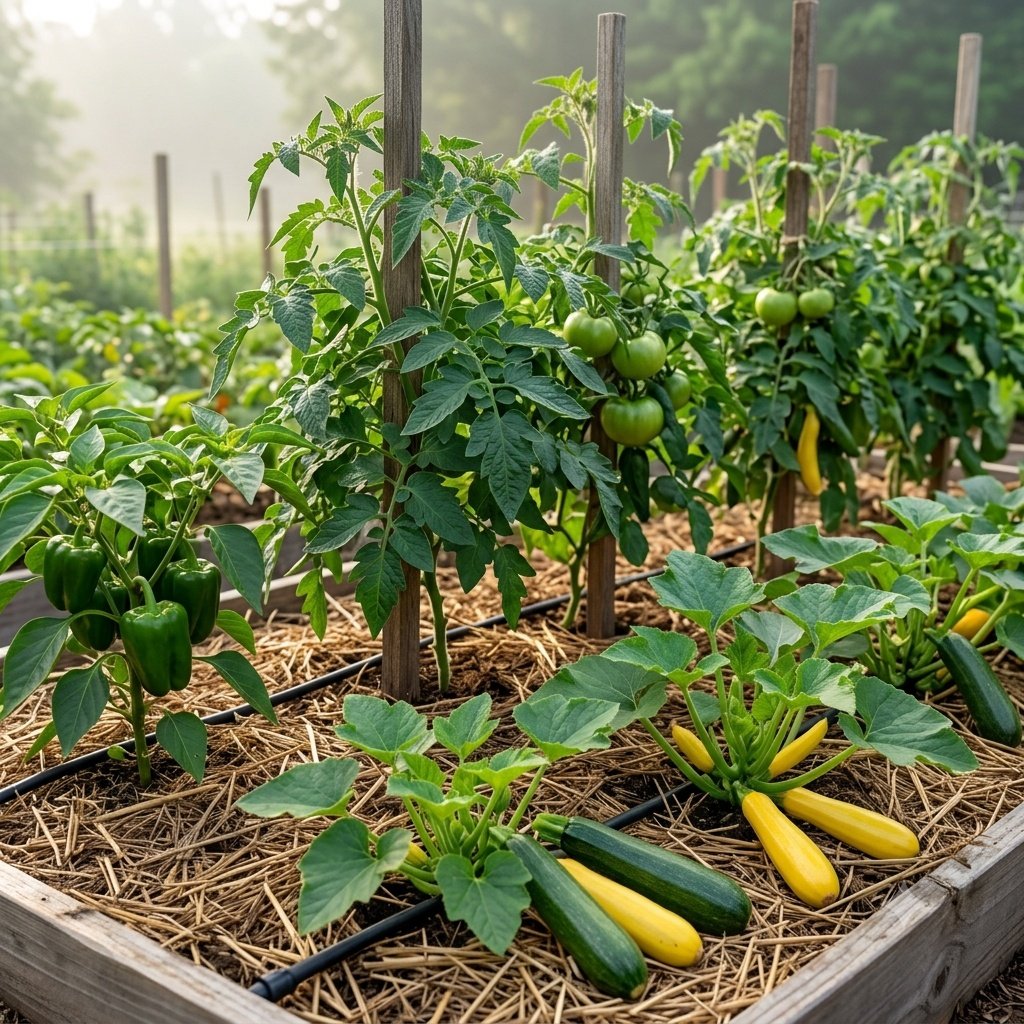
Warm, humid weather creates ideal conditions for powdery mildew, early blight, downy mildew, and bacterial leaf spots. Prevention is far easier than trying to cure an established infection.
Water at the base of plants, improve airflow, and remove infected leaves as soon as you notice them. I also avoid working among wet plants because it’s surprisingly easy to spread disease from one bed to another.
Tips
- Water in the morning.
- Space plants properly.
- Remove infected foliage immediately.
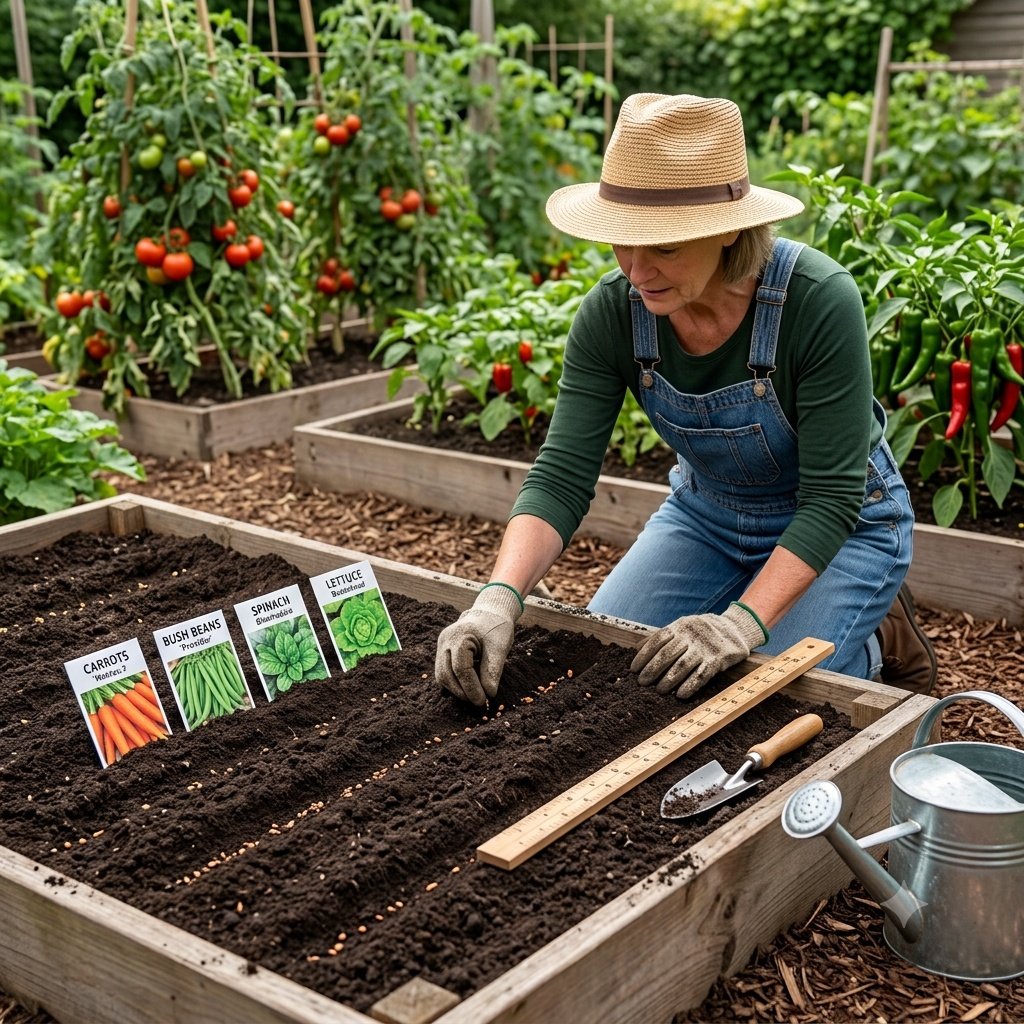
Task #10 – Plant a Second Round of Fast Crops
Mid-summer isn’t the end of planting season. In many regions, it’s the perfect time to start another round of quick-growing vegetables before fall.
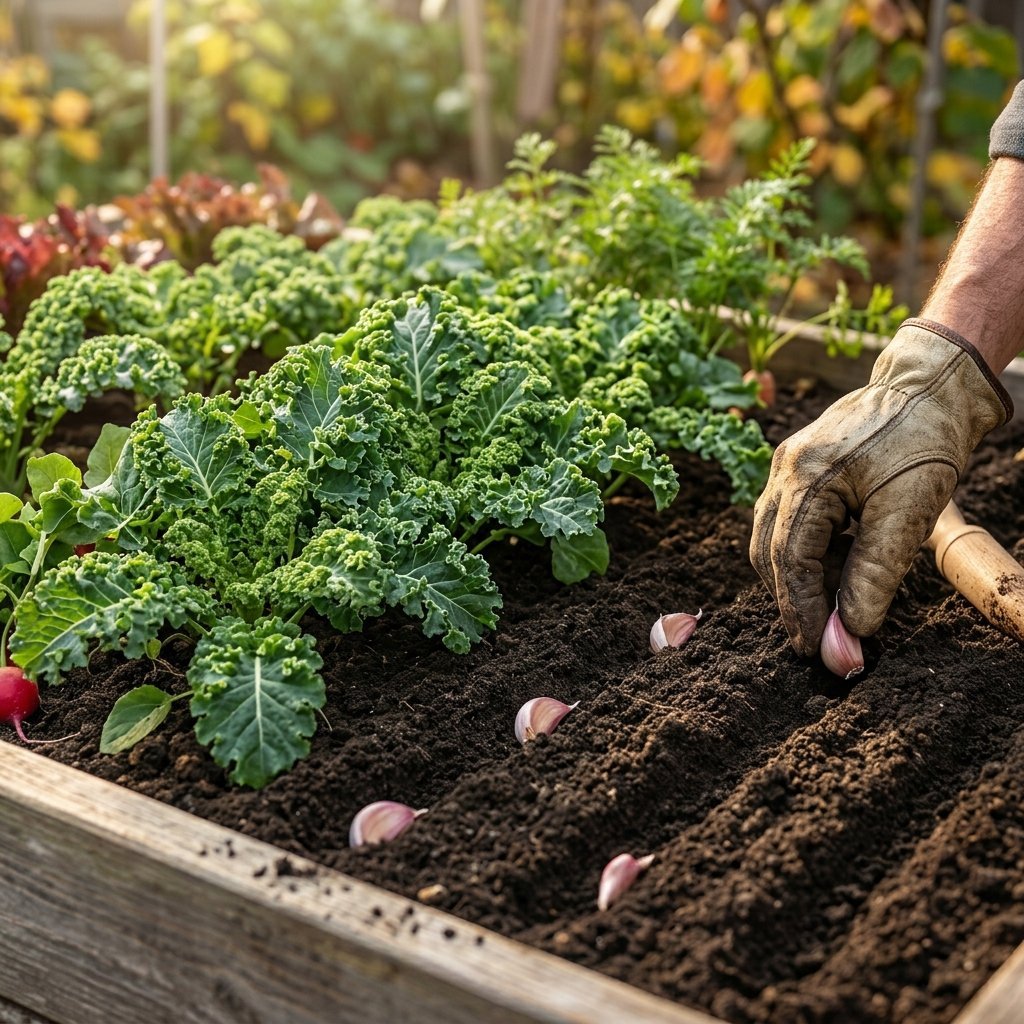
Bush beans, radishes, carrots, beets, kale, spinach, lettuce, and certain Asian greens can all produce well when planted at the right time for your climate. After harvesting garlic or onions, I rarely leave the space empty. Fresh sowings keep the garden productive instead of letting valuable bed space sit unused.
Tips
- Check your local first frost date.
- Choose varieties with short maturity periods.
- Keep newly sown seeds consistently moist.
Recommended Products: Seed organizer, seed trays, vegetable seed collection.
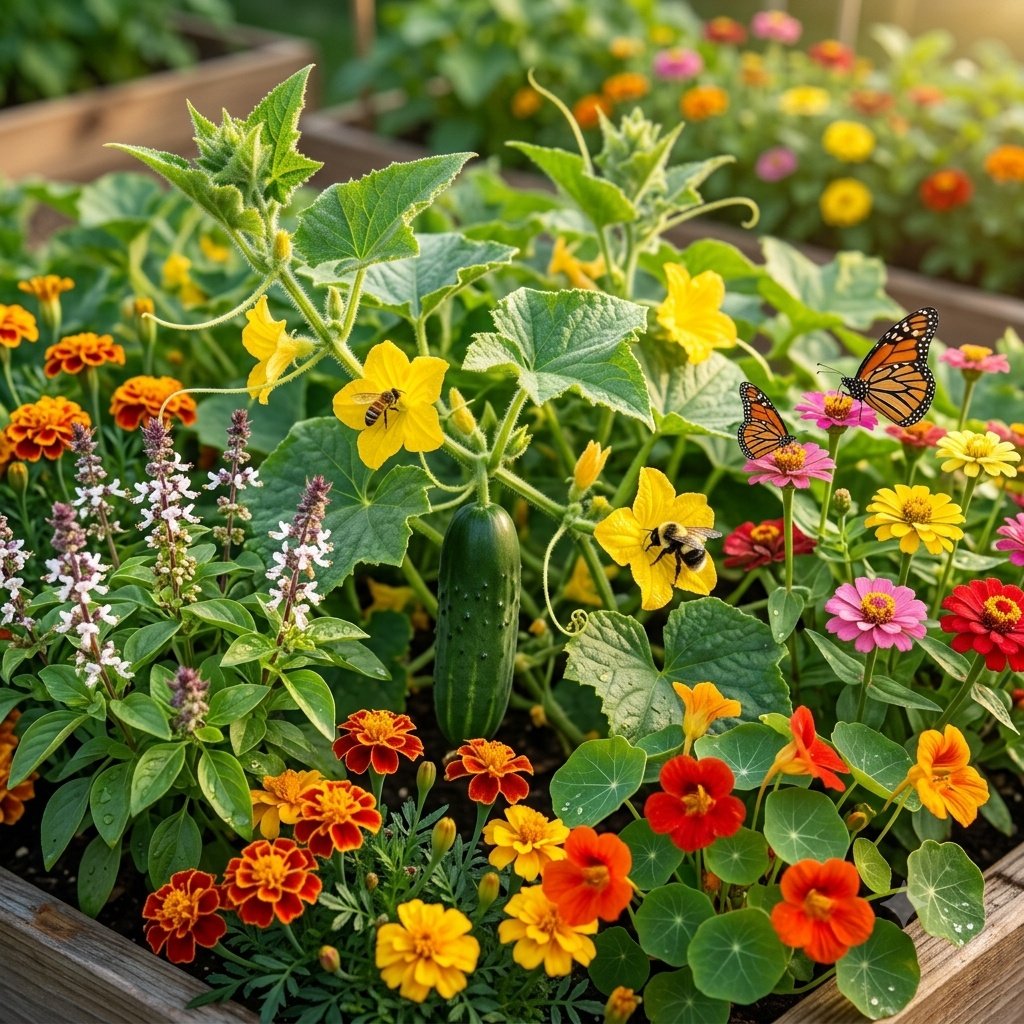
Task #11 – Invite More Pollinators Into Your Garden
Healthy pollinator activity often translates into better harvests, especially for cucumbers, squash, pumpkins, and melons.
A few flowering herbs such as basil, dill, and oregano, along with marigolds, zinnias, and nasturtiums, attract bees and other beneficial insects throughout summer. Since adding more flowers around my vegetable beds, I’ve noticed improved fruit set on several crops.
Tips
- Plant flowers near vegetable beds.
- Avoid spraying insecticides during peak bee activity.
- Leave a shallow water source for pollinators.
Recommended Products: Wildflower seed mix, bee house.
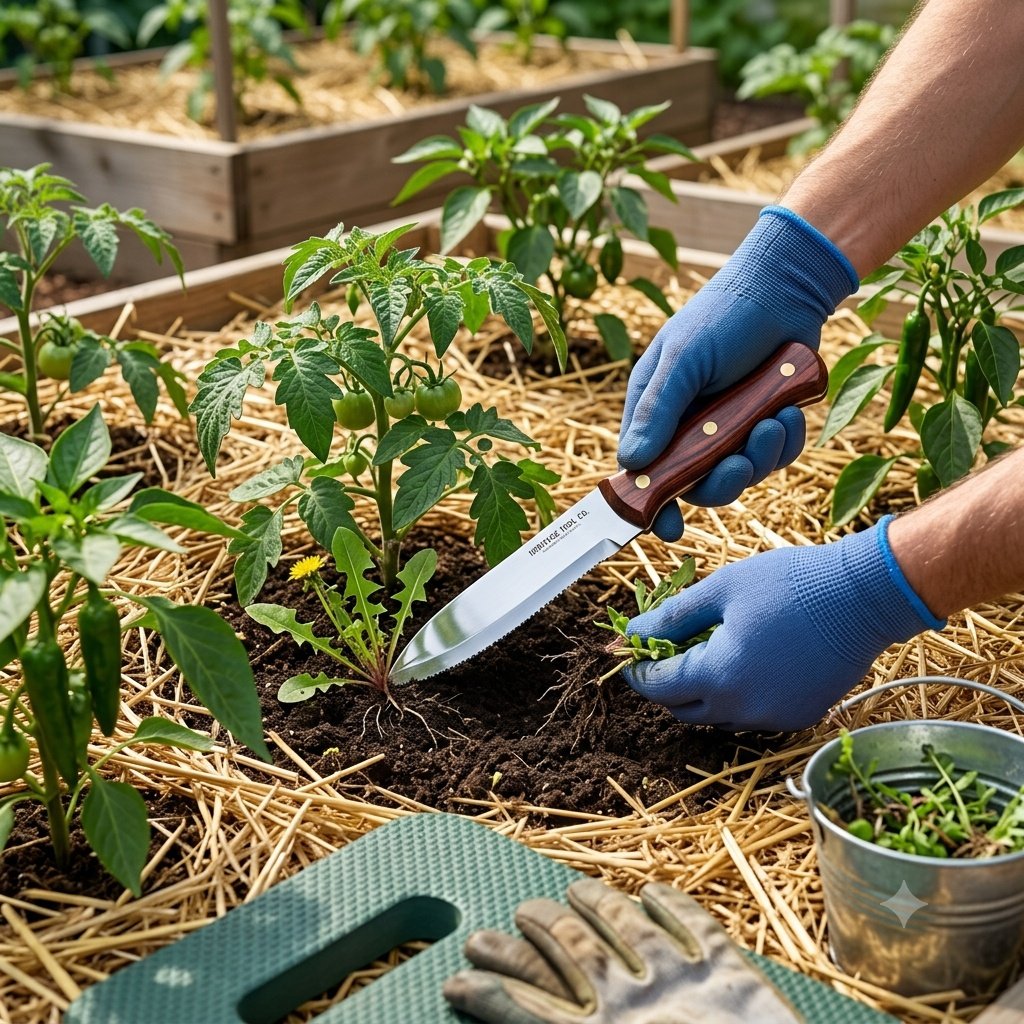
Task #12 – Remove Weeds Before They Produce Seeds
Weeds compete for water, nutrients, and sunlight—resources your vegetables need during the hottest part of the season. Pulling them while they’re small is much easier than dealing with mature plants later.
I spend just a few minutes weeding after watering when the soil is soft. That small routine prevents hours of work later.
Tips
- Weed regularly instead of waiting.
- Remove roots whenever possible.
- Add mulch afterward to reduce regrowth.
Recommended Products: Hori Hori knife, hand weeder, kneeling pad.
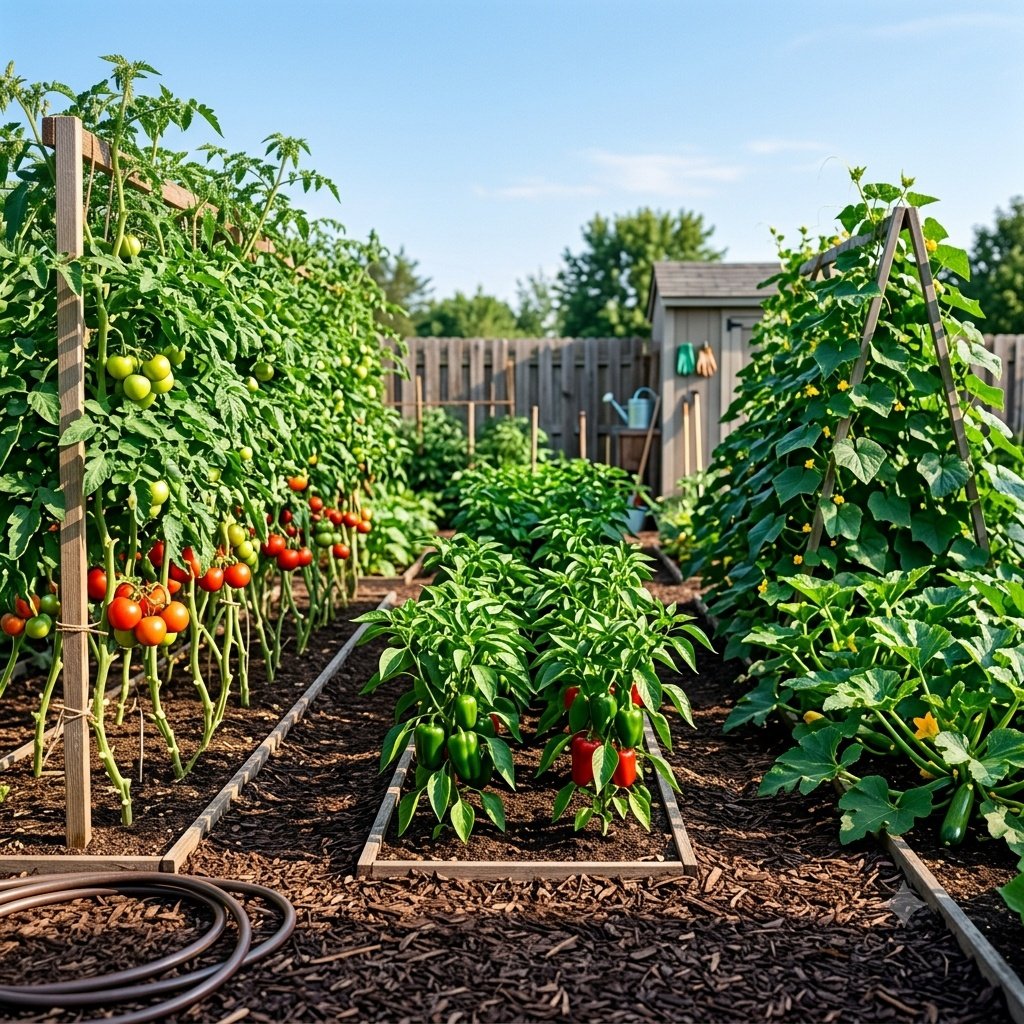
Task #13 – Improve Airflow Around Your Plants
Crowded plants trap humidity, increasing the risk of fungal diseases. Pruning lightly, removing excess foliage, and maintaining proper spacing all help air move freely through the garden.
Whenever I notice leaves constantly staying damp, I know it’s time to thin the area slightly.
Tips
- Avoid overcrowding.
- Trim only what’s necessary.
- Keep pathways open for better air circulation.
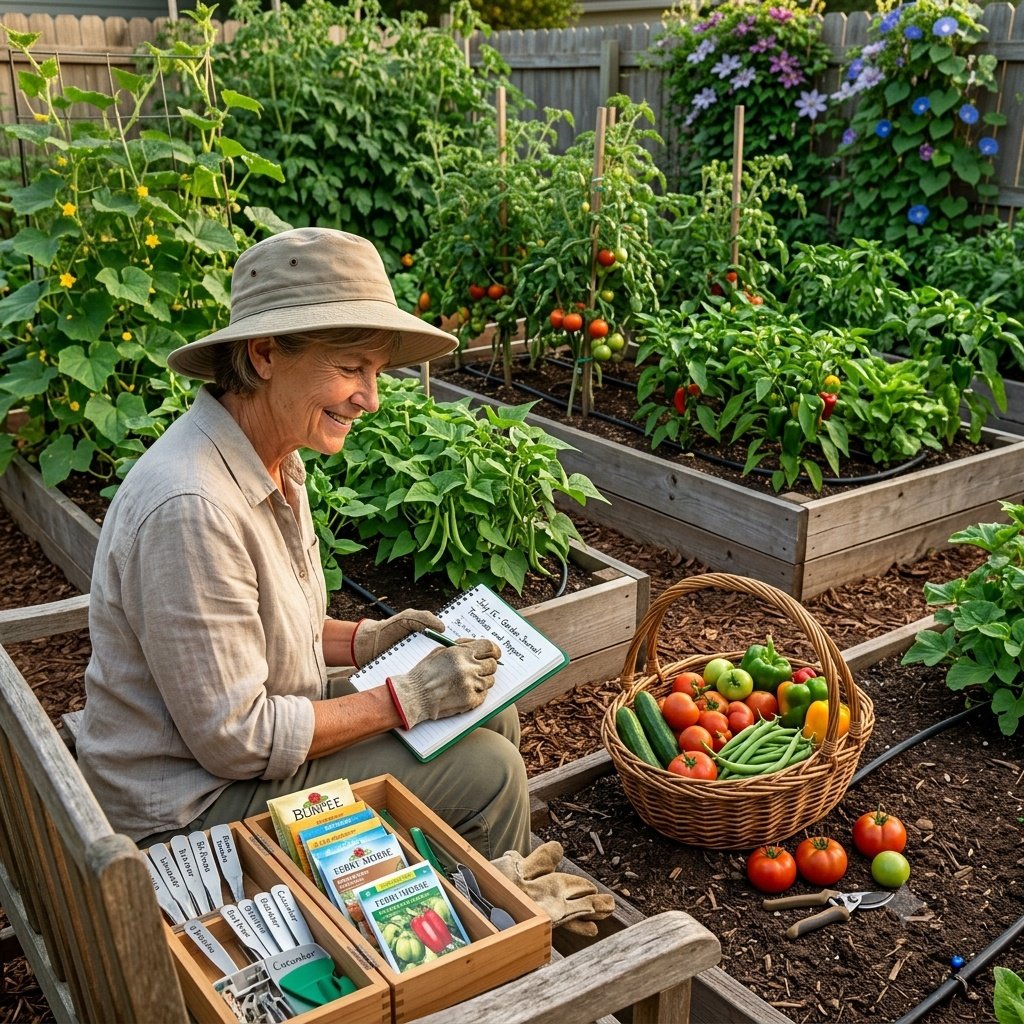
Task #14 – Keep a Simple Garden Journal
A garden journal doesn’t need to be complicated. I simply record planting dates, fertilizer applications, harvests, pest problems, and unusual weather.
Looking back at previous seasons has helped me remember when squash bugs usually appear, which tomato varieties handled heat best, and when to start fall crops.
Tips
- Record notes once a week.
- Include weather observations.
- Track successful varieties for next season.
Recommended Products: Waterproof garden journal, plant markers.
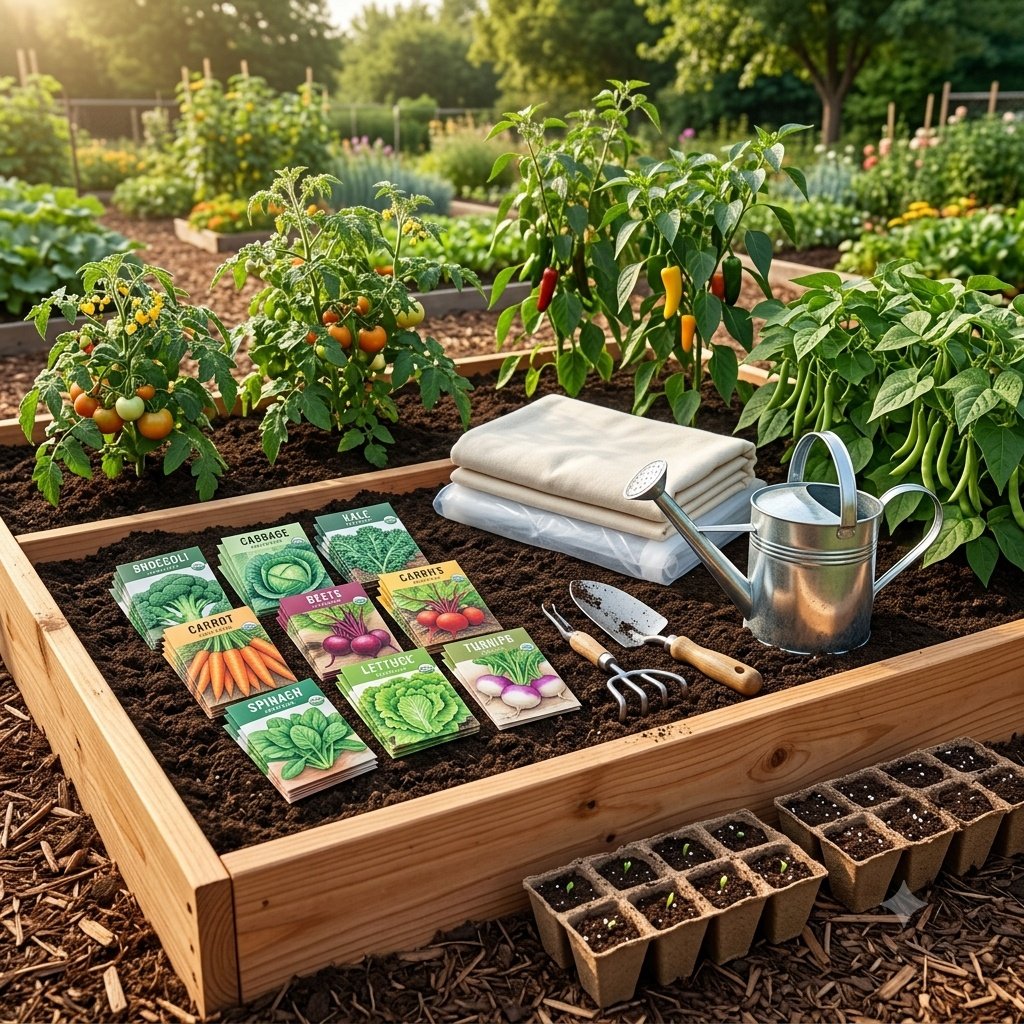
Task #15 – Start Planning Your Fall Garden Now
While summer vegetables are still producing, begin preparing for cool-season crops. Broccoli, cabbage, kale, carrots, beets, turnips, spinach, and lettuce all need enough growing time before cold weather arrives.
Clean up beds as crops finish, refresh compost, and have seeds ready before space opens up. Waiting until summer crops completely decline often means missing the ideal planting window.
Tips
- Know your area’s average first frost date.
- Prepare beds before removing summer crops.
- Order seeds early to avoid shortages.
Recommended Products: Seed packets, seed trays, frost cloth.
Common Mid-Summer Gardening Mistakes That Reduce Harvests
Even experienced gardeners make mistakes during the hottest part of the season. Some of the most common include watering lightly every afternoon instead of deeply, overfeeding plants with nitrogen-rich fertilizers, ignoring early pest damage, allowing vegetables to become oversized, skipping tomato pruning, leaving soil exposed without mulch, failing to support heavy plants, and waiting too long to sow fall vegetables.
I’ve made nearly all of these mistakes over the years. Fortunately, most are easy to correct with a consistent routine. Spending a few minutes every few days is usually enough to keep problems from becoming major setbacks.
Related Reads
You might find these helpful as you keep going:
7 Best Fertilizers for Raised Beds (Top Picks + Feeding Guide)
7 Best Self-Watering Systems for Balcony Vegetable Gardens (That Actually Work)
7 July Tasks for the Midsummer Garden
FAQ
Should I fertilize vegetables in mid-summer?
Yes. Heavy-feeding crops benefit from a balanced fertilizer or compost during peak production.
Is July too late to plant vegetables?
Not at all. Many fast-growing vegetables can still produce before fall.
How often should I water during summer?
Deep watering once or twice a week is usually better than light daily watering.
Should I prune tomato plants now?
Yes, especially indeterminate varieties. Remove lower leaves and unnecessary suckers.
What vegetables grow fastest before fall?
Radishes, lettuce, bush beans, spinach, and baby carrots are excellent choices.
Can extreme heat stop vegetables from producing?
Yes. High temperatures can temporarily reduce flowering and fruit set, but plants often recover as conditions improve.
Is mulch necessary during summer?
While not essential, mulch greatly improves moisture retention and reduces weed growth.
What should I plant after harvesting onions or garlic?
Bush beans, carrots, beets, kale, spinach, and lettuce are all great follow-up crops.
Final Thoughts
A productive vegetable garden isn’t built only in spring. In my experience, the weeks in the middle of summer often decide how much you’ll harvest before the season ends. The gardeners who continue watering deeply, feeding wisely, pruning carefully, and checking their plants regularly are usually rewarded with healthier crops and a longer harvest season.
You don’t need to spend hours in the garden every day. A simple routine of these Mid-Summer Garden Tasks can prevent many common problems before they start and help your vegetables keep producing well into late summer and early fall. Stay observant, respond quickly to small issues, and your garden will thank you with a steady supply of fresh produce.