
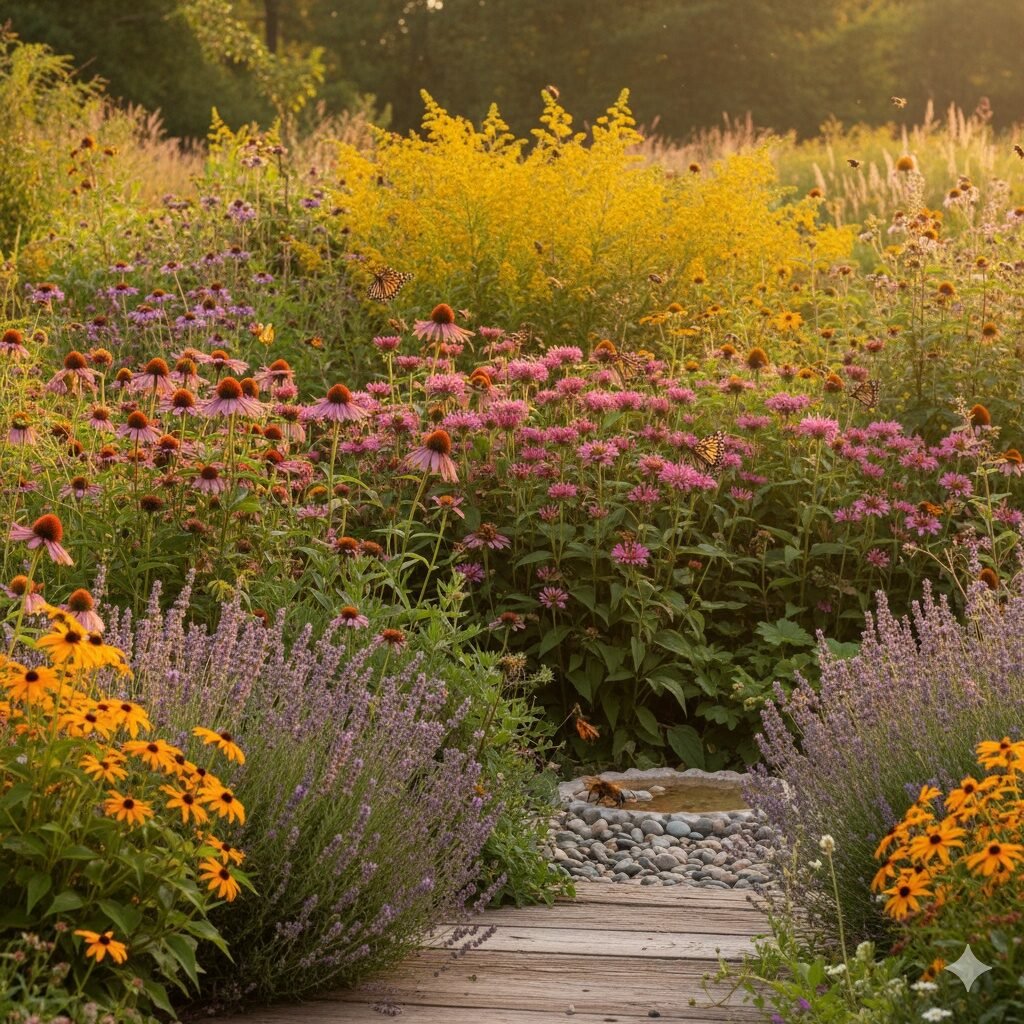
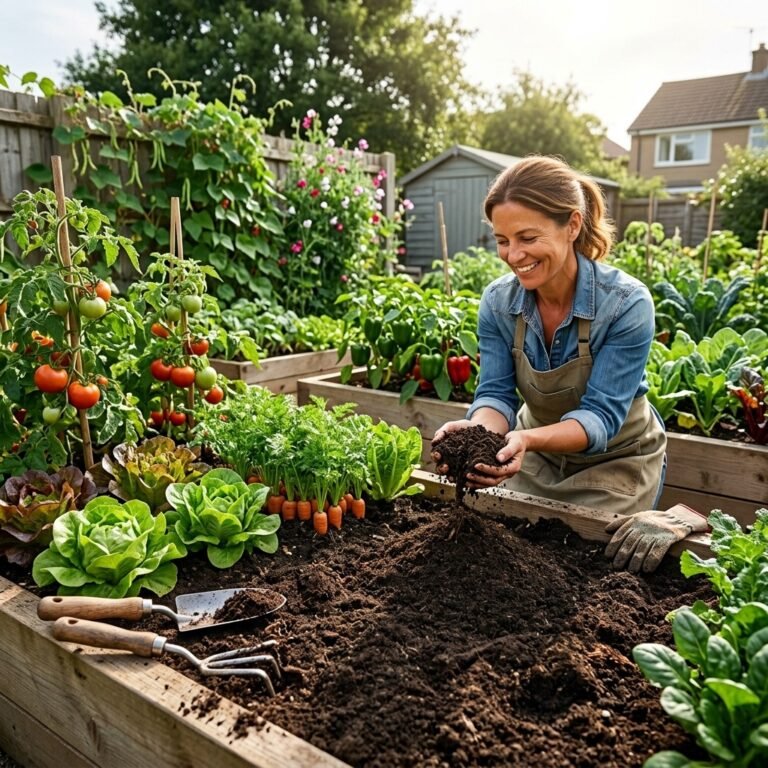
![pollinator friendly garden, native plants for pollinators, plants for pollinators, best plants for bees, pollinator garden plants list, how to make a pollinator garden, pollinator friendly plants USA, pollinator plants Europe, native pollinator plants [state/region], best plants for bees and butterflies in [USA/Europe], how to attract pollinators to my garden, pollinator garden design plan, pollinator garden layout, best pollinator plants for bees and butterflies, pollinator garden design plan for small spaces, seasonal pollinator plants spring summer fall](https://ediblegardentips.com/wp-content/uploads/2025/11/Gemini_Generated_Image_yq46gpyq46gpyq46.jpg)
How to Design a Pollinator-Friendly Garden — Why Pollinator Gardens Matter
Pollinators are the quiet workforce behind much of the planet’s food supply. According to the U.S. Fish and Wildlife Service, about three-quarters of flowering plants depend on animal pollinators—bees, butterflies, moths, beetles, birds, and bats—to reproduce. Yet, their numbers are falling. Habitat loss, pesticide exposure, and the spread of non-native species have significantly reduced pollinator populations in both the United States and Europe.
Home and urban gardens can play an important part in reversing that decline. By planting native species and creating pollinator-friendly spaces, gardeners can restore patches of habitat that support biodiversity right where people live.
This article explains how to design a pollinator-friendly garden, from basic design principles to detailed plant lists for both regions. You’ll also find seasonal maintenance guidance, aesthetic design ideas, and sample garden plans. The goal is simple: by the end, you’ll have the knowledge to build a year-round pollinator haven suitable for your local conditions—whether that’s a small balcony in London or a sunny backyard in Illinois.
Pollinator Garden Design Principles
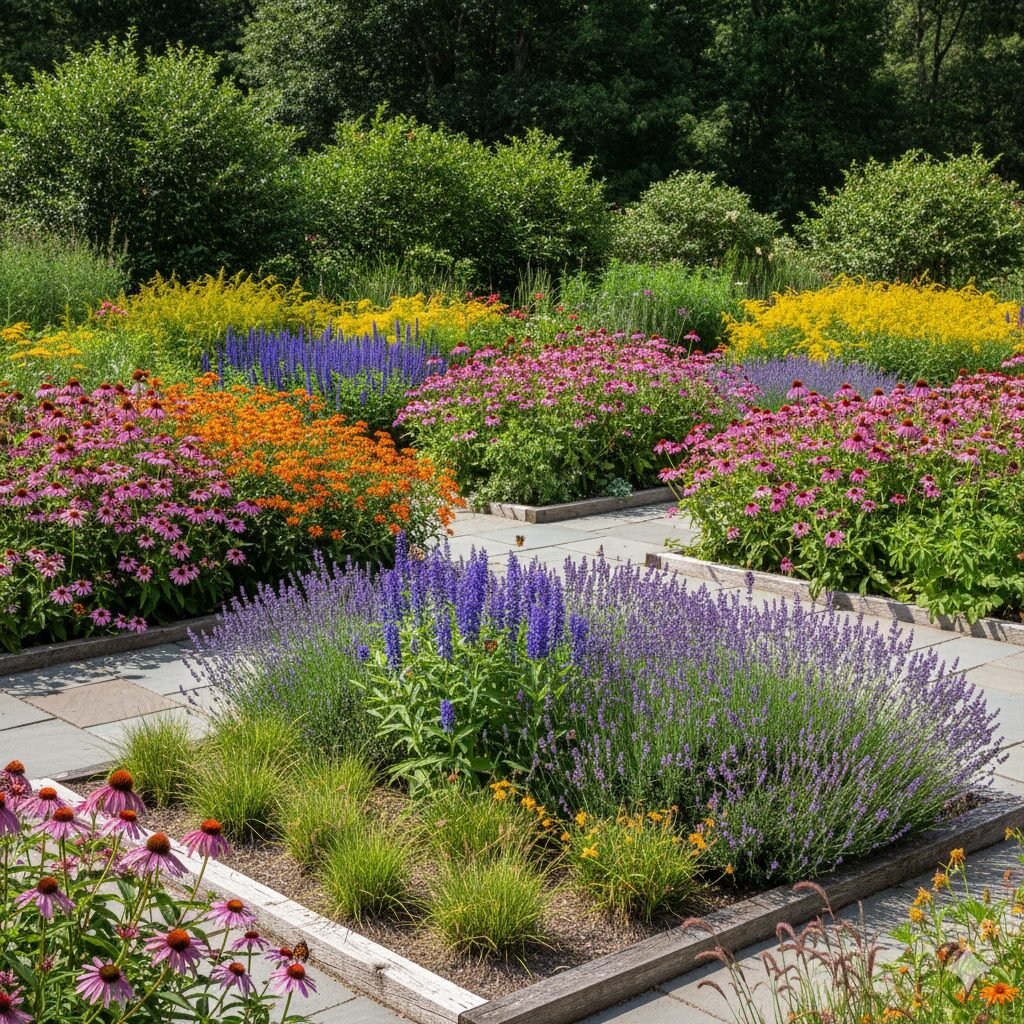
The most successful pollinator gardens combine structure, diversity, and continuous bloom. Here are core ideas to guide the design:
1. Plant for Continuity
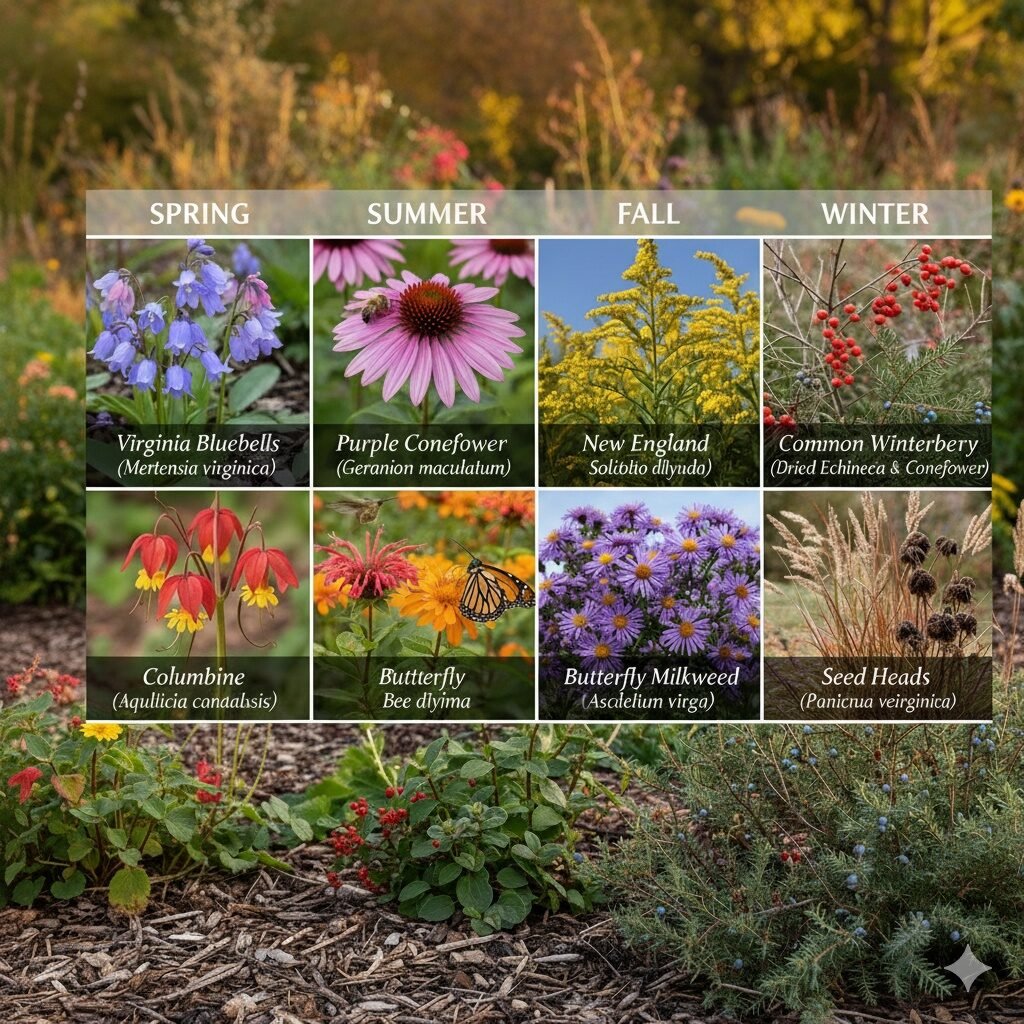
A garden that feeds pollinators from early spring through late fall ensures steady support for bees, butterflies, and other species. Utah State University Extension notes that overlapping bloom periods are key. Early flowers—like willows and crocus—help bees emerging from hibernation, while late bloomers such as asters and goldenrods fuel migration and overwintering.
2. Prioritize Native Plants
Native plants for pollinators are adapted to local climates and have co-evolved with native insects. Research from the Xerces Society shows that native flora supports a wider range of pollinators, including specialists like squash bees and bumblebee species that rely on particular flower structures.
3. Group Plants in Masses
Rather than scattering single specimens, use clusters of three or more of each species. This “mass foraging” approach, recommended by the New York Botanical Garden, helps pollinators conserve energy and improves the visual impact of your garden.
4. Layer Planting Structure
Mix groundcovers, perennials, shrubs, and small trees. Layered structure adds shelter, nesting material, and food for different pollinator types.
5. Limit Pesticide Use
Avoid pesticides whenever possible. If they must be used, apply them at dusk when pollinators are inactive.
6. Provide Water and Nesting Habitat
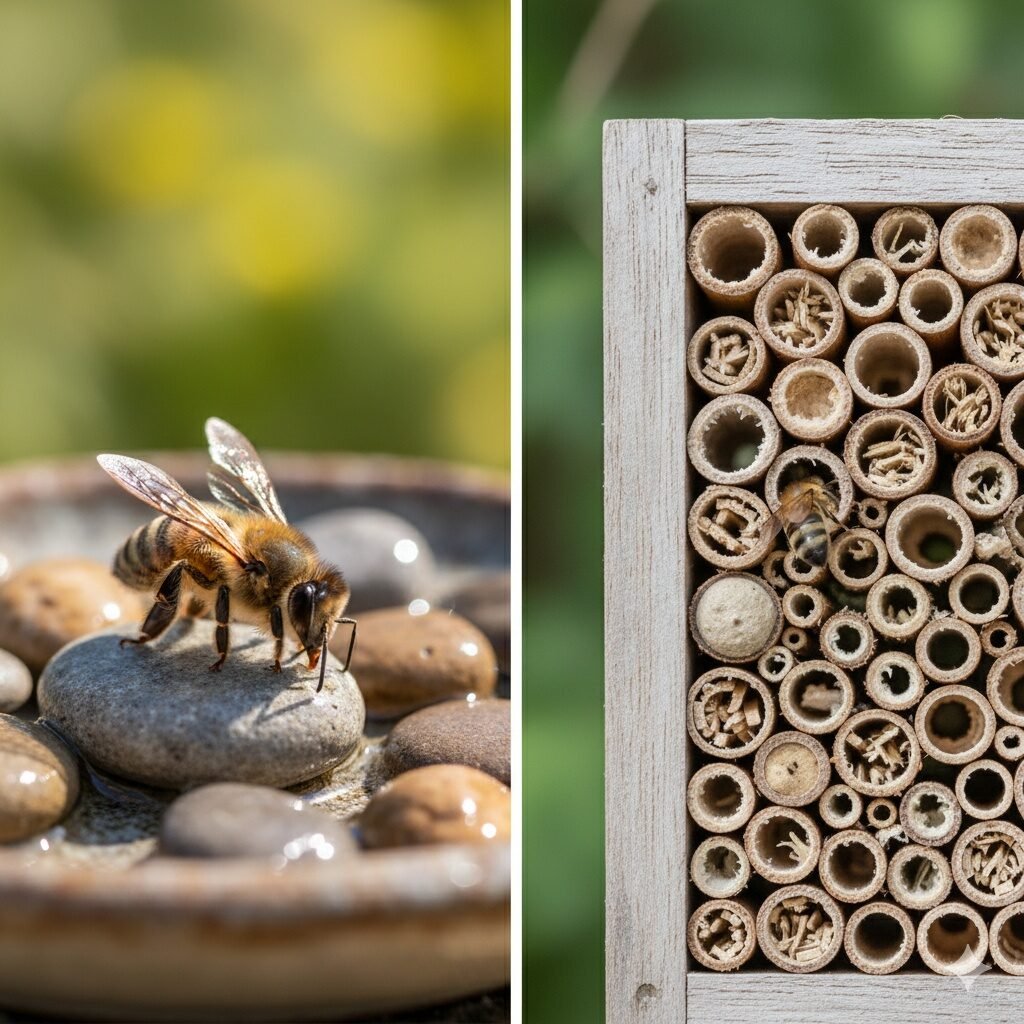
Add shallow dishes filled with pebbles for bees to drink safely. Leave some bare ground for soil-nesting bees and incorporate hollow stems or bee houses for mason bees.
7. Site & Soil Considerations
Choose sunny, wind-sheltered spots with well-drained soil. Map light and moisture variations to place plants appropriately.

Quick Regional Planning: USA & Europe Differences
A pollinator garden succeeds when it reflects the native ecology of its region. The species that thrive in Florida differ from those in Oregon or northern France. Selecting locally adapted plants ensures they bloom in sync with local pollinators.
In the United States, the US Forest Service and regional extension offices provide detailed plant lists for each ecoregion—from the Great Plains to the Pacific Northwest. Across Europe, resources like the Royal Horticultural Society (RHS) and local wildlife trusts publish similar regional recommendations.
Use the Xerces Society’s native plant finder to match flowers with your ZIP code, or in Europe, check RHS hardiness ratings for your garden zone.
Before planting, check these essentials:
- Sun exposure: Full sun supports most pollinator species.
- Soil moisture: Know whether your site tends toward dry, mesic, or wet conditions.
- Hardiness zone: In the USA, use USDA zones; in Europe, refer to RHS equivalents.
Regional research helps ensure your pollinator garden thrives naturally, needing less water and fewer inputs.
Plant Lists & Planting Combinations
This section provides curated, copy-ready plant lists and combinations for both continents. Each recommendation includes a brief reason and seasonal note.
1. North America (USA) – Native Plants for Pollinators
Early Spring
- Salix (Willows): Crucial early nectar source for emerging bees and butterflies.
- Claytonia virginica (Spring Beauty): Supports solitary bees and early hoverflies.
Spring to Summer
- Penstemon digitalis (Beardtongue): Nectar-rich for bumblebees and hummingbirds.
- Monarda didyma (Bee Balm): Aromatic and long-blooming; attracts bees and hummingbirds.
- Echinacea purpurea (Purple Coneflower): Popular with bees and butterflies; provides seed for birds.
- Asclepias tuberosa (Butterfly Milkweed): Host for monarchs; drought-tolerant.
Summer to Fall
- Solidago spp. (Goldenrod): Vital late nectar source; attracts dozens of pollinator species.
- Liatris spicata (Blazing Star): Spiky blooms draw butterflies and long-tongued bees.
- Rudbeckia hirta (Black-eyed Susan): Bright, adaptable, and dependable.
- Symphyotrichum novae-angliae (New England Aster): Late fall blooms for migrating monarchs.
Companion Tip: Combine Monarda, Echinacea, and Rudbeckia for a high-contrast, long-season bed.
2. Europe & UK – Native Plants for Pollinators
Early Spring
- Hyacinthoides non-scripta (Bluebell): Early nectar for bumblebee queens.
- Crocus vernus (Crocus): Easy early pollen for solitary bees.
Spring to Summer
- Lavandula angustifolia (Lavender): Loved by honeybees; long bloom season.
- Salvia nemorosa (Wood Sage): Excellent for hoverflies and small bees.
- Scabiosa columbaria (Pincushion Flower): Long flowering and drought-tolerant.
- Verbena bonariensis (Tall Verbena): Attracts butterflies; ideal for mixed borders.
- Verbascum nigrum (Mullein): Supports diverse pollinator species.
Summer to Autumn
- Centaurea nigra (Knapweed): A top performer for bees and butterflies.
- Betonica officinalis (Betony): Reliable nectar source; great for damp soils.
- Eryngium planum (Sea Holly): Sculptural blue flowers and tough in heat.
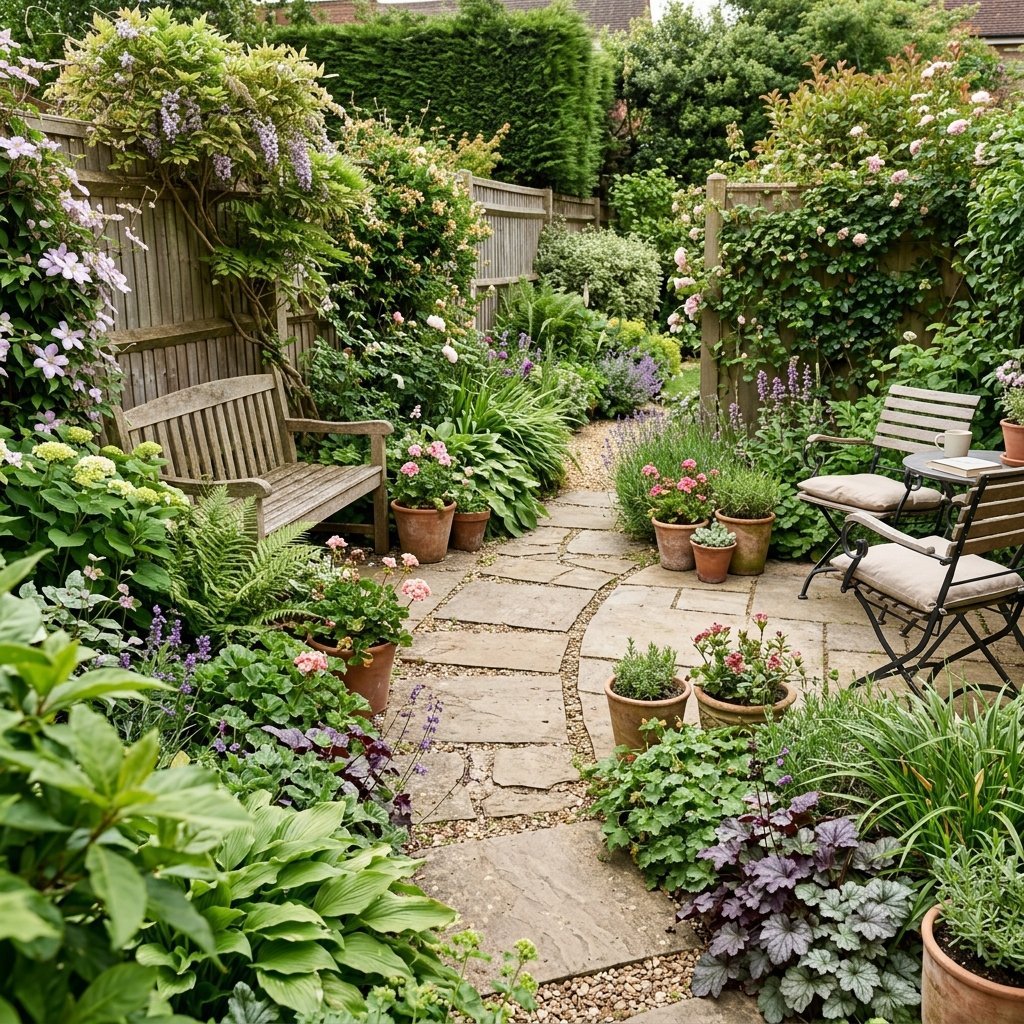
Combination Tip: Mix Lavender, Scabiosa, and Verbena for fragrance and pollinator activity from May to October.
3. Pollinator Plant Combinations by Garden Type
Small Balcony or Container Garden
Compact herbs like borage, thyme, rosemary, and lavender suit limited spaces and draw diverse insects.
Meadow or Large Plot
For big yards, use meadow seed mixes including grasses, milkweeds, goldenrods, and asters. The US Forest Service recommends combining annuals and perennials for bloom succession.
Habitat Features Beyond Flowers
A true pollinator garden offers more than nectar.
Nesting Sites:
Roughly 70% of bee species nest in soil. Leave some bare, sunny patches free of mulch. For cavity-nesting species like mason bees, add “bee hotels” made of bamboo or drilled wood blocks. Avoid overcrowding or unclean structures that can harbor parasites.
Overwintering Habitat:
Many pollinators overwinter in leaf litter or hollow stems. Resist the urge to tidy too much in fall—leaving seedheads and dry stems gives shelter and food for wintering insects and birds.
Water Sources:
Provide a shallow dish lined with pebbles or a small dripping feature so insects can drink safely. Keep water fresh and change regularly.
Avoid Invasive Ornamentals:
Skip aggressive exotics that crowd out native flora. Focus on species proven safe by your regional extension service or local wildlife trust.
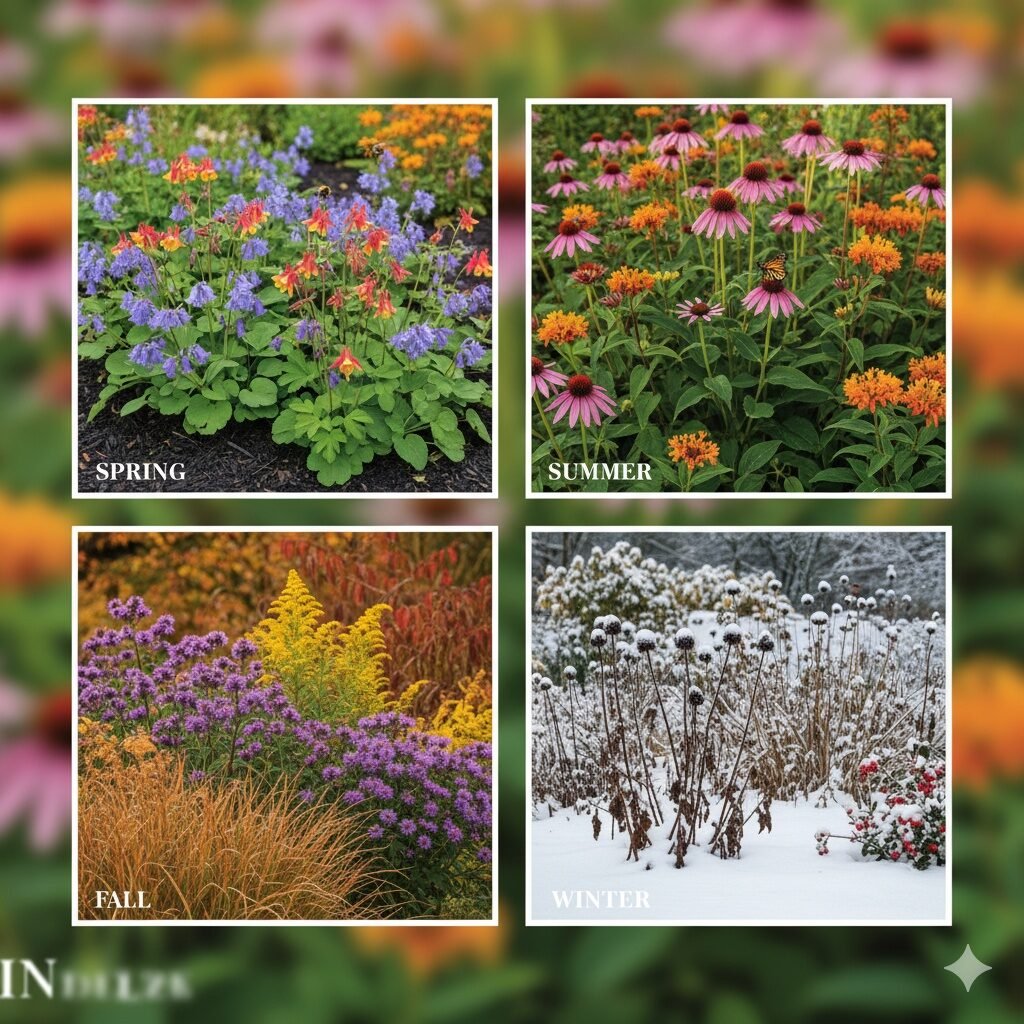
Seasonal Maintenance & Calendar
Spring:
Cut back stems gradually to avoid disturbing overwintering larvae. Plant early bloomers like crocus and willow. Avoid deep soil turning that destroys bee nests.
Summer:
Deadhead selectively—leave some seedheads for birds. Keep water sources filled and monitor pest issues. If treatments are necessary, follow Utah State University Extension advice: apply in the evening.
Fall:
Sow wildflower mixes and collect seeds from native perennials. Leave dead stems to provide nesting spots. Add mulch where needed, but keep some bare ground open for ground-nesting bees.
Winter:
Avoid major cleanup. Inspect bee hotels, leave leaves in beds, and plan next year’s layout. Where temperatures stay above freezing, maintain shallow water.
Quick Monthly Checklist:
- March–April: Early planting and pruning.
- May–June: Weed control, watering, and observation.
- July–August: Light deadheading, record flower visitors.
- September–October: Seed collection, fall sowing.
- November–February: Minimal disturbance, habitat care.
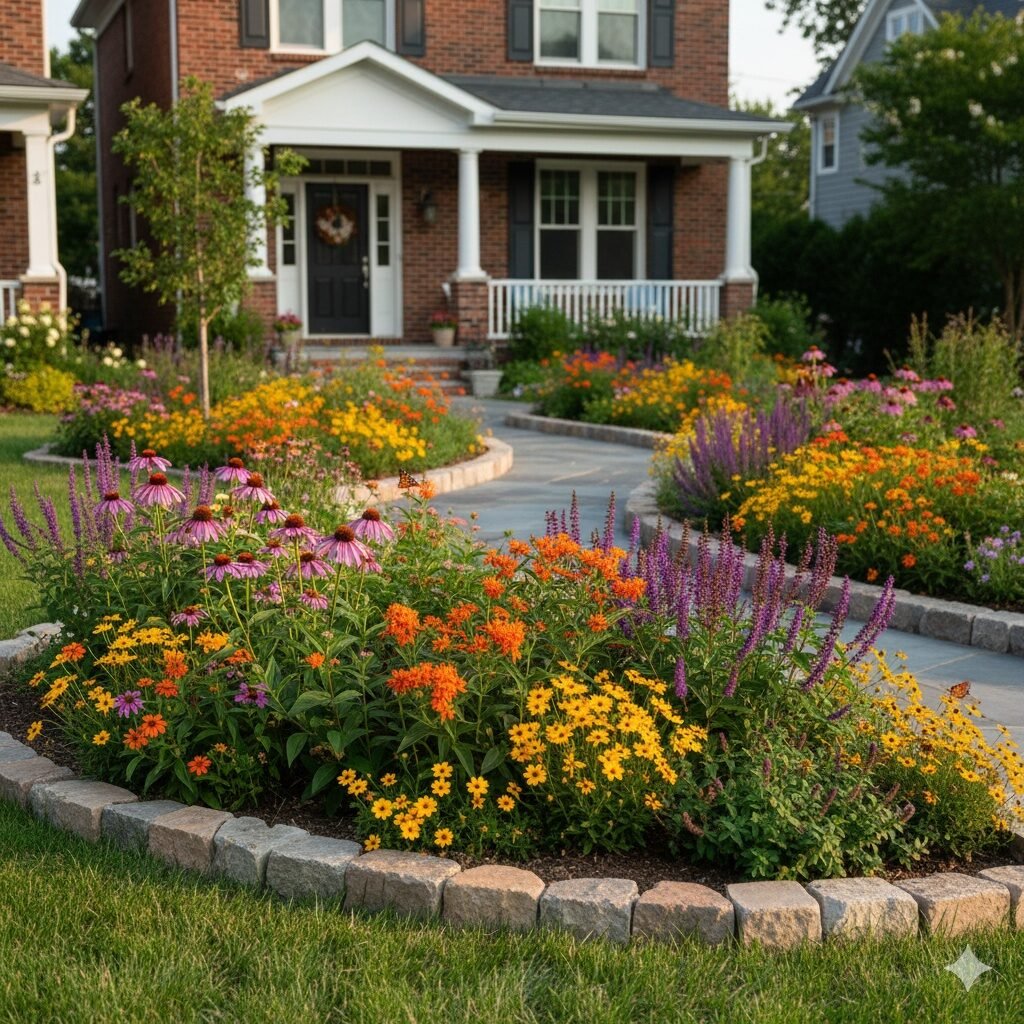
Designing for Aesthetics and Biodiversity
Pollinator gardens can be functional and visually appealing. A thoughtful design encourages public appreciation and wider adoption.
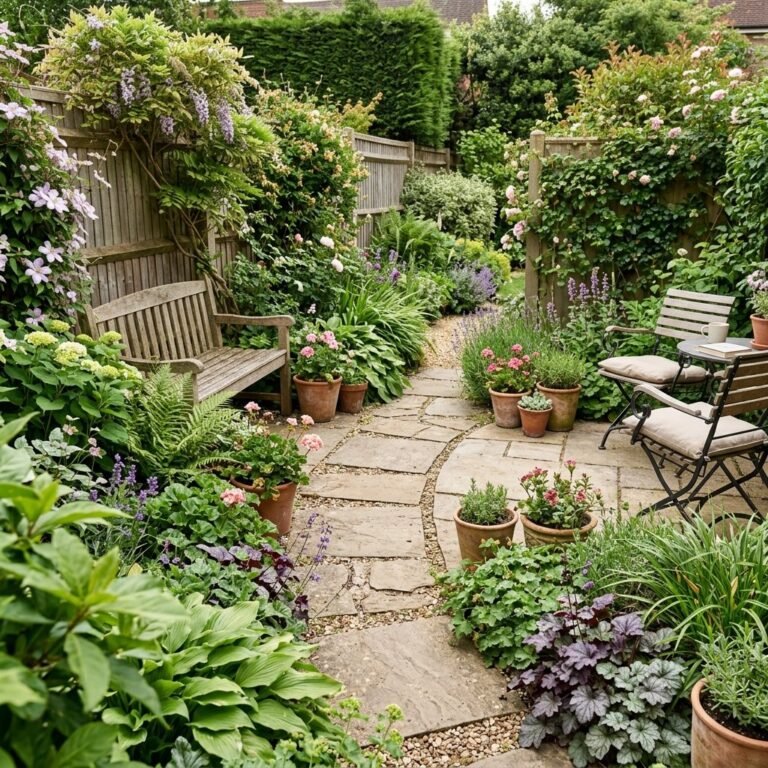
To make your garden look deliberate, repeat color patterns or plant forms. For instance, repeat Echinacea and Lavender every few feet for rhythm and cohesion. Incorporate curving paths or low stone borders for definition.
Urban and suburban gardeners sometimes face local regulations or neighbor concerns. The New York Botanical Garden suggests balancing natural growth with tidy edges or mown borders. This “framed wildness” effect helps pollinator gardens blend seamlessly into community landscapes.
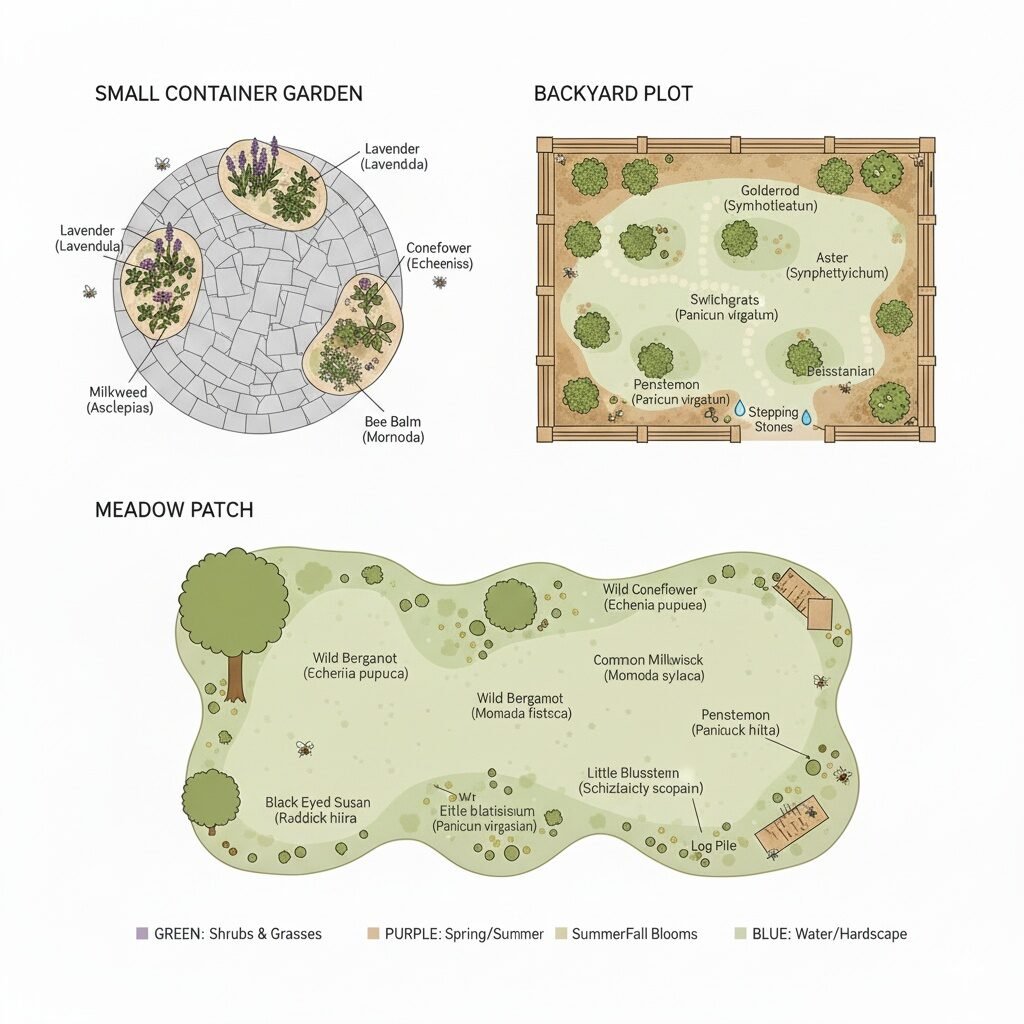
Quick Starter Plans (3 Sizes)
1. Balcony or Container Garden (6–8 plants)
- Containers 30–40 cm deep.
- Mix herbs like thyme, borage, lavender, and rosemary.
- Add scabiosa or verbena for vertical color.
- Water regularly and replace annual herbs yearly.
2. Small Yard (50–150 ft²)
- 10-plant layout featuring Echinacea, Rudbeckia, Monarda, Solidago, and Liatris.
- Space perennials in repeating groups for mass effect.
- Use mulch to suppress weeds but keep small bare soil areas open.
3. Meadow Patch (200+ ft²)
- Combine meadow grass species (Deschampsia, Festuca) with wildflowers (Asclepias, Aster, Penstemon).
- Sow seed mixes in fall for spring germination.
- Mow once yearly in late fall, removing cuttings to avoid nutrient buildup.
Each plan provides a stepping stone—from balcony pots to backyard meadows—showing that any scale of space can support pollinators.
Resources & Links
For region-specific plant lists, visit:
- Xerces Society native plant guides (U.S.)
- Regional Extension Services and US Forest Service directories
- RHS Plant Lists and Wildlife Trusts (U.K. & Europe)
- Cornell Cooperative Extension pollinator garden toolkits
Programs like Bee City USA and Pollinator Partnership offer certification and additional resources for community projects.
Call to Action
Creating a pollinator-friendly garden isn’t just decoration—it’s restoration. Start with one pot of lavender or a small patch of native coneflowers and build from there. Every flower contributes to reconnecting fragmented habitats and helping pollinators recover. Share your garden, join local counts, or register with community pollinator initiatives to make your patch part of something larger.
“If you found this article helpful, you might also enjoy my other article, Edible Living Fence Ideas: Wildlife-Friendly Garden Screens & Privacy Hedges. Check it out to learn more!”
“I often share informative articles from other websites to give my readers a fresh perspective on the same topic. You may explore this helpful guide from Epic Gardening: How to Start Your Own Pollinator Garden in Pots or Containers.“
If you prefer to see real examples before you start planting, the team at Epic Gardening has an excellent video titled “11 MUST Grow Pollinator Garden Plants.” It walks through reliable, easy-to-grow flowers that attract bees, butterflies, and other pollinators through the seasons. The video pairs perfectly with this guide—it shows practical plant combinations, bloom stages, and habitat details in action. Watching it can help you visualize how your pollinator-friendly garden might look once mature.

Pingback: 25 Easy Backyard Garden Ideas to Upgrade Your Outdoor Space
Pingback: How To Make Your California Yard a Safe Stop for Monarchs Passing Through Before November - Complete Gardening