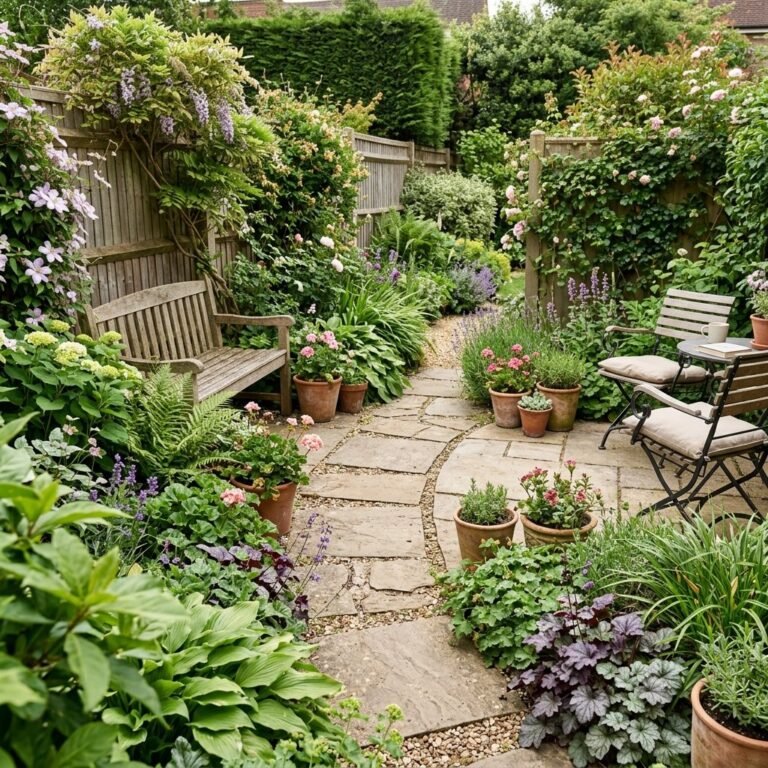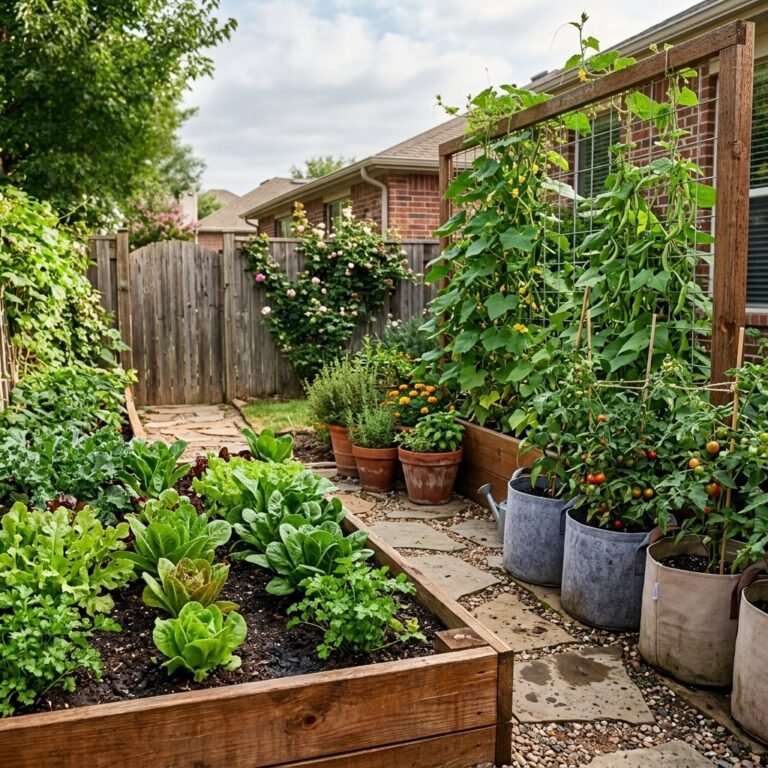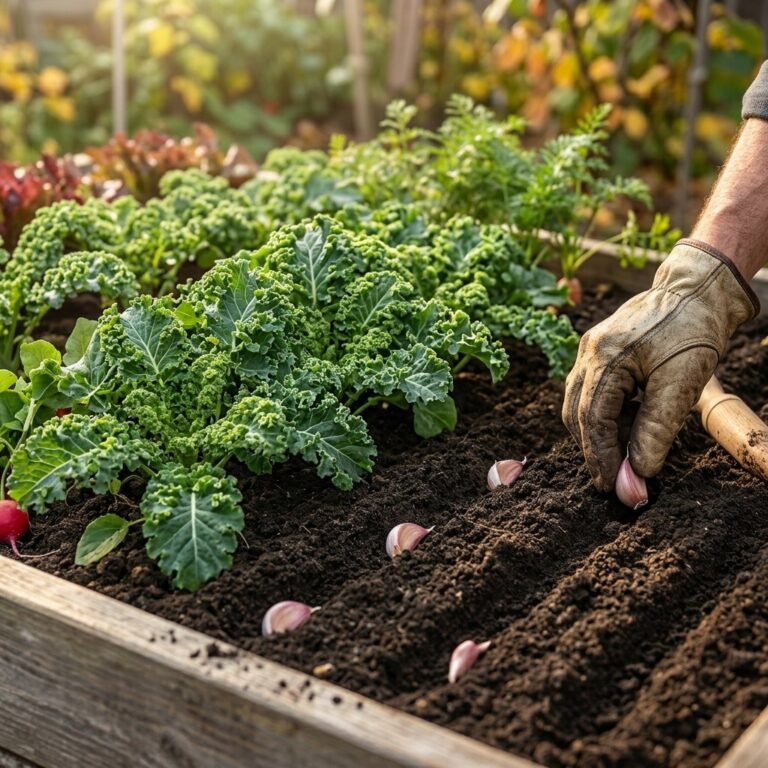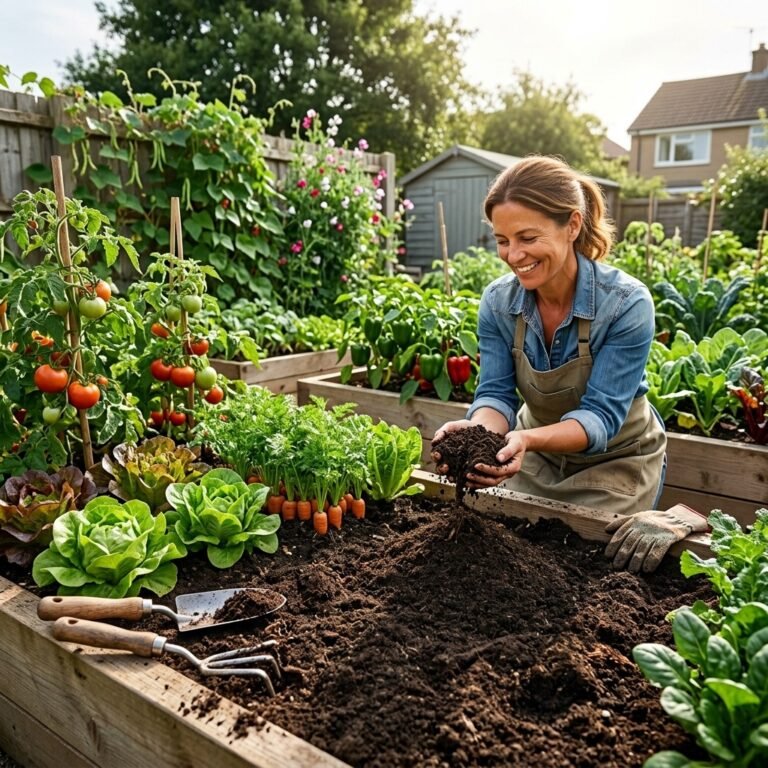

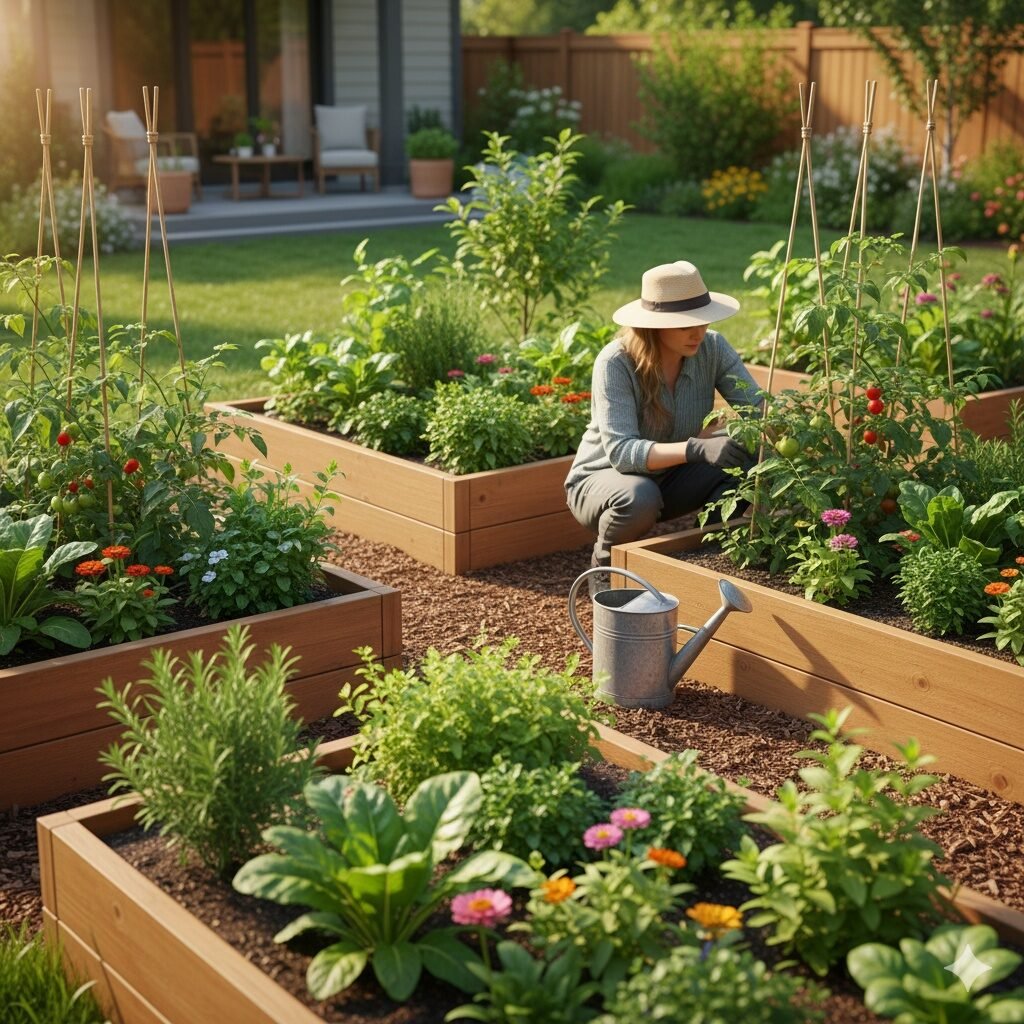
Starting a home garden sounds simple enough — a bit of soil, some seeds, and a dash of enthusiasm. Yet, it’s almost funny how many people, even the passionate weekend gardeners, run into the same problems again and again. It’s not that folks don’t care — they just often miss the little details that, in a way, make or break a garden.
This guide breaks down the 9 most common garden mistakes that home growers and hobby gardeners usually make, and of course, how to fix them without needing to be a pro. Whether you’re nurturing vegetables, herbs, or flowers, these are the little lessons that can help your garden go from struggling to thriving.
9 Most Common Garden Mistakes:
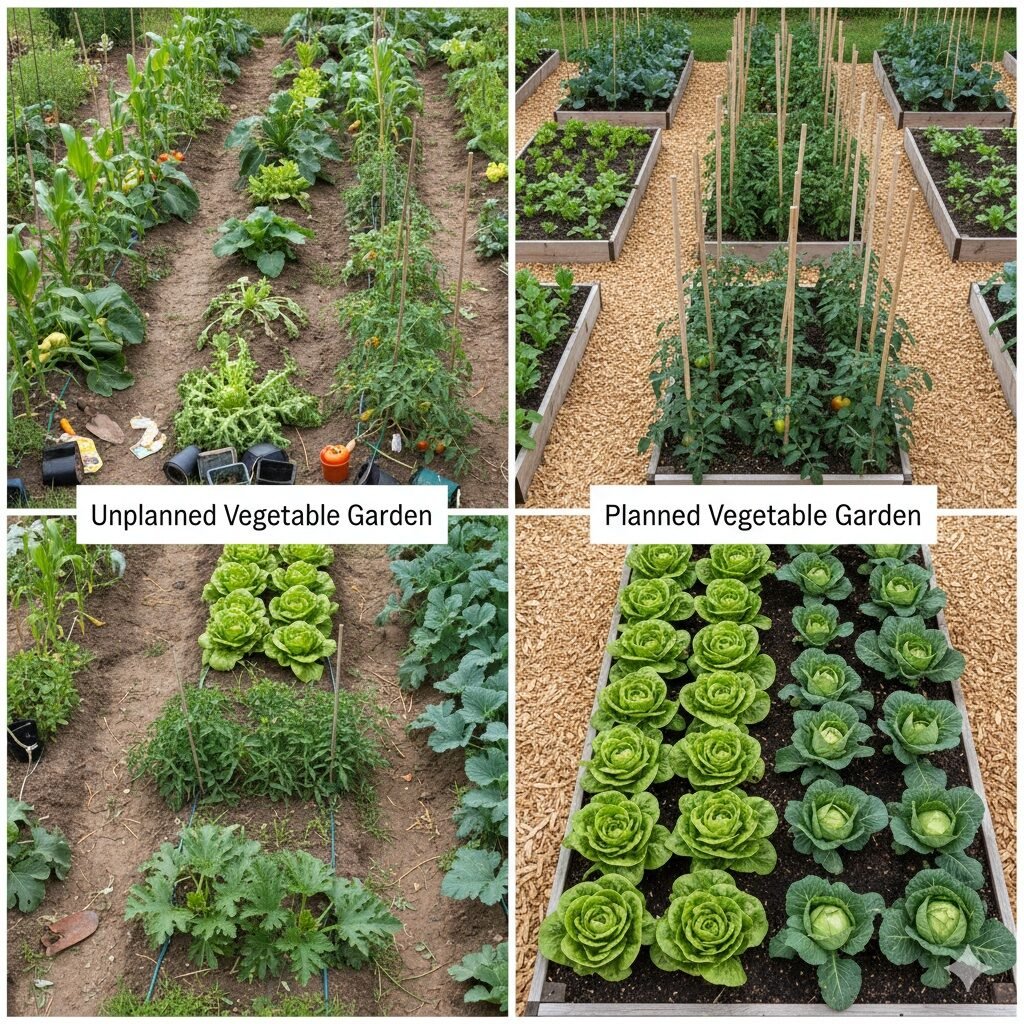
1. Skipping the Planning Stage
Ok, so this might sound boring, but skipping the planning step is one of the biggest garden mistakes out there. A lot of new gardeners just grab a handful of seeds or swing by a nursery, buy what looks nice, and plant everything wherever there’s space. But that’s like trying to cook dinner without checking if the oven works.
Planning means taking a moment to look at your space — where the sunlight falls, how water drains, and what kind of soil you’ve got. Too often, beginners don’t realize that sun-loving plants can’t survive in constant shade or that water tends to pool in certain corners of a yard.
How to avoid it:
Take a piece of paper, sketch your garden’s shape, and mark which areas get full sun, partial sun, or shade throughout the day. Note where your water source is — that’ll save you dragging hoses all summer. Think about what you want from your garden: fresh herbs, seasonal veggies, or colorful flowers? Then plan accordingly.
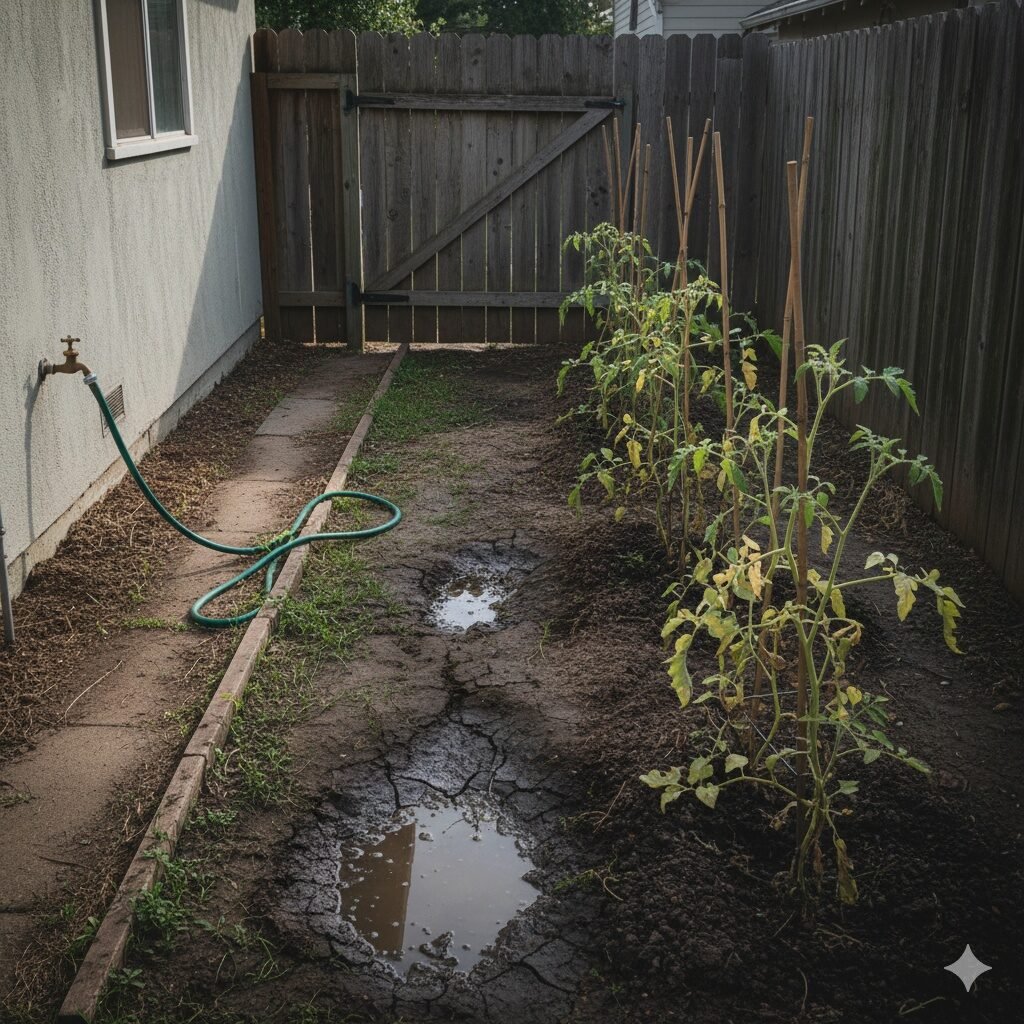
2. Choosing a Poor Location (Sun, Water, and Soil Access)
Choosing a bad spot for your garden is another classic mistake. It’s easy to underestimate how sunlight, drainage, and access to water work together. A shady corner might seem peaceful, but it could easily stunt your tomatoes or peppers.
Gardeners often forget that sunlight equals food for plants. Without enough, your plants might grow tall and weak or never bloom at all.
Fix it:
Most veggies and flowers need 6–8 hours of sunlight daily. Pick a spot where the morning sun hits strong but where plants get a little afternoon shade if you’re in a very hot area. And make sure it’s easy to reach with your watering can or hose — you’ll thank yourself later.
Good soil drainage matters too. You can test it by digging a small hole, filling it with water, and checking how long it takes to drain. If it takes hours, you may need to improve your soil with compost or raised beds.
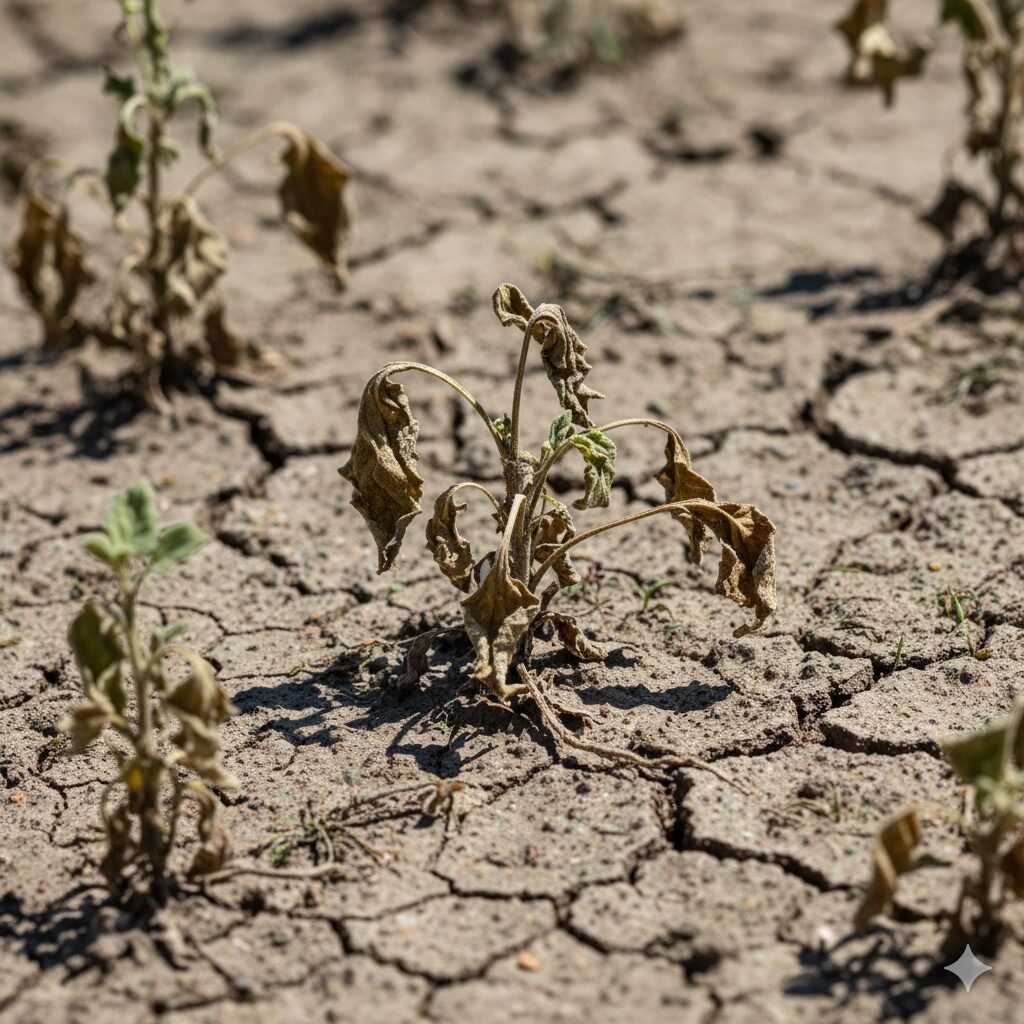
3. Neglecting Soil Health and Preparation
Soil might look like plain dirt, but in reality, it’s a living ecosystem full of microbes and nutrients. When that balance is off, plants can’t grow properly.
A lot of home gardeners just plant straight into hard, compacted soil or skip adding organic matter — and that’s like building a house without a foundation. Plants end up struggling to absorb water and nutrients, and their roots can’t spread properly.
How to avoid it:
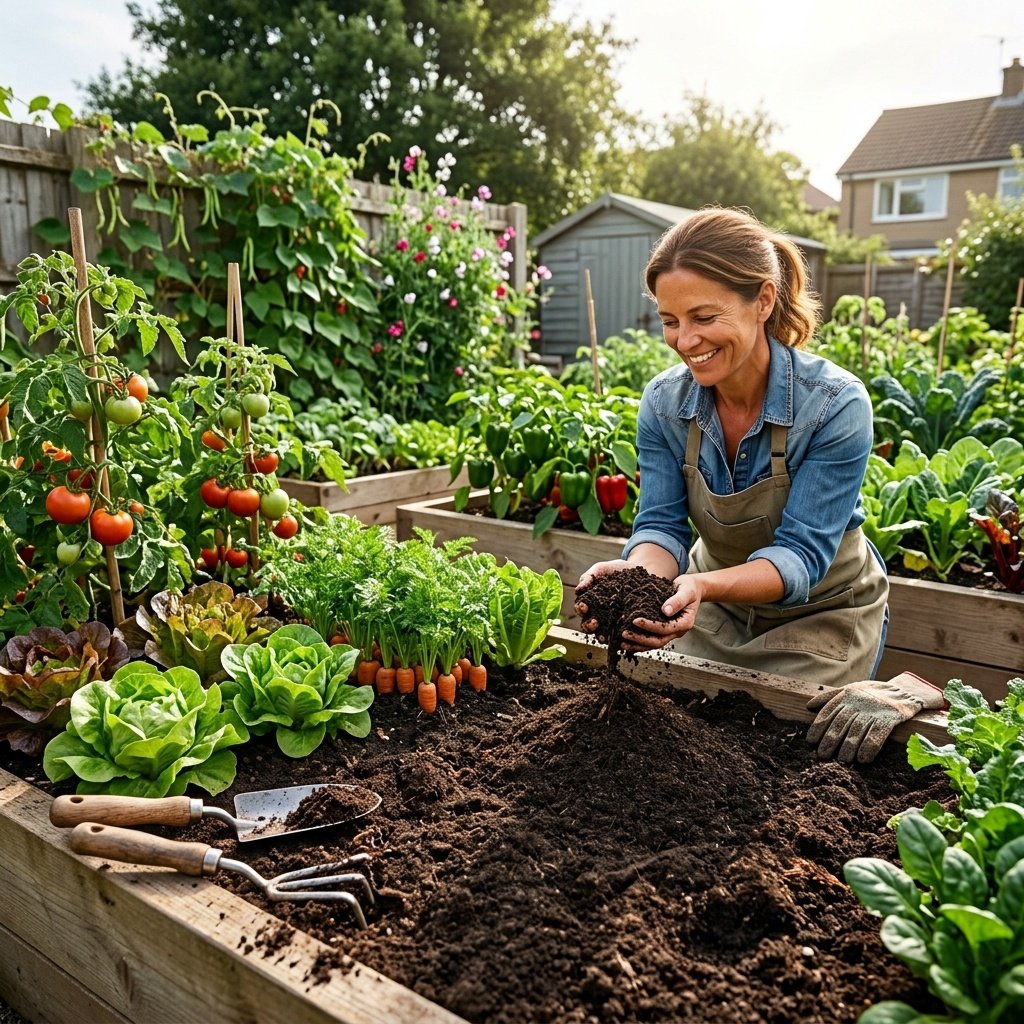
Test your soil before planting anything. You can get affordable kits online or from local extension offices. Once you know your soil type (clay, sandy, or loamy), mix in compost, worm castings, or aged manure. These add nutrients and improve structure. If your soil feels like concrete, loosen it with a garden fork to help roots breathe.
Healthy soil = healthy plants. It’s that simple.

4. Planting Too Many or Overcrowding
This one happens to nearly everyone — you buy a few too many seedlings because, well, they all look adorable in the nursery. Then, before you know it, you’ve crammed 12 tomato plants into a space meant for 5.
Overcrowding leads to competition for sunlight, water, and nutrients. It also traps humidity, which can bring diseases like mildew or rot.
Solution:
Check the spacing instructions on your seed packets or plant labels. It’s easy to ignore them, but they’re there for a reason. If it says “space 12 inches apart,” give each plant its full 12 inches.
Start small. It’s better to have a few well-tended plants than a jungle that gets out of control.
5. Ignoring Timing and Seasonality
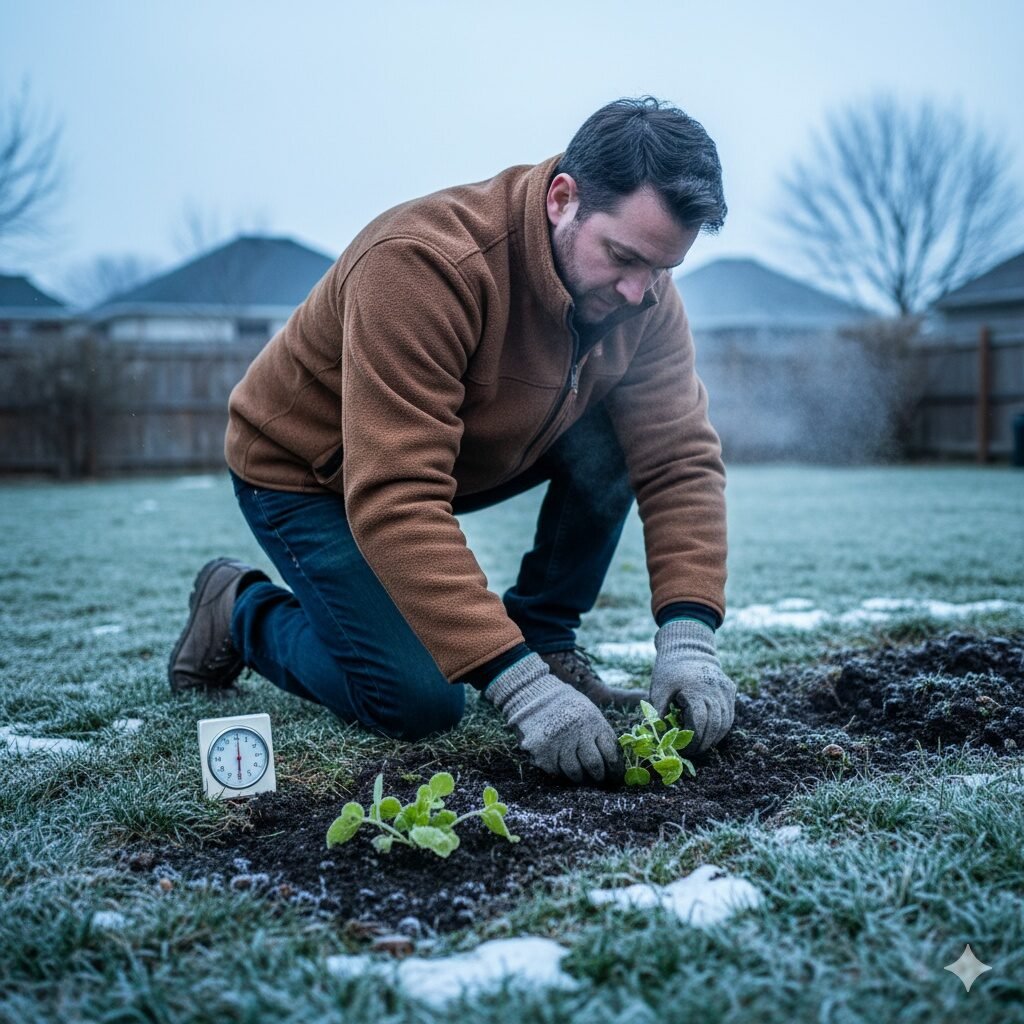
Many home gardeners plant whenever they find time — which sounds practical but can ruin your success. Some crops simply won’t thrive if planted at the wrong time of year.
For instance, cool-weather plants like lettuce or spinach bolt (go to seed) when it’s hot, while tomatoes sulk in cold soil.
How to fix it:
Check your local frost dates and planting calendar. Most areas have specific times for planting based on temperature and daylight. Apps like The Old Farmer’s Almanac Garden Planner or Seed to Spoon can help you find the right timing for your zip code.
Plant warm-season veggies like peppers and tomatoes after the last frost, and cool-season crops like carrots or kale before it.

6. Watering Incorrectly (Too Much, Too Little, or Wrong Time)
Watering seems straightforward — just pour and go, right? Yet, it’s probably one of the most misunderstood garden habits.
Many new gardeners either drown their plants or let them dry out completely. Overwatering causes root rot, while under watering leaves plants stressed and weak.
Avoidance tips:
- Water early in the morning, so moisture soaks in before the sun evaporates it.
- Water deeply but less often — this encourages roots to grow deeper.
- Use drip irrigation or a soaker hose if you can; it saves water and delivers moisture straight to the roots.
- Let the top inch of soil dry between waterings for plants that prefer it.
In short, it’s about balance — your garden doesn’t want to live in a swamp, but it doesn’t want to be a desert either.
7. Skipping Mulch, Weeding, and Soil Cover
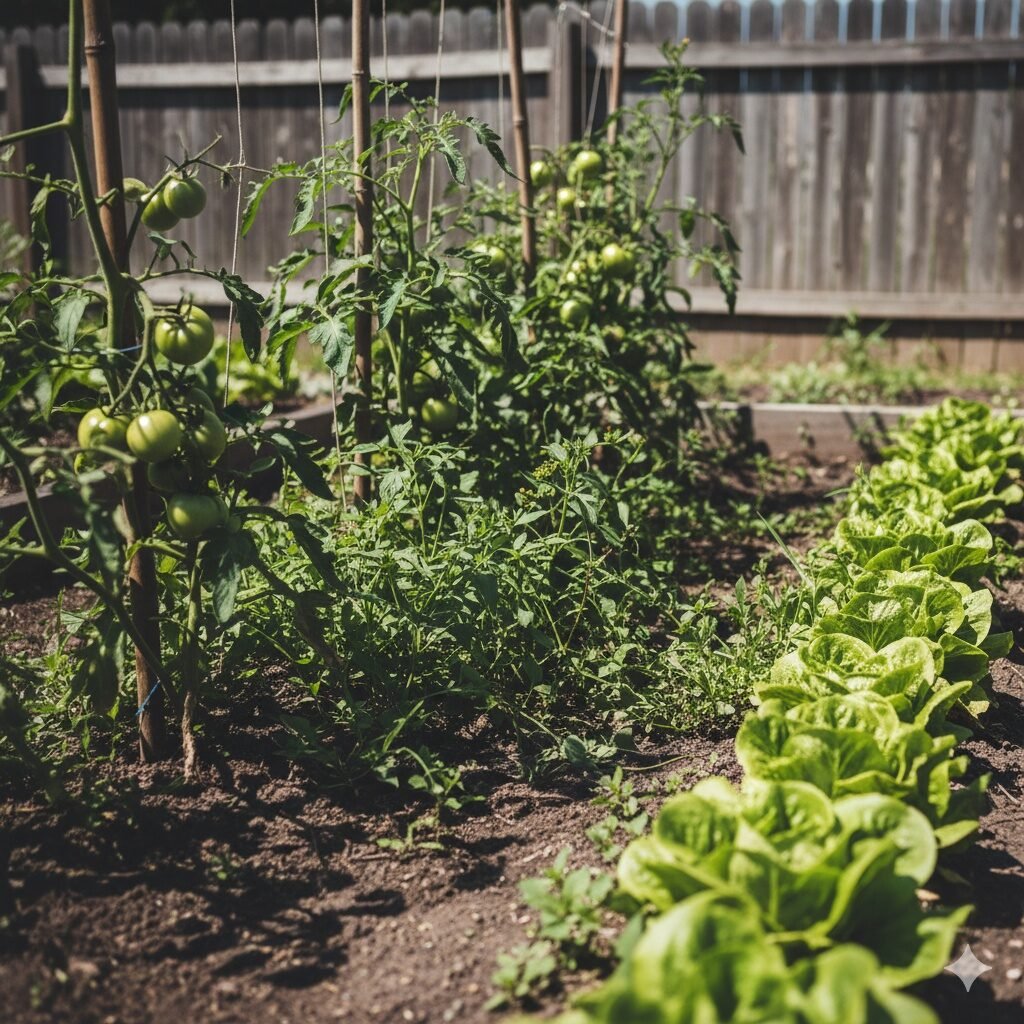
Bare soil might look neat, but it’s one of the easiest ways to lose moisture and attract weeds. Mulch is like sunscreen for your garden — it protects the soil from heat, cold, and erosion.
If you skip mulching or forget to pull weeds, you’ll notice your plants competing for resources and your soil turning dry and lifeless.
Fix:
Add a 2–4 inch layer of organic mulch — like shredded bark, straw, or leaves — around your plants. It’ll lock in moisture, suppress weeds, and keep the soil cool.
Weed early and often. Pull them when they’re small, so they don’t steal nutrients or shade out your plants. And keep your soil covered year-round, even in off-seasons, with mulch or cover crops like clover.
8. Failing to Observe and Adjust (Ignoring Pests, Disease, or Growth Patterns)
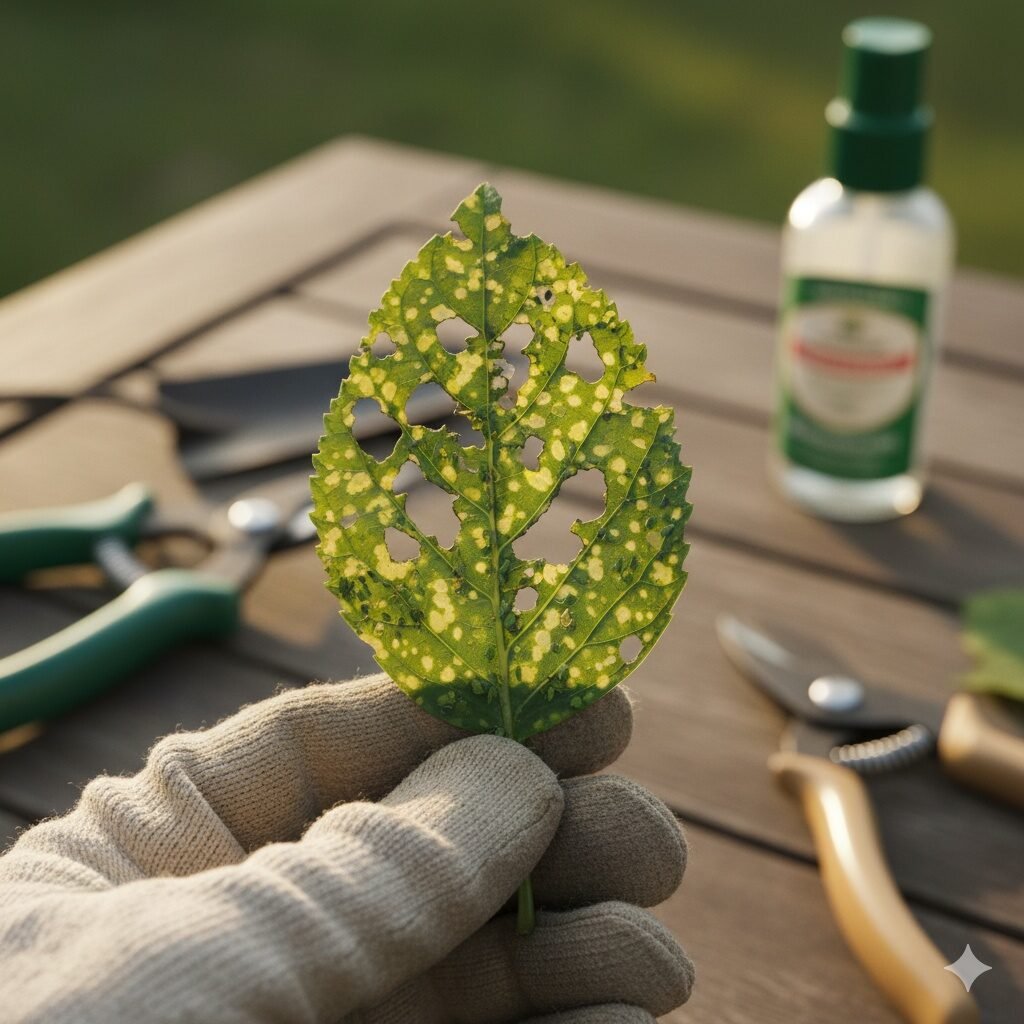
Here’s something that separates good gardeners from great ones — paying attention. Many home gardeners plant things and then forget to check in daily. That’s when small problems turn into disasters.
You might miss aphids until leaves start curling, or not realize your zucchini is overcrowding your basil until it’s too late.
How to avoid:
Spend 10–15 minutes in your garden every day just looking around. Notice changes — leaves turning yellow, new holes in foliage, or stunted growth. Keep a garden journal or snap photos to compare week by week.
If you spot pests, treat early with organic sprays like neem oil or insecticidal soap. And if a plant looks sickly, don’t be afraid to pull it to protect the others. Observation is the secret sauce of gardening success.
9. Overreaching or Not Starting Small
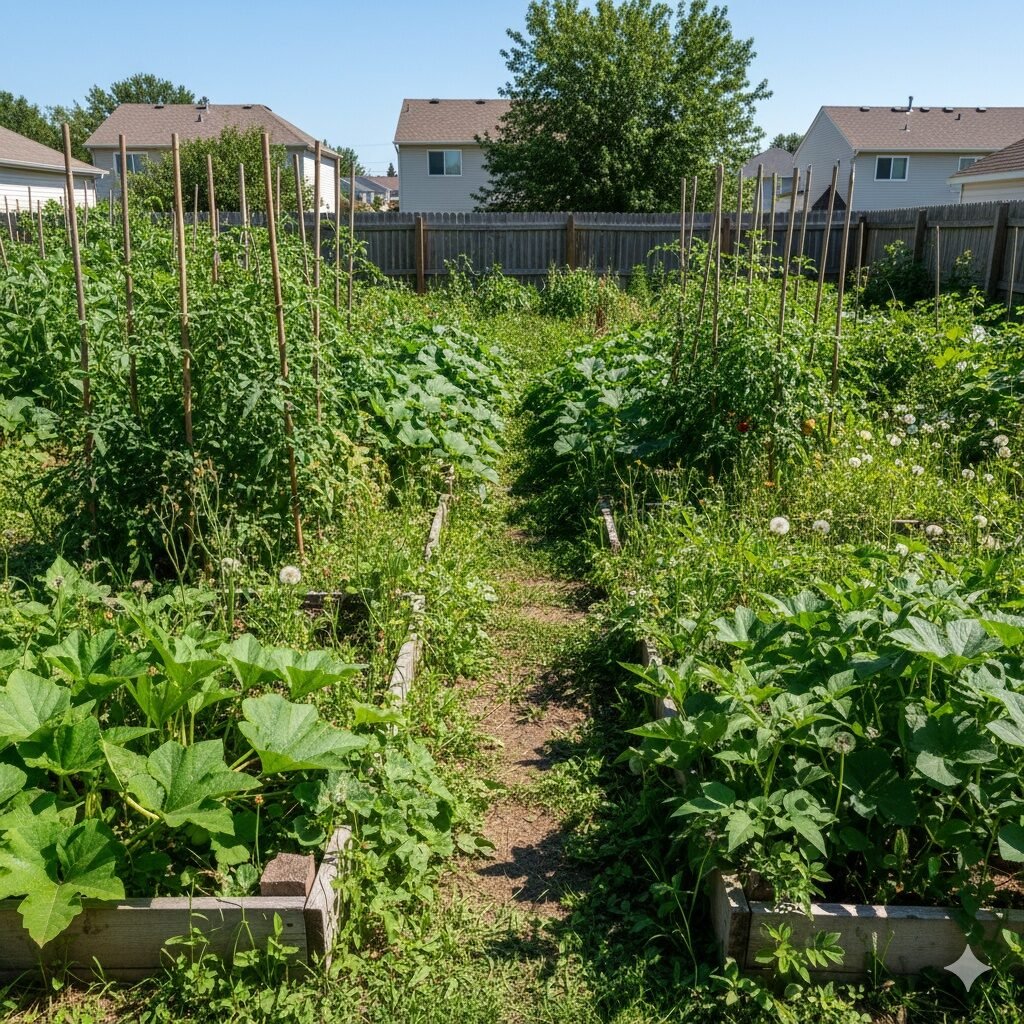
It’s easy to get overexcited — planning ten raised beds, buying 20 seed packets, and dreaming of feeding the whole neighborhood. But honestly, that’s how burnout happens.
Too big, too soon usually means weeds get ahead of you, watering becomes a chore, and plants start dying from neglect.
Solution:
Start small and manageable. Maybe one raised bed or a few containers. Pick plants you love and will actually eat or enjoy looking at — tomatoes, basil, lettuce, or zinnias. As your confidence grows, expand gradually each season.
Remember, a thriving small garden beats a struggling big one every time. Would like to know about Small Gardening Ideas? This might help you.
Meanwhile the following Article may also help you to overcome these gardening mistakes.
Final Thoughts
Everyone makes mistakes in the garden — that’s kind of how you learn. The key is to recognize these common garden errors before they slow you down.
If you’ve already spotted one or two you’re guilty of, don’t stress about it. Gardening is forgiving. This season, pick one thing to fix — maybe testing your soil, setting up a mulch layer, or sticking to a watering routine.
Soon enough, you’ll notice the difference — stronger plants, fewer problems, and a garden that actually feels like it’s working with you, not against you.
Gardening is a rewarding hobby, but even experienced gardeners can fall into common pitfalls that affect plant growth and overall garden health. To help you avoid these mistakes from the start, we’ve included a helpful video from Epic Gardening highlighting 9 beginner gardening mistakes and practical tips to overcome them. Whether you’re just starting your gardening journey or looking to refine your skills, this guide will ensure your plants thrive all season long.