
Gardening in Small Spaces doesn’t require a huge backyard, despite what many people think. Even a little balcony, a patio corner, or just a sunny windowsill can be turned into a thriving green space. The nice part is, small space gardening doesn’t have to feel complicated—you just need a few smart tricks to make it work.
In this guide, you’ll get 20 practical tips that make container gardening, balcony gardens, or even tiny urban gardening setups far more doable. From vertical planters and compact edibles to creative watering solutions, you’ll see that anyone can carve out their own mini oasis, no matter how limited the square footage is.
1. Choose the Right Containers
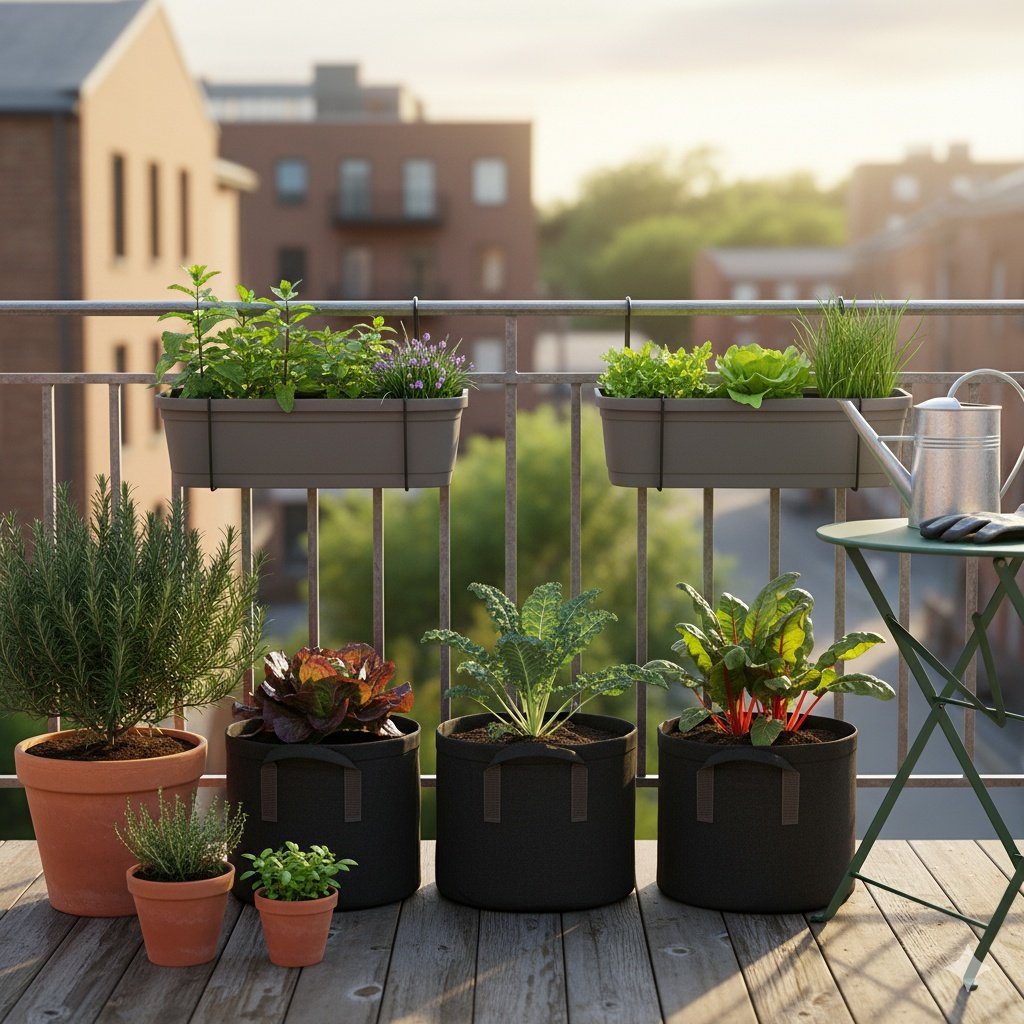
So the first step is pretty basic: you need good containers. In small space gardening, your pots and planters are the foundation. Plastic pots are light and easy to move, terracotta ones breathe well, and fabric grow bags are flexible and affordable. For tiny corners, railing planters or hanging pots can free up floor space.
If you’re serious about balcony gardening, go for deeper containers—at least 10–12 inches—for vegetables like tomatoes or peppers. Herbs and lettuces, on the other hand, can get by in shallow pots.
2. Go Vertical with Gardening
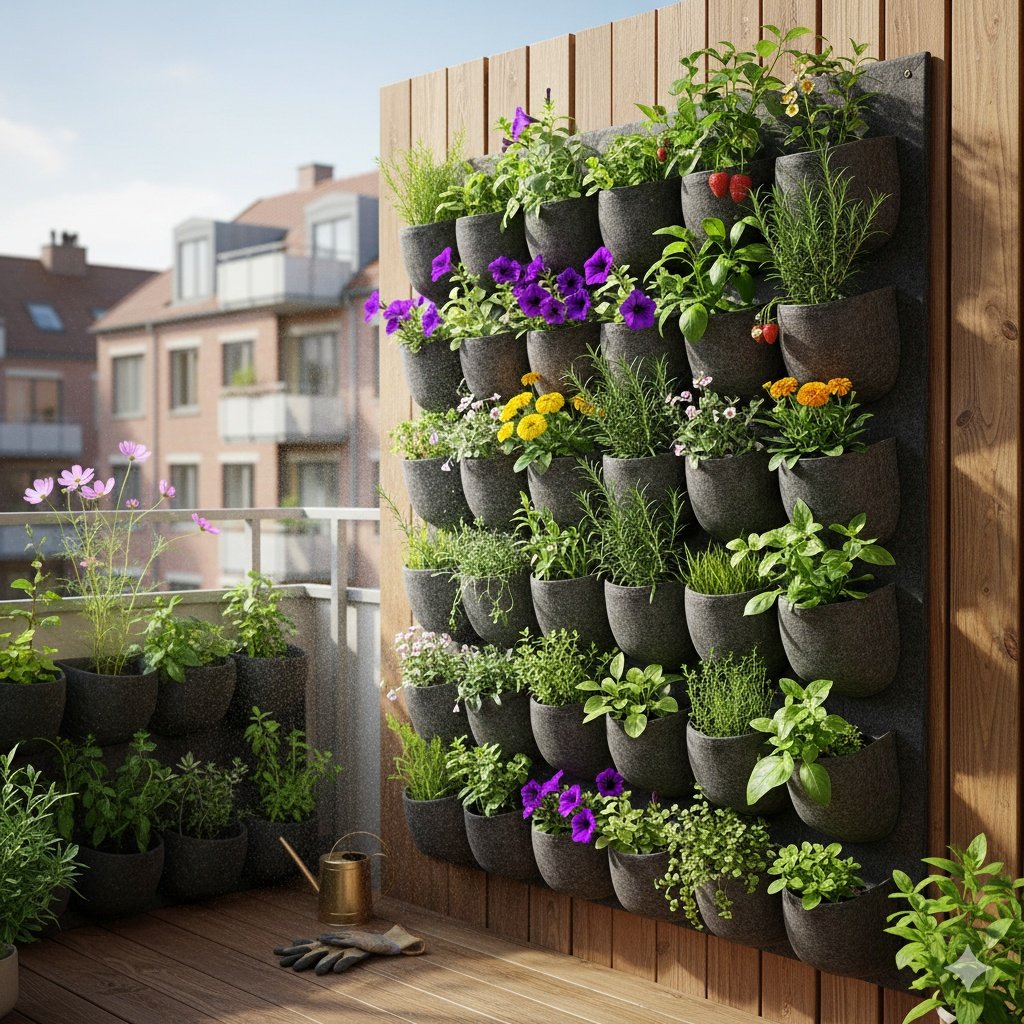
Now, here’s a trick that totally changes the game: vertical gardening. Instead of letting your plants sprawl, grow them upward. Wall-mounted planters, ladder-style shelves, or even hanging baskets turn blank walls into lush growing areas.
This style works perfectly for urban gardening where you don’t have ground soil. Climbing beans, peas, strawberries, and trailing flowers all do great in hanging or wall-mounted setups.
3. Use Multi-Purpose Furniture
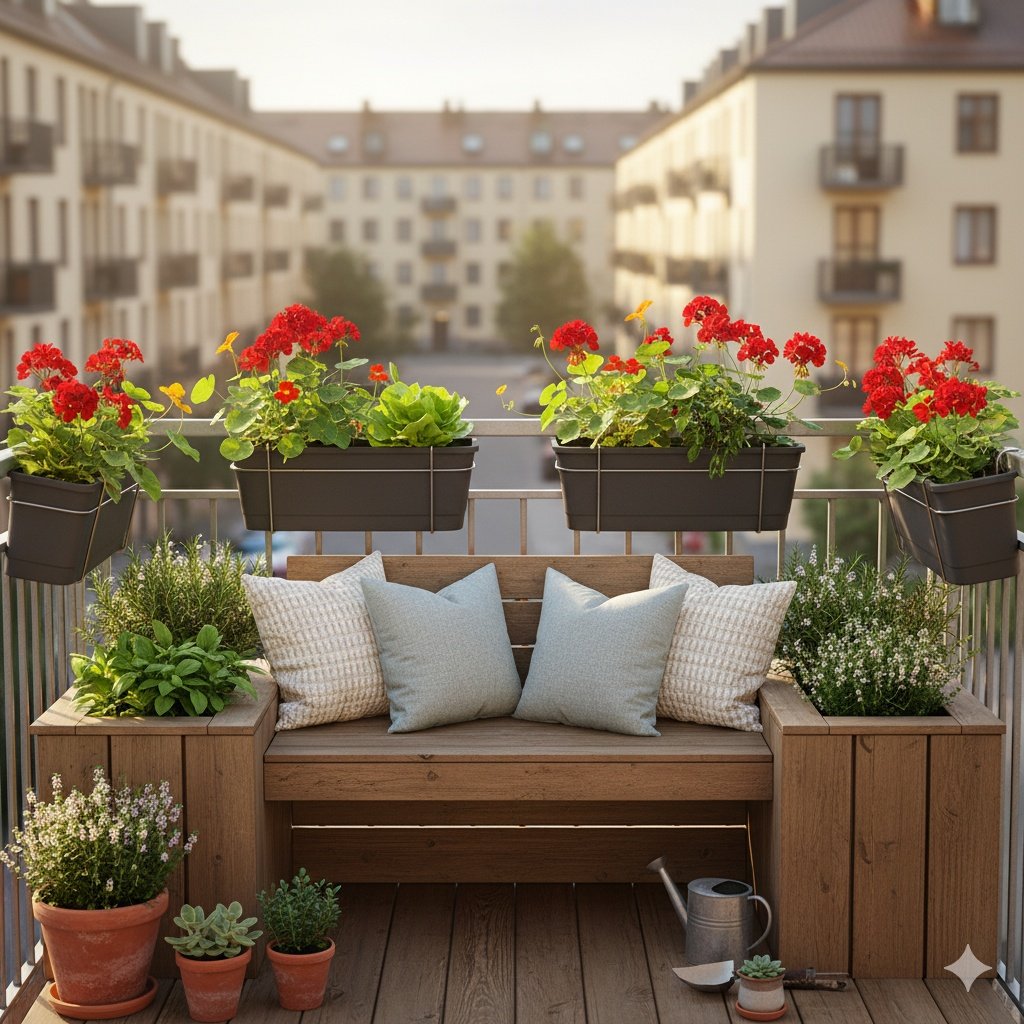
Balcony garden setups often double as outdoor living areas, so furniture with built-in planters makes sense. Benches with planter boxes on the sides, railing planters that double as privacy screens, or coffee tables with a succulent section keep your space cozy without cluttering it.
It’s basically a way of making furniture pull double duty—something you’ll appreciate if your balcony is just a little strip of space.
4. Grow Edibles in Small Pots
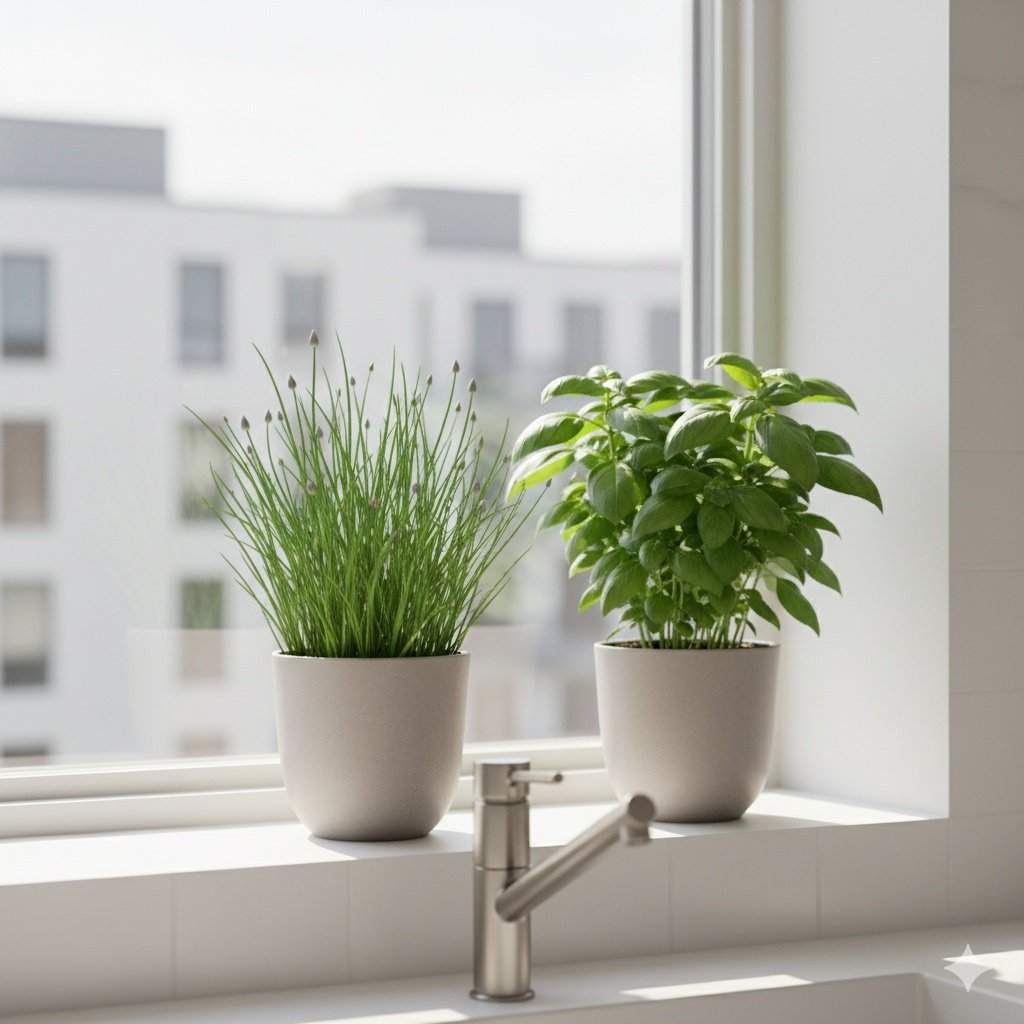
Ok finally, let’s talk about food. Container gardening isn’t just about flowers; it’s about fresh herbs and veggies too. A pot of basil by the kitchen window, a little container of cherry tomatoes, or even a mix of lettuce and radishes can grow well in small spaces.
The bonus is that you get both greenery and something to eat. Fresh mint for tea, parsley for garnish, or homegrown lettuce for salads—all within arm’s reach.
5. Opt for Compact Plant Varieties
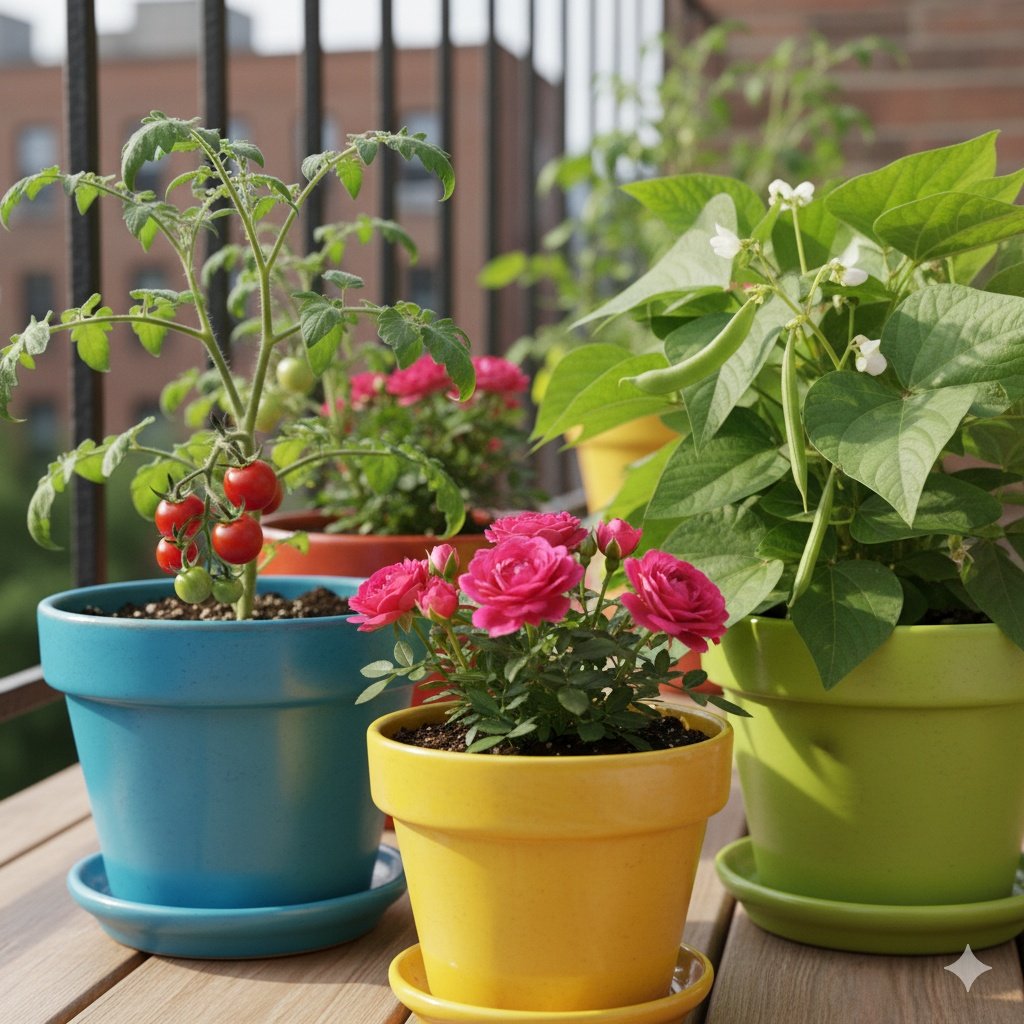
Some plants naturally sprawl, but there are compact varieties made for small space gardening. Dwarf tomatoes, patio peppers, bush beans, or mini roses stay smaller yet still produce well.
When shopping for seeds or seedlings, look for words like “patio,” “mini,” “dwarf,” or “container variety.” These tend to be bred specifically for balconies and urban gardens.
6. Make Use of Window Sills
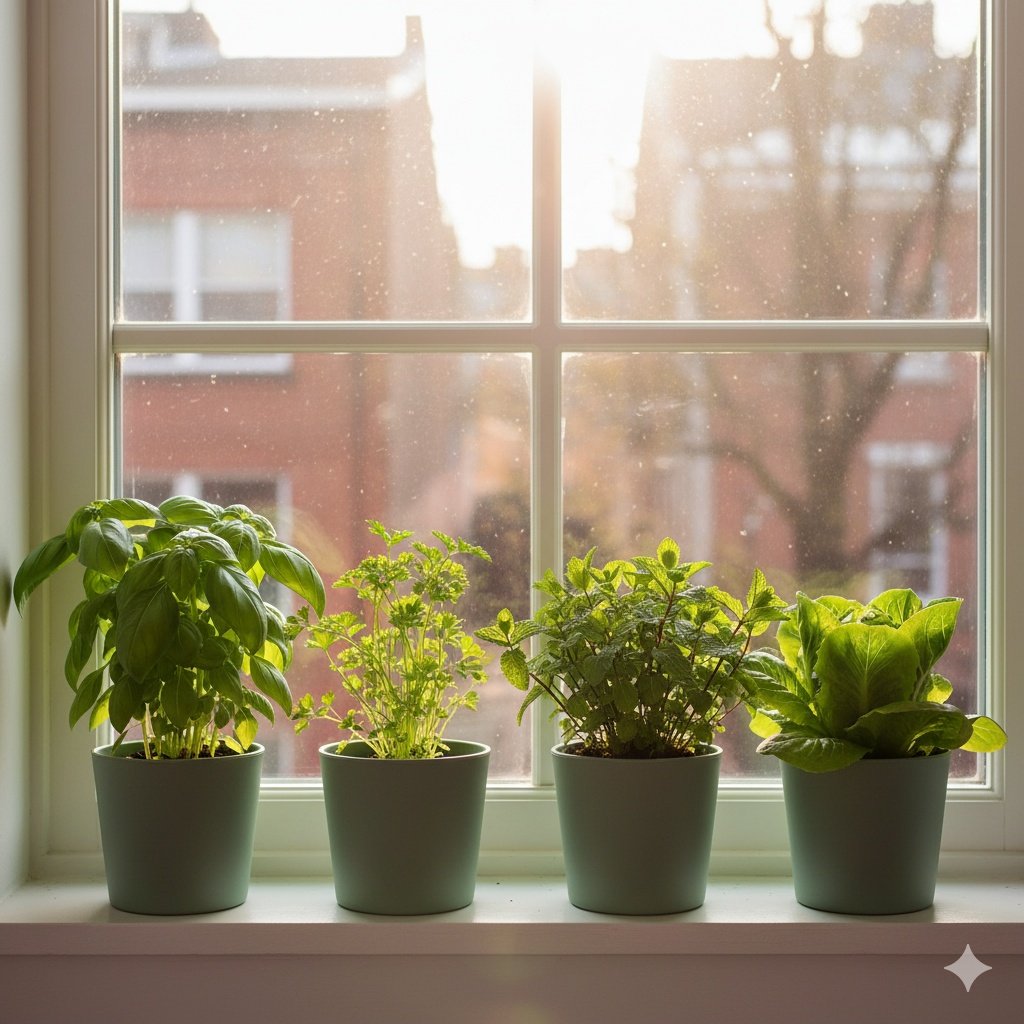
A sunny windowsill is like free real estate for gardeners. Herbs like basil, chives, and parsley thrive there. Succulents and cacti are another low-maintenance choice.
The great thing is that you don’t even need outdoor access for this—urban gardeners in apartments often rely on windowsills to get their daily dose of greenery.
7. Stack & Tier Planters
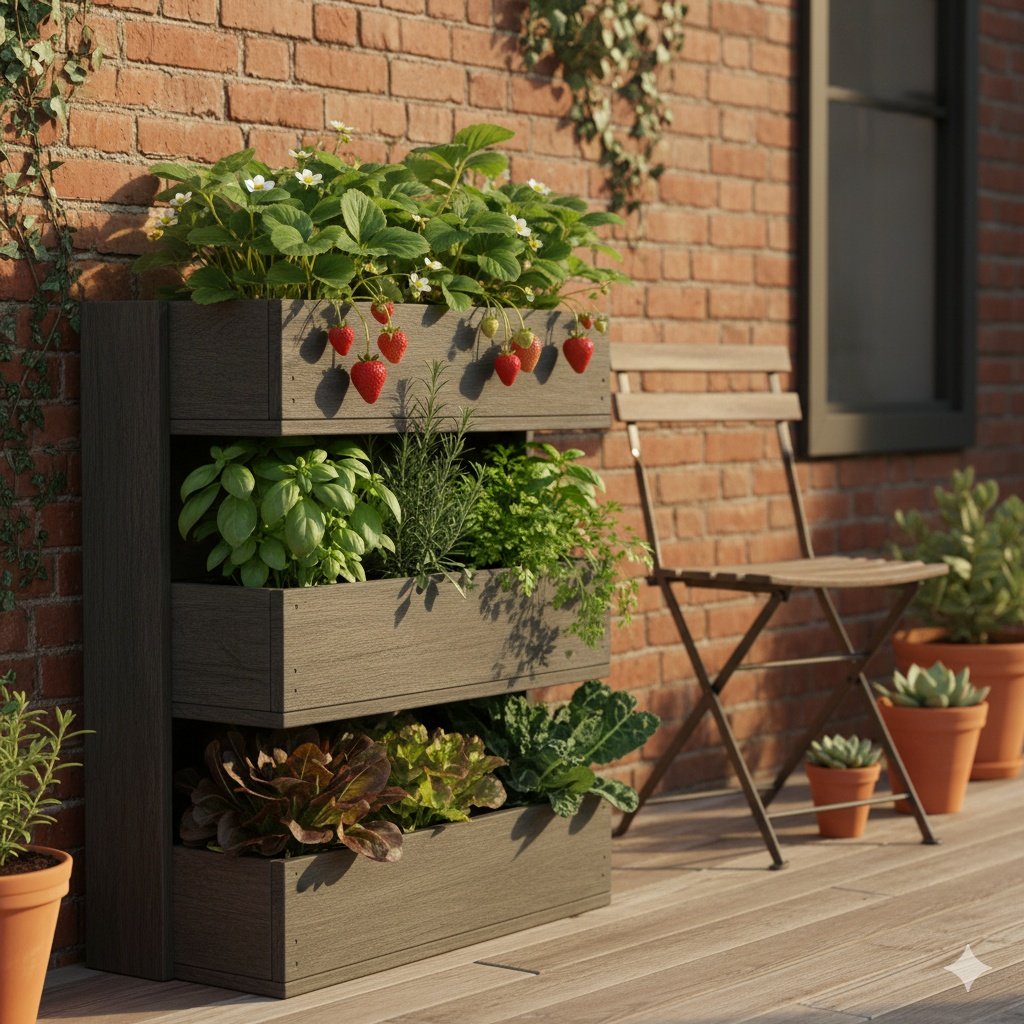
Tiered planters and stackable pots are another neat trick. They let you grow multiple layers of plants without taking up extra floor space.
For instance, you can stack herbs on the top tier, strawberries in the middle, and leafy greens at the bottom. It’s a visually appealing setup that makes the most out of vertical height.
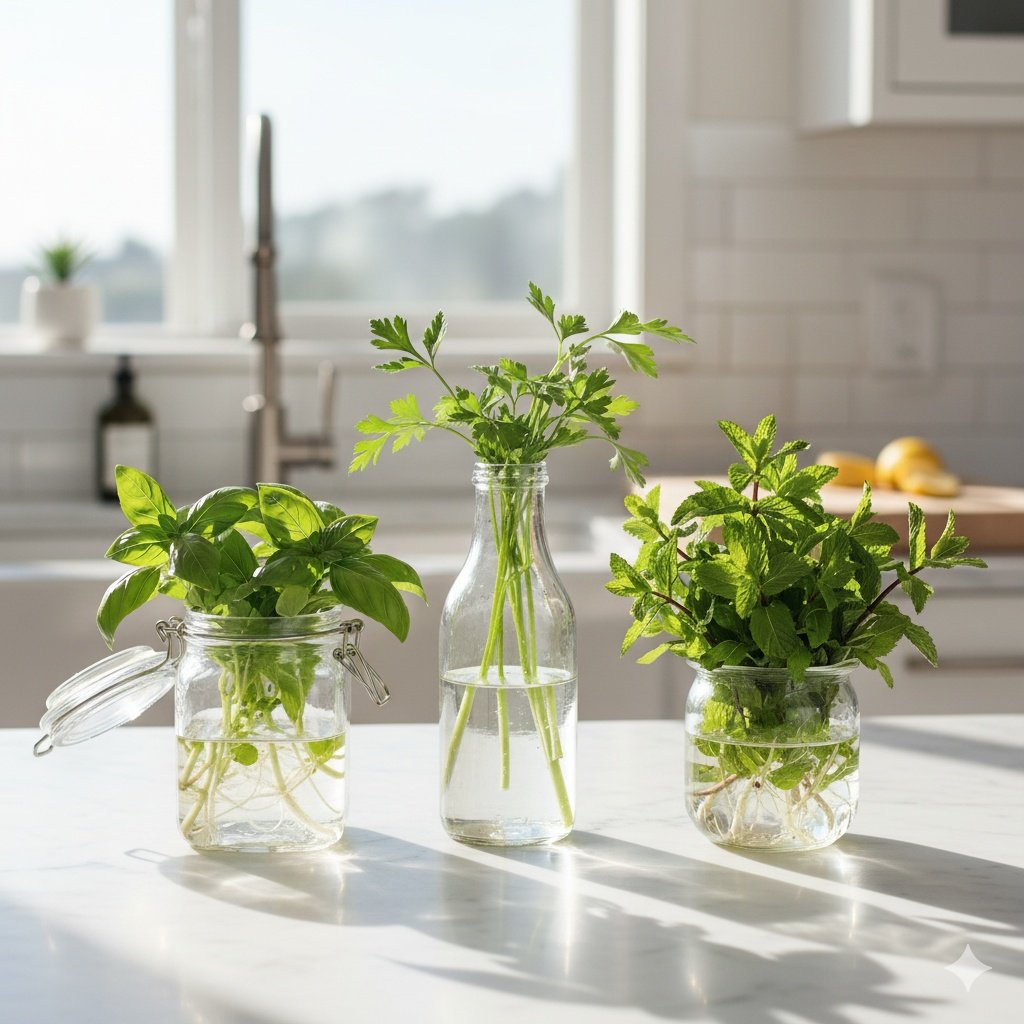
8. Try Hydroponics or Mason Jar Gardens
Hydroponics might sound high-tech, but it’s actually very beginner-friendly. You can grow lettuce, basil, or spinach in water systems without soil. For smaller setups, mason jars work surprisingly well for herbs or microgreens.
The bonus here is that hydroponics and jar gardens are cleaner—no soil mess, no heavy pots. Perfect for tight apartments or indoor small space gardening.
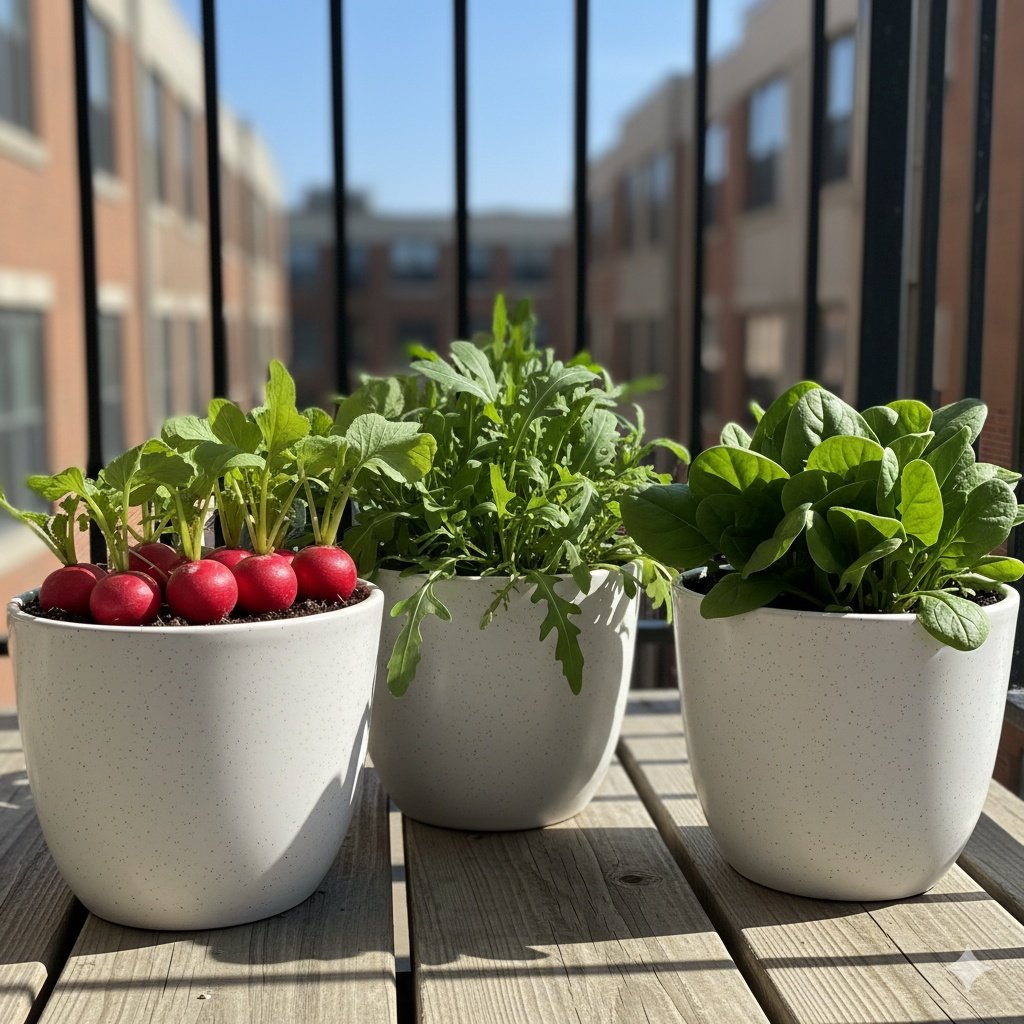
9. Choose Fast-Growing Plants
Now, if you’re the type who likes instant results, go for fast-growers. Radishes, arugula, spinach, and green onions sprout quickly and keep motivation high.
Seeing results in just a few weeks makes balcony gardening feel less like waiting and more like enjoying.
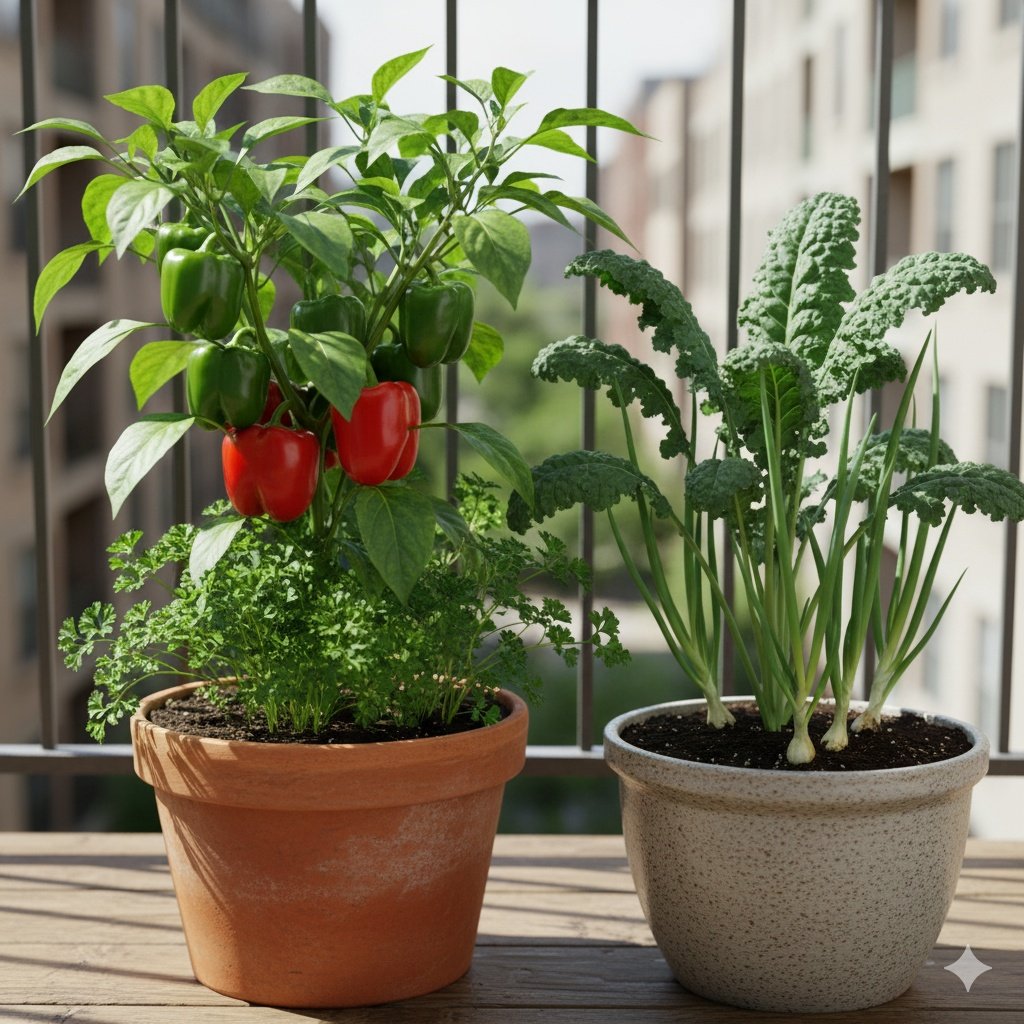
10. Companion Planting
Another smart strategy is companion planting—putting plants together that actually help each other grow. For example, basil improves the flavor of tomatoes and keeps pests away. Lettuce and radishes grow well side by side since they don’t compete much for nutrients.
This approach is especially helpful in container gardening, where soil and space are limited.
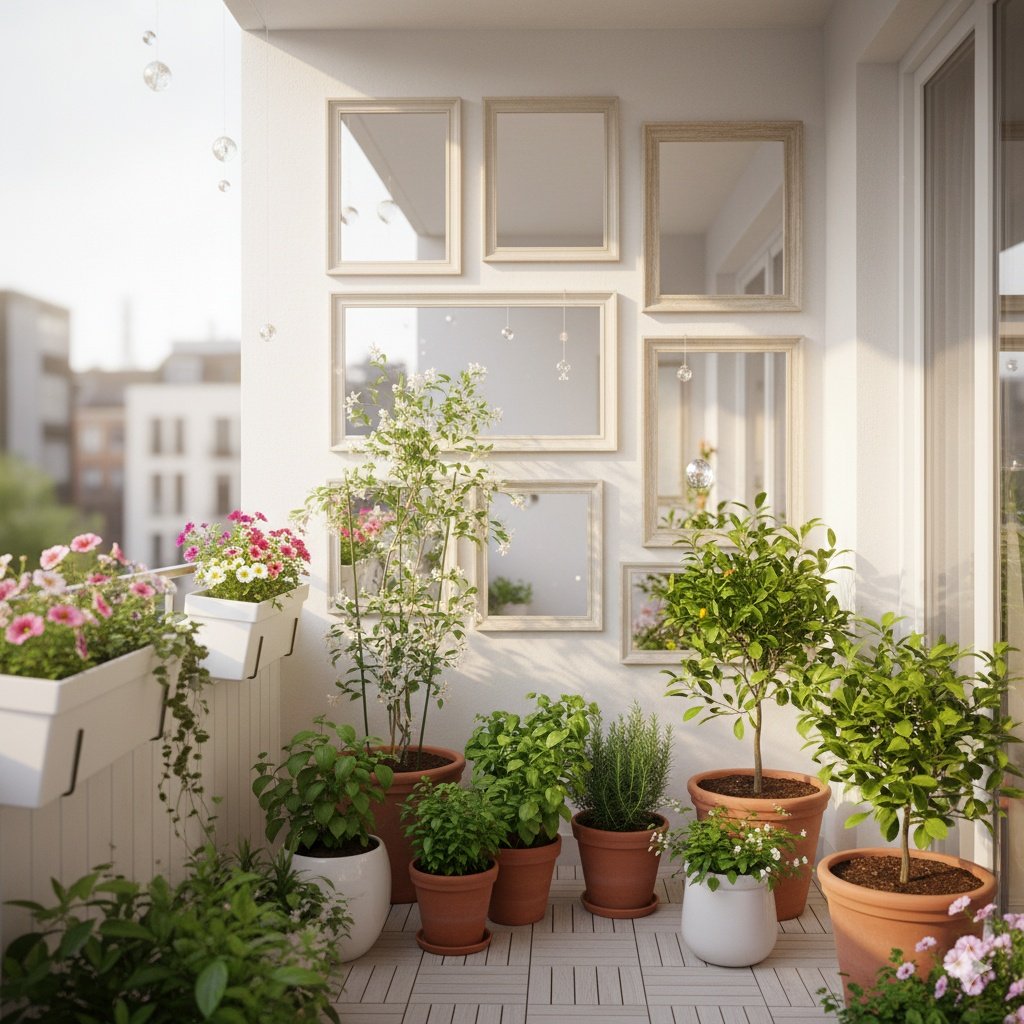
11. Use Reflective Surfaces
If your small balcony garden doesn’t get a ton of sunlight, you can cheat a little. Place mirrors, light-colored walls, or shiny surfaces near your plants. These bounce sunlight back and give your garden a little boost.
It’s a simple, cheap hack that makes a noticeable difference for light-loving plants like peppers or strawberries.
12. Rotate Crops in Containers
So, soil in pots tends to wear out faster than in the ground. That’s why rotating crops is useful. After growing lettuce, switch the pot to beans. After tomatoes, try leafy greens.
This keeps the soil from depleting too fast and reduces the risk of pests building up. Urban gardeners often forget this, but it’s basically small-scale farming applied to containers.
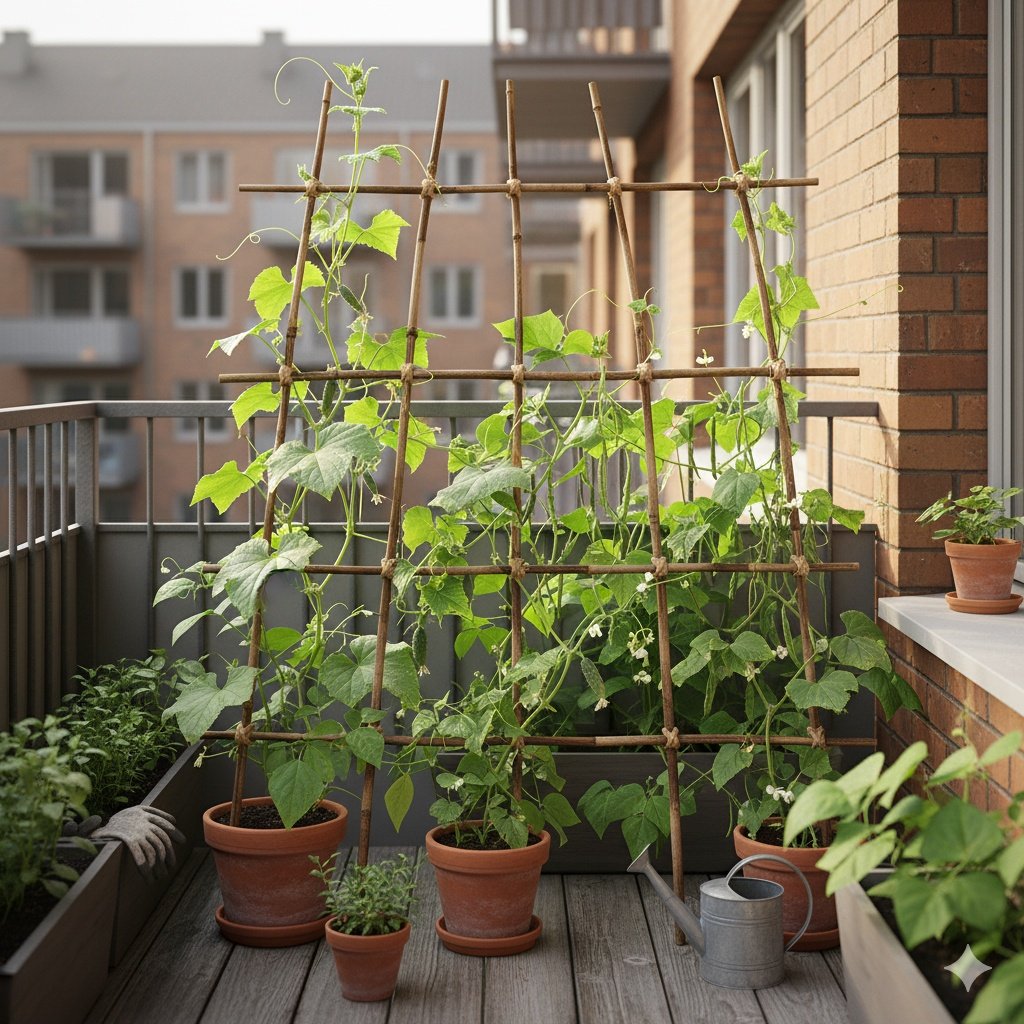
13. DIY Vertical Trellises
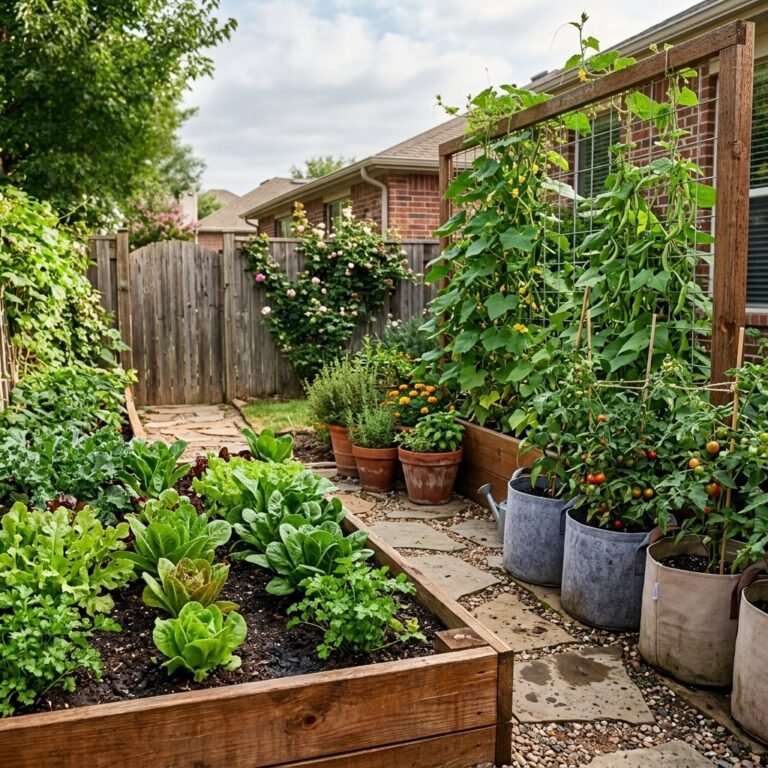
Trellises don’t need to be fancy—you can DIY them using bamboo sticks, string, or even an old wooden frame. They’re perfect for cucumbers, beans, or any climbing flowers.
For balconies, attach lightweight trellises to railings for a quick, space-saving upgrade. It’s both practical and adds some greenery to eye level.

14. Smart Watering Solutions
Watering can get tricky in containers since pots dry out quickly. Drip irrigation kits are one option, but even self-watering pots or DIY bottle drippers save a lot of effort.
A little tip: watering early in the morning keeps soil moist longer. For urban gardening setups indoors, saucers under pots help prevent mess from extra water.
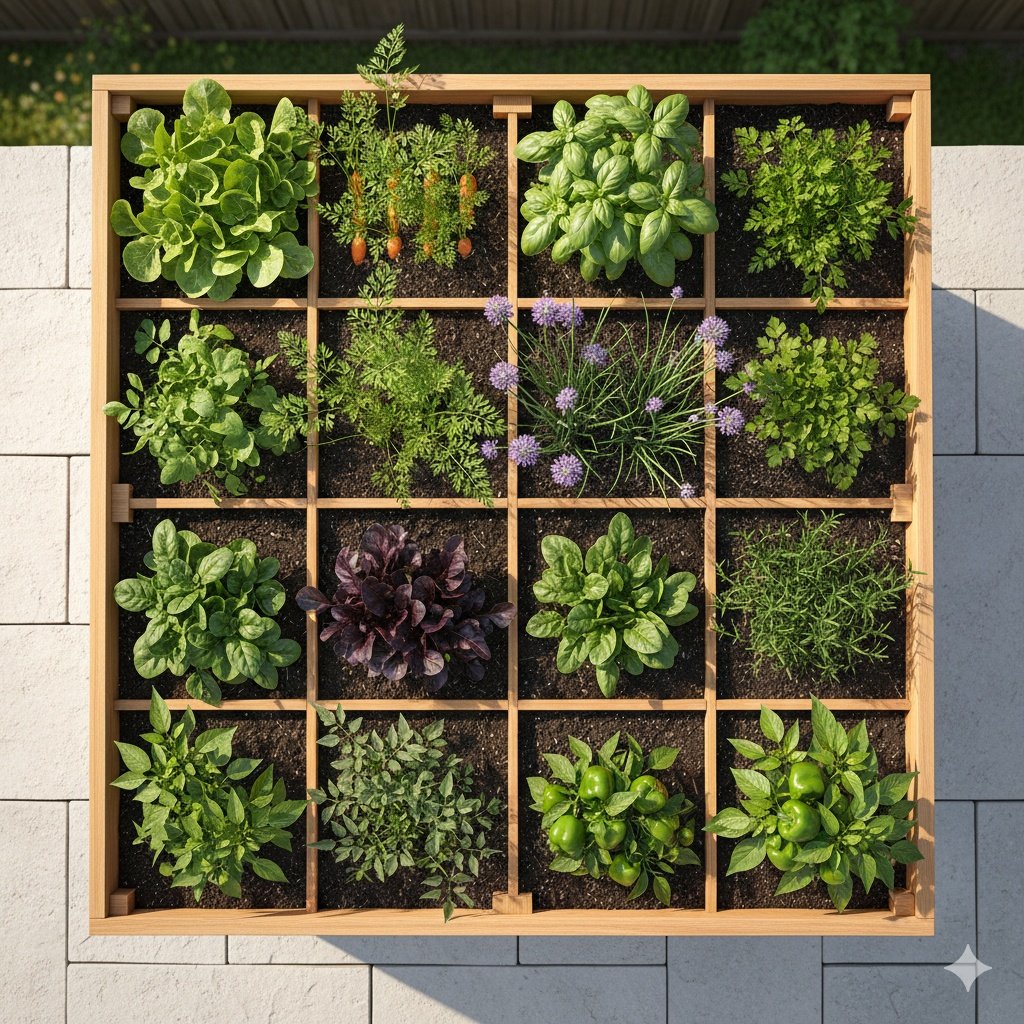
15. Square Foot Gardening
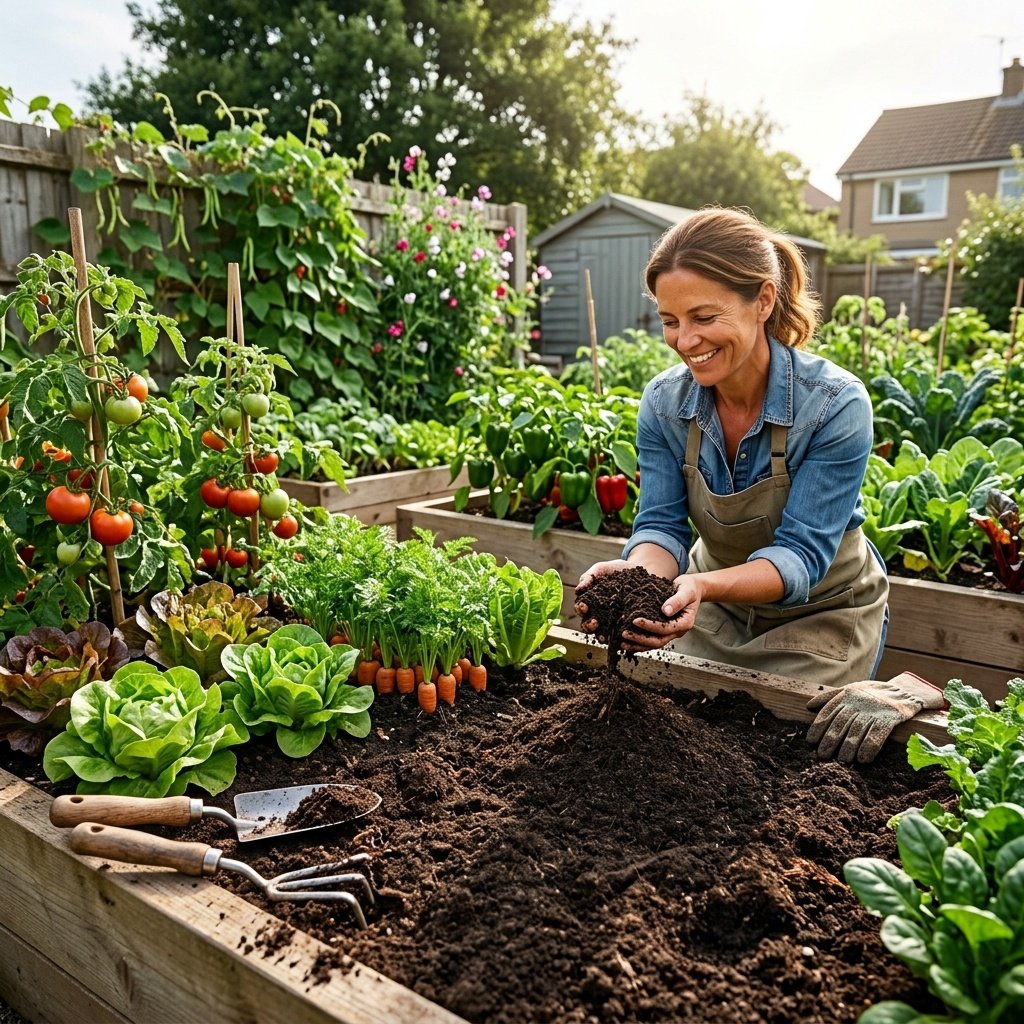
This method is really popular in small space gardening since it organizes plants in neat little grids. Instead of scattering seeds everywhere, you divide a raised bed or container into square-foot sections. Each square holds a different crop—lettuce in one, carrots in another, basil in the next. It keeps things tidy and helps you grow a variety of food without wasting space.
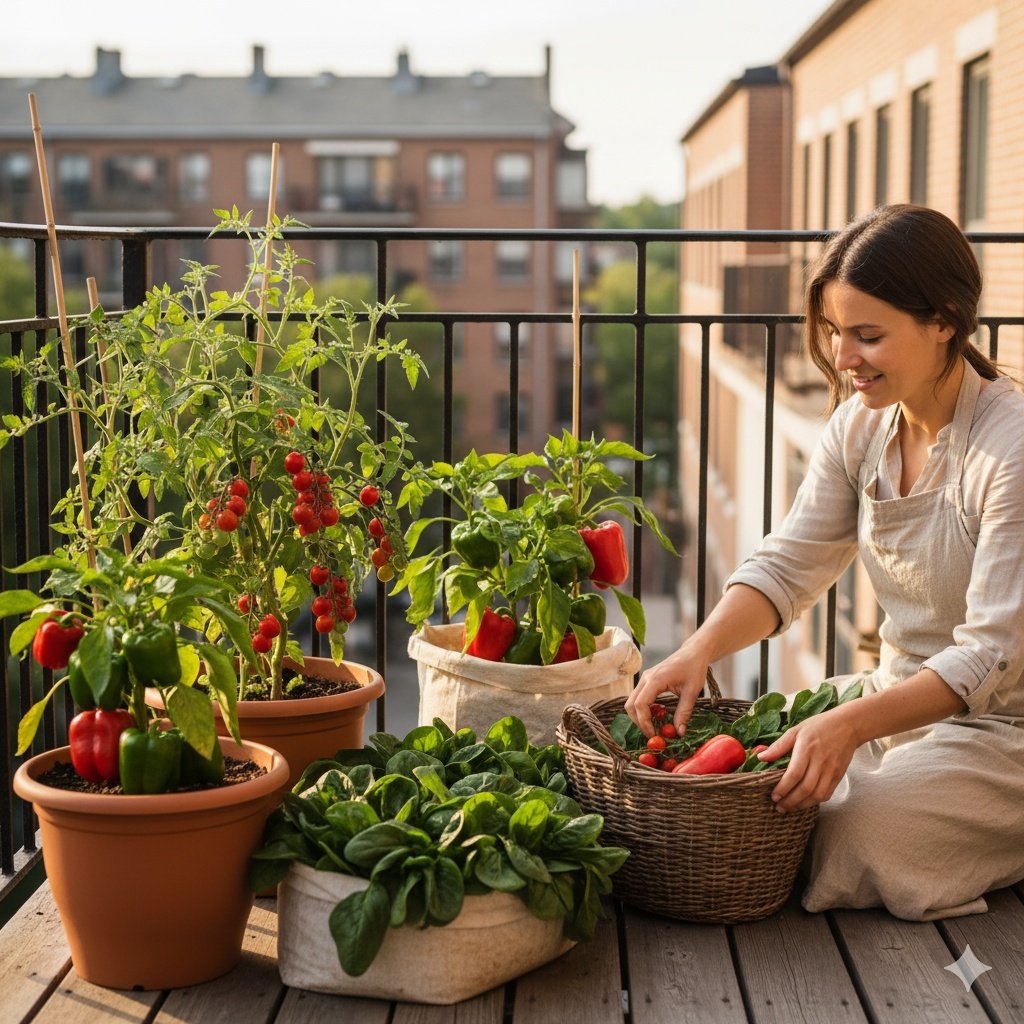
16. Grow What You Like to Eat
It might sound obvious, but too many people plant veggies just because they look fun. In reality, your balcony garden should be filled with what you actually eat. If you use cilantro and basil in your cooking all the time, grow that. If you’re more into salads, load up on lettuce and radishes. This way, your space isn’t taken over by plants you’ll never use.
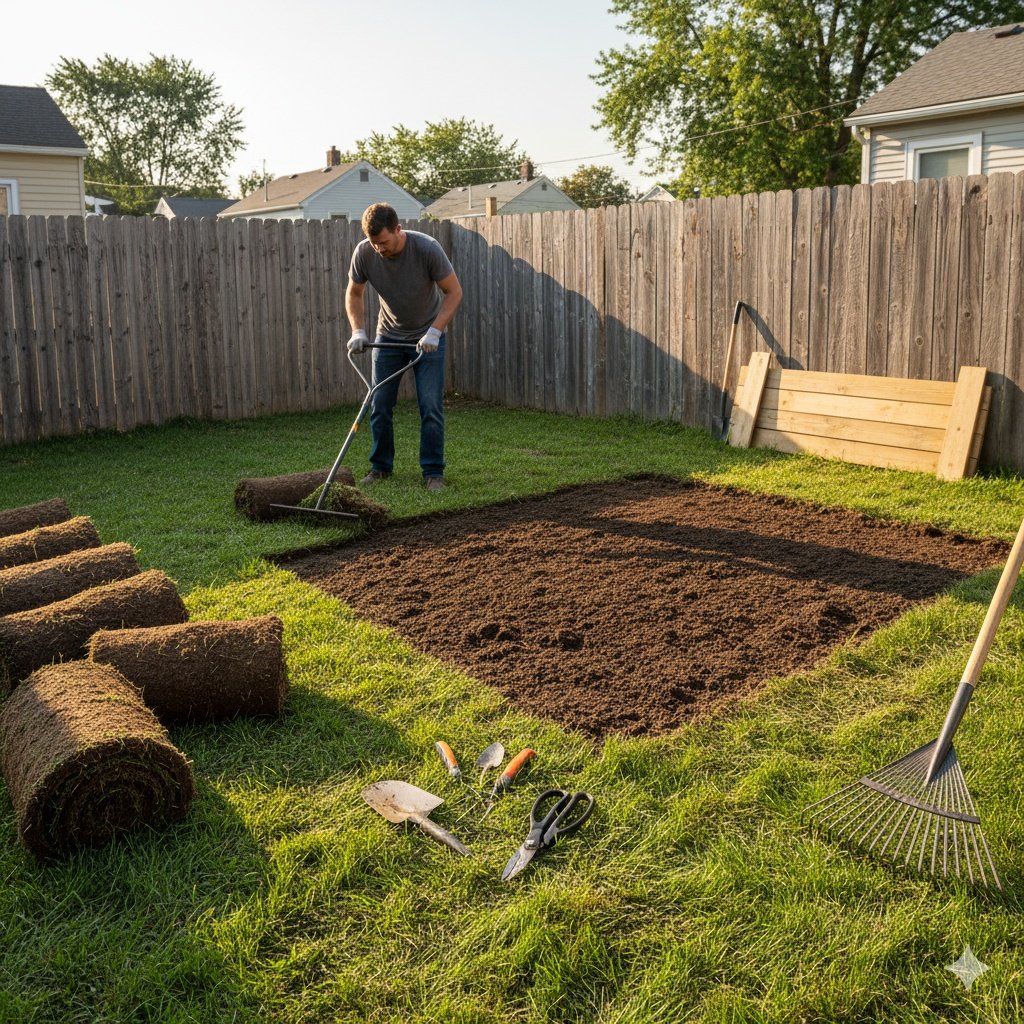
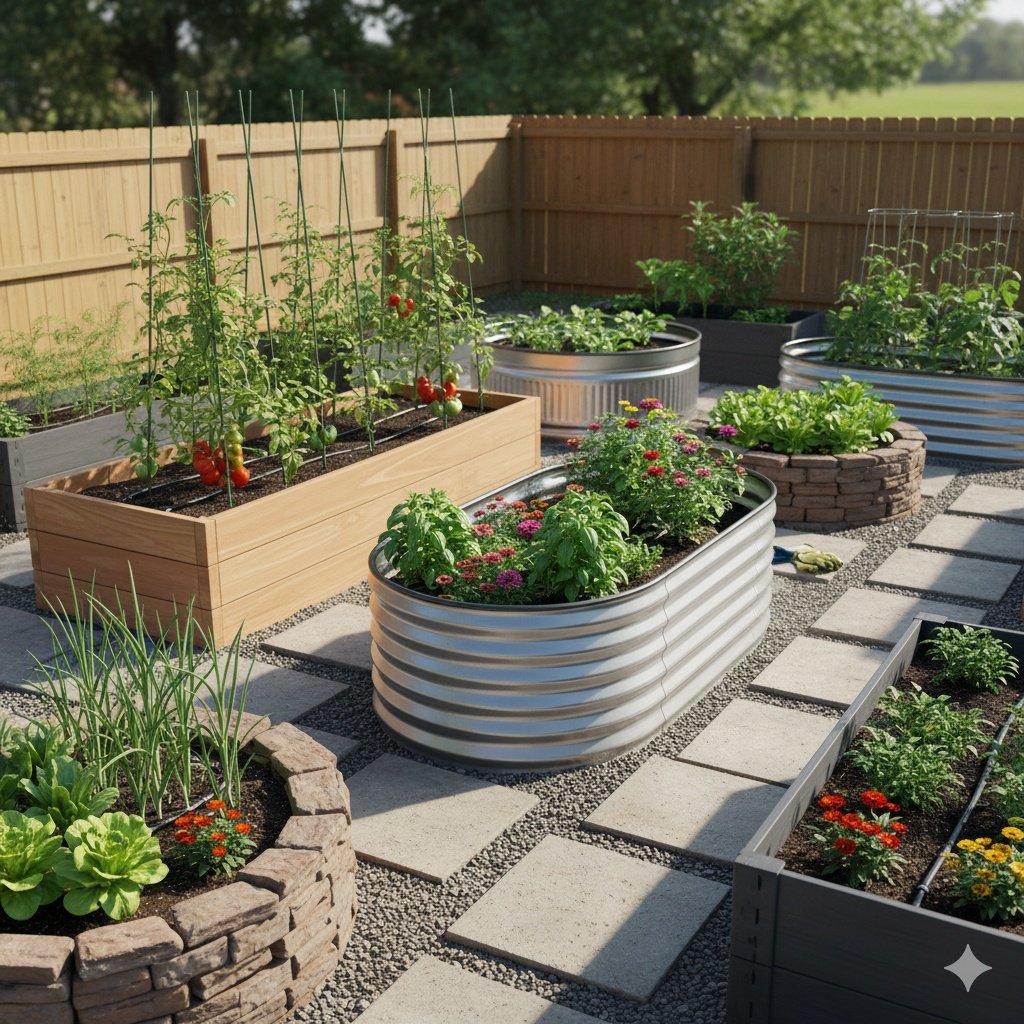
17. Lawn Removal (For Those with Small Yards)
Some folks with tiny yards keep a patch of grass they hardly use. Swapping even a little bit of lawn for raised beds or containers can give you space for veggies and herbs instead. It’s basically turning wasted green space into productive garden space. A 3×3 foot patch of veggies will give you way more value than a patch of grass you just water and mow.
18. Community Gardens
If your apartment balcony can’t hold much more than a few pots, check if your city or neighborhood has a community garden. These shared spaces let you rent or share small plots where you can grow more food. It’s a good way to connect with other gardeners, share seeds, and learn tricks you might not have tried on your own.
19. Edible Flowers
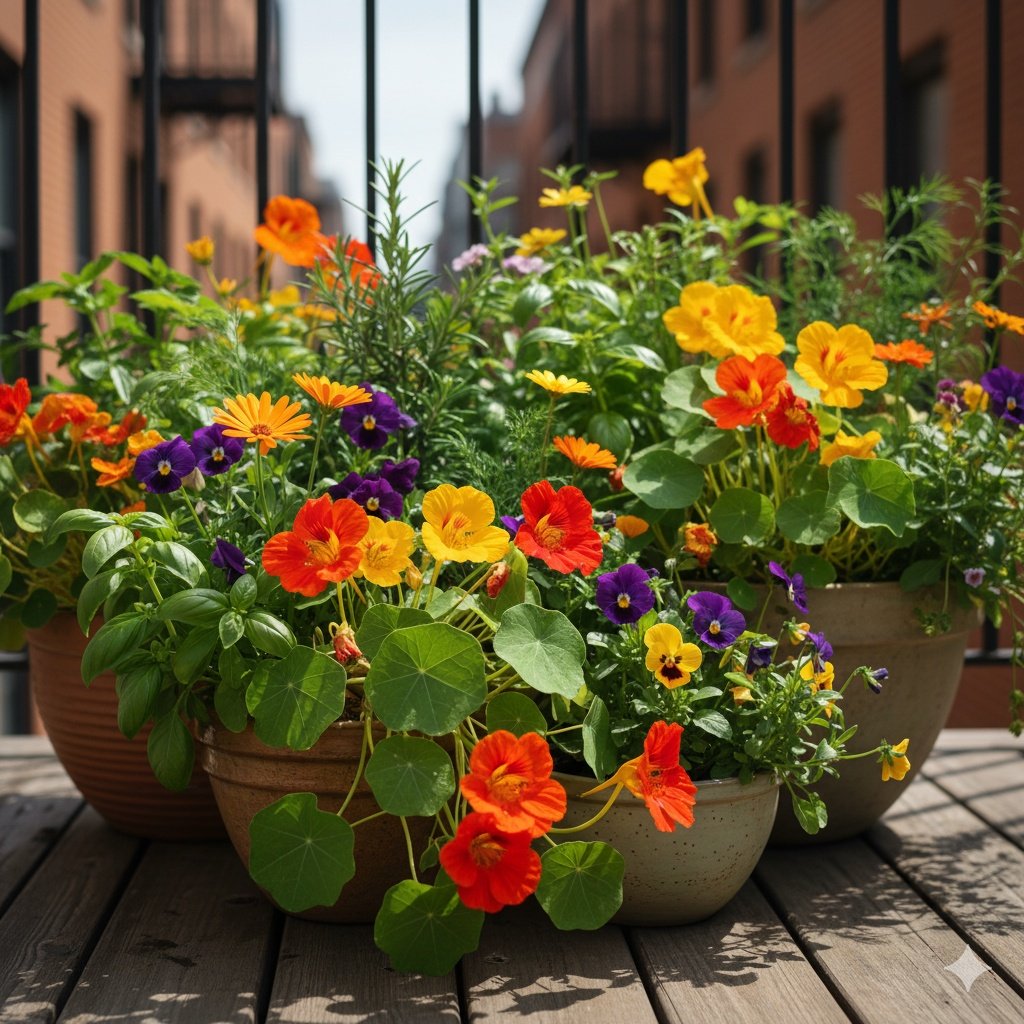
Flowers don’t just add color—they can be part of your meals. Nasturtiums, pansies, calendula, and violas are all edible and easy to grow in containers. They brighten up your balcony garden and give salads or desserts a surprising pop of color. It’s a fun mix of beauty and practicality.

20. Soil Preparation
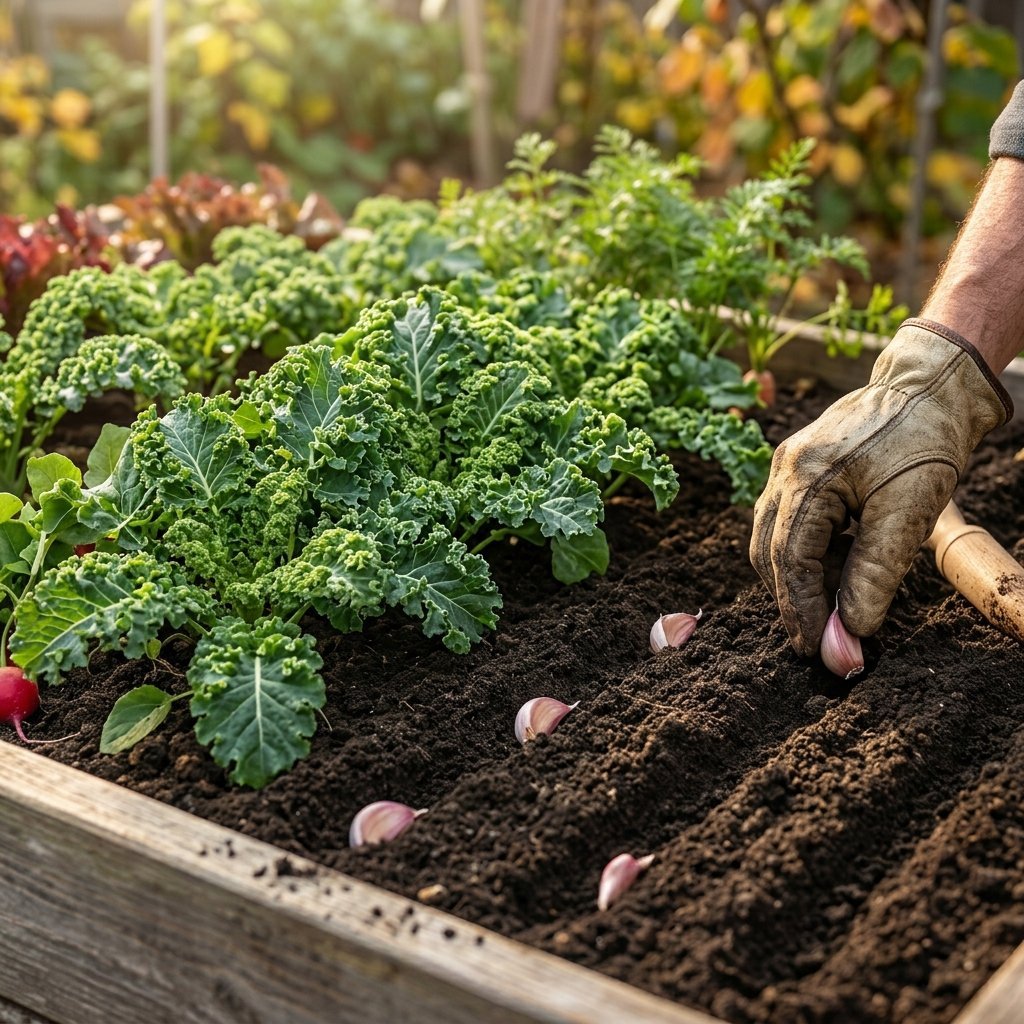
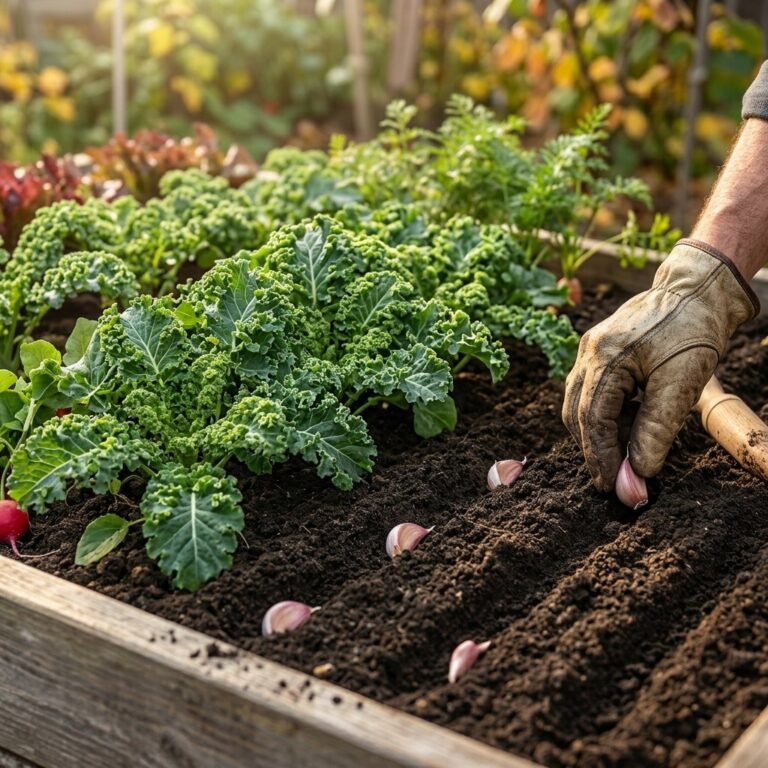
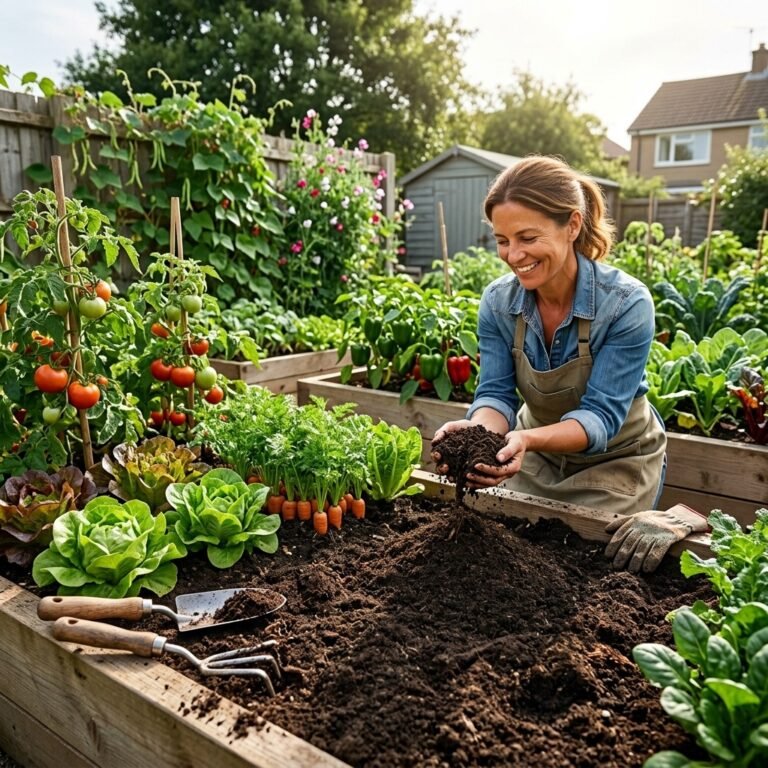
Ok, so soil is the heart of container gardening. Since pots don’t have the natural cycle of ground soil, you’ll need to prep it right. A good mix usually includes potting soil, compost, and something for drainage like perlite. Refresh your soil each season with organic matter to keep plants happy. Healthy soil means healthier roots, and that means more food in the long run.
A Little Inspiration Before You Go
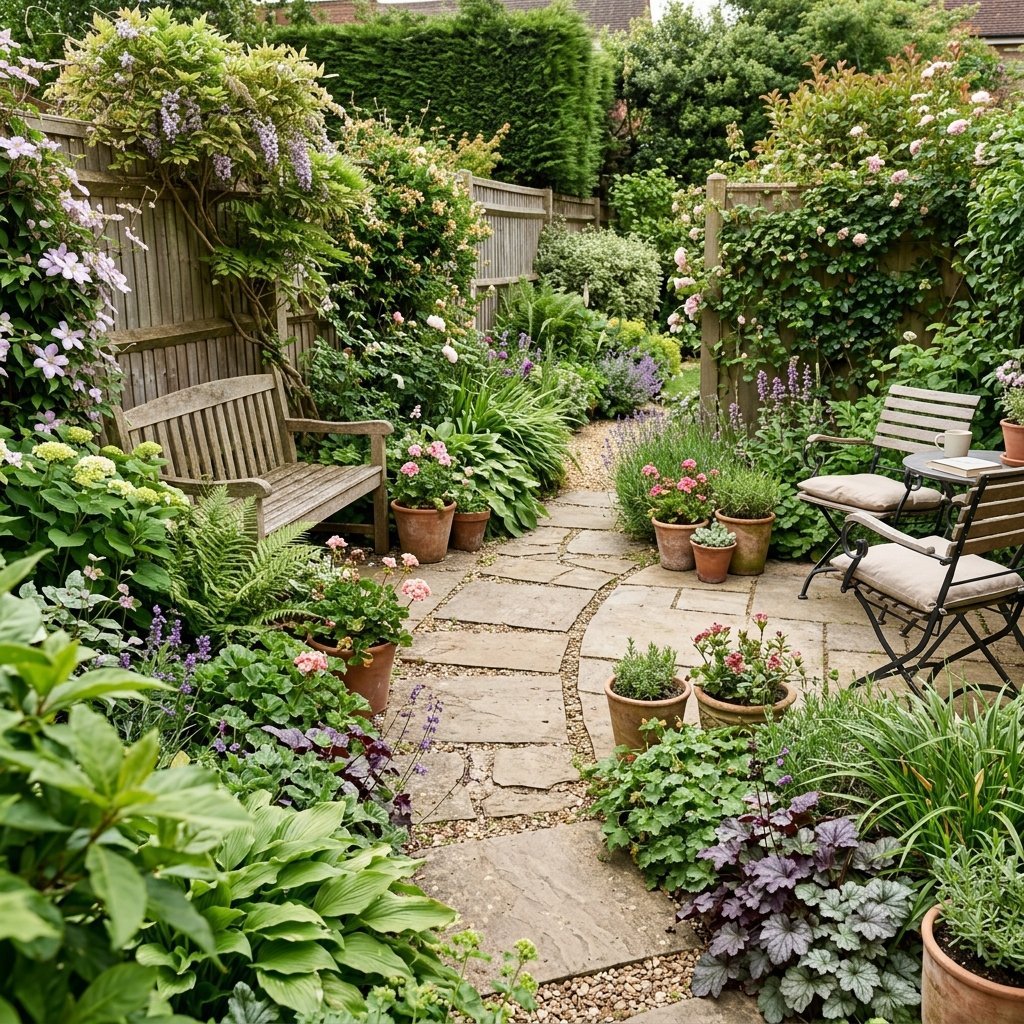
Ok, so the truth is, you don’t need a big yard or endless space to grow something green. Even one pot of parsley on the kitchen sill or a small container of cherry tomatoes on the balcony can set the mood and give you that little daily win.
Start with what excites you—maybe a handful of herbs you’ll actually cook with, or a single veggie you’ve always wanted to pick fresh. Over time, those small steps stack up, and before you know it, you’ve got a corner that feels like your own mini oasis.
At the end of the day, it’s less about space and more about the joy of growing, tending, and enjoying plants right where you live. Hope you will enjoy the video as well.

Pingback: How to Harvest Figs: Sweet Garden-to-Table Tips
Pingback: Edible Landscaping: Create a Beautiful & Productive Garden
Pingback: Edible Garden Design Ideas: Tips, Plants, and Layouts
Pingback: How to Grow Micro-Greens & Sprouts at Home
Pingback: 9 Most Common Garden Mistakes & How to Avoid Them
Pingback: 25 Easy Backyard Garden Ideas to Upgrade Your Outdoor Space
Pingback: Therapeutic Horticulture: Gardening for Mental Well-Being
Pingback: Dark & Moody Houseplants: 7 Dramatic Indoor Plants