
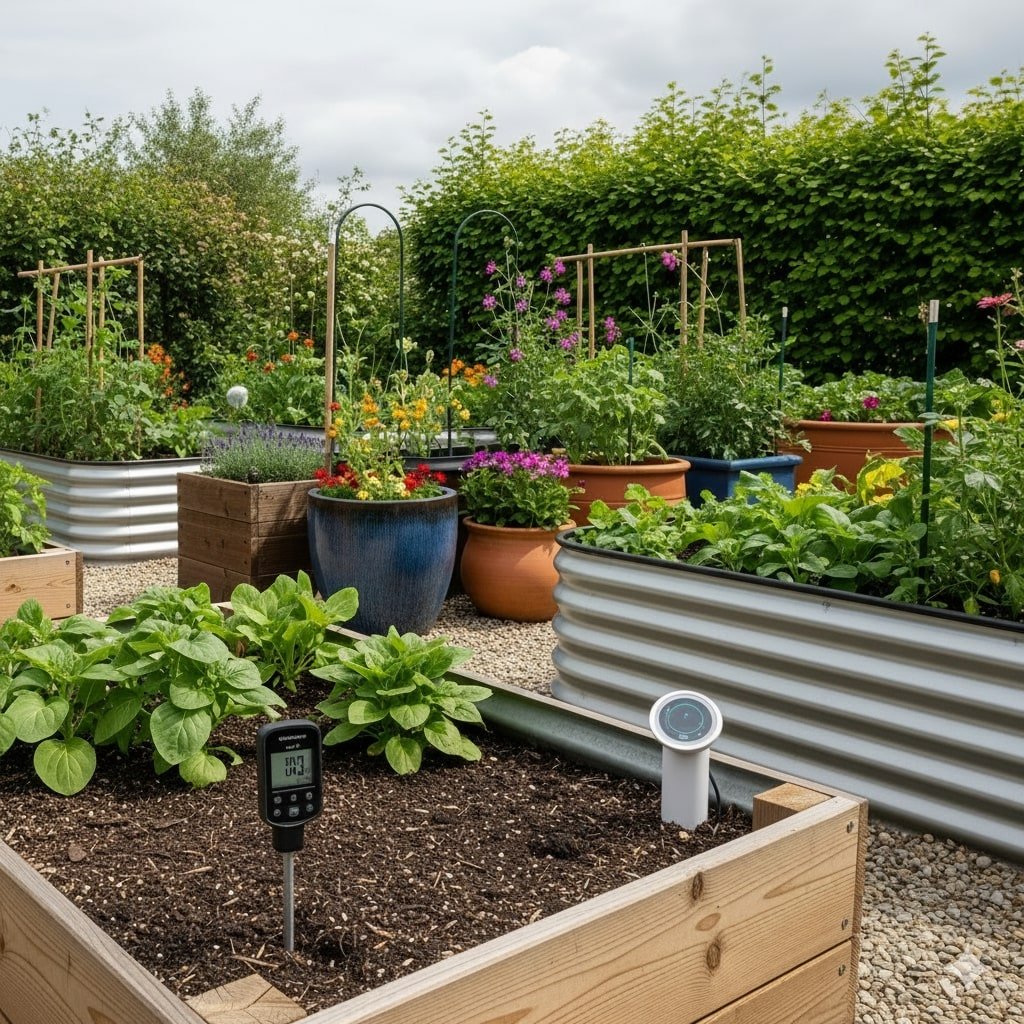
Gardening in 2025 doesn’t quite look like it did a decade ago. Ok, so you still have your raised garden beds, compost piles, planters full of herbs, and the smell of fresh garden soil sticking to your hands. But, in a way, technology has crept in—quietly at first, now very clearly—bringing along tools that actually make growing food, flowers, and greenery less of a guessing game.
What people now call smart gardening tools are popping up everywhere. These gadgets are not replacing the joy of watering plants or digging into the earth. Instead, they’re making the process smarter, more eco-friendly, and sometimes even cheaper over the long run. You’ve got soil meters that check moisture levels, plant sensor apps that talk to your phone, and even AI-powered apps that can spot a disease on a tomato leaf before your own eyes would have caught it.
And so, let’s unpack the trends, devices, and apps that are shaping gardening in 2025.
Why Smart Gardening Tools Matter Right Now
The climate feels different now compared to, say, twenty years ago. Summers tend to be hotter, water often feels like a limited resource, and soil quality in urban spaces is a bit questionable. For someone who loves gardening, that means guessing less and measuring more.
Smart gardening tools—things like a wireless soil moisture sensor or a smart watering system—help gardeners adapt. They give data where before there was only instinct. That doesn’t erase the human side of gardening, but it adds another layer of confidence.
Soil Meters: From Old-School Probes to Smart Sensors
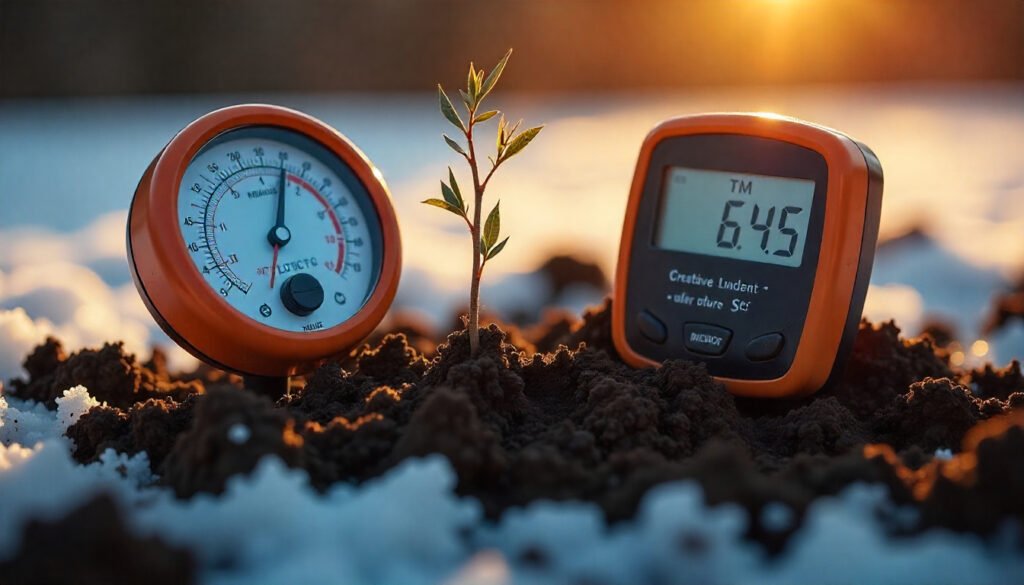
Let’s start with the basics: soil meters. Back in the day, the most you could get was a simple probe that maybe gave you a rough idea of moisture. Now, the best soil meters 2025 are tiny labs on a stick. They can tell you soil moisture, pH balance, temperature, and even nutrient levels in some cases.
- A soil moisture meter helps you avoid overwatering, which is still the number one mistake most home gardeners make. Instead of just poking a finger into the dirt, you get a reading that shows whether your garden soil is dry, damp, or just right.
- The question of how to measure soil pH also gets easier. Smart meters show whether your soil is acidic, neutral, or alkaline, which matters if you’re growing blueberries in one bed and tomatoes in another.
And now there’s a debate many gardeners are having: budget soil meter vs premium. The cheaper ones are fine if all you want is a rough reading. But the premium versions—often linked to plant sensor apps—sync with your phone, track trends over time, and send notifications if your plants are thirsty. For anyone serious about raised garden beds or larger food gardens, that upgrade might be worth it.
AI in the Garden: Apps That Watch, Learn, and Advise
Now, here’s where things start sounding futuristic: garden AI apps. These apps are like having a coach who knows every plant in your garden by name.
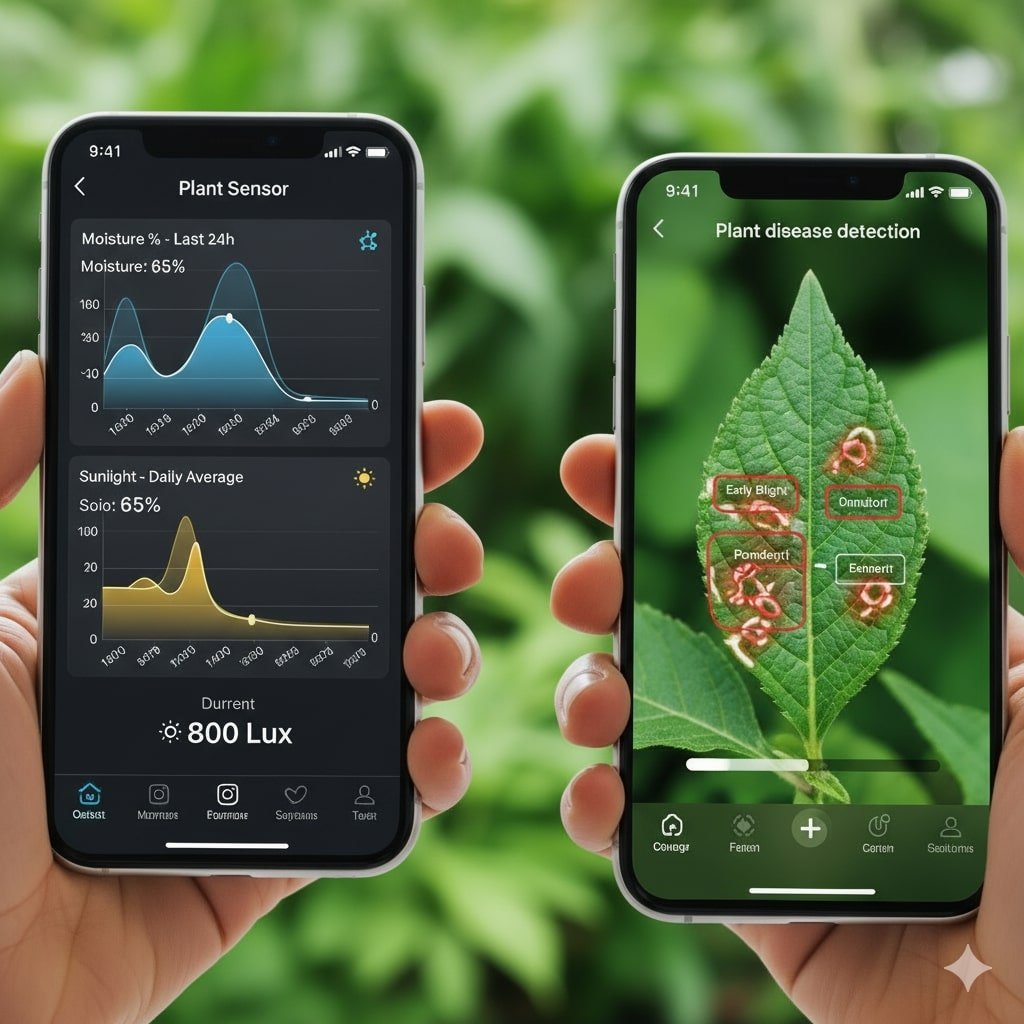
- Plant sensor app connections: You stick a sensor in the soil, and the app shows you graphs of moisture levels, sunlight exposure, and fertilizer reminders.
- Plant disease detection apps: Point your phone’s camera at a suspicious leaf, and within seconds, the app might tell you if it’s powdery mildew, blight, or just a bug bite.
- Smart plant monitoring: AI doesn’t just collect data; it interprets it. If the soil is dry, the app might suggest when to turn on your smart watering system. If your planters aren’t getting enough light, it can remind you to shift them.
In 2025, these garden AI apps are much faster, more accurate, and user-friendly compared to earlier versions. And since many are free or very low-cost, even casual gardeners are trying them out.
Smart Watering Systems and Wireless Sensors
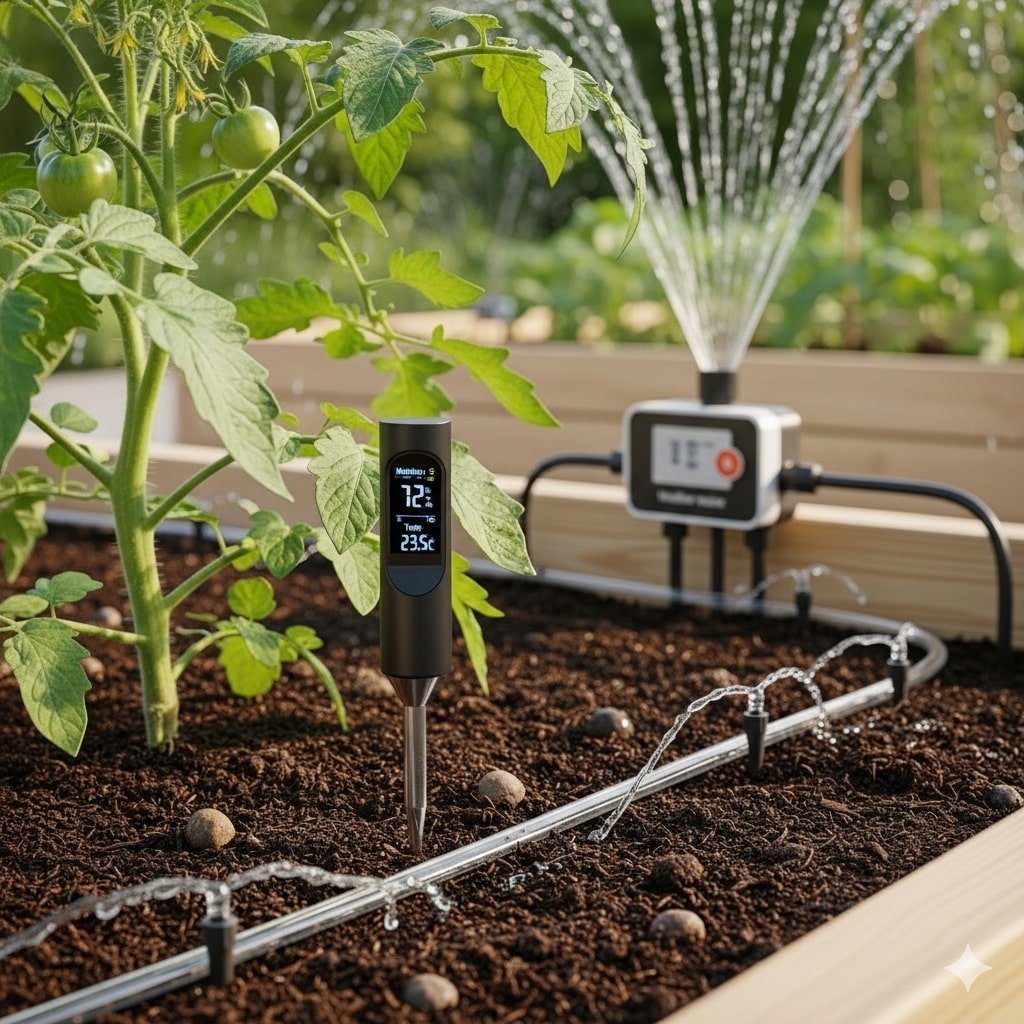
Water has become one of the trickiest resources for gardeners. Some regions deal with droughts, others with unexpected flooding. Smart watering systems step in by delivering only what’s needed.
A wireless soil moisture sensor can tell the system exactly when the soil is thirsty. Instead of running sprinklers on a timer, water flows only when plants need it. This is not just convenient; it’s sustainable gardening tech that saves water and keeps plants healthier.
These systems can be connected to weather forecasts too. If rain is on the way, your smart watering system will skip its next cycle. That kind of integration makes gardening feel almost effortless.
Read more about Drip Irrigation: A Complete Beginner’s Guide (Epic Gardening)
Sustainable and Eco-Friendly Gardening Tech
Tech in gardening could have easily gone down a flashy path—expensive gadgets that looked cool but did little. Instead, the biggest push in 2025 is for sustainable gardening tech and eco-friendly gardening tech.
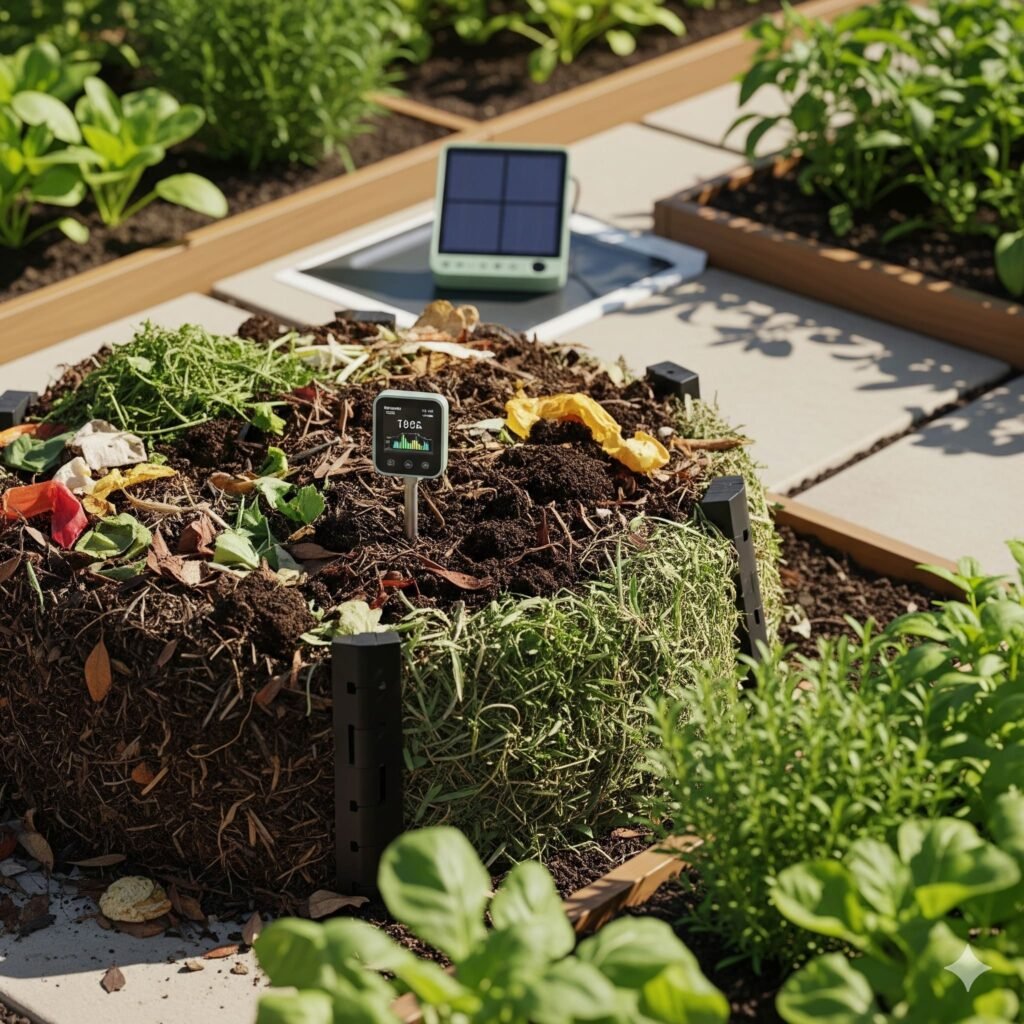
Compost sensors that track heat and humidity make it easier to maintain a healthy compost pile. Solar-powered smart plant monitoring devices cut down on battery waste. And many new soil meters are made with recyclable casings instead of cheap plastic.
At the end of the day, the goal is clear: use technology not to complicate gardening, but to keep it simple, sustainable, and planet-friendly.
Read more about Composting : How to Make Compost (Epic Gardening)
Garden Gadgets 2025: What’s Trending
If you look at what’s popular among gardeners this year, a few trends stand out:
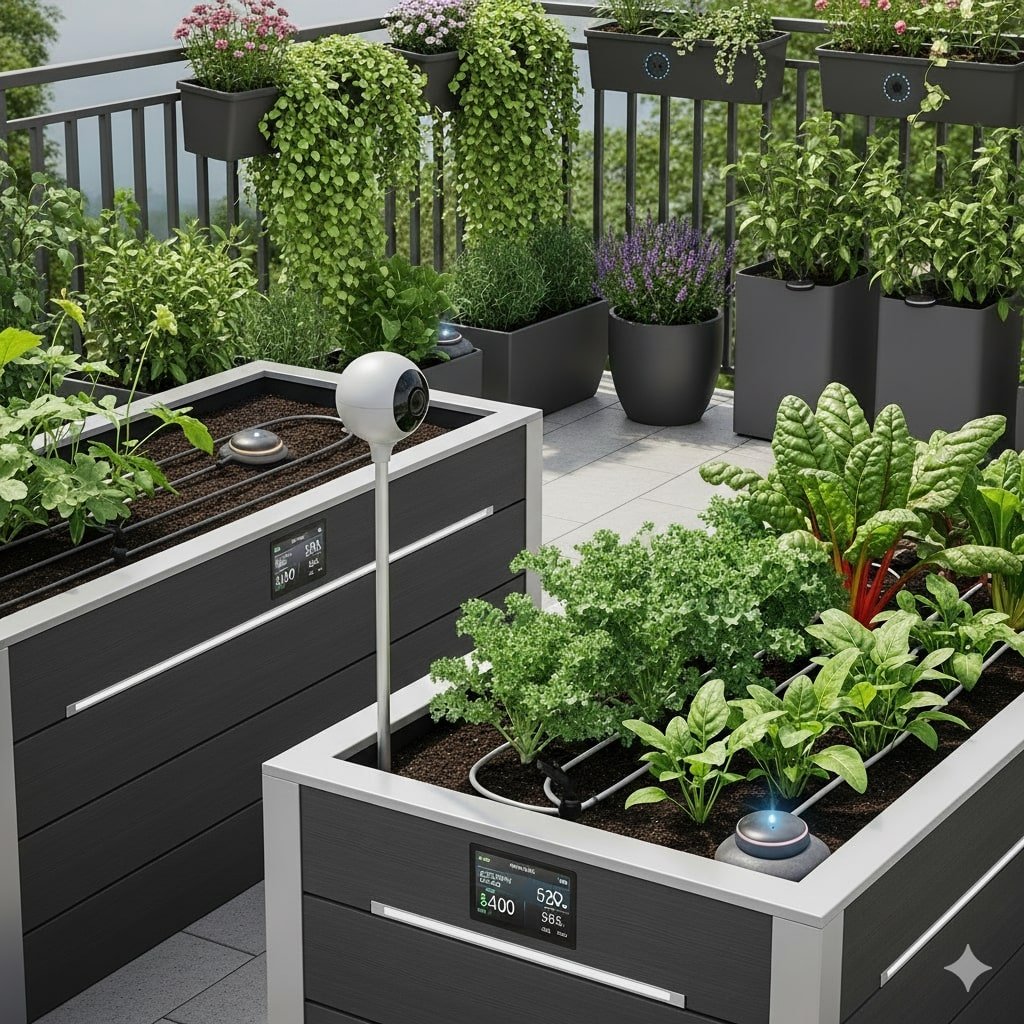
- Raised garden beds with built-in sensors – Imagine planters that have soil meters already inside, giving you constant feedback without extra gadgets sticking out.
- Compost trackers – Devices that tell you when to turn your compost pile or when it’s ready to use.
- AI camera systems – Small cameras that watch your garden and alert you to pests, disease, or even animals sneaking into your beds at night.
- Modular smart watering systems – Kits that fit both small balconies with planters and large gardens with multiple zones.
- All-in-one apps – Platforms combining plant sensor apps, plant disease detection apps, and weather tracking into a single dashboard.
These aren’t toys; they’re practical tools that reduce waste, save money, and give gardeners better harvests.
The Human Side of Smart Gardening
Ok, so it might sound like all this tech takes the fun out of gardening. But the truth is, most people still enjoy the physical part—the digging, planting, pruning, and harvesting. Smart gardening tools don’t replace those moments. They just help people spend less time guessing and more time actually enjoying their plants.
Think about someone with a busy schedule. Instead of worrying whether the basil in their planters got too dry, they can check their plant sensor app at work, see the soil moisture meter reading, and turn on their smart watering system remotely. That’s not cold or mechanical—it’s practical, freeing up time to enjoy the garden when they get home.
Budget Soil Meter vs Premium: Which Way to Go?
This question keeps coming up in gardening forums. The budget soil meter vs premium choice is about how deep you want to go.
- Budget soil meter: Simple, no-frills, usually just a metal probe and a small gauge. It gives basic readings of moisture and sometimes pH. Great for casual gardeners.
- Premium soil meter: Syncs with a plant sensor app, offers data history, integrates with smart watering systems, and often doubles as a wireless soil moisture sensor. Best for those who want long-term insights or who are managing larger setups like raised garden beds.
Both have their place. Some gardeners even use a mix—cheap meters for quick checks, and one premium device for long-term monitoring.
How to Measure Soil pH Without Guesswork
Knowing how to measure soil pH isn’t just a nerdy detail; it’s central to healthy gardening. Some plants, like blueberries, love acidic soil, while others prefer neutral or slightly alkaline conditions.
You can go the old-fashioned route with test strips, but soil meters make it quicker. Just stick the probe into the garden soil, and in a few seconds, you’ll know where you stand. For raised beds or planters where soil mixes change often, this tool is a lifesaver.
Smart meters often save your readings, so you can track how your soil shifts through the season. Add compost, lime, or sulfur, and you’ll see the change reflected almost immediately.
Read more from Epic Gardening: How to Test Your Soil pH

Looking Ahead: The Future of Smart Gardening Tools
By 2025, the movement is clear. Gardeners want tools that are practical, not flashy. Smart gardening tools are trending toward being:
- Smaller and less intrusive, blending right into raised garden beds or planters.
- Connected to AI apps that make sense of all the numbers for you.
- Built with sustainability in mind, so the tools themselves don’t create waste.
With climate changes making traditional gardening a bit unpredictable, having reliable data at your fingertips isn’t just helpful—it’s becoming a necessity. And whether you’re someone who just tends to a few planters or someone with a yard full of raised beds and compost bins, these tools are shaping the way we garden in 2025.
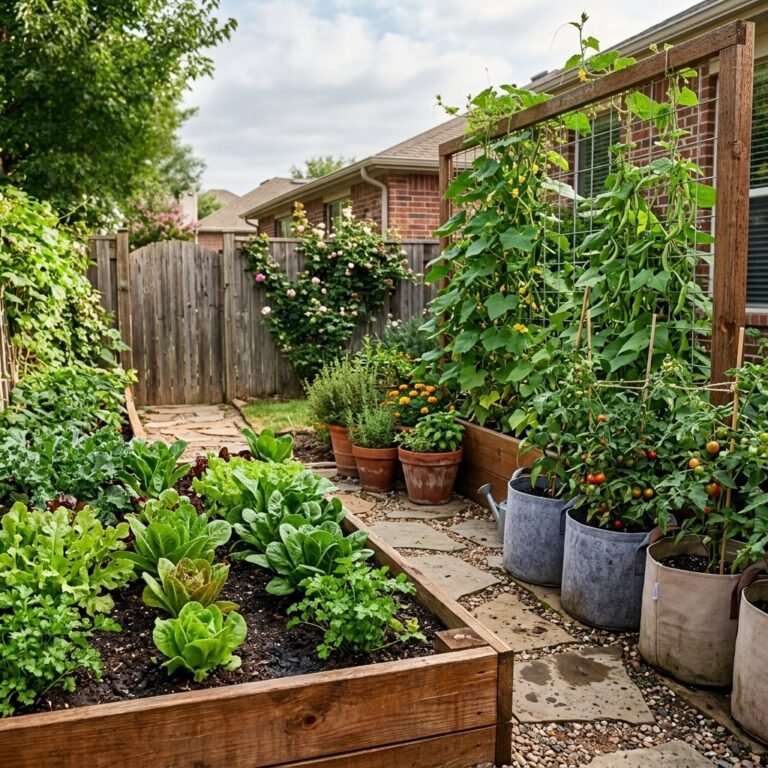
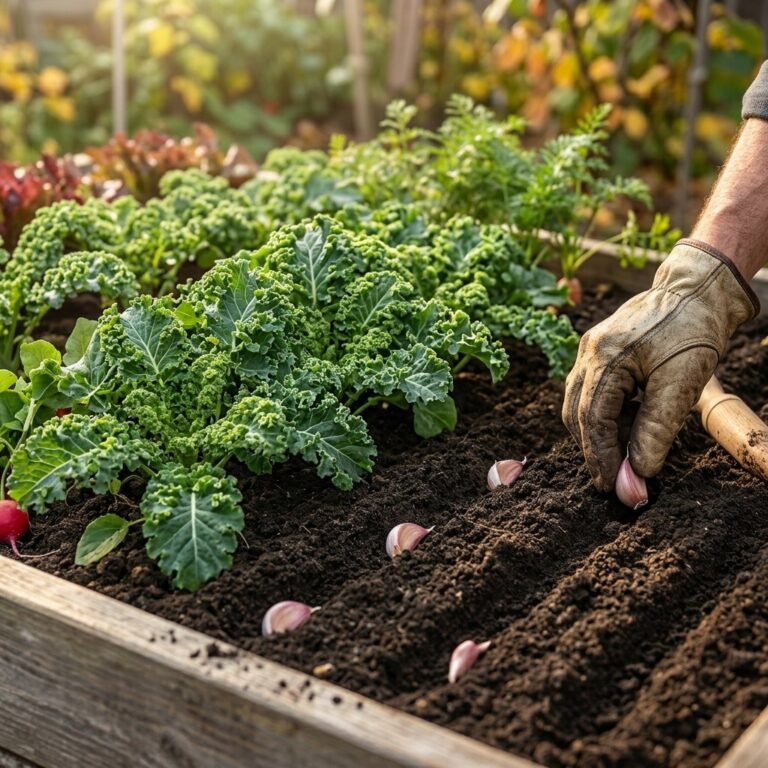
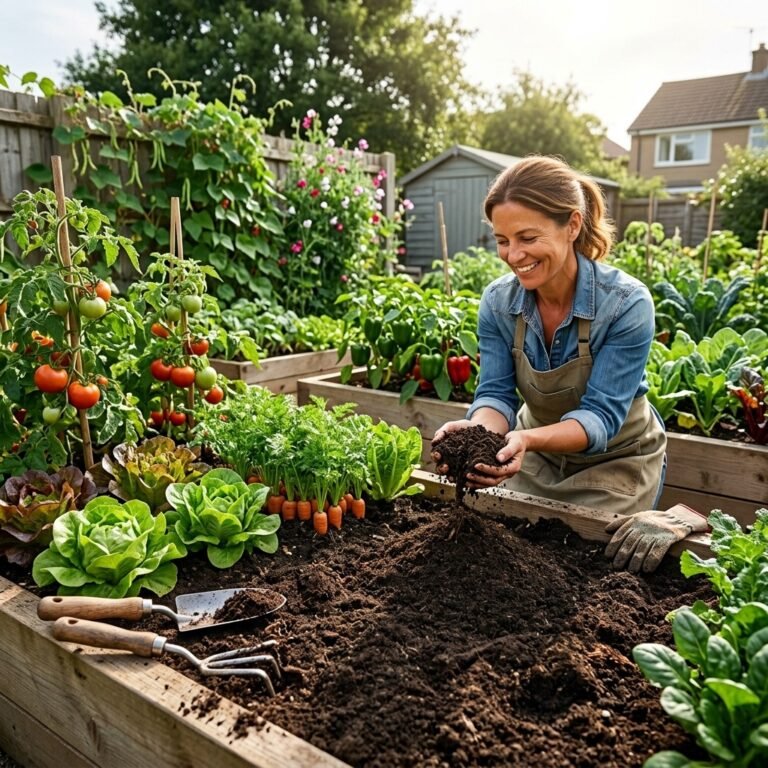
Here is a visual representation of the Modern Drip Irrigation System:

Pingback: 20 Tips for Gardening in Small Spaces - Edible Garden Tips
Pingback: 17 Garden New Year’s Resolutions to Try in 2026 (Beginner)
Pingback: Smart Gardening Tools: Practical Guide to Modern Plant Care