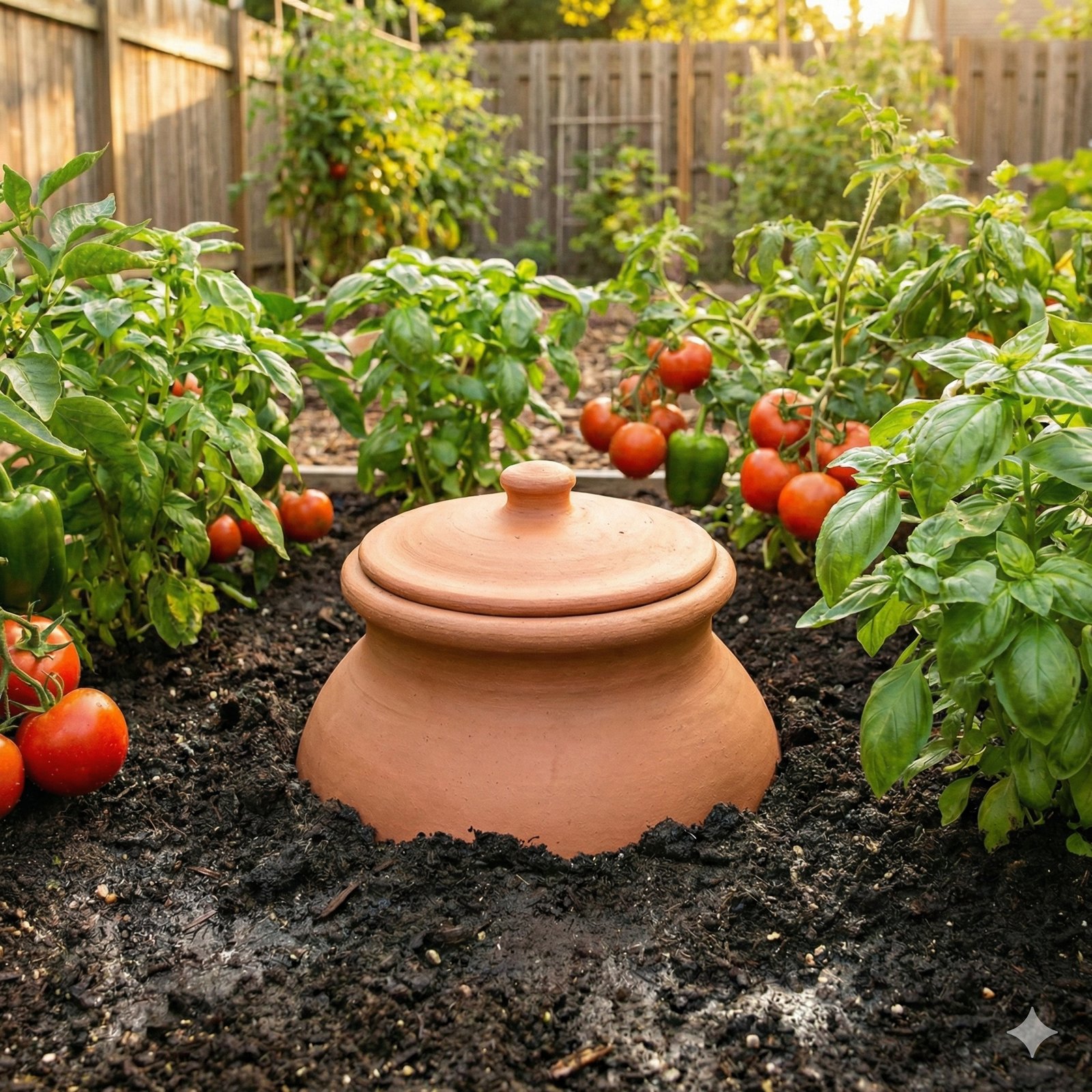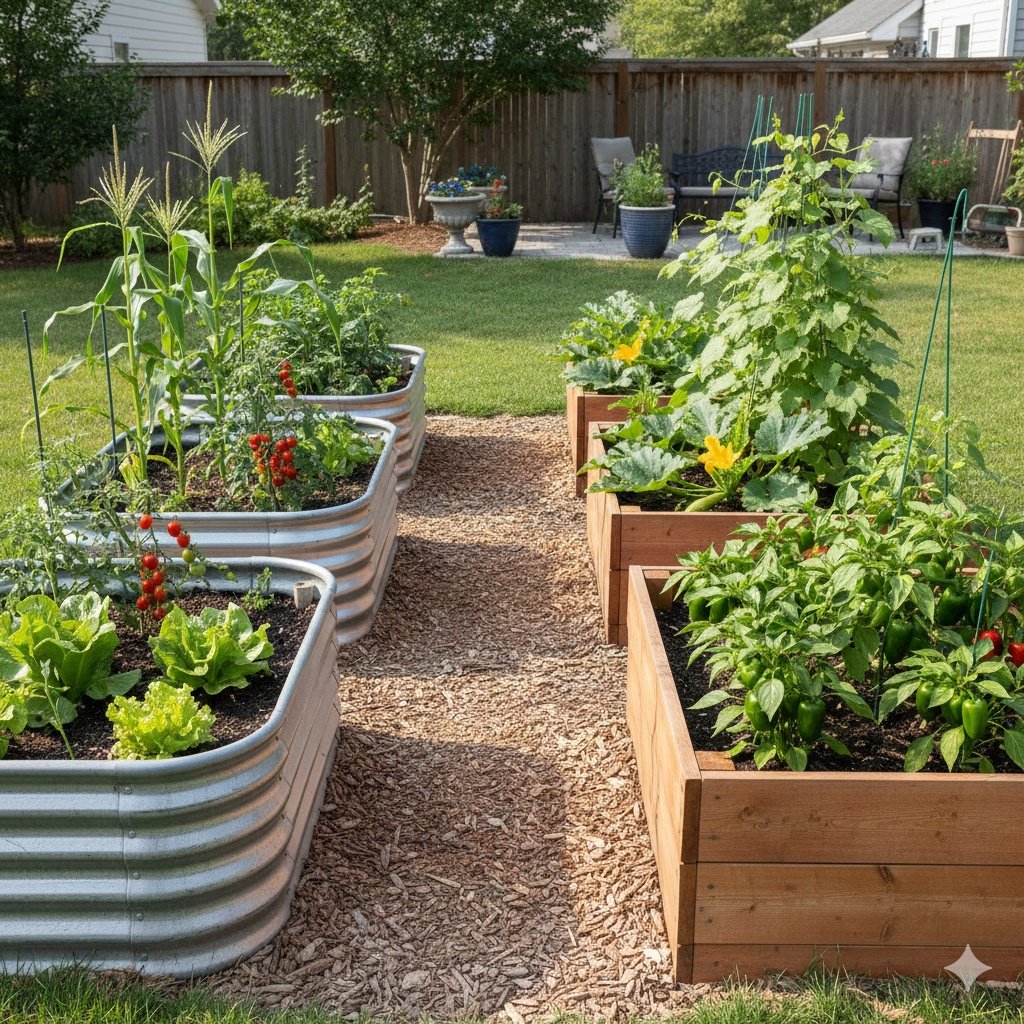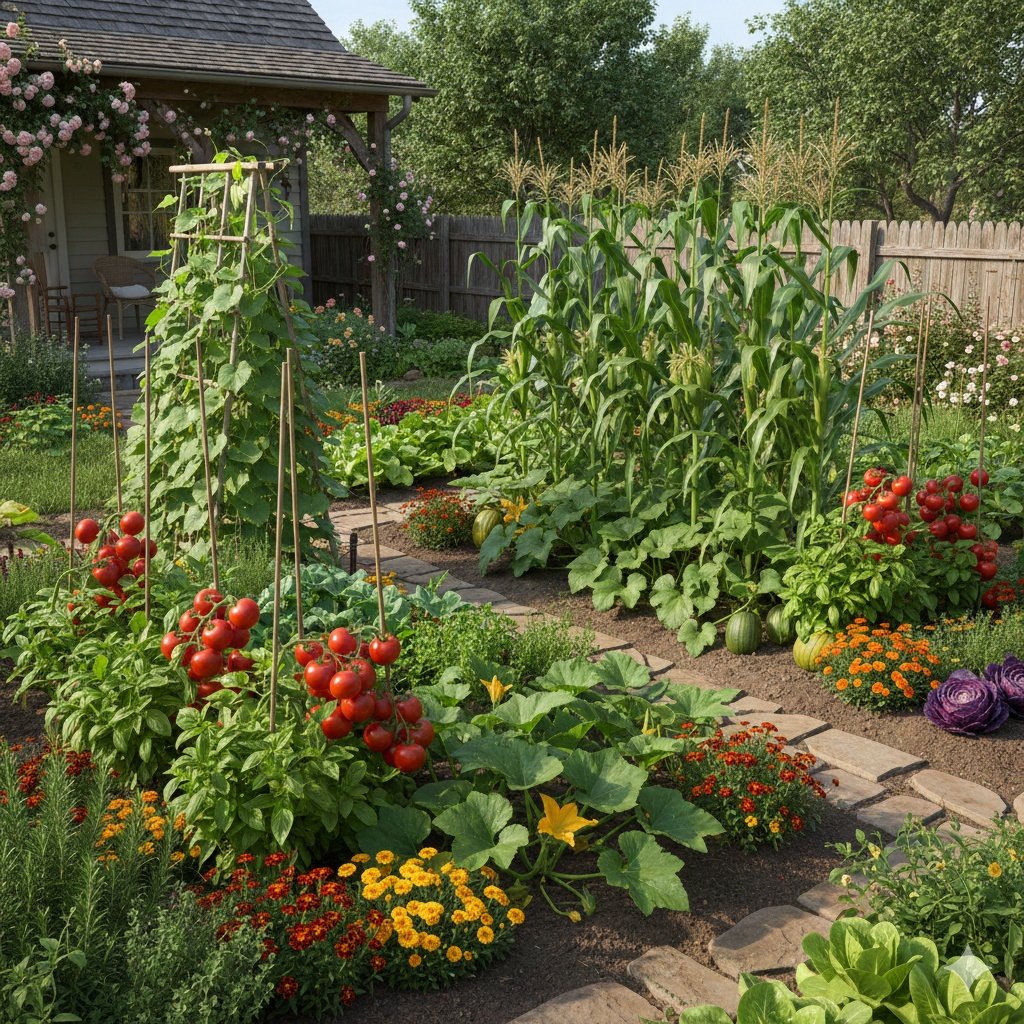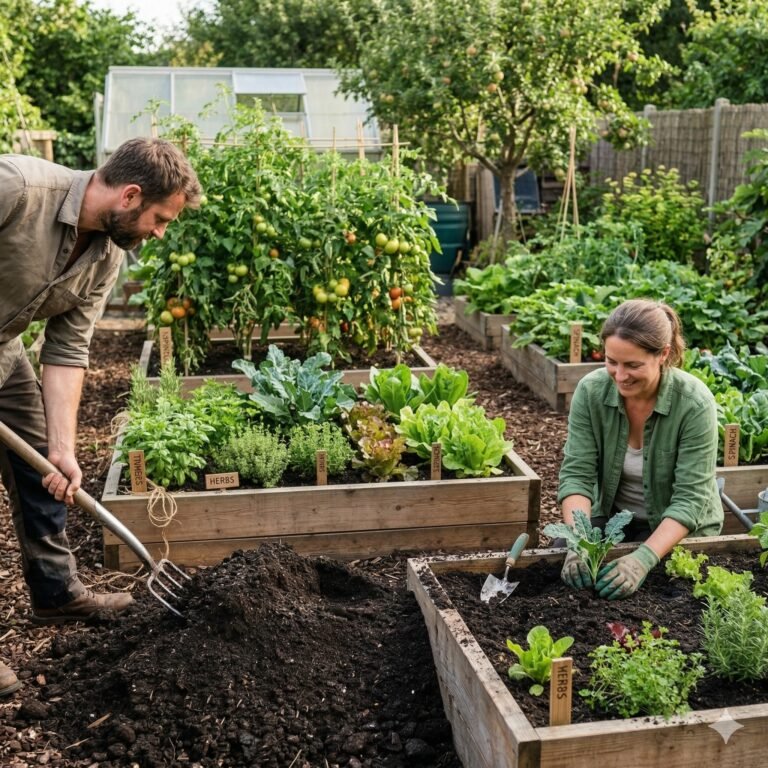

Why Soil Mix for Raised Beds Matters?
So, many new gardeners spend hours building wooden frames for raised beds, yet the real thing that shapes the harvest tends to be the soil that goes inside those frames. In fact, raised beds work a bit differently from traditional gardens, since plants depend almost completely on the mix you create rather than the ground under it.
Basically, if the soil mix turns out weak or packed tight, vegetables often grow slow and the harvest feels a little disappointing. On the other hand, a raised bed filled with the right blend usually grows vegetables that look strong and full of life. So, the mix inside the bed needs to hold water just enough, drain the extra water away, and feed plants over time.
As a matter of fact, many people assume that filling beds with random dirt from the yard will work, yet that choice tends to create drainage trouble and poor root growth. In other words, the soil mix works like the base layer that supports everything happening above it. Basically, tomatoes, cucumbers, lettuce, and peppers grow well when the soil stays loose, rich, and slightly moist. So, this guide walks through the best soil mix formula for raised beds, a cheaper version for tight budgets, and a few habits that keep soil healthy season after season.
By the way, once the soil mix is right, gardening usually feels much easier and harvest baskets start filling up a little faster.
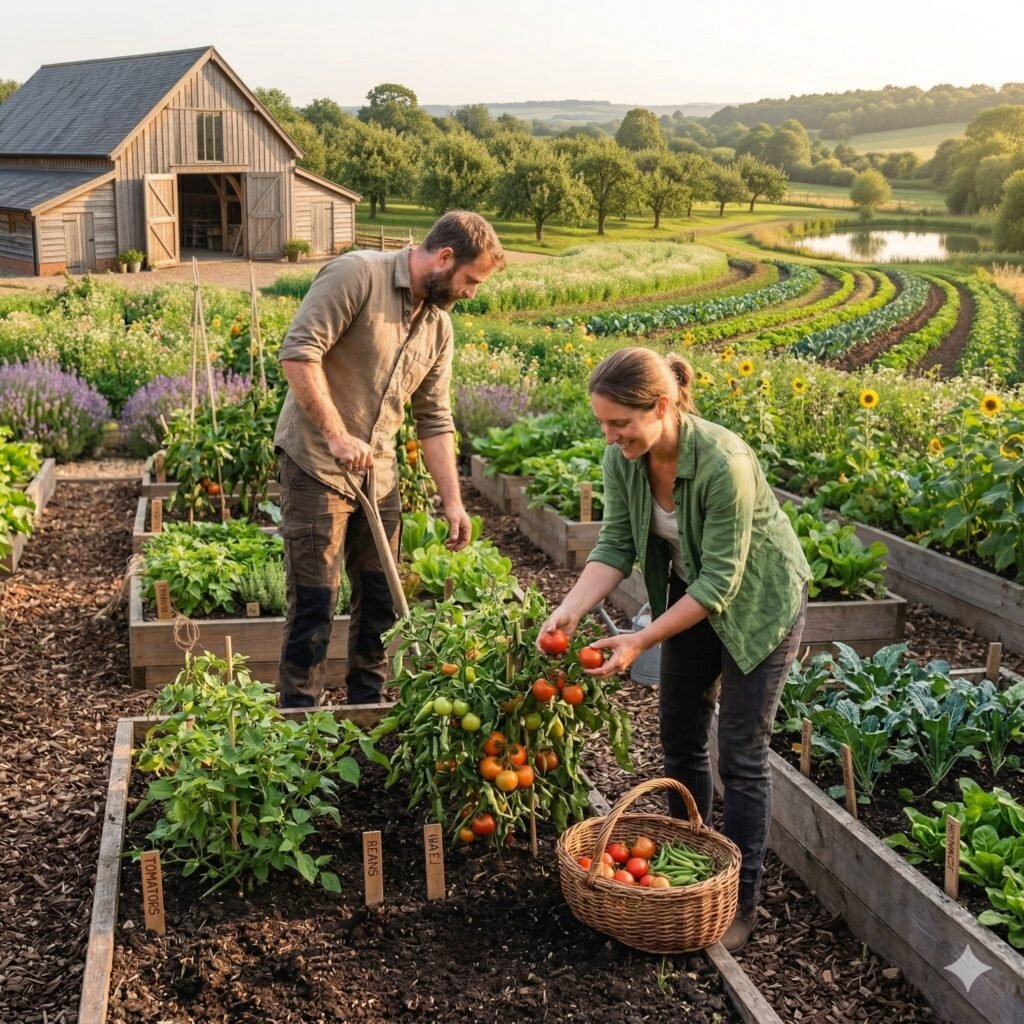
Recommended Soil Products for Raised Beds
So, many gardeners prefer ready-made soil blends or compost products that help simplify the process of filling raised beds. In fact, a few well-known products often work well for vegetable gardens and save time when preparing soil mixes.
| Product | Best For | Key Features | Check Price |
|---|---|---|---|
| FoxFarm Ocean Forest Potting Soil | Nutrient-rich raised beds | Contains compost, earthworm castings, and organic matter | Check on Amazon |
| Miracle-Gro Raised Bed Soil | Beginner gardeners | Pre-mixed soil designed for raised garden beds | Check on Amazon |
| Burpee Organic Premium Potting Mix | Organic vegetable gardening | Organic ingredients that support vegetable growth | Check on Amazon |
| Coco Bliss Coco Coir | Aeration material | Helps retain moisture and keeps soil light | Check on Amazon |
| Wiggle Worm Soil Builder Worm Castings | Soil nutrient booster | Adds beneficial microbes and natural plant nutrients | Check on Amazon |
So, using a combination of these products with the classic raised bed soil recipe often helps create a balanced growing environment for vegetables. In fact, many gardeners simply mix compost, topsoil, and coco coir along with a small amount of worm castings to build a healthy raised bed foundation.
Planning to build a raised garden bed but unsure which material to choose?
I just published a detailed guide comparing Metal vs Wood Raised Garden Beds—covering durability, soil temperature, maintenance, cost, and long-term performance.
I often like sharing helpful resources from other gardening websites that cover the same topic in useful ways. For example, Epic Gardening has a great article titled “The Best Raised Bed Soil Mix,” which might spark your interest and offer a few extra tips for building healthy garden soil.
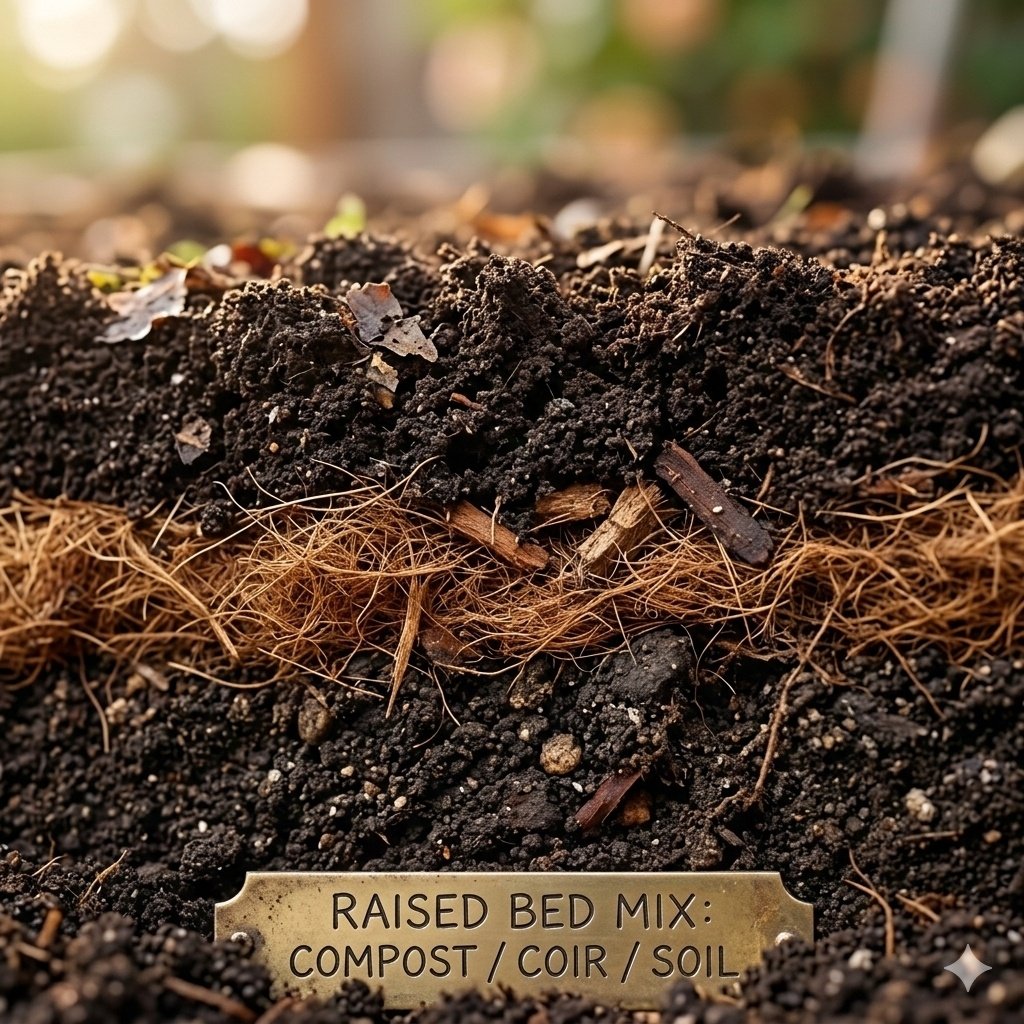
What Makes a Good Raised Bed Soil Mix?
So, raised bed soil needs a balance of three basic qualities that plants rely on every day. In fact, good raised bed soil usually stays rich in nutrients, drains water smoothly, and holds moisture long enough for roots to drink. Nutrient-rich soil feeds vegetables during the growing season and keeps plants producing leaves, stems, and fruit. For example, leafy vegetables like lettuce or spinach tend to grow fast when soil contains steady nutrients. Meanwhile, tomatoes and peppers usually pull a lot of food from the soil as fruit begins forming.
Compost and organic material often supply the nutrients vegetables rely on most. Next, drainage plays a very important role in raised bed soil. In fact, roots sitting in soggy soil often struggle and may start rotting over time. So, soil that drains well keeps air pockets around roots and lets extra water move away after watering or rain.
Now, moisture retention might sound a little opposite to drainage, yet both qualities work together.Basically, the soil needs to store enough moisture so plants do not dry out during warm days. For instance, tomatoes usually prefer steady moisture rather than soil that swings from dry to soaked.
The best soil mix for raised beds balances these three traits so plants grow steady and roots spread easily.
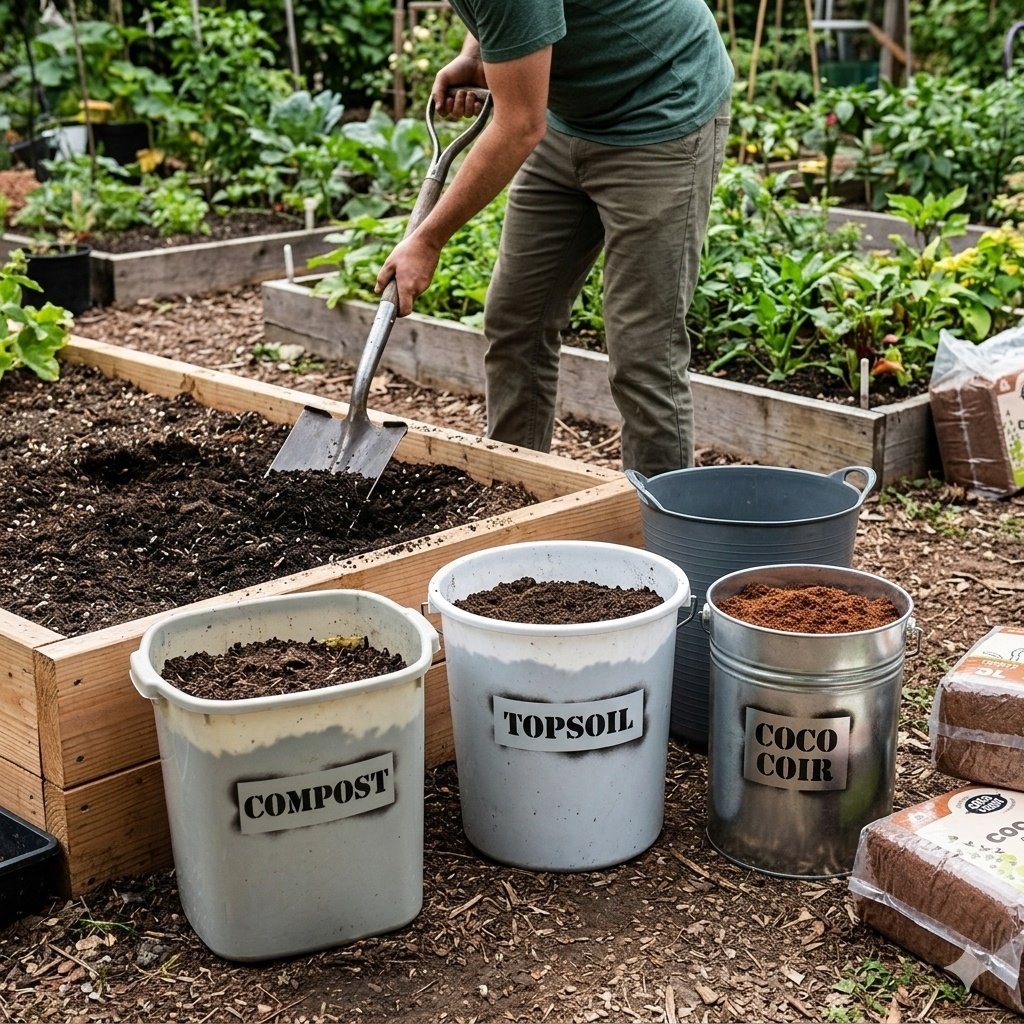
The Best Soil Mix Formula for Raised Beds (The 3-Ingredient Method)
So, gardeners often rely on a classic soil formula that stays simple and works for many vegetables. This method uses three ingredients mixed in equal parts.
The classic raised bed recipe looks like this:
- 1/3 Compost
- 1/3 Topsoil
- 1/3 Aeration Material
So, each part plays a different role inside the bed.
Compost
Compost tends to be the heart of most raised bed soil mixes. In fact, compost forms from broken-down organic material like leaves, vegetable scraps, or manure. Basically, this material feeds plants slowly and improves soil texture at the same time. For example, compost made from kitchen scraps often contains nutrients that vegetables quickly use.
Meanwhile, manure compost from farms usually adds a stronger nutrient boost. So, compost does more than feed plants. In other words, it helps soil stay soft and crumbly rather than packed tight.
Apparently, compost encourages helpful microbes that break organic matter into plant food. So, raised beds with good compost often grow vegetables that look greener and healthier.
Topsoil
Next, topsoil forms the structure of the raised bed mix. In fact, this layer gives plant roots something solid to anchor into as they grow deeper. Basically, screened garden topsoil works well since rocks and debris have already been removed. The soil holds roots steady when plants grow tall and heavy with fruit.
Now, many beginners grab cheap fill dirt from construction sites, yet that material often contains clay or rubble. In other words, poor fill dirt can pack tight and stop roots from spreading. So, quality topsoil keeps the raised bed mix balanced and stable.
Aeration Materials
Now, the third ingredient keeps soil light and breathable. Basically, aeration materials create small spaces in the soil that hold air and help water drain. For instance, coco coir works well since it holds moisture and stays light. Meanwhile, peat moss tends to keep soil fluffy and slightly moist.
Perlite sometimes appears as small white pieces that keep soil loose. Vermiculite acts a bit like a sponge that stores water and nutrients. So, these materials prevent the soil from becoming dense over time. In fact, roots spread faster in soil that stays airy and soft.
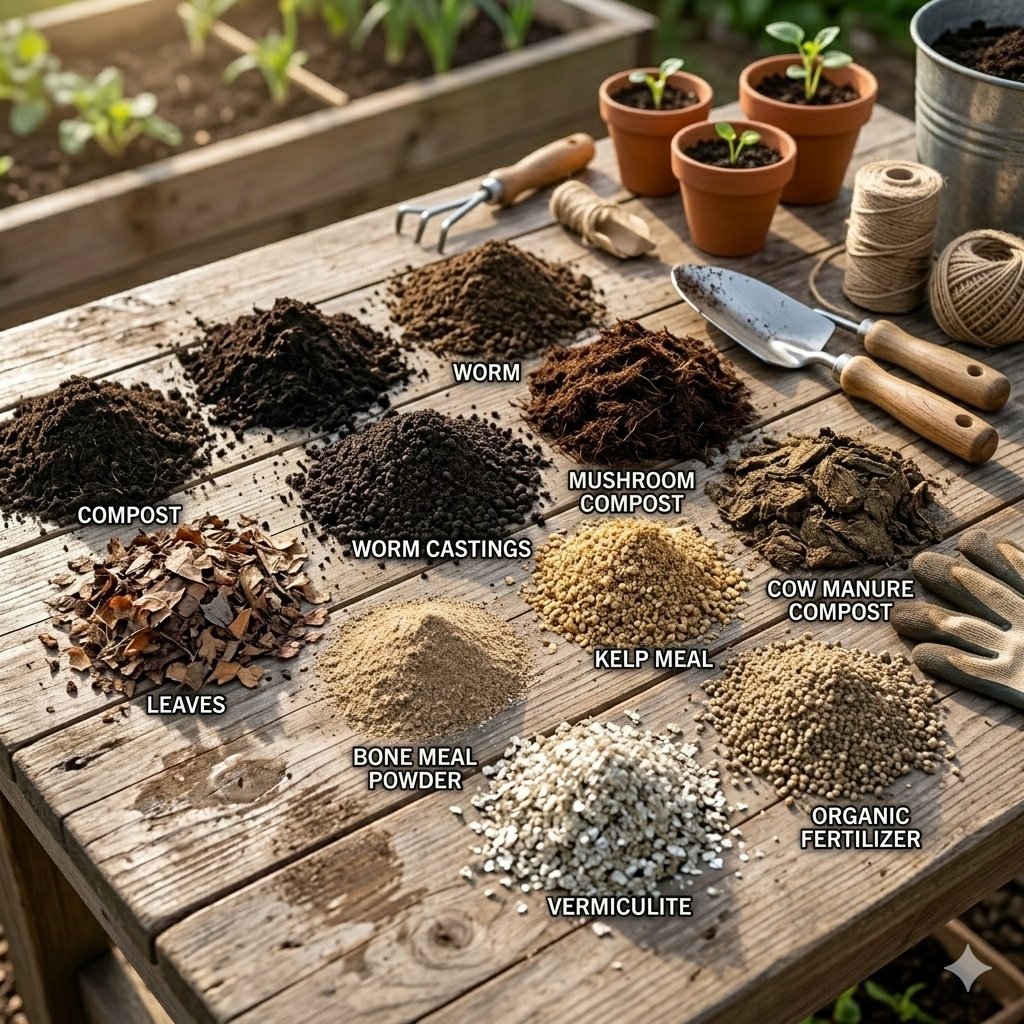
Natural Materials That Improve Raised Bed Soil Fertility
So, gardeners often add a range of natural materials to make raised bed soil richer and more productive. In fact, these ingredients slowly improve soil structure, boost nutrients, and support healthy plant growth over time.
Basically, mixing several organic amendments together helps create soil that holds moisture well, drains properly, and feeds vegetables throughout the growing season.
Here are some commonly used materials that gardeners add to improve raised bed soil.
- Plant-based compost: So, this compost forms from decomposed plant matter like kitchen scraps, leaves, and garden waste. In fact, it adds nutrients to the soil and improves the texture so roots grow easily.
- Mushroom compost: This material comes from mushroom farming operations. Basically, it acts as a soil conditioner and adds organic matter that supports plant growth.
- Cow manure (composted): Once cow manure has aged and composted properly, it becomes a rich amendment that improves soil fertility and organic matter levels.
- Horse manure (well aged): Horse manure can work well in raised beds once it has fully composted. So, the aging process helps prevent plant damage and makes nutrients available to the soil.
- Poultry manure: Chicken or poultry manure contains strong nutrients, so it usually needs composting before adding to the garden. In some cases, gardeners compost it directly in beds during the off-season.
- Worm castings: These come from earthworms breaking down organic material. In fact, worm castings add gentle nutrients and beneficial microbes that support plant health.
- Leaves or leaf mold: Decomposed leaves add valuable organic matter to soil. Basically, leaf mold improves moisture retention and can even work as a natural mulch layer.
- Organic meal fertilizers: Materials like alfalfa meal, bone meal, blood meal, or kelp meal act as natural fertilizer sources. So, they slowly release nutrients that plants can use during the growing season.
- Vermiculite: This lightweight mineral helps soil hold moisture and supplies small amounts of trace minerals.
- Organic fertilizers: Gardeners who do not mix their own fertilizer blends sometimes use organic fertilizer products to supply additional nutrients.
- Azomite and mineral powders: These natural mineral products provide trace elements that support healthy plant development.
So, adding a mix of these materials to raised bed soil usually creates a balanced growing environment where vegetables can develop strong roots and produce healthy harvests.
The Best Soil Mix for Vegetables (My Recommended Blend)
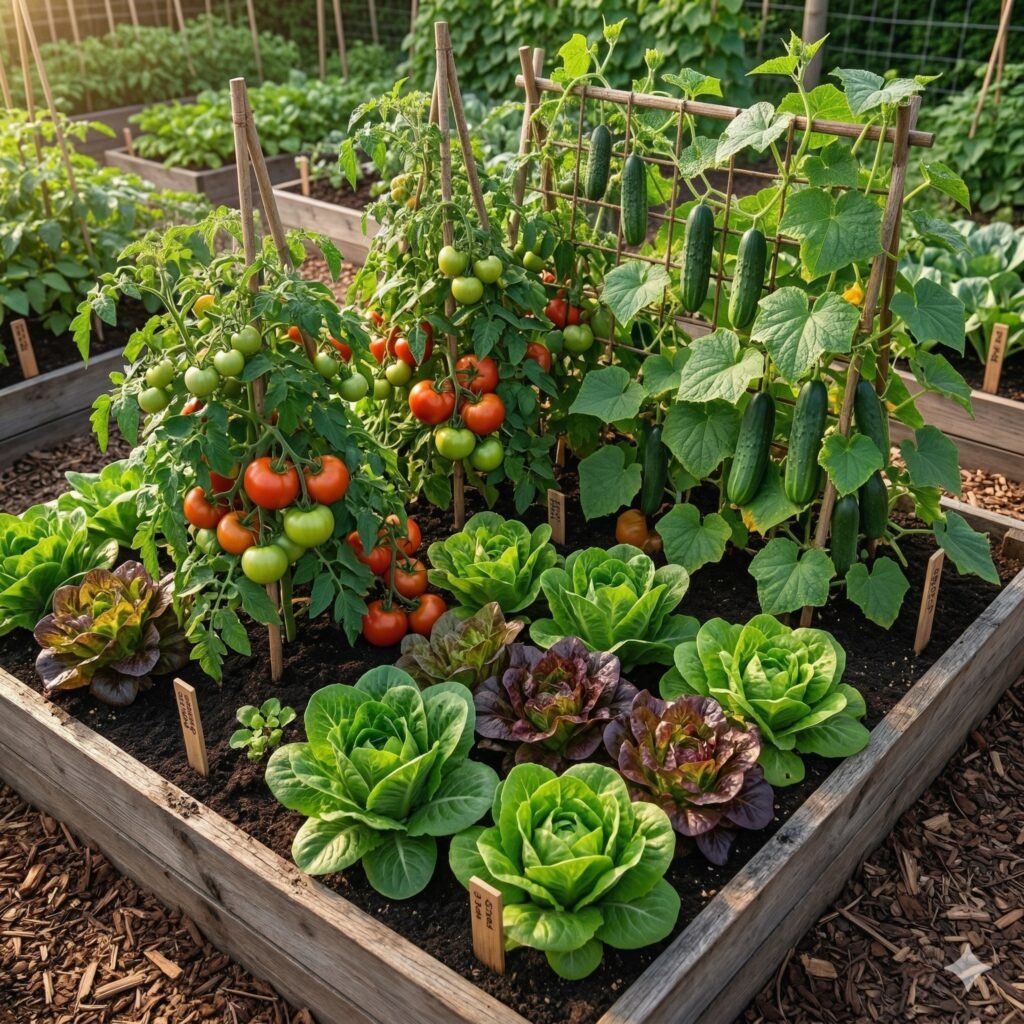
So, many gardeners adjust the classic formula slightly when growing vegetables. In fact, vegetables tend to grow stronger when compost makes up a larger share of the soil mix.
A practical blend for raised bed vegetables looks like this:
- 40% compost
- 40% topsoil
- 20% coco coir or peat moss
So, this mix provides steady nutrients, stable structure, and good moisture control. For example, tomatoes usually grow deep roots in soil that stays loose and rich. Meanwhile, cucumbers spread quickly when compost supplies steady nutrients.
Leafy greens often grow fast in soil that stays moist and nutrient filled. So, this blend supports many common garden vegetables without much adjustment. Now, some gardeners add small extras to boost soil health. For instance, worm castings sometimes add gentle nutrients and helpful microbes.
Aged manure may provide an extra layer of organic matter. So, these additions improve the soil slowly over time.
Budget-Friendly Raised Bed Soil Mix (Save Money)
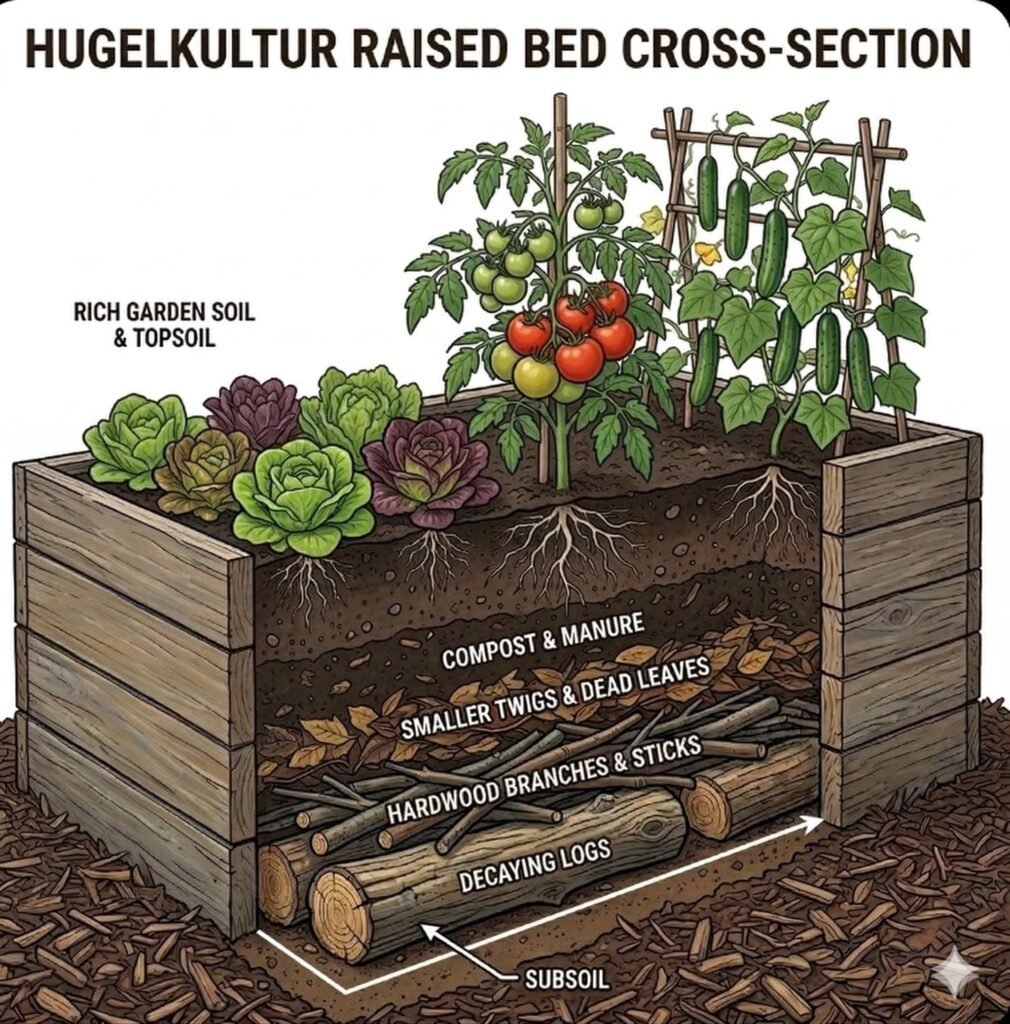
So, filling raised beds with purchased soil can feel a little expensive for large gardens. In fact, many gardeners search for ways to stretch their soil budget. Basically, one popular method uses natural material placed at the bottom of the bed. This approach often goes by the name hugelkultur.
- The bottom layer contains logs, sticks, and branches.
- Gardeners add leaves or grass clippings over that wood layer.
- The soil mix sits on top of those materials.
In fact, the wood slowly breaks down and releases nutrients over time. So, the lower layers act almost like a sponge that stores water. This setup reduces the amount of soil needed to fill the bed.
Now, another money-saving option involves local compost sources. For example, some cities offer compost made from yard waste. Farm manure often appears at low cost from nearby farms. Leaf mold created from decomposed leaves works well too. So, combining these local materials with topsoil usually lowers the total cost of building raised beds.
Soil Depth: How Much Soil Do Raised Beds Need?
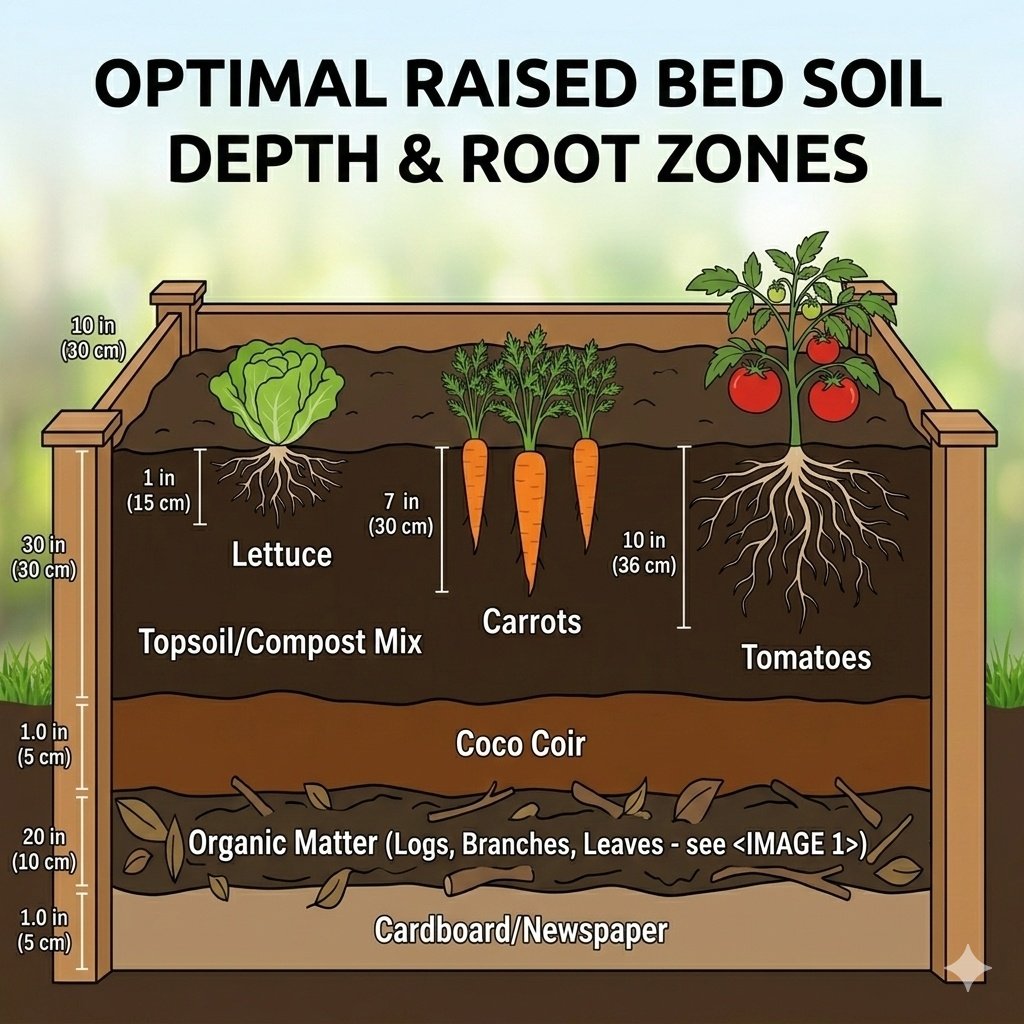
So, soil depth matters a lot for vegetable growth. In fact, different vegetables send roots down to different depths. Shallow rooted plants need less soil compared with larger crops. Leafy greens like lettuce often grow fine in six to eight inches of soil.
Herbs sometimes grow well in beds around eight inches deep. Most vegetables, like peppers or beans, usually prefer ten to twelve inches of soil. Root crops such as carrots or parsnips often grow better in deeper beds.
So, beds around twelve to eighteen inches deep give those roots more space. In other words, deeper soil lets plants explore more area for water and nutrients. So, gardeners planning large vegetables often build beds slightly taller.
Soil Mix for Different Vegetables
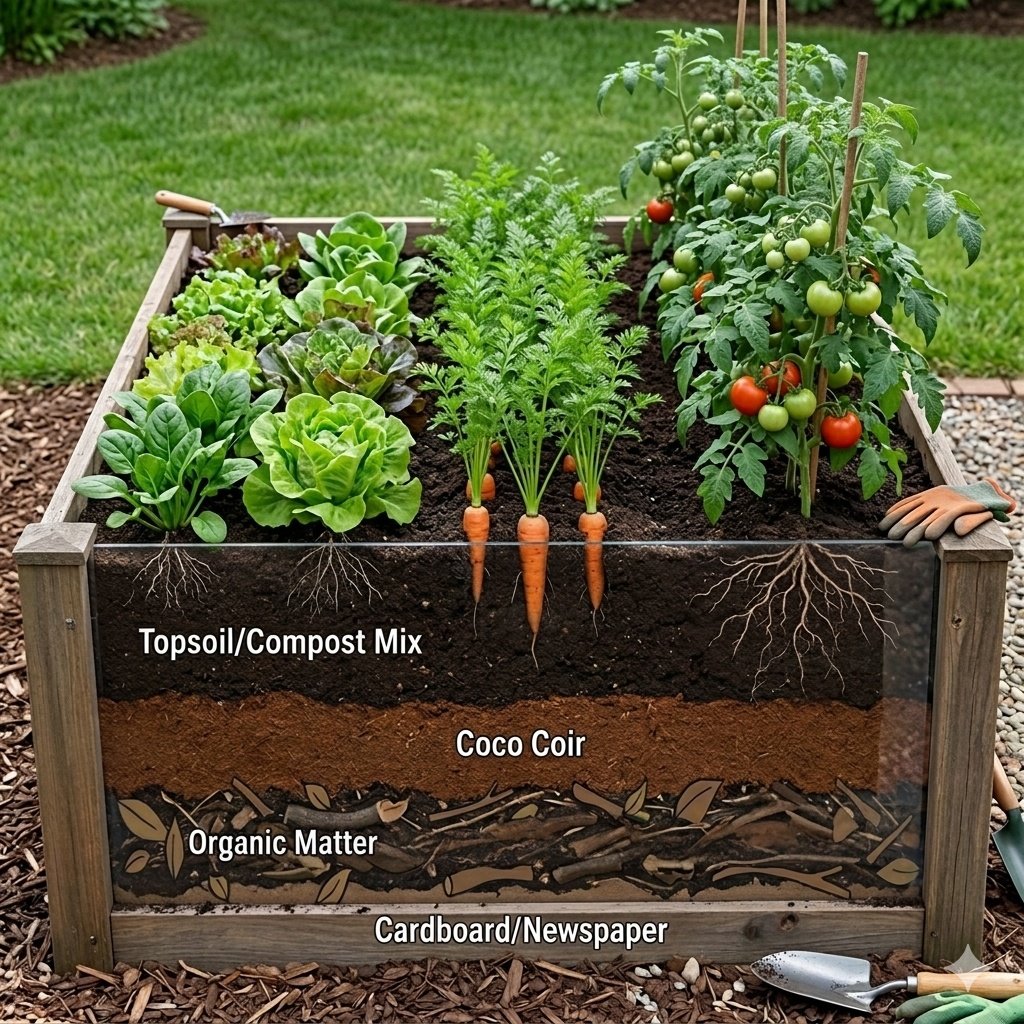
Many vegetables grow well in the same soil mix, yet some crops prefer slight adjustments.
Tomatoes
Tomatoes usually prefer soil rich in compost, they grow best when drainage stays steady and roots receive air. A compost-heavy soil mix keeps tomato plants producing fruit through the season.
Root Vegetables
Carrots and radishes need loose soil that lets roots push downward, heavy clay soil often bends or splits root crops. Adding extra coco coir or sand keeps soil lighter for these plants.
Leafy Greens
Lettuce, spinach, and kale often prefer nutrient-rich soil that holds steady moisture, compost helps these greens grow fresh leaves quickly. Beds with rich organic matter tend to support leafy crops through repeated harvests.
Common Raised Bed Soil Mistakes
So, beginners often make a few simple soil mistakes when starting a raised garden.
Using Only Garden Soil
Filling beds with plain yard soil might seem easy, this soil often drains poorly once placed in raised beds. It compacts over time and roots struggle to spread.
Too Much Compost
Compost improves soil, yet using too much can cause trouble, very high compost levels sometimes hold too much moisture. This may lead to nutrient imbalance in the soil.
Ignoring Drainage
Water needs a path to move through the soil, beds without aeration materials sometimes stay soggy after rain. Wet soil encourages root rot and fungal growth.
Using Fresh Manure
Fresh manure often contains strong nutrients, these nutrients may burn plant roots if the manure has not aged. Composted manure works far better for raised beds.
How to Improve Raised Bed Soil Over Time
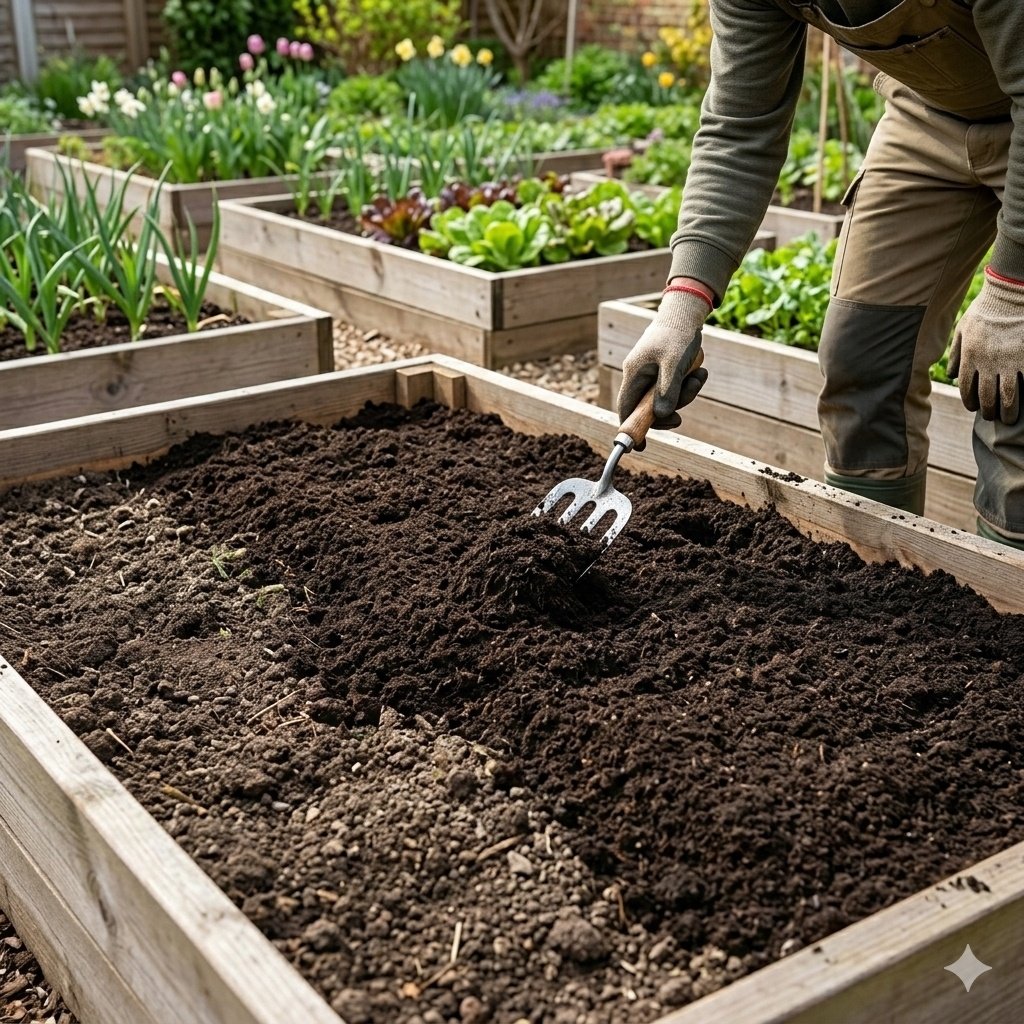
Soil tends to improve naturally after each growing season, organic matter breaks down and feeds microbes living in the soil. Gardeners can help this process along with a few habits. So, adding compost every spring refreshes the nutrient supply. Mulch placed on top of soil helps moisture stay steady. Crop rotation sometimes reduces disease and nutrient stress.
Worm castings added occasionally bring helpful microbes into the bed. So, raised bed soil slowly becomes richer and easier to work with over time.
Raised Bed Soil Maintenance Tips
A few simple habits keep raised bed soil healthy year after year. In fact, topping beds with compost each spring restores nutrients plants used during the previous season. Avoiding stepping inside the beds keeps the soil loose and airy.
Mulch layers made from straw or leaves help protect the surface of the soil. So, moisture stays more stable during warm weather. Cover crops sometimes grow during the off season and add organic matter to the soil.
FAQ
What is the best soil mix for raised beds?
So, the best soil mix for raised beds usually combines compost, topsoil, and aeration material like coco coir or peat moss. In fact, this combination keeps soil rich, loose, and able to hold moisture.
Can I fill raised beds with only compost?
So, pure compost may hold too much moisture and nutrients. In fact, mixing compost with topsoil and aeration material usually creates better balance.
How deep should raised bed soil be for vegetables?
So, most vegetables grow well in soil around ten to twelve inches deep. Root crops often prefer deeper beds around twelve to eighteen inches.
Final Thoughts
So, raised bed gardening usually turns out much easier once the soil mix starts off right. In fact, plants growing inside these beds rely almost completely on the blend you place in them, so the soil base really shapes the harvest you get later on.
Basically, a mix made from compost, topsoil, and a light aeration material tends to give vegetables the space, food, and moisture balance they need through the growing season.
For example, tomatoes often grow taller and produce more fruit when their roots spread through loose, nutrient-rich soil. Meanwhile, leafy greens usually grow fresh tender leaves when compost supplies steady nutrients in the mix.
So, even beginner gardeners can see strong results with a simple formula like forty percent compost, forty percent topsoil, and twenty percent coco coir or peat moss.
So, once the soil mix is right, gardening usually feels smoother and harvest baskets start filling up with fresh vegetables much more often. Below video for you. Happy Watching…..