
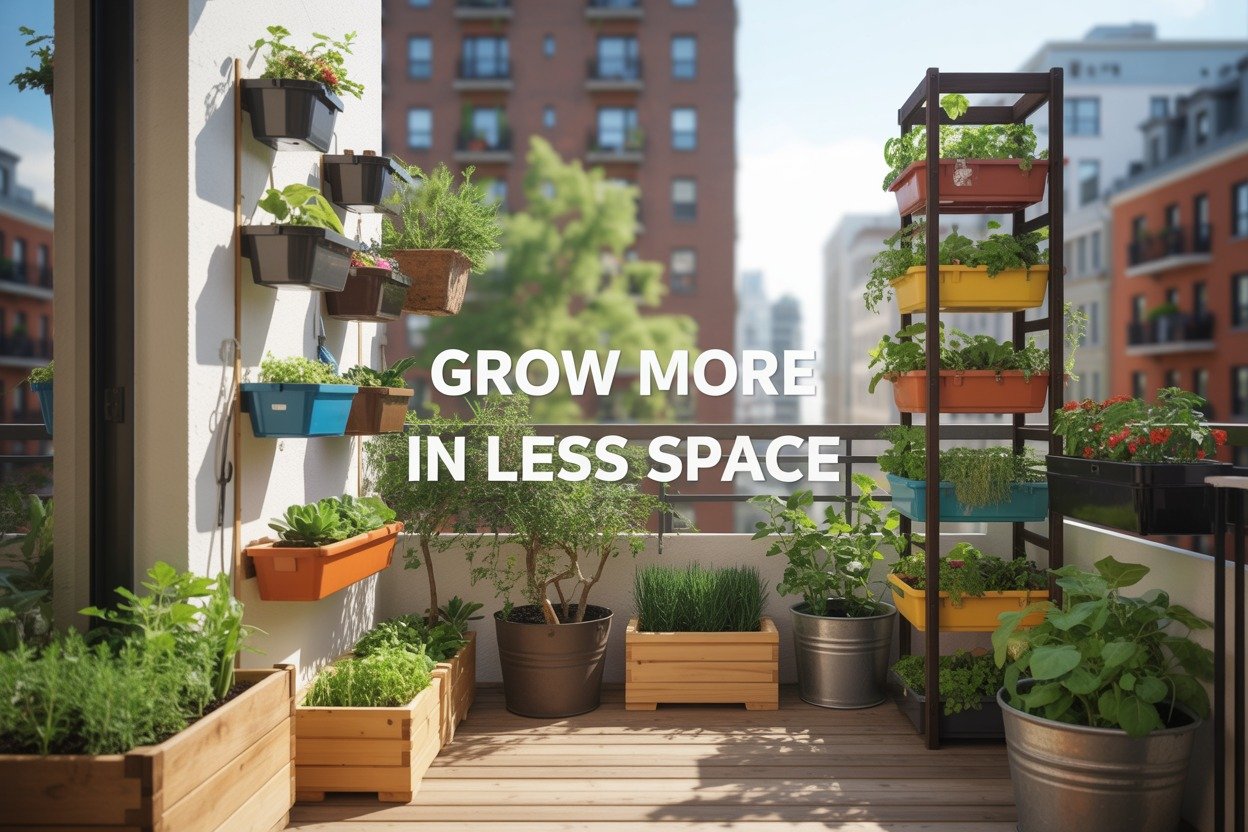
Small spaces don’t mean you have to give up your gardening dreams. Vertical gardening and small space gardening solutions can transform even the tiniest balcony, patio, or indoor corner into a lush green retreat that produces fresh herbs, vegetables, and beautiful flowers.
This guide is perfect for apartment dwellers, urban gardeners, renters with limited outdoor space, and anyone who wants to grow more food and plants without needing a large backyard. You’ll discover practical vertical garden ideas and space-saving gardening techniques that really works.
We’ll walk you through building vertical garden structures that maximize every square inch of your available space. You’ll learn essential container gardening methods that keep plants healthy in small spaces, plus how to choose the right plants for maximum harvests in minimal room. We’ll also cover creative indoor growing solutions that work year-round and share innovative DIY projects that expand your growing capacity without breaking the bank.
Get ready to grow up instead of out and create the productive garden you’ve always wanted, no matter how small your space.

1. Vertical & Small-Space Gardening: Build Living Walls and Green Towers for Edible Gardens
Transform Bare Walls into Lush Edible Gardens
Vertical gardens are a show-stopping solution for small spaces. By using pocket planters, modular green wall panels, or DIY frames, you can turn any blank wall into a productive, edible landscape. Install staggered horizontal planters to create a living cascade with herbs like basil, cilantro, parsley, and oregano.
Pro Tip: Ensure proper drainage and use drip irrigation or self-watering systems. Opt for lightweight soils like coconut coir blends to protect your structure and boost plant health.
Grow Upward with Trellises and Garden Frames
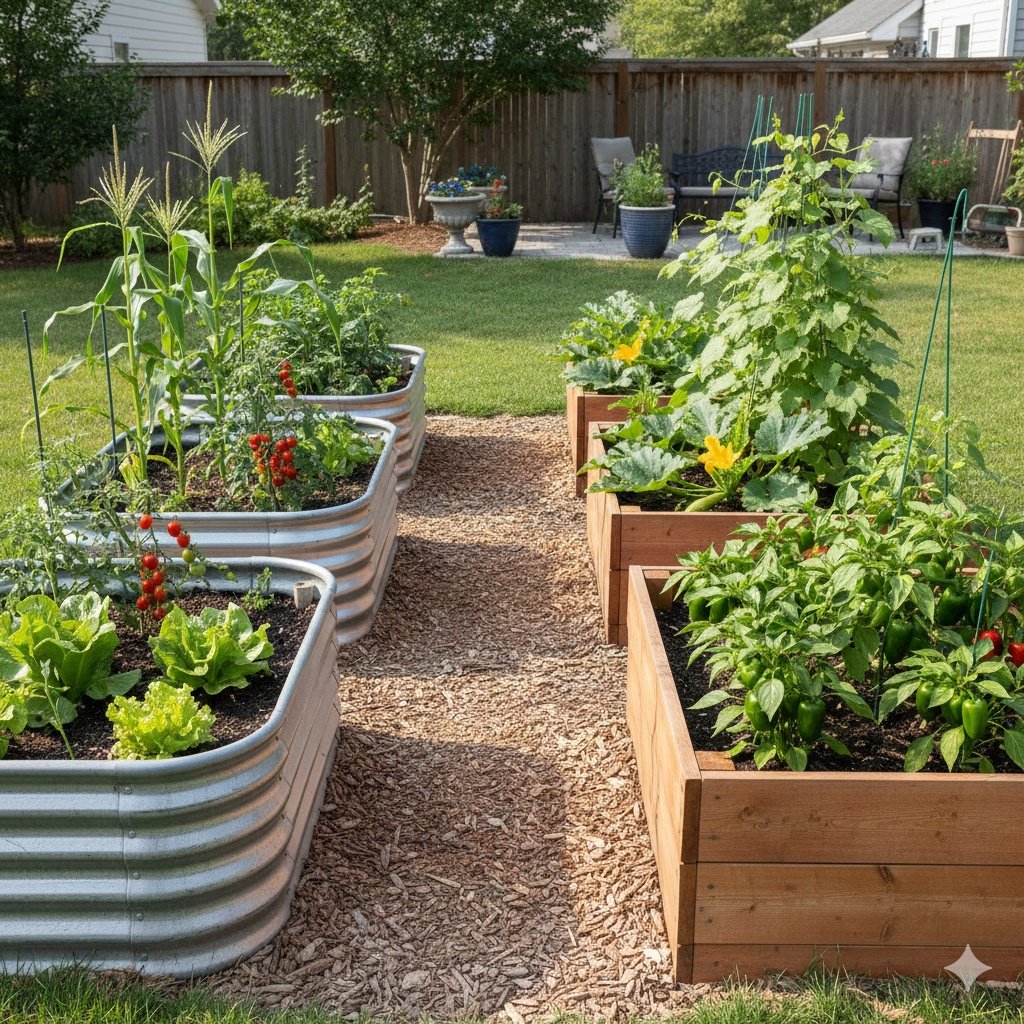
For small-space vegetable gardeners, vertical supports are a game-changer. Trellises made from cedar, metal, or reclaimed materials can support vining crops and maximize space by up to 300%. Popular choices include pole beans, cucumbers, peas, and indeterminate tomatoes. In compact areas, consider obelisk-style trellises or bamboo frames for structure and beauty.
Tier Up with Vertical Towers & Shelf Systems
Vertical stacking—whether with tower gardens, shelving, or plug-and-play systems—expands your planting area vertically and allows for diverse plant heights. DIY options like stacked buckets, PVC towers, or strawberry tower systems work well for balconies. Use LED lights for indoor towers and arrange sun-loving plants at the top and leafy greens below.
Transform Fences into Edible Screens
Fences are golden real estate for vertical gardening. By hanging rail planters, mounting grid systems, or training vines through mesh, you can grow food and privacy simultaneously. Use wall planters for herbs and veggies at eye level, aligning plant choices with the wall orientation—e.g., shade-loving greens on east walls, heat-loving herbs on west-facing surfaces.
2. Vertical & Small-Space Gardening: Choose the Right Containers for Healthy Harvests
Picking the Perfect Container Size for Healthier Plants
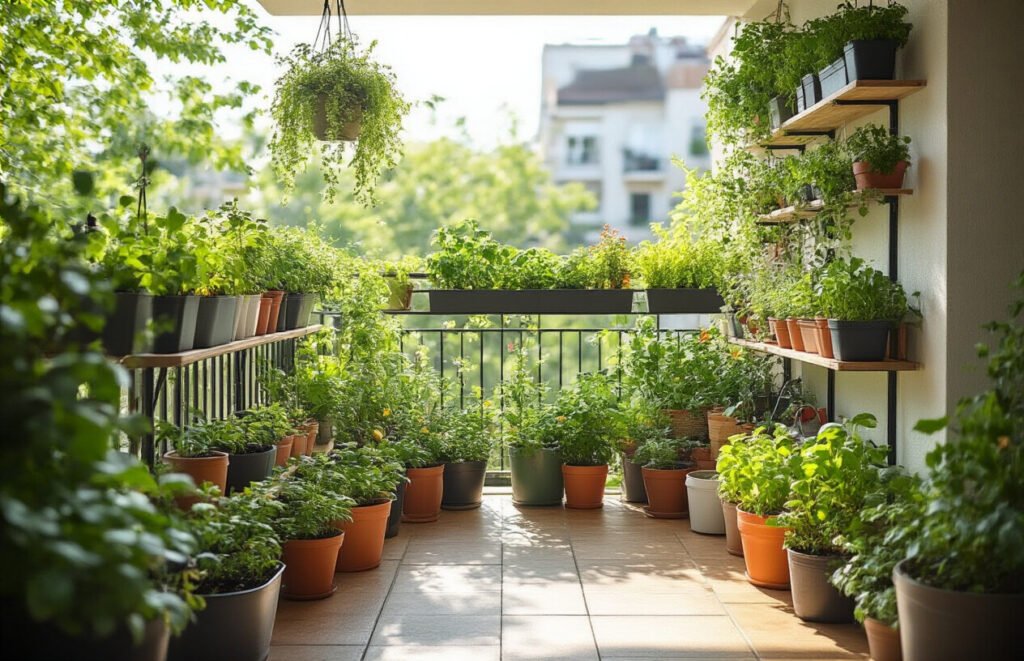
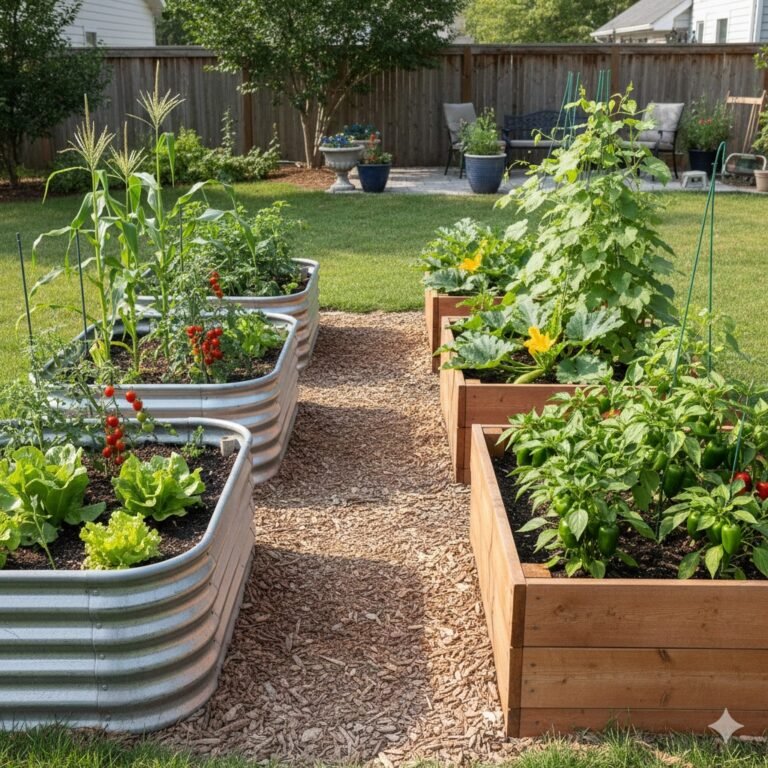
Container choice is critical in vertical and small-space gardening. For root vegetables, go with deep containers (at least 12 inches). Leafy greens thrive in shallower 6–8 inch pots, while tomatoes—especially large varieties—need 20-gallon containers. A handy rule: one gallon per foot of mature plant height—so a 3-foot tomato plant needs at least a 3-gallon pot. Also, ensure your containers are wide enough (around 12 inches) for roots to spread horizontally. For convenience, opt for self-watering planters or DIY versions with wicking systems—great for maintaining consistent hydration.
Smart Soil & Drainage Solutions for Compact Gardens
Quality potting mix beats garden soil every time. Use a blend of compost, perlite, and coconut coir for optimal aeration and moisture retention. Add slow-release organic fertilizer to feed plants throughout the season. Always drill drainage holes, then cover them with coffee filters or landscape fabric to keep soil inside. Elevate pots on bricks or feet to improve airflow and prevent water buildup.
Maximize Yield with Smart Spacing Techniques
Adopt Square-Foot Gardening methods even in containers: plant lettuce every 4 inches in grid patterns and carrots 2 inches apart for higher yields. Use succession planting—sow new leafy crops biweekly to maintain steady harvests. Vertical companion planting works wonders too—grow pole beans on a trellis and shade lettuce below for space-efficient growth and extended season.
3. Space-Saving Vegetables for Small Gardens: Grow Big Harvests in Tight Spaces
Choose Space-Efficient Vegetables for Maximum Yield
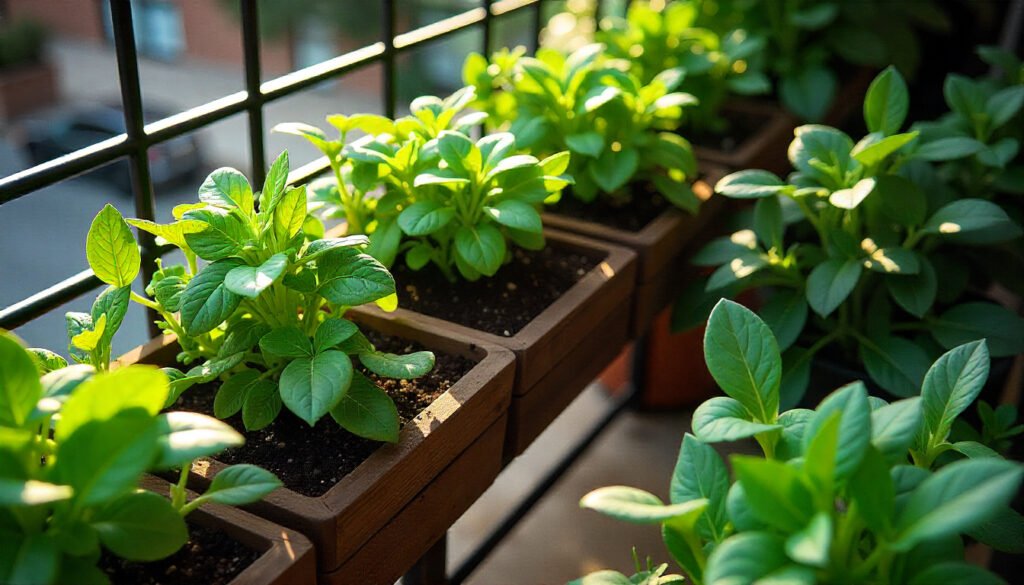
Cherry tomatoes are champions of small-space gardening—one plant in a 5-gallon container can produce pounds of fruit all season long. Pair them with pole beans, which climb vertically and enrich soil with nitrogen. Leafy greens like spinach, kale, and lettuce thrive in shallow containers and offer continuous harvests with cut-and-come-again methods. Swiss chard adds color and productivity, while compact hot peppers (like Thai chilies) deliver huge flavor in tiny spaces.
(Read more about growing vegetables in small spaces on The Spruce.)
Select Dwarf & Compact Varieties for Tight Spaces
Plant breeders have created incredible dwarf vegetables perfect for balconies and patios. Options like Tiny Tim and Red Robin tomatoes stay under 12 inches tall yet produce full-sized fruit. Compact cucumbers (Spacemaster, Bush Champion) grow bushy, not sprawling. Miniature fruit trees in containers provide full harvests in a small footprint—dwarf apple trees can yield 20–30 lbs annually. Baby eggplants, patio zucchini, and mini bell peppers offer big harvests in small containers.
(Check this guide on best dwarf vegetable varieties by Gardening Know How.)
Grow Fast-Maturing Crops for Continuous Harvests
Quick crops = more food in less time! Microgreens are ready in 7–14 days, perfect for indoor gardens. Radishes mature in 25–30 days, letting you fit multiple plantings in one season. Baby salad greens (arugula, spinach, mesclun) regrow after cutting for multiple harvests. Asian greens like bok choy and tatsoi thrive in cool weather and mature in under 40 days—ideal for succession planting.
(Learn how to grow microgreens at home from The Old Farmer’s Almanac.)
Maximize Space with Companion Planting
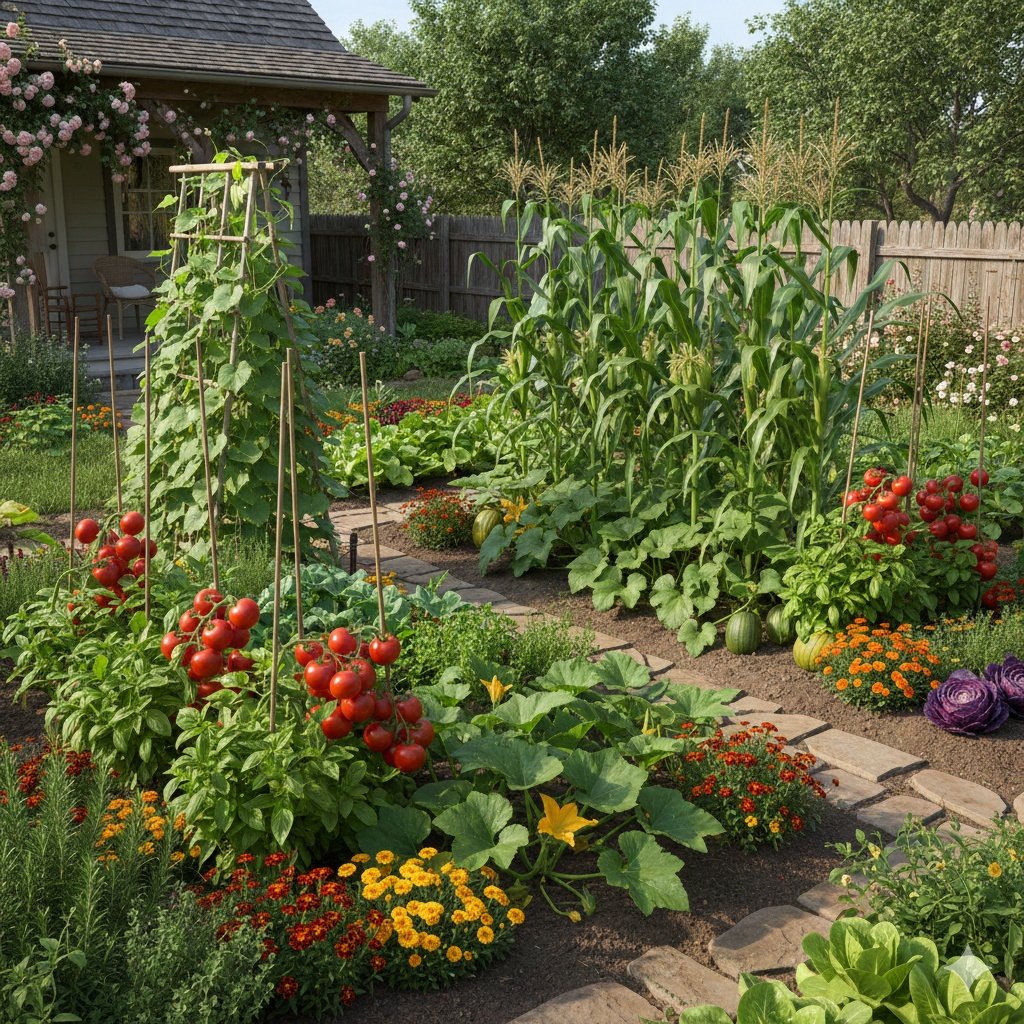
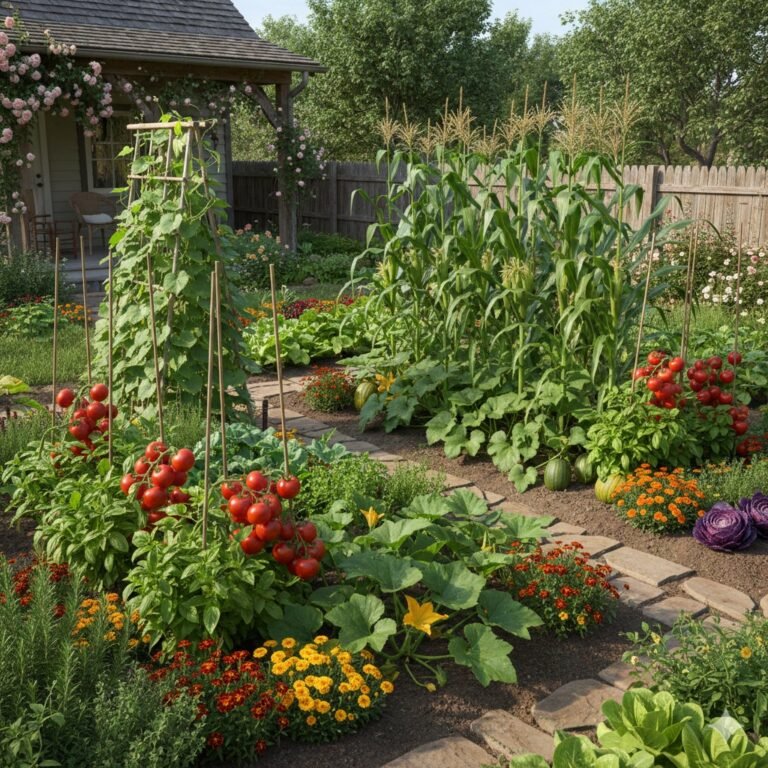
Companion planting lets you stack crops vertically and horizontally. Use the “Three Sisters” method: corn for height, beans to climb, and squash to cover the ground. Pair tomatoes with basil (better flavor + pest control) or lettuce at the base of tall plants for shade. Radishes loosen soil for carrots, and sunflowers act as natural trellises for vines like cucumbers. Herbs like thyme or oregano can serve as living mulch between veggies.
(Explore more companion planting strategies from GrowVeg.)
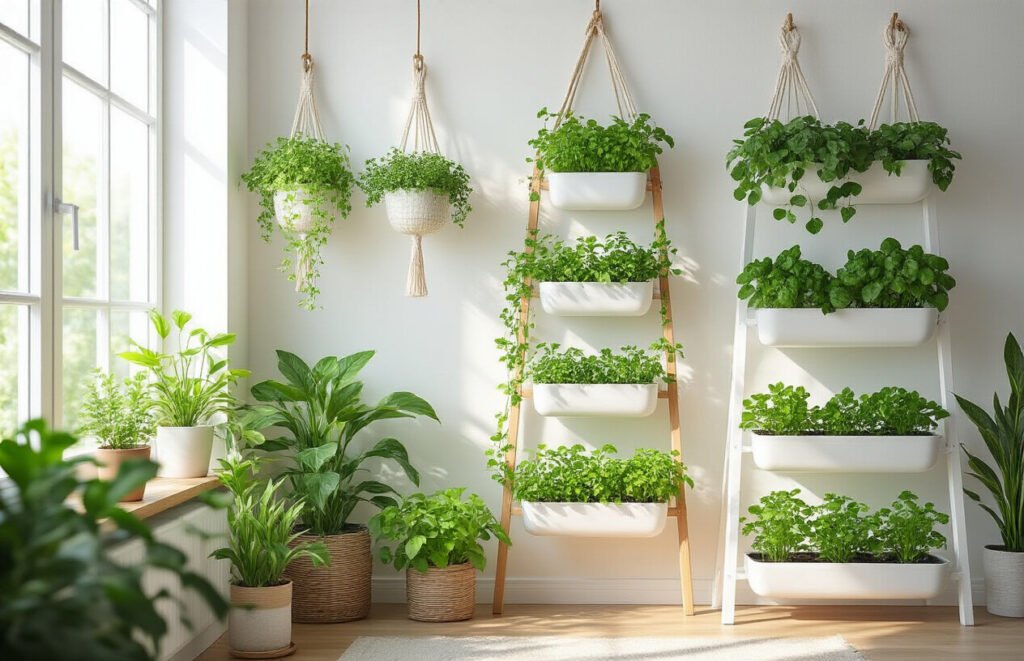
4. Windowsill & Indoor Vertical Garden Ideas: Grow Fresh Produce Year-Round
Start Windowsill Gardens for Year-Round Freshness
Windowsills are perfect for small-space, indoor vertical gardening. South-facing windows offer 6–8 hours of direct sunlight, ideal for herbs, lettuce, cherry tomatoes, and microgreens. Use stackable planters or multi-tiered shelf units to maximize vertical space.
Best practice tip: According to the Chicago Botanic Garden, most herbs require 4–6 hours of sun—or up to 14 hours with supplemental lighting—for thriving growth.
Chicago Botanic Garden
Use Grow Lights When Natural Light Falls Short
In darker spaces, LED grow lights are a game-changer. Place full-spectrum LEDs 12–18 inches above plants, adjusting height as they grow. Leafy greens and herbs do well with 12–16 hours of light daily. Use reflective materials, like mylar or white walls, to improve light efficiency.
If you’re indoors year-round, these creating continuous growth even without sunlight.
Food & WineReal Simple
Build Compact Hydroponic Gardens Indoors
Hydroponic systems are ideal for tiny spaces and fast growth. The Kratky method—a passive hydroponic setup—needs no electricity or pumps, making it beginner-friendly and space-efficient.
Quick guide: Plants rooted in nutrient solution sit above a reservoir; as the water drops, roots adapt and absorb oxygen naturally. Perfect for herbs and leafy greens.
WikipediaUniversity of Minnesota Extension
Design Kitchen Herb Gardens for Convenience & Savings
Set up herbs within arm’s reach of your cooking space:
Rotate watering groups: Mediterranean herbs (rosemary, thyme) tolerate drier conditions, while basil and cilantro prefer consistent moisture.
Food & Winerecipes.
Use magnetic planters on your fridge or under-cabinet rail systems to save counter space.
Hanging herb gardens above sinks or windows maximize vertical area.

5. Creative Vertical Gardening: DIY Pallet, Hanging & Stackable Planters
DIY Vertical Pallet Gardens (Eco-Friendly & Budget Smart)
Wooden shipping pallets can transform into stunning vertical gardens—just ensure they’re marked HT (heat-treated) to be safe for edibles. Skip any labeled MB (methyl bromide) due to toxicity concerns. Secure landscape fabric to the back and bottom using a stapler to create soil pockets, then fill with potting mix. Plant lighter items like herbs and strawberries up top, heavier ones below. Anchor your pallet to a wall or fence with galvanized brackets. For extra planting space and stability, try a three-sided design by joining two pallets.
(Source: A step-by-step guide from the Pitt County Arboretum on building vertical pallet gardens)
The Pitt County Arboretum
Hanging Gardens: Elevate Hidden Spaces
Utilize forgotten airspace with hanging planters—coconut fiber baskets, fabric pots, or repurposed containers with drainage holes work great. Macramé hangers combined with lightweight plants like cherry tomatoes or nasturtiums add style and function. For heavier installations, consider wooden planters and secure ceiling hooks rated well above the planter’s weight. Add a pulley system and drip irrigation to simplify watering and maintenance, without dripping mess below.
*(Source: Overview of sustainable indoor/outdoor hanging gardens on Wikipedia)
Wikipedia
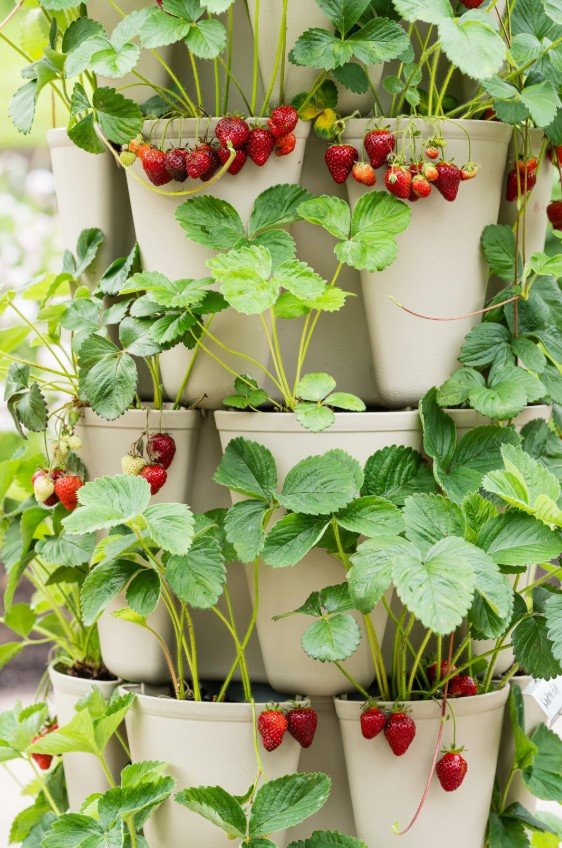
Tiered Stackable Planters for Vertical Productivity
Stack planters to maximize space and accessibility. You can build tiered systems using cedar wood boxes or recycled food-grade containers. Start with a wide base (e.g., 24″), tapering upward for a stable pyramid. For renters, mobile systems with casters let you chase the sun. PVC vertical towers, drilled and filled with growing media, are another efficient method for crowded balconies or patios. Mounting your stackable system against walls improves support and creates helpful microclimates.

Conclusion
Small spaces don’t have to mean small harvests. Whether you’re working with a tiny balcony, cramped backyard, or just a few windowsills, vertical gardening and container growing can transform any space into a productive garden. From building simple trellises and wall planters to choosing compact, high-yield varieties, these techniques help you grow more food and flowers without needing acres of land.
The key is getting creative with your setup and thinking vertically. DIY projects like hanging gardens, stackable planters, and indoor growing systems can multiply your growing space dramatically. Start small with a few containers or a simple vertical structure, then expand as you gain confidence. Your space limitations might actually become your greatest advantage, leading to a more organized, efficient, and manageable garden that produces fresh food year-round.
Here’s a quick video that shows how you can create a vertical garden in a small balcony space-
Pingback: Edible Living Fence Ideas:Wildlife-Friendly Garden & Privacy
Pingback: Edible Landscaping: Create a Beautiful & Productive Garden
Pingback: Vertical Gardening: 9 Best Vegetables That Grow Upwards
Pingback: Best Edible Spring Vegetables to Grow in the USA & Europe