


Winter often hits gardens hard, right? Leaves drop, blooms fade, and the whole space starts looking a bit dull and lifeless. But it doesn’t have to stay that way. There are quite a few frost-resistant plants that actually love the chill and keep their shape and color long after other plants have given up. These hardy beauties bring life, texture, and color to frosty backyards, patios, and garden beds all season long.
So, let’s look at ten amazing cold-hardy plants that can survive and even shine when the frost hits.
Frost-Resistant Plants:
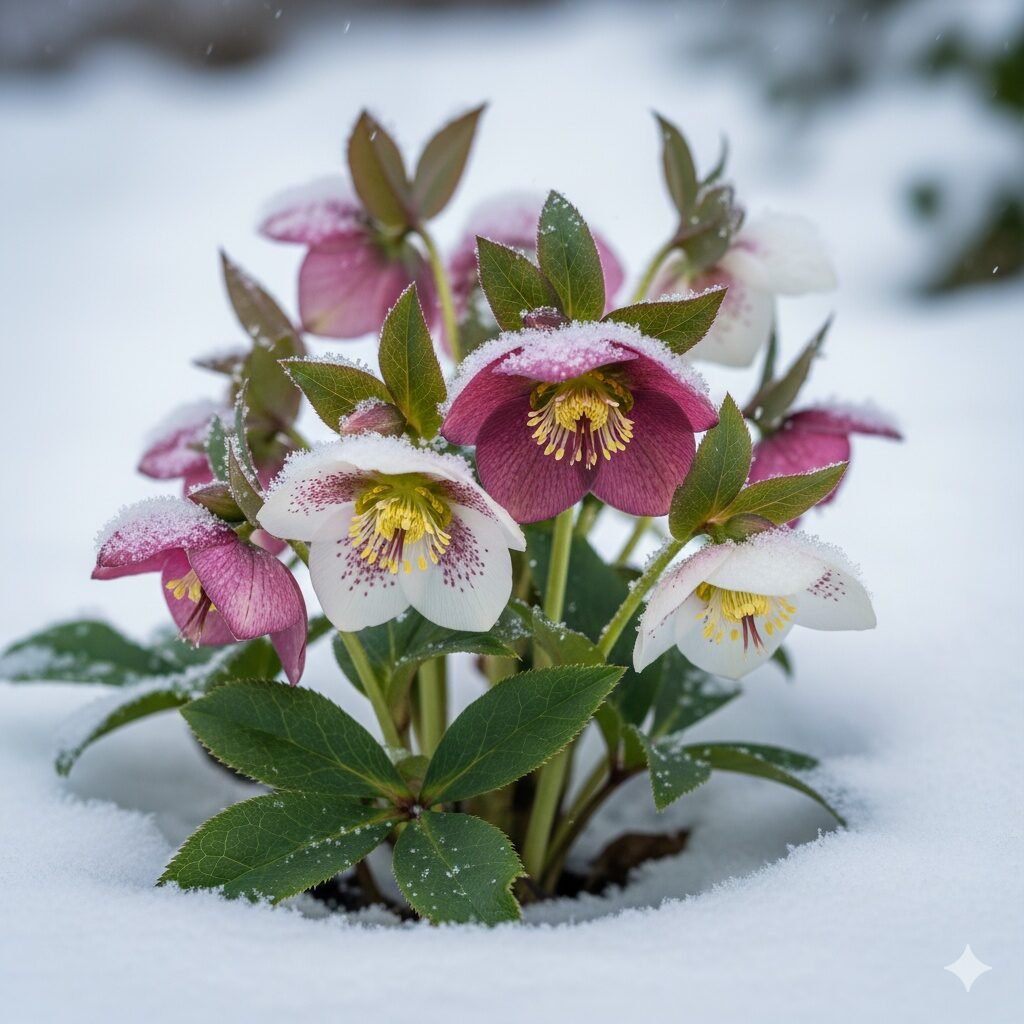
1. Hellebores (Helleborus orientalis)
Sometimes called the Christmas Rose, this plant tends to bloom when snow’s still on the ground. The flowers come in shades of white, pink, and purple, and they hang low as if to peek through the frost.
- Hardiness: USDA Zones 4–9
- Why it works: Hellebores have thick, waxy petals that help protect their cells from freezing temperatures.
- Care tips: They prefer partial shade and soil that drains well but stays slightly moist. A layer of mulch helps keep the roots cozy.
These are perfect if you want something elegant yet low-effort for a shady corner that’s hard to fill in winter.
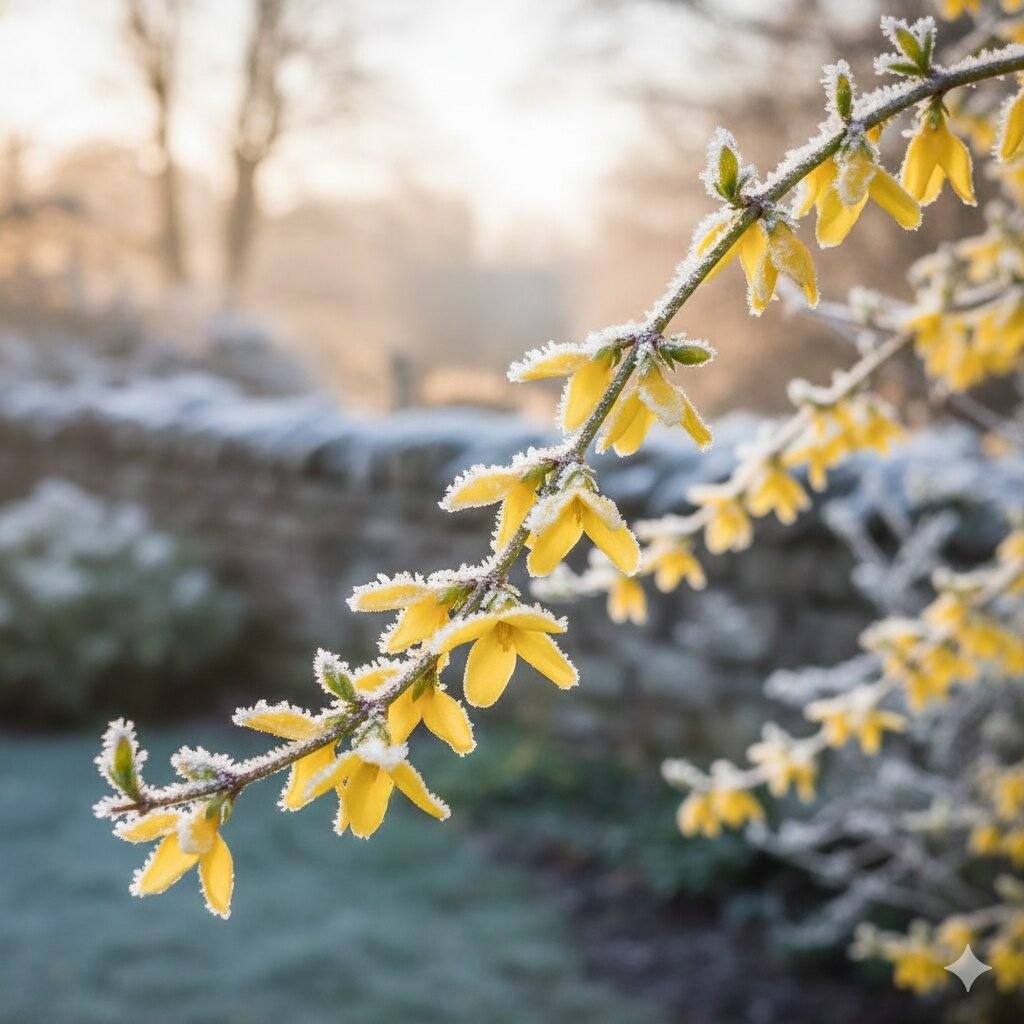
2. Winter Jasmine (Jasminum nudiflorum)
This one’s a burst of sunshine when everything else looks gray. Its bright yellow flowers pop on bare green stems during late winter and early spring, giving off a hopeful kind of vibe.
- Hardiness: Zones 6–10
- Why it works: The stems can handle frost easily, and the buds form before the worst of winter, staying intact through light snow.
- Care tips: Give it full sun for best blooms, but it’ll survive in partial shade too. Prune after flowering to keep its shape tidy.
Winter jasmine grows fast and works great spilling over walls or fences.
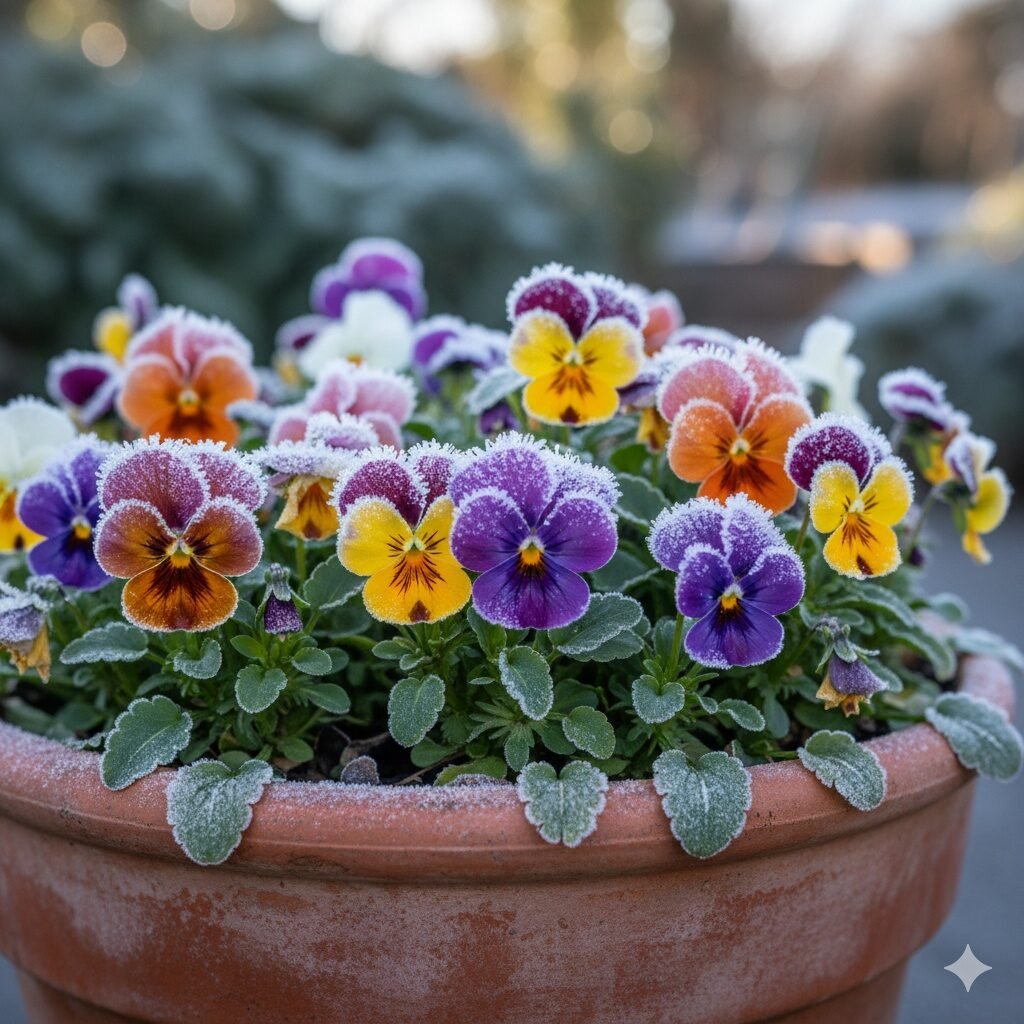
3. Pansies and Violas (Viola tricolor, Viola × wittrockiana)
You can’t really go wrong with these. They might look delicate, but they’re tougher than they appear. Pansies and violas shrug off frost like it’s nothing, and they’ll bounce right back after a cold night.
- Hardiness: Zones 4–9
- Why it works: Their root systems adapt to cold soil, and their leaves have natural antifreeze compounds.
- Care tips: Keep them in well-draining soil, and pinch off old blooms to keep the flowers coming.
These are brilliant for containers, borders, and pathways, keeping the garden colorful long after autumn ends.
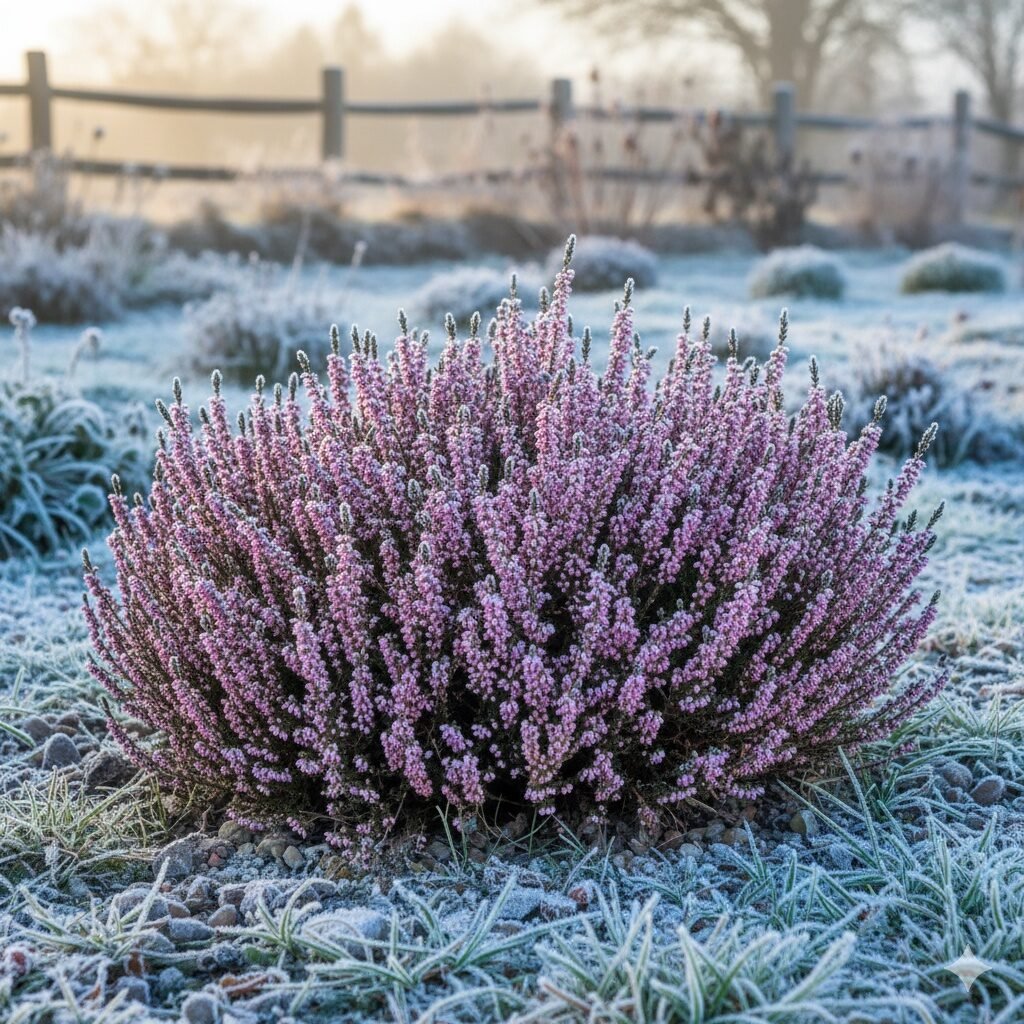
4. Heather (Erica carnea)
Heather brings texture and soft color to winter beds. The small, bell-shaped blooms range from pink to purple and look like tiny lanterns against evergreen foliage.
- Hardiness: Zones 5–7
- Why it works: The plant keeps its foliage all year and thrives in cold, windy spots where other plants wouldn’t survive.
- Care tips: Give it acidic, well-draining soil and a good bit of sunlight. Light pruning in early spring keeps it dense.
Heather adds that soft, wild hillside look that feels natural yet tidy.
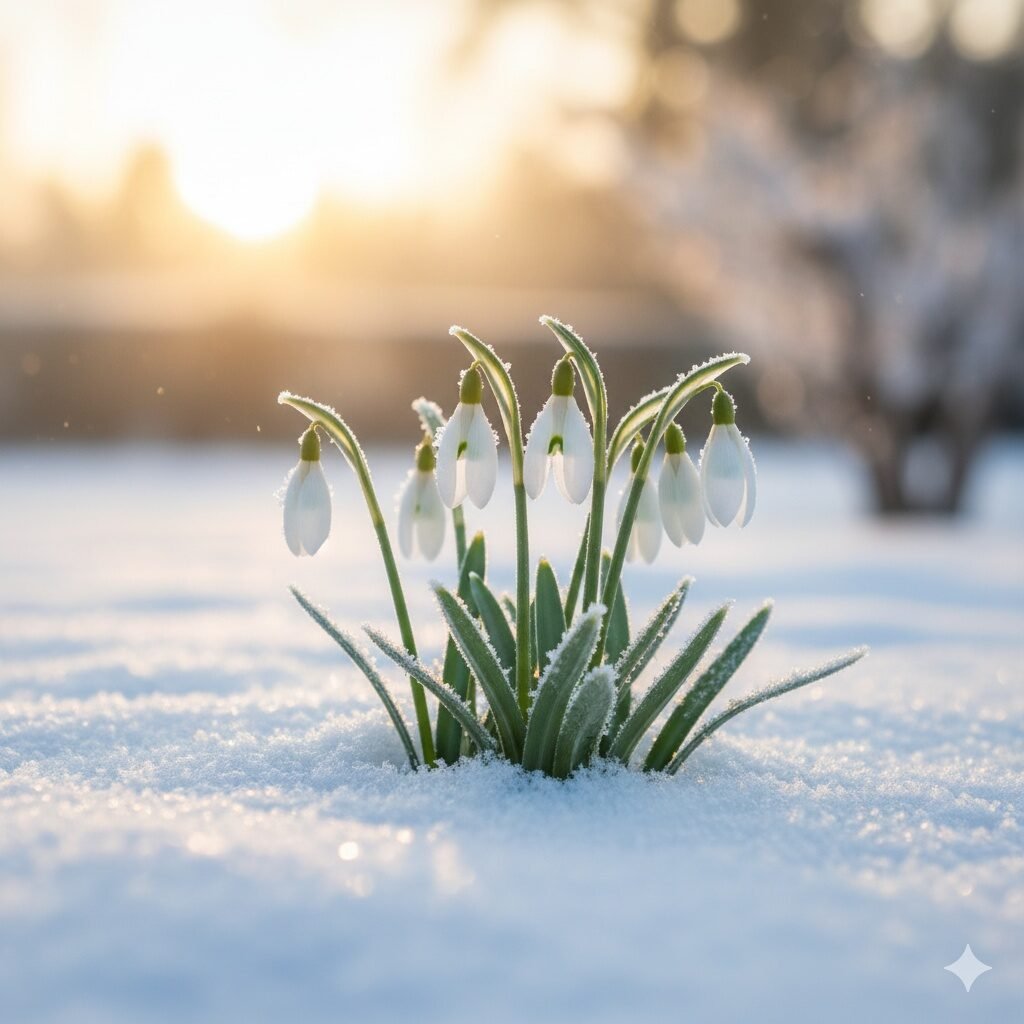
5. Snowdrops (Galanthus nivalis)
Snowdrops are the first signs that winter’s finally easing up. These delicate white flowers push right through the snow as if nothing happened.
- Hardiness: Zones 3–8
- Why it works: The bulbs are built to handle freezing soil; they store energy through the cold months and burst up at the first hint of sunlight.
- Care tips: Plant the bulbs in fall, about three inches deep, and leave them undisturbed—they’ll multiply year after year.
They look amazing under trees or mixed with early daffodils for that woodland feel.
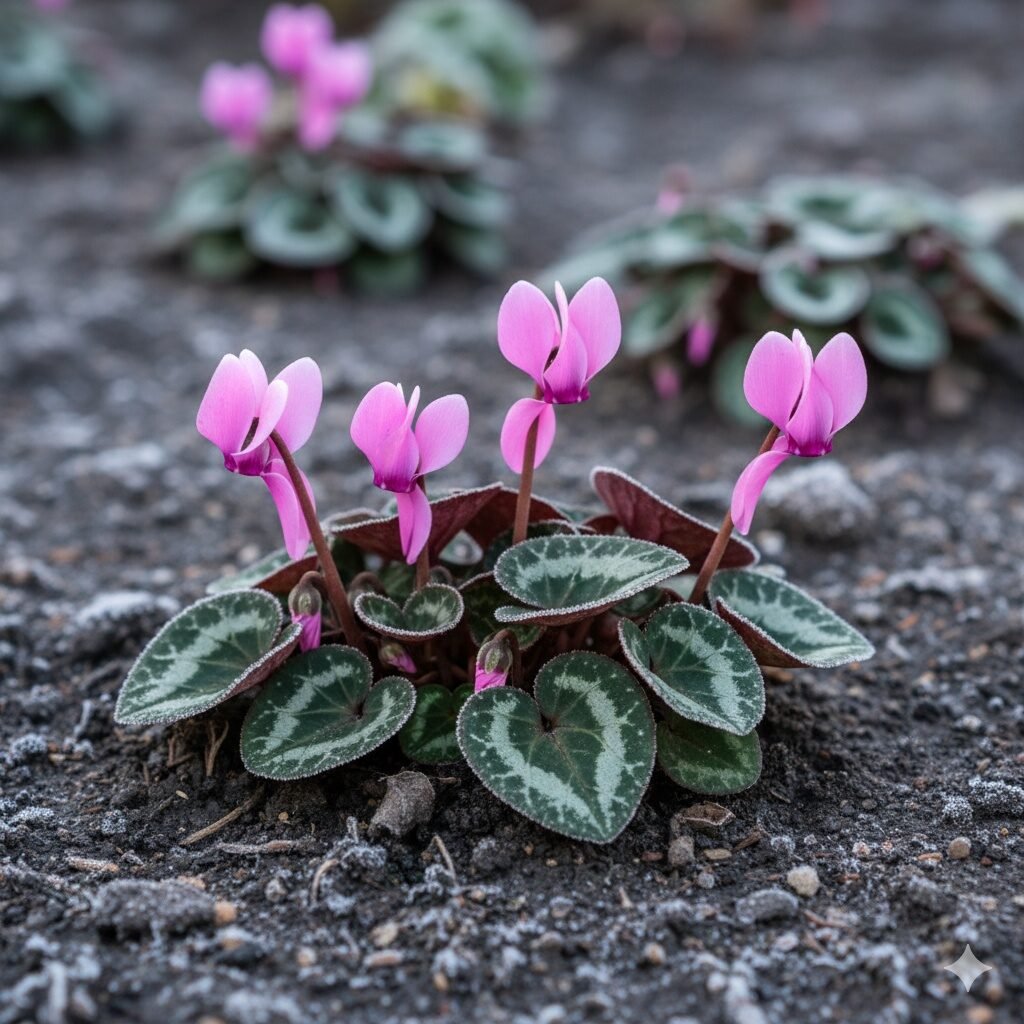
6. Cyclamen Coum (Cyclamen coum)
This small perennial is seriously underrated. Its deep pink or magenta flowers and silver-patterned leaves give the winter garden a surprise pop of color.
- Hardiness: Zones 5–9
- Why it works: Cyclamen’s tubers store nutrients through the cold, so they can survive frost without trouble.
- Care tips: Likes partial shade and soil that’s rich but drains well. Keep the soil slightly dry in dormancy.
Cyclamen pairs nicely with ferns or hellebores, creating layers of color and shape in shady beds.
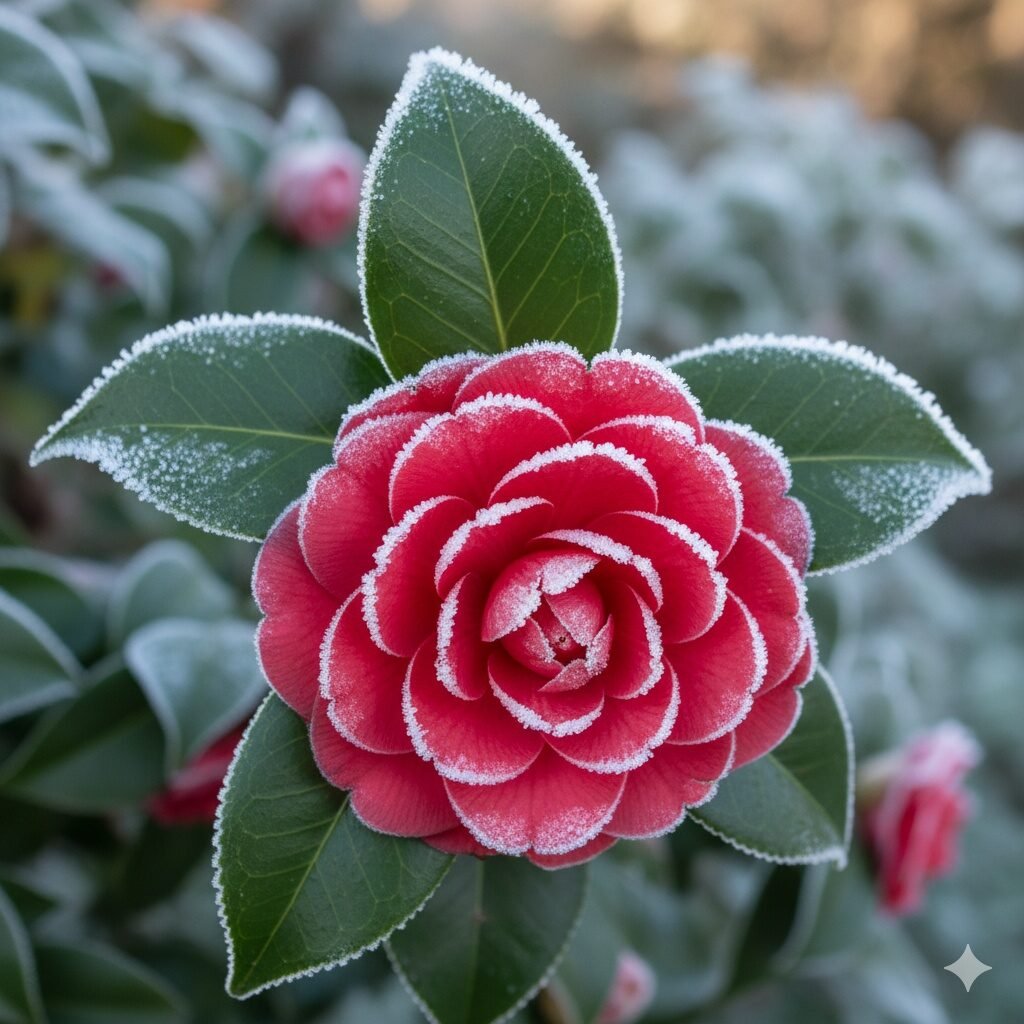
7. Camellia Japonica (Camellia japonica)
This one’s a showstopper. Big, glossy green leaves and lush, rose-like flowers that bloom in late winter—what’s not to love?
- Hardiness: Zones 7–9
- Why it works: Camellias have strong cell walls and natural oils that resist frost damage.
- Care tips: Prefers slightly acidic, well-draining soil and protection from harsh winds. Mulch heavily around the base to keep roots from freezing.
They make great hedges or statement shrubs that draw attention even in the dead of winter.
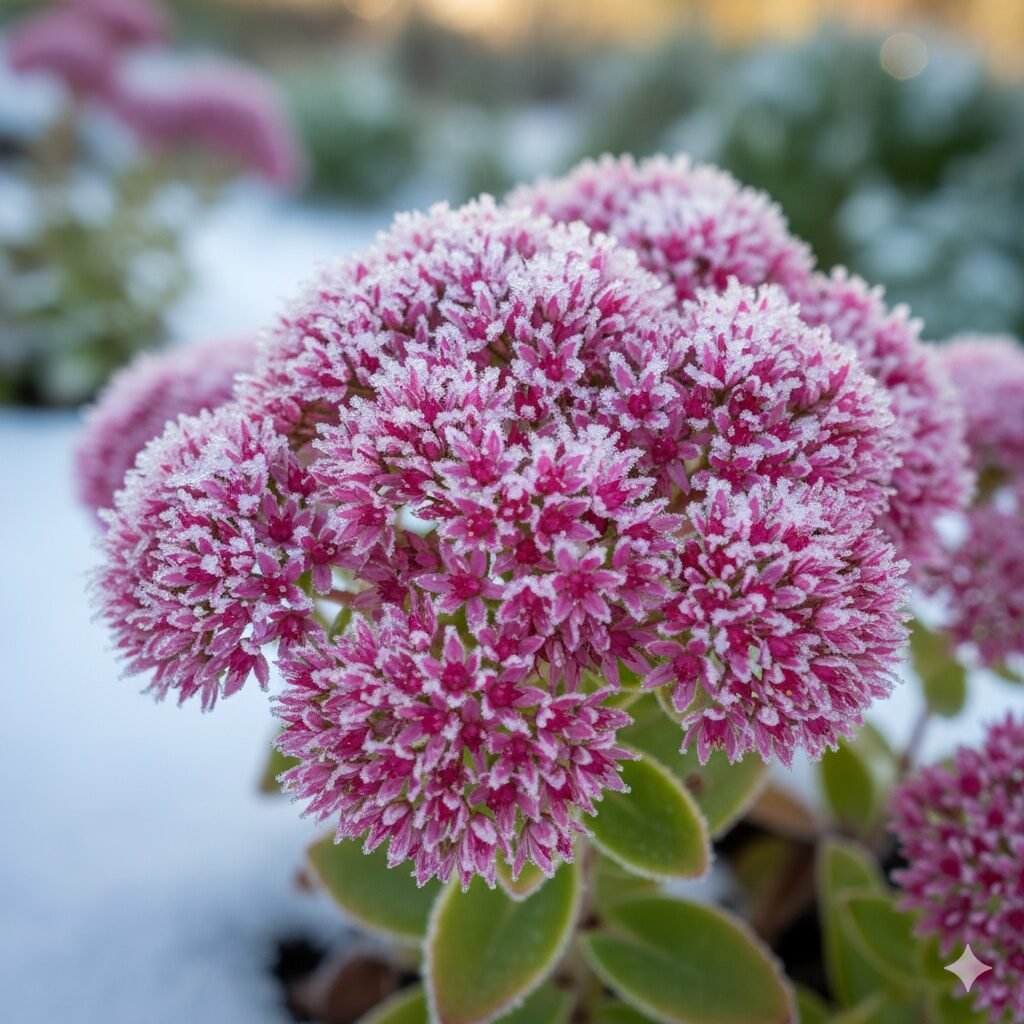
8. Sedum ‘Autumn Joy’ (Hylotelephium spectabile)
Sedums are those plants that seem nearly indestructible. Even after frost hits, their dried flower heads keep standing tall, adding structure and color to winter beds.
- Hardiness: Zones 3–9
- Why it works: Their thick, water-storing leaves are adapted for all kinds of tough conditions—including frost.
- Care tips: Loves full sun and poor, dry soil. Don’t overwater it.
You can leave the seed heads through winter—they look beautiful with a bit of snow dusting on top.
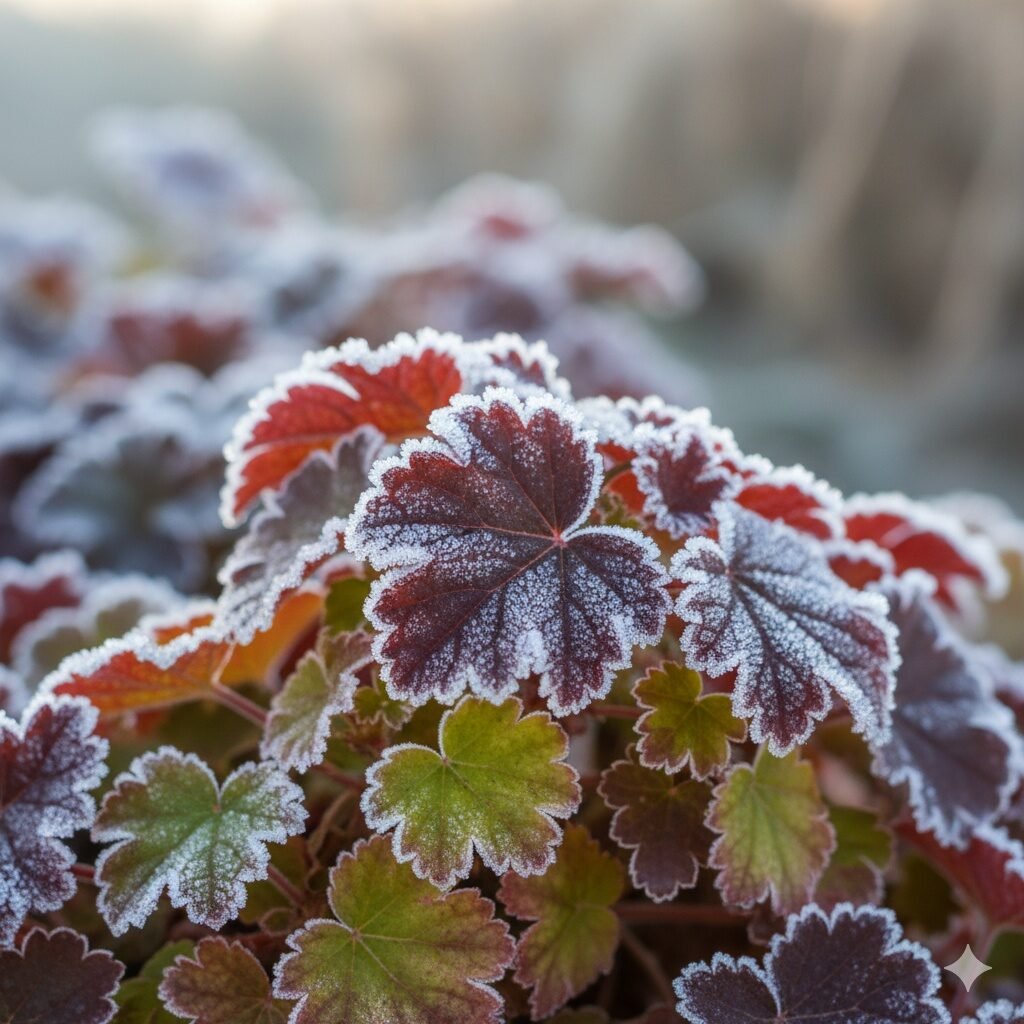
9. Coral Bells (Heuchera spp.)
Known for their bold foliage, coral bells come in shades ranging from burgundy to lime green. They keep their color through winter and bring brightness to borders and containers.
- Hardiness: Zones 4–9
- Why it works: Their evergreen leaves are leathery and frost-tolerant, and the root system stays strong even when the top growth freezes.
- Care tips: Likes part shade and soil that’s rich but well-drained. Trim off old leaves in spring to refresh growth.
These are amazing for pairing with hellebores or ornamental grasses for texture contrast.
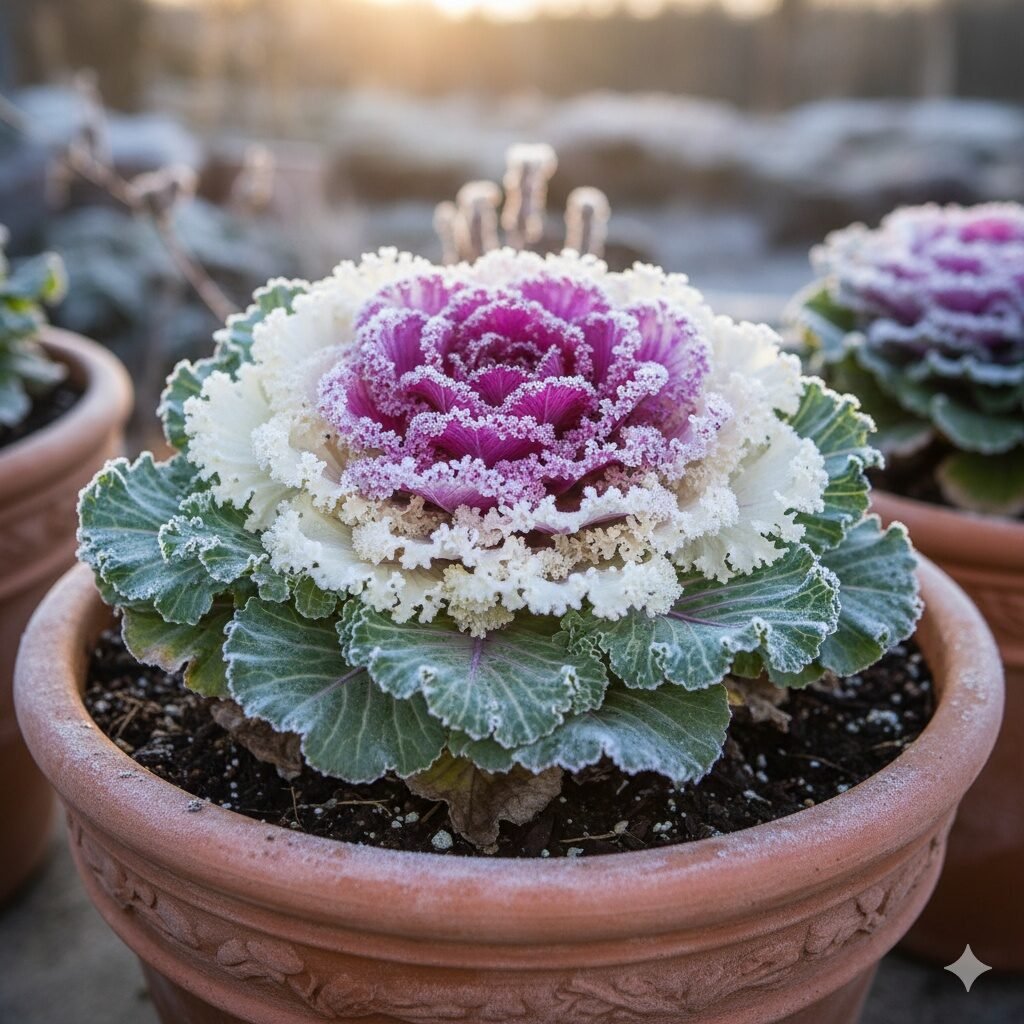
10. Ornamental Kale and Cabbage (Brassica oleracea var. acephala)
They might sound edible, but these are grown mostly for looks. Their ruffled leaves come in purples, greens, and creamy whites that only get brighter as the air gets colder.
- Hardiness: Zones 2–11
- Why it works: These plants actually like frost—it deepens their colors.
- Care tips: Full sun is best. Keep soil rich and moist but not soggy. Replace plants midwinter if they start to fade.
They’re perfect for front beds, planters, or even along pathways where they can show off their patterns.
Would like to know more about Winter Container Gardening! You may explore Here.
Bonus Tips for Keeping Color in the Cold
- Group plants with contrasting colors—like purple heather next to silver cyclamen.
- Use evergreens or grasses to give structure to the garden year-round.
- Add mulch to protect roots and help the soil hold warmth longer.
- Try winter pots near entryways—pansies, coral bells, and ornamental kale work beautifully together.
To know more about Winter Gardening, you may explore Here.
Final Thoughts
So, yeah, winter doesn’t have to mean giving up on color or texture in your garden. With the right mix of frost-resistant plants — from hellebores peeking through snow to the cheerful pansies that just keep blooming — you can keep your space lively even on cold, gray mornings.
These plants do more than survive frost; they give your garden a steady rhythm through the seasons. Mix evergreens with flowering varieties, play with height and shade, and you’ll have a backyard that looks full and thriving all year.
And honestly, there’s something kind of peaceful about watching those blooms stand strong against a little frost. It’s like the garden reminding you that beauty doesn’t really fade — it just changes form for a while.
If you like this article then you may also like my other article about Winter Edible Gardening, please explore Here. Happy Reading!




Pingback: 15 Best Plants to Grow in November for Winter Gardens