
What Is Companion Planting?
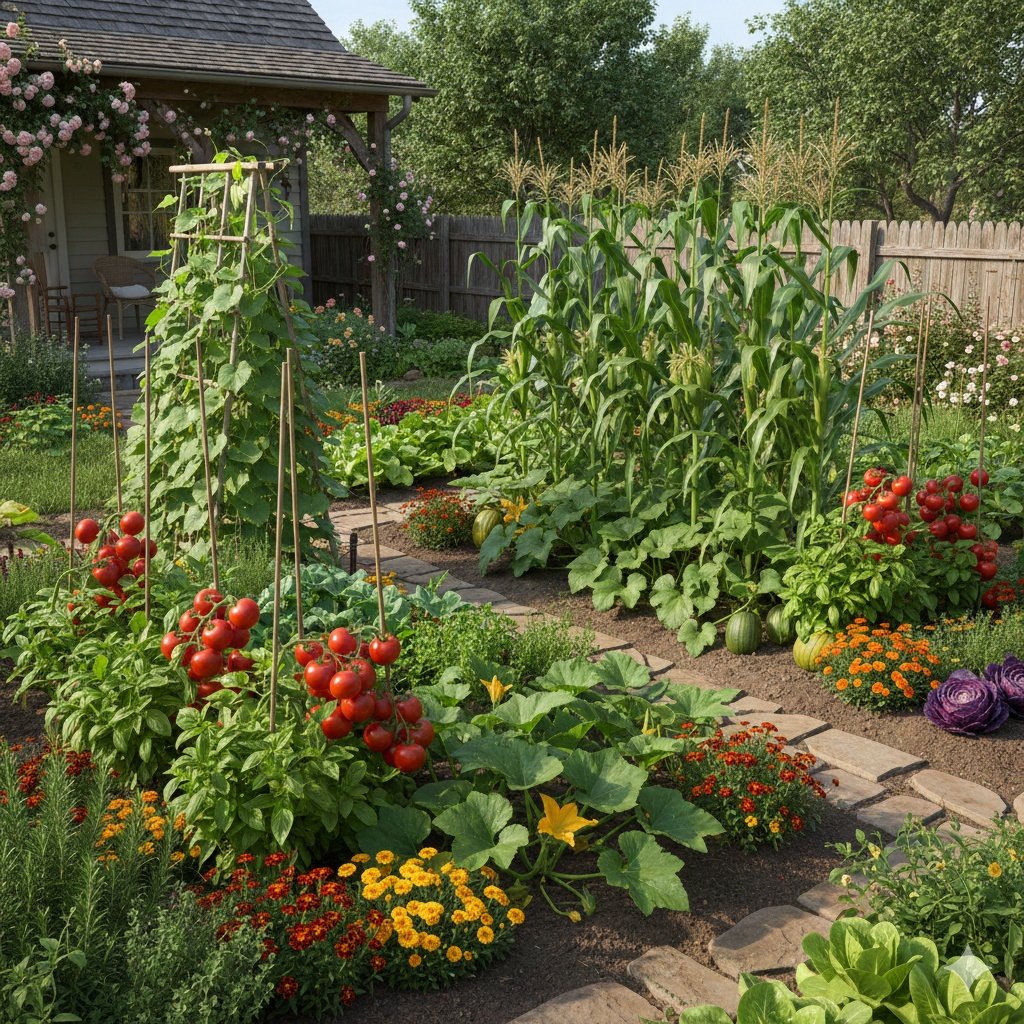
Companion planting is the practice of growing different plants close together so they can support each other in simple, natural ways. Instead of planting one crop in a long, single row, you mix vegetables, herbs, and flowers so they work as a small community. In many gardens, this method sets peoples’ minds back to older farming styles where everything grew side by side rather than in neat, single-crop blocks.
Think of your garden as a neighborhood. Some plants protect their neighbors. Some improve the soil. Others attract bees and helpful insects. When you choose the right combinations, your garden becomes more balanced and less dependent on sprays or heavy feeding.
Gardeners use companion planting for many reasons. Some want natural pest control. Others want better pollination or healthier soil. Many simply want to use space better. In this guide, you will learn how companion planting works, which plant pairs grow well together, and how to start using these combinations in your own garden.
Recommended Gardening Tools for Companion Planting Success
If you’re putting companion planting into practice, a few well-chosen tools can make things easier and more productive. The right supplies help with soil health, spacing, pest balance, and plant support. Below is a simple affiliate-style product sheet you can include in your article.
| Item Name (with Buying Tips) | Why It Matters | Recommended Links |
|---|---|---|
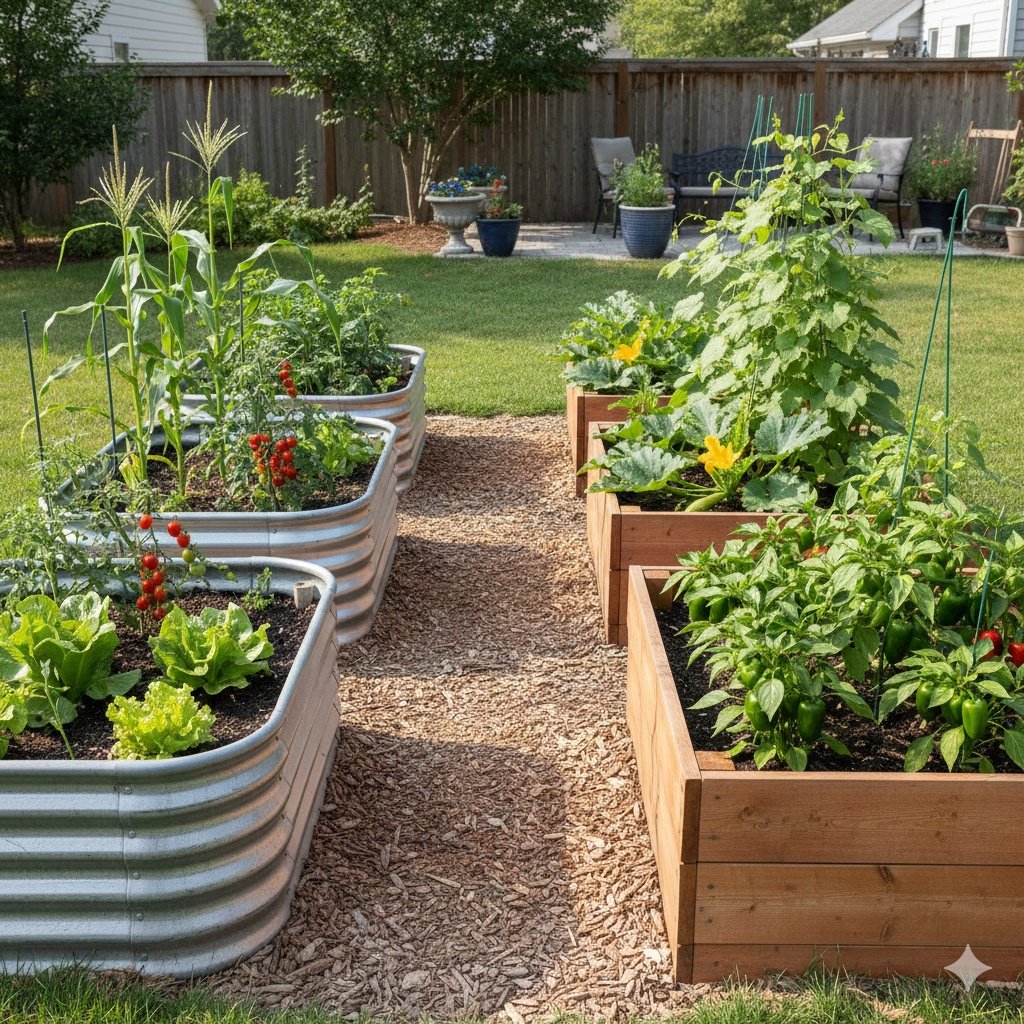
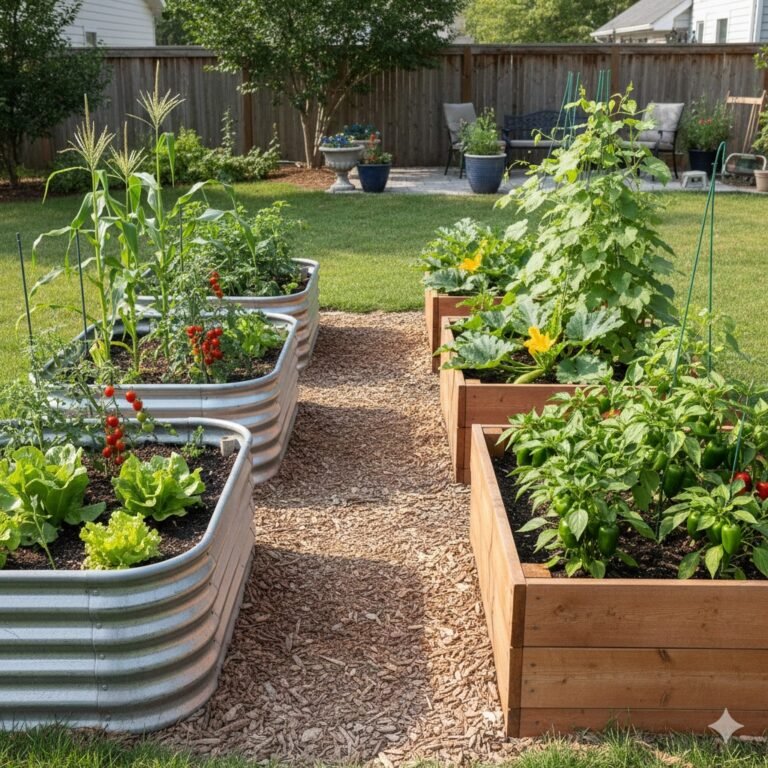
| Raised Garden Bed Kit (Cedar or Galvanized Steel) Tip: Choose at least 12–17” depth for root crops and good drainage. Cedar lasts longer outdoors. | Helps organize companion plant groupings, improves drainage, and makes crop rotation easier. Ideal for spacing plant pairs correctly. | 👉 Check on Amazon |
| Organic Vegetable Fertilizer (Balanced NPK or Compost-Based) Tip: Look for slow-release, organic blends safe for mixed plantings. | Supports soil nutrition, especially when pairing heavy feeders like tomatoes with nitrogen-fixing beans. | 👉 Shop on Amazon |
| Companion Plant Seed Collection Tip: Choose seed kits that include basil, marigold, dill, beans, carrots, and squash. | Makes it easy to plant proven companion combinations without buying individual packets. | 👉 Seed Collection on Amazon |
| Garden Trellis or Plant Support System Tip: Metal or coated steel lasts longer than plastic; choose 5–6 ft height for beans and cucumbers. | Supports vertical growing in combinations like corn + beans or cucumbers + dill, improving airflow and space use. | 👉 Amazon Garden Trellis |
| Organic Neem Oil Spray Tip: Cold-pressed neem oil works best; always follow dilution instructions. | Provides backup pest control when companion planting alone isn’t enough. Safe for most vegetables. | 👉 Neem Oil on Amazon |
| Soil Test Kit (pH & Nutrient Tester) Tip: Digital testers are faster; lab kits give more detailed results. | Helps you understand soil condition before pairing plants, ensuring legumes and vegetables thrive together. | 👉 Digital Soil Tester on Amazon |
The History & Science of Companion Planting
A Practice Rooted in Tradition
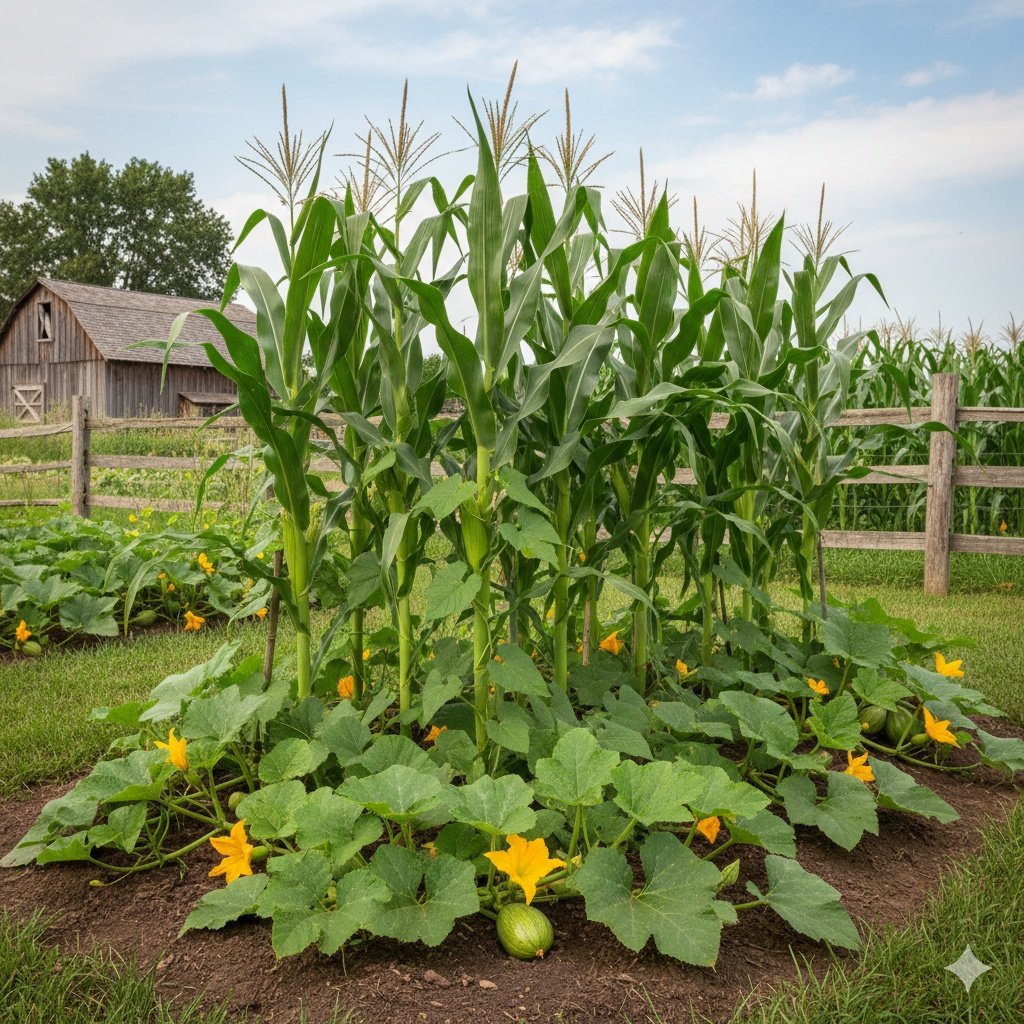
Companion planting is not new. Indigenous communities in North America used a method called the “Three Sisters.” They planted corn, beans, and squash together in one space. Corn grew tall and gave beans something to climb. Beans added nitrogen to the soil. Squash spread across the ground, shading weeds and holding moisture in the soil. This system worked in a practical, grounded way without modern fertilizers.
Similar mixed planting methods appeared in many parts of the world. Farmers often observed which crops did well together and passed that knowledge down through generations.

How It Works – Ecological Interactions
Companion planting works through natural plant relationships.
1. Pest Repellence
Some plants release strong scents that confuse or repel pests. For example, basil planted near tomatoes may reduce insect pressure. Marigolds are often planted around vegetables because their roots and scent may discourage certain soil pests.
2. Beneficial Insects
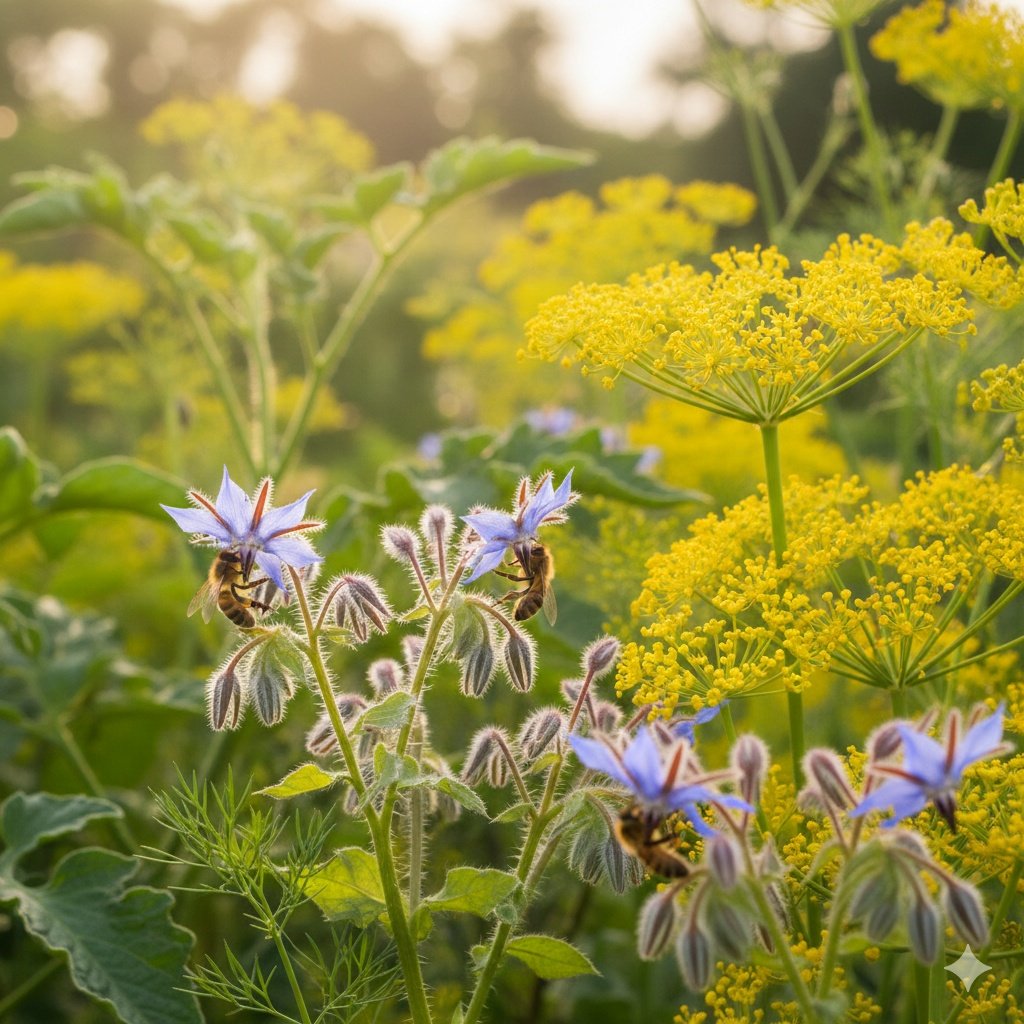
Flowers such as dill, borage, and fennel attract insects like ladybugs and lacewings. These insects feed on aphids and other harmful pests. Instead of fighting pests directly, you invite their predators.
3. Nitrogen Fixation
Beans and peas are legumes. They pull nitrogen from the air and store it in the soil. Nitrogen supports leafy growth, so nearby plants benefit.
4. Space and Root Balance
Some plants grow deep roots. Others stay shallow. When paired well, they use different soil layers. Tall crops can give light shade to plants that prefer cooler soil.
Evidence vs. Folklore
Not every companion planting claim has strong scientific proof. Nitrogen-fixing legumes are well studied. Pollinator-attracting flowers clearly help fruiting crops. However, some traditional pairings rely more on observation than formal research.
Gardeners often experiment. What works in one climate may not work in another. Soil type, rainfall, and pest populations all matter. Companion planting blends science and experience.
Top Benefits of Companion Planting
1. Natural Pest Control
One of the biggest companion planting benefits is pest reduction without chemical sprays.
- Aromatic herbs like rosemary, mint, and basil may confuse pests with their scent.
- Trap crops such as nasturtiums draw aphids away from vegetables.
- Predator-friendly flowers bring ladybugs and parasitic wasps that feed on harmful insects.
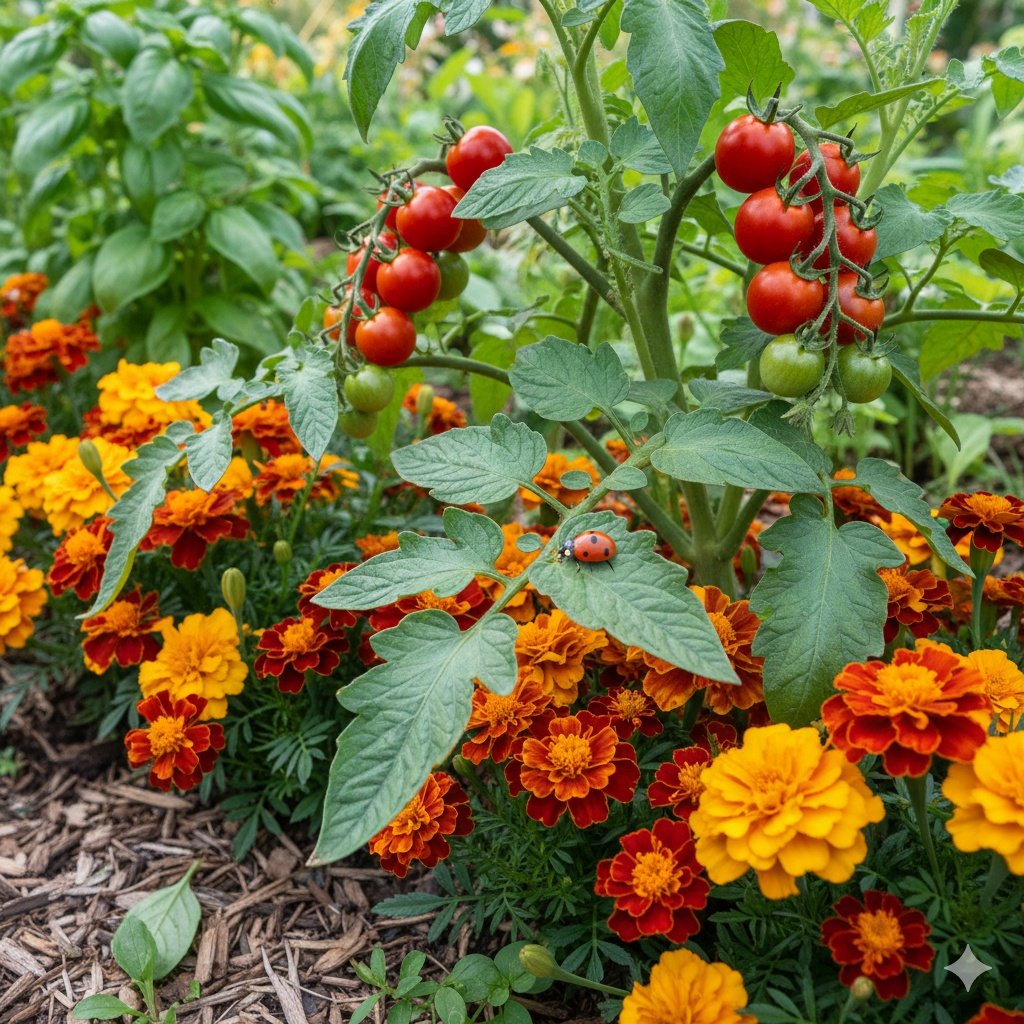
For example, planting marigolds around tomatoes may lower nematode problems in soil. Planting onions near carrots may help reduce carrot fly damage.
This approach does not remove every pest, but it can reduce pressure enough to keep plants healthy.
I’d also love to share another article on Organic Pest Control—“Organic Pest Control for Edible Gardens: Safe, Chemical-Free Methods That Actually Work.” It offers practical, chemical-free solutions and might spark your interest.
2. Attracting Pollinators
Vegetables like cucumbers, squash, and tomatoes rely on pollinators. Without bees and butterflies, fruit production drops.
Flowers such as calendula, zinnias, and borage attract bees. Dill and fennel attract small beneficial insects. When pollinators visit more often, fruit set improves.
Adding flowers between vegetable rows makes the garden more active and productive.
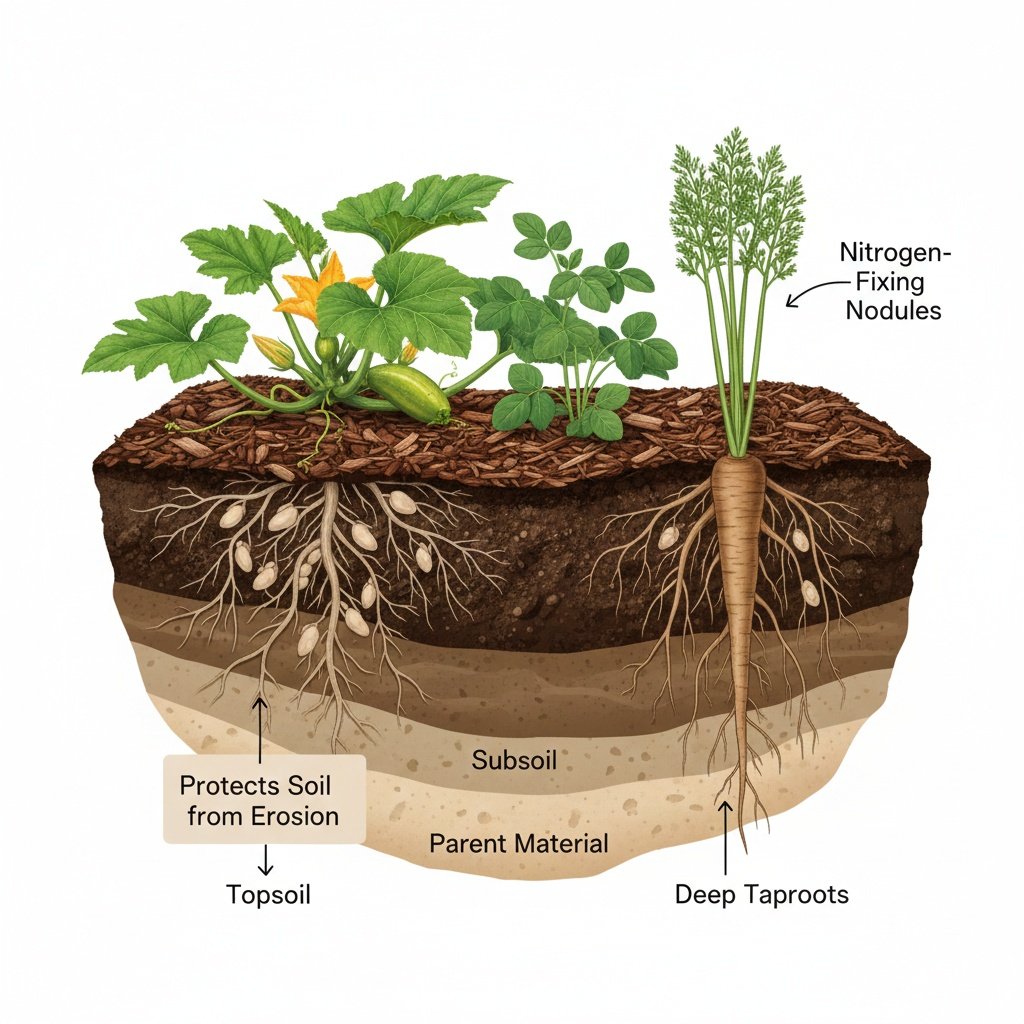
3. Improved Soil and Nutrients
Soil health improves when plant diversity increases.
- Legumes add nitrogen.
- Deep-rooted plants pull nutrients from lower soil layers.
- Groundcovers protect soil from drying and erosion.
Squash spreading under corn reduces exposed soil. Clover planted between rows acts as living mulch. Over time, organic matter increases and soil structure improves.
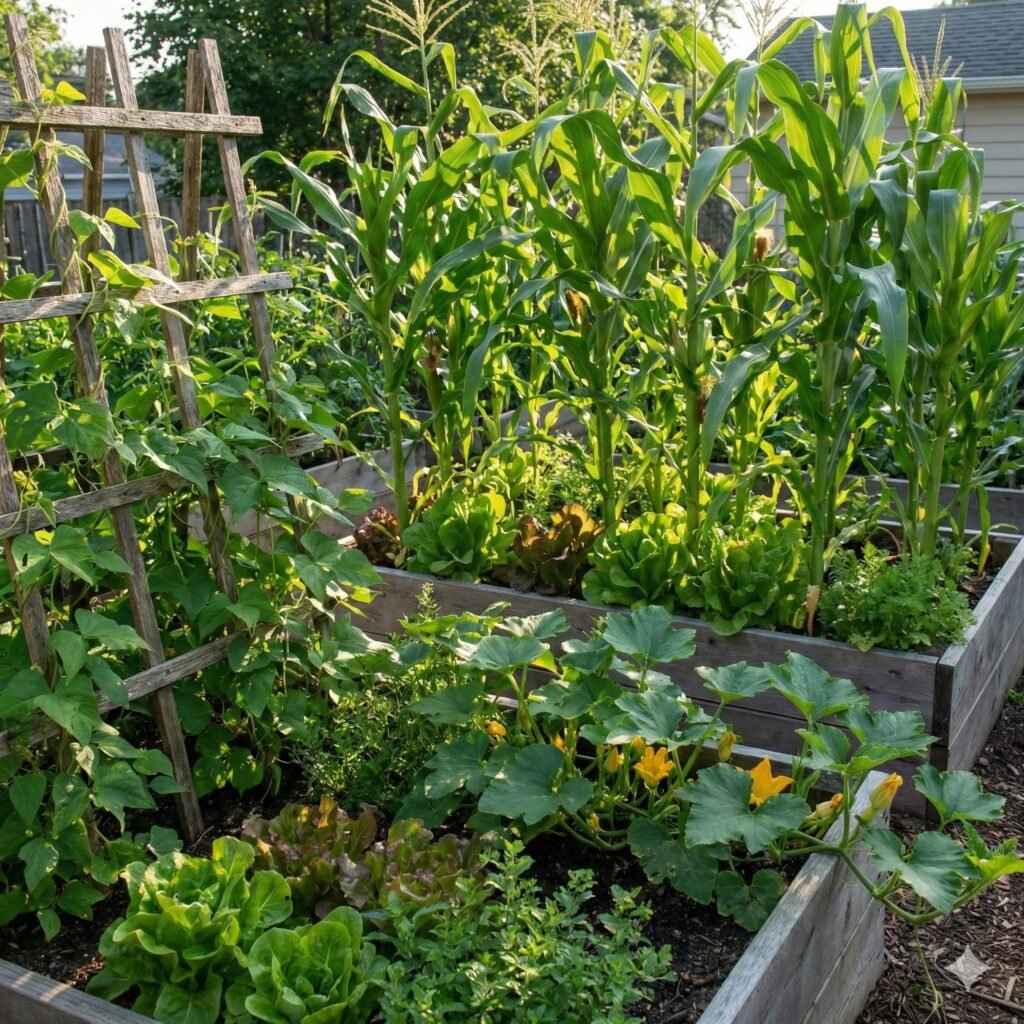
4. Efficient Use of Space and Microclimates
Companion planting works well in small gardens.
Tall crops like corn or sunflowers create light shade. Lettuce planted beneath may last longer in warm weather. Fast-growing radishes can fill gaps between slower crops like cabbage.
Instead of empty soil, every layer produces something.

5. Weed Suppression
When plants grow close together, they shade the soil. Less sunlight reaches weed seeds. Dense spacing reduces weed growth and saves time.
Squash, sweet potatoes, and pumpkins spread across the ground and block weeds naturally.
Companion Planting Chart & Pairing Examples
Many gardeners search for a companion planting chart printable because clear pairings make planning easier. Below is a simplified companion planting vegetables list to guide you.
| Plant | Best Partners | Why It Works |
|---|---|---|
| Tomatoes | Basil, Marigolds | Pest control and pollinators |
| Beans | Corn | Natural trellis and nitrogen |
| Carrots | Onions | Onion scent deters carrot flies |
| Cucumbers | Dill, Nasturtium | Attracts beneficial insects |
| Lettuce | Radishes, Carrots | Different root depths |
| Squash | Corn, Beans | Ground cover and soil balance |
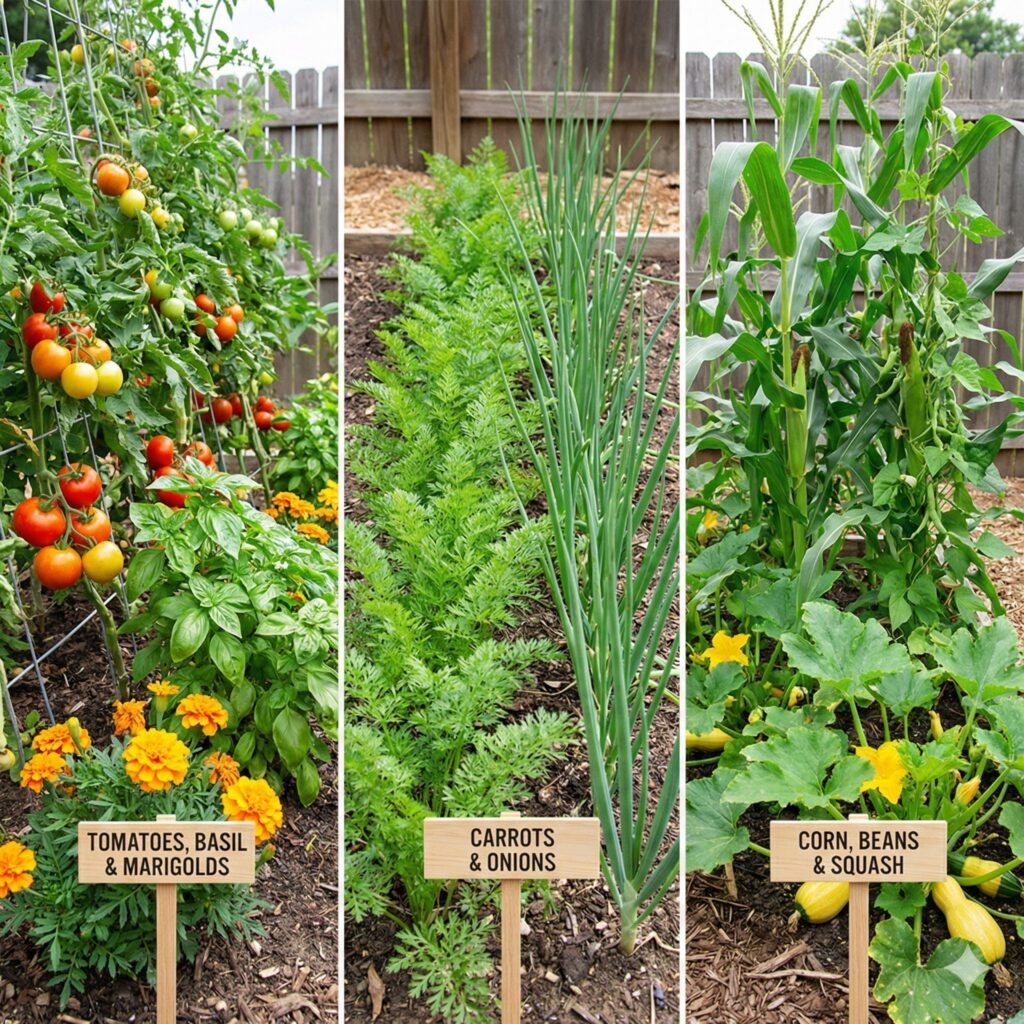
Popular Companion Planting Combinations
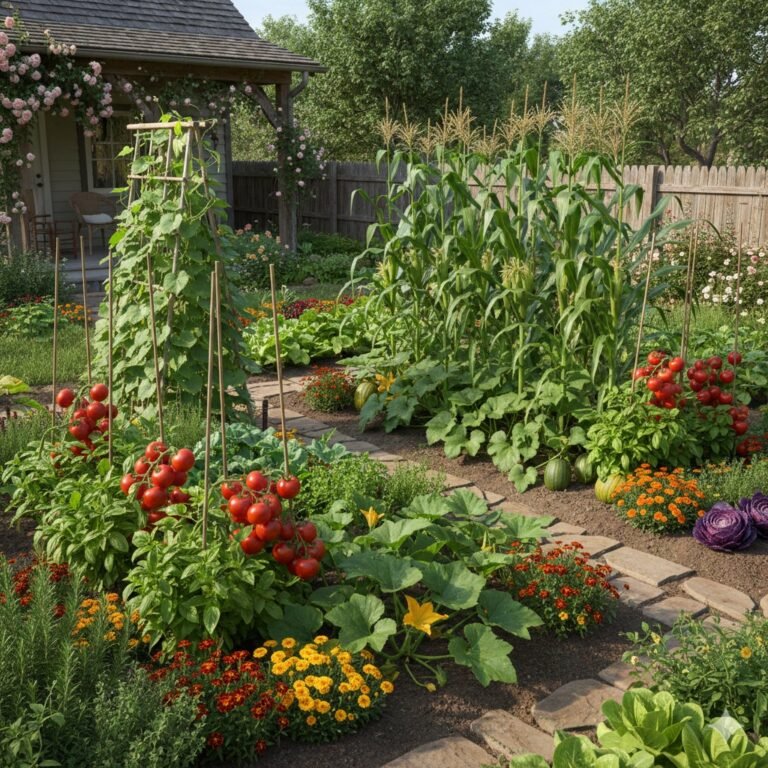
Tomatoes + Basil + Marigolds
This trio is one of the most common. Basil may help repel insects. Marigolds add pest protection and attract pollinators.
Carrots + Onions
Onions release a strong smell that may confuse carrot flies. Carrots grow underground without competing heavily with onion tops.
Corn + Beans + Squash (Three Sisters)
Corn grows tall. Beans climb. Squash shades soil. This combination uses vertical and ground space well.
Cucumbers + Dill
Dill attracts beneficial insects that prey on cucumber beetles.
Printable charts often organize plants by “good neighbors” and “avoid planting together.” Keeping a printed reference nearby simplifies garden planning.
Step-by-Step Guide to Start Companion Planting
1. Choose Your Garden Type
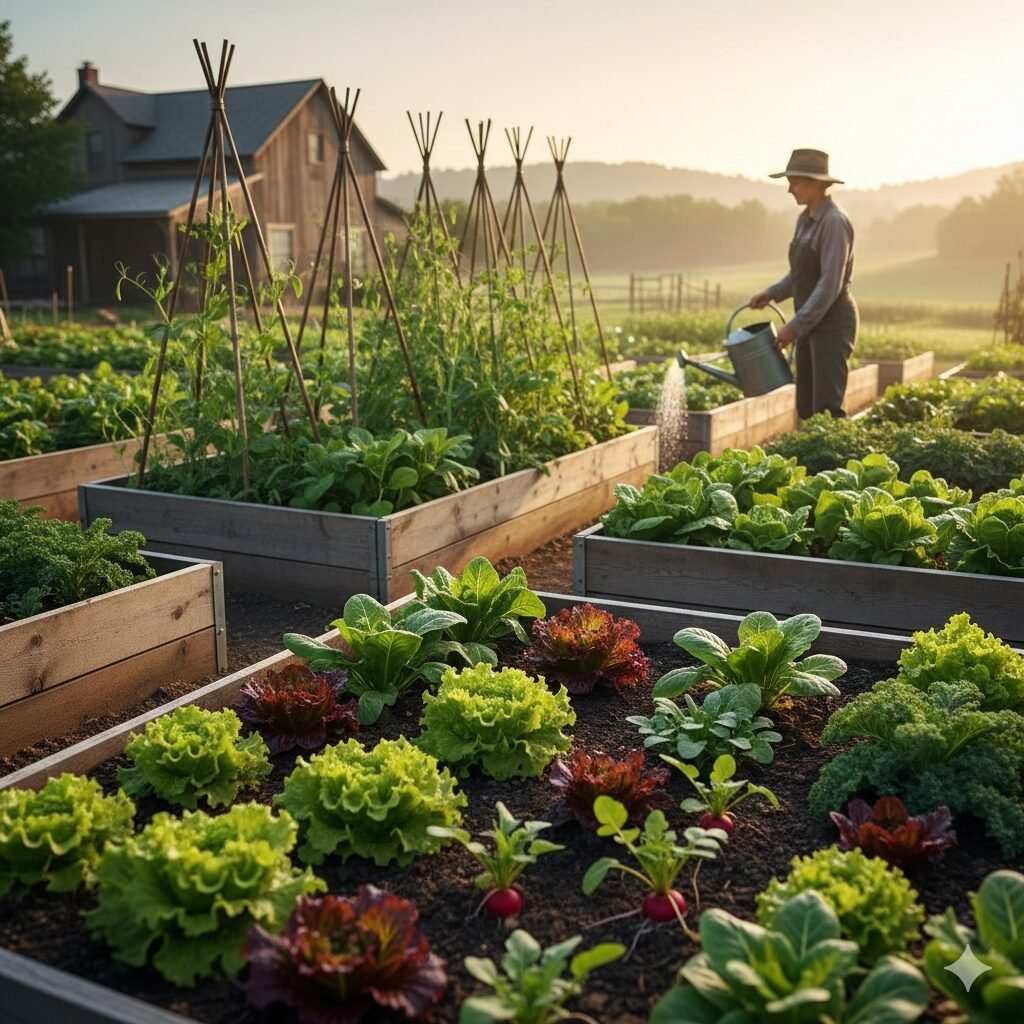
Companion planting works in raised beds, containers, or in-ground plots. In small spaces, mixed planting can increase output without expanding area.
2. Plan With a Chart
Use a companion planting guide before planting. Sketch your garden layout. Mark tall crops on the north side so they do not block sunlight.
3. Consider Timing
Pair fast and slow growers. Radishes mature quickly and can grow beside slower crops like broccoli. Stagger planting times for continuous harvest.
4. Watch and Adjust
Observe plant health. Are pests increasing? Is one plant shading another too much? Companion planting improves with practice.
Keep notes each season. Track which plant pairs that grow well together in your climate.
5. Avoid Poor Combinations
Some plants compete for nutrients. For example:
- Potatoes and tomatoes share diseases.
- Fennel may slow nearby plant growth.
- Large crops may overcrowd smaller ones.
Spacing still matters. Good soil, water, and sunlight remain essential.
Common Mistakes & Myths
Myth 1: Companion planting solves everything.
It helps, but it does not replace watering, soil care, or crop rotation.
Myth 2: All traditional pairings are proven.
Some combinations rely on gardener experience rather than research.
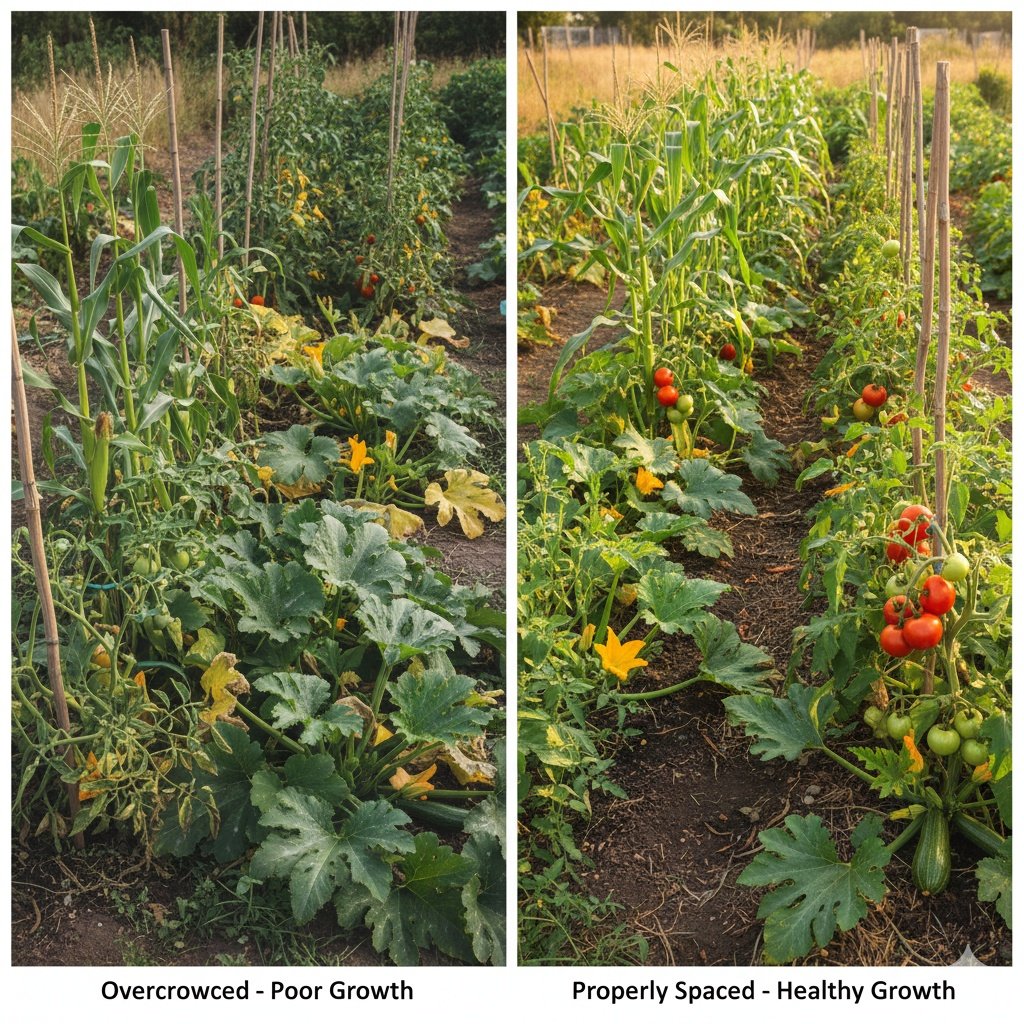
Myth 3: More plants always mean better results.
Overcrowding can reduce airflow and increase disease.
If a pairing fails, look for signs like poor growth, yellow leaves, or heavy pest damage. Adjust spacing or try a different combination next season.
FAQ – Companion Planting Tips for Beginners
What plants should I avoid together?
Avoid pairing crops that share diseases, like tomatoes and potatoes. Keep aggressive growers from crowding smaller plants.
How far apart should companion plants be?
Follow standard spacing guidelines for each crop. Companion plants should be close enough to interact but not compete heavily.
Do companion plants improve yields?
They can improve pollination, reduce pests, and support soil health. Yields may increase when overall plant health improves.
Conclusion & Next Steps
Companion planting blends tradition with simple garden science. By mixing vegetables, herbs, and flowers, you support natural pest control, pollination, soil improvement, and better use of space.
Start small. Try three combinations this season: tomatoes with basil, carrots with onions, and beans with corn. Track results. Over time, your garden becomes more balanced and productive with fewer inputs.
Before you start rearranging your garden beds, below video breaks down companion planting in a clear, practical way. It shows real plant pairings like tomatoes with marigolds and explains why certain combinations actually work instead of just repeating old garden advice.
If you’ve ever wondered whether companion planting benefits are backed by science or just tradition, this walkthrough helps connect the dots. You’ll see how plant spacing, pest behavior, soil health, and pollinators all play a role in successful companion planting combinations.
Watch this first, then use the examples in this guide to plan your own garden layout with more confidence.