
An awkward garden can be surprisingly difficult to design. Perhaps yours is long and narrow, has an L-shaped boundary, or includes a corner that seems too small for anything useful. You might have enough room for plants but struggle to fit a seating area without blocking the path.
The good news? You don’t need a large garden or an expensive makeover to make better use of the space.
The right layout can help you create a garden that feels more open, looks well-organized, and works for your everyday needs. Sometimes, moving a few pots or changing the position of a path makes a bigger difference than adding new features.
These small garden layout ideas cover a range of awkward spaces, including narrow backyards, triangular plots, sloping gardens, and tiny patios. You’ll also find practical options for seating, planting, storage, and budget-friendly improvements.
Before choosing a design, consider the shape of your garden, how much sunlight it receives, and what you’d like to do there. A layout that works beautifully in one garden might not suit another.
How to Plan a Small Garden With an Awkward Shape
Before buying plants or choosing paving, spend a little time understanding the space you have.
Measure the Available Space
Measure the garden’s length and width, including narrow sections, corners, and changes in direction. Mark existing gates, doors, drains, trees, and other features that could affect the layout.
A simple sketch on paper is enough to get started. Add the approximate dimensions so you can test different arrangements before moving anything.
Decide How You’ll Use the Garden
Think about your main priority. Do you want somewhere to sit with a cup of coffee, a small area for growing vegetables, or a garden that looks attractive from your windows?
Choose one main purpose and, if space allows, one additional function. This makes it easier to avoid overcrowding the garden with features you rarely use.
Keep the Layout Clear
A small garden doesn’t need lots of separate sections. Too many paths, pots, furniture pieces, and decorative objects can make it feel cramped.
Start with a clear walking route, choose appropriately sized furniture, and leave enough room for plants to grow.
My Top Picks for Your Small Garden
Handpicked gardening products to help you save space, grow more vegetables, and make the most of your backyard.
15 Small Garden Layout Ideas for Awkward Spaces
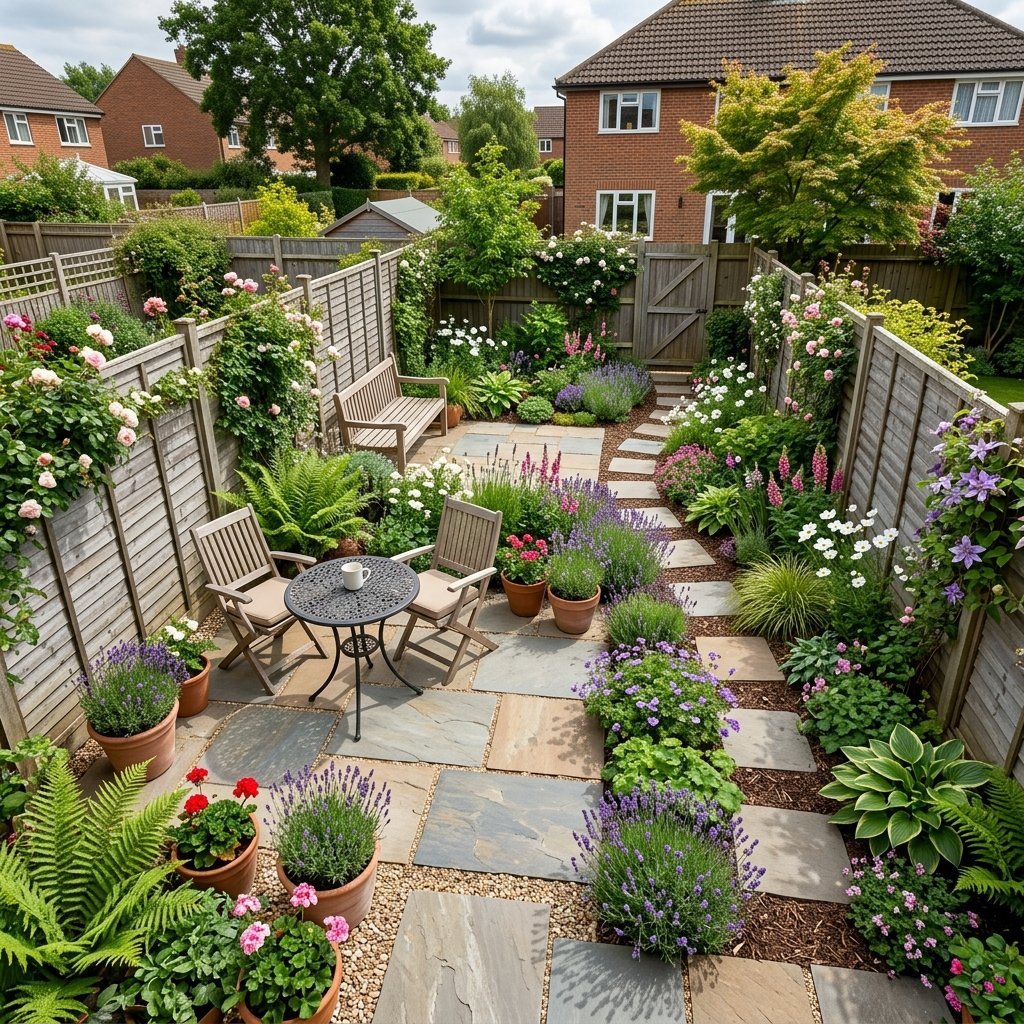
1. Divide an L-Shaped Garden Into Two Useful Zones
An L-shaped garden can feel difficult to arrange because its two sections don’t naturally form one large, open area. Instead of fighting the shape, use it to your advantage.
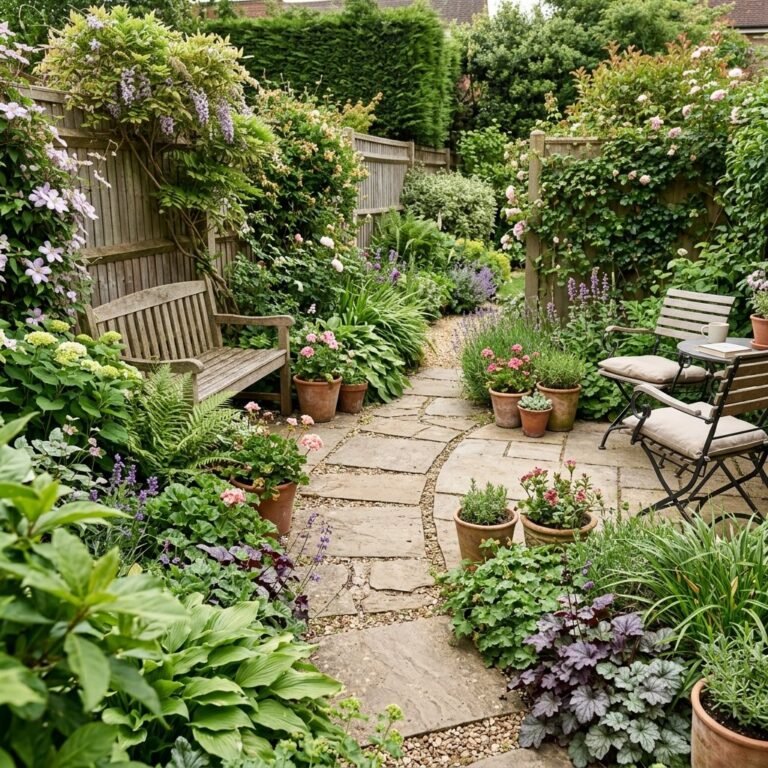
Place a small patio or dining area in the wider section. The other arm could become a planting area, a quiet reading nook, or a place for growing herbs.
Keep the two sections connected through a consistent paving material, repeated plants, or a simple pathway. This helps the garden feel like one space rather than two unrelated areas.
You don’t need a physical divider. A change in surface material or the position of a planter may be enough to distinguish the two zones.
Best for: Small L-shaped gardens that need separate seating and planting areas.
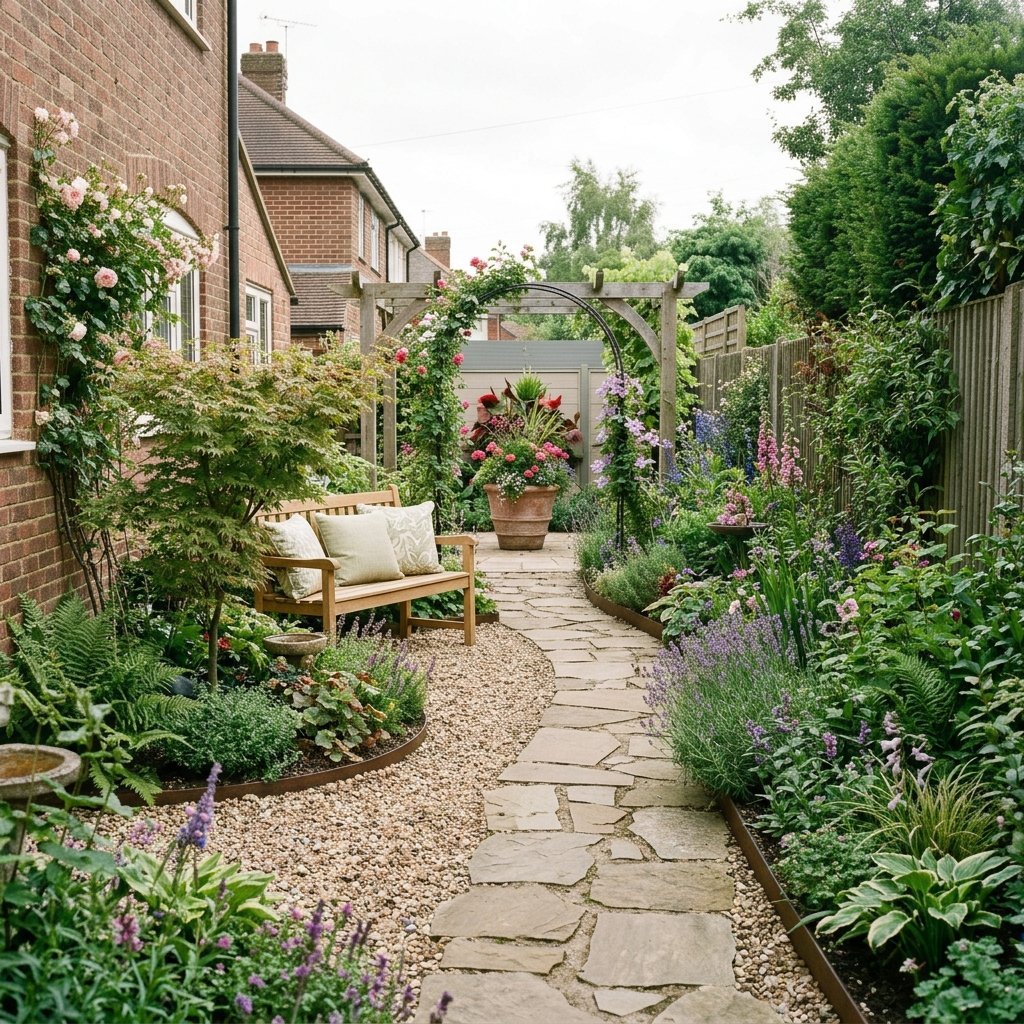
2. Break Up a Long, Narrow Garden With Offset Sections
Long, narrow gardens often resemble corridors, especially when fences run parallel to a straight central path.
One way to soften this effect is to arrange the garden in sections. You might place a planting bed near the entrance, a compact seating area farther along, and a focal point at the back.
Positioning a bench or large planter slightly to one side can also make the space feel less rigid.
Be careful not to create too many bends in the path. In a very narrow garden, a winding walkway can waste space and make everyday access less convenient.
Instead, keep the walking route practical and use planting, paving changes, or furniture placement to break up the long view.
Best for: Narrow backyards where a straight, uninterrupted layout feels too much like a passageway.
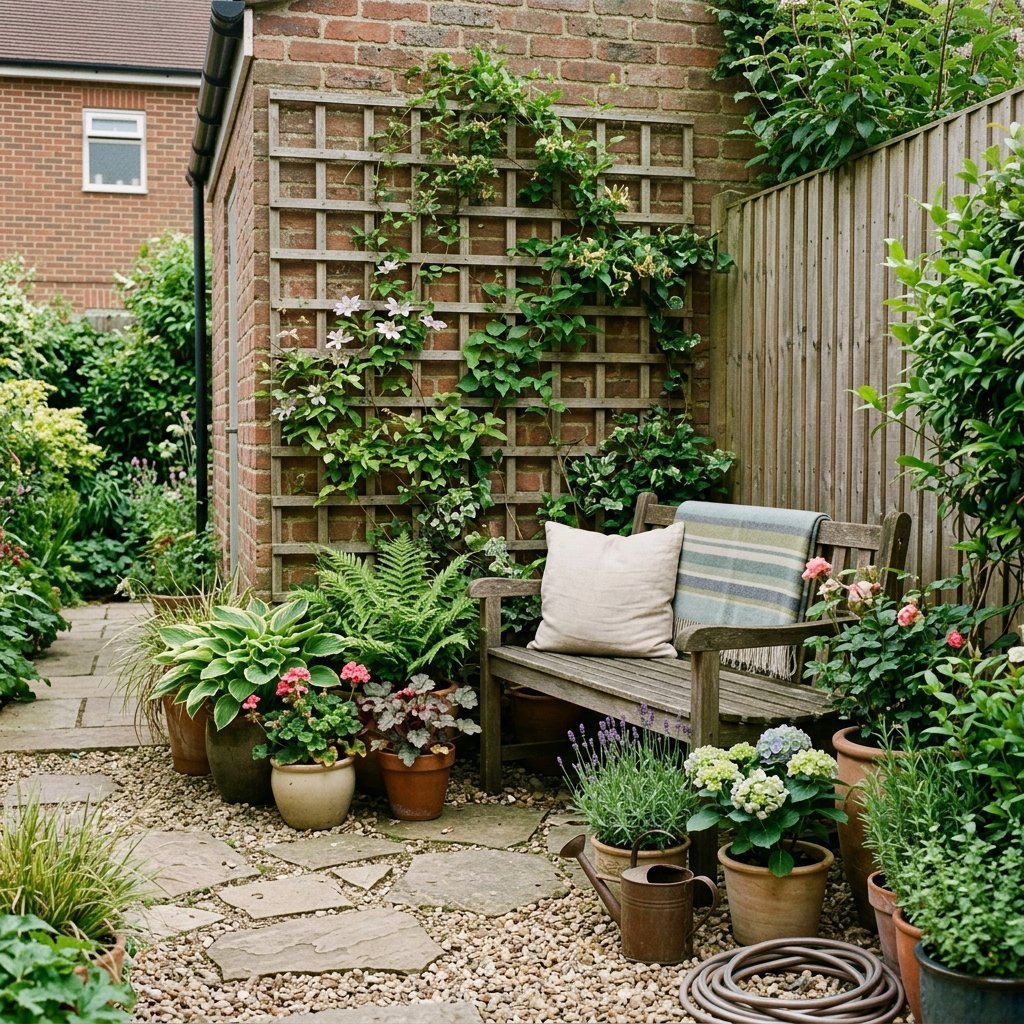
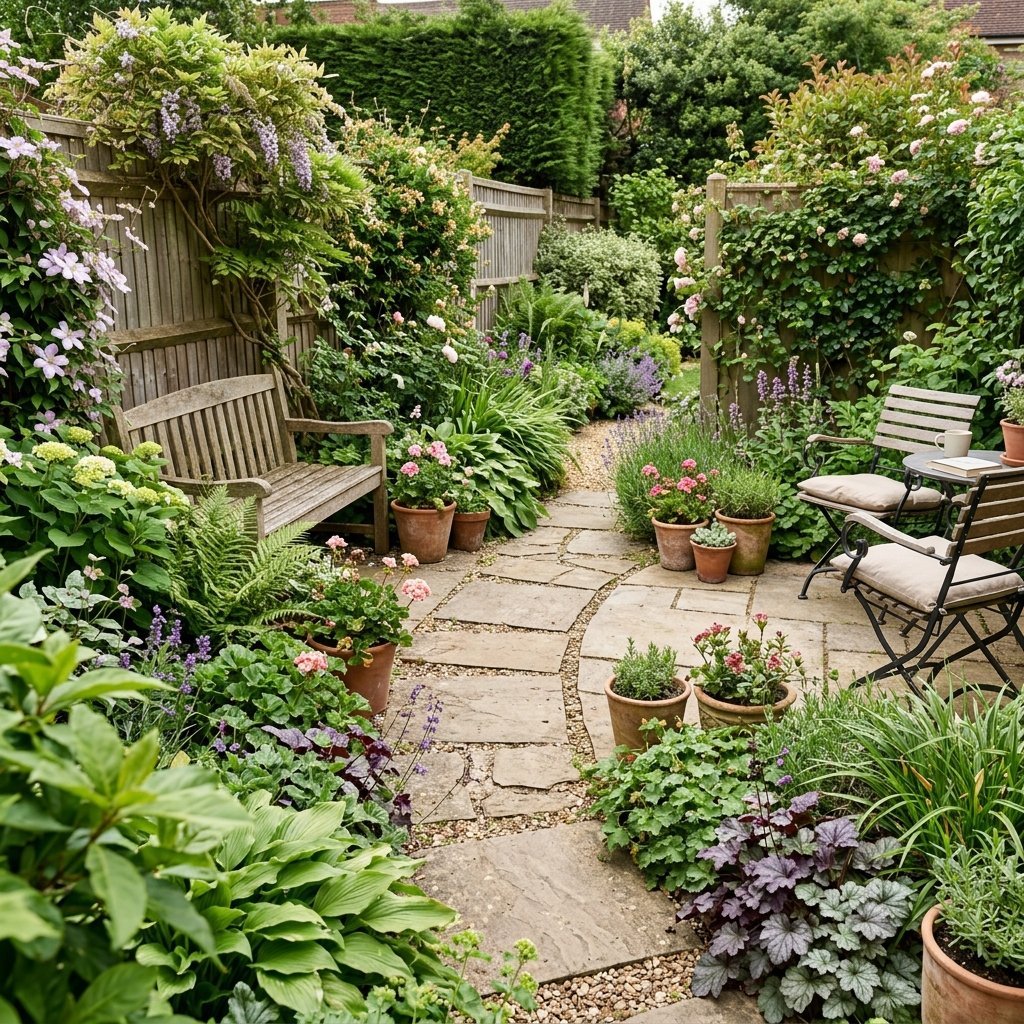
3. Turn an Awkward Corner Into a Seating Nook
That unused corner beside a fence doesn’t have to remain empty.
A compact bench, a pair of small chairs, or a corner seat can turn it into a comfortable place to relax. If the available space is particularly tight, a bench may work better than separate chairs because it can sit neatly against the boundary.
Add a few plants around the seating area to soften the edges. A climbing plant on a suitable trellis can provide greenery without taking up much floor space.
Before choosing furniture, measure the corner carefully. Leave enough room to sit comfortably, move your legs, and walk past the seating.
Also consider drainage and sunlight, particularly if the corner stays damp or receives little direct light.
Best for: Gardens with an unused corner that’s too small for a conventional patio.
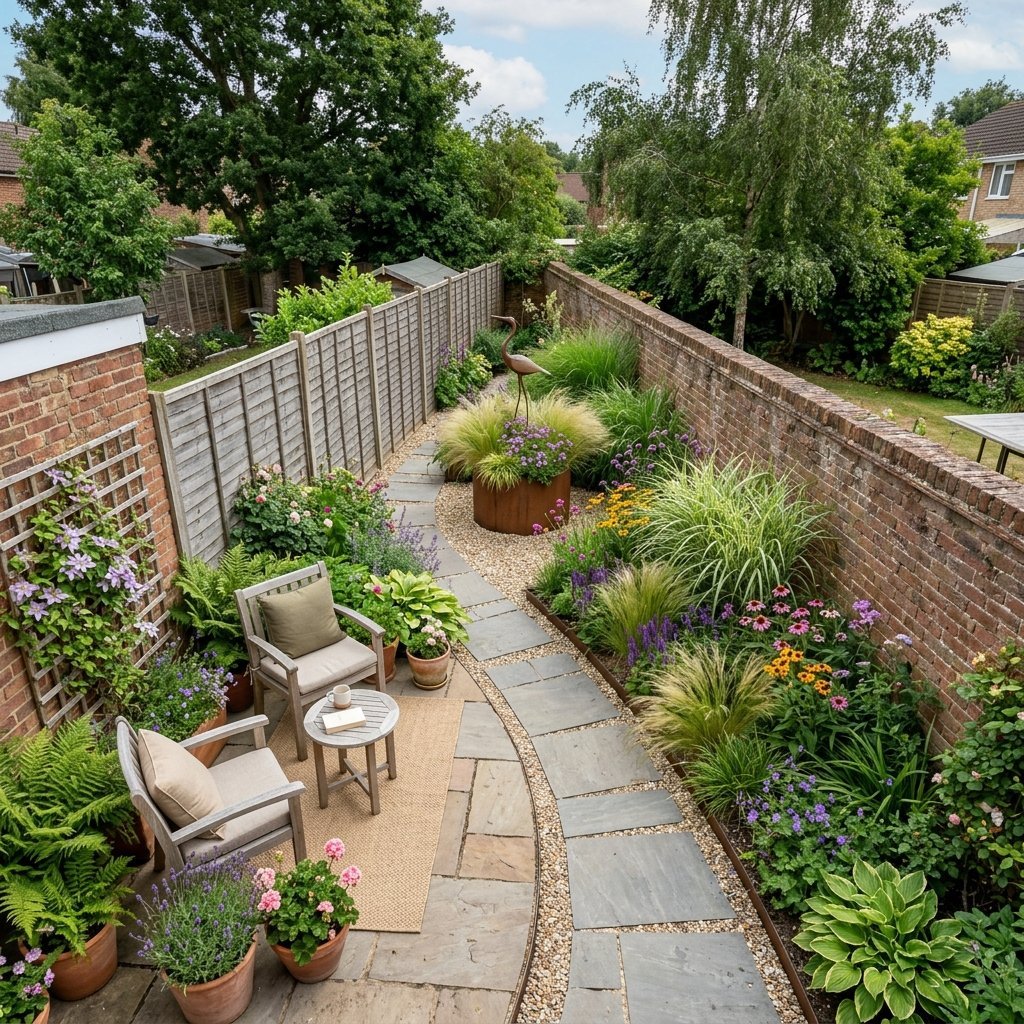
4. Design a Triangular Garden Around Its Widest Point
Triangular gardens can be tricky because one end may narrow to a point. Trying to fit a rectangular patio into that narrow section often wastes valuable space.
A better approach is to position the main seating area or open space in the widest part of the garden. Use the narrower end for a small tree, ornamental grasses, flowering plants, or an attractive planter.
This gives the pointed section a clear purpose without forcing it to accommodate furniture.
You could also use curved planting beds or diagonal paving to soften the garden’s sharp angles. Keep the overall arrangement simple so the unusual shape becomes a design feature rather than something you try to hide.
Best for: Wedge-shaped backyards and triangular plots with an awkward narrow end.
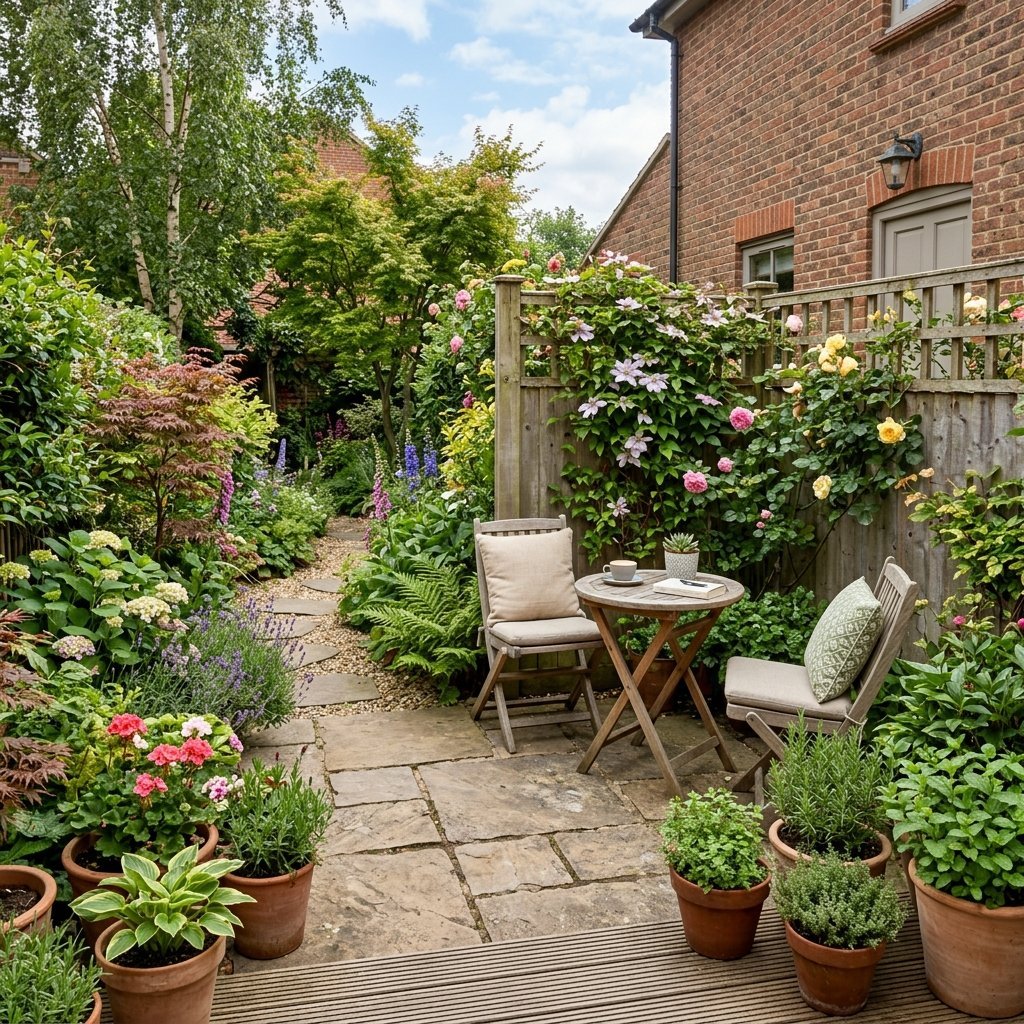
5. Add a Small Corner Patio Instead of Paving Everything
A patio can make a small garden more useful, but covering the entire area with paving isn’t always the best choice.
Consider placing a compact patio in one corner, leaving the rest of the garden for planting, gravel, or a small lawn.
The ideal position depends on how you enter the garden, where the sunlight falls, and when you plan to use the seating area. A sunny corner might suit morning coffee, while a shaded spot could be more comfortable during hot afternoons.
Measure your table and chairs before deciding how much paving you need. Remember to allow room for chairs to move and people to pass.
The aim is to create a usable sitting area without sacrificing every other part of the garden.
Best for: Tiny gardens where you want somewhere to sit but still need room for plants.
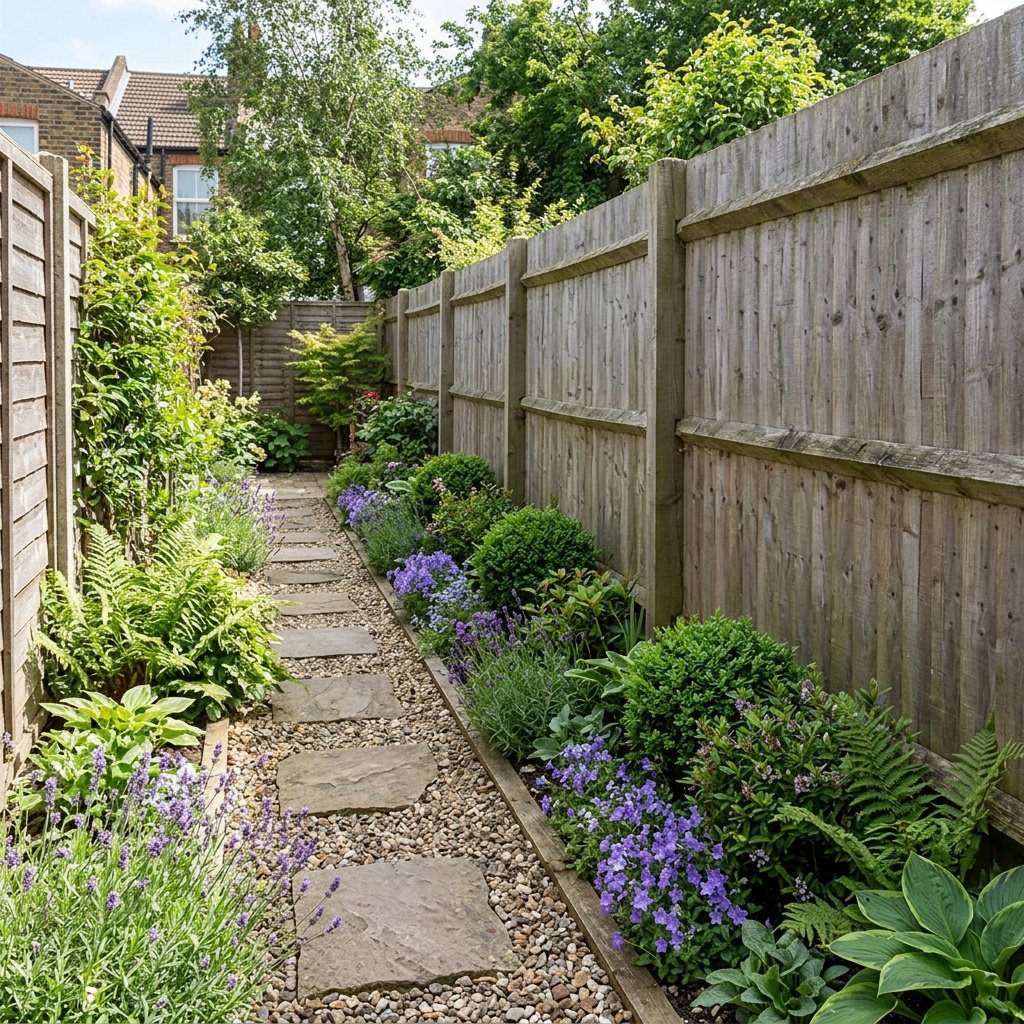
6. Keep Planting Along One Boundary
When a small garden feels crowded, look at where your plants are positioned.
Scattered pots and small beds can interrupt the walking route and leave little usable space in the middle. Moving most of the planting toward one boundary can create a cleaner arrangement.
For example, install a narrow border along a fence and leave the central area open. You can add a few containers at selected points rather than placing them everywhere.
Choose plants according to the available sunlight and the width of the border. Avoid species that will quickly spread into the path or require more room than you have.
A simple planting strip can provide plenty of greenery without making the garden feel packed.
Best for: Very narrow gardens that need more open floor space.
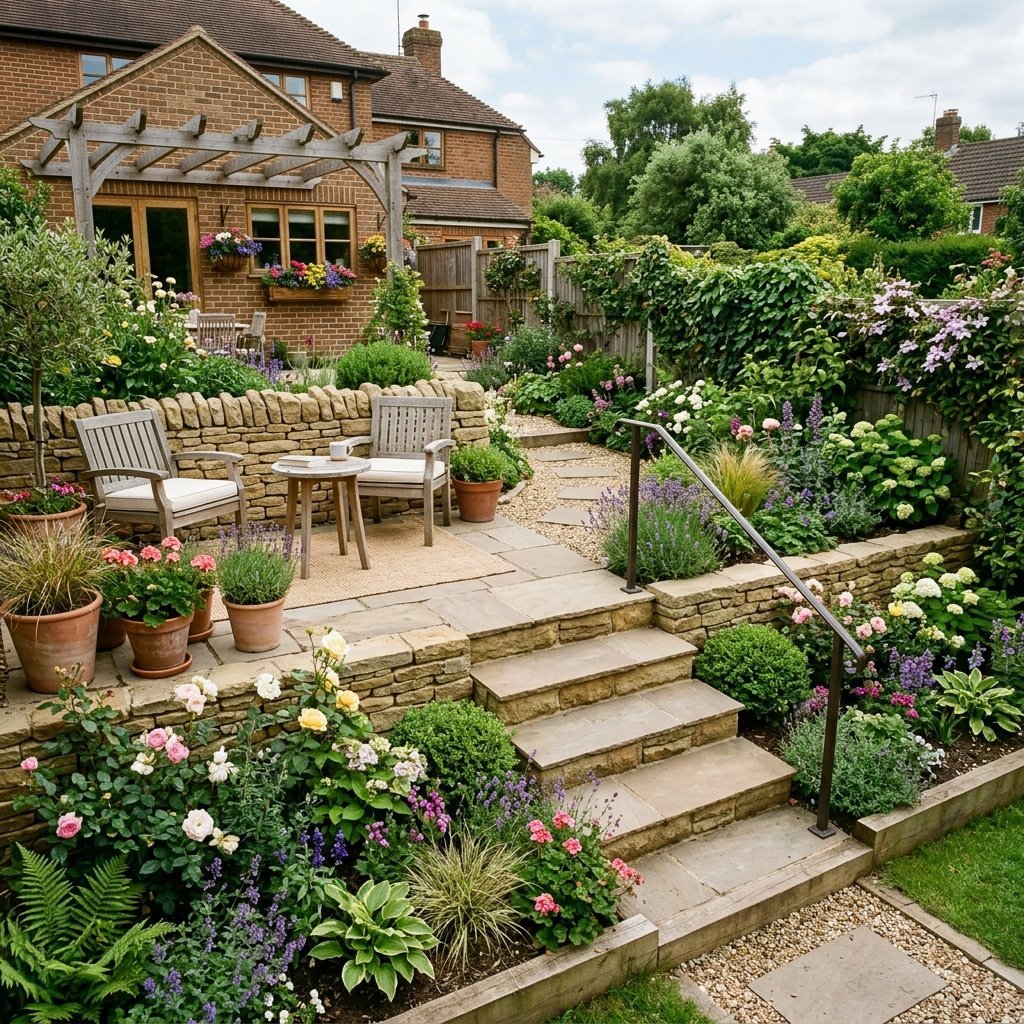
7. Make a Sloping Garden Work With Two Levels
A sloping garden can be hard to use when the ground is uneven or furniture won’t sit securely.
Where the slope and site conditions allow, creating two distinct levels can make the space more practical. One level might hold a small seating area, while the other provides room for flowers, shrubs, or vegetables.
Steps can connect the levels, and planting can soften the transition between them.
However, changing ground levels requires careful planning. Retaining structures, drainage, soil stability, and safe access all matter. Significant slopes may require professional advice before construction begins.
If building two levels isn’t practical, consider using plants suited to the existing slope and positioning seating on the most level part of the garden.
Best for: Small sloping gardens where uneven ground limits how the space can be used.
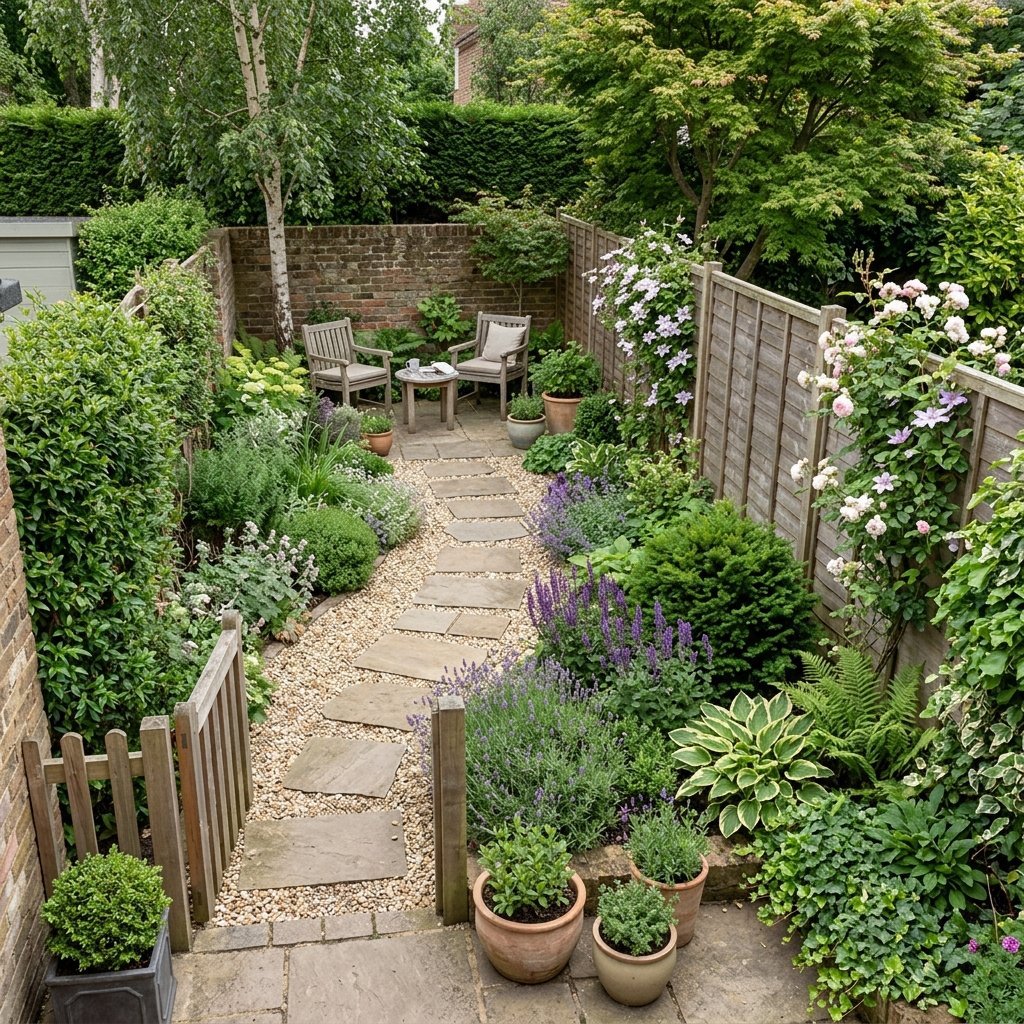
8. Use a Diagonal Path to Change the Visual Shape
A straight path running from the back door to the end of a narrow garden can emphasize its length.
A diagonal path or a section of angled paving can create a different visual rhythm. It may also help connect seating, planting, and other features more naturally.
For example, a path could lead toward a compact seating area while a triangular planting bed fills the space beside it.
This approach works best when the garden has enough width to accommodate the angled route. In an extremely narrow space, a straight path may be more practical.
Think about how you’ll move through the garden before committing to a decorative design. The path should improve access, not make it harder to reach the areas you use most.
Best for: Gardens that feel long and rigid because of parallel boundaries and straight lines.
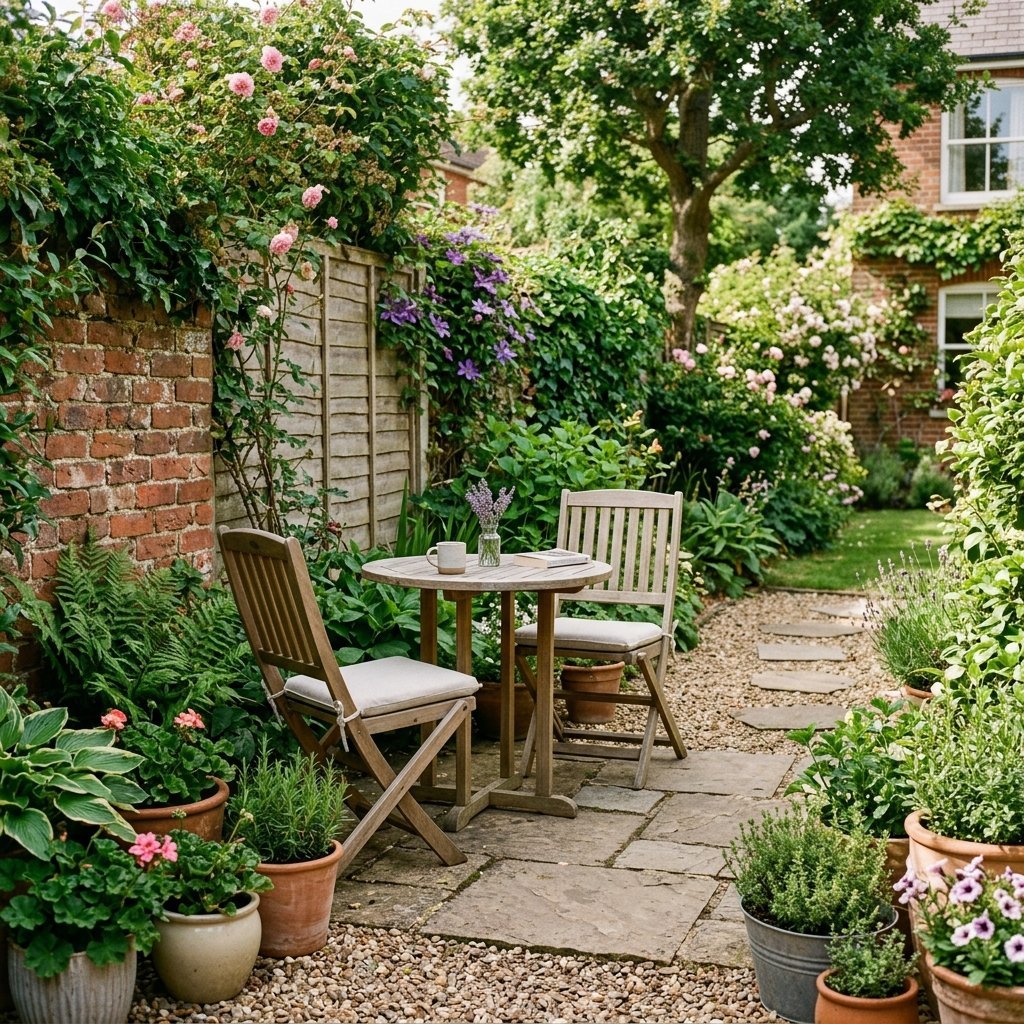
9. Fit a Small Dining Area Against a Boundary
You don’t need a large patio to enjoy outdoor meals.
A compact bistro table, folding dining set, or small bench-and-table arrangement can work well in a limited space. Positioning the dining area beside a suitable boundary may leave the main walking route clear.
If you have a narrow garden, consider a small round table or a rectangular table placed against a wall when it’s not in use.
Before buying anything, check the space required to pull out chairs and move around the table. A dining set that fits on paper may feel uncomfortable once people start using it.
A few well-placed containers can soften the area without crowding the seating.
Best for: Small backyards where outdoor dining is a priority.
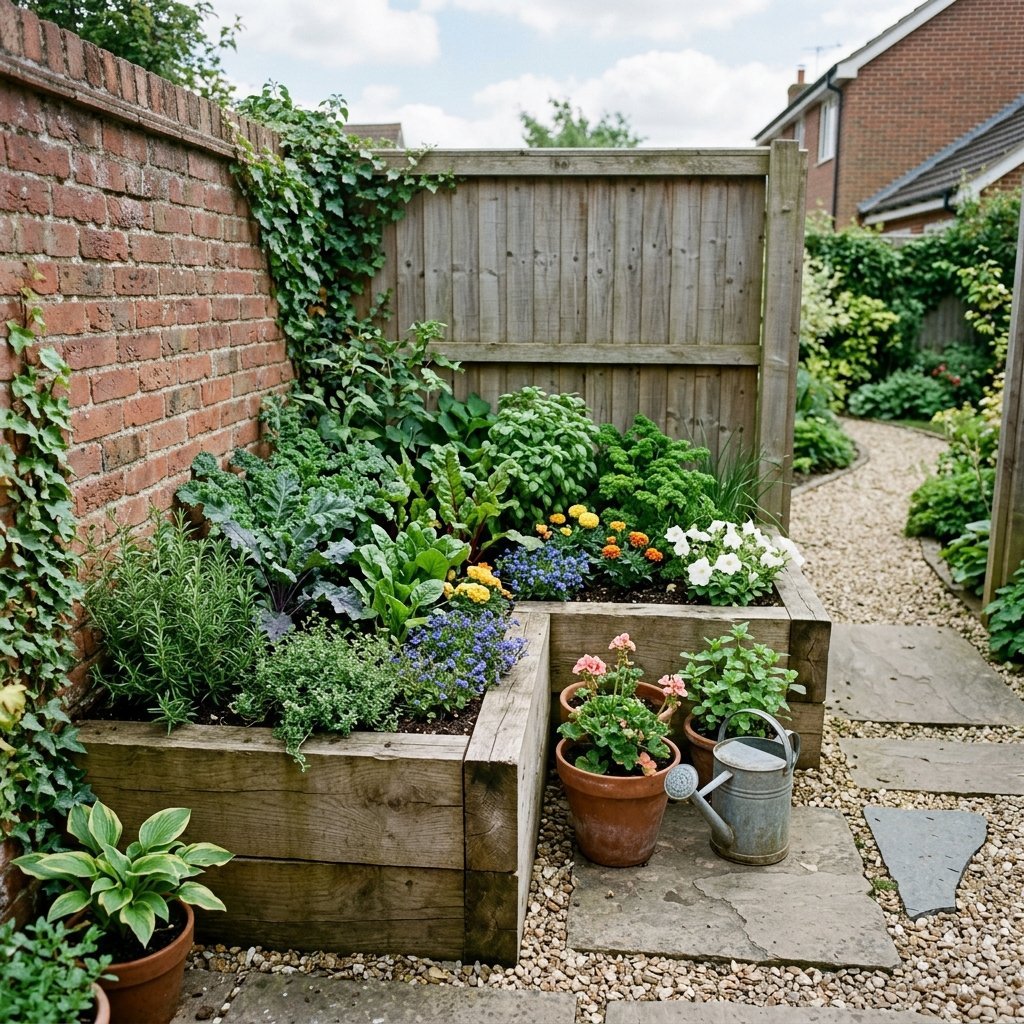
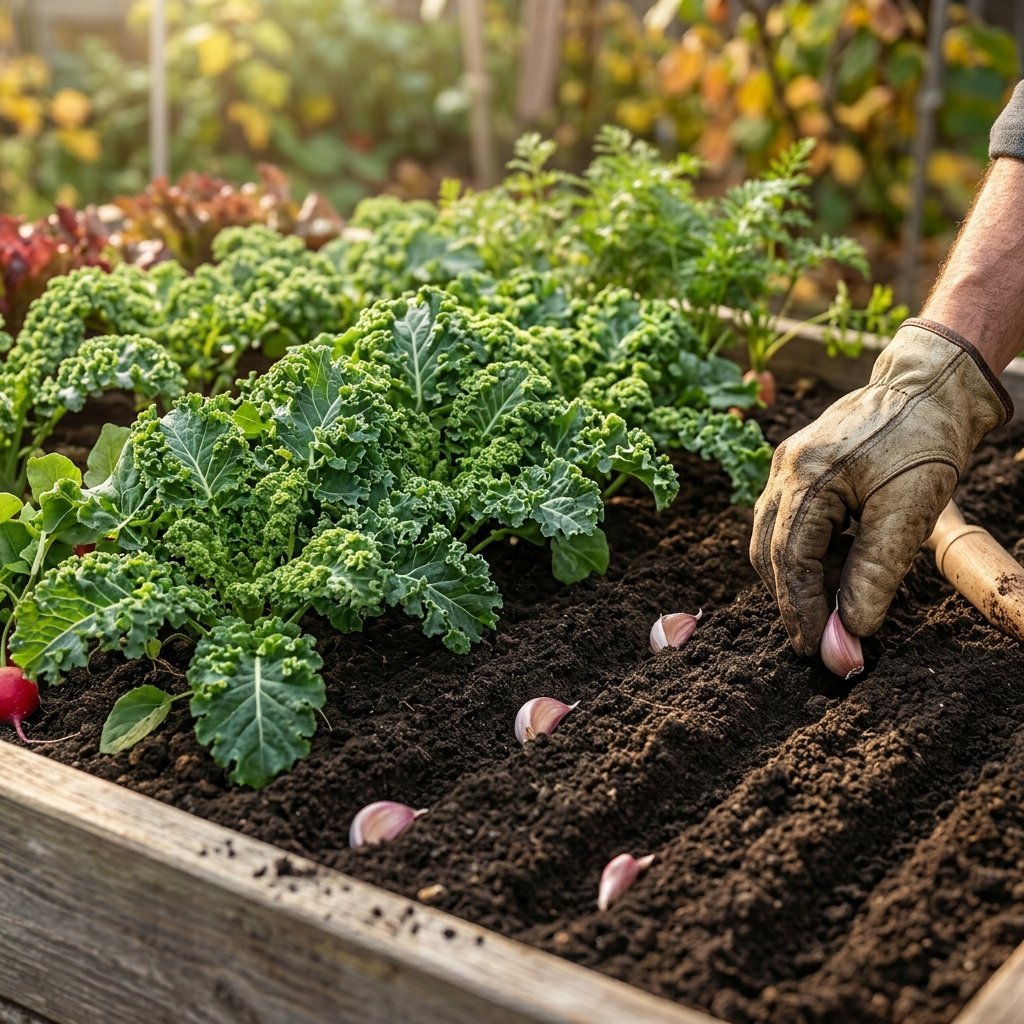
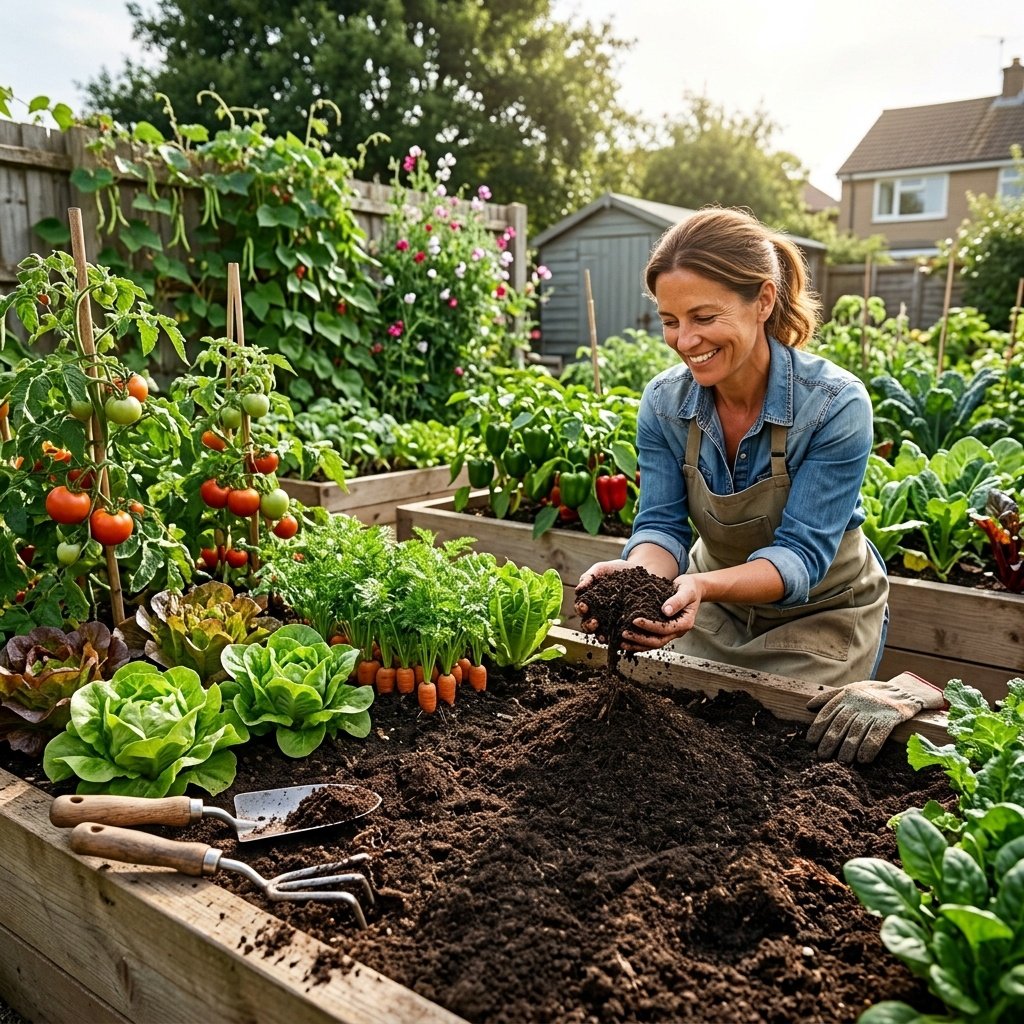
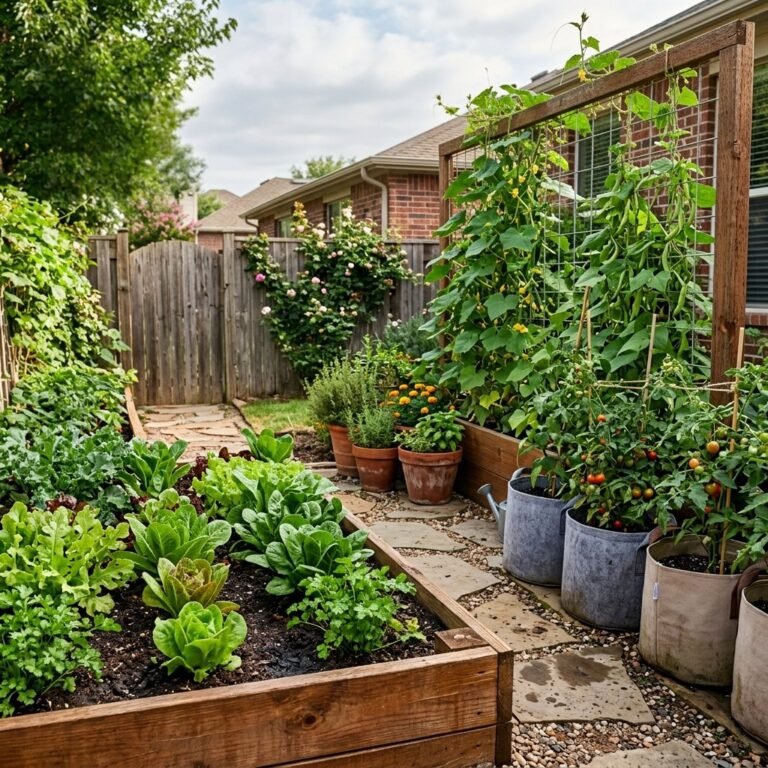
10. Put a Raised Garden Bed in an Unused Corner
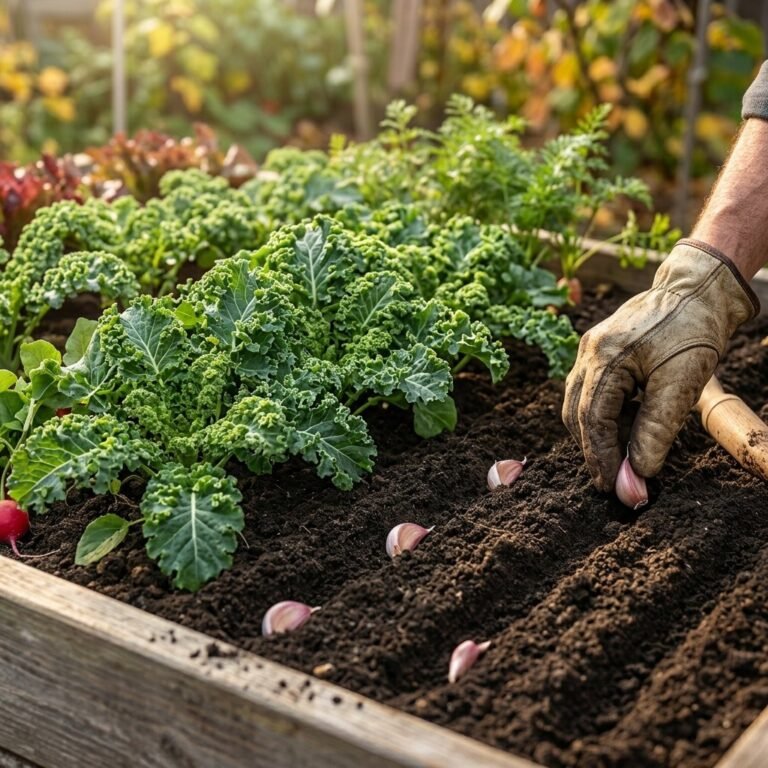
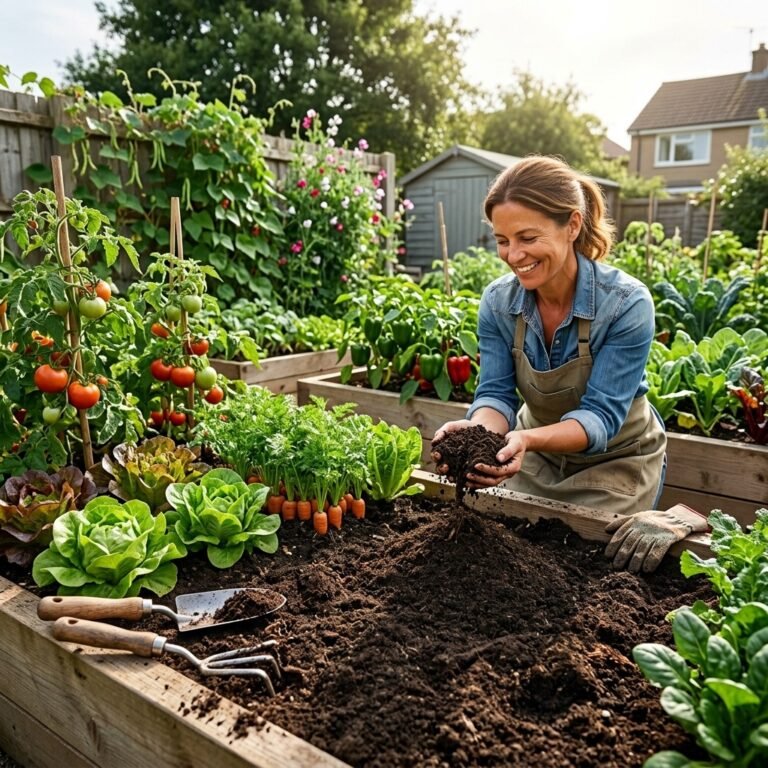
Raised beds can make awkward spaces useful, particularly if you enjoy growing herbs, flowers, or vegetables.
A corner bed can follow the garden’s boundaries, leaving more room in the middle. If a standard rectangular bed doesn’t fit, consider a custom-shaped structure or a few containers arranged together.
Choose the position based on sunlight, access, and watering needs. Vegetables and many flowering plants need sufficient light, while some shade-tolerant plants may suit darker corners.
Think about bed depth and how you’ll reach the plants for weeding and harvesting. A bed that’s difficult to access can quickly become a maintenance problem.
You can also combine a raised bed with a narrow pathway to keep the growing area separate from the seating space.
Best for: Awkward corners that could support productive planting.
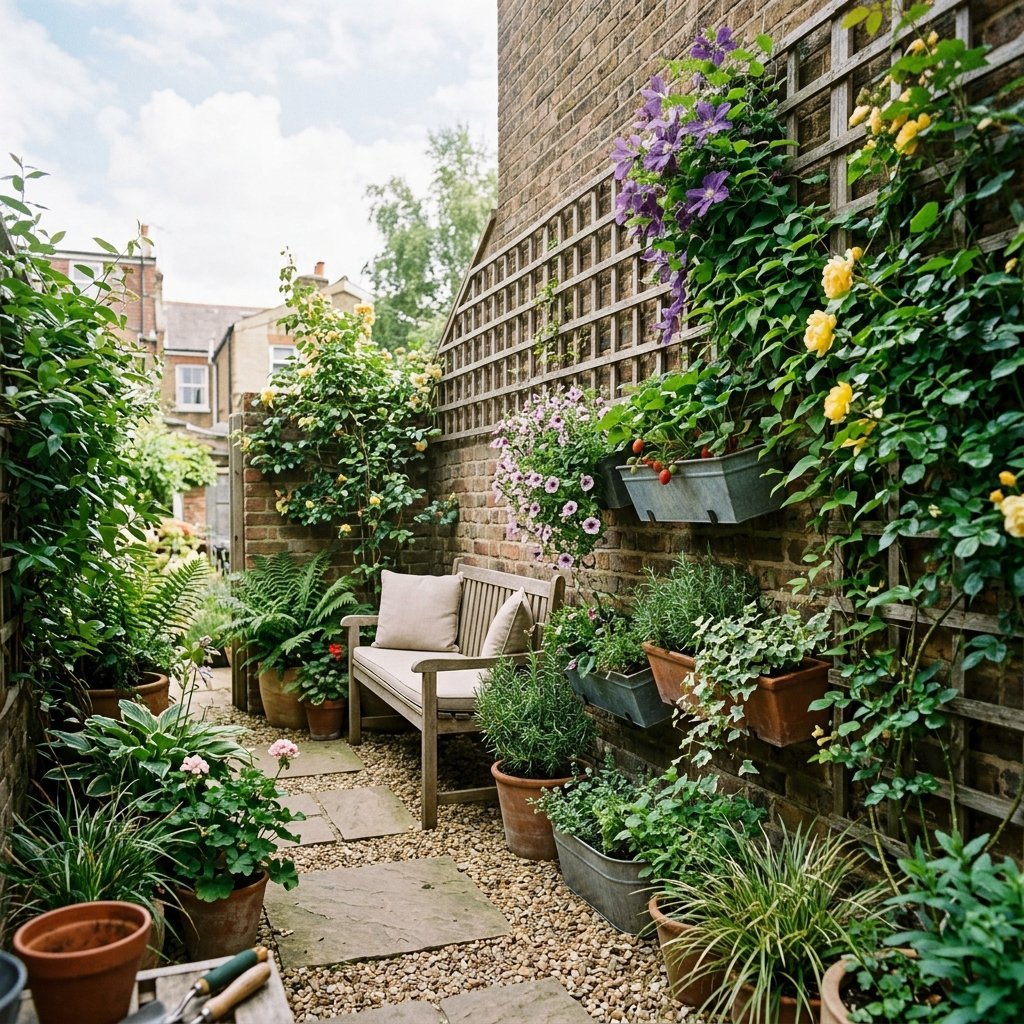
11. Grow Upward With Vertical Planting
When floor space is limited, walls and fences offer another place to introduce greenery.
A suitable trellis, wall-mounted planter, or climbing plant can add interest without filling the walking route with pots.
Vertical planting is particularly useful in narrow gardens where every extra container reduces the available space. You can also use it to soften a plain fence or create a green backdrop behind a bench.
Check the wall or fence before attaching anything, and make sure it can support the structure and its contents. Consider sunlight, watering, and how you’ll reach the plants for maintenance.
Not every plant suits vertical growing, so choose varieties according to their growth habits and the conditions available.
Best for: Tiny gardens with limited floor space but usable walls or fences.
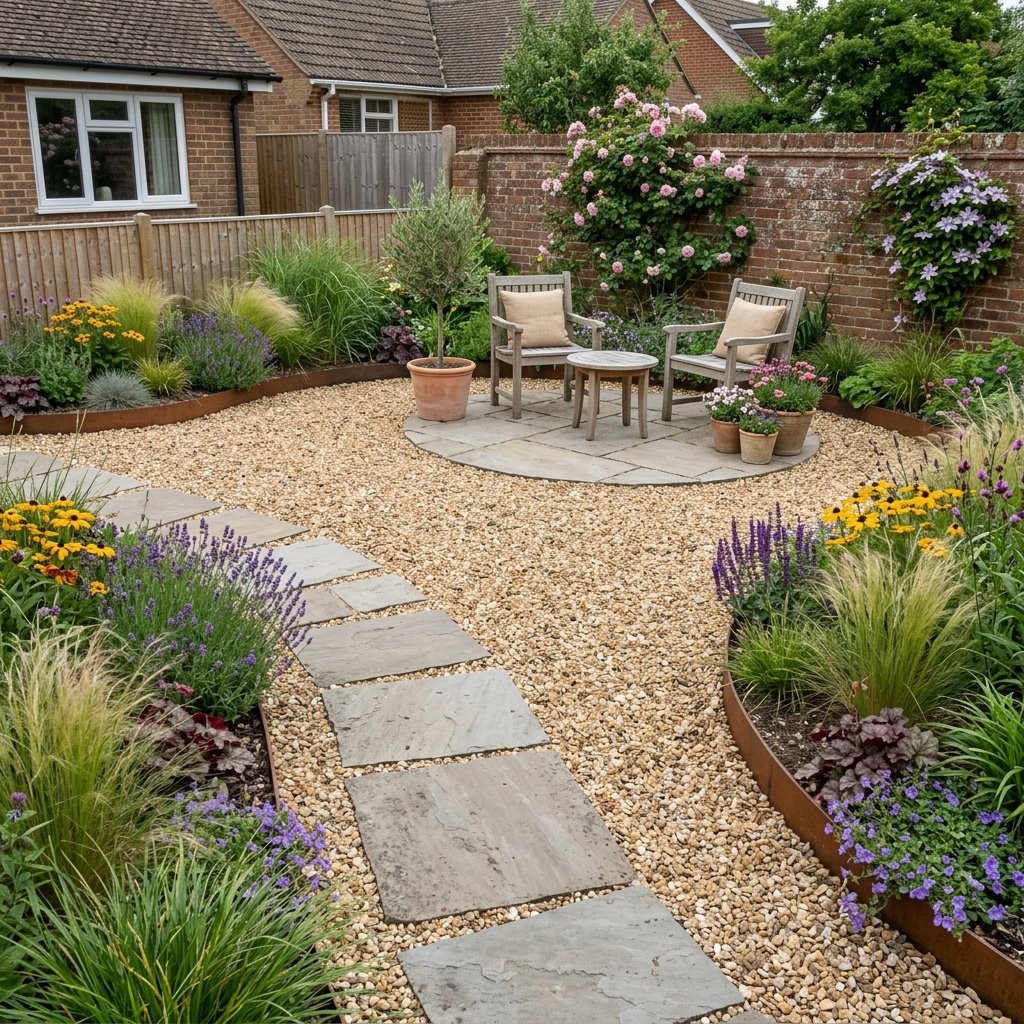
12. Create a Simple Gravel Garden
Gravel can provide a practical surface for a small garden, especially when maintaining a lawn would be difficult.
Use it around a compact seating area or between clearly defined planting beds. Metal, stone, or other suitable edging can help keep the gravel in place and separate it from surrounding surfaces.
To prevent the design from looking unfinished, establish the layout before spreading the gravel. Decide where the path will run, where plants will grow, and which areas need to remain clear.
Proper ground preparation matters. Consider drainage, weed control, accessibility, and the type of gravel best suited to your needs.
Gravel isn’t right for every garden, particularly where accessibility or heavy rainfall creates additional challenges.
Best for: Small gardens that need a simple surface with clearly defined planting areas.
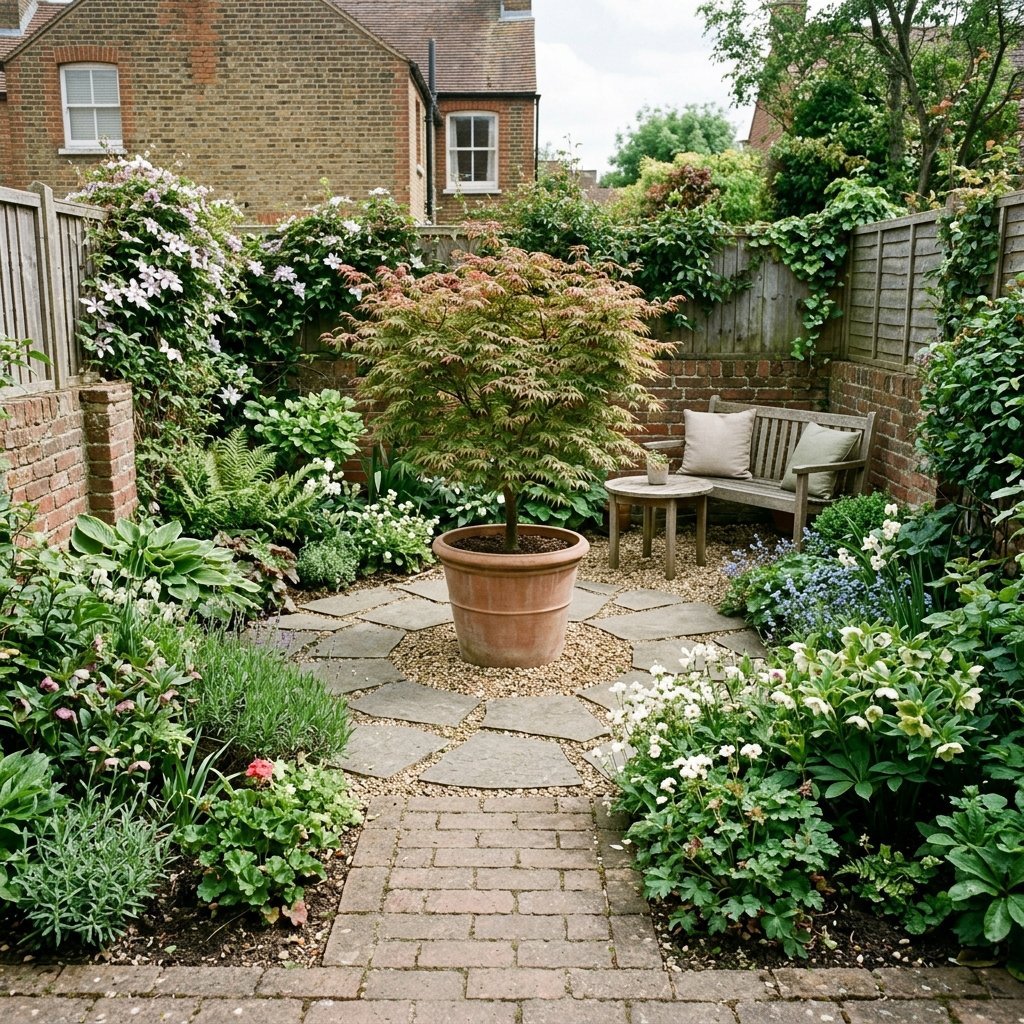
13. Build the Layout Around One Focal Point
An irregular garden can feel disorganized when too many features compete for attention.
Choosing one focal point gives the space a clear visual anchor. It could be a compact tree, an attractive planter, a sculpture, or a small water bowl.
Position the feature where it’s visible from the house, a doorway, or the main seating area. Then arrange the surrounding plants and pathways to support it.
You don’t need an expensive centerpiece. Even a well-chosen pot with an interesting plant can give the garden a sense of purpose.
Keep the remaining decorations simple. In a small space, several large ornaments can quickly make the layout feel cluttered.
Best for: Awkward gardens that lack a clear visual center.
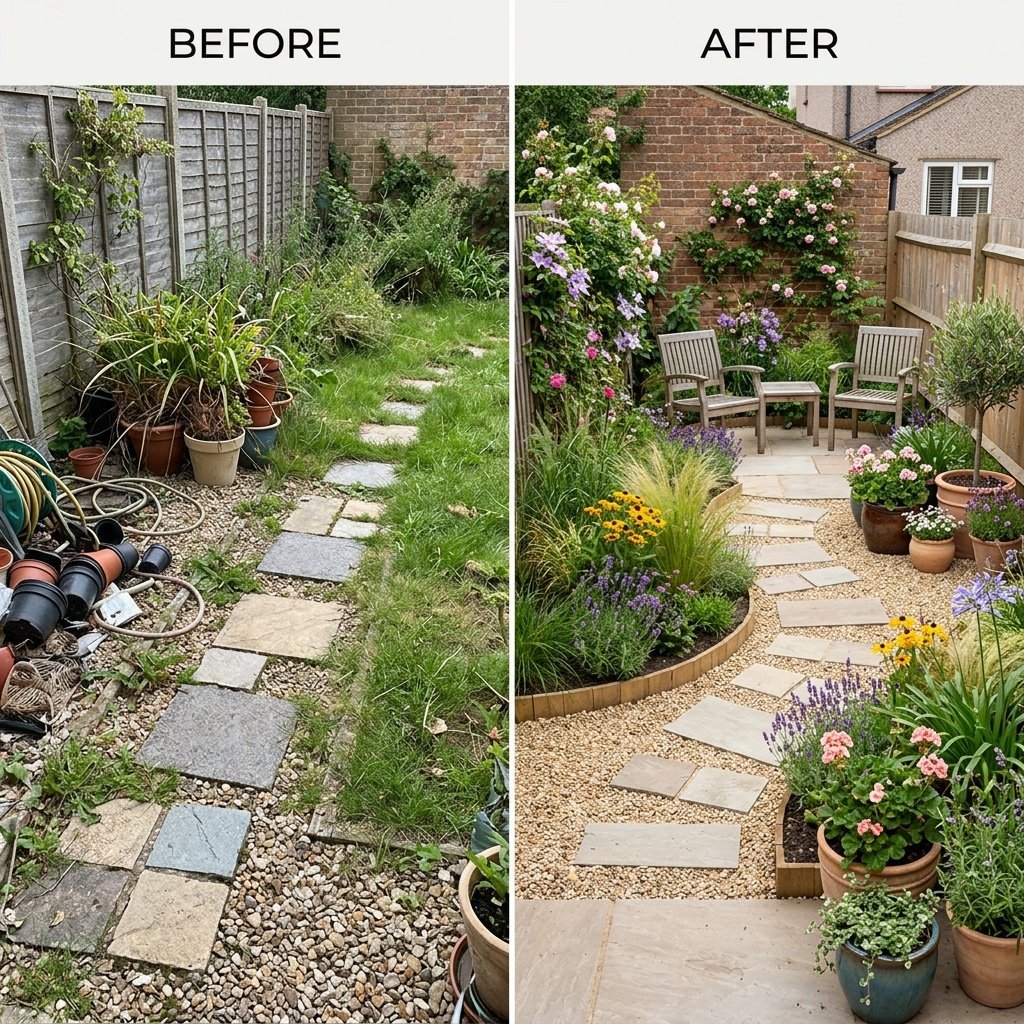
14. Improve the Layout With Materials You Already Have
A small garden makeover doesn’t have to begin with a shopping list.
Before buying new furniture or paving, look at what you can rearrange. Moving containers into groups, repositioning a bench, or clearing an obstructed path may make the garden feel more organized straight away.
You might also reuse suitable paving stones, planters, or other materials left over from previous projects. Check that reclaimed items are safe and in good condition before using them.
Try repeating a few colors or materials throughout the garden. This can help separate areas feel connected, even when the garden has an irregular shape.
Start with the changes that improve access and usability. Once the layout works, you can decide whether any new purchases are necessary.
Best for: Budget-conscious gardeners who want to improve an awkward space without a complete renovation.
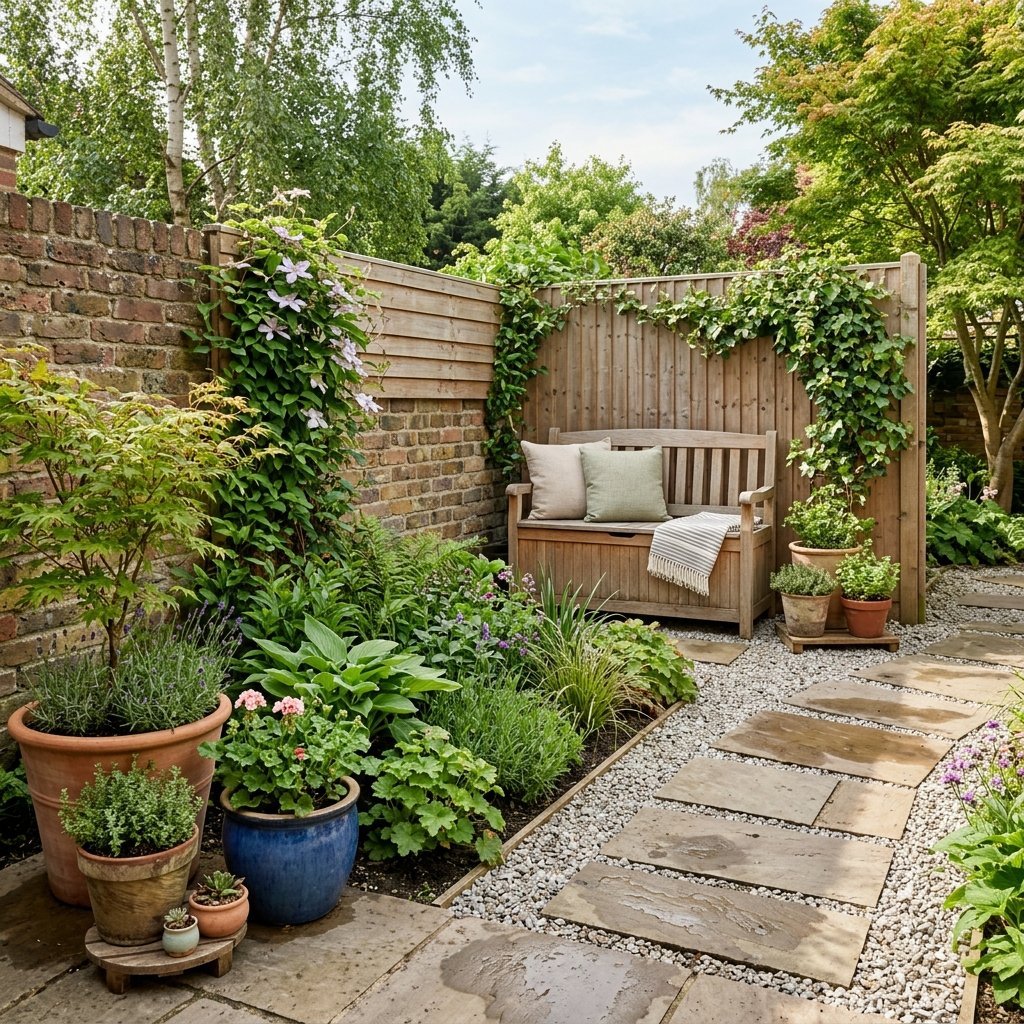
15. Combine Seating, Planting, and Storage
A small garden often needs to serve several purposes at once. You might want somewhere to sit, a place to grow plants, and storage for tools or cushions.
The trick is to give each feature a defined position.
For example, place a storage bench beside a planting border, with a clear path leading to the seating area. Use compact containers rather than several large pots, and choose furniture that suits the dimensions of the garden.
Multi-purpose furniture can be particularly useful. A bench with storage underneath provides somewhere to sit without requiring a separate storage box.
Keep frequently used items accessible, but avoid allowing tools, watering cans, and spare pots to spread across the garden.
Best for: Tiny backyards that need seating, greenery, and practical storage in the same space.
How to Choose the Best Layout for Your Awkward Garden
The right design depends on the problem you’re trying to solve. Use this table to narrow down your options.
| Garden problem | Layout to consider | Main benefit |
|---|---|---|
| Long, narrow garden | Offset sections and a clear path | Reduces the corridor effect |
| L-shaped garden | Two connected zones | Gives each section a purpose |
| Triangular garden | Seating in the widest area | Makes use of the available space |
| Unused corner | Compact seating or a raised bed | Turns wasted space into a useful feature |
| Sloping ground | Two levels, where practical | Separates different activities |
| Limited floor space | Vertical planting and compact furniture | Preserves room for movement |
| Small budget | Rearranged furniture and reused materials | Improves the layout without a full makeover |
| Tiny garden for entertaining | Compact dining area | Creates space for outdoor meals |
| Garden with little room for a lawn | Gravel and defined planting beds | Simplifies the surface layout |
Don’t feel that you need to copy one idea exactly. You could combine a corner patio with vertical planting or pair a narrow border with a compact dining area.
Start with the layout that solves your biggest problem, then add other features only if there’s enough room.
Small Garden Layout Mistakes to Avoid
Even a good design can become impractical if a few basic details are overlooked.
Filling every corner with pots: Too many containers can obstruct the path and make the garden feel crowded. Group a few plants together and leave some areas open.
Buying furniture before measuring: Always account for the space needed to pull out chairs, open folding tables, and walk around furniture.
Creating too many separate zones: A tiny garden rarely needs a dining area, a separate lounge, multiple pathways, and several decorative corners. Choose the functions that matter most.
Ignoring sunlight and drainage: Check the conditions before deciding where to put a patio or planting bed. A low, damp corner may need a different approach from a sunny, well-drained area.
Forgetting how large plants will grow: A small plant can eventually block a path or overwhelm a border. Check its expected mature size before planting.
A little planning at the start can save you from moving heavy pots, replacing unsuitable plants, or rebuilding parts of the garden later.
Related Reads
You might find these helpful as you keep going:
7 Best Fertilizers for Raised Beds (Top Picks + Feeding Guide)
7 Best Self-Watering Systems for Balcony Vegetable Gardens (That Actually Work)
How to Plant, Grow, and Care for ‘Sugar Magnolia’ Snap Peas
FAQ
How Do You Make an Awkward Small Garden Look Bigger?
Keep the layout simple, maintain a clear walking route, and avoid filling every corner with furniture or containers. Repeating a few materials can create a more unified appearance, while vertical planting adds greenery without taking up much floor space.
What Is the Best Layout for a Long, Narrow Garden?
A clear path with carefully positioned planting beds and seating usually works well. Offset sections or a well-placed focal point can break up the long view, but avoid adding so many bends or features that movement becomes difficult.
How Do You Design an L-Shaped Garden?
Use the two arms of the garden for different purposes. For example, create a seating area in the wider section and use the narrower arm for planting. Connect the areas with a consistent material or a simple path so the garden feels unified.
How Can I Improve a Small Garden on a Budget?
Start by rearranging what you already have. Move pots, clear pathways, reuse suitable materials, and focus on the layout before buying new items. Make changes gradually so you can see which improvements are worth the money.
How Do You Use Awkward Corners in a Garden?
Depending on the dimensions, an awkward corner can accommodate a compact bench, a raised bed, vertical planting, or a decorative focal point. Measure the space first and consider sunlight, drainage, and access before choosing a feature.
Start With the Shape, Then Choose the Layout
The best small garden layouts work with the space rather than against it. A narrow garden may benefit from a clear path and carefully placed planting, while an L-shaped plot might work better with two connected zones.
You don’t have to change everything at once. Measure your garden, identify the area that causes the most trouble, and try one practical improvement before committing to a larger project.
A garden doesn’t need a perfect shape to be useful, attractive, and comfortable. It needs a layout that makes sense for the way you live.