

You don’t need a big backyard to grow fresh vegetables. Even a small patch of outdoor space, a narrow side yard, or a sunny patio can produce lettuce, tomatoes, peppers, herbs, and other homegrown favorites with the right setup.
The trick is to make every inch count. Instead of spreading plants across the ground, you can grow upward with trellises, use containers in unused corners, or combine several compact growing areas into one productive little garden.
These tiny backyard vegetable garden ideas are designed for homeowners and renters who want to grow more food without giving up their entire outdoor space. Some are simple enough for beginners, while others offer creative ways to get more from a small yard.
Whether you have room for one raised bed or a handful of pots, there’s a way to get started.
My Top Picks for Your Tiny Garden
Handpicked gardening products to help you save space, grow more vegetables, and make the most of your backyard.
1. Build a Compact Raised Bed for Easy Vegetable Growing
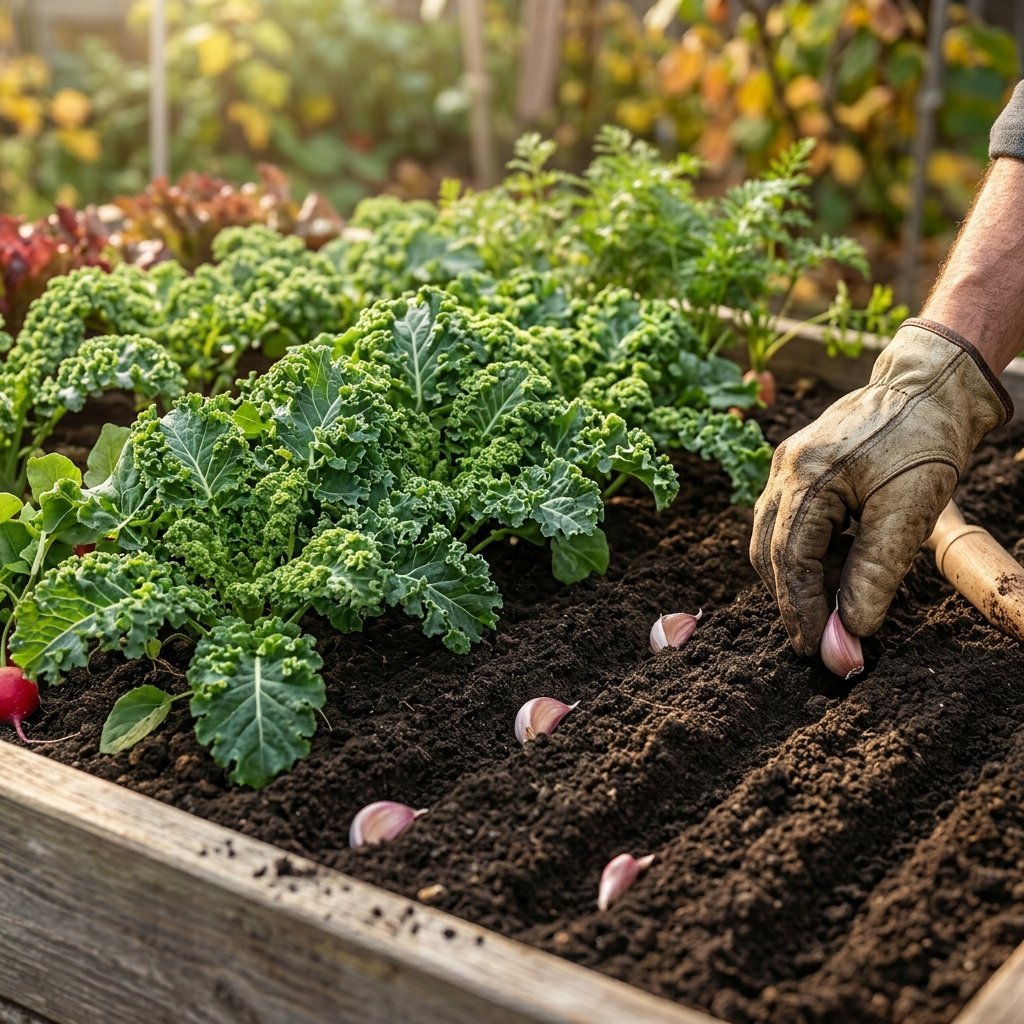
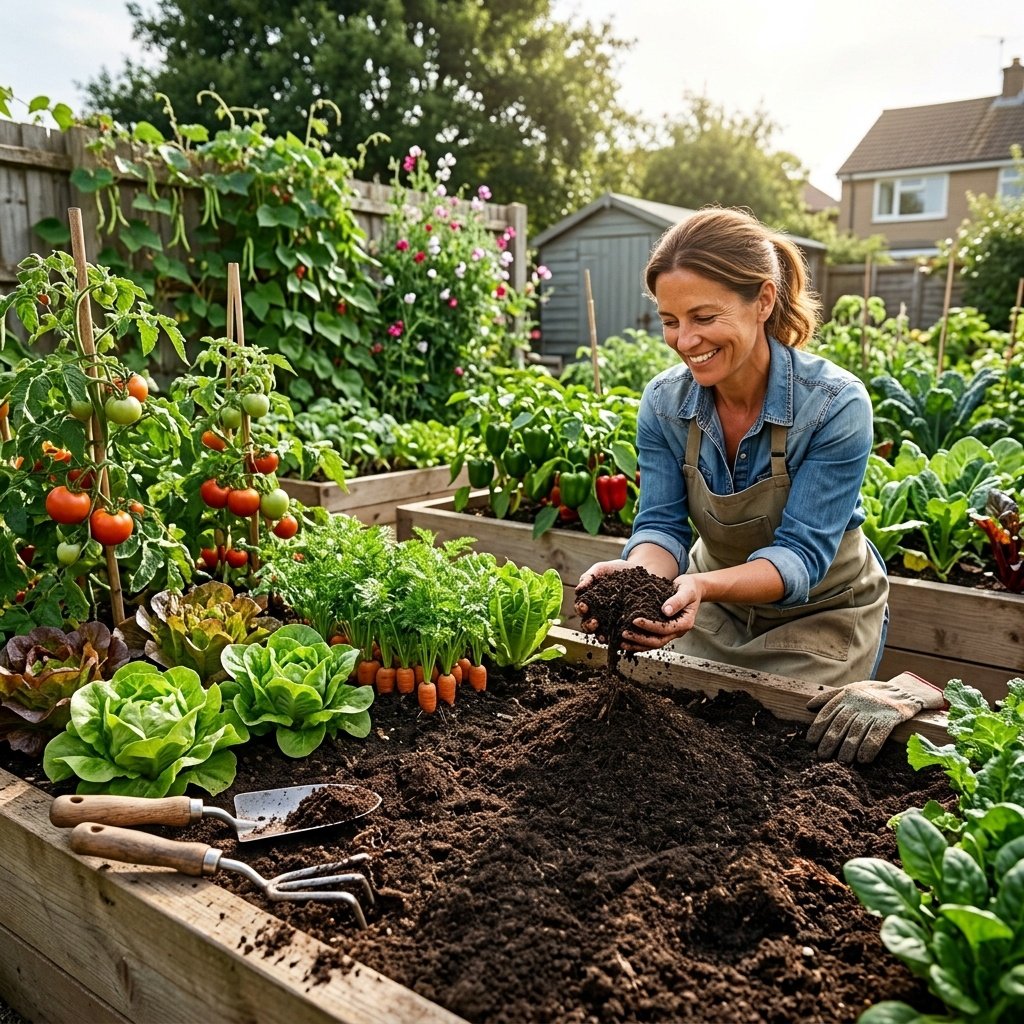
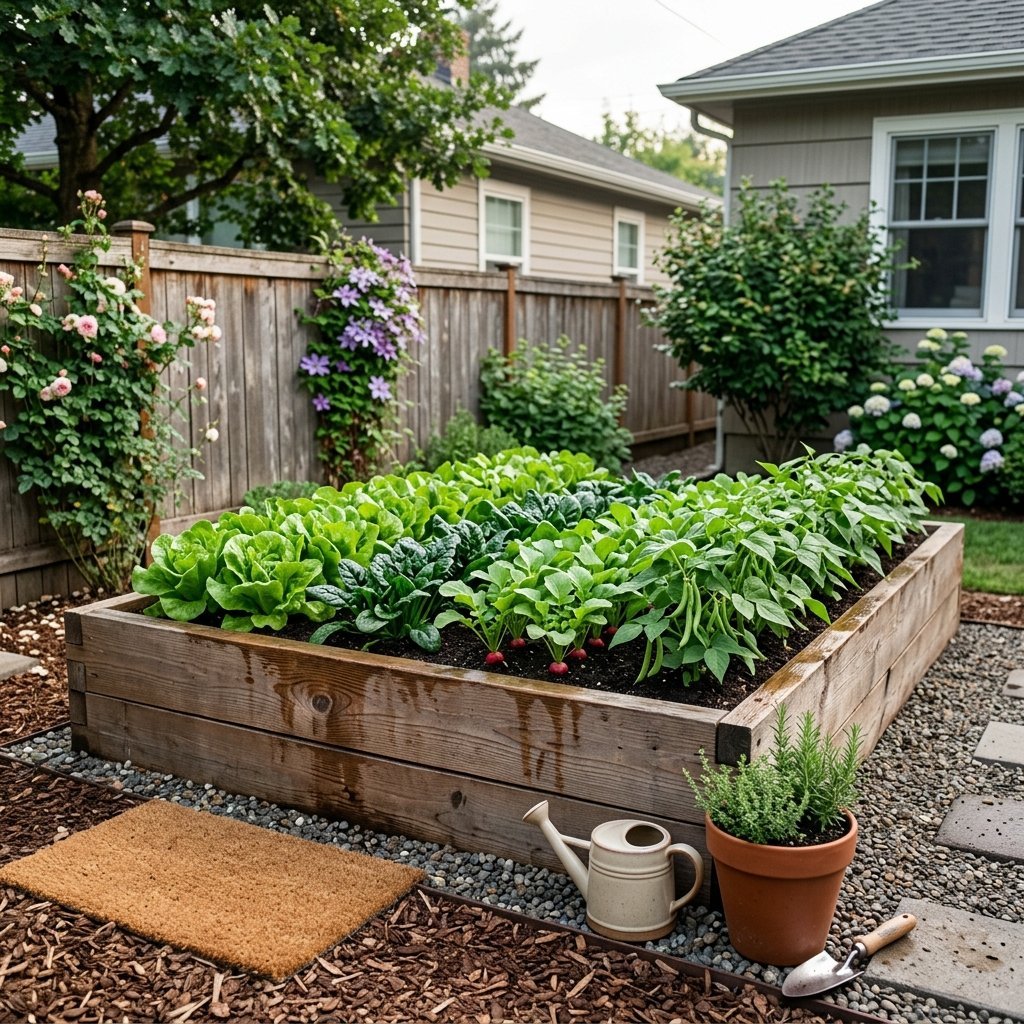
A small raised bed can turn an otherwise awkward patch of backyard into a neat, productive vegetable garden. You don’t need a large structure. A compact rectangular bed can provide enough room for several crops when you plan the layout carefully.
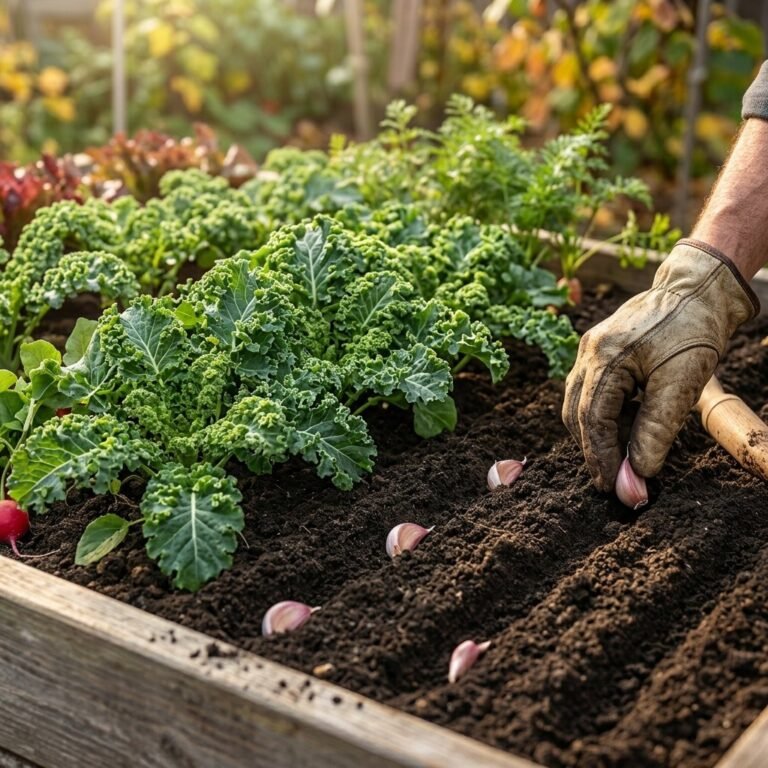
Start with easy vegetables such as lettuce, spinach, radishes, bush beans, and compact peppers. Arrange taller plants where they won’t shade smaller crops, and leave enough space to reach the center of the bed without stepping on the soil.
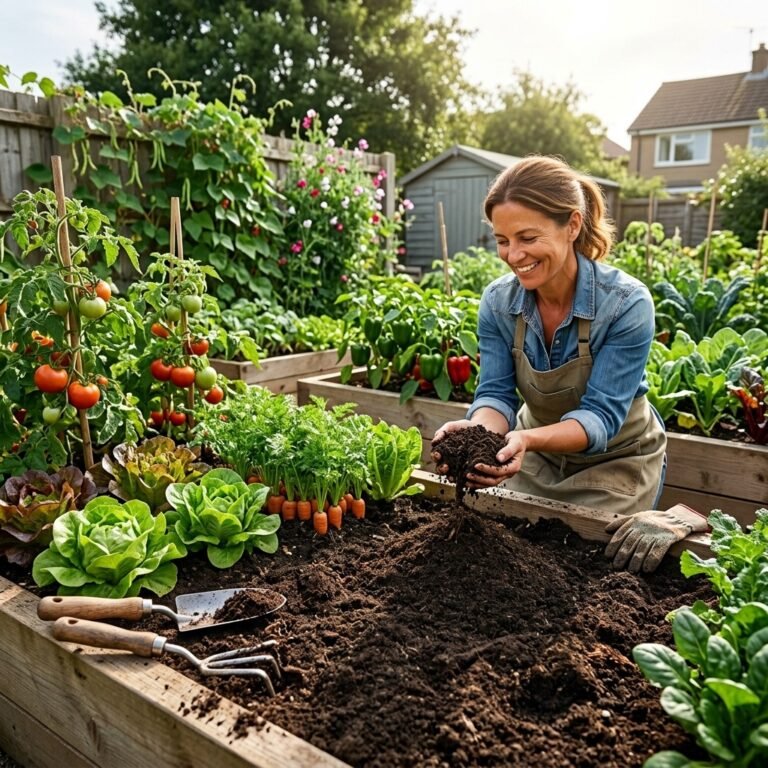
Fill the bed with a suitable growing mix enriched with compost. Good soil and sensible spacing will make a bigger difference than trying to squeeze in as many plants as possible.
Small-space tip: Measure your available area before buying a raised bed. A narrow design with accessible sides is often easier to maintain than a wide bed you can’t comfortably reach across.
2. Grow Upward With a Vertical Vegetable Garden
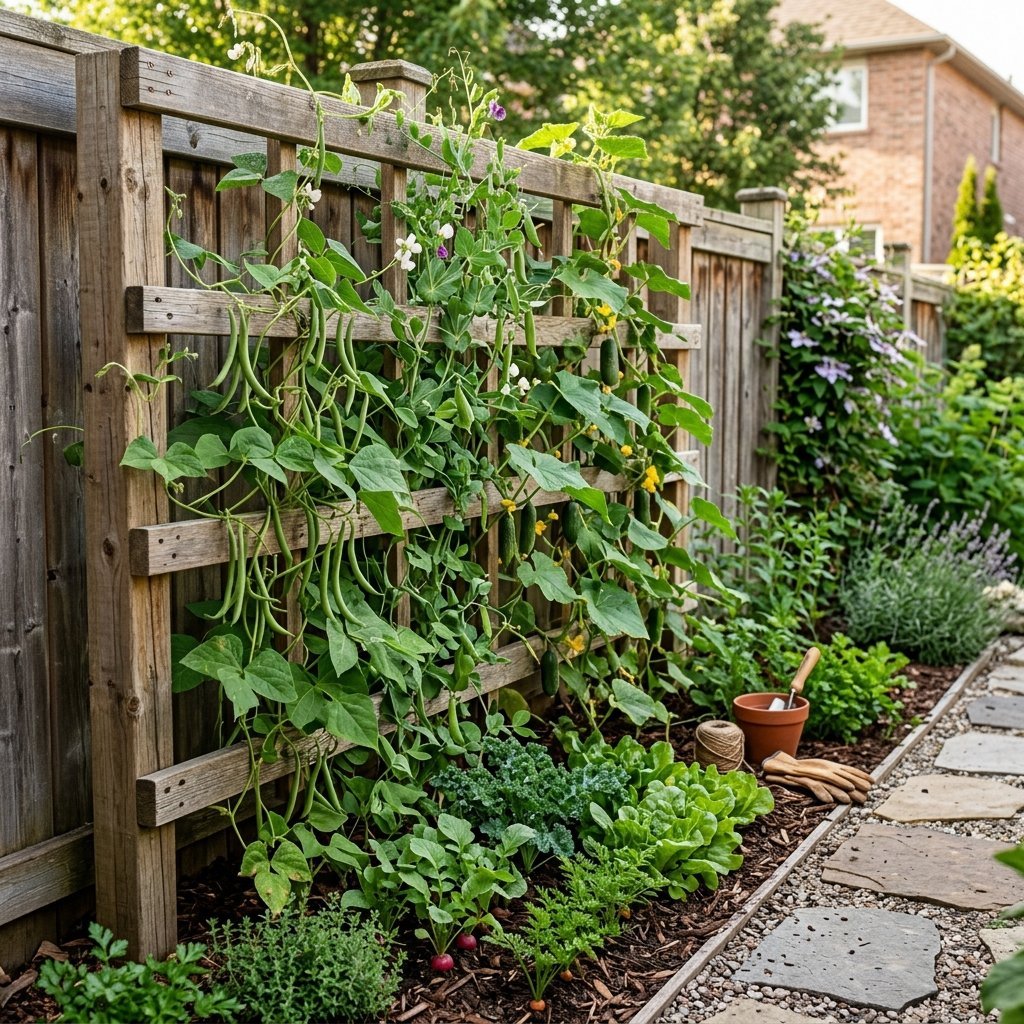
When ground space is limited, look at your fences and walls. A sturdy trellis can turn an unused vertical surface into a place for growing climbing vegetables.
Pole beans, peas, and climbing cucumber varieties are good choices. Their vines grow upward instead of spreading across the ground, leaving more room for other plants below or nearby.
Choose a sunny location and secure the support before planting. Once climbing vegetables become heavy with foliage and fruit, a weak trellis can lean or collapse. Leave enough room to move around the plants for watering, pruning, and harvesting.
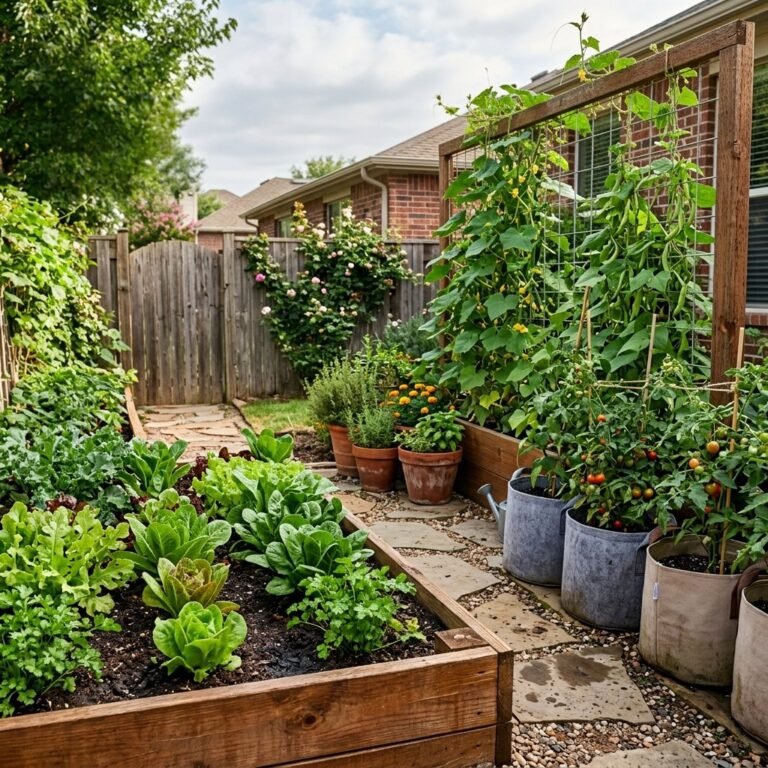
You can also use vertical planters for shallow-rooted crops such as lettuce and herbs, provided each pocket has enough growing space and drains properly.
Small-space tip: Train climbing plants early. It’s much easier to guide young vines onto a trellis than to untangle a mass of stems later.
3. Use Grow Bags to Create a Flexible Mini Garden
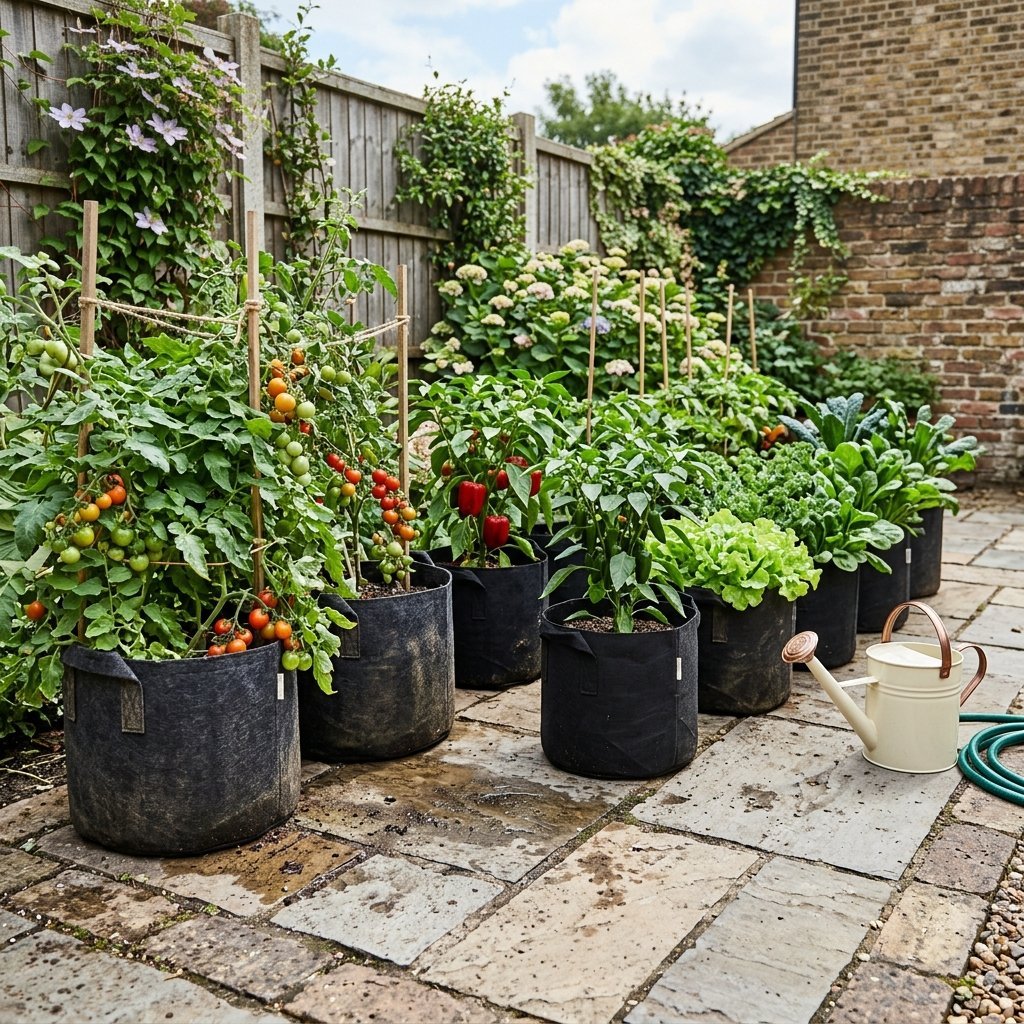
Not every backyard needs a permanent garden bed. Fabric grow bags offer a flexible alternative, especially if you’re gardening on a patio, paved area, or in a rented home.
Choose bag sizes based on the vegetables you want to grow. Tomatoes and peppers need more root space than lettuce or small herbs. Potatoes can also grow well in appropriately sized bags designed for container planting.
Arrange the bags according to sunlight and watering needs. Keep taller plants from blocking light to smaller ones, and leave enough space to reach each container comfortably.
Grow bags can be moved when empty, making them useful for gardeners who want to change their layout from season to season.
Small-space tip: Place grow bags where excess water can drain freely. Fabric containers dry out faster than many solid pots, particularly during hot weather.
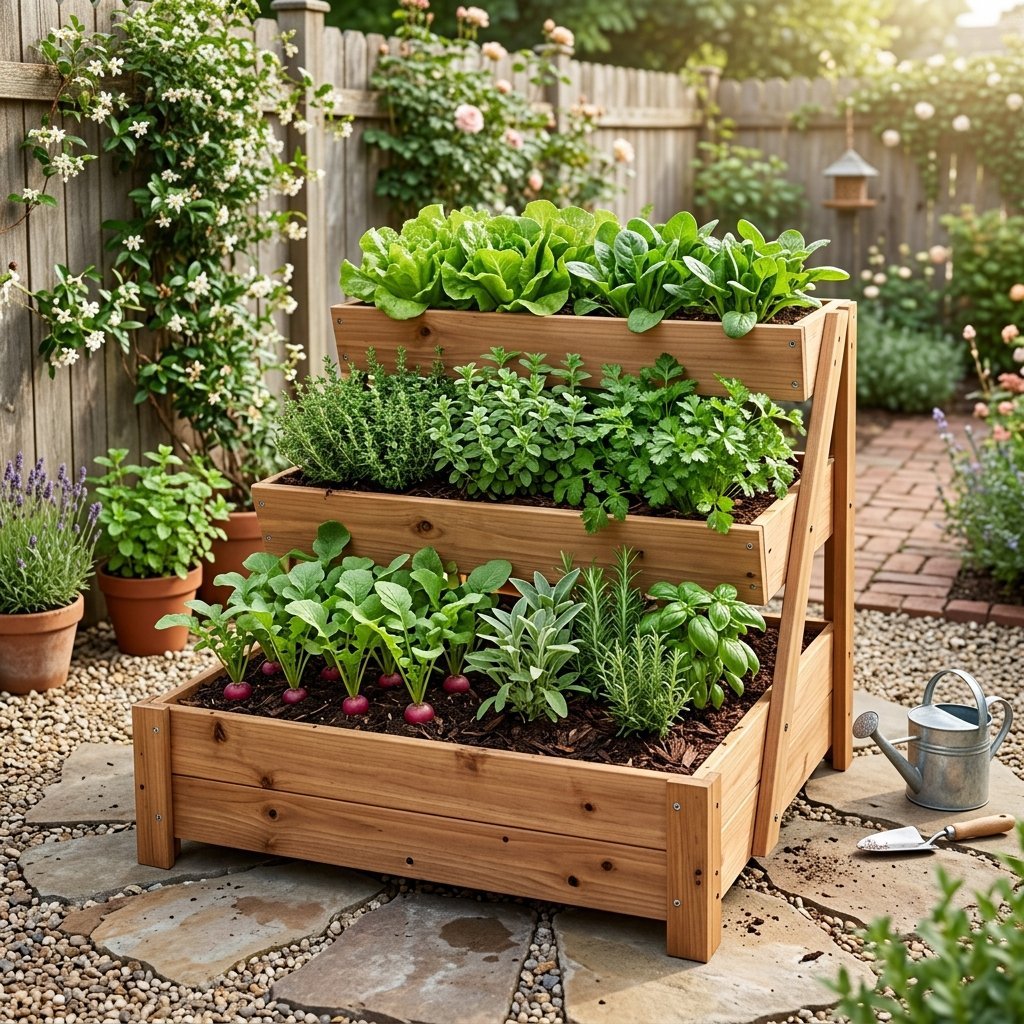
4. Add a Tiered Planter for More Growing Room
A tiered planter gives you several growing levels without taking up much floor space. It’s a practical option for a small patio or backyard corner where a traditional garden bed would be too large.
Use the different levels for compact crops such as lettuce, spinach, radishes, and herbs. Check the depth of each tier before planting because not every level will suit vegetables with larger root systems.
Sunlight matters, too. Position the planter so upper levels don’t leave the lower plants in deep shade. Water each section carefully, since upper tiers may dry out faster while lower levels can collect runoff.
Small-space tip: Choose a stable planter that can support the weight of wet soil. A well-built structure is worth the extra attention, especially outdoors in windy weather.
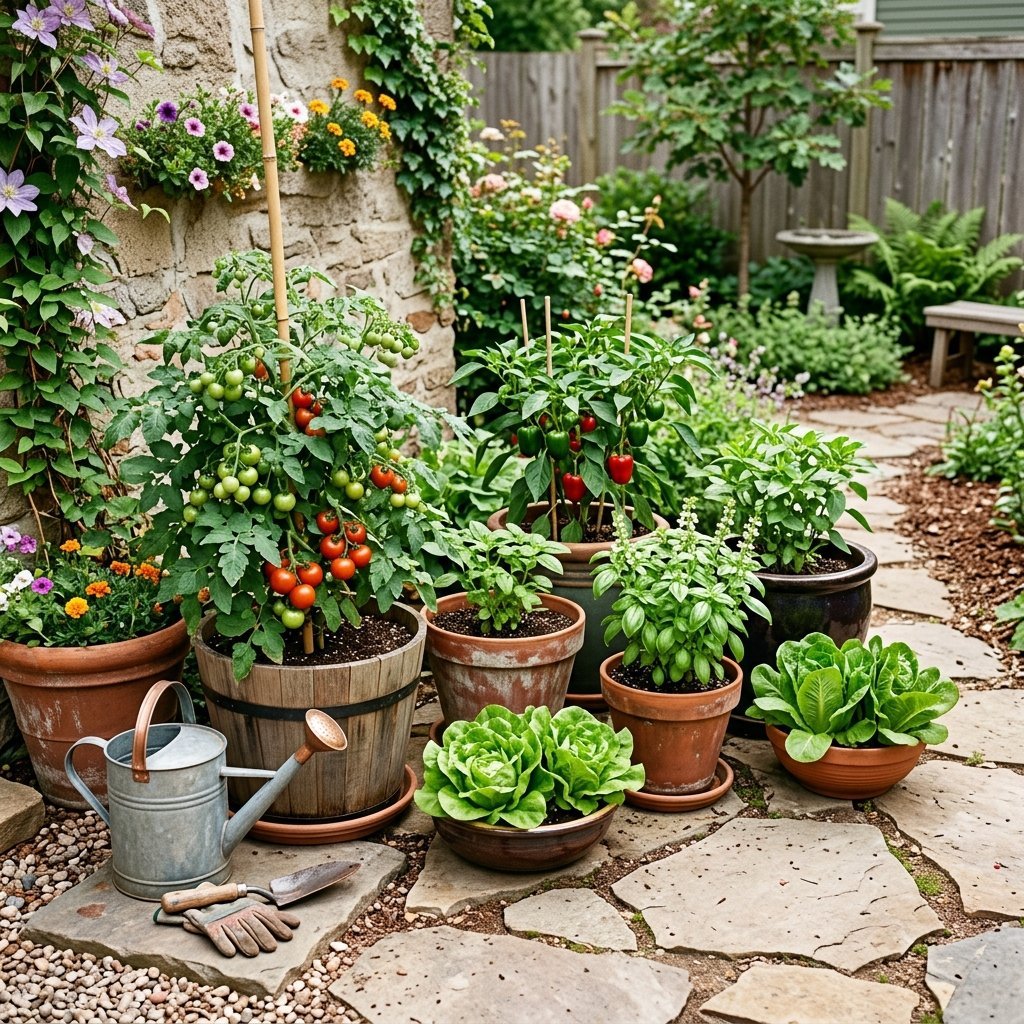
5. Turn an Unused Corner Into a Container Vegetable Garden
A forgotten corner can become one of the most productive parts of a tiny backyard. A few well-chosen pots may be all you need to grow a mix of vegetables and herbs.
Start with compact tomatoes, peppers, lettuce, basil, or other herbs that suit your climate. Select containers with drainage holes and enough room for mature roots. Use potting mix made for containers rather than filling the pots with dense garden soil.
Group plants with similar sunlight and watering needs. This makes everyday care easier without forcing you to treat every plant exactly the same way.
You can arrange the pots in a small cluster, along a wall, or around the edge of a patio.
Small-space tip: Put the tallest containers toward the back and smaller ones in front, provided everyone still gets enough sunlight. The result looks tidy and makes harvesting easier.

6. Install Fence-Mounted Planters
If your backyard fence gets enough sun, it can provide additional growing space without taking up much ground area.
Attach suitable planters to a sturdy fence and use them for herbs, loose-leaf lettuce, and other compact vegetables with relatively shallow roots. Before installing anything, check whether the fence and mounting hardware can support the weight of containers filled with wet soil.
Drainage is another consideration. Water should be able to escape without damaging the fence or creating muddy patches below. Leave enough space between planters for airflow and easy maintenance.
Not every fence is suitable for this setup, particularly if it’s old, unstable, or heavily shaded.
Small-space tip: Start with just two or three planters. Once you know how much sunlight they receive and how quickly they dry out, you can decide whether to add more.
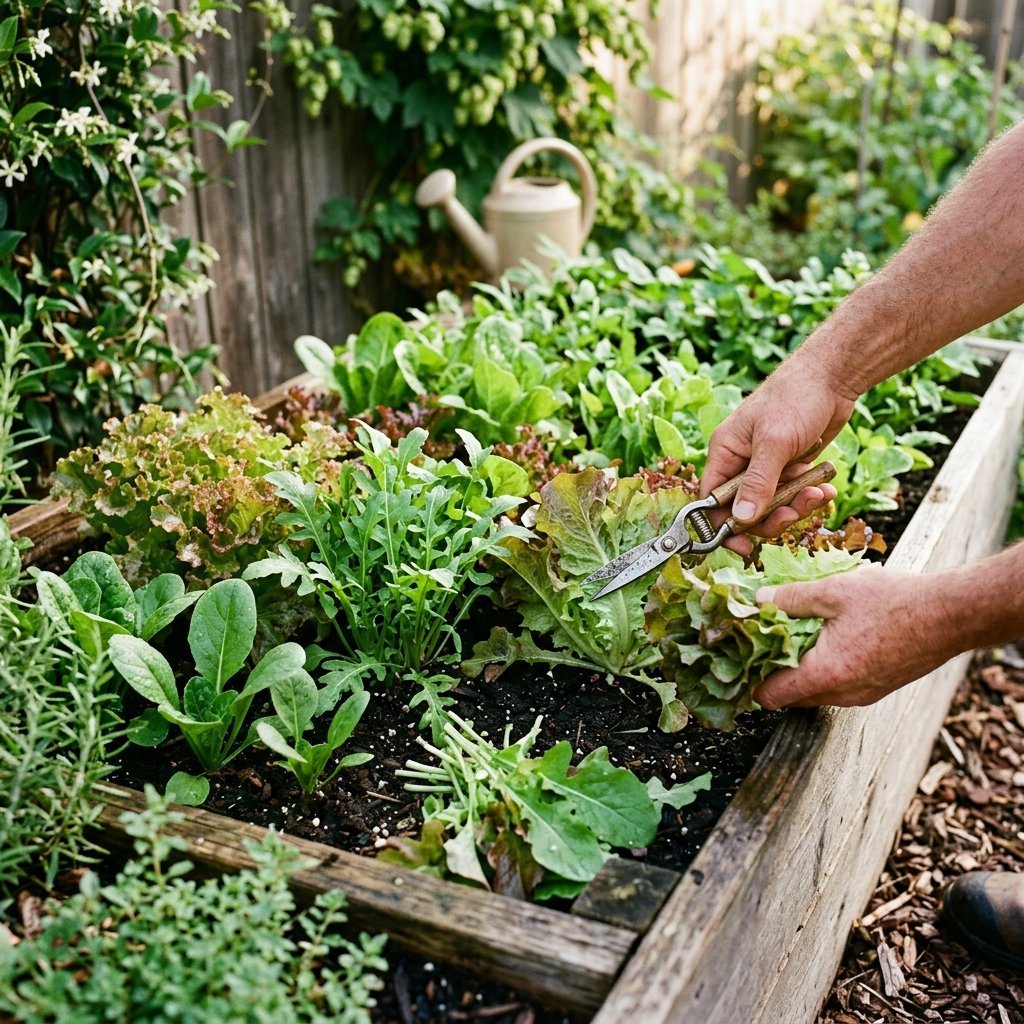
7. Create a Cut-and-Come-Again Salad Garden
If you enjoy fresh salads, a small leafy-green garden can be a smart use of limited space.
Loose-leaf lettuce, arugula, spinach, and suitable seasonal greens can grow in shallow planters or a compact raised bed. Rather than harvesting the entire plant at once, you can pick mature outer leaves from crops that support repeated harvesting.
Plant small batches at intervals instead of sowing everything on the same day. This helps spread out harvests and prevents you from ending up with more lettuce than you can eat at once.
Keep the soil consistently moist, especially in warm weather. Many leafy greens struggle in excessive heat, so choose varieties suited to your growing season.
Small-space tip: Keep a packet of seeds handy and refill gaps as older plants finish. A little planning can help your salad garden stay productive for longer.
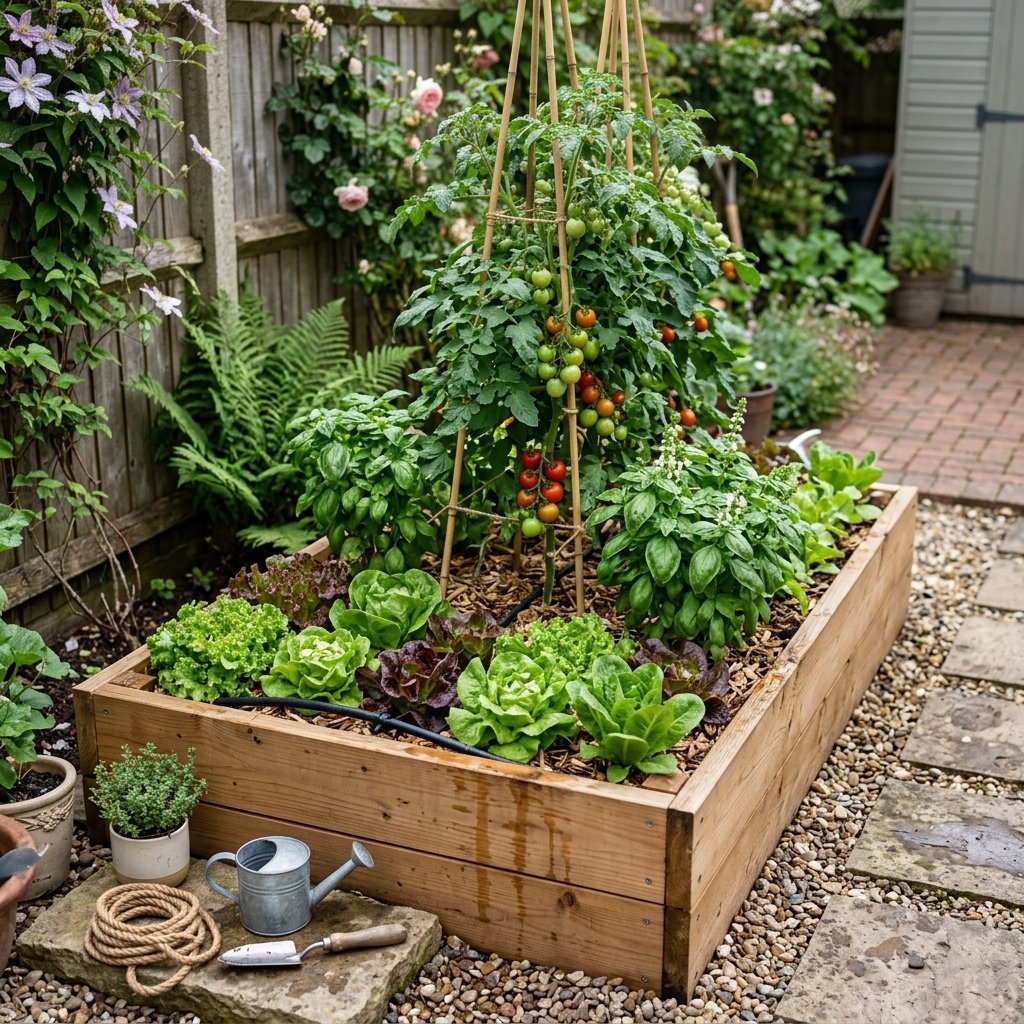
8. Combine Vegetables and Herbs in a Small Garden Bed
Companion planting can help you make better use of a limited growing area, but it works best when you consider each plant’s needs rather than simply putting everything together.
For example, basil and tomatoes can share a growing area when there’s enough room, sunlight, and airflow for both. Compact herbs may also fit around the edges of a vegetable bed, provided they don’t compete heavily with larger plants.
Avoid overcrowding. Every vegetable needs enough space for its roots, leaves, and mature growth. Plants packed too closely together can compete for water and light, and poor airflow may encourage disease.
Small-space tip: Plan your bed around mature plant sizes. Put taller crops toward the back or on the side that casts the least unwanted shade, then fill suitable gaps with smaller plants.
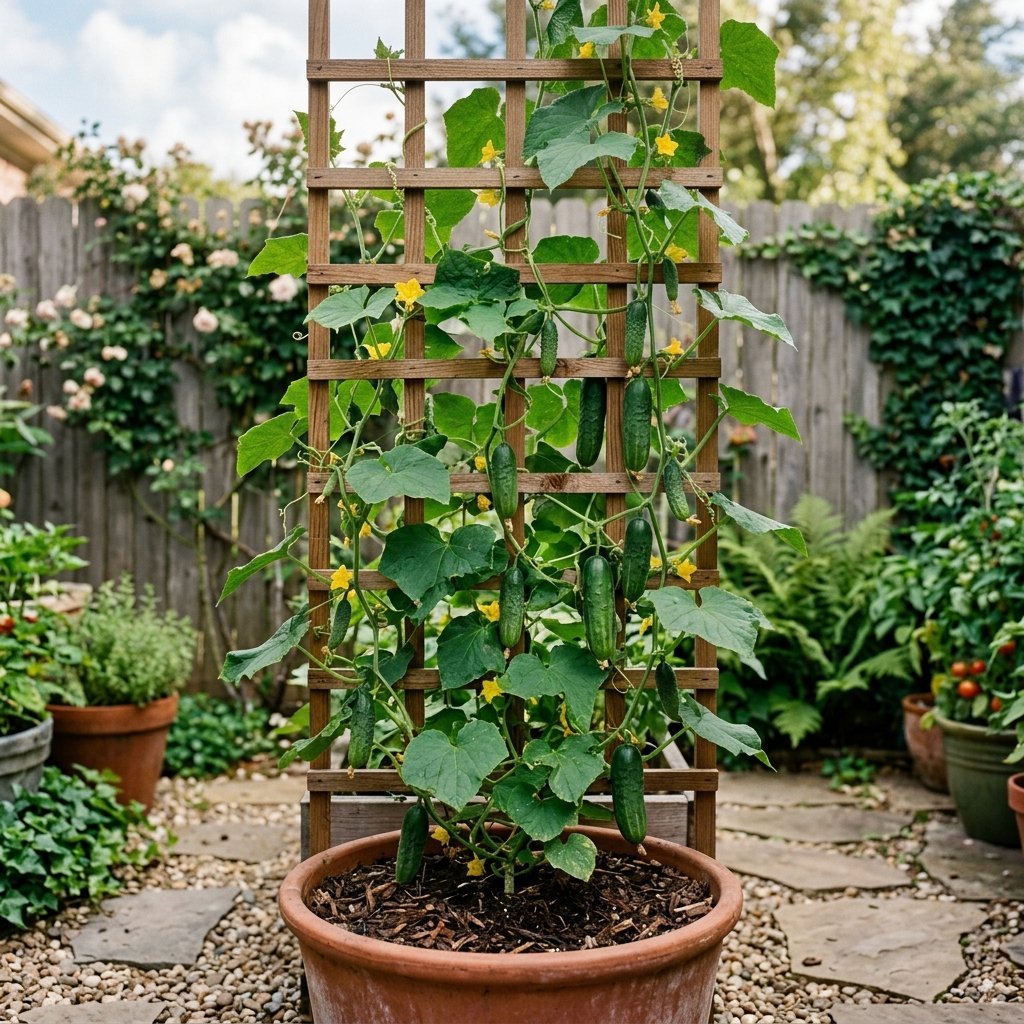
9. Grow Cucumbers on a Trellis
Cucumbers can spread across a surprising amount of ground when left to trail. In a tiny backyard, training suitable climbing varieties on a trellis can free up valuable planting space.
Choose a cucumber variety suited to vertical growing and give it a container or garden bed large enough for healthy root development. Install a sturdy support before the vines start climbing.
Guide the young stems onto the trellis as they grow. Check the plants regularly, water consistently, and harvest cucumbers when they’re ready rather than leaving oversized fruit on the vine.
A trellis also makes it easier to spot developing fruit and inspect leaves for pests.
Small-space tip: Place the cucumber support where it won’t block sunlight from nearby crops. A vertical garden still needs a sensible layout.

10. Grow Potatoes in Containers or Fabric Bags
You don’t need a dedicated potato patch to grow your own potatoes. A deep container or suitable potato-growing bag can work well in a small backyard.
Choose a container with good drainage and enough volume for the variety you’re growing. Plant certified seed potatoes according to their growing instructions, and provide adequate sunlight and water throughout the season.
Potatoes need room for their roots and developing tubers, so a small decorative pot usually isn’t a good choice. Follow the recommended planting depth and add growing medium as directed for your chosen method.
Harvest size and yield will depend on the variety, growing conditions, container size, and care.
Small-space tip: Keep potato containers in a location where you can water them easily. Containers can dry out quickly during warm spells, and inconsistent moisture can affect the harvest.
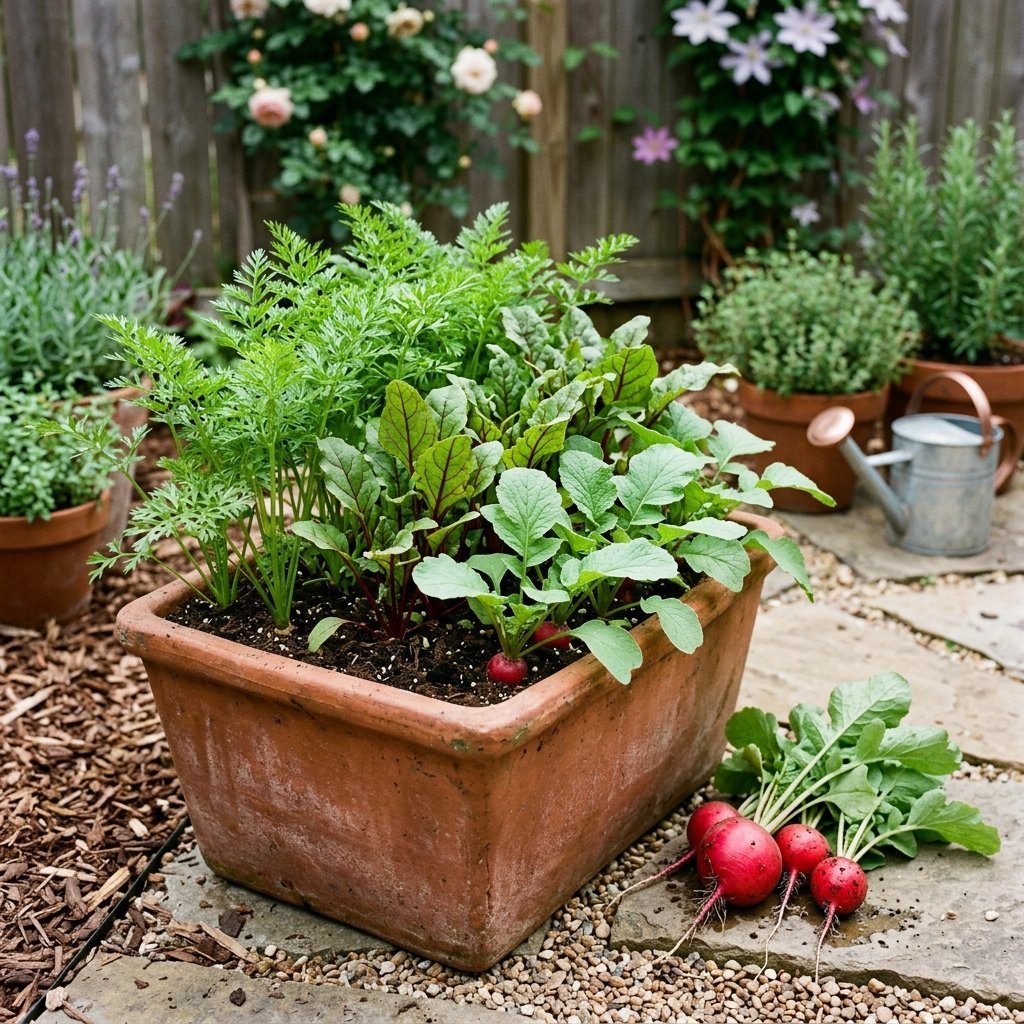
11. Make Room for a Mini Root Vegetable Garden
Root vegetables are useful additions to a tiny garden because several varieties grow well in containers when the depth and growing medium are right.
Radishes are a good starting point because many varieties mature quickly. Short-rooted carrots and small beet varieties can also work, provided the containers are deep enough for their roots.
Use loose, stone-free growing medium to help roots develop without obstruction. Sow seeds at the recommended spacing, then thin the seedlings when needed. Leaving too many plants crowded together can lead to small or misshapen roots.
You can sow small batches of fast-growing crops at intervals to spread out your harvest.
Small-space tip: Check the expected root length before buying carrot seeds. A deep container is much more useful than a wide, shallow one for varieties that grow downward.
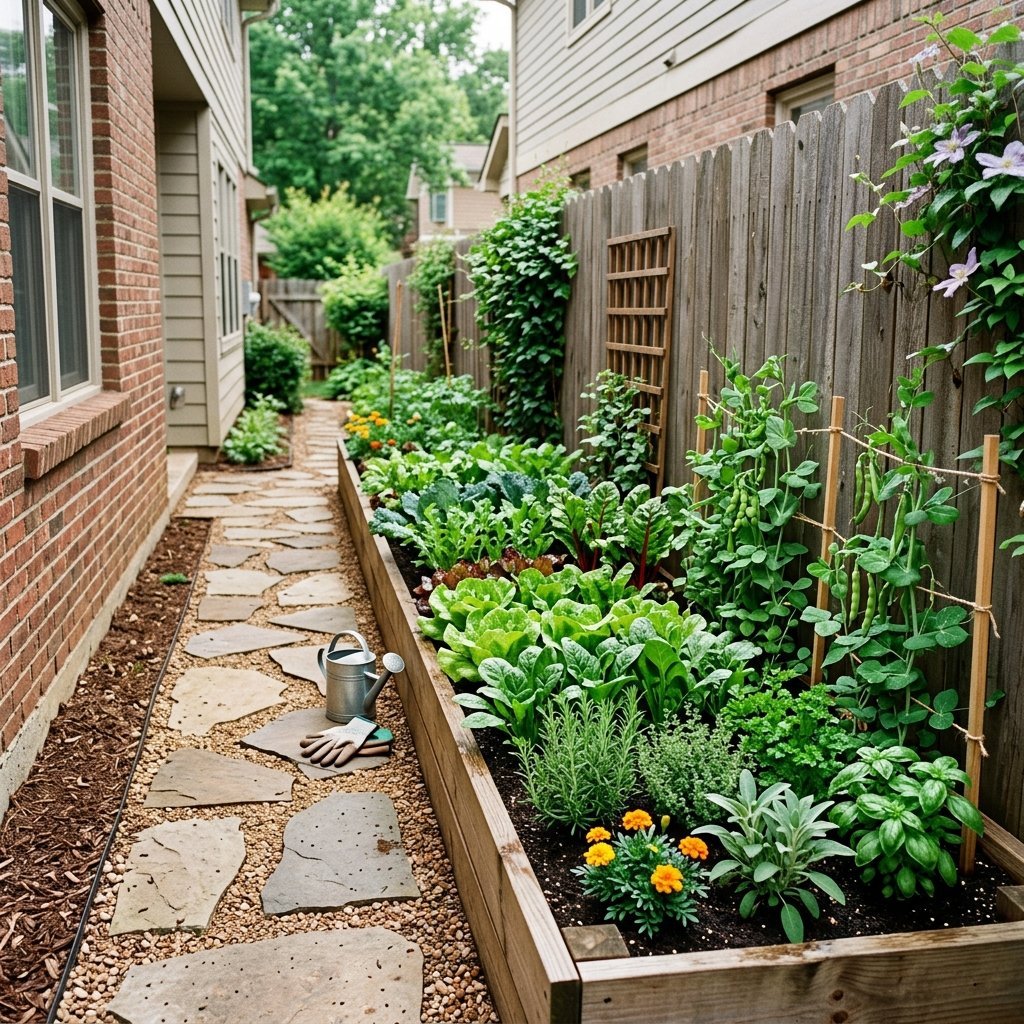
12. Transform a Narrow Side Yard Into a Productive Garden
That narrow strip between your house and fence might be more useful than it looks. With a little planning, it can become a small vegetable-growing area instead of an overlooked walkway.
Begin by measuring the space and checking how much direct sunlight it receives. A slim raised bed or a few narrow containers may fit along one side, leaving enough room to walk through and reach the plants.
Leafy greens and compact herbs can work well in suitable conditions. If the area receives enough sun, you might also grow climbing vegetables on a support that doesn’t obstruct access.
Keep drainage, ventilation, and access to utility equipment in mind. Avoid placing planters where they could interfere with foundations or maintenance work.
Small-space tip: Don’t fill the entire walkway with pots. A clear path makes watering, harvesting, and everyday yard maintenance much easier.
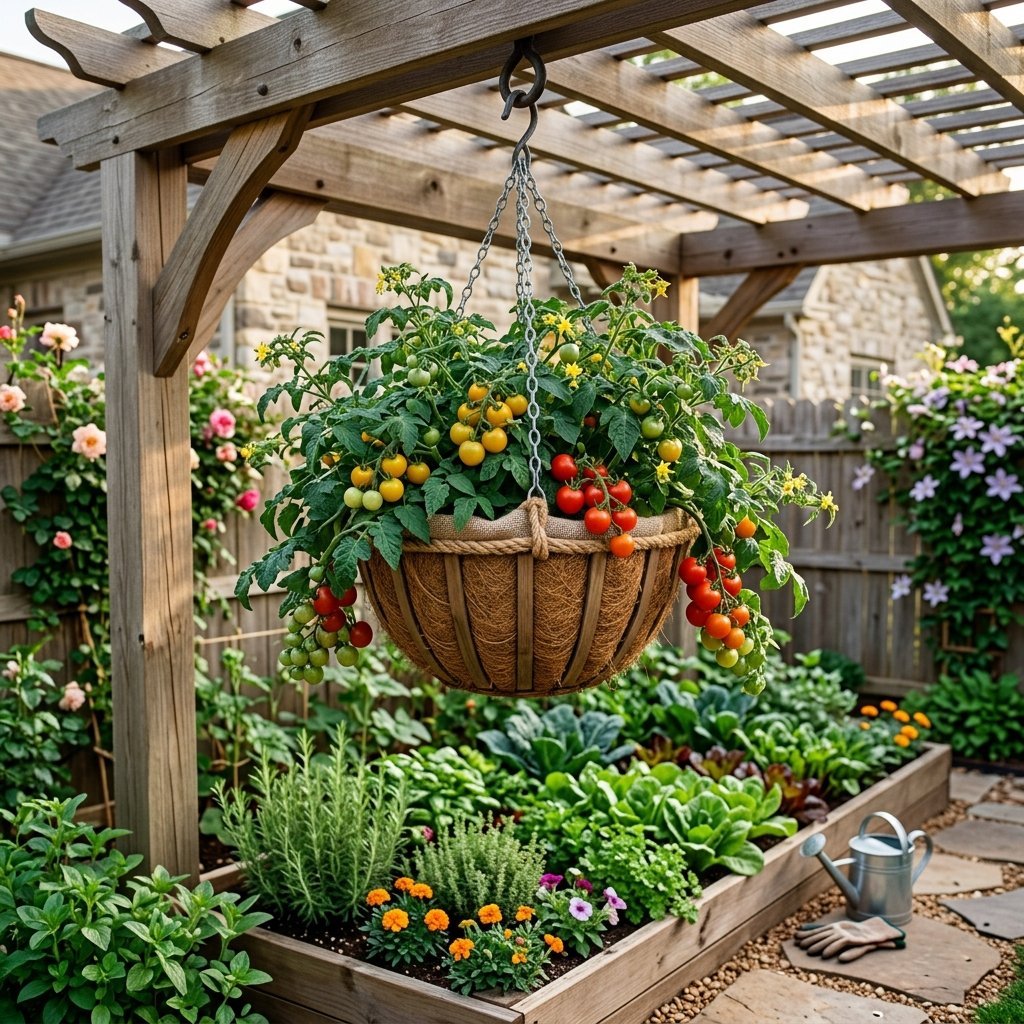
13. Use Hanging Baskets for Suitable Vegetables
Hanging baskets can make use of overhead space when the ground is already occupied by other containers or garden beds.
Compact trailing cherry tomatoes and certain leafy crops may grow successfully in baskets designed to hold their roots. Choose a container large enough for the plant, with reliable drainage and a secure mounting point.
Remember that a basket becomes much heavier when its growing medium is wet. Use a hook or bracket rated for the full weight, and check that the structure supporting it is sound.
Hanging plants also need regular attention. Exposed baskets can dry out quickly, especially in sunny or windy locations.
Small-space tip: Hang baskets at a height where you can water, inspect, and harvest them comfortably. A productive garden shouldn’t require a balancing act every time you need a tomato.
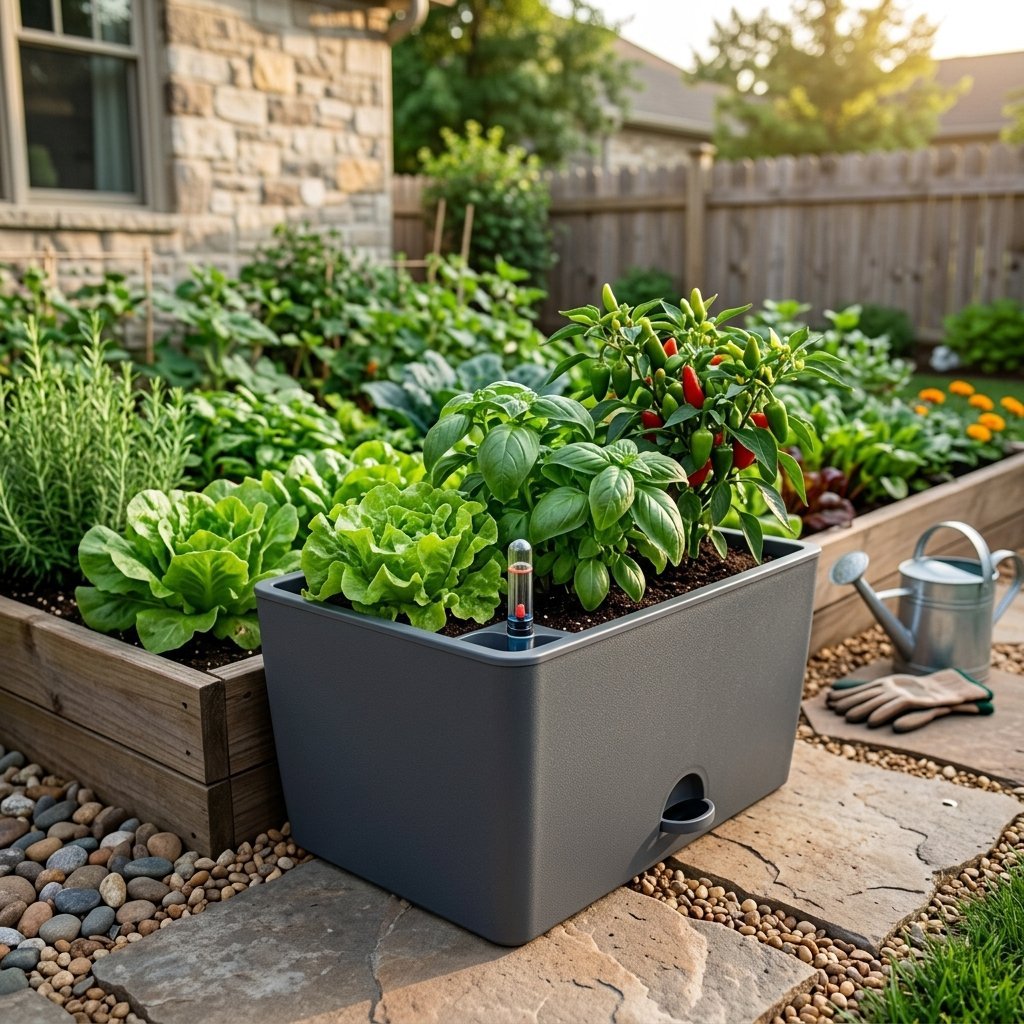
14. Choose Self-Watering Planters for Easier Care
If you have a busy schedule, self-watering planters can make container gardening more manageable. Many designs use a reservoir that supplies moisture to the growing medium as needed.
They’re worth considering for suitable crops such as lettuce, herbs, tomatoes, and peppers. Choose a model with enough root space and follow its instructions for filling the reservoir, drainage, and maintenance.
Self-watering doesn’t mean maintenance-free. Plants still need sunlight, nutrients, regular checks, and occasional cleaning of the container. During hot weather, you may need to refill the reservoir more often.
Small-space tip: Use self-watering containers for plants that benefit from steady moisture, but check each crop’s needs before planting. No planter can replace good growing conditions.
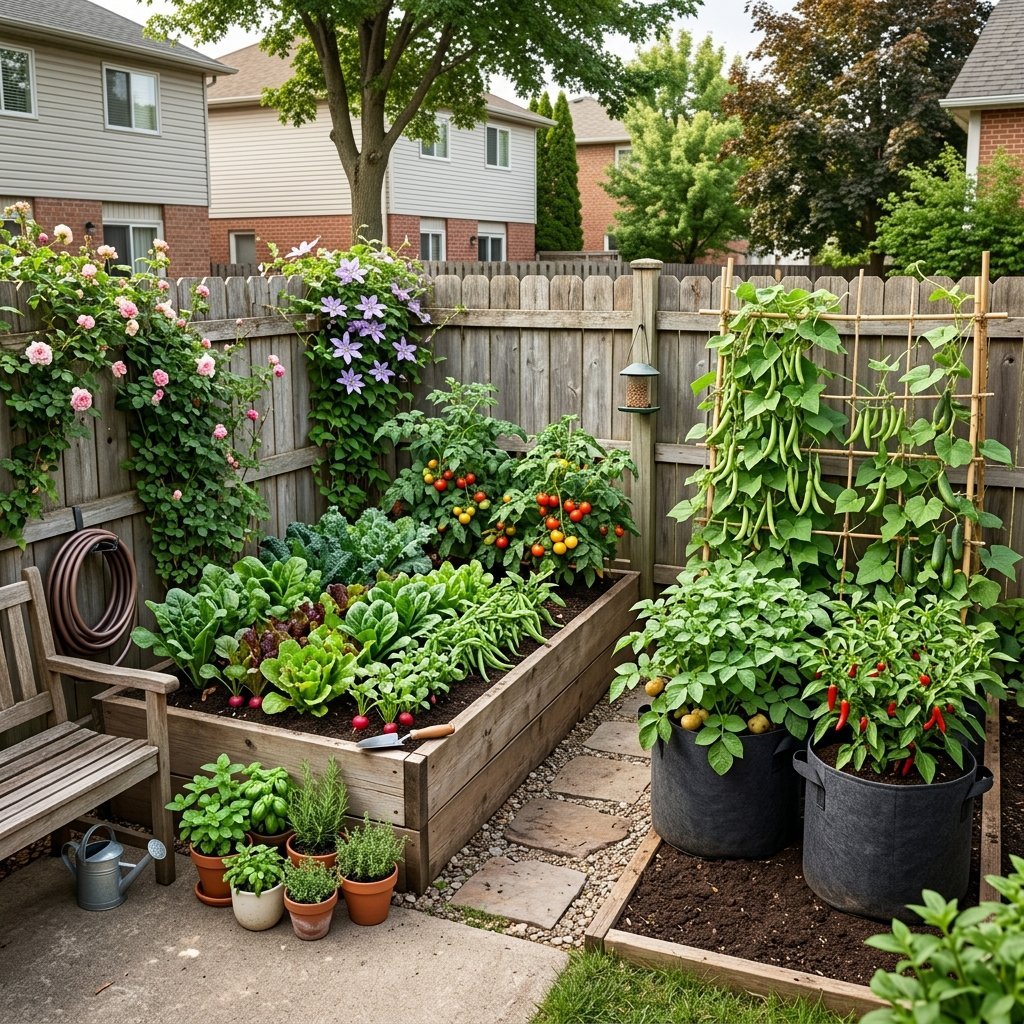
15. Combine Several Small Setups Into One Mini Backyard Garden
You don’t have to choose between raised beds, containers, and vertical gardening. Combining a few different setups can help you use your backyard more effectively.
For example, place a compact raised bed along one side, add two or three grow bags in a sunny corner, and use a trellis for climbing beans or cucumbers. Smaller pots can hold herbs and leafy greens wherever light and space allow.
Keep the brightest locations for vegetables that produce fruit, such as tomatoes and peppers. Use suitable shaded or partly shaded areas for crops that tolerate less direct sunlight.
Start with a manageable number of plants and expand as you learn what grows well in your yard.
Small-space tip: Sketch your layout before buying supplies. Leave room to walk, water, harvest, and reach every container without disturbing neighboring plants.
How to Get More Vegetables From a Tiny Backyard
Choosing the right setup is only part of the job. Your crop choices, sunlight, watering routine, and planting schedule all affect how much food you can harvest.
Choose vegetables that fit your space
Compact varieties are often easier to manage than sprawling plants. Lettuce, radishes, herbs, bush beans, and suitable peppers are good options for many small gardens. Cherry tomatoes and cucumbers can also work well when you provide enough root space and support.
Check the mature size of each variety before planting. A plant that looks small in a nursery pot may need considerably more room as it grows.
Make the most of available sunlight
Many fruiting vegetables, including tomatoes and peppers, perform best with around six to eight hours of direct sunlight daily. Leafy greens often tolerate less, although their needs vary by variety and climate.
Watch how sunlight moves across your backyard before choosing a permanent layout. A spot that looks bright in the morning may be shaded for most of the afternoon.
Use succession planting
Rather than planting an entire bed at once, sow small batches of suitable crops at intervals. This can spread out harvests and help you reuse space as vegetables finish growing.
For example, after harvesting a batch of radishes, you can prepare that section for another suitable crop.
Water and feed container plants consistently
Containers have limited growing medium, so they can dry out faster than garden beds. Check moisture regularly, especially during hot or windy weather.
Use a suitable potting mix, make sure containers drain well, and feed plants according to their needs. Avoid assuming that more water or fertilizer will automatically produce a bigger harvest.
Common Mistakes to Avoid in a Mini Vegetable Garden
A small garden can be productive, but a few common mistakes can make it harder to manage.
- Overcrowding plants: Follow spacing recommendations so crops have enough light, water, and room for their roots.
- Choosing containers that are too small: Match the container’s depth and volume to the mature plant.
- Ignoring sunlight: Put sun-loving crops in the brightest suitable spots.
- Forgetting drainage: Containers need drainage holes or a suitable drainage system to prevent waterlogged roots.
- Using unsuitable soil: A quality container potting mix is generally a better choice than dense garden soil in pots.
- Neglecting climbing supports: Secure trellises before vines become heavy.
- Underestimating watering needs: Small containers and grow bags can dry out quickly in warm weather.
- Planting without a plan: Measure your space and leave room to move around, water, and harvest.
You don’t need expensive equipment to avoid these problems. Start with a simple layout, choose suitable crops, and adjust as you learn what works.
Best Vegetables to Grow in a Tiny Backyard Garden
If you’re unsure what to plant first, use this quick guide to match crops with suitable growing setups.
| Vegetable | Suitable small-space setup | Main consideration |
|---|---|---|
| Lettuce | Shallow planter or raised bed | Keep the growing medium moist |
| Radishes | Small pot or planter | Thin seedlings to allow root growth |
| Cherry tomatoes | Large container with support | Sunlight and adequate root space |
| Peppers | Medium-to-large container | Warmth and direct sunlight |
| Bush beans | Raised bed or grow bag | Follow variety-specific spacing |
| Cucumbers | Container with trellis | Provide climbing support |
| Carrots | Deep container | Use loose, stone-free growing medium |
| Spinach | Planter or raised bed | Choose a suitable growing season |
| Basil | Container or bed edge | Provide adequate light and drainage |
These are general starting points. The best varieties and container sizes depend on your climate, available space, and local growing season.
Related Reads
You might find these helpful as you keep going:
7 Best Fertilizers for Raised Beds (Top Picks + Feeding Guide)
7 Best Self-Watering Systems for Balcony Vegetable Gardens (That Actually Work)
How to Plant, Grow, and Care for ‘Sugar Magnolia’ Snap Peas
FAQ
How do I start a vegetable garden in a very small backyard?
Start by checking how much sunlight your space receives. Choose two or three vegetables suited to those conditions, then grow them in a compact raised bed or containers with proper drainage. Begin with a manageable setup and add more plants once you understand their watering and spacing needs.
What vegetables grow best in a tiny garden?
Lettuce, radishes, herbs, bush beans, compact peppers, and cherry tomatoes are useful options. Climbing cucumbers and pole beans can also work well with vertical supports. Your best choices will depend on sunlight, container size, climate, and the space each mature plant needs.
Can I grow vegetables in a backyard without soil?
Yes. Containers, grow bags, and raised planters can hold a suitable potting mix, so you don’t need to plant directly in the ground. This makes vegetable gardening possible on many patios, paved yards, and other spaces without exposed soil.
How can I grow more vegetables in less space?
Use vertical supports for climbing crops, choose compact varieties, and plant small batches at intervals. You can also combine raised beds with containers and grow bags. The goal isn’t to fit the most plants into the smallest area; it’s to give each plant enough room to grow well.
How much sunlight does a mini vegetable garden need?
Many fruiting vegetables need around six to eight hours of direct sunlight a day, while some leafy greens tolerate partial shade. Requirements vary by crop and variety. Observe your backyard throughout the day and choose vegetables that suit the light available.
Start Small and Enjoy Your First Harvest
A tiny backyard can grow a surprising amount of food when you make thoughtful use of the space. A compact raised bed, a few containers, or one sturdy trellis can be enough to get started.
Pick the setup that fits your yard and budget, then focus on a few vegetables you enjoy eating. Once you see how they grow, you can add more containers, try a new variety, or expand into vertical gardening.
You don’t need to build the perfect garden in one weekend. Start with the space you have, learn as you go, and let your first harvest guide the next step.