
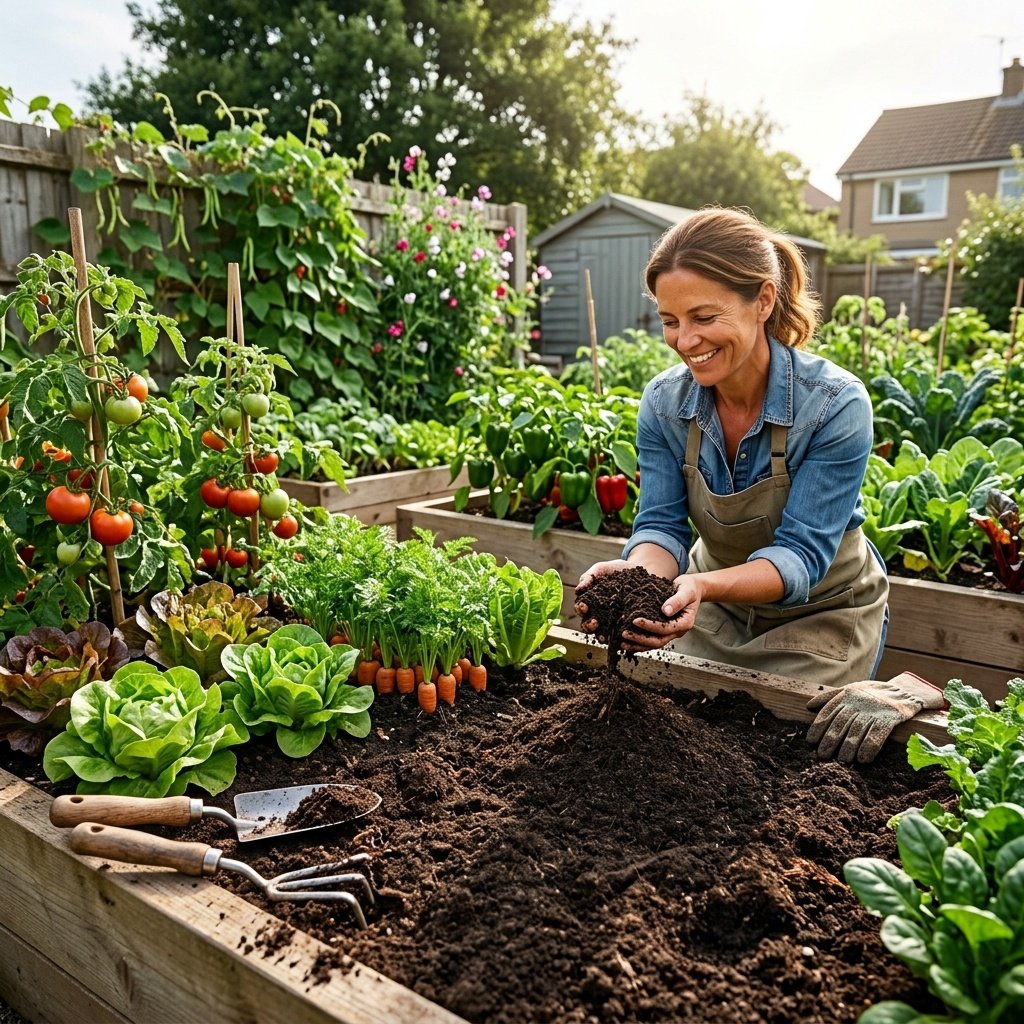
Your vegetables don’t always need more fertilizer. Sometimes, they need better soil.
If water disappears almost as soon as you pour it on, the soil becomes hard after rain, or your plants seem to struggle despite regular feeding, the problem may be the soil itself. Roots need air, moisture, nutrients, and enough space to grow. Soil that is too compacted, too sandy, or low in organic matter can make those basic needs harder to meet.
That’s where organic soil amendments come in.
Unlike a simple fertilizer application, a soil amendment is used to improve the condition of the soil. Compost, leaf mold, manure, and biochar can affect soil structure, moisture, nutrient holding, or biological activity. Some also provide nutrients, but not all amendments should be treated as fertilizer.
And here’s the part that’s easy to miss: you don’t need all 11 of these materials.
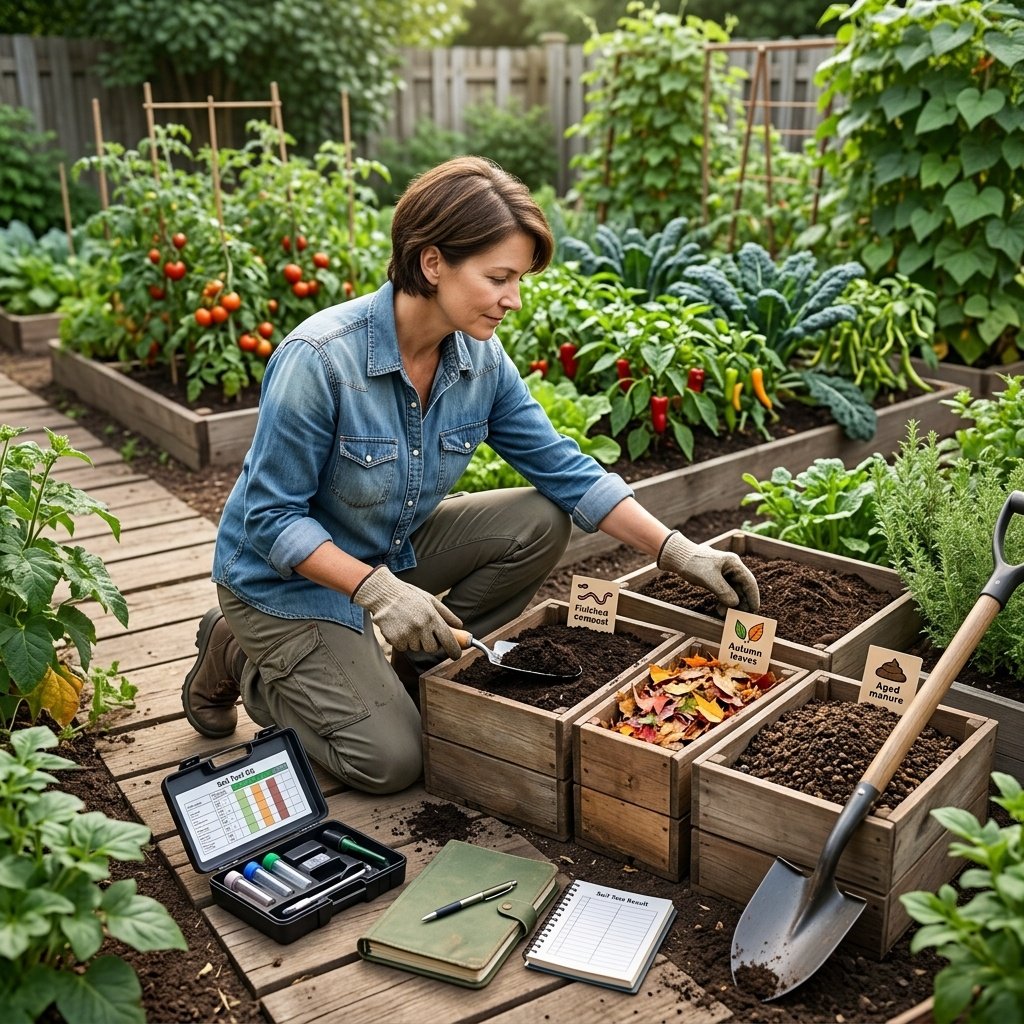
The best choice depends on what your soil is actually like. A soil test can help you avoid adding nutrients you don’t need and point you toward changes that make sense for your garden.
What Are Organic Soil Amendments?
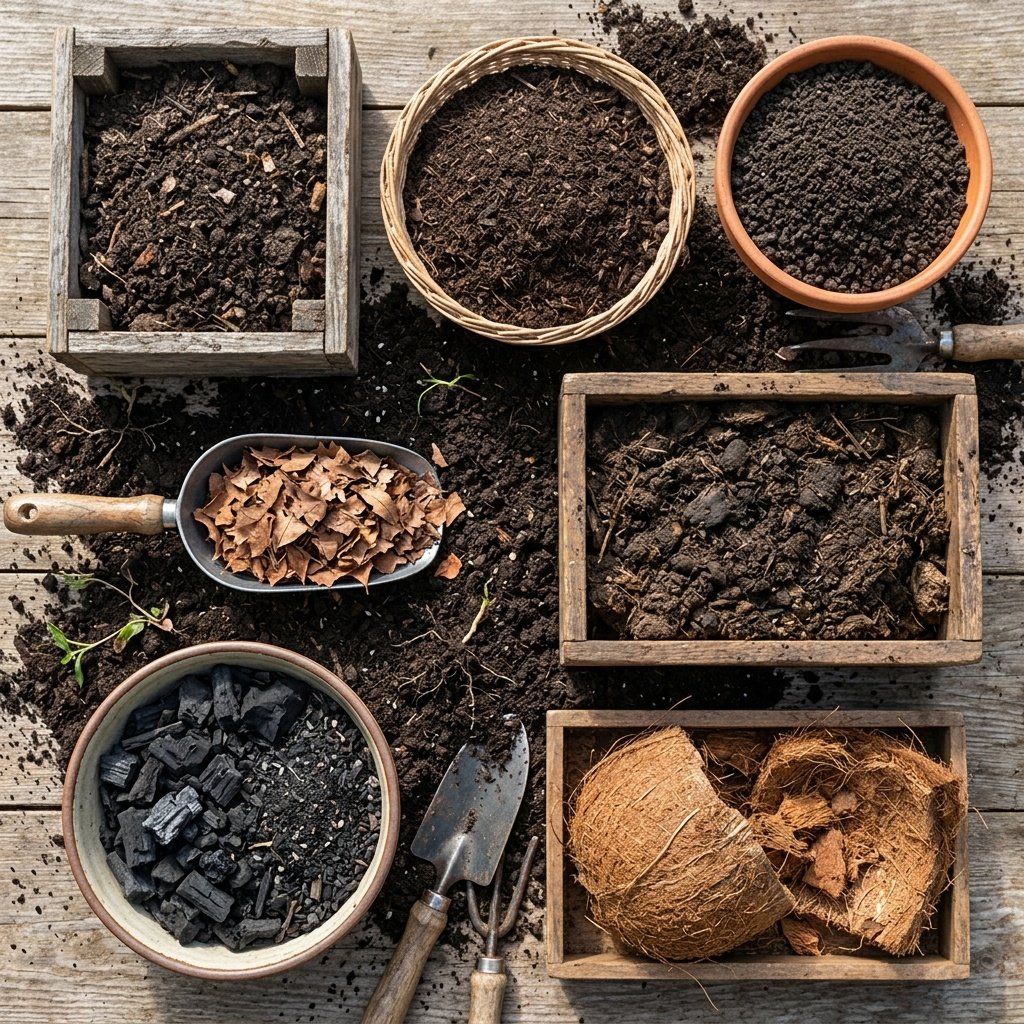
Organic soil amendments are materials from plant, animal, or other natural sources that are added to soil to improve its physical, chemical, or biological properties.
The goal isn’t simply to make soil “richer.” Good soil should also have a useful balance of air and water, allow roots to spread, and hold nutrients without becoming excessively wet or dry.
Organic matter is especially helpful because it can improve different types of soil in different ways. In sandy soil, it can help hold moisture and nutrients. In clay soil, it can improve aggregation and make the soil easier for roots and water to move through over time.
Common organic amendments include:
- Finished compost
- Well-rotted manure
- Worm castings
- Leaf mold
- Plant compost
- Cover crops
- Biochar
- Coconut coir
- Clean grass clippings
- Shredded leaves
- Seaweed or kelp-based products
The trick is choosing the right material for the problem you actually have.
Recommended Tools and Products for Improving Your Garden Soil
11 Organic Soil Amendments for a Healthier Vegetable Garden
1. Finished Compost
If you’re new to improving garden soil, finished compost is a sensible place to start.
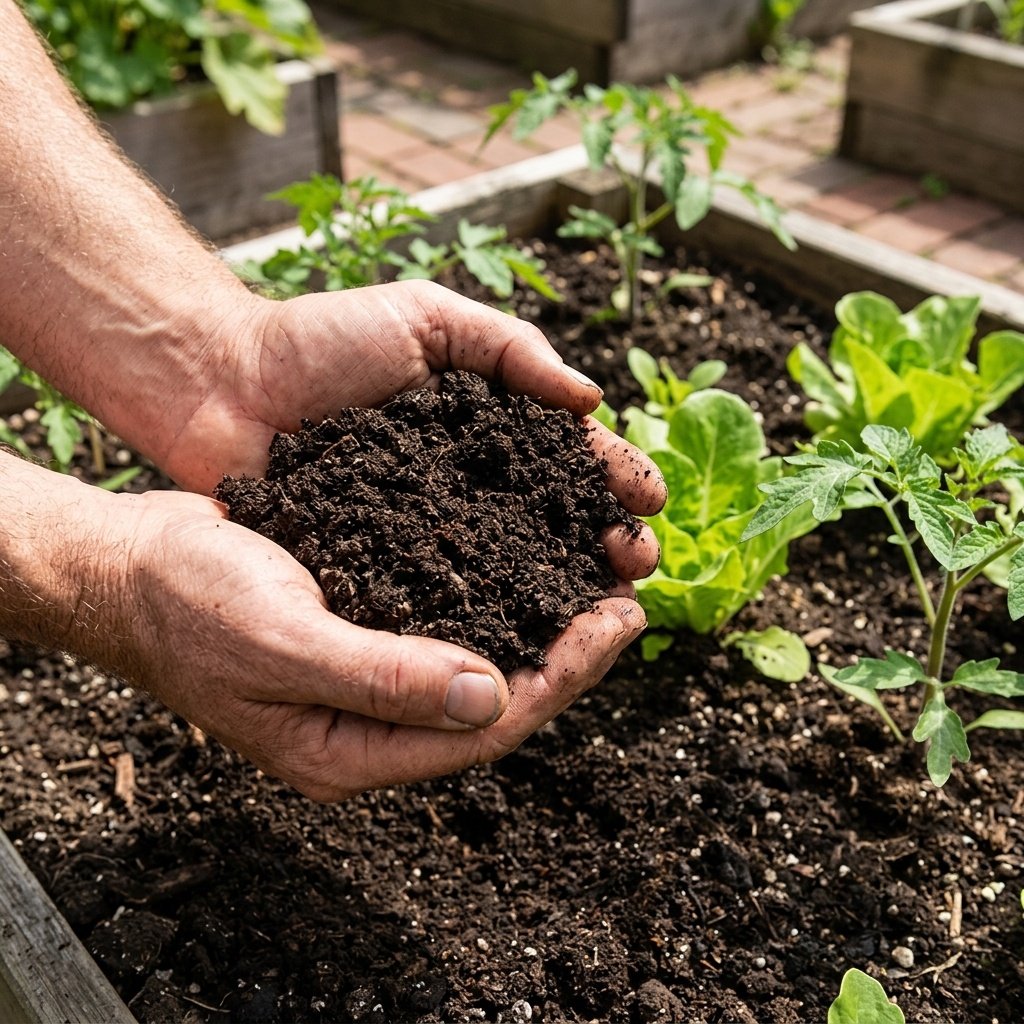
Compost is made from decomposed organic materials such as leaves, plant waste, and other suitable materials. When it is mature, it has a dark, crumbly texture and no strong smell of fresh waste.
Adding compost can improve soil structure while increasing organic matter. It can also help soil hold moisture and nutrients and provides food for many soil organisms.
Compost works in both new and established vegetable beds. You can make it at home or buy finished compost from a garden supplier.
Best for: Most vegetable gardens, especially soil that is low in organic matter.
Don’t think of compost as a magic ingredient, though. Soil that already has high nutrient levels may not benefit from repeated heavy applications.
2. Well-Rotted Animal Manure
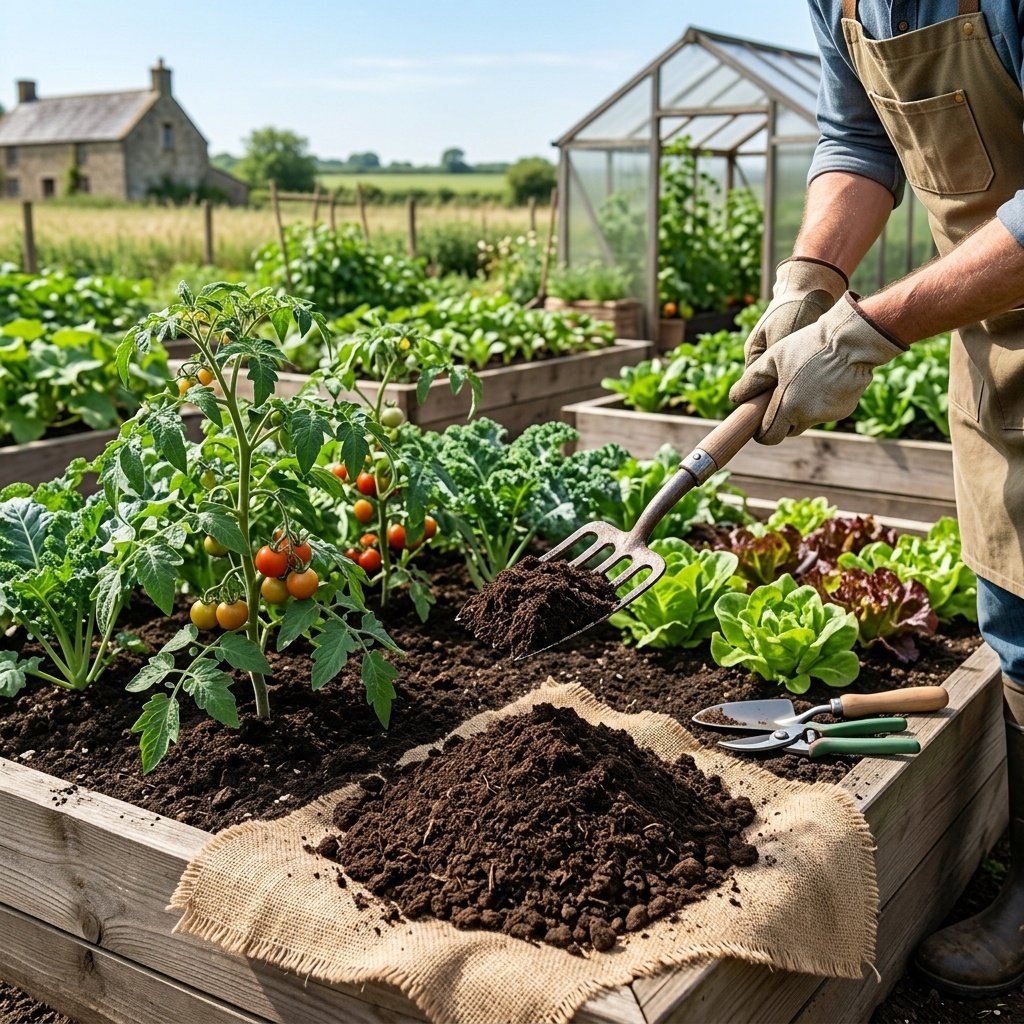
Cow, horse, chicken, and rabbit manure can add organic matter and nutrients to garden soil. But fresh manure isn’t something you should casually spread around food crops.
Properly aged or composted manure is a much safer choice. Fresh manure can contain pathogens, have a high nutrient concentration, and create other problems when used incorrectly.
Manure also varies greatly depending on the animal, bedding, storage, and composting process. Chicken manure, for example, can be considerably stronger than some other types.
More isn’t better here.
If you use manure, choose a properly composted product and apply it conservatively. Soil testing can help you avoid building up excessive nutrients.
Best for: Garden soil that needs organic matter and some additional nutrients.
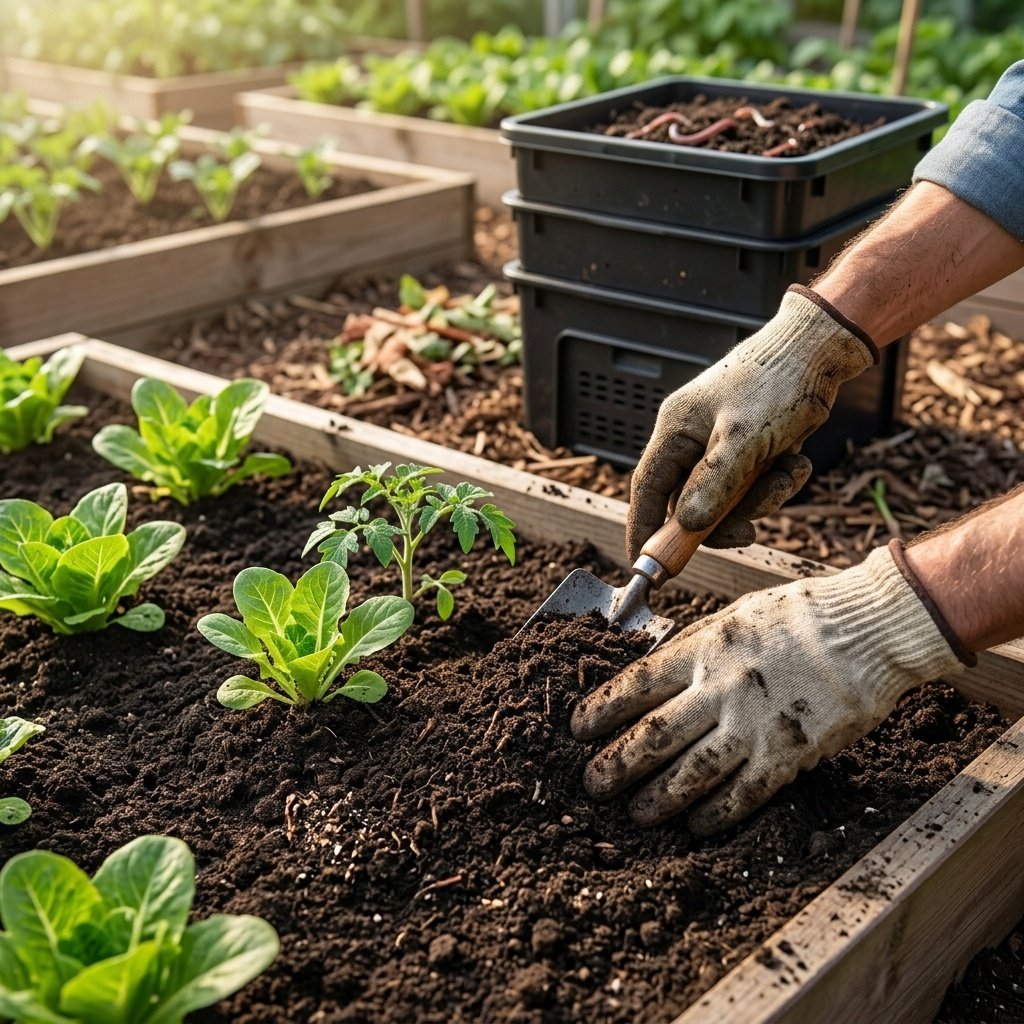
3. Worm Castings
Worm castings are the material left after worms process suitable organic waste. They’re popular with gardeners because they’re easy to mix into soil and can provide a gentle source of nutrients and organic matter.
Vermicomposting also gives gardeners a useful way to turn certain kitchen and plant scraps into something useful for the garden.
You don’t need a thick layer of castings to get value from them. They can be mixed into planting areas or used in smaller amounts around established plants.
They’re especially appealing when you want a mild amendment rather than a strong nutrient source.
Best for: Vegetable beds, containers, seed-starting mixes, and gardeners interested in vermicomposting.
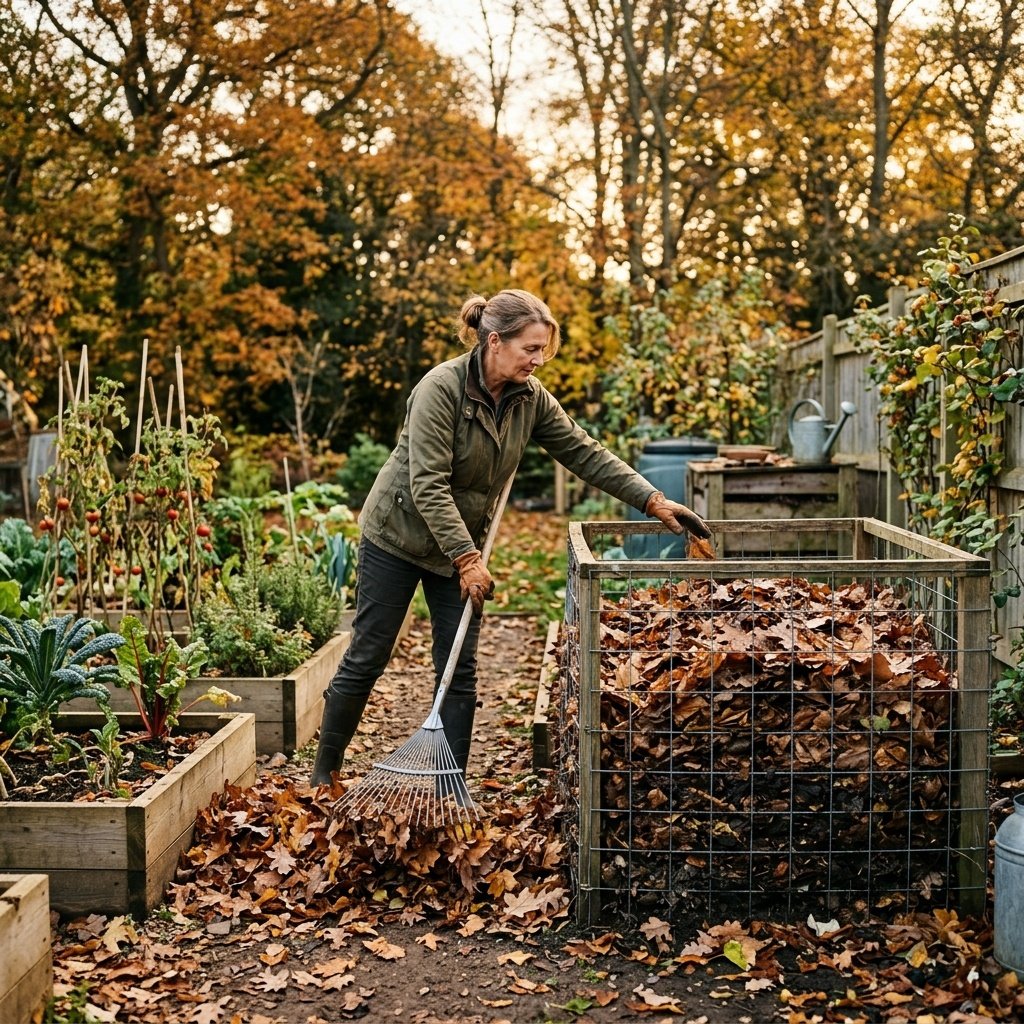
4. Leaf Mold
Your fall leaves may be one of the cheapest soil amendments available.
Leaf mold is simply leaves that have broken down over time. Unlike fresh leaves, which can form a dense layer when left whole, decomposed leaves become a soft material that can improve soil structure and moisture retention.
Making leaf mold takes patience, but the process is simple. Collect leaves, keep them contained, and give them time to decompose.
Leaf mold is particularly useful for gardeners who have plenty of trees and don’t want to send all those leaves away.
Best for: Improving soil structure and adding organic matter at little cost.
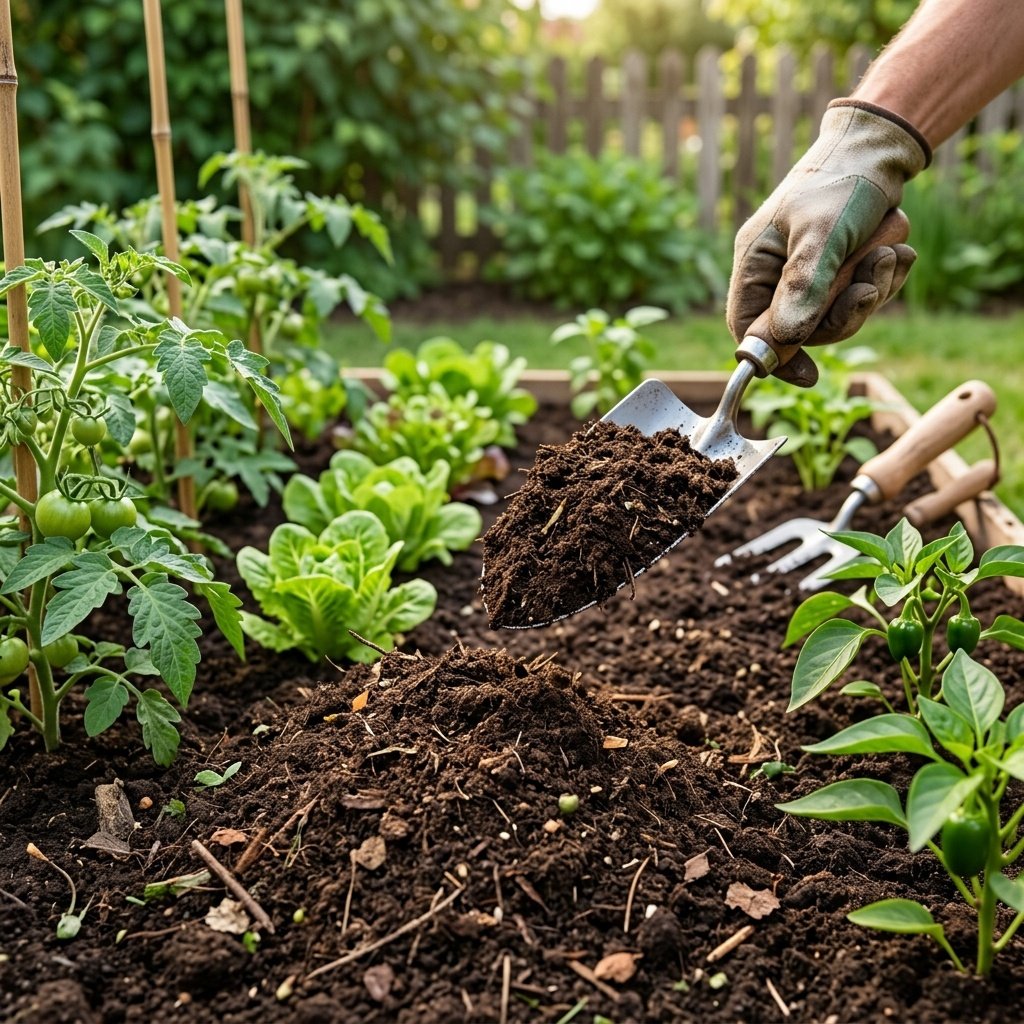
5. Aged Plant Compost
Plant-based compost can come from garden trimmings, leaves, and other suitable plant materials. The important word here is finished.
Unfinished organic material can continue breaking down after it is added to the soil. That process can temporarily affect nutrient availability and may create other problems around young plants.
Mature compost, on the other hand, is much more stable and easier to use in vegetable beds.
Before using purchased or homemade compost, check that it is well decomposed and suitable for garden use.
Best for: Adding organic matter to vegetable beds and improving the overall texture of soil.
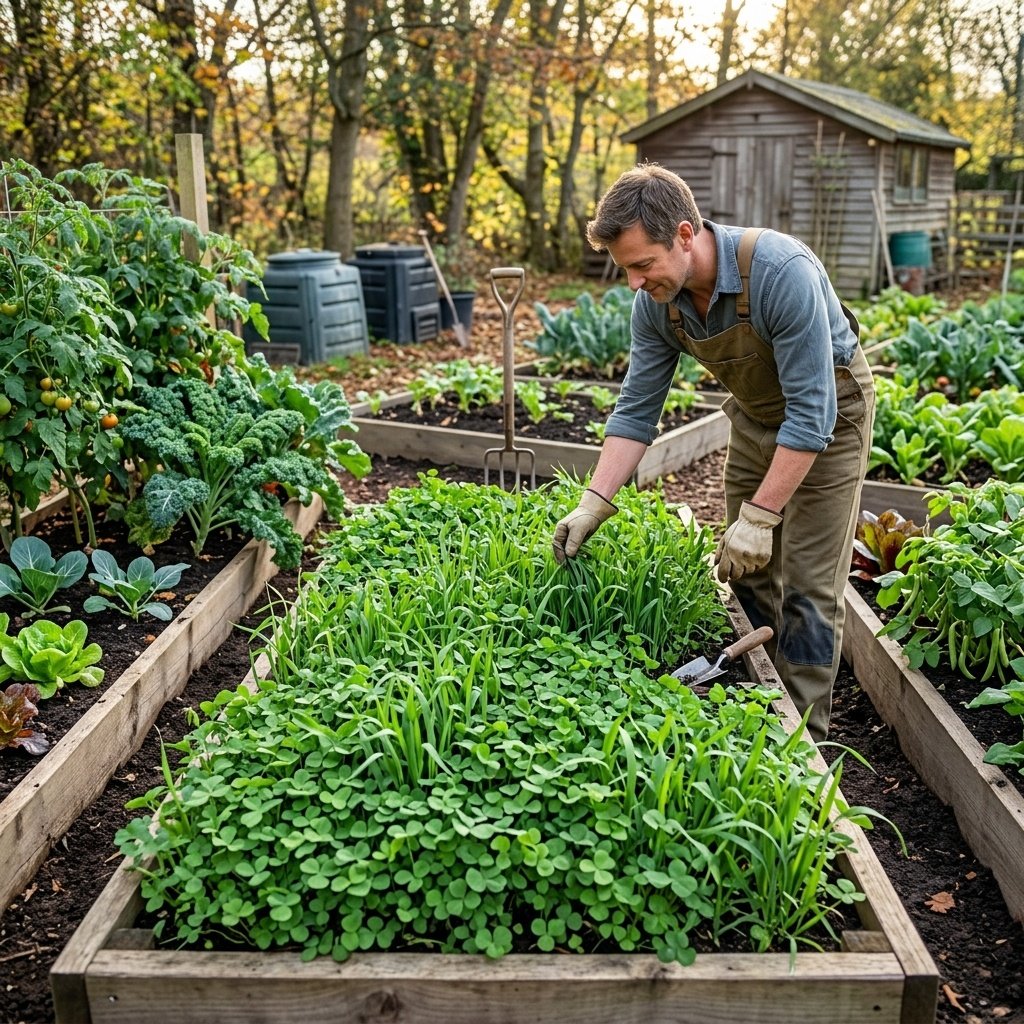
6. Cover Crops and Green Manure
Sometimes the best amendment is a plant that grows in the garden before your next vegetable crop.
Cover crops are grown to protect and improve soil rather than to produce food for immediate harvest. Depending on the crop and season, gardeners may use clover, peas, oats, rye, or buckwheat.
When the plants are cut and managed correctly, their biomass becomes part of the soil’s organic cycle. Cover crops can also reduce the amount of bare soil exposed to rain and wind.
The right cover crop depends on your climate, planting window, and what you plan to grow afterward.
Best for: Larger beds and gardeners who want to build organic matter between vegetable-growing seasons.
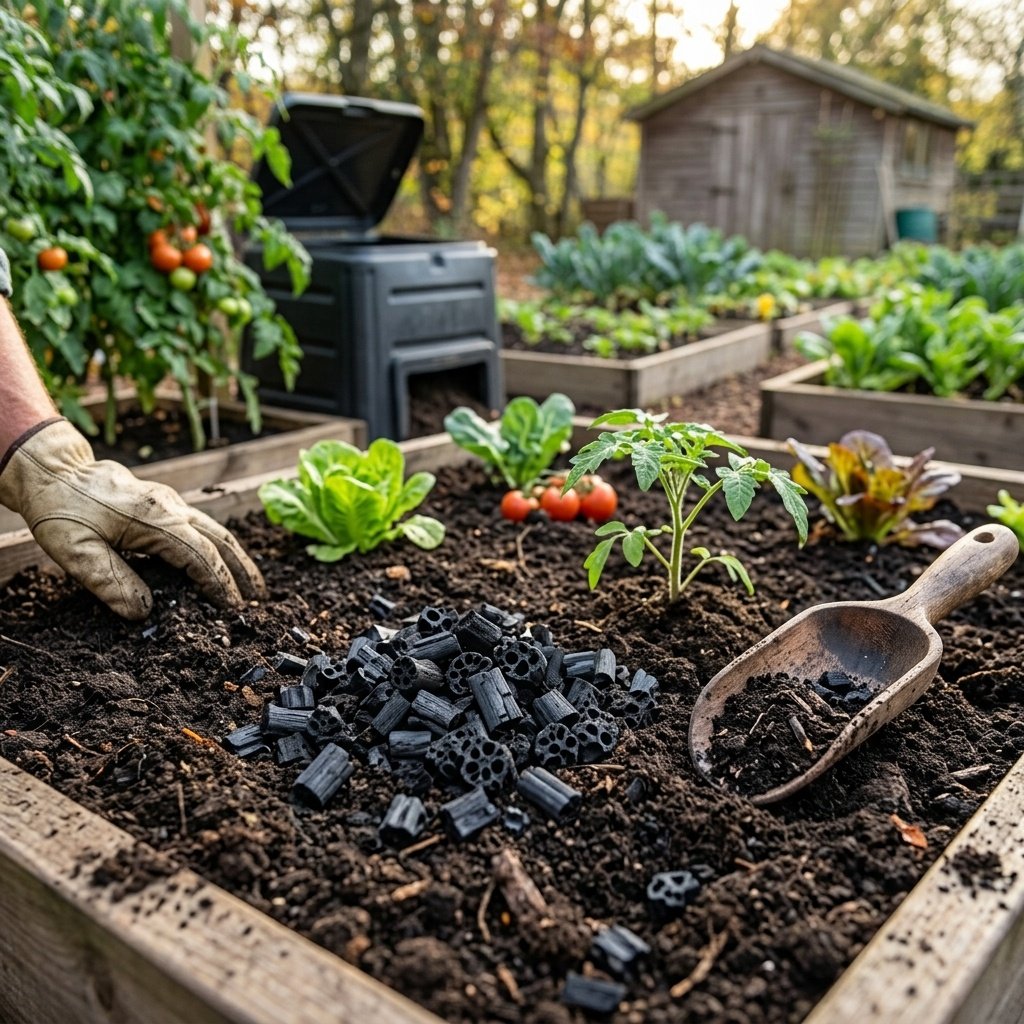
7. Biochar
Biochar looks a little like charcoal, but its purpose in the garden is different.
It is a carbon-rich material made by heating organic material under limited oxygen. Unlike compost, which continues breaking down relatively quickly, biochar can remain in soil for a much longer period.
Depending on the soil and how it is prepared, biochar may help with water and nutrient retention and provide surfaces where soil organisms can live.
But it isn’t a replacement for compost or a standard fertilizer.
Think of biochar as a soil-conditioning material rather than a complete source of plant nutrition. If you use it, follow the product directions and avoid treating it as a cure-all.
Best for: Gardeners experimenting with longer-lasting carbon-based soil amendments.
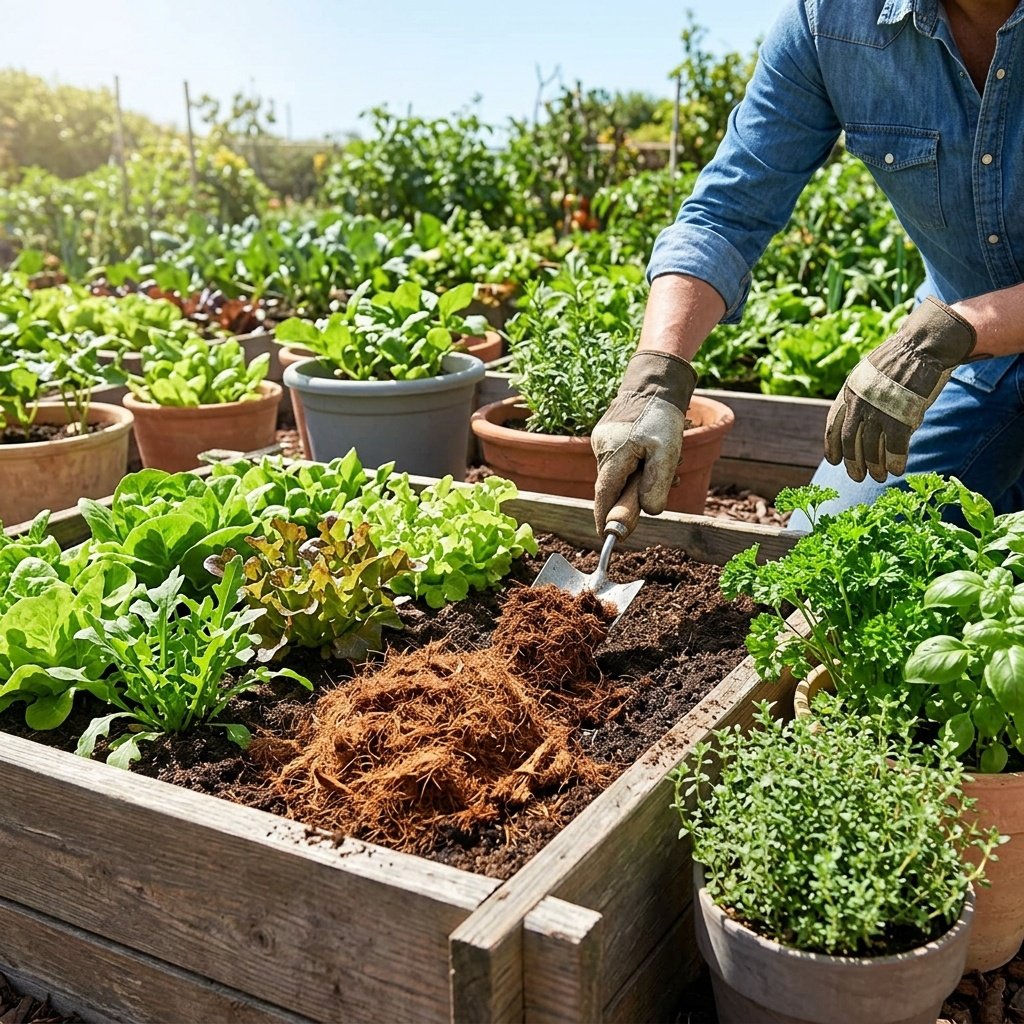
8. Coconut Coir
Coconut coir comes from coconut processing and is often used when gardeners want better moisture management.
It can hold water while still helping create a loose growing medium, which makes it particularly useful in containers and raised beds.
Coir doesn’t provide the same role as nutrient-rich compost, though. It is better thought of as a material for improving moisture and texture.
If you’re growing vegetables in containers, a growing mix containing coir can be useful when the medium dries out too quickly.
Best for: Containers, raised beds, and growing mixes where water retention is a concern.
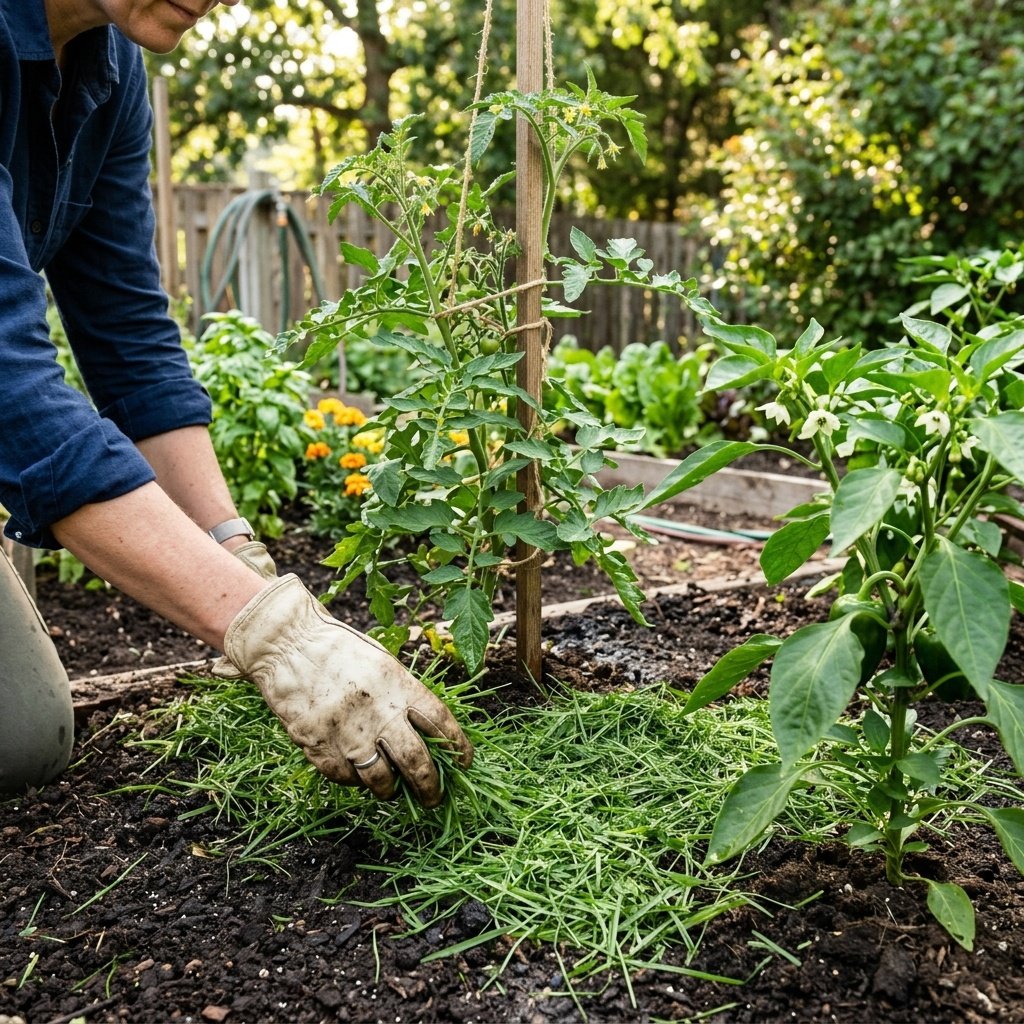
9. Grass Clippings
Clean grass clippings can return organic matter to your garden instead of going into the trash.
They’re particularly useful as a mulch when applied appropriately. As they break down, they contribute organic material to the soil.
There is one major caution: know what has been applied to the lawn.
Grass clippings from a lawn treated with certain herbicides may carry residues that can harm vegetables. If you’re unsure about the lawn’s treatment history, don’t use those clippings around food crops.
Also avoid piling fresh clippings into a thick, wet layer. They can become compacted and unpleasant as they decompose.
Best for: Free organic material from untreated lawns.
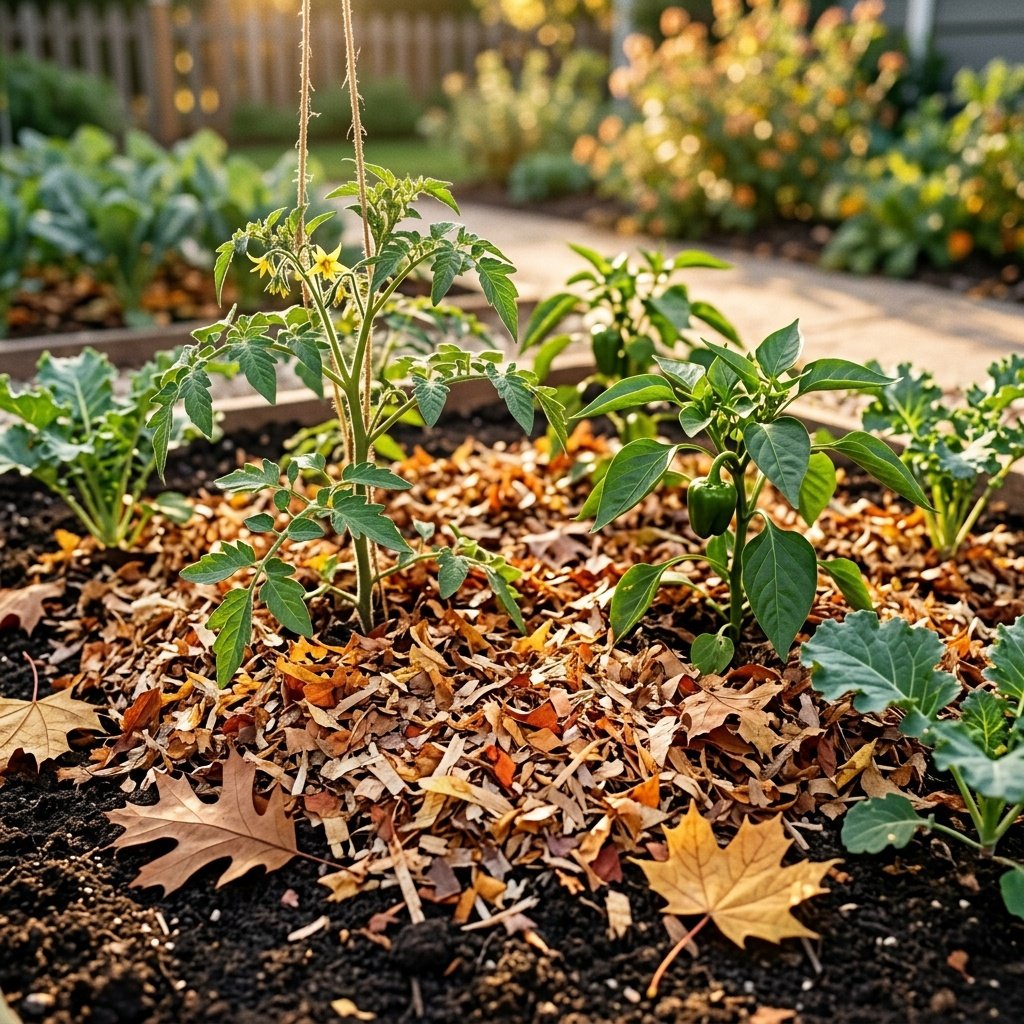
10. Shredded Leaves
Whole leaves can be slow to break down, especially when they form a thick, matted layer. Shredding them first helps speed the process.
You can use shredded leaves as mulch around vegetables or allow them to decompose and contribute organic matter over time.
They’re especially handy in autumn, when many gardeners have more leaves than they know what to do with.
Just remember that shredded leaves and finished compost aren’t the same thing. Leaves mainly contribute carbon and organic matter, while mature compost has already gone through much of the decomposition process.
Best for: Mulching, protecting soil, and gradually adding organic matter.
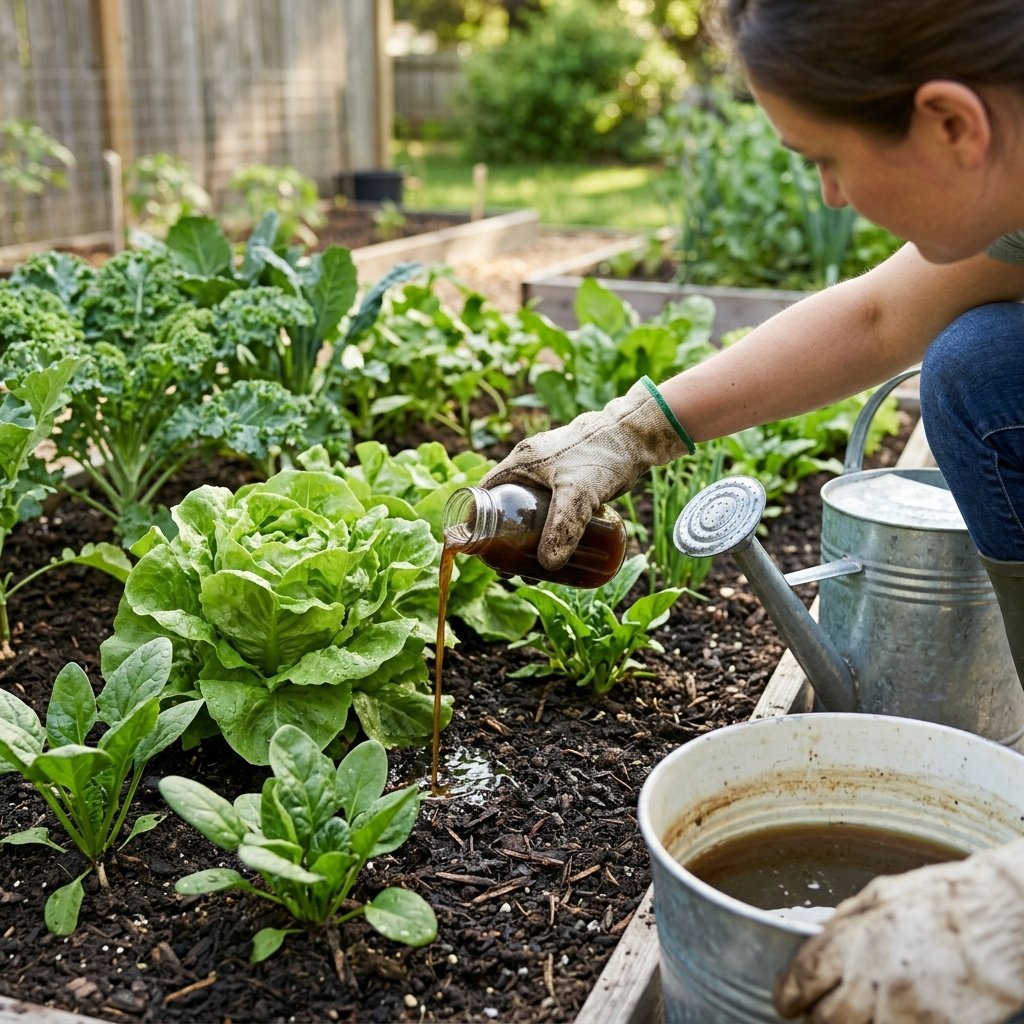
11. Seaweed or Kelp-Based Products
Seaweed and kelp-based garden products are often used as supplemental organic inputs. They can provide small amounts of nutrients and other compounds, depending on the product.
They’re best viewed as an addition to a broader soil-care routine, not as the one product that will solve every garden problem.
If you use a commercial seaweed or kelp product, follow its label directions. Concentrated products can vary considerably, so applying more than recommended doesn’t necessarily improve results.
Best for: Gardeners looking for a supplemental organic input alongside good soil management.
How to Choose the Right Organic Soil Amendment
Having 11 options doesn’t mean you need 11 products.
Start by looking at your soil.
If your soil is sandy
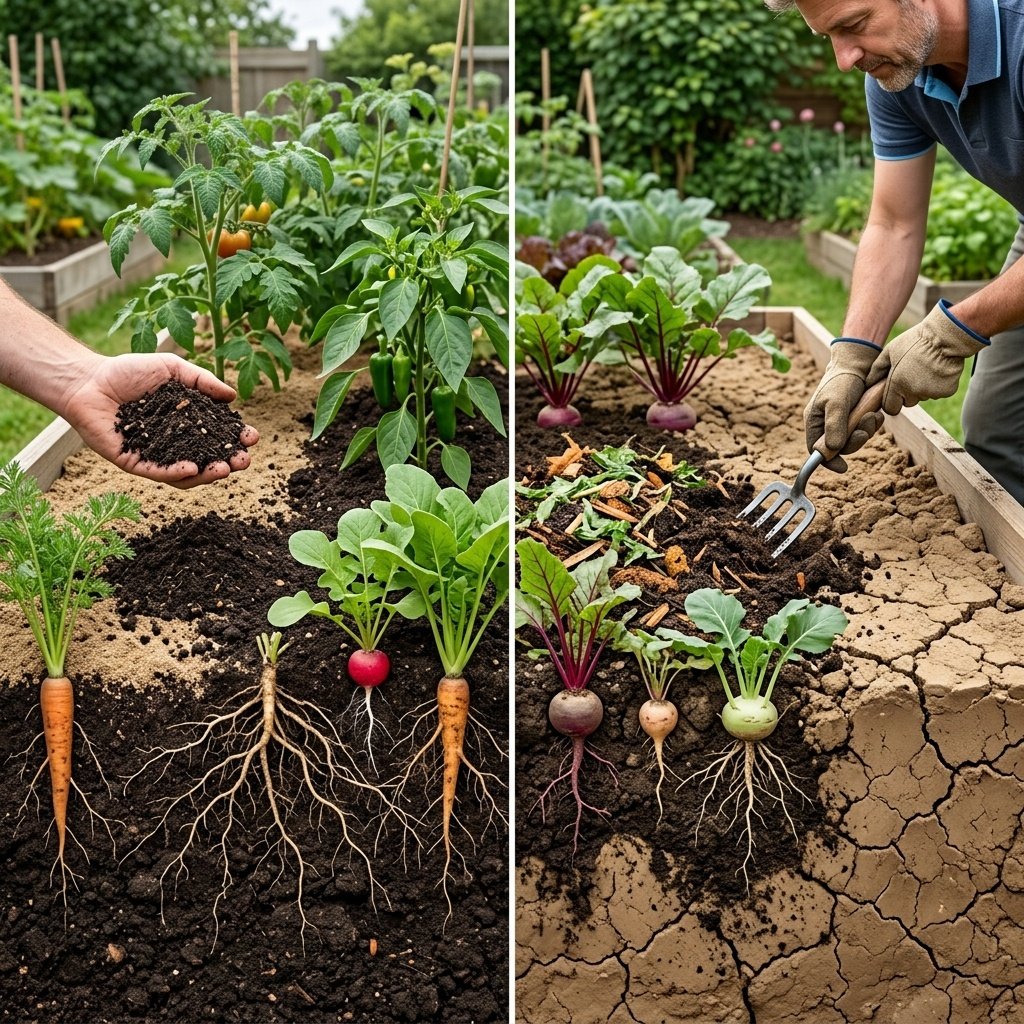
Sandy soil often drains quickly and may have trouble holding water and nutrients. Compost, leaf mold, and other stable organic matter can help improve its ability to retain moisture.
If your soil is heavy clay
Clay can hold plenty of water but may drain poorly and become difficult to work when wet. Regular additions of organic matter can improve soil aggregation and create better conditions for roots.
If your soil is compacted
Don’t assume that adding fertilizer will fix compaction. Organic matter can help, but so can reducing unnecessary digging and avoiding walking on garden beds.
If you suspect a nutrient deficiency
Test before adding a targeted nutrient amendment.
A plant looking unhealthy doesn’t automatically mean it needs more fertilizer. Nutrient problems can overlap with issues involving water, roots, pH, pests, or soil structure.
Soil Amendment vs. Fertilizer: What’s the Difference?
This distinction saves gardeners a lot of confusion.
A soil amendment is mainly added to improve the properties of the soil. Compost, leaf mold, and biochar are examples.
A fertilizer is primarily used to supply plant nutrients in known amounts.
Some materials can do both. Manure and compost, for instance, may supply nutrients while also adding organic matter. But their nutrient content isn’t as predictable as a formulated fertilizer.
Think about it this way:
| Soil amendment | Fertilizer |
|---|---|
| Improves soil properties | Supplies nutrients |
| Compost | Complete fertilizer |
| Leaf mold | Nitrogen fertilizer |
| Biochar | Phosphorus fertilizer |
| Coir | Potassium fertilizer |
Healthy vegetable gardens may benefit from both approaches. The right balance depends on the soil.
How to Apply Organic Soil Amendments Correctly
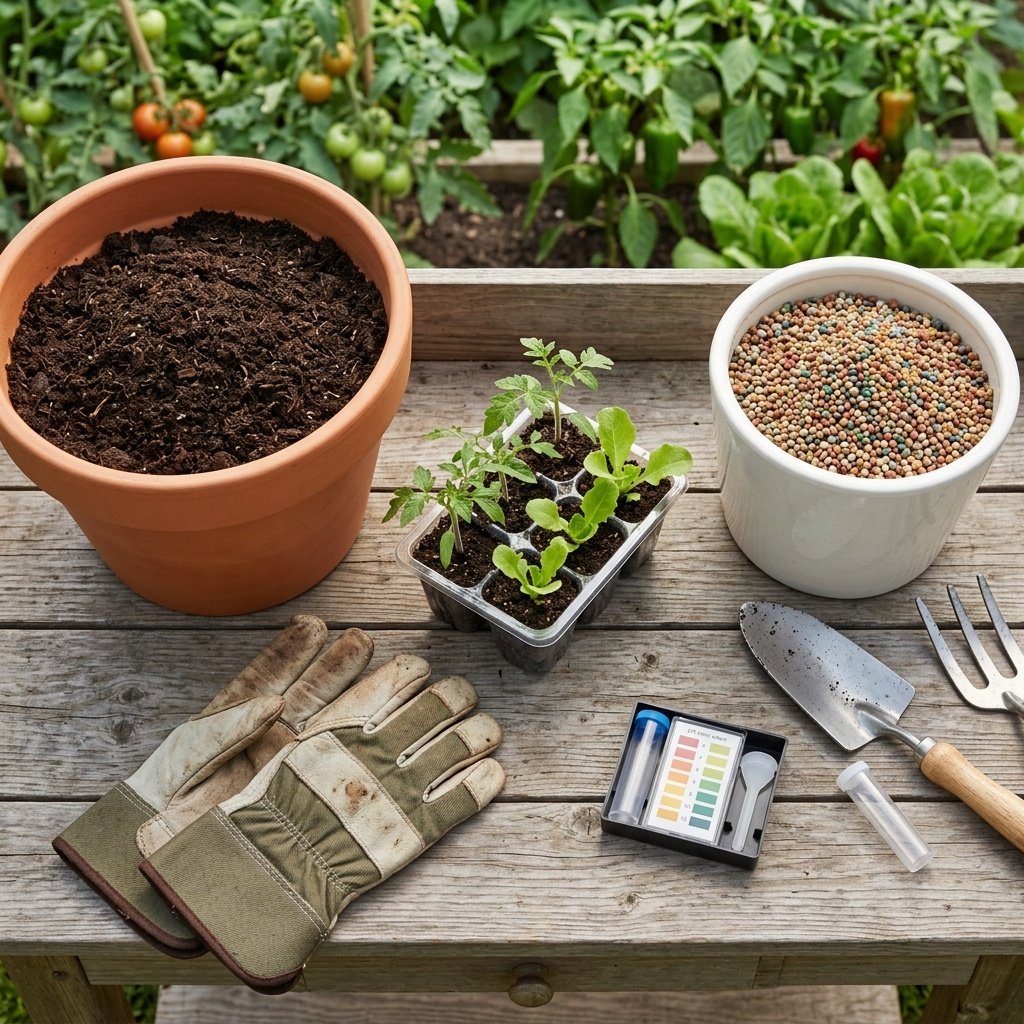
Start with a soil test when you’re unsure about your soil’s pH or nutrient levels. This is especially helpful before applying materials that contain significant amounts of nutrients.
Use finished compost and properly composted manure rather than raw organic materials around food crops.
Then, resist the temptation to add a huge amount.
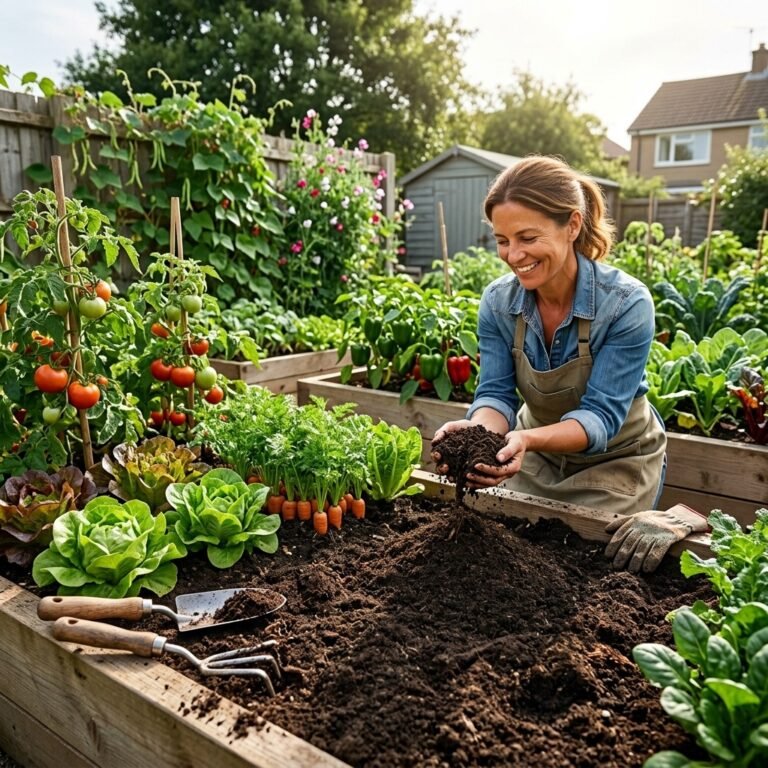
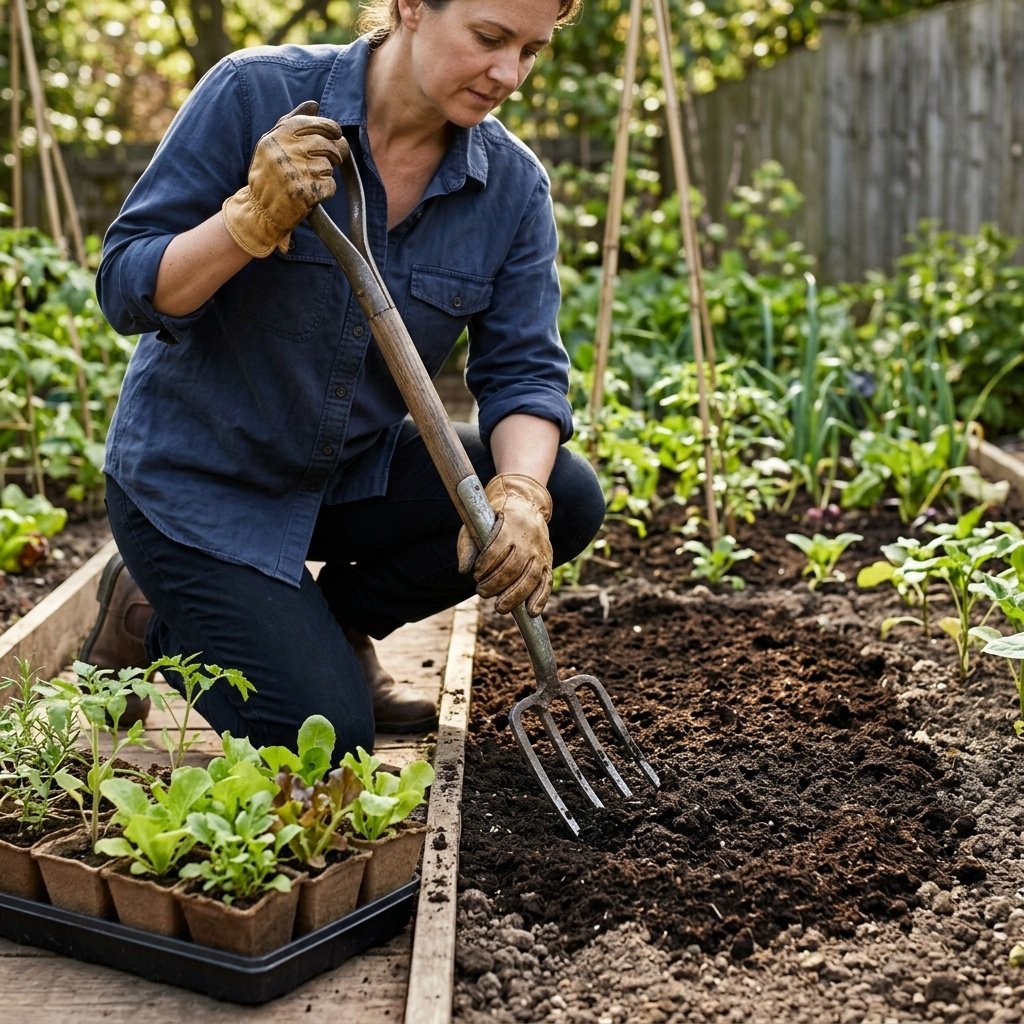
For new garden beds, organic matter can often be mixed into the upper layer of soil. Established beds usually benefit from smaller, regular additions rather than major disturbance every season.
Compost is commonly used as a yearly addition to vegetable beds, but the ideal amount depends on the existing soil and the compost itself.
And remember that organic matter breaks down. Improving soil is an ongoing process, not a one-week project.
How Much Organic Amendment Should You Add?
There isn’t one perfect application rate for every amendment.
Compost, manure, biochar, coir, and other materials have different properties. Manure-based compost, for example, can contain more salts and nutrients than some plant-based composts.
Your soil’s existing condition matters too.
A practical approach is to:
- Test your soil when appropriate.
- Identify the main problem.
- Choose an amendment that addresses that problem.
- Start with a reasonable amount.
- Follow product directions for commercial materials.
- Reassess the soil over time.
The goal isn’t to create the richest possible soil. It’s to create soil that supports healthy roots and steady plant growth.
7 Organic Soil Amendment Mistakes to Avoid
1. Adding amendments without knowing your soil.
A soil test can prevent unnecessary nutrient applications.
2. Using fresh manure.
Use properly composted or aged material suitable for food gardens.
3. Treating compost as a complete fertilizer.
Compost helps soil, but it may not provide every nutrient a crop requires.
4. Assuming more is better.
Excess nutrients and salts can create new problems.
5. Using contaminated organic material.
Be careful with grass clippings and other materials that may contain persistent herbicide residues.
6. Expecting overnight results.
Soil structure changes gradually.
7. Copying another garden’s recipe.
Your soil, climate, crops, and growing conditions may be completely different.
Do You Need All 11 Organic Soil Amendments?
No.
Most home gardeners don’t need a garage full of bags and bottles.
A much simpler starting point is a soil test, finished compost, suitable mulch, and one targeted amendment if your soil actually needs it.
For many gardens, the biggest improvement comes from consistently adding organic matter and protecting the soil rather than constantly buying new products.
Think of the 11 amendments as a toolbox. You don’t use every tool for every repair.
Related Reads
You might find these helpful as you keep going:
7 Best Fertilizers for Raised Beds (Top Picks + Feeding Guide)
7 Best Self-Watering Systems for Balcony Vegetable Gardens (That Actually Work)
7 July Tasks for the Midsummer Garden
FAQ
What is the best organic soil amendment for a vegetable garden?
Finished compost is a practical starting point for many gardens because it adds organic matter and can improve soil structure, moisture retention, and nutrient holding. But the best amendment depends on your existing soil.
How often should I add compost to my vegetable garden?
Many vegetable gardens benefit from modest yearly additions of finished compost. The amount depends on the soil and the compost, so avoid applying large quantities without a reason.
Can you add too much compost to garden soil?
Yes. Repeated heavy applications can contribute excessive nutrients or salts, particularly when the compost is manure-based. More compost isn’t always better.
Is manure better than compost for vegetables?
Not necessarily. Both can add organic matter, but manure can contribute more readily available nutrients. Proper composting is also important before manure is used around food crops.
What is the best amendment for clay soil?
Finished compost and other stable organic matter can gradually improve clay soil structure. Avoid trying to change clay soil with one huge application. Improvement takes repeated, sensible additions.
What is the best amendment for sandy soil?
Compost, leaf mold, and other organic matter can help sandy soil hold moisture and nutrients more effectively.
Can I put kitchen scraps directly into garden soil?
It’s better to compost suitable kitchen scraps first. Directly burying fresh scraps can attract pests and doesn’t give you the same controlled, finished material you’d get from proper composting.
Should I test my soil before adding amendments?
Yes, particularly before adding materials intended to correct nutrient or pH problems. A soil test gives you useful information instead of making you guess.
Final Thoughts
You don’t need a complicated soil recipe to grow a productive vegetable garden.
Start by finding out what your soil needs. Add organic matter gradually, protect the surface with suitable mulch, avoid unnecessary disturbance, and use targeted amendments when there is a clear reason for them.
For many gardeners, finished compost is an excellent first step. From there, materials such as leaf mold, worm castings, cover crops, or biochar can have a place depending on the soil and growing system.
Healthy soil isn’t built by adding everything at once.
It’s built one sensible improvement at a time.