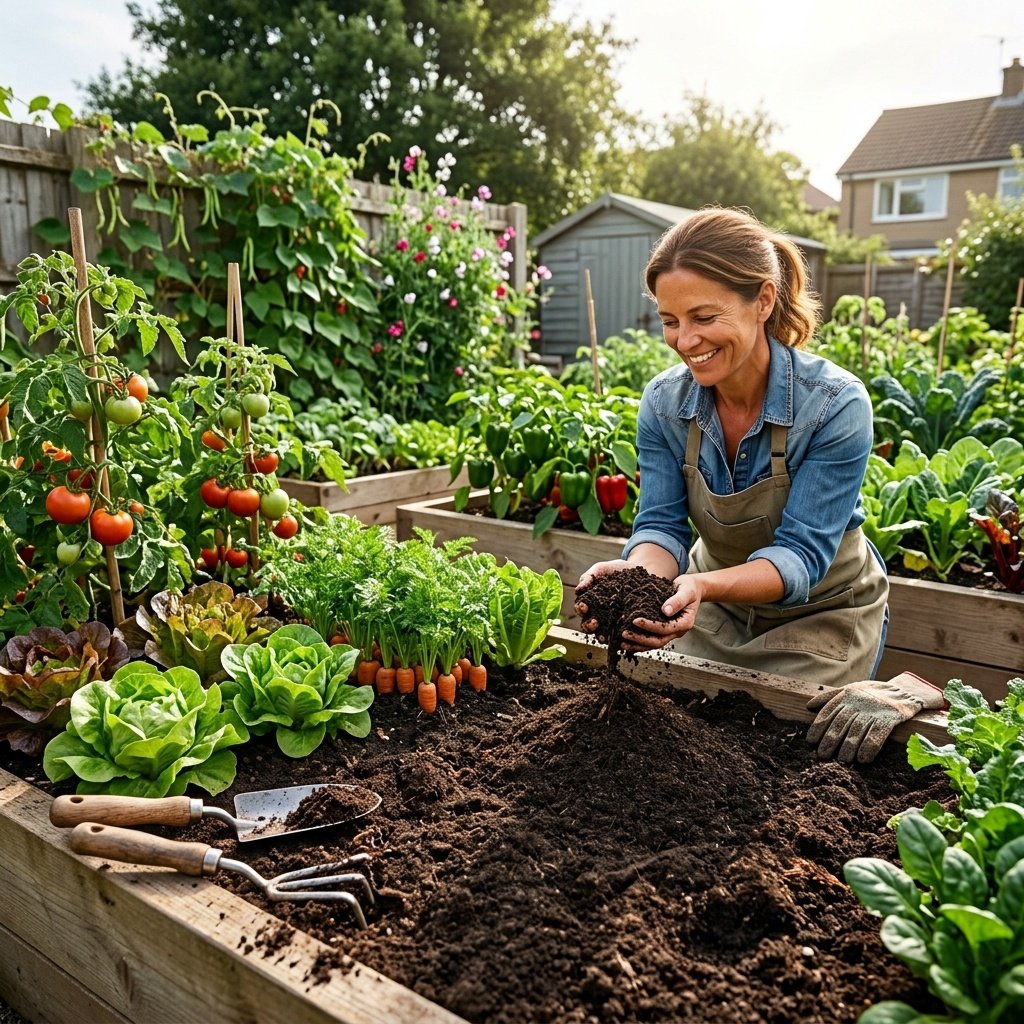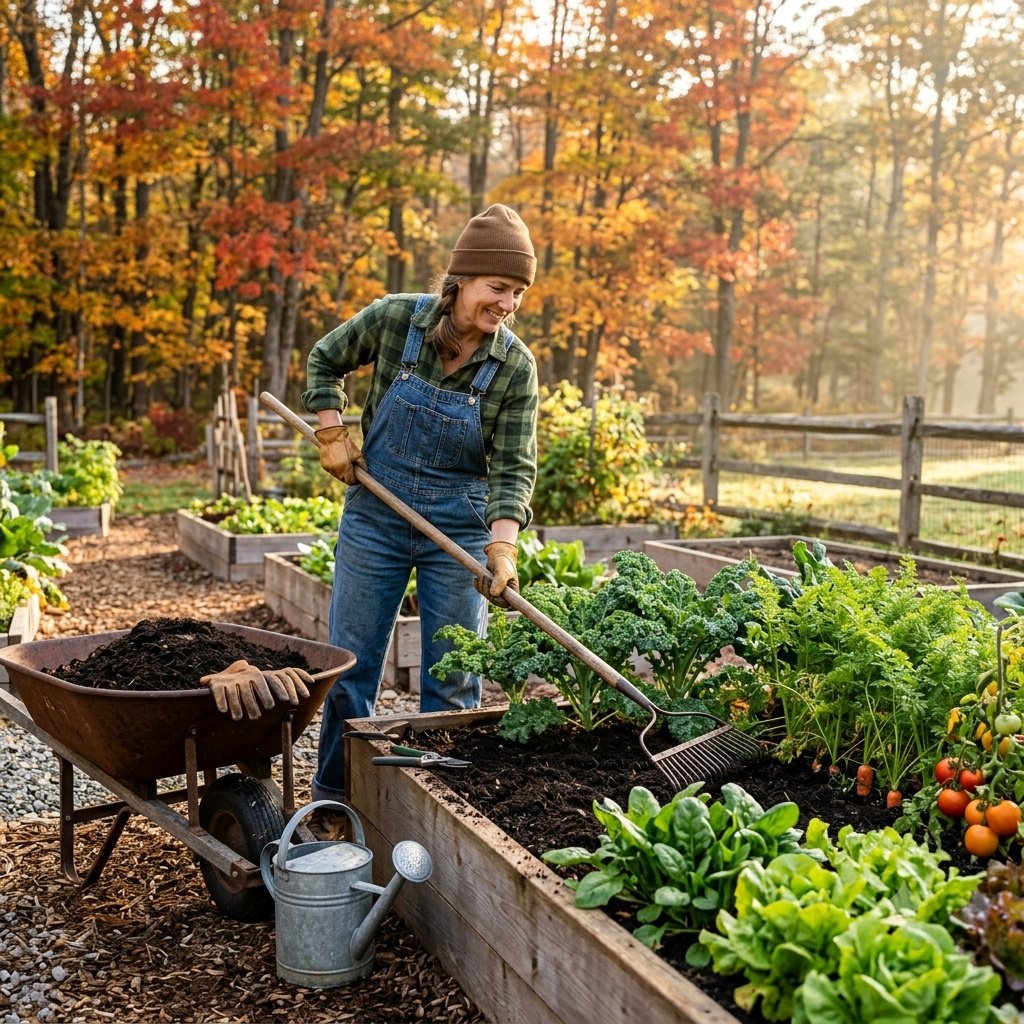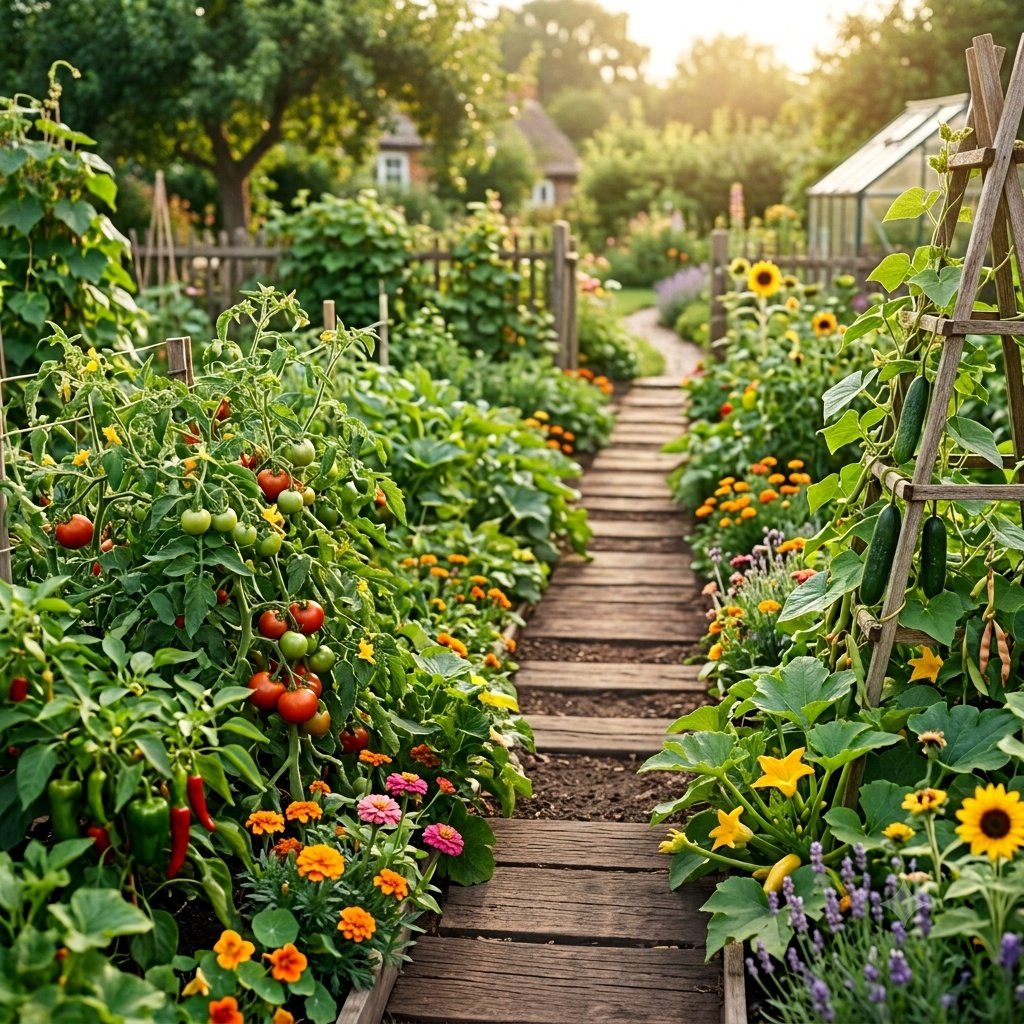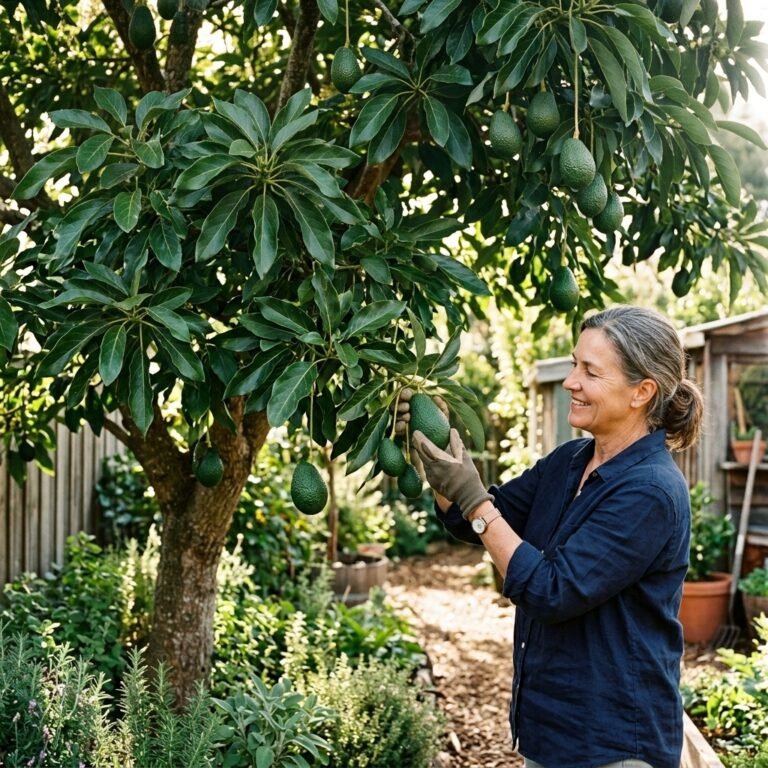

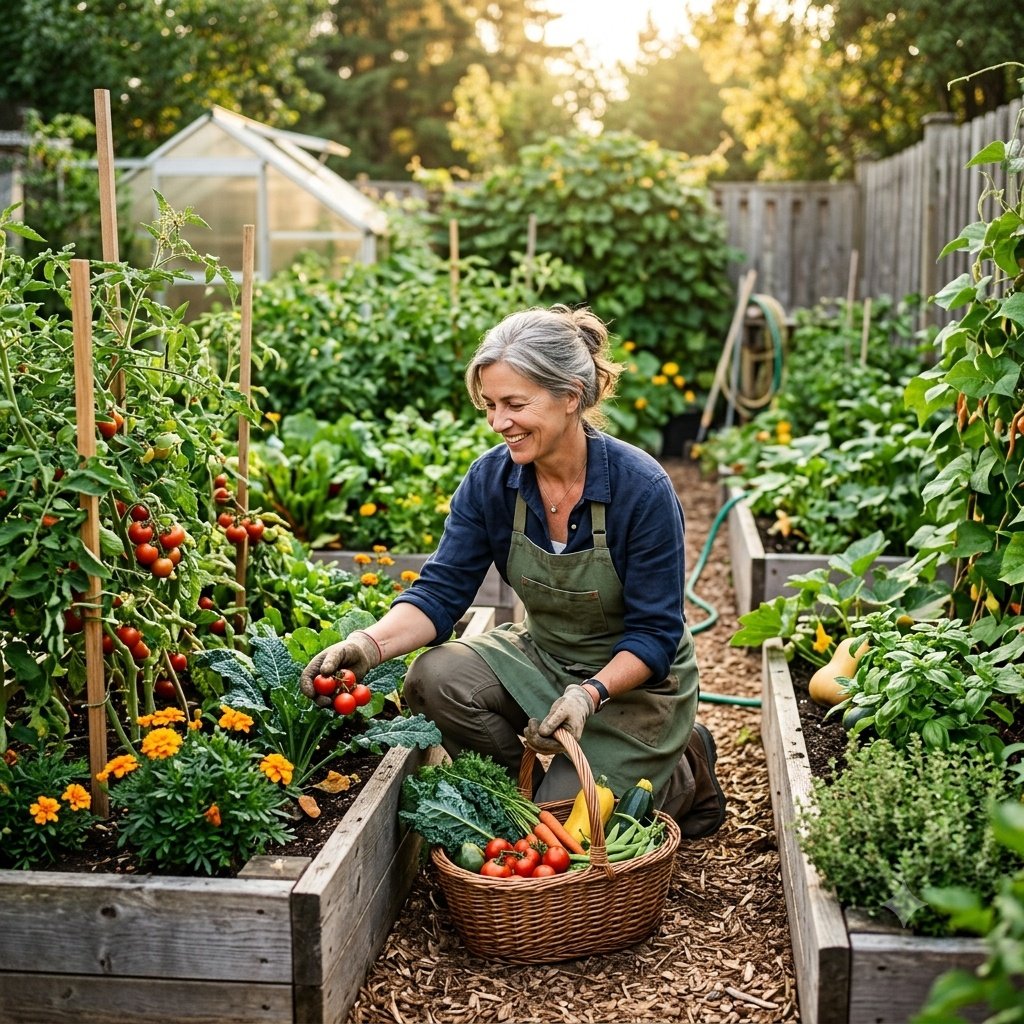
Growing your own vegetables is one of the most rewarding hobbies you can start. There’s something special about walking into your backyard, picking a ripe tomato, fresh lettuce, or a handful of herbs, and knowing you grew them yourself.
If you’re new to gardening, it’s easy to feel overwhelmed. There are countless videos, books, and articles offering advice, and much of it seems written for experienced gardeners. The truth is, you don’t need years of knowledge or a large backyard to grow fresh food successfully.
Whether you have a small patio, a few raised beds, or a sunny corner of your yard, you can build a productive vegetable garden by following a few simple steps.
This guide covers everything you need to know—from choosing the right location and preparing healthy soil to selecting beginner-friendly vegetables, watering correctly, and harvesting at the right time. Along the way, you’ll also learn common mistakes to avoid, practical tips that make gardening easier, and realistic expectations for your first season.
Quick Observation
Many first-time gardeners worry about making mistakes. In reality, every gardener loses a few plants along the way. Success comes from observing your garden, making small adjustments, and learning as the season progresses.
Why Start a Vegetable Garden?
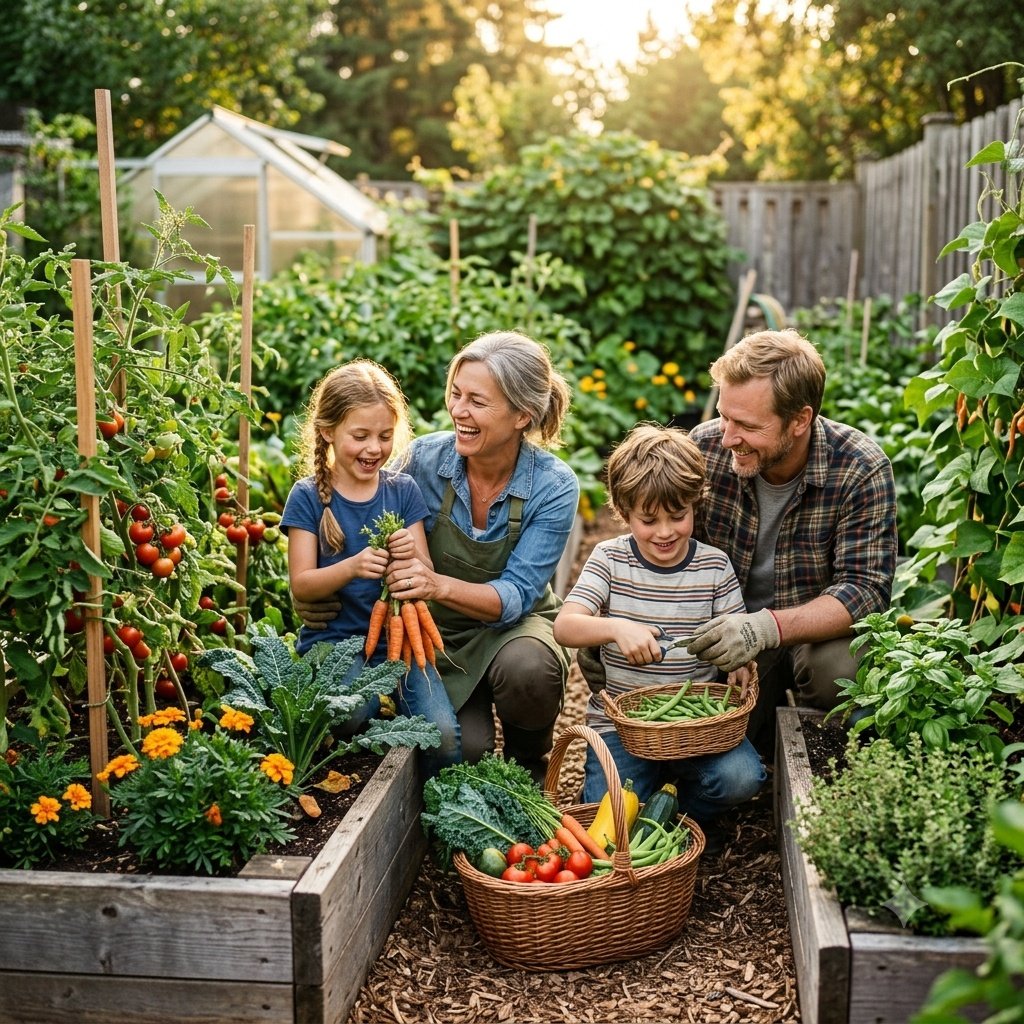
People start vegetable gardens for different reasons. Some want fresher food, others hope to save money, while many simply enjoy spending time outdoors. Whatever your motivation, even a small garden can make a noticeable difference.
Enjoy Fresher, Better-Tasting Food
Vegetables harvested at home are often fresher and more flavorful than produce that has traveled long distances to reach grocery stores. Leafy greens stay crisp, herbs are more fragrant, and tomatoes develop a richer flavor when they ripen on the vine.
Save Money Over Time
While there are some initial costs, many vegetables continue producing for weeks or even months.
For example:
- A single zucchini plant can produce dozens of fruits.
- Herbs can be harvested repeatedly.
- Leaf lettuce regrows after each harvest.
- Tomato plants often produce throughout the summer.
Over several growing seasons, the savings can easily outweigh the startup costs.
Improve Your Well-Being
Gardening encourages you to spend more time outdoors, stay active, and slow down for a while. Many people find that tending plants for just a few minutes each day becomes a relaxing part of their routine.
Learn New Skills
Gardening teaches patience and observation. You’ll begin noticing how weather affects plant growth, how soil changes after rainfall, and how small adjustments can improve your harvest.
These experiences make every season easier than the last.
Common Beginner Mistakes
- Starting with a garden that’s too large.
- Buying every seed packet that looks interesting.
- Choosing vegetables your family doesn’t eat.
- Expecting perfect results in the first season.
Pro Tip
Start with three to five vegetables you enjoy eating regularly. It’s much easier to care for a small, productive garden than an oversized one that becomes difficult to manage.
Recommended Products for Your First Vegetable Garden
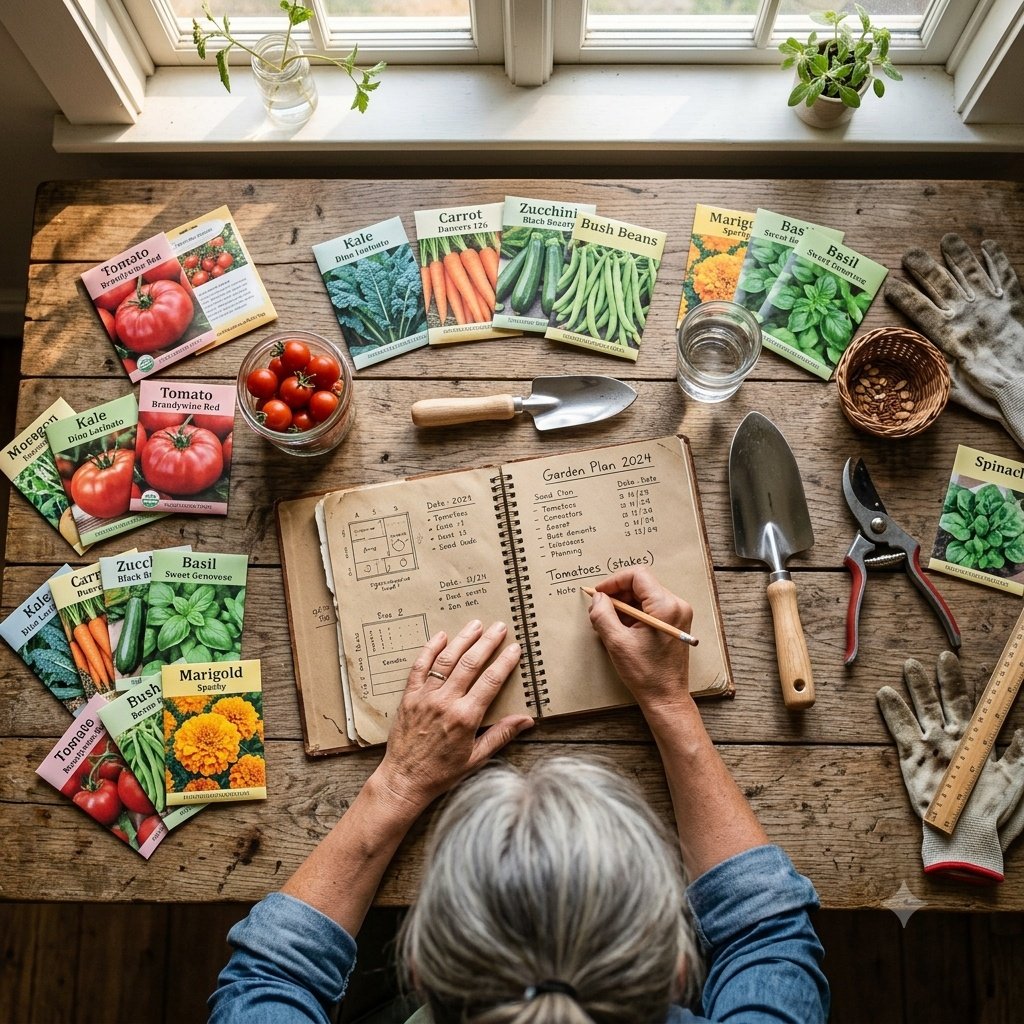
Before You Start: Plan for Success
A little planning now will save time, money, and frustration later.
Decide How Much Space You Have
You don’t need a large backyard to grow vegetables.
Here are a few common options:
- Raised beds – Great for beginners and easy to maintain.
- In-ground gardens – Best if you already have healthy soil.
- Containers – Perfect for patios, balconies, and small spaces.
Think About Your Budget
A beginner garden doesn’t have to be expensive.
Here’s a simple estimate:
| Item | Estimated Cost |
|---|---|
| Seeds or seedlings | $20–$40 |
| Compost | $20–$50 |
| Basic tools | $40–$80 |
| Mulch | $15–$30 |
| Raised bed (optional) | $75–$200 |
Many of these are one-time purchases that can be used for years.
Start Small
One of the biggest mistakes beginners make is planting more than they can maintain.
A 4×8-foot raised bed or a few large containers provide enough space to grow several vegetables while remaining easy to care for.
What to Do Next
Decide how much space you can realistically maintain and make a short list of vegetables your family enjoys eating.
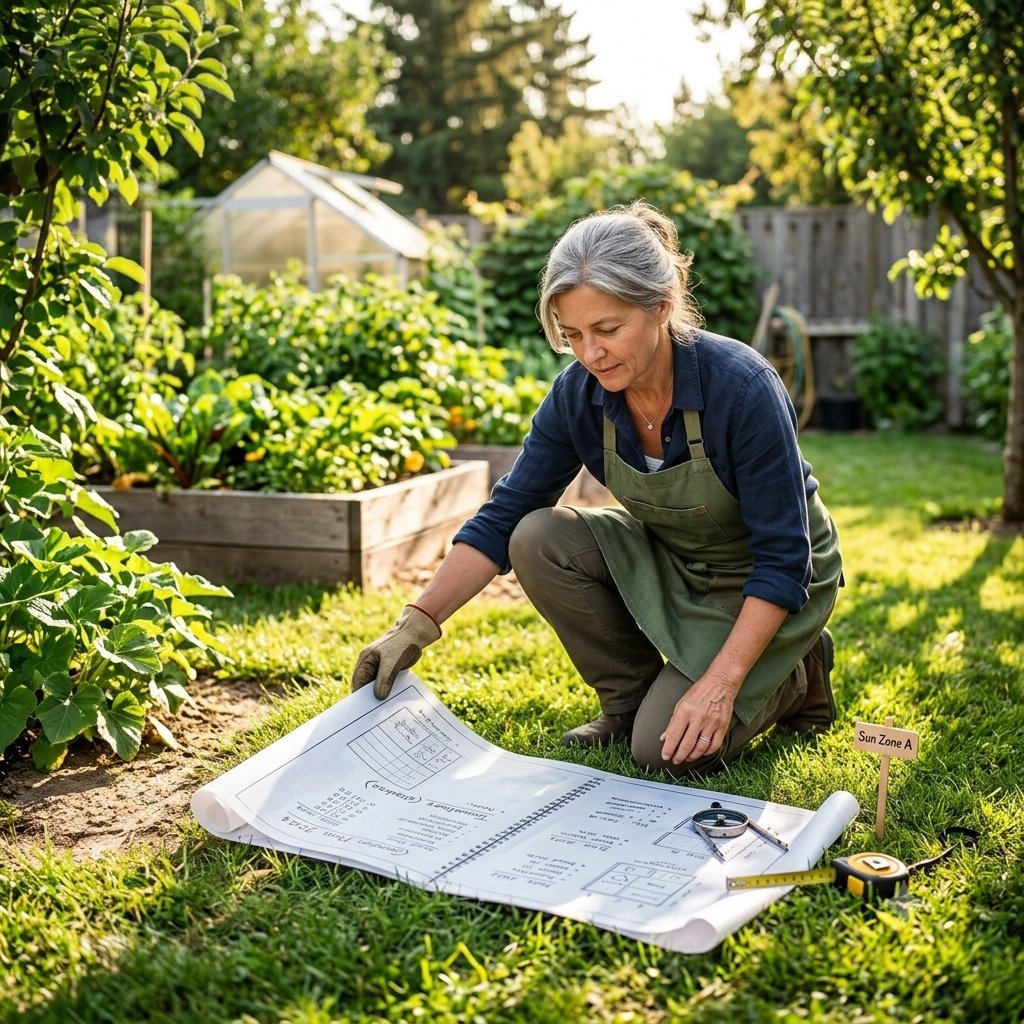
Step 1 – Choose the Best Location
The location of your garden has a bigger impact on success than almost anything else.
A sunny spot with good drainage and easy access to water gives your vegetables the best chance to thrive.
Make Sunlight Your Priority
Most vegetables need 6–8 hours of direct sunlight every day.
Sun-loving vegetables include:
- Tomatoes
- Peppers
- Cucumbers
- Beans
- Squash
- Corn
Leafy greens like spinach and lettuce can tolerate a little afternoon shade, especially during hot summers.
Beginner Mistake
Choosing the biggest space instead of the sunniest one.
Stay Close to Water
Watering becomes much easier when your garden is near a hose or outdoor faucet. If carrying watering cans across the yard feels like a chore, you’re less likely to water consistently.
Check the Soil Drainage
After heavy rain, observe how long water remains on the ground.
If puddles stay for hours, choose another location or consider raised beds.
Keep It Convenient
A garden near your back door or kitchen window is easier to monitor. You’ll notice weeds, thirsty plants, or ripe vegetables before they become problems.
Practical Tip
Spend one day observing how sunlight moves across your yard before deciding where to plant.
Quick Checklist
✓ At least 6 hours of sunlight
✓ Easy access to water
✓ Good drainage
✓ Protection from strong winds
✓ Close enough for daily visits
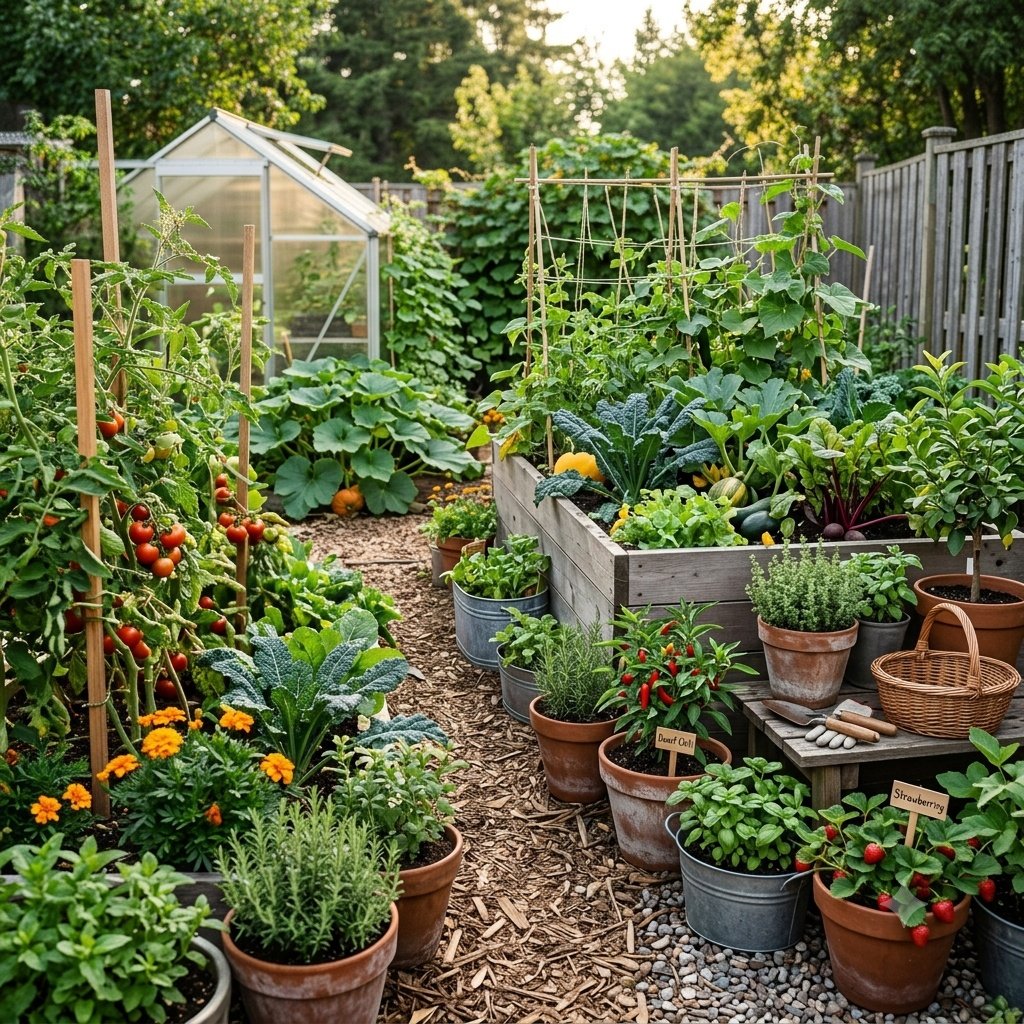
Step 2 – Choose Your Garden Type
Not every garden looks the same.
The best choice depends on your available space, budget, and gardening goals.
Raised Beds
Raised beds are one of the easiest ways to begin gardening.
Advantages
- Better drainage
- Fewer weeds
- Improved soil quality
- Easier maintenance
Considerations
- Higher initial cost
- Need to purchase soil
In-Ground Gardens
Planting directly in the ground works well if your soil is already healthy.
Advantages
- Lower cost
- Plenty of growing space
- Holds moisture well
Considerations
- May require soil improvement
- More weeds
Container Gardens
Containers make vegetable gardening possible almost anywhere.
They’re ideal for:
- Apartments
- Balconies
- Small patios
- Rental homes
Vegetables like tomatoes, peppers, herbs, lettuce, and spinach grow especially well in containers.
Garden Comparison
| Garden Type | Best For | Cost | Difficulty |
|---|---|---|---|
| Raised Beds | Beginners | $$ | Easy |
| In-Ground | Large Yards | $ | Moderate |
| Containers | Small Spaces | $ | Easy |
Pro Tip
If this is your first season, one raised bed or four to six large containers are enough to learn the basics without becoming overwhelmed.
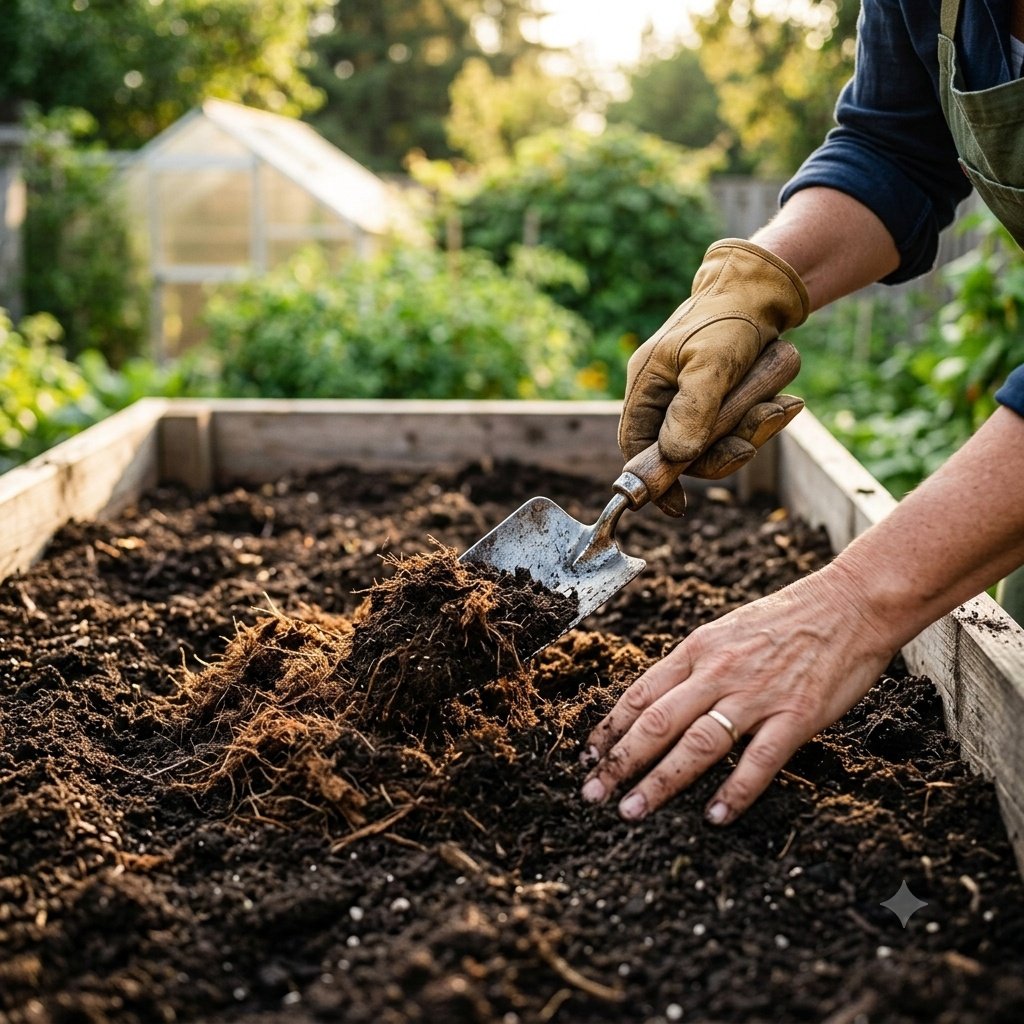
Step 3 – Build Healthy Soil
Healthy soil is the foundation of a productive vegetable garden.
Even the best seeds can’t reach their full potential if they’re planted in compacted or nutrient-poor soil.
What Healthy Soil Looks Like
Good garden soil should be:
- Dark and crumbly
- Rich in organic matter
- Well-draining
- Moist but not soggy
- Full of earthworms and beneficial microbes
If your soil feels hard like clay or loose like beach sand, don’t worry. Most soils can be improved with compost.
Add Compost Before Planting
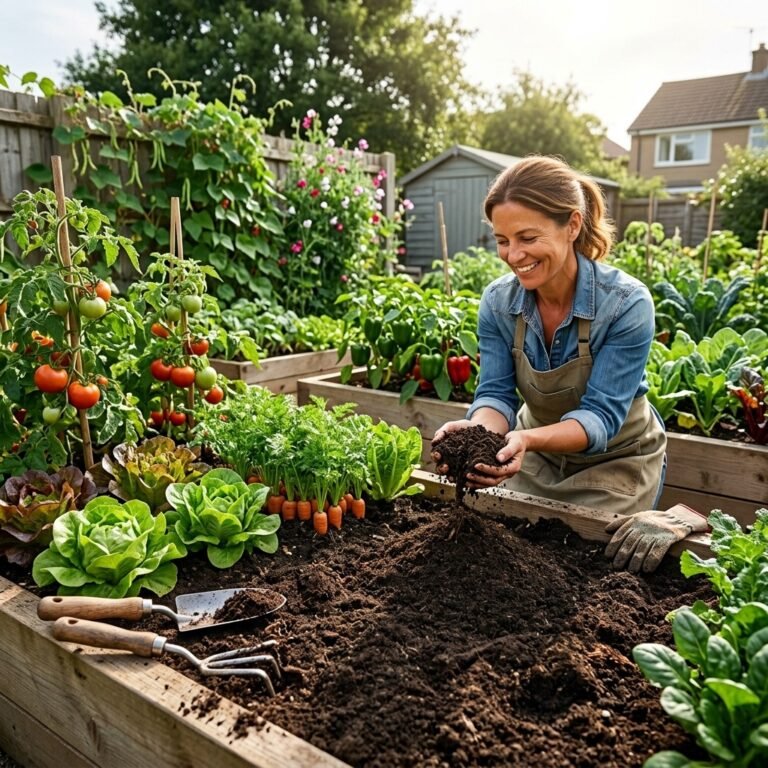
Mix 2–4 inches of compost into the top 6–8 inches of soil before planting.
Compost improves:
- Soil structure
- Water retention
- Drainage
- Nutrient availability
It’s one of the best investments you can make in your garden.
Apply Mulch After Planting
Mulch helps:
- Keep moisture in the soil
- Reduce weeds
- Regulate soil temperature
- Protect soil from erosion
Straw, shredded leaves, and untreated grass clippings are all excellent choices.
Good Soil vs. Poor Soil
| Healthy Soil | Poor Soil |
|---|---|
| Loose and crumbly | Hard and compacted |
| Drains well | Holds too much water |
| Rich in compost | Low in organic matter |
| Easy for roots to grow | Difficult for roots to spread |
Experience Tip
Healthy soil solves many gardening problems before they start. Spending extra time preparing the soil often leads to stronger plants and better harvests.
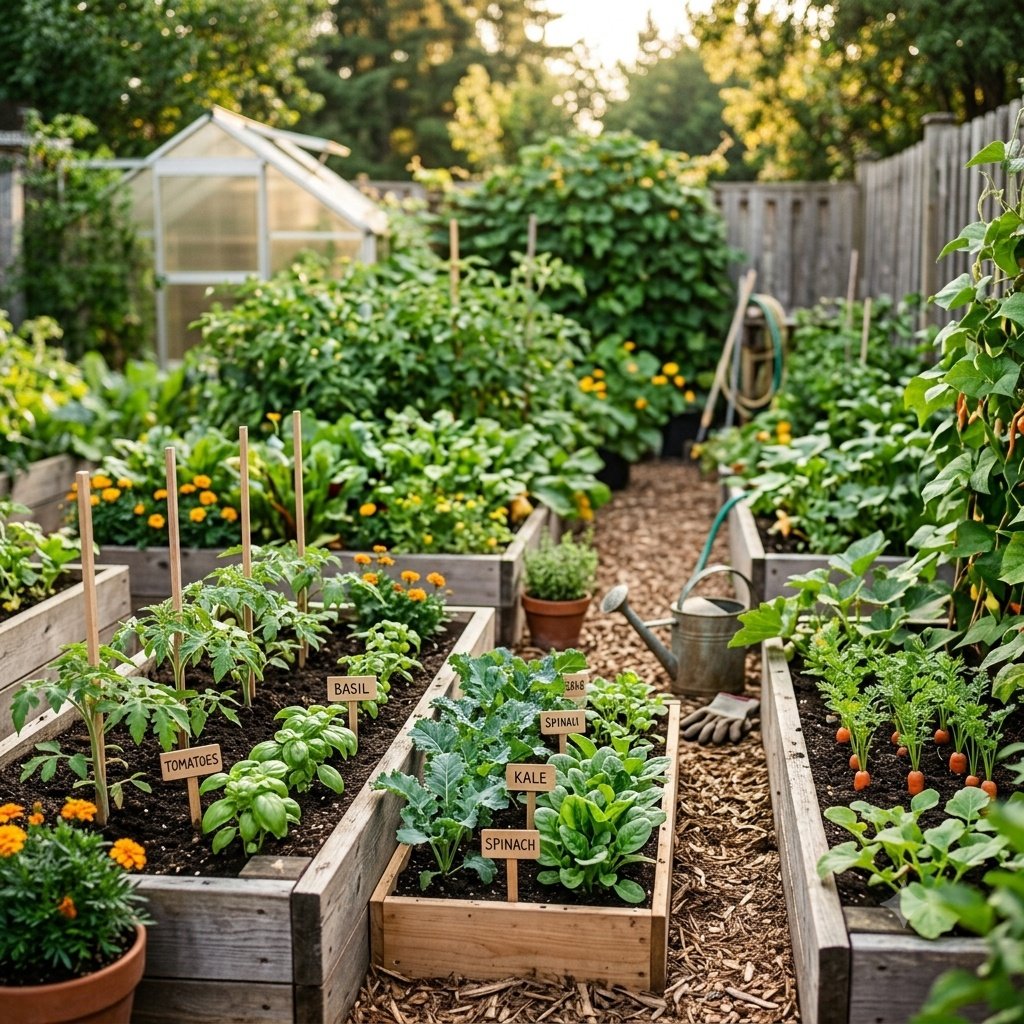
Step 4 – Pick the Best Vegetables for Beginners
One of the fastest ways to enjoy gardening is to grow vegetables that are easy to care for and produce reliable harvests. While it’s tempting to try everything, your first season is about building confidence. Start with a handful of dependable crops, learn how they grow, and expand your garden next year.
Choose vegetables your family already enjoys eating. Fresh produce is rewarding, but only if it ends up on your plate.
Best Vegetables for First-Time Gardeners
| Vegetable | Difficulty | Days to Harvest | Container Friendly |
|---|---|---|---|
| Lettuce | Easy | 30–45 days | ✓ |
| Radishes | Very Easy | 25–30 days | ✓ |
| Bush Beans | Easy | 50–60 days | ✓ |
| Cucumbers | Easy | 55–70 days | ✓ |
| Spinach | Easy | 40–50 days | ✓ |
| Tomatoes | Moderate | 70–90 days | ✓ |
| Zucchini | Easy | 50–60 days | Large containers |
| Basil | Very Easy | Ongoing | ✓ |
Why These Crops Are Beginner-Friendly
- Lettuce grows quickly and can be harvested multiple times.
- Radishes mature in less than a month, giving quick results.
- Bush beans require little maintenance and produce generously.
- Cucumbers grow vigorously with adequate water and support.
- Spinach thrives in cooler weather and grows fast.
- Tomatoes need a little more care but reward you with abundant harvests.
- Basil pairs well with tomatoes and continues producing throughout the season.
Practical Tip
Instead of planting ten tomato varieties, grow one or two reliable types and use the remaining space for different vegetables.
Vegetables to Save for Later
Some vegetables require more experience because they’re sensitive to temperature, pests, or growing conditions.
- Cauliflower
- Celery
- Brussels sprouts
- Artichokes
- Large pumpkins
- Watermelon (in small gardens)
Once you’ve completed your first season, you’ll have the confidence to experiment with these crops.
Common Beginner Mistake
Growing vegetables simply because they look interesting.
Instead, grow foods your household eats every week. You’ll waste less and enjoy the harvest much more.
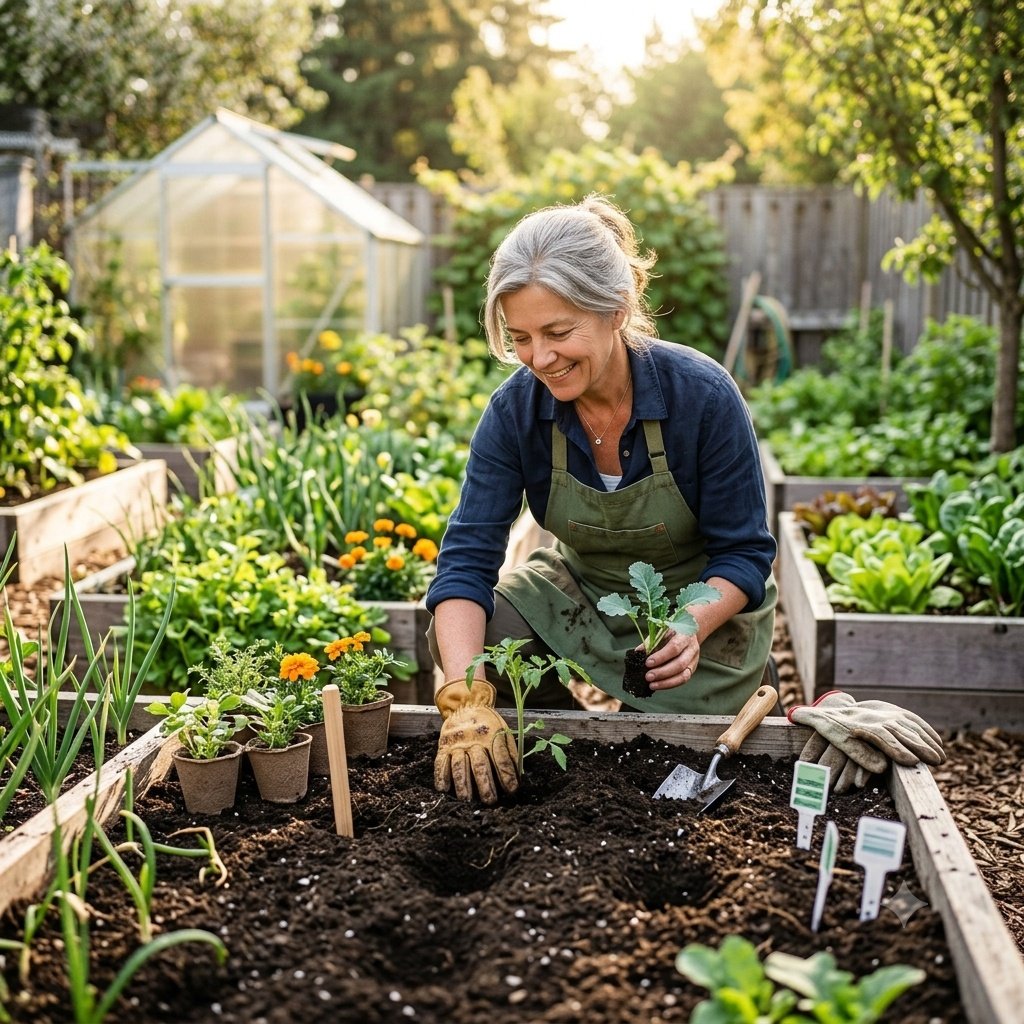
Step 5 – Know When to Plant
Timing matters almost as much as soil quality. Plant too early, and frost may damage young seedlings. Plant too late, and vegetables may struggle in summer heat or fail to mature before autumn.
The easiest way to avoid these problems is to understand your local growing season.
Learn Your Frost Dates
Every area has an average:
- Last spring frost
- First fall frost
These dates help determine when it’s safe to plant different vegetables.
For example:
- Lettuce, peas, spinach, and radishes can tolerate cool temperatures.
- Tomatoes, peppers, cucumbers, and squash should only be planted after frost danger has passed.
Search online for your ZIP code along with “last frost date” to find accurate local information.
Cool-Season vs. Warm-Season Vegetables
| Cool Season | Warm Season |
|---|---|
| Lettuce | Tomatoes |
| Spinach | Peppers |
| Kale | Cucumbers |
| Peas | Beans |
| Radishes | Squash |
| Broccoli | Corn |
Growing both cool- and warm-season crops allows you to harvest fresh vegetables for a much longer period.
Simple Planting Calendar
| Season | Main Tasks |
|---|---|
| Early Spring | Prepare soil, plant cool-season vegetables |
| Late Spring | Plant warm-season crops |
| Summer | Water, mulch, fertilize, harvest |
| Late Summer | Plant fall vegetables |
| Fall | Harvest remaining crops and improve soil |
Experience Box
Every growing season is slightly different. Watching the weather forecast is often more useful than relying on a specific calendar date.
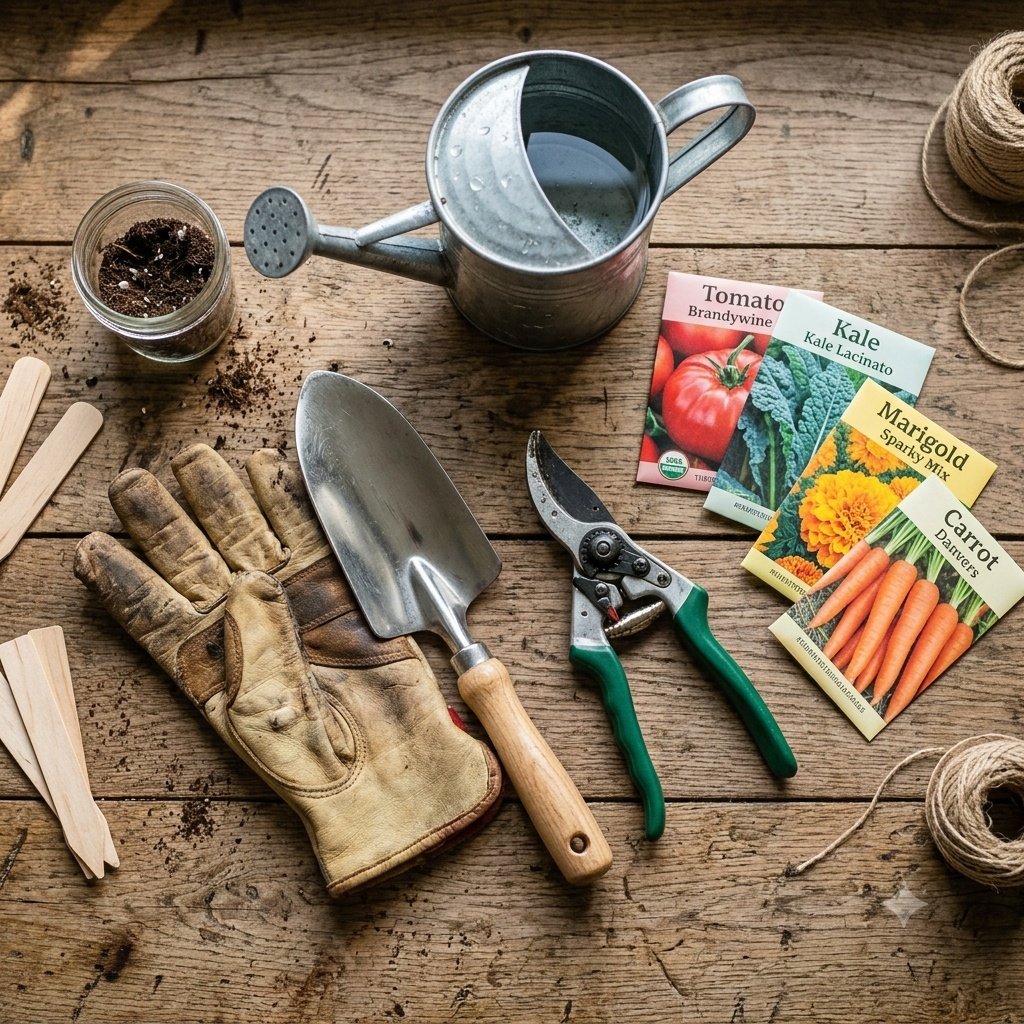
Step 6 – Gather Essential Gardening Tools
You don’t need expensive equipment to grow vegetables successfully.
A few reliable tools are enough for nearly every beginner garden.
Essential Tool Checklist
| Tool | Purpose | Priority |
|---|---|---|
| Hand trowel | Planting | High |
| Gardening gloves | Hand protection | High |
| Watering can or hose | Watering | High |
| Hand pruners | Harvesting and trimming | Medium |
| Garden fork | Loosen soil | Medium |
| Plant labels | Identify crops | Medium |
| Soil moisture meter | Check watering needs | Optional |
Pro Tip
Choose quality tools over quantity. A durable stainless-steel trowel will serve you much longer than several inexpensive alternatives.
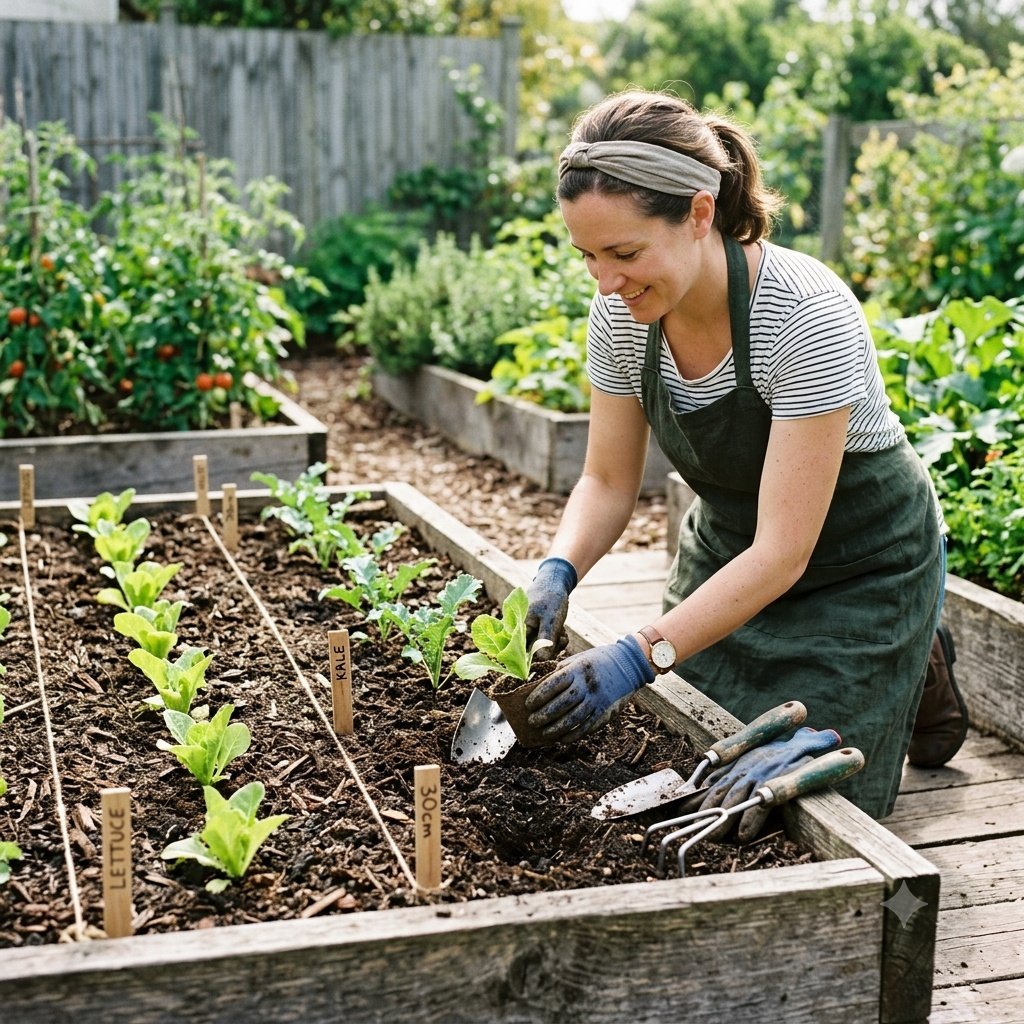
Step 7 – Plant Your Vegetables Correctly
Once your soil is prepared and you’ve selected your vegetables, it’s time to plant.
This step seems simple, but proper spacing and planting depth make a significant difference later in the season.
Follow Spacing Recommendations
Crowded plants compete for sunlight, nutrients, and airflow.
| Vegetable | Recommended Spacing |
|---|---|
| Tomatoes | 24–36 inches |
| Lettuce | 8–12 inches |
| Bush Beans | 4–6 inches |
| Cucumbers | 12–18 inches |
| Peppers | 18–24 inches |
| Zucchini | 36 inches |
Although wider spacing may look empty at first, plants quickly fill the available space.
Plant at the Right Depth
Most seeds should be planted about twice as deep as their width.
Seedlings should usually be planted at the same depth they were growing in their nursery containers, with tomatoes being a notable exception—they benefit from deeper planting because roots develop along the buried stem.
Water Immediately
Give newly planted vegetables a deep watering immediately after planting.
This settles the soil around the roots and removes air pockets that can slow plant establishment.
Label Everything
Plant markers may seem unnecessary on planting day, but after several weeks many seedlings look surprisingly similar.
Simple labels help you remember:
- Variety names
- Planting dates
- Harvest timing
Companion Planting Basics
Some vegetables naturally grow well together.
Popular combinations include:
- Tomatoes and basil
- Carrots and onions
- Cucumbers and dill
- Lettuce beneath taller tomato plants
Companion planting won’t eliminate every pest, but it can improve space efficiency and encourage biodiversity.
Common Beginner Mistakes
Avoid these common planting errors:
- Planting too deeply
- Ignoring spacing recommendations
- Forgetting to water after planting
- Walking on planting beds and compacting the soil
- Mixing up plant varieties
Pro Tip
It’s better to have fewer healthy plants than an overcrowded garden where every vegetable struggles for light and nutrients.
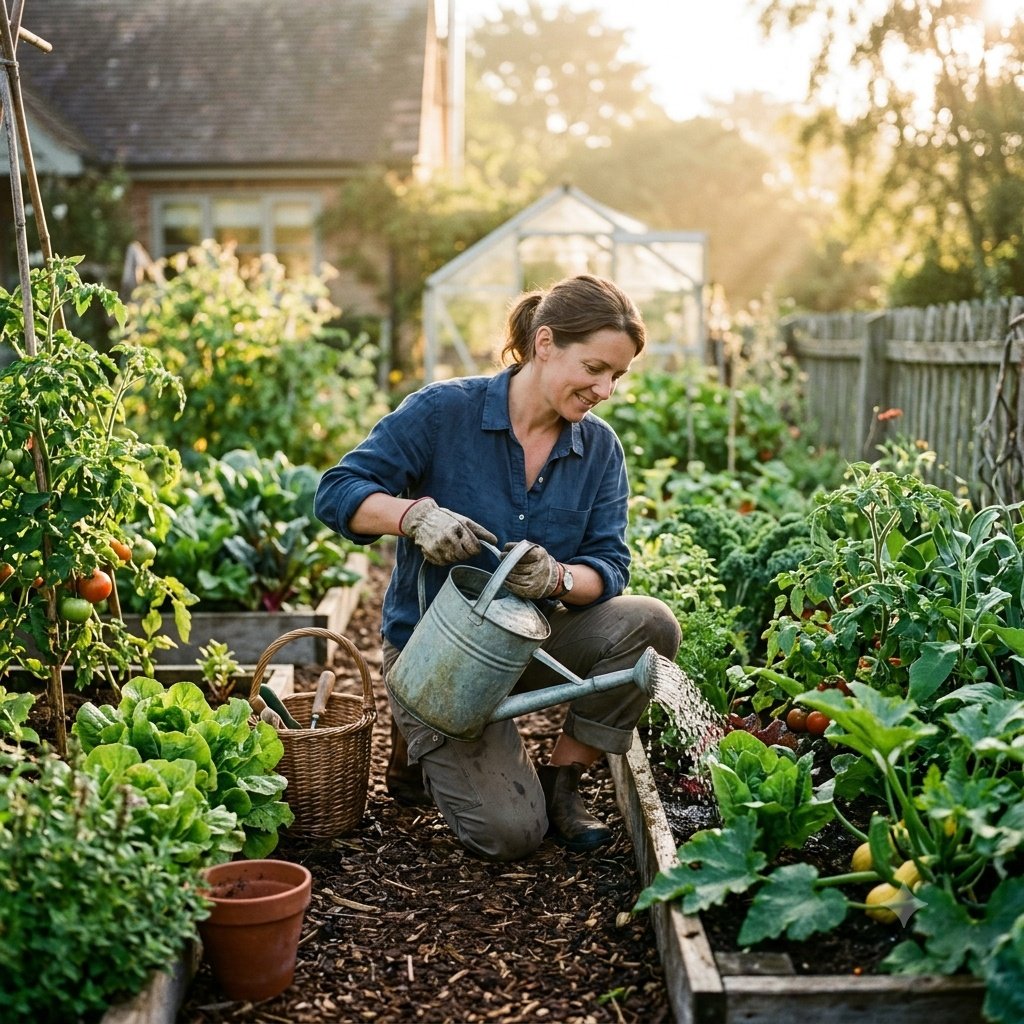
Step 8 – Water Your Garden the Right Way
Consistent watering is one of the most important parts of vegetable gardening.
Most vegetables prefer deep watering once or twice a week instead of frequent shallow watering.
Best Time to Water
Early morning is ideal.
This gives plants time to absorb moisture before the hottest part of the day while allowing leaves to dry quickly, reducing the chance of disease.
Check the Soil First
Rather than watering on a fixed schedule, check the soil.
Push your finger about two inches into the ground.
- If the soil feels dry, water deeply.
- If it’s still moist, wait another day.
Signs of Underwatering
- Wilting during the morning
- Dry, cracked soil
- Slow growth
- Small vegetables
Signs of Overwatering
- Constantly wet soil
- Yellow leaves
- Poor growth
- Mushy stems
Applying mulch around plants helps conserve moisture and reduces watering frequency during hot weather.
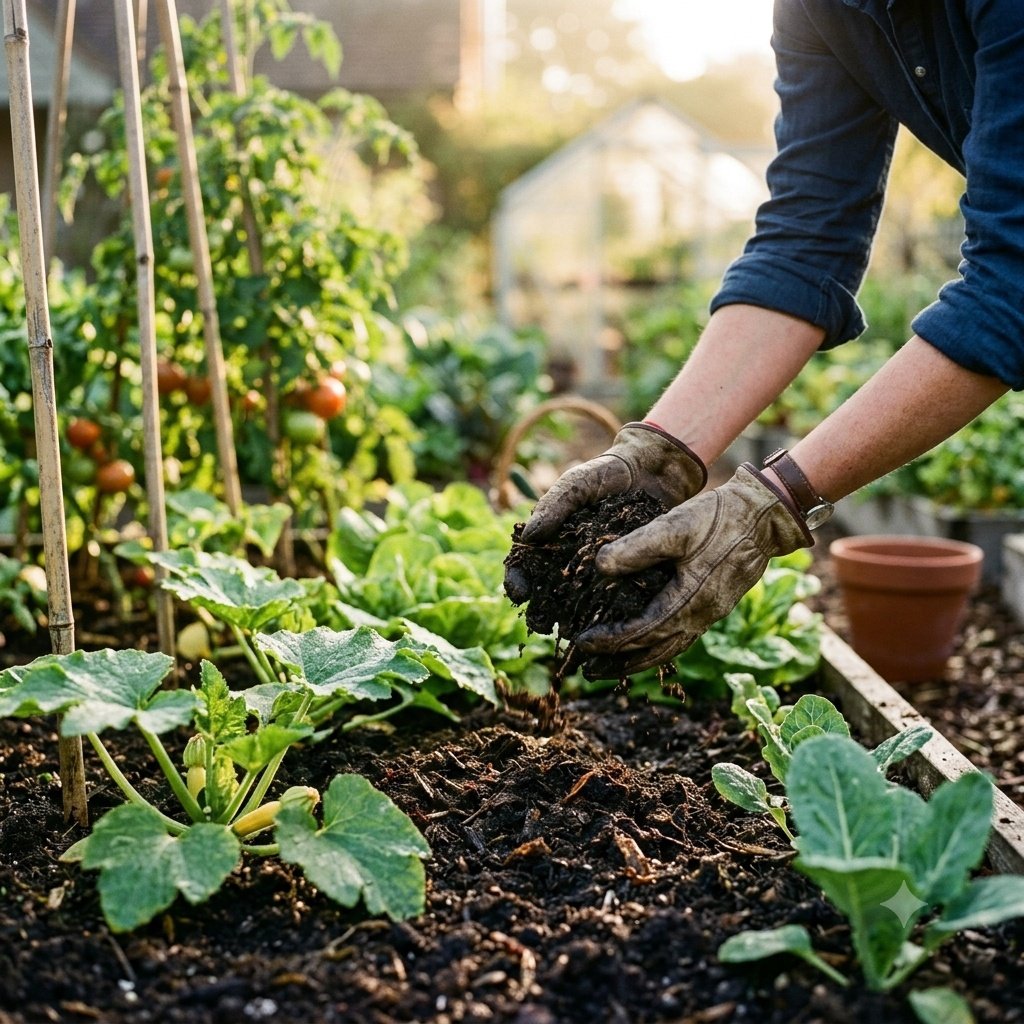
Step 9 – Feed Your Plants Naturally
Healthy vegetables need a steady supply of nutrients throughout the growing season. While compost-rich soil provides an excellent foundation, most vegetables benefit from occasional feeding as they grow, flower, and produce fruit.
The key is to feed your plants consistently rather than applying large amounts of fertilizer all at once.
Start with Compost
Compost is one of the best natural fertilizers for a home vegetable garden. It improves soil structure while slowly releasing nutrients that plants can absorb over time.
Before planting, mix compost into the soil. During the growing season, add a thin layer around established plants to replenish nutrients and improve moisture retention.
Choose Organic Fertilizers
Organic fertilizers release nutrients gradually, making them less likely to burn plants than many synthetic products.
Popular options include:
- Compost
- Worm castings
- Fish emulsion
- Seaweed fertilizer
- Organic vegetable fertilizer
Always follow the application instructions on the product label.
Simple Fertilizing Schedule
| Plant Type | Feeding Frequency |
|---|---|
| Leafy greens | Every 3–4 weeks |
| Tomatoes | Every 2–3 weeks after flowering |
| Peppers | Every 3 weeks |
| Cucumbers | Every 2–3 weeks |
| Herbs | Light feeding every 4–6 weeks |
Signs Your Plants Need Nutrients
Watch for these common symptoms:
- Slow growth
- Pale or yellow leaves
- Small fruit
- Poor flowering
- Weak stems
These symptoms don’t always mean your plants need fertilizer, but they are worth investigating.
Practical Tip
More fertilizer isn’t always better. Overfeeding often produces lush green leaves but fewer vegetables. Feed your plants according to their growth stage and avoid applying fertilizer to dry soil.
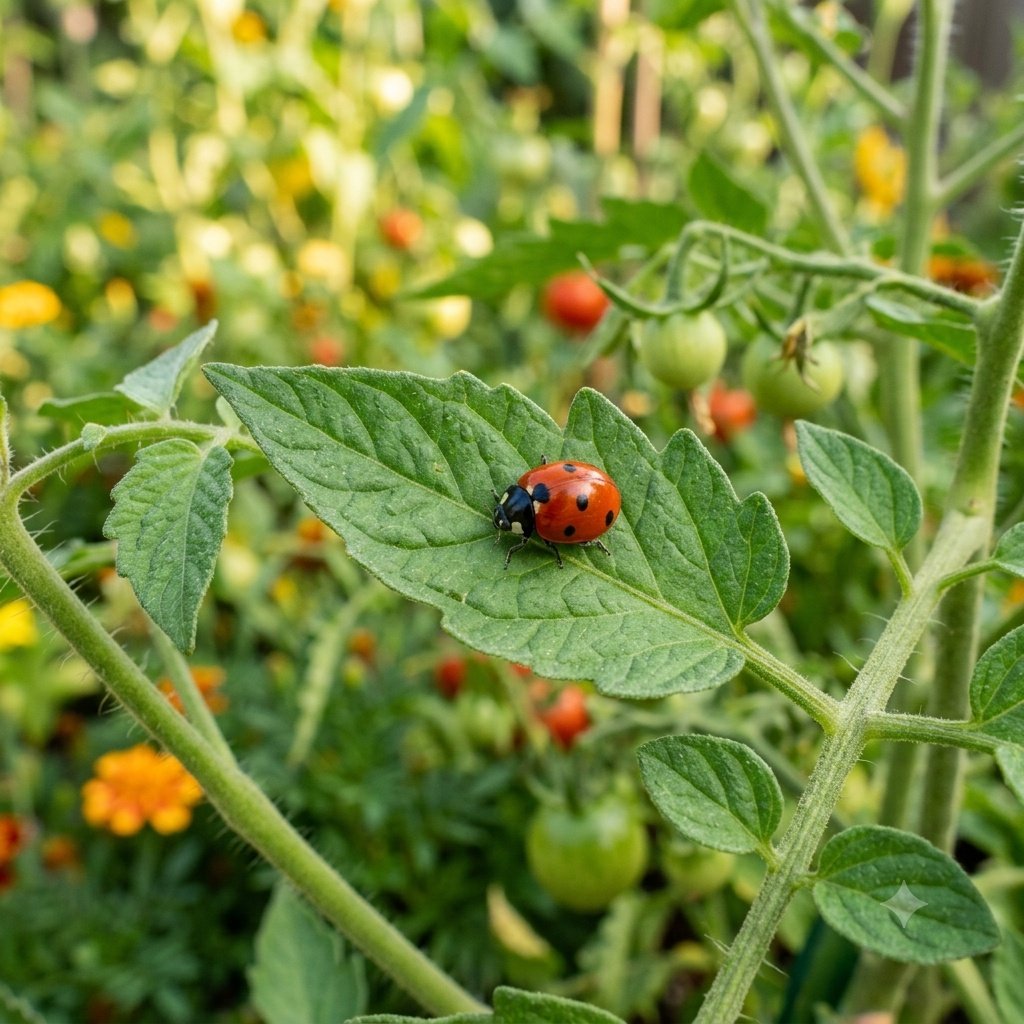
Step 10 – Prevent Pests Before They Become Problems
Every vegetable garden attracts insects. Fortunately, not every insect is harmful. Many, such as ladybugs and lacewings, actually help by feeding on common garden pests.
The goal isn’t to eliminate every bug. It’s to keep your garden balanced and healthy.
Inspect Your Garden Weekly
Spend a few minutes each week looking closely at your plants.
Check:
- The tops and undersides of leaves
- New growth
- Flower buds
- Developing vegetables
Catching problems early makes them much easier to manage.
Encourage Healthy Plants
Strong plants naturally resist pests better than stressed ones.
You can help by:
- Watering consistently
- Feeding appropriately
- Providing enough sunlight
- Avoiding overcrowding
- Removing diseased leaves promptly
Healthy soil remains your first line of defense.
Invite Beneficial Insects
Plant flowers like marigolds, alyssum, and calendula near your vegetables to attract pollinators and beneficial insects.
These helpful visitors can reduce populations of aphids and other common pests naturally.
Common Garden Pests and Natural Solutions
| Pest | Signs | Natural Solution |
|---|---|---|
| Aphids | Clusters on new growth | Spray with water or insecticidal soap |
| Tomato hornworms | Missing leaves | Hand-pick from plants |
| Slugs | Holes in leaves | Beer traps or hand removal |
| Cabbage worms | Chewed leaves | Floating row covers |
| Whiteflies | Tiny white insects | Yellow sticky traps |
Beginner Mistake
Reaching for pesticides as soon as you see an insect.
Instead, identify the pest first. Many insects are beneficial, and unnecessary spraying can harm pollinators and natural predators.
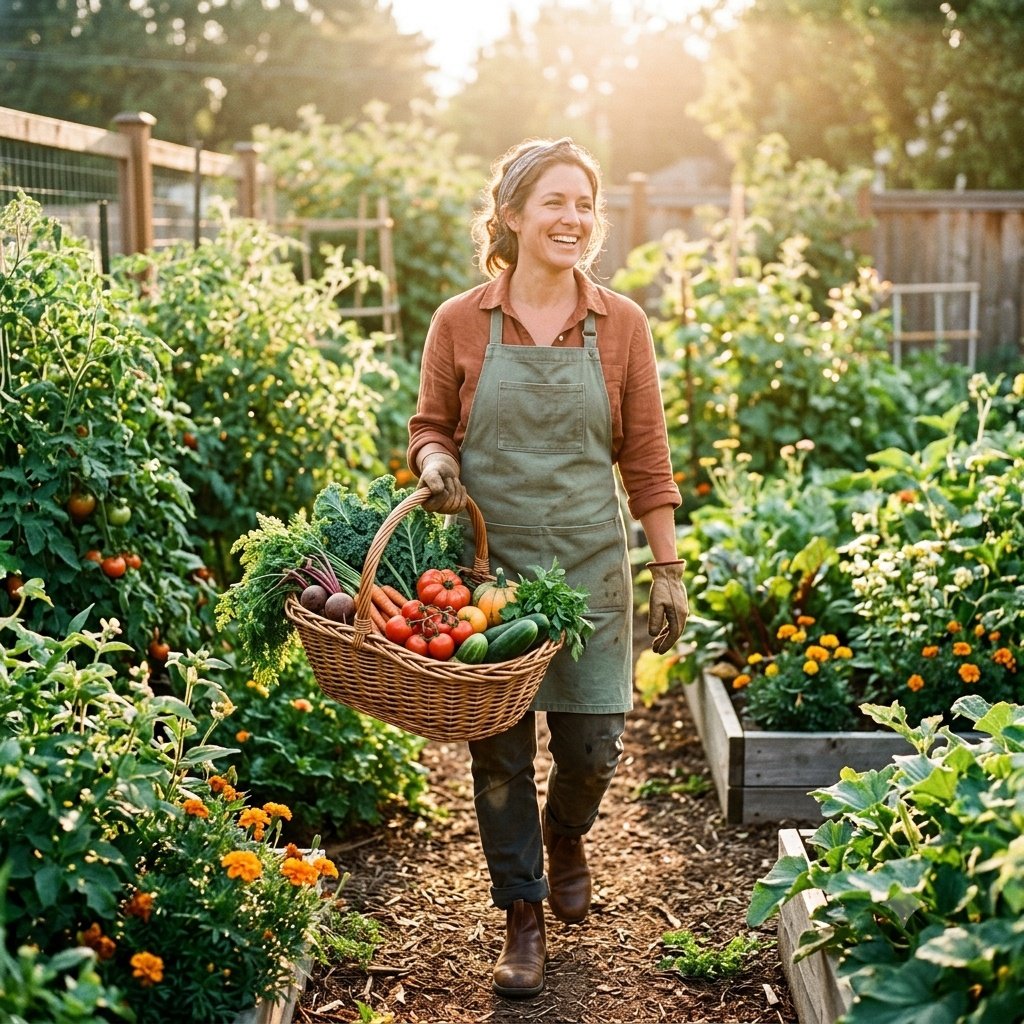
Step 11 – Harvest at the Right Time
Harvesting is the most rewarding part of vegetable gardening.
Picking vegetables at the right stage improves flavor, encourages many plants to continue producing, and helps prevent waste.
Harvest Frequently
Many vegetables become more productive when harvested regularly.
Examples include:
- Beans
- Cucumbers
- Zucchini
- Tomatoes
- Herbs
Leaving mature vegetables on the plant often slows future production.
Harvest in the Morning
Whenever possible, harvest during the cool morning hours.
Vegetables tend to be:
- Crisper
- Better hydrated
- More flavorful
Leafy greens especially benefit from early harvesting.
Know When Vegetables Are Ready
| Vegetable | Harvest When |
|---|---|
| Lettuce | Outer leaves reach usable size |
| Tomatoes | Fully colored and slightly soft |
| Cucumbers | Firm and bright green |
| Bush Beans | Smooth before seeds bulge |
| Zucchini | 6–8 inches long |
| Radishes | About 1 inch in diameter |
Pro Tip
Use clean pruners or scissors for vegetables that don’t pull away easily. This reduces damage to stems and encourages continued production.
What I Wish Every Beginner Knew
Every experienced gardener has made mistakes.
Plants die.
Seeds fail to germinate.
Weather doesn’t always cooperate.
That’s completely normal.
The gardeners who succeed aren’t the ones with perfect gardens. They’re the ones who keep learning.
A few lessons that make a big difference:
- Start smaller than you think you should.
- Spend five minutes observing your plants every day.
- Healthy soil solves many problems.
- Water deeply instead of frequently.
- Harvest often.
- Keep a simple notebook of what worked and what didn’t.
Your first season isn’t about perfection—it’s about gaining experience.
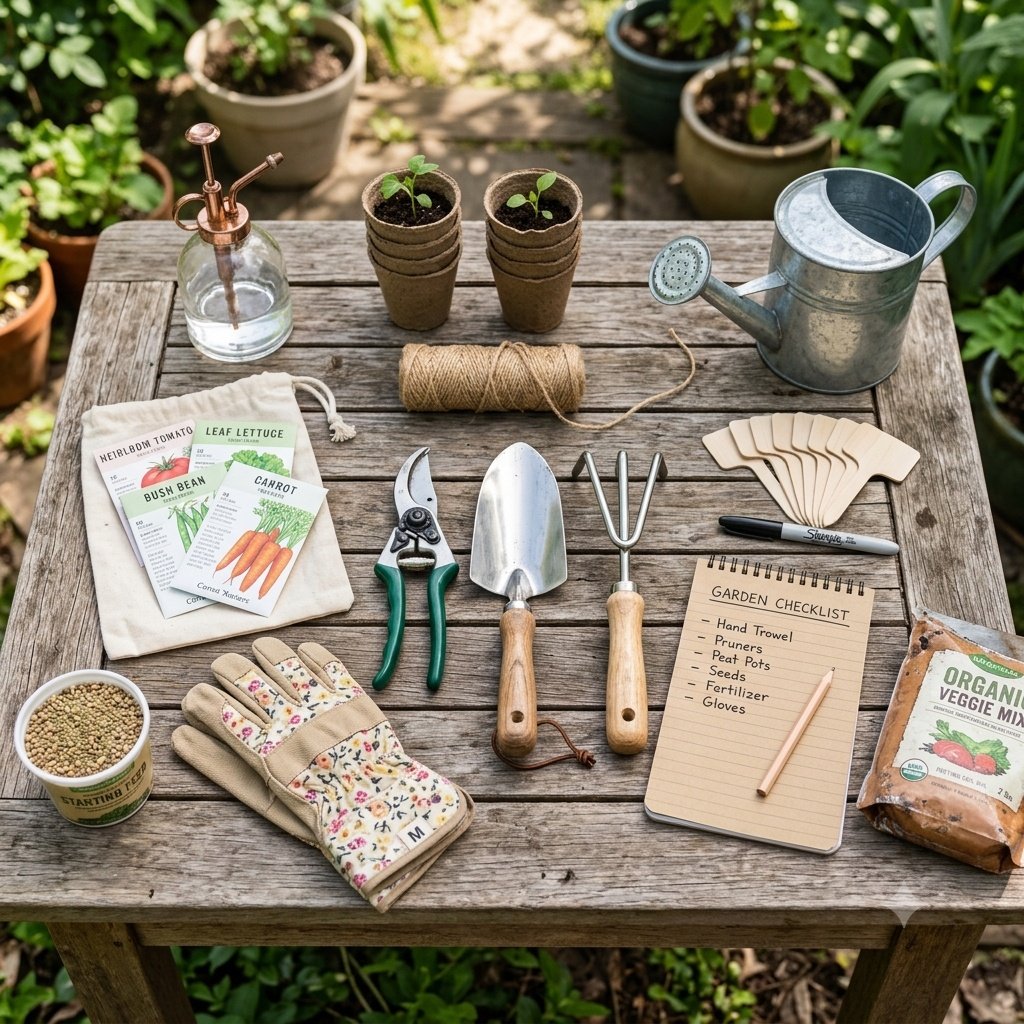
Beginner’s Vegetable Garden Shopping Checklist
Before planting, make sure you have:
Essentials
- Vegetable seeds or seedlings
- Compost
- Organic mulch
- Gardening gloves
- Hand trowel
- Watering can or hose
- Hand pruners
- Plant labels
- Organic fertilizer
Optional but Helpful
- Raised bed kit
- Soil test kit
- Moisture meter
- Drip irrigation system
- Garden kneeler
- Compost bin
Related Reads
You might find these helpful as you keep going:
7 Best Fertilizers for Raised Beds (Top Picks + Feeding Guide)
7 Best Self-Watering Systems for Balcony Vegetable Gardens (That Actually Work)
7 July Tasks for the Midsummer Garden
FAQs
Can I start a vegetable garden with no experience?
Yes. Many vegetables are easy to grow, and this guide covers the basics you need to get started successfully.
What’s the easiest vegetable to grow?
Radishes, lettuce, bush beans, spinach, and herbs are among the easiest choices for beginners.
How much sunlight do vegetables need?
Most vegetables grow best with six to eight hours of direct sunlight each day.
Is a raised bed better than planting in the ground?
Raised beds are often easier for beginners because they provide better drainage, improved soil control, and fewer weeds.
How often should I water my vegetable garden?
Water deeply when the top two inches of soil feel dry. Most gardens need watering once or twice a week, depending on the weather.
Can I grow vegetables in containers?
Absolutely. Tomatoes, peppers, lettuce, herbs, spinach, and bush beans all perform well in containers.
How long does it take to harvest vegetables?
Fast-growing crops like radishes can be ready in about 25–30 days, while tomatoes usually take 70–90 days.
What’s the biggest mistake beginners make?
Starting with a garden that’s too large. Beginning with a manageable space helps you build confidence and maintain healthy plants.
Final Thoughts
Starting a vegetable garden doesn’t require a perfect backyard or years of experience. What matters most is taking that first step.
Choose a sunny location, prepare healthy soil, plant a few reliable vegetables, and spend a little time observing your garden each week. Every season will teach you something new, and those lessons are what turn beginners into confident gardeners.
Remember, you don’t need to grow everything at once. A single raised bed or a few containers can provide fresh vegetables, valuable experience, and the motivation to expand your garden in the future.
The best time to start your vegetable garden is when you’re ready to plant that first seed.