
What if your first garden didn’t take months of planning, expensive gear, or a ton of trial and error?
Most people never start because it feels… unclear. Too many choices. Too many tools. And somehow every guide assumes you already know the basics.
You don’t need any of that.
You need a clear starting point—and a little momentum.
This is a 7-day plan built for complete beginners. No experience. No guesswork. Just simple steps you can follow, one day at a time, until you’ve got something real growing.
And yes—you can get everything you need quickly, so you don’t lose that early motivation.
Why Starting Your First Garden Right Now Makes Sense
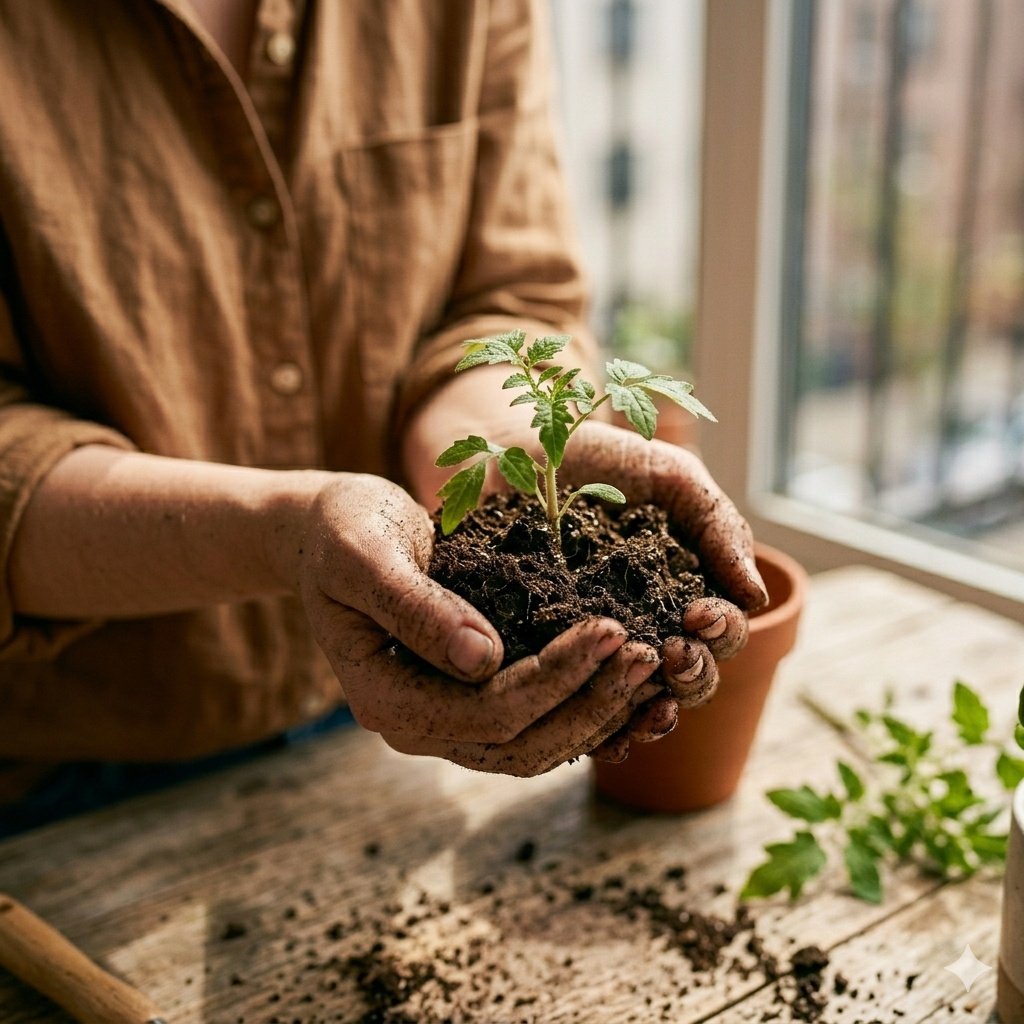
There’s something different about eating food you grew yourself. Even if it’s just a handful of basil or a few tomatoes—it hits differently.
But the benefits go beyond that.
You save money over time, especially on herbs and leafy greens. You control what goes into your food. No mystery chemicals. No guessing.
And then there’s the mental side.
Watering plants, checking leaves, seeing small changes day by day—it slows things down in a good way. It gives you something steady to care for.
For a lot of people, that’s the real hook.
Not perfection. Just progress.
What You Need Before You Start (Don’t Skip This)
Most beginners quit early for a simple reason: they try to start without the right setup.
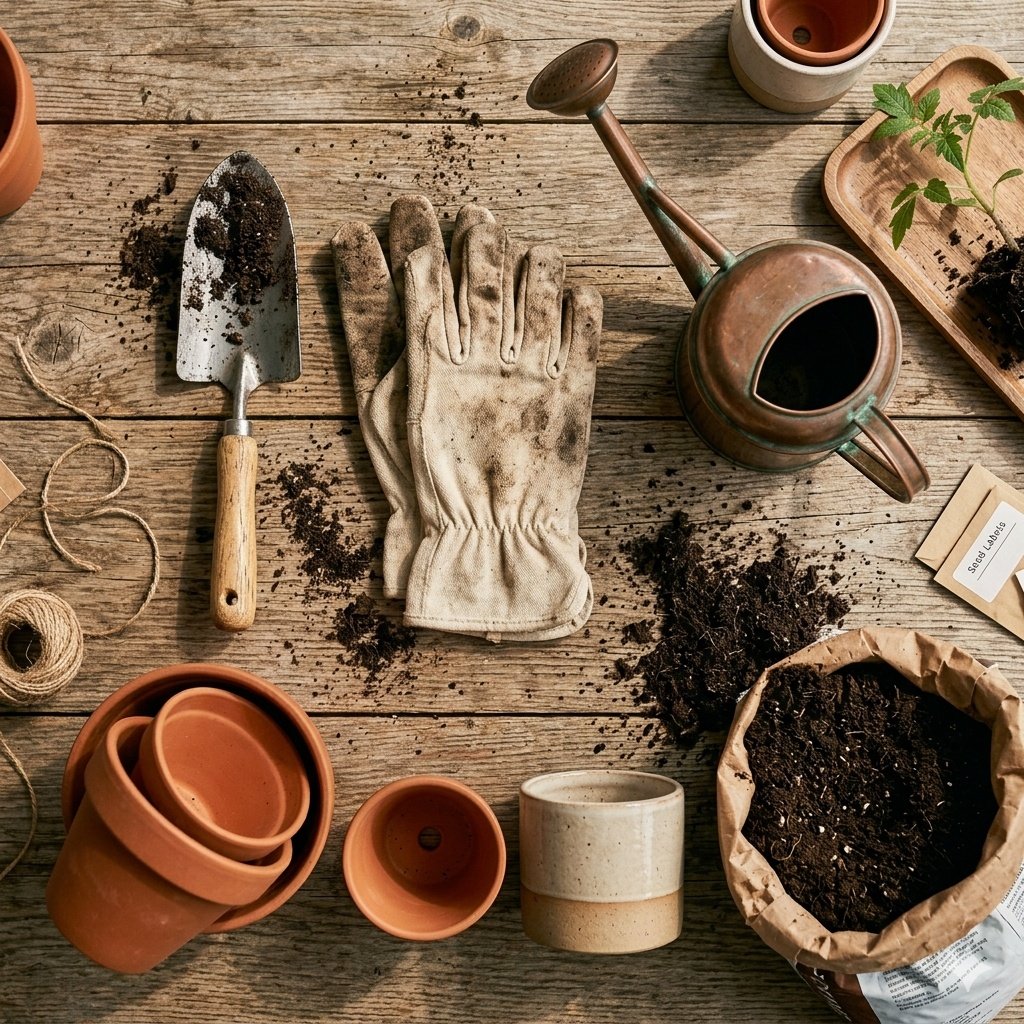
You don’t need much to start your First Garden—but you do need a few basics ready before Day 1.
Here’s the short list:
| Item | Why You Need It | Beginner Tip |
|---|---|---|
| Hand Trowel | Digging and planting | Choose one with a comfortable grip |
| Watering Can | Controlled watering | Avoid dumping too much water |
| Pots/Containers | Space for plants | Start with 2–3 medium pots |
| Potting Soil | Healthy plant growth | Don’t use backyard dirt |
| Seeds/Seedlings | Your actual plants | Seedlings are easier for beginners |
| Gloves | Protect your hands | Not required—but helpful |
That’s it.
The mistake people make? They try to improvise everything. Poor soil. Random containers. No proper tools.
It works—for a while. Then plants struggle, and motivation drops.
Getting everything ready upfront removes friction. You can move straight into action instead of pausing halfway through.
And if you can get these delivered quickly, even better. Waiting a week for supplies is often enough to kill the momentum.
Pro Tip:
Most beginners quit early—not because gardening is hard, but because they don’t have the right tools ready when they need them.
Quick Start Advantage:
You can get all these essentials delivered to your doorstep in just 1–2 days with an Amazon Prime free trial, so you can start your garden without delays.
Your 7-Day Plan to Start a Garden
No rushing. No overwhelm. Just one step each day.
Day 1: Choose Your Garden Type
Start small. That’s the whole strategy.
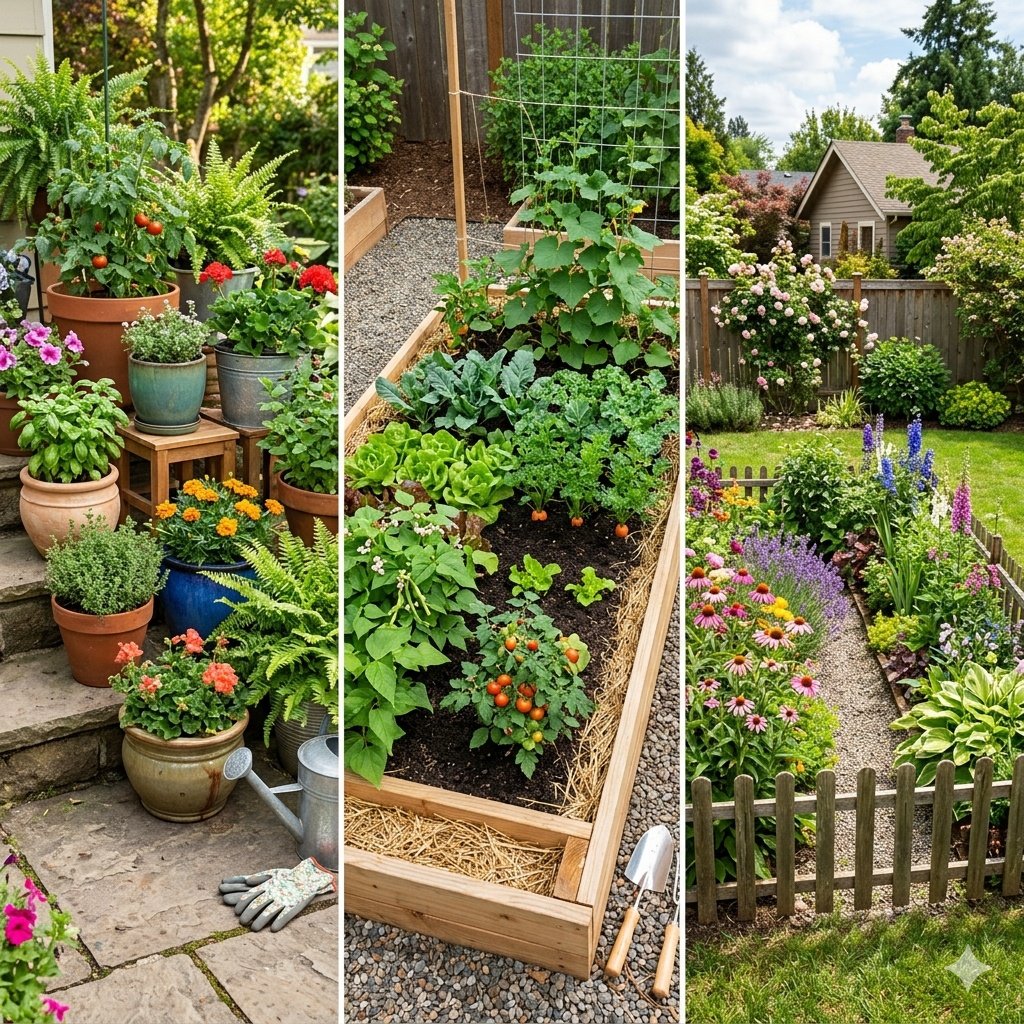
You’ve got three main options:
- Containers (pots on a balcony or indoors)
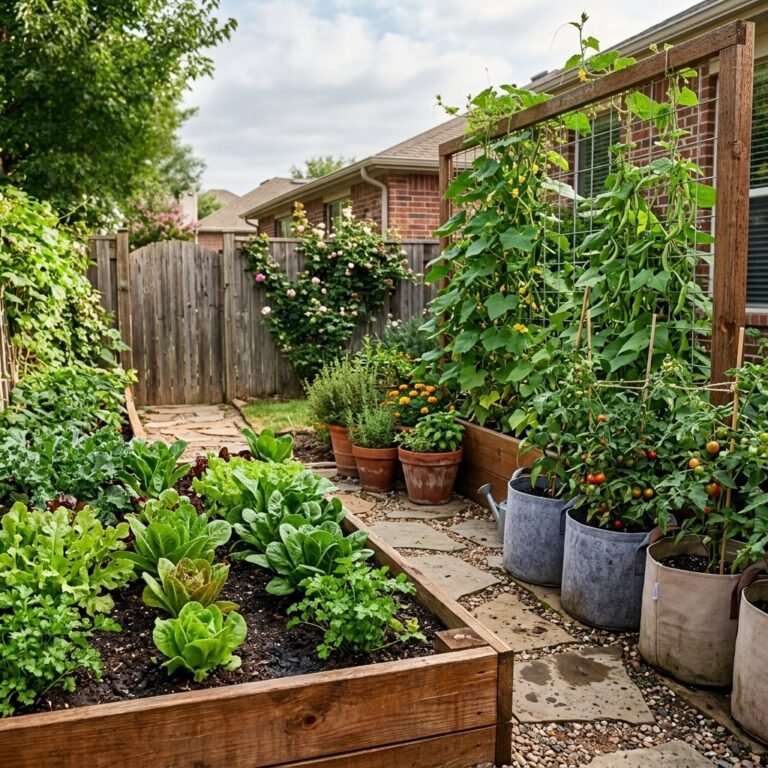
- Raised beds
- A small backyard patch
If you’re new, containers are the easiest. Less mess. More control. Easy to adjust if something goes wrong.
Raised beds come next—they’re great if you have space but still want structure.
Full backyard gardens? Save that for later.
Right now, your goal isn’t to build a perfect setup. It’s to start something you can manage without stress.
Day 2: Pick the Right Location
Plants need light. No way around it.
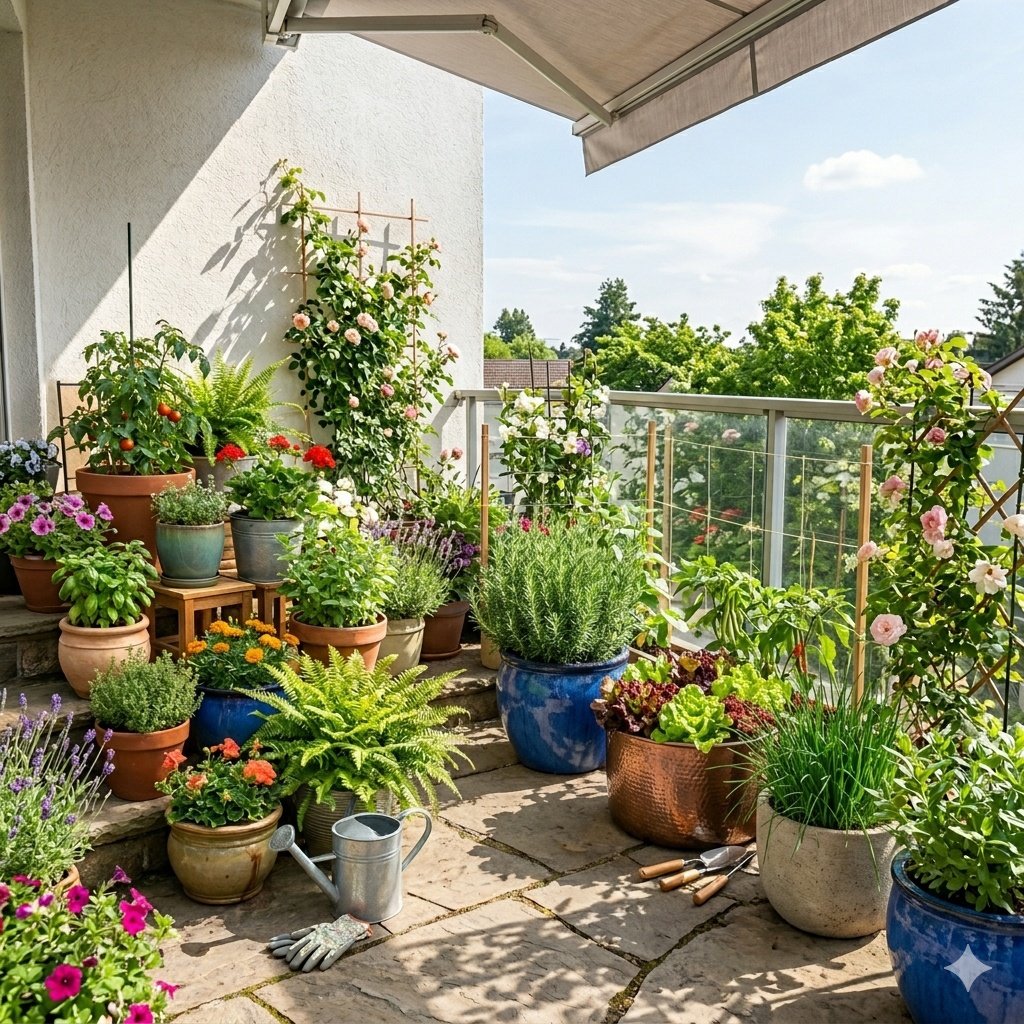
Look for a spot that gets at least 6–8 hours of sunlight a day. That could be:
- A balcony
- A windowsill
- A corner of your yard
Also check:
- Drainage (water shouldn’t pool)
- Accessibility (you’ll need to water daily)
One common mistake? Choosing a spot that looks nice but stays in shade most of the day.
Plants will grow—but slowly, weakly, and inconsistently.
Sunlight is the difference between “this is working” and “why is nothing happening?”
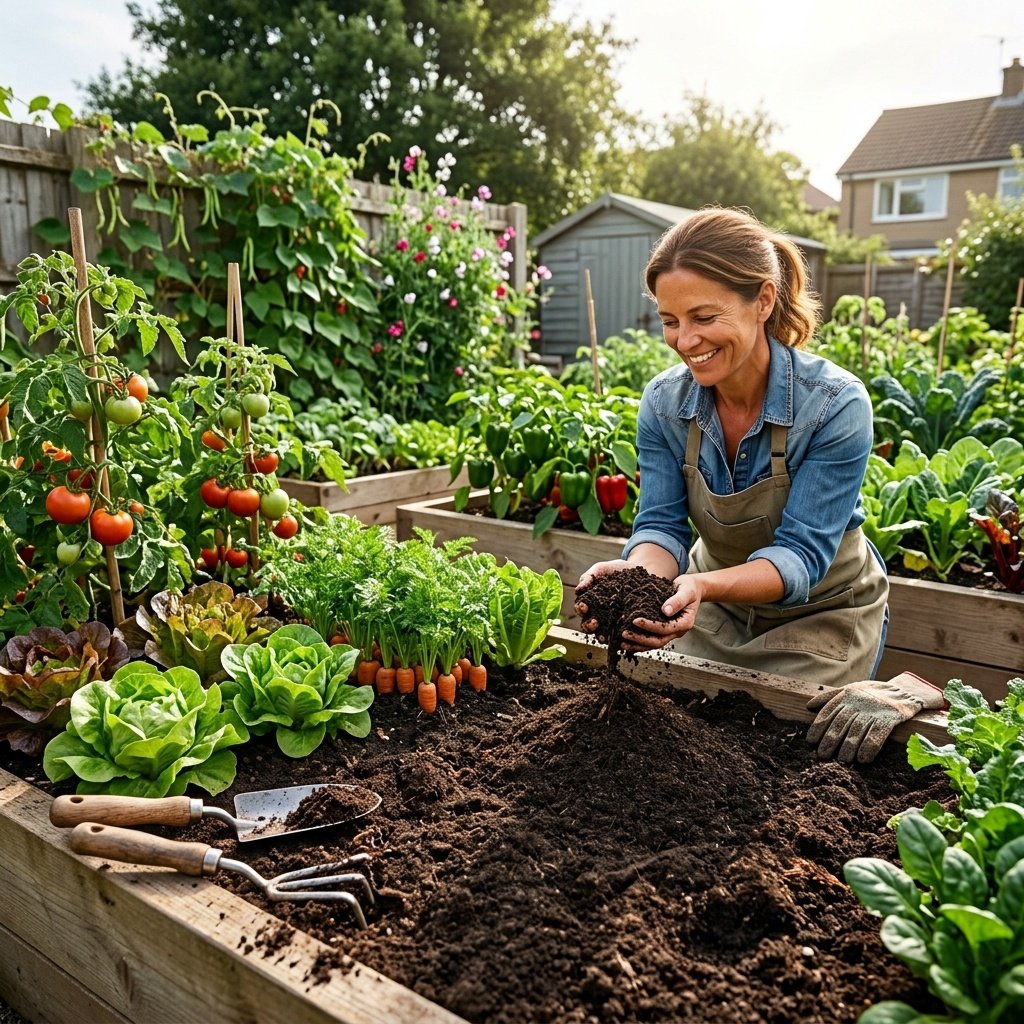
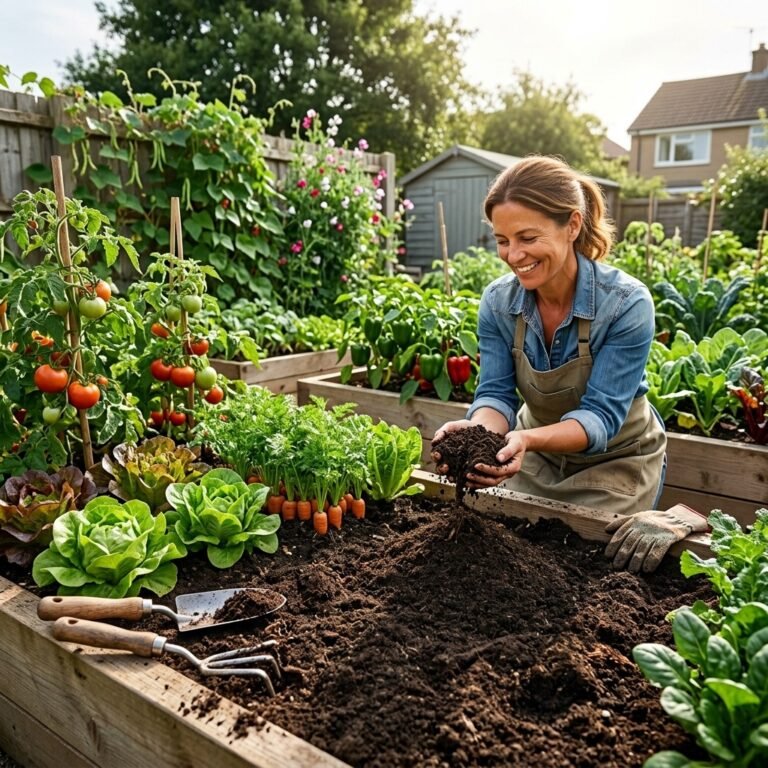
Day 3: Prepare Your Soil
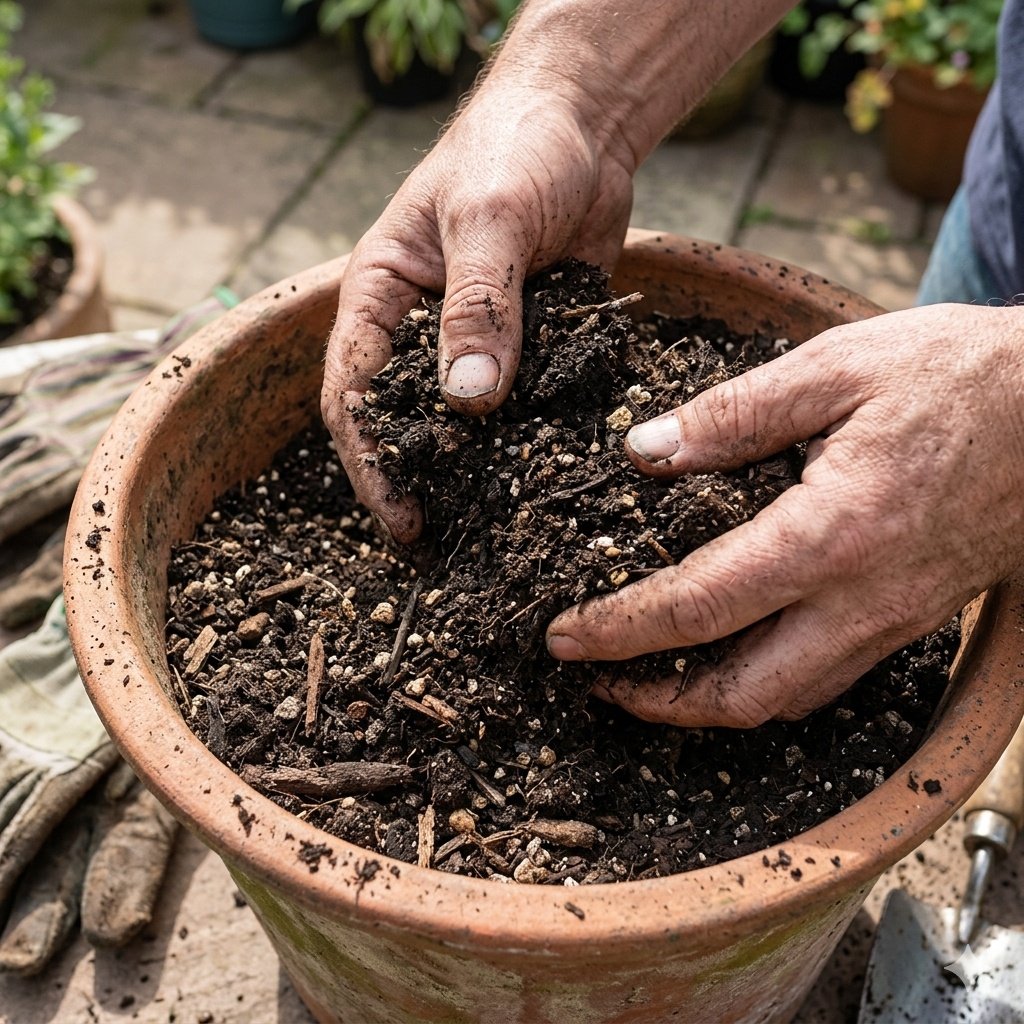
Soil isn’t just dirt. It’s the entire environment your plants live in.
Good soil holds moisture but drains well. It gives roots space to grow. It carries nutrients.
Bad soil does the opposite.
If you’re using containers, go with a ready-made potting mix. It saves time and avoids beginner mistakes.
If you’re working with ground soil, mix in compost or organic material to improve it.
Don’t overthink it. You’re not trying to engineer the perfect blend.
You just want soil that’s loose, clean, and able to support growth.
Day 4: Choose Easy Plants
This is where most people go wrong.
They pick plants based on what they like—not what’s easy.
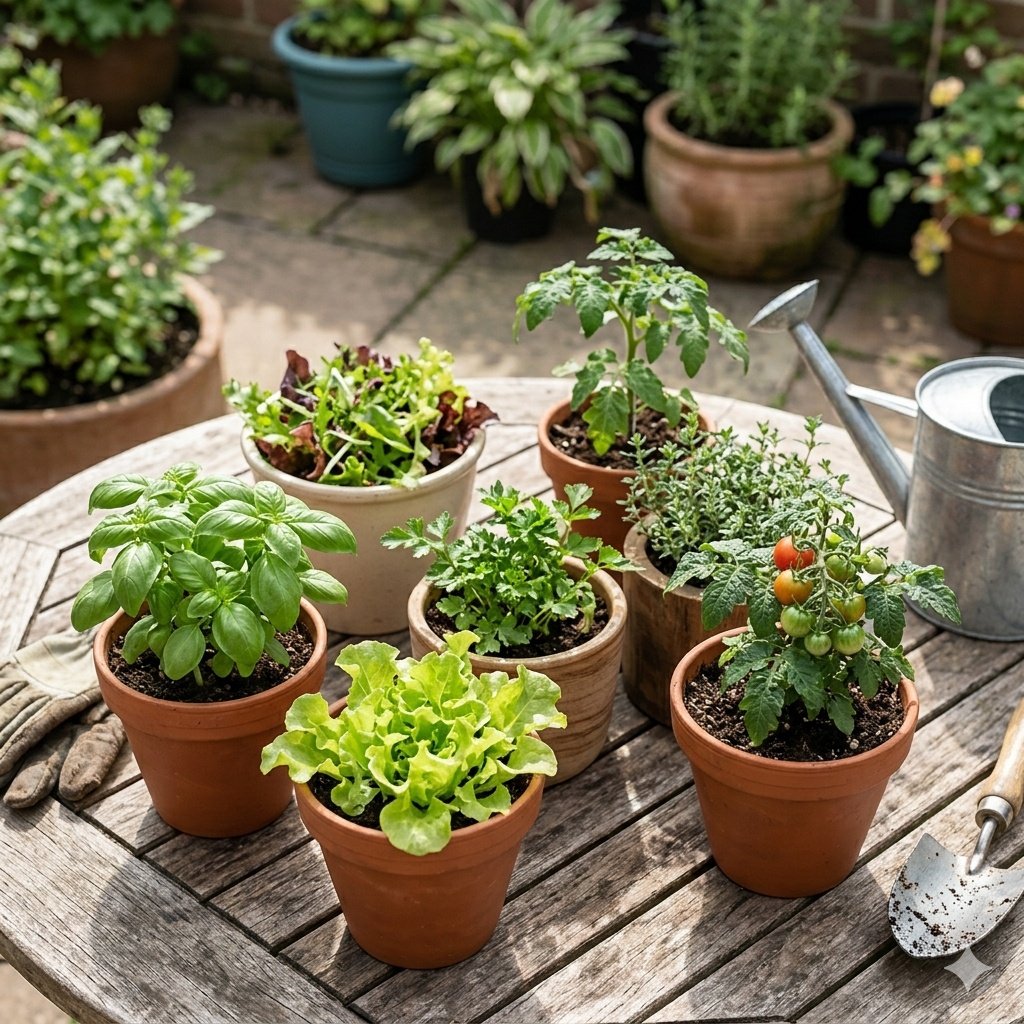
Start with plants that grow fast and don’t need constant attention:
- Lettuce
- Spinach
- Basil
- Mint
- Cherry tomatoes
These give quick results. And quick results keep you motivated.
Avoid anything that needs precise conditions or long growing times.
You’re building confidence here, not testing your patience.
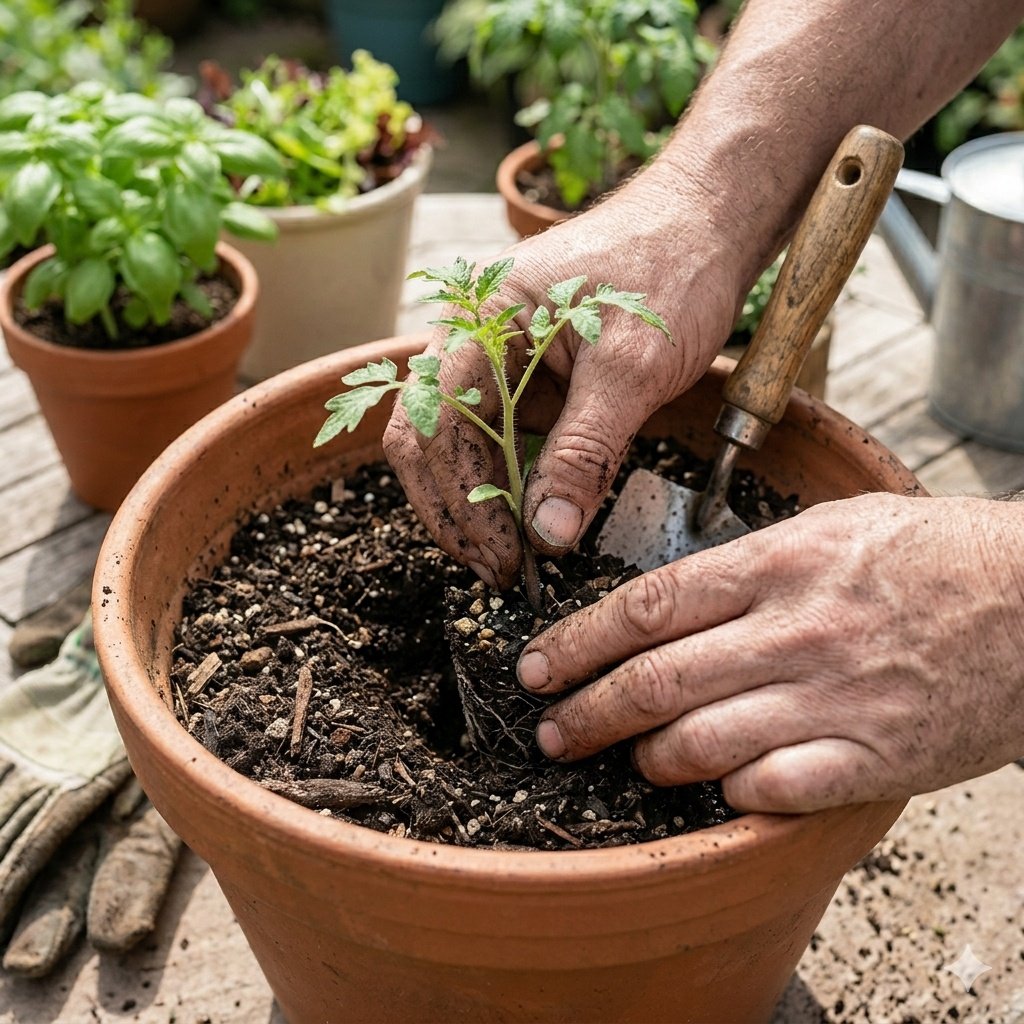
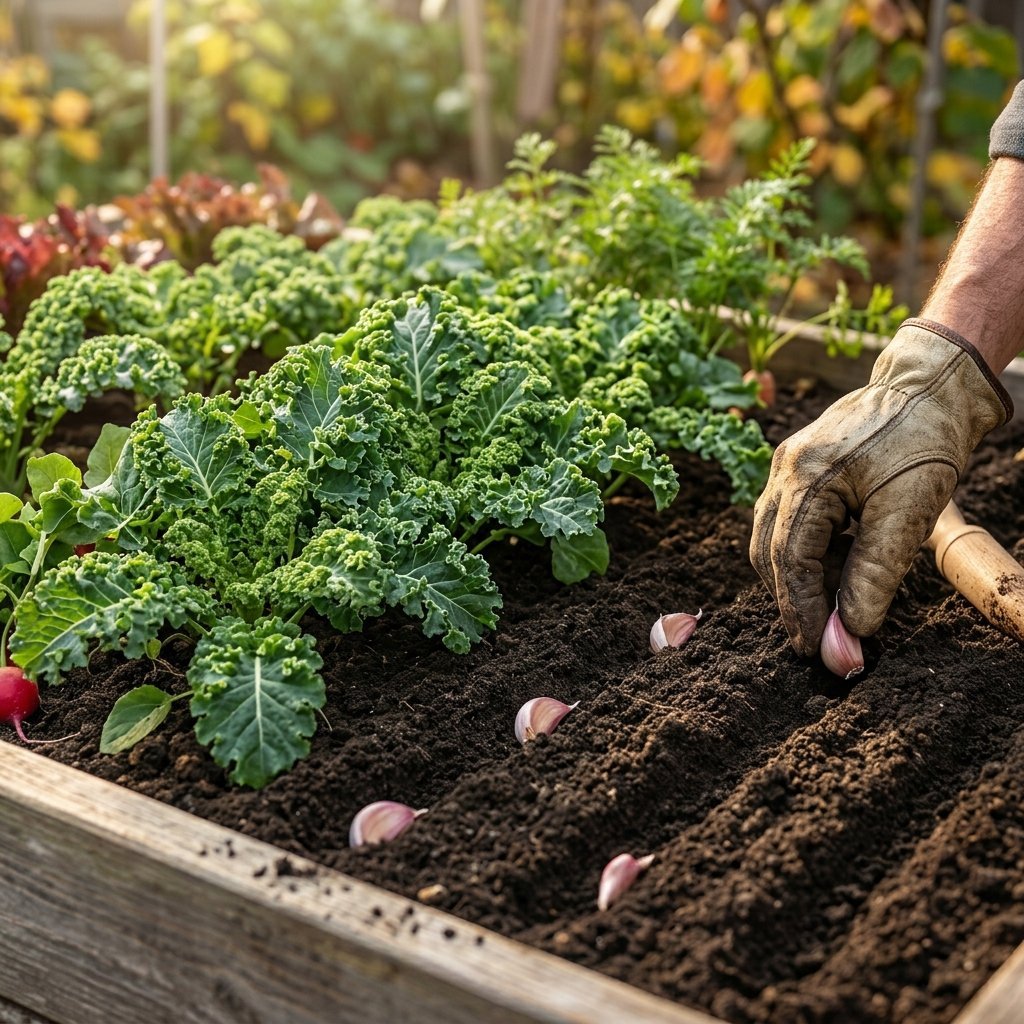
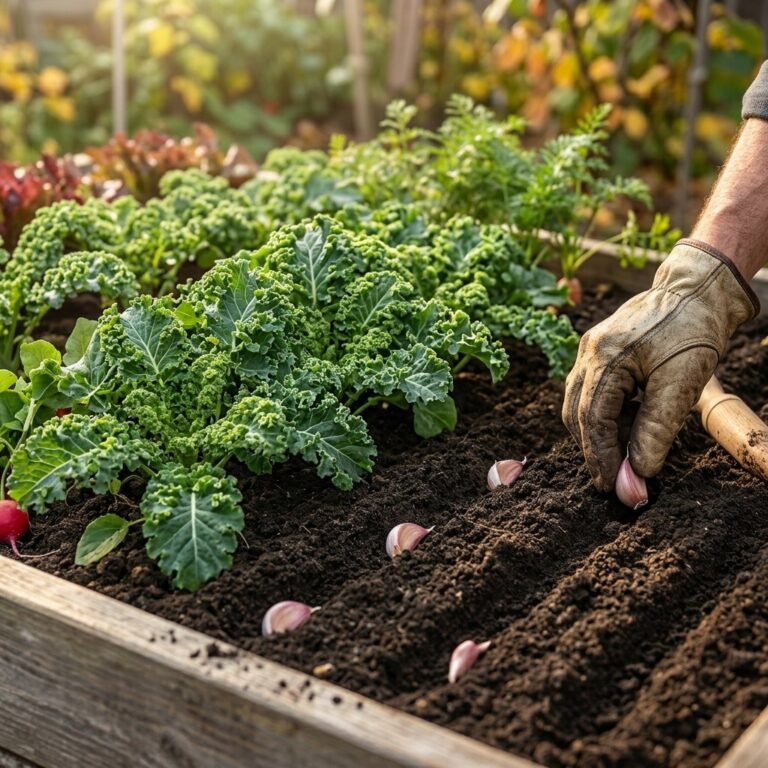
Day 5: Plant Your Seeds or Seedlings
Now you actually plant.
If you’re using seeds:
- Don’t plant them too deep
- Follow spacing instructions
- Water lightly after planting
If you’re using seedlings:
- Gently remove them from their containers
- Place them in soil at the same depth
- Press soil lightly around them
The biggest mistake here is overcrowding.
It’s tempting to plant everything close together—more plants, more results, right?
Not really.
Crowded plants compete for light, water, and nutrients. Growth slows down. Some don’t survive.
Give them space. It pays off.
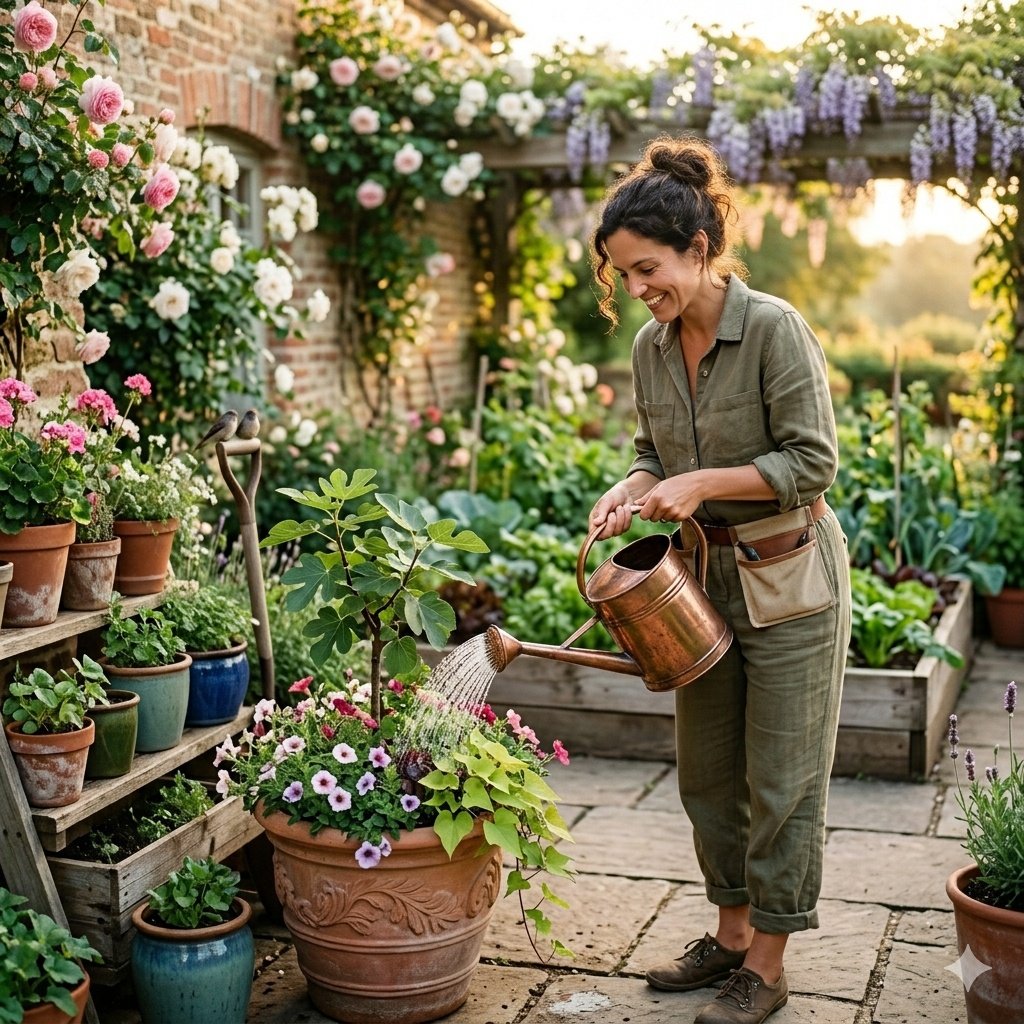
Day 6: Watering and Basic Care
This is where consistency matters more than effort.
Water your plants when the soil feels dry—not on a fixed schedule.
A quick check with your finger works fine.
Morning is the best time to water. It gives plants what they need before the heat kicks in.
And don’t overdo it.
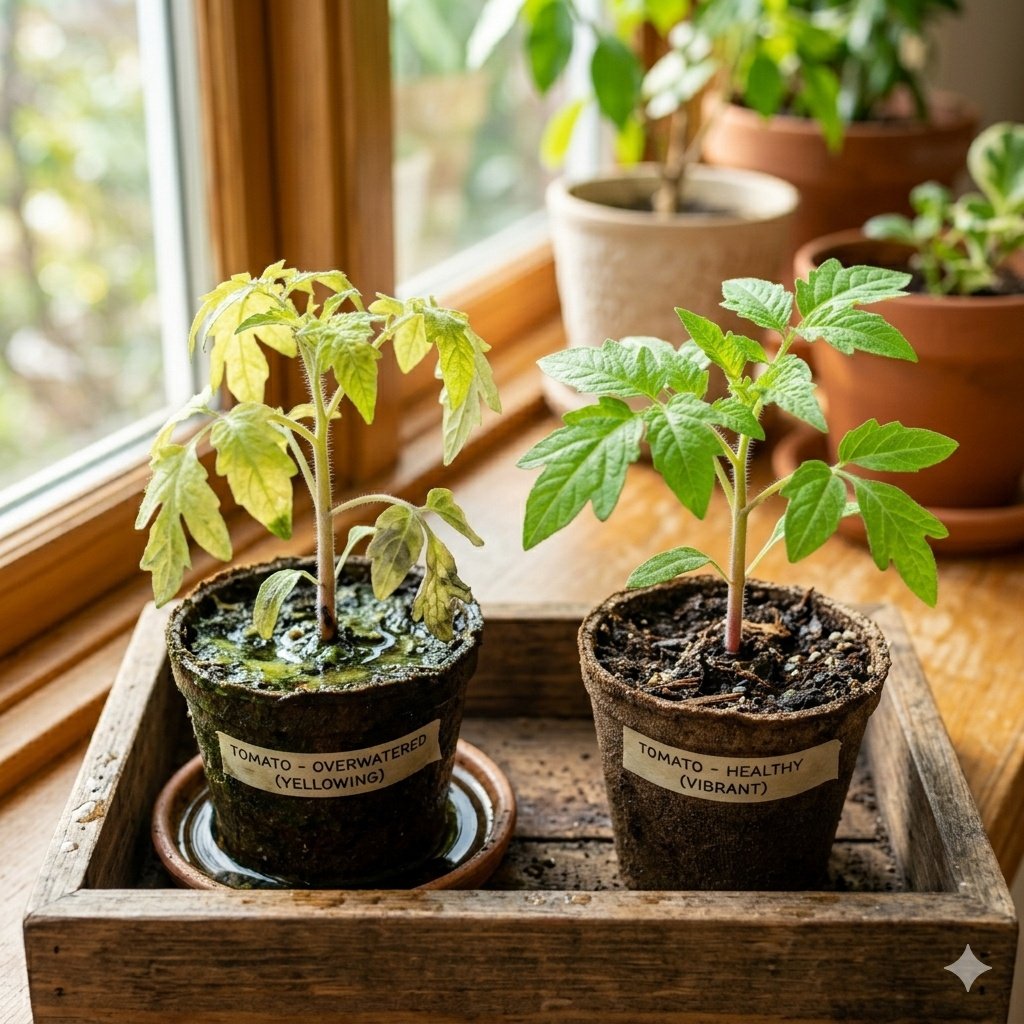
Too much water is just as bad as too little. Roots need air as much as moisture.
If leaves start yellowing or soil feels constantly wet, pull back.
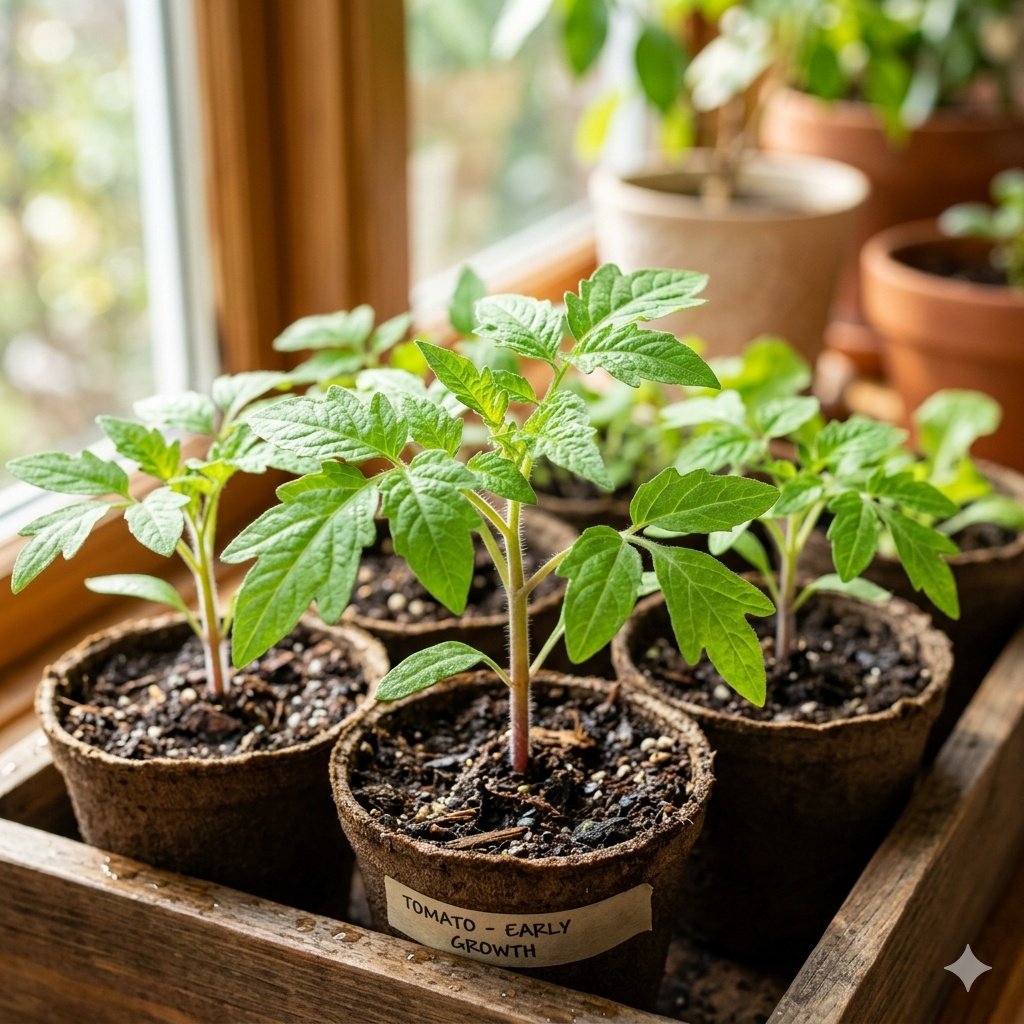
Day 7: Check Growth and Maintain
By now, you should see small signs of life.
New leaves. Slight growth. Healthier color.
This is your feedback loop.
Take a few minutes to:
- Remove any weeds
- Adjust watering if needed
- Check for damage or discoloration
You’re not fixing everything. You’re just observing and responding.
And here’s the part people don’t say enough:
At this point—you’re already a gardener.
Not when everything is perfect. Not when you harvest.
Right here.
Why Fast Setup Matters More Than You Think
There’s a small window when motivation is high.
You’ve decided to start. You’re curious. Maybe even a little excited.
If that energy gets interrupted—waiting on tools, missing supplies—it fades quickly.
That’s why getting everything ready fast makes a difference.
It keeps you moving from idea to action without delay.
And once you’ve planted something, you’re invested.
That’s when habits start forming.
Common Beginner Mistakes (And How to Avoid Them)
Most problems come from doing too much, too soon.
Starting with a huge garden sounds ambitious—but it usually leads to burnout.
Overwatering is another big one. People assume more care equals better growth.
It doesn’t.
Choosing difficult plants early on slows everything down. You want quick wins, not constant troubleshooting.
Ignoring sunlight is a silent issue. Plants may grow—but not well.
And then there’s tools.
Trying to “make do” with random items can work—but it often creates more friction than it saves.
A simple setup, done right, avoids most of these issues before they even show up.
A Few Tips That Make Everything Easier
Start with just 2–3 plants. That’s enough to learn without feeling overwhelmed.
Check on them daily—even for a minute. You’ll notice changes faster.
Keep things simple. No complicated routines.
And expect small mistakes.
That’s part of it.
Plants are forgiving. You’ll figure things out as you go.
Beginner Garden Layout Ideas
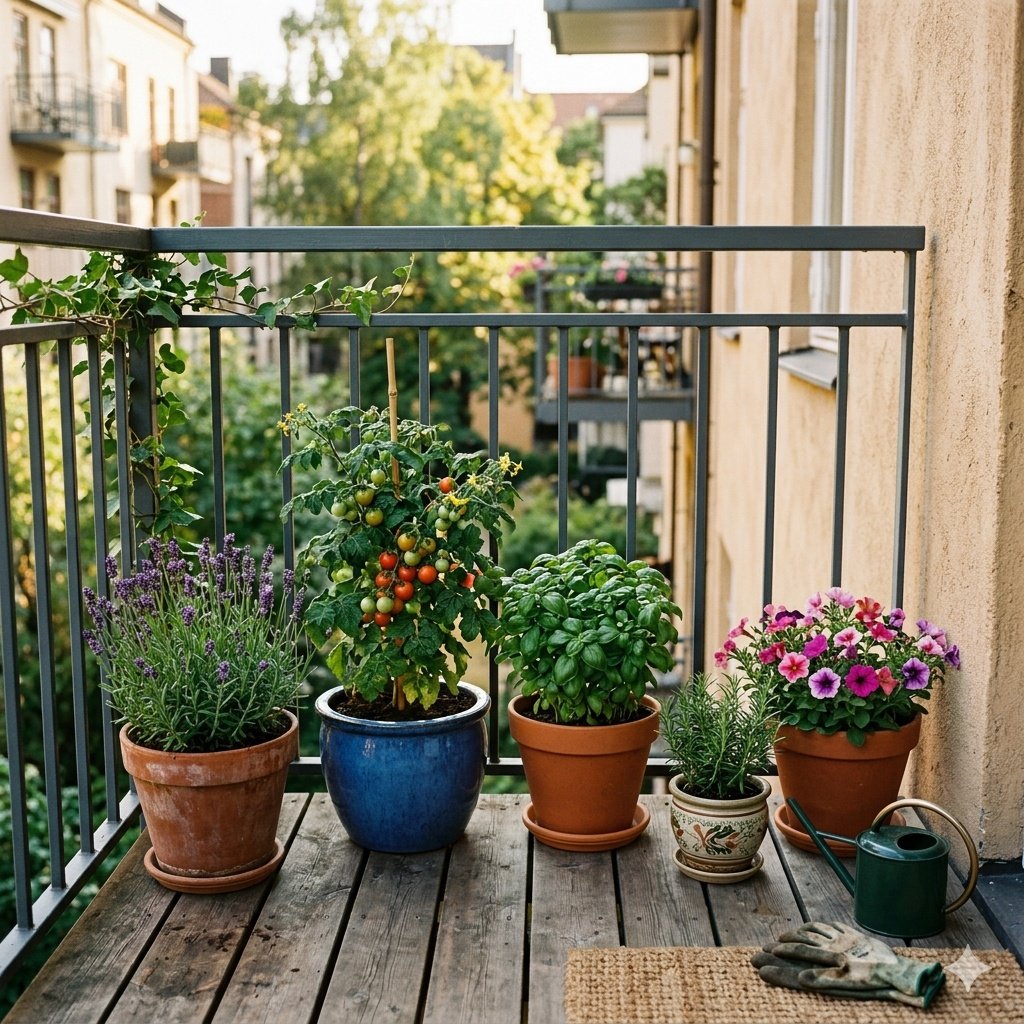
If space is tight, you’ve still got options.
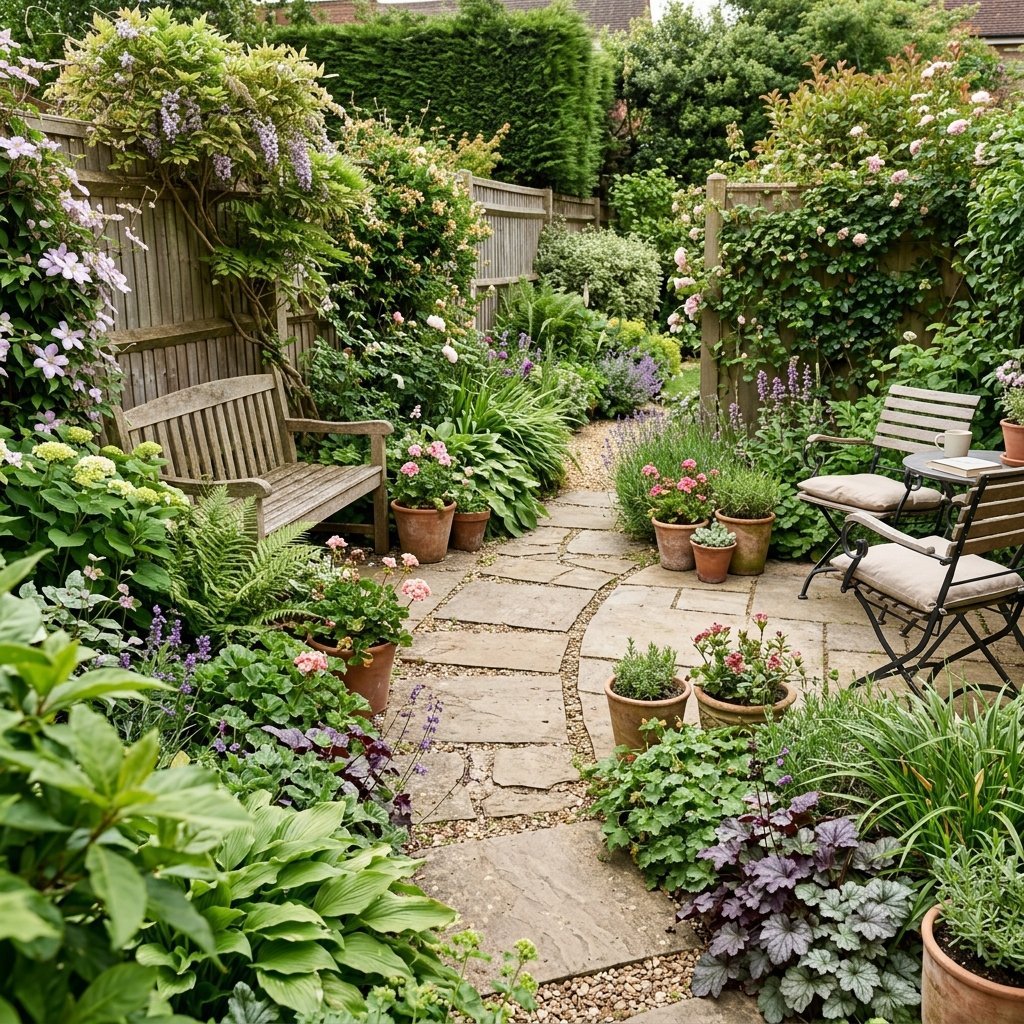
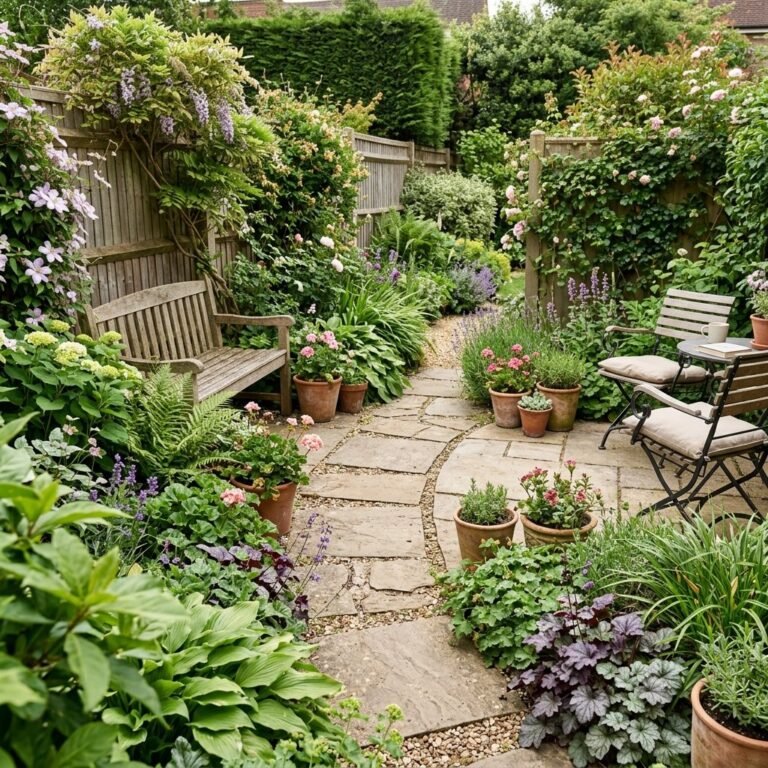
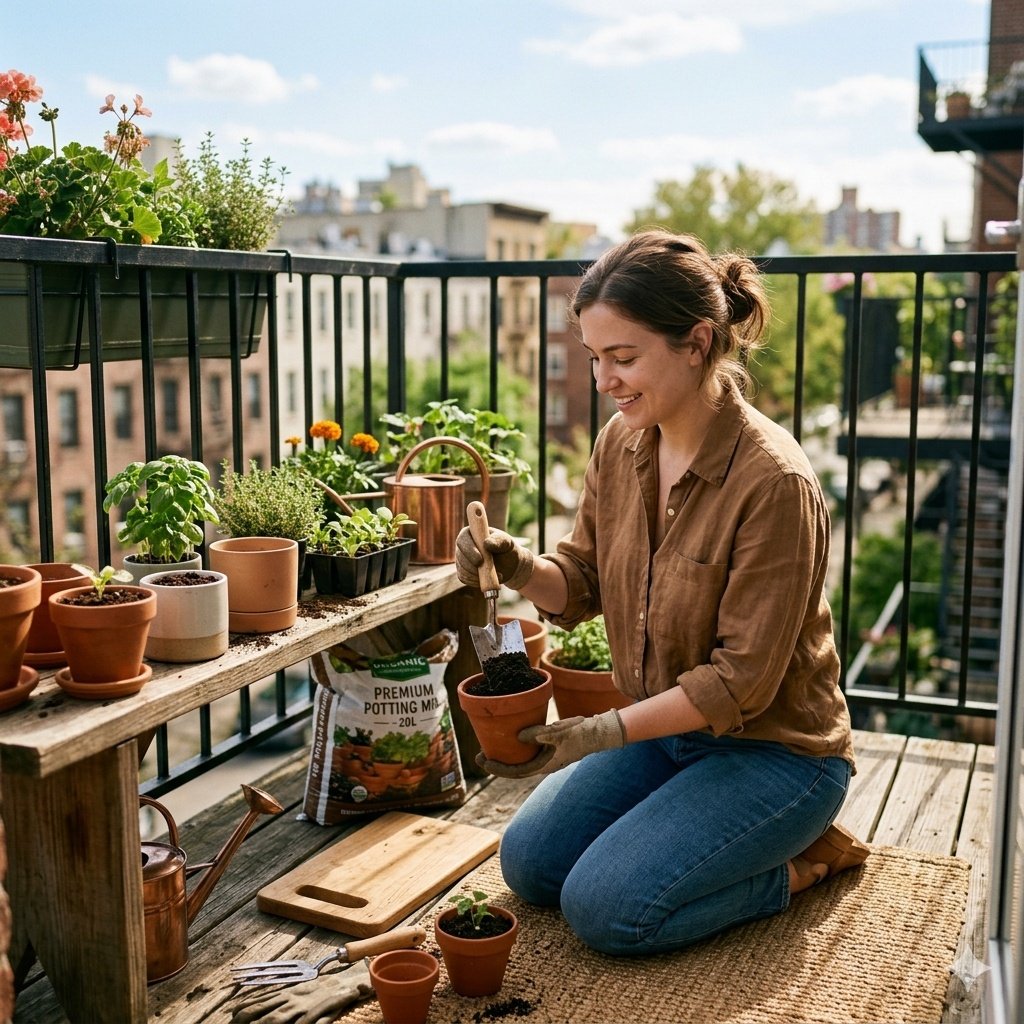
A small balcony setup with 2–3 pots works surprisingly well.
A simple “three-pot system” (herbs, greens, tomatoes) gives variety without clutter.
If you’ve got a bit more room, a small raised bed with evenly spaced plants keeps things organized.
You don’t need a perfect layout.
You need something you’ll actually maintain.
Related Reads
You might find these helpful as you keep going:
- Metal vs Wood Raised Garden Beds: Which Is Better?
- 17 Full Sun Plants to Grow in May
- 7 Best Soil Mixes for Raised Beds (Perfect for Vegetables & Beginners)
FAQ
Can I really start a garden with no experience?
Yes. That’s exactly what this plan is built for. You’re not expected to know anything going in. Each step builds on the last.
What’s the easiest plant to grow?
Herbs like basil and mint are hard to mess up. Lettuce is also quick and forgiving.
How much time does it take daily?
About 5–10 minutes. Watering, quick checks, maybe a small adjustment.
Can I garden in a small space?
Absolutely. Containers are perfect for small areas—balconies, windowsills, even indoors with enough light.
How long before I see results?
Some plants (like lettuce) show growth within days. Others take a few weeks. You’ll notice progress sooner than you expect.
Do I need expensive tools?
No. Basic, simple tools work fine. It’s more about consistency than equipment.
What’s the fastest way to start?
Get your supplies ready quickly, use seedlings instead of seeds, and follow a simple plan like this one.
Final Thoughts
Starting your first garden doesn’t need to be complicated.
It doesn’t need perfect timing, perfect tools, or perfect knowledge.
It just needs a start.
Seven days from now, you could still be thinking about it… or you could have something growing in front of you.
Keep it small. Keep it simple. And keep going.