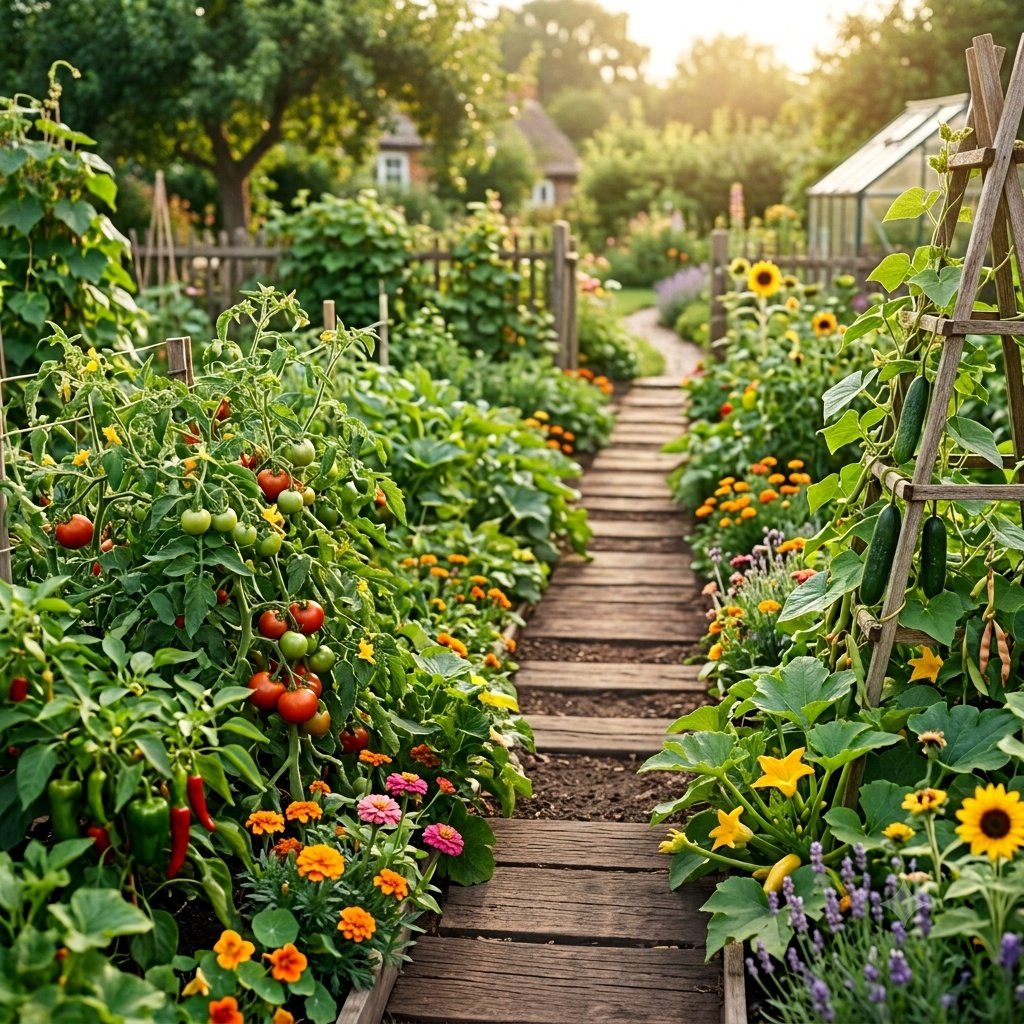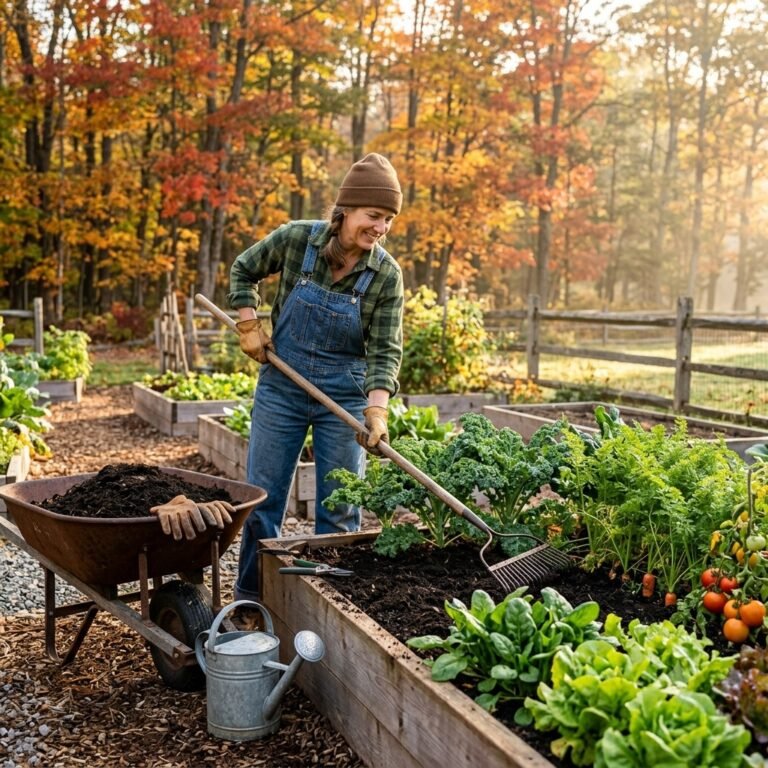

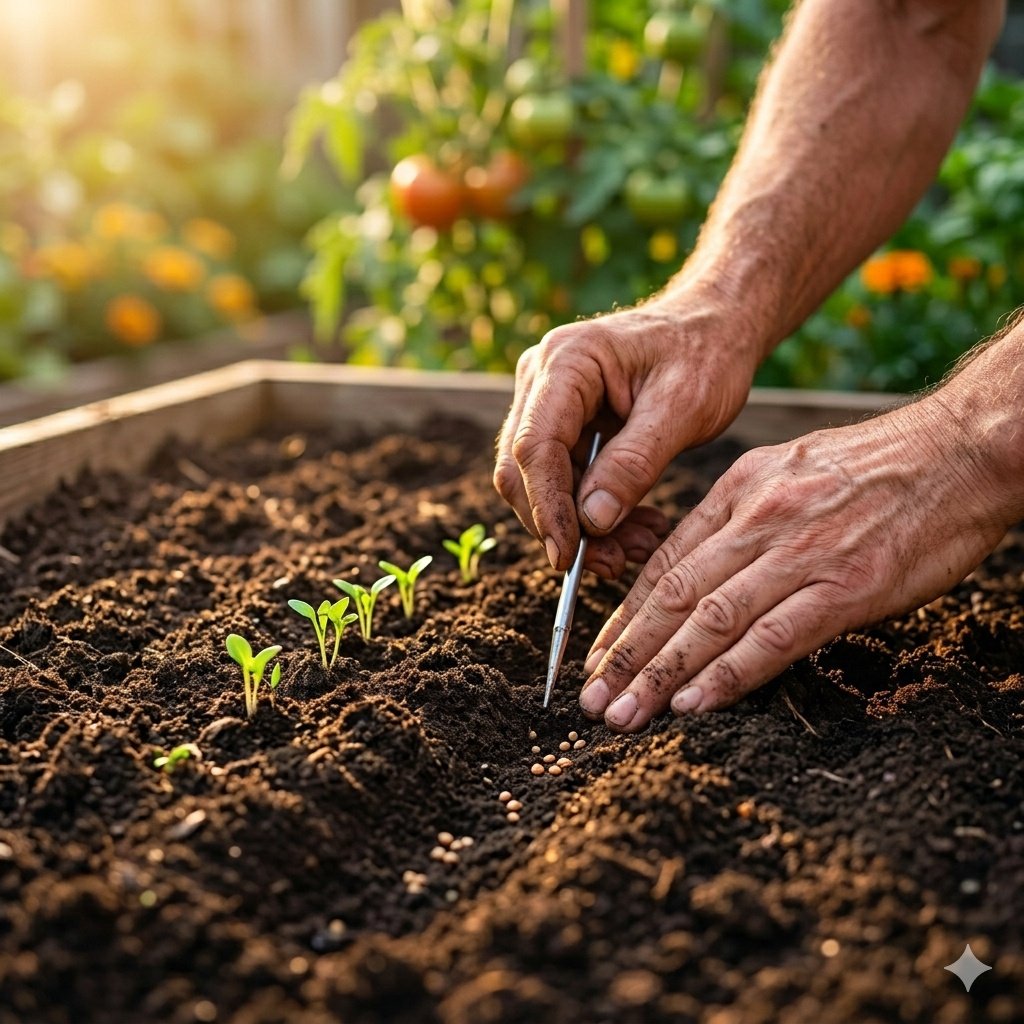
May is when gardening starts to feel less like planning and more like momentum. The soil has warmed up, the days stretch longer, and plants don’t hesitate the way they do in early spring. You put seeds in the ground—and they actually respond.
This is why Plants to Grow in May is such a popular topic every year. It’s the sweet spot. Not too early, not too late. Just right for building a garden that carries you through summer.
Whether you’re filling a backyard bed, a few containers on a balcony, or just experimenting with herbs by the window, May gives you options. Vegetables that grow fast. Flowers that bloom bright. Herbs you’ll actually use.
Let’s get into it.
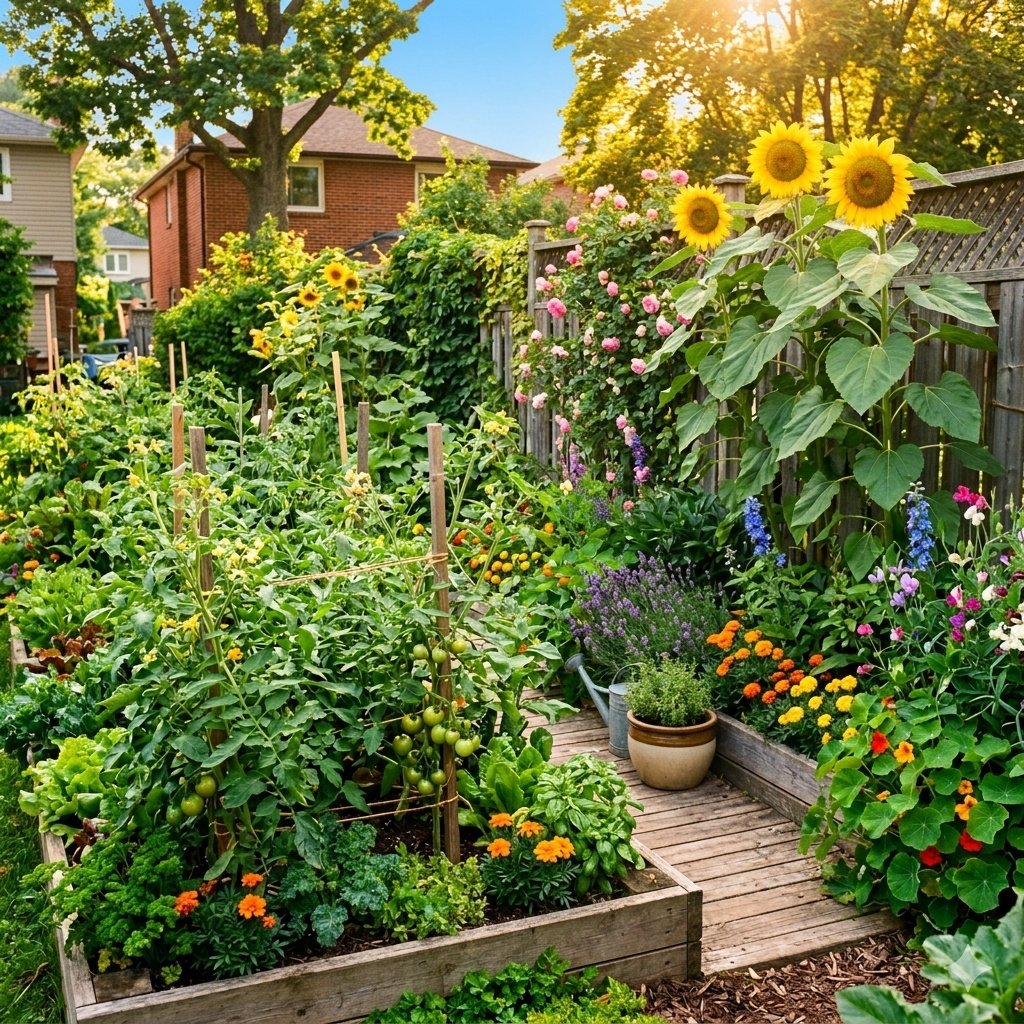
Why May is the Best Time to Start Your Garden
There’s a noticeable shift in May. The soil isn’t cold anymore, which means seeds germinate faster and more reliably. You don’t have to wait weeks wondering if anything will happen—it just does.
Frost risk is mostly gone in many regions, so you can plant with confidence. That alone removes a lot of stress, especially for beginners who’ve lost plants to surprise cold snaps.
Then there’s sunlight. Longer days give plants more time to photosynthesize, which directly speeds up growth. You’ll see stronger stems, quicker leaf development, and better yields overall.
Compared to early spring planting, May gardening feels forgiving. Miss a watering? You’ll usually recover. Plant a little late? Still fine. It’s a great time to start—even if you’re behind.
Related Reads
You might find these helpful as you keep going:
- Metal vs Wood Raised Garden Beds: Which Is Better?
- 17 Full Sun Plants to Grow in May
- 7 Best Soil Mixes for Raised Beds (Perfect for Vegetables & Beginners)
Before You Start – Know Your Growing Conditions
Climate Zones Matter
Not everyone experiences May the same way. In warmer regions, you’re already deep into planting season. In cooler climates, May might still be a transition period.
If you’re in a tropical or subtropical area, many Plants to Grow in May can be planted earlier—but you can still take advantage of fast-growing crops now. In temperate regions like the US or UK, May is prime time for summer crops like tomatoes and beans.
Quick rule: if your nights stay above 10°C (50°F), you’re good to go for most warm-season plants.
Sunlight Requirements
Most of the best Plants to Grow in May need full sun—around 6 to 8 hours daily. Tomatoes, peppers, cucumbers… they all love it.
But not everything needs intense light. Leafy greens like lettuce and spinach can handle partial shade, which actually helps them last longer before bolting.
If your space is limited, pay attention to how sunlight moves across it during the day. That alone can make or break your results.
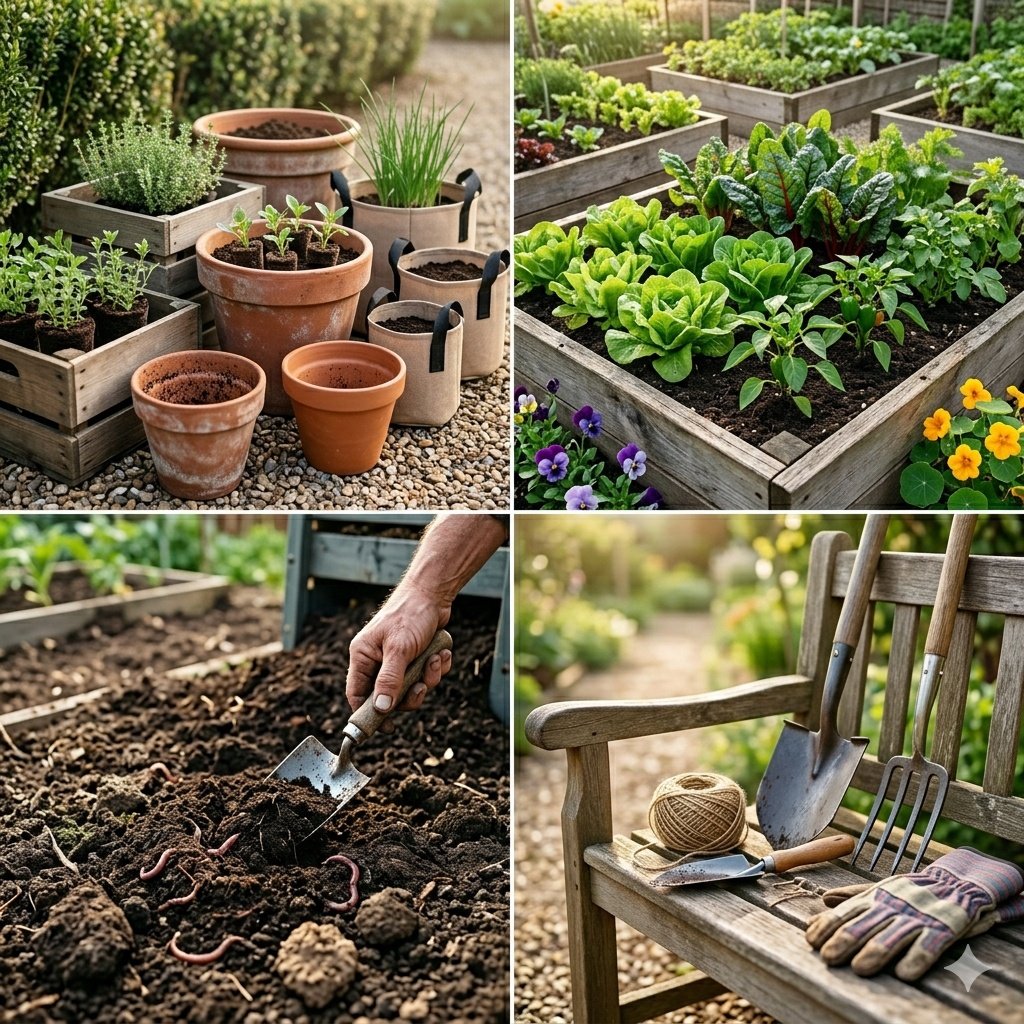
Soil Preparation Tips
Good soil makes everything easier. You don’t need anything fancy—just something that drains well and holds nutrients.
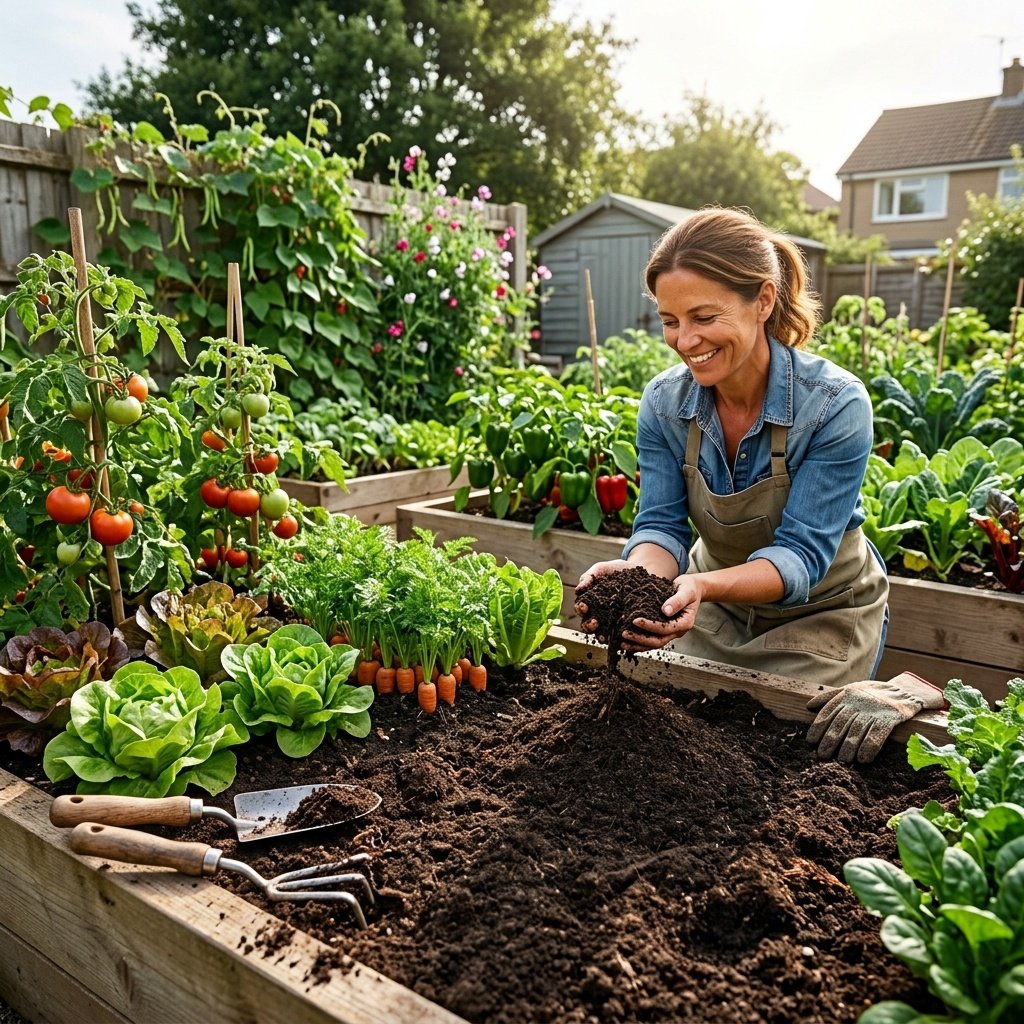
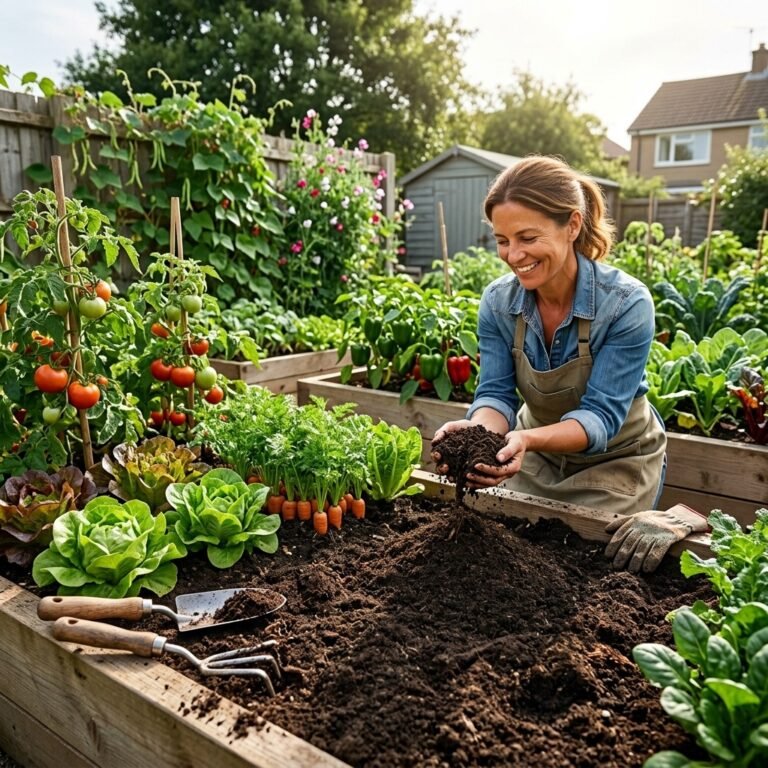
Mix in compost if you can. It improves structure, feeds your plants, and helps retain moisture. If you’re planting in containers, go with a quality potting mix instead of garden soil.
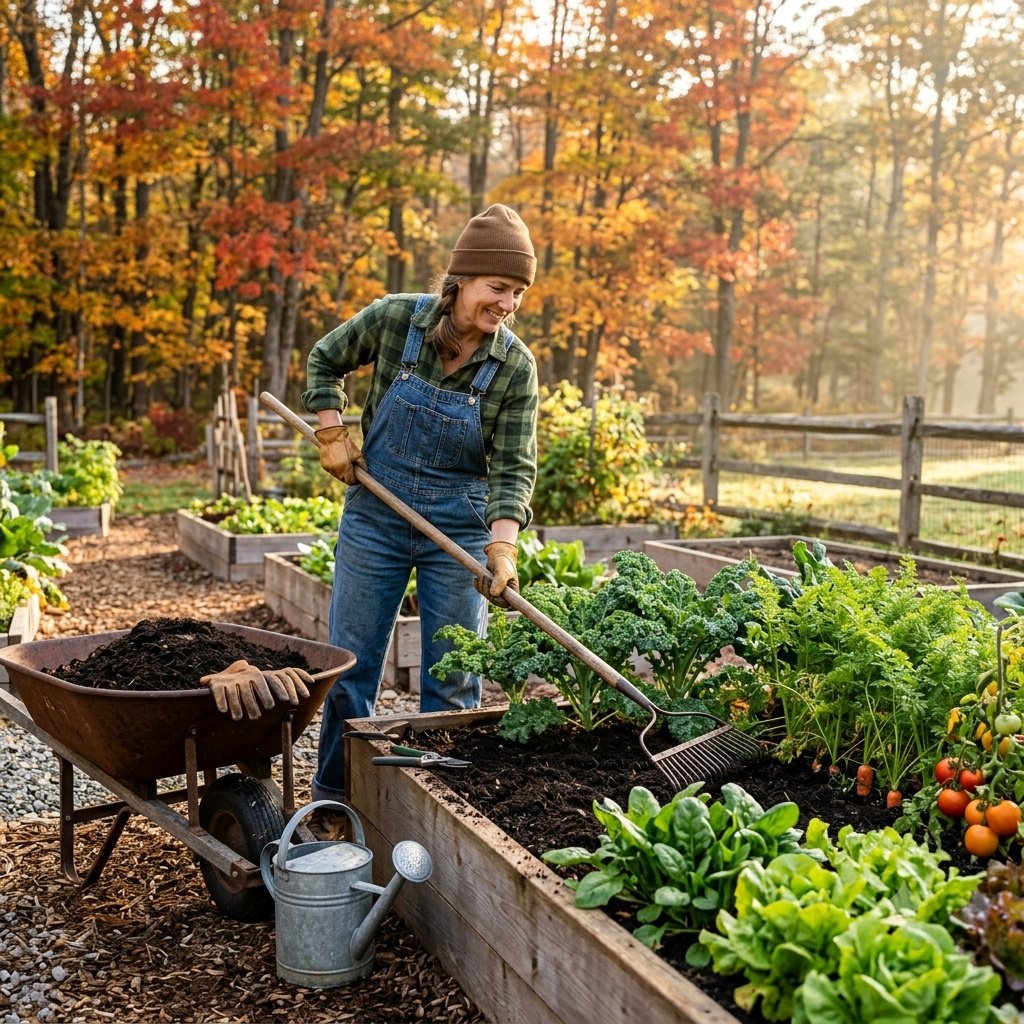
Raised beds are great if your ground soil is poor. Containers work just as well if space is tight. Both are perfect for growing Plants to Grow in May without overthinking things.
15 Best Vegetables to Plant in May
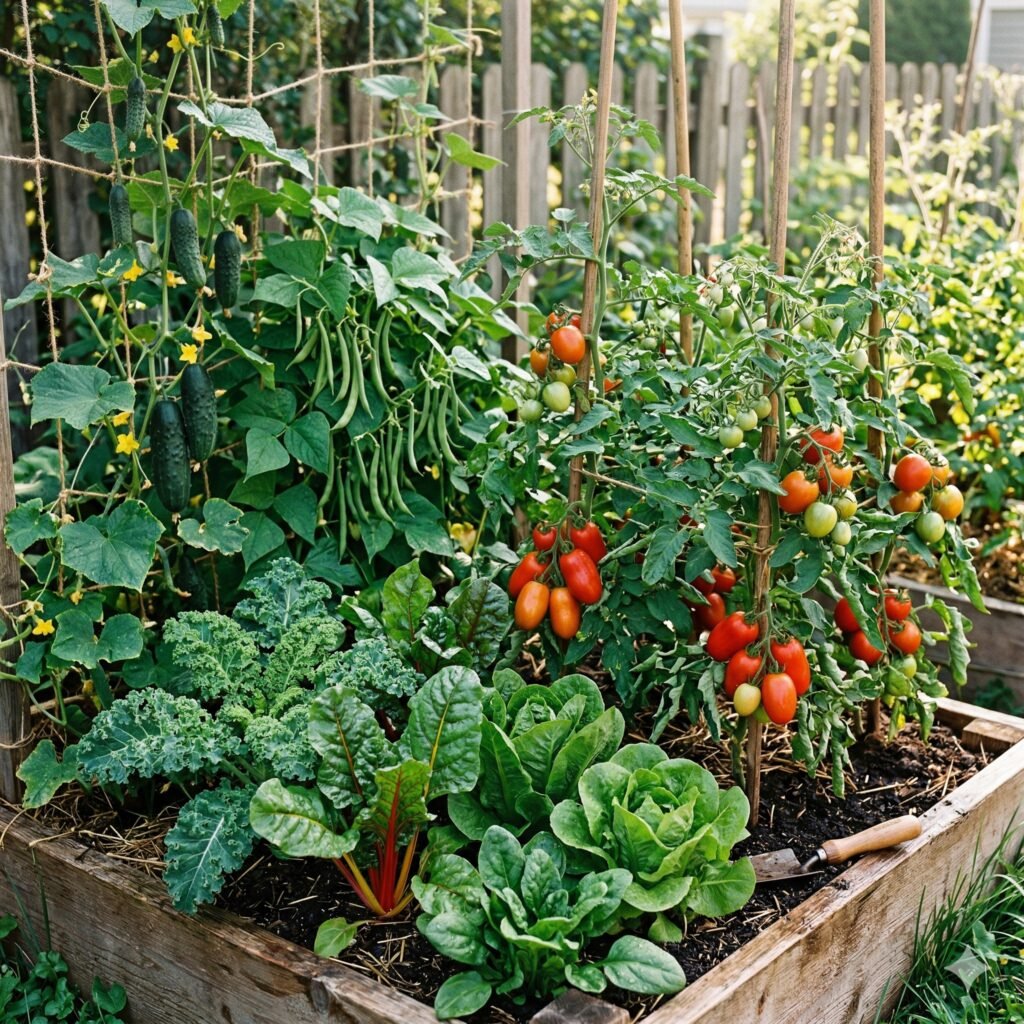
This is where things get exciting. These are the vegetables that thrive when planted now—and reward you quickly.
Leafy Greens (Fast Growing)
Lettuce
Lettuce is one of the easiest Plants to Grow in May. It grows fast and doesn’t demand much. Keep the soil moist, give it some shade in hotter areas, and you’ll be harvesting in about a month.
Pro tip: Plant small batches every 10 days for a continuous supply.
Spinach (late varieties)
Regular spinach struggles in heat, but heat-tolerant varieties can still work in early May. It prefers cooler spots and consistent watering.
Harvest: 30–40 days.
Swiss Chard
More forgiving than spinach. It handles heat better and keeps producing for months. Cut outer leaves and let the center grow.
Pro tip: Great for beginners who want something reliable.
Fruiting Vegetables
Tomatoes
Arguably the most popular choice when thinking about Plants to Grow in May. They love warm soil and full sun. Stake or cage them early—it saves trouble later.
Harvest: 60–80 days.
Cucumbers
Fast growers that thrive in May warmth. Give them space or a trellis to climb. Keep soil consistently moist.
Pro tip: Harvest often to keep plants producing.
Peppers (chili, bell)
Peppers need heat, so May is perfect. They grow slower than tomatoes but are worth the wait.
Harvest: 70–90 days.
Eggplant
Loves warm conditions. Needs rich soil and steady watering.
Pro tip: Mulch helps maintain soil temperature and moisture.
Summer Staples
Corn
Plant in blocks instead of rows for better pollination. Needs full sun and space.
Harvest: Around 70–100 days.
Beans (bush & pole)
One of the easiest Plants to Grow in May. They germinate quickly and grow fast.
Pro tip: Pole beans save space by growing vertically.
Okra
Thrives in heat and doesn’t mind dry conditions once established.
Harvest: 50–60 days.
Root Vegetables
Carrots
Slow to germinate but worth it. Keep soil loose and moist.
Pro tip: Thin seedlings early for better root development.
Beets
Easy to grow and versatile. Both roots and leaves are edible.
Harvest: 50–70 days.
Radishes
Fastest of the bunch. Some varieties are ready in under 30 days.
Pro tip: Perfect for impatient gardeners.
Vining Crops
Pumpkin
Needs space but grows vigorously. Plant once and let it spread.
Harvest: Late summer to fall.
Squash
Very productive. Just watch for pests and give them room.
Pro tip: Harvest young for best flavor.
Zucchini
Famously abundant. One plant can feed a family.
Harvest: 40–50 days.
10 Beautiful Flowers to Plant in May
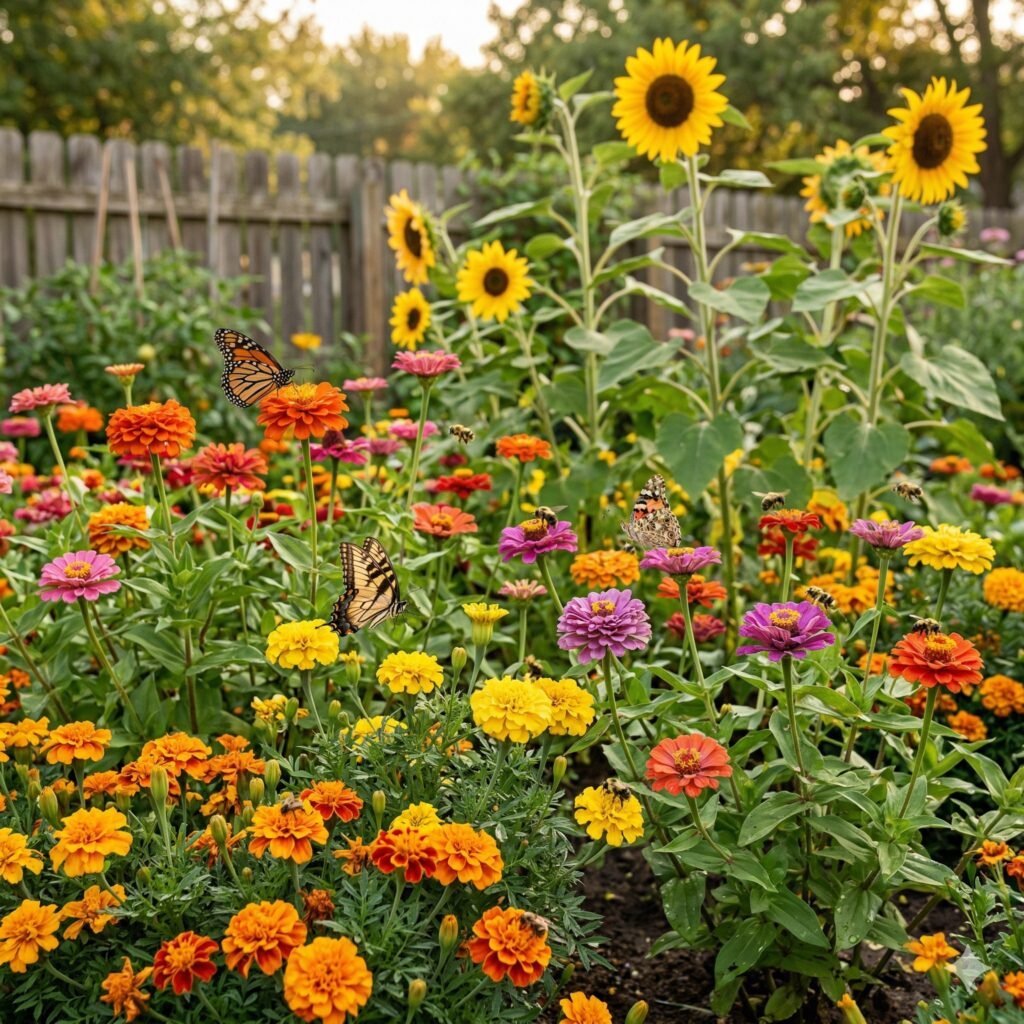
Vegetables feed you. Flowers make the space feel alive.
Easy Annual Flowers
Marigolds
Hard to mess up. They grow quickly and help deter pests.
Zinnias
Bright, colorful, and low maintenance. Great for beginners.
Sunflowers
Fast-growing and dramatic. Kids love them for a reason.
Pollinator-Friendly Flowers
Cosmos
Light, airy flowers that attract bees and butterflies.
Lavender
Smells great and brings in pollinators. Needs well-drained soil.
Coneflowers
Tough and drought-resistant once established.
Decorative Garden Flowers
Petunias
Perfect for containers and hanging baskets.
Dahlias
Bold blooms that stand out. Require a bit more care.
Nasturtiums
Edible flowers with a peppery taste. Also great for pest control.
Bonus – Best Herbs to Grow in May
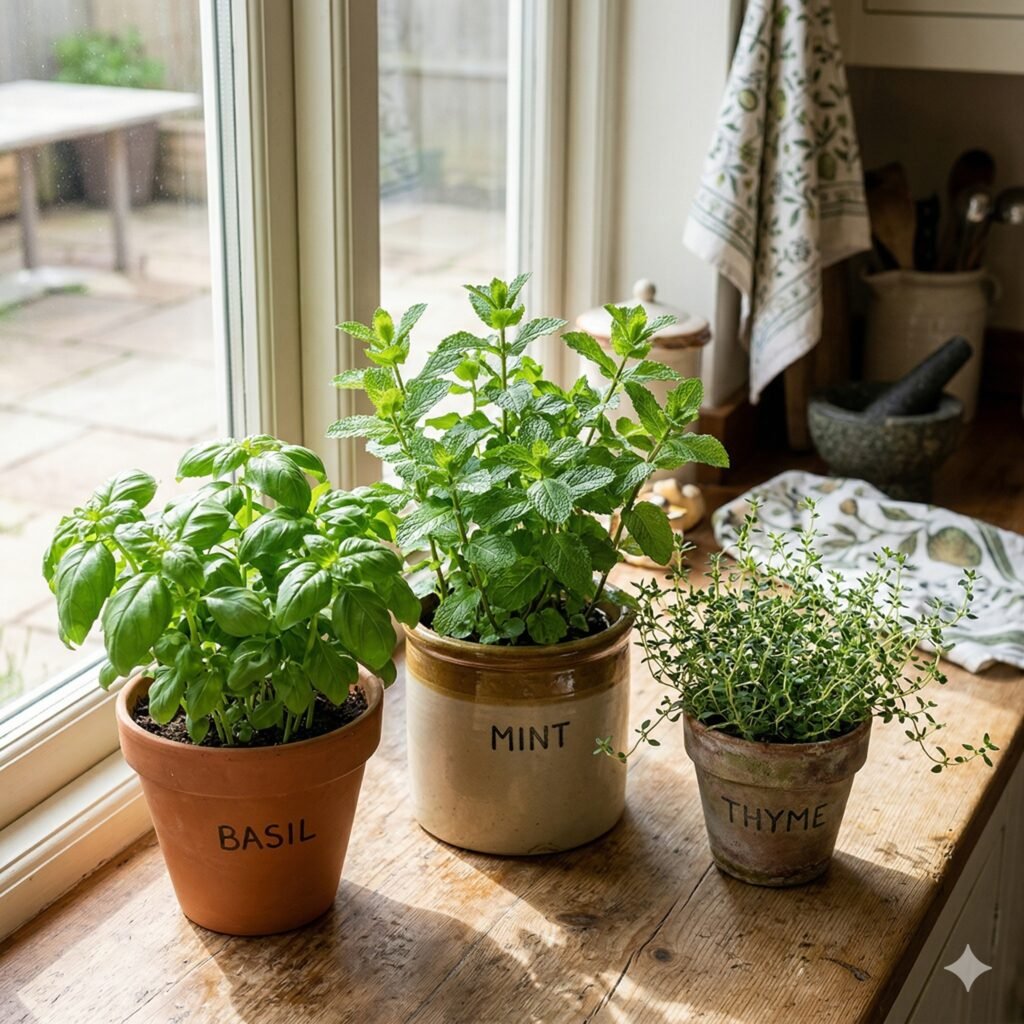
Herbs are often overlooked, but they’re some of the most practical Plants to Grow in May.
Basil grows fast and pairs with everything in the kitchen.
Mint spreads aggressively—best kept in containers.
Coriander (Cilantro) prefers slightly cooler spots.
Thyme is low maintenance and drought-tolerant.
Even a small herb setup can change how you cook daily.
Quick Planting Chart (Vegetables & Flowers)
| Plant | Sunlight | Water Needs | Harvest Time |
|---|---|---|---|
| Tomato | Full Sun | Medium | 60–80 days |
| Lettuce | Partial | High | 30–45 days |
| Zinnia | Full Sun | Low | 50–60 days |
| Beans | Full Sun | Medium | 50–60 days |
| Radish | Full Sun | Low | 25–30 days |
Common Mistakes to Avoid in May Planting
A lot of beginners assume May gardening is foolproof. It’s easier—but not automatic.
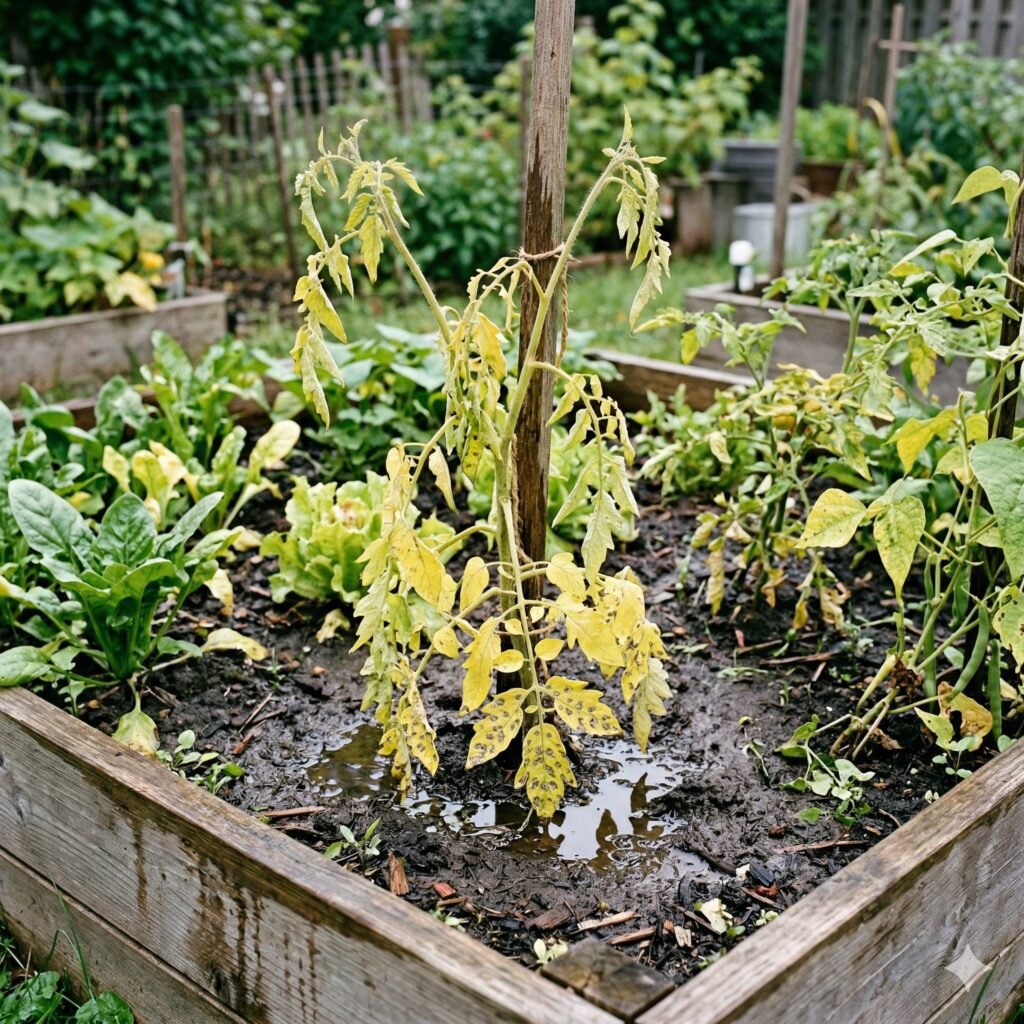
Planting too early in cooler regions can still slow growth. Overwatering is another common issue, especially as temperatures rise. Roots don’t like sitting in soggy soil.
Spacing matters more than people think. Crowded plants compete for nutrients and airflow, which leads to weaker growth and more pests.
And then there’s soil. Skip preparation, and everything else becomes harder than it needs to be.
Pro Tips to Maximize Growth in May
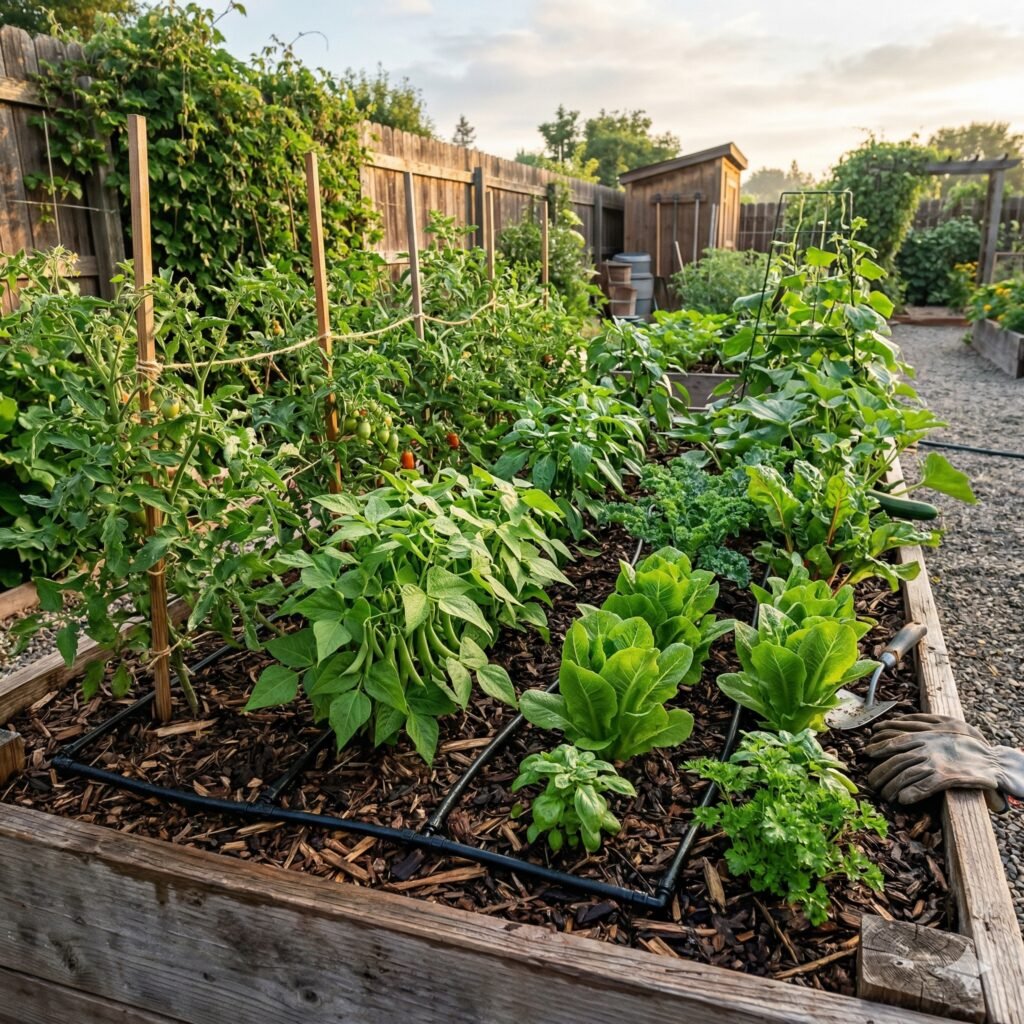
Mulch is your friend. It keeps moisture in and soil temperatures stable. It also cuts down on weeds.
Water early in the morning. Plants absorb more, and you reduce evaporation.
Try companion planting—like pairing tomatoes with basil or marigolds. It helps with pest control and space efficiency.
And don’t plant everything at once. Stagger your planting every couple of weeks. That way, you’re not harvesting everything at the same time.
Recommended Tools & Supplies
You don’t need a full shed of equipment to grow Plants to Grow in May, but a few basics help.
A simple seed starter kit if you’re beginning from seeds. Organic fertilizer to keep plants fed. A watering can or drip system to stay consistent.
Raised beds or containers if your ground space isn’t ideal.
That’s enough to get going.
FAQ – What Readers Actually Ask About Plants to Grow in May
Can I still start a garden in May if I haven’t done anything yet?
Yes—and you’re not late. May is one of the easiest entry points because the soil is warm and most seeds don’t hesitate. If anything, you’ll skip the fragile early phase and move straight into steady growth. Focus on reliable Plants to Grow in May like beans, cucumbers, zucchini, and basil. They don’t need much hand-holding.
Which vegetables give the fastest results if I plant in May?
If you want quick wins, go with radishes, lettuce, and bush beans. Radishes can be ready in under a month. Lettuce keeps giving if you harvest leaves instead of pulling the whole plant. Beans grow fast once they start—and they don’t stall.
What if my area still has slightly cool nights in early May?
That’s normal in many regions. You don’t need to rush the heat-loving crops. Start with hardy Plants to Grow in May like carrots, beets, and greens, then bring in tomatoes, peppers, and cucumbers a week or two later. If needed, cover young plants at night with a light cloth or garden cover.
How often should I really water my garden in May?
Most people either overdo it or forget. A good rule: water deeply 2–3 times a week instead of a little every day. Stick your finger into the soil—if it’s dry an inch below the surface, it’s time. Containers dry out faster, so check those more often.
Can I grow Plants to Grow in May in containers only?
Absolutely. In fact, many Plants to Grow in May do really well in pots—tomatoes, peppers, herbs, even beans. The key is choosing the right container size and making sure there’s proper drainage. A small pot limits growth, no matter how good your care is.
Why do my plants look healthy but grow slowly?
Usually it comes down to three things: not enough sun, poor soil, or inconsistent watering. Most Plants to Grow in May need full sun. If they’re getting less than 5–6 hours, growth will lag. Soil without nutrients is another quiet problem—adding compost can fix that quickly.
What are the easiest flowers to plant in May for beginners?
Marigolds, zinnias, and sunflowers. They germinate fast, grow without much fuss, and bloom within weeks. If you’re new, start there. You’ll see results quickly, which helps you stay motivated.
Do I need fertilizer right away in May?
Not immediately—especially if you’ve mixed compost into your soil. But after a few weeks, fast-growing Plants to Grow in May like tomatoes and cucumbers benefit from light feeding. Don’t overdo it. Too much fertilizer can lead to leafy growth with fewer fruits.
How do I deal with pests starting in May?
They show up right when your plants do. Keep it simple: check leaves regularly, especially the undersides. Add companion plants like marigolds or basil. And don’t panic at the first sign—small damage is normal. Healthy plants usually bounce back.
Can I plant everything at once in May?
You can—but it’s smarter not to. Plant in stages. Sow some seeds now, then more in 10–14 days. This is called succession planting, and it keeps your harvest steady instead of overwhelming you all at once.
Which herbs are the most useful to grow in May?
Basil, mint, and thyme are the usual favorites. They grow well in warm weather and actually get used in everyday cooking. If you only plant a few things, make room for herbs—they’re low effort and high reward.
What’s the biggest mistake people make with Plants to Grow in May?
Trying to do too much too fast. It’s tempting to plant everything at once, in every corner. But overcrowding, inconsistent care, and rushed setup usually lead to weaker plants. A smaller, well-managed garden almost always does better.
Final Thoughts
There’s something different about gardening in May. It doesn’t feel like a test anymore—it feels like progress.
You don’t need perfect timing, perfect soil, or a detailed plan mapped out weeks in advance. The conditions are already working in your favor. Warm ground. Longer days. Faster growth. That combination carries a lot of the weight for you.
The best approach? Keep it simple.
Pick a handful of Plants to Grow in May that actually fit your space and your routine. A couple of vegetables you’ll eat. A few flowers that make the space feel alive. Maybe some herbs you can grab while cooking. That’s enough to start building momentum.
You’ll learn more by planting a few things now than by reading ten more guides. Some plants will thrive right away. Others might struggle. That’s part of it. You adjust, replant, try again—and suddenly you’re not guessing anymore.
And here’s the part most people don’t expect: once things start growing, you pay attention differently. You notice changes day to day. You check leaves without thinking about it. It becomes less of a task and more of a habit.
That’s where a garden really starts to take shape—not in the planning, but in the showing up.
So don’t wait for a perfect setup. Don’t overthink the layout.
Plant something. Even if it’s just one pot, one bed, or one row.