
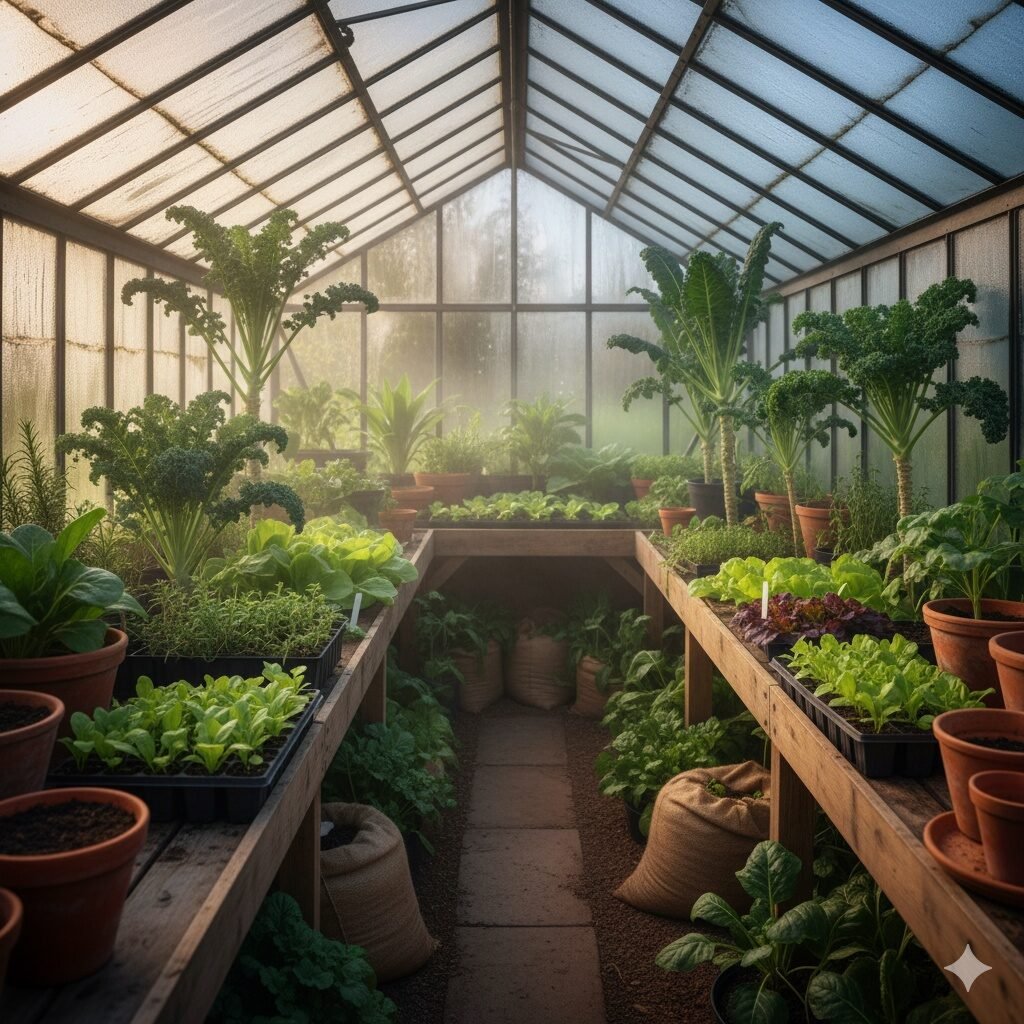
What to Grow in the Greenhouse in January–February: winter might look still and quiet outside, but inside your greenhouse, things can stay very much alive. Even when frost gathers on the glass, you can fill the space with vegetables, herbs, and greens that actually prefer the chill.
January and February are perfect for keeping those garden beds productive. With a touch of extra light or a bit of gentle warmth, you’ll see steady growth — crisp lettuces, strong seedlings, and maybe a few early blooms to lift the mood.
This guide walks you through reliable 17 crops that perform well through winter greenhouse growing — whether you’re tending plants in the U.S. or managing cool-weather beds somewhere across Europe.
Get to know more about Mini Greenhouses and Cold Frames Here.
1. Kale
Botanical Name: Brassica oleracea
Sun Requirements: Full sun to partial shade
Height: 1–3 ft
Hardiness Zones: 2–11
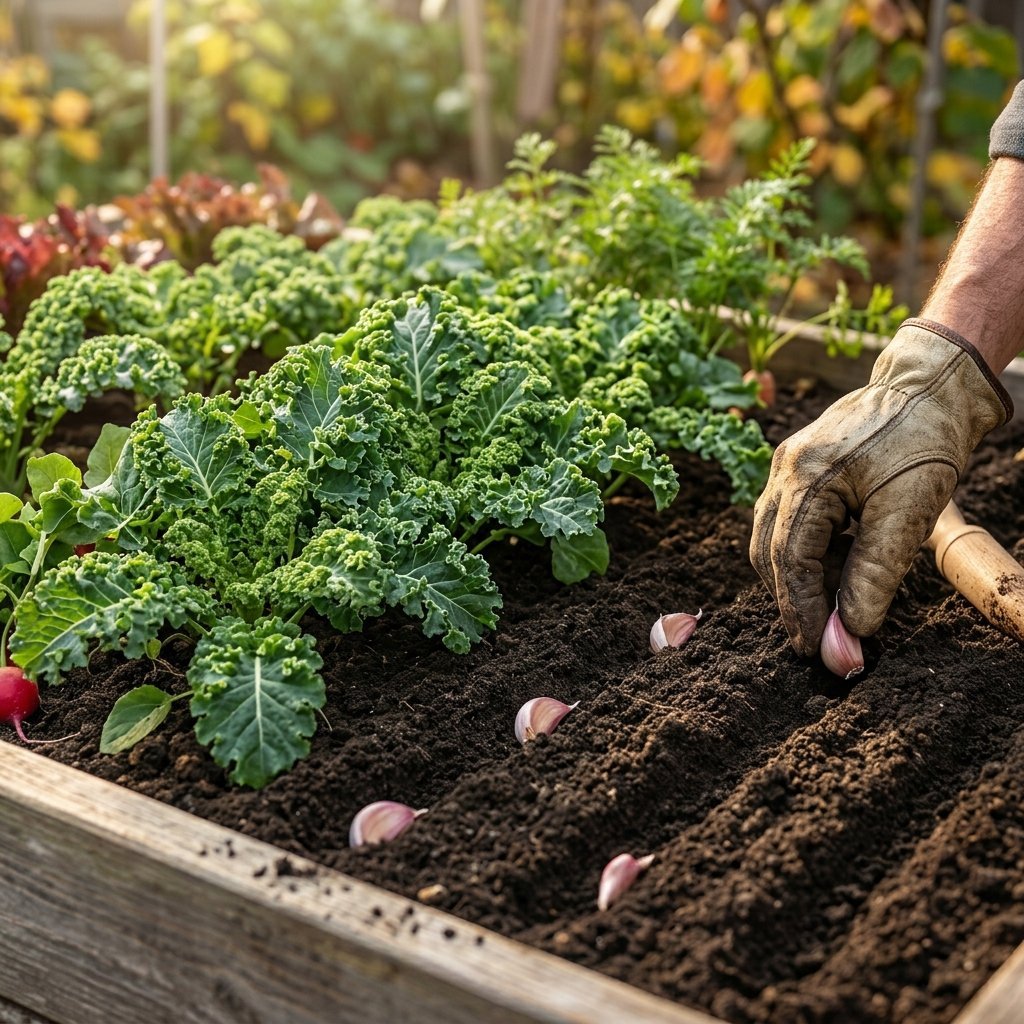
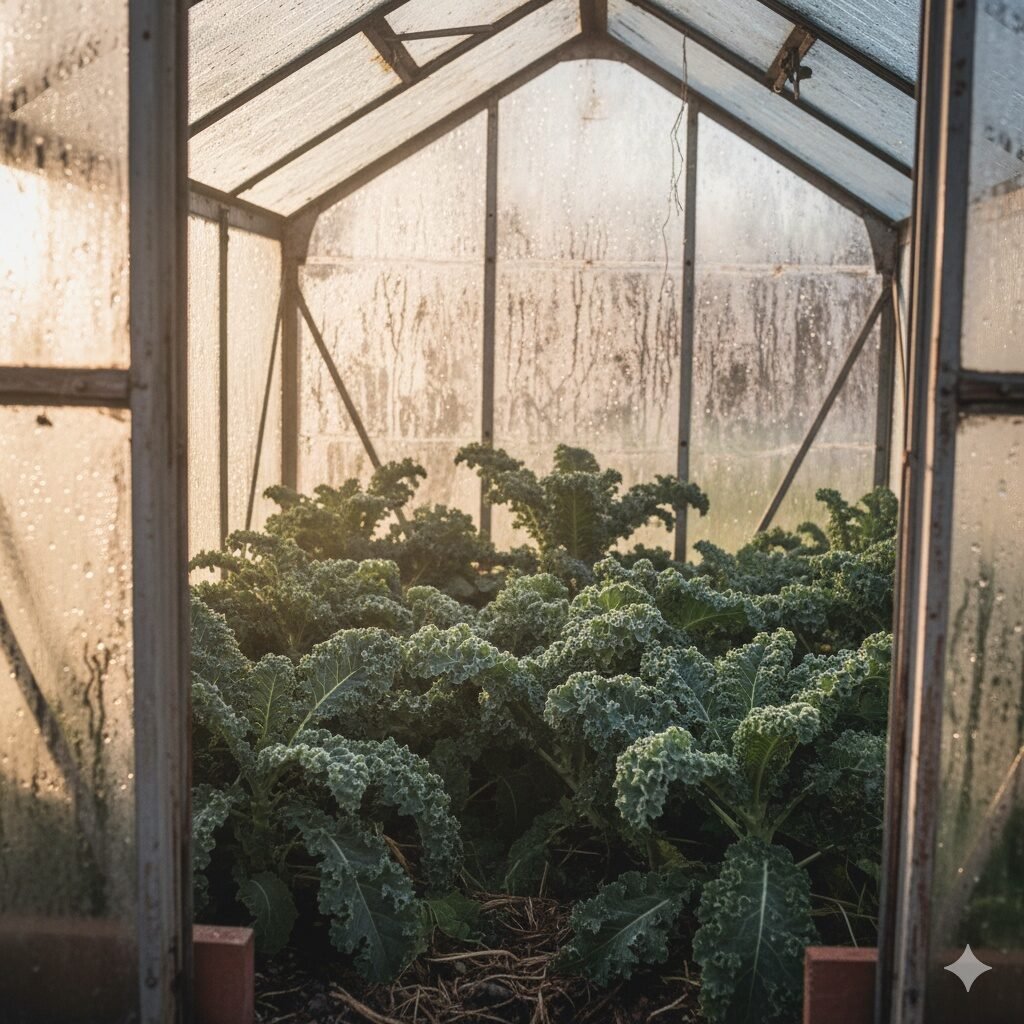
Kale is one of the easiest greens to grow in winter. Start seeds in trays or small pots about six weeks before you plan to move them into beds. Once the seedlings have three or four true leaves, transplant them into greenhouse soil or large containers. Keep the soil moist but not soggy, and make sure air circulates well — stagnant air invites mildew.
In cooler climates (northern U.S. and northern Europe), add a fleece layer on very cold nights. Pick outer leaves first and let the center keep producing. The more you harvest, the longer it stays tender.
2. Lettuce
Botanical Name: Lactuca sativa
Sun Requirements: Full sun to partial shade
Height: 6–12 in
Hardiness Zones: 3–10
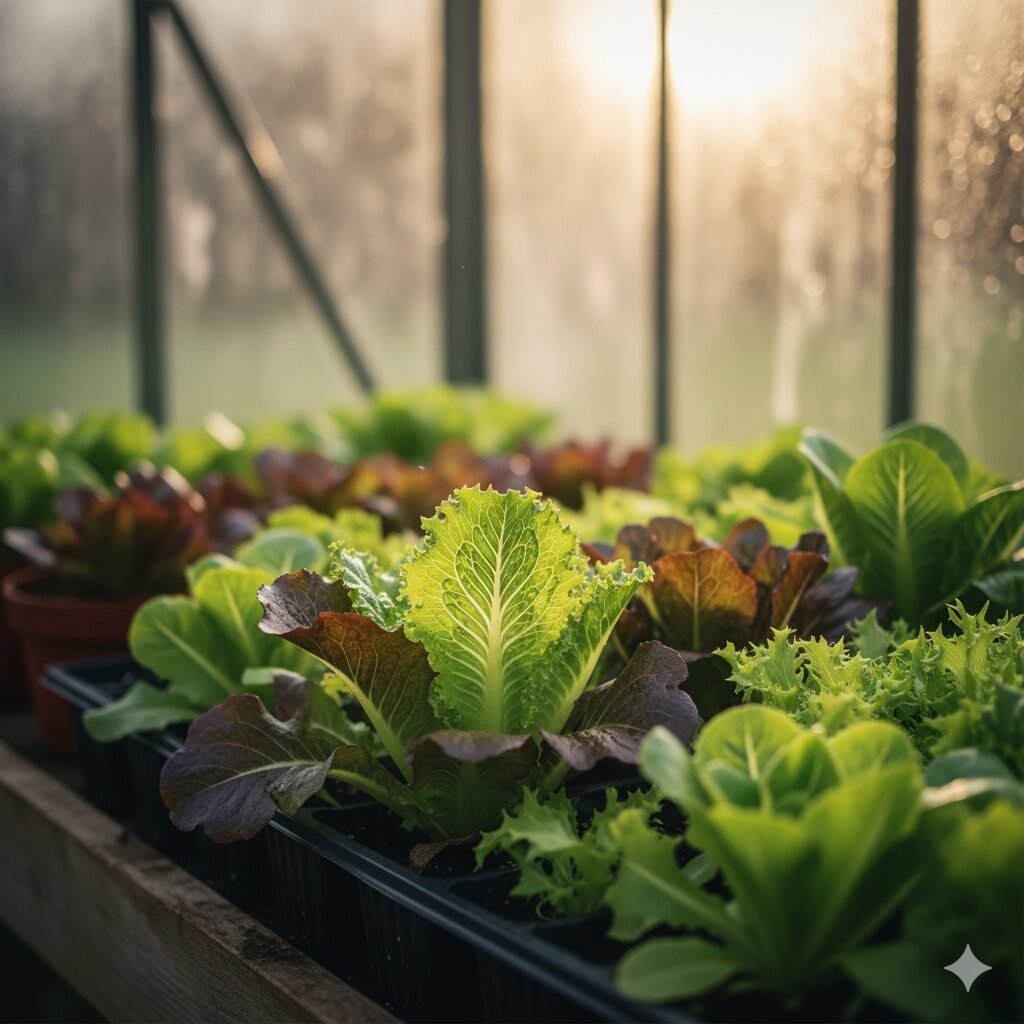
Lettuce thrives in the mild humidity of winter greenhouses. Sow seeds directly into shallow trays or rows, keeping spacing around 6 inches apart. Water with a fine mist so you don’t disturb the tiny seeds.
Once seedlings appear, thin out the weaker ones. Pick outer leaves regularly to encourage fresh inner growth. If your greenhouse gets warm midday sun, open vents to prevent bolting. In Europe’s colder regions, you can use fleece covers at night to trap a bit of heat.
3. Spinach
Botanical Name: Spinacia oleracea
Sun Requirements: Full sun
Height: 6–8 in
Hardiness Zones: 4–9
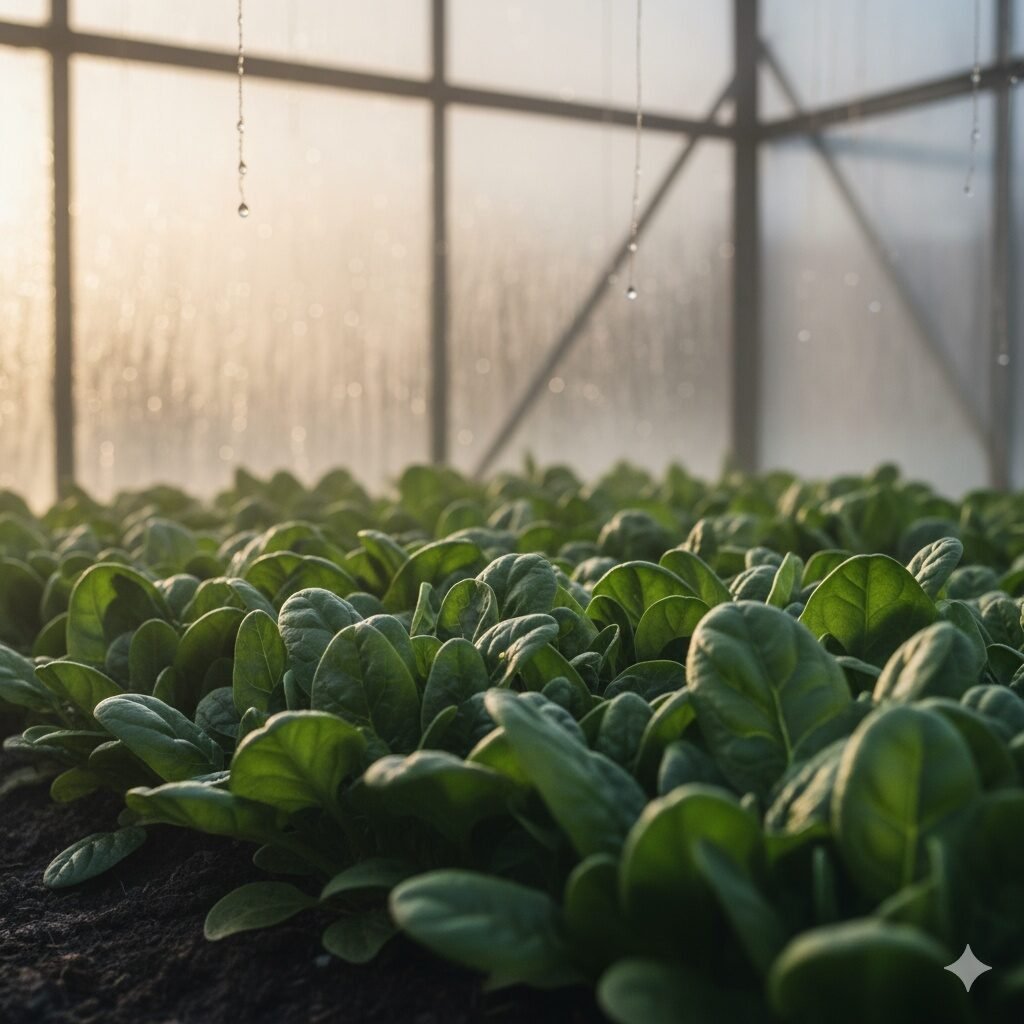
Spinach prefers short days and cool air — winter is its season. Sow directly in soil that drains well, about half an inch deep. Keep rows spaced roughly 8 inches apart.
Seedlings appear within a week or two. Once established, harvest outer leaves every few days. Regular picking stops the plants from going to seed. Spinach needs steady moisture but dislikes sitting in cold, soggy soil — so water in the mornings, not late evenings.
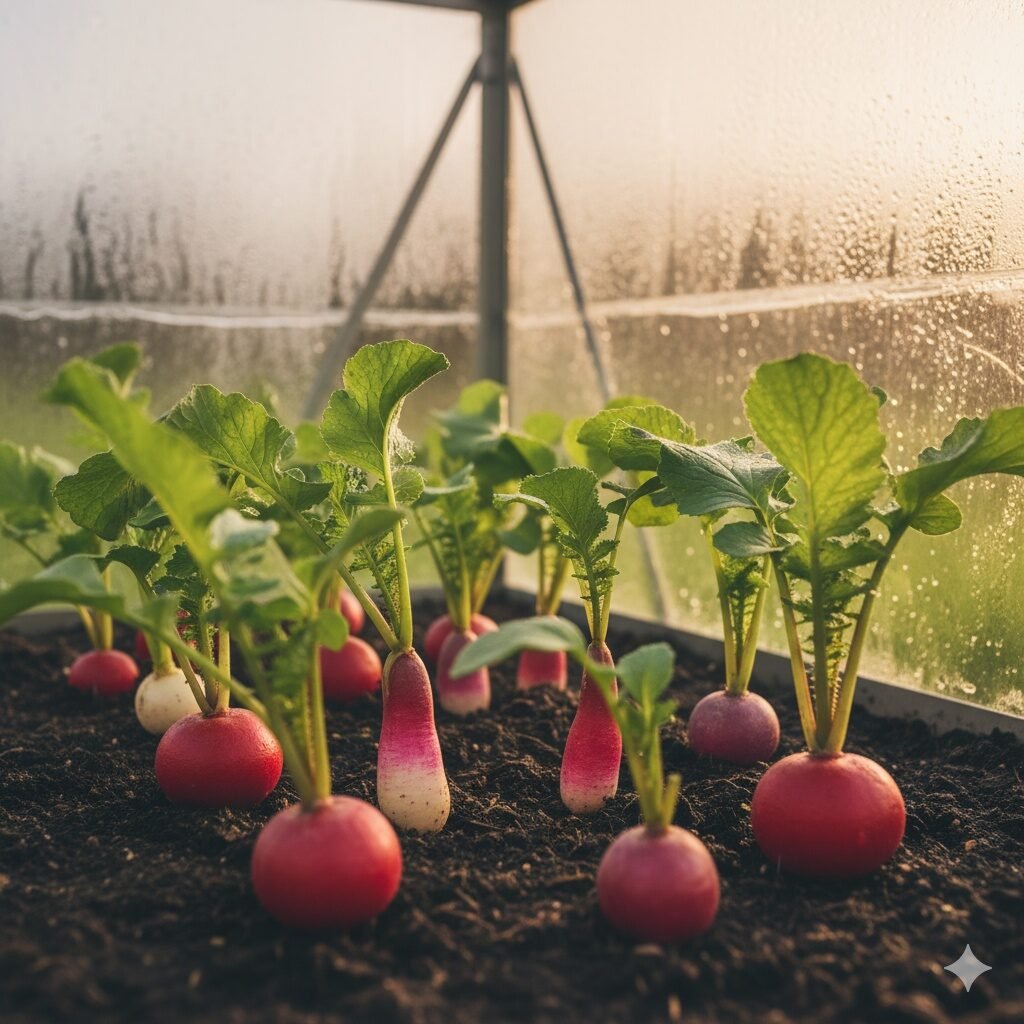
4. Radishes
Botanical Name: Raphanus sativus
Sun Requirements: Full sun
Height: 6–12 in
Hardiness Zones: 2–10
Radishes are quick and forgiving. You can sow seeds directly into greenhouse beds every two to three weeks for a steady supply. Cover them with about half an inch of fine soil.
They germinate fast — sometimes within five days. Keep the soil evenly moist, and thin seedlings to 2 inches apart to let roots form properly. If you want milder flavor, harvest early. European growers can keep them under fleece in unheated greenhouses; in the southern U.S., partial shade keeps roots from becoming woody.
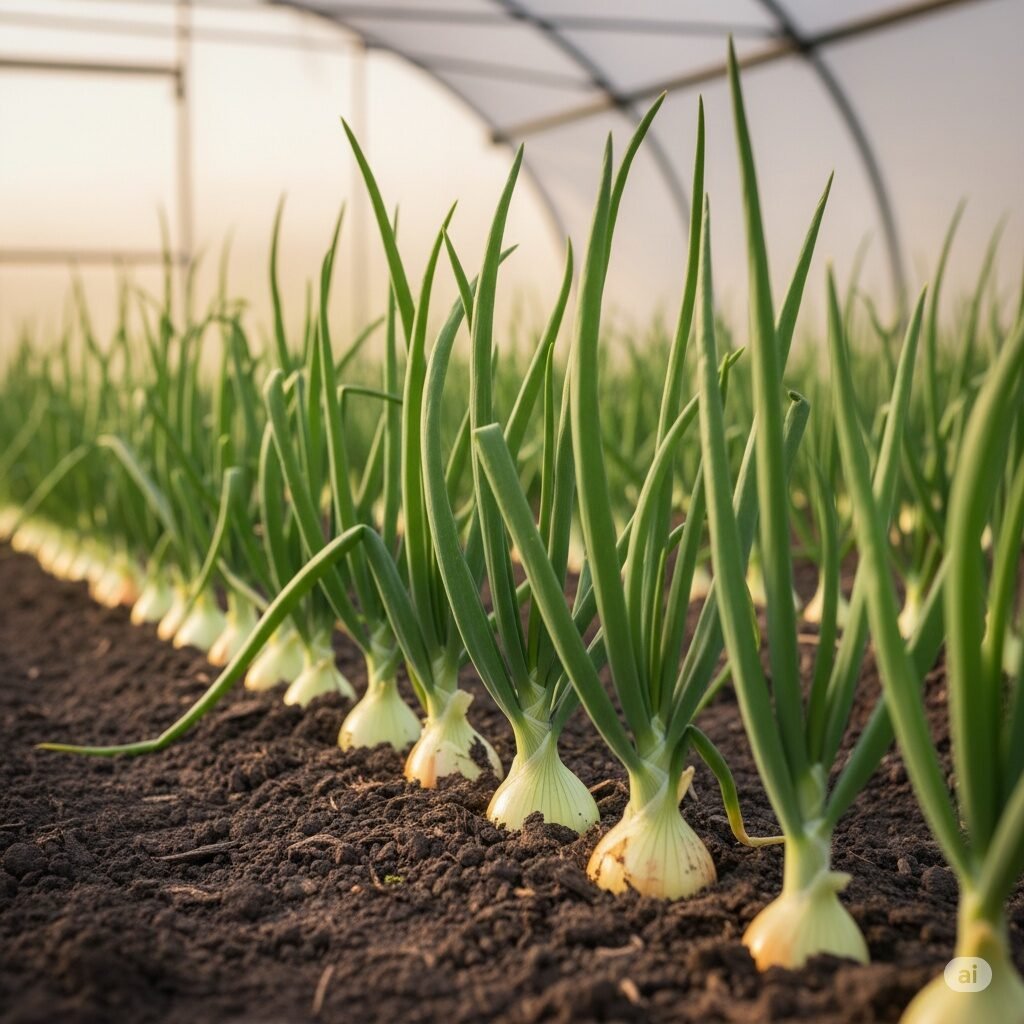
5. Spring Onions
Botanical Name: Allium fistulosum
Sun Requirements: Full sun
Height: 1–2 ft
Hardiness Zones: 3–9
Sow spring onions in modules or directly into shallow trenches. Use fine soil, and avoid over watering — too much moisture can cause bulb rot.
They take a while to grow, but once they’re about a pencil’s width, you can start harvesting. Cut them just above the roots and they’ll regrow. Keep them weed-free and provide good airflow to reduce fungal problems.
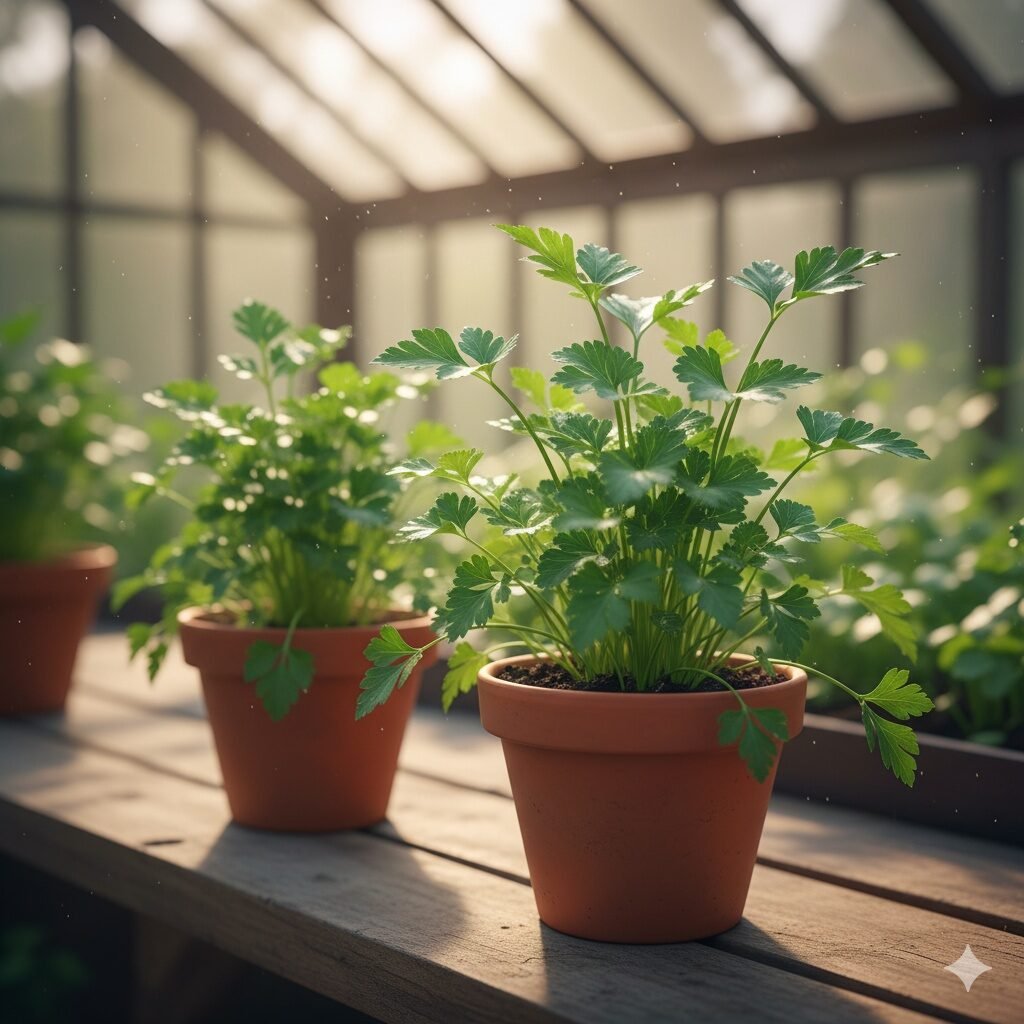
6. Parsley
Botanical Name: Petroselinum crispum
Sun Requirements: Full sun to partial shade
Height: 10–12 in
Hardiness Zones: 4–9
Parsley seeds are slow to germinate, often taking up to three weeks, so soak them overnight before sowing. Start them in small pots or seed trays, keeping soil damp and warm (around 65°F/18°C).
Once seedlings reach 3 inches tall, transplant them into greenhouse borders or larger pots. Regular harvesting encourages bushy growth. In colder regions, cover plants lightly on freezing nights.
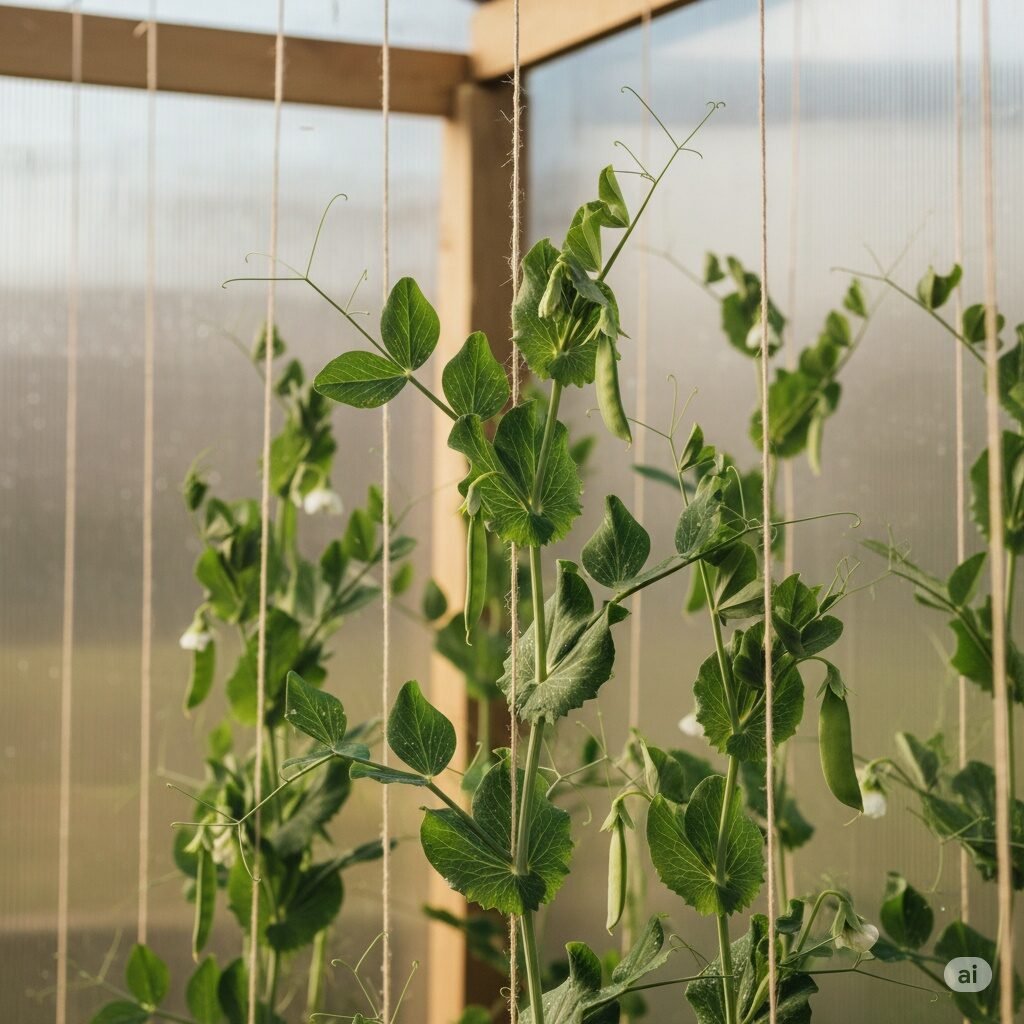
7. Peas
Botanical Name: Pisum sativum
Sun Requirements: Full sun
Height: 2–4 ft
Hardiness Zones: 3–9
Sow peas about an inch deep in pots or guttering trays (you can slide them into soil later). In January, focus on pea shoots — they grow quickly and taste great in salads.
If you’re aiming for full pods, start dwarf or early types like ‘Meteor’. Keep the soil moist and add simple supports as they grow. Avoid overwatering during dull weeks — too much humidity encourages mildew.
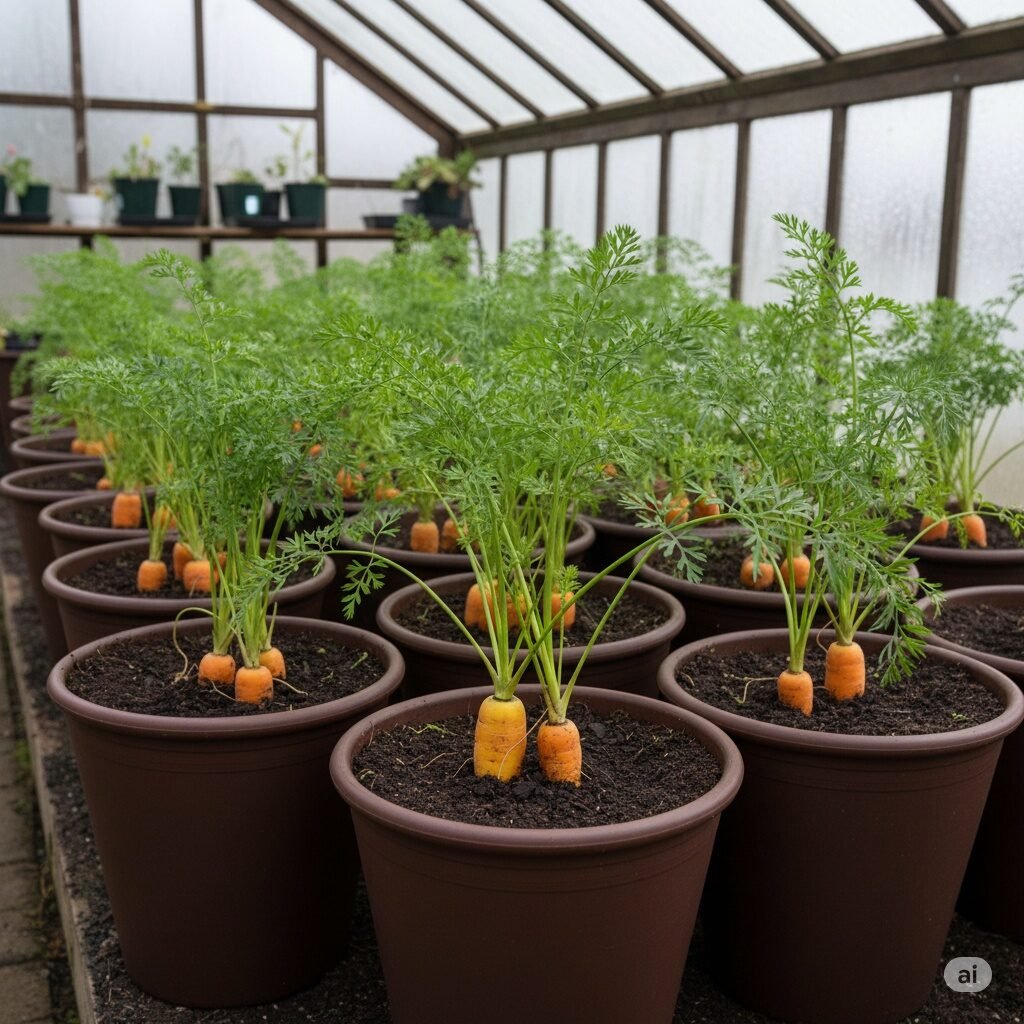
8. Carrots
Botanical Name: Daucus carota subsp. sativus
Sun Requirements: Full sun
Height: Foliage up to 12 in
Hardiness Zones: 3–10
For greenhouse carrots, choose shorter, fast-maturing types like ‘Paris Market’ or ‘Amsterdam Forcing’. Sow directly into deep containers or raised beds filled with loose compost.
Water consistently and thin seedlings to give roots space. Don’t overfeed — too much nitrogen creates leafy tops and stubby roots. In northern Europe or northern U.S., add fleece to keep soil temperatures stable.
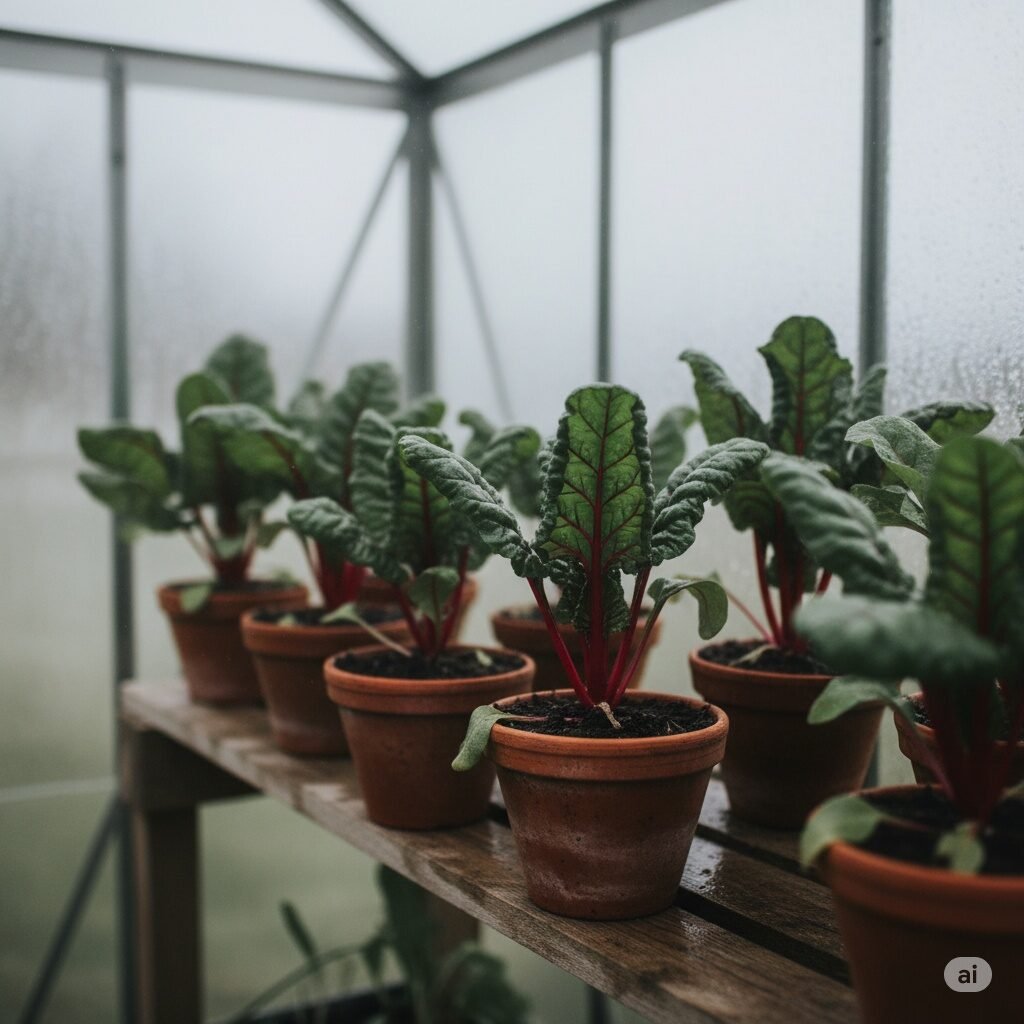
9. Swiss Chard
Botanical Name: Beta vulgaris subsp. cicla
Sun Requirements: Full sun
Height: 1–2 ft
Hardiness Zones: 3–9
Sow chard directly in the greenhouse soil or in modules for transplanting later. It grows well in cool conditions and gives bright, colorful stems that cheer up a winter space.
Once seedlings are about 4 inches tall, thin or transplant them to 12-inch spacing. Pick outer leaves as they mature — the center keeps pushing new ones. Water regularly and remove yellowing leaves to prevent pests.
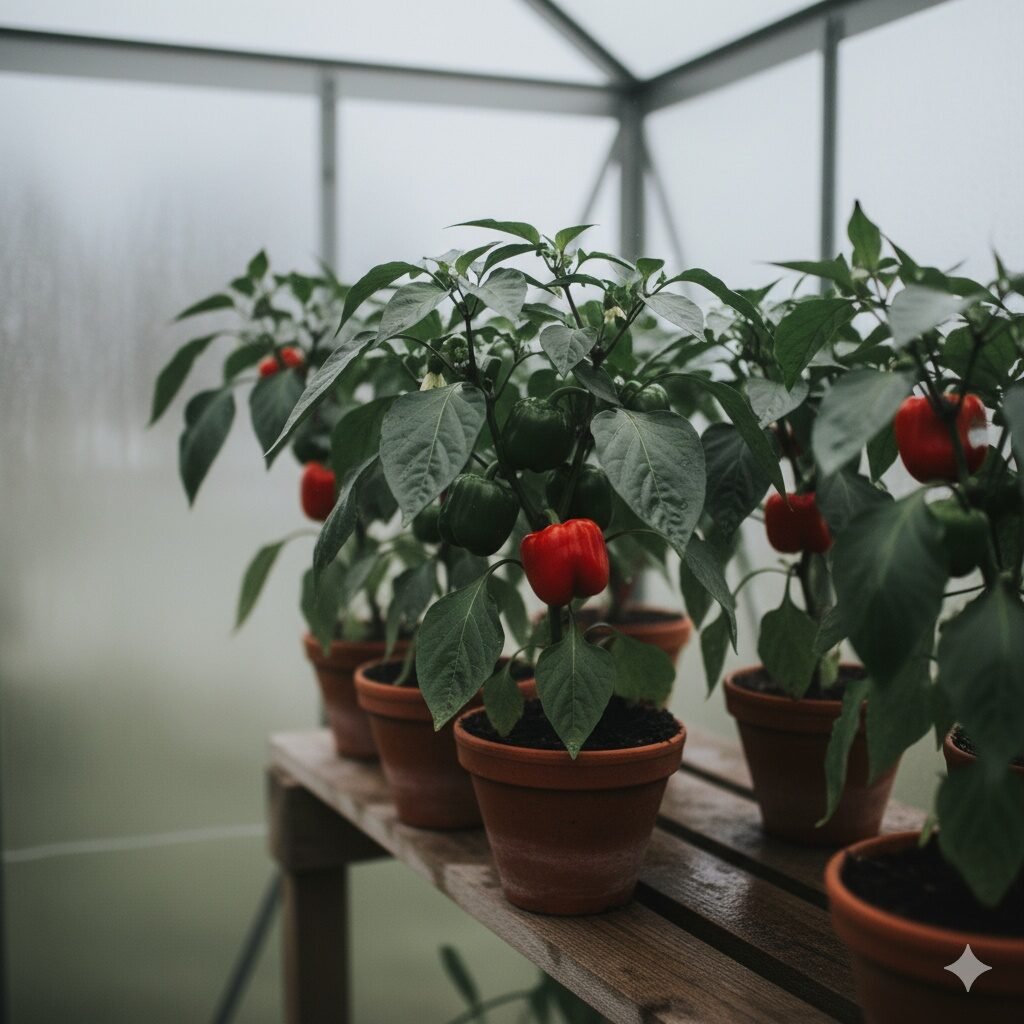
10. Chilies and Peppers
Botanical Name: Capsicum annuum
Sun Requirements: Full sun
Height: 1–3 ft
Hardiness Zones: 9–11 (start indoors in cooler zones)
These slow starters need extra warmth. Use a heat mat or keep them on a sunny windowsill until seedlings sprout. Sow seeds late January to February in seed trays with fine compost.
Once seedlings have two true leaves, pot them up individually. They love steady warmth (70–75°F / 21–24°C) and plenty of light. In cooler climates, keep them indoors until late spring.
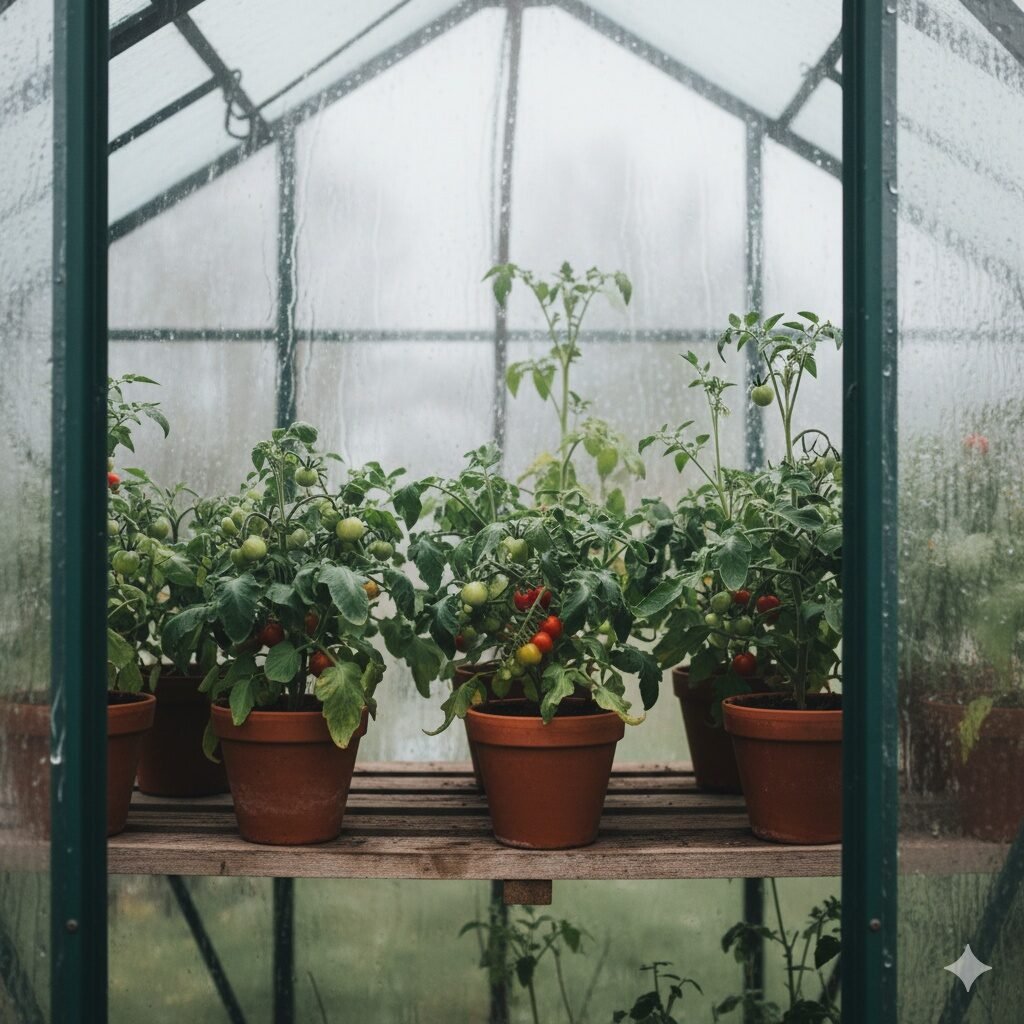
11. Tomatoes
Botanical Name: Solanum lycopersicum
Sun Requirements: Full sun
Height: 3–6 ft
Hardiness Zones: 9–11 (start indoors in cooler zones)
Start tomatoes in trays or small pots in late February. Use warm soil (70°F / 21°C) and plenty of light. Once seedlings are 3–4 inches tall, transplant into bigger pots.
Choose compact or determinate varieties if space is tight. Keep soil evenly moist, and feed with a balanced fertilizer once flowering starts. For U.K. or northern U.S. growers, wait until days lengthen before transplanting outdoors.
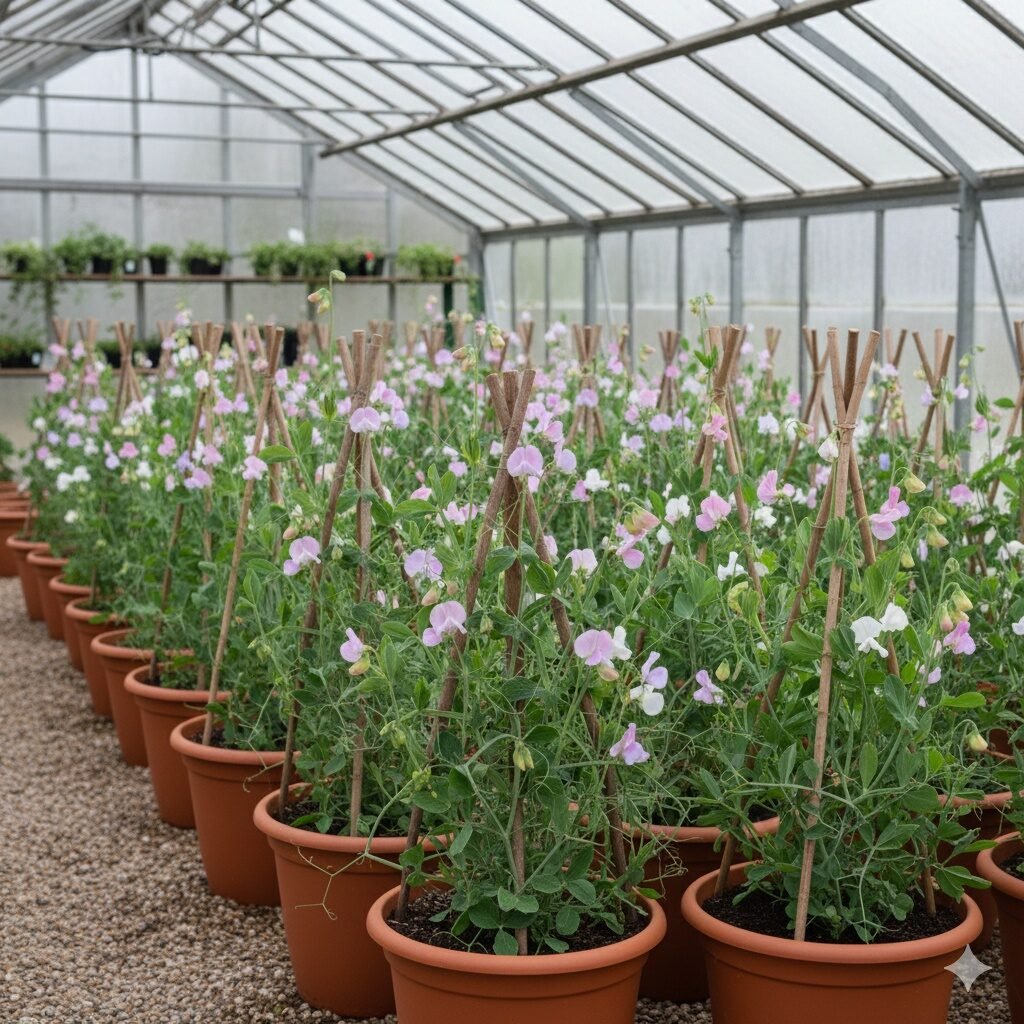
12. Sweet Peas
Botanical Name: Lathyrus odoratus
Sun Requirements: Full sun
Height: 3–6 ft
Hardiness Zones: 3–9
Sweet peas can handle cool weather, making them perfect for early sowing. Sow in root trainers or deep pots; they dislike their roots being disturbed.
Pinch back the growing tips when plants reach 4 inches tall to encourage side shoots. Keep them in a bright, cool spot and transplant outside in spring.
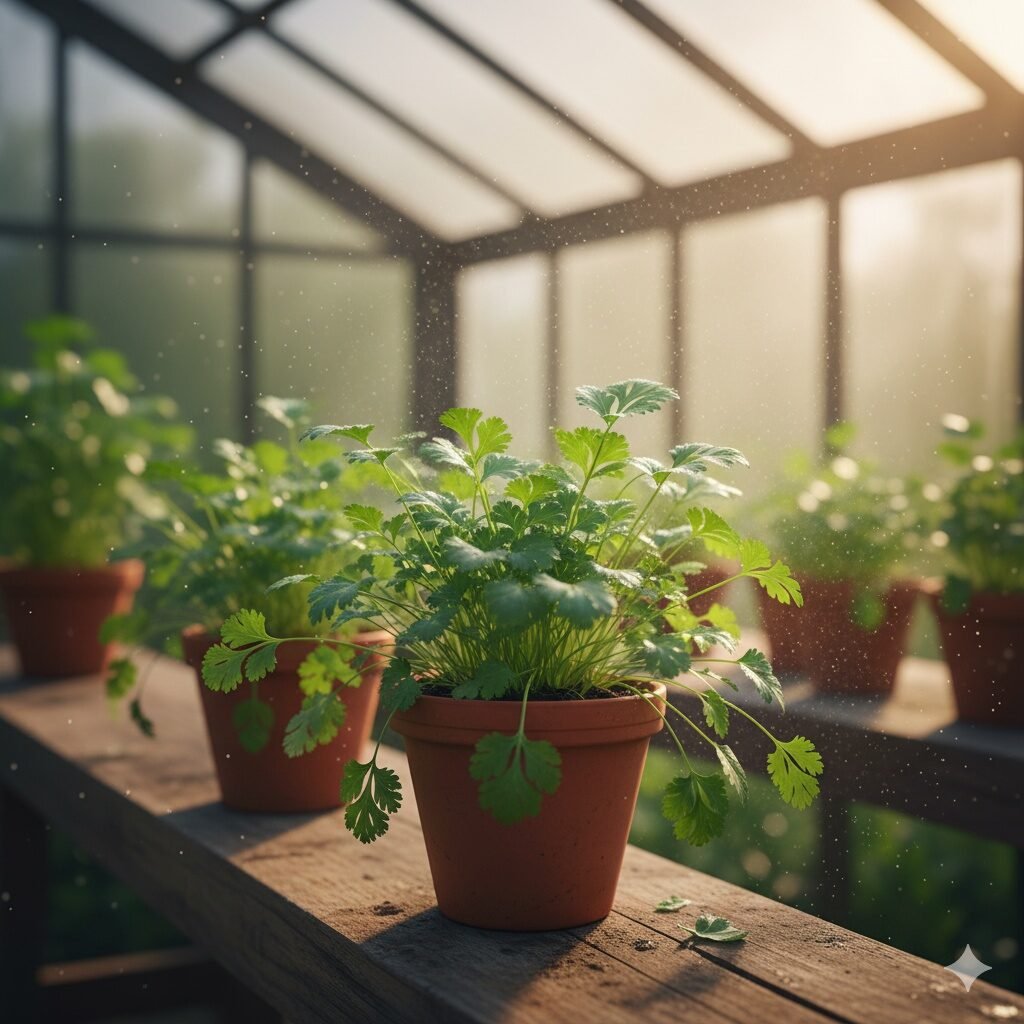
13. Coriander (Cilantro)
Botanical Name: Coriandrum sativum
Sun Requirements: Full sun to partial shade
Height: 12–24 in
Hardiness Zones: 3–10
Coriander grows best in cooler air, so winter’s perfect. Sow seeds directly into pots or trays and keep soil slightly moist. It germinates quickly and prefers consistent light.
Harvest leaves often to prevent bolting. If your greenhouse stays on the warm side, grow it in partial shade. Fresh coriander adds brightness to winter meals.
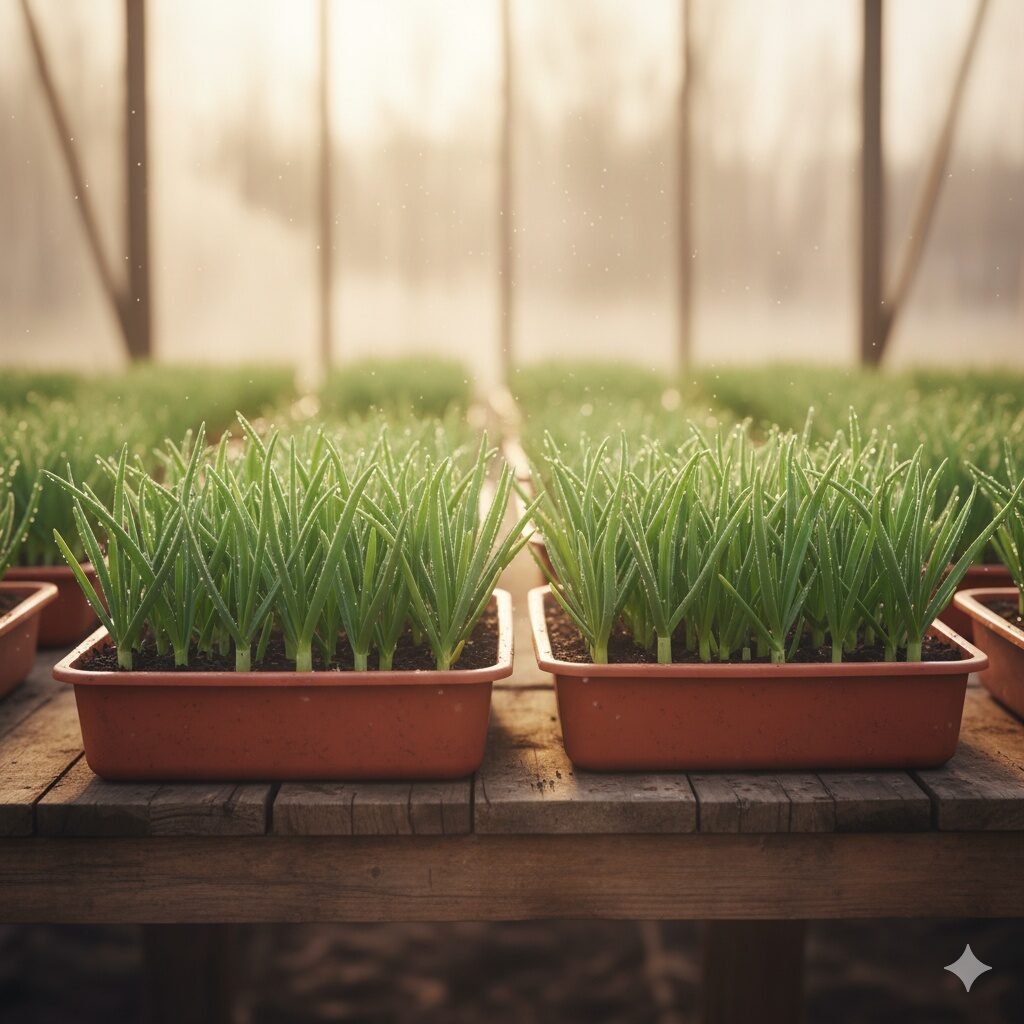
14. Garlic
Botanical Name: Allium sativum
Sun Requirements: Full sun
Height: 1–2 ft
Hardiness Zones: 3–9
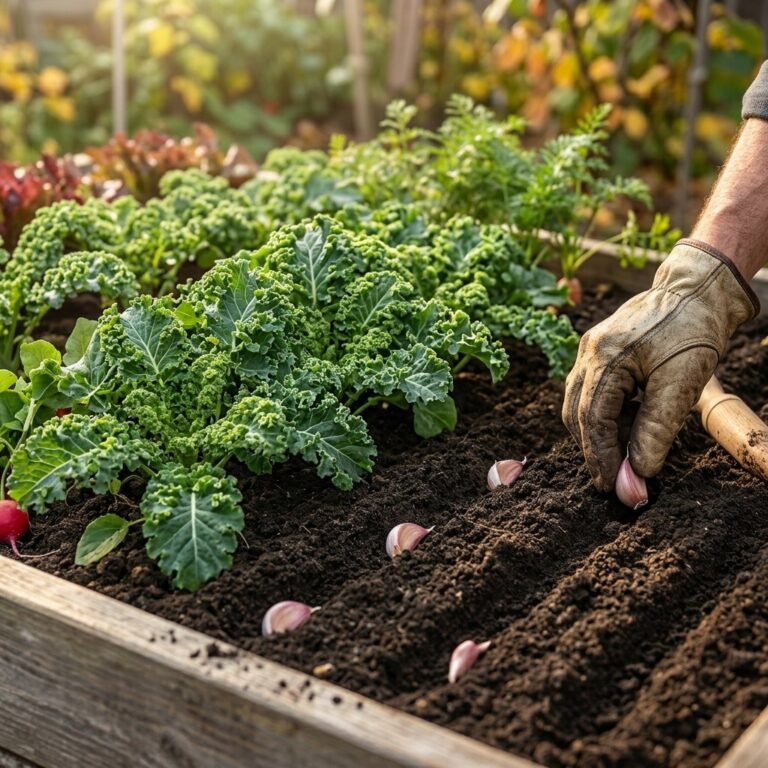
Plant individual cloves about 2 inches deep and 4 inches apart in trays or greenhouse beds. They’ll root through the winter and shoot up once light increases.
Keep soil slightly moist and weed-free. Once green shoots appear, give them good airflow to prevent fungal growth. You can even harvest young garlic greens for a mild flavor before bulbs mature.
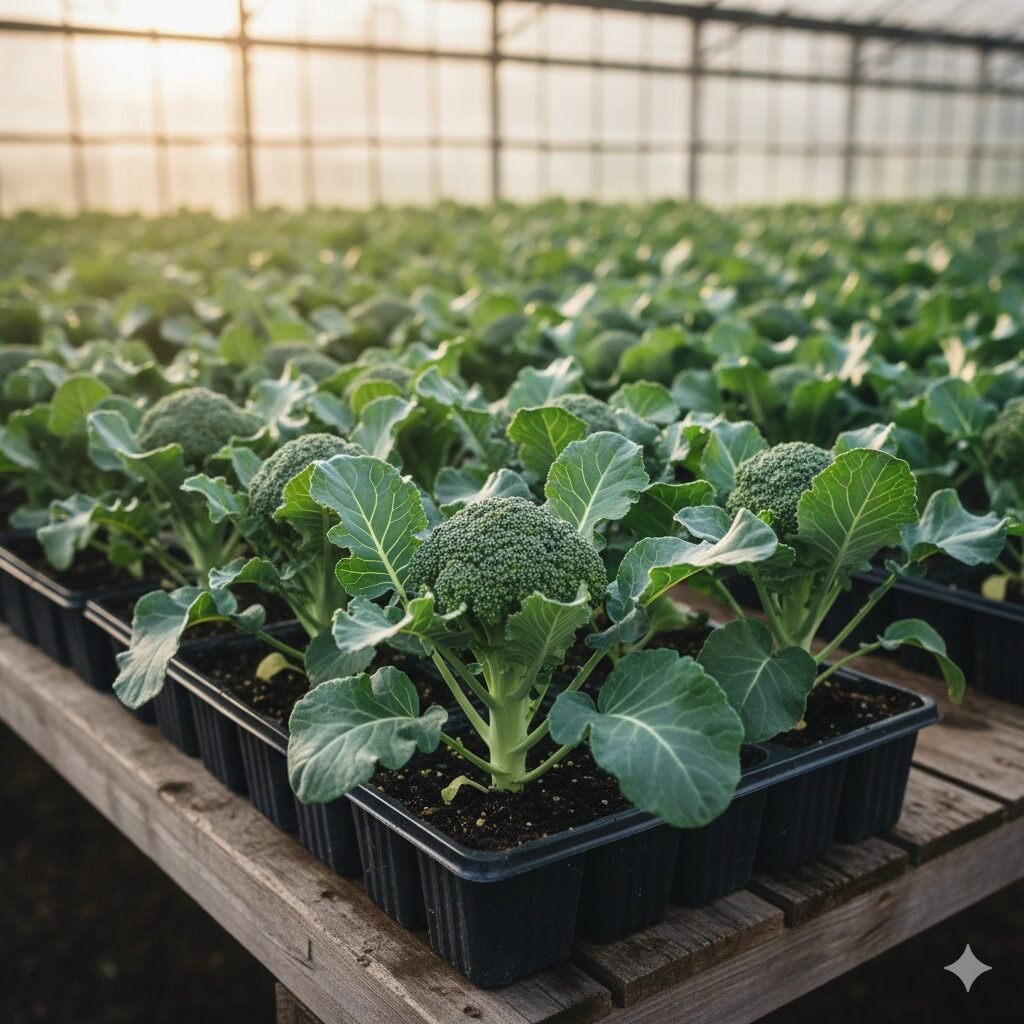
15. Broccoli
Botanical Name: Brassica oleracea var. italica
Sun Requirements: Full sun
Height: 1–2 ft
Hardiness Zones: 3–10
Start broccoli in trays or modules in late February. Germination is quick if soil stays around 60–65°F (15–18°C). Transplant seedlings into deeper containers once roots fill the starter trays.
Water consistently and avoid crowding — broccoli needs space for good air movement. Harvest the central head first; side shoots will keep forming for weeks afterward.
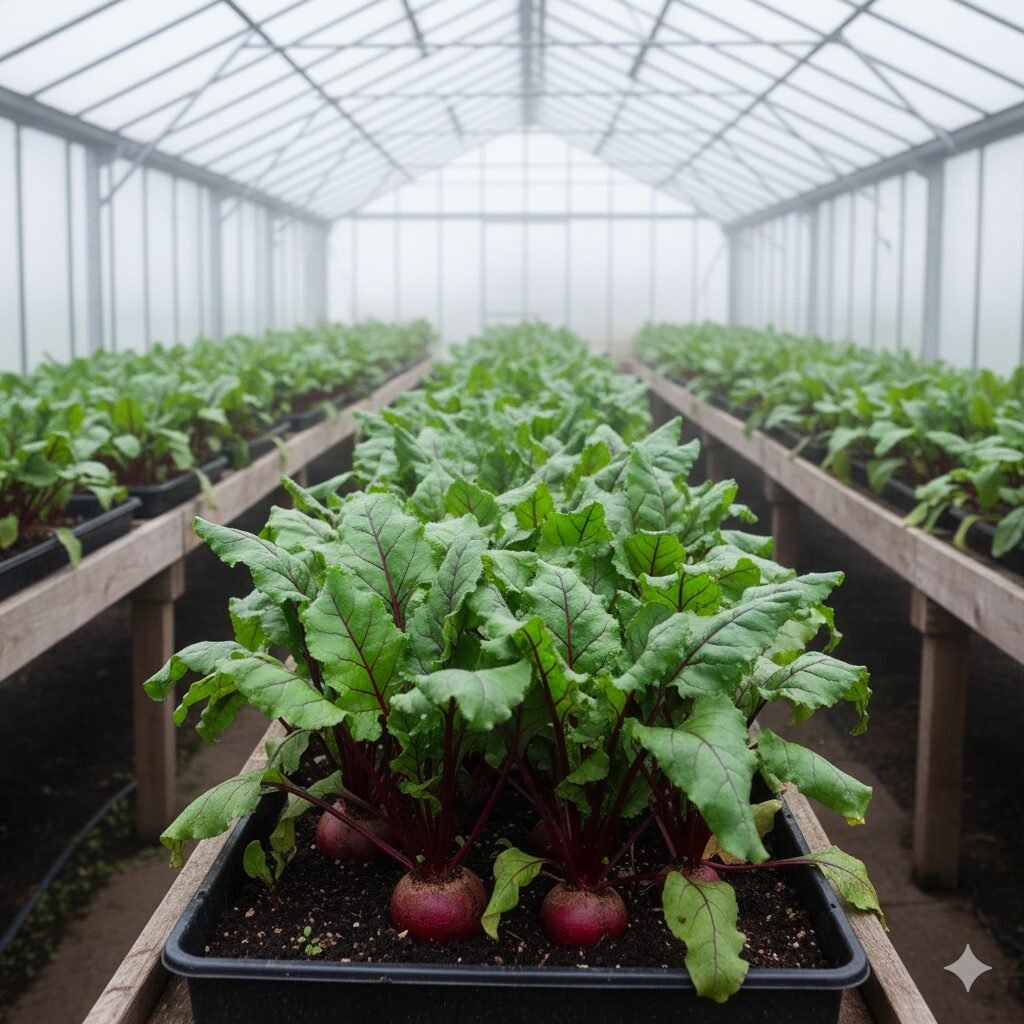
16. Beets (Beetroot)
Botanical Name: Beta vulgaris
Sun Requirements: Full sun
Height: 1–2 ft
Hardiness Zones: 3–10
Beets are a double win — edible roots and tasty greens. Sow seeds about ½ inch deep directly into greenhouse soil or deep trays. Each beet “seed” is actually a cluster, so once seedlings appear, thin them to 3–4 inches apart.
Keep the soil lightly moist and rich in organic matter. Too much nitrogen can make big leaves but small roots, so go easy on feeding. Harvest young beets early for tender texture, or let them mature for that deep earthy flavor.
In the U.S. and southern Europe, sow in January for early spring harvest. In colder regions, start mid-February. The leaves make great salads even before roots form fully.
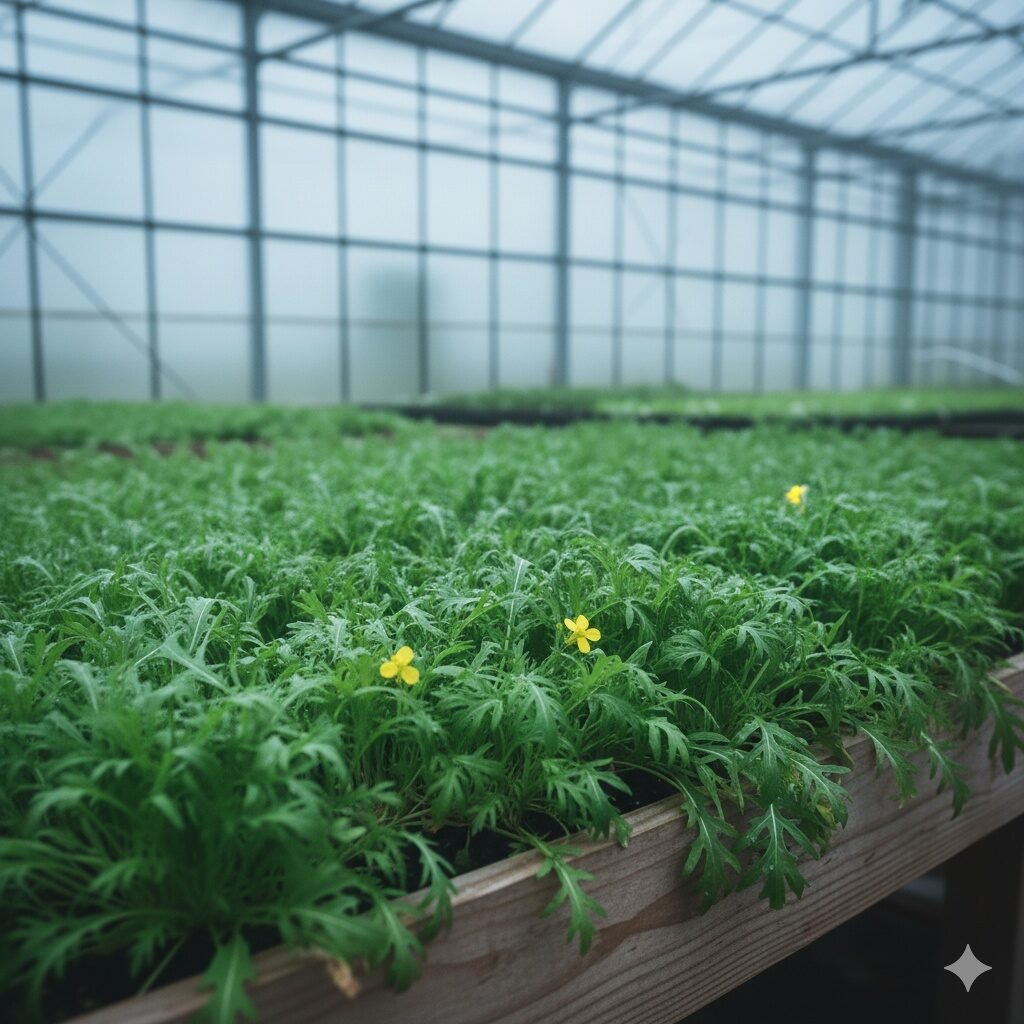
17. Mizuna (Japanese Mustard Greens)
Botanical Name: Brassica rapa var. nipposinica
Sun Requirements: Full sun to partial shade
Height: 6–10 in
Hardiness Zones: 3–9
Mizuna is one of those quick, forgiving greens that make winter gardening fun. It grows fast — about 3 to 4 weeks from seed to harvest. Sow directly into greenhouse beds or trays and thin seedlings to an inch or two apart.
It’s cold-hardy and handles low light without complaint. Keep the soil evenly moist and harvest outer leaves regularly to keep the plant producing. Its mild, peppery taste brightens up winter salads and stir-fries.
For Europe and northern U.S., mizuna can grow in unheated greenhouses all winter. Just give it some ventilation on sunny days to avoid mildew.
## Pro Tips to Keep Your Greenhouse Productive
So, to make sure your January–February greenhouse keeps producing nicely, keep an eye on these things:
- Ventilation — Even in winter, open vents on sunny days to stop mold and mildew.
- Water carefully — Cold soil means slow evaporation, so water less often but deeply.
- Use insulation — Bubble wrap or frost fleece keeps roots warmer.
- Add compost heat — Compost heaps release warmth — place one inside if space allows.
- Rotate crops — Don’t grow the same thing in the same spot every winter; it keeps soil healthier.
To know more about Greenhouse Planting, you may visit Here.
Simple Heating Ideas for the Coldest Nights
Alright, heating doesn’t have to cost much. There are several easy ways to keep your greenhouse warm without big bills:
- Compost bins or manure hotbeds — generate natural heat.
- Thermal mass (like water barrels) — absorbs heat by day, releases it by night.
- Electric soil cables or heating mats — warm the root zone directly.
- Bubble wrap insulation — cheap and effective on the inner frame.
Keep a small thermometer inside so you can track changes and prevent temperature drops.
Preparing for Early Spring
Now, as daylight grows in late February, your greenhouse becomes a mini-spring zone before the rest of the garden wakes up. That’s your cue to start sowing early batches of:
- Tomatoes
- Cucumbers
- Sweet peppers
- Zinnias and marigolds for companion planting
Clean pots, check seed stock, and top up potting mix. The groundwork you do now means your main season crops will be weeks ahead of schedule.
Quick Planting Calendar Snapshot
| Crop | Sow Indoors (Jan–Feb) | Transplant | Harvest |
|---|---|---|---|
| Lettuce | Jan–Feb | Mar | Apr–May |
| Spinach | Jan–Feb | Mar | Apr–Jun |
| Tomatoes | Late Feb | Apr | Jul–Aug |
| Peppers | Feb | May | Jul–Sep |
| Kale | Jan | Mar | May–Jun |
| Radishes | Jan–Feb | — | Feb–Mar |
| Herbs | Jan–Feb | — | Ongoing |
Keep this calendar handy near your seed trays — it helps time everything perfectly.
Regional Notes
U.S. Gardeners (Zones 6–10):
- Southern zones can start peppers and tomatoes earlier.
- Northern zones stick to hardy greens and root crops until mid-February.
- Supplement light for 12–14 hours if you’re north of zone 7.
European Gardeners:
- UK, France, and Germany: same rhythm as U.S. zones 7–8.
- Scandinavia: use LED grow lights for anything beyond leafy greens.
- Southern Europe: start early cucumbers or basil by late February.
Winter Greenhouse Tips
- Insulate walls with bubble wrap or frost fleece.
- Ventilate on sunny days to avoid fungal issues.
- Water lightly — cold air slows evaporation.
- Use thermal mass (like water barrels) to trap warmth.
- Harvest often to keep greens regenerating.
Preparing for Early Spring
By late February, light levels rise, and your greenhouse wakes up fast. You can start:
- Tomatoes and peppers for transplanting
- Early herbs like basil
- Marigolds or zinnias for pollinator support
Clean trays, refresh compost, and make sure your ventilation’s ready for longer, warmer days ahead.
Wrapping Up the Winter Greenhouse Season
By the way, what’s beautiful about January and February greenhouse gardening is that it gives you something green to care for when the rest of the garden looks still. Even if you’re just sowing small trays of greens or testing your heating setup, it all sets you up for a smoother spring season.
It’s a small reminder that even in the coldest months, growth doesn’t stop — it just slows down a bit and waits for the right light to return.
Watch Before You Plant: Winter Greenhouse Inspiration
Ok, so before you grab your seed trays and start digging around, this short video really helps set the scene. It walks you through what actually thrives inside a greenhouse in the coldest months, showing real examples of seedlings, soil setup, and how light conditions look in midwinter.