

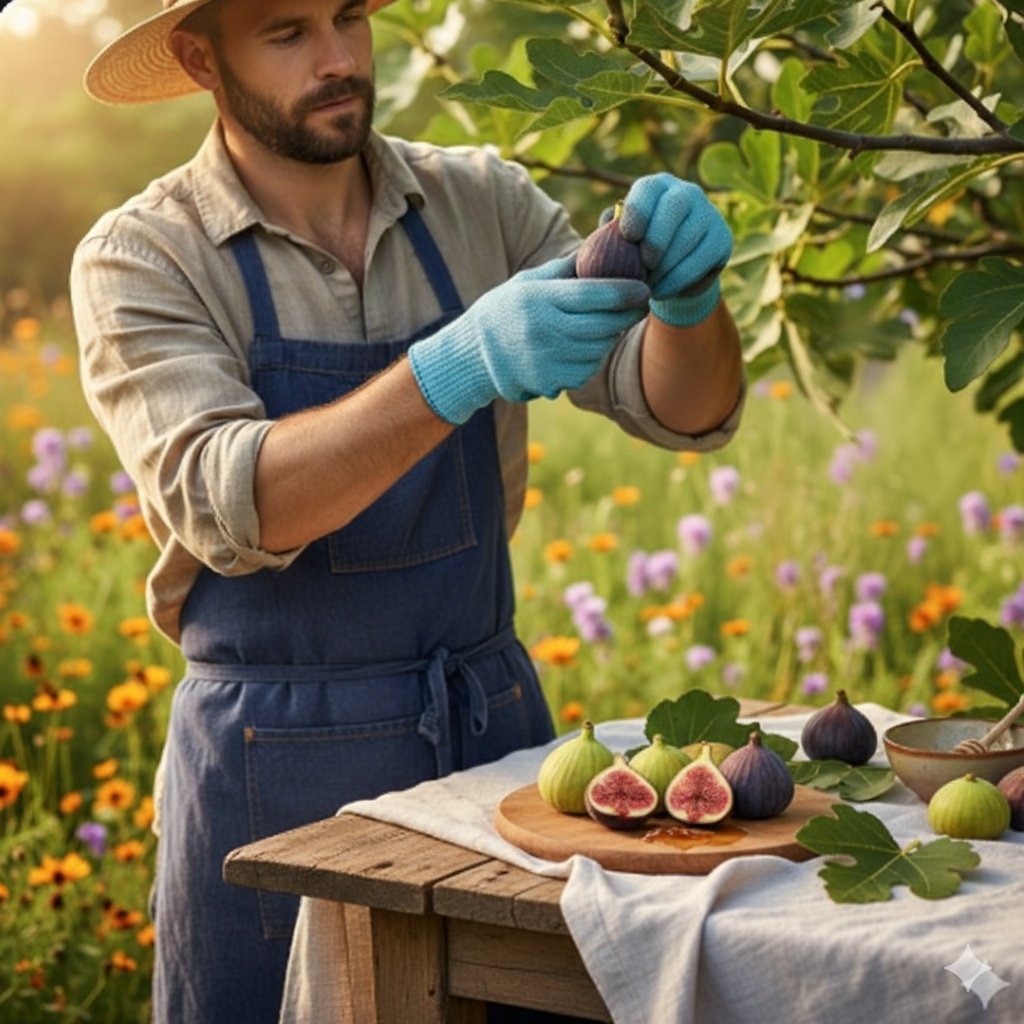
Growing figs has a way of pulling you into the rhythm of the season. One day your tree is full of firm green fruit, and then, almost overnight, the branches start sagging under the weight of soft, sweet figs begging to be picked. For new growers, the tricky part is figuring out exactly when that moment is—and how to make the most of it once the harvest comes in.
This guide walks through everything you need: how to harvest figs, when to pick them, how to tell if they’re ripe, ways to store or preserve them, how to prepare soil for planting, what fig varieties grow best in the U.S., and even a few notes on pruning so your tree rewards you with a bigger harvest year after year.
Soil Preparation for Fig Trees
Before you ever get to the harvest stage, your figs need the right foundation. Figs aren’t fussy compared to many fruit trees, but good soil makes a big difference in both growth and yield.
- Soil type: Figs prefer loamy soil—something with a nice balance of sand, silt, and clay. Too much clay means waterlogging, which figs hate. Too much sand and the soil dries out too quickly.
- Drainage: This is the most important factor. Figs absolutely need well-drained soil. If your yard tends to stay soggy, consider planting in raised beds or large containers.
- pH level: Aim for slightly acidic to neutral soil (around 6.0–7.0). If your soil is too acidic, add lime; if it’s too alkaline, work in organic compost or sulfur.
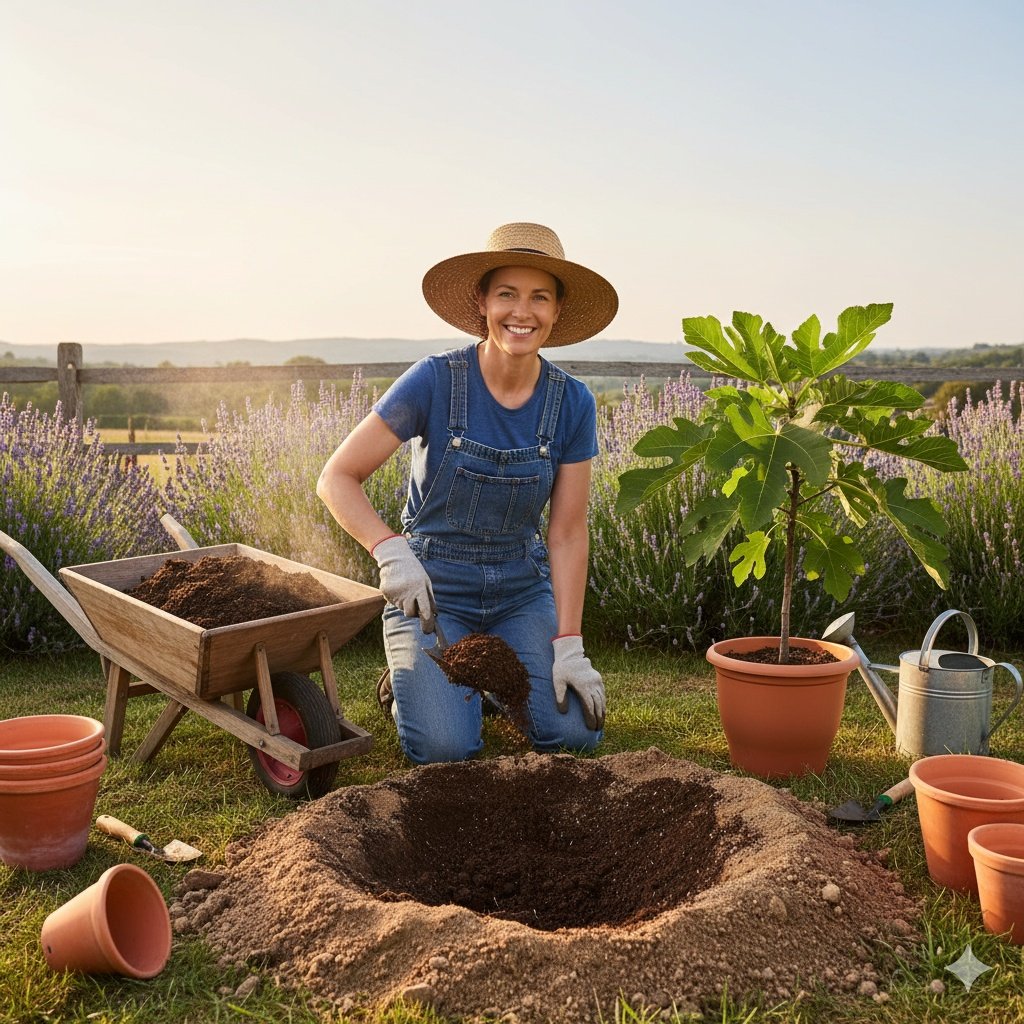
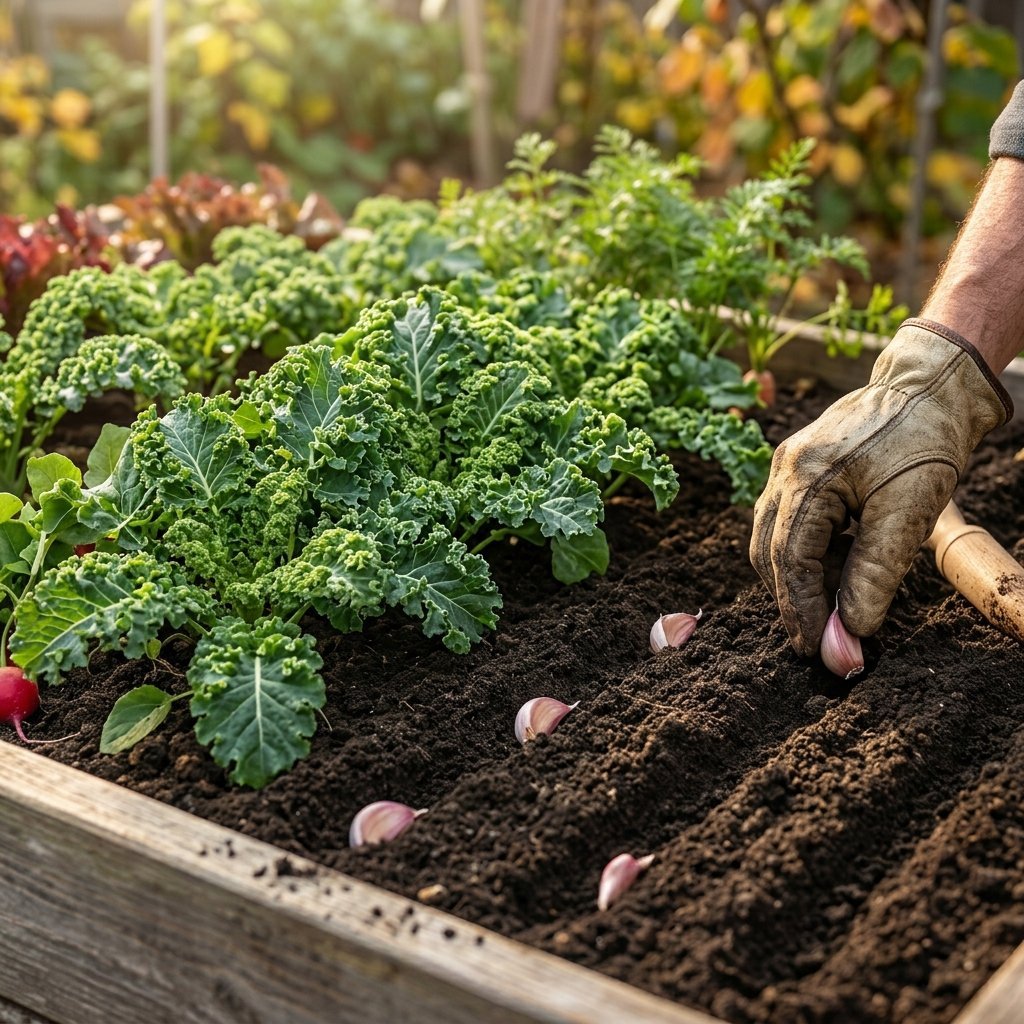
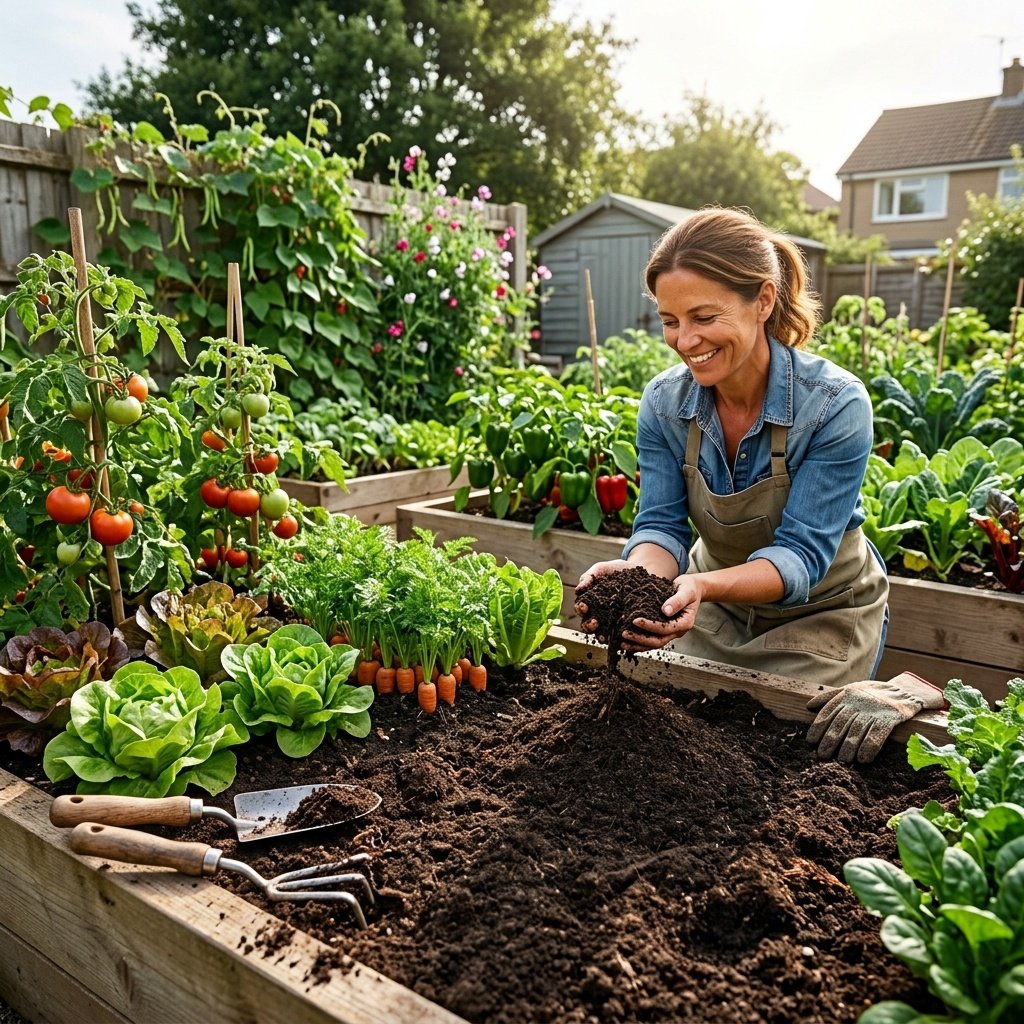
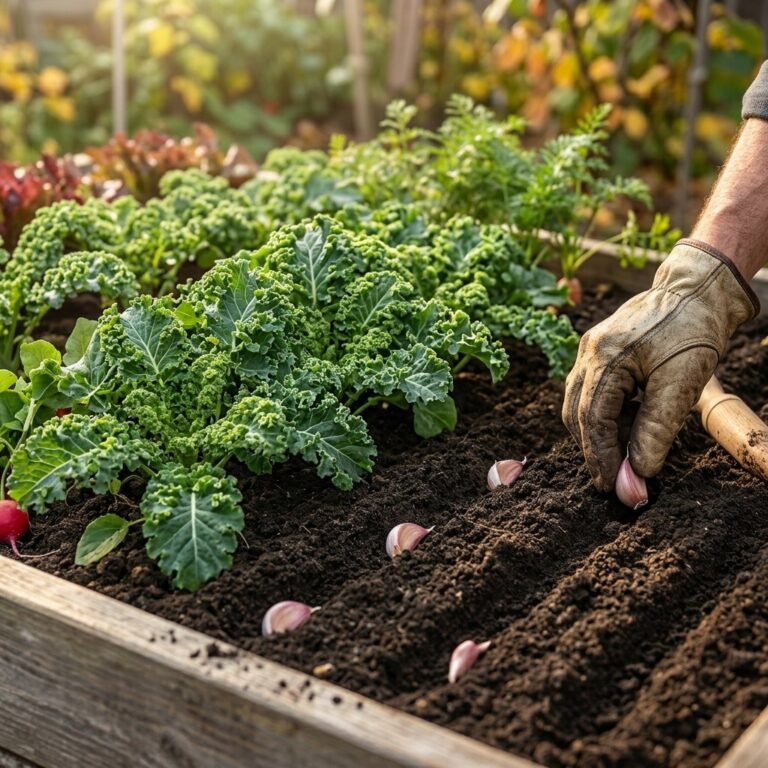
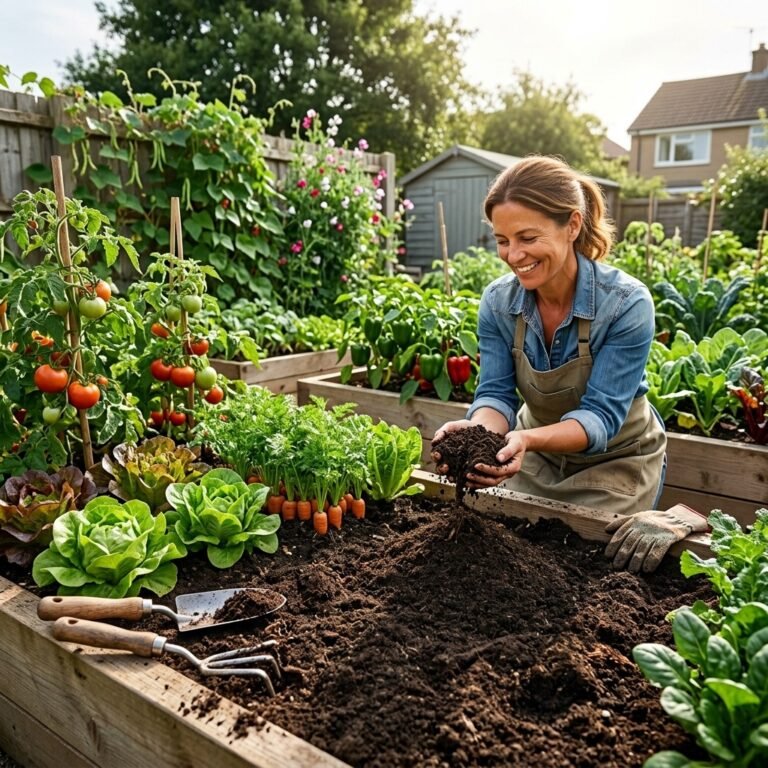
- Soil prep before planting: Dig a hole at least two feet wide and a bit deeper than the root ball. Mix in compost, aged manure, or organic matter to enrich the planting spot. Figs thrive in soil that’s fertile but not overloaded with synthetic fertilizer.
- Mulching: Once planted, add a layer of mulch around the base (but not touching the trunk) to hold moisture and keep roots cool.
Well-prepped soil means your tree will settle in faster, send roots deeper, and set you up for a more generous fig harvest down the line. Read more Here.
Common Fig Varieties in the USA
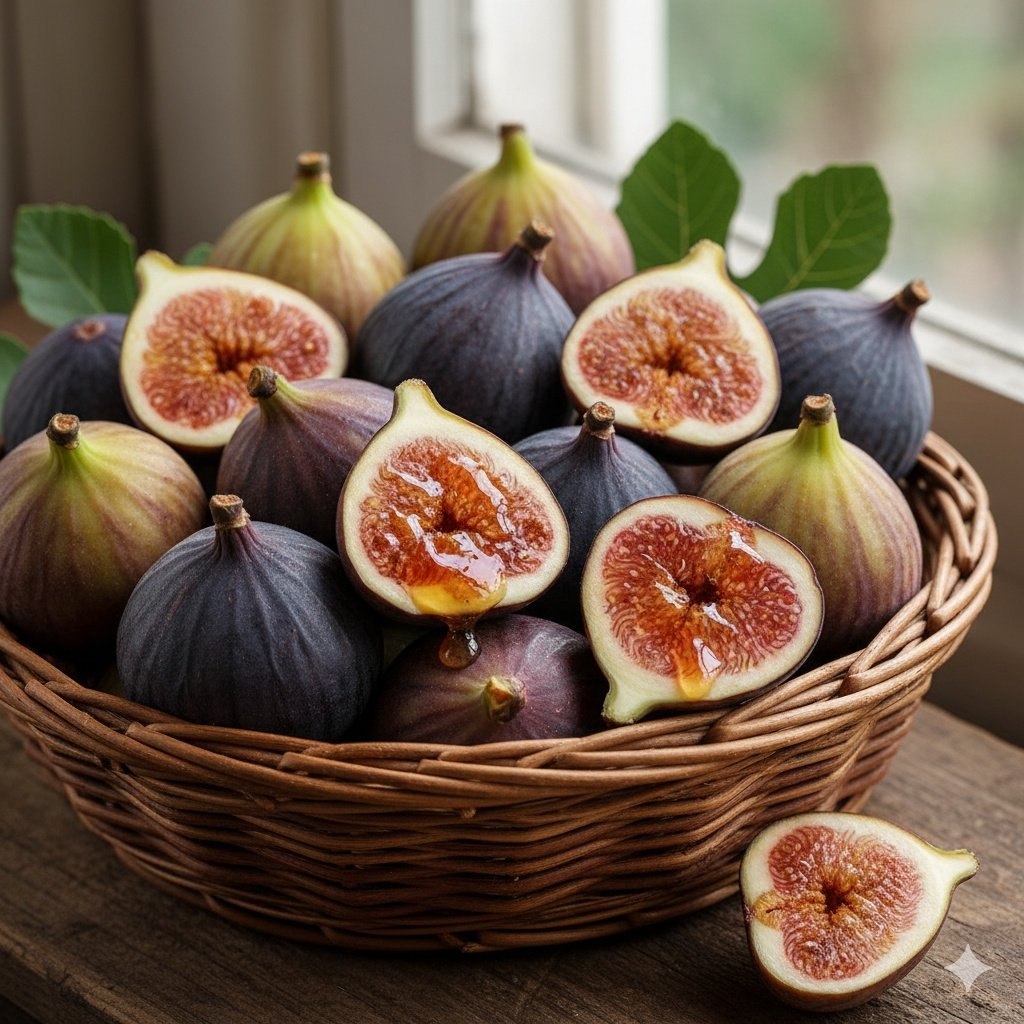
The U.S. is home to quite a few fig types, and knowing your variety helps you predict flavor, harvest time, and storage potential. Here are some of the most popular:
- Brown Turkey Fig: Probably the most widely grown in the U.S. Known for medium to large fruit, brown skin, and pinkish flesh. Sweet but not overly sugary, making it versatile for eating fresh or cooking.
- Black Mission Fig: Dark purple to almost black skin with a rich, jammy flavor. One of the sweetest figs, perfect for fresh eating, drying, or preserves.
- Kadota Fig: Greenish-yellow skin with amber flesh. Less sweet than Mission, often used for canning and preserving.
- Adriatic Fig: Light green skin with strawberry-red flesh inside. These are the figs you usually find in fig bars or dried fig snacks.
- Celeste Fig: Sometimes called the “sugar fig.” Small fruit but extremely sweet, with purplish skin and pink flesh. Often ripens earlier than other varieties.
- Calimyrna Fig: Famous in California, with greenish-yellow skin and nutty-flavored amber flesh. Usually eaten dried but also delicious fresh.
Each type has its quirks—some are better for cooler climates, others need a long, hot season. If you’re planting new trees, pick varieties suited to your USDA hardiness zone for the best results. Read more Here.

Growing Figs in Small Spaces
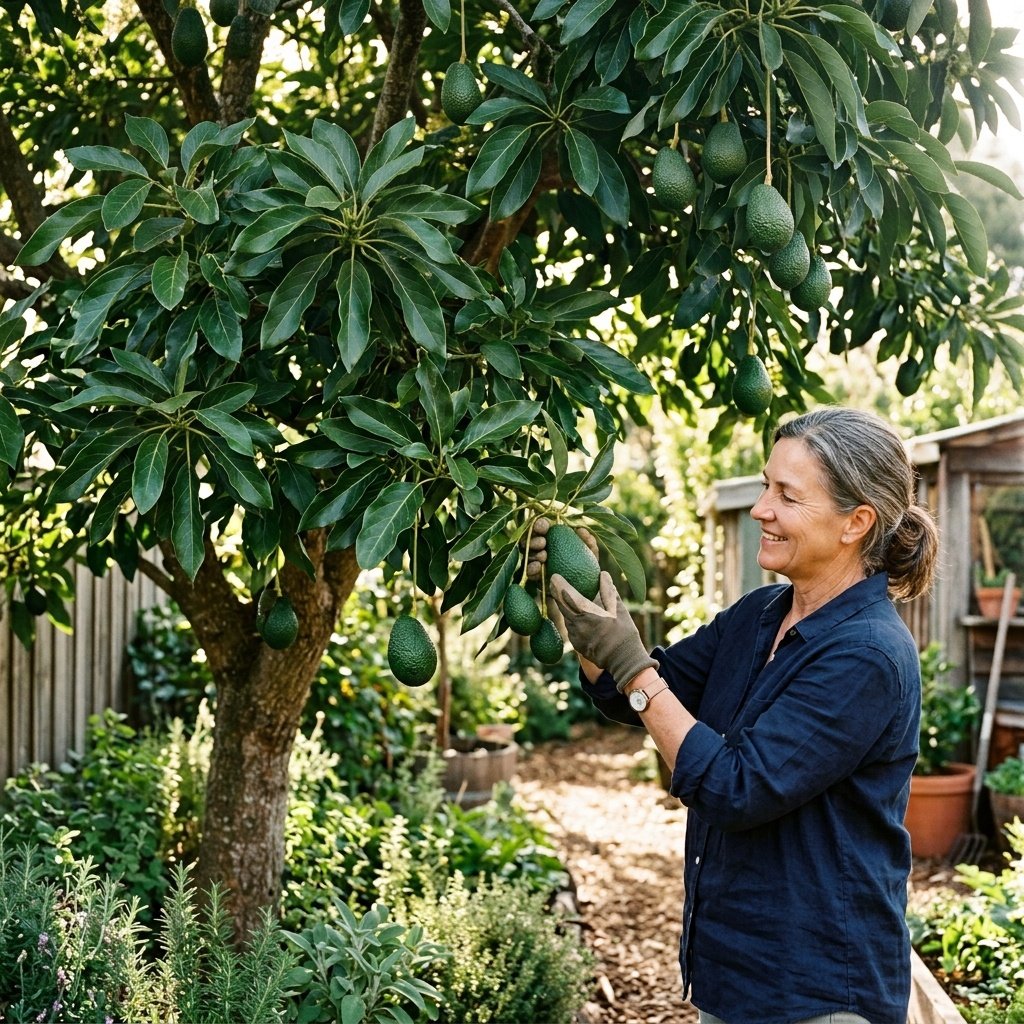
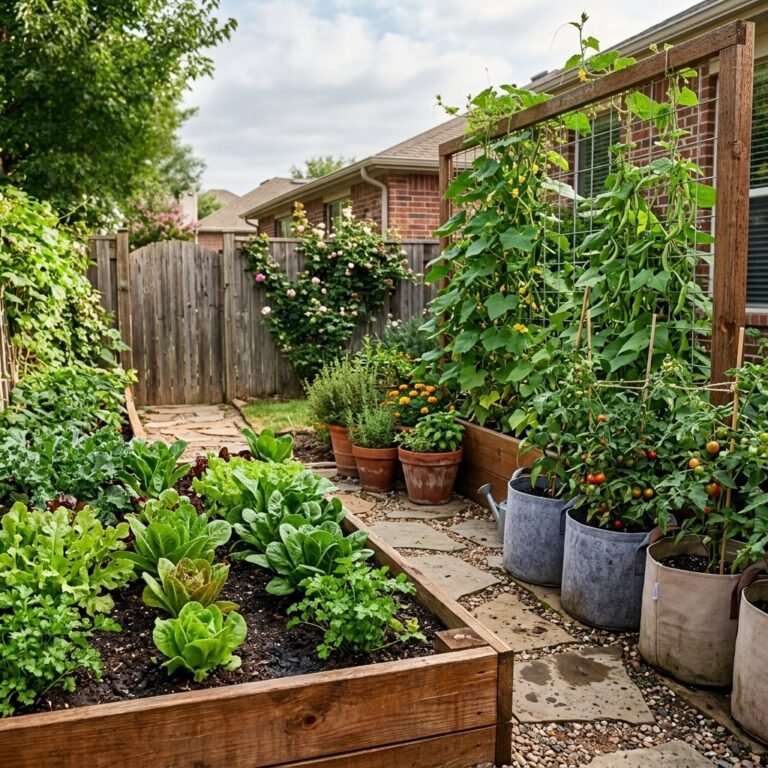
Don’t let limited space stop you from enjoying fresh figs. Fig trees adapt well to containers, patios, and small backyards. Choose a dwarf or compact variety, such as ‘Petite Negra’ or ‘Little Miss Figgy’, which thrive in pots. Use a large container (at least 15–20 gallons) with good drainage and a rich, well-draining soil mix.
Place the pot in a sunny spot (6–8 hours of direct sunlight daily) to encourage fruiting. Container-grown figs may dry out faster, so consistent watering is key—keep the soil moist but not soggy. During winter, you can move the pot to a protected area or cover it to prevent frost damage.
Prune annually to maintain shape and size; this also promotes more productive growth. With a little care, even a balcony or small garden corner can provide you with a sweet garden-to-table fig harvest. Read more Here.
When to Pick Figs
Timing is everything with figs. The fruit doesn’t ripen once it’s off the tree, so waiting until it’s just right is the only way to get that melt-in-your-mouth sweetness. Usually, the fig harvest season runs from late summer into early fall, but the exact window depends on your variety and climate.
In warm regions, you might get two crops: a smaller early one in late spring or early summer, called the “breba” crop, followed by the main crop later in the season. In cooler spots, most gardeners just get the main crop.
So, how do you know when it’s time to pick figs? You have to look for the signs.
Signs a Fig is Ripe
A ripe fig doesn’t hide its readiness—it shows it in a few clear ways:
- Softness: The fruit feels tender when you give it a gentle squeeze.
- Drooping: Ripe figs often hang downward on the branch instead of standing upright.
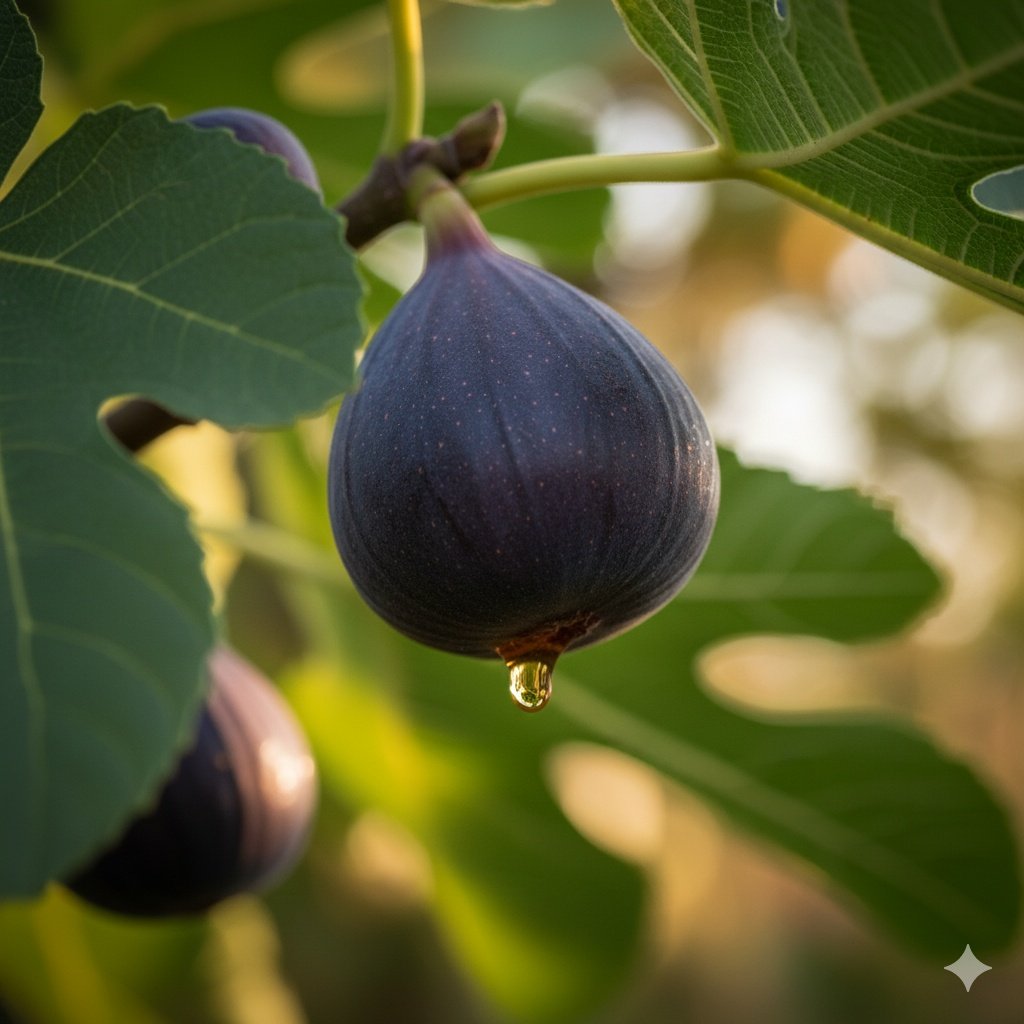
- Color change: Depending on the variety, the fig’s skin deepens in color, sometimes with streaks or a glossy look.
- Nectar at the stem: A little drop of sugary liquid sometimes oozes out near the stem.
If you pick a fig too early, it’ll be bland and rubbery, and since figs don’t continue to ripen once harvested, you’re stuck. So it’s better to leave them on the tree a little longer than to grab them too soon. Read more Here.
How to Harvest Figs Without Damaging the Tree
Picking figs sounds simple, but there’s a right way to do it to protect both the fruit and the tree. Use this approach:
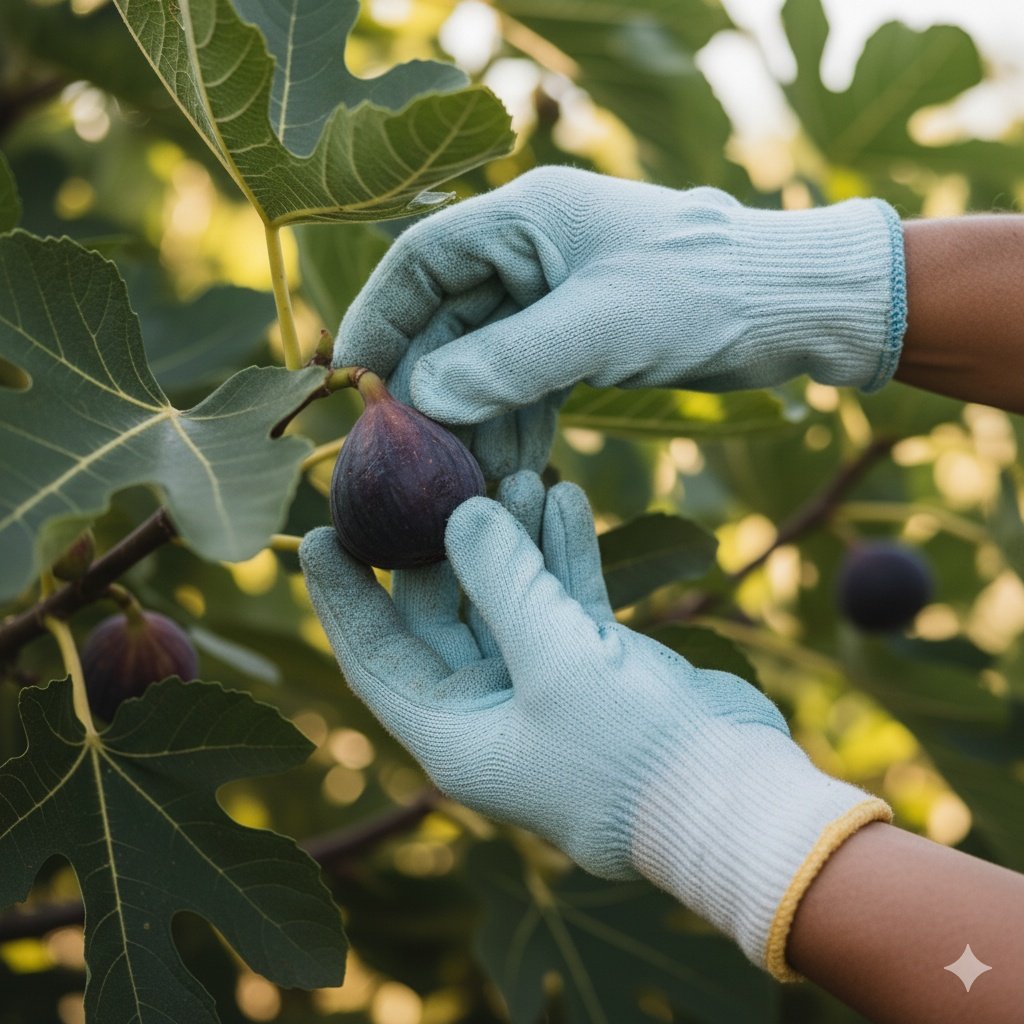
- Hold the fig gently in your hand.
- Lift it slightly or twist just a bit—it should come off easily if it’s ready.
- If it resists, leave it for another day or two.
Avoid pulling hard or yanking; that can tear the stem or even damage the branch. Some gardeners like to wear gloves or long sleeves since the sap can be slightly irritating to the skin.
Storing Freshly Harvested Figs
Once figs are picked, you don’t have a long window. They’re one of the most perishable fruits out there.
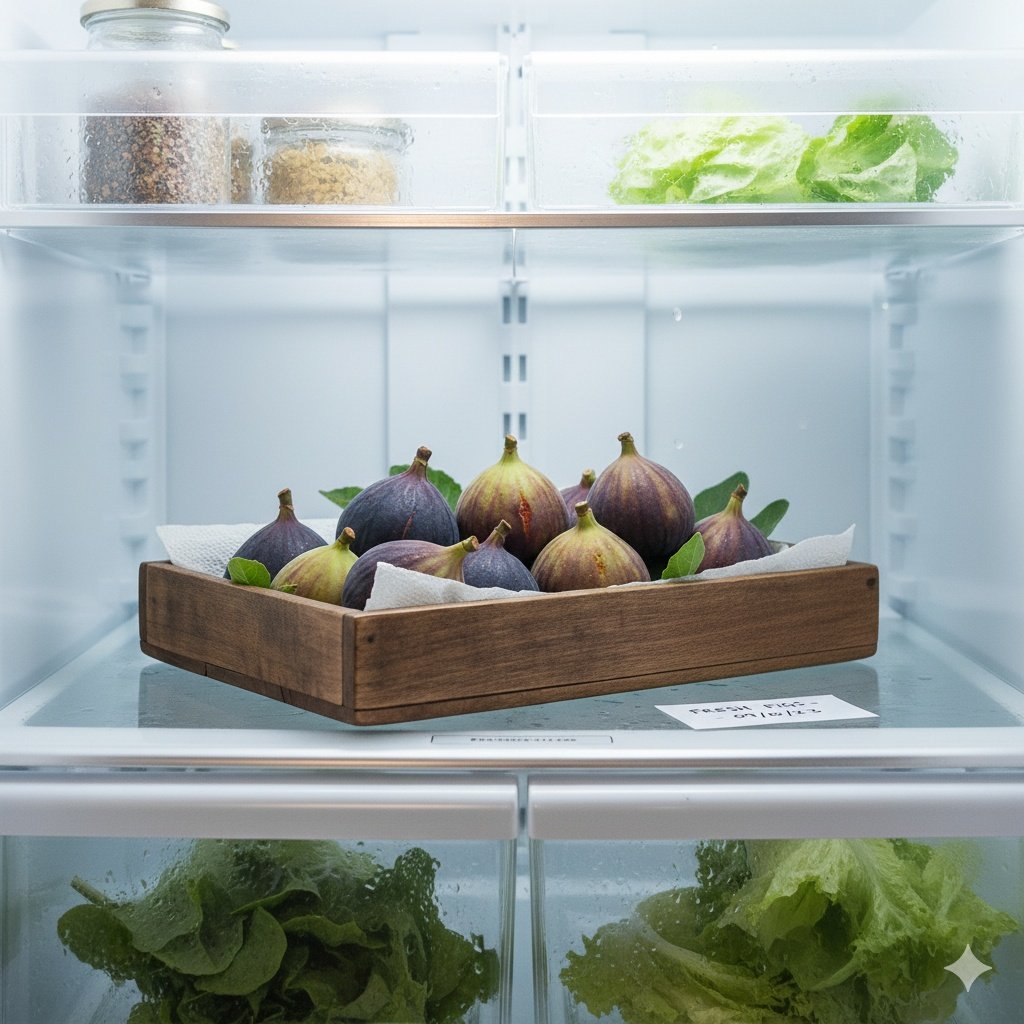
- Short-term storage: Place them in a shallow container lined with paper towels and keep them in the refrigerator. This usually gives you 2–3 days.
- Freezing: Wash and dry them, lay them on a tray to freeze, then move them into freezer bags. Frozen figs are great for smoothies or baking.
- Drying: Slice them and lay them in a dehydrator or on a tray in a low oven. Dried figs keep for months.
- Jam and preserves: Cooking figs down with sugar makes them shelf-stable and keeps their flavor alive for much longer.
One thing to remember: don’t pile figs high on top of each other. They bruise so easily that even their own weight can cause them to spoil faster.
Pruning Fig Trees for Better Harvests
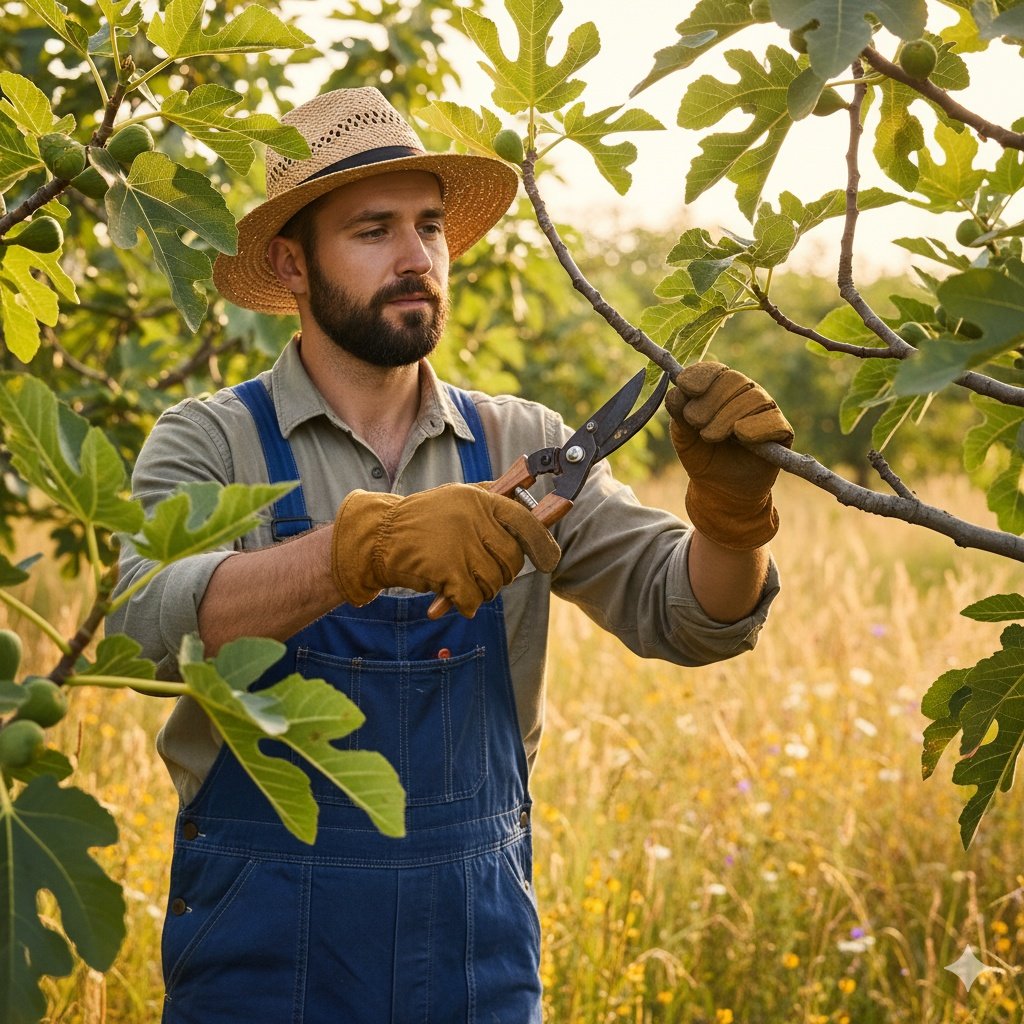
Harvest isn’t just about the fruit—it’s tied to how you care for the tree. Pruning plays a huge role. A properly pruned fig tree not only looks tidier but also puts more of its energy into producing bigger, sweeter figs.
- When to prune: Usually in late winter while the tree is dormant.
- What to cut: Remove dead or crossing branches, thin out crowded spots, and shorten overly long shoots.
- Why it matters: Good airflow reduces disease risk, and balanced branches make harvesting easier.
Some gardeners even pinch back new growth tips in summer to redirect energy into ripening the existing fruit instead of making more leaves.
Fig Harvest Season by Climate
Not every fig grows on the same schedule. For instance:
- Warm Mediterranean-like climates: Longer harvest window, often two crops.
- Cooler northern climates: Usually one crop in late summer, with a shorter window.
- Container figs: Often ripen earlier, especially if placed in sunny, sheltered spots.
If you’re unsure about your own tree, keep notes from year to year. Over time, you’ll see a pattern for your area and your specific variety.
Preserving Figs After Harvest
If your harvest is generous, you’ll want to make it last. Besides freezing and drying, there are classic ways gardeners keep figs around:
- Canning: Whole or sliced figs can be preserved in syrup.
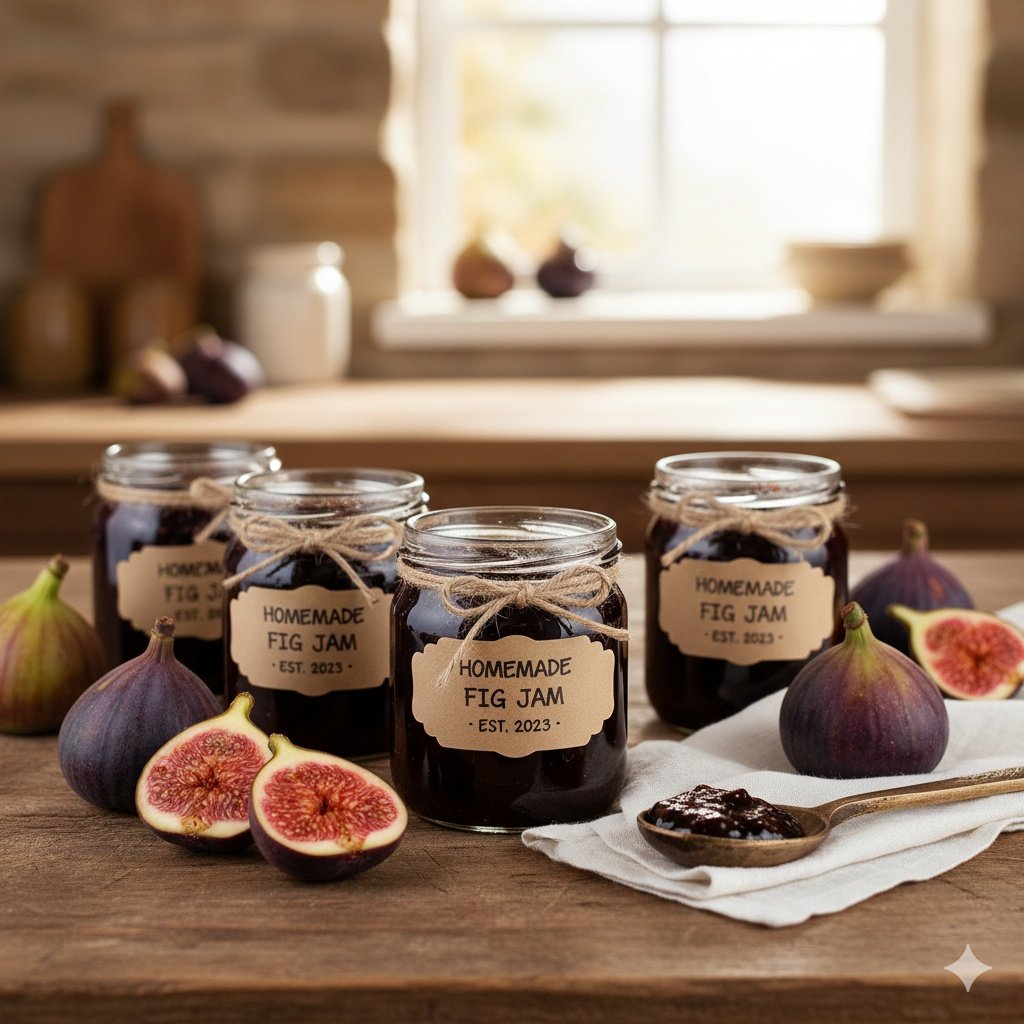
- Jam: Probably the most popular method—fig jam pairs beautifully with cheese, bread, or even roasted meats.
- Baking: Tarts, cakes, and cookies are perfect for using figs that are slightly past their prime.
Some people even ferment figs for wine or vinegar, though that’s a bit more niche.

Recipes: From Garden to Table
Fresh figs are at their best eaten right off the tree, still warm from the sun. But if you want to get creative, here are a few simple ideas:
- Fig and goat cheese crostini: Toasted bread, creamy goat cheese, sliced figs, and a drizzle of honey.
- Roasted figs: Halved figs baked with a sprinkle of sugar or balsamic vinegar.
- Fig salad: Tossed with arugula, walnuts, and a sharp cheese.
- Homemade fig jam: Slow-cooked figs with sugar and lemon juice until thick and spreadable.
These quick recipes show why figs have been loved for centuries—they’re versatile, naturally sweet, and fit into savory or sweet dishes.
Quick Tips for Fig Harvest Success
- Prep your soil before planting; figs thrive in well-drained, fertile ground.
- Check your tree daily during harvest season; figs ripen fast.
- Use both hands when picking to avoid damaging branches.
- Store figs in a single layer, not piled high.
- Eat or preserve them quickly—don’t let them sit too long.
- Keep pruning consistent each year for steady harvests.
- Choose the right variety for your climate—Brown Turkey, Black Mission, or Celeste can all perform differently depending on where you live.
Here’s a helpful video on fig pruning that may give you some useful insights…
I can’t help but to share another interesting video about fig, please have a look…



Pingback: How to Grow Mushrooms at Home: 6 Easy Steps (2025)