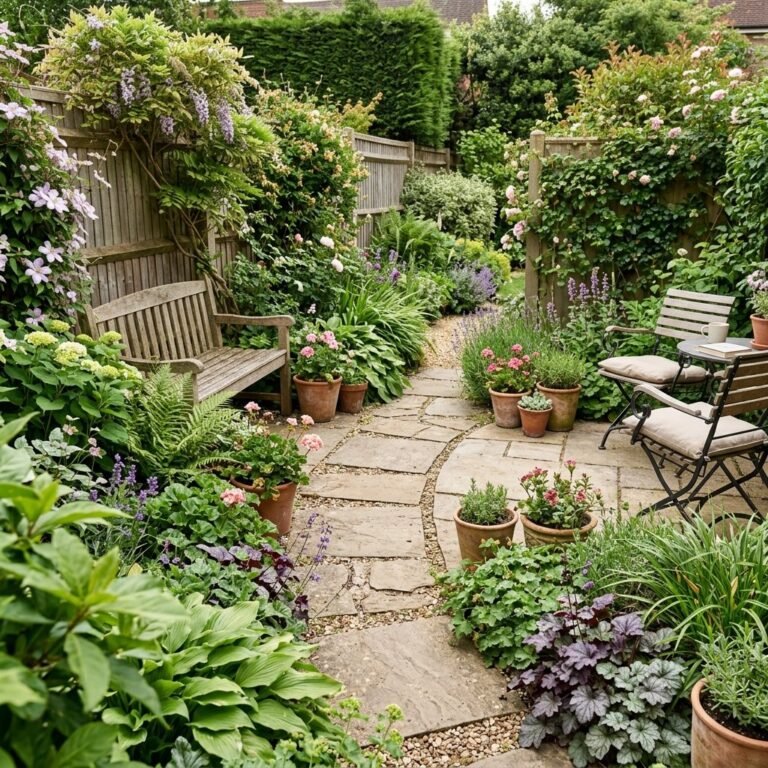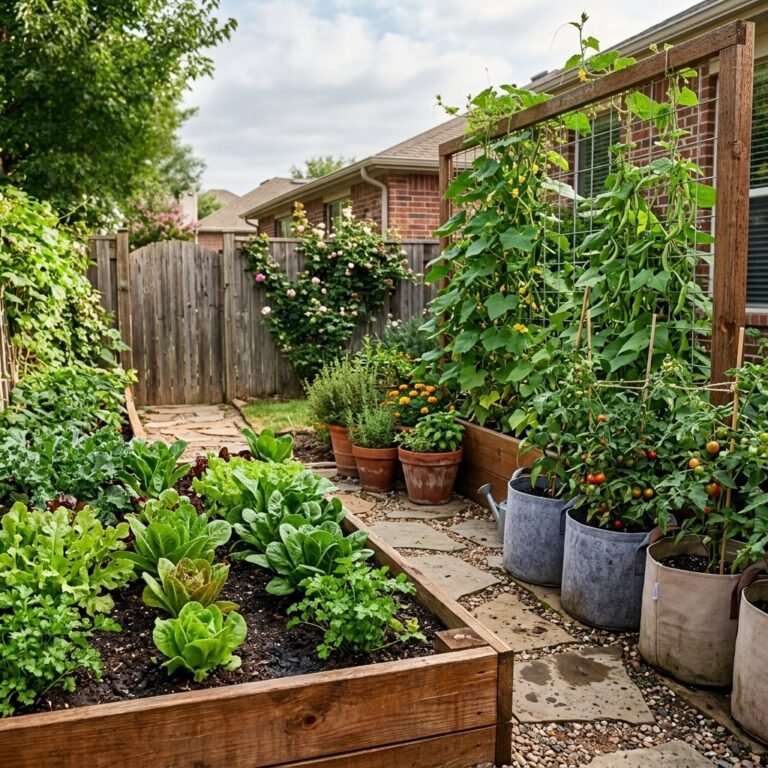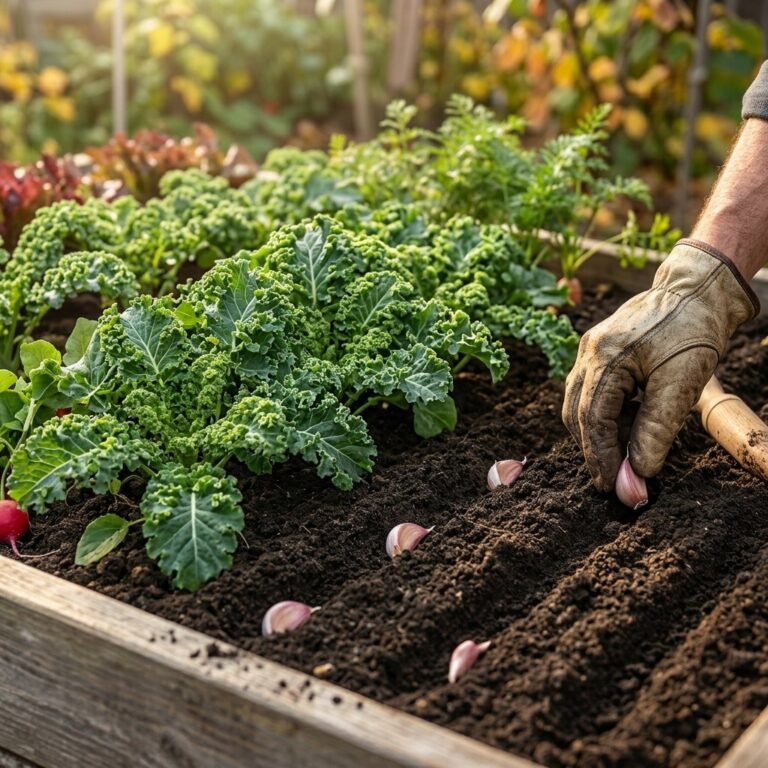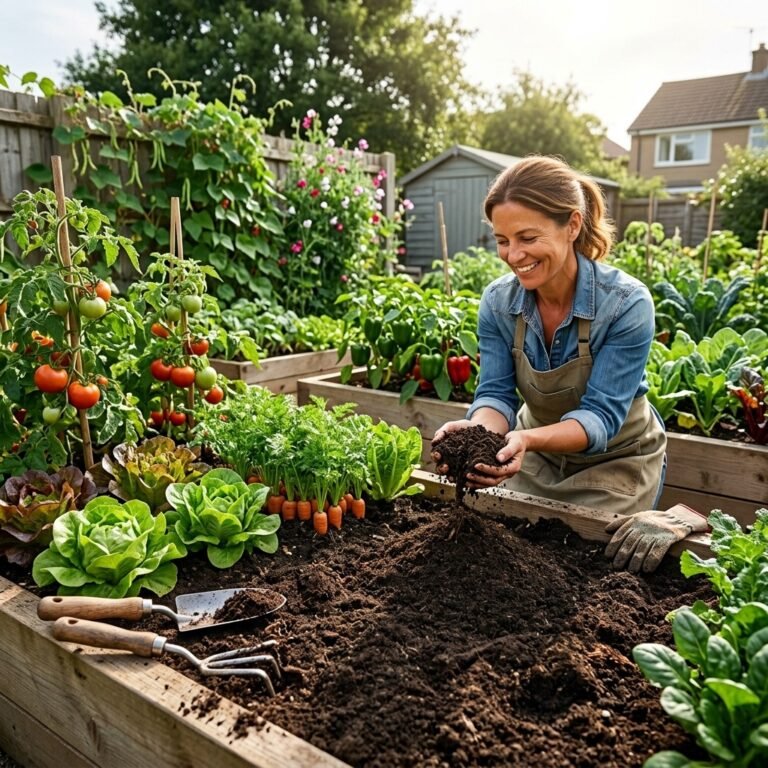

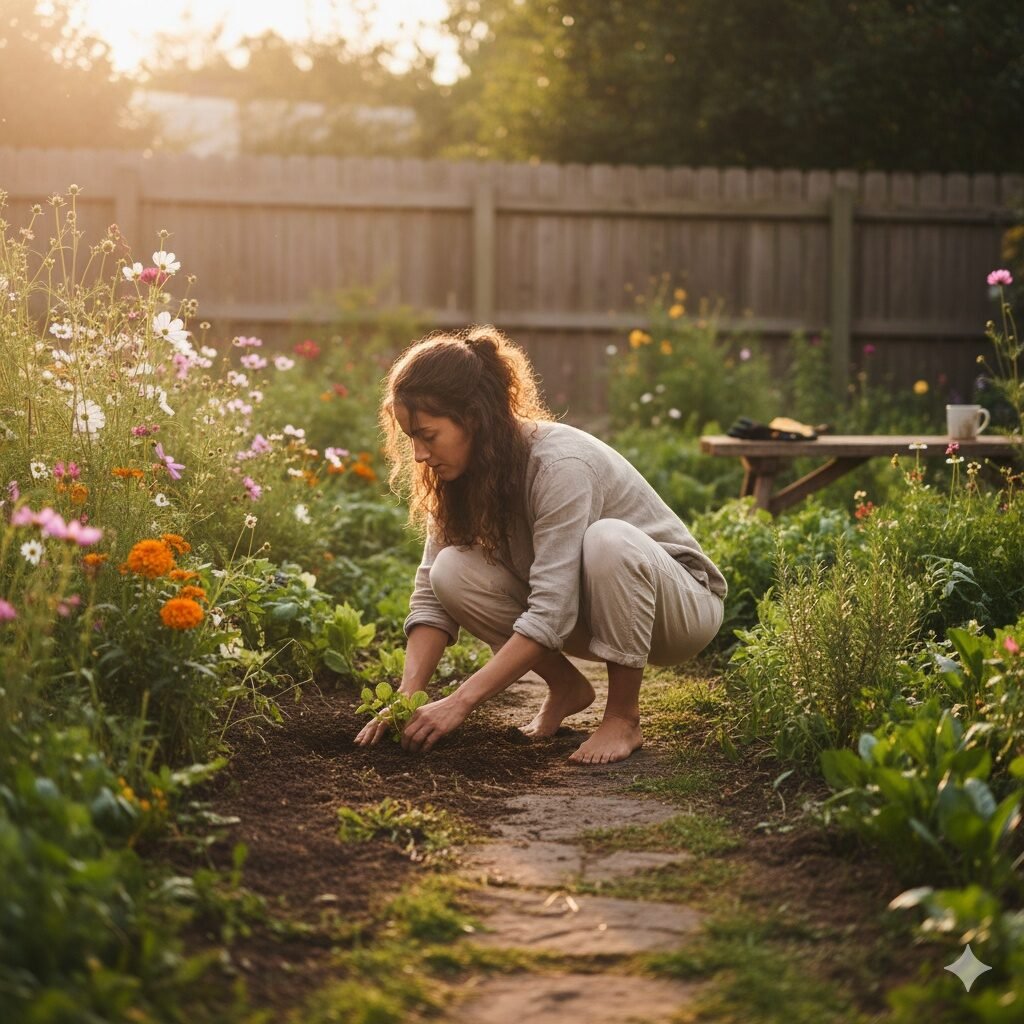
Therapeutic Horticulture: Gardening, in fact, often looks like a quiet pastime with muddy hands and slow afternoons, yet it keeps showing up in mental health conversations, and that is that people tend to feel calmer, steadier, and more at ease when plants are part of their daily life.
Therapeutic horticulture, in some respects, is not about perfect landscapes or fancy tools; it is about the act of caring for living things and letting that process gently steady the mind.
As a matter of fact, the simple routine of planting, watering, and watching growth unfold often creates emotional breathing room that modern life rarely offers.
Recommended Gardening Tools & Supplies
Here’s a simple, well-organized list of tools and supplies that tend to support therapeutic gardening and everyday plant care. These are the kinds of items people usually reach for when they want gardening to feel calmer, more manageable, and easier to stick with, especially when mental well-being is part of the goal.
| PRODUCT | WHY IT HELPS | LINKS |
|---|---|---|
| Indoor Herb Starter Kit | This is a great option for small spaces, and it makes daily plant care feel achievable without needing outdoor access or prior experience. | Check Price on Amazon |
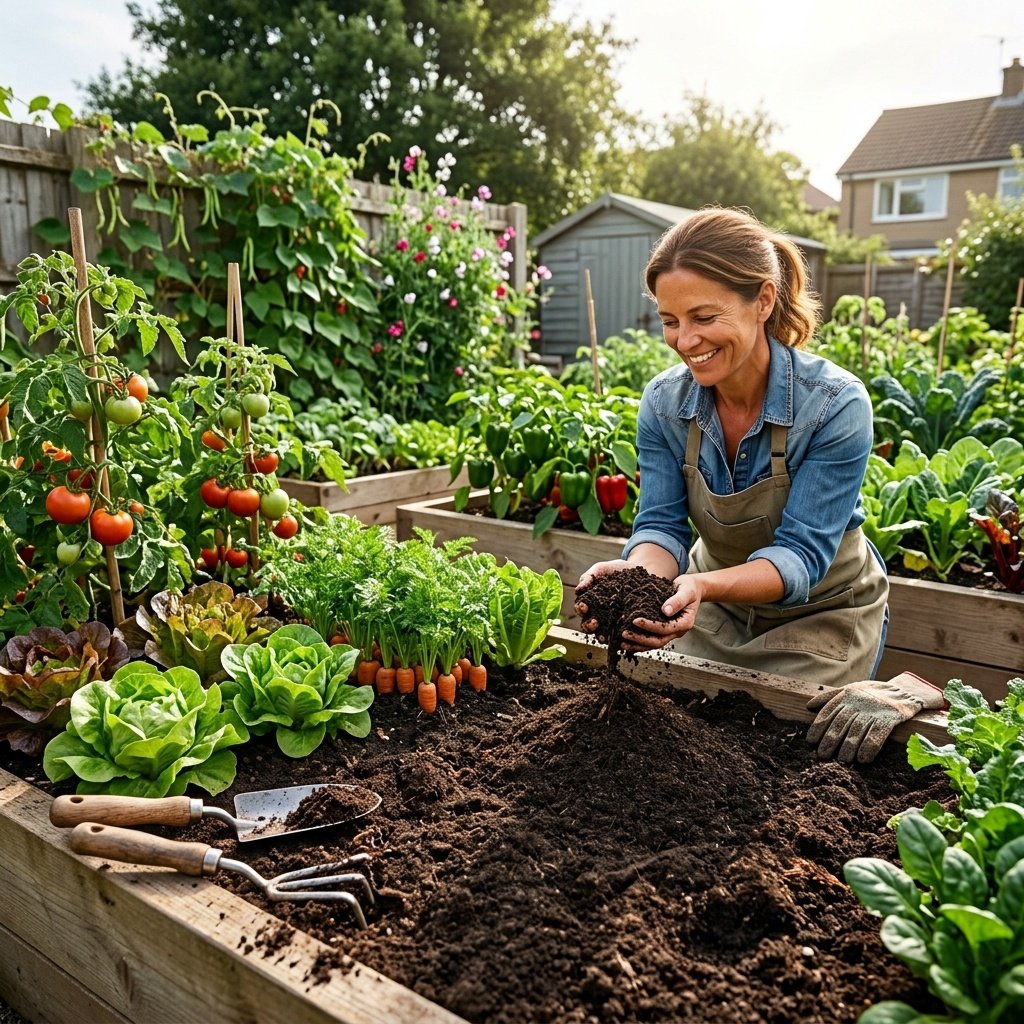
| Raised Garden Bed Kit | Helps reduce bending and physical strain, which makes gardening feel more comfortable and less tiring over time. | Check Price on Amazon |
| Ergonomic Gardening Tools | These tools are easier on hands and joints, which helps people garden longer without discomfort or frustration. | Check Price on Amazon |
| Self-Watering Plant Pots | Useful when routines get busy, since they keep plants hydrated and reduce worry about missed watering. | Check Price on Amazon |
| Gardening Journal | Supports mindfulness by letting gardeners track plant growth, routines, and personal reflections in one place. | Check Price on Amazon |
What Therapeutic Horticulture Means in Everyday Life
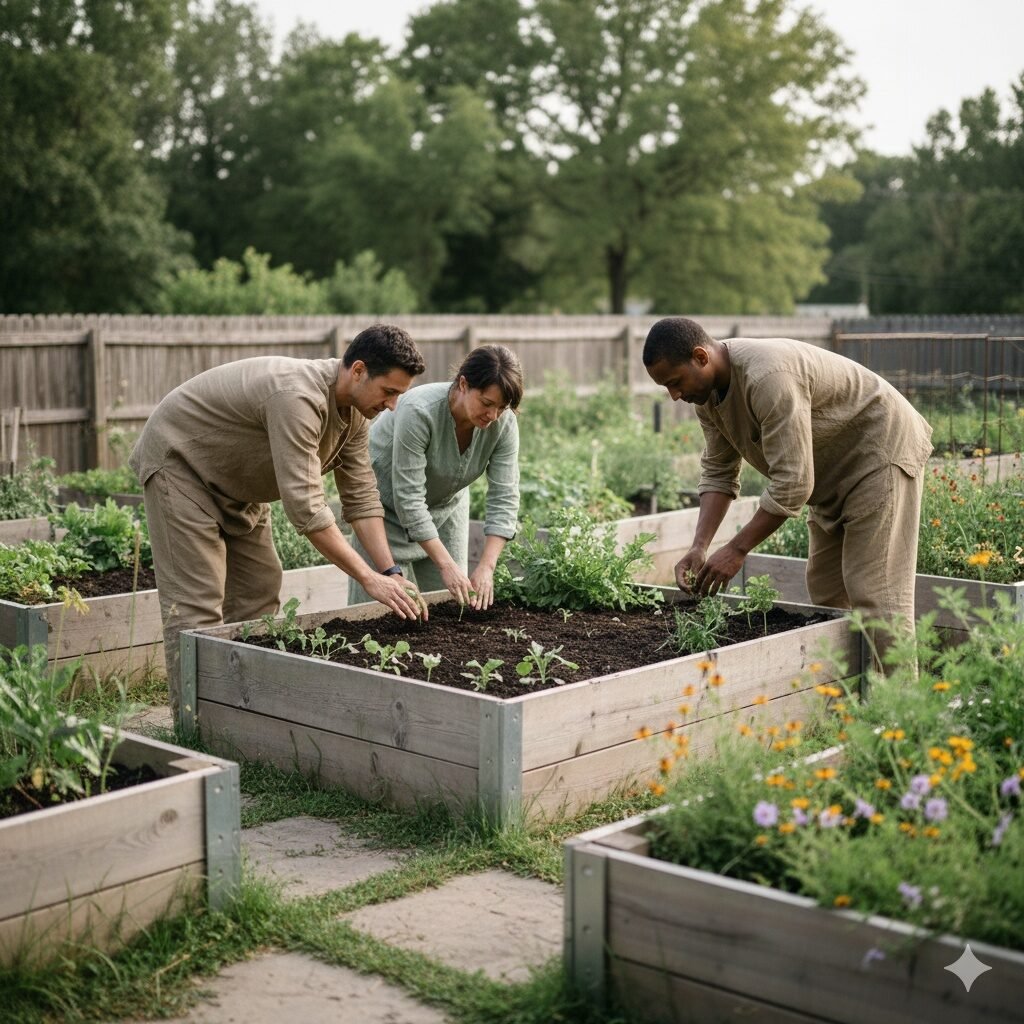
Therapeutic horticulture, basically, uses gardening activities to support emotional balance and mental well-being.
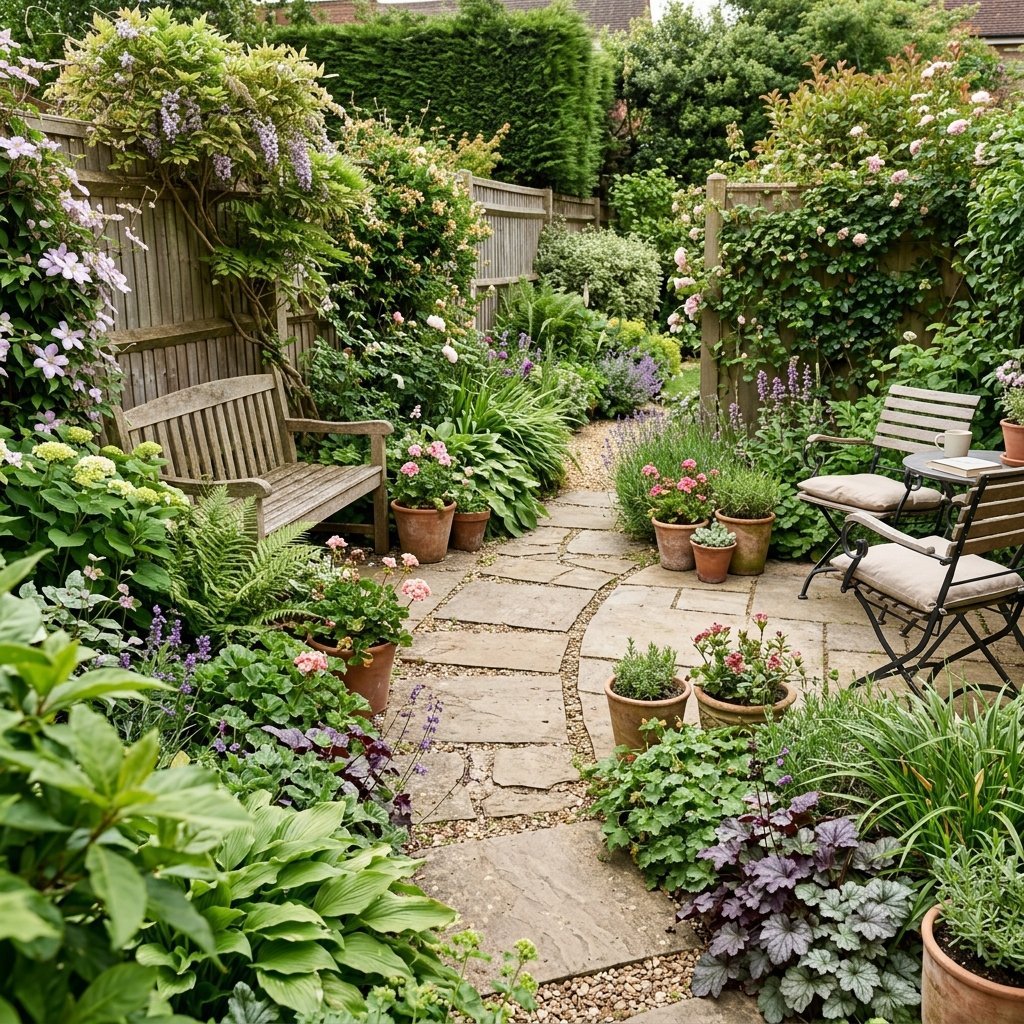
It often appears in hospitals, schools, community centers, and home gardens, yet it works just as well on a small balcony or windowsill.
Rather than feeling like treatment or therapy in the formal sense, it tends to feel like purposeful time spent doing something calm, useful, and grounding.
Why the Brain Feels Better Around Plants
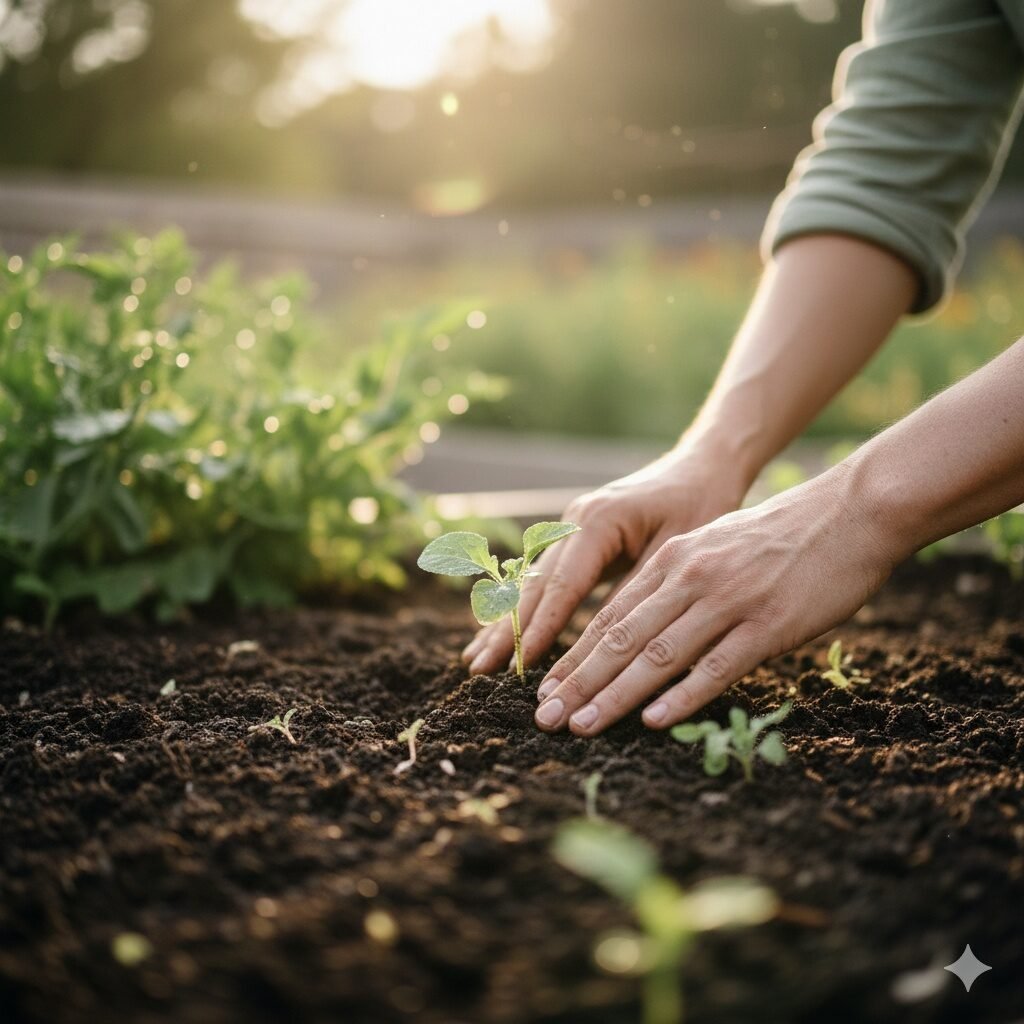
The human brain, apparently, responds well to natural settings, especially greenery that feels familiar and predictable.
Leaves move, soil smells damp, and light shifts slowly, and those sensory cues help the nervous system relax.
In short, plants offer patterns the mind recognizes as safe, which is why people often feel less tense after time in a garden.
Gardening as a Stress Release Tool
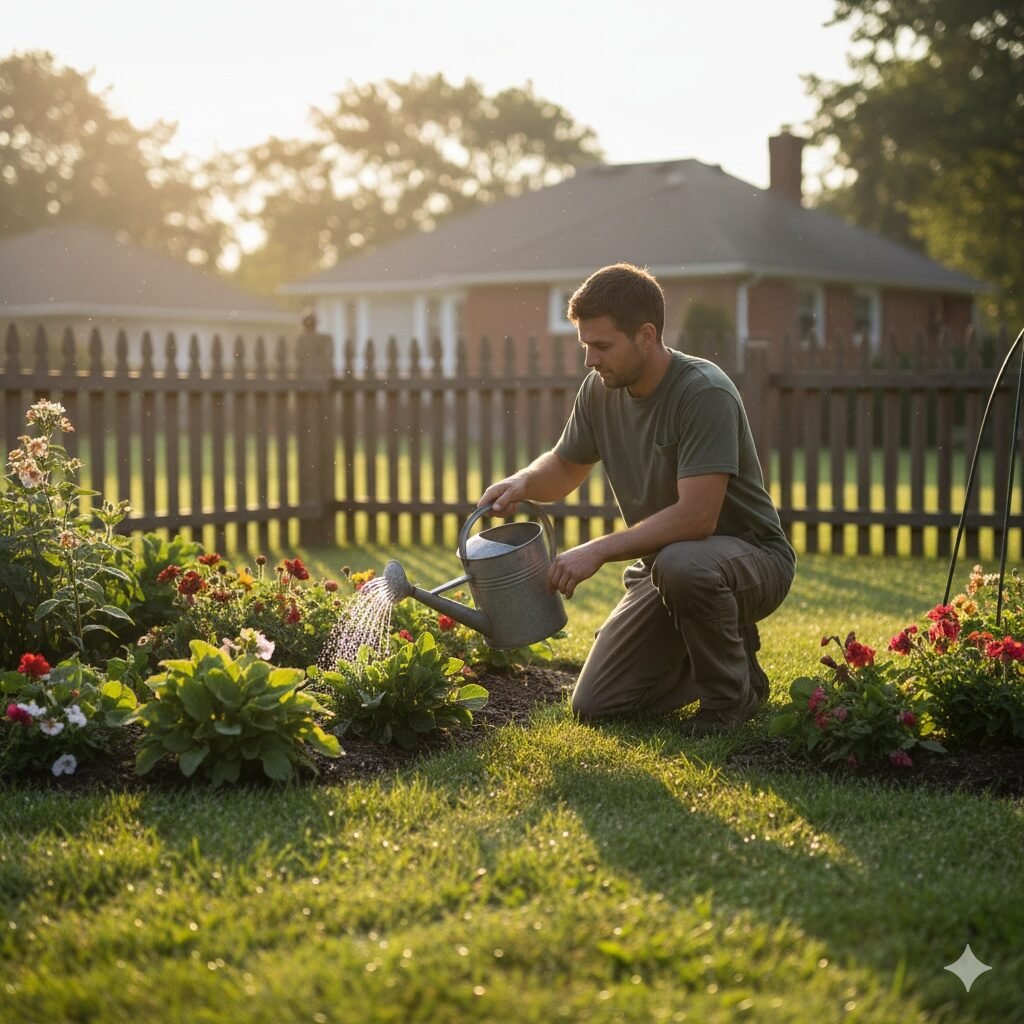
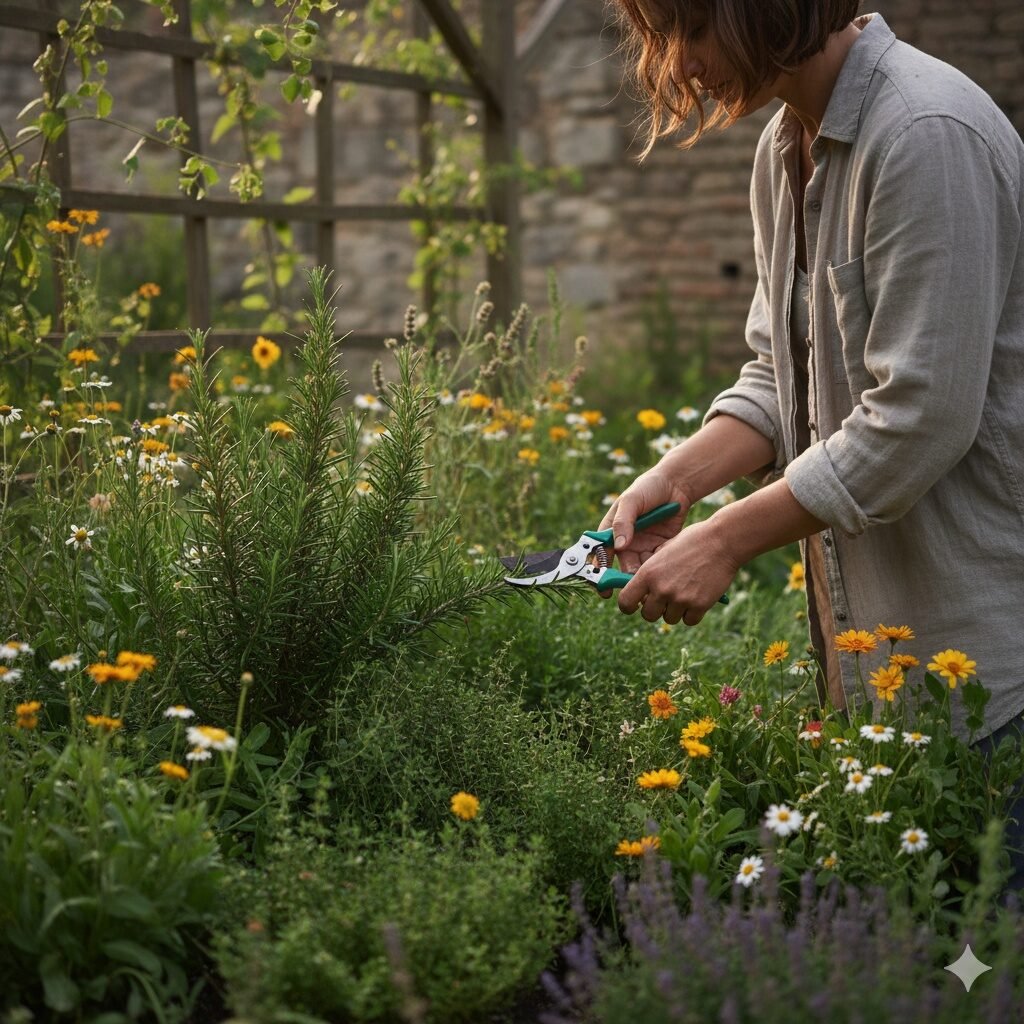
Daily stress usually builds through noise, screens, and constant pressure, and gardening quietly pushes back against that pace.
Watering plants, pulling weeds, or trimming stems asks for attention without urgency.
That slower rhythm, in fact, often leads to steadier breathing, lower tension, and a noticeable sense of calm after even short sessions.
Anxiety and the Power of Present-Moment Tasks
Anxiety, typically, pulls attention into future worries and looping thoughts.
Gardening keeps the focus anchored in the present through simple, physical actions that need awareness but not overthinking.
Plant care offers clear steps and gentle structure, which helps anxious minds feel more settled and less scattered.
Depression, Motivation, and Visible Progress
Depression, in many cases, makes motivation feel heavy and progress hard to notice.
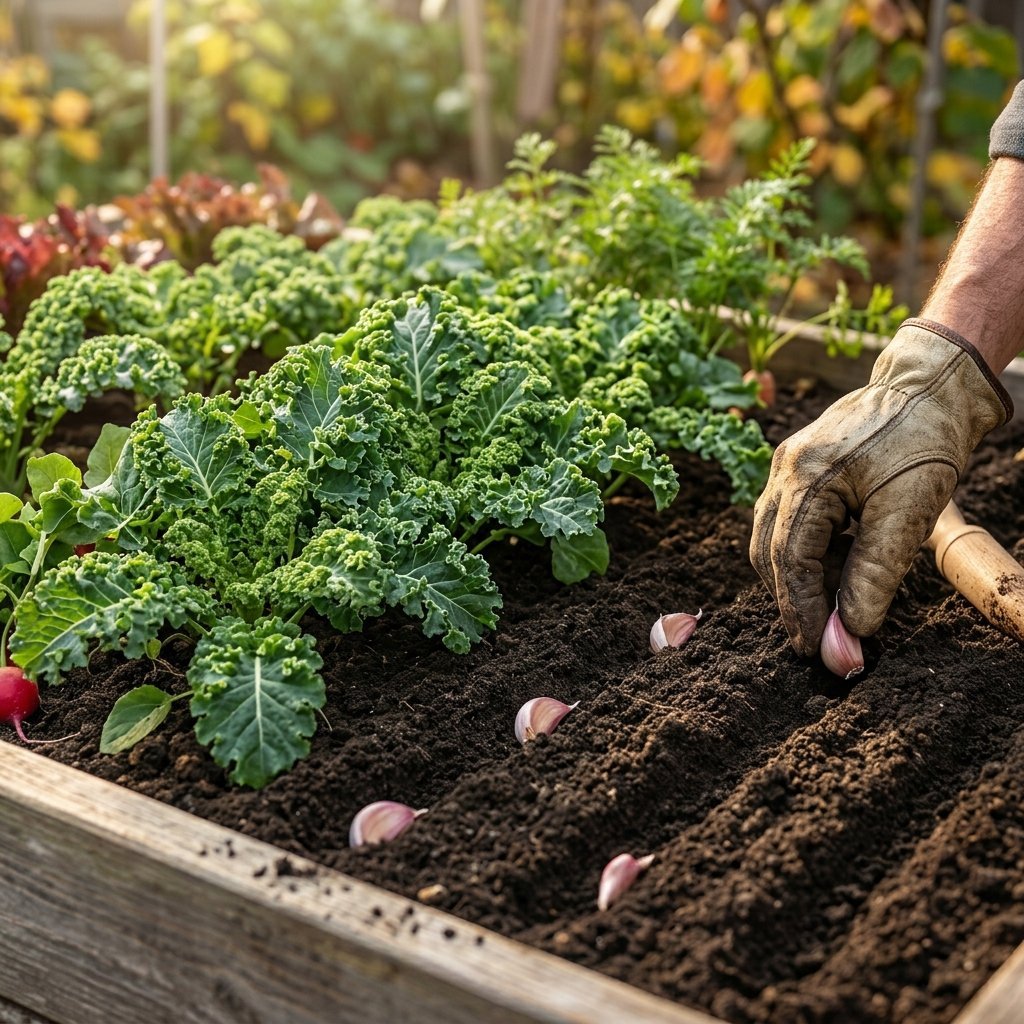
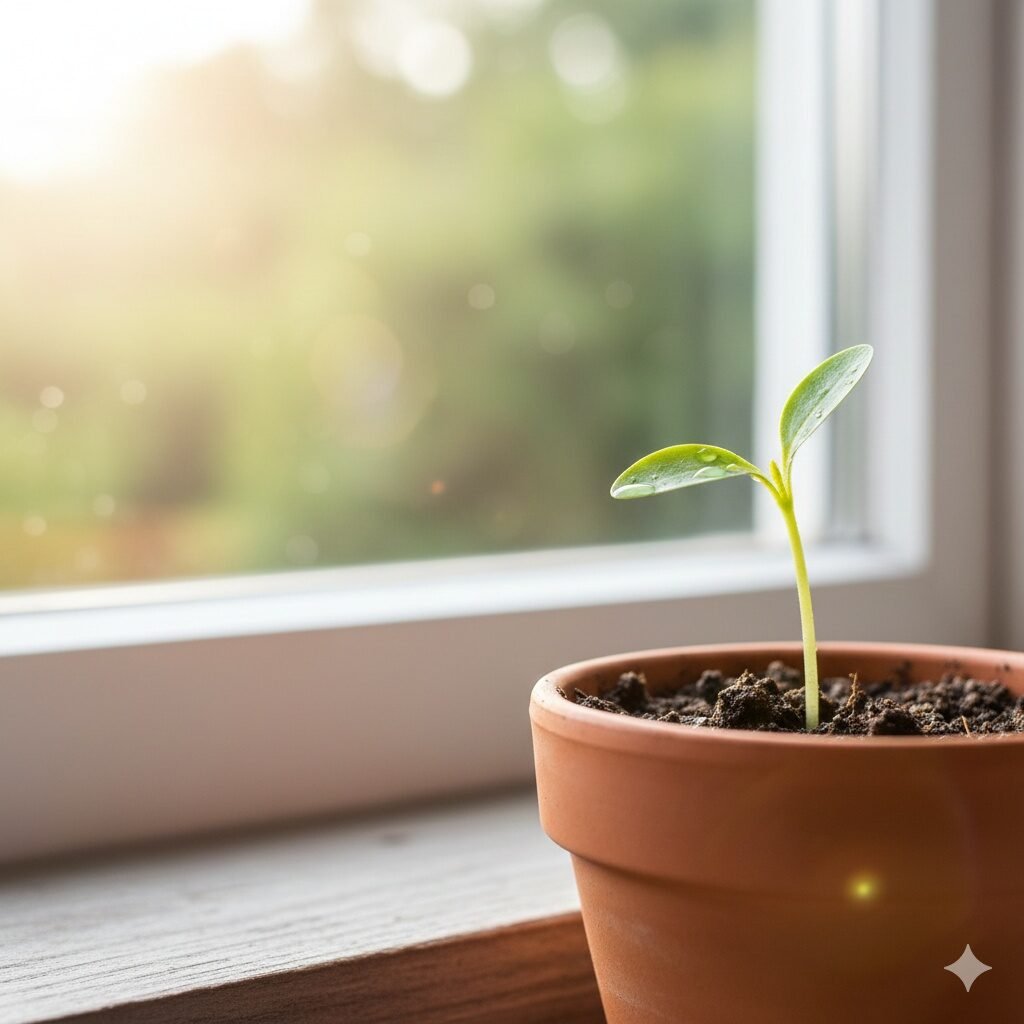
Gardening works on a scale where small actions count, whether that means watering one plant or repotting a single seedling.
Seeing growth over time gives visible proof that effort matters, which can slowly lift mood and self-belief.
Routine, Responsibility, and a Sense of Purpose
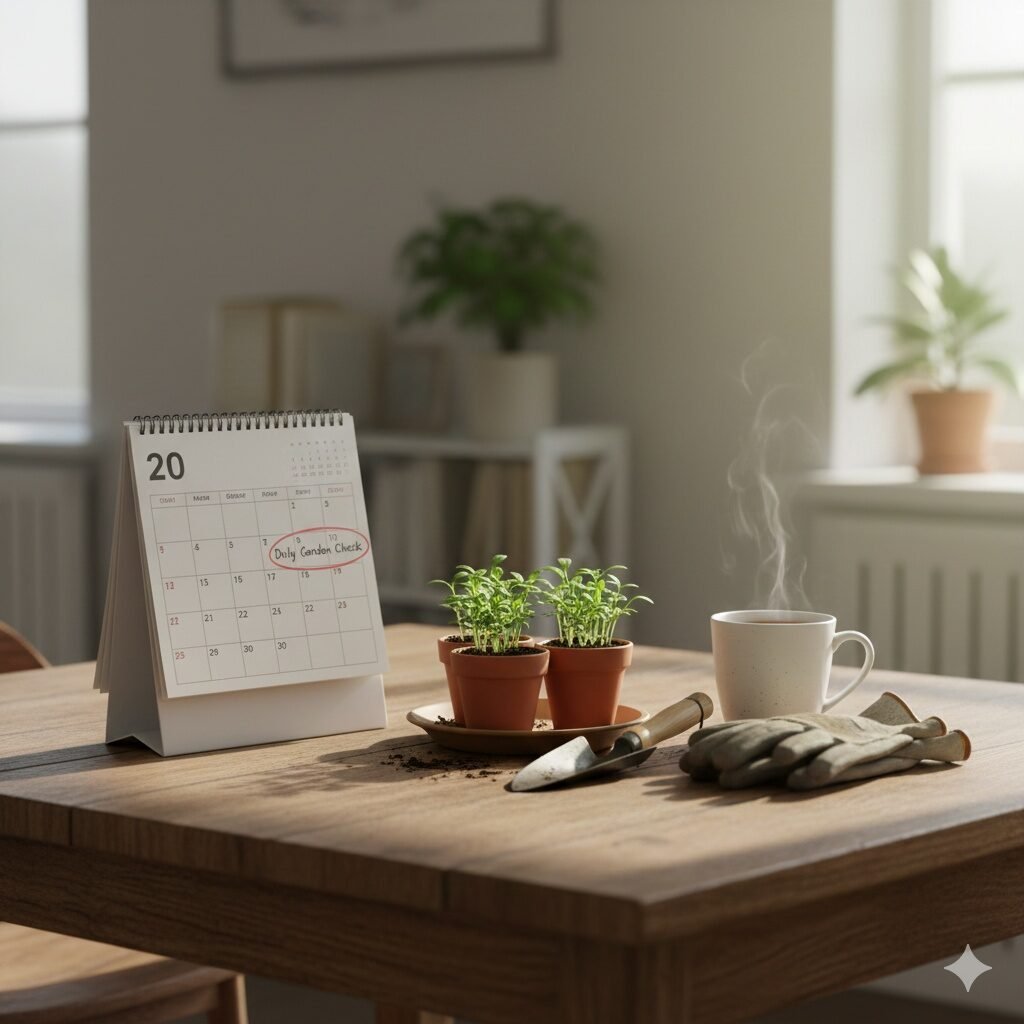
Many people struggle when days lack structure, and plants naturally create a gentle routine.
Watering schedules, light needs, and seasonal changes add rhythm without pressure.
That feeling of being responsible for something living often gives purpose in a way that feels kind, not demanding.
Physical Movement That Supports Emotional Health
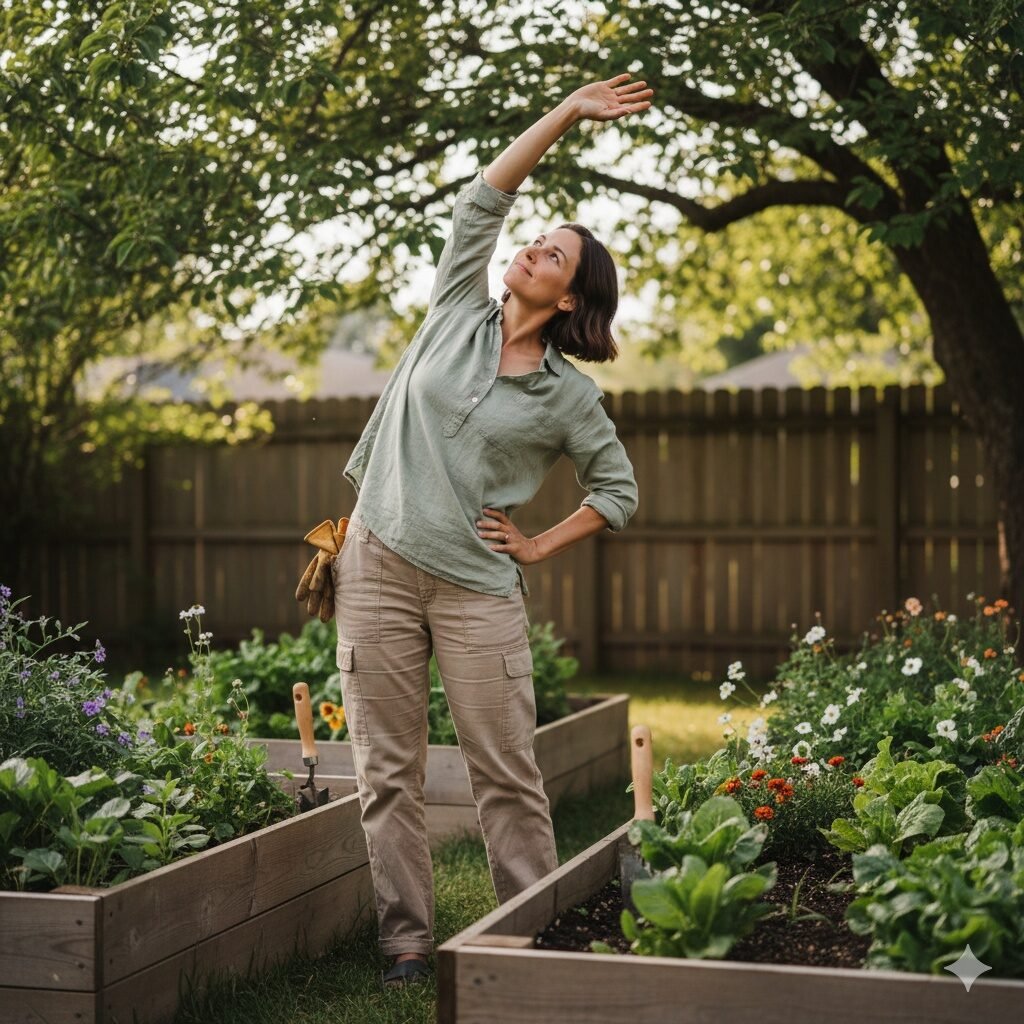
Gardening includes light movement such as bending, reaching, lifting, and walking.
These motions support circulation and muscle use, which tends to improve mood regulation.
Unlike formal workouts, gardening feels productive and meaningful, which helps people stay consistent.

Community Gardens and Social Well-Being
Community gardens bring people together around shared tasks.
Working side by side creates conversation naturally, without the pressure of forced interaction.
These connections often grow into trust and belonging, which supports emotional health and reduces loneliness.
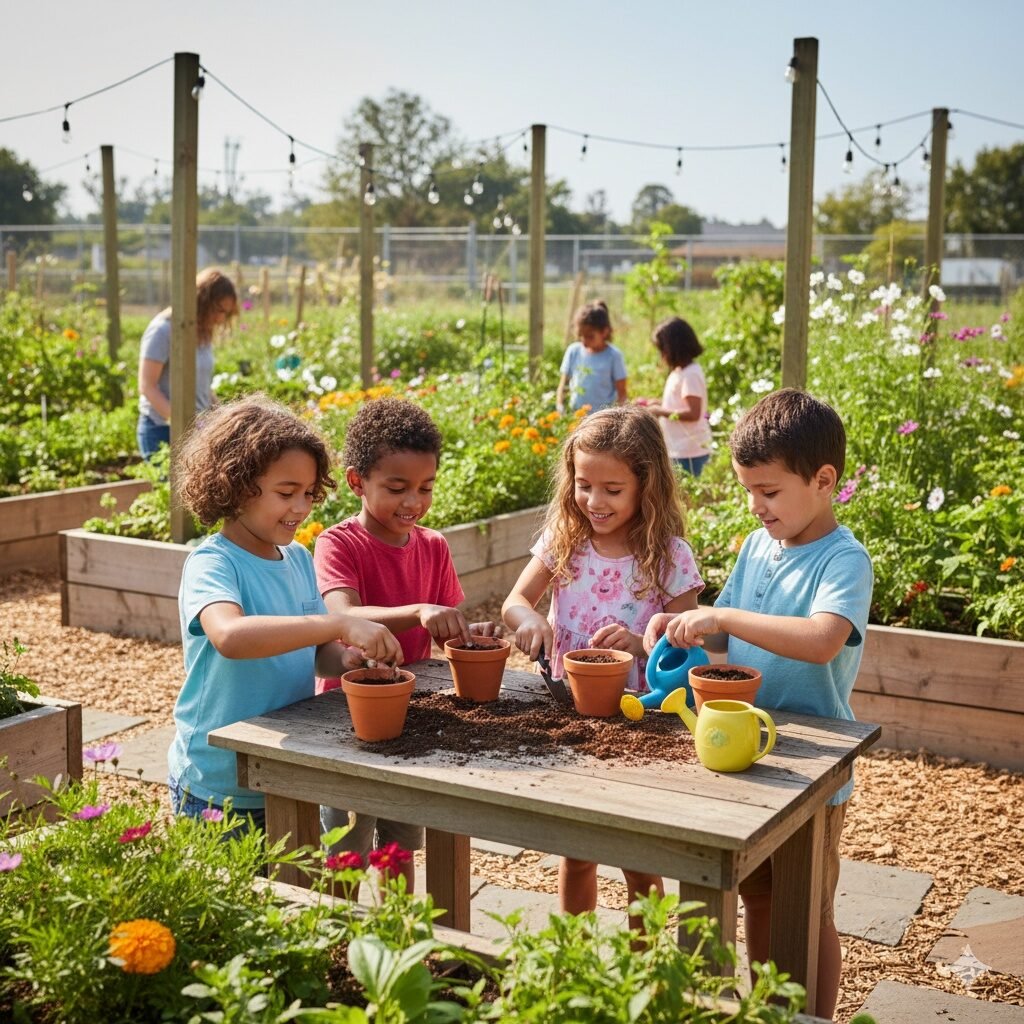
Gardening Benefits for Children and Teens
Children and teens often carry stress from school, schedules, and screen time.
Gardening offers a hands-on outlet that teaches patience, responsibility, and cause-and-effect learning.
Parents and educators frequently notice improved focus and calmer behavior after regular gardening activities.
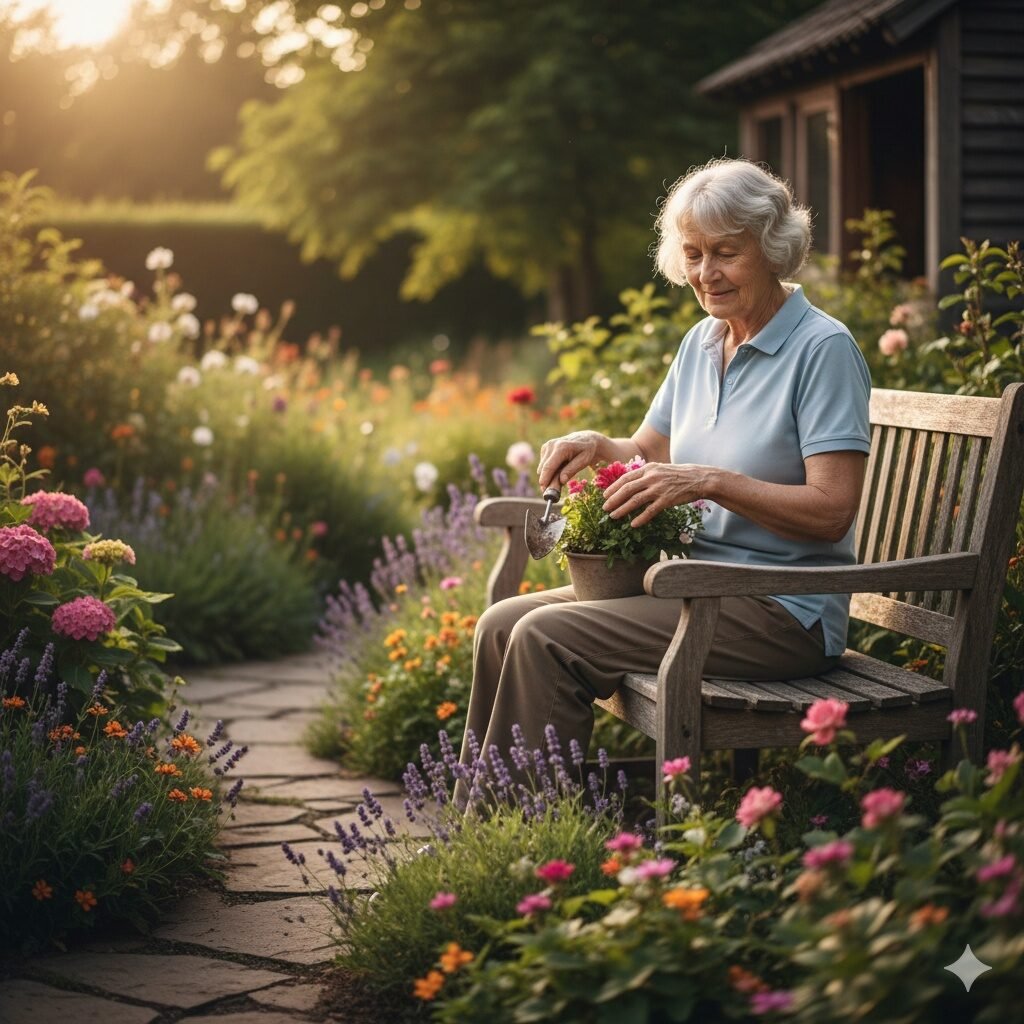
Gardening and Older Adults
Older adults sometimes face isolation or reduced daily structure.
Gardening keeps both hands and minds active, supporting memory and coordination.
Familiar plant scents and textures often trigger comforting memories, adding emotional warmth to the experience.
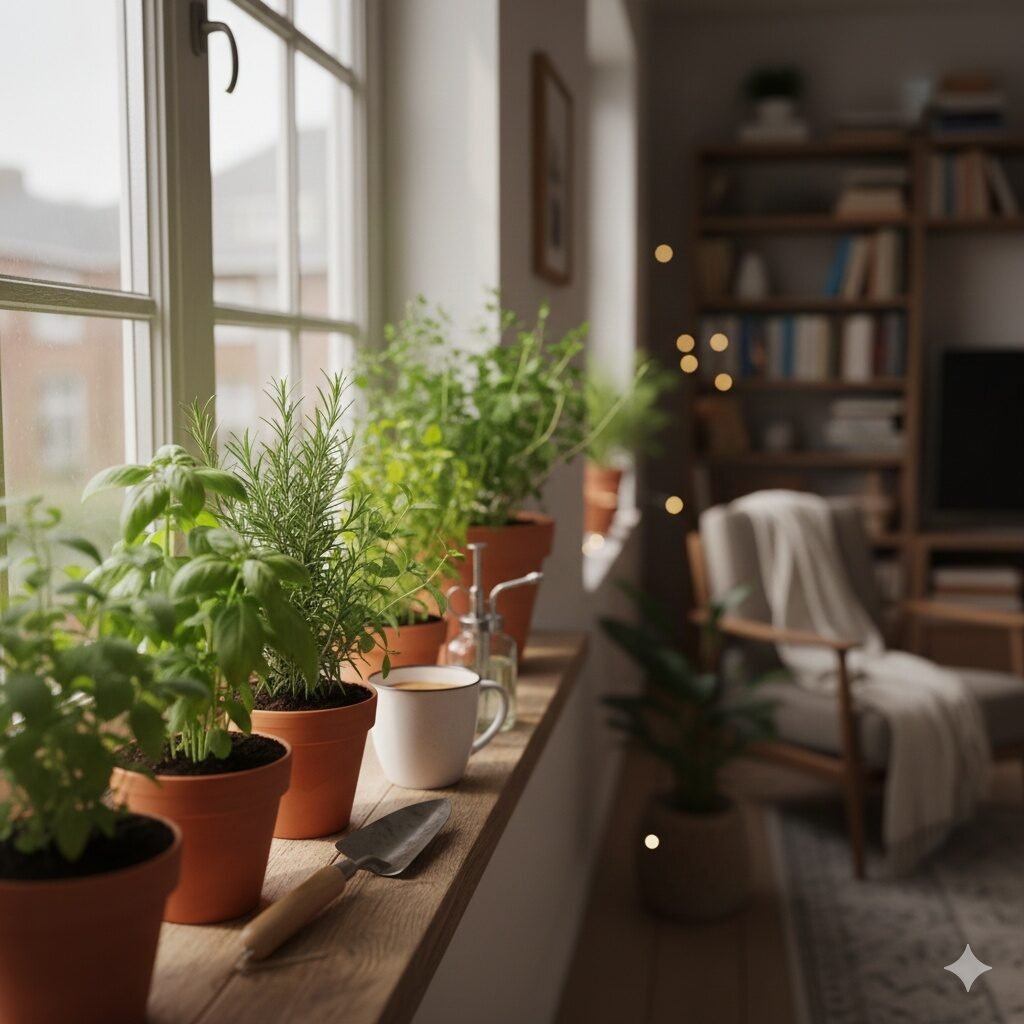
Indoor Gardening for Small Spaces
Not everyone has outdoor space, yet gardening still fits easily indoors.
Houseplants, herbs, and small container gardens bring life into apartments and rooms.
These small green spaces often create a sense of care, comfort, and daily grounding.
You might also enjoy another article on small space gardening, titled Gardening in Small Spaces: 20 Easy Tips for Beginners, which could be a helpful next read if growing plants in limited areas interests you.
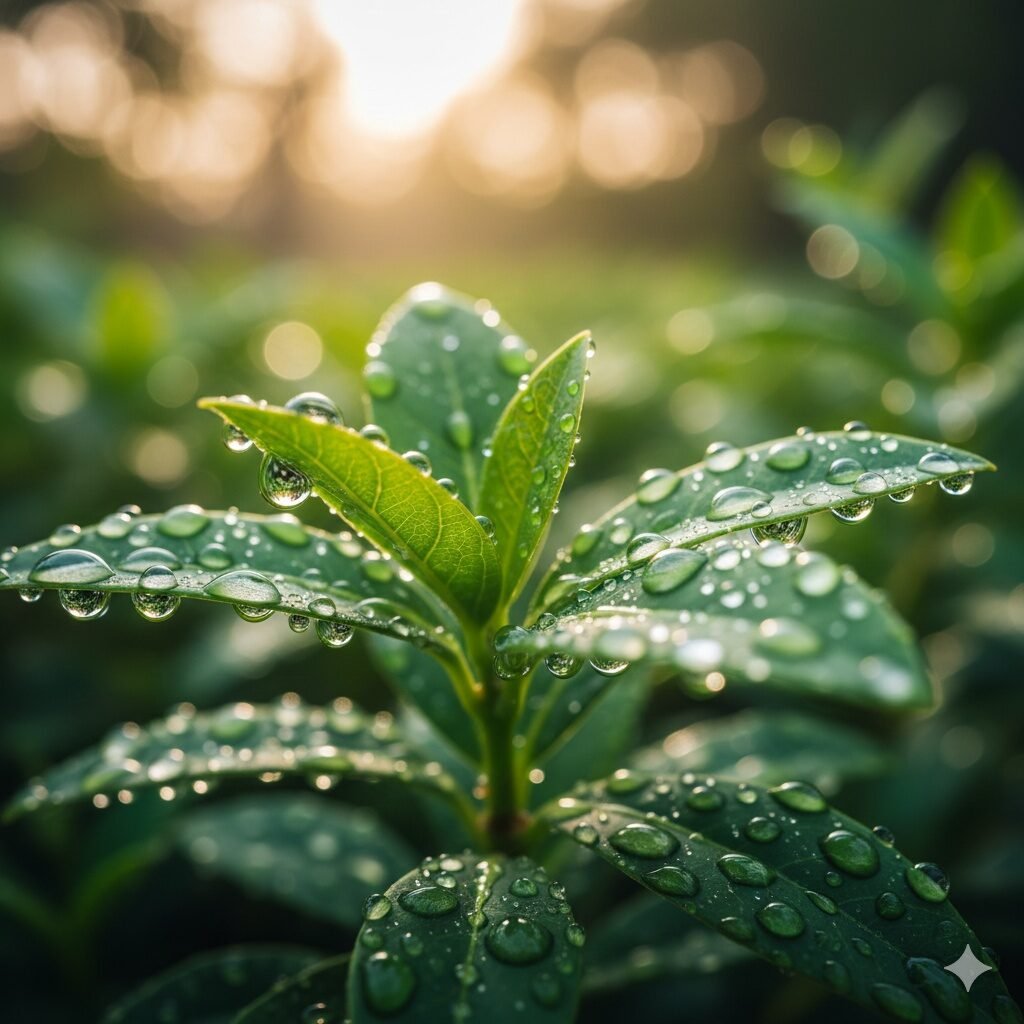
Mindfulness Through Plant Care
Mindfulness grows naturally during gardening activities.
Paying attention to soil texture, leaf shape, and water flow keeps awareness anchored in the moment.
This steady focus supports emotional balance and helps quiet mental noise.
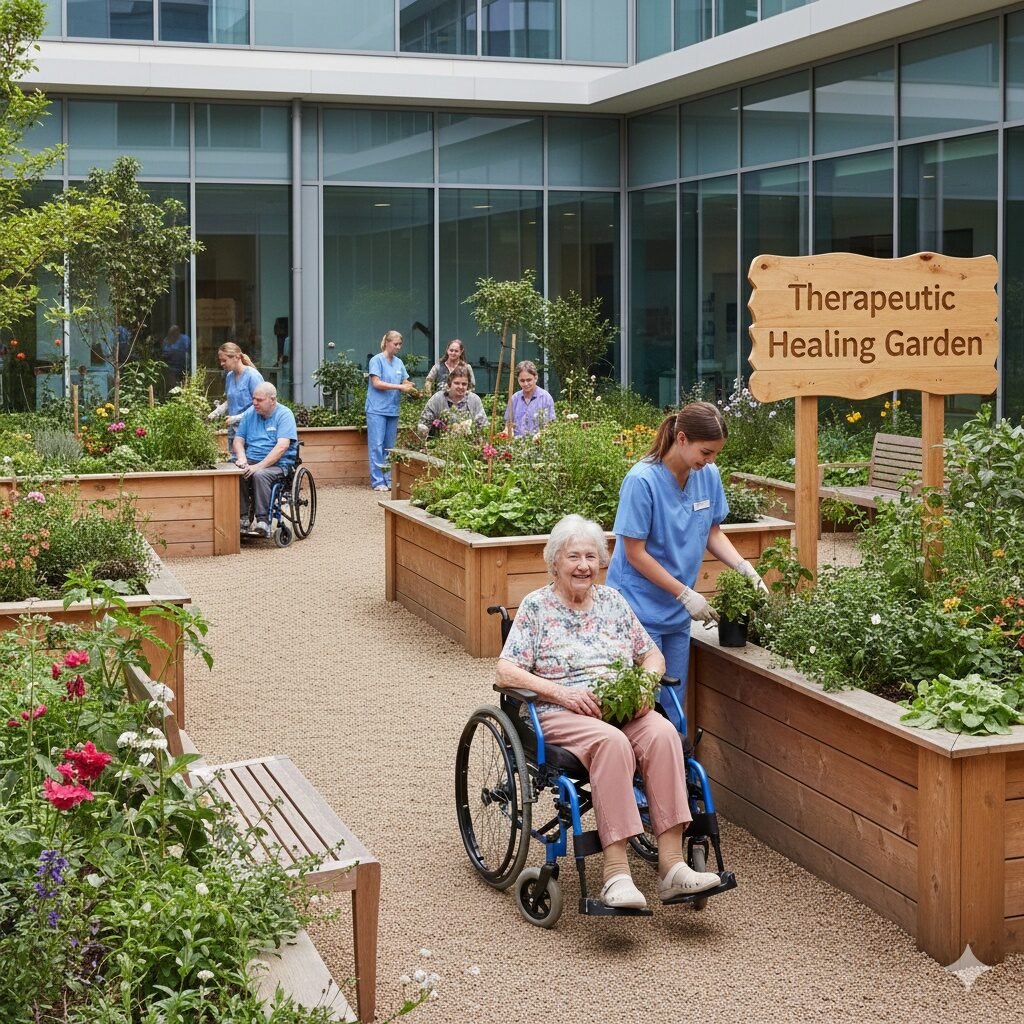
Therapeutic Gardens in Healthcare Spaces
Many healthcare settings now include garden spaces for patients and residents.
Guided gardening sessions support recovery by offering calm, purpose, and sensory comfort.
These environments feel more human and less clinical, which supports emotional ease.
I always enjoy sharing related articles from other websites that are truly worth reading—such as Epic Gardening’s article titled “Mental Health Benefits of Gardening: Nature’s Healing Touch.” It offers valuable insights and will help you better understand how gardening can positively impact mental well-being.
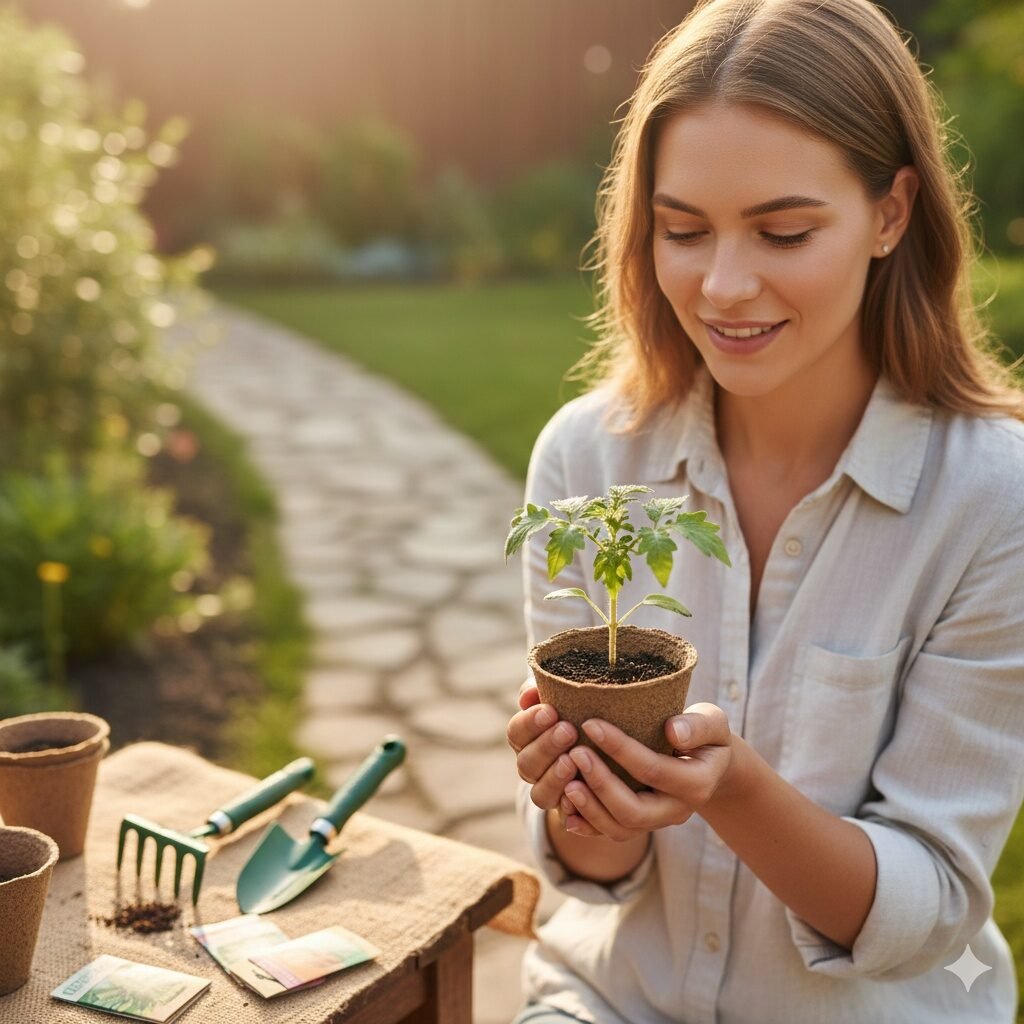
Starting Your Own Therapeutic Gardening Practice
Beginning does not require large spaces or expensive tools.
One plant, one pot, and consistent care form a solid starting point.
Over time, confidence grows naturally, and many people expand their gardens slowly.
Frequently Asked Questions (FAQ)
What is therapeutic horticulture used for?
Therapeutic horticulture is often used to support mental health, emotional balance, and daily well-being. It shows up in healthcare spaces, community programs, schools, and private homes, and it helps people manage stress, anxiety, low mood, and feelings of isolation in a gentle way.
Do I need gardening experience to benefit from it?
Not at all, actually. Even beginners tend to benefit from caring for one plant or a small container garden. The mental health effect comes from the act of caring and paying attention, not from gardening skill or results.
How much time should I spend gardening for mental health benefits?
A little time goes a long way. Many people notice benefits from 10 to 20 minutes a few times a week. Regular short sessions usually work better than long, infrequent ones.
Can indoor plants really help mental well-being?
Yes, they can. Indoor plants still offer visual calm, routine, and a sense of care. Tending herbs, houseplants, or window boxes often creates the same grounding effect as outdoor gardening, just on a smaller scale.
Is therapeutic horticulture suitable for children and older adults?
It is, in fact, very suitable for both groups. Children benefit from hands-on learning and emotional regulation, while older adults often gain routine, purpose, and sensory comfort through plant care.
Does gardening replace professional mental health care?
Gardening does not replace therapy or medical care. It works best as a supportive habit alongside other forms of care, helping people manage daily stress and emotional ups and downs more easily.
Final Thoughts
Gardening, in a way, brings the mind back to a slower and steadier place where effort feels meaningful and manageable. Plants respond without judgment, routines form without pressure, and progress appears in visible, honest ways.
Therapeutic horticulture works because it meets people where they are, whether that is a large garden, a shared community space, or a single pot on a windowsill.
Spending time with plants reminds people that care, patience, and small daily actions can shape both growth in the soil and balance in the mind.