


Common Raised Bed Gardening Mistakes: Ok first, anyone who’s ever set up a raised bed knows it looks simple, yet it’s very easy to bump into little problems that, over time, grow into full-on raised bed gardening mistakes. And honestly, it doesn’t matter whether you’ve got one bed or a whole row of them — the same raised bed problems keep showing up for gardeners everywhere. The good news is that almost all of these are easy to sort out once you spot what’s going on.
So here are fifteen real-life issues people run into, why they happen, and some raised bed gardening tips that actually fix them in regular backyards, not just in perfect magazine gardens.
I’ve also published a detailed guide on raised bed gardening titled “Raised Bed Gardening: The Ultimate Guide for a Thriving Garden.” If you’re interested in growing healthier plants, I think you’ll enjoy it.
Recommended Garden Tools
Here’s a clean table of goodies that match this whole raised bed theme. these tend to be the kinds of tools and supplies folks reach for when they’re sorting out raised bed problems or trying to avoid them in the first place.
| Product | Why It Helps | Links |
|---|---|---|
| Premium Raised Bed Soil Mix | This is great when your soil feels a little tired or clumpy, and it usually fixes a lot of those early raised bed soil problems without fuss. | Check Price on Amazon |
| Organic Compost Blend | This stuff tends to perk up beds that look flat or low on nutrition, and it’s a simple fix for weak growth mid-season. | Check Price on Amazon |
| Drip Irrigation Kit for Raised Beds | If watering feels all over the place, this gives you steady moisture so you don’t bounce between overwatering and underwatering. | Check Price on Amazon |
| Elevated Metal Raised Bed | Pretty sturdy option for anyone wanting something long-lasting, especially if wooden beds keep rotting out. | Check Price on Amazon |
| Mesh Pest Cover Tunnel | Helps a lot when cabbage worms, beetles, and random leaf-munchers show up before you even notice. | Check Price on Amazon |
| Mulch or Straw Bale Pack | Keeps moisture in the soil and stops weeds from popping up all over like they own the place. | Check Price on Amazon |
| Slow-Release Organic Fertilizer | Good for folks who accidentally overfeed or underfeed because it releases nutrients gently over time. | Check Price on Amazon |
| Soil Moisture Meter | Great when you’re still getting a feel for how often your raised bed actually needs water. | Check Price on Amazon |
15 Common Raised Bed Gardening Mistakes:
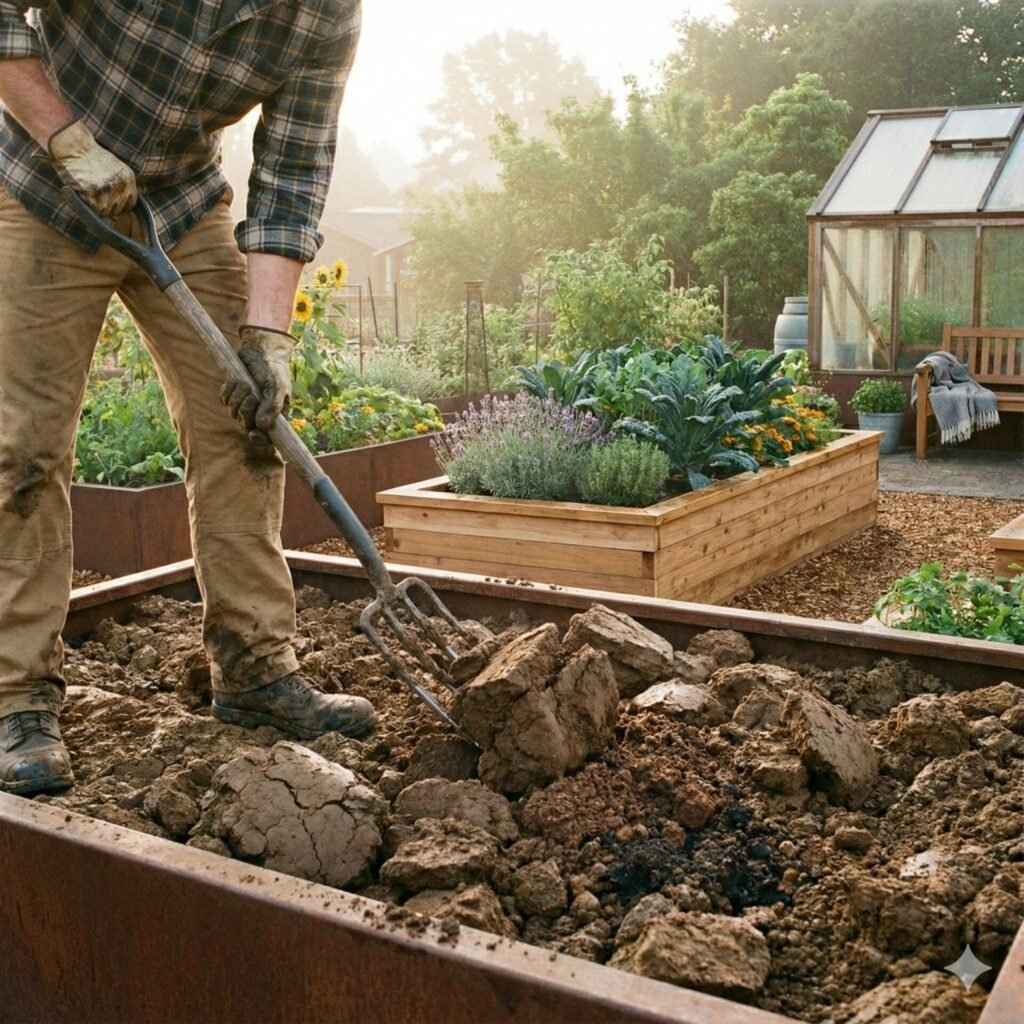
1. Using Soil That’s Too Dense
One of the biggest raised bed soil problems is stuffing the bed full of heavy clay-like dirt. This type of mix holds water in a way that stays soggy at the bottom and hard on top. Roots struggle to spread out, and the whole bed starts acting like a cold, wet tub.
How to fix it:
Mix in compost, shredded wood chips, leaf mold, or coconut coir. You want something loose that crumbles when you squeeze it. A good raised bed soil mix feels soft and springy, not stiff like putty. After one or two seasons, this transforms the whole bed.
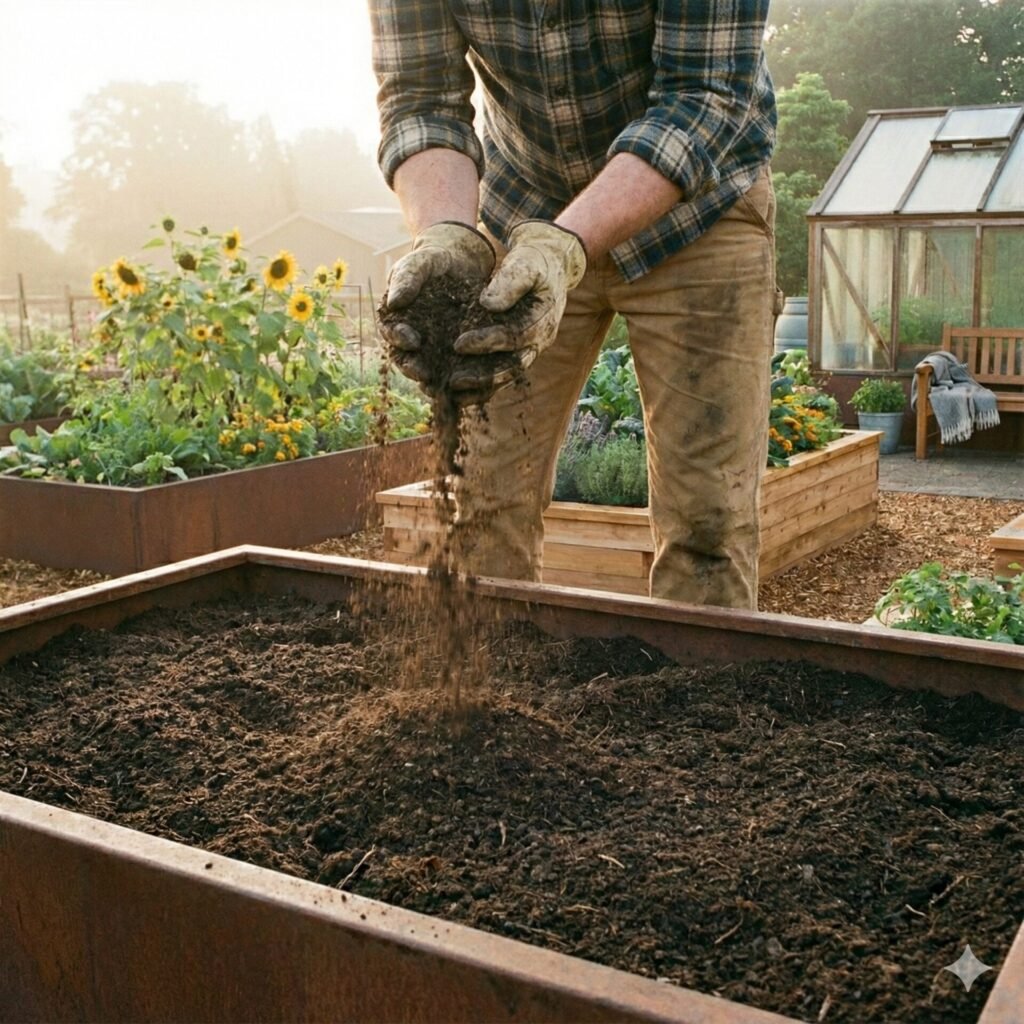
2. Soil That’s Too Light and Fluffy
Now, in a way, the opposite problem hits just as many gardeners. Sometimes the mix is so airy that water runs through like it’s being filtered. Plants wilt even when you water them daily because nothing holds moisture down where the roots are trying to drink.
How to fix it:
Add compost and worm castings to give the soil some “body.” If you squeeze a handful and it falls apart instantly, it’s too light. You want a balance where the soil keeps moisture but doesn’t clump into a sticky mess.

3. Raised Bed Is Too Shallow
A lot of beginners think 4 or 6 inches is plenty. It’s not. Most veggies tend to stretch their roots deeper than people expect. When they hit the bottom of the bed, growth slows, fruiting stalls, and you get tiny carrots that look embarrassed.
Fix:
Shoot for 10–12 inches minimum. If you already built a shallow bed, you can frame a second layer on top and fill it with new soil. It’s a small afternoon job that makes a big difference.
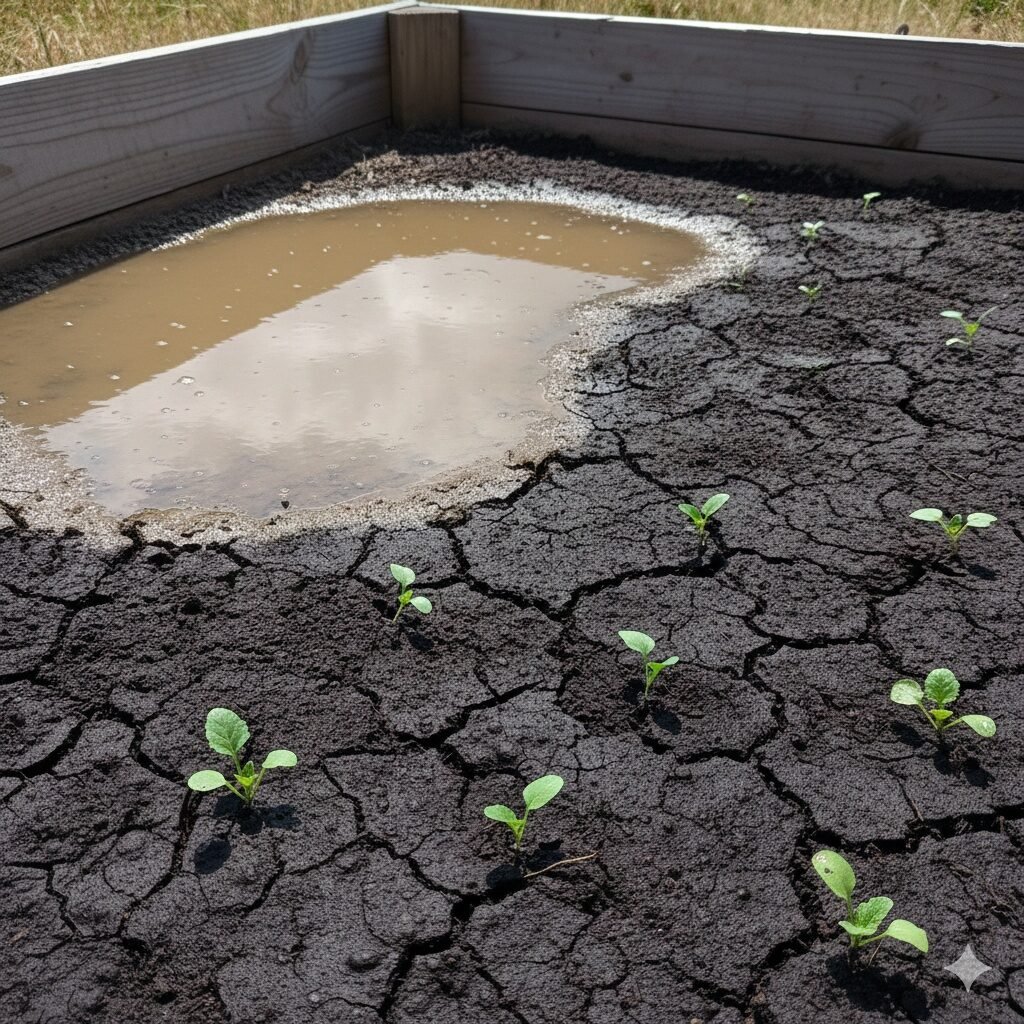
4. Poor Drainage (Soggy Corners)
One of the most common raised bed drainage issues is trapped water in one corner of the bed. It usually happens when the soil underneath is compacted or when the bed is sitting on a slight depression you never noticed.
Fix:
Lift the bed with bricks or narrow planks so water can escape. You can also loosen the ground under the bed with a shovel, giving water a place to drain.
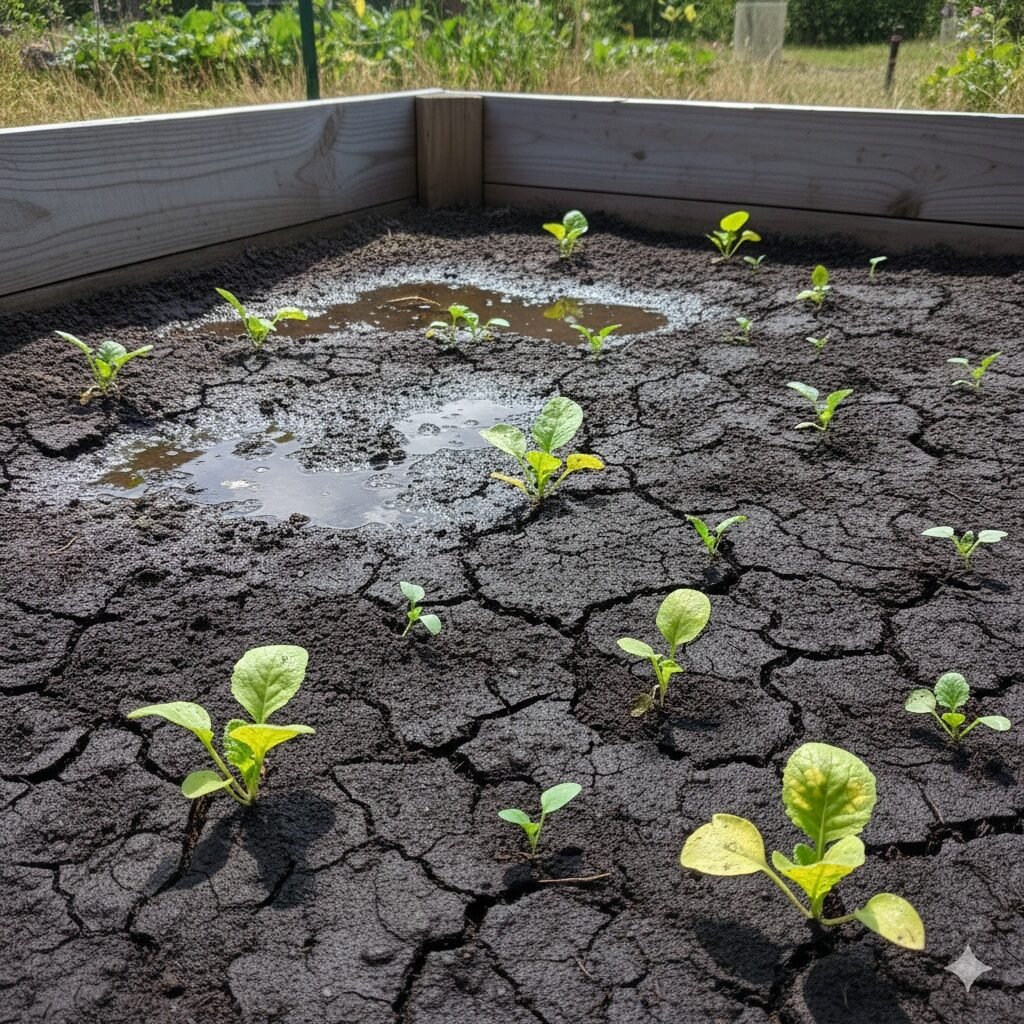
5. Overwatering — It Happens More Than You Think
A lot of folks water raised beds like houseplants: every day, without checking the soil first. But raised beds can hold moisture surprisingly well depending on the mix. Too much water suffocates roots, and the leaves look sad and yellow.
Fix:
Stick two fingers into the soil. If the top inch is dry but the layer underneath feels cool, wait another day. Water deeply but less often.

6. Under Watering During Heat Waves
Raised beds warm up fast in hot weather. Soil evaporates moisture quicker than ground-level beds. During midsummer, underwatering becomes one of the big raised bed watering mistakes.
Fix:
Mulch. Seriously. Mulch changes everything. Straw, wood chips, leaves — anything that shades the soil. It keeps moisture in and stops the bed from baking like a hot pan.

7. Planting Too Close Together
This is one of the classic raised bed spacing mistakes. You’re planting seedlings, everything looks tiny and cute, and suddenly the whole bed turns into a leafy traffic jam where nothing can breathe.
Fix:
Follow spacing rules (even though they seem exaggerated at first). Plants need airflow. When leaves overlap too much, diseases get comfy.
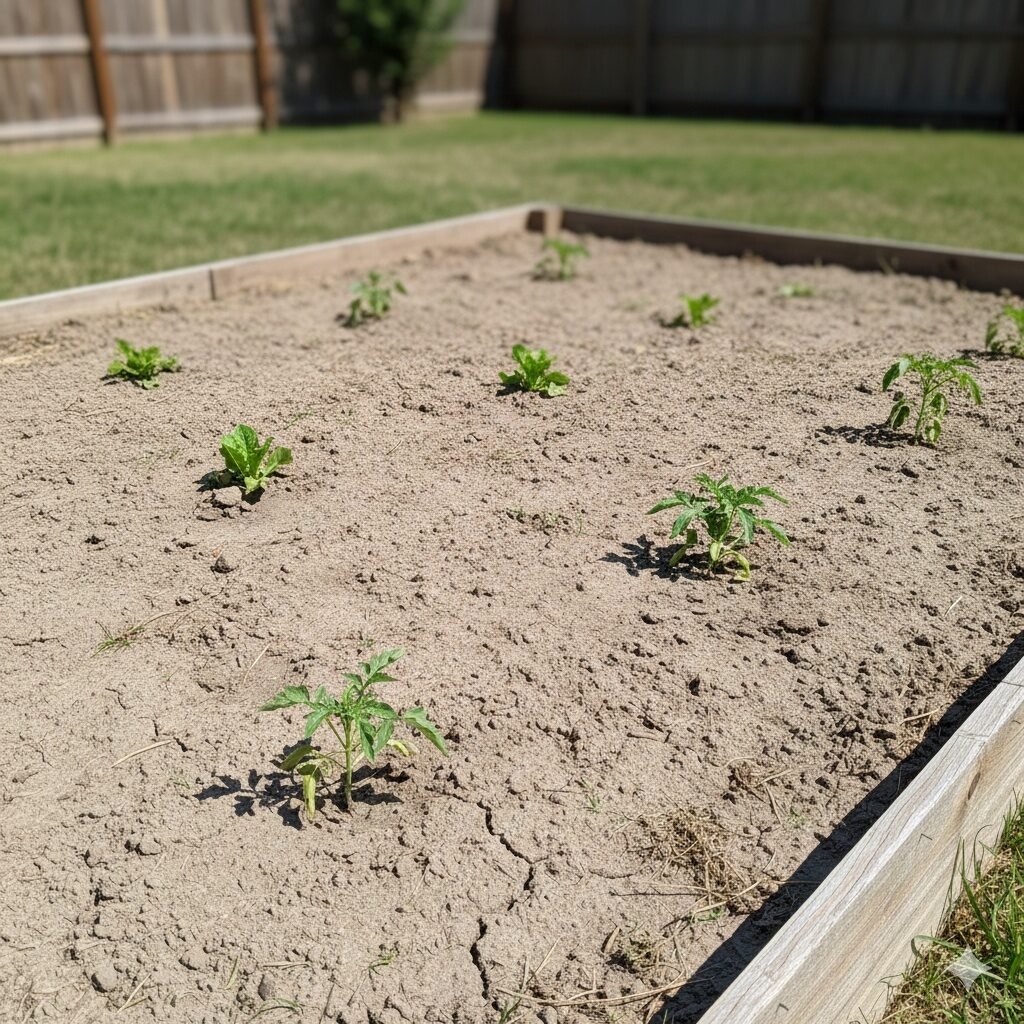
8. Planting Too Far Apart
Every raised bed gardener learns this sooner or later: if you space things too far apart, the wide-open areas turn into weed hotels. Bare soil also dries faster.
Fix:
Use companion crops. Fill space with greens, herbs, radishes, or flowers. Everything grows better when the soil is shaded and active.
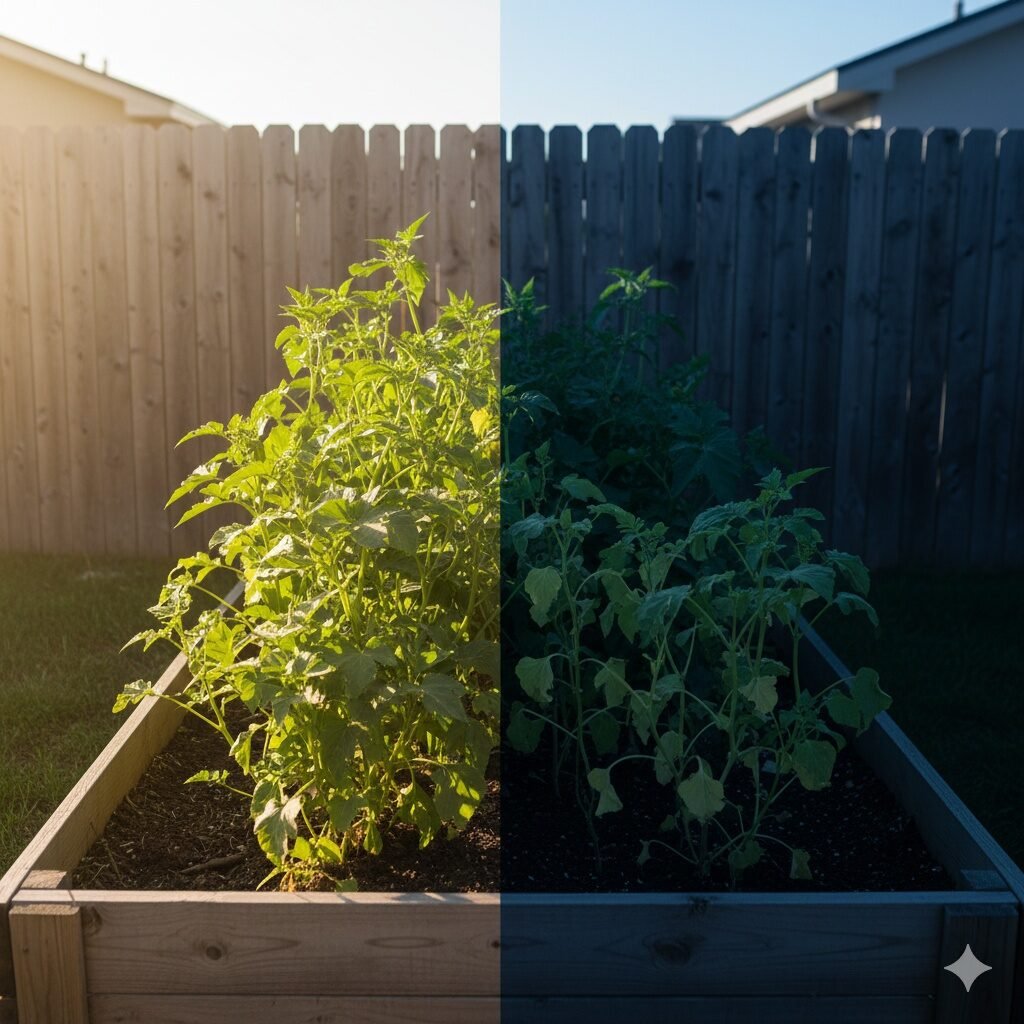
9. Poor Sunlight Placement
Ok, so this one is easy to overlook. You set up your bed in spring when the sun is still low, only to learn that once summer hits, half the bed sits in shade behind a fence or garage.
Fix:
Most veggies need 6–8 hours of direct sun. If your spot gets less, grow leafy greens there and move fruiting crops like tomatoes to brighter spots.
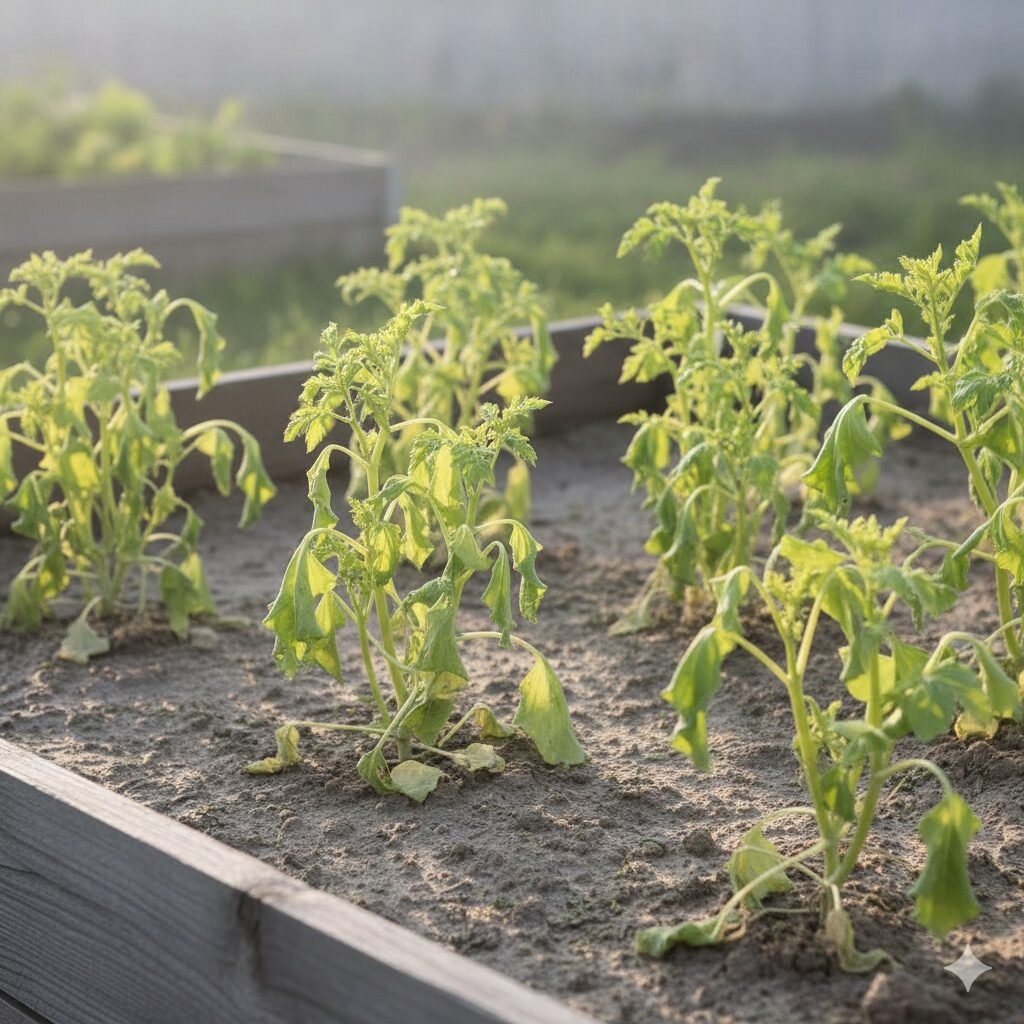
10. Not Adding Enough Nutrients
Raised beds are “closed systems,” which means nutrients don’t get replenished naturally the way they do in open ground. A lot of gardeners notice plants looking pale halfway through the season, all because the soil ran out of nutrients.
Fix:
Add compost before every new season. Mix in slow-release organics like kelp meal, bone meal, or worm castings. Raised beds often need more feeding than beginners expect.
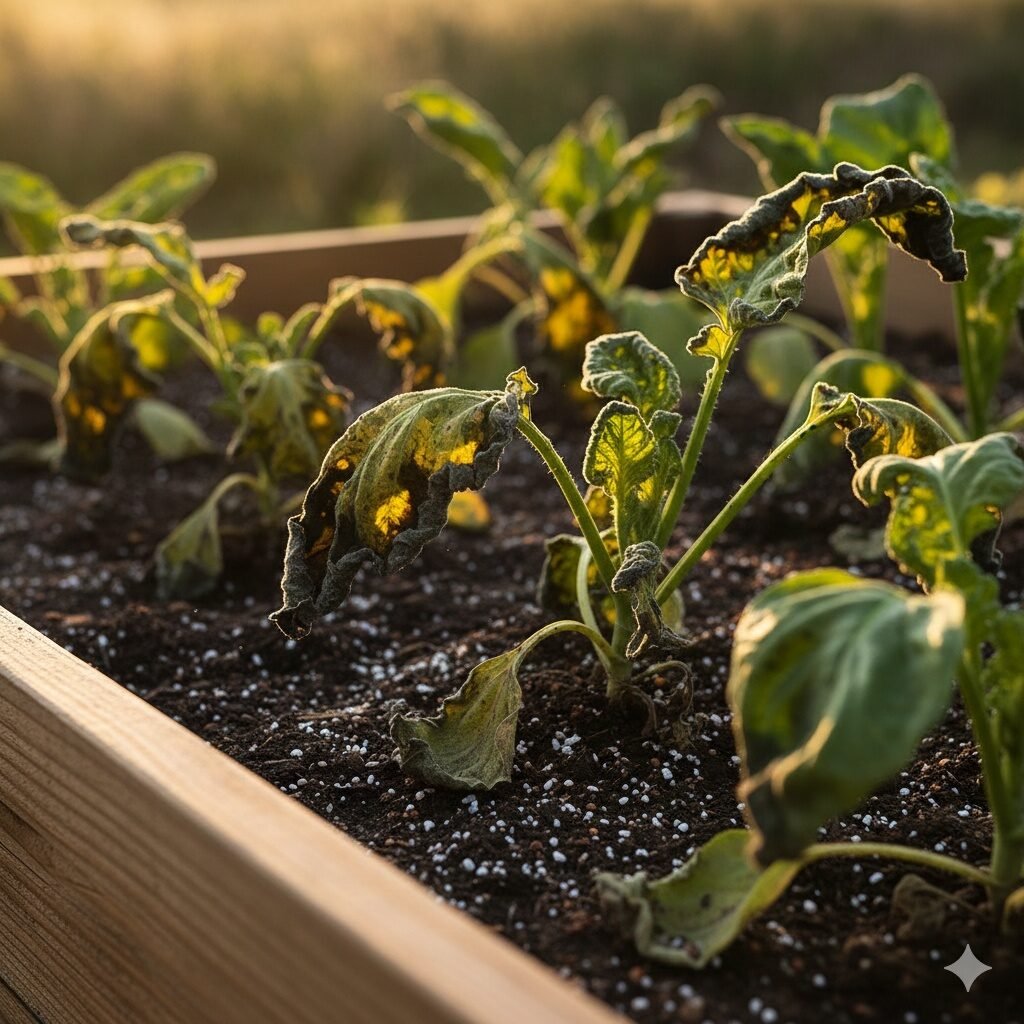
11. Overfeeding (Burning Your Plants)
New gardeners sometimes dump on too much fertilizer because they want “extra growth.” But roots burn, leaves crisp up, and suddenly you’re googling raised bed troubleshooting at 1 A.M.
Fix:
Go slow. Half-strength doses are often enough. Organic fertilizers are gentler and release nutrients gradually.
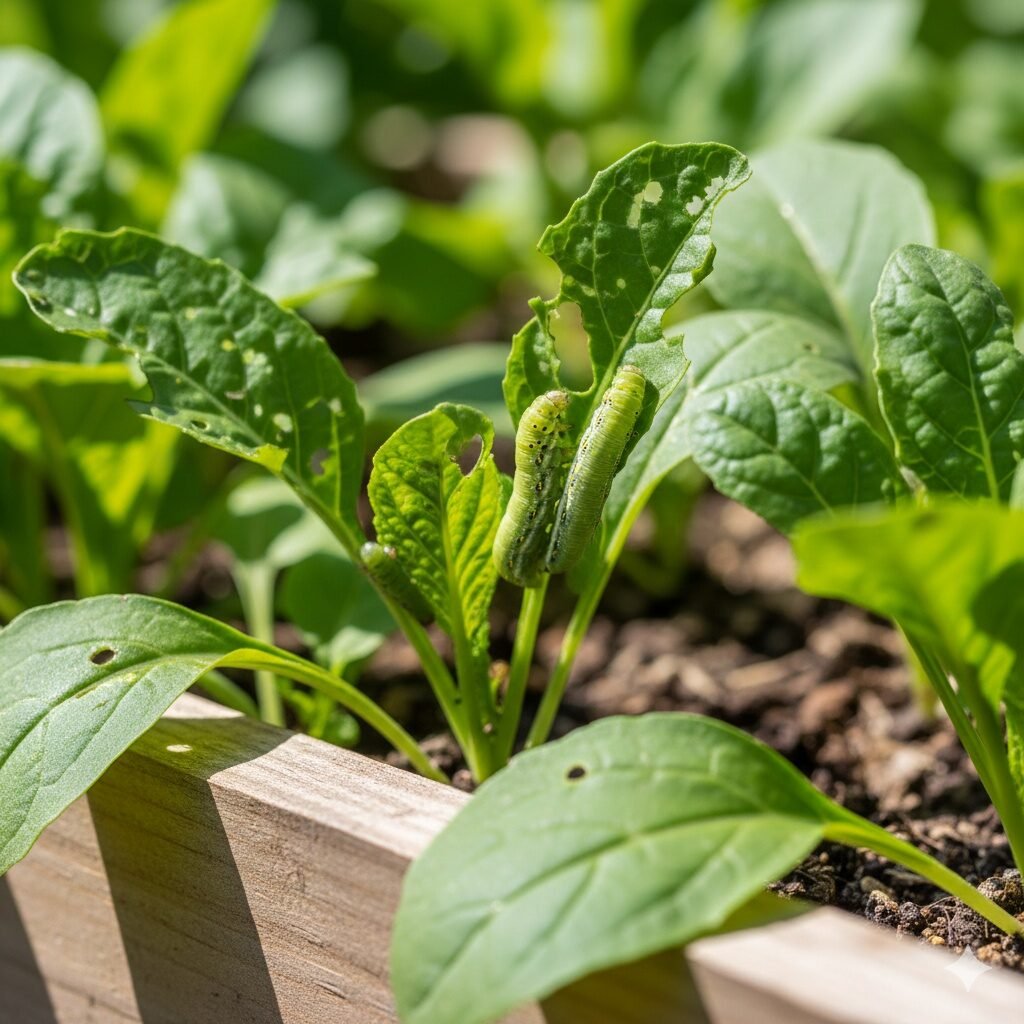
12. Letting Pests Sneak Up on You
Lots of people assume raised beds magically stop bugs. They don’t. Aphids, slugs, cabbage worms, and beetles love the soft soil and the concentrated plant growth.
Fix:
Inspect leaves often. Hand-pick pests. Sprinkle crushed eggshells or use mesh covers. If you’re asking how to prevent pests in raised beds, the biggest thing is catching them early.

13. Using Fresh Manure by Accident
Fresh manure heats up while it breaks down, and that heat cooks roots. It also releases ammonia that burns seedlings. This is one of the most avoidable beginner mistakes in raised bed gardening.
Fix:
Only use manure that’s been composted for at least six months. It should smell earthy, not sharp.

14. Not Controlling Weeds Early
Raised beds get fewer weeds, but they still show up. And if you let them settle in, they take over faster than people expect because raised beds have soft, easy-to-grow soil.
Fix:
Put down mulch. Keep a small hand fork nearby and pluck weeds when the soil is damp. Tiny weeds are easy. Big weeds are trouble.
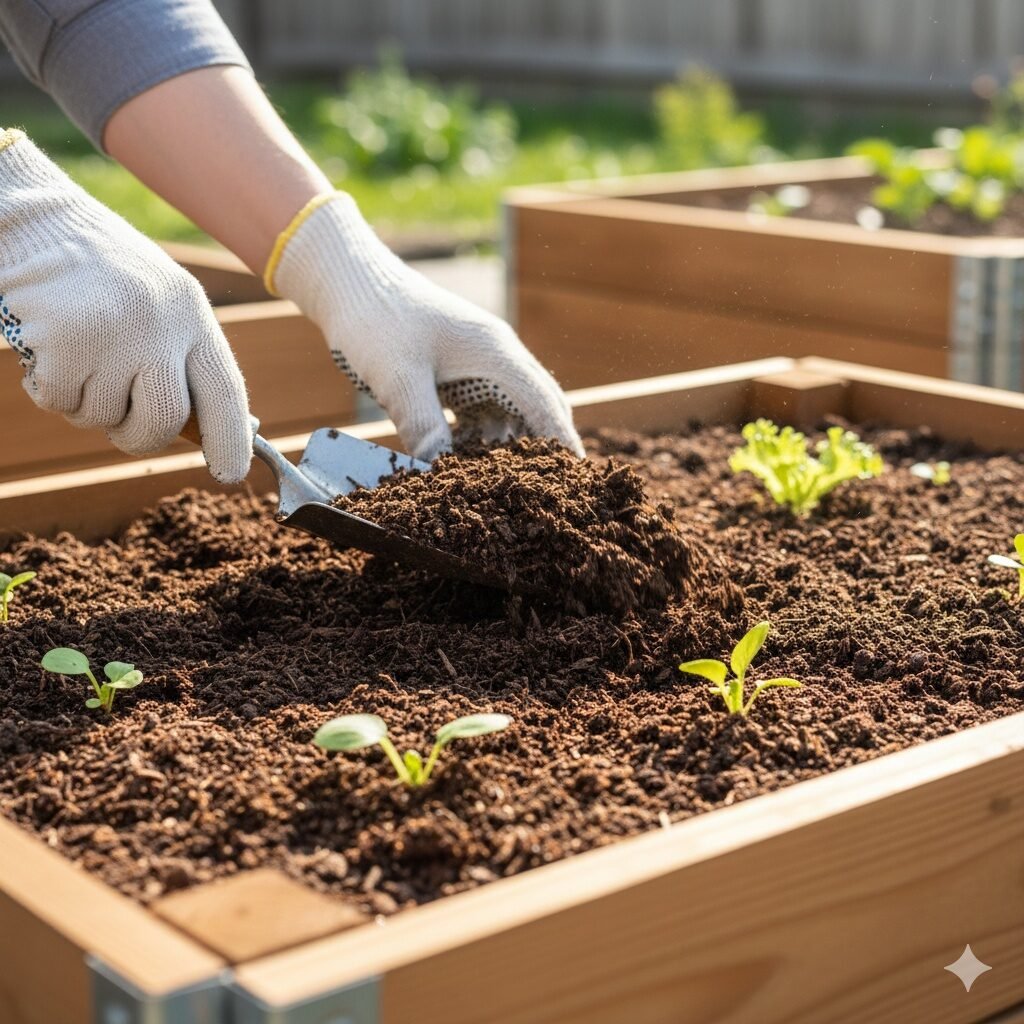
15. Never Refreshing the Soil Between Seasons
This one creeps up slowly. Every year, soil shrinks because compost breaks down. After a few seasons, the bed is half empty and weaker.
Fix:
Add a fresh layer of compost every year. Mix it into the top few inches. This keeps soil alive, keeps nutrients steady, and stops the bed from slumping down into a shallow box.
Mini Troubleshooting Guide
Here are quick answers to common problems people search for:
Why plants aren’t growing in raised beds?
Usually: poor soil, too much water, not enough water, low sunlight, shallow root space, or pests.
Why raised beds fail?
Weak soil, poor drainage, planting too tight, not feeding plants, or forgetting seasonal maintenance.
How to fix poor soil in raised beds?
Add compost. Add organic matter. Add mulch. That’s your whole foundation.
What not to do in a raised bed garden?
Don’t overwater, don’t cram plants, don’t neglect soil, and don’t skip sunlight.
Wrapping Up
So this piece digs into the stuff gardeners typically bump into with raised beds, and it does it in a way that feels a little more like chatting over a fence than reading a textbook. in a way, it’s meant for anyone who’s ever wondered why their beds act up, why the soil feels off, or why certain plants keep giving the silent treatment. it walks through real moments, real fixes, and the kind of raised bed gardening mistakes people don’t talk about until they’ve made them once… or twice. you can pretty much expect straight talk, plenty of practical bits, and a tone that keeps things easy to follow without making the whole thing feel like homework.
I regularly share high-quality articles from other trusted sources to give my readers broader insights. Here’s a great one from Epic Gardening that you might enjoy: “15 Benefits of Raised Bed Gardening.”
First, this little video you’re about to see pretty much walks through a bunch of raised bed slip-ups that gardeners usually hit sooner or later, and it does it in a way that feels pretty easy to follow, even if you’re still figuring things out a bit. it’s almost like having someone point out the small stuff you don’t notice until your plants start giving you that quiet, confused look. anyway, it fits right into everything we’ve been talking about here, so it’s a nice add-on if you want a visual rundown of those raised bed gardening mistakes people make without even realizing it.







Pingback: 12 Best Drought-Tolerant Plants for Raised Garden Beds
Pingback: Metal vs Wood Raised Garden Beds: Which Is Better?